Skip to content
    • About

SOCIAL PERSPECTIVES

  • “Beyond the Minority Shield: Rethinking Education and Identity in a Secular India”

    November 13th, 2024

    Cultural Kaleidoscope Collision: Supreme Court’s Verdict Sets Off Minority Maelstrom in Education
    The recent Supreme Court judgment on the governance of minority institutions has ignited an impassioned dialogue across India—a nation that celebrates its secularism and democratic ethos as core principles. Even as the country marks over 75 years since gaining independence, it grapples with the complex question of what it truly means to be a minority in this vibrant, multi-layered society. The court ruling, which asserts that minority institutions need not be exclusively governed by members of the minority communities they serve, reverberates deeply within the perpetual context of communal turbulence and socio-political fluctuations that India faces.

    The inception of minority institutions can be traced back to the turbulent post-colonial era—a period fraught with communal tensions, violence, and societal upheaval. These institutions were conceived as sanctuaries, providing refuge to historically marginalized communities that sought to preserve their cultural tapestries and rich traditions. Fast-forward to the present day, and we find a world that has drastically evolved, prompting radical transformations in India’s socio-economic fabric. This evolution stirs the question: should these institutions persist under their minority cloak, or is it time to reassess their significance and redefine their role in contemporary society?

    Taking a closer look at the demographic landscape reveals a compelling narrative. Muslims form the second-largest minority in the country, followed by Christians, Parsis, and others. While cultural preservation is imperative, there is now an undeniable urgency to educate minority youth to not only meet but exceed global standards. The government bears a significant responsibility to equip these young individuals from minority backgrounds with the tools necessary to thrive in an increasingly competitive world. The tension between tradition and modernity looms large: should minority institutions prioritize cultural continuity even if it impinges on broader educational goals?

    Consider Saint Stephen’s College at Delhi University, a quintessential minority institution renowned for cultivating some of India’s brightest policymakers and administrators. These institutions have flourished under the minority status umbrella, but it is necessary to challenge whether such a status holds merit in today’s world. The Supreme Court’s verdict hints at a need for re-evaluation, prompting us to rethink the vitality of the minority label. Could these institutions, known for their stellar performances, potentially thrive even more under an inclusive framework that amplifies benefits for all students, irrespective of their backgrounds?

    Institutions like Aligarh Muslim University bring another dimension to this discussion, unveiling a deeper quandary regarding certain population segments’ insecurities about identity and societal roles. Persisting deliberations, decades after independence, question the efficacy of initial protections. Are these safeguards relics of a bygone era, or do they now hinder integration and societal progress?
    The Supreme Court’s widened interpretation of Article 30 of the Constitution could, in essence, open the doors of today’s minority institutions to a broader community. The ruling posits that while minorities hold the right to establish educational sites, their governance need not be wound tight within community constraints. This broader viewpoint may pave the way for a more inclusive educational ecosystem, where a diverse tapestry of perspectives enriches the learning experience. However, it concurrently raises concerns about eroding the distinct cultural identities these institutions were established to protect.

    In delving deeper into this profound issue, it is crucial to acknowledge education’s formidable role in shaping collective identity. The real challenge lies in harmonizing cultural preservation with the pressing necessity of providing an education that prepares students for a globalized world. While understanding the historical roots of communal antagonism and the subsequent establishment of minority institutions is essential, it is imperative to reconsider whether these historical reasons remain valid today.
    Moreover, minority institutions have traditionally enjoyed certain privileges, particularly regarding admissions and funding. This leads to a pressing question: do these privileges still serve their original purpose, or have they become instruments that inadvertently sustain division? In the context of contemporary society, a shift towards merit-based education and equal opportunity might serve as a more just approach.

    This recent Supreme Court verdict signifies an inflection point, challenging us to reassess the narrative surrounding minority institutions in a modern, secular India. Reflecting on the past 75 years, it is clear that the socio-political landscape has evolved significantly. Now is the time to cultivate an educational paradigm that emphasizes inclusivity, diversity, and excellence, unencumbered by the constraints of a minority ethos.
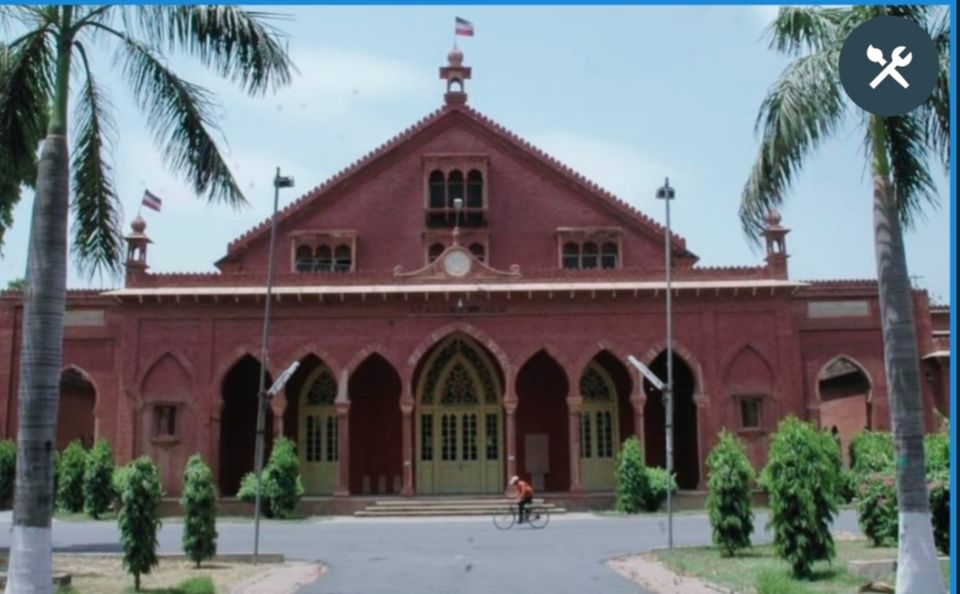
    Ultimately, the ruling represents a watershed moment in the ongoing dialogue about Indian minority institutions. As we celebrate our 75th anniversary of independence, it is vital to acknowledge that while cultural preservation holds value, equipping our youth with suitable educational opportunities should take precedence. The essence of a secular democracy lies in its ability to adapt, ensuring quality education and expansive opportunities for all citizens. Now is the moment to move beyond minority labels and chart a course toward an education system that embraces diversity while fostering the unity essential for our shared pursuit of knowledge and progress.

    visit arjasrikanth.in for more insights

  • “Justice Unbound: Chief Justice Chandrachud’s Radical Blueprint for a New India”

    November 12th, 2024

    Redefining Rights and Breaking Barriers—Inside Chandrachud’s Era of Judicial Transformation, from Privacy to Equality

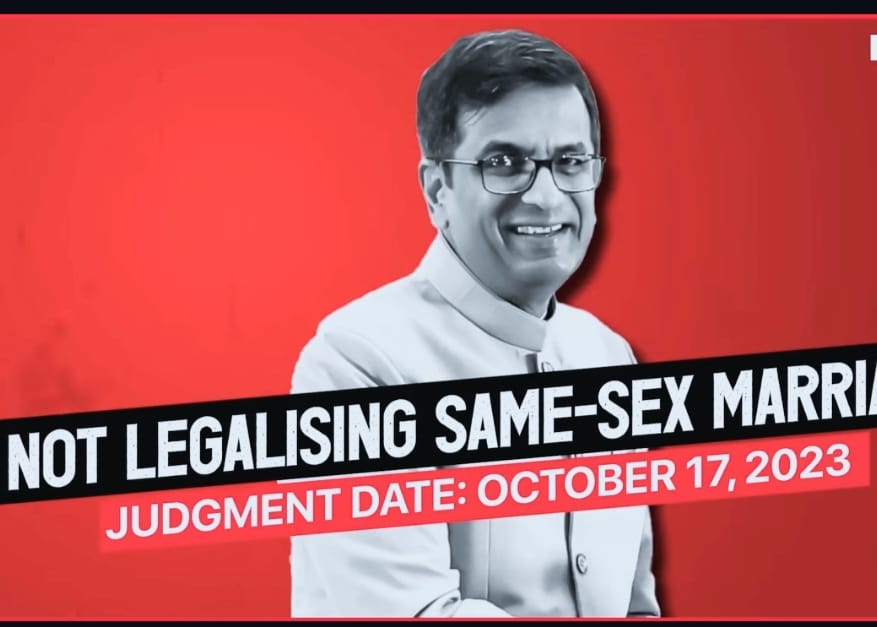
    Chief Justice D.Y. Chandrachud’s tenure stands as a defining era in India’s judicial history, marked by rulings that resonated far beyond courtroom walls, embracing a vision that made the judiciary an agent of social transformation. His legacy is characterized not just by landmark judgments but by an unwavering commitment to human dignity, inclusivity, and transparency. From his early days in the Bombay High Court to his tenure in the Supreme Court, Chandrachud displayed a profound understanding of the law as a living document, adapting to societal shifts and becoming a facilitator of dialogue on pressing social issues. His retirement closes a chapter where the judiciary evolved from a body of law interpreters to a force championing the values and promises enshrined in India’s Constitution.

    In his years on the bench, Chandrachud authored judgments that expanded the scope of individual rights and civil liberties, with landmark cases that redefined the contours of justice in modern India. His ruling on privacy as a fundamental right strengthened personal freedom in an era dominated by digital surveillance, offering citizens a renewed assurance of autonomy in their personal lives. Similarly, his historic ruling decriminalizing homosexuality represented a bold stance on equality and inclusion, rectifying years of injustice against LGBTQ+ communities. Each judgment under his leadership went beyond the confines of the law, fostering societal conversations on the very essence of freedom and democracy in India. Chandrachud emphasized that a judge’s influence is not merely in the number of cases resolved, but in the societal shifts these rulings inspire, reinforcing the judiciary’s role in not only interpreting but upholding the Constitution’s promises for every citizen.

    In his reflections, Chief Justice Chandrachud frequently discussed the unique pressures that modern-day judges face, particularly in the context of public scrutiny. In today’s digital age, where rulings are dissected across media platforms and every decision is intensely scrutinized, judges operate under a spotlight that was previously unknown. Social media has amplified this pressure, adding a new dimension to judicial accountability, and judges must now carefully balance constitutional obligations with an ever-watchful public gaze. Chandrachud acknowledged this challenge, stressing that while public sentiment is significant, a judge’s primary responsibility lies in upholding constitutional principles without fear or favour. Navigating this tension, especially in politically sensitive cases, represents one of the judiciary’s most formidable tasks in an era where the line between public opinion and judicial independence grows increasingly fine.

    Under Chandrachud’s leadership, the judiciary evolved into more than a body for legal resolutions; it became a forum for democratic dialogue. He envisioned the judiciary as a platform where diverse social conflicts could be addressed respectfully, fostering an environment for understanding amid growing societal polarization. His leadership encouraged the judiciary to serve as a mediator, not merely a final authority, in resolving divisive issues. This vision extended to making judicial proceedings accessible to the public, a move aimed at demystifying the judiciary and bringing transparency to its workings. Chandrachud’s commitment to openness, however, also exposed the judiciary to unprecedented levels of public critique, reflecting the delicate balance between public engagement and the sanctity of judicial autonomy.

    Chief Justice Chandrachud’s tenure also underscored the judiciary’s expanding role in addressing social issues. He understood that the court’s purview could extend beyond traditional legal boundaries, especially in cases that touched on contemporary concerns like same-sex marriage, abortion rights, and religious freedoms. Rather than shying away from these contentious issues, Chandrachud advocated for judicial courage in addressing them, believing that the judiciary should facilitate a space where these topics can be openly discussed. His support for same-sex marriage, for example, was emblematic of his view that the judiciary should act as a progressive force for social justice, challenging entrenched biases and promoting inclusivity. Through these efforts, Chandrachud reaffirmed the judiciary’s commitment to safeguarding dignity for all, irrespective of background or belief.

    However, Chandrachud’s tenure was not without its challenges. He highlighted the inherent difficulties within India’s judicial system, particularly the inconsistencies between the Supreme Court’s rulings and their implementation in lower courts. This discrepancy often results in unequal access to justice, with the practical application of Supreme Court judgments varying across jurisdictions. To address this issue, Chandrachud called for a unified judicial ethos across all levels, reinforcing the importance of consistent judicial standards. His reflections shed light on the systemic issues within the judiciary, including the high volume of cases and the intense pressures on judges, highlighting the need for reforms that can reduce case backlogs and improve judicial efficiency.

    At the heart of Chandrachud’s judicial philosophy was a steadfast commitment to upholding human dignity. He believed that justice must recognize the inherent worth of every individual, and that the judiciary’s role is to protect this dignity, especially for marginalized and vulnerable communities. His rulings often reflected a sensitivity toward those at society’s fringes, emphasizing that justice should not be a privilege of the powerful but a right accessible to all. In his view, the judiciary’s responsibility is to ensure that every judgment upholds this principle, affirming the idea that a just society is one where the dignity of each person is respected. This focus on human dignity underscores his belief that the judiciary is not just an instrument of law but a guardian of humanity’s fundamental rights and values.

    One of Chandrachud’s enduring contributions was his commitment to preserving judicial independence, an essential pillar of a functioning democracy. He argued that the judiciary must maintain a distinct boundary from the executive branch to ensure unbiased decision-making, free from external pressures. Judicial autonomy, he insisted, is critical to upholding public trust in the legal system and safeguarding the judiciary’s integrity. In an era where political influence can easily encroach upon judicial affairs, Chandrachud’s emphasis on independence serves as a powerful reminder of the need to protect the judiciary from any potential conflicts of interest.

    In sum, Chief Justice D.Y. Chandrachud’s tenure has left an indelible mark on India’s judicial landscape, elevating the judiciary as a champion of social justice, inclusivity, and democratic dialogue. His vision for a judiciary rooted in human dignity, committed to fostering societal harmony, and resilient against external pressures has set a high standard for future generations. As the Indian judiciary continues to navigate the complexities of a rapidly changing society, Chandrachud’s principles and insights offer valuable guidance, reaffirming the judiciary’s role as a bastion of impartiality and equity.

    Chandrachud’s legacy is a reminder that justice is not solely a matter of legal interpretation but a profound commitment to shaping a society where dignity, inclusivity, and respect for constitutional values prevail. His philosophy and leadership have laid a foundation that will inspire judges to continue the pursuit of a just, compassionate, and inclusive India. The journey ahead is challenging, yet with Chandrachud’s guiding ideals, the judiciary is well-positioned to uphold its role as a steadfast guardian of justice and equality for all.

    Visit arjasrikanth.in for more insights

  • “From Cash to Code: India’s $10 Trillion Digital Revolution”

    November 11th, 2024

    Swipe, Click, Thrive: The Electrifying Surge of India’s Digital Payment Ecosystem!”

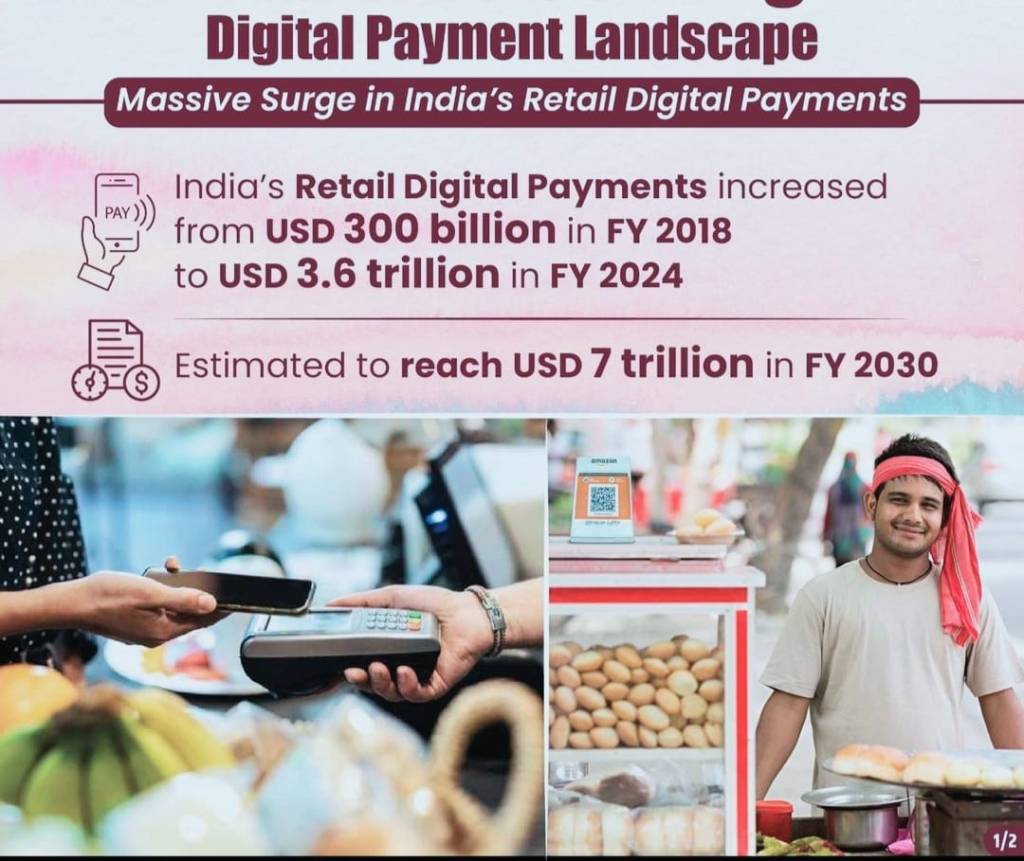
    India’s financial transaction landscape is undergoing a remarkable transformation, with the digital payments ecosystem poised to nearly triple in value, surging from $3 trillion today to a projected $10 trillion by 2026. This significant growth is reshaping the economy and revolutionizing how Indians engage in financial transactions, with the rapid adoption of digital payments across the country playing a pivotal role. At the core of this transformation is the explosive growth in merchant payments, which are expected to see substantial digitization over the next five years. The shift from cash to digital transactions is one of the most significant financial revolutions in the country’s history, influencing every sector of society.

    Historically, India has been a cash-dependent society, with physical currency being deeply embedded in everyday life. Small businesses and individuals often relied on the tangible security that cash provided. This was reflected in common sayings like “In God we trust; all others pay cash,” which encapsulated the inherent trust people placed in physical currency. For decades, this attitude dominated financial transactions. However, the last decade has seen a significant acceleration in the shift towards digital payments, particularly over the past five years. This transformation has been further accelerated by the COVID-19 pandemic, which necessitated contactless, digital solutions as a safer and more convenient alternative to traditional cash payments.

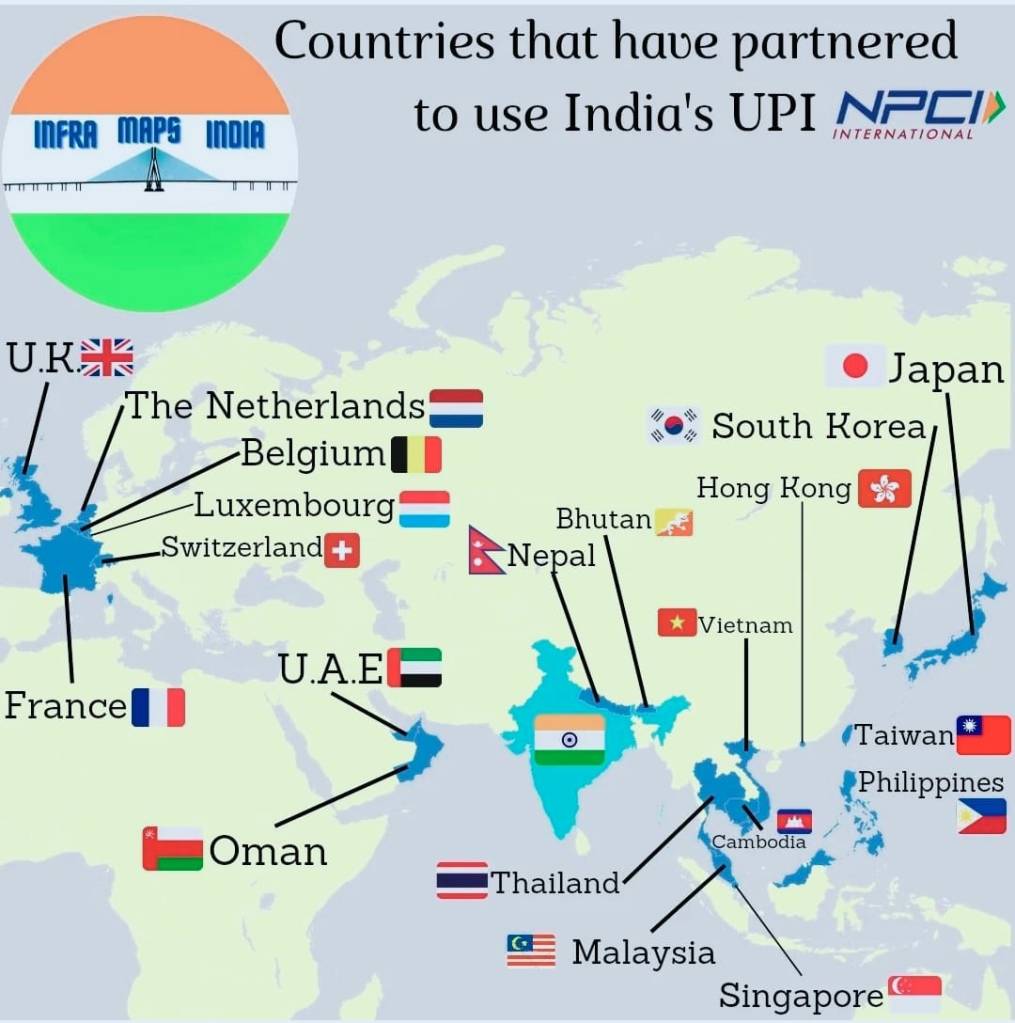
    Several factors are driving this shift towards digital payments in India. One of the primary drivers is the proliferation of smartphones, combined with affordable data plans that have democratized internet access across the country. The introduction of the Unified Payments Interface (UPI), a ground-breaking digital payments platform, has further fuelled this transformation by making transactions fast, convenient, and accessible for everyday use, particularly for low-value payments. UPI has revolutionized how millions of Indians interact with money, making digital payments the preferred method of transaction for a large portion of the population.

    The impact of this digital wave is being felt across India, from urban centres to the most remote regions. Digital payments have permeated even the farthest reaches of the country, with particularly high penetration in southern states. Interestingly, Tier 3 to Tier 6 cities now account for 60% to 70% of India’s digital customer base, illustrating the inclusivity and reach of digital payments. This geographic expansion is not only bridging the urban-rural divide but also extending financial services to populations that were previously underserved by traditional banking systems.

    A standout factor in this digital revolution is the rapid adoption of digital payments among offline merchants. QR codes for UPI transactions have become ubiquitous, available in small towns, villages, and shops across India. The pandemic not only accelerated consumer adoption of digital payments but also pushed merchants to recognize the benefits of these systems. The convenience and safety of digital payments have made them a preferred choice, resulting in merchant payments growing at a faster rate than peer-to-peer (P2P) transactions. The increasing digitization of merchant payments is expected to be a critical driver in pushing India’s digital payments ecosystem to the projected $10 trillion by 2026.

    Traditionally, only about 18% of consumption expenditure in India was conducted through non-cash instruments. Today, that figure has doubled to approximately 40%, with two out of every five transactions taking place through digital channels. This shift marks a significant change in consumer behavior, signalling a broader movement towards a digital-first economy. In the next two years, this figure is expected to rise to 65%, further underscoring the profound impact digital payments are having on the Indian economy.

    Offline merchant payments, historically dominated by cash, are expected to be the primary force driving this shift. While P2P payments will continue to grow, the digitization of merchant transactions will play a more significant role in the leap from $3 trillion to $10 trillion in digital payments. This shift highlights the importance of empowering merchants to embrace digital platforms and capitalize on the benefits of going cashless, including ease of use, reduced transaction costs, and improved security.

    The evolution of India’s digital payments ecosystem underscores the power of public-private partnerships. The expansion of banking services, the widespread penetration of smartphones, and the availability of reliable internet connectivity have been critical enablers of this transformation. These partnerships have laid the groundwork for the scalable growth of digital payments, with investments from both government and private entities driving the necessary infrastructure development.

    Three foundational elements are driving India’s digital payment revolution. First, accessibility: without affordable and reliable internet access, regions with low connectivity would be unable to participate fully in the digital movement. The spread of 4G networks and the increasing availability of low-cost smartphones have been essential in bridging this gap. Second, a robust payments infrastructure is critical. Significant investments by banks, technology providers, and payment networks have ensured seamless payment experiences across platforms. Third, product innovation is vital. Technologies like UPI Lite and the account aggregator framework are democratizing access to financial services, promising to be as transformative as UPI has been for payments.

    Despite the rapid adoption of digital payments, building trust remains a key challenge. For many Indians, particularly those in rural areas, the transition from cash to digital payments raises concerns about security. Fraud prevention, transparent data privacy policies, and efficient dispute resolution mechanisms will be essential in maintaining consumer confidence. Regulatory authorities have already taken steps to improve security, such as mandating the tokenization of card details. Innovations like real-time monitoring and biometric authentication further enhance safety, preventing unauthorized access and fostering trust among users.

    Merchants, especially small and micro-entrepreneurs, have traditionally favoured cash transactions due to their simplicity and perceived safety. Convincing them to adopt digital payment solutions requires addressing their concerns about security, convenience, and the benefits of going cashless. Government policies, such as the Goods and Services Tax (GST), have encouraged more small merchants to formalize their businesses, pushing them towards compliance with digital payment systems. Affordable QR code-based payment systems have also reduced barriers for merchants, making it easier for them to accept digital payments.

    In the coming years, the number of merchants using digital payment platforms is expected to rise significantly, growing from 30 million today to between 40 and 45 million. Raising awareness of the hidden costs associated with cash management, along with demonstrating the advantages of digital payments, will be key to driving more merchants towards non-cash solutions. Additionally, integrated offerings like inventory management tools and streamlined reconciliation systems will serve as further incentives for merchants to adopt digital platforms.

    India’s digital payment ecosystem is on the verge of extraordinary growth, with the potential to reach $10 trillion by 2026. The shift from a cash-centric to a digital-first economy represents not only a technological advancement but also a fundamental transformation in how India conducts financial transactions. Supported by expanding technological access, product innovation, and infrastructure investments, digital payments are set to create a more inclusive, efficient, and transparent economy for all.

    Visit arjasrikanth.in for more insights
  • Andhra Pradesh: From Fish Frenzy to Industrial Fiesta—The State That’s Making Waves and Riding High!

    November 10th, 2024

    Andhra Pradesh: The Aquatic Wonderland Ready to Dive into Industrial Stardom

    Andhra Pradesh is undergoing an unprecedented transformation, turning its coastline into an economic powerhouse fuelled by the Blue Economy. Traditionally known for its agricultural productivity, the state has now pivoted to leverage its vast marine and inland water resources to drive a booming aquaculture industry. This shift is nothing short of a revolution, as Andhra Pradesh transitions from being a national leader in fish production to aiming for global recognition in aquaculture and food processing. The state is meticulously positioning itself at the forefront of a global movement toward sustainable and innovation-driven fisheries practices, making it a model for others to follow.

    Stretching 974 kilometres along India’s eastern coast, Andhra Pradesh is home to 555 marine villages. For generations, these coastal communities have relied on fishing as a way of life, but today, they are seeing an economic surge like never before. Both government and private players are pooling their efforts to develop the fisheries sector into an industrial ecosystem, one that integrates traditional practices with cutting-edge technologies. This ambitious effort is part of a larger vision—the creation of a Blue Economy that capitalizes on the state’s natural aquatic resources to boost its economic growth.

    One of the state’s most bold initiatives is the development of port and fishing infrastructure along its vast coastline. Andhra Pradesh is planning to construct ports, fish landing centres, and fishing harbours at regular intervals—every 50 kilometres, to be precise. These developments are being backed by significant investments in several key locations, such as Machilipatnam, Uppada, and Vodarevu, with costs running into hundreds of crores. The result? More than 179,000 new jobs across these various facilities, providing livelihoods for thousands of families while modernizing the sector to increase efficiency and profitability.

    Beyond port infrastructure, the state has made significant strides in modernization. For example, the Pulicat pond has been upgraded with an investment of nearly ₹94.75 crores, while 70 aqua hubs and 1,400 retail stores have been established to improve the supply chain. These efforts aim to boost fish production by an impressive 7.5 lakh tons, generating an estimated ₹18,000 crore in GDP. These figures are not merely economic statistics; they represent a massive leap in the living standards and opportunities for the state’s coastal communities.

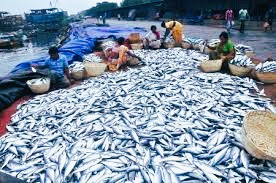
    Andhra Pradesh’s inland water resources also play a pivotal role in its aquaculture boom. With an abundance of rivers, reservoirs, lakes, and ponds, the state is ideally suited for large-scale aquaculture activities. Already the national leader in fish production, Andhra Pradesh continues to scale new heights. In 2017-18 alone, the state produced 34.49 lakh metric tons of fish, growing at an annual rate of 19%. This kind of growth is not just an economic boon; it plays a crucial role in the state’s Gross State Domestic Product (GSDP), contributing a notable 7.40%. This level of economic contribution places the fisheries and aquaculture sector as one of the pillars of Andhra Pradesh’s economy.

    The state’s rapid growth in fisheries can be attributed to its strategic planning and visionary policies. The state’s Gross Value Addition (GVA) from fisheries rose dramatically from ₹17,621 crores in 2014-15 to an astounding ₹50,000 crores in recent years. This meteoric rise was no accident—it’s the result of forward-thinking policies that focus on sustainable growth, innovation, and investment in infrastructure. By fostering an environment where new technologies and private investments can flourish, Andhra Pradesh is creating a template for long-term, scalable success.

    A crucial element in the state’s success has been its emphasis on technological innovations. Andhra Pradesh has adopted advanced technologies like bio floc farming, which dramatically increases the density of fish production while minimizing its environmental impact. In addition, on-farm demonstrations are being used to teach fish farmers about new technologies and best practices. These demonstrations are helping to modernize the industry, ensuring that the benefits of the Blue Economy are both sustainable and long-lasting.

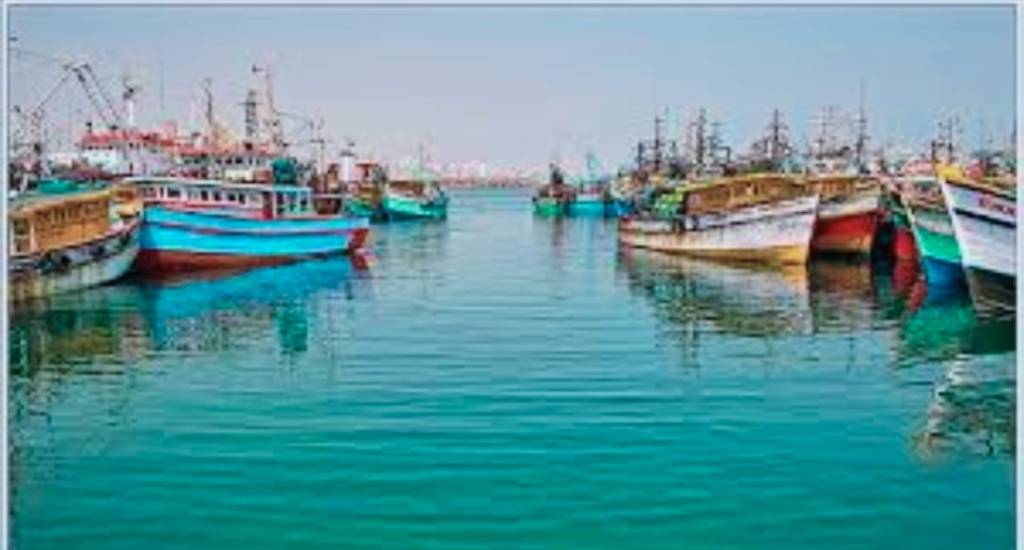
    The infrastructure supporting Andhra Pradesh’s fisheries sector is world-class. Over 31,000 fishing crafts ply the state’s waters, and they are supported by a robust network of 350 landing centres, 65 cold storage facilities, and 64 processing plants. This infrastructure ensures that fish caught along Andhra Pradesh’s coastline reach markets in the freshest possible condition, whether those markets are within India or abroad. With such comprehensive logistical support, the state is poised to further extend its dominance in the global seafood market.

    The numbers speak for themselves. Between 2018-19 and 2022-23, fish production in Andhra Pradesh skyrocketed from 39.91 lakh metric tons to 51.06 lakh metric tons. Additionally, the area dedicated to aquaculture increased from 1.96 lakh hectares to 2.09 lakh hectares, reflecting the state’s aggressive expansion strategy. These figures not only highlight the growth but also the commitment to making the fisheries sector a sustainable long-term contributor to the state’s economy.

    With a 40.9% contribution to India’s total fish output, Andhra Pradesh stands as the undisputed leader in the country’s fisheries sector. The state’s contribution far surpasses that of other states like West Bengal, Odisha, and Bihar, making it the “crown jewel” of India’s fisheries industry. And the state isn’t content with national dominance—it has its sights set on becoming a global leader. The ongoing expansion and investment in the sector will only solidify this position further, making Andhra Pradesh a key player in the international aquaculture market.

    To bolster its aquaculture and food processing industries, Andhra Pradesh is establishing 100 industrial parks, each covering 100 acres, dedicated to fisheries, food processing, and horticulture. These parks will serve as innovation hubs, creating jobs, fostering research and development, and revitalizing rural economies. By promoting public-private partnerships, the state ensures that these industrial parks not only benefit large corporations but also local farmers, fishermen, and small business owners.

    A shining example of this strategy is the revitalization of the Mallavalli Industrial Park in Vijayawada. Once plagued by mismanagement, the park is now undergoing a renaissance. Infrastructure is being upgraded, businesses are being incentivized with tax breaks, and local workers are being trained in modern food processing techniques. The state government’s commitment to transforming Mallavalli into a centre of excellence in food processing and aquaculture is symbolic of its broader mission to modernize and expand its industrial base.

    Andhra Pradesh’s investment in its fisheries infrastructure doesn’t stop at Mallavalli. Plans are in place to restore and upgrade 53 additional industrial parks across the state, each of which will focus on different aspects of the Blue Economy. By improving infrastructure, enhancing skill development programs, and fostering public-private partnerships, these parks will become engines of economic growth. Importantly, they will also act as incubators for new ideas and technologies that will shape the future of aquaculture.

    The state’s strategic location is another key advantage. Positioned along India’s eastern coast, Andhra Pradesh has easy access to international markets in Asia, Europe, and the Middle East. The state’s well-connected network of ports, highways, and airports facilitates efficient transportation and distribution of its aquaculture products. To further capitalize on this, the state government has launched the “Food Processing Hub” scheme, offering a range of incentives for companies that set up operations in Andhra Pradesh.

    Sustainability is another cornerstone of the state’s strategy. Recognizing the potential environmental impacts of large-scale aquaculture, Andhra Pradesh is leading the way in promoting eco-friendly practices. From energy-efficient fish farming techniques to the adoption of renewable energy sources, the state is ensuring that its growth in the sector is both economically viable and environmentally sustainable. By embracing green technologies, Andhra Pradesh is positioning itself as a leader in the global movement toward sustainable aquaculture.

    Quality control is also a top priority. Andhra Pradesh adheres to stringent international standards, ensuring that all seafood products meet the highest levels of quality and safety. The state’s compliance with FSSAI regulations and adherence to Hazard Analysis and Critical Control Points (HACCP) protocols guarantees that its products are safe, healthy, and in demand worldwide. Regular inspections and quality checks ensure that Andhra Pradesh’s seafood is of the highest quality, further enhancing its reputation in the global market.

    Skill development plays a vital role in sustaining the state’s growth in aquaculture and food processing. The Andhra Pradesh State Skill Development Corporation (APSSDC) is spearheading efforts to train workers in the latest aquaculture techniques, quality control measures, and food safety protocols. This focus on workforce development ensures that the state’s rapid industrialization is supported by a skilled labour force, making Andhra Pradesh even more attractive to investors.

    Perhaps one of the most significant aspects of Andhra Pradesh’s strategy is its emphasis on community engagement. The state government actively involves local communities in the planning and development of industrial parks, ensuring that their concerns are addressed and that they benefit from the growth. Workshops, social welfare schemes, and community centres foster a sense of ownership among residents, making the Blue Economy not just a government initiative, but a community-driven movement.

    In conclusion, Andhra Pradesh is not merely growing its aquaculture industry—it is redefining it. By embracing modern technologies, prioritizing sustainability, and creating an enabling environment for innovation, the state is positioning itself as a global leader in aquaculture and food processing. The Blue Economy is set to become one of the most powerful engines driving Andhra Pradesh’s economic growth, and the benefits will be felt not only by the state’s coastal communities but by the world at large. This revolution is not just about fish production; it’s about building a future where prosperity and sustainability go hand in hand, ensuring that Andhra Pradesh remains a beacon of innovation, resilience, and economic strength for generations to come.

    VISIT ARJASRIKANTH.IN FOR MORE INSIGHTS

  • “Waves of Ambition: Vizhinjam Port – Adani’s Daring Bet on India’s Maritime Future”

    November 10th, 2024

    “From Coastal Dreams to Global Streams – The Unwavering Vision Fuelling Adani’s Quest to Anchor India’s Future on the High Seas”

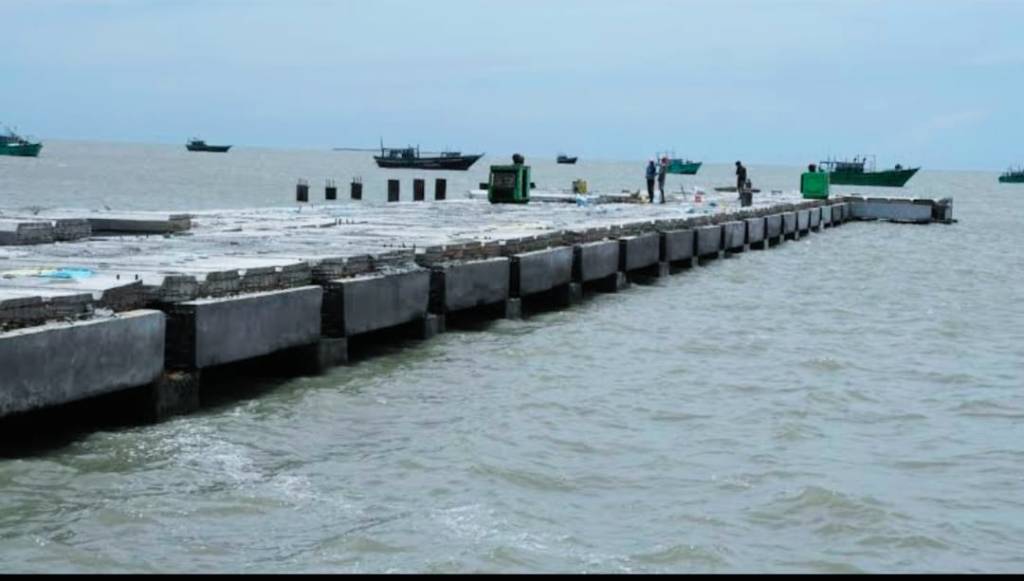
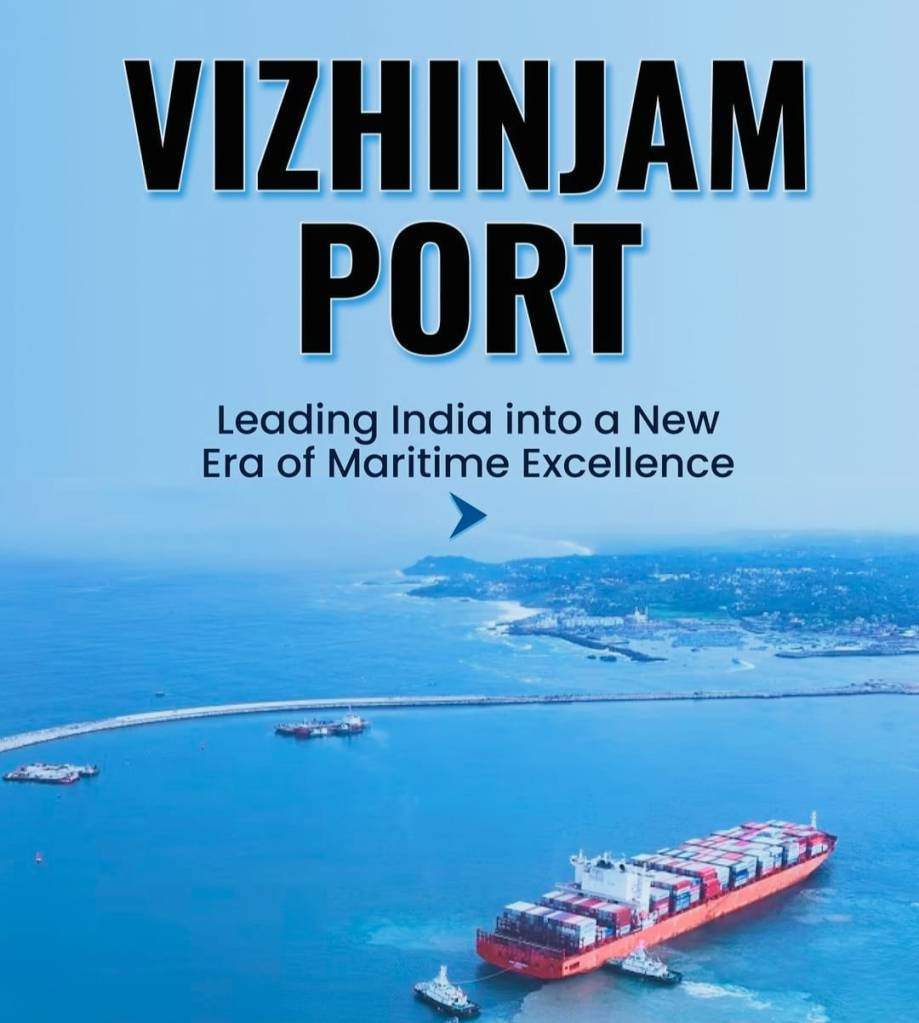
    Few projects embody India’s modern aspirations quite like the Vizhinjam International Seaport, strategically located near Thiruvananthapuram, Kerala. Helmed by Gautam Adani and the Adani Group, this port represents more than mere infrastructure; it is a bold statement of India’s intent to establish itself as a core player in global maritime trade. As one of the nation’s first semi-automated ports, Vizhinjam showcases advanced technologies that align India with the most sophisticated port systems worldwide. Its operational journey has been marked by resilience and dedication from Gautam and Karan Adani, who navigated challenges ranging from environmental concerns to community opposition and operational complexities to bring this ambitious vision to life.

    Vizhinjam’s impact on India’s maritime sector is profound, with the potential to reduce dependency on other international transshipment hubs such as Colombo, Singapore, and Dubai. The port’s partial operationalization in November 2023 marked a significant milestone, setting the stage for India to emerge as a logistical powerhouse in the region. With a vision cantered on elevating India’s role in global trade, the Adani Group has pushed forward with resolute determination, overcoming hurdles with an unshakable commitment to transforming the country’s trade capabilities.

    The port’s strategic design aims to make India more self-reliant in the logistics sector. By establishing a direct transshipment option domestically, Vizhinjam offers Indian exporters and importers a more efficient route, reducing costs and transit times. Vizhinjam is strategically poised as India’s gateway to Asia’s trade corridors, with its location along the East-West shipping corridor granting it unique access to a significant portion of global shipping traffic. This advantage, coupled with the port’s impressive 18-meter natural draft (extendable to 20 meters), allows it to accommodate ultra-large cargo vessels without extensive dredging—a crucial operational and cost-saving feature.

    Environmental sustainability forms a core component of Vizhinjam’s vision. The port’s geographical characteristics, such as low littoral drift and natural sedimentation, reduce dredging needs, minimizing environmental impact while enhancing cost-efficiency. This aligns with the Adani Group’s larger commitment to sustainability, and under Karan Adani’s guidance, Vizhinjam aims to be among the world’s greenest ports by 2028, incorporating renewable energy solutions and sustainable practices.

    Financially, the Adani Group’s investment underscores a significant commitment to the project. Phase 1 of Vizhinjam, with a projected cost of ₹8,600 crore, is just the beginning of a long-term vision. The project’s 39-year concession period reflects the group’s belief in India’s potential to become a critical player in international commerce. By 2024, Vizhinjam is projected to handle over one million TEUs annually, propelling it to the top ranks of South Asia’s transshipment hubs and anchoring India’s influence in global trade.

    Vizhinjam’s transformative potential extends beyond its immediate operational impact, creating economic opportunities across Kerala’s logistics, warehousing, fuel supply, and cargo handling sectors. The port is expected to catalyse substantial job creation, attract investments, and spur socio-economic growth throughout the region. This aligns with the objectives of “Maritime India Vision 2030” and “Maritime Amrit Kaal Vision 2047,” underlining India’s ambitions to become a leading logistics hub and a global trade enabler by mid-century.

    A significant component of Vizhinjam’s operational strategy is its semi-automation, which integrates state-of-the-art machinery and digital systems to streamline port operations. In early trials, the port successfully docked ‘Zhen Hua 15’ in October 2023 and the ‘San Fernando’ container ship shortly afterward, handling over 1,900 containers with impressive speed and accuracy. This semi-automated model accelerates the port’s ability to handle large container volumes efficiently, placing Vizhinjam on par with global leaders in maritime logistics.

    Addressing community concerns has been integral to the Adani Group’s approach. Fishing communities in Kerala have voiced concerns regarding the project’s impact on coastal erosion and their livelihoods. In response, the Adani Group has taken proactive steps to engage with these communities, seeking to balance development with local welfare. This approach highlights the group’s commitment to responsible development that considers the well-being of all stakeholders—a crucial factor in sustaining long-term relationships and garnering community support.

    Vizhinjam’s realization has been anything but straightforward. First proposed over two decades ago, the project encountered numerous delays before the Adani Group took the reins in 2015. Under Gautam Adani’s leadership, the project has navigated a complex landscape of political challenges, environmental concerns, and logistical obstacles. Despite these challenges, the Adani Group has remained steadfast in its pursuit, transforming Vizhinjam into a symbol of India’s resilience and potential in the global maritime industry.

    As Vizhinjam prepares for its official launch on December 3, 2023, it marks a new era in India’s maritime history. The port’s deep-water capacity, cutting-edge technology, and strategic location make it an attractive destination for global shipping lines, setting a benchmark for cargo handling efficiency. Beyond infrastructure, Vizhinjam embodies the Adani Group’s broader vision of India as a global trade leader, aligning with the country’s ambitions for maritime leadership by 2047. By placing Kerala on the logistics map, Vizhinjam not only drives regional growth but also reinforces India’s strategic importance in global trade dynamics.

    Vizhinjam International Seaport is a landmark project with transformative potential for India’s maritime sector. As one of India’s most advanced ports, Vizhinjam will enhance the nation’s competitiveness, creating job opportunities, attracting investment, and advancing regional growth. Statistics underscore this ambition: with an annual handling capacity projected at over one million TEUs by 2024, Vizhinjam positions itself as a South Asian leader in transshipment. Its environmental innovations aim to make it one of the greenest ports globally by 2028. Vizhinjam’s journey reflects a broader narrative of resilience and ambition, illustrating the power of vision and determination in shaping India’s global future in commerce.

    visit arjasrikanth.in for more insights

  • “India’s Farm Loan Waivers: A Blessing, a Curse, or Just Another Vote-Buyer?”

    November 9th, 2024

    “The Farm Loan Fiasco: Political Promises Are Sabotaging India’s Agriculture!”

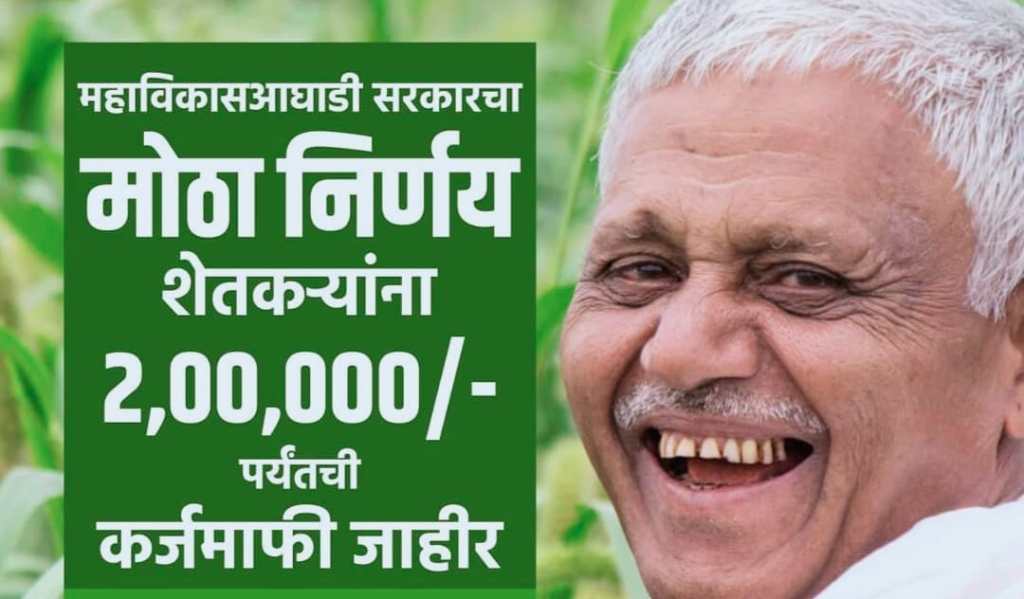
    In a recent political move, the Puducherry government made a partial payment of ₹2 crore to an agriculture cooperative credit society, the first of several instalments to forgive ₹12 crore in farm loans. This gesture is just one chapter in India’s deep-rooted history with farm loan waivers—a practice dating back to the 14th century, when Sultan Muhammad bin Tughlaq offered financial support to struggling farmers. This was furthered by Firoz Shah Tughlaq, who took similar steps amid a famine, marking the beginning of a long tradition of agricultural loans in India.

    Fast forward to modern India, and the cycle of farm loan waivers continues, albeit with a new twist. The first large-scale waiver under the Agricultural and Rural Debt Relief Programme (ADR) in 1990 saw ₹10,000 forgiven per farmer, with nearly ₹7,800 crore distributed. The ADR may have ended, but the practice of waiving farm loans has persisted, especially during election seasons when politicians use this measure as a strategic tool to secure votes. While the central government has waived farm loans only twice post-independence, state governments frequently promise debt forgiveness just before elections, often as a strategy to woo the rural electorate.

    However, this seemingly benevolent approach to alleviating farmers’ struggles is far from straightforward. Despite the goodwill associated with loan waivers, they are often narrowly targeted, benefiting only select groups of farmers—usually small and marginal ones who borrow from specific cooperatives. Once in power, political parties allocate budget funds to reimburse banks and financial institutions, helping them cover the losses from waived loans. But with limited resources, only a portion of needy farmers receive these benefits, leaving others still burdened by debt.

    While farm loan waivers are intended to relieve farmers from rising input costs, poor crop yields, and unpredictable weather, they serve an equally potent political purpose. The effectiveness of these waivers, however, remains questionable. A 2022 report from the State Bank of India (SBI) shows that farm loan waivers have little impact on improving crop productivity, agricultural investments, or wage growth, suggesting that these measures are more about optics than practical benefit.

    The statistics are startling: in multiple states, more than 80% of farm loan waivers target standard loan accounts (loans that are being paid on time) or non-performing assets (NPAs), leaving behind half of the farmers who might benefit the most. Over the last decade, state governments have waived around ₹3 lakh crore in farm loans, constituting a mere 1% of India’s GDP. Yet, due to systemic flaws, only half of the intended beneficiaries receive this assistance.

    Audit reports by the Comptroller and Auditor General (CAG) highlight the issue: roughly 9% of loan waivers go to ineligible recipients, while 14% of eligible farmers miss out. Such gaps reveal a breakdown in the loan distribution process, inadvertently encouraging a risky attitude among farmers who see little incentive to repay debts. The hope for future waivers cultivates a culture of non-repayment, eroding the credibility of the entire agricultural credit system. For those farmers who diligently repay, the cycle of waivers only creates frustration, leading some responsible borrowers to question the necessity of timely payments when waivers appear inevitable.

    As loan repayments diminish, banks experience a surge in non-performing assets. Every time a waiver is announced, loan defaults skyrocket, driving up the NPA figures and placing further stress on financial institutions. Without prompt compensation from the government, these unpaid loans become a financial burden, constraining banks from extending fresh credit to the farmers who need it most.

    Over the past ten years, loan waivers in 18 states have led to agricultural NPAs skyrocketing by 30% to 85%. Public sector banks, such as Union Bank, Central Bank of India, and SBI, report agricultural NPAs close to 25%, while private banks have managed to keep this rate to a healthier 4%. As public banks bear the brunt, they grow increasingly wary of lending to farmers, further depriving the rural economy of essential financial support.

    But the repercussions of these waivers extend beyond the banks. When the government steps in to cover the losses from unpaid farm loans, it is ultimately the taxpayer who shoulders the cost. Funds that could be allocated toward essential services like infrastructure, healthcare, and education are redirected to cover loan waivers, which in turn strain state budgets, leading to deficits. In response, governments borrow more to bridge the gap, infusing excess money into the economy without real growth. The result is inflation, driving up the cost of living and restricting private businesses’ access to affordable credit. Rising interest rates deter investment, hindering economic expansion and limiting job creation in other vital sectors.

    Economists and Reserve Bank of India (RBI) officials have long criticized loan waivers for these reasons. They argue that such waivers disrupt fiscal policy and constrain the RBI’s ability to stabilize the economy. There have even been instances where state ministers, bowing to political pressure, have urged banks to approve loans without assessing credit scores, even stopping recovery agents from collecting debts owed by defaulters. Such moves, driven by political gain rather than economic rationality, further erode the lending culture.

    The question remains: who truly benefits from these farm loan waivers? While they appear to offer relief to farmers, the primary beneficiary often seems to be political parties eager to sway voters. If politicians are genuinely interested in supporting the farming community, they could instead focus on strengthening agricultural research and development (R&D). As of 2023, India’s agricultural R&D investment hovers at a mere 0.4% of GDP, a stark contrast to countries like Brazil and China, which invest around 1.8% and 0.6%, respectively.

    Ramping up R&D investment in agriculture would bring transformative benefits, fostering innovations that improve crop yields, reduce costs, and protect farmers from unpredictable weather. Direct income support for farmers, rather than indirect debt relief, could create more sustainable livelihoods, providing a real economic cushion against adversity.

    But the political appeal of waivers continues to trump these longer-term solutions. Despite repeated evidence of the inefficacy of waivers, politicians persist in dangling this “quick-fix” before election cycles. For the farmers, this cycle of waiver dependency creates false hope and fosters systemic stagnation in the agricultural credit sector.

    In conclusion, India’s recurring farm loan waivers reflect a dual reality. While intended as lifelines for struggling farmers, they often end up serving political interests more than the actual needs of the agricultural sector. If India truly wants to revitalize its farming community, it must shift focus from temporary debt relief to durable investments in agricultural R&D and direct support mechanisms. Only through these sustainable measures can Indian agriculture hope to achieve long-term resilience, food security, and economic stability for the country.

    The recurring cycle of farm loan waivers in India highlights a conflict between short-term political gains and the genuine needs of the farming sector. Although waivers appear to provide immediate relief, they often fail to reach the most vulnerable farmers, undermining the country’s credit culture and draining essential public funds. To create lasting change, India’s focus must shift toward structural solutions like agricultural R&D and direct support for farmers. This shift would empower farmers to become self-reliant, ensuring both food security and a more stable economy. The future of Indian agriculture depends on moving beyond waivers to achieve sustainable progress for farmers and the nation alike.

    Visit arjasrikanth.in for more insights

  • “Trump’s White House Reboot: India’s Gamble in the New ‘America First’ Showdown”

    November 8th, 2024

    “With Trump Back in Charge, India Navigates a High-Stakes Balance of Power, Trade Tensions, and Strategic Alliances in a Shifting Global Order”

    In a remarkable turn of events, Donald Trump has returned to the White House, making history as the first U.S. president in over a century to regain the office after a hiatus. Trump, now the oldest president at 78 and the first with a felony conviction to assume office, secured a win over Democratic nominee Kamala Harris by claiming key battleground states and a decisive popular vote. His triumphant comeback speech in Florida, vowing to “fight for the people with every breath,” has stirred both hope and trepidation globally, as governments and markets brace for the ripple effects on foreign policy and trade.

    For India, Trump’s return heralds a complicated mix of opportunity and risk. Under his earlier administration, India and the U.S. grew closer, particularly as Trump positioned India as a vital partner in counterbalancing China’s growing influence. With the U.S. now India’s largest trade partner, valued at approximately $120 billion in the last fiscal year, the stakes are high for New Delhi. Trump’s inclination towards strategic autonomy and transactional diplomacy means that while India’s geopolitical significance may rise, the nation must tread carefully, balancing cooperation with caution as it seeks favourable terms in an unpredictable landscape.

    The primary area of focus is the Indo-Pacific, where the U.S.-China rivalry continues to intensify. Trump has always viewed China as a strategic adversary, and this stance is likely to persist as he resumes office. His administration has signalled that containing China’s influence in Asia is a top priority, with India playing a pivotal role as a regional ally. The resurgence of the Quadrilateral Security Dialogue (the Quad) involving the U.S., India, Japan, and Australia underscores a shared commitment to maintaining stability in the Asia-Pacific, although working with Trump’s sometimes erratic leadership style will be challenging for these partners.

    Trade relations with India are likely to be a delicate balance of diplomacy and protectionism. Trump’s campaign pledge to impose a sweeping tariff of 10-20% on all imported goods, aiming to bolster U.S. manufacturing, poses a substantial threat to India’s export sector, including textiles, pharmaceuticals, and IT services. In his previous tenure, Trump levied tariffs on Indian goods such as motorcycles and steel, branding India a “tariff king.” While Trump’s rhetoric about taxing imports could disrupt the established trade framework, Indian officials must be prepared to negotiate swiftly to protect vital industries while capitalizing on the potential openings his policies could create in sectors like defense and technology.

    Immigration policies under Trump are also a significant area of concern, particularly given his firm stance on border control and restrictions. His return to office may lead to renewed limitations on H-1B visas, impacting the mobility of skilled Indian professionals and tech workers who contribute substantially to the U.S. economy. Despite India’s strong opposition to illegal immigration, these restrictions have affected many Indians, and the prospect of further tightening could disrupt the flow of talent and raise operational costs for Indian IT giants operating in the U.S. Nonetheless, India has the potential to leverage its high-value contributions to the American workforce as it navigates these issues.

    Trump’s resurgence could also reshape India’s strategic calculations in the Middle East, where the U.S. under Trump has shown a strong pro-Israel bias and a hardline approach to Iran. With India heavily dependent on Middle Eastern oil, any escalation in regional tensions or sanctions could impact its energy supplies and economic stability. Moreover, Trump’s focus on strengthening alliances with Gulf nations, while isolating Iran, might prompt India to recalibrate its diplomatic stance in the region. In this volatile landscape, India’s historically balanced approach with key Middle Eastern players will be crucial as it seeks to maintain its energy security and regional influence.

    On the global stage, Trump’s return amplifies concerns of a growing trend toward protectionism and unilateralism, a stark contrast to the previous administration’s multilateral approach. His “America First” doctrine has historically strained relations with traditional allies, including European nations, who now face renewed threats of high tariffs on goods like cars and steel. European markets have already shown signs of instability, with shares of German automakers dipping in response to Trump’s renewed trade rhetoric. Should the U.S. adopt a blanket protectionist stance, it may prompt retaliatory measures from major economies, potentially igniting a trade war that could upend global markets and disrupt supply chains across industries.

    As Europe mulls its options, post-Brexit Britain finds itself in a precarious position, caught between closer ties with the EU and the allure of a U.S. trade deal. The U.K.’s alignment with the EU on issues like food and agriculture could complicate its dealings with a Trump-led U.S. while offering limited room to maneuver in any potential trade conflict. Britain’s stance as a potential peacemaker in such trade disputes is aspirational but may struggle to gain traction amid escalating tensions.

    India, in contrast, may benefit from the U.S. seeking alternatives to China, particularly in manufacturing, defense, and technology. Trump’s preference for self-sufficiency and disengagement from Beijing could bolster Indian exports in these sectors, as American companies look to diversify their supply chains. India’s rapid growth in digital services and its expanding manufacturing capabilities position it as an attractive partner for the U.S. in its quest to reduce dependence on Chinese products. Nevertheless, India must remain vigilant, as Trump’s tariffs could impact Indian industries dependent on raw materials or parts from global sources, adding complexity to cross-border trade.

    Trump’s pro-crypto stance could open doors for digital asset development, potentially benefiting India’s growing blockchain and cryptocurrency sector. However, India’s regulatory approach to cryptocurrencies remains cautious, and aligning with the U.S. on this issue may require a careful re-evaluation of policies to foster innovation while ensuring financial stability.

    For global geopolitics, Trump’s return signals a broader trend toward transactional diplomacy and a willingness to re-evaluate longstanding alliances. His inclination to withdraw from international commitments in favor of bilateral deals focused on immediate U.S. interests poses challenges for multilateral institutions and may shift power dynamics, especially as nations prioritize self-interest over cooperative agreements. Trump’s promises to swiftly resolve the Ukraine conflict, potentially by reducing U.S. support, raise concerns among European allies, who may face increased pressure to enhance their defense capabilities in his absence.

    Across Africa and the Middle East, nations are closely watching Trump’s approach to aid and foreign policy, wary of a pivot towards an isolationist stance that could affect their economies and security. A U.S. focus on transactional relationships over developmental assistance or climate action may prompt these regions to seek alternative partnerships, possibly with China or Russia, reshaping global alliances.

    Trump’s return to the White House has set the stage for a complex geopolitical landscape, with significant implications for India and global diplomacy. For India, this moment presents both challenges and opportunities. As the U.S. adopts a more assertive stance, India must navigate this shifting terrain, balancing trade relations, strategic partnerships, and economic resilience. Trump’s policies could bolster India’s role in the Indo-Pacific and open doors in technology and defense, yet his unpredictable leadership style demands careful strategy. On the world stage, Trump’s resurgence will likely fuel protectionist policies, strain alliances, and deepen geopolitical divisions, ushering in a new era of economic nationalism. As nations recalibrate their foreign policies, the stakes are higher than ever, and the world watches closely as the Trump era unfolds once again.

    visit arjasrikanth.in for more insights

  • “Maharashtra’s Mega Showdown: Caste Quakes, Welfare Waves, and the High-Stakes Tug-of-War for Power”

    November 7th, 2024

    “From Maratha Uprising to Urban Development Dramas: Maharashtra’s Election Sparks Battles Across Alliances, Identities, and Ideologies”

    As Maharashtra prepares for its assembly elections on November 20, the political atmosphere is electric, with each party striving for dominance amid a complex landscape of caste, class, and community interests. This year’s election is not merely a battle for seats; it is a vigorous clash of ideologies and evolving alliances, addressing long-standing grievances that have long been simmering beneath the surface.

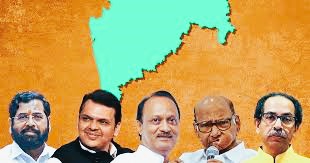
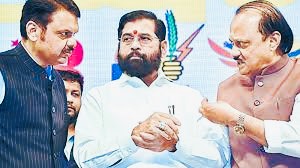
    At the forefront of this political contest is the ruling Mahayuti alliance, a potent coalition led by the Bharatiya Janata Party (BJP), with the support of the Shinde faction of the Shiv Sena and Ajit Pawar’s NCP faction. Opposing them is the Maha Vikas Aghadi (MVA), which includes Uddhav Thackeray’s Shiv Sena, Sharad Pawar’s NCP, and the Congress party. Both coalitions have intensified their campaigns, conducting mass rallies and delivering impassioned speeches from notable leaders like BJP’s Devendra Fadnavis and NCP’s Jayant Patil, each aiming to sway voter sentiment as election day approaches.

    The Maharashtra assembly elections are crucial to India’s democratic framework, comprising 288 seats, with 26 reserved for Scheduled Castes and 13 for Scheduled Tribes. The 2019 election witnessed a turnout of approximately 61.15%, with around 7.28 crore voters participating, underscoring the significance of the upcoming electoral showdown.

    Central to this election is the intricate reality of caste politics, which continues to dominate Maharashtra’s political narrative. The demand for reservations for the Maratha community has emerged as a flashpoint, with Maratha activists vociferously advocating for their cause. This urgency has raised concerns among Other Backward Classes (OBC) groups, who fear their own reservation entitlements may be diluted. At the heart of this debate is activist Manoj Jarange-Patil, whose protests in the Marathwada region have thrust the issue into the limelight. With approximately 46 assembly seats potentially affected by these tensions, the ruling Mahayuti faces the formidable challenge of appeasing the Marathas without alienating the OBCs, both significant voting blocs. How the parties navigate this intricate balance will undoubtedly influence voter turnout and sway undecided voters, which could ultimately determine the election’s outcome.

    In a bid to assert their influence, both alliances have unveiled welfare promises that resonate with Maharashtra’s diverse demographics. Chief Minister Eknath Shinde, seeking to fortify his position, announced a massive ₹1 lakh crore welfare package aimed at benefiting various communities. Key initiatives, such as the “CM Majhi Ladki Bahin” scheme to support economically disadvantaged women and toll tax waivers designed to appeal to urban middle-class voters in Mumbai, exemplify the Mahayuti’s strategic approach to broaden its appeal. In contrast, the MVA has countered with its own welfare initiatives, specifically designed to address the needs of marginalized groups, aiming to redirect attention from the ruling coalition’s agenda. The stakes are exceptionally high, and these competing welfare packages reflect the fierce competition to secure core constituencies while courting undecided segments of Maharashtra’s electorate.

    Beneath this facade of unity, both alliances are grappling with fractured loyalties and splintered allegiances. The MVA hopes to leverage discontent among disillusioned supporters from the Shiv Sena and NCP, channelling it into a “sympathy wave” against what they perceive as the destabilizing influence of the BJP. They argue that voters are frustrated by continuous infighting and blame the BJP for undermining the stability of regional political legacies. This message resonated in the recent Lok Sabha elections, where a significant segment of the electorate exhibited growing skepticism towards the BJP’s governance. Whether this sentiment translates into tangible electoral support remains uncertain, but for the MVA, the stakes are substantial—every vote is critical.

    For the ruling Mahayuti, infrastructure development is presented as a hallmark of their governance success. Projects such as the Navi Mumbai Airport and the redevelopment of Dharavi are highlighted as symbols of growth and progress under their stewardship. However, these initiatives have not escaped criticism, with opposition parties alleging corruption, environmental concerns, and potential displacement of vulnerable communities. This debate over infrastructure could fracture the urban voter base, with supporters of development leaning towards the Mahayuti, while others, wary of transparency and ethics, may gravitate toward the MVA.

    Additionally, the emergence of smaller regional parties and independent candidates adds an unpredictable layer to the electoral contest. Maharashtra’s complex political landscape is notorious for fragmenting votes, and this election is no exception. These minor players could siphon votes from major alliances, potentially enabling unexpected victories in specific constituencies. Historical precedents in states like Haryana illustrate how multi-cornered contests can disrupt opposition unity, compelling both the Mahayuti and MVA to strategize effectively to secure a clear mandate. In a state where voter loyalty is notoriously fickle, even slight shifts in allegiance could dramatically alter the election’s trajectory, favouring the alliance that can build a robust and stable base.

    A significant demographic at the heart of this election is the influential Maratha community, which constitutes approximately 14% of Maharashtra’s population and exerts considerable influence over a fifth of the state’s Lok Sabha seats. Despite the ruling coalition’s attempts to address the Maratha reservation demand, many remain unconvinced, with figures like activist Manoj Patil vocally criticizing politicians for failing to deliver on their promises. His activism resonates strongly in Marathwada, stirring renewed mobilization among the Maratha community. Patil’s pointed critiques of various political figures underline a frustration that could alienate the Mahayuti’s traditional support base, adding another layer of uncertainty to the electoral equation.

    The BJP recognizes the significance of the Maratha vote and has endeavoured to bridge the gap by engaging with community leaders and emphasizing their commitment to addressing longstanding demands. However, scepticism lingers due to previous unfulfilled promises, casting doubts on the sincerity of recent outreach efforts. Should the Marathas, OBCs, and Dalits unite under the MVA’s banner, it could disrupt the Mahayuti’s calculations and pose a serious challenge to the ruling alliance’s campaign.

    The MVA’s strategy focuses on building a broad coalition, aiming to garner support from Marathas, Dalits, and Muslims—communities that many perceive as marginalized by the current administration. By emphasizing socioeconomic issues and advocating for unity, the MVA seeks to replicate its recent Lok Sabha success in the assembly elections. If this coalition strategy proves effective, it could shift the balance in regions marked by economic hardship and disenfranchisement, presenting a formidable counterforce to the Mahayuti’s urban and development-centric agenda.

    Compounding this already intricate scenario are communal considerations. The MVA’s support from Muslim voters has prompted the BJP to employ divisive rhetoric, with allegations of “vote jihad” entering public discourse. Although the Election Commission has attempted to moderate such statements, the polarized rhetoric continues to loom large over the campaign. As both alliances navigate these sensitive issues, the potential for alienating key voter segments adds to the electoral stakes in Maharashtra.

    As Maharashtra approaches what could be one of its most contentious elections, the Maratha Mayhem serves as a critical juncture. This political saga extends beyond mere electoral victory; it reflects a deep-seated need to address enduring social divides, navigate caste dynamics, and acknowledge the frustrations of communities often overlooked in political discourse. As alliances vie for supremacy, each vote carries significant weight, and every community’s voice is vital. The future of Maharashtra hangs in the balance, with the election’s outcome likely to resonate beyond state borders, shaping alliances and policies that will have lasting implications on the national stage.

    Visit arjasrikanth.in for more insights
  • “Inside Iran’s Unbreakable Spirit—A Student’s Bold Protest Reignites Global Discourse on Freedom and Dignity”

    November 6th, 2024

    “Unveiling Defiance: A Silent Stand Against Tehran’s Morality and Dress Code Struggle “

    The recent incident at Tehran’s Islamic Azad University has struck a deep chord in Iranian society and beyond, reigniting the longstanding debate over personal freedoms and state-imposed morality. This discourse, often simmering beneath the surface of Iranian society, burst into the global spotlight when a young Iranian woman, in an audacious act of protest, stripped down to her underwear on campus. This act reportedly followed a heated confrontation with the Basij paramilitary forces—a conservative militia—who allegedly pressured her to adhere to Iran’s strict dress code for women. The incident, unfolding in a country where the hijab remains a symbol of religious and political control, has become a powerful, if brief, emblem of resistance against the limitations imposed on women in Iranian society.

    Activist accounts detail that the situation began when Basij personnel allegedly demanded that the woman adjust her attire to comply with Iran’s mandated dress codes. These regulations, enforced stringently by the country’s morality police, have often sparked tension among citizens, particularly young women seeking greater personal freedom. When the encounter escalated, her headscarf and some clothing were reportedly torn, leaving her feeling trapped, humiliated, and, perhaps most significantly, devoid of control over her own body. Her subsequent choice to remove her remaining clothing, standing defiantly in her underwear, transformed her into an unexpected symbol of defiance, capturing the attention and respect of onlookers and the broader global community. The silent power of her act—unmediated by words—conveyed a profound message of resistance to oppressive norms and the personal toll of enforced conformity.

    The incident, taking place on November 2, quickly gained traction across social media, where videos of the protest went viral. It sparked passionate discussions across Iran and beyond, raising universal questions about individual rights and state authority. In Iran, women’s attire has long served as a battleground where religious, political, and social agendas intersect. This latest incident underscores the often precarious reality faced by Iranian women who must navigate dress codes that subject them to constant scrutiny. Many voices online praised her bold stand, seeing it as emblematic of the courage required to resist such constraints. At the same time, the incident has deepened discourse on the balance between personal freedom and respect for cultural or religious norms in a society marked by its complex history and the coexistence of modern and traditional values.

    Iranian authorities, however, have portrayed the incident in starkly different terms. Seyed Amir Mahjob, a spokesperson for Islamic Azad University, responded publicly, confirming that the woman had been detained and later transferred to a psychiatric facility. This official response—implying that her actions were rooted in psychological distress rather than purposeful protest—has provoked further criticism from rights groups. Many argue that labelling her defiance as a mental health issue seeks to deflect from the larger grievances of Iranian women and invalidate her protest. Organizations like Amnesty International have voiced strong opposition to this treatment, calling for her immediate release and demanding an impartial investigation into alleged abuse and mistreatment by the authorities.

    For many Iranians and international observers, the incident echoes the tragic case of Mahsa Amini, a young woman who died in police custody in 2022 after being detained for allegedly violating the hijab law. Amini’s death sparked nationwide protests, evolving into one of the largest social movements in Iran since the 1979 Islamic Revolution. These demonstrations highlighted widespread discontent with the country’s morality police and their strict enforcement methods, revealing a population increasingly unwilling to tolerate the limitations imposed upon them. Although the government responded to these protests with heavy-handed tactics—including mass arrests and alleged violence—the movement left a lasting impact, strengthening a collective sense of resilience and resistance among Iranian women.

    The young woman’s protest at Islamic Azad University has rekindled that same spirit of defiance, demonstrating that the desire for change remains as potent as ever. For many Iranian women, the enforced hijab is not merely a symbol of tradition; it represents a broader sense of repression, a constant reminder of their limited agency over their own bodies and lives. While some embrace the hijab as an expression of faith and cultural identity, others feel trapped by laws that dictate their appearance and subject them to public scrutiny.

    As images and stories of this protest circulate, the young woman’s act is being seen as both an individual outcry and a broader call for reform. Internationally, her defiance has rallied supporters who argue that mandated dress codes are an infringement on basic human rights, including the right to self-expression and freedom from intimidation. Her stand has resonated deeply, with advocates and public figures alike emphasizing the need for Iran to honor women’s rights and reform its approach to social governance.

    Within Iran, however, views on the hijab remain divided. For some, it represents a deeply-held religious obligation and a foundation for moral integrity in society. Adherents see the hijab as a way to promote modesty and respect, considering it a vital component of Iran’s cultural identity in an era of rapid globalization and change. To others, however, especially younger Iranians, mandatory dress codes have become symbols of an authoritarian regime that restricts personal freedoms and imposes traditional values onto a population increasingly drawn to modern ideals of autonomy.

    As this young woman’s fate remains uncertain, international human rights organizations and diplomatic entities are closely monitoring the situation. Her protest has thrust Iran’s internal struggles into the global arena once again, underscoring the power of global solidarity in supporting human rights. Amnesty International and other organizations have called for greater transparency and accountability, stressing the urgency of reform to prevent further incidents of abuse and repression.

    This incident at Tehran’s Islamic Azad University marks a critical moment in Iran’s evolving narrative of resistance, where the voices for change are becoming harder to silence. As more Iranian women defy the hijab mandate, walking openly in public without headscarves, a clear shift in public sentiment is emerging—one that the morality police may increasingly struggle to control. The young woman’s act of protest, though fleeting, has become a symbol of a broader, shared yearning for freedom and respect.

    In conclusion, her defiant stand has sparked conversations around the world, drawing renewed attention to Iran’s challenging journey between personal freedom, religious mandates, and women’s rights. Her silent protest speaks to the depth of frustration felt by many and embodies a broader struggle for dignity and self-expression. While the nation grapples with a range of perspectives on tradition and modernity, this incident serves as a testament to the unyielding spirit of those who dare to challenge the status quo, calling for a society that respects individual choice and values human dignity.

    Visit arjasrikanth.in for more insights
  • “Lokesh’s US Blitzkrieg: Igniting Andhra Pradesh’s Industrial Renaissance!”

    November 5th, 2024

    “Nara Lokesh’s American Adventure: Sizzling Synergies and Soaring Investments for Andhra Pradesh!”

    In a time of relentless technological change and economic flux, Andhra Pradesh’s IT, Electronics, and Education Minister, Nara Lokesh, launched an audacious week-long mission to the United States. His agenda? To catapult Andhra Pradesh into the spotlight as a powerhouse of innovation, clean energy, and investment. For too long, the state’s industrial sector had languished, its potential untapped. Lokesh’s US tour aimed to reverse this, with an ambitious focus on renewable energy, electric vehicles, and the latest tech. His meetings with the titans of industry were anything but ordinary—they were steps in a calculated plan to turn Andhra Pradesh into a global hub. This is the story of his journey, the responses from industry leaders, and what this US odyssey means for Andhra Pradesh’s future.

    Lokesh’s mission had a clear goal: to propel Andhra Pradesh into the league of global leaders in technology, manufacturing, and renewable energy. The state’s targets are nothing short of bold, with a vision to generate a staggering 72 gigawatts (GW) of renewable energy by 2029. Projects like Bhogapuram International Airport and multiple new ports are already underway, set to turbocharge connectivity and drive economic growth. At every stop, Lokesh’s message resonated—Andhra Pradesh was open for business, ready to forge partnerships, and driven to establish itself as an industrial stronghold. With today’s economies pivoting towards technological innovation, his message was a siren call for global industrialists looking for new investment landscapes.

    In the span of a week, Lokesh’s US itinerary was packed with high-stakes meetings. He met with leaders from over 100 top companies, including tech icons like Microsoft, Tesla, Amazon, and Apple. These interactions weren’t just formalities—they were strategic exchanges that opened doors for long-term, mutually beneficial relationships. Lokesh wasn’t merely courting investment; he was fostering partnerships that could drive sustainable growth in aerospace, defense, logistics, and technology. His charisma and vision found eager listeners among industry giants looking to expand, collaborate, and grow in India’s burgeoning tech landscape.

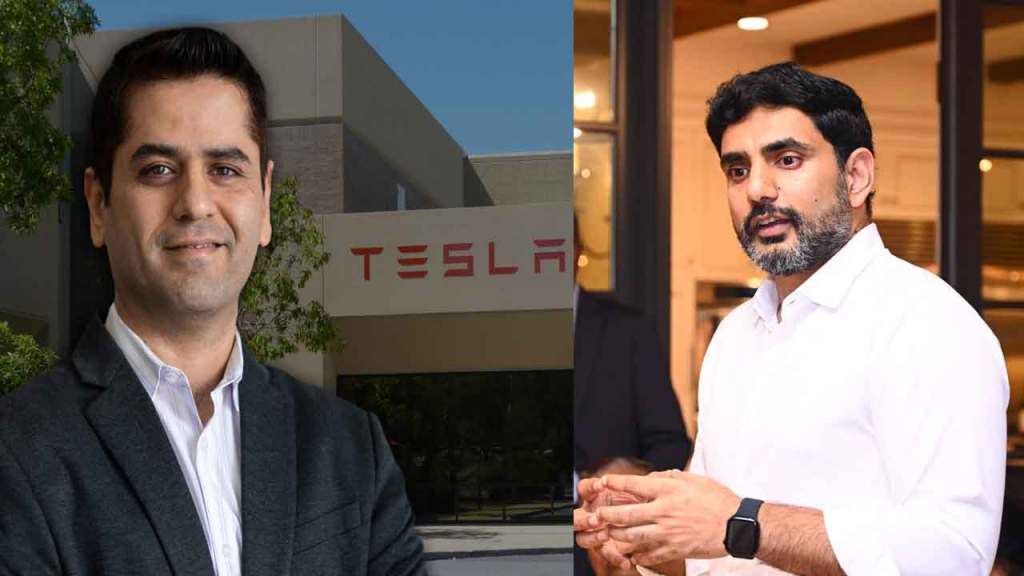
    One of the most significant moments in Lokesh’s journey was his meeting with Tesla’s CFO, Vaibhav Taneja, in Austin. During this discussion, Lokesh advocated for Anantapur as an ideal site for Tesla’s electric vehicle (EV) and battery manufacturing ambitions. The proposal to integrate solar energy storage solutions and establish a vast EV charging network fits seamlessly with Andhra Pradesh’s vision of smart cities and aligns with Tesla’s ethos of sustainability and innovation. This potential collaboration could be a landmark for both Tesla and Andhra Pradesh, creating a fertile environment for cutting-edge advancements.

    Lokesh’s engagement with Microsoft CEO Satya Nadella in Redmond was another high point. Their discussion revolved around using digital governance to catapult Andhra Pradesh into a hub of artificial intelligence (AI) and technology. Lokesh’s invitation to Nadella to visit Andhra Pradesh had a personal touch, as Nadella’s father once served as an IAS officer in the state. This connection deepened a professional bond, setting the stage for a partnership that could drive digital transformation in governance, setting Andhra Pradesh apart as a leader in tech-driven public administration.

    In San Francisco, Lokesh met with Adobe CEO Shantanu Narayen, a trailblazer in digital innovation. Their conversation centered around enhancing digital skills among Andhra Pradesh’s youth, an initiative in line with the state’s goals for e-governance and digital education. Narayen’s enthusiasm for investment in Andhra Pradesh underscored the importance of Lokesh’s strategy to integrate AI and technology into state governance. Lokesh’s efforts weren’t limited to the tech sphere—he sought to attract investments from diverse sectors, reinforcing Andhra Pradesh’s standing as a multi-industry destination.

    In Dallas, Lokesh met with Ross Perot Jr. of the Perot Group to explore partnerships in aerospace, defense, logistics, and real estate. This meeting underscored Andhra Pradesh’s commitment to industrial growth and sectoral diversification, with a clear strategy to attract investment in high-growth industries. Perot’s positive response exemplified the pull of Andhra Pradesh as an investment destination, highlighting the strength of Lokesh’s presentation and the real potential Andhra Pradesh offers.

    Throughout his journey, Lokesh put a spotlight on Andhra Pradesh’s dedication to renewable energy and bio-energy projects. Discussions with global leaders included proposals for investment in bio-fuel ecosystems and drone technology hubs in Kurnool. These dialogues showcased the state’s commitment to innovative and sustainable industrial practices, aligning perfectly with global shifts toward eco-friendly energy sources. Lokesh’s focus on these forward-thinking sectors ensures that Andhra Pradesh not only attracts investments but also plays a significant role in the global sustainability movement.

    Lokesh’s US tour was also a showcase of Andhra Pradesh’s pro-investment policies, including the Ease of Doing Business framework, AI University, and skill census programs. These policies have been crafted to foster an environment where businesses can thrive. His agenda was backed by Chief Minister Chandrababu Naidu and Deputy Chief Minister Pawan Kalyan, who are driving infrastructure and rural development initiatives, setting the stage for Andhra Pradesh to confidently invite global giants. Lokesh’s outreach underscores the state’s readiness to support these enterprises, creating a stable and attractive environment for investment.

    Aware of the crucial role of a skilled workforce, Lokesh unveiled ambitious goals for education and workforce training. These reforms aim to create a talent pool aligned with industry needs, positioning Andhra Pradesh as a state with a young, dynamic workforce ready to meet the demands of evolving global industries. The establishment of new IT hubs and innovation parks is another step toward strengthening Andhra Pradesh’s ecosystem, ensuring it can support high-level business operations and collaborations with ease.

    Infrastructure enhancement is a pivotal component of Lokesh’s vision. The development of Bhogapuram International Airport and coastal ports will increase Andhra Pradesh’s logistical appeal, transforming it into a crucial hub for diverse industries. By promoting these infrastructural projects, Lokesh is positioning Andhra Pradesh as a state that not only welcomes investments but actively supports them with world-class infrastructure. These partnerships with corporations like Tesla and Microsoft are strategic moves that ensure Andhra Pradesh will emerge as a key player on the global industrial stage.

    Lokesh’s US journey was more than just a tour—it was a strategic move to place Andhra Pradesh on the global investment map. By engaging with top leaders across sectors, he effectively highlighted the state’s strengths and its immense potential. Lokesh’s mission reflects a deep commitment to Andhra Pradesh’s future, focusing on sustainable growth and innovation. His success in fostering these partnerships signals a new chapter for Andhra Pradesh, one in which it stands as a formidable force in the global economy.

    Nara Lokesh’s recent US mission underscores Andhra Pradesh’s meteoric rise as an investment destination, capturing global interest in cutting-edge sectors like renewable energy, electric vehicles, and technology. Backed by the infrastructure and rural development initiatives of Chief Minister Chandrababu Naidu and Deputy Chief Minister Pawan Kalyan, Lokesh’s journey shows Andhra Pradesh’s commitment to innovation, growth, and investor confidence. His high-profile meetings reflect the state’s emphasis on sustainable energy, technology, and robust infrastructure, reigniting global interest. Lokesh’s US tour marks a pivotal moment, as Andhra Pradesh’s investor-friendly policies, robust infrastructure, and a strong focus on skill development position the state as a shining beacon of opportunity on the international stage.

    Visit arjasrikanth.in for more insights

←Previous Page

1 … 54 55 56 57 58 … 143
Next Page→

Blog at WordPress.com.


Loading Comments...
 

    • Subscribe Subscribed
      • SOCIAL PERSPECTIVES
      • Join 104 other subscribers
      • Already have a WordPress.com account? Log in now.
      • SOCIAL PERSPECTIVES
      • Subscribe Subscribed
      • Sign up
      • Log in
      • Report this content
      • View site in Reader
      • Manage subscriptions
      • Collapse this bar