
Swipe, Click, Thrive: The Electrifying Surge of India’s Digital Payment Ecosystem!”
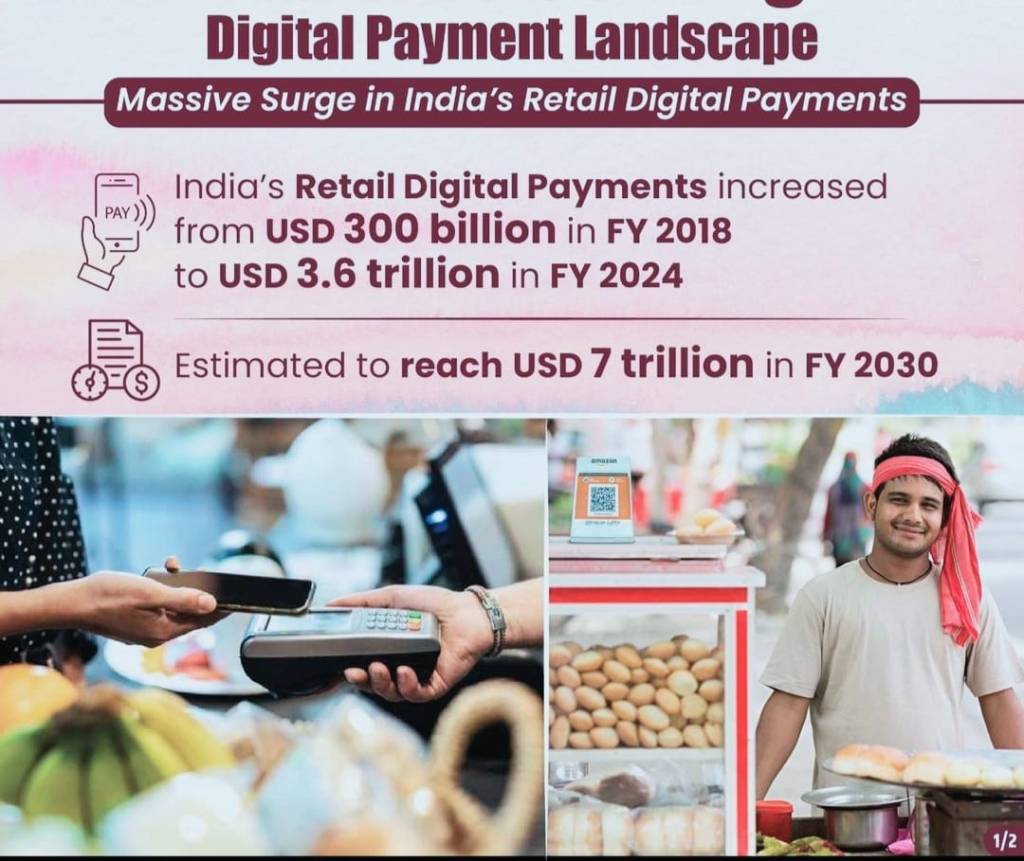
India’s financial transaction landscape is undergoing a remarkable transformation, with the digital payments ecosystem poised to nearly triple in value, surging from $3 trillion today to a projected $10 trillion by 2026. This significant growth is reshaping the economy and revolutionizing how Indians engage in financial transactions, with the rapid adoption of digital payments across the country playing a pivotal role. At the core of this transformation is the explosive growth in merchant payments, which are expected to see substantial digitization over the next five years. The shift from cash to digital transactions is one of the most significant financial revolutions in the country’s history, influencing every sector of society.
Historically, India has been a cash-dependent society, with physical currency being deeply embedded in everyday life. Small businesses and individuals often relied on the tangible security that cash provided. This was reflected in common sayings like “In God we trust; all others pay cash,” which encapsulated the inherent trust people placed in physical currency. For decades, this attitude dominated financial transactions. However, the last decade has seen a significant acceleration in the shift towards digital payments, particularly over the past five years. This transformation has been further accelerated by the COVID-19 pandemic, which necessitated contactless, digital solutions as a safer and more convenient alternative to traditional cash payments.
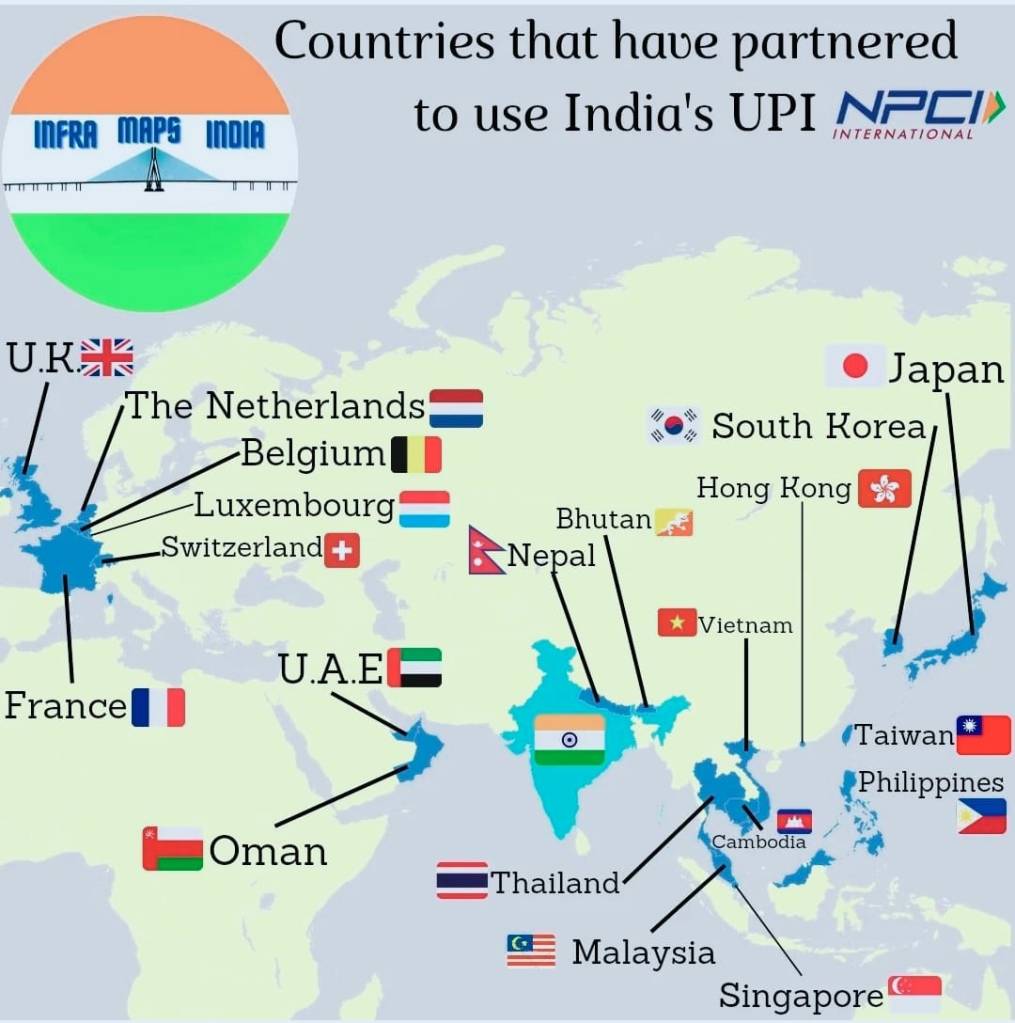
Several factors are driving this shift towards digital payments in India. One of the primary drivers is the proliferation of smartphones, combined with affordable data plans that have democratized internet access across the country. The introduction of the Unified Payments Interface (UPI), a ground-breaking digital payments platform, has further fuelled this transformation by making transactions fast, convenient, and accessible for everyday use, particularly for low-value payments. UPI has revolutionized how millions of Indians interact with money, making digital payments the preferred method of transaction for a large portion of the population.

The impact of this digital wave is being felt across India, from urban centres to the most remote regions. Digital payments have permeated even the farthest reaches of the country, with particularly high penetration in southern states. Interestingly, Tier 3 to Tier 6 cities now account for 60% to 70% of India’s digital customer base, illustrating the inclusivity and reach of digital payments. This geographic expansion is not only bridging the urban-rural divide but also extending financial services to populations that were previously underserved by traditional banking systems.
A standout factor in this digital revolution is the rapid adoption of digital payments among offline merchants. QR codes for UPI transactions have become ubiquitous, available in small towns, villages, and shops across India. The pandemic not only accelerated consumer adoption of digital payments but also pushed merchants to recognize the benefits of these systems. The convenience and safety of digital payments have made them a preferred choice, resulting in merchant payments growing at a faster rate than peer-to-peer (P2P) transactions. The increasing digitization of merchant payments is expected to be a critical driver in pushing India’s digital payments ecosystem to the projected $10 trillion by 2026.
Traditionally, only about 18% of consumption expenditure in India was conducted through non-cash instruments. Today, that figure has doubled to approximately 40%, with two out of every five transactions taking place through digital channels. This shift marks a significant change in consumer behavior, signalling a broader movement towards a digital-first economy. In the next two years, this figure is expected to rise to 65%, further underscoring the profound impact digital payments are having on the Indian economy.
Offline merchant payments, historically dominated by cash, are expected to be the primary force driving this shift. While P2P payments will continue to grow, the digitization of merchant transactions will play a more significant role in the leap from $3 trillion to $10 trillion in digital payments. This shift highlights the importance of empowering merchants to embrace digital platforms and capitalize on the benefits of going cashless, including ease of use, reduced transaction costs, and improved security.
The evolution of India’s digital payments ecosystem underscores the power of public-private partnerships. The expansion of banking services, the widespread penetration of smartphones, and the availability of reliable internet connectivity have been critical enablers of this transformation. These partnerships have laid the groundwork for the scalable growth of digital payments, with investments from both government and private entities driving the necessary infrastructure development.
Three foundational elements are driving India’s digital payment revolution. First, accessibility: without affordable and reliable internet access, regions with low connectivity would be unable to participate fully in the digital movement. The spread of 4G networks and the increasing availability of low-cost smartphones have been essential in bridging this gap. Second, a robust payments infrastructure is critical. Significant investments by banks, technology providers, and payment networks have ensured seamless payment experiences across platforms. Third, product innovation is vital. Technologies like UPI Lite and the account aggregator framework are democratizing access to financial services, promising to be as transformative as UPI has been for payments.
Despite the rapid adoption of digital payments, building trust remains a key challenge. For many Indians, particularly those in rural areas, the transition from cash to digital payments raises concerns about security. Fraud prevention, transparent data privacy policies, and efficient dispute resolution mechanisms will be essential in maintaining consumer confidence. Regulatory authorities have already taken steps to improve security, such as mandating the tokenization of card details. Innovations like real-time monitoring and biometric authentication further enhance safety, preventing unauthorized access and fostering trust among users.
Merchants, especially small and micro-entrepreneurs, have traditionally favoured cash transactions due to their simplicity and perceived safety. Convincing them to adopt digital payment solutions requires addressing their concerns about security, convenience, and the benefits of going cashless. Government policies, such as the Goods and Services Tax (GST), have encouraged more small merchants to formalize their businesses, pushing them towards compliance with digital payment systems. Affordable QR code-based payment systems have also reduced barriers for merchants, making it easier for them to accept digital payments.

In the coming years, the number of merchants using digital payment platforms is expected to rise significantly, growing from 30 million today to between 40 and 45 million. Raising awareness of the hidden costs associated with cash management, along with demonstrating the advantages of digital payments, will be key to driving more merchants towards non-cash solutions. Additionally, integrated offerings like inventory management tools and streamlined reconciliation systems will serve as further incentives for merchants to adopt digital platforms.
India’s digital payment ecosystem is on the verge of extraordinary growth, with the potential to reach $10 trillion by 2026. The shift from a cash-centric to a digital-first economy represents not only a technological advancement but also a fundamental transformation in how India conducts financial transactions. Supported by expanding technological access, product innovation, and infrastructure investments, digital payments are set to create a more inclusive, efficient, and transparent economy for all.
Visit arjasrikanth.in for more insights

