Skip to content
    • About

ARJA SOCIAL PERSPECTIVES

  • Face-Off: Delhi’s Gaze into the Future of Policing or the Past of Surveillance?

    April 15th, 2025

    Delhi Goes Full Cyborg: A Dive into the Crazy World of Facial Recognition and the Rights We Might Lose!

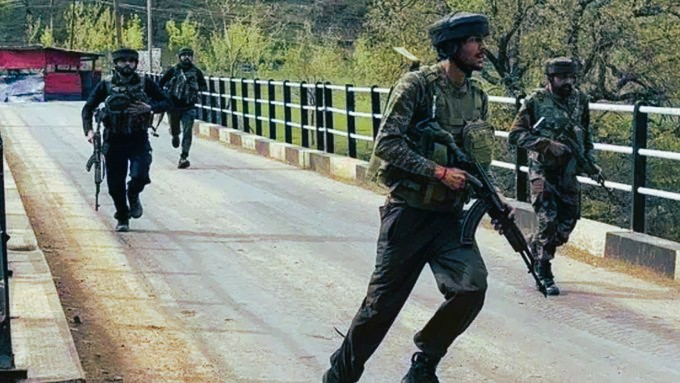
    In a bold leap toward technologically driven policing, the Delhi Police have announced a significant expansion in their deployment of facial recognition technology (FRT) across the national capital. Envision a network of surveillance cameras powered by artificial intelligence, capable of identifying suspects in a sea of faces—seemingly a page from a science fiction novel turned real. For many, this initiative signals progress: a promise of safer streets, particularly for women, senior citizens, and other vulnerable groups.

    Yet, beneath this futuristic façade lie pressing questions about privacy, civil liberties, and the core principles of democracy. Can the advancement of surveillance genuinely enhance public safety, or does it risk infringing upon the very freedoms it seeks to protect?

    Currently, FRT is employed selectively—at high-security events like the Republic Day parade or the recent G20 Summit, and during investigations following episodes of civil unrest, such as the farmers’ protests or the 2022 Jahangirpuri clashes. Building on this foundation, the police now propose to install an additional 10,000 high-resolution CCTV cameras across the city. Driven by the maxim “the more eyes, the better,” officials are confident this will serve as both a deterrent and a response mechanism to criminal activity. Some even believe that enhanced surveillance will not only aid in recovering stolen property or identifying miscreants but will lead to a substantial decline in crime itself—a claim met with both hope and scepticism.

    However, this expansive vision has not gone unchallenged. Privacy advocates and civil society groups have voiced grave concerns regarding potential misuse and overreach. History reveals that minority communities are often disproportionately subjected to intensified policing. With FRT systems poised to integrate with municipal bodies and residential societies, apprehensions are mounting: Who controls the data? Who monitors the monitors?

    The urban landscape is inherently complex, and deploying blanket surveillance solutions risks flattening this complexity into a simplistic equation of suspicion and control. While police officials have assured that initial access to the FRT system will remain restricted to senior headquarters personnel, such safeguards offer limited comfort without comprehensive oversight mechanisms.

    Compounding this are the well-documented limitations of facial recognition itself. Instances of mistaken identity—where individuals have been wrongly flagged—highlight a fundamental flaw: technology is not infallible. Misidentifications can lead to lasting harm, particularly when individuals are erroneously entangled in legal or criminal proceedings. People are not algorithms, and attempts to automate identity carry significant human consequences.

    Moreover, FRT systems are only as reliable as the data they are trained on. Biased or incomplete datasets—often drawn from government-issued documents like passports or driver’s licenses—can perpetuate existing societal prejudices. In such scenarios, rather than correcting inequalities, technology risks replicating and reinforcing them. This raises a critical question: Is Delhi embracing advanced policing tools with sufficient awareness of their social and cultural implications?

    Another significant concern lies in the absence of a clear legal framework. India currently lacks comprehensive legislation governing the deployment, use, and accountability of facial recognition systems. This legal vacuum creates a high-risk environment where the lines between surveillance for security and surveillance for control may easily blur. Without checks and balances, the tools designed to protect may inadvertently undermine democratic norms.

    As the Delhi Police position this initiative as a forward-thinking crime prevention strategy, the conversation must widen to include its ethical dimensions. Surveillance technology has the potential to reshape how individuals experience public spaces—not always for the better. The promise of safety must be weighed against the possible erosion of anonymity and freedom in daily life. Are we ready to live under constant observation in the hope of enhanced protection?

    As Delhi accelerates toward becoming a “smart” city, it is imperative that the deployment of FRT be accompanied by an inclusive and transparent public discourse. Stakeholders—including citizens, technologists, lawmakers, and human rights experts—must collaboratively define the contours of responsible usage. The challenge lies not in rejecting technology, but in integrating it with empathy, legal safeguards, and respect for fundamental rights.

    The crossroads is here. Will Delhi emerge as a global example of ethical and effective tech integration in public safety, or will it slide toward a surveillance state where civil liberties are compromised in the name of security?

    The future depends on the choices we make today—choices that will reverberate far beyond the capital city, setting a precedent for how democracies adapt to the age of AI-powered governance. As the clock ticks, the question remains: will we opt for collaboration and transparency, or control and opacity?

  • “Trump’s Tariff Tango: A High-Stakes Game of Economic Roulette”

    April 14th, 2025

    Trade Wars, Supply Chains, and Global Leverage Collide in a High-Stakes Game of Economic Chess!!

    If a rupee were earned for every mention of the word “tariff” in recent weeks, one would be amassing significant wealth. The discourse around tariffs has intensified, particularly with former President Donald Trump reigniting a protectionist trade strategy many consider a high-risk approach. Far from being a historical footnote, tariffs are a recurring instrument in global economic policy—one that has evolved considerably over time. Initially introduced to protect emerging industries and raise government revenue, their role has shifted alongside the dynamics of international trade and modern economic theory.

    In the early 20th century, the United States relied extensively on tariffs to shield domestic industries from foreign competition. The 1930 Smoot-Hawley Tariff Act exemplified this approach, raising tariffs by approximately 20%. The consequences were swift and severe: global retaliatory tariffs ensued, international trade plummeted, and the policy is widely regarded as having deepened the Great Depression. In the aftermath of World War II, however, the U.S. emerged as a proponent of free trade, favouring economic interdependence as a pathway to peace and prosperity. Tariffs were gradually side-lined, replaced by income tax as the principal source of government revenue.

    In the contemporary global economy, the tariff debate has resurfaced with renewed vigor. To illustrate the concept, consider a local bakery facing competition from cheaper imported cupcakes. In response, the government imposes a tariff to level the playing field. While this intervention may protect domestic producers, it can also distort market dynamics, increase consumer prices, and invite retaliatory measures from affected countries.

    Recent U.S. actions have underscored the complexities of modern tariff policy. In April, the government announced a 100% tariff on select Chinese goods, with some rates escalating to 145%. China responded in kind, igniting a cycle of economic retaliation that has unsettled global markets. While tariffs aim to encourage domestic production and reduce reliance on foreign imports, they simultaneously raise input costs, disrupt supply chains, and burden consumers.

    Supporters argue that tariffs can revitalize domestic manufacturing, preserve jobs, and enhance economic self-sufficiency. In 2019, for instance, the U.S. collected over $72 billion in tariff revenue, leading some to propose that import duties could serve as an alternative to income tax. Yet such proposals overlook the intricate fabric of global trade. Modern supply chains are deeply interconnected. A single automobile comprises nearly 30,000 components, sourced from dozens of countries. Reconstructing such supply chains domestically would not only be costly and time-consuming but could also diminish productivity and international competitiveness.

    Moreover, tariffs risk straining diplomatic and economic relations. The U.S. currently faces a $295 billion trade deficit with China, a figure that underscores American dependence on Chinese imports. In turn, China’s significant holdings of U.S. Treasury bonds provide it with considerable leverage. Should Beijing choose to liquidate these holdings as a countermeasure, the impact on U.S. financial markets could be profound.

    India, meanwhile, occupies a unique position in this evolving global scenario. Rather than engaging in retaliatory tariff actions, India has prioritized bilateral negotiations and multilateral trade engagements with the U.S., the U.K., and the European Union. While China mobilizes global opposition to what it deems protectionist tariffs, India’s measured response could be a strategic play—positioning itself as an attractive destination for global manufacturers seeking to diversify away from China.

    However, for India to capitalize on this geopolitical shift, it must demonstrate its capacity as a reliable, competitive, and efficient manufacturing hub. Enhancing infrastructure, streamlining regulatory frameworks, and ensuring policy stability will be crucial. The current trade tensions present a rare window of opportunity, but it is one that demands swift and strategic action.

    Ultimately, the renewed embrace of tariffs represents a calculated risk. While they may offer short-term advantages and political leverage, the long-term repercussions are uncertain. The interplay of economics, geopolitics, and national interests makes this a delicate balancing act. As nations recalibrate their trade policies in an increasingly volatile world, the outcomes will reverberate for decades to come. The global economy is witnessing a dramatic shift—one that requires both resilience and foresight from policymakers, industries, and citizens alike.

    Visit arjasrikanth.in for more insights
  • “Colombo Goes Colossal: Adani Just Turned a Terminal into a Throne Room of the Indian Ocean”

    April 13th, 2025

    The Maritime Midas Touch: Gautam Adani is Crafting New Trade Currents in the Indian Ocean

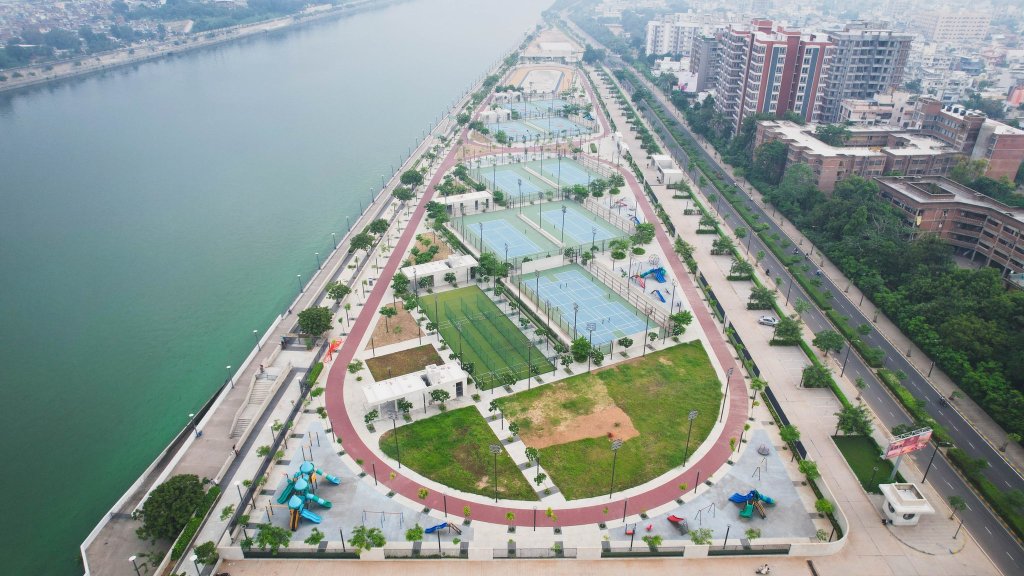
    A billion-dollar beast rises in Sri Lanka—and with it, a new era of Indo-Pacific power play where India roars, China watches, and Colombo cashes in. In the grand theatre of maritime geopolitics, a new act has just begun, and the spotlight is now on Colombo. The Adani Group, with its trademark boldness and strategic flair, has unveiled the Colombo West International Terminal (CWIT)—a staggering $800 million deep-water facility that may well rewrite the rules of Indian Ocean trade, tilt economic fortunes for Sri Lanka, and send unmistakable ripples across the decks of Beijing’s port empire.

    At 1,400 meters long and 20 meters deep, CWIT isn’t just a port terminal; it’s a logistical leviathan. With an annual capacity of 3.2 million TEUs, it can berth the behemoths of the shipping world and move containers with such grace and speed that even Singapore might start looking over its shoulder. But the real genius of this project lies beyond its concrete and cranes. This is a masterstroke of economic diplomacy, one that ties Colombo’s future closely to India’s rise as a maritime powerhouse.

    Backed by a 35-year public-private partnership between Adani Ports and SEZ—holding a commanding 51% stake—Sri Lanka’s John Keells Holdings, and the Sri Lanka Ports Authority, CWIT is Colombo’s first fully automated terminal. It promises lightning-fast vessel turnaround times and a technological edge that positions it among the most advanced facilities in Asia. Its initial $553 million backing from the U.S. International Development Finance Corporation adds validation; however, Adani’s decision to self-finance the project through internal accruals signals both financial muscle and unwavering commitment.

    The economic implications for Sri Lanka are as massive as the terminal itself. Still reeling from a devastating financial crisis, the island nation now finds in CWIT a lifeline and a launchpad. Thousands of direct and indirect jobs are anticipated from the project, covering operations, logistics, ancillary services, and trade facilitation. This isn’t about merely handling containers; it’s about reviving livelihoods, boosting GDP, and reasserting Sri Lanka’s role as a global maritime crossroads.

    The Port of Colombo already handles over 70% of its transshipment cargo linked to India. With Adani now at the helm of CWIT, that pipeline will only get smoother and more integrated. The Mundra-Colombo route will become a high-efficiency artery, binding Indian trade even closer to its southern neighbour while ensuring that Colombo remains a vital link between East and West.

    But this terminal is more than just economics; it embodies strategy, symbolism, and rivalry. For over a decade, China’s Colombo International Container Terminal (CICT), operated by China Merchants Port, held sway over the port. CWIT changes the game. It’s India’s countermove in the Indian Ocean’s great port chessboard—a balancing act against China’s “String of Pearls” and a clear signal that New Delhi is no longer content to play second fiddle in its maritime backyard.

    Adani’s expansion abroad is equally telling. From Haifa in Israel to Dar es Salaam in Tanzania, and now Colombo, the Group is carving out an international footprint that’s both commercial and geopolitical. With plans to scale overseas cargo handling capacity to 150 million tonnes per annum in five years, Adani Ports is no longer just India’s largest private port operator—it’s a global force steering India’s maritime ambitions with corporate precision.

    Gautam Adani frames the CWIT inauguration not merely as a business venture but as a testament to Indo-Sri Lankan camaraderie, trust, and a shared vision for regional prosperity. Krishan Balendra of John Keells stressed its significance as one of the most important private-sector investments in Sri Lanka’s history.

    In an era where ports serve as gateways and power bases, Colombo’s latest terminal stands tall—not merely in concrete but in consequence. It underscores a new model where private enterprise, national interest, and regional collaboration converge to create lasting impact. The Colombo West International Terminal is not just infrastructure; it’s a future-maker, transforming Sri Lanka into a serious player in the global maritime economy, ready to compete with the likes of Singapore, Dubai, and beyond.

    For Adani, this endeavour is more than another project; it demonstrates that even in the face of global scrutiny and challenges, the Group remains relentless in vision, execution, and influence. The tides have turned in the Indian Ocean. A new axis of maritime power is emerging, and at its heart stands a glittering new gateway in Colombo—Adani-built, Sri Lanka-bound, and world-ready. As competition heats up between the Vizhinjam International Transhipment Terminal in India and CWIT, the stakes for maritime supremacy have never been higher, making this an exciting chapter in the ongoing saga of global trade dynamics.

    Visit arjasrikanth.in for more insights

  • Millennials, Memes & Midnight Bookings: New Generation is Rewriting the Travel Rulebook

    April 12th, 2025

    From FOMO-fuelled adventures to digital-first travel, millennials are transforming tourism, one spontaneous trip at a time.

    In today’s fast-paced, digitally driven world, one demographic is redefining travel and reshaping the global tourism industry—millennials. The era of rigid itineraries, traditional package tours, and meticulously planned vacations is rapidly giving way to spontaneous, experience-driven, and highly shareable adventures. More than guidebooks, FOMO (Fear of Missing Out) and YOLO (You Only Live Once) dictate travel decisions, transforming not only consumer behavior but also how destinations, businesses, and service providers adapt to an ever-evolving market.

    At the heart of this transformation is a new breed of traveller—the affluent, tech-savvy millennial. No longer content with passive sightseeing, these explorers crave immersive, meaningful experiences that foster genuine connections with local cultures, traditions, and communities. For them, travel is less about ticking off bucket-list destinations and more about storytelling—whether it’s savouring street food in Bangkok, mastering pottery in rural Japan, or diving into the turquoise waters of the Maldives. Social media platforms serve as their digital travel diaries, offering inspiration, validation, and a powerful influence over future travellers.

    This shift is particularly pronounced among Indian millennials, who, empowered by rising incomes and increasing global exposure, are redefining travel priorities. Domestic travel has evolved beyond conventional hill stations and beach resorts, now encompassing luxury heritage stays in Rajasthan, wildlife safaris in Madhya Pradesh, and wellness retreats in Kerala. Internationally, destinations such as Southeast Asia, the Middle East, and the U.S. are experiencing a surge in Indian travelers. Between January and May 2024 alone, nearly one million Indians visited the U.S.—a staggering 37% increase from the previous year. With outbound tourism projected to grow from $18 billion in 2024 to an estimated $55 billion by 2034, India is emerging as a global travel powerhouse.

    Unlike previous generations that planned vacations months in advance, today’s young travellers prioritize flexibility and spontaneity. Last-minute bookings, enabled by seamless digital platforms and flexible cancellation policies, have become the norm. Millennials seek unique and personalized experiences over traditional luxury, favouring boutique hotels with character over conventional five-star chains. While budget considerations remain relevant, this generation is willing to invest in extraordinary experiences, whether it’s a desert safari in Dubai, a floating breakfast in Bali, or front-row seats at a Coldplay concert in Mumbai. Their philosophy is simple: money returns, but time and experiences do not.

    Another defining feature of this travel revolution is a heightened emphasis on sustainability. Eco-conscious millennials and Gen Z travellers increasingly opt for responsible tourism, favouring ethical accommodations, carbon-neutral activities, and sustainable travel choices. However, scepticism persists. Are “eco-friendly” hotels genuinely sustainable, or is it just savvy marketing? Are carbon offsets truly impactful, or mere greenwashing tactics? As awareness grows, businesses must offer greater transparency and accountability to gain the trust of this conscientious demographic.

    For digital natives, smartphones are indispensable travel tools, seamlessly integrating research, bookings, navigation, and real-time recommendations. Traditional travel agencies are being replaced by AI-driven suggestions, influencer endorsements, and dynamic online platforms curating personalized itineraries. Social media platforms such as TikTok and Instagram have become primary sources of travel inspiration, with trends and viral content significantly influencing destination choices. The modern traveller demands convenience at their fingertips—anything less is a dealbreaker.

    A fascinating shift in travel dynamics is the growing influence of Gen Z and Gen Alpha in family vacation planning. According to Hilton’s 2025 Trends Report, 93% of parents now allow their children to have a say in selecting vacation destinations. Raised in a hyper-connected world, this generation is shaping the future of family travel, compelling brands to cater to a younger audience’s preferences and expectations.

    The millennial travel boom has prompted airlines, hospitality chains, and tourism boards to realign their strategies. IndiGo is aggressively expanding its international footprint, leasing Boeing 787-9 aircraft to tap into Europe’s growing demand. Boutique hotels such as Stotrak are capitalizing on heritage tourism, while Kamat Hotels is expanding into emerging markets like Gujarat’s Kutch. Even budget airlines such as SpiceJet are witnessing a resurgence, reporting their first positive net worth in a decade—a testament to the industry’s resilience and evolving market dynamics.

    The travel industry is undergoing a seismic transformation, and millennials are at the helm. Their choices, preferences, and expectations are redefining how airlines, hotels, and tourism operators function. Companies that successfully decode this evolving landscape—prioritizing spontaneity, experiential value, sustainability, and digital-first solutions—will thrive. Those that cling to outdated models risk fading into irrelevance.

    As this new era of travel unfolds, one thing remains certain: the adventure has only just begun. Whether it’s impulsive midnight bookings, meme-worthy vacation moments, or social media-fuelled expeditions, millennials have cemented travel as more than just a leisure activity—it is a way of life. And for those still waiting for the “perfect moment” to explore the world, millennials offer a compelling lesson: the right time is always now.

    Visit arjasrikanth.in for more insights

  • Transforming Kuchipudi Village into a World-Class Central Dance Village!!

    April 12th, 2025

    Dancing on the Edge: Will Kuchipudi’s Legacy Survive or Slip into Oblivion?

    Kuchipudi, the pride of Andhra Pradesh, stands at a precarious crossroads. This mesmerizing classical dance form, which has enchanted audiences for centuries, is on the verge of losing its soul. The birthplace of this grand tradition, Kuchipudi village, remains far from receiving the attention and support it desperately needs. If decisive action is not taken with urgency and vision, this invaluable art form risks being swallowed by the sands of time.

    Kuchipudi is more than just a dance—it is a living, breathing narrative that intertwines music, drama, and devotion. This art form is an ode to India’s rich cultural heritage and deserves to be conserved, preserved, and propagated with favour . Yet, rather than nurturing its roots, external influences have begun to shape it in ways that stray from tradition. While evolution is natural, there must be a balance. The essence of Kuchipudi must be retained, and its sacred legacy must be protected.

    One of the most promising initiatives to rejuvenate Kuchipudi village is the proposal to develop it into a world-class Central dance village. Such a move would not only restore the prominence of this historic art but also invigorate the local economy, boost tourism, and provide sustainable livelihoods for local communities. But the crucial question remains: will the government and passionate officials step up, or will inaction lead to the slow demise of this treasured tradition?

    A glimmer of hope emerged recently when a key strategic meeting was convened to discuss the elevation of Kuchipudi as a cultural heritage site. This discussion underscored the necessity of a structured vision for the transformation of Kuchipudi village. The insistence on drafting a Detailed Project Report (DPR) signals a serious commitment to ensuring the preservation of this art form for future generations. However, will these plans see the light of day, or will they be buried under bureaucratic delays?

    The urgency to act stems from a fundamental truth—Kuchipudi is not just a dance; it is a symbol of Andhra Pradesh’s cultural ethos. It represents centuries of devotion, storytelling, and artistry. Without dedicated intervention, the very foundation of this tradition could erode. By developing Kuchipudi village into a global hub, its glory can be revived, attracting artists, scholars, and enthusiasts from across the world.

    A key component of this transformation is the creation of essential infrastructure. Aspiring dancers currently struggle with limited resources, traveling long distances for training. A robust facility at a dedicated Kuchipudi training centre could change the game, allowing students to immerse themselves in rigorous training without logistical hindrances. This centre could foster not only skill enhancement but also a thriving artistic community bound by a shared passion for Kuchipudi.

    Beyond training facilities, there is a dire need for an exhibition space and a museum dedicated to the legacy of Kuchipudi. Such a cultural centre would chronicle the evolution of the art form, offering a treasure trove of knowledge for visitors and researchers. From costumes to manuscripts to audio-visual records, a museum could provide a rich narrative of Kuchipudi’s journey, ensuring that its historical depth is not lost to oblivion.

    Veteran practitioners of Kuchipudi have voiced concerns about the stagnation in the village’s development, warning that without structured educational programs, the art form risks extinction. The establishment of short-term and long-term courses, along with a specialized university for Kuchipudi, could provide a much-needed boost. A dedicated institution could offer degree programs, research opportunities, and skill-enhancement workshops, ensuring that Kuchipudi remains relevant in an evolving artistic landscape.

    Economic development is another compelling reason to champion Kuchipudi’s revival. The creation of a tourism circuit linking significant cultural sites could drive significant footfall, transforming the region into a cultural hotspot. Tourists eager to witness authentic performances, participate in workshops, and experience traditional festivities would breathe new life into the local economy.

    Moreover, the untapped financial potential of the Kuchipudi dance industry is immense. Dance costumes, jewelry, and accessories are predominantly sourced from other regions for international markets. By training local artisans and women in the production of these items, the village could foster a sustainable economic model. Initiating skill training programs could pave the way for financial independence among women while simultaneously preserving traditional craftsmanship.

    The story of Kuchipudi’s legacy is incomplete without acknowledging its historical roots. A prestigious institution in Kuchipudi continues to carry the legacy of its founder, a visionary Vaishnava poet who pioneered the dance-drama tradition centuries ago. His masterpiece laid the foundation for traveling troupes that used dance as a medium of spiritual storytelling.

    Kuchipudi’s journey has been marked by evolution, from an exclusive male-dominated tradition to a widely inclusive dance form embraced by women. The mid-20th century saw Kuchipudi flourish as a solo performance art, with its signature elements—nritta (pure dance), shabdam (expressive sequences), and natya (dramatic storytelling)—becoming world-renowned. The captivating Tarangam, where dancers perform on a brass plate, continues to be a breath-taking highlight of Kuchipudi recitals.

    Despite its rich history, the art form is at risk. Without structured intervention, more than just a dance will be lost—an entire cultural identity could vanish. The development of Kuchipudi village into a premier destination for this art is not a luxury; it is a necessity. It is a collective responsibility that must be embraced by the government, passionate officials, and the artistic community. The time to act is now.

    Kuchipudi’s survival hinges on immediate, tangible action. It demands investment, infrastructure, and a committed revival strategy. If the urgency of this moment is not recognized, we may soon find ourselves mourning the loss of an art form that once defined the soul of Andhra Pradesh. Let Kuchipudi not become a relic of the past—let it continue to dance into the future, radiant and resplendent, as it was always meant to be.

    Visit arjasrikanth.in for more insights

  • “National Pet Day – A Tribute to Timeless Companionship”

    April 11th, 2025

    Dog: The Uncrowned Monarch of Human Hearts, Happiness and History

    Observed annually on April 11, National Pet Day celebrates the unconditional love and companionship pets bring into our lives while advocating for responsible pet ownership and animal welfare. It urges people to adopt from shelters, echoing the powerful motto: “Adopt, don’t shop!” Beyond the statistics and shelters, pets—especially dogs—have transcended roles as mere animals. They have etched themselves into human history as loyal guardians, affectionate friends, and silent healers. From emperors to shepherds, their presence has been a constant across centuries. National Pet Day is not just about appreciation; it’s about acknowledging a sacred bond, supporting shelters, promoting care, and honoring the animals who enrich our lives with trust, empathy, and unwavering devotion.

    Long before the advent of technology, when myths and legends shaped cultures, dogs were already revered as symbols of faithfulness. The Mahabharata, one of the greatest epics of all time, chronicles the story of Yudhishthira’s unyielding devotion to a dog that followed him on his final journey, signifying the unparalleled bond between man and canine. The Bonn-Oberkassel dog, buried alongside humans 14,200 years ago, further testifies to this relationship—one built not merely on survival but on profound companionship. Domesticated from wolves, these remarkable creatures transitioned from scavengers to sentinels, from hunters to household hearts, proving that their presence was never incidental but rather essential.

    Dogs embody a depth of emotional intelligence that few other species possess. Their perceptiveness allows them to read human emotions with uncanny precision—whether it’s joy, sorrow, or fear. A wagging tail, a tilted head, or a pair of eager eyes staring up with unfiltered admiration speaks volumes, often more than words ever could. In their world, love is uncomplicated, loyalty is unwavering, and joy is found in the simplest of moments. Science may explain their attachment through neural mirroring and oxytocin-driven bonding, but their impact on our hearts is beyond mere biology.

    Beyond emotional support, dogs stand as vigilant guardians. Their keen senses allow them to detect danger long before it reaches us, making them invaluable protectors. Be it in the form of a loyal pet guarding the family home, a trained police dog sniffing out threats, or a service dog assisting the visually impaired, their dedication to safeguarding human life is nothing short of heroic. Their protective instincts are not rooted in obligation but in an innate sense of duty—one that has been passed down through generations.

    Dogs not only shield us from physical threats but also serve as sentinels of our emotional well-being. The stresses of modern life often weigh heavily on human shoulders, but the simple act of returning home to an exuberant dog can dissolve anxiety in an instant. Their enthusiasm is infectious, their affection unfiltered, and their presence a reminder that, despite the chaos of the world, there is always a safe haven waiting. The rush of serotonin they trigger with each affectionate nuzzle is nature’s way of proving that happiness often comes wrapped in fur.

    They also possess a unique ability to turn mundane moments into adventures. The boundless energy with which they chase after a ball, the sheer delight they exhibit when rolling in grass, or the goofy expressions they wear when caught in mischief remind us that joy is found in the simplest of things. Their antics—whether a clumsy tumble, a sudden burst of zoomies, or a playful bark—are testaments to the fact that life, when viewed through their eyes, is a series of fleeting yet beautiful moments.

    And then, there is their remarkable capacity for healing. Therapy dogs bring comfort to hospital patients, PTSD service dogs mend invisible wounds, and rescue dogs brave disasters to save lives. Their empathy knows no bounds, their willingness to serve unparalleled. In moments of grief, they offer silent companionship; in times of distress, they lend unwavering support. Their ability to sense and alleviate human suffering is nothing short of miraculous, making them more than mere companions—they are healers draped in fur.

    Yet, despite their unwavering devotion, humanity does not always return the favor. Many dogs face abandonment, cruelty, and neglect, their only crime being the trust they placed in the wrong hands. The streets are filled with souls longing for the warmth of a home, and shelters brim with eyes that have witnessed the worst of human nature yet still yearn to love. It is a sobering reminder that while dogs have never failed humans, humans have too often failed dogs.

    The story of dogs and humans is one of mutual need, shared emotions, and an unbreakable bond that has withstood the test of time. From the battlefields of history to the living rooms of today, from the companionship of kings to the comfort of the lonely, dogs have played roles far beyond what words can encapsulate. They teach us about love in its purest form—love that does not seek validation, love that remains even in the face of hardship, love that whispers, “You are enough.”

    In the grand orchestration of existence, where relationships often fray and loyalties are tested, dogs remain the one constant—silent witnesses to our triumphs, unwavering shadows in our solitude, and joyous echoes of a love that never fades. They are not just our pets; they are, and always will be, the greatest love stories we never deserved but were lucky enough to receive.

    Dogs are not merely companions but celestial souls on four legs, reminding humanity that love, loyalty, and joy exist beyond words, waiting to be embraced in a wagging tail.

    Visit arjasrikanth.in for more insights

  • “Circling the Compass: India’s Strategic Vigil in a Volatile Neighbourhood”

    April 10th, 2025

    From Mountain Frontiers to Maritime Fault lines, India Charts a 360° Path of Security, Diplomacy, and Deterrence

    When contemplating India’s geographical positioning, one is struck by the profound interplay of vulnerability and opportunity. Visualize a compass: the north is guarded by the formidable Himalayas yet shadowed by the assertive presence of China; the south opens into the expansive and strategically vital Indian Ocean; the east and west are flanked by neighbours grappling with chronic instability. Each axis of this compass presents distinct and dynamic security challenges, compelling India to embrace a holistic and anticipatory 360-degree defense strategy.

    India’s northern frontier remains fraught with complexity, primarily due to the unresolved Line of Actual Control (LAC) with China. This ambiguous and volatile border is a constant source of tension, necessitating relentless surveillance and preparedness. China’s broader strategic posture adds layers of concern, particularly through its tacit backing of Pakistan—a state that harbours militant networks posing grave threats to India’s internal security. The persistent volatility in Kashmir further compounds the equation, demanding a fortified, multi-tiered defense approach anchored in both military readiness and strategic foresight.

    To the south, the Indian Ocean emerges as more than a vast maritime expanse; it is a pivotal theatre of geopolitical contestation and economic lifelines. Recognizing this, India has steadily recalibrated its strategic doctrine, placing the Indo-Pacific at the core of its security calculus. The imperatives of safeguarding sea lanes, securing trade routes, and countering China’s expanding maritime footprint have led to sustained naval modernization and intensified regional cooperation. Dominance in this domain is not optional—it is critical.

    On the eastern flank, shifting allegiances and emergent uncertainties define the landscape. Bangladesh, historically a reliable partner under Prime Minister Sheikh Hasina, is undergoing political transition. The interim government under Mohammed Yunus has rekindled alignments with Pakistan and China, raising concerns about long-term regional stability. Diplomatic rhetoric framing Bangladesh as the “guardian” of the ocean for India’s north-eastern states introduces ambiguity that could be exploited by strategic competitors, especially China, to erode India’s traditional sphere of influence.

    This evolving scenario is further complicated by the impending expiration of the Ganga water-sharing agreement in 2026. In a region where water security is tightly interwoven with livelihoods and geopolitics, political flux in Bangladesh could derail delicate negotiations with far-reaching consequences. A stable, cooperative neighbour is not just desirable—it is vital to regional equilibrium and India’s long-term planning.

    Nepal’s recalibrated foreign policy, marked by assertive territorial claims and increasing proximity to China, adds another layer of strategic complexity. This shift signals Kathmandu’s intent to enhance bargaining power through triangulation. For India, this necessitates a diplomatic realignment—balancing firmness with engagement to safeguard national interests without alienating a culturally and historically close partner.

    In the southeast, Myanmar’s escalating internal unrest and the protracted Rohingya crisis pose serious cross-border implications. India’s north-eastern states, sharing ethnic and cultural affinities with affected communities, are particularly susceptible to the spill over effects. This demands a carefully crafted response that honours humanitarian obligations while securing national interests—striking a difficult yet essential balance.

    Sri Lanka’s economic fragility and political churn have rendered it a strategic pivot in the Indian Ocean. As China deepens its infrastructure footprint on the island, India must act decisively to bolster bilateral cooperation, offering sustainable and mutually beneficial alternatives. Sri Lanka’s geographic location—adjacent to major sea lanes—makes its stability a central concern in India’s maritime doctrine.

    Perhaps most critically, the Siliguri Corridor—India’s slender land bridge to its north-eastern region—remains perilously exposed. Often termed the nation’s “jugular vein,” it represents a strategic chokepoint vulnerable to disruption from hostile or unstable neighboring zones. Securing this corridor is not just a regional imperative; it is essential to the integrity of the Indian Union.

    Confronted with this matrix of interconnected challenges, India must transition from reactive posturing to proactive, integrated strategic planning. This includes substantial investments in surveillance systems, intelligence architecture, border infrastructure, and force readiness. Diplomacy must evolve in tandem with military preparedness, ensuring a cohesive approach to national and regional security.

    Prime Minister Modi’s recent diplomatic engagements, including leadership in forums like BIMSTEC, reflect a conscious effort to construct resilient regional coalitions grounded in shared prosperity and collective security. As South Asia contends with volatility, India’s emergence as a stabilizing force becomes increasingly consequential. Dialogue mechanisms, strategic partnerships, and economic interdependence must form the backbone of this endeavour.

    To this end, economic diplomacy should be wielded with greater assertiveness. Countries such as Bangladesh, Nepal, and Myanmar are at strategic crossroads—facing competing influences where India’s credible alternatives in trade, investment, and infrastructure can shift the balance. These efforts not only strengthen bilateral relations but also project India as the partner of choice in regional development narratives.

    Simultaneously, military modernization must be pursued with urgency, particularly in augmenting naval and air capabilities in the eastern and southern theatres. Establishing forward logistics hubs, enhancing rapid deployment capabilities, and embracing advanced technologies will be pivotal to reinforcing deterrence and ensuring swift, effective responses to emerging threats.

    Looking ahead, India’s ascent as a leading South Asian power hinges on its capacity to manage its immediate neighbourhood with agility, foresight, and strategic resolve. The imperatives of a comprehensive 360-degree defense framework—integrating conventional military strength with deft diplomacy and robust economic engagement—have never been more evident.

    In sum, India’s geography is not just a backdrop—it is a defining strategic reality. Surrounded by dynamic political shifts and evolving threats, the nation must adopt a multi-layered, future-ready security architecture. Only through decisive, coordinated action across defense, diplomacy, and development can India safeguard its national interests and ensure a stable, prosperous regional order in an increasingly unpredictable world. The moment demands unwavering clarity, strategic composure, and a relentless pursuit of resilience.

    Visit arjasrikanth.in for more insights

  • “Shrimpocalypse Now: Andhra’s Aquatic Army Got Caught in a Global Trade Crossfire”

    April 9th, 2025

    When Tiny Prawns Meet Big Tariffs, It’s Not Just Dinner That’s at Stake—It’s an Entire Industry Fighting for Survival

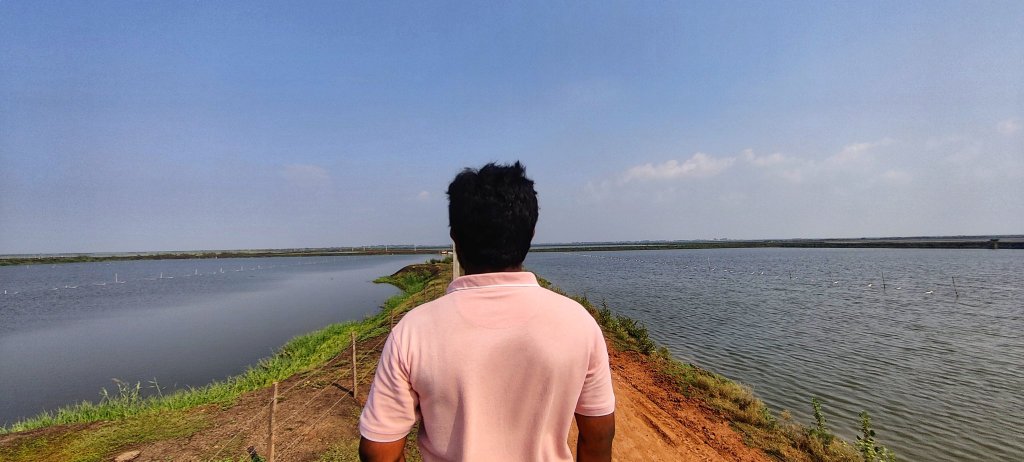
    In the shimmering aquaculture ponds of Andhra Pradesh, millions of shrimp quietly power India’s $2.5 billion seafood export industry. Today, however, these crustaceans find themselves entangled in a global trade storm, threatening the livelihoods of thousands across India’s coastal heartland. The recent imposition of steep tariffs by the United States has severely disrupted the ecosystem, casting a long and uncertain shadow over one of India’s most successful export stories.

    Indian shrimp exporters are now grappling with an effective duty rate nearing 27%, significantly higher than Ecuador’s 10%, and further compounded by a 5.77% countervailing duty. The impact has been immediate and severe. Storage units in production hubs like Bhimavaram are overflowing, while exporters hesitate to engage in fresh contracts amid unpredictable pricing and plummeting demand. For countless farmers, this tariff hike has shattered months of investment and raised existential questions about the sector’s future.

    Complicating matters, the European Union’s non-tariff barriers—ranging from stringent antibiotic residue norms to complex traceability requirements—have eroded competitiveness further. In contrast, countries like Vietnam benefit from favourable trade agreements, such as near-zero duty access under their FTA with the EU. This double bind of regulatory and tariff-based disadvantages is choking India’s access to its two largest shrimp markets.

    The consequences are already visible. Cold storage systems, once enablers of seamless trade, are becoming pressure points. Exporters remain in a state of limbo. The psychological strain on small and marginal farmers—many of whom rely solely on aquaculture—is becoming a silent crisis.

    Yet, amidst this adversity, strategic pathways exist. India must immediately initiate high-level trade negotiations with the US, seeking relief on shrimp tariffs, potentially through reciprocal trade incentives in pharmaceuticals or agricultural commodities. Simultaneously, public diplomacy efforts—leveraging culinary influencers and global icons—can elevate the image of Indian shrimp in international markets and build consumer goodwill.

    Equally important is diversification. Over 90% of India’s marine exports are shrimp, a risky overdependence. Expanding the export portfolio to include crabs, mussels, and tilapia would cushion volatility. Domestically, a parallel campaign to popularize shrimp consumption—through food festivals, recipe promotions, and retail partnerships—can stabilize internal demand and de-risk exports.

    Modernizing infrastructure must also be a priority. The cold chain is under immense stress. Transitioning toward value-added products such as ready-to-cook and ready-to-eat formats can absorb excess inventory while opening new markets. Surplus stock can also be diverted to fishmeal production or processed near farms using decentralized hubs. Advanced traceability tools like blockchain should be adopted to meet EU compliance, enhancing transparency and export credibility.

    India can learn from competitors like Ecuador, whose success stems from high-density farming, precision aquaculture, and low-cost efficiency. Similar technologies and practices must be introduced through government-backed capacity-building programs. Tailored insurance products, price stabilization funds, and financial risk-mitigation instruments can also provide a safety net for vulnerable stakeholders.

    This is more than a trade issue—it is a moment of reckoning for India’s marine sector. With vision, innovation, and coordinated policy support, India can convert this crisis into an inflection point. The goal must not be limited to overcoming current challenges, but to establishing India as a global leader in sustainable, diversified, and value-enhanced aquaculture.

    In the evolving global food economy, India’s shrimp—though small in size—carry immense strategic weight. With the right interventions, the present turmoil could indeed become a historic turning point rather than a cautionary tale.

    Visit arjasrikanth.in for more insights

  • “Hyderabad’s Green Heart Is Under Siege — And the Chainsaws Are Winning”

    April 8th, 2025

    A University Meant to Educate Now Teaches the Cost of Development Without Conscience.

    As Indian cities race for “smart city” status, Hyderabad risks losing its greatest ecological treasure—the 2,324-acre University of Hyderabad campus, a rare urban biodiversity haven. A proposed land-use shift has triggered widespread student protests, highlighting tensions between development and environmental preservation. The movement has evolved into a powerful symbol of resistance against commercial encroachment on academic spaces, sparking national debate and judicial attention. At its heart lies a call for sustainable development, youth-driven activism, and respect for educational sanctity. This episode marks a defining moment in how India balances urban growth with environmental integrity, civic engagement, and the future of public institutions.

    At the heart of the current crisis lies the government’s decision to auction 400 acres of verdant land in Kancha Gachibowli for IT development — a parcel that UoH contends was part of its original allocation in 1975. The rationale offered is as conventional as it is alarming: convert forest into infrastructure, tranquillity into traffic, and public good into private gain. This approach underscores a deeply troubling trend — one where economic ambition overrides environmental stewardship.

    The UoH campus is more than a physical space; it is a living ecosystem. Home to over 455 species of flora and fauna — including endangered species — and unique geological formations like mushroom rocks, it serves as a critical carbon sink and a climatic cushion for western Hyderabad. In a city already battling the environmental costs of unchecked construction, the campus offers an irreplaceable green refuge. Despite this, bulldozers arrived unannounced, triggering a wave of protests from students, environmentalists, and concerned citizens.

    The response was swift and fierce. Videos of trees being felled and wildlife fleeing the encroachment spread across social media, galvanizing public outrage. Prominent voices like actor John Abraham lent their support, calling the area a vital “green lung” for the city. His appeal to Chief Minister Revanth Reddy underscored a sentiment shared by many — that urban growth must not come at the cost of ecological collapse.

    However, the government’s reaction has been unapologetically forceful. In a display of misplaced priorities, police reportedly manhandled student protestors, with more than 50 activists detained. Authorities cite a 2022 High Court ruling — upheld by the Supreme Court — which concluded that the land was never formally transferred to the university. Yet legality is not always synonymous with legitimacy. A court verdict may provide procedural cover, but it cannot erase the moral and environmental costs of such decisions.

    The contradiction is stark. This is the same government that champions climate action and digital green initiatives, and that once launched the ambitious — though ultimately flawed — ‘Hydra’ campaign against illegal lake encroachments. That initiative, intended to reclaim public resources, ended up disproportionately affecting the poor, leaving behind broken homes and lost trust. Now, the axe falls again, this time on an ecological treasure that benefits the entire city.

    Rather than investing in sustainable infrastructure, improving civic amenities, or strengthening urban resilience, the administration seems intent on monetizing every green patch in sight. This is not visionary development — it is the commodification of commons, executed without public consultation or regard for long-term consequences.

    The lack of participatory governance is glaring. Students, teachers, scientists, and urban planners — all of whom recognize the ecological significance of the UoH land — have been excluded from the decision-making process. The Hyderabad Central University Teachers’ Association has expressed its strong opposition. Environmental groups such as the Vata Foundation have demanded that the area be accorded “deemed forest” status and protected as a national park. Multiple Public Interest Litigations have been filed, compelling the Supreme Court to question the state’s failure to conduct an Environmental Impact Assessment (EIA) and to justify the urgency behind such large-scale clearing.

    The university has formally appealed to the government, requesting that the disputed land be retained under its jurisdiction to safeguard its ecological and academic integrity. Even the Union Ministry of Environment has intervened, asking for clarification on the state’s actions. Yet, the only respite so far has come from the judiciary, which has issued a temporary stay — a pause that owes more to legal intervention than administrative reconsideration.

    The narrative of “balancing development with environmental concerns” rings hollow when bulldozers arrive before studies are conducted, when public dissent is met with suppression, and when conservationists are detained for defending what should never have been under threat. The government’s actions reflect not balance but bias — a bias that favours immediate financial gains over the enduring value of nature.

    The University of Hyderabad is not merely an institution of higher learning. It symbolizes a national vision for sustainable education, scientific progress, and ecological consciousness. It has, over decades, nurtured generations of scholars, innovators, and public intellectuals. To reduce its land to just another line item in a real estate portfolio is to undermine that legacy and compromise the very soul of the city.

    If this is the model of urban development we are pursuing — one that prizes concrete over conscience, short-term revenue over long-term resilience — then it is imperative to ask: what kind of future are we building? A metropolis without green lungs will, sooner or later, suffocate. And when that time comes, it will not be trees or students who are to blame, but those who mistook destruction for progress.

    Visit arjasrikanth.in for more insights
  • “Happy Birthday Karan Adani” : The Quiet Architect of India’s Next Leap”

    April 7th, 2025

    The Silent Storm: Ports, Purpose & the Pulse of a New India

    April 7th marks the birth anniversary of Karan Adani—a dynamic entrepreneur and visionary whose foresight is shaping the future of the Adani Group within India’s rapidly evolving business landscape. Born to the esteemed Gautam and Preeti Adani, Karan embodies integrity, perseverance, and purpose-driven leadership. Far more than a successor to a legacy, he is a transformative force propelling the Group’s growth with a sharp focus on innovation, sustainability, and community empowerment. His journey seamlessly blends tradition with transformation, positioning him as a symbol of India’s next-generation leadership.

    Raised in a household steeped in enterprise and grounded values, Karan drew strength from the formidable influences of his parents. Gautam Adani, a first-generation entrepreneur, instilled ambition and strategic thinking, while Preeti Adani imparted compassion and a strong sense of social purpose. Together, they nurtured a leadership style in Karan defined by humility, empathy, and responsibility. Known for his accessible demeanour and quiet confidence, Karan leads by example, inspiring trust and respect throughout the organization. Eschewing the spotlight, he earns admiration through action—embodying the rare blend of visionary thinking and people-centric leadership.

    Karan’s formal entry into the business world began after earning a management degree from Purdue University in 2009. He started his career at Mundra Port, the Adani Group’s flagship operation, where he immersed himself in day-to-day functioning to build a strong operational foundation. This formative experience equipped him with invaluable insights and laid the groundwork for greater responsibilities. In 2016, Karan was appointed CEO of Adani Ports and Special Economic Zone (APSEZ), a position in which he has not only flourished but transformed the company into a global benchmark in port infrastructure and logistics.

    Under his stewardship, APSEZ expanded from managing just two ports to a formidable network of ten, emerging as one of the world’s fastest-growing port operators. His sharp business acumen and inclusive leadership have fostered a culture of collaboration and innovation across the company. In FY 2024–25, APSEZ handled a record-breaking 450 million metric tons of cargo, with Mundra Port alone crossing the 200 million metric ton mark—a first in Indian port history. These achievements stand as a testament to Karan’s commitment to operational excellence, sustainable growth, and world-class infrastructure development.

    Karan’s strategic vision reaches well beyond ports. As Director of ACC, one of India’s leading cement manufacturers, he contributes significantly to the company’s growth and innovation. He is also deeply involved in the Adani Group’s airport ventures, helping shape and manage several major airports across India. His ability to lead diverse, large-scale infrastructure projects underscores his versatility and understanding of India’s evolving economic landscape. His forward-looking approach positions the Adani Group as a key force in the nation’s infrastructure revolution.

    A quiet yet resolute advocate for social upliftment, Karan believes that business success must be measured by its societal impact. Under his leadership, the Adani Group has championed sustainability, environmental protection, and inclusive development. From education and healthcare to livelihood creation, his initiatives are grounded in the belief that community empowerment is central to corporate responsibility. He builds meaningful relationships with local communities, ensuring that the Group’s progress translates into tangible grassroots benefits. This steadfast commitment to nation-building continues to define the Adani Group’s reputation as a partner in India’s inclusive growth story.

    On the personal front, Karan’s marriage to Paridhi Shroff—a prominent figure in India’s corporate legal landscape and daughter of renowned legal expert Cyril Shroff—reflects the convergence of two visionary legacies. Their daughter, born in 2016, adds a deeply personal dimension to Karan’s mission of building a lasting legacy. Anchored in the Adani family’s enduring values of innovation, responsibility, and progress, Karan’s aspirations are both deeply rooted and forward-looking—enabling the Group to evolve with purpose and resilience across generations.

    As the Adani Parivar celebrates Karan Adani’s birthday today, it is a moment not only to honour his achievements but also to look ahead at the vast potential he continues to unlock. With Karan at the helm, the Adani Group is poised for transformative milestones that will strengthen its leadership while contributing meaningfully to India’s economic trajectory. His unique blend of humility, strategic foresight, and bold execution elevates the legacy built by his father and heralds a new chapter of inclusive and sustainable excellence.

    On this special day, we extend our warmest wishes to Karan Adani for a very Happy Birthday. May the year ahead bring him continued success, inspired leadership, and boundless opportunities to shape a future defined by purpose, innovation, and impact.

    Here’s to Karan Adani—may his journey illuminate the path to a stronger, brighter India and beyond.

    Visit arjasrikanth.in for more insights

←Previous Page
1 … 55 56 57 58 59 … 162
Next Page→

Blog at WordPress.com.

Loading Comments...
  • Subscribe Subscribed
    ARJA SOCIAL PERSPECTIVES
    Join 112 other subscribers

    Have a WordPress.com account? Log in now.

  • ARJA SOCIAL PERSPECTIVES
    View site in Reader
    Manage subscriptionsSign upLog in
    Report this content
    Collapse this bar