Skip to content
    • About

ARJA SOCIAL PERSPECTIVES

  • When Rivers Dream: Reimagining Vijayawada as the Eternal Symphony of the River Krishna

    April 28th, 2025

    “Symphony of a Dreaming River: Recasting Vijayawada in the Language of Eternity”

    For centuries, the Krishna River has flowed through Vijayawada like a timeless song, nurturing its fields, inspiring its poets, and binding its people to a shared spirit of resilience and hope. The river is not just water; it is memory, ambition, and emotion rolled into one shimmering current. Today, the city finds itself standing at the brink of an extraordinary moment — one where the Krishna River and its intricate network of canals could transform Vijayawada into India’s most spectacular riverine city. The only thing standing between dream and reality is the political will to act boldly and act now.

    Imagine a Vijayawada where the Krishna does not merely skirt the city but defines it — a city where mornings begin with river cruises past beautifully lit ghats, afternoons meander along café-lined canal fronts, and nights glitter with festivals that mirror the constellations above. Such a future is not just romantic fancy; it is achievable, tangible, and urgently needed. Across India, cities like Ahmedabad, Varanasi, and Hyderabad have already reimagined their waterfronts into engines of culture, economy, and ecological revival. Ahmedabad’s Sabarmati Riverfront pulses with life along an 11.5-km promenade, while Varanasi’s ghats blend spirituality with world-class tourism. Hyderabad’s Hussain Sagar dazzles with floating restaurants and laser shows. But Vijayawada has something even more rare — the majestic Krishna coursing through its heart and a dense canal network crisscrossing its urban fabric, offering a canvas grander than any other.

    The ₹1,000 crore Krishna Riverfront Development Project is a monumental leap in the right direction. Phase 1 is already breathing life into 2.5 km of the riverfront, complete with walkways, lights, and seating. New ferry services to Bhavani Island operate daily, offering glimpses of the possibilities that lie ahead. Floating restaurants are nearing 65% completion, while plans for a pedestrian bridge, an eco-park, and a stunning laser show promise to turn the riverfront into a spectacle that could rival the world’s best. Meanwhile, the Buckingham Canal and Budameru Canal — silent witnesses to Vijayawada’s past — are also stirring back to life with dredging, cycling tracks, flood mitigation walls, and efforts to intercept sewage.

    And yet, challenges lurk like unseen eddies in the current. Encroachments choke over 250 spots along the proposed riverfront stretch. Sewage still stains nearly 40% of the Buckingham Canal. Floods, like those in 2023, threaten to undo years of progress in mere days. Smart City funds remain underutilized. But these obstacles are not roadblocks; they are invitations to innovate. Ahmedabad beat encroachments through strong PPP models. Chennai diverted sewage from its Cooum River through innovative engineering. Lucknow turned the Gomti River into a cultural magnet through community-driven events. Vijayawada must learn, adapt, and move faster, smarter, and together.

    Inspiration for Vijayawada’s next steps comes from visionary concepts. Picture floating parks and restaurants that rise and fall with the river, refusing to be victims of the monsoon. Imagine promenades powered by solar energy, cleaned by AI-guided robots, with free Wi-Fi zones and charging pods for a digital generation. Envision a “Krishna Koin” — a loyalty program where citizens earn digital tokens for eco-friendly actions and redeem them for riverfront experiences. Think of night markets that weave culture, commerce, and celebration into unforgettable memories.

    The canals, too, must become living, breathing spaces. With algae management, water taxis, food streets, and eco-bridges, they can be transformed from forgotten channels into lifelines of urban joy. In a few short years, Vijayawada could move from 5 lakh tourists a year to 15 lakh. Water quality could improve dramatically. Public spaces could expand from 12 acres to 45 acres. Jobs could multiply from 800 to 5,000. The river could once again be not a boundary but a bond.

    The roadmap is clear: swift action to remove illegal structures, investment in sewage interception, innovation in flood resilience with floating wetlands, and relentless focus on creating public spaces that buzz 24/7. Funding models like Public-Private Partnerships, River REITs, (River Estate Investment Trust) and CSR-driven ecology initiatives can provide the necessary financial muscle. Community engagement through apps like ‘Nadi Mitra’ and annual environmental audits will ensure transparency and trust.

    But above all, it requires leadership — bold, unafraid, visionary leadership that can see beyond political terms and election cycles into the luminous arc of history. Vijayawada’s riverfront and canalfront development cannot be a half-hearted project executed in fragments. It must be a grand symphony, with the Krishna River as the eternal composer and the citizens as both the musicians and the audience.

    If we act now, the Krishna River will not merely flow through Vijayawada; it will flow through history, whispered about in the same breath as the Thames in London, the Seine in Paris, and the Danube in Vienna. A city that once grew by the river will be reborn because of it. It is time for Vijayawada to listen carefully — for rivers, when they dream, speak in the language of eternity.

    Visit arjasrikanth.in for more insights

  • “TCS, Infosys, Wipro: Dinosaurs in the Age of AI ?”

    April 28th, 2025

    “Code Red: The Existential Reckoning of India’s IT Empire”

    Once the engine propelling India’s ascent in the global economy, the Indian IT industry now stands at a critical juncture, facing unprecedented disruption. Confronted with shrinking client budgets, accelerating automation, and intensifying geopolitical headwinds, the sector’s giants—Infosys, TCS, and Wipro—are issuing cautionary signals. Once synonymous with growth, the industry is witnessing a marked downturn, with near-zero growth projections, plunging stock prices, and widespread hiring freezes. The skyline of Bangalore, shaped by the ambitions of this once-thriving sector, reflects an uncertain future as it grapples with the seismic shift ushered in by artificial intelligence and economic volatility in key international markets.

    Recent data paints a sobering picture. Infosys, traditionally a bellwether of the industry, has forecasted growth between 0% and 3% for 2026, a far cry from its era of double-digit expansion. Wipro offers a similarly restrained outlook, while TCS, despite its formidable reputation, has missed earnings expectations. These warning signs have not gone unnoticed by investors—India’s IT index has tumbled by nearly 20% this year, in stark contrast to the relatively stable Nifty 100, signalling eroding confidence in the sector’s resilience.

    At the heart of this crisis lies the United States, long the most significant market for Indian IT services. With recession fears rising, American corporations are slashing discretionary spending, stalling IT projects, and renegotiating contracts with relentless scrutiny. The resurgence of protectionist policies, including the re-imposition of tariffs under President Donald Trump, has further strained bilateral business relations. Industries such as manufacturing and retail have responded with budget cuts and project cancellations, eroding the dependable revenue pipelines Indian IT firms once enjoyed. These shifts have introduced a climate of uncertainty where previously there was predictability.

    Nonetheless, pockets of resilience remain. The banking and financial services domain continues to exhibit relative stability, providing a slender thread of continuity. Yet, this is an insufficient bulwark against the structural changes sweeping the industry. The global demand landscape is evolving rapidly; clients now seek expertise in artificial intelligence, cloud technologies, and cybersecurity, not bulk manpower for coding. Indian IT must therefore evolve from a volume-based delivery model to one rooted in high-value innovation.

    Generative AI encapsulates this transformation—both as a disruptive force and a catalyst for renewal. It enables automation of routine tasks, accelerates delivery timelines, and empowers leaner project teams. However, it simultaneously compresses margins by prompting clients to demand faster and cheaper services, eroding traditional business models. The technology is reshaping expectations and redefining competitiveness in ways that traditional service offerings cannot accommodate.

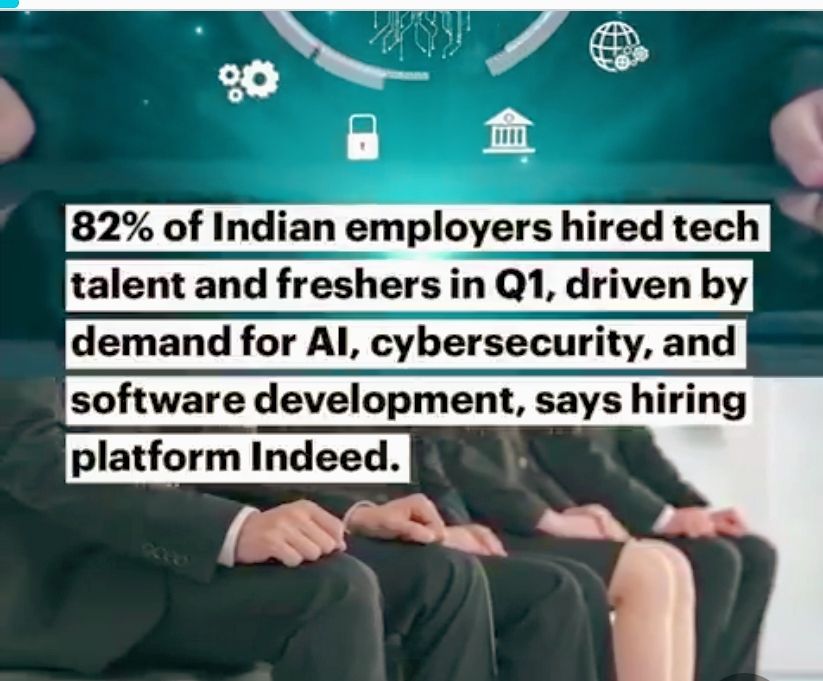
    Compounding this technological disruption is a deepening talent crisis. Once voracious recruiters, Indian IT firms have dramatically scaled back hiring. Infosys, for instance, which hired over 50,000 fresh graduates in a single year, has now curbed recruitment significantly. The shift in focus from expansion to efficiency underscores a paradigm change—low-cost manpower no longer guarantees competitive advantage. The future belongs to firms capable of harnessing specialist talent in machine learning, cloud architecture, and digital security.

    The path forward demands radical reinvention. Companies must pivot toward AI-led solutions and differentiate their offerings through proprietary platforms and advanced analytics. The global migration to cloud computing presents a transformative opportunity, and Indian IT must stake a strong claim in this domain or risk obsolescence. Positioning as strategic partners in clients’ cloud transitions will be critical for survival and relevance.

    Cybersecurity also represents a rapidly expanding frontier. As cyber threats grow more sophisticated and pervasive, the ability to safeguard digital infrastructure is no longer optional—it is existential. Indian IT firms must invest in building world-class capabilities in this space, both in terms of technology and human capital.

    Geopolitical challenges, particularly restrictive visa regimes and increasing scepticism of offshoring, require strategic recalibration. Establishing nearshore centres, investing in local talent across the U.S. and Europe, and adopting hybrid delivery models are no longer forward-looking strategies—they are immediate imperatives for maintaining market access and client trust.

    Upskilling is another cornerstone of the sector’s renewal. Engineers proficient in legacy coding languages must be reskilled in AI, cloud technologies, and cyber defense to stay relevant. Without a large-scale commitment to workforce transformation, the risk of obsolescence looms large.

    The Indian IT industry, while facing immense pressure, is not beyond redemption. Its foundational strengths—discipline, global delivery models, and client trust—still hold value. But the time for incremental change is over. What is required now is a bold, decisive embrace of innovation and specialization. The industry stands at a crossroads, with one path leading to reinvention and renewal, and the other to stagnation and decline. The choices made today will determine whether Indian IT regains its position as a global leader or becomes a cautionary tale of missed transformation in the face of change.

    Visit arjasrikanth.in for more insights
  • “When Gandhian Threads Meet Gen-Z Trends: The Rise of Andhra’s Handloom Hackers”

    April 27th, 2025

    Threads of Thunder: Andhra Pradesh Is Weaving the Future With Every Loom Stroke”

    The rhythmic clatter of wooden looms echoing through the weaving villages of Andhra Pradesh is more than just the sound of craftsmanship—it is the heartbeat of a cultural and economic renaissance. In an age where global fashion evolves rapidly, the handloom sector of Andhra Pradesh is quietly and confidently reclaiming its space, intertwining age-old skills with modern innovations. This evolution is redefining possibilities—empowering artisans, invigorating communities, and positioning the state as a shining beacon in India’s textile resurgence.

    Andhra Pradesh’s rich handloom legacy reflects the beauty and brilliance of its cultural heritage. Home to over 3.2 lakh active handlooms, the state nurtures one of the most vibrant weaving traditions in the country. Across more than 15 weaving clusters, exquisite textiles like Mangalagiri cottons, Uppada silks, and Dharmavaram sarees continue to flourish, celebrated for their intricacy and elegance. These clusters are living museums of technique and tradition, where the warp and weft carry not just thread, but generations of artistry. For decades, celebrated cooperative ventures have kept this heritage alive, fostering unity and self-reliance among artisan families across the state.

    With renewed focus and strategic vision, Andhra Pradesh is embracing a future-ready approach that bridges the traditional with the contemporary. The digital revolution has become a powerful enabler for weavers, unlocking new opportunities through e-commerce and social media. Handloom cooperatives are leveraging online platforms to reach broader audiences, with a significant share of sales now happening via social commerce. Products showcased on major e-marketplaces are commanding premium prices, demonstrating growing global appreciation for authentic, handmade creations. Augmented reality tools, virtual showrooms, and real-time consumer interaction are making handcrafted textiles more accessible than ever.

    The digital domain is also nurturing a new generation of artisans. Young weavers are building personal brands and vibrant communities around their craft. Through live demonstrations and storytelling, they are offering consumers a glimpse into the artistry behind every thread. This intimate engagement is creating a deeper emotional connection, turning each purchase into an experience rooted in appreciation and awareness.

    Andhra Pradesh is also innovating in how handlooms are experienced. Handloom tourism has emerged as a dynamic way to celebrate the state’s textile heritage while supporting local livelihoods. Interactive weaving experiences, artisan homestays, and textile-themed circuits are inviting visitors to not just observe but participate in the creative journey. Pilgrimage routes are evolving into cultural corridors, where handcrafted goods meet devotional journeys, creating meaningful economic linkages.

    Design innovation is thriving as tradition meets technology in inspiring ways. Collaborations between educational institutions and artisan communities are giving rise to future-ready fabrics and futuristic designs. Cutting-edge technologies such as AI-assisted design, IoT-enabled production, and blockchain-backed traceability are revolutionizing every aspect of the supply chain. This blend of creativity and science is not only enhancing efficiency but also ensuring transparency and trust in every handloom piece, elevating its value in discerning domestic and international markets.

    Financial ecosystems are also being thoughtfully strengthened to support the aspirations of handloom entrepreneurs. Forward-looking programs are unlocking new pathways for investment, mentorship, and market access. From tailored CSR initiatives and decentralized governance models to accessible capital and policy incentives, the environment is being shaped to nurture creativity, innovation, and entrepreneurship across the sector.

    A significant milestone in this journey is the state’s comprehensive Handloom Revival Fund, a forward-thinking initiative that fosters innovation and resilience. From interest subsidies to digital marketing assistance and export development support, it is ensuring that the weaver’s loom becomes a launchpad for global opportunity. Plans for design incubators and smart-city-based handloom hubs underscore the commitment to integrating tradition into the fabric of modern urban life.

    The outcomes are both inspiring and encouraging. A growing number of young artisans are choosing to embrace handloom weaving as a proud and promising career. Export figures continue to rise, with remarkable achievements in both volume and value. The vision of a globally recognized, innovation-led handloom startup ecosystem is becoming increasingly tangible, promising even greater opportunities in the years ahead.

    As the morning light graces the weaving villages of Andhra Pradesh, it reveals not only the fine textures of handcrafted fabrics but the vibrant momentum of a sector that is growing with confidence and pride. Each thread is a testament to resilience, each pattern a mark of innovation, and every loom a symbol of progress. Through this harmonious blend of heritage and ambition, Andhra Pradesh is not just preserving tradition—it is shaping a future where handlooms embody elegance, sustainability, and global appeal. The journey continues with every rhythmic pass of the shuttle, crafting a brighter tomorrow—one masterpiece at a time.

    Visit arjasrikanth.in for more insights

  • “From the Bloodshed of Pahalgam to the Shadows of the Dark Web, India Faces an Existential War Against Drug-Fuelled Apocalypse”

    April 27th, 2025

    From Poppy Fields to Terror Funds: India’s Narco-Apocalypse and the Digital Demons Fuelling a Generation’s Downfall

    On April 22, 2025, the tranquil valleys of Pahalgam in Kashmir were shattered by an act of unimaginable violence when terrorists linked to Lashkar-e-Taiba massacred 28 innocent tourists. This was not merely an act of terrorism—it was the face of a deeper, darker threat: narco-terrorism. Armed not just with weapons but funded by a ₹21,000 crore heroin empire smuggled from Afghanistan under the guise of talc powder, these extremists revealed a chilling truth: the fusion of drug cartels and terrorism is systematically turning India’s youth into instruments of global destabilization. Welcome to India’s narco-apocalypse—a grim reality where drones ferry narcotics, darknet markets peddle oblivion, and cocaine cash fuels terror on Indian soil.

    India’s geographical position between two infamous drug corridors—the opium-rich Golden Crescent and the meth-driven Golden Triangle—has rendered it a prime target for international drug syndicates. Maritime routes, accounting for nearly 70% of narcotics smuggling, have turned fishing boats in the Arabian Sea and the Bay of Bengal into floating drug vaults. Meanwhile, technology has drastically altered the landscape. Drones now airlift heroin across borders with precision, while a significant share of the domestic drug trade thrives on darknet markets like Silk Road 4.0, where cryptocurrencies purchase narcotics that arrive hidden in innocuous packages. Synthetic drug labs have proliferated from Delhi’s basements to Odisha’s forests, producing methamphetamine at a pace enforcement agencies struggle to match. At the same time, unregulated pharmacies continue to flood the market with prescription opioids, exacerbating an already critical public health crisis.

    The human cost is staggering. States like Punjab, Himachal Pradesh, and Gujarat are witnessing opioid addiction rates rivaling pandemic infection curves, with overdose deaths having surged by 300% since 2020. Educational campuses, once hubs of learning, have morphed into active drug bazaars where dealers sell laced “study aids” to unsuspecting students. Darknet-savvy teenagers, hidden behind encrypted apps, order LSD tabs concealed in greeting cards and cocaine disguised as protein powder. The consequences are devastating—widespread depression, soaring HIV infections from needle-sharing, and families bankrupted by the spiralling costs of rehabilitation. Beneath the surface, the deeper rot festers: the narcotics trade is now a crucial funding source for terror outfits like Lashkar-e-Taiba, where each gram of heroin peddled in India’s streets becomes a bullet fired at its heart.

    This narco-terror nexus has escalated into a global crisis. South American cartels such as Sinaloa collaborate with Punjab-based gangs, while Non-Resident Indians (NRIs) in Canada serve as unsuspecting drug mules. Iranian operatives warehouse heroin in Delhi’s suburbs, even as Pakistan’s ISI launders narcotic revenues into terrorism financing. On the darknet, Indian buyers are among the most active in global cybercrime circles, seamlessly converting cryptocurrency payments into untraceable narcotic deliveries. The economic devastation is profound: the narcotics menace saps an estimated 1.5% of India’s GDP annually—equivalent to the nation’s entire education budget lost to addiction and related fallout.

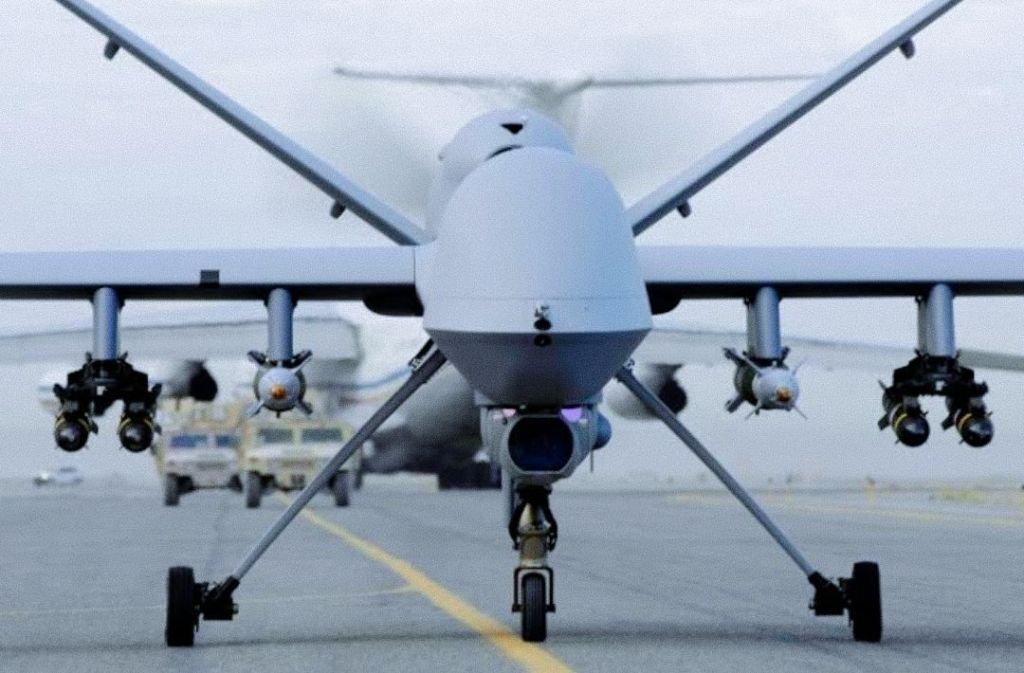
    Nevertheless, amidst this grim battle, there are glimmers of progress. India’s counter-narcotics strategy is rapidly evolving from brute force to smart surveillance and predictive action. AI-powered drones now monitor maritime corridors, detecting hidden drug shipments with thermal imaging sensors. The upgraded NCORD portal leverages real-time data analytics to trace cryptocurrency transactions linked to drug sales. New legislation in states like Himachal Pradesh imposes stringent 14-year minimum sentences for traffickers, while judiciary reforms have fast-tracked nearly 80,000 pending NDPS (Narcotic Drugs and Psychotropic Substances) Act cases. A major breakthrough came with the Narcotics Control Bureau’s seizure of 3,000 kilograms of heroin camouflaged in talc powder—profits from which had fuelled the very massacre in Pahalgam.

    At the grassroots level, the Nasha Mukt Bharat Abhiyaan campaign is mounting an aggressive psychological offensive. College festivals now feature powerful testimonials from recovered addicts, while an expanding network of rehabilitation centres is empowering former users with skills like coding, carpentry, and digital literacy. Witness protection programs encourage informants to expose drug lords, while rural communities in Manipur are being weaned away from illicit poppy cultivation toward sustainable, legal livelihoods like organic coffee farming.

    Beyond the borders, India’s maritime forces are stepping up international cooperation. The Indian Coast Guard is working closely with Sri Lankan and Bangladeshi authorities to intercept narcotics-laden “ghost boats” before they land. Intelligence sharing with agencies like the DEA and the RCMP is helping crack down on cartel-linked NRIs abroad, while ASEAN nations target meth production hubs that feed India’s appetite for synthetic drugs. Courts are no longer passive observers; using the Prevention of Illicit Traffic Act, they now seize and liquidate assets of drug barons, from lavish mansions to luxury cars, dismantling the financial base of the narcotics industry.

    However, true victory demands addressing the root causes that make India fertile ground for narco-terrorism. Chronic poverty in border states like Punjab and Manipur forces farmers into the narcotics trade, but new vocational programs now offer alternatives such as solar farming and sustainable agriculture. In Kashmir, counter-terror operations are integrating drug rehabilitation for surrendered militants, recognizing that breaking the addiction cycle is key to breaking the terror funding chain.

    The Pahalgam massacre stands as a brutal reminder: every drug bust is not just a victory against addiction, but a blow against organized terror. In this rapidly shifting battleground where drones, darknet markets, and cryptocurrency rewrite the rules of engagement, India’s struggle is no longer solely about rescuing its youth from addiction—it is about defending its democracy from the creeping menace of narco-anarchy. The stakes are existential. If India succeeds, it could offer a blueprint for dismantling the deadly nexus of drugs and terror worldwide. If it fails, the next Pahalgam may not be a remote tourist town but a city square, a temple, a school—a nation’s soul taken hostage by the very demons it once failed to confront.

    Visit arjasrikanth.in for more insights

  • War Profiteers: The Superpowers Feast on the Wounds of Ukraine

    April 26th, 2025

    “The Calculus of Carnage: Superpowers Profit While Ukraine Burns”

    In the unfolding tragedy of the Russia–Ukraine war—defined by relentless combat, civilian suffering, and large-scale displacement—the world confronts a sobering truth: in global conflicts, it is often the superpowers that maneuver toward strategic advantage, while smaller nations endure catastrophic losses. As Ukraine continues to pay the price in blood, infrastructure, and sovereignty, the geopolitical theatre reveals a grim pattern: the victors are not always those on the battlefield, but those who masterfully exploit the circumstances behind the scenes.

    Russia’s 2022 invasion catalyzed a profound recalibration of Eastern Europe, but it also opened new economic avenues for its elite. As Western companies exited the Russian market en masse, domestic conglomerates and oligarchs moved swiftly to absorb the abandoned assets. Firms such as Avito and Pharmstandard acquired holdings formerly owned by Dutch, German, and Israeli investors, while energy giants like Lukoil and Novatek expanded their control over infrastructure once dominated by foreign corporations. This opportunistic repositioning illustrates a painful paradox—amid the rubble of Ukraine’s cities, Russia’s wealthy class consolidates economic power.

    At the heart of this shift lies a broader trend toward economic self-reliance. The Kremlin’s push for import substitution has fortified sectors like pharmaceuticals and agriculture, with companies such as R-Pharm and RusAgro securing lucrative state contracts. Fertilizer producers and energy firms have benefited from global market instability, leveraging price volatility and reduced competition to their advantage. Ironically, sanctions designed to cripple the Russian economy have, in some cases, reinforced its inward-facing industries. The result: a burgeoning class of billionaires, even as the country faces diplomatic isolation and internal challenges.

    Across the Atlantic, the United States and the European Union have pursued their own strategic agendas under the mantle of democratic solidarity. The U.S., in particular, has leveraged the conflict to reinvigorate NATO, cement military alliances, and expand its geopolitical footprint. The accession of Sweden and Finland into NATO is a case in point—framed as a security imperative, but also emblematic of the West’s growing sphere of influence. As Europe seeks to decouple from Russian energy, American liquefied natural gas (LNG) exports have surged, underscoring the quiet economic windfall accruing to U.S. energy producers.

    Meanwhile, European nations are advancing their green transitions and diversifying energy supply chains at unprecedented speed. Yet these shifts are not without cost—soaring inflation, energy insecurity, and social unrest reveal the strain imposed by rapid realignment. European unity, while publicly resolute, rests on an increasingly fragile foundation as political consensus falters and the burden of refugee integration grows heavier.

    Behind the veneer of transatlantic solidarity lies the booming U.S. defense industry. As the primary supplier of weapons to Ukraine and NATO allies, American defense contractors are experiencing record profits. This symbiosis between military aid and economic return raises uncomfortable questions: while Ukraine endures relentless shelling and displacement, defense manufacturers thrive on high-volume contracts, innovation incentives, and a reinvigorated global arms market.

    The war has become, in essence, a case study in modern power dynamics—where strategic interests, economic gains, and military posturing converge in the name of moral duty. Yet, beneath these narratives lies an unsettling reality: the suffering of Ukraine, with over 68,000 military casualties, widespread civilian deaths, and an estimated $1 trillion in reconstruction needs, has become a backdrop against which larger powers recalibrate their global standing.

    History offers many precedents for such cynical calculus. As empires old and new continue to extract advantage from chaos, Ukraine’s plight highlights the enduring imbalance between those who fight wars and those who profit from them. In this arena of calculated diplomacy and strategic opportunism, the line between support and exploitation grows ever thinner.

    As the world debates its next move, one is left to ask: is compassion still the driver of international policy, or has it been replaced by a more transactional ethos? The voices calling for justice and peace grow louder, yet are too often drowned out by the clamour of strategic interests. In the echoes of conflict, the game of power persists—ruthless, rehearsed, and devastatingly familiar.

    Visit arjasrikanth.in for more insights

  • Olive Ridley Armageddon: India’s Tiny Turtle Titans Are Being Murdered by Light, Plastic & Human Apathy!

    April 25th, 2025

    “The Moonlit Extinction: How India’s Coasts Are Turning Ancient Navigators into Coastal Casualties”

    Beneath the moonlit waves of the Bay of Bengal, an ecological tragedy is unfolding with unnerving silence. The Olive Ridley turtle—one of the planet’s oldest surviving species, tracing its lineage back over 100 million years—is facing an existential crisis. This isn’t due to natural predators or climate change alone. It is a man-made assault, orchestrated through negligence, apathy, and unchecked coastal exploitation. Protected under Schedule I of India’s Wildlife Protection Act, the Olive Ridley is being driven toward extinction not in remote waters, but on the very shores where it should thrive.

    A satellite-tagged Ridley recently swam over 4,500 km from Odisha to Maharashtra—a testament to its resilience. But this marvel of endurance stands in stark contrast to our failure to ensure safe nesting grounds. The very landscapes that should welcome these ancient mariners have become hostile territory, littered with lights, plastic, and bureaucratic inaction.

    At the heart of this crisis lies the profound disorientation caused by artificial lighting. Hatchlings, instinctively programmed to follow the glow of moonlight to reach the sea, are fatally misled by beachfront resorts, highways, and floodlights. In Baruva, Andhra Pradesh, hundreds of newborn turtles last year crawled inland instead of toward the ocean—many found desiccated on NH-16 or mutilated by stray dogs. A single lux of artificial light—equivalent to a candle’s glow at 50 meters—is sufficient to distort their celestial compass. Yet, our coastal development blueprints continue to ignore these well-established biological truths.

    The threats are not limited to lighting. During the last nesting season at Rushikulya, Odisha, dumper trucks linked to illegal sand mining operations crushed over 3,000 turtle eggs. Beach erosion, heavy construction, and unregulated human activity have turned these critical nesting habitats into death zones. Machinery rolls over fragile nests as if conservation is optional—disregarding not just the law but generations of evolutionary labor.

    Even those hatchlings that make it to sea face another series of invisible perils. Necropsies of turtle carcasses along the Kakinada coast have revealed alarming amounts of microplastics—between 4 to 7 grams per hatchling. That’s the human equivalent of a child ingesting 10 kilograms of plastic debris. These aren’t unfortunate accidents; they are the result of chronic plastic pollution, inadequate waste segregation, and a lack of coastal cleanup enforcement.

    More insidiously, India’s fishing industry—despite being regulated—is complicit in this ecological collapse. Trawlers are legally required to use Turtle Excluder Devices (TEDs), but compliance remains dismal. As of 2024, over 90% of trawlers off Visakhapatnam continue to operate without TEDs. The result is predictable: 89 Olive Ridleys were found dead this year alone, tangled in nets as bycatch. This isn’t just a failure of enforcement—it’s a systemic betrayal of marine biodiversity, enabled by industry lobbying and regulatory indifference.

    These multifaceted threats are further compounded by institutional weaknesses. Most coastal forest departments are grossly understaffed, with one officer responsible for every 25 km of shoreline. Despite large sums allocated through the Compensatory Afforestation Fund (CAMPA), crucial interventions like nest monitoring, fencing, and lighting regulation remain absent. Enforcement of Schedule I protections is often left to temporary workers with minimal training or authority.

    In some cases, the consequences are devastatingly symbolic. In Ratnagiri, a satellite-tagged Ridley that had undertaken an arduous journey around the Indian peninsula returned to nest—only to find her natal beach transformed into a construction site. The same turtle that evaded ocean predators and pollution may now have her lineage erased due to human planning priorities that place cafes and concrete over conservation.

    Yet, solutions exist—and they are far from complicated. What’s lacking is urgency, coordination, and political will. A national-level conservation response, akin to a wartime footing, is the need of the hour. This includes a complete blackout of nesting beaches from November to April with penalties for violations, a strict ban on heavy machinery in Coastal Regulation Zone-I areas, a comprehensive crackdown on single-use plastics within 500 meters of the coastline, and strict adherence to TED requirements on fishing vessels. Real-time vessel monitoring through AIS (Automatic Identification Systems) should be made mandatory to enforce night-time fishing bans.

    Community participation must be central to this conservation strategy. Local fishermen—often seen as part of the problem—can become its solution. By training and compensating them as “Turtle Guardians,” blending traditional knowledge with satellite telemetry, we can create an indigenous, decentralized marine monitoring network.

    The recent journey of the satellite-tagged Ridley proves that these turtles possess astonishing resilience. But resilience alone won’t save them. Without immediate and sustained human intervention, we risk becoming the generation that presided over their extinction. Every unprotected nest, every discarded plastic bottle, every trawler that defies TED regulations is a step closer to ecological catastrophe.

    The Olive Ridley does not ask for sympathy—it demands justice. In this battle between industrial greed and ancient life, neutrality is complicity. We must act—not tomorrow, not eventually, but now. Because every nesting season lost is a generation that never swims.

    Visit arjasrikanth.in for more insights

  • Rayalaseema’s Solar Tsunami: A Drought-Prone Wasteland Became India’s $50 Billion Green Energy Mecca!

    April 25th, 2025

    Rayalaseema’s Solar Tsunami: The Sun-Baked Badlands Are Becoming India’s Billion-Watt Goldmine

    The cracked earth of Rayalaseema is drinking sunlight and spitting gold. What was once India’s poster child for drought and farmer suicides has morphed into an alien landscape where 10 million solar panels hum under the relentless Andhra sun, where wind turbines tower over ancient boulder fields like mechanical baobabs, and where farmers now earn more from leasing their parched lands to solar companies than they ever did from crops. This isn’t just an energy revolution—it’s the greatest economic metamorphosis in the region’s history, rewriting Rayalaseema’s destiny from a begging bowl to a power bowl.

    At the heart of this transformation lies the Kurnool Ultra Mega Solar Park—a 1,000 MW photovoltaic colossus sprawling across 5,932 acres of formerly worthless scrubland. Here, robotic cleaners scuttle across panels like mechanical beetles, saving 10 million liters of water annually while generating enough electricity to power entire cities. Just 200 km east, the Tungabhadra reservoir hosts India’s most ambitious floating solar project, its 45 MW array bobbing on water that would otherwise evaporate under the region’s blistering sun. These aren’t just power plants—they’re climate adaptation miracles, turning Rayalaseema’s greatest liabilities (sun and drought) into its most valuable assets.

    But the real game-changer is the Green Energy Corridor—a high-voltage spinal cord being grafted onto India’s power grid. This ₹10,141 crore superhighway will suck renewable electrons from Rayalaseema’s solar-wind hybrids and pump them into the veins of coastal Andhra’s factories and Bengaluru’s tech parks. The numbers defy belief: 9,135 circuit kilometres of transmission lines, 21,313 MVA substations, and the capacity to integrate 44 GW of renewable energy—enough to make coal plants obsolete. For the first time, Rayalaseema isn’t just powering itself; it’s becoming the battery that charges India’s industrial revolution 4.0.

    The economic shockwaves are already visible. In Anantapur’s solar villages, farmers receive ₹25,000 per acre annually—triple what rainfed agriculture yielded—for hosting panels on their barren fields. Over 3,500 agri-voltaic contracts have transformed subsistence farmers into clean energy landlords. Nearby, NTPC’s green hydrogen plant in Nellore is pioneering the fuel of the future, its 500-ton annual output feeding Kurnool’s mills—a preview of the carbon-free industrial ecosystem blooming in this unlikely hotspot.

    Wind energy adds another dimension to this revolution. The Chittoor micro-wind farms—25 community-owned 5MW clusters—have turned 2,000 farmers into energy entrepreneurs. Their turbines share land with grazing sheep, proving renewables and rural livelihoods can coexist. Meanwhile, Kolimigundla’s UMREPP project promises to erect a forest of 4,000 MW wind turbines, each standing taller than the Qutub Minar, on lands where nothing but hardy scrub grew for generations.

    Yet this gold rush faces dragon-sized challenges. The grid groans under renewable surges, forcing 30% curtailment during peak generation—a problem the state hopes to solve with Gandikota’s proposed pumped hydro storage. Land fragmentation threatens mega-projects, as small holdings require Byzantine negotiations. And the skills gap looms large—only 12% of locals are trained to maintain these technological marvels, creating a paradoxical unemployment crisis amidst an energy boom.

    The solutions are as bold as the problems. The state’s 2025-30 action plan reads like a sci-fi manifesto: 5GW hybrid clusters per district, a 200km green hydrogen pipeline snaking through the hills, and 100% off-grid solar villages by 2027. The “Solar Sahayak” app already gives farmers real-time analytics on their panel earnings, while AI-powered forecasting helps balance the erratic dance of sun and wind on the grid.

    Success stories abound. Kurnool now runs entirely on renewables—India’s first 24/7 solar-powered district. Ultratech’s Tadipatri cement plant has gone fully green, slashing 2 lakh tons of CO2 annually. And in a poetic twist, the same Jal Jeevan Mission that brings drinking water to parched villages also cools solar panels, creating a virtuous water-energy loop.

    As Rayalaseema’s renewable capacity rockets from 8.4GW to 22GW by 2030, the region stands at a crossroads. Will it become just another industrial sacrifice zone, or can it pioneer a new model where clean energy uplifts both people and planet? The answer may lie in its boldest experiment yet—the 1:1 biodiversity mandate requiring 50 acres of afforestation for every 50 acres of solar farms, turning energy parks into oases.

    One thing is certain: the Rayalaseema of 2030 will be unrecognizable. Its children may never experience power cuts, its farmers may retire on panel royalties, and its industries may export green hydrogen to Tokyo. The region that once symbolized India’s agrarian distress is now scripting its most audacious comeback—not by fighting nature, but by finally listening to it. When historians write about India’s energy transition, they’ll likely conclude: the light first dawned in the unlikeliest place—on the sun-scorched, wind-whipped plains of Rayalaseema.

    Visit arjasrikanth.in for more insights

  • The Algebra of Hate: Decoding the Strategic Mind Behind the Baisaran- Massacre

    April 24th, 2025

    Terror in Eden: The Day Kashmir’s Heaven Turned Hostage to Hell

    What unfolded in the serene meadows of Baisaran near Pahalgam on April 22, 2025, was not merely a terror attack—it was a calculated act of ideological and psychological warfare. Designed to weaponize identity, cripple the economy, and shred the social fabric of a pluralistic region, the assault marked a chilling evolution in the anatomy of terrorism. The perpetrators, identified as members of The Resistance Front (TRF)—a Lashkar-e-Taiba affiliate—executed a massacre so meticulously staged, it resembled a grim theatrical ritual rather than an impulsive outburst of fanaticism.

    In the tranquil lap of Kashmir’s rolling green valleys, just as families picnicked and children played with ponies, assailants dressed in counterfeit military uniforms descended upon civilians with chilling intent. Their method was rooted in a toxic fusion of ideological absolutism and performative cruelty. Victims were asked to recite Islamic verses to prove their faith—those who failed were executed without pause. This perverse religious test, followed by acts of public stripping to ascertain identity through circumcision, signified a macabre obsession with purity—a theological cleansing camouflaged as terror. Survivors, particularly women, were deliberately spared not out of mercy but as vessels of trauma, forced witnesses to carry tales of brutality into the wider world.

    The attack was not random; it was an exercise in narrative control. By turning the sacred act of prayer into a litmus test for survival, the assailants sought to erase the human and elevate the symbolic. The victims—tourists, ordinary citizens, even uniformed personnel—were reduced to abstract embodiments of a ‘demographic threat.’ This psychological reduction of the individual to an ideological enemy mirrors genocidal precedents in Rwanda and the Balkans, where identity itself becomes a crime. The theological weaponization in Baisaran perverts religion into an instrument of supremacy, where martyrdom is reframed as dominance and cruelty as spiritual assertion.

    Central to the attack was also the element of spectacle. The public execution of an Indian Navy officer and an Intelligence Bureau official in front of their families conveyed a deliberate message: the state cannot protect you, not even in its most fortified zones. This was terror as theatre, meant to unravel the psychological defences of a nation. In choosing security personnel as victims, the attackers struck at the very symbol of institutional strength. In forcing them to die stripped of uniform and dignity, they sought to dismantle faith in the state’s invincibility.

    Yet, beyond the ideological, there lay a cold economic calculus. Baisaran, dubbed the “Switzerland of India,” is not merely a picturesque valley—it is the nerve center of Kashmir’s tourism economy, contributing significantly to livelihoods in a region long marred by unemployment and conflict. By targeting such a location, the assailants aimed to strangle the region’s economic arteries. Their objective was twofold: discredit Indian administration by projecting insecurity, and deepen local resentment through economic attrition. Already, tourism contributes roughly 7% to Jammu and Kashmir’s GDP. Attacking this very engine of recovery served the dual purpose of internationalizing the conflict and creating conditions conducive to radicalization among disillusioned youth.

    The TRF’s post-attack manifesto made no attempt to mask its intent. Citing the influx of so-called “outsiders”—an alleged demographic invasion—they framed their actions as resistance to a cultural and political annexation following the revocation of Article 370. By invoking settler-colonial analogies, they tapped into both local insecurities and global sympathies, framing their terrorism as counter-colonial insurgency. This semantic camouflage, widely used in proxy warfare, has historically allowed terror outfits to hijack grievances and transform them into calls for jihad.

    Compounding the horror is the systemic failure that enabled the attack. How such a group infiltrated a heavily militarized zone remains an open question. Whether through local collusion, overlooked human intelligence, or the complacency bred by an overreliance on technology, the breach indicates a lapse far deeper than procedural failure. And on the global stage, the ritual condemnation from major powers rang hollow. While nations like the United States, Russia, and the UAE expressed solidarity, the absence of substantive punitive action against known sponsors of terror underscores a structural hypocrisy in global geopolitics. Pakistan, as always, denied complicity, hiding behind the now-familiar veil of ‘non-state actors’—a diplomatic fiction that the international community continues to indulge for strategic convenience.

    India’s response must transcend the binary of retaliation and restraint. Military operations alone will not sever the roots of such ideologies. Psychological resilience must be institutionalized—through trauma support, religious deradicalization campaigns, and rehumanization efforts that restore dignity to affected communities. Economically, the state must insulate Kashmir’s tourism sector through insurance mechanisms, visitor safety protocols, and expanded opportunities for local employment that deter youth from extremist recruitment. Internationally, New Delhi must lead a campaign to strip terror sponsors of legitimacy—not merely through declarations, but through sanctions, financial tracking, and digital surveillance of radical networks.

    The Baisaran massacre was not simply an attack on people—it was an attack on belonging. It sought to unmake Kashmir as a shared homeland, to replace its mosaic of identities with a monochrome of fear. The true measure of India’s response will lie not in the force of its retaliation, but in the resilience of its moral and constitutional ethos.

    In the arithmetic of terror, the suffering can never be undone. But in the algebra of justice, if courage is multiplied by unity, even the darkest equations can be defied.

    Visit arjasrikanth.in for more insights

  • Kolleru 2.0: From Bird less Silence to a Symphony of Wings”

    April 24th, 2025

    Kolleru Lake: The Sleeping Wetland Giant Ready to Soar Like Chilika – A Paradise Waiting to Happen!

    Kolleru Lake, nestled between the Krishna and Godavari deltas in Andhra Pradesh, is one of India’s most significant and historically celebrated freshwater lakes. Often referred to as a “sleeping giant,” this wetland—once a thriving haven for biodiversity—now stands at the cusp of a remarkable transformation. With an ambitious ₹375 crore revival plan underway, Kolleru is poised to reclaim its ecological grandeur and emerge as a global ecotourism destination, rivalling the success story of Odisha’s Chilika Lake.

    Kolleru’s significance extends beyond its geography. It has long been a sanctuary for migratory birds, including the rare Siberian crane, and once hosted more than 200 avian species during the peak of its glory. However, unregulated aquaculture, encroachments, and pollution gradually degraded its ecosystem. But a fresh chapter is being written—one that combines scientific insight, community empowerment, and sustainable tourism. At the heart of this vision is a commitment to rejuvenate the lake’s ecology while ensuring inclusive development for the communities that depend on it.

    The revival strategy is rooted in environmental sensitivity and innovative restoration techniques. Floating wetlands constructed from naturally occurring water hyacinth and vetiver grass are being deployed to purify water and create new nesting grounds. Artificial islands will provide safe habitats for returning bird species, while thick reed buffer zones will serve as natural barriers, ensuring migratory birds are undisturbed by human activity. The target is ambitious: increase avian diversity from the current 80 species to over 150 in the next five years—a true renaissance for the lake’s ecosystem.

    Technology is set to play a transformative role. The eco-tourism experience at Kolleru will be unlike anything seen before in Indian wetlands. Silent solar-powered boats equipped with underwater cameras will allow tourists to witness aquatic life with minimal disruption to nature. Augmented reality binoculars will provide real-time identification and storytelling about the birds, making visits educational and immersive. A proposed “Kingfisher Nest” interpretation centre will blend tradition with futuristic design—featuring holograms, interactive exhibits, and archival footage that narrate Kolleru’s environmental journey through the decades.

    But beyond the flora and fauna, Kolleru’s revival rests firmly on the shoulders of its people. The lake supports over 50,000 traditional fishermen whose livelihoods have been adversely affected by environmental degradation and illegal practices. The new plan envisages empowering these communities, not displacing them. Fishermen are being trained to become eco-guides, conservation advocates, and artisans. By transforming invasive species like water hyacinth into handicrafts, they are turning a problem into opportunity. Meanwhile, the introduction of sustainable cage aquaculture—an approach successfully piloted in Kerala—ensures a balance between conservation and economic sustenance.

    This holistic model of development is projected to generate over 5,000 green jobs across tourism, conservation, and local crafts. Women’s self-help groups will be central to this transformation, producing eco-friendly souvenirs, managing homestays, and operating visitor facilities. It is a rare example of ecological restoration doubling up as a vehicle for rural prosperity. What makes this revival effort even more compelling is its strong financial architecture. Backed by ₹150 crore from the National Wetland Programme, ₹100 crore from the Swadesh Darshan scheme, and ₹75 crore from the World Bank, the project is not just visionary—it is viable. Additional support from public-private partnerships will enable the construction of floating eco-lodges, birdwatching towers, and handicraft bazaars, all of which will offer visitors a rich and sustainable travel experience.

    The economic ripple effects are expected to be substantial. With an increase in tourism infrastructure and global visibility, the lake is projected to attract more than 500,000 tourists annually—a tenfold increase from its current footfall. This influx is expected to contribute over ₹300 crore per year to the local economy, positioning Kolleru as a premier wetland destination not just in India, but across Asia.

    The 2025 deadline is critical. It marks the target year for removing illegal fishponds, restoring the lake’s natural contours, and launching key infrastructure projects. Each passing season is a reminder of what’s at stake—continued pollution, reduced bird migration, and the fading of a natural treasure. But the tide is turning. With visionary leadership, community participation, and strategic investment, Kolleru is on the brink of a renaissance.

    The transformation of Kolleru Lake is more than an environmental initiative—it is a symbol of India’s ability to harmonize ecological restoration with human development. It presents a blueprint for wetland conservation in the country and underscores how nature, when nurtured, can become a powerful force for economic growth and cultural pride. The migratory birds that once graced its skies may have flown away, but with renewed commitment, they will return—ushering in a new dawn for Kolleru, for Andhra Pradesh, and for India’s ecological heritage.

    visit arjasrikanth.in for more insights

  • From Modi Stadium to Amaravati Sports City: Andhra’s Grand Slam Plan to Become India’s Next Sports Superpower!

    April 23rd, 2025

    Crafting Champions: How a Billion-Dollar Blueprint is Transforming Andhra into India’s Sports Powerhouse!

    The sun blazed over the colossal Narendra Modi Stadium in Ahmedabad as Andhra Pradesh’s Sports Minister stood awestruck, not just by its 1.32 lakh seating capacity but by what it represented—a bold vision turned into concrete reality in just nine months. This visit wasn’t merely ceremonial; it was the spark igniting Andhra’s audacious dream to transform from a spectator in India’s sports revolution to its next headline act. With plans already in motion to build world-class infrastructure, nurture grassroots talent, and host mega sporting events, Andhra Pradesh is scripting a playbook that could make it the nation’s most unexpected sports powerhouse by 2030.

    Gujarat’s sports ecosystem offers a masterclass in scale and speed. Beyond the Modi Stadium’s architectural marvel lies the real game-changer—the Khel Mahakumbh, a grassroots carnival that mobilizes 1.5 million participants annually. Andhra can replicate this magic with its Andhra Khel Mahotsav, a statewide talent hunt designed to uncover hidden champions in every mandal. But the state need not stop at festivals. Imagine Amaravati Sports City—a futuristic multi-sport hub with FIFA-standard football fields, Olympic-grade athletics tracks, and badminton courts that could host international tournaments. Add to this the ambitious plan of one mini-stadium per Mandal, funded creatively through MGNREGA, and Andhra’s rural landscape could soon be dotted with playgrounds nurturing future Olympians.

    The financial blueprint is as innovative as the infrastructure plans. A 30-20-40 funding model—30% state budget, 20% Central Khelo India funds, and 40% from corporate partnerships—mirrors Gujarat’s successful PPP approach. Companies like Reliance and Adani, already invested in Gujarat’s TransStadia Arena, could be key players in Andhra’s sports revolution. The state is also eyeing disruptive tech collaborations: from Elitecourt’s synthetic flooring for village arenas to augmented reality coaching systems borrowed from Tamil Nadu’s chess academies.

    Odisha’s hockey renaissance and Kerala’s athletic factories provide more inspiration. Like Odisha’s Kalinga Stadium complex that birthed world-class hockey talent, Andhra plans specialized academies for kabaddi and volleyball, while coastal districts like Vizag could become water sports hubs. The proposed Andhra Sports University, modeled after Kerala’s district-level training ecosystems, aims to be a nursery for coaches and sports scientists. And taking cues from Haryana’s lucrative athlete incentives, Andhra’s ₹7 crore reward for Olympic gold medallist’s could be just the beginning—plans for lifetime pensions and post-retirement coaching roles are in the works to create a sustainable athlete lifecycle.

    The timeline is aggressive but achievable. Within six months, the Andhra Sports Policy 2025 would lay the regulatory foundation. Two years later, multi-sport hubs in Vizag, Vijayawada, and Tirupati should be operational. By 2030, the state aims to host the National Games, with Amaravati Sports City as the crown jewel. Longer-term, the Andhra Premier League for kabaddi and a Khelo India Hockey Centre in Rayachoti could put traditional sports on the global map.

    What makes Andhra’s approach unique is its holistic vision. This isn’t just about building stadiums but creating an entire sports economy—from e-sports hubs seeking ₹255 crore in Central funding to sports tourism leveraging the Krishna River and Araku Valley. The playbook borrows best practices nationwide but adds local ingenuity: think blockchain-enabled athlete scholarships or corporate-sponsored mandal leagues.

    As dusk falls on Gujarat’s sporting citadels, a new dawn breaks over Andhra Pradesh. The message is clear: the state isn’t content being a footnote in India’s sports story. With political will sharper than a sprinter’s starting blocks and a blueprint blending Gujarat’s scale, Odisha’s precision, and Haryana’s grit, Andhra is sprinting toward a finish line where medals, revenue, and national pride await. The games have just begun—and this time, Andhra Pradesh is playing to win.

    Visit arjasrikanth.in for more insights

←Previous Page
1 … 53 54 55 56 57 … 162
Next Page→

Blog at WordPress.com.

Loading Comments...
  • Subscribe Subscribed
    ARJA SOCIAL PERSPECTIVES
    Join 112 other subscribers

    Have a WordPress.com account? Log in now.

  • ARJA SOCIAL PERSPECTIVES
    View site in Reader
    Manage subscriptionsSign upLog in
    Report this content
    Collapse this bar