In 2014, India operated barely 248 kilometres of metro rail across five cities. By May 2025, that figure had crossed 1,013 kilometres spanning 23 cities, with nearly 900 kilometres under construction. Viaducts now stride across skylines, and tunnel boring machines glide 30 metres beneath heritage districts, congested bazaars and fragile utility corridors. This is not incremental transport expansion; it is one of the most ambitious coordinated urban transitions undertaken in a democratic polity. Metro rail is no longer merely about mobility. It is about redesigning how cities allocate space, manage carbon and monetise time.
The economic rationale begins with a blunt truth: roads are finite and self-consuming. A carriageway operating at 80 percent capacity may sustain moderate speeds; push it closer to saturation and velocity collapses into gridlock. This is the tragedy of the commons unfolding in asphalt. In cities like Bengaluru, where population growth has outpaced spatial planning, average vehicular speeds in core corridors have dropped to near walking pace during peak hours. A 15-kilometre commute can consume two hours. Across millions of workers, the cumulative loss in productive hours translates into thousands of crores annually, before one even accounts for fuel wastage, emission externalities and public health costs.
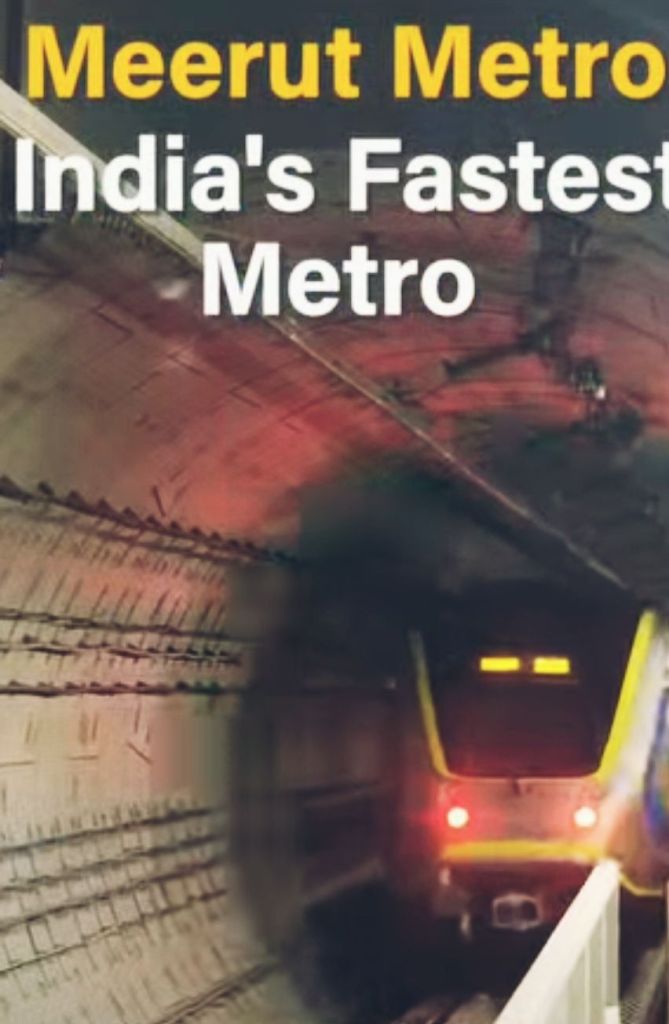
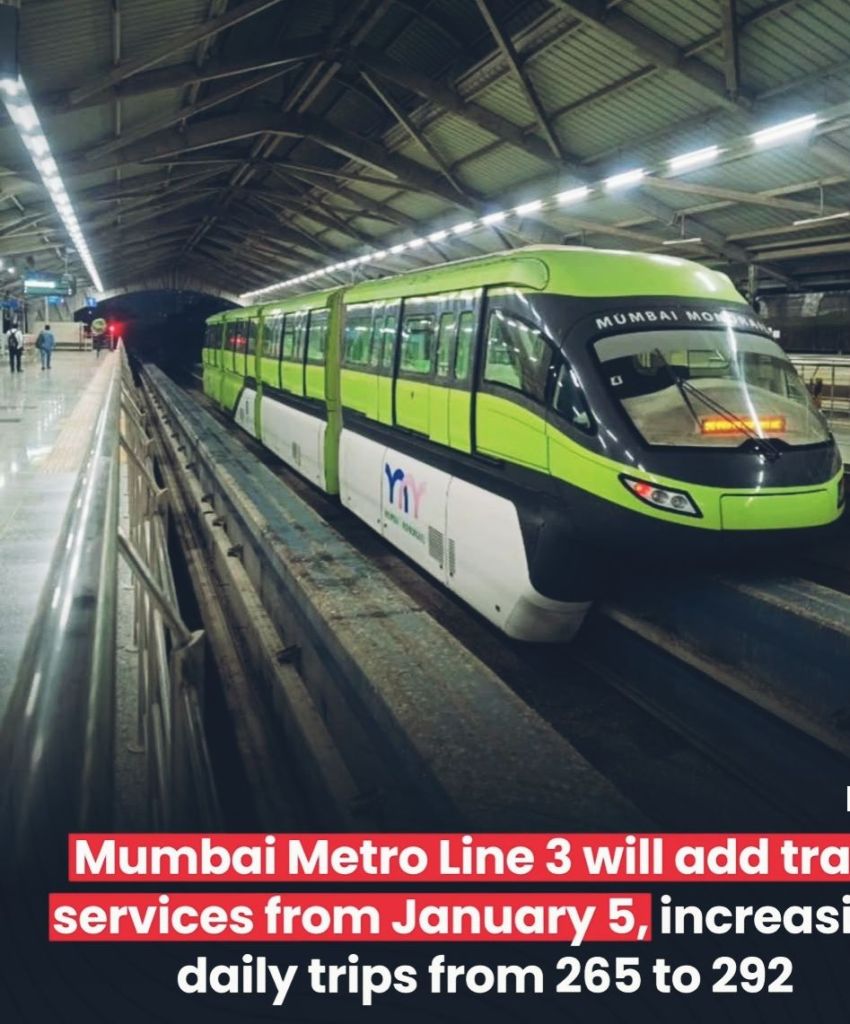
Metro rail addresses a structural constraint roads cannot overcome. It operates within a fully segregated corridor—elevated or subterranean—immune to surface congestion. A single high-capacity line can carry 60,000 to 80,000 passengers per hour per direction. No feasible road widening in a dense urban core can replicate that throughput. It is, fundamentally, a physics solution to a geometry problem: when horizontal expansion is exhausted, mobility must move vertically or underground. Systems such as the Delhi Metro Rail Corporation, Mumbai Metro Rail Corporation and Bangalore Metro Rail Corporation Limited exemplify how grade separation transforms mobility from probabilistic to predictable.
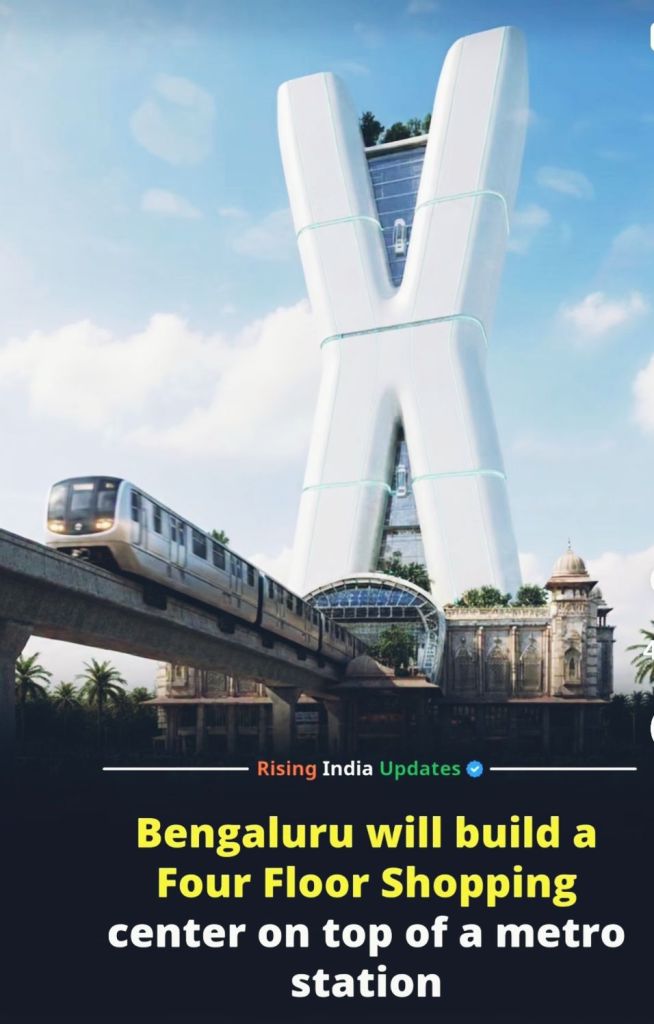
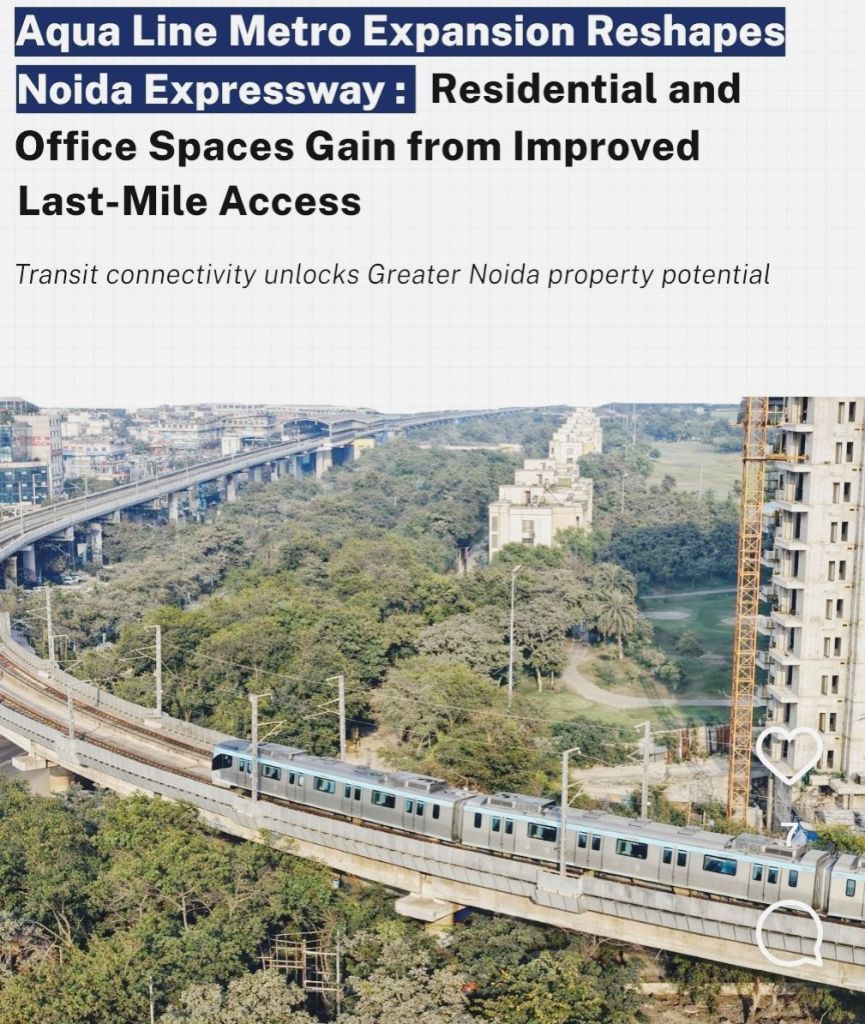
Yet the metro’s true power lies not in speed, but in spatial recalibration. Rail corridors reshape land economics. Around stations in Delhi, Mumbai and Bengaluru, higher floor area ratios, mixed-use zoning and commercial clustering have catalysed transit-oriented development. Accessibility becomes an economic multiplier. When planning synchronises zoning flexibility with rail connectivity, cities evolve from monocentric congestion to polycentric balance. Land values adjust not merely to geography but to time saved. The metro compresses distance; policy must amplify that compression through thoughtful urban design.
The environmental dividend further strengthens the case. Congested traffic multiplies emissions through stop-and-go inefficiency. By shifting trips from private vehicles to high-capacity electric rail, metros reduce per-passenger carbon intensity dramatically.
However, this dividend is contingent upon the electricity mix. A coal-dominant grid dilutes environmental gains; renewable integration deepens them. Indian networks increasingly deploy rooftop solar, regenerative braking and long-term green power procurement, recognising that sustainable mobility depends as much on electrons as on engineering.
Financially, metro systems are capital-intensive public goods. Elevated corridors often cost around ₹200 crore per kilometre; underground stretches can exceed ₹500 crore in complex geologies such as Mumbai’s coastal substrata.
These are not speculative ventures designed for quick returns. Farebox revenue may sustain operations—as seen in mature phases of the Delhi system—but capital recovery relies on sovereign equity, concessional loans and multilateral financing from institutions like the Japan International Cooperation Agency and the Asian Development Bank. The layered financing architecture reflects a policy truth: metros generate social returns that exceed direct commercial yield.
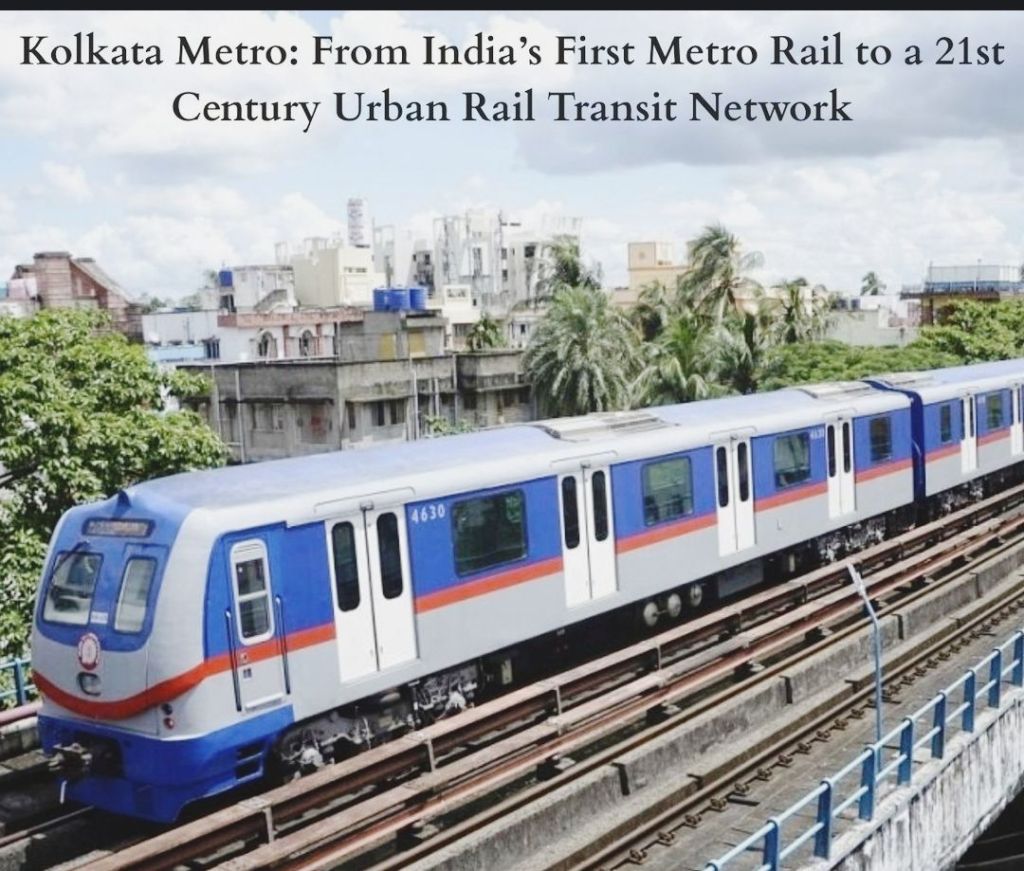
Nevertheless, prudence must temper ambition. Not every corridor warrants metro-grade capacity. Viability typically requires demand approaching 40,000 passengers per hour per direction. Political aspiration can sometimes precede empirical assessment. Comprehensive Mobility Plans, mandated by the Ministry of Housing and Urban Affairs, are intended to anchor sanction decisions in data rather than symbolism. A metro line is often perceived as a city’s badge of arrival. Yet arrival must be measured in utilisation, integration and fiscal sustainability—not in ribbon-cutting optics.
Ultimately, metro rail reorders the hierarchy of urban space and time. It converts traffic paralysis into scheduled certainty. It unlocks peripheral land for productive integration. It reduces carbon intensity while increasing economic density. Most importantly, it signals a philosophical shift—from reactive road widening to proactive structural planning. Cities are living organisms; metros are their steel arteries. Where these arteries function efficiently, urban metabolism accelerates without suffocation. India’s expansion from 248 to over 1,000 kilometres in a decade is not merely an infrastructure statistic. It is a declaration that growth must negotiate with geometry, that aspiration must reconcile with arithmetic, and that the future of Indian cities will be measured not in kilometres of road, but in minutes of life restored.
VISIT ARJASRIKANTH.IN FOR MORE INSIGHTS
























 SOCIAL PERSPECTIVES