Honouring the Unsung Heroes: A Tribute to Customs Officers on International Customs Day
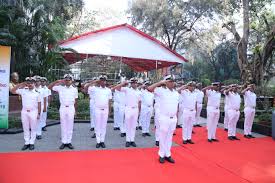
Every year, on January 26th, the world celebrates International Customs Day, a day dedicated to honouring the invaluable contributions of customs agencies and their officers. These men and women work tirelessly, often under challenging conditions, to ensure the smooth flow of goods across borders while safeguarding national interests. In 2024, as we fondly remember International Customs Day, it’s essential to reflect on the significance of customs and express gratitude to the individuals who serve in this crucial role.
Customs agencies play a vital role in enforcing laws and regulations related to import-export activities, protecting national economies, and regulating the flow of goods in and out of countries. They ensure compliance with trade policies, collect duties and taxes, and combat illicit trade practices. Without their diligent efforts, maintaining the integrity of borders and facilitating international trade would be immensely challenging.
International Customs Day provides an opportunity to express gratitude and appreciation to customs officials for their hard work and dedication. One way to celebrate is by thanking a customs official personally through a note, card, or email, acknowledging their crucial role in maintaining the flow of goods across borders. It’s a day to recognize their unwavering commitment to duty and their significant contributions to national development.
The concept of International Customs Day dates back to the late 19th century when Jacques Bertillon introduced the first “International List of Causes of Death.” Over the years, the role of customs officials gained prominence, leading to the establishment of International Customs Day. Today, the World Customs Organization (WCO) coordinates activities to mark this day, showcasing the efforts of customs agencies worldwide.
The theme for International Customs Day 2024, “Nurturing the Next Generation: Promoting a Culture of Knowledge-sharing and Professional Pride in Customs,” highlights the importance of fostering knowledge-sharing and professional pride among customs officers. It emphasizes the role of mentorship and continuous learning in preparing future generations of customs officials to meet evolving challenges.
With 185 member countries, the WCO plays a crucial role in promoting collaboration and cooperation among customs administrations worldwide. Through initiatives such as the Policy Commission sessions, the WCO facilitates knowledge exchange, capacity building, and the development of best practices to enhance customs operations globally.
On International Customs Day 2024, let us take a moment to express our gratitude to the dedicated customs officers who work tirelessly to ensure the integrity of our borders and the smooth flow of trade. Their selfless service and unwavering commitment deserve our utmost appreciation and respect. As we celebrate this day, let us reaffirm our support for customs agencies worldwide and their mission to promote security, prosperity, and economic development through effective border management.
“The Resilience and Struggles of Street Children: Empowering Lives at Traffic Signals”
Delhi, the bustling capital city of India, is not only known for its rich history and vibrant culture but also for its staggering number of homeless individuals. According to civil society estimates, there are approximately 150,000 to 200,000 homeless people in Delhi, with a significant number being women. Among this vulnerable population, street children who live and work at traffic signals face unique challenges and struggles as they try to make a living.
These street children, often orphaned or abandoned, have found solace and opportunity amidst the chaos of city intersections. Regardless of the season, whether it’s scorching summers, chilly winters, or rainy monsoons, they rely on selling flags, articles, to the traveling vehicle users for their livelihood. With no permanent residence or proper shelter, these children navigate the streets, surviving on the generosity of strangers and their own resilience.
Delhi’s homelessness crisis stems from various factors such as rapid urbanization, inadequate infrastructure, limited access to education and healthcare, high levels of inequality, and a large informal economy. Many families, primarily migrant laborers, find themselves without permanent residences, forced to live in the open at traffic signals and make ends meet through informal means.
At the IIT flyover, where scattered belongings and dust create an uncertain terrain, families make their homes amidst the constant honking of cars. Children barely 12 years old, take care of their siblings while their parents work to earn a living. Education becomes a luxury for them, and their lives revolve around survival and fending off the dangers of the streets.
Children who hail from different states, showcase their acrobatic skills and perform daring stunts to earn a few rupees from generous passersby. But their struggle goes beyond finding generous people; it is also about surviving the chaotic traffic and avoiding accidents. The constant fear of injuries and accidents looms over these children as they try to navigate the roads and intersections.
While efforts have been made to provide support and shelter for the homeless, the existing infrastructure falls short of meeting the needs of the growing homeless population. Many families are hesitant to seek refuge in homeless shelters due to safety concerns and the dominance of intoxicated individuals. Lack of sufficient shelter homes exacerbates the challenges faced by these vulnerable individuals, especially during extreme weather conditions.
To truly address the issue of street children at traffic signals, a comprehensive approach is required. It is crucial to not only provide immediate support in terms of shelter and basic necessities but also empower these children with access to education, healthcare, and vocational training. By investing in their future, we can break the cycle of poverty and provide them with opportunities for a better life.
The lives of street children at traffic signals are a testament to their resilience and determination to survive against all odds. Their struggle for livelihood and the constant threats they face on the streets demand our attention and support. By recognizing their potential and taking collective action, we can create a society that empowers and uplifts these children, giving them a chance to break free from the cycle of poverty and create a brighter future for themselves and their communities. Let us come together to ensure that these young souls are not forgotten and that their dreams can become a reality.
Bureaucrats India 2023: Shaping Excellence, Inspiring Change
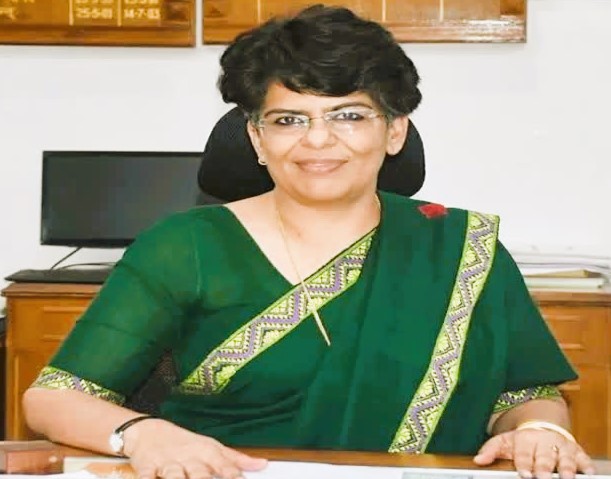
Bureaucrats India takes immense pride in unveiling the extraordinary contributions of the 23 exceptional bureaucrats of 2023. Guided by the visionary Dr. Navneet Anand and an esteemed editorial team, these leaders exemplify unwavering commitment, innovation, and stellar performance. Notably, three distinguished Rail Colleagues have brought unparalleled pride. This article illuminates the transformative journeys of Jaya Verma Sinha, Rekha Yadav, and Dr. Shilpi Agarwal, symbolizing the epitome of excellence in public service.
*Jaya Verma Sinha (Indian Railway Traffic Service 1988): Pioneering Transformation in Indian Railways*
Heartfelt congratulations to Jaya Verma Sinha for a trailblazing tenure as Chairperson & CEO of the Railway Board, Ministry of Railways, Government of India. In her remarkable 35-year journey, Sinha’s innovative leadership has not only shattered glass ceilings but has also orchestrated a profound transformation in India’s railway infrastructure.
The initiation of the Maitri Express services and her pivotal role as a spokesperson during the Balasore rail collision stand as testaments to her unparalleled commitment and communication skills. Jaya Verma Sinha, a true trailblazer, breaks barriers for women in high-profile positions, setting an inspiring example for future generations.
Her visionary leadership has not only reshaped Indian Railways but has also set an inspiring example for future generations. We are exceptionally proud of Jaya Varma Ji! 🌟
*Dr. Shilpi Agarwal (Indian Railway Accounts Service 1993): Symphony of Excellence on Railway Tracks*
Congratulations, Dr. Shilpi Agarwal, on an illustrious three-decade journey marked by stellar achievements and unwavering commitment to excellence.
Recipient of the Railway Minister’s award for outstanding work and the General Manager’s award for excellence, your extensive training in international financial reporting standards and leadership in business innovation have established you as a thought leader in your field.
Her integral role in complex infrastructure projects, such as the Rishikesh Karanprayag project and railway electrification initiatives, speaks volumes about your strategic acumen. Under Her dynamic leadership, the Mysuru division achieved record-breaking freight traffic loading, earning well-deserved recognition from the Minister of Railways.
Her unique blend of academic brilliance and hands-on experience continues to elevate the Indian Railways as a preeminent service provider. Warm congratulations on this well-deserved honor! 🚂🌟
*Rekha Yadav (Indian Railway Personal Service 1995): A Trailblazer in Railways and Beyond*
Congratulations, Rekha Yadav, on a journey defined by excellence in diverse roles within Railways and the Government of India, showcasing remarkable leadership and unwavering commitment to public service.
In Her current role, steering administration, train operations, and staff welfare, your contributions have been pivotal, ensuring the safety and efficiency of railway operations. Her versatile experience, from serving as Joint Secretary in the Ministry of Panchayati Raj to being the Executive Director (Sports) & Secretary at the Railway Sports Promotion Board, reflects your dedication and adaptability.
Strategic initiatives in sports administration, establishing sports academies, nurturing women’s teams, and implementing policies for career progression have made an enduring impact. Your efforts have not only elevated railway sports nationally but have also contributed significantly to India’s triumphs in international competitions, including the Rio Olympics.
Congratulations, Rekha Yadav, on Her stellar achievements and unwavering commitment to excellence in public service! 🚄🌟 We are proud of you! 🌟
Bureaucrats India proudly extends heartfelt congratulations to the visionary leaders – Jaya Verma Sinha, Rekha Yadav, and Dr. Shilpi Agarwal – alongside the 23 distinguished bureaucrats of 2023 for their transformative contributions. Their unwavering commitment to excellence and positive change not only sets an example but serves as a profound inspiration for the entire nation. These leaders, with their dedication, innovation, and outstanding leadership, are architects of a brighter future for public service. As they continue to shape the landscape of governance, their collective efforts reflect a commitment to fostering positive societal change. Bureaucrats India commends their stellar achievements, reinforcing the belief that their influence will resonate far beyond the bureaucratic realm, leaving an indelible mark on the nation’s trajectory. 🌟👏
Journeying through India’s diverse landscapes, heritage, and untapped tourism potential. Discover the economic impact, trends, and steps towards a sustainable future.
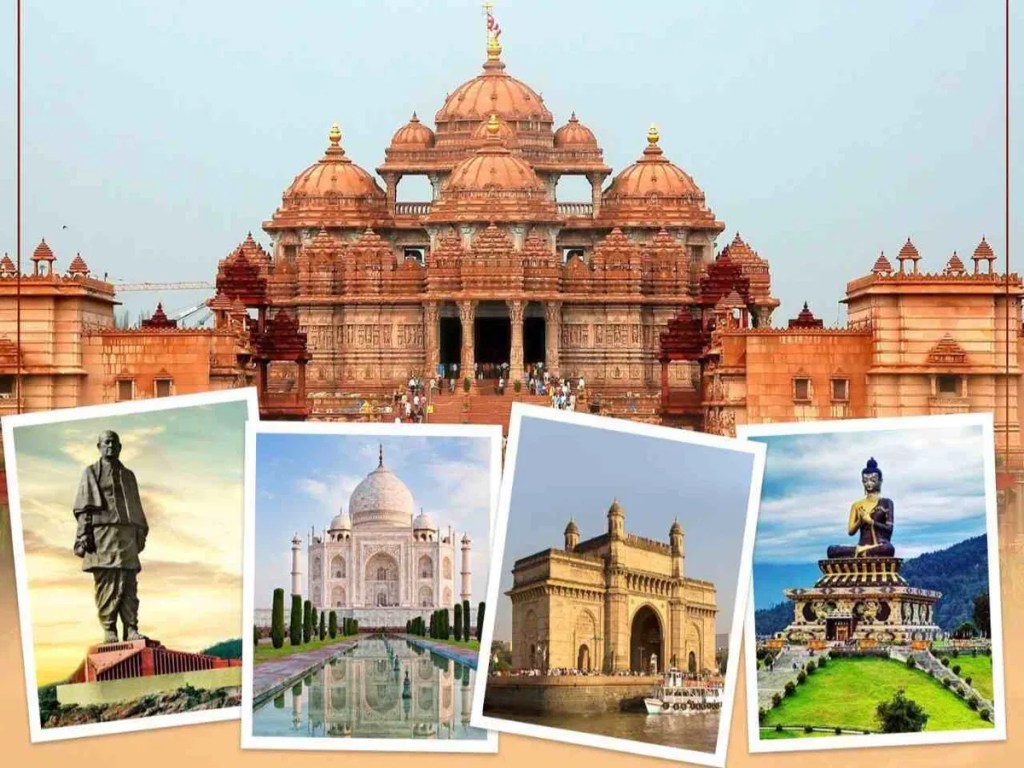
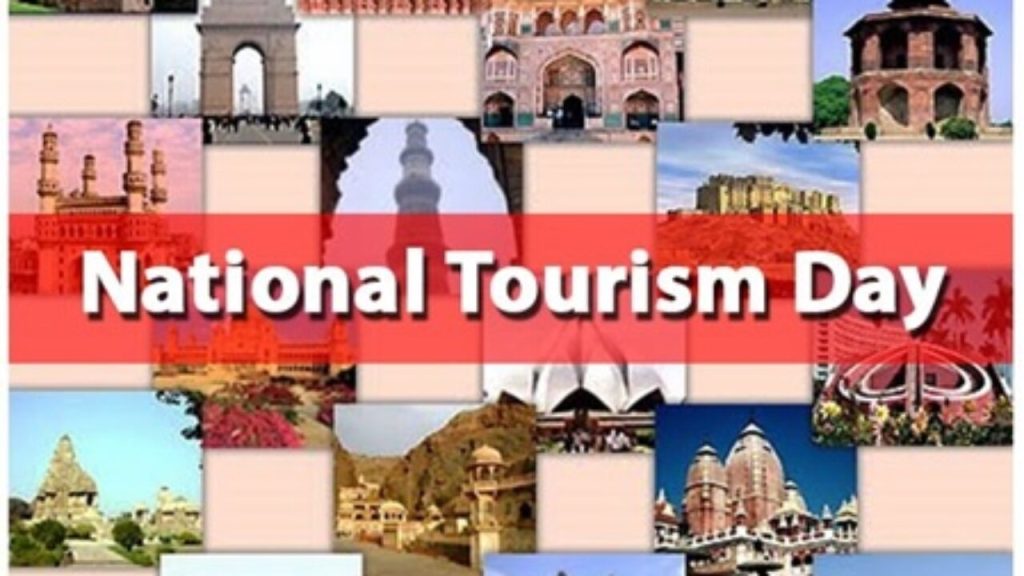
India, a captivating reservoir of cultural diversity, historical opulence, and awe-inspiring landscapes, has perennially beckoned travellers globally. On the occasion of National Tourism Day, observed on January 25th, it becomes imperative to delve beyond the economic facets and explore the profound significance of tourism for India. Beyond its monetary contributions, tourism serves as a conduit for cultural exchange, facilitating a global recognition of India’s multifaceted heritage. This celebration is not merely about destinations; it’s a recognition of the intrinsic value that tourism adds to India’s identity on the world stage. National Tourism Day stands as a testament to India’s timeless allure, inviting the world to explore its myriad wonders and partake in an enriching journey of cultural exploration and global interconnectedness. As we honour this day, let’s embrace the cultural tapestry that tourism weaves, making India a cherished destination for all.
India’s tourism sector stands as a formidable powerhouse, wielding substantial influence over economic growth. As of 2023, it commands a noteworthy 4.6% share of the country’s GDP, underscoring its pivotal role in shaping the economic fabric of the nation. The strategic declaration of 2023 as the ‘Visit India’ year, contextualized within India’s G20 Presidency and Azadi ka Amrit Mahotsav, serves as a resounding testament to the government’s unwavering commitment to unleashing the full economic potential embedded in the realm of tourism. This forward-looking initiative not only emphasizes the sector’s current contributions but signals a concerted effort to amplify its impact, fostering sustained economic growth and positioning India as a global tourism force. In the tapestry of India’s economic narrative, tourism emerges as a vibrant thread, weaving together prosperity, cultural richness, and global prominence.
In 2024, prevailing travel trends spotlight a shift towards prioritizing local gastronomy, nature, wellness, and rural tourism experiences, signifying a rising penchant for sustainable and authentic travel encounters. This nuanced shift mirrors an evolving traveler preference for meaningful engagements with destinations. The future trajectory of tourism in India holds promise, with projections anticipating international tourist arrivals to soar to 11,149,000 by 2021, accompanied by substantial economic expenditure. In sync with this growth narrative, the “Visit India” initiative gains significance, strategically positioning India as a preeminent global tourist destination. This aligns seamlessly with the evolving dynamics of the travel landscape, emphasizing experiential, culturally rich, and sustainable explorations. As India charts its course towards becoming a global tourism hub, these trends herald a future where authenticity and sustainability define the essence of travel experiences.
In the realm of immense promise that the tourism sector holds, it grapples with substantial threats, prominently climate change. The specters of erosion, storms, and habitat disruption loom large, presenting formidable challenges. Acknowledging and actively addressing these threats becomes imperative for ensuring the enduring sustainability of India’s vibrant tourism industry. National Tourism Day, an annual celebration on January 25th, transcends mere festivities; it serves as a pivotal platform to amplify India’s tourism industry and champion domestic travel. Beyond recognizing the sector’s economic prowess, the day resonates with a profound call for embracing sustainable and responsible tourism practices. By uniting celebration with conscientious action, National Tourism Day stands as a beacon, guiding India towards a future where tourism thrives harmoniously with environmental resilience.
India’s resurgent tourism sector showcases a remarkable recovery, marked by a substantial 44% surge in talent demand in August 2023. In the post-pandemic landscape, concerted endeavours are underway to invigorate tourism, fostering growth both domestically and internationally. However, the vast potential of India’s tourism landscape remains predominantly untapped, notably in rural realms and offbeat destinations. The nation’s tapestry, woven with a rich historical narrative, diverse cultural tapestry, picturesque landscapes, and delectable cuisine, beckons exploration. To unlock this reservoir of potential, collaborative efforts are imperative, necessitating synchronized action from the government, private sector, and local communities. As India propels towards a revitalized tourism narrative, the synergy of these stakeholders holds the key to unravelling hidden treasures and positioning India as a coveted global destination.
Unlocking untapped potential in Indian tourism requires a comprehensive strategy. Firstly, substantial investments in Infrastructure Development are imperative to improve accessibility and amenities in undiscovered areas. Emphasizing Eco-Tourism Promotion is vital, ensuring that tourism practices align with eco-friendly principles to preserve natural beauty sustainably. The Preservation of Cultural Heritage is crucial, safeguarding historical sites and promoting cultural experiences to enhance the overall tourism landscape. Additionally, the introduction of New Tourism Products, characterized by innovative offerings, unique experiences, and exploration of offbeat destinations, plays a pivotal role in attracting a diverse range of travellers. This multifaceted approach is integral to harnessing the richness of India’s cultural and natural assets, fostering sustainable tourism growth.
The policy envisions fostering a secure and favourable environment, aiming to instil confidence in travellers and catalyse the industry’s robust revival. Globally, the travel sector is poised for substantial growth, averaging 5.8% annually from 2022 to 2032, surpassing overall economic expansion. Notably, 2024 travel trends spotlight a sustained fascination with “set-jetting,” wherein destinations showcased in TV shows and movies continue to shape travel preferences. This evolution reflects the industry’s adaptability and the enduring allure of immersive, pop culture-inspired travel experiences. As the global landscape evolves, these insights signal a dynamic future for the travel industry, marked by resilience, innovation, and an enduring connection between storytelling and travel choices.
The evolving landscape of tourism foresees a transition towards cooler destinations and heightened emphasis on domestic markets, driven by a collective commitment to curbing carbon emissions. Post the disruptions wrought by COVID-19, there’s an anticipated renaissance of holidays, as travel rebounds with renewed vigor. Projections indicate a consistent uptrend in tourism’s contribution to India’s GDP, underscoring its pivotal role in the nation’s economic fabric. This surge is not merely economic; it mirrors a resolute resurgence of an industry, adapting to new paradigms while retaining its intrinsic value. As the future unfolds, the synergy between sustainable practices, domestic exploration, and the revival of the travel spirit paints a dynamic picture for India’s tourism sector, marking it as a cornerstone of the nation’s economic growth and resilience.
In commemorating National Tourism Day and contemplating India’s tourism trajectory, the immense potential of the industry becomes apparent. Achieving a harmonious equilibrium between economic expansion, environmental preservation, inclusivity, and technological integration will play a pivotal role in shaping the future of Indian tourism. Beyond being a tale of destinations, India’s tourism narrative unfolds as a saga of cultural interchange, economic empowerment, and sustainable development. The key lies in unlocking untapped potential and implementing progressive policies that position India as a formidable global tourism hub in the forthcoming years. This vision not only ensures economic prosperity but also fosters a sustainable, inclusive, and technologically advanced future for Indian tourism. As we navigate the evolving landscape, the hashtag #TourismFuture symbolizes our commitment to sustainable travel practices, setting the stage for a dynamic and responsible tourism industry.
“From bridge collapses to boat tragedies, Gujarat faces the consequences of neglect in public projects. Explore the heart breaking incidents, unravel the causes, and demand accountability for a safer future.”
In the serene town of Vadodara, Gujarat, the pursuit of leisure and outdoor entertainment took a tragic turn with the recent boat accident at Harni Lake. This incident, reminiscent of a past tragedy involving the collapse of a bridge in the state, sheds light on the alarming negligence displayed by private partners entrusted with public-oriented projects. As we delve into these heart-wrenching incidents, our focus is on unraveling the causes, identifying the culpable parties, and stressing the urgent need for stringent measures to prevent such occurrences in the future.
Last week’s anticipation of a joyous school picnic at Harni Lake swiftly transformed into a nightmarish scenario. The vessel, operated by the private company OTR Projects, overturned, leading to the tragic loss of 12 school children and two teachers. The stark reality revealed that a boat designed for 16 passengers perilously accommodated 34 occupants. In response, National Disaster Relief teams initiated rescue operations, successfully saving 18 students and two teachers. The abrupt shift from jubilation to mourning prompted the lodging of a First Information Report (FIR) against OTR Projects.
The subsequent police investigation delved into the harrowing details surrounding the incident. The boat, in addition to being overloaded, lacked sufficient life jackets for its occupants. Shockingly, there were no trained lifeguards present to ensure the safety of those on board. Commissioner of Police, in a press conference, underscored the evident negligence, emphasizing the glaring absence of fundamental safety precautions. The operator’s blatant disregard for safety measures raises significant questions about the oversight mechanisms in place.
In the aftermath of the tragedy, the legal system swiftly moved into action. A total of 20 individuals have been booked in connection with the incident, with six arrests made so far. The accused encompass partners of OTR Projects, managing personnel, and subcontractors. The investigative lens remains sharply attuned to those accountable for ensuring safety measures and the subcontracting decisions made by OTR Projects.
The Vadodara Municipal Corporation (VMC) found itself under the spotlight as questions arose about its role in awarding the contract to OTR Projects. The company faced disqualification in 2015 due to its lack of experience in leisure infrastructure projects. However, it made a return, forming a joint venture with architect Gopal Das Shah, who had the necessary experience. The decision by VMC to award the contract without stringent checks becomes a critical factor in understanding the contributing factors to the tragedy.
The incident triggered not only public outrage but also political backlash, particularly from opposition leaders. Allegations of corruption and favoritism in the contract awarding process were vehemently raised. Opposition leaders, as far back as 2016, expressed concerns about the financial implications of the contract.
The families of the victims, burdened by the tragic loss of their loved ones, sought recourse through legal avenues. They filed a Public Interest Litigation (PIL) in the Supreme Court, seeking justice, a thorough investigation, and preventive measures to avert similar accidents in the future. The incident resonated with the public, prompting a broader outcry for accountability and stricter oversight of public projects. Through their legal endeavors, the victims’ families strive to ensure that such avoidable tragedies do not recur due to negligence and laxity.
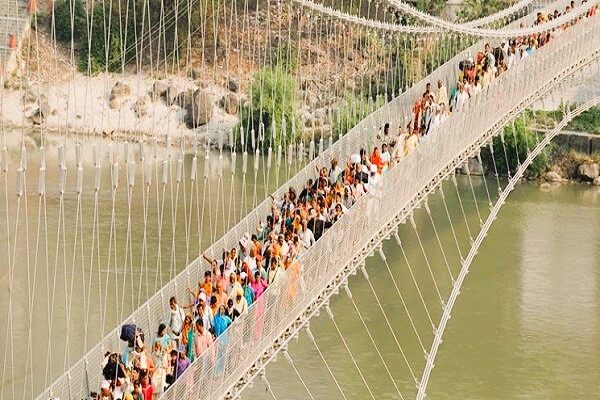
Previously, in the serene town of Morbi, Gujarat, tragedy struck with the collapse of the historic Morbi suspension bridge on October 30, 2022. The aftermath witnessed 141 lives lost and over 180 individuals injured, casting a pervasive shadow of grief over the entire community. The indiscriminate toll, including 39 boys and 16 girls, underscored the far-reaching impact on men, women, elderly citizens, and children alike. The once-peaceful town grappled with profound sorrow, forever scarred by the devastating loss.
As the Special Investigation Team (SIT) delved into the incident, a revelation emerged, shifting focus from construction issues to a lapse in bridge repair and maintenance. Crucial questions about infrastructure practices and the need for stringent protocols surfaced. Untangling this intricate web of responsibilities is crucial for understanding each party’s involvement.
These tragic incidents in Gujarat, the collapse of the Morbi bridge and the boat accident at Harni Lake, intertwine to reveal a common thread of negligence in public-oriented projects. The toll on human lives and the profound impact on communities underscore the urgent need for stringent safety measures, oversight, and accountability in such ventures.
In the pursuit of leisure and outdoor entertainment, Gujarat found itself at the epicenter of tragedies that have left scars on its communities. From the collapsing Morbi bridge to the capsizing boat at Harni Lake, the wake-up call is loud and clear. The incidents underscore the pressing need for a paradigm shift in the approach to public projects, ensuring that safety, accountability, and meticulous oversight become non-negotiable aspects of every venture. As Gujarat mourns the loss of young lives and grapples with the consequences of neglect, it stands at a crossroads—a moment to reflect, learn, and pave the way for a future where tragedies of this magnitude become relics of the past.
On SAIL’s Foundation Day, the echoes of progress reverberate as we honour the architects of steel, shaping the nation’s progress with every beam, celebrating a legacy of strength, resilience, and economic vitality.
In the heart of India’s industrial landscape stands an entity that resonates with the pulse of progress – the Steel Authority of India Limited (SAIL). Commemorating its 49th Foundation Day, this is not merely a corporate celebration but a profound reflection on the significance of steel in the nation’s building blocks. Established on January 24, 1973, SAIL has been a stalwart in the steel industry, contributing significantly to India’s economic growth and development.
The roots of SAIL trace back to the formative years of an emerging nation – India. Post-independence, the visionaries of modern India laid the groundwork for rapid industrialization, recognizing the pivotal role of the steel sector in propelling economic growth. Hindustan Steel Private Limited, established on January 19, 1954, paved the way for the eventual creation of SAIL.
The Ministry of Steel and Mines formulated a visionary policy, envisioning a new model for industry management. This policy led to the creation of The Steel Authority of India Ltd. on January 24, 1973, with an authorized capital of ₹2,000 crore (US$280 million). The company was entrusted with managing five integrated steel plants, including Bhilai, Bokaro, Durgapur, Rourkela, and Burnpur, alongside the Alloy Steel Plant and the Salem Steel Plant. A restructuring in 1978 transformed SAIL into a dynamic operating company.
SAIL transcends being a mere collection of steel plants; it emerges as a dynamic economic force propelling progress. Ranked as the 20th largest steel producer globally and the third-largest in India, it stands as a linchpin in the nation’s industrial landscape. Demonstrating unwavering commitment, SAIL’s hot metal production capacity is poised to soar to 50 million tonnes annually by 2025, a testament to its dedication to continuous growth and expansion, ensuring a robust contribution to the country’s steel demands and economic development.
The significance of SAIL in the Indian economy is profound. Its role in affordable housing, railway network expansion, domestic ship ports, and the burgeoning demand for Electric Vehicles underscores its highest growth potential. SAIL not only meets the steel needs of the nation but actively contributes to economic recovery and development across various sectors.
Despite facing financial downturns and increased competition from private players like JSW, TATA, JSPL, and others, SAIL has continued to manufacture products in the national interest. The company produces essential items like wheels for Indian railways and defense-grade steel, showcasing its commitment to strategic needs despite economic considerations.
SAIL’s commitment extends beyond profit margins, reaching into the heart of rural India. The initiative to develop 79 villages across 8 states as Model Steel Villages reflects a dedication to societal welfare. These Model Steel Villages aim to provide medical and educational facilities, roads, sanitation, income generation schemes, and more, contributing to holistic community development.
As the nation joins in celebrating 49 years of SAIL’s excellence, every member of the SAIL family deserves heartfelt congratulations. Your dedication has not only shaped the steel industry but has been instrumental in the nation’s journey towards progress and prosperity. SAIL’s legacy is one of strength, resilience, and unwavering commitment to building a stronger, more robust India. Here’s to the steel architects of SAIL, forging dreams, and building nations. Happy Foundation Day!
BPCL: Fuelling Prosperity, Powering Progress – Celebrating a Legacy of 46 Years
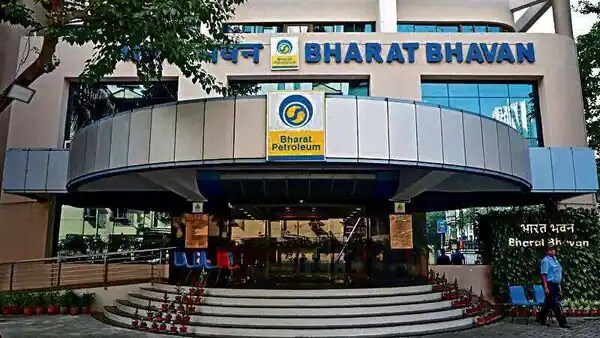
As Bharat Petroleum Corporation Limited (BPCL) commemorates its 46th Foundation Day, the occasion serves as both a corporate celebration and a national acknowledgment of the company’s pivotal role in India’s economic journey. Established on January 24, 1976, BPCL has evolved into a Maharatna PSU, transcending its primary role in the oil and gas industry to become a key player influencing various facets of the nation’s progress.
BPCL’s journey began with the amalgamation of crucial entities, including the Burmah Shell Oil Storage and Distribution Company of India Limited, the Assam Oil Company Limited, the Indian Oil Company Limited, and the Hindustan Petroleum Corporation Limited. This historic union laid the foundation for BPCL, which, on August 1, 1977, adopted the name Bharat Petroleum Corporation Limited, cementing its commitment to serving the nation’s energy needs.
The core objective of BPCL revolves around efficiently refining and marketing petroleum products to meet the ever-growing energy demands of the nation. Positioned as a Maharatna CPSE under the Ministry of Petroleum and Natural Gas, BPCL envisions a future where it expands its offerings, particularly into petrochemicals, aiming to enhance its value proposition and contribute significantly to India’s energy landscape.
The tagline “Energising Lives” encapsulates BPCL’s mission, emphasizing its role in providing a diverse range of petroleum products, from aviation turbine fuel for aircraft to everyday essentials like petrol, diesel, and kerosene. Major brands like Mak, Speed, and Bharat Gas have become synonymous with quality and reliability, reflecting the significant impact BPCL has on people’s lives.
Under the astute leadership of Krishnakumar Gopalan, Chairman and Managing Director of BPCL, the company has consistently maintained its position among India’s top-three oil-marketing companies. Gopalan’s strategic vision has navigated BPCL through the complexities of the oil and gas sector, ensuring continued growth, innovation, and relevance in a dynamic market.
BPCL’s commitment to societal welfare extends beyond its core operations. Actively engaging in skill development initiatives, the company focuses on fostering economic development and self-sustainability in marginalized populations, including women, unemployed youth, and people with disabilities. This holistic approach aligns with the broader goal of contributing to community development and making a positive impact beyond business.
The recognition bestowed upon BPCL, including the coveted Maharatna Status received in 2017, further solidifies its standing as a key player in the petroleum industry. This acknowledgment serves as a testament to BPCL’s commitment to excellence and its indispensable role in shaping India’s energy landscape.
Looking forward, BPCL envisions diversification into petrochemicals and substantial investments in large CAPEX projects. These initiatives underscore the company’s dedication to providing higher value addition alternatives over transportation fuels, contributing significantly to India’s economic growth and ensuring its continued relevance in a rapidly evolving energy sector.
In conclusion, on this significant occasion of celebrating 46 years of excellence, heartfelt congratulations are extended to every member of the BPCL family. Their collective efforts have not only fuelled the engines of vehicles but have been instrumental in driving the wheels of progress for the nation. As the nation acknowledges 46 years of BPCL’s indelible mark on India’s socio-economic fabric, here’s to a future filled with continued innovation, sustainable practices, and a steadfast commitment to energizing lives across the nation. Happy Foundation Day, BPCL!
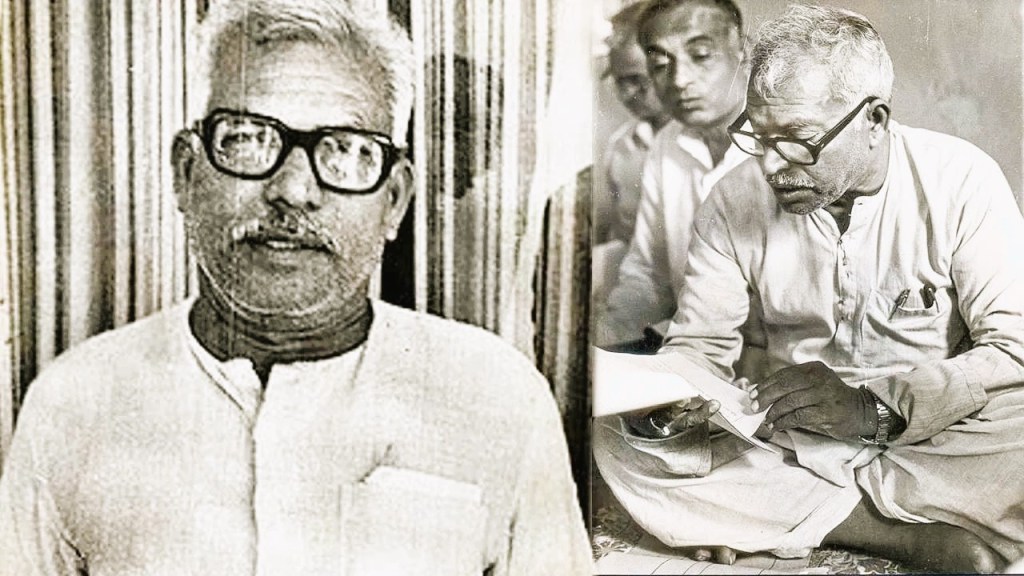
“Karpoori Thakur: Architect of Social Justice and Pioneer of Inclusive Governance”
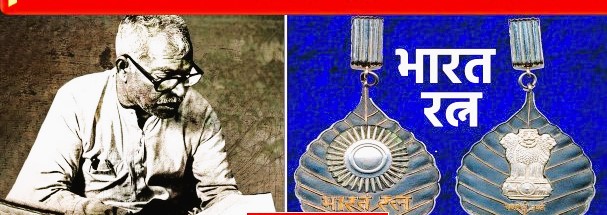
The imminent posthumous conferment of the Bharat Ratna upon former Bihar Chief Minister Karpoori Thakur is a testament to his indomitable spirit and unwavering commitment to social justice. Known as a beacon for the downtrodden, Thakur’s legacy transcends political realms, leaving an indelible mark on India’s socio-political fabric. As the nation prepares to honour him on his centenary, we delve into the life and contributions of this socialist icon.
Born in Samastipur, Bihar, Karpoori Thakur’s tryst with activism began during India’s freedom struggle. Jailed alongside other freedom fighters during the Quit India Movement, his relentless pursuit of pushing the British out of the country marked the early chapters of a remarkable journey.
Karpoori Thakur’s political journey, commencing with his victory in 1952, was characterized by widespread appeal stemming from his modest lifestyle and steadfast commitment to social justice. Advocating for the rights of marginalized communities, including scheduled castes, scheduled tribes, and other backward classes, Thakur’s political ideology was deeply rooted in inclusivity and equality.
A pivotal moment in Thakur’s tenure as Bihar’s Chief Minister from 1977 to 1979 was the implementation of the Mungeri Lal Commission recommendations. This move, known as the “Karpoori Thakur Formula,” introduced 26% reservation for backward classes in Bihar. The ripple effect of this policy was profound, setting the stage for the Mandal Commission recommendations in the 1990s and reshaping the political landscape of North India.
As an education minister, Thakur recognized the barriers posed by English as a compulsory subject at the matriculation level. In a transformative move, he abolished this requirement, making education more accessible for students. Thakur’s commitment to education extended further with the establishment of numerous schools and colleges, particularly in backward areas. Making education up to Class 8 free significantly reduced dropout rates and empowered the masses.
Thakur’s tenure witnessed ground breaking land reforms, redistributing land from Zamindars to landless Dalits. This earned him the title “Jannayak” or People’s Hero. Despite facing resistance and opposition from privileged classes, Thakur’s policies laid the foundation for future leaders to advocate for social justice.
The announcement of Bharat Ratna for Karpoori Thakur, on the eve of his 100th birth anniversary, has been met with widespread appreciation. Government of India’s acknowledgment of Thakur’s enduring efforts as a champion for the marginalized reflects the recognition of a stalwart of equality and empowerment.
As the nation prepares to confer its highest civilian honour upon Karpoori Thakur, his life and legacy resonate as a source of inspiration. From his early days as a freedom fighter to the corridors of power, Thakur’s journey is a testament to resilience, dedication, and an unwavering commitment to the principles of social justice. The Bharat Ratna is not just an award; it is a recognition of a leader whose visionary leadership left an indelible mark on the socio-political fabric of India. Karpoori Thakur’s legacy continues to inspire, urging us to uphold the values of inclusivity, equality, and empowerment in our collective pursuit of a just and equitable society.
As Uttar Pradesh grapples with a surge in stray cattle due to strict cow slaughter regulations, farmers are facing unprecedented challenges. The impact on crops, road safety, and the farming community has ignited concerns. What lies ahead for the state’s agricultural landscape?
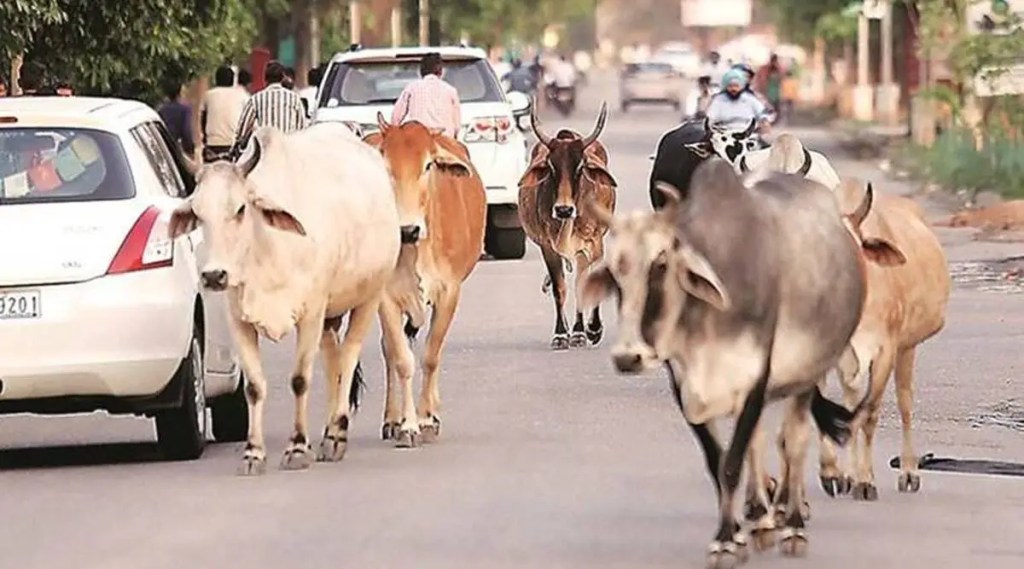
Uttar Pradesh, known for its agricultural heartland, is facing a burgeoning crisis – the surge in stray cattle. The clampdown on cow slaughter beyond productive age has inadvertently led to farmers releasing unproductive animals, resulting in a spike in stray cattle. This issue not only affects the farming community but also poses threats to crops, public safety, and the overall rural economy. This article delves into the causes, consequences, and potential solutions for the growing menace of stray cattle in Uttar Pradesh.
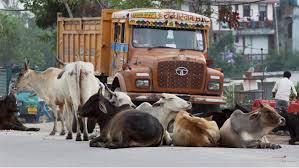
The proliferation of stray cattle has become a major nuisance for farmers in Uttar Pradesh. These animals, often released by farmers unable to bear the financial burden of their upkeep, wreak havoc on agricultural fields. Trampling crops, spreading diseases, and causing road accidents, stray cattle have become a multifaceted challenge.
The primary cause of the stray cattle menace is the economic burden on farmers once cows stop giving milk. Unable to afford the maintenance of unproductive cattle, farmers opt to release them. The lack of a uniform policy across states regarding cattle slaughter exacerbates the issue.
Article 243(W) of the Constitution of India designates local bodies as responsible for cattle pounds and pinjrapoles. Despite legal provisions, the implementation remains a challenge. The Prevention of Cruelty to Animals Act, 1960, addresses the cruelty of abandoning animals, yet the problem persists.
Farmers in Uttar Pradesh, particularly those dependent on agriculture, are bearing the brunt of the stray cattle menace. The animals damage crops, including potato, wheat, barley, vegetables, and mustard, causing financial losses worth lakhs of rupees annually. The lack of sleep due to guarding fields at night has become a common practice, affecting the mental and physical well-being of farmers.
Promises made by political leaders to resolve the stray cattle issue have left farmers discontented. Despite assurances, concrete steps are yet to be taken on the ground. Farmers’ unions, accuse the government of neglecting their problems, leading to crop destruction and economic losses.
The Uttar Pradesh government claims to run over 6,000 cow shelters, housing more than 8 lakh stray cattle. However, the effectiveness of these shelters is questionable. A new initiative involving a ₹63 crore project for a sanctuary, set up by the national dairy development board, aims to house 5,000 animals in Muzaffarnagar. The success of this project remains to be seen, with challenges such as funding, organization, and sustainability.
As farmers threaten agitation, demanding swift resolution of the stray cattle issue, the government faces the challenge of implementing effective policies. A lack of a national policy exacerbates the problem, and the need for comprehensive measures, including mobile veterinary dispensaries, immunization coverage, and a feed and fodder mission, is crucial.
The surge in stray cattle in Uttar Pradesh underscores the complex interplay between agricultural practices, economic constraints, and political promises. Farmers, caught in the crossfire, are facing unprecedented challenges that threaten their livelihoods. As the government grapples with finding viable solutions, the need for a holistic approach, considering the welfare of both farmers and animals, is imperative. The outcome will shape the future of Uttar Pradesh’s agricultural landscape and determine the coexistence of humans and cattle in the state.
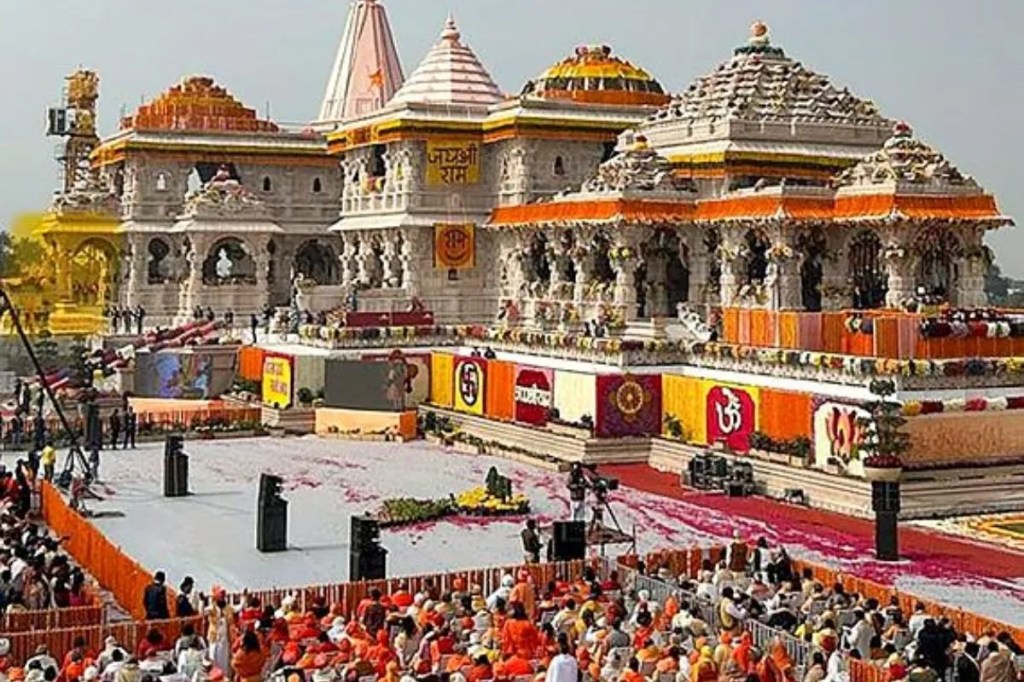
Tata Group’s Contribution to the Ram Mandir: Merging Tradition with Modernity
In a momentous chapter of modern India’s history, the construction of the Ram Mandir in Ayodhya stands as a testament to the dedication and prowess of Tata Group. As we extend our heartfelt congratulations to every member of Tata Group who contributed to this iconic project, let’s delve into the silent yet substantial role played by Tata Projects and Tata Consulting Engineers in crafting this historical marvel.
In November 2020, the temple construction committee established by the Shri Ram Janmabhoomi Teerth Kshetra Trust made a strategic decision that would shape the future of Ayodhya. The giants of engineering and construction, Larsen & Toubro (L&T), and Tata Consulting Engineers (TCE) were appointed as the design & build contractor and project manager consultant for the development of the Ram Mandir.
While Tata Industries has not publicly acknowledged its involvement in the construction of the Ram Mandir, the reputation and credibility of this conglomerate speak volumes. With a diverse range of businesses, including construction, Tata Industries is a cornerstone of India’s corporate landscape.
From the Shri Ram Mandir to the temple of democracy, Tata Group has been an integral part of constructing key structures that define modern India. With a legacy spanning over 150 years, Tata Group has excelled in diverse fields, making significant contributions to the nation’s progress.
Tata Projects and Tata Consulting Engineers (TCE) are two subsidiaries that have recently risen to prominence. In September 2020, Tata Projects outbid Larsen & Toubro (L&T) to secure the prestigious contract for constructing the new Parliament building. Winning the contract at ₹861.90 crore, Tata Projects showcased its prowess in engineering, procurement, and construction businesses.
Months after the inauguration, the new Parliament building, crafted by Tata Projects, received global recognition by winning ENR’s Global Best Projects Awards 2023. This achievement underscores Tata Group’s commitment to predictable project delivery through innovation and technology.
Tata Group chairman, Natarajan Chandrasekaran, visited the sacred sites of Ram Janmabhoomi and Hanuman Garhi temples in Ayodhya. This visit was not merely a visit; it was a reaffirmation of Tata Group’s commitment to the spiritual and cultural fabric of India.
After offering special prayers at Hanuman Garhi, Chandrasekaran visited the Ram Lalla deity and received ‘prasad’ and ‘angavastram’ of the Ram Mandir. Engaging closely with the ongoing construction work at Janmabhoomi, he convened a meeting with Tata group engineers, sharing insights and witnessing a 3D video presentation of the Ram temple in progress.
Expressing his sentiments, Chandrashekaran emphasized, “Ayodhya is the birthplace of Lord Shri Ram, and I salute this land. A temple of Shri Ram is being built on this holy land; it is a matter of pride not only for India but for the whole world. I am very excited, overwhelmed to see the historic work of construction of this temple.”
Since November 2020, Tata Consulting Engineers Ltd (TCEL) has silently played a pivotal role alongside Larsen and Toubro (L&T) in the construction and design of Ayodhya’s Ram Mandir. While Tata Industries has not made public statements regarding its involvement, TCEL’s website confirms its crucial role in planning the Ayodhya Ram Mandir project.
The silent architects of Tata Group, represented by TCEL, have contributed their engineering expertise to ensure the success and structural integrity of the project. The meticulous planning, innovative solutions, and commitment to excellence demonstrated by TCEL stand as a testament to Tata Group’s dedication to preserving tradition while embracing modernity.
As we congratulate every member of Tata Group who has been instrumental in the construction of the Iconic Ram Mandir, we recognize the enduring legacy of Tata Group in shaping India’s landscape. Tata Projects, Tata Consulting Engineers, and the larger Tata Group have silently contributed to the nation’s progress, leaving an indelible mark on the tapestry of modern India.
The construction of the Ram Mandir in Ayodhya is not just a structural accomplishment; it is a celebration of India’s rich cultural heritage and spiritual identity. Tata Group’s silent yet impactful role in this historic endeavour is a reminder of their commitment to nation-building, innovation, and preserving the essence of tradition. As the Ram Mandir stands tall, it echoes the silent narratives of Tata Group’s silent architects, who have woven their expertise into the fabric of this monumental legacy.
















 SOCIAL PERSPECTIVES