Skip to content
    • About

ARJA SOCIAL PERSPECTIVES

  • Mandela Land: Struggling for Freedom, Water, and Employment in South Africa

    May 9th, 2024

    Exploring the Enduring Impact and Current Realities in Land of Mandela

    In the annals of history, the names Mahatma Gandhi and Nelson Mandela stand as beacons of hope and resilience, symbolizing the triumph over oppression and the quest for freedom. However, despite their monumental achievements, the nations they fought for, South Africa and India, continue to grapple with a myriad of challenges. This article delves into the legacies of these iconic leaders and the present-day realities in their respective countries, focusing on South Africa’s journey under Mandela’s African National Congress (ANC) and India’s path post-Gandhi’s Indian National Congress (INC).

    After three decades of independence, South Africa, affectionately known as Mandela Land, continues to grapple with pressing issues like freedom of speech, access to water, and employment opportunities. Despite the ANC’s historic victory over apartheid, the party has struggled to adapt to the evolving aspirations of its people. Economic challenges persist, with weak growth, high unemployment rates, and pervasive corruption hindering progress. Socially, inequality remains entrenched, fuelling crime and unrest. Politically, the ANC’s credibility has been marred by corruption scandals, eroding public trust. As the nation approaches elections, a pervasive sense of disillusionment underscores the urgent need for innovative solutions to propel South Africa towards a more inclusive and prosperous future.

    In rural areas like Konno, where Mandela spent his childhood, water scarcity emerges as a critical issue exacerbated by corruption and mismanagement. Criminal syndicates exploit government failures, sabotaging water infrastructure for profit, leaving vulnerable communities in dire straits. This crisis mirrors broader national challenges, including corruption, climate change, and leadership deficiencies. Efforts to address the crisis require robust anti-corruption measures, transparent governance, and active citizen participation. While progress has been made, sustained action is essential to prevent a complete disaster and ensure equitable access to this vital resource.

    The emergence of a black middle class in South Africa signals progress in integration and social mobility, yet economic exclusion persists. Affirmative action policies aimed at wealth redistribution spark debates, underscoring the complexities of addressing historical injustices. However, economic disparities persist, with the middle class facing stagnation and rising inequality. Addressing these challenges is crucial for sustainable economic growth and social cohesion in South Africa.

    The ANC, once the vanguard of South Africa’s liberation struggle, faces scrutiny and scepticism as it navigates the complexities of governance. Corruption scandals, economic stagnation, and social unrest threaten the party’s legitimacy, prompting calls for innovative leadership and renewed commitment to the people’s aspirations. As the nation approaches elections, the ANC’s future hangs in the balance, with voters demanding tangible solutions to address systemic issues and chart a path towards a brighter future.

    In conclusion, the legacies of Mahatma Gandhi and Nelson Mandela endure as symbols of courage, resilience, and hope. Yet, the challenges facing South Africa and India underscore the complexities of nation-building and the enduring struggle for justice and equality. As both nations confront economic, social, and political hurdles, the lessons of Gandhi and Mandela remind us of the power of perseverance and the imperative of visionary leadership. By embracing innovation, transparency, and inclusive governance, South Africa and India can honour the legacies of their iconic leaders and pave the way for a more just, equitable, and prosperous future for all.

    Visit arjasrikanth.in for more insights

  • Next-Gen Rail Travel: Sanjay Jain’s Vision for Enhanced IRCTC Services

    May 8th, 2024

    Sanjay Jain’s innovative strategies and transformative vision as he reshapes railway services with pioneering technologies and forward-thinking initiatives as the Chairman and Managing Director of IRCTC.

    Mr. Sanjay Jain, the Chairman and Managing Director of the Indian Railway Catering and Tourism Corporation (IRCTC), is leading a paradigm shift in railway services. With a forward-thinking mindset and extensive industry experience, Jain aims to elevate customer experience, foster sustainable growth, and propel IRCTC to success. IRCTC, a public sector entity, operates India’s online railway ticketing system and offers catering, tourism, and ancillary services. As of December 2023, it boasts 66 million registered users and records an average of 731,000 daily ticket bookings. In the fiscal year 2022-23, IRCTC amassed a total revenue of ₹4,289.54 crore, majorly sourced from ticketing, catering, tourism, and ancillary services. Ticketing alone contributed 56.7% to the revenue, followed by catering (22.7%), tourism (12.3%), and other services (8.2%). With a net profit of ₹1,398.52 crore, representing a profit margin of 32.7%, IRCTC stands as a significant revenue contributor to the Indian government, having paid ₹1,821.54 crore in dividends and taxes in the same fiscal year. With Jain’s visionary leadership, IRCTC is poised for continued growth and success.

    Mr. Sanjay Jain’s ascent to leadership within IRCTC is distinguished by his exemplary track record and steadfast commitment to excellence. Armed with experience as an Indian Railway Traffic Service (IRTS) officer and tenure as the Principal Chief Commercial Manager of Northern Railway, Jain brings a unique blend of expertise and strategic foresight to his role. His vision extends beyond traditional railway services, encompassing initiatives to diversify IRCTC’s operations into payment aggregation, catering, tourism, and strategic collaborations.

    Central to Jain’s vision is the drive for innovation and the embrace of technology as a catalyst for change. Under his stewardship, IRCTC has embarked on a digital transformation journey, leveraging state-of-the-art solutions to streamline processes, boost efficiency, and deliver a seamless passenger experience. From user-friendly mobile apps to advanced booking systems, IRCTC stands at the forefront of railway industry innovation, thanks to Jain’s visionary leadership.

    A testament to Jain’s strategic acumen is his goal of doubling IRCTC’s share price within the next two years and tripling it by 2029. This ambitious target reflects Jain’s confidence in the corporation’s growth trajectory and his sharp financial acumen. Through prudent financial management, strategic investments, and a focus on enhancing shareholder value, Jain is laying the groundwork for IRCTC’s long-term success.

    Under Jain’s guidance, IRCTC has achieved remarkable milestones and forged strategic partnerships that have propelled the corporation to new heights. From establishing new subsidiaries to expanding catering services and promoting tourism initiatives, IRCTC’s journey under Jain’s leadership is marked by innovation, growth, and excellence.

    In conclusion, Mr. Sanjay Jain’s visionary leadership and unwavering commitment to excellence are driving IRCTC towards a future defined by innovation, efficiency, and unmatched service delivery. His transformative vision and strategic initiatives are reshaping the railway services landscape, positioning IRCTC for sustainable growth and enduring success. As we look ahead, we are confident that Jain’s leadership will continue to elevate IRCTC, solidifying its position as a global leader in the railway industry.

    visit arjasrikanth.in for more insights

  • Unveiling America’s Social Tapestry: A Global Mirror of Shared Struggles

    May 8th, 2024

    Navigating the Complexities of America’s Social Landscape: From Mass Incarceration to Media Influence

    In the intricate tapestry of global society, the United States stands as a prominent thread, woven with complexities and contradictions that mirror those faced by nations across the globe. From towering peaks of progress to valleys of entrenched injustice, America’s social landscape resonates with shared struggles that transcend borders and cultures. As distant mountains appear smooth from afar, so too do America’s challenges, belying the intricate webs of inequality, discrimination, and systemic failures that lie beneath the surface.

    At the heart of America’s social conundrum lies the crisis of mass incarceration, an issue that reverberates across continents. With a quarter of the world’s prisoners behind bars, the U.S. grapples with overcrowded facilities and draconian sentences that disproportionately impact marginalized communities. This phenomenon, emblematic of systemic injustices, echoes the struggles faced by nations striving to balance justice with compassion, punishment with rehabilitation.

    Hate crimes, like dark clouds casting shadows over the land, mar America’s landscape with violence and bigotry. Targeting marginalized groups based on identity, these crimes reflect a global epidemic of intolerance and prejudice that threatens the fabric of inclusive societies. Despite efforts to combat hate-driven violence, the rising tide of discrimination serves as a sobering reminder of the work yet to be done to foster empathy and understanding.

    Obesity and hunger, twin spectres haunting America’s dinner table, underscore the stark realities of inequality and access to resources. As millions struggle to put food on the table, disparities in wealth and opportunity widen the gap between the haves and have-nots. These challenges, shared by nations grappling with the consequences of poverty and food insecurity, demand holistic solutions that address root causes and promote equitable access to nutrition and healthcare.

    Drug abuse, like a creeping vine entwining community in its grasp, spreads its tendrils across America’s streets and suburbs. Fuelled by economic instability and social disconnection, substance misuse exacts a heavy toll on individuals and families, echoing the struggles faced by societies battling addiction and dependency worldwide. As nations confront the devastating impact of drug abuse on public health and safety, collaboration and compassion emerge as essential tools in the fight against this pervasive scourge.

    Gender inequality, a shadow cast over America’s promise of equality, dims the prospects of millions striving for recognition and respect. From unequal pay to limited opportunities, women face barriers that hinder their advancement and perpetuate cycles of discrimination. This global challenge, rooted in entrenched biases and systemic barriers, calls for concerted efforts to dismantle patriarchal norms and promote gender equity in all spheres of society.

    Gun violence, like thunder echoing across the plains, shatters America’s peace and tranquillity, leaving communities reeling in its wake. With each gunshot, lives are forever altered, underscoring the urgent need for sensible gun control measures that balance individual rights with public safety. As nations confront the spectre of gun violence, lessons from America’s struggle serve as a cautionary tale of the consequences of inaction and indifference.

    Social media, a double-edged sword in America’s digital age, shapes the minds and hearts of a generation, for better or for worse. From cyberbullying to mental health concerns, the impact of social media on youth reverberates across the globe, highlighting the need for thoughtful regulation and digital literacy initiatives. As nations navigate the complexities of online engagement, America’s experience serves as a cautionary tale of the dangers of unchecked technology and the importance of fostering healthy digital habits.

    As distant mountains are always smooth, so too are America’s social challenges often obscured by the veneer of progress and prosperity. Yet, beneath the surface lies a landscape scarred by inequality, injustice, and systemic failures that resonate with nations around the world. In confronting these challenges, as humanity heeds the lessons of America’s journey, nations should strive to build a future where justice, equality, and compassion prevail for all.

    visit arjasrikanth.in for more insights

  • Unheard Voices: The Struggles of Last Mile People in India

    May 7th, 2024

    Navigating Progress: Insights from India’s Tribal Terrain

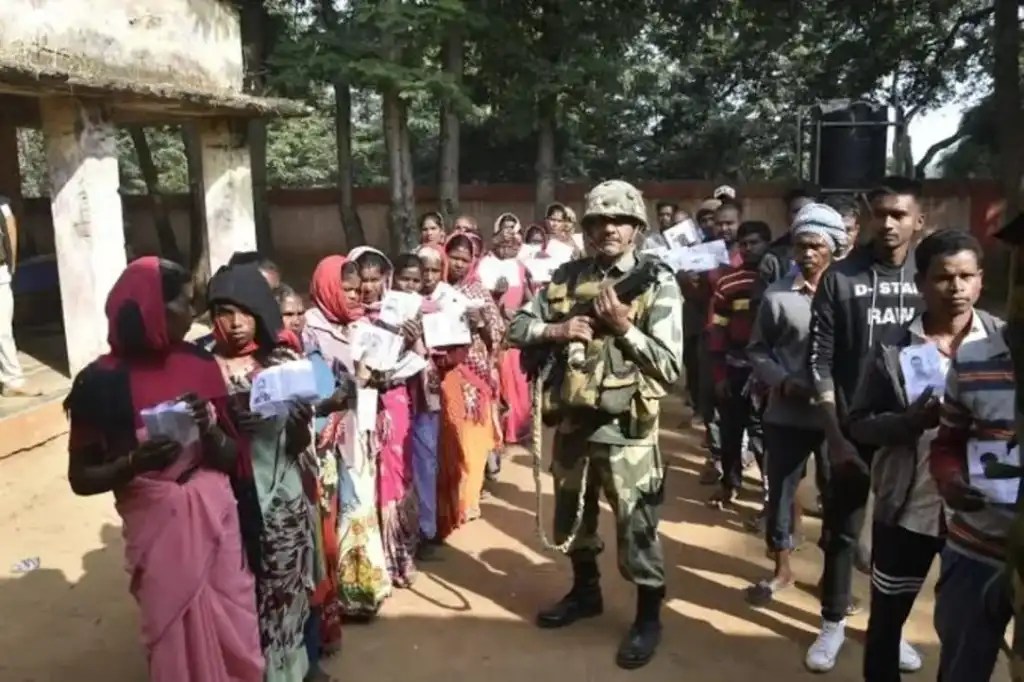
    In India, the stark developmental gap between prosperous states like Gujarat and Maharashtra, and tribal states such as Jharkhand and Chhattisgarh, highlights the country’s deep diversity. Despite this contrast, marginalized communities in both developed and tribal regions face similar challenges in livelihood, employment, and wealth creation, often with little representation. This article explores these hurdles, assesses government actions, and considers their impact on the upcoming Lok Sabha elections.

    The recent elections in Gujarat’s tribal belt have once again brought attention to the enduring difficulties faced by marginalized tribal communities nationwide. Despite their significance, these areas continue to lack essential development, with issues like water scarcity, unemployment, and inadequate infrastructure persisting. With over 120 million people living in tribal areas, the demand for a decent standard of living remains unmet, even after decades of independence. Even in developed states like Gujarat, tribal populations struggle with longstanding, unresolved problems. Without sustained efforts to address their needs, India’s path to true development remains incomplete.

    India’s tribal population, known as Scheduled Tribes (ST), comprises approximately 8.6% of the total population, totaling around 12 crore people. Spread across 705 communities and 18 states and union territories, prominent tribes include the Gongs, Bhils, Santhal, and Munda. The government’s commitment to the development and cultural preservation of tribal communities is evident through initiatives like the Pradhan Mantri Adi Adarsh Gram Yojana (PMAAGY) and the notification of over 730 Scheduled Tribes under Article 342 of the Indian Constitution. However, despite these efforts, significant challenges continue to hinder the well-being and progress of tribal communities.

    Water scarcity poses a critical challenge for tribal communities, impacting various aspects of their lives. Environmental degradation and the denial of land rights disrupt traditional livelihoods, leading to migration for casual labor. Reduced water availability affects agriculture, leading to economic hardships, while inadequate sanitation and hygiene result in waterborne diseases. Access to water remains a pressing issue, with some tribal areas facing acute shortages, necessitating long journeys to fetch water. Government schemes like the Pradhan Mantri Van Dhan Yojana and the Mission to Empower Tribals, Transform India aim to provide basic facilities and sustainable livelihood opportunities. However, persistent poverty, unemployment, and water scarcity continue to drive mass migration from tribal villages, highlighting the urgent need for comprehensive and sustained solutions.

    Tribal communities in India also face significant healthcare challenges, including limited access to services, shortages of healthcare professionals, and socioeconomic disparities. The deficit in healthcare infrastructure exacerbates health issues, including communicable diseases, non-communicable diseases, malnutrition, and mental health disorders. Addressing these challenges requires collaborative efforts between the government, medical specialists, and indigenous tribes to enhance healthcare infrastructure, increase staffing levels, and improve accessibility to medical services. Culturally appropriate strategies are essential to ensure the overall health and well-being of tribal communities.

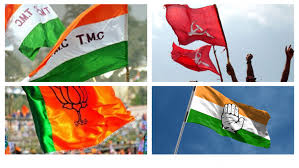
    The Government of India has implemented various programs aimed at providing water access to tribal communities, including the Comprehensive Tribal Development Programme and the Jal Jeevan Mission. However, challenges persist in ensuring adequate water supply, with issues like difficult terrain and scattered settlements posing obstacles to project implementation. Additionally, disparities in job opportunities persist for tribal youth, despite government initiatives aimed at empowering them through skill development and vocational training programs. A 2024 report by the International Labour Organization highlights persistent challenges faced by Scheduled Castes and Scheduled Tribes in accessing quality employment opportunities. The political dynamics within tribal constituencies are multifaceted, with voter sentiments divided among political parties.

    In conclusion, urgent and sustained attention to the plight of tribal communities in India is paramount. The persistent challenge lies in the lack of progress in the last mile of development, where marginalized communities are often overlooked and neglected. A more inclusive and comprehensive approach to governance and development is indispensable for ensuring their well-being and progress. As the nation prepares for the upcoming Lok Sabha elections, it is crucial for political parties to prioritize the needs of tribal communities. Addressing issues such as healthcare, education, economic opportunities, and preserving cultural heritage should be at the forefront of their agendas. Only through concerted efforts to uplift and empower these communities can India realize a just and equitable society. The time for change is now. By collaborating and prioritizing the needs of tribal populations, we can pave the way for a more inclusive and prosperous future for all citizens, irrespective of their background. This endeavor is not only a moral imperative but also a pivotal step towards unlocking India’s full potential as a united and thriving nation.

  • India’s Climate Crisis: Rising Temperatures and Devastating Impacts

    May 7th, 2024

    If we don’t respect, the nature now, the nature will take revenge against not only us, but also our progeny

    India is currently in the throes of a severe climate crisis, marked by rising temperatures and escalating extreme weather events. From the devastating infernos engulfing Uttarakhand’s forests to the scorching heatwaves and the vulnerability of coastal regions, the impacts of climate change are starkly visible. In this comprehensive exploration, we delve into the multifaceted dimensions of India’s climate emergency, scrutinizing its root causes and emphasizing the critical necessity for immediate action to alleviate its repercussions.

    Uttarakhand, nestled in the lap of the majestic Himalayas, has become a battleground in the fight against raging infernos. The once pristine forests now stand as charred remnants of their former glory, ravaged by the relentless onslaught of wildfires. The frequency and ferocity of these conflagrations have surged to unprecedented levels, leaving behind a trail of destruction and despair. The statistics paint a grim picture – a tenfold increase in the number of fire incidents from March to April, a stark reminder of the urgency of the situation. The confluence of factors such as dwindling rainfall, soaring temperatures, and rampant deforestation has transformed Uttarakhand into a tinderbox waiting to ignite. Immediate intervention is the need of the hour to stem the tide of ecological devastation and preserve the fragile ecosystem for future generations.

    India finds itself in the grip of a relentless heatwave, with temperatures soaring to dizzying heights across the length and breadth of the country. The mercury inches perilously close to the 40°C mark, shattering records and sending alarm bells ringing. From the bustling streets of metropolitan cities to the tranquil hamlets of rural India, no corner is spared from the blistering heat. The anomalous occurrence of snowfall in the hitherto cool climes of Jammu and Kashmir serves as a stark reminder of the disruptive forces at play. The scorching heatwave lays bare the harsh reality of a changing climate, thrusting the nation into an existential crisis of unprecedented proportions.

    India’s vast coastline, stretching over 7500 kilometres, stands as a silent sentinel against the relentless onslaught of the rising seas. However, this natural bulwark is now under siege, besieged by the twin spectres of rising sea levels and intensifying cyclones. Coastal communities, reliant on the bounty of the ocean for sustenance, find themselves staring into the abyss of uncertainty. The warming of the Indian Ocean has triggered a cataclysmic cascade of events, decimating marine life and destabilizing fragile ecosystems. The confluence of rising sea levels and ferocious cyclones poses an existential threat to millions of lives, necessitating urgent action to fortify coastal defenses and safeguard vulnerable communities.

    The mighty Himalayas, revered as the abode of the gods, now stand as silent witnesses to the unfolding tragedy of climate change. Rising temperatures have unleashed a maelstrom of chaos, triggering extreme weather events such as floods and landslides with alarming regularity. The once tranquil rivers now swell with fury, inundating fertile plains and displacing hapless communities in their wake. The Himalayas, long regarded as the guardians of India’s skies, now find themselves in the throes of a climatic cataclysm, threatening to upend the delicate balance of nature. Sustainable land management practices and adaptive measures are imperative to mitigate the impacts of climate change and preserve the ecological integrity of this sacred land.

    India stands at a crossroads, teetering on the brink of a precipice of its own making. The climate crisis, fueled by human folly and indifference, threatens to engulf the nation in a maelstrom of devastation and despair. The time for action is now – to heed the clarion call of Mother Nature and forge a path towards a sustainable future. It is incumbent upon policymakers, communities, and individuals alike to rise to the occasion and chart a course towards resilience and renewal. Failure to act now will consign future generations to a bleak and desolate landscape, bereft of hope and opportunity. Let us stand united in the face of adversity, and in the immortal words of Mahatma Gandhi, “be the change that we wish to see in the world.” For in our hands lies the power to shape the destiny of our nation and safeguard the planet for posterity.

    By acknowledging the importance of protecting our environment and taking proactive steps to address the climate crisis, we can ensure a safer and more sustainable future for generations to come. If we fail to act now, the consequences of our inaction will be felt not only by us but also by our progeny. Better we heed the warning signs and take decisive action to protect our planet and preserve its natural beauty for future generations.

    visit arjasrikanth.in for more insights

  • Unveiling the Johnson & Johnson Controversy: Exploring Talc, Asbestos, and Ethical Quandaries

    May 6th, 2024

    The Johnson & Johnson controversy has stirred global attention, raising concerns about the safety of talcum powder and the ethical standards of multinational corporations. Multinational corporations like Nestle and Johnson & Johnson (J&J) have faced intense scrutiny for their practices, with allegations of unethical behavior and health hazards surrounding their products. In recent years, Johnson & Johnson (J&J) has been at the centre of a storm of controversy, particularly regarding its talcum-based baby powder.

    Johnson & Johnson, a prominent player in the healthcare industry, finds itself mired in controversy and legal battles over its baby powder and talcum powder products. The company faces a staggering number of lawsuits, with allegations linking asbestos contamination in its powders to cancer. Despite vehemently refuting these allegations, Johnson & Johnson has proposed a substantial $6.475 billion settlement to address the ongoing legal strife. This article delves into the intricate history of the controversy surrounding the company’s talc-based products, examining the legal proceedings, recent developments, and the implications for both Johnson & Johnson and its consumers. As multinational corporations wield considerable power and influence in the global economy, the ethical conduct of such entities becomes paramount. The scrutiny faced by Johnson & Johnson underscores the importance of maintaining stringent safety standards and ethical practices in the healthcare sector.

    Johnson & Johnson’s baby powder, a household staple for generations, now finds itself at the centre of a storm of controversy. Concerns over the potential presence of asbestos in talcum powder have sparked widespread alarm. Investigative reports from reputable sources like the New York Times have unearthed troubling revelations: Johnson & Johnson was allegedly aware of the health risks associated with asbestos contamination but chose not to disclose this critical information to the public.

    Asbestos exposure poses a grave threat to human health, particularly as it has been linked to various forms of cancer, including ovarian cancer and mesothelioma. These allegations strike at the core of consumer trust, as millions of households have relied on Johnson & Johnson’s products for decades.

    Despite reassurances from the company regarding the safety of its talcum-based products, the mounting evidence has prompted thousands of lawsuits against J&J. These legal battles allege that the use of Johnson & Johnson’s talcum powder led to severe health consequences, including cancer diagnoses.

    A pivotal moment in this saga unfolded in Missouri, where a landmark ruling ordered Johnson & Johnson to pay nearly $4.7 billion in damages to 22 women who claimed that asbestos contamination in the talcum powder contributed to their ovarian cancer. This high-profile case sent shockwaves throughout the pharmaceutical industry and cast a shadow over the safety of talc-based products. As the legal battles continue to unfold, questions persist about the accountability of multinational corporations and the imperative of prioritizing consumer safety above all else.

    The Johnson & Johnson controversy serves as a sobering reminder of the importance of corporate accountability and transparency in today’s interconnected world. As consumers become increasingly aware of the potential risks associated with everyday products, multinational corporations must prioritize safety and ethical practices to regain public trust. Only through a concerted effort to uphold the highest standards of integrity and responsibility can companies like Johnson & Johnson navigate the complex challenges of the modern marketplace while ensuring the well-being of consumers worldwide.

    The fallout from the controversy surrounding Johnson & Johnson’s baby powder has had a significant impact on the company’s reputation and the trust of its consumers. The proposed settlement of $6.475 billion reflects the magnitude of the legal battle and the potential harm caused to individuals who used their talcum powder products. While Johnson & Johnson maintains the safety of their products, legal developments and court cases continue to shed light on the allegations against the company. The fight for justice and accountability in this matter will shape the future of consumer safety and corporate responsibility.

    visit arjasrikanth.in for more insights
  • Scrolling Through Adolescence: The Impact of Screens on Teens’ Lives !!!

    May 5th, 2024

    Screenagers: Navigating the Digital Realm of Teens!!!

    In today’s digital era, screens have become an integral part of teenagers’ lives, shaping their interactions and experiences. However, concerns about the adverse effects of excessive screen time on their well-being have escalated. This article aims to dissect these concerns, examining the correlation between smartphone usage, mental health decline, and increased exposure to extreme content. Initiatives like the proposed ban on smartphone sales to teenagers underscore the growing recognition of this issue. By understanding diverse perspectives and accumulating evidence, we can better grasp the potential impacts of smartphones and social media on teenagers’ health.

    The debate over screen time’s impact on teenagers’ well-being persists, with the rise of smartphones amplifying concerns. While some attribute declining mental health to increased smartphone usage, skeptics liken such worries to past moral panics. Nevertheless, mounting apprehension has led to initiatives like the proposed ban on smartphone sales to teenagers. Heightened screen time among teenagers correlates with increased depression and anxiety symptoms, as screens become stress coping mechanisms, exacerbating emotional distress. Excessive screen time also disrupts sleep patterns due to blue light emission, impairing overall health and cognitive function. This lack of sleep hinders academic performance by impeding concentration and critical thinking. Prolonged screen time contributes to a sedentary lifestyle, raising the risk of obesity and musculoskeletal issues. Social media compounds these issues by fostering social withdrawal and fear of missing out, hindering real-world interactions. Emerging research suggests excessive screen time may alter the adolescent brain’s structure, highlighting the need for moderation in teenagers’ screen usage.

    In response to mounting concerns regarding smartphone and social media usage among teenagers, many support groups have emerged. These groups address issues such as excessive social media consumption, exposure to extreme content, cyberbullying, and smartphone addiction. The algorithms utilized by social media platforms often prioritize radical content, sparking concerns among parents about its impact on their children’s behavior and mental well-being. Excessive screen time can have detrimental effects on teens’ mental and physical health, including problems with social and emotional development such as depression, anxiety, and obesity. It can impair emotional comprehension, promote aggressive behavior, and hinder social and emotional competence. Additionally, excessive screen time can reduce attention spans, cognitive focus, self-control, and goal achievement, while also diminishing creativity.

    Research reveals concerning statistics regarding children’s exposure to extreme content on social media platforms. Studies indicate that a significant percentage of children encounter pornography and violent videos at young ages. The algorithms’ tendency to prioritize sensational content raises concerns about its influence on impressionable minds. Additionally, cyberbullying has become rampant, with children facing harassment online, often extending into the night. The impact of screens on teens can have both positive and negative effects. While technology has opened up numerous opportunities for communication, education, and entertainment, excessive use has been linked to several negative outcomes, including depression, anxiety, sleep disturbance, and social isolation. Extreme content and cyberbullying are growing concerns, with studies showing that a significant number of teenagers have experienced these problems.

    The correlation between smartphone usage and declining mental health in teenagers is apparent, but other contributing factors must be considered. The surge in major depressive episodes among American teenagers since 2010 suggests a multifaceted issue. Nonetheless, the hypnotic allure of smartphones and the fear of missing out exacerbate concerns about their impact on mental health. Screen time can affect a teen’s mental health in various ways, including disrupting sleep patterns due to the blue light emitted from screens, impacting stress levels by affecting cortisol hormone levels, and potentially influencing brain development. Social media, while connecting people, can also contribute to feelings of inadequacy and social isolation. Studies have shown that excessive screen time and social media use are associated with mental health problems in adolescents.

    Moreover, the impact of media on mental health has drawn attention, with excessive social media usage being linked to anxiety, depression, eating disorders, and addictions. As such, it’s crucial to address these issues by promoting healthy screen time habits and fostering digital literacy among teenagers. The impact of smartphones and social media on teenagers’ health constitutes a complex issue with valid concerns on all fronts. While some may dismiss these concerns, the escalating mental health issues among youth have prompted action from various stakeholders. Support groups  address the challenges of excessive screen time, extreme content exposure, and cyberbullying. While the influence of smartphones and social media on mental well-being is undeniable, it’s essential to consider other contributing factors. Striking a balance that allows teenagers to leverage technology while safeguarding their health is crucial in today’s digital landscape.

    The effects of screen time on teenage health encompass a myriad of physiological, psychological, and social factors. As teenagers navigate this digital world, finding equilibrium between technological engagement and holistic well-being is imperative. Through raising awareness, implementing screen time guidelines, and promoting alternative activities, we can mitigate the negative impacts of excessive screen time and cultivate a generation of healthy, resilient teenagers prepared for success in the digital age.

    visit arjasrikanth.in for more insights

  • Celebrating the Icon: Dasari Narayana Rao’s Birth Anniversary and Enduring Legacy

    May 4th, 2024

    Exploring the cinematic journey of Dasari Narayana Rao and his pioneering portrayal of empowered women in Indian cinema.

    On May 4th, the Nation commemorate the birth anniversary of a towering figure in Indian cinema, Dasari Narayana Rao. His name resonates across generations, not just for his prolific career as a director, producer, screenwriter, actor, lyricist, and politician, but for the profound impact he left on the cultural landscape of India.

    Dasari Narayana Rao wasn’t just a filmmaker; he was a visionary who used cinema as a tool for social commentary. From the outset of his career with “Tata Manavadu” in 1972, he embarked on a journey marked by a relentless commitment to addressing pressing issues like social injustice, corruption, and gender discrimination. With over 150 feature films to his credit, Dasari earned the Limca World Record for directing the most number of films globally, earning him the moniker “Darsaka Ratna” or “Jewel among directors.”

    In an era where patriarchal narratives dominated the silver screen, Dasari dared to portray women as more than just passive characters. Films like “Lady Inspector Renuka” (1993) and “Kante Koothurne Kanu” (2000) showcased women with agency and control over their lives, challenging societal norms. “Meghasandesam” (1983) stands out as a beacon of empowerment, depicting women asserting their independence in a conservative society.

    The early 2000s brought about seismic shifts in Telugu cinema, with emerging trends and changing audience preferences posing challenges to Dasari’s cinematic endeavors. Despite facing competition from new wave love stories and rising stars like Tarun and Uday Kiran, Dasari’s legacy endured. However, his entry into politics marked a turning point, leading to a decline in his directorial output.

    Dasari Narayana Rao’s legacy transcends the realms of cinema and politics, inspiring generations with his dedication to societal reform. His relentless pursuit of excellence, coupled with a deep-rooted commitment to social causes, exemplifies a life dedicated to enriching society. As a visionary director, passionate politician, and dynamic entrepreneur, Dasari’s impact continues to resonate, leaving an indelible imprint on Indian society and culture.

    As the Nation honour the memory of Dasari Narayana Rao on his birth anniversary, we celebrate not just a filmmaker, but a trailblazer whose work transcended boundaries and challenged conventions. His pioneering portrayal of empowered women on screen serves as a testament to his vision and commitment to societal change. As we reflect on his remarkable career, we are reminded of the transformative power of cinema and the enduring influence of visionary filmmakers like Dasari Narayana Rao.

    visit arjasrikanth.in for more insights
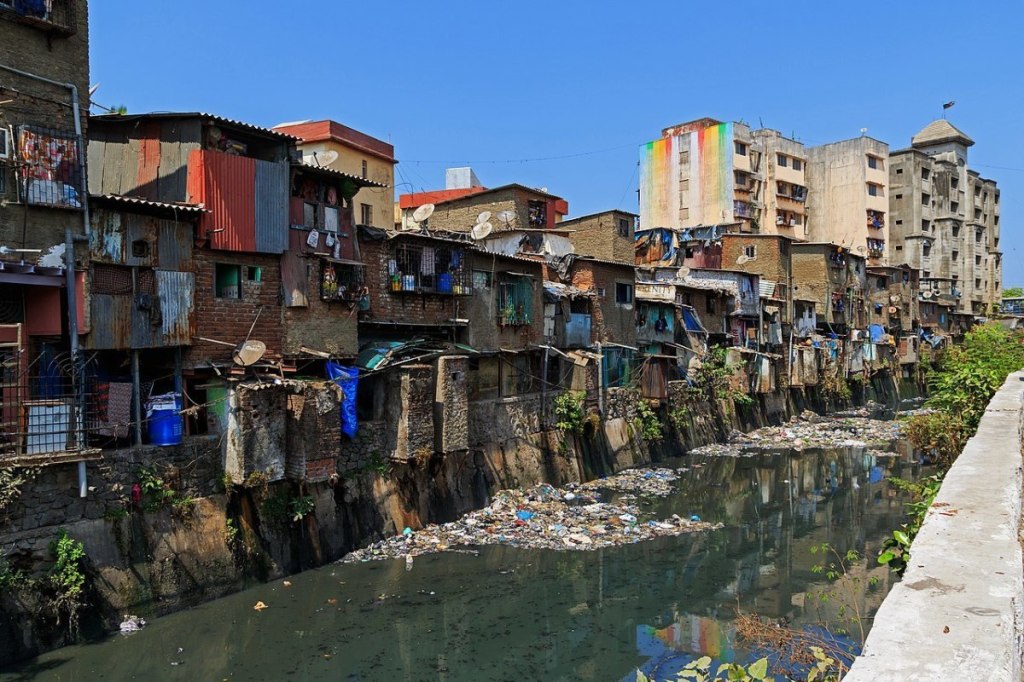
  • From Infant Formula to Pandemic Vaccines: Exploiting Developing Nations for Corporate Experimentation

    May 4th, 2024

    Unravelling the Controversy: COVID Shield Vaccine and the Blood Clot Conundrum

    In the global effort against COVID-19, vaccine development and distribution are pivotal. This article delves into the controversy surrounding the COVID Shield vaccine, developed by AstraZeneca and the University of Oxford, amid reports of rare cases of low platelet counts and blood clots. Legal challenges faced by AstraZeneca, vaccine distribution, and associated symptoms are discussed. Advocate Vishal Tiwari’s lawsuit underscores AstraZeneca’s acknowledgment of the vaccine’s potential to cause low platelet counts and blood clot formation. Covishield, the Indian variant of the vaccine, shares these risks. Despite common side effects like pain and fever, severe reactions are rare, with most being temporary. The benefits of vaccination outweigh the risks, with serious adverse events being rare. The response to the controversy highlights the importance of vaccine safety monitoring and transparent communication to maintain public trust in vaccination programs.

    AstraZeneca faces legal action over allegations that its COVID Shield vaccine causes fatalities and severe injuries, including Thrombocytopenia Syndrome (TTS), marked by low platelet counts and blood clots. The vaccine, produced in collaboration with the Serum Institute of India, is subject to 51 lawsuits in the UK, with damages sought up to £100 million. Known as Covishield in India, it has received emergency approval in multiple countries but faces legal challenges and accusations. Concerns about production methods, including bulk importation rather than domestic manufacturing, have been raised in India and the UK. Despite these challenges, AstraZeneca asserts Covishield’s safety and efficacy, pledging to continue its global production. However, concerns persist, particularly in India, where reports of sudden deaths allegedly linked to the vaccine’s side effects have emerged. Several European countries temporarily banned Covishield in 2021 due to safety concerns, reflecting widespread apprehensions over its adverse effects.

    Individuals experiencing Vaccine-Induced Thrombotic Syndrome (TTS) post-COVID Shield vaccination have reported a range of symptoms, including breathlessness, chest or limb discomfort, headaches, limb numbness, red spots or bruising, and cranial swelling. TTS poses a critical health hazard due to its potential to impede blood circulation through clot formation. Symptoms typically manifest within 5 to 10 days after vaccination and may include headache, dizziness, nausea, vomiting, difficulty swallowing, shortness of breath, paralysis, and vision problems. In rare cases, TTS can be fatal or cause permanent damage, underscoring the importance of recognizing symptoms and seeking immediate medical attention. While the risk of TTS is relatively low, with only seven to eight individuals out of 10 lakh vaccinated facing this rare side effect, vigilance is crucial, especially after the first dose. AstraZeneca acknowledges Covishield can cause TTS, characterized by blood clots with low platelets, with symptoms such as severe headaches and abdominal pain. Treatment typically involves anticoagulation therapy and intravenous immunoglobulin. Recognizing symptoms like severe headaches, abdominal pain, vomiting, diarrhoea, limb pain, rash, and redness of the palms, soles, tongue, and eyes is essential for prompt medical intervention and management of TTS.

    Before India’s vaccine rollout, the government issued a January 2021 fact sheet, warning those with thrombocytopenia about the COVID Shield vaccine. In March 2021, European nations paused AstraZeneca vaccine use due to clotting concerns. The WHO noted low-risk TTS cases post-vaccination with COVID Shield and AstraZeneca vaccines. Amid a UK class-action lawsuit alleging fatalities and injuries, AstraZeneca acknowledged Covishield’s potential to cause TTS. Covishield, developed with the University of Oxford, is widely distributed in India by the Serum Institute of India (SII). Despite SII listing rare blood clotting as a side effect, over 174 crore doses were administered in India by October 2023. Legal experts anticipate global lawsuits affecting vaccination trust if claimants succeed. Concerns arise about potential legal actions in India, including a Public Interest Litigation (PIL) against the drug regulator. AstraZeneca’s admission raises TTS awareness, possibly leading to significant compensation payouts. However, AstraZeneca maintains that vaccine benefits outweigh risks.
    In 2021, the Indian government documented 26 potential thromboembolic incidents post-COVID Shield vaccine administration, indicating blood clot formation in vessels. The Union Health Ministry, deeming these cases minimal, reiterated the vaccine’s positive benefit-risk ratio in curbing infections and fatalities linked to COVID-19.

    The controversy surrounding the COVID Shield vaccine and its alleged correlation with low platelet counts and clotting phenomena has reverberated globally. AstraZeneca faces legal challenges as victims seek compensation. While TTS instances remain rare, they underscore the importance of vigilant vaccine safety monitoring and swift response to potential risks. National and international reactions vary, with temporary suspensions witnessed in some regions. Nonetheless, the consensus emphasizes the vaccine’s marginal TTS risk compared to its pivotal role in mitigating COVID-19 spread and mortality rates. As global inoculation efforts continue, transparency, thorough investigations, and a steadfast commitment to public health and safety remain imperative.

    visit arjasrikanth.in for more insights

  • Admiral Dinesh K Tripathi: A Visionary Leader Spearheading the Indian Navy’s Path to Excellence

    May 3rd, 2024

    Celebrating the extraordinary journey of Admiral Dinesh K Tripathi, PVSM, AVSM, NM, from his humble beginnings to assuming command as the 26th Chief of the Naval Staff, underscores his unwavering commitment to National Security

    Hailing  from the bustling neighbourhood of Chanakyapuri Colony, New Delhi, Admiral Tripathi is remembered as our esteemed neighbour and a beacon of social perceptiveness. His journey serves as an inspiration, illustrating that determination and hard work pave the path to greatness.

    As Admiral Tripathi embarks on his new role as the pinnacle of naval leadership, we extend heartfelt pride and best wishes for his continued success. May his leadership continue to steer our nation’s naval forces with strength, wisdom, and compassion, ensuring the welfare and security of our community and nation alike.

    Admiral Dinesh K Tripathi’s journey to the position of Chief of the Naval Staff stands as a testament to his remarkable dedication and prowess. Beginning with his education at Sainik School Rewa and the prestigious National Defence Academy, he laid the groundwork for an illustrious career. Commissioned into the executive branch of the Indian Navy on July 1, 1985, Admiral Tripathi embarked on a path defined by excellence and commitment.

    Throughout his nearly Four Decades of service, Admiral Tripathi has excelled as a Communication and Electronic warfare specialist, making significant contributions to the Navy’s operations and capabilities. His journey reflects his unwavering dedication to serving the nation and his relentless pursuit of excellence.

    As he assumes leadership of the Indian Navy, Admiral Tripathi’s experience and leadership promise to elevate the force to greater heights of achievement and readiness. His distinguished service and exemplary skills position him as a beacon of inspiration for future generations in the Navy.

    Admiral Dinesh Tripathi’s professional excellence is evident throughout his illustrious career in the Indian Navy. Graduating from Sainik School Rewa and the National Defence Academy, he entered the Navy in 1985 as a communication and electronic warfare specialist. Serving on frontline warships like INS Mumbai, where he commanded Indian naval ships Vinash, Kirch, and Trishul, he demonstrated exceptional leadership.

    His career saw him hold key operational and staff appointments, including as Flag Officer Commanding-in-Chief Western Command and Assistant Chief of Naval Staff, (Policy and Plans). Promoted to Vice Chief of Naval Staff and later to Chief of Personnel, his leadership ensured the Navy’s readiness during challenging times, including the COVID-19 pandemic.

    Admiral Tripathi’s academic achievements underscore his dedication to lifelong learning. Graduating from the Defence Services Staff College and attending courses at the US Naval War College demonstrate his commitment to enhancing his knowledge and skills. His outstanding contributions have been recognized with prestigious awards such as the Ati Vishisht Seva Medal and Nausena Medal, honouring his exemplary devotion to duty.

    Moreover, Admiral Tripathi’s educational journey includes graduating from the Defence Services Staff College, Wellington, where he was honoured with the Thimmaiya Medal. Additionally, he pursued advanced training at the Naval Higher Command Course and Naval Command College at the US Naval War College, Newport, Rhode Island. His exceptional performance at the US Naval War College earned him the esteemed Robert E. Bateman International Prize, further illustrating his academic excellence and leadership capabilities.

    Beyond his professional achievements, Admiral Tripathi’s passion for sports, keen interest in international relations, military history, and leadership further enrich his profile. His family, including his wife Shashi Tripati and their son, adds depth to his personal journey. Overall, Admiral Tripathi’s career exemplifies the pinnacle of professional excellence and dedication to serving the nation.

    Admiral Tripathi’s commitment to social perspectives exemplifies his holistic approach to leadership. Even in the face of the challenges posed by the COVID-19 pandemic, he ensured that the Indian Navy remained a well-prepared and future-proof force. His unwavering dedication to the welfare and readiness of the Navy underscores his profound understanding of the intricate security challenges facing the nation. Admiral Tripathi’s emphasis on social perspectives brings a human-centric approach to the Navy’s operations, fostering inclusivity and progress.

    The appointment of Admiral Dinesh Tripathi as the Chief of the Indian Navy marks the beginning of a new era defined by visionary leadership. His exceptional accomplishments, expertise, and commitment to social perspectives make him an exemplary candidate for this esteemed position. With his extraordinary leadership skills and strategic acumen, Admiral Tripathi is set to lead the Indian Navy towards greater success, preparedness, and excellence. As he assumes command, the Nation can confidently anticipate a promising future under his visionary guidance.

    visit arjasrikanth.in for more insights
←Previous Page
1 … 102 103 104 105 106 … 162
Next Page→

Blog at WordPress.com.

Loading Comments...
  • Subscribe Subscribed
    ARJA SOCIAL PERSPECTIVES
    Join 112 other subscribers

    Have a WordPress.com account? Log in now.

  • ARJA SOCIAL PERSPECTIVES
    View site in Reader
    Manage subscriptionsSign upLog in
    Report this content
    Collapse this bar