Skip to content
    • About

SOCIAL PERSPECTIVES

  • A promising model’s life takes a sinister turn, revealing a labyrinth of crime, conspiracy, and unanswered questions.

    January 31st, 2024

    The Mysterious Murder of Divya Pahuja: Unravelling the Truth- A Shocking Tale of Love, Betrayal, and Intrigue

    In a heart-wrenching incident that sent shockwaves across the nation, the lifeless body of 27-year-old model Divya Pahuja was discovered in a Gurugram hotel room. What initially seemed like a straightforward case turned into a complex web of criminal connections, exposing a disturbing love triangle. This comprehensive article delves into the intricacies of the case, shedding light on the events leading to the tragedy, the involved suspects, and the lingering mysteries that continue to perplex investigators.

    Divya Pahuja, a budding model and first-year college student, met an untimely demise on January 2nd. Her involvement with Abhijeet Singh, a man associated with a rival gangster, added an unexpected layer of complexity to the case. The police initially suspected her of collaborating with law enforcement against a notorious gangster, Sandeep Gadoli, but the true motives behind her association with criminal activities remain elusive.

    Before her tragic end, Divya spent seven years behind bars for her alleged role in a criminal conspiracy. Incarcerated at the tender age of 17, her time in prison significantly impacted her life. Despite her aspirations to pursue a career in law, inspired by her lawyer Divya struggled to reintegrate into society after her release, particularly in the challenging environs of Gurgaon.

    At the center of the investigation is Abhijeet Singh, a 56-year-old with connections to Divya. Initially suspected due to his ties with Binder Gujar, a rival gangster, Abhijeet’s role took a surprising turn. Living in a relationship with Divya, according to the police, raised eyebrows, especially as Divya’s family vehemently denied such claims. CCTV footage from the fateful day shows Divya, Abhijeet, and another individual, Balraj Gill, entering a hotel, casting a mysterious shadow over the unfolding events.

    Growing concerned over Divya’s sudden unavailability, her family traced her to Abhijeet’s residence using location-sharing features. The discovery of Divya’s phone with Balraj Gill heightened their worries, prompting them to involve the police. The hotel room assigned to Abhijeet was found empty initially, adding to the suspense. It was only later that Divya’s lifeless body emerged from the Bhakra Canal in Haryana, intensifying the tragedy.

    As investigators delve into the case, a plethora of unanswered questions and conflicting statements emerge. Abhijeet alleges blackmail by Divya, citing explicit content as leverage. However, with Divya’s missing phone, essential to verifying these claims, the truth remains elusive. Divya’s family refutes Abhijeet’s accusations, portraying him as a constant source of pressure on Divya.

    The perplexing murder of Divya Pahuja unfolds, revealing intricate layers of complexity and uncertainty. As law enforcement delves into motives, the nation collectively awaits justice for the life tragically lost. The profound tragedy and the web of intricate connections underscore the hidden depths within society, prompting reflections on the intricate dynamics of human relationships and the capricious nature of fate.Divya’s narrative, transitioning from an aspiring model to a tragic victim, accentuates life’s delicate fragility. Her journey, tainted by the shadows of crime and conspiracy, culminates in a chilling act of murder, inviting society to contemplate the dark intricacies woven into its fabric. While investigators navigate the labyrinth of clues, the nation watches in anticipation, yearning for closure in a case that lays bare the concealed shadows. From entanglement in her formative years to a shocking end in her twenties, Divya’s tale stands as a poignant reminder of the unpredictable twists and turns that define human existence.

    visit arjasrikanth.in for more insights

  • “Navigating India’s Economic Horizon: Insights into the Anticipated Budget 2024”

    January 31st, 2024

    “Decoding the Fiscal Landscape: Expectations and Implications of India’s Interim Budget”

    As Finance Minister Nirmala Sitharaman gears up to present the final Budget under the current Narendra Modi government on February 1, 2024, anticipation and speculation surround the financial roadmap ahead of the Lok Sabha elections. This article delves into the expectations, strategic considerations, and potential outcomes of the Interim Budget, exploring diverse sectors and policy avenues.

    The looming Lok Sabha elections set the stage for an Interim Budget or a Vote on Account, offering a glimpse into the government’s fiscal stance. Indian funds, insurers, and banks adjust their positions, expecting a fiscally conservative approach with no pre-election spending surprises.

    Simultaneously, global investors keenly await cues from the US Fed, contemplating the onset of a rate cut cycle and the likelihood of a soft landing in the United States. The interconnectedness of global economies amplifies the significance of these decisions, impacting markets worldwide.

    The absence of the Economic Survey on January 31 underscores the interim status of the budget. With no full-fledged Budget session, Finance Minister Sitharaman confines her announcements to the Interim Budget 2024, refraining from major policy changes.

    Addressing the burning question of whether tax slabs will change in 2024, indications are that the income tax slab and rates under the new tax regime will remain consistent across all categories of taxpayers. This stability provides a foundation for understanding the broader economic strategies outlined in the budget.

    Exploring the reasons behind an Interim Budget in 2024, many elucidate that, aligned with pre-election patterns, the budget is poised to be populist. Sectors such as EV, fintech, education, automotive, and infrastructure are expected to receive a boost, contributing to the government’s inclusive growth narrative.

    Delving into specific sectors, the ‘Make in India’ initiative takes centre stage, with a focus on promoting India as a global manufacturing hub. The government’s commitment to the growth of MSMEs remains a priority. Additionally, a technological transformation journey is outlined, encompassing digital infrastructure, domestic hardware manufacturing, and legislative measures like the Digital Personal Data Protection Bill.

    Recognizing the imperative of job creation, the government may emphasize tourism and the development of unexplored tourist places. This multi-pronged approach is anticipated to boost tourism, generate employment, and contribute to the growth of related sectors.

    Performance concerns in the fintech sector may lead to tax holidays, while efforts toward achieving ‘Net-Zero’ emissions could result in incentives. The education sector, having seen limited changes in the previous year, may witness provisions for foreign universities and higher education institutions. Healthcare, particularly under the Ayushman Bharat scheme, is expected to receive increased investment in innovation and research.

    The National Logistics Policy introduced in the previous year is expected to be strengthened, with a focus on EV infrastructure and green energy transition. The government might address demands for GST rate reductions in various sectors, with attention to ground-level movements monitored by the GST Council.

    Budget 2024 is anticipated to navigate India’s economic landscape with a focus on digital transformation, inflation reduction, and employment generation. Public-private partnerships are expected to play a pivotal role in achieving sustainable development goals. While no spectacular budget announcements are predicted, the government aims to consolidate India’s position in the global market amidst the ongoing global socio-economic challenges.

    As the Interim Budget unfolds, the article foresees increased capex outlays on physical and digital infrastructure. However, a cautious approach toward fiscal deficit is likely to prevail. The government’s push for taxpayers to embrace the new regime may see revisions, making it more appealing by allowing deductions for HRA and interest on home loans. The article emphasizes the need to align exemption limits for children’s education allowance with prevailing cost inflation indices, urging a realistic revision.

    Even though no ground breaking budget announcements are expected on February 1, the article encourages hope for a comprehensive Union budget in July 2024, served with the essential ingredients for a robust economy and a stable taxation regime. The overarching goal remains the consolidation of India’s global standing, and the Interim Budget serves as a crucial step toward achieving that vision.

    visit arjasrikanth.in/@DrArjasreekanth for more insights

  • The Archaeological Survey of India’s findings on the Gyanvapi mosque complex in Varanasi ignite legal and political debates.

    January 31st, 2024

    Unveiling the Gyanvapi Controversy: ASI Report, Legal Battles, and Political Implications

    The Gyanvapi mosque complex in Varanasi has become the epicentre of a heated controversy following the recent release of the Archaeological Survey of India (ASI) report. The ASI’s findings, suggesting the presence of a large Hindu temple predating the mosque, have intensified the longstanding legal battles and raised questions about the historical and religious narrative of the site.

    The Gyanvapi case originated in 1991 when a petition was filed seeking the right to worship in the Gyanvapi complex. The contention was that the mosque, constructed in 1669 during Aurangzeb’s rule, was built over a demolished Hindu temple. Fast forward to 2021, five Hindu women filed a civil suit, reigniting the legal dispute.

    The ASI’s survey, conducted after the discovery of a Shiva lingam in May 2022, spans over 800 pages and suggests the existence of a Hindu temple before the mosque’s construction. The report highlights reused pillars, inscriptions in various scripts, and identifies the western wall as a remaining part of the pre-existing temple. The findings reveal a complex historical layering, with the temple’s remains incorporated into the mosque.

    Crucial to understanding the legal intricacies is the Places of Worship Act of 1991. This legislation sets August 15, 1947, as the cut-off date for determining the religious status of structures. Its purpose is to prevent litigations similar to the Ayodhya case. While the ASI report adds a historical dimension, the legal focus remains on the state of the structure in 1947.

    The Gyanvapi case involves challenges to the maintainability of the suit under the Places of Worship Act. The Muslim petitioners argue that the ASI report is just one piece of evidence and not a conclusive decision. The district court ruled in favor of the Hindu petitioners, allowing the suit to proceed, emphasizing continuous worship even after 1947. The ASI report is subject to legal scrutiny and cross-examination, a process reminiscent of the Ayodhya case.

    The political and social implications of the Gyanvapi case are profound, especially post the Ayodhya Ram temple inauguration. The ASI report’s public release, just days after the Ayodhya event, adds complexity to the legal and political dynamics. Political parties, have been cautious in their responses, acknowledging the judicial nature of the matter. However, the potential political ramifications remain uncertain, and the case may become a focal point in the upcoming political discourse.

    As the Gyanvapi case unfolds, it provides a nuanced intersection of law, history, and communal sentiments. The ASI report, while shedding light on the historical layers of the site, is not a conclusive verdict. The legal battles, centered around the Places of Worship Act, will shape the case’s trajectory. The Supreme Court’s role in determining the suit’s maintainability and any potential changes to existing laws will further influence the outcome. In the midst of these legal deliberations, the Gyanvapi controversy resonates as a pivotal chapter in India’s socio-religious narrative, prompting reflections on the delicate balance between history, law, and the political landscape.

    visit arjasrikanth.in for more insights

  • Steel in Flux: Tata Steel and ArcelorMittal Navigate Environmental Turbulence in Environmental Challenges in the Heart of Industry

    January 31st, 2024

    The challenges faced by Tata Steel and ArcelorMittal highlight the complex interplay between environmental concerns, economic viability, and the future of steel production in the UK and Italy.

    In the ever-evolving landscape of industry, the steel production sector stands as a crucible of challenges and controversies. At the forefront of this unfolding saga are two Indian steel giants – Tata Steel and ArcelorMittal – whose operations in the UK and Italy exemplify the intricate dance between environmental concerns, economic viability, and the future trajectory of steel production. As the global steel industry faces unprecedented scrutiny over its environmental impact and sustainability practices, the struggles of Tata Steel and ArcelorMittal take centre stage, prompting profound introspection on the direction of steelmaking in the 21st century.

    Tata Steel, a towering presence in the industry, has captured headlines with its bold decision to close two coal-fired blast furnaces at its Welsh steelworks. This strategic shift, aimed at transitioning to greener and more cost-effective steelmaking, comes at a significant human cost – nearly 3,000 workers are set to lose their jobs by the end of 2024. While Tata Steel emphasizes the necessity of these measures for long-term sustainability, a wave of worker unrest, union discontent, and political backlash has become a significant hurdle in their path.

    The company’s vision unfolds a narrative of change – a shift towards electric arc furnaces, promising lower emissions and a reduced carbon footprint. Tata Steel’s ambitious plan includes a substantial investment in modernizing its facilities, with the audacious goal of transforming the Port Talbot facility into a premier center for green steelmaking in Europe. Despite the short-term pain inflicted by job losses, Tata Steel remains committed to reshaping the narrative of steel production in the UK.

    Across the Mediterranean, ArcelorMittal’s steel plant in Taranto, Italy, grapples with a distinct yet equally formidable set of challenges. Accusations of emitting cancer-causing chemicals and the burden of significant debts have pushed the plant to the brink. An Italian court’s decision to permit the suspension of gas supply to the Mittal plant has escalated the crisis, creating a perfect storm of environmental and economic concerns.

    In a bid to avert an economic catastrophe and mass unemployment, the Italian government is contemplating a takeover of the Taranto plant. With debts totalling $200 million and environmental allegations looming large, ArcelorMittal’s operation in Italy hangs in the balance. The situation underscores the delicate equilibrium between economic imperatives and environmental responsibilities, echoing the challenges faced by steel producers globally.

    ArcelorMittal’s struggles in Italy are not isolated incidents. The steel giant has been grappling with financial concerns, marked by record-low production of around 3 million mt of crude steel in 2023 at its Taranto mill, well below the estimated breakeven point of 6 million mt. This financial strain adds an extra layer of complexity to the environmental and economic challenges the company faces.

    Both Tata Steel and ArcelorMittal find themselves at the crossroads, navigating the intricate web of economic viability and environmental responsibility. Tata Steel’s commitment to invest 1.25 billion pounds sterling, with a significant government contribution, signals a bold step towards greener steelmaking. The shift towards electric arc furnaces aligns with global efforts to reduce carbon emissions and embrace sustainable practices.

    In stark contrast, ArcelorMittal’s struggles in Italy emphasize the paramount importance of upholding environmental standards in heavy industries. The potential government takeover serves as a stark reminder that regulatory compliance and corporate responsibility are non-negotiable, even for industry giants.

    The closure of Tata Steel’s blast furnaces in the UK has sent shockwaves through the nation, prompting anxieties among workers, unions, and politicians. Accusations labeling it “industrial vandalism on a grand scale” have ignited fervent calls to retain at least one operational blast furnace during the upgrade. This clash between economic strategies and worker livelihoods illuminates the intricate challenges of managing transitions in heavy industries. Concerns extend beyond the immediate workforce, reaching into the heart of the UK’s economy and employment landscape. As the country’s second-largest steelmaker, Tata Steel employs approximately 15,000 individuals directly. While the closure is anticipated to bring cost savings, it may usher in job cuts and a decline in steel production, posing broader ramifications for both the UK’s steel sector and the global steel market.

    In Italy, the fate of ArcelorMittal’s Taranto plant has become a focal point for the government’s delicate balancing act between economic intervention and environmental considerations. The demand for a “drastic intervention” to save the steel plant reflects the intricate dance between economic imperatives and environmental consciousness.

    The challenges faced by Tata Steel and ArcelorMittal in the UK and Italy serve as poignant reminders of the broader issues confronting the global steel industry. Striking the delicate balance between economic imperatives and environmental sustainability is an intricate dance, one that demands innovative solutions and collaborative efforts.

    As these steel giants navigate the uncertain terrain ahead, the outcomes of their struggles will undoubtedly shape the future trajectory of steelmaking. The industry, long associated with its carbon footprint, must rise to the challenge and lead the way toward a cleaner, brighter tomorrow. The narratives of Tata Steel and ArcelorMittal underscore the need for a nuanced approach that considers not only the environmental impact but also the livelihoods of those dependent on the steel sector.

    The future of steel production hinges on the industry’s commitment to sustainability, responsible corporate practices, and a harmonious coexistence with the planet. Navigating the complex interplay between economic viability and environmental responsibility requires strategic vision, adaptability, and a genuine commitment to forging a sustainable future amidst the turbulence of change. As the steel industry grapples with these challenges, the global community watches closely, hoping for a transformation that ensures a thriving industry without compromising the health of our planet.

    visit arjasrikanth.in for more insights

  • Nitish Kumar’s Political Odyssey: Navigating Alliances and Power Play in Bihar

    January 30th, 2024

    Explore the intricate dance of alliances and strategic moves that define Nitish Kumar’s political journey in Bihar’s ever-changing political landscape.

    In the complex realm of Indian politics, Nitish Kumar stands as a crucial figure, adeptly navigating Bihar’s ever-changing alliances and power dynamics. This analysis unveils the nuanced complexities of Kumar’s political journey, offering insights into his leadership, alliances, and the defining challenges he has encountered.

    Central to Nitish Kumar’s political acumen is a profound understanding of public sentiment. His strategic decisions, like supporting specific BJP policies to counter opposition strengths, underscore his political intelligence. Notably, his endorsement of demonetization reflects a keen grasp of prevailing public sentiments, showcasing Kumar’s ability to align with the pulse of the people. In Bihar’s intricate political tapestry, Nitish Kumar remains a pivotal player, leaving an indelible mark on the state’s political landscape.

    Despite Nitish Kumar’s political astuteness, his alliances faced turbulence, especially with members like Laloo Yadav positioning successors to erode Kumar’s authority. Sensing loyalty shifts, Kumar explored alternative alliances, only to find himself isolated without the anticipated support.

    The potential merger of Nitish Kumar’s JD(U) and Congress, leveraging Kumar’s political stature, presented a mutually beneficial opportunity. However, political calculations prevailed, trapping Nitish between the RJD and BJP. This missed opportunity becomes a significant episode in Bihar’s political chronicle, symbolizing the intricacies and missed potentials of Kumar’s political journey.

    Janata Dal (United), once a formidable political force, is now on a descending trajectory. Nitish Kumar’s shift to the Mahagathbandhan seems to have sealed JD(U)’s fate, leaving it without a distinctive ideological stance or a dedicated voter base. This decline is evident in successive election outcomes.

    As Nitish Kumar grapples with the intricate dynamics of Bihar politics, his future remains uncertain. Speculations about a potential shift to the centre raise concerns about his potential marginalization in a government dominated by RJD. The challenge of sustaining relevance in Bihar politics, particularly after being dubbed “Paltu Ram,” casts a looming shadow over Kumar’s political landscape.

    Bihar’s political landscape has witnessed a substantial metamorphosis, with RJD and BJP emerging as dominant forces while Nitish Kumar orbits between them. The state’s political trajectory appears to be a continuous tug-of-war between these poles, presenting Nitish with limited options and a dynamic role in the ever-evolving political scenario. The intricacies of Bihar’s political dynamics pose challenges and uncertainties for Nitish Kumar as he navigates through the shifting alliances and power plays, underscoring the complexity of the political tapestry in the region.

    In Bihar’s ever-evolving political landscape, Nitish Kumar’s journey unfolds with strategic moves, intricate alliances, and a dynamic political narrative. As Bihar and the nation brace for future elections, Nitish Kumar’s role becomes pivotal in shaping the state’s political trajectory. The intricate dance of alliances and political manoeuvres persists, transforming Bihar into a political theatre where alliances shift, power plays unfold, and Nitish Kumar retains a central role in this ongoing political odyssey. The fluidity of political dynamics in Bihar adds an element of uncertainty, making each move by Nitish Kumar significant in the larger narrative of the state’s politics.

    visit arjasrikanth.in for more insights

  • Martyrs’ Day: Honouring Sacrifices and Upholding Relevance

    January 30th, 2024

    Martyrs’ Day, observed on 30th January, is a solemn occasion commemorating those who sacrificed their lives for freedom, justice, and equality. This day holds immense significance, serving as a reminder of the struggles faced by brave individuals and their impact on shaping a better future. In this article, we explore the multifaceted importance and enduring relevance of Martyrs’ Day in today’s world.

    Martyrs’ Day finds its roots in the assassination of Mahatma Gandhi, the revered Father of the Nation, on 30th January 1948. Mahatma Gandhi’s commitment to non-violence and tireless efforts for India’s independence left an indelible mark on history. His tragic demise underscores the challenges faced by those advocating for justice and freedom.

    In today’s complex world, Martyrs’ Day stands as a poignant reminder that the struggle for justice, equality, and peace is an ongoing journey. The sacrifices of the past inspire us to actively participate in shaping a better future. The day encourages reflection on the sacrifices made by those who fought against injustice and oppression, urging us to uphold their ideals.

    Central to Martyrs’ Day is the philosophy of non-violence, as championed by Mahatma Gandhi. His principles of Ahimsa continue to resonate, emphasizing the power of peaceful resistance and dialogue. The day calls for a rejection of violence in all its forms, advocating for peaceful solutions to conflicts, a message crucial in today’s strife-ridden world.

    Martyrs’ Day extends beyond commemorating prominent figures; it honours the unsung heroes who, without fanfare, fought for their beliefs. Their sacrifices instil gratitude and responsibility, urging us to cherish our freedom and contribute to building a just and inclusive society.

    Martyrs’ Day serves as a catalyst for contemporary social movements, inspiring collective action against injustice. The sacrifices made by martyrs empower individuals to advocate for social change and work towards a more equitable society.

    The day offers an opportunity to reflect on the leadership qualities displayed by martyrs. Their commitment, courage, and selflessness provide valuable lessons for current and future leaders, emphasizing the importance of integrity, empathy, and making personal sacrifices for the greater good.

    Martyrs’ Day plays a crucial role in preserving the history and memory of those who sacrificed their lives. By ensuring their stories are not forgotten, future generations can understand the struggles endured in the pursuit of freedom and justice.

    While rooted in specific historical contexts, Martyrs’ Day’s message transcends borders. It reminds us that the fight for justice and equality is a global endeavour, with struggles in one part of the world inspiring change in another, fostering a sense of solidarity.

    Martyrs’ Day provides an opportunity for education and awareness initiatives. Educational institutions, community organizations, and individuals can use this day to raise awareness about the sacrifices made by martyrs, fostering dialogue and learning about the history of social movements.

    It is a day to remember and honor the personal sacrifices made by individuals and their families. Expressing gratitude for their courage and resilience becomes paramount, as does providing support and recognition to those continuing to carry forward their legacy.

    Martyrs’ Day emphasizes the power of unity and solidarity in the face of adversity. It calls upon individuals from diverse backgrounds to come together, transcending differences, and work towards common goals of justice, equality, and peace.

    In conclusion, Martyrs’ Day holds immense significance and relevance in contemporary times. Through its commemoration of sacrifices, it inspires social movements, imparts leadership lessons, preserves historical memory, fosters global solidarity, promotes education and awareness, honours personal sacrifices, and calls for unity and solidarity. May the spirit of the martyrs continue to guide us in creating a world that embodies the principles of justice, equality, and peace.

    visit arjasrikanth.in for more insights

  • Unlocking India’s Demographic Dividend: Bridging the Employment Paradox

    January 30th, 2024

    Navigating the intricacies of India’s employment landscape, the nation grapples with a paradox – a growing demand for jobs collides with a shortage of skilled workers, leaving a significant youth population deemed unemployable. Can collaborative efforts and strategic policies pave the way for a prosperous future?

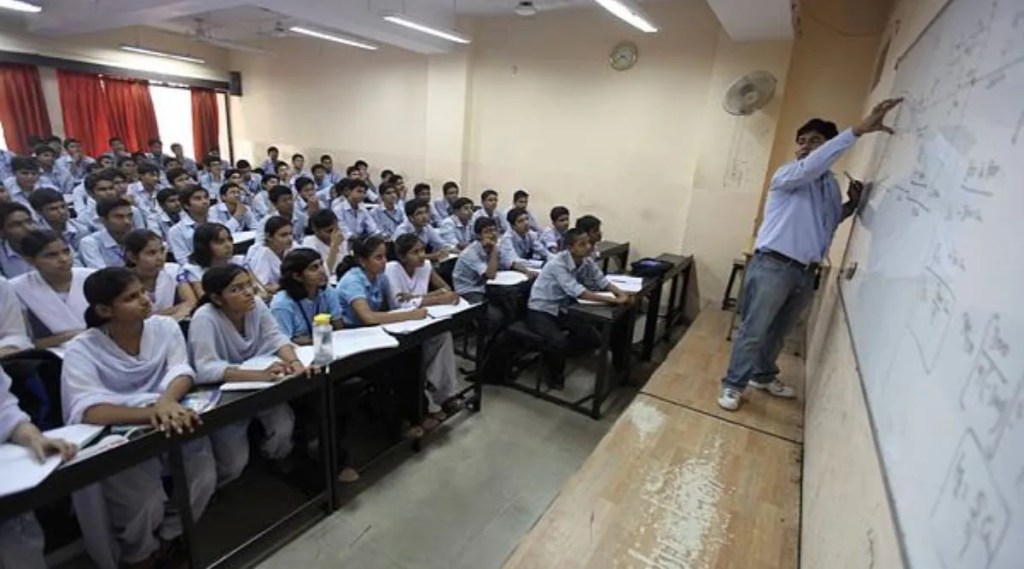
    India stands at the crossroads of an employment paradox – a nation teeming with eager job seekers but grappling with a shortage of skilled workers. This dichotomy is a testament to a systemic flaw in the education and training framework, where the demand for skilled professionals outpaces the supply. The imminent risk is the potential squandering of the demographic dividend, with 40% of the 15-29 age group set to enter the labor force within a decade. Urgent measures are needed to provide meaningful employment opportunities for this burgeoning youth population.

    The manufacturing sector’s failure to absorb the workforce adequately, coupled with rural areas heavily reliant on agriculture, presents a dual challenge. The proposed shift from agriculture to non-farm sectors, as outlined in the  Plan, raises concerns of either job scarcity or the creation of low-productivity, low-paid positions due to a persistent skill mismatch. The current 8% formal employment rate adds to the predicament, demanding a critical evaluation of strategies to prevent the perpetuation of working poverty.

    The path to improving youth employability demands a holistic strategy involving enhancements in education quality, job training, skill upgrading, and robust collaboration between industry stakeholders, policymakers, and training institutions. Simultaneously, there’s an imperative to generate sufficient decent jobs, particularly in the non-farm sector.

    To address these challenges, the Indian government has placed a significant emphasis on skill development. Ambitious targets aim to skill 500 million individuals and 50 million. The National Policy on Skill Development focuses on enhancing the quality, quantity, access, and outreach of training, employing innovative measures such as virtual classrooms, mobile vans, and simulation-based training to reach remote areas.

    The government’s initiatives, with 23 Central Ministries actively engaged in skill development, underscore a commitment to bridge the gap. Recognizing prior learning, implementing schemes like the STAR Scheme to incentivize trainees, and expanding access to education in rural areas through broadband networks demonstrate a multifaceted approach. Advocacy efforts raise awareness, while the establishment of Sector Skills Councils and National Occupational Standards aims to align education with industry needs.

    Yet, a critical gap remains – the absence of a systematic labor market information system. To guide labor and training policies, the need for a data-driven approach becomes paramount.

    Acknowledging manufacturing as a catalyst for growth, the government aims to create 100 million work opportunities. Sectors like textiles, gems & jewelry, and leather industry receive special attention. For those in self-employment, government support includes credit availability, market access, and technical assistance, as outlined in the Plan.

    In conclusion, India faces a pivotal moment where unlocking the demographic dividend requires collaborative efforts between government, industry, and educational institutions. Bridging the gap between skill demand and supply necessitates a two-pronged approach – enhancing skill development and creating an environment conducive to the growth of the non-farm sector. As India navigates the intricacies of its employment landscape, the coming years must witness a concerted push towards policies that skill the workforce and create meaningful employment opportunities. Only through collaborative, strategic, and innovative efforts can India unlock the full potential of its demographic dividend, ensuring a prosperous and sustainable future for the nation.

    visit arjasrikanth.in for more insights

  • INDIA-Bloc: Navigating the Political Labyrinth: Challenges and Alliances in India’s Complex Political Landscape

    January 29th, 2024

    In the intricate web of Indian politics, opposition parties face a myriad of challenges as they endeavor to forge a united front against the ruling Bharatiya Janata Party (BJP). Tackling ideological divides, navigating regional complexities, and addressing internal strife arising from leadership ambitions are imperative for a cohesive opposition. The political landscape’s intricacies demand a delicate balance, requiring opposition forces to transcend individual interests and foster unity in pursuit of shared objectives. Navigating this labyrinth involves strategic maneuvers to overcome obstacles, promote collaboration, and present a formidable alternative to the incumbent regime. In the face of these challenges, the resilience of opposition parties hinges on their ability to navigate the complex political terrain and emerge as a unified force against the ruling BJP.

    The INDI blog finds itself amidst a political tempest, signaling a potential tornado in the architect of the India alliance as it gears up to sever ties with Nitish Kumar. The decision, though looming, is set to be formalized soon, marking a significant blow to a party that once aspired to be the cohesive glue of the alliance. This development, coupled with setbacks in Bengal and Punjab, reveals the Congress party’s struggles as its allies, including the DMK and JD, distance themselves. The political landscape is witnessing posters being ripped in Bengal, protests in Bihar, and an overall decline in the once-promising coalition.

    The Congress party, which entered Bihar with Rahul Gandhi at the helm, now faces a tumultuous situation. Nitish Kumar, along with KC Tyagi, has squarely blamed the Congress for the alliance’s failure. On the other side of the spectrum, the Congress argues that it is committed to strengthening the coalition, but the allies present a contradictory narrative. The fallout in Bengal is glaring, with Mamata Banerjee’s Trinamool Congress (TMC) showing hostility, tearing down posters, and denying entry in Siliguri. The Congress, in response, has resorted to protests and demands for action against the TMC government.

    Mamata Banerjee’s solo venture in Bengal and Bhagwant Mann’s independent foray in Punjab illustrate the fractures within the opposition alliance. The TMC’s emphasis on regional autonomy and the AAP’s reservations about alliance politics introduce additional layers of complexity. In Bengal, the Congress encounters a hostile environment, while in Punjab, the AAP’s independent stance tests the cohesion of the opposition, hinting at a reconfiguration of political dynamics. These developments underscore the challenges of maintaining a united front, as regional and party-specific considerations vie with the overarching goal of countering the ruling party. The political landscape witnesses a nuanced interplay of forces, requiring opposition parties to navigate carefully to reconcile individual aspirations with the imperative of presenting a consolidated front against the incumbent regime.

    The spectrum of ideologies within opposition parties, ranging from left-wing to right-wing, presents a complex mosaic that demands adept navigation. Conflicting policy positions and divergent priorities create hurdles in establishing a common ground, necessitating nuanced approaches to foster unity. This intricate challenge extends to aligning the agendas of regional parties with their national counterparts, an endeavor made complex by India’s diverse nature and robust regional identities. State-level priorities, at times, take precedence over national concerns, further complicating the formation of a cohesive, nationally aligned opposition. Overcoming these intricacies requires not just political acumen but a commitment to finding synergies that transcend ideological and regional divides, forging a united front against common adversaries.

    Leadership ambitions within the opposition create internal strife, hindering the establishment of a unified leadership structure. The intense competition for prominence among parties adds to the complexity, impeding unity. In a multi-party system, the challenge intensifies as parties vie for the same voter pool, fearing the loss of their base to rivals and discouraging collaboration. Differing strategic approaches, from assertive confrontation to cautious collaboration, further complicate the landscape, impeding consensus-building and obstructing unity. Overcoming these challenges demands adept leadership navigation and strategic alignment to forge a formidable and united opposition front.

    Internal divisions within the opposition arise from personal egos, historical rivalries, and animosities among political leaders. Prioritizing individual ambitions and the desire for dominance within parties often undermines collective interests and unity, presenting a significant challenge. Establishing trust and coordination among diverse opposition parties proves to be a complex undertaking. Past experiences of betrayal, a lack of trust in leadership, and differing perceptions of each other’s motives serve as persistent obstacles, impeding the creation of a cohesive and well-coordinated opposition front. Overcoming these challenges necessitates a concerted effort to address personal differences, rebuild trust, and foster a shared commitment to the broader goals of the opposition.

    In conclusion, the obstacles encountered by opposition parties in India constitute a complex interplay of ideological, regional, and personal intricacies. Nevertheless, the acknowledgment of the crucial necessity for unity serves as a unifying force. Opposition parties, by confronting these challenges directly, participating in constructive dialogues, and striving towards a shared objective, possess the capacity to successfully navigate the intricate political labyrinth. A consolidated and formidable front against the ruling party is not merely a political aspiration but an indispensable requirement for a flourishing and dynamic democratic landscape. The unfolding developments in the INDIA bloc underscore the pressing need and multiple problems for opposition parties to solidify a united front, recognizing that their collective strength is the linchpin for navigating the intricate political landscape of India, which is a mammoth task in days ahead.

    visit arjasrikanth.in for more insights

  • Harmony Beyond Mortality: In Tribute to the Maestro, Pandit Jasraj

    January 28th, 2024

    Celebrating the Unforgettable Legacy of Pandit Jasraj – A Journey Through 75 Years of Musical Mastery

    Pandit Jasraj, the virtuoso of classical vocal music, left an indelible mark on the world with his extraordinary talent and immense contribution to the Mewati gharana. As we remember him on what would have been his birth anniversary, this tribute unfolds the melodic journey of Pandit Jasraj, spanning 75 years of unparalleled artistry.

    Pandit Jasraj, born on January 28, 1930, ventured into the world of classical music with an unbridled passion that would become the hallmark of his illustrious career. Hailing from the Mewati gharana, he embarked on a musical odyssey that captivated hearts and souls, both nationally and internationally.

    Jasraj was born into a family deeply rooted in classical music. His early exposure to the intricacies of the art form laid the foundation for what would become a musical saga. Under the guidance of his father, Pandit Motiram, the young Jasraj honed his skills and embraced the rich heritage of the Mewati gharana.

    The Mewati gharana, known for its soul-stirring renditions and intricate compositions, found its torchbearer in Pandit Jasraj. He not only preserved its authenticity but also propelled it to new heights, making it resonate with audiences worldwide. His commitment to this tradition was not merely an artistic choice but a profound responsibility towards preserving India’s cultural heritage.

    Pandit Jasraj’s voice, marked by its richness and versatility, traversed through classical and semi-classical realms with effortless ease. His renditions were not just performances; they were spiritual experiences that transcended boundaries and connected with the very essence of humanity. His music was a reflection of the deep-rooted cultural ethos that he carried with grace.

    The maestro’s 75-year-long musical expedition garnered international acclaim and accolades. His performances on prestigious platforms and collaborations with global musicians showcased the universal language of music. Awards such as the Padma Vibhushan, Sangeet Natak Akademi Award, and the illustrious Bharat Ratna further underscored his unparalleled contribution to the world of classical music.

    Pandit Jasraj was not content with mastering classical and semi-classical genres; he ventured into unexplored territories, leaving an indelible mark on Haveli Sangeeth. His experiments with various musical forms, coupled with his ability to adapt and innovate, showcased a dynamic and ever-evolving artist.

    Pandit Jasraj’s commitment to nurturing the next generation of musicians was evident in his role as a teacher. He shared his vast knowledge generously, shaping the musical landscape by imparting the intricacies of the Mewati gharana to amateur and professional students in India.

    Beyond classical realms, Pandit Jasraj’s contribution to devotional music and film soundtracks expanded his influence to diverse audiences. His soulful renditions in devotional compositions and the seamless integration of classical elements in film soundtracks highlighted his ability to transcend genres and connect with listeners across various platforms.

    In the harmonious tapestry of Indian classical music, Pandit Jasraj remains an everlasting note, resonating through the corridors of time. His legacy, a fusion of tradition and innovation, serves as an inspiration for aspiring musicians and a source of solace for music enthusiasts worldwide. As we pay homage on what would have been his birth anniversary, let us remember Pandit Jasraj not just as a maestro but as a custodian of our musical heritage, whose tunes continue to echo in the realms of eternity.

    Visit arjasrikanth.in for more insights

  • Decoding Warren Buffett’s Secrets to Investment Success

    January 28th, 2024

    Unveiling the Oracle’s Wisdom: The Warren Buffett Investment Philosophy

    In the world of finance, no name resonates with greater authority and success than Warren Buffett. As of January , 2024, his net worth stands at a staggering $122 billion, firmly establishing him as the world’s wealthiest investor. Yet, Buffett’s journey to this pinnacle of financial success is far from a conventional narrative; it is a compelling saga that traces its roots back to a young entrepreneur with a penchant for selling chewing gum.

    Born on August 30, 1930, in Omaha, Nebraska, Warren Edward Buffett 93, inherited his passion for business and investing from his father, Howard Buffett, a prominent US Congressman and businessman. His early years were marked by an innate curiosity about the financial world, prompting him to embark on an educational journey that would set the stage for his unparalleled career.

    Buffett’s academic pursuits led him to the prestigious Wharton School and the University of Nebraska, where he graduated remarkably at the tender age of 19. Undeterred by his youth, he continued his quest for knowledge at Columbia Business School, a pivotal period during which he honed his investment philosophy under the mentorship of the legendary Benjamin Graham.

    The turning point in Buffett’s entrepreneurial journey came in 1956 when he founded Buffett Partnership Ltd. This venture, a precursor to his later acquisition of Berkshire Hathaway, a textile manufacturing firm, marked the beginning of a trajectory that would eventually catapult him to the forefront of the investment world. By 1970, Buffett emerged as the chairman and majority shareholder of Berkshire Hathaway, a position he continues to hold with unwavering authority.

    Since assuming leadership, Warren Buffett has transformed Berkshire Hathaway into a corporate juggernaut and a leading holding company in the United States. His influence extends far beyond financial success, earning him the reverent titles of the “Oracle” and “Sage” of Omaha. A testament to his commitment to philanthropy is the Giving Pledge, an initiative he co-founded with Bill Gates, underscoring his dedication to addressing societal challenges through charitable endeavours.

    At the core of Warren Buffett’s monumental success lies a philosophy that reflects simplicity and clarity. His investment principles, forged over decades of navigating the intricate landscape of the stock market, can be distilled into fundamental tenets.

    One key aspect of Buffett’s strategy is a steadfast focus on investing in companies with a competitive advantage or economic moat. This strategic choice creates a protective barrier, ensuring the sustained success and longevity of the invested companies. Buffett’s long-term approach to investments, anchored in the assessment of intrinsic value rather than short-term earnings, is another critical element of his philosophy.

    A significant emphasis is placed on demanding a margin of safety in investments. This involves acquiring stocks at prices substantially below their intrinsic value, thereby providing a buffer against unforeseen market fluctuations. Patience is a cornerstone of Buffett’s philosophy, encapsulated in his famous quote, “Our favourite holding period is forever.” This philosophy encourages investors to adopt a patient, long-term approach, holding onto quality investments through market ups and downs.

    The cardinal rule in Buffett’s investment game is simple yet profound: “The first rule of investment is don’t lose. The second rule of investment is don’t forget the first rule.” This underscores the paramount importance of preserving capital and avoiding unnecessary risks.

    Beyond these foundational rules, Buffett advises against investing in businesses that one cannot fully understand. A comprehensive comprehension of a company’s operations and industry is deemed crucial for making informed investment choices. Additionally, he warns against investing with borrowed money, emphasizing the importance of avoiding unnecessary debt in the pursuit of financial gains.

    Buffett’s contrarian approach, encapsulated in the rule to “be fearful when others are greedy,” advises investors to exercise caution during exuberant market phases. By avoiding herd mentality, investors can navigate through market bubbles more effectively.

    Warren Buffett’s influence extends beyond the boundaries of traditional investment wisdom. The 5/25 Rule, reportedly shared with his personal pilot Mike Flint, offers a framework for managing life goals. It involves listing the top 25 career goals, selecting the top five, and dedicating efforts solely to achieving those priorities.

    In conclusion, Warren Buffett’s investment philosophy transcends a mere set of rules; it represents a guiding principle forged through a lifetime of experience. His success as the “Oracle of Omaha” is rooted in a disciplined approach, patient capital allocation, and an unwavering commitment to enduring value.

    For aspiring investors and financial enthusiasts navigating the intricate world of stocks and markets, Buffett’s enduring legacy serves as a wellspring of inspiration. Embracing the simplicity of “buying businesses, not stocks” and holding onto them with patience, investors can draw invaluable lessons from the greatest investor of our time.

    As Warren Buffett continues to inspire generations with his investment prowess, his journey remains a testament to the profound impact of a well-grounded, value-driven philosophy in the ever-evolving landscape of finance. The Oracle’s wisdom even at the age of 93 continues to echo, providing timeless lessons for those willing to listen and learn from the greatest investor of our time.

    visit arjasrikanth.in for more insights

←Previous Page
1 … 105 106 107 108 109 … 146
Next Page→

Blog at WordPress.com.

Loading Comments...

    • Subscribe Subscribed
      • SOCIAL PERSPECTIVES
      • Join 107 other subscribers
      • Already have a WordPress.com account? Log in now.
      • SOCIAL PERSPECTIVES
      • Subscribe Subscribed
      • Sign up
      • Log in
      • Report this content
      • View site in Reader
      • Manage subscriptions
      • Collapse this bar