• About

SOCIAL PERSPECTIVES

  • ఆంధ్రప్రదేశ్ ఆర్థిక అవలోకనం మరియు విశ్లేషణ

    February 11th, 2024

    ఆంధ్రప్రదేశ్‌లో ఆర్థిక సందిగ్ధత: సంక్షేమ పథకాలు మరియు ఆర్థిక భారాలను సమతుల్యం చేయడం*

    531 లక్షల జనాభా ఉన్న ఆంధ్రప్రదేశ్, రాష్ట్ర ఆర్థిక భారాలతో పౌరుల అవసరాలను సమతుల్యం చేయడంలో గణనీయమైన ఆర్థిక సవాలును ఎదుర్కొంటోంది. జనాభాలో 70% గ్రామీణ ప్రాంతాల్లో నివసిస్తున్నందున, గ్రామీణ పేదలను ఆదుకోవడానికి ప్రభుత్వం అనేక సంక్షేమ పథకాలను అమలు చేస్తోంది. అయితే, ఈ పథకాలు ఖర్చుతో కూడుకున్నవి, దీని ఫలితంగా వార్షికంగా రమారమి 50,000 కోట్ల పైగా రుణాలు తీసుకో వలసి వస్తోంది. సంక్షేమ పథకాలపై ప్రభుత్వం దృష్టి సారించడం వల్ల తాత్కాలిక ఉపశమనం లభిస్తుందా లేదా గ్రామీణ ఆదాయాన్ని మెరుగుపరిచే స్థిరమైన వ్యూహమా అనే సందిగ్ధంలో ఈ కథనం వివరాల్లోకి వెళ్తోంది

    ఆంధ్రప్రదేశ్ ప్రభుత్వం తన బడ్జెట్‌లో గణనీయమైన భాగాన్ని సంక్షేమ పథకాలకు కేటాయించడం అభినందనీయం. సంవత్సరానికి దాదాపు లక్ష కోట్లు, తొమ్మిది సంక్షేమ పథకాలకు కేటాయించ పడుతున్నాయి . అందులో 70% ప్రత్యేకంగా గ్రామీణ ప్రాంతాలను లక్ష్యంగా చేసుకుంటాయి. ఇది దాదాపు 70,000 కోట్లు వివిధ సంక్షేమ కార్యక్రమాల ద్వారా గ్రామీణ ప్రాంతాల్లోని నిరుపేదలకు పంపిణీ చేయబడుతోంది. సగటున, ఇది ఒక వ్యక్తికి సంవత్సరానికి ₹18,000 కంటే ఎక్కువ లేదా నలుగురితో కూడిన కుటుంబానికి సంవత్సరానికి ₹50,000 కంటే ఎక్కువ.

    ఈ సంక్షేమ పథకాలు గ్రామీణ జనాభాను మెరుగుపరచడం మరియు ఆదాయ వ్యత్యాసాలను తగ్గించడం లక్ష్యంగా పెట్టుకున్నప్పటికీ, పన్ను చెల్లింపుదారులపై ఆర్థిక భారం పడుతుంది. ఆంధ్రప్రదేశ్‌లోని ప్రతి పౌరుడు పన్నుల కోసం సంవత్సరానికి దాదాపు ₹18,000 ప్రభుత్వానికి కడుతున్నాడు. అదనంగా, ప్రతి వ్యక్తికి సగటు రుణం ₹80,000 కంటే ఎక్కువగా ఉంది, దీని ఫలితంగా వార్షిక రుణం ₹3,467 తిరిగి చెల్లించబడుతుంది. రాష్ట్రం తన ఆర్థిక బాధ్యతలను తీర్చడానికి సంవత్సరానికి రమారమి 53,000 కోట్లు అప్పుగా తీసుకుంటుంది, ఇది ప్రతి వ్యక్తికి ₹10,000 కంటే ఎక్కువ ఆర్థిక భారం మోపుతుంది

    దీంతో సంక్షేమ పథకాలపై ప్రభుత్వం చూపుతున్న శ్రద్ధ న్యాయమైనదేనా, నిలకడగా ఉందా అనే ప్రశ్న తలెత్తుతోంది. ఒక వైపు, ఈ పథకాలు గ్రామీణ పేదలకు తక్షణ ఉపశమనాన్ని అందిస్తాయి మరియు వారి ఆదాయ స్థాయిలను మెరుగుపరుస్తాయి. ఏదేమైనా, ఈ పథకాలకు ఆర్థిక సహాయం చేసే భారం పన్ను చెల్లింపుదారులపై పడుతుంది, వారు ఇప్పటికే పన్నులు మరియు రుణ చెల్లింపులలో గణనీయమైన మొత్తాలను చెల్లిస్తున్నారు. సగటు పౌరుడు పన్నుల రూపంలో దాదాపు ₹18,000, రుణ చెల్లింపు కోసం ₹3,467 మరియు అదనంగా సాలీనా రూ.10,000 రుణ భారాన్ని మోయాల్సి వస్తోంది.

    బడ్జెట్‌లో గణనీయమైన భాగాన్ని సంక్షేమ పథకాలకు కేటాయించడం రాష్ట్ర ఆర్థిక వ్యవస్థ యొక్క దీర్ఘకాలిక స్థిరత్వం గురించి ఆందోళన కలిగిస్తుంది. గ్రామీణ జనాభాకు సహాయం చేయాలి అన్న ప్రభుత్వ సంకల్పం ప్రశంసనీయం అయినప్పటికీ, ఈ విధానం అట్టడుగు వర్గాలలో కొత్త ఆర్థిక వ్యవస్థను సృష్టిస్తోందా లేక గ్రామీణ మరియు పట్టణ పేదలపై పెరుగుతున్న పన్నులతో భారం మోపుతుందా అనేది అంచనా వేయడం చాలా అవసరం.

    సంక్షేమ పథకాల ద్వారా నిధులను మళ్లించే ప్రభుత్వ వ్యూహం తాత్కాలిక ఉపశమనం కలిగించవచ్చు, అయితే దాని దీర్ఘకాలిక ప్రభావాన్ని అంచనా వేయడం చాలా కీలకం. గ్రామీణ ఆదాయ స్థాయిలను మెరుగుపరచడంపై దృష్టి సారించడం ద్వారా, ఆదాయ అంతరాన్ని తగ్గించడం మరియు సమ్మిళిత వృద్ధిని ప్రోత్సహించడం ప్రభుత్వం లక్ష్యంగా పెట్టుకుంది. ఏదేమైనా, సమతుల్యతను సాధించడం మరియు ఈ పథకాల భారం పూర్తిగా పన్ను చెల్లింపుదారులపై పడకుండా చూసుకోవడం కూడా అవసరం.

    ఆంధ్రప్రదేశ్‌లో ప్రతి వ్యక్తికి సగటు అప్పు ఇప్పటికే గణనీయంగా ఉంది మరియు వార్షిక రుణాలు ఈ భారాన్ని మరింత పెంచుతున్నాయి. సంక్షేమ పథకాలు తక్షణ అవసరాలను తగ్గించగలవు, వాటి దీర్ఘకాలిక ప్రభావాలను పరిగణనలోకి తీసుకోవడం అత్యవసరం. ప్రభుత్వం ఈ స్థాయిలో ఖర్చు పెట్టగలదా? గ్రామీణ పేదలు ఈ పథకాలపై ఎక్కువగా ఆధారపడతారు, ప్రత్యామ్నాయ ఆదాయ వనరులను వెతకడానికి వారి ప్రేరణను అడ్డుకునే అవకాశం ఉందా?

    ఇంకా సంక్షేమ పథకాలపై ప్రభుత్వం దృష్టి సారించడం వ్యూహాత్మక ఎత్తుగడలా లేక ఆత్మ విధ్వంసక మార్గమా అనే ప్రశ్న కూడా తలెత్తుతోంది. గ్రామీణ జనాభాకు చేయూతనివ్వటమే ఉద్దేశ్యం అయినప్పటికీ, మొత్తం ఆర్థిక వ్యవస్థపై ప్రభావాన్ని అంచనా వేయడం కూడా చాలా అవసరం. ఈ పథకాలు సుస్థిర ఆర్థిక వృద్ధిని ప్రోత్సహిస్తున్నాయా లేక జనాభాలోని ఒక చిన్న వర్గంపై ఆర్థిక భారం పడే పరిస్థితిని సృష్టిస్తున్నాయా? అన్నది ప్రశ్నార్ధకం

    సంక్షేమ పథకాల పట్ల ప్రభుత్వ నిబద్ధత, పన్ను చెల్లింపుదారులపై పడే ఆర్థిక భారం చుట్టూ ఆంధ్రప్రదేశ్‌లో ఆర్థిక వ్యవస్థ తిరుగుతోంది. సంక్షేమ పథకాలకు బడ్జెట్‌లో గణనీయమైన భాగాన్ని కేటాయించడం గ్రామీణ పేదలను ఉద్ధరించడం మరియు ఆదాయ అసమానతలను తగ్గించడం లక్ష్యంగా ఉన్నప్పటికీ, తక్షణ ఉపశమనం మరియు దీర్ఘకాలిక స్థిరత్వం మధ్య సమతుల్యతను సాధించడం కూడా చాలా కీలకం.

    సంక్షేమ పథకాలపై ప్రభుత్వం చూపుతున్న ప్రాధాన్యత గ్రామీణ వర్గాలకు క్షణిక ఉపశమనం కలిగిస్తుంది మరియు వారి ఆదాయ స్థాయిలను సమర్థవంతంగా పెంచుతుంది. అయితే, ఈ ఉపశమనం ఇప్పటికే గణనీయమైన పన్ను మరియు రుణ చెల్లింపు భారాలను భరించే పన్ను చెల్లింపుదారుల ఖర్చుతో వస్తుంది. తక్షణ సంక్షేమ అవసరాలు మరియు దీర్ఘకాలిక ఆర్థిక స్థిరత్వం మధ్య సమతుల్యతను సాధించడం చాలా ముఖ్యమైనది. ఈ పథకాలు తక్షణ అవసరాలను తీర్చినప్పటికీ, అవి స్థిరమైన ఆర్థిక వృద్ధికి దోహదపడేలా చూసుకోవడం చాలా కీలకం. సంక్షేమ కార్యక్రమాల దీర్ఘకాలిక ప్రభావాలను ప్రభుత్వం అంచనా వేయాలి మరియు ఫైనాన్సింగ్ పన్ను చెల్లింపుదారులపై అనవసరంగా భారం పడకుండా చూసుకోవాలి. ముందుకు సాగడం, వివేకవంతమైన ఆర్థిక నిర్వహణతో సాంఘిక సంక్షేమ లక్ష్యాలను సమగ్రపరిచే సమగ్ర విధానం అవసరం. ఆర్థిక సామర్థ్యాన్ని పెంచుకోవడం ద్వారాసాంకేతిక పురోగతులను స్వీకరించడం మరియు సహకార భాగస్వామ్యాలను పెంపొందించడం, ద్వారా ఆంధ్రప్రదేశ్ సవాళ్లను సమర్థవంతంగా ఎదుర్కోగలుగుతుంది తద్వారా పౌరులందరికీ సుసంపన్నమైన భవిష్యత్తుకు మార్గం సుగమం చేయడమవుతుంది.

    Visit arjasrikanth.in for more insights

  • From Take-off to Transformation – Adani Group’s Strategic Moves in the Skies

    February 11th, 2024

    “Adani’s Skyward Sojourn: Redefining India’s Aviation Horizon”

    In the ever-evolving landscape of India’s corporate arena, the Adani Group, led by the visionary Gautam Adani, continues to etch a narrative of unparalleled growth and strategic expansion. The recent revelation by the conglomerate to demerge its airports division stands as a testament to its unwavering commitment to soar higher and stake its claim as the nation’s premier airport operator. With a formidable presence in the aviation sector, Adani Airport Holdings is primed for a remarkable three-fold surge in passenger handling capacity, setting its sights on the monumental milestone of 240-250 million passengers.

    Adani Airport Holdings, an integral arm of Adani Enterprises, currently holds the prestigious title of being India’s second-largest airport operator, trailing closely behind GMR Airports Infrastructure. The conglomerate’s strategic manoeuvre to demerge its airports division within the next 3 to 5 years is a bold declaration of its ambition to emerge as the undisputed leader in the sector.

    The demerger blueprint hinges on the attainment of specific milestones, with a paramount emphasis on diversifying revenue streams. Adani aims to diminish its reliance on aeronautical revenues, traditionally rigid in nature, by amplifying income from non-aeronautical avenues. Notably, the group envisions a staggering 65% of EBITA stemming from non-aero business, signalling a strategic pivot towards comprehensive airport development.

    At the heart of Adani’s expansive vision lies the ambitious development of the Navi Mumbai airport, poised to become the eighth jewel in the group’s airports portfolio. With an estimated cost soaring to Rs 19,600 crore, this transformative project is set to redefine air travel infrastructure in the region. Adani’s steadfast commitment to adhering to the inauguration deadline of March 2025, underscores the conglomerate’s unwavering approach to project timelines.

    A pivotal aspect of Adani’s strategy revolves around robust city-side projects, with a keen focus on the comprehensive development of the Navi Mumbai airport. The group has allocated a substantial capital expenditure for its airports business in FY25, with a significant portion earmarked for the Navi Mumbai airport. This infusion of capital is expected to fortify Adani’s vision of achieving a three-fold growth in passenger handling capacity, heralding a transformative era in the aviation landscape.

    While acknowledging certain external challenges , Adani Group remains steadfast in its commitment to enhancing both passenger and non-passenger experiences across its airports. Anticipating substantial changes from 2026-27 onwards, the group envisions aligning its services with global standards. This commitment reflects Adani’s dedication to positioning its airports as beacons of excellence, offering world-class amenities and services.

    Adani’s robust capital gameplan involves an additional capital expenditure each in FY24 and FY25 for the airports business. A significant portion of this investment is directed towards the Navi Mumbai airport, highlighting the group’s strategic focus on transformative projects. With an eye on reaching a passenger handling capacity of 250 million, Adani Group envisions surpassing growth barriers and outpacing India’s aviation sector’s overall trajectory.

    The potential demerger of Adani’s airports business presents a game-changing opportunity to unlock value for shareholders. This move is expected to take place between late 2025 and early 2026, marking the emergence of Adani Airports Holdings as a distinct, listed entity. This strategic shift aligns with Adani Enterprises’ broader plan to spin off its various businesses once they attain significant size and operational scale.

    Adani Group’s journey in the aviation sector transcends the mere construction of airports and runways; it embodies a saga of visionary leadership, strategic foresight, and an unwavering commitment to redefining India’s airport landscape. The conglomerate’s audacious plans to demerge its airports division, coupled with transformative projects like the Navi Mumbai airport, underscore Adani’s pivotal role in shaping the future of Indian aviation. As the group navigates challenges and capitalizes on growth opportunities, its flight into the future promises to be nothing short of spectacular, elevating India’s aviation sector to new heights.

    visit arjasrikanth.in / @DrArjasreekanth for more insights
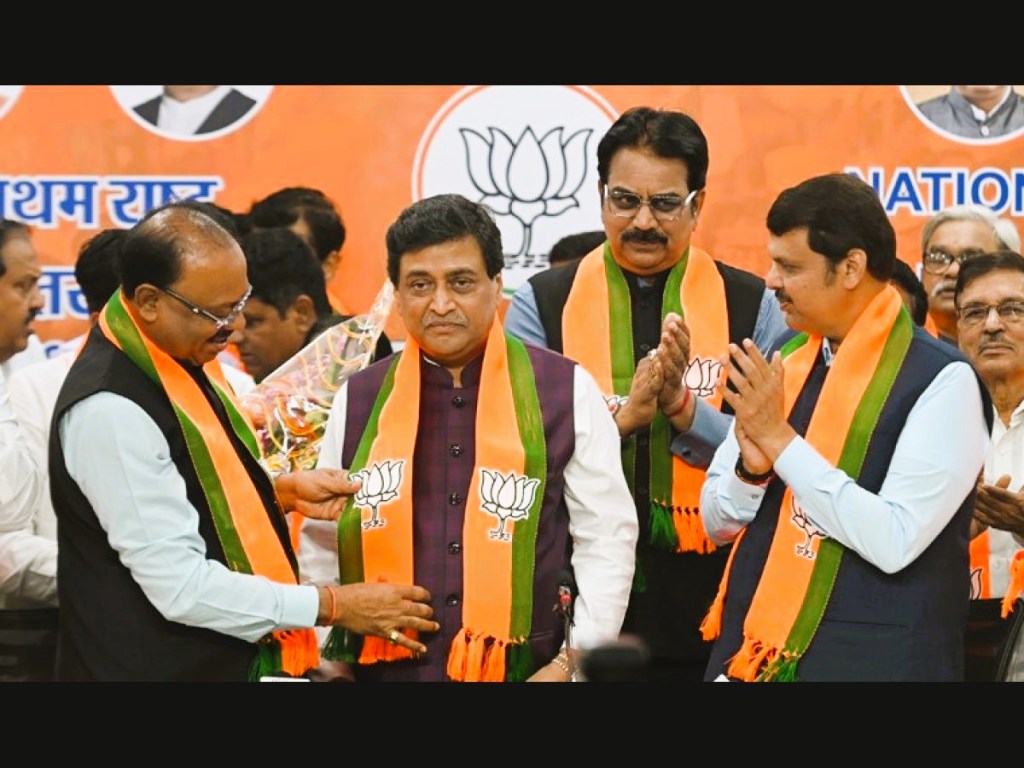
  • Uttarakhand’s Uniform Civil Code” -Balancing Concerns of Privacy, Liberty, and Personal Relationships in the Era of Live-Ins”

    February 11th, 2024

    “Exploring the Debate: Live-in Relationships under the Lens of Uttarakhand’s Uniform Civil Code”

    The proposed Uttarakhand Uniform Civil Code addresses not only the personal laws of marriage, inheritance, and succession but also delves into the realm of live-in relationships, a relatively new concept in Indian law. Drawing heavily from existing laws such as the Hindu Marriage Act and the Indian Succession Act, the UCC attempts to provide clarity on matters related to live-in relationships, marriage, and succession. However, this aspect of the UCC has raised questions about individual privacy, personal liberty, and the complicated procedure involved.

    The UCC defines a live-in relationship as a cohabitation between a man and a woman in a shared household that resembles marriage. The bill treats live-in relationships as equivalent to marriage in certain aspects. For instance, if one partner deserts the other, the deserted partner is entitled to seek maintenance, similar to the rights granted in a traditional marriage. The bill also mandates the registration of live-in relationships with a state-appointed Registrar, requiring couples to disclose their identities, enter into the relationship, and terminate it. Furthermore, children born out of a live-in relationship are recognized as legitimate children, which is a progressive step towards ensuring their rights.

    However, these measures raise concerns regarding the level of regulation and intrusion into personal relationships. The requirement to register and disclose the termination of a live-in relationship infringes on personal privacy. The involvement of a Registrar empowers them to conduct an inquiry to determine the validity of the relationship, potentially leading to interference by authorities or even third parties. This level of policing in personal relationships may affect the privacy and autonomy of individuals involved.

    Another issue pertains to the lack of a defined timeline for a live-in relationship. Unlike marriage, which is typically considered a lifelong commitment, the UCC does not provide clarity on the duration of a live-in relationship that grants rights similar to marriage. While the Domestic Violence Act refers to a relationship “in the nature of marriage,” implying a long-term commitment, the UCC fails to address this aspect. As a result, any live-in relationship, regardless of its duration, becomes eligible for rights similar to those of a traditional marriage once registered.

    This approach may be troubling for individuals who choose to refrain from the institution of marriage. By equating live-in relationships with marriage and granting similar rights, the bill may inadvertently infringe upon the personal choices and preferences of those who opt for an alternative lifestyle. While the government’s intention to address concerns of violence within live-in relationships is commendable, critics argue that policing and protection can be provided without the need for registration or state permission.

    The implementation and enforcement of this aspect of the UCC raise further concerns. Who will monitor and check the nature of individuals’ relationships? The requirement for a certificate and the involvement of a registrar can potentially lead to not only state surveillance but also interference by other individuals. Additionally, the bill may face legal challenges, particularly concerning the right to privacy. The state must demonstrate a compelling interest in knowing the nature of individuals’ relationships, which may prove problematic in light of the landmark ruling on the right to privacy.

    In conclusion, the inclusion of live-in relationships in the Uttarakhand Uniform Civil Code has generated controversies surrounding privacy, personal liberty, and interference in personal relationships. While the bill seeks to provide protection and address issues of violence, the level of regulation and intrusion into personal lives raises few concerns. The requirement for registration, disclosure, and the involvement of a registrar infringe upon privacy rights and may face legal challenges. In fast changing social fabric, it is imperative to strike a balance between protecting individuals and respecting their personal choices and autonomy.

    visit arjasrikanth.in / @DrArjasreekanth for more insights

  • “అధికారం కోసం పోటీలో, ఢిల్లీలోని మురికివాడలు,  వాగ్దానాలు మరియు వాస్తవికతను కలిసే యుద్ధభూమిగా ఉద్భవిస్తున్నాయి.”

    February 10th, 2024

    ఢిల్లీలోని సందడిగా ఉన్న మహానగరంలో, ఎత్తైన ఆకాశహర్మ్యాలు స్కైలైన్‌ను అలంకరించాయి మరియు విలాసవంతమైన కార్లు వీధుల గుండా తిరుగుతాయి, గ్లామర్ మరియు గొప్పతనం మధ్య ఒక కఠోర వాస్తవం దాగి ఉంది – నగరం యొక్క జనాభాలో గణనీయమైన భాగాన్ని కలిగి ఉన్న విశాలమైన మురికివాడలు. రాబోయే లోక్‌సభ ఎన్నికలకు రాజకీయ దృశ్యం సిద్ధమవుతున్న తరుణంలో, ఈ మురికివాడలు భారతీయ జనతా పార్టీ (బిజెపి), ఆమ్ ఆద్మీ పార్టీ (ఆప్) మరియు కాంగ్రెస్ లకు  కీలకమైన కేంద్రంగా మారాయి, అయితే ఈ కాలనీల యుద్ధభూమి కేవలం దాని గురించి మాత్రమే కాదు. ఓట్లను భద్రపరచడం; ఇది మనుగడ, గౌరవం మరియు మెరుగైన భవిష్యత్తు కోసం జరిగే యుద్ధం.

    ఢిల్లీ మురికివాడల ప్రాముఖ్యతను అతిగా చెప్పలేము.  తమ ఇరుకైన సందులు మరియు తాత్కాలిక గృహాలలో ఉంటున్నటువంటి ఈ ఓటర్ల సంఖ్య గణనీయమైనది. ఢిల్లీ ప్రభుత్వ భవితవ్యం వీరు మార్చగలిగే గణనీయ స్థితిలో ఉన్నారు. ఢిల్లీ రాజకీయం దశాబ్దాలుగా, ఈ మురికివాడల చుట్టూ అందులో ఏర్పాటు చేయాలనుకున్న ప్రాథమిక సౌకర్యాల  చుట్టూ తిరుగుతున్నది.- స్వచ్ఛమైన నీరు మరియు పారిశుధ్యం నుండి అధీకృత కాలనీలలో ఆస్తి హక్కుల కోసం దీర్ఘకాల డిమాండ్లు.  అయినప్పటికీ, వరుసగా వచ్చిన ప్రభుత్వాలు శాశ్వత వాగ్దానాలు చేసినప్పటికీ, క్షేత్రంలో వాస్తవికత అస్పష్టంగానే ఉంది.

    తక్కువ-ఆదాయ దేశాల్లోని అనేక నగరాల మాదిరిగానే ఢిల్లీ కూడా గణనీయమైన మురికివాడల జనాభాను కలిగి ఉంది. 2001లో, ఢిల్లీ జనాభాలో దాదాపు 20 శాతం మంది మురికివాడల నివాసులు. ఇటీవలి అంచనాల ప్రకారం ఈ సంఖ్య 50 శాతం వరకు పెరిగింది. నగరంలో 675 మురికివాడ క్లస్టర్లు ఉన్నాయి, దాదాపు 15.5 లక్షల మంది నివాసితులు ఉన్నారు. ఒక ప్రముఖ మురికివాడ కుసుంపూర్ పహారి, ఇది న్యూ ఢిల్లీలో అతిపెద్దది, 10,000 పైగా మురికివాడలు ఉన్నాయి. ఆజాద్‌పూర్ సమీపంలోని లాల్‌బాగ్ ఢిల్లీలో అతిపెద్ద మురికివాడగా పేరుగాంచింది, కేవలం ఒక చదరపు కిలోమీటరులో 3 లక్షలకు పైగా నివాసం ఉంటున్నారు.  దాదాపు 74.46% మురికివాడలు నివాస ప్రాంతాలతో చుట్టుముట్టబడ్డాయి మరియు మురికివాడల పునరాభివృద్ధి కార్యక్రమాలను ప్రభుత్వం చేపట్టింది. మురికివాడలలో నివసించే ప్రజల ఈతి బాధలు తరచుగా పేదరికం మరియు సరైన గృహాలను సమకూర్చుకోలేకపోవటం ముఖ్య కారణమని చెప్పవచ్చు, అయితే కొందరు తమ వ్యాపారాలను సులభతరం చేయడానికి ఈ జీవనశైలిని ఎంచుకుంటారు.

    ఇటీవలి నెలల్లో నగరం అంతటా కూల్చివేతల పర్వం మొదలు అయ్యింది. చాలా చోట్ల ముఖ్యంగా పేదవారు తమ నివాసాలను  కోల్పోవాల్సి వచ్చింది. ప్రభుత్వ భూమిలో అనధికార నిర్మాణాలను తొలగించే లక్ష్యంతో జరిగిన ఈ కూల్చివేతలు మురికివాడల నివాసులను లేదా ఇతర ప్రాంతాల నివాసితులను విడిచిపెట్టలేదు. కొన్ని కాలనీలు కోర్టు ఉత్తర్వులు లేదా ప్రభుత్వ విధానాల ప్రకారం చట్టపరమైన రక్షణను పొందుతుండగా, మరికొన్ని మునిసిపల్ కార్పొరేషన్ ఆఫ్ ఢిల్లీ (MCD), పబ్లిక్ వర్క్స్ డిపార్ట్‌మెంట్ (PWD), రైల్వేలు మరియు ఢిల్లీ డెవలప్‌మెంట్ అథారిటీ (ఎంసిడి)తో సహా బహుళ ఏజెన్సీలచే నిర్వహించబడుతున్న బుల్‌డోజర్‌ల దయలో ఉన్నాయి. 

    విరిగిన ఇళ్ల శిథిలాలు మరియు చెదిరిన కలల మధ్య, పరస్పర రాజకీయ నిందలు మొదలయ్యాయి.  భూమిపై తమకు యాజమాన్యం లేనందున, కూల్చివేతలకు బాధ్యత వహించలేమని భాజపా తేల్చిచెప్పింది. కేంద్ర ప్రభుత్వం,  ఢిల్లీ ప్రభుత్వం దీనికి బాధ్యత వహించాలని చెబుతోంది. పైగా నిరుపేదలకు సరసమైన గృహాలను అందించడానికి ఉద్దేశించిన ప్రధాన మంత్రి ఆవాస్ యోజన వంటి పథకాలను సమర్థవంతంగా అమలు చేయడంలో ఢిల్లీ ప్రభుత్వం విఫలమైందని ఆరోపిస్తూ ఉండటం గమనార్హం

    ఈ కూల్చివేతల యొక్క పరిణామాలు ఆస్తి యొక్క భౌతిక విధ్వంసానికి మించి విస్తరించాయి. వారు అట్టడుగు వర్గాల వారిపై ప్రతాపము చూపటం అవుతుంది .  ఇప్పటికే ఉన్నటువంటి అనిశ్చిత మరింత జటిలం అవుతోంది. 2020 అసెంబ్లీ ఎన్నికల సమయంలో నిర్వహించిన ఒక సర్వే గందరగోళ వాస్తవాన్ని వెల్లడించింది – ఎన్నికల విజయాలు ఉన్నప్పటికీ, మురికివాడలలో నివసించేవారిలో గణనీయమైన భాగాన్ని కలిగి ఉన్న ఢిల్లీ జనాభాలోని పేద వర్గాలు పేదరికంలో మగ్గుతూనే ఉన్నారు. అయితే, కూల్చివేసిన మురికివాడలకు బదులుగా పునరాభివృద్ధి ప్రాజెక్టుల వాగ్దానం ఢిల్లీ ప్రభుత్వానికి సానుకూల వాతావరణం కల్పించడం జరిగింది

    నిజానికి, రాజకీయ పార్టీలు ప్రతిష్టాత్మకమైన పునరాభివృద్ధి ప్రాజెక్టుల నుండి సబ్సిడీ యుటిలిటీలు మరియు రవాణా ప్రయోజనాలను అందించే కేంద్రీకృత పథకాల వరకు ఈ ప్రాంతాల్లో తమ ఉద్దేశించిన అభివృద్ధి కార్యక్రమాలను ప్రదర్శించడంలో ఎటువంటి ప్రయత్నం చేయలేదు. అయినప్పటికీ, పురోగతి మరియు శ్రేయస్సు యొక్క వాగ్దానాల మరియు వాఖ్యాతుర్యం ల మధ్య, మురికివాడలో ఉన్నటువంటి పేదవారు ఉక్కిరిబిక్కిరి అవుతున్నారు – చేసిన వాగ్దానాలు మరియు పూర్తి చేసిన వాగ్దానాల మధ్య అంతరం అంతకంతకు పెరుగుతోంది.  దానితోపాటు బ్యూరోక్రాటిక్ అడ్డంకులు మరియు పరిపాలనా అసమర్థత తరచుగా అట్టడుగు స్థాయిలో వాటి అమలుకు ఆటంకం కలిగిస్తున్నందున, ఈ పథకాల ప్రయోజనాలు ఉద్దేశించిన లబ్ధిదారులకు అరుదుగా అందుతాయని విమర్శకులు వాదిస్తున్నారు.

    రాజకీయ జోరు పెరగడం మరియు ఎన్నికల వాగ్దానాల వాక్చాతుర్యం తారాస్థాయికి చేరుకోవడంతో, ఢిల్లీలోని మురికివాడల కోసం యుద్ధం కేవలం ఎన్నికల అంకగణితాన్ని మించిపోయింది.  ఈ అట్టడుగు కాలనీల నివాసితులకు, కోరికలు ఎక్కువగా ఉండవు. వారు రాజకీయ నాయకుల బూటకపు వాగ్దానాల కోసం మాత్రమే కాకుండా, వారి జీవన నాణ్యతలో స్పష్టమైన మెరుగుదలల కోసం ఆరాటపడతారు – విద్య, వైద్యం మరియు జీవనోపాధి అవకాశాలను పొందడం చాలా కాలంగా వారికి దూరంగా ఉంది.

    ఢిల్లీ యొక్క మురికివాడల పరిస్థితి భారత ప్రజాస్వామ్యం యొక్క స్వాభావిక వైరుధ్యాలను ప్రతిబింబిస్తుంది – వాగ్దానం మరియు వాస్తవికత, వాక్చాతుర్యం మరియు చర్య మధ్య స్పష్టమైన ద్వంద్వత్వం. రాజకీయ యంత్రాంగం గమనంలోకి దూసుకుపోతున్నప్పుడు, ప్రతి ఓటు వెనుక పట్టణ పేదరికం యొక్క కఠోరమైన వాస్తవాలతో పోరాడుతున్న వ్యక్తుల యొక్క స్థితిస్థాపకత యొక్క కథ ఉందని గుర్తుంచుకోవడం అత్యవసరం. ఢిల్లీ మురికివాడల కోసం జరిగే యుద్ధం కేవలం ఎన్నికల విజయాలు సాధించడం మాత్రమే కాదు; ఇది నిర్లక్ష్యానికి గురైన ఈ కాలనీలను తమ ఇల్లు అని పిలిచే వారి మానవత్వం, గౌరవం మరియు ఆకాంక్షలను గుర్తించడం. వారి గొంతులు వినిపించినప్పుడే, వారి ఆందోళనలను పరిష్కరించినప్పుడే, ఢిల్లీలోని మురికివాడల చిక్కైన సందుల్లో ప్రజాస్వామ్యం యొక్క నిజమైన స్ఫూర్తిని గ్రహించవచ్చు.

  • On its Foundation Day, February 10, Extending Greetings to Every Member of National Highways

    February 10th, 2024

    National Highways in India: Paving the Way for Prosperity

    India, with its vast and diverse landscape, demands a well-connected and efficient transportation system to propel economic growth. At the heart of this intricate web are the National Highways, meticulously crafted and maintained by the National Highways Authority of India (NHAI) and the National Highways and Infrastructure Development Corporation Limited (NHIDCL). As we celebrate the Foundation Day of National Highways on February 10, it’s an opportune moment to reflect on the pivotal role these thoroughfares play in shaping the nation’s progress.

    National highways, often termed as the arteries of India, intricately connect the country’s diverse regions, facilitating the smooth movement of goods and people. Operating under the Ministry of Road Transport and Highways, NHAI and NHIDCL contribute significantly to economic and social development. Despite constituting only 2% of the total road network, these highways bear the substantial load of over 40% of the country’s total traffic, showcasing their indispensable role in fostering growth.

    A crowning jewel in India’s highway network is National Highway 44 (NH 44), an impressive stretch covering 4,112 kilometres from Srinagar to Kanyakumari. Holding the title of the longest national highway, it forms the North-South Corridor, seamlessly connecting major cities and regions. This monumental infrastructure not only enhances regional connectivity but also symbolizes the unity and integration of the nation.

    At the forefront of India’s highway development stands NHAI, orchestrating transformative projects such as the National Highways Development Project (NHDP) and the Bharatmala Pariyojana. These initiatives focus on expanding and upgrading the highway network, aiming to enhance connectivity, reduce travel times, and propel economic development. The commitment to modern infrastructure is further exemplified by projects like the Mumbai–Pune Expressway, India’s first 6-lane concrete, access-controlled tolled expressway, officially named the Yashwantrao Chavan Expressway. This pioneering project has significantly influenced and elevated India’s highway landscape.

    National highways in India transcend mere connectivity, embodying a trifecta of speed, safety, and comfort. These well-constructed thoroughfares not only facilitate efficient travel but also act as catalysts for economic growth, positioning themselves as the backbone of India’s transportation infrastructure. With higher speed limits ranging from 80 to 100 kmph, national highways prioritize efficiency compared to state highways with limits of 60 to 80 kmph.

    NHAI, a key player in the financial sustenance of national highways, generates substantial revenue through toll collection. With an average monthly collection exceeding Rs 3,841 crore in 2022-23, tolls contribute significantly to the maintenance and safety of national highways. Toll collection serves a dual purpose of recovering construction costs and funding ongoing maintenance. Once the initial investment is recouped, toll fees are often reduced but remain critical for sustaining road infrastructure in optimal condition.

    The NHAI Act, 1988, lays the legislative foundation for the establishment of an authority dedicated to the development, maintenance, and management of national highways. Its key provisions include the constitution of the NHAI, its scope and applicability across the nation, and its commencement on a date determined by the Central Government.

    Major projects like the National Highways Development Project (NHDP) and the Bharatmala Pariyojana showcase NHAI’s commitment to expanding and enhancing the national highway network. The introduction of guidelines such as the FASTag 10-Second Rule ensures faster movement at toll plazas, reduced travel time, and enhanced road safety. While the cost of FASTag varies, platforms like Park+ offer an affordable option at INR 100. NHAI’s debt, reaching Rs 3.44 lakh crore by January 2022, is a concern being addressed with efforts to reduce it to Rs 1 lakh crore by 2024-25, emphasizing financial sustainability.

    On the foundation day of National Highways on February 10, it is essential to acknowledge the monumental contribution of these roadways to India’s growth story. Serving as the lifeline of the nation, national highways are not just roads; they are the conduits of economic prosperity, regional connectivity, and social development. As we extend greetings to every member of the National Highways family, let us celebrate the unwavering commitment to building a brighter and well-connected future for India. Happy Foundation Day, National Highways!

    In conclusion, National Highways in India stand as testaments to the nation’s commitment to a robust transportation network. These lifelines intricately weave through the diverse landscapes, connecting regions and fostering economic growth. NHAI and NHIDCL play pivotal roles in crafting and maintaining these arteries, ensuring their efficiency and sustainability. As we celebrate their Foundation Day, it’s not just about acknowledging the concrete and asphalt but recognizing the pathways to progress, unity, and prosperity that these highways represent. National Highways are more than just roads; they are the pulsating veins of India’s development, carrying the lifeblood of growth and connectivity. Here’s to the highways that continue to pave the way for India’s journey towards greatness. Happy Foundation Day to our National Highways!

    visit arjasrikanth.in / @DrArjasreekanth for more insights
  • “In the race for power, Delhi’s slums emerge as the battleground where promises meet reality.”

    February 10th, 2024

    “The Political Saga of Delhi’s Slums: Battle for Survival and Votes”

    In the bustling metropolis of Delhi, where towering skyscrapers adorn the skyline and luxury cars glide through the streets, lies a stark reality hidden amidst the glamour and grandeur – the sprawling slums that house a significant portion of the city’s populace. As the political landscape gears up for the upcoming Lok Sabha elections, these slums have emerged as a crucial focus for both the Bharatiya Janata Party (BJP), Aam Admi Party (AAP) and Congress This battleground of colonies, however, is not just about securing votes; it’s a battle for survival, dignity, and a better future.

    The significance of the Delhi slums cannot be overstated. They hold within their narrow alleys and makeshift homes a substantial voter base, whose voices often echo louder than the clinks of glass in posh banquet halls. For decades, discussions surrounding these slums have revolved around the provision of basic amenities – from access to clean water and sanitation to the long-standing demand for property rights in authorized colonies. Yet, despite the perennial promises made by successive governments, the reality on the ground remains bleak.

    Delhi, like many cities in low-income countries, has a significant slum population. In 2001, around 20 percent of Delhi’s population were slum-dwellers. Recent estimates suggest this number has surged to as high as 50 percent. The city has 675 slum clusters, with approximately 15.5 lakh residents. One notable slum is Kusumpur Pahari, the largest in New Delhi, home to over 10,000 slums. Lalbagh near Azadpur holds the title of Delhi’s largest slum, accommodating over 3 lakhs in just one square kilometer. About 74.46% of slums are surrounded by residential areas, and slum redevelopment initiatives have been undertaken by the government. The phenomenon of people living in slums is often attributed to poverty and the inability to afford proper housing, while some choose this lifestyle to facilitate their businesses.

    Recent months have witnessed a wave of demolitions sweeping across the city, leaving in their wake a trail of rubble and despair. These demolitions, ostensibly aimed at clearing unauthorized constructions on government land, have spared neither slum dwellers nor residents of other areas. While some colonies enjoy legal protection under court orders or government policies, others find themselves at the mercy of bulldozers operated by multiple agencies, including the Municipal Corporation of Delhi (MCD), Public Works Department (PWD), Railways, and Delhi Development Authority (DDA).

    Amidst the debris of broken homes and shattered dreams, a blame game ensues between political adversaries. The BJP, quick to deflect responsibility, asserts that since it lacks ownership of the land, it cannot be held accountable for the demolitions. Instead, fingers are pointed towards the central Government and the Delhi Government. Conversely, the Central Government shifts the onus onto the Delhi government, accusing it of failing to effectively implement schemes like the Pradhan Mantri Awas Yojana, which aims to provide affordable housing to the underprivileged.

    The repercussions of these demolitions extend far beyond the physical destruction of property. They strike at the very heart of the marginalized communities, exacerbating their already precarious existence. A survey conducted during the 2020 assembly elections revealed a disconcerting reality – despite the electoral triumphs, the poorest segments of Delhi’s population, comprising a significant portion of slum dwellers, continued to languish in poverty. However, the promise of redevelopment projects in lieu of demolished slums seemed to sway their allegiance towards the ruling party.

    Indeed, the political parties have spared no effort in showcasing its purported development initiatives in these areas, from ambitious redevelopment projects to centralized schemes offering subsidized utilities and transportation benefits. Yet, amidst the rhetoric of progress and prosperity, a glaring gap remains – the disconnect between promises made and promises kept. Critics argue that the benefits of these schemes seldom trickle down to the intended beneficiaries, as bureaucratic hurdles and administrative inefficiencies often hinder their implementation at the grassroots level.

    As the political jousting intensifies and election rhetoric reaches a crescendo, the battle for the slums of Delhi transcends mere electoral arithmetic. It symbolizes a struggle for dignity, equality, and social justice – values that lie at the core of democratic governance. For the residents of these marginalized colonies, the stakes couldn’t be higher. They yearn not just for the hollow promises of politicians, but for tangible improvements in their quality of life – access to education, healthcare, and livelihood opportunities that have long eluded them.

    In conclusion, the saga of Delhi’s slums epitomizes the inherent contradictions of Indian democracy – the stark dichotomy between promise and reality, rhetoric and action. As the political machinery grinds into motion, it’s imperative to remember that behind every vote cast lies a story of resilience, of individuals grappling with the harsh realities of urban poverty. The battle for the slums of Delhi is not merely about securing electoral victories; it’s about acknowledging the humanity, dignity, and aspirations of those who call these neglected colonies their home. Only when their voices are heard, and their concerns addressed, can the true spirit of democracy be realized in the labyrinthine lanes of Delhi’s slums.

    visit arjasrikanth.in / @DrArjasreekanth for more insights

  • Bharat Ratna MS Swaminathan: The Architect of India’s Agricultural Revolution

    February 9th, 2024

    MS Swaminathan: The Agrarian Visionary Who Sowed Seeds of Transformation**

    India, the land of agricultural diversity and abundance, owes much of its agricultural prosperity to the visionary leadership of Mankombu Sambasivan Swaminathan, fondly known as MS Swaminathan. As an individual fortunate enough to have had multiple encounters with him, each meeting unravelled new dimensions of agricultural development from a social perspective. His invaluable contributions, richly deserving of the Bharat Ratna, have not only transformed India’s agricultural landscape but also left an indelible mark on global food security efforts.

    Swaminathan’s journey began in the backdrop of the Bengal famine of 1943, a stark reminder of the vulnerabilities faced by farmers during adverse conditions. Despite familial expectations to pursue medicine, Swaminathan’s conscience was deeply stirred by the plight of farmers, igniting his passion for agricultural sciences. His academic pursuits took him across the globe, from the University of Madras to prestigious institutions in the Netherlands and the United Kingdom, where he honed his expertise in genetics and plant breeding.

    Returning to India in 1954, Swaminathan embarked on a mission to revolutionize agricultural practices. Collaborating with Nobel laureate Norman Borlaug, he spearheaded the introduction of high-yielding wheat and rice varieties, ushering in the Green Revolution in India. His efforts not only averted famine-like conditions but also catapulted India to self-sufficiency in food grains by 1971.

    Beyond scientific research, Swaminathan’s leadership extended to institution-building and advocacy. He served as the Director-General of the Indian Council of Agricultural Research (ICAR), where he championed the integration of women and environmental concerns in agricultural policies. His tenure witnessed the formulation of landmark recommendations, including setting a minimum selling price for agricultural products, aimed at alleviating farmer distress.

    Swaminathan’s influence transcended national boundaries, with Time magazine recognizing him as one of the most influential Asians of the 20th century. His advocacy for sustainable agriculture and social justice resonated globally, shaping policies to address food security challenges worldwide.

    The accolades showered upon Swaminathan throughout his lifetime, including the Ramon Magsaysay Award, the World Food Prize, and the Padma Vibhushan, are a testament to his enduring legacy. However, it is the Bharat Ratna, bestowed upon him posthumously in 2024, that encapsulates the magnitude of his contributions to India’s agricultural renaissance.

    In conclusion, MS Swaminathan’s journey from the fields of India to global prominence exemplifies the transformative potential of visionary agricultural leadership. As the nation commemorates his unparalleled legacy, farmers and scientists passionately champion his vision of sustainable agriculture, securing food security for future generations. Swaminathan’s poignant words, “The future belongs to nations with grains, not guns,” stand as an enduring beacon, urging us to strive for a world where food security is not merely a privilege but an inalienable human right.

    visit arjasrikanth.in / @DrArjasreekanth for more insights

  • మౌనమేధావి పి.వి.నరసింహారావు కి అద్భుతమైన భారతరత్న.

    February 9th, 2024

    ఆధునిక భారతదేశ నిర్మాత – పి.వి. నరసింహారావు

    పాములపర్తి వెంకట నరసింహారావు, ముద్దుగా పి.వి. నరసింహారావు, 1991లో దేశ చరిత్రలో ఒక క్లిష్టమైన సమయంలో భారతదేశ 9వ ప్రధానమంత్రిగా బాధ్యతలు చేపట్టారు. వారి నాయకత్వం, మౌనంగా ముందు చూపుతో అడుగులు వేసిన గొప్ప నాయకుడిగా వర్ణించబడింది. ఆధునిక భారతదేశ రూపకర్తగా అనేక ఆర్థిక సంస్కరణలను చే పట్టడం ద్వారా భావి భారత దేశానికి ఒక దిశ నిర్దేశించిన వారు. ఈ కథనం ఈ నిశ్శబ్ద మేధావి యొక్క రాజకీయ జీవితాన్ని మరియు విజయాలను విశదీకరిస్తుంది. భారతదేశ పునరుజ్జీవనంలో వారు పోషించిన కీలక పాత్రపై విపులీకరణ ఇవ్వటం జరుగుతుంది

    ఆధునిక భారతదేశానికి నిశ్శబ్ద రూపకర్త నిర్మాతగా పేరొందిన నరసింహారావు దేశ రాజకీయ చరిత్రలో మహోన్నత వ్యక్తిగా నిలిచారు. 1991 నుండి 1996 వరకు ప్రధాన మంత్రిగా, రావు ఆర్థిక సంస్కరణల శ్రేణిని రూపొందించారు, ఇది భారతదేశం యొక్క స్తబ్దత ఆర్థిక వ్యవస్థను పునరుద్ధరించింది.

    ఆర్థిక సంస్కరణల పట్ల వారిది అచంచలమైనటువంటి నిబద్ధత . భారతదేశ ఆర్థిక వృద్ధికి దీర్ఘకాలంగా ఆటంకం కలిగించే లైసెన్స్ రాజ్ యొక్క ఉక్కిరిబిక్కిరి చేసే అధికార యంత్రాంగాన్ని వారు ఎదుర్కొన్నారు. రావు యొక్క వ్యూహాత్మక దృష్టి పారిశ్రామిక లైసెన్సింగ్ అవసరాలను తగ్గించడం మరియు విదేశీ ప్రత్యక్ష పెట్టుబడులపై (FDI) పరిమితులను సడలించడం, భారతదేశ ఆర్థిక సామర్థ్యాన్ని ఆవిష్కరించడం మరియు పోటీ మరియు ఆవిష్కరణలకు అనుకూలమైన వాతావరణాన్ని పెంపొందించడం.

    రావు నాయకత్వంలో, భారతదేశం దిగుమతి సుంకాలను తగ్గించడం మరియు వాణిజ్య అడ్డంకులను తొలగించడం, విదేశీ పెట్టుబడులను ఆకర్షించడం మరియు దేశాన్ని ప్రపంచ ఆర్థిక వేదికపైకి నడిపించడం ద్వారా ప్రపంచీకరణను స్వీకరించింది. భారత రూపాయి విలువ క్షీణించడం మరియు లిబరలైజ్డ్ ఎక్స్ఛేంజ్ రేట్ మేనేజ్‌మెంట్ సిస్టమ్ (ఎల్‌ఇఆర్‌ఎంఎస్) పరిచయం ఎగుమతి పోటీతత్వాన్ని మరింత మెరుగుపరిచింది, మార్కెట్ శక్తులచే మరింత డైనమిక్ ఎకనామిక్ ల్యాండ్‌స్కేప్‌ను ప్రోత్సహిస్తుంది.

    రావు ప్రభుత్వం ప్రైవేటీకరణ మరియు పెట్టుబడుల ఉపసంహరణ చర్యలను ప్రారంభించింది, ఇది గతంలో స్థిరపడిన రాష్ట్ర-కేంద్రీకృత ఆర్థిక నమూనా నుండి నిష్క్రమణను సూచిస్తుంది. ఈ సంస్కరణలు ప్రైవేట్ రంగ భాగస్వామ్యాన్ని ప్రోత్సహించడం, ప్రభుత్వ ఆర్థిక వ్యవస్థపై భారాన్ని తగ్గించడం మరియు ఆర్థిక వృద్ధిని ప్రేరేపించడం లక్ష్యంగా పెట్టుకున్నాయి. అదే సమయంలో, బ్యాంకింగ్ రంగ సంస్కరణలు పారదర్శకత, పోటీ మరియు జవాబుదారీతనాన్ని ప్రోత్సహించాయి, బలమైన ఆర్థిక వ్యవస్థకు పునాది వేసింది.

    1991 ఆర్థిక సంక్షోభానికి ప్రతిస్పందనగా, రావు ఆర్థిక వ్యవస్థను స్థిరీకరించడానికి మరియు పెట్టుబడిదారుల విశ్వాసాన్ని పునరుద్ధరించడానికి ఆర్థిక బాధ్యతకు ప్రాధాన్యత ఇచ్చారు. ప్రభుత్వ ఆర్థిక నిర్వహణలో వారి వివేకవంతమైన నిర్వహణ వారి పరిపాలన యొక్క ముఖ్య లక్షణంగా మారింది, స్థిరమైన ఆర్థిక వృద్ధికి వేదికగా నిలిచింది.

    రావు ప్రభుత్వం కూడా టెలికమ్యూనికేషన్స్ రంగంలో సంస్కరణలకు నాయకత్వం వహించింది, ఇది టెలికమ్యూనికేషన్ సేవల వేగవంతమైన విస్తరణను ఉత్ప్రేరకపరిచింది. 1994 కొత్త టెలికాం పాలసీ, ప్రైవేట్ పెట్టుబడులను ప్రోత్సహించడానికి రూపొందించబడింది, భారతదేశం యొక్క టెలికమ్యూనికేషన్ ల్యాండ్‌స్కేప్‌ను విప్లవాత్మకంగా మార్చింది, కనెక్టివిటీ మరియు డిజిటల్ మార్పు యొక్క యుగానికి నాంది పలికింది.

    ఆర్థిక శాస్త్రానికి అతీతంగా, రావు యొక్క సంస్కరణలు తీవ్ర సామాజిక ప్రభావాలను కలిగి ఉన్నాయి, పేదరికం తగ్గింపు మరియు ఉద్యోగ సృష్టికి దోహదం చేశాయి. ఈ సమగ్ర విధానం అతని ఆర్థిక దృష్టి యొక్క బహుముఖ స్వభావాన్ని నొక్కిచెప్పింది, ఆర్థిక శ్రేయస్సుతో పాటు సమ్మిళిత వృద్ధికి ప్రాధాన్యతనిస్తుంది.

    ఆర్థిక సరళీకరణ పట్ల రావు యొక్క జాగ్రత్త విధానం సంస్కరణల వేగాన్ని అడ్డుకున్నదని విమర్శకులు వాదించారు. అయినప్పటికీ, వారి సూక్ష్మ వ్యూహం సంక్లిష్ట రాజకీయ ఇబ్బందులను జాగ్రత్తగా ఎదుర్కొంటు అనిశ్చితుల మధ్య మధ్య స్థిరత్వానికి దారి తీసింది

    ఆర్థిక విధానాలలో కొన్ని అసమానతలు గమనించబడినప్పటికీ, రావు యొక్క అనుకూలత మరియు అభివృద్ధి చెందుతున్న పరిస్థితులకు ప్రతిస్పందించడం సంభావ్య ఎదురుదెబ్బలను తగ్గించాయి. పెట్టుబడిదారుల విశ్వాసాన్ని పెంపొందించడానికి మరియు నిర్వహించడానికి విధాన దిశలో స్థిరత్వం మరియు పొందిక యొక్క ఆవశ్యకతను వారి నాయకత్వం నొక్కి చెబుతుంది.

    తప్పిపోయిన అవకాశాల కోసం విమర్శలు రావు ప్రయత్నాలు రాజకీయ మరియు సామాజిక దృశ్యం యొక్క సంక్లిష్టతను ఎలుగెత్తి చూపిస్తోంది . వారి పదవీకాలం భారత రాజకీయాల్లో అవసరమైన సున్నితమైన సమతుల్యతను గుర్తు చేస్తుంది, ఇక్కడ ప్రతి నిర్ణయం బహుముఖ పరిశీలనకు లోబడి ఉంటుంది.

    పి.వి. నరసింహారావు నాయకత్వం సమకాలీన మరియు భవిష్యత్ విధాన రూపకర్తలకు అమూల్యమైన పాఠాలను అందిస్తుంది. ధైర్యమైన, పూర్తి-హృదయపూర్వకమైన సంస్కరణలపై ఆయన నొక్కిచెప్పడం, దృఢమైన నిర్ణయం తీసుకునే పరివర్తన శక్తిని హైలైట్ చేస్తుంది. అంతేకాకుండా, వారి అనుకూలత మరియు అభ్యాస-ఆధారిత మనస్తత్వం విధాన రూపకల్పనలో ప్రతిస్పందన మరియు నిరంతర ప్రక్రియల యొక్క ప్రాముఖ్యతను నొక్కి చెబుతాయి.

    పి.వి. నరసింహారావు యొక్క నిశ్శబ్ద విప్లవం భారతదేశ సమకాలీన రాజకీయ దృశ్యానికి స్ఫూర్తిదాయకంగా మిగిలిపోయింది. వారి దూరదృష్టితో కూడిన ఆర్థిక సంస్కరణలు ప్రపంచ ఆర్థిక వ్యవస్థలో దేశం యొక్క ఏకీకరణకు పునాది వేసింది. ఈరోజు, ప్రతి భారతీయుడు భారతరత్నతో సత్కరించడంలో గర్విస్తున్నందున, తన మౌనం ద్వారా, గొప్పగా మాట్లాడి, ఒక జాతి యొక్క విధానాలను రూపొందించిన వ్యక్తికి ఇది తగిన గుర్తింపు.

    visit arjasrikanth.in / @ DrArjasreekanth for more insights

  • A Resounding Bharat Ratna for the Silent Maestro-P.V. Narasimha Rao

    February 9th, 2024

    The Architect of Modern India – Unveiling the Silent Genius of P.V. Narasimha Rao

    Pamulaparthi Venkata Narasimha Rao, affectionately known as P.V. Narasimha Rao, assumed office as the 9th Prime Minister of India in 1991 during a critical juncture in the nation’s history. His leadership, often characterized by a profound silence, spoke volumes through the transformative economic reforms that shaped modern India. This article explores the political career and achievements of this silent genius, shedding light on the pivotal role he played in India’s resurgence.

    P.V. Narasimha Rao, known as a silent architect of modern India, stands as a towering figure in the nation’s political history. As Prime Minister from 1991 to 1996, Rao orchestrated a series of economic reforms that revitalized India’s stagnant economy.

    At the heart of Rao’s legacy lies his resolute commitment to economic reform. He confronted the stifling bureaucracy of the license raj, which had long impeded India’s economic growth. Rao’s strategic vision entailed a reduction in industrial licensing requirements and the relaxation of restrictions on foreign direct investment (FDI), unleashing India’s economic potential and fostering an environment conducive to competition and innovation.

    Under Rao’s stewardship, India embraced globalization by reducing import tariffs and dismantling trade barriers, attracting foreign investment and propelling the nation onto the global economic stage. The depreciation of the Indian rupee and the introduction of the Liberalized Exchange Rate Management System (LERMS) further enhanced export competitiveness, fostering a more dynamic economic landscape driven by market forces.

    Rao’s government initiated ground breaking privatization and disinvestment measures, signalling a departure from the previously entrenched state-centric economic model. These reforms aimed to encourage private sector participation, alleviate the burden on government finances, and stimulate economic growth. Simultaneously, banking sector reforms promoted transparency, competition, and accountability, laying the foundation for a robust financial system.

    In response to the 1991 economic crisis, Rao prioritized fiscal responsibility to stabilize the economy and restore investor confidence. His prudent management of public finances became a hallmark of his administration, setting the stage for sustainable economic growth.

    Rao’s government also spearheaded reforms in the telecommunications sector, catalysing the rapid expansion of telecommunication services. The New Telecom Policy of 1994, designed to encourage private investment, revolutionized India’s telecommunications landscape, ushering in an era of connectivity and digital transformation.

    Beyond economics, Rao’s reforms had profound social implications, contributing to poverty reduction and job creation. This holistic approach underscored the multifaceted nature of his economic vision, prioritizing inclusive growth alongside economic prosperity.

    Critics argue that Rao’s cautious approach to economic liberalization hindered the pace of reforms. However, his nuanced strategy allowed for the careful navigation of complex political landscapes, ensuring stability amid change.

    While some inconsistencies were observed in economic policies, Rao’s adaptability and responsiveness to evolving circumstances mitigated potential setbacks. His leadership underscores the necessity of consistency and coherence in policy direction for building and maintaining investor confidence.

    Criticism for missed opportunities highlights the complexity of the political and societal landscape Rao navigated. His tenure serves as a reminder of the delicate balance required in Indian politics, where every decision is subject to multifaceted scrutiny.

    P.V. Narasimha Rao’s leadership provides invaluable lessons for contemporary and future policymakers. His emphasis on bold, full-hearted reforms highlights the transformative power of resolute decision-making. Moreover, his adaptability and learning-oriented mindset underscore the importance of responsiveness and continuous refinement in policy formulation.

    In conclusion, P.V. Narasimha Rao’s silent revolution remains a beacon of inspiration for India’s contemporary political landscape. His visionary economic reforms laid the foundation for the country’s integration into the global economy. Today, as every Indian takes pride in honouring him with the Bharat Ratna, it is a recognition well-deserved for the man who, through his silence, spoke volumes and shaped the destiny of a nation.

    visit arjasrikanth.in / @DrArjasreekanth for more insights

  • “Celebrating the Legacy of Lal Krishna Advani – A Statesman, Leader, and Architect of Modern India”**

    February 9th, 2024

    In a momentous announcement on February 3, 2024, Prime Minister Narendra Modi declared that Lal Krishna Advani, the veteran BJP leader and former Deputy Prime Minister, would be honoured with the Bharat Ratna. This prestigious recognition comes as a culmination of a lifetime dedicated to India’s cultural heritage, politics, and progress. As the nation rejoices in this long-overdue acknowledgment, it’s imperative to delve into the journey of Lal Krishna Advani and the reasons behind the deserving honour.

    Born on November 8, 1927, in Karachi, British India, to Kishanchand D. Advani and Gyani Devi, Lal Krishna Advani hails from a Sindhi Hindu Brahmin family. His educational journey took him through St. Patrick’s High School, Karachi, and D.G. National College, Hyderabad, Sindh, laying the foundation for his future endeavours.

    Advani’s foray into Indian politics marked the emergence of a leader who would significantly shape the destiny of the nation. As a founding member of the Bharatiya Janata Party (BJP), Advani played a pivotal role in establishing the party’s ideological framework. His leadership was instrumental in transforming the BJP into a mass organization, setting the stage for a new era in Indian politics.

    One of Advani’s most defining moments was in 1989 when, as the party president, he incorporated the construction of the Ram Mandir at Ayodhya as a crucial agenda in the Palampur National Executive resolution. This decision laid the groundwork for a movement that would shape the socio-political landscape of India for years to come.

    Prime Minister Modi, in announcing the Bharat Ratna for Advani, highlighted his invaluable contributions to the country’s cultural heritage, politics, and progress. Modi commended Advani’s exemplary parliamentary interventions, emphasizing the honour as recognition for the ideology of ‘nation first’ and a tribute to the millions of BJP workers and leaders across the country.

    The Prime Minister’s announcement reflects the special relationship between Narendra Modi and Lal Krishna Advani. It signifies the acknowledgment of Advani’s contributions not only from the people of India but, more importantly, from his own party.

    Advani’s journey in Indian politics spans seven decades, during which he served as the party president, home minister, and deputy prime minister. His steadfast dedication to the party’s goals and principles has been unwavering, making him a stalwart in the political landscape.

    Advani’s role as an understudy to Atal Bihari Vajpayee is noteworthy. From serving as the party leader to becoming the home minister and finally the deputy prime minister, Advani’s journey was integral to shaping the nation’s political narrative.

    The award of Bharat Ratna to Advani at the age of 96 is a testament to his enduring commitment and significant contribution to Indian politics over the span of 70 years.

    While celebrating Advani’s achievements, it’s crucial to acknowledge that he is regarded as a polarizing political figure. His role in the Ram Temple movement and the subsequent Babri Masjid demolition brought both acclaim and criticism, making him a divisive figure in the country.

    Despite being the BJP’s longest-serving party president, Advani faced challenges within the party. Sidelined by his ideological mentors in the Rashtriya Swayamsevak Sangh (RSS), he found himself on the retirement bench, known as the “margdarshak mandal.” 

    The Bharat Ratna, instituted in 1954, stands as the highest civilian award in the country. It recognizes exceptional service and performance of the highest order in any field of human endeavour. Advani’s recognition with this honour adds a new chapter to the award’s historical significance.

    Over the decades, the Bharat Ratna has become a tool for political messaging. While various fields have seen deserving recipients, political ideologies often influence the choice of awardees. In Advani’s case, the honor holds a unique resonance given his ideological standing.

    Lal Krishna Advani’s legacy extends beyond political affiliations. His imprint on Indian politics, especially through the articulation of the BJP’s ideology, has left an indelible mark. The award of Bharat Ratna recognizes not just an individual but a chapter in India’s political evolution.

    The timing of Advani’s Bharat Ratna is poignant. In a new India grappling with uncertainty and change, his contributions, even as a divisive figure, become integral to understanding the nation’s journey. His role in the Ram Temple movement and the subsequent socio-political implications are subjects of historical significance.

    In conclusion, the Bharat Ratna conferred upon Lal Krishna Advani is more than an individual honour; it’s a recognition of an era in Indian politics. Advani’s contributions, though marked by controversies, have shaped the ideological landscape of the country. As India moves forward, the acknowledgment of Advani’s legacy prompts reflections on the evolution of the nation’s political discourse and the enduring impact of key figures. The Bharat Ratna, in this context, serves as a symbol not just of individual achievement but of the intricate tapestry that weaves together the threads of India’s political narrative.

    visit arjasrikanth.in / @DrArjasreekanth for more insights

←Previous Page
1 … 91 92 93 94 95 … 134
Next Page→

Blog at WordPress.com.


Loading Comments...
 

    • Subscribe Subscribed
      • SOCIAL PERSPECTIVES
      • Join 99 other subscribers
      • Already have a WordPress.com account? Log in now.
      • SOCIAL PERSPECTIVES
      • Subscribe Subscribed
      • Sign up
      • Log in
      • Report this content
      • View site in Reader
      • Manage subscriptions
      • Collapse this bar