Skip to content
    • About

SOCIAL PERSPECTIVES

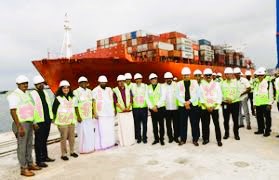
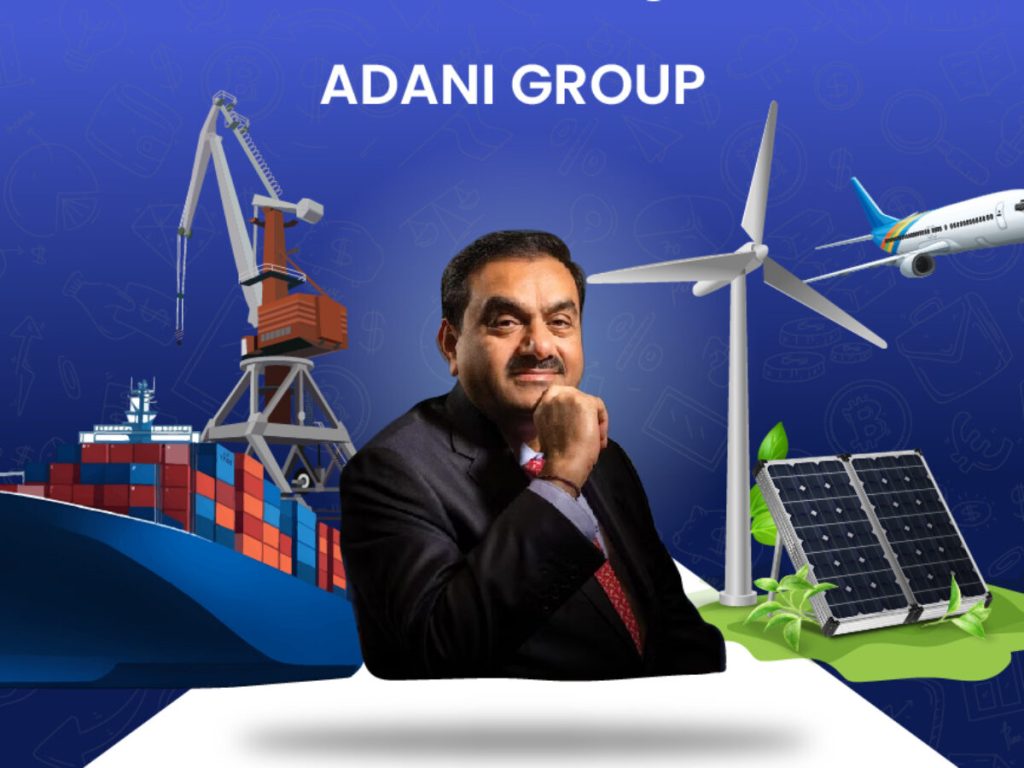
  • Setting Sail Towards Success: Adani Ports’ Voyage to Excellence

    March 31st, 2024

    “Anchoring Innovation: Adani Ports’ Transformation of Maritime Excellence”

    In the realm of maritime commerce, few names command as much respect and admiration as Adani Ports and Special Economic Zone Limited (APSEZ). Renowned for its world-class port infrastructure, cutting-edge technology, and unwavering commitment to service excellence, Adani Ports has emerged as a beacon of innovation and efficiency in the maritime domain.

    Amidst the ebb and flow of global trade, Adani Ports has steadfastly anchored itself as a leader, transforming challenges into opportunities and setting new benchmarks for success. In this comprehensive narrative, we embark on a voyage to explore the remarkable journey of Adani Ports, from its humble beginnings to its current status as a trailblazer in the maritime industry.

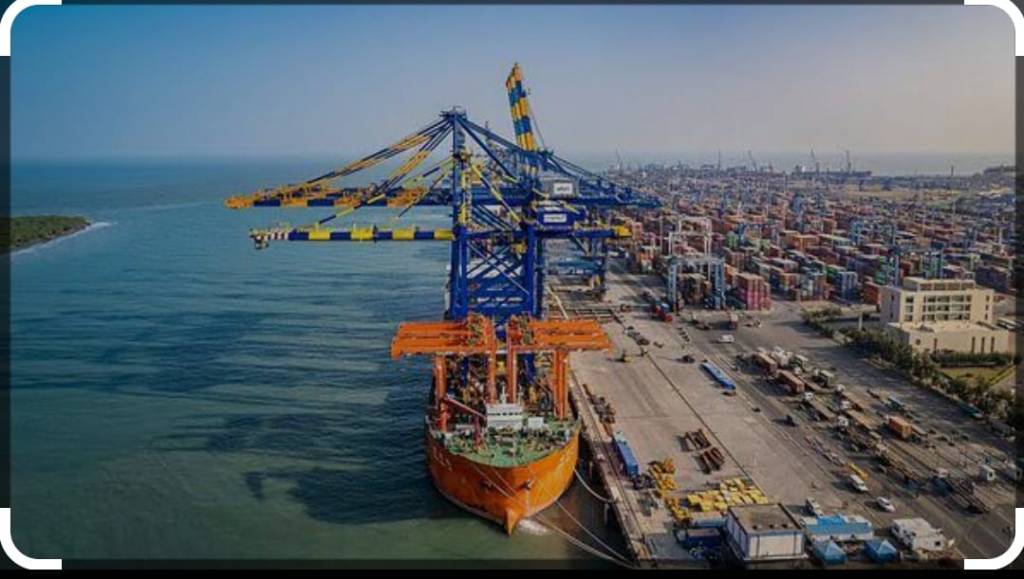
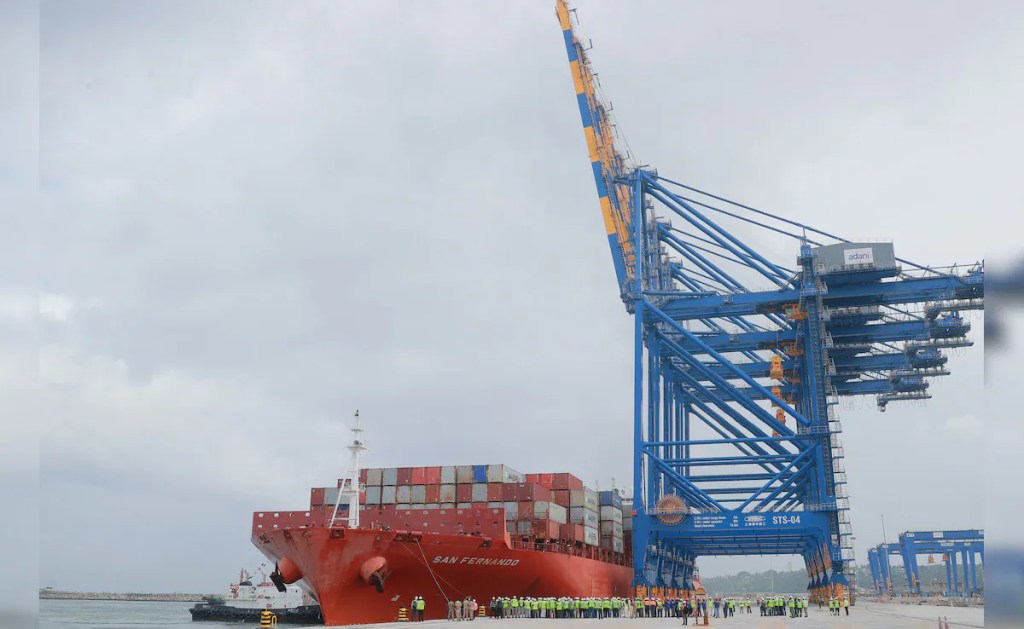
    At the heart of Adani Ports’ success story lies its unparalleled port infrastructure, meticulously designed to handle large cargo volumes and accommodate the largest vessels traversing the seas. With deep draft berths and multipurpose terminals, Adani Ports boasts a formidable infrastructure capable of meeting the most demanding logistical requirements.

    One of the hallmarks of Adani Ports’ infrastructure is its seamless integration of advanced technology and automation, aimed at enhancing efficiency and reducing operational costs. Through data analytics and automation, the company has streamlined cargo processing, leading to a 20% reduction in turnaround times—a testament to its unwavering commitment to operational excellence.

    Moreover, Adani Ports’ extensive storage facilities, encompassing covered and open storage areas with massive capacities, ensure the efficient handling and storage of diverse cargo types. Coupled with state-of-the-art cargo evacuation and receiving infrastructure, Adani Ports has cemented its reputation as a port of choice for businesses seeking reliability and efficiency.

    Beyond its formidable port infrastructure, Adani Ports operates on a multifaceted business model, encompassing ports, logistics, and special economic zones (SEZs). With a network of ports spanning the length and breadth of India, including Mundra, Dahej, Hazira, and Vizhinjam, Adani Ports offers unparalleled connectivity and logistical solutions to its customers.

    In addition to port operations, Adani Ports provides a range of value-added services, including inland container depots, contract logistics, coastal shipping, and inland waterways. This holistic approach to logistics enables Adani Ports to offer end-to-end solutions, catering to the diverse needs of its clientele across various industries.

    Furthermore, Adani Ports’ foray into SEZ development, exemplified by the Mundra SEZ in Gujarat, underscores its commitment to driving economic growth and development. Spanning over 8,000 hectares, the Mundra SEZ serves as a testament to Adani Ports’ vision of creating sustainable value and fostering inclusive growth.

    Central to Adani Ports’ ethos are its core values of courage, trust, and commitment, which serve as guiding principles in all its endeavours. Embracing new ideas and businesses with courage, placing unwavering trust in its employees and stakeholders, and demonstrating unwavering commitment to excellence—these values form the bedrock of Adani Ports’ success story.

    Moreover, Adani Ports’ steadfast commitment to sustainable value creation and nation-building underscores its broader purpose of enriching lives and contributing to the prosperity of nations. By fostering an environment of trust, integrity, and innovation, Adani Ports continues to push the boundaries of excellence, setting new standards of performance and service delivery.

    In conclusion, the success story of Adani Ports stands as a testament to the power of vision, innovation, and unwavering commitment to excellence. Through its world-class infrastructure, cutting-edge technology, and customer-centric approach, Adani Ports has redefined the maritime industry landscape, setting new benchmarks for operational efficiency and service excellence. As Adani Ports continues to chart new territories and expand its footprint, its unwavering commitment to its core values remains steadfast. With a relentless focus on integrity, trust, and operational excellence, Adani Ports is poised to navigate the ever-changing currents of the maritime industry, steering towards a future filled with promise and prosperity.

    visit arjasrikanth.in for more insights
  • Navika Kumar’s Interview with Nirmala Sitharaman Sheds Light on the Uneven Political Landscape

    March 30th, 2024

    Thought-Provoking Interview Sheds Light on Uneven Political Landscape

    Times Now-Navika Kumar’s thought-provoking interview with Nirmala Sitharaman raises questions about the fairness of the political landscape and elections, leaving common Indians pondering.

    In a recent interview conducted by Navika Kumar, on 27March24, questions were raised about the fairness of the political landscape and elections in India. The interview with Nirmala Sitharaman delved into various aspects, including the treatment of opposition leaders, the influx of leaders from other parties, the treatment of women politicians, and the actions of law enforcement agencies against opposition leaders . This article aims to explore the questions raised in the interview and their impact on the minds of common Indians, highlighting the need for a fair and transparent political system.

    Navika Kumar questioned the BJP’s strategy of attracting leaders from other political parties, which some perceive as giving an unfair advantage to the ruling party. The interview highlighted the imprisonment of chief ministers from opposition parties and the freezing of accounts of the largest national opposition party. These actions raise concerns about the level playing field and the possibility of an imbalance in the political arena.

    The interview delved into the targeting of opposition leaders by agencies such as the Enforcement Directorate (ED). Kumar questioned whether this undue pressure on political parties during elections encourages free and fair polls. The interview shed light on the potential advantage enjoyed by the ruling party due to their position of power, leaving the opposition on the backfoot.

    Another significant point of discussion was the influx of leaders with controversial backgrounds into the BJP. Kumar questioned the party’s welcoming approach, even towards individuals with multiple CBI cases against them. This raises questions about the party’s commitment to real politics of development and the integrity of political alliances.

    The interview also addressed the derogatory statements made by the Social Media Chairperson of the Congress party about a prominent female actor, Kangana Ranaut. Kumar questioned how such statements reflect on women politicians and whether they indicate a larger mindset issue regarding the treatment of women in politics.

    The discussion shifted to the BJP’s expectations from the South Indian states in the upcoming elections. Kumar highlighted the party’s previous success in Karnataka and other southern states in 2019 but questioned whether the current political landscape and the BJP’s actions align with their plans for future elections.

    The interview addressed the timing of agency actions against opposition leaders, raising concerns about the fairness and strategy behind such actions. While acknowledging the presence of corruption cases, the interview questioned whether the timing of these actions places opposition parties at a disadvantage and raises doubts about the intentions behind them.

    Furthermore, the interview highlighted the need for transparency in politics and the availability of information to the citizens of India. The discussion focused on the Supreme Court’s criticism of hiding Electoral Bonds information that should be transparent, raising concerns about the balance between accountability and ensuring a fair political system.

    Navika Kumar’s interview with Nirmala Sitharaman provided a platform to raise important questions about the fairness of the political landscape and elections in India. The discussion touched upon various aspects, including the treatment of opposition leaders, the influx of leaders from other parties, the treatment of women politicians, and the timing of agency actions. These questions have left common Indians pondering the integrity and transparency of the political system.

    visit arjasrikanth.in for more insights
  • Shaping India’s Metal Revolution: Adani’s Visionary Copper Venture

    March 30th, 2024

    Adani’s USD 4.5 Billion Copper Unit Sets Stage for India’s Economic Transformation

    The inauguration of Adani’s copper unit in Mundra stands as a pivotal moment in India’s industrial narrative. With an astounding investment of USD 4.5 billion, this cutting-edge facility signals a transformative shift in the country’s copper sector, fostering economic growth and sustainability.

    Adani Enterprises’ entrance into the metal industry marks a daring move towards diversification and expansion. The launch of the copper smelter in Mundra underscores Adani’s commitment to innovation and excellence. With an initial investment of USD 1.2 billion, in first phase, Adani is laying the groundwork for a world-class copper refinery, poised to set unprecedented industry benchmarks.

    Under Adani Enterprises Limited, Kutch Copper emerges as a symbol of progress and ingenuity. By commencing the first phase of its greenfield copper refinery project, Kutch Copper is positioned to lead the global copper production landscape. The dispatch of maiden cathodes symbolizes a new era in India’s industrial prowess.

    Gautam Adani, Chairman of the Adani Group, sees Kutch Copper as a catalyst for India’s economic resurgence. With a steadfast focus on sustainable growth and self-reliance, Adani’s copper unit is poised to propel India towards a prosperous future. By creating 2,000 direct and 5,000 indirect job opportunities, Kutch Copper exemplifies Adani’s dedication to nation-building.

    Adani’s copper unit in Mundra integrates state-of-the-art technology to optimize efficiency and mitigate environmental impact. With a meticulous emphasis on emission reduction and energy efficiency, the facility pioneers eco-friendly industrial practices. Allocating 15% of its capital to environmental preservation and dedicating one-third of its area to greenery, Kutch Copper epitomizes Adani’s environmental stewardship.

    As India embraces renewable energy and electric mobility, the demand for copper is set to soar. Strategically located in Mundra, Kutch Copper is positioned to meet this burgeoning demand head-on. With plans to expand its capacity to one million tonnes annually, Kutch Copper is on track to become the world’s largest single-location custom smelter, driving India’s transition to clean energy systems.

    The inauguration of Adani’s copper unit in Mundra signifies a monumental milestone in India’s industrial journey. With an unwavering commitment to innovation, sustainability, and economic prosperity, Adani Enterprises is steering the country towards a copper renaissance. As Kutch Copper raises the bar in production and performance, it heralds a new era of industrial excellence, promising a brighter future for India and its people. The investment of close to $1.2 billion in the first phase, with the potential to reach a capacity of 1 MTPA, underscores Adani’s commitment to technological advancement and environmental responsibility. With the commencement of operations, Kutch Copper is set to create 2,000 direct and 5,000 indirect employment opportunities, contributing to India’s vision of self-reliance and sustainability.

    Adani Group’s belief in the pivotal role of the domestic copper industry in achieving carbon neutrality by 2070 reflects its dedication to green infrastructure and environmental stewardship. When operational, the modern smelter will not only set new benchmarks in copper production but also demonstrate Adani’s commitment to innovative green technology, driving India’s progress towards a sustainable future.

    visit arjasrikanth.in for more insights

  • Unravelling the FTX Cryptocurrency Exchange Fraud: A Landmark Case in American Financial History

    March 29th, 2024

    The collapse of FTX and the subsequent legal battle have reshaped the landscape of the cryptocurrency industry, highlighting the need for stricter regulations and investor protection.

    In November 2022, the collapse of FTX, a prominent cryptocurrency exchange, stunned the digital currency world. Lasting for 10 days, this catastrophic event sent shockwaves throughout the industry, revealing a complex web of fraud and deceit orchestrated by FTX’s founder, Sam Bankman-Fried. As the fallout continues, the case against Mr. Bankman-Fried sheds light on the pressing need for enhanced regulatory oversight and accountability within the cryptocurrency market.

    The case against Mr. Bankman-Fried revolves around the operation of FTX, where customers deposited funds to trade cryptocurrencies. However, it was later discovered that FTX had misappropriated customer funds to support other ventures, leading to the exchange’s collapse. The exposure of FTX’s balance sheet raised questions about the relationship between FTX, its affiliated companies, and Alameda Research, ultimately uncovering a massive fraud conspiracy.

    The FTX fraud case brought to light several controversies and legal challenges, including breaches of data privacy and allegations of inappropriate access to user data by FTX employees. Moreover, geopolitical tensions, exemplified by India’s ban on Chinese-owned platforms, underscored the broader implications of the case and the need for stricter regulations. These issues highlighted the importance of safeguarding investor interests and national security in the cryptocurrency space.

    Beyond the United States, the fallout from the FTX collapse reverberated globally, prompting governments worldwide to take action against the exchange. The decline in confidence in the crypto market, coupled with regulatory scrutiny, posed significant challenges for the industry. Rebuilding trust among investors and ensuring regulatory compliance became paramount as the cryptocurrency market faced increased scrutiny and scepticism.

    As Mr. Bankman-Fried sentenced 25 years of imprisonment recently by American Court, the potential consequences of his actions loom large. However, efforts to recover lost funds have made significant progress, with FTX reclaiming a substantial portion of the missing assets. Despite these efforts, the impact on investor confidence and the broader cryptocurrency industry remains profound.

    The collapse of FTX and the subsequent legal battle represent a watershed moment in American financial history. The case serves as a stark reminder of the risks inherent in the cryptocurrency market and the urgent need for enhanced regulatory oversight. Moving forward, stricter regulations and compliance measures will be crucial to restoring trust and ensuring the long-term viability of the cryptocurrency industry. As investors and regulators grapple with the fallout from the FTX fraud case, the lessons learned will shape the future trajectory of digital currency markets, paving the way for a more secure and transparent ecosystem.

    visit arjasrikanth.in for more insights

  • Navigating Turbulent Waters: The Ramifications of Political Arrests on Opposition Dynamics

    March 29th, 2024

    Unveiling the Ripple Effect: Arvind Kejriwal’s Arrest and Opposition Dynamics

    The recent arrest of a prominent political figure has not only set tongues wagging but has also cast a spotlight on the state of political landscape  in our nation. This arrest, steeped in controversy and allegations, has sent shockwaves through the political landscape, prompting heated debates and soul-searching discussions about the sanctity of democratic principles and the role of the opposition.

    In the eye of this political storm stands Arvind Kejriwal, the Chief Minister of Delhi and leader of the Aam Aadmi Party (AAP). His arrest, amidst swirling accusations and legal battles, marks a pivotal moment in India’s political narrative. As a prominent leader of a major political outfit, Kejriwal’s detention reverberates far beyond the confines of his party, casting a shadow over the broader opposition ecosystem. In this narrative, we delve into the aftermath of Kejriwal’s arrest, dissecting its ramifications on opposition dynamics and the democratic ethos.

    The arrest of Arvind Kejriwal, stemming from the Delhi excise policy case, stands as a landmark event in India’s political annals. The allegations levelled against him, coupled with the relentless pursuit by law enforcement agencies, thrust him into the eye of a raging legal and political storm.

    Kejriwal’s protracted legal tussles with the enforcement directorate, punctuated by repeated summonses and legal skirmishes, underscore the gravity of the situation. The allegations of his involvement in kickbacks related to the excise policy serve as tinder for the flames engulfing his political career.

    The timing of Kejriwal’s arrest, against the backdrop of crucial political developments and impending elections, adds an extra layer of complexity to an already volatile situation. While law enforcement authorities justify their actions as a necessary step in combating corruption, opposition voices decry it as a blatant assault on democratic principles and a calculated move to stifle dissent.

    In the wake of Kejriwal’s arrest, opposition leaders have rallied behind him, denouncing what they perceive as a witch-hunt orchestrated by the ruling establishment. From various corners of the political spectrum, leaders have come together, echoing concerns about the erosion of democratic values and the stifling of opposition voices.

    The scathing indictment of prominent ruling party leaders by opposition stalwarts, labelling them as “scared dictators,” serves as a poignant reflection of the collective outrage over Kejriwal’s arrest. The unequivocal support extended by the Congress party to Kejriwal underscores the unity among opposition parties, transcending ideological divides in the face of a common adversary.

    The arrest not only galvanizes opposition forces but also reignites debates about the indispensable role of a robust opposition in a democratic polity. It serves as a stark reminder of the opposition’s pivotal role in holding the government accountable and safeguarding democratic principles against encroachments.

    Amidst the cacophony of political rhetoric and legal wrangling, Kejriwal’s arrest raises pertinent questions about the fairness and impartiality of India’s investigative apparatus. Critics argue that the selective targeting of opposition leaders undermines the credibility of law enforcement agencies and raises doubts about their autonomy.

    Furthermore, the freezing of the Congress party’s bank accounts under the guise of a crackdown on financial irregularities has sparked concerns about the misuse of state machinery for political ends. Allegations of government interference in the electoral process cast a long shadow over the integrity of India’s democratic institutions.

    The arrest has also laid bare fault lines within the political landscape, with tensions simmering between regional and national players. While some regional parties throw their weight behind Kejriwal, others tread cautiously, wary of antagonizing the ruling establishment.

    In conclusion, Arvind Kejriwal’s arrest emerges as a watershed moment in India’s political saga, with profound implications for democracy and opposition dynamics. As the nation grapples with the fallout of this arrest, it is imperative to reaffirm our unwavering commitment to democratic principles and institutional integrity.

    The solidarity displayed by opposition parties in the aftermath of Kejriwal’s arrest underscores the resilience of India’s democratic fabric. It serves as a poignant reminder of the indispensable role of a vigilant opposition in safeguarding democratic values and ensuring governmental accountability.

    As the political landscape continues to evolve, it falls upon all stakeholders—political leaders, civil society, and citizens alike—to uphold the pillars of democracy and strive for a more inclusive and participatory political system. In the immortal words of Mahatma Gandhi, “The true test of democracy is the freedom of dissent.” It is through robust debate, dissent, and dialogue that we can honour the spirit of democracy and pave the way for a brighter, more equitable future for all.

    visit arjasrikanth.in for more insights

  • Unravelling the TikTok Conundrum: National Security Threat or Digital Entertainment Giant?

    March 28th, 2024

    As TikTok’s popularity soars, concerns over its Chinese ownership intensify, sparking debates about national security risks and geopolitical tensions.

    TikTok’s explosive popularity, particularly among young people globally, has sparked intense scrutiny, notably in the United States, where concerns about its Chinese ownership’s national security implications have escalated. Despite its massive user base, including 170 million Americans, TikTok’s ties to ByteDance, a Chinese company, have raised alarm among US lawmakers. This article aims to explore the complexities surrounding TikTok, delving into its classification as a national security threat, the controversies it has generated, and the repercussions of potential bans.

    As TikTok faces increasing scrutiny over its Chinese affiliations, the debate surrounding its future intensifies, underscoring the intricate interplay between technology, geopolitics, and national security. Despite its cultural impact and widespread popularity, TikTok’s ownership by ByteDance has spurred a contentious discourse, with lawmakers calling for stringent measures to address perceived security risks. As the discussion unfolds, it highlights broader concerns about data privacy, foreign influence, and the evolving digital landscape’s governance.

    American lawmakers have sounded the alarm bells, urging TikTok to sever its ties with China or face punitive measures, citing potential security threats and risks of foreign influence. This debate underscores broader anxieties about data privacy, election integrity, and the growing influence of Chinese tech companies in Western markets. The spectre of Chinese Communist Party involvement looms large, fuelling suspicions and calls for stringent regulation.

    TikTok’s CEO has found himself in the hot seat, facing intense scrutiny over his connections to China and the app’s alleged security vulnerabilities. Despite his reassurances and pledges to uphold user safety, controversies surrounding data privacy breaches and unauthorized access to user data persist, casting a shadow over TikTok’s operations and credibility. These revelations have further stoked fears and fuelled demands for transparency and accountability.

    Beyond American borders, TikTok’s presence has sparked geopolitical tensions and prompted governments worldwide to take decisive action. India’s sweeping ban on TikTok and other Chinese apps in the wake of border clashes with China, along with Taiwan’s designation of TikTok as a national security concern, underscore the global reverberations of TikTok’s operations. These incidents serve as a sobering reminder of the interconnectedness of technology, geopolitics, and national security in an increasingly digitalized world.

    xr:d:DAF_dUOfFbs:4,j:2102476743627392547,t:24031405

    TikTok’s situation reflects a pivotal moment shaped by controversy and geopolitical intricacies. Policymakers grapple with complexities involving data security, sovereignty, and regulatory frameworks, which mold the app’s future path. Despite uncertainties about its resilience, TikTok undeniably influences the digital realm. The saga mirrors broader global tensions, highlighting the necessity to balance innovation with regulation. Safeguarding national security and individual freedoms becomes paramount in this landscape. While TikTok’s fate remains uncertain, its role as a catalyst for digital governance debates is assured. These discussions underscore the intricate dynamics between technology, geopolitics, and governance in our interconnected world, shaping the digital era’s trajectory.

    Visit arjasrikanth.in for more insights

  • India’s Billionaire Boom: Economic Growth or Growing Inequality?

    March 28th, 2024

    Exploring the implications of India’s surge in billionaires and its impact on economic equality.*

    The recent release of the 360 ONE Wealth Hurun India Rich List 2023 and the Hurun Global Rich List 2024 has brought attention to India’s remarkable economic growth and the proliferation of billionaires in the country. While this surge in wealth is celebrated as a sign of India’s economic progress and potential for investment, it also raises concerns about income inequality and the widening gap between the rich and the poor.

    India has witnessed a significant increase in its billionaire population, with 94 new billionaires added this year alone, surpassing even China’s numbers. These billionaires represent a diverse range of industries, with pharmaceuticals, automobiles, and chemicals leading the pack. The cumulative wealth of Indian billionaires now amounts to a staggering $1 trillion, showcasing the nation’s substantial economic influence on the global stage.

    While the rise of billionaires is often viewed as a positive indicator of economic growth, it also highlights the growing disparity between the rich and the poor in India. The post-Covid recovery has been described as a “K-shaped recovery,” where the wealthy continue to prosper while the less fortunate struggle to make ends meet. This disparity has sparked debates about the need for a more equitable style of growth and greater opportunities for all segments of society.

    One glaring issue highlighted by the billionaire lists is the low representation of women among the wealthy elite. Despite some strides in recent years, women remain significantly underrepresented in top leadership positions and entrepreneurial ventures. Addressing this gender gap and creating more opportunities for women in business is crucial for achieving true economic equality in India.

    Another concern raised by the billionaire boom is the reliance on government contracts and monopolistic practices for business success. While these strategies may yield short-term gains for certain individuals or companies, they can hinder overall economic growth and innovation. India must foster an environment that encourages entrepreneurship beyond government contracts and supports startups and small businesses.

    The increase in billionaires also raises questions about the quality of economic growth in India. Despite the celebration of wealth creation, the country still grapples with poverty, unemployment, and illegal migration. Achieving inclusive growth that benefits all segments of society and reduces the wealth gap should be a top priority for policymakers and business leaders.

    To sustain long-term economic growth and competitiveness, India must invest in policies and infrastructure that support emerging technologies like artificial intelligence (AI). The lack of clear policies and planning in this area could hinder India’s ability to compete globally and create future job opportunities. Investing in technology and innovation is essential for driving productivity and prosperity in the digital age.

    The surge in billionaires in India reflects the country’s economic growth and potential for investment, but it also underscores the urgent need for a more equitable distribution of wealth and opportunities. India must address income inequality, promote entrepreneurship beyond government contracts, and invest in emerging technologies to ensure sustainable and inclusive growth. By prioritizing these efforts, India can harness the full potential of its entrepreneurial spirit and drive prosperity for all segments of society.

    visit arjasrikanth.in for more insights

  • The nation rejoices as Satguru’s recovery from brain surgery brings smiles to many

    March 27th, 2024

    Satguru’s Valued Contribution: Healing Humanity with Wisdom and Compassion

    In a world plagued by chaos and suffering, there are individuals who emerge as guiding lights, offering solace and wisdom to humanity. One such revered figure is Sadhguru Jaggi Vasudev, popularly known as Satguru. Born on September 3, 1957, in India, Satguru is a renowned yoga guru and the founder of the Isha Foundation. With his profound teachings and relentless efforts, he has transformed countless lives and inspired a movement towards wellness and spiritual awakening. Recently, the nation witnessed a collective sigh of relief as Satguru successfully recovered from a life-threatening brain surgery at the Apollo hospital. This article aims to highlight Satguru’s invaluable contributions to the well-being of humanity, emphasizing his teachings, philanthropy, and unwavering dedication to serving others.

    Satguru’s journey began with a deep spiritual inclination and a quest for meaning. After his awakening, he established the Isha Yoga Foundation in 1992, providing a platform for individuals to explore their inner selves and find spiritual solace. Through the foundation, Satguru has created an ashram and yoga center in Coimbatore, India, where seekers from all walks of life can engage in educational and spiritual activities.

    Driven by his vision of holistic well-being, Satguru initiated various initiatives under the umbrella of the Isha Foundation. One such initiative is the Isha Vidhya schools, which provide quality education to underprivileged children. Despite charging fees from students, Satguru ensures that the foundation remains accessible to all by accepting significant donations. Additionally, Satguru established the e-commerce platform Isha Life, through which he promotes and sells products aimed at improving physical and mental well-being.

    Satguru’s personal lifestyle choices serve as an inspiration for his followers. His breakfast routine, consisting of nutritious and healthy elements like neem leaf balls, turmeric balls, sprouted methi, and soaked almonds, reflects his dedication to holistic well-being. By leading through example, Satguru encourages others to embrace a healthier lifestyle and prioritize self-care.

    Satguru’s teachings transcend borders and have resonated with individuals from all walks of life, including prominent figures from Hollywood and Bollywood. From Kangana Ranaut to Will Smith, celebrities have embraced Satguru’s wisdom and incorporated his teachings into their lives. His profound insights into the human experience and spirituality have garnered a global following, making him a sought-after speaker for live and virtual events.

    Recently, Satguru faced a health challenge when he underwent emergency brain surgery. The news of his condition sparked concern and prayers from millions worldwide. However, his daughter, Radhe Jaggi, provided updates assuring everyone of his swift recovery. The medical team at Apollo Hospitals expressed satisfaction with Satguru’s healing progress, and he maintained his trademark sharp mind and sense of humor throughout his recovery.

    Satguru Jaggi Vasudev’s contributions to humanity’s well-being are immeasurable. Through his teachings, philanthropy, and personal example, he has touched the lives of millions, guiding them towards spiritual growth and inner peace. The recent successful recovery from brain surgery has brought immense joy and relief to the nation, reaffirming Satguru’s unwavering commitment to serving humanity. As we celebrate his restored health, let us remember the invaluable lessons he imparts and continue to embrace his teachings for a harmonious and enlightened world. May Satguru’s journey inspire us all to prioritize wellness, compassion, and the pursuit of inner truth.

    Visit arjasrikanth.in for more insights

  • The Escalating Criticism of Israel’s War: Netanyahu, Democracy, and Israel’s Future

    March 27th, 2024

    Israel’s  attack on civilians in the Gaza Strip has drawn global criticism, impacting its international reputation and political landscape.

    The recent war between Israel and Hamas in Gaza has sparked intense debate and criticism, particularly directed at Israeli Prime Minister Benjamin Netanyahu. Democratic leaders in the United States, including President Joe Biden, Sens. Bernie Sanders and Chuck Schumer, have expressed concerns about Netanyahu’s handling of the war, leading to calls for change. This article examines the escalating criticism of Netanyahu, the support he still enjoys among many Israelis, and the potential consequences for Israel’s political landscape and international standing.

    Prime Minister Benjamin Netanyahu has staunchly defended his policies during the war, claiming they enjoy the support of a significant majority of Israelis. Polls suggest that most Israelis back his approach over that of President Biden.

    However, it is important to note that while Israelis may support Netanyahu’s overarching goals in Gaza, they do not necessarily support him as a leader. His approval rating has plummeted, and if early elections were held, his party would likely lose seats in the Knesset, potentially facing defeat.

    Critics argue that Netanyahu’s government has failed to address the needs of those most affected by the war, including victims of Hamas attacks, displaced families, and those in need of humanitarian aid. They point to a lack of effective deterrence, alert systems, and defense strategies during the conflict. Additionally, there are allegations that his government has not done enough to support and rehabilitate those impacted by the war. Protests led by relatives of Israeli hostages have called for greater efforts to secure the release of their loved ones.

    The escalating criticism of Israeli Prime Minister Benjamin Netanyahu’s handling of the war against Hamas in Gaza has ignited a significant debate about Israel’s future and its democratic institutions. While most Israelis support Netanyahu’s broader goals in the conflict, they do not necessarily support him as a leader. Calls for early elections and concerns about the erosion of democratic institutions have created a tense political environment in Israel. The outcome of these developments remains uncertain, with potential implications for Israel’s international standing and its relationships with Western democracies. It is crucial to closely monitor the situation and assess its impact on Israel’s political landscape and democratic principles. The international community plays a vital role in urging all parties involved to seek a peaceful resolution and protect the rights and well-being of civilians caught in the conflict.

    The ongoing humanitarian crisis in Gaza is causing an immense amount of human suffering. Many describe it as the worst she has ever witnessed in her lifetime and throughout her extensive career in humanitarian medicine. She emphasizes the urgent need to address the severity of the suffering and calls upon the global population to unite and demand a ceasefire to stop the ongoing atrocities.

    The collapse of the healthcare system in Gaza has led to a rise in the number of wounded individuals without adequate support. The intentional targeting of healthcare facilities, ambulances, and densely populated areas has resulted in devastating consequences, including the loss of entire families. The situation demands immediate attention and action from the international community.

    The Gaza Strip is experiencing a dire situation, with numerous families losing multiple members and thousands of children being killed or trapped under rubble. Dr. Haj-Hassan highlights the unique acronym used in the region, WCNSF, which stands for Wounded Child No Surviving Family, indicating the extent of the crisis.

    Many have  criticized  the so-called “humanitarian pause” in the violence, calling for a complete stop to the bombardment. Many opine that the global population should unite and demand an immediate end to the violence, prioritizing the protection of innocent lives over aid provision.

    The international community must take immediate action to address this humanitarian crisis, establish a lasting ceasefire, and bring an end to the violence and devastation. The voices of aid agencies, humanitarian organizations, medical agencies, and independent journalists provide consistent evidence of the dire situation in Gaza.

    Experts in public health and humanitarian fields are united in their call to end the violence in Gaza. The healthcare system has been severely impacted, with the loss of personnel and damaged facilities. The ongoing conflict is expected to continue for months, raising concerns about the lack of a clear post-war plan.

    In conclusion, the ongoing conflict in Gaza is causing a severe humanitarian crisis. Immediate action is needed to address the suffering, establish a ceasefire, and bring an end to the violence. The escalating criticism of Israeli Prime Minister Benjamin Netanyahu’s handling of the war has raised questions about Israel’s future and its global political landscape.

    Visit arjasrikanth.in for more insights
  • Navigating the Nexus: Andhra Pradesh’s Battle Against Drug Trafficking

    March 27th, 2024

    The Interconnected Web of Drug Smuggling: A Closer Look at Andhra Pradesh’s Battle Against Contraband
    The intricate network of drug smuggling spanning continents and oceans has ensnared the Indian state of Andhra Pradesh in its grip. From the shores of Afghanistan’s West Coast to the Indian West Coast, and from Brazil to the East Coast port of Visakhapatnam, contraband containers now ferry narcotics into the heart of Andhra Pradesh. As law enforcement agencies grapple with the shifting dynamics of drug trafficking, the magnitude of the problem becomes increasingly apparent. This article delves into the multifaceted challenges faced by Andhra Pradesh in its relentless fight against the drug menace.

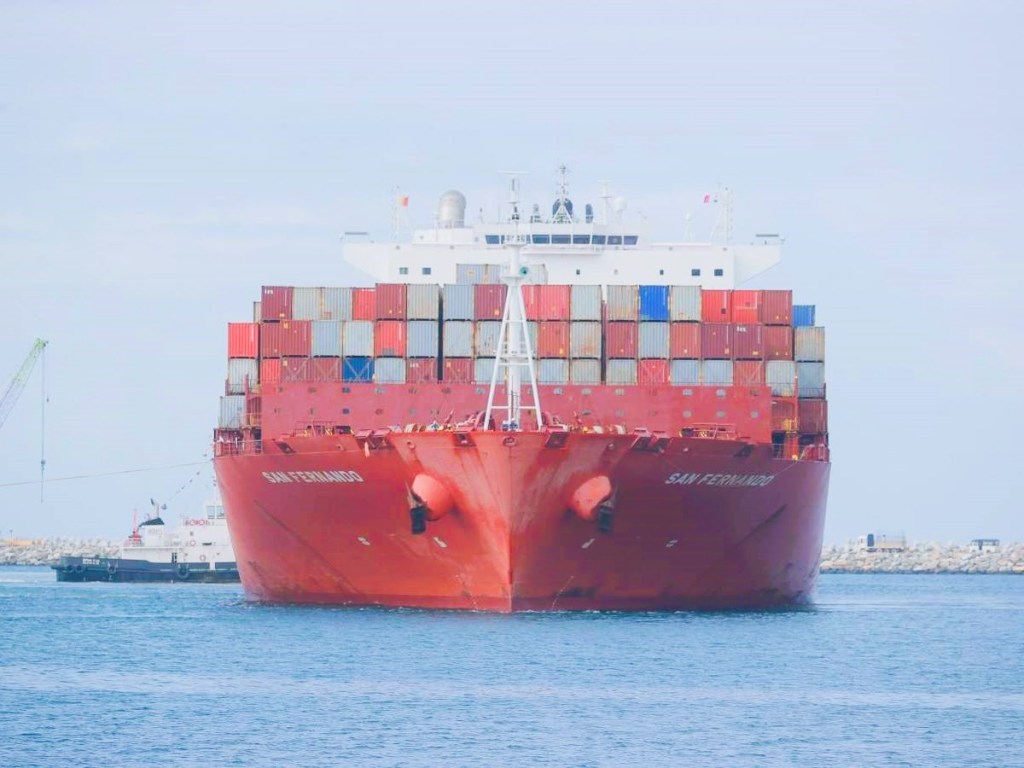
    In September 2021, Indian Western Port witnessed one of India’s largest-ever drug seizures, with nearly 3000 kg of heroin concealed within containers declared as innocuous talc stones from Afghanistan. The subsequent investigations unearthed a tangled web of international criminal networks. In response to heightened scrutiny and tighter controls on western Ports, drug smugglers have shifted their operations to alternate routes. Visakhapatnam Port on the East Coast emerges as a new gateway for narcotics, with shipping containers from Brazil now under the scanner. The recent detention of a container suspected of carrying narcotics mixed with inactive dried yeast underscores the evolving nature of the drug trade and the challenges faced by law enforcement agencies.

    While high-profile drug seizures at ports often capture headlines, the roots of the problem also extend deep into the hinterlands of Andhra Pradesh. Vast swathes of forest land in Visakhapatnam have become fertile ground for ganja cultivation, feeding a supply chain that stretches from remote villages to urban centers like Delhi and beyond. The police’s efforts to curb ganja cultivation and provide alternative livelihood options to tribal farmers highlight the scale of the challenge.

    The battle against drug trafficking extends far beyond the borders of Andhra Pradesh, encompassing a national landscape fraught with challenges. The Narcotics Control Bureau’s report reveals staggering statistics, with Andhra Pradesh and Odisha accounting for 50% of the total ganja seized in the country. Meanwhile, states like Gujarat, Uttar Pradesh, and Kerala grapple with their own share of drug-related woes, underscoring the pervasive nature of the problem.

    As Andhra Pradesh confronts the formidable challenge of drug smuggling, the path forward remains fraught with uncertainties. The interconnected nature of global drug networks demands a coordinated response from law enforcement agencies, port authorities, and government stakeholders. Strengthening border controls, enhancing surveillance mechanisms, and bolstering community outreach efforts are critical steps in stemming the tide of narcotics flowing into the state. Only through collective action and unwavering resolve can Andhra Pradesh navigate the treacherous waters of the drug trade and safeguard the well-being of its citizens.

    visit arjasrikanth.in for more insights

←Previous Page

1 … 93 94 95 96 97 … 146
Next Page→

Blog at WordPress.com.

Loading Comments...

    • Subscribe Subscribed
      • SOCIAL PERSPECTIVES
      • Join 107 other subscribers
      • Already have a WordPress.com account? Log in now.
      • SOCIAL PERSPECTIVES
      • Subscribe Subscribed
      • Sign up
      • Log in
      • Report this content
      • View site in Reader
      • Manage subscriptions
      • Collapse this bar