Skip to content
    • About

SOCIAL PERSPECTIVES

  • West Bengal’s Political Crossroads: Navigating the Shifting Landscape

    May 18th, 2024

    An In-depth Examination of the 2024 Lok Sabha Elections and the Forces Shaping West Bengal’s Political Future !!

    As West Bengal braces itself for the 2024 Lok Sabha elections, the political landscape of the state is witnessing significant shifts and challenges. The Trinamool Congress (TMC), which has been in power for nearly 15 years, faces a formidable task of retaining its dominance amidst growing competition from the Bharatiya Janata Party (BJP). This article  provides a comprehensive analysis of the evolving political dynamics in West Bengal, focusing on key themes such as identity politics, religious polarization, women empowerment, and the role of marginalized communities. By examining the strategies and tactics employed by both the TMC and the BJP, as well as the changing sentiments of the electorate, this analysis seeks to shed light on the crucial factors shaping the upcoming elections.

    One of the notable developments in West Bengal’s political landscape is the shifting support among the state’s Muslim electorate. Traditionally a stronghold of the TMC, the Muslim community has begun to show signs of disillusionment with the party. This trend was evident in the bye-election to the Sagardighi assembly constituency, where a Congress candidate backed by the Communist Party of India (Marxist) secured victory, signaling a weakening of the TMC’s influence among Muslims. The decline in support can be traced back to the TMC’s victory in the 2021 assembly elections, which took place amidst the COVID-19 pandemic. Despite concerns over issues such as the Citizenship Amendment Act (CAA) and the National Register of Citizens (NRC), the BJP’s impressive performance in the elections failed to dislodge the TMC from power. However, since then, the Muslim community has felt underrepresented within both the TMC and the government, leading to a gradual erosion of support for the party.

    In response to the BJP’s growing influence, particularly in rural areas and among Scheduled Castes (SC) and Scheduled Tribes (ST), the TMC has intensified its outreach to marginalized communities. Chief Minister Mamata Banerjee has made concerted efforts to engage with Dalit, Other Backward Classes (OBCs), and ST communities, recognizing their significance in the state’s political landscape. This outreach, which includes initiatives such as the establishment of a special cell to address the grievances of marginalized communities, underscores the TMC’s efforts to adapt to new challenges and maintain its dominance.

    Meanwhile, the BJP has been aggressively campaigning in West Bengal, aiming to capitalize on local discontent with the TMC government. The party’s strategy has focused on issues such as development, corruption, and governance, resonating with a significant portion of the electorate. Allegations of corruption against the TMC government have been a key plank of the BJP’s campaign, with the party accusing the TMC of prioritizing its own interests over the welfare of the people. In response, the TMC has vehemently denied these allegations and emphasized its commitment to the welfare of all sections of society, including women.

    Women empowerment has emerged as a crucial battleground in West Bengal’s political arena, with both the TMC and the BJP seeking to champion women’s rights to sway the crucial female voter demographic. Under Mamata Banerjee’s leadership, the TMC has introduced schemes such as Kanyashree and Rupashree, focusing on education and marriage assistance, which have resonated strongly with female voters and solidified the party’s base. Conversely, the BJP has highlighted concerns about women’s safety, criticizing the TMC’s handling of violence against women and promising to prioritize women’s safety. This narrative has struck a chord with voters, particularly amid rising concerns over such incidents.

    The political rivalry between the TMC and the BJP has been characterized by mutual allegations and counter-allegations, particularly concerning religious polarization. The BJP has accused the TMC of engaging in Muslim appeasement, aiming to garner support from the Hindu voter base. Conversely, the TMC has criticized the BJP for exploiting religious sentiments to polarize voters, emphasizing its commitment to secularism and communal harmony. These accusations have heightened tensions, fueling animosity between the two parties as they strive to shape the narrative and influence voter sentiment.

    In conclusion, the 2024 Lok Sabha elections in West Bengal are set to be a defining moment in the state’s political history. The evolving dynamics of identity politics, religious polarization, and outreach to marginalized communities are shaping a fiercely contested battle for electoral supremacy between the TMC and the BJP. Women empowerment has emerged as a critical theme, with both parties seeking to sway the crucial female voter demographic. As the state braces for this critical electoral showdown, the political landscape is poised to undergo further evolution, reflecting the intricate interplay of identity, representation, and empowerment.

    visit arjasrikanth.in for more insights

  • Silent Epidemic: Tackling Hypertension on World Hypertension Day

    May 17th, 2024

    Breaking the Chains of Hypertension: Awareness, Prevention, and Wellness !!!

    Hypertension, commonly known as high blood pressure, is a pervasive health issue that has earned the moniker “the silent killer.” It affects over one billion individuals worldwide and is a significant risk factor for cardiovascular diseases and premature deaths. This article delves into the intricate details of hypertension, its impact on society, the importance of awareness, and the preventive measures that can help curb this epidemic. World Hypertension Day is an opportune moment to shed light on this global health crisis and advocate for lifestyle changes that can save lives.

    Hypertension is responsible for approximately half of all heart disease and stroke-related deaths globally. The World Heart Federation reports that it is the leading risk factor for death worldwide. In 2019, 59% of women and 49% of men with hypertension were aware of their condition, and 47% of women and 38% of men were receiving treatment. However, control rates were dismally low, with only 23% of women and 18% of men having their hypertension under control.

    The economic burden of hypertension is staggering. In the United States alone, the annual incremental cost due to hypertension is estimated to be $131 billion higher for the hypertensive adult population compared to their non-hypertensive counterparts. Globally, the cost is projected to rise from $1 billion in 2020 to $1.8 billion by 2050.

    Often called the “silent killer,” hypertension typically presents no symptoms, making early detection challenging. Uncontrolled hypertension can lead to severe health complications such as heart disease, stroke, kidney failure, and vision loss. The condition is often exacerbated by lifestyle factors such as poor diet, physical inactivity, smoking, and excessive alcohol consumption.

    The most critical indicator of hypertension is systolic blood pressure, which has been shown to be a better predictor of cardiovascular risk than diastolic blood pressure. Studies have demonstrated that lowering systolic blood pressure through antihypertensive drug treatment can significantly reduce the incidence and mortality of vascular diseases.

    Several risk factors contribute to the development of hypertension. Age is a significant factor, with the risk increasing as people get older. Ethnicity also plays a role; for instance, African Americans are more prone to hypertension. Various medical conditions, such as Cushing’s syndrome, congenital adrenal hyperplasia, hyperthyroidism, hyperparathyroidism, pregnancy, and sleep apnea, can elevate the risk. Family history is another crucial factor, indicating a genetic predisposition to high blood pressure. Lifestyle choices significantly impact hypertension risk as well. A poor diet, particularly one high in sodium and low in potassium, lack of physical activity, smoking, and excessive alcohol consumption all contribute to the development and progression of high blood pressure. By understanding and addressing these risk factors, individuals can take proactive steps to manage and potentially reduce their risk of hypertension.

    Hypertension is not just a personal health issue but a societal one. It affects productivity, increases healthcare costs, and strains public health systems. In the United States, tens of millions of adults have high blood pressure, with many unaware of their condition. The prevalence of hypertension and its complications place a significant burden on healthcare resources and the economy.

    Early diagnosis of hypertension is crucial in preventing its severe consequences. Regular blood pressure screenings can help detect high blood pressure early, allowing for timely intervention. Public awareness campaigns, such as those on World Hypertension Day, play a vital role in educating individuals about the risks of hypertension and the importance of regular health check-ups.

    Preventing hypertension requires a multifaceted approach centered on lifestyle modifications. Key measures include maintaining a healthy diet, which involves consuming balanced meals low in sodium and rich in potassium, fruits, vegetables, and whole grains. Weight management through diet and regular exercise is crucial in preventing high blood pressure. Regular physical activity, such as brisk walking, swimming, or cycling, significantly helps in lowering blood pressure. Quitting smoking is another essential step, as it dramatically reduces the risk of hypertension and related health issues. Limiting alcohol intake is equally important, as reducing consumption can help maintain healthy blood pressure levels. Additionally, ensuring 7 to 9 hours of adequate sleep each night is vital for overall health and blood pressure regulation. By incorporating these lifestyle changes, individuals can effectively manage and reduce their risk of developing hypertension.

    Healthcare providers play a critical role in managing hypertension. They can offer guidance on lifestyle changes, prescribe antihypertensive medications, and monitor patients’ blood pressure regularly. Community health programs can also contribute by providing resources and support for individuals at risk of hypertension. These programs can organize physical activity groups, dietary workshops, and smoking cessation programs to help individuals adopt healthier lifestyles.

    Recent advancements in hypertension treatment include innovative approaches like renal denervation, a procedure that targets nerves in the kidneys to lower blood pressure. Additionally, advancements in digital health technologies, such as wearable devices and mobile health apps, allow for continuous blood pressure monitoring and personalized health management.

    Hypertension is a significant global health issue requiring a concerted effort to address. On World Hypertension Day, it is crucial to recognize the impact of this silent killer and advocate for preventive measures and early intervention. By raising awareness, promoting healthy lifestyles, and leveraging new technologies, we can significantly reduce the prevalence and impact of hypertension. Early diagnosis, patient education, and community support are essential in combating this pervasive condition and improving public health outcomes worldwide. By addressing hypertension comprehensively, we can enhance the quality of life for millions and alleviate the societal and economic burdens associated with this silent epidemic. On this day, let us renew our commitment to health and wellness, fostering a world where hypertension is no longer a silent killer but a manageable condition. Through collaborative efforts and proactive measures, we can work towards a healthier future, free from the burdens of hypertension.

    visit ARJASRIKANTH.IN for more insights

  • Preserving Rights: The Legal Odyssey of Prabir Purkayastha and the Crucial Role of Due Process”

    May 17th, 2024

    The recent Supreme Court ruling invalidating Prabir Purkayastha’s arrest highlights the vital need to uphold due process and legal procedures.

    The recent arrest and subsequent release of Prabir Purkayastha, the founder and Editor-in-Chief of NewsClick, have sparked widespread discussions about press freedom, due process, and the integrity of legal procedures. The Supreme Court’s declaration of Purkayastha’s arrest as illegal has brought attention to the potential excesses of law enforcement agencies and underscored the critical importance of upholding due process rights. This article delves into the events leading to Purkayastha’s arrest, the legal proceedings that ensued, and the implications of the Supreme Court’s ruling.

    On October 3, 2023, Prabir Purkayastha was arrested by the Delhi Police’s Special Cell under the Unlawful Activities (Prevention) Act (UAPA), amid accusations of receiving funds for promoting Chinese propaganda. The arrest sent shockwaves through the journalistic community, sparking debates about press freedom and the limits of journalistic activities. However, the arrest also raised concerns about the alleged violation of due process, particularly the failure to inform Purkayastha of the grounds for his arrest before taking him into custody.

    A central issue surrounding Purkayastha’s arrest was the perceived violation of due process. The failure to inform him of the grounds for his arrest before taking him into custody raised serious questions about procedural fairness. Additionally, reports of inadequate communication with Purkayastha’s legal representatives further heightened concerns about the transparency and accountability of the investigative procedures.

    In response to these challenges, Purkayastha’s legal team contested the validity of the arrest, leading to legal battles in the Delhi High Court and eventually the Supreme Court. The Supreme Court’s intervention was pivotal, as it ordered Purkayastha’s release after deeming his arrest unlawful. The Court emphasized the importance of adhering to due process and providing grounds for arrest, setting a precedent for upholding individual rights and ensuring accountability within law enforcement agencies.

    The implications of the Supreme Court’s decision are profound and far-reaching. By declaring Purkayastha’s arrest unlawful, the Court highlighted the critical importance of due process in criminal proceedings. This ruling serves as a stark reminder to law enforcement agencies of their obligation to meticulously follow established legal procedures. Failure to do so not only jeopardizes the rights of the accused but also undermines the credibility of the justice system as a whole.

    The recent Supreme Court ruling invalidating Prabir Purkayastha’s arrest serves as a poignant reminder of the vital role of due process in safeguarding individual liberties and ensuring accountability within the criminal justice system. Moving forward, it is imperative to prioritize the principles of justice and equity to uphold the integrity of the judicial system. This ruling reaffirms the notion that every individual is entitled to due process and fair treatment under the Constitution, regardless of the severity of the charges against them. The case of Prabir Purkayastha underscores the need to vigilantly protect due process rights to ensure justice for all.

    Visit ARJASRIKANTH.IN for more insights

  • Dynamics of Political Shifts in Andhra Pradesh: A Comprehensive Analysis

    May 16th, 2024

    Andhra Pradesh, nestled in southern India, has undergone significant political transformations in recent years. The ascension of the Yuvajana Sramika Rythu Congress Party (YSRCP) to power in the 2019 assembly elections marked a paradigm shift in the state’s political landscape. However, the party now confronts multifaceted challenges, both within the state and at the national level, as formidable opponents like the Telugu Desam Party (TDP), Janasena Party, and Bharatiya Janata Party (BJP) assert their presence. In this comprehensive analysis, we delve into the myriad issues influencing Andhra Pradesh’s political dynamics and scrutinize the evolving political milieu.

    Led by Chief Minister Y.S. Jaganmohan Reddy, the YSRCP garnered substantial rural support in the 2019 elections, owing to the effective implementation of welfare schemes tailored to benefit the agrarian populace. Nevertheless, urban constituencies voiced concerns over development deficits, dearth of government employment opportunities, and infrastructural inadequacies. Furthermore, the BJP’s strategic alliances with the TDP and Janasena Party have reconfigured electoral dynamics, posing intricate challenges for the ruling party.

    While the YSRCP initially exuded confidence in securing victory across all 175 assembly seats in Andhra Pradesh, certain contentious issues have emerged. Instances of misconduct by local YSRCP MLAs towards constituents, government officials, and law enforcement officers have precipitated discontent among the populace. Moreover, an overemphasis on welfare initiatives, coupled with a relative neglect of other developmental facets, has engendered apprehensions regarding the state’s overall progress.

    Caste affiliations wield substantial influence in Andhra Pradesh’s political landscape, particularly in districts like East Godavari. The Kapu community, constituting approximately 25% of the populace and commanding sway over 34 assembly seats, remains a pivotal demographic bloc. While the community predominantly supported the TDP in the 2014 elections, a significant shift towards the YSRCP transpired in 2019. However, recent electoral outcomes suggest a fragmentation of the community’s allegiance, attributed partially to the emergence of actor-politician Pawan Kalyan’s Janasena Party.

    The coalition comprising the TDP, BJP, and Janasena Party has levied sundry allegations against the YSRCP, ranging from, illegal sand mining & Liquor sales, allegations of corruption to accusations of stagnated developmental initiatives. Moreover, the YSRCP’s pledge to elevate Amaravati as the state’s capital has encountered considerable delays and uncertainties, fostering public disillusionment.

    The development of Amaravati, envisaged as Andhra Pradesh’s new capital, has encountered impediments, impeding progress toward transitioning from a shared capital with Telangana. Chief Minister Jaganmohan Reddy has recently intimated his inclination towards prioritizing the development of Visakhapatnam as the administrative capital, contingent upon securing a renewed mandate.

    The dynamics of the Lok Sabha elections in Andhra Pradesh are anticipated to diverge from those of the state assembly polls, with voters potentially prioritizing regional entities for the latter and gravitating towards national parties like the BJP for the former. Prime Minister Narendra Modi’s popularity in the state, underscored by his extensive campaign trails, augments the BJP’s electoral prospects.

    Rahul Gandhi, spearheading the Indian National Congress, has castigated the YSRCP, TDP, and Janasena Party as the “BJP-B Team,” insinuating collusive undertones and mutual support during electoral contests. This accusation underscores the purported symbiotic relationship between these parties and the BJP, resonating with claims of a coordinated political front.

    Andhra Pradesh’s political terrain is undergoing a seismic transformation, characterized by an interplay of dynamics encompassing rural-urban divides, caste equations, corruption allegations, and developmental impasses. As the state braces for the Lok Sabha elections, the ascendancy of national entities like the BJP and the spectre of being labelled a “BJP-B Team” loom large, exerting palpable influence on the unfolding political narrative. The trajectory of Andhra Pradesh’s political trajectory remains fluid, shaped by the capricious currents of shifting alliances and the discerning electorate’s aspirations.

    visit ARJASRIKANTH.IN for more insights

  • Empowering Women Through Mobility: Karnataka’s Shakti Bus Scheme

    May 16th, 2024

    Unveiling the Impact of Karnataka’s Revolutionary Initiative on Women’s Empowerment!!

    In May 2023, Karnataka embarked on a transformative journey with the launch of the Shakti Bus scheme, offering free bus rides to women across the state. Part of the Congress government’s manifesto, this initiative aimed to empower women by providing them with unrestricted mobility and access to public spaces. As we delve deeper into the remarkable journey of Shakti Bus, we uncover its profound impact on women’s lives and societal dynamics.

    The Shakti scheme stands as a ground breaking endeavour that has redefined public transportation for women within Karnataka. By offering free bus travel, this initiative has facilitated women’s mobility, enhanced their safety, and fostered economic empowerment. A survey conducted post-implementation revealed that nearly 96% of respondents reported traveling more frequently by bus since the scheme’s introduction, highlighting its effectiveness and popularity among women across the state.

    Moreover, the Shakti scheme is hailed for its cost-effectiveness and convenience. Women, particularly those residing in areas without metro service, find bus travel to be the cheapest and most convenient mode of transportation. This accessibility has opened up new avenues for women, enabling them to reach educational institutions, workplaces, and other destinations with ease.

    Additionally, the scheme has contributed to enhanced safety for women commuters. With a higher number of female passengers on board, many women feel safer traveling by bus. This increased presence of women fosters a sense of security and vigilance, mitigating concerns regarding safety during transit.

    The Shakti scheme, offering free bus travel for women in Karnataka, has positively impacted the Bangalore Metropolitan Transport Corporation (BMTC) by boosting its revenue and ridership. BMTC’s average daily earnings surged to Rs 5.3 crore in 2023 from Rs 4.4 crore in 2022-23, alongside a notable increase in women passengers, prompting BMTC to expand its daily trips. However, the scheme has brought forth challenges for BMTC, including a staff crunch with shortages of drivers and conductors, potentially limiting the optimal utilization of existing fleets.

    Additionally, there’s a concern about inadequate buses to accommodate the rising passenger count, leading to overcrowded buses, especially during peak hours. Conductors face the burden of managing passengers traveling without tickets, adding to operational challenges. Despite these hurdles, the scheme has also positively impacted the daily earnings of Karnataka’s other three state-run road transport corporations.

    Despite these commendable outcomes, the scheme has encountered challenges that warrant attention and resolution. One such challenge is the increased workload faced by BMTC conductors due to the surge in passengers availing free travel. Verifying digital IDs and issuing zero tickets has become more time-consuming, particularly during peak hours, posing operational challenges for conductors.

    Another significant challenge lies in the difficulty of verifying digital IDs, leading to instances of ticketless travel and disputes between conductors and passengers. Conductors often struggle to authenticate digital IDs, especially when photos are unclear or when passengers attempt to travel without valid tickets. This issue compromises the integrity of the scheme and necessitates streamlined verification processes to ensure compliance and accountability.

    Looking ahead, it is imperative to assess the long-term impact of the Shakti scheme and address existing challenges to maximize its benefits. While the scheme has empowered women by enhancing their mobility and economic independence, its effect on female labour force participation rates requires further examination. Economists stress the importance of comprehensive assessments to evaluate the scheme’s cost-effectiveness and its efficacy in increasing women’s workforce participation.

    Despite these challenges, the Shakti scheme stands as a testament to Karnataka’s commitment to promoting gender equality and empowering women. By facilitating free bus travel, the scheme has democratized access to transportation, enabling women to pursue education, employment, and other opportunities. As Karnataka continues to evolve, ongoing efforts to address challenges and optimize the scheme’s implementation are essential for realizing its full potential and advancing gender equity state-wide.

    The Shakti Bus scheme, one of the five guarantees by the Congress government, revolutionized public transportation for women in Karnataka. Uma Vishnu’s investigative report for The Indian Express sheds light on the scheme’s inception and objectives. Launched alongside the Lakshmi scheme, Shakti Bus aimed to empower women by facilitating their mobility and enhancing their participation in public life.

    Shakti Bus opened doors to economic opportunities and social interactions for women across Karnataka. By offering free bus rides, the scheme encouraged women to reclaim public spaces and engage in various activities, from commuting to work to visiting pilgrimage centers. Uma Vishnu’s first hand experience on a cross-country bus journey highlighted the overwhelming response and positive impact of the scheme on women’s lives.

    The implementation of Shakti Bus not only facilitated women’s mobility but also challenged gender norms and societal perceptions. Women from diverse backgrounds, including Muslims and Hindus, embraced the opportunity to travel together, fostering friendships and shared experiences. The scheme’s success challenged traditional gender roles and encouraged women to assert their presence in public spaces.

    Despite the scheme’s overwhelming success, challenges such as overcrowded buses and infrastructure limitations surfaced. Karnataka’s transport minister acknowledged these issues and pledged to address them, emphasizing the government’s commitment to enhancing public transportation for women. Additionally, experts highlighted the broader societal impact of Shakti Bus in promoting gender equality and women’s empowerment.

    Karnataka’s Shakti Bus scheme stands as a beacon of women’s empowerment and social transformation. By providing free bus rides and enabling women’s mobility, the initiative has empowered women to pursue economic opportunities, engage in social interactions, and reclaim public spaces. As the scheme continues to evolve, it underscores the pivotal role of innovative policies in advancing gender equality and fostering inclusive societies. Shakti Bus serves as a testament to Karnataka’s commitment to empowering women and building a more equitable future for all.

    visit ARJASRIKANTH.IN for more insights

  • Weathering Democracy: Navigating India’s Electoral Seasons Amidst Changing Climates

    May 15th, 2024

    Elections in Peak Summer vs. January-February: A Clash of Seasons

    India’s electoral process unfolds amidst unprecedented heatwaves during the General Elections of 2024, the timing of elections becomes a pressing concern. Historically held during the scorching summer months of April and May, the Lok Sabha elections now coincide with soaring temperatures, raising questions about the feasibility of conducting elections during peak summer. This article delves into the challenges posed by extreme heatwaves, explores potential alternatives, and highlights the urgent need for climate-conscious decision-making in India’s democratic framework.

    The country has been grappling with extreme heatwaves, with temperatures surpassing 40°C and reaching 45°C in some regions. This oppressive heat not only deters voters from participating in the electoral process but also poses health risks to both voters and election officials. With climate change exacerbating the frequency and intensity of heatwaves, re-evaluating the timing of elections becomes imperative to safeguard the well-being of citizens.

    India has witnessed a consistent rise in temperature records in recent years, with 2024 expected to continue this trend. The escalating temperatures, coupled with global warming and oceanic influences, underscore the urgency of reassessing the election calendar. While historically elections were rarely held during summer until 2004, a government bill shifted the election window to April and May. However, this decision warrants re-evaluation in light of evolving climate patterns and their impact on electoral logistics.

    Shifting the elections to the cooler months of February, or March may not present logistical challenges, as technological advancements and the prevalence of social media allow campaign strategies to adapt to accommodate shorter durations. Prioritizing the well-being of voters, election officials, and political entities is paramount in determining the optimal timing for elections.

    The clash between conducting elections in peak summer versus shifting them to January-February raises critical questions for India’s democracy. As heatwaves intensify and temperature records are shattered, the imperative to reassess election timing becomes evident. Balancing the logistical challenges with voter comfort is crucial for a successful electoral process. Moreover, acknowledging the impact of climate change on India’s political landscape is essential for informed decision-making.

    The 2024 Lok Sabha elections, spanning 44 days during peak summer, present formidable challenges amidst severe heatwaves. The Indian Meteorological Department’s prediction of prolonged heatwaves in April and May amplifies concerns about voter turnout and public health risks. Compared to previous elections, the prolonged duration exacerbates the strain on voters and election officials, particularly in regions susceptible to extreme heat.

    The impact of the heatwave on the electoral process cannot be underestimated, with rising temperatures posing significant challenges to voter participation and public health. Reports of heat-related fatalities and illnesses underscore the urgent need for mitigation measures. The absence of pre-monsoon rain exacerbates the situation, emphasizing the role of climate change in intensifying heatwaves.

    In conclusion, the 2024 Lok Sabha elections unfold amidst unprecedented heatwaves, presenting unique challenges for stakeholders. Mitigation measures, strategic planning, and climate-conscious decision-making are essential to uphold the electoral process’s integrity. As India navigates this electoral season, addressing weather-related risks and fostering resilience will be crucial for preserving democratic principles. The General Elections of 2024 underscore India’s resilience amidst formidable weather conditions. As citizens exercise their voting rights amidst extreme heat, the nation confronts the challenge of conducting elections under such conditions. The prolonged 44-day, 7- phase electoral process highlights Indian democracy’s resilience. However, with climate change expected to worsen weather extremes, reconsidering the election schedule in February-March is imperative. The 2024 elections emphasize India’s enduring democracy and the collective responsibility of every citizen in shaping their  nation’s future.

    visit ARJASRIKANTH.IN for more insightss

  • Corruption’s Grip: Amendments to India’s Anti-Corruption Laws Weaken the Fight for Integrity

    May 15th, 2024

    The recent amendments to India’s Prevention of Corruption Act, specifically the introduction of Section 17A, have severely impeded the Anti-Corruption Bureau’s ability to combat corruption effectively. Previously, the bureau could register complaints, conduct investigations, and file charges against corrupt officials based on evidence. However, Section 17A now requires government approval before initiating an investigation against any public servant. This bureaucratic obstacle allows for potential political interference and delays in investigations, resulting in a disparity among states. As a result, the bureau’s autonomy and credibility have been compromised, shielding corrupt officials from scrutiny. To restore the bureau’s effectiveness, clear guidelines must be established to prevent political interference and ensure unbiased investigations. It is also crucial for the central and state governments to collaborate closely to implement anti-corruption measures consistently. Revisiting and strengthening the provisions of Section 17A is vital to effectively combat corruption in India.

    Before delving into the repercussions, it’s essential to grasp the nature of the amendments. Section 17A mandates seeking permission from Department Heads even before initiating a First Information Report (FIR), significantly hindering the ACB’s ability to probe corruption cases independently. This shift in protocol has brought about a myriad of consequences, shedding light on the inherent flaws in the system.

    The amendments have dealt a severe blow to the ACB’s efficacy, evident in the staggering backlog of pending cases and the alarmingly low rate of approvals for investigations. In Maharashtra itself, out of 547 requests made post-amendment, a meagre 51 received clearance, leaving a whopping 354 cases in limbo. This bureaucratic bottleneck has not only impeded justice but has also emboldened corrupt elements within the government. This may be the same with other states too.

    The three-month timeframe prescribed for granting permissions has often been flouted, leading to prolonged delays in investigations. Furthermore, the lack of clarity on the course of action in case of non-response within four months has exacerbated the situation, rendering the ACB powerless in the face of bureaucratic red tape or political will.

    Allegations of political interference loom large over the implementation of Section 17A, with permissions often being denied as a means to shield government officials from scrutiny. This abuse of power not only undermines the fight against corruption but also erodes public trust in the integrity of governmental institutions.

    In the wake of these amendments, legal challenges have emerged, with activists and legal luminaries petitioning the Supreme Court for redressal. Notably, the Court has acknowledged the need to safeguard the act’s integrity and has censured the misuse of Section 17A for ulterior motives.

    The recent move by the Karnataka government to curtail the powers of the Lokayukta in favour of establishing a new ACB underscores the disjointed approach to combating corruption across states. While some states have bolstered their anti-corruption units, others have diluted their powers, creating a patchwork of enforcement mechanisms marred by inconsistency and inefficiency.

    Amidst these challenges, the impending Lokpal Bill offers a glimmer of hope for reform. As discussions around its scope, powers, and composition gain momentum, it is imperative to address the systemic flaws that have rendered the ACB toothless. Only through concerted efforts to fortify anti-corruption measures can India hope to overcome the scourge of corruption and uphold the principles of accountability and transparency.

    India lacks a single, autonomous anti-corruption agency. Three bodies, namely the Central Vigilance Commission (CVC), departmental vigilance units, and the Central Bureau of Investigation (CBI), are tasked with combating corruption. The CVC and departmental vigilance focus on disciplinary actions, while the CBI handles criminal proceedings. However, the absence of a unified, independent agency raises concerns about the effectiveness and coordination of anti-corruption efforts. the developments in Karnataka reflect broader challenges within India’s anti-corruption landscape. While efforts to combat corruption are underway, the effectiveness and autonomy of key institutions remain under scrutiny. The forthcoming Lokpal Bill presents an opportunity to address these concerns and strengthen anti-corruption measures at both the national and state levels.

    The trajectory of the Anti-Corruption Bureau in India reflects a tale of resilience and resilience against the backdrop of systemic challenges and political machinations. As the nation grapples with the scourge of corruption, the need for a robust and independent anti-corruption framework has never been more pressing. It is imperative for policymakers to heed the clarion call for reform and usher in an era of accountability and integrity, where the voices of the marginalized are heard, and justice prevails.

    visit arjasrikanth.in for more insights
  • Granting Interim Bail to Kejriwal: The Supreme Court’s Momentous Decision and Insights

    May 14th, 2024

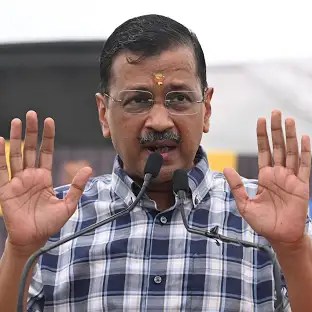
    The recent decision to grant interim bail to Arvind Kejriwal until 1st June has brought immense relief to him and his party, especially considering the ongoing Lok Sabha elections. Kejriwal emerged from jail surrounded by supporters, declaring the need to unite and save the country from dictatorship. To understand the intricacies of the court’s decision, it is essential to examine the Enforcement Directorate’s case against Kejriwal and the Supreme Court’s observations. This article delves into the details of the case, the reasons for bail denial, the significance of the Supreme Court’s decision, and its potential implications for other political leaders facing similar situations.

    The Enforcement Directorate (ED) has accused Arvind Kejriwal of being vicariously liable in the excise policy scam case. The charge alleges kickbacks involved in the scam, with the funds being funneled for the Aam Aadmi Party’s election campaign in Goa. As the Chief Minister and the head of the state’s policy, Kejriwal is held liable for formulating the policy and enabling money laundering through it. However, the ED has yet to establish a direct connection between Kejriwal and the flow of money. Despite the lack of direct evidence, Kejriwal was denied bail multiple times, highlighting the stringent requirements under section 45 of the PMLA act.

    The trial court and the High Court rejected Kejriwal’s bail plea based on the need to establish a prima facie case against him. The prosecution argued that there was sufficient evidence to support the charges. Kejriwal’s lawyers, however, challenged the legitimacy of his arrest, questioning whether he was summoned as an accused or a witness. They highlighted that Kejriwal had sent multiple letters to the ED seeking clarification but received no response. Additionally, they raised concerns about the timing of the arrest, suggesting political motives behind it.

    The Supreme Court’s decision to grant interim bail to Kejriwal is significant, considering the timing of the Lok Sabha elections. The court acknowledged that the case would take time to reach a final resolution, and the elections would be over by then. The interim bail is not a finding on merit but rather an arrangement to allow Kejriwal to campaign. The court exercised its power to grant interim bail, emphasizing that campaigning for a political leader like Kejriwal is an essential aspect of a level playing field during elections.

    The interim bail comes with certain conditions that Kejriwal must adhere to. These conditions include furnishing a bail bond, not visiting the office of the Chief Minister, and refraining from signing any files unless necessary for official communication with the Lieutenant Governor. These conditions provide Kejriwal with some relief, allowing him to focus on the elections while complying with the legal requirements.

    The Supreme Court’s decision and observations open the door for considering political exigencies in similar cases. While each case will be evaluated based on its specific facts, the court’s emphasis on a level playing field for political parties suggests a potential shift in how bail applications of political leaders will be assessed. This decision may have implications for other leaders, such as Hemant Soren, who are facing arrest in money laundering cases.

    The decision to grant interim bail to Arvind Kejriwal during the Lok Sabha elections is a momentous one, marking the Supreme Court’s intervention to ensure a level playing field for political candidates. While the interim bail is not a finding on merit, it acknowledges the significance of elections and the role of political leaders. The conditions imposed on Kejriwal provide him with some relief while maintaining legal requirements. This decision sets a precedent for considering political exigencies in bail applications and may have implications for other political leaders facing similar situations.

    visit arjasrikanth.in for more insights
  • Celebrating the Birthday of Sri Sri Ravi Shankar: A Tribute to a Spiritual Luminary and His Impact on India

    May 13th, 2024

    Sri Sri Ravi Shankar: A Journey of Spiritual Enlightenment and Humanitarian Contributions

    Today, the nation come together to commemorate the birthday of a spiritual luminary whose influence resonates far beyond the borders of India. Sri Sri Ravi Shankar, a guiding light of wisdom and compassion, has not only enriched the spiritual fabric of India but has also made a profound impact on the global stage. On this auspicious occasion, it is fitting to reflect on the remarkable journey of Sri Sri Ravi Shankar and the invaluable contributions he has made to India and humanity as a whole.

    Born on May 13, 1956, in Papanasam, Tamil Nadu, Sri Sri Ravi Shankar embarked on a spiritual odyssey from a tender age. Nurtured by the profound teachings of his guru, Maharishi Mahesh Yogi, he immersed himself in the timeless wisdom of yoga, meditation, and Vedanta. These transformative experiences ignited within him a deep-seated commitment to share the profound teachings with the world, guiding countless souls towards inner awakening and fulfillment.

    In 1981, Sri Sri Ravi Shankar laid the foundation of the Art of Living Foundation, a global nonprofit organization dedicated to fostering peace, happiness, and holistic well-being. Through a myriad of programs and initiatives, including the renowned Art of Living course, he has touched the lives of millions, empowering them to transcend stress, discover inner tranquility, and unlock their boundless potential.

    Sri Sri Ravi Shankar’s vision transcends the confines of religious and cultural boundaries, advocating for the intrinsic unity of all faiths. He has been a vocal proponent of interfaith harmony, fostering dialogue and mutual understanding among people of diverse beliefs. Through initiatives such as the Gift a Smile project and disaster relief efforts, he has exhibited an unwavering commitment to serving humanity and alleviating suffering, embodying the highest ideals of compassion and selflessness.

    Recognizing the pivotal role of education in shaping the destiny of societies, Sri Sri Ravi Shankar has spearheaded initiatives aimed at promoting value-based education and nurturing leadership among the youth. The Sri Sri Ravi Shankar Vidya Mandir schools and the Youth Leadership Training Program stand as testament to his dedication to cultivating a generation of empathetic and conscientious leaders poised to effect positive change in the world.

    As a beacon of spiritual leadership, Sri Sri Ravi Shankar has traversed the globe, disseminating the timeless message of love, peace, and harmony to diverse audiences. His teachings have ignited a spark of inspiration in countless individuals, empowering them to lead lives of purpose and service to humanity. Through his profound wisdom and compassionate guidance, he continues to sow the seeds of transformation and upliftment, kindling the flame of hope in hearts around the world.

    As the nation rejoices in commemorating the birthday of Sri Sri Ravi Shankar, We not only honor the man but also the eternal values he represents. His steadfast dedication to disseminating love, peace, and compassion has impacted countless lives, transcending boundaries of geography and culture. May his lasting legacy illuminate the path for future generations, reminding us of spirituality’s transformative ability to unify humanity and foster a world steeped in harmony and empathy. Happy birthday, Sri Sri Ravi Shankar, and sincere appreciation for your priceless contributions to India and the global community.

    Visit arjasrikanth.in for more insights

  • India’s Democratic Power: A Testament to the People’s Rule

    May 13th, 2024

    Celebrating Democracy: A Glance at India’s Grand Festival of Elections

    India, the largest democracy in the world, is currently in the midst of a grand spectacle – the general election for state and central elections in Andhra Pradesh. With over 97 crore people participating in this democratic process, the country is showcasing its greatness as a global leader. This article highlights the significance of democracy in India, emphasizing that the nation is truly governed by the people, for the people, and of the people.

    As the scorching summer sun rises, people across the country gather at polling booths to exercise their democratic rights. From as early as 7 AM, long queues of enthusiastic citizens form, eagerly waiting to cast their votes. The author, too, joined the queue at 7:30 AM, experiencing the exhilarating feeling of participating in this grand festival of democracy.

    In the author’s village, Pedakallepalli, Krishna District, Andhra Pradesh, several positive changes were observed compared to previous elections. The roads leading to the villages were filled with scooters and vehicles carrying people to the polling booths. A notable difference was the absence of liquor distribution, indicating that the focus was solely on voting for the chosen leaders. Furthermore, it was surprising to witness minimal instances of money distribution. The overall atmosphere in the villages visited by the author was peaceful, with a systematic approach to the voting process. The presence of police was scarce, highlighting the trust and harmony amongst the people.

    India’s democratic process stands as one of its greatest and most unique achievements. The nation takes pride in being a global leader in democracy, where the power lies with the people. The ongoing election showcases the strength and unity of the Indian populace, as millions of citizens exercise their right to vote. The enthusiasm and dedication displayed by the people, including students, in completing their voting franchise are a testament to the democratic values ingrained in the hearts of the Indian population.

    The ongoing general election in Andhra Pradesh serves as a reminder of India’s greatness as a democratic nation. With over 90 crore people participating in this monumental process, the country stands tall as a global leader in democracy. The peaceful and systematic environment observed in villages, coupled with the minimal instances of malpractices, exemplify the powerful democratic spirit that permeates every corner of the nation. As proud citizens, we celebrate and cherish our role in this grand festival of democracy, knowing that India truly embodies the principle of being a government of the people, by the people, and for the people.

    In conclusion, the ongoing general election in Andhra Pradesh symbolizes India’s unwavering commitment to democracy. It serves as a testament to the nation’s strength, unity, and collective will to uphold democratic principles. As citizens, it is our responsibility to continue nurturing and protecting this precious gift of democracy for future generations. Let us celebrate India’s democratic spirit and strive to ensure that the voice of every citizen is heard, respected, and valued in the governance of our great nation. For in the end, it is the people who truly hold the power to shape the destiny of India.

    visit ARJASRIKANTH.IN for more insights

←Previous Page
1 … 90 91 92 93 94 … 151
Next Page→

Blog at WordPress.com.

Loading Comments...

    • Subscribe Subscribed
      • SOCIAL PERSPECTIVES
      • Join 108 other subscribers
      • Already have a WordPress.com account? Log in now.
      • SOCIAL PERSPECTIVES
      • Subscribe Subscribed
      • Sign up
      • Log in
      • Report this content
      • View site in Reader
      • Manage subscriptions
      • Collapse this bar