Skip to content
    • About

SOCIAL PERSPECTIVES

  • The Silent Tsunami: Understanding and Confronting India’s Obesity Crisis

    April 9th, 2024

    India, despite strides against poverty, faces a silent health crisis—obesity. The article explores its root causes, far-reaching consequences, and potential remedies, urging urgent attention to safeguard the nation’s well-being.

    India, once synonymous with poverty and malnutrition, now grapples with an unprecedented health crisis—obesity. The Lancet study reveals a sobering reality: a staggering 70% of India’s urban population battles with overweight concerns. Shockingly, over 23% of urban women and 20% of men are classified as overweight or obese, painting a grim portrait of India’s health landscape.

    The trajectory of obesity in India paints an alarming picture, mirroring global trends of an escalating crisis. Over the past three decades, from 1990 to 2022, obesity rates skyrocketed from 1.2% to 9.8% among women and 0.5% to 5.4% among men. This crisis extends beyond adults, with a troubling 12.5 million children identified as grossly overweight in 2022—a dramatic surge from 0.4 million in 1990.

    Numerous factors fuel this alarming rise. Increased automation, improved transportation, and evolving lifestyles have fostered sedentarism, while processed foods have permeated Indian diets. The prevalence of the Western diet—rich in refined grains, red meat, unhealthy fats, and sugary beverages—exacerbates the crisis. Regionally, states like Punjab, Kerala, Tamil Nadu, and Delhi report alarmingly high obesity rates, highlighting the nationwide scope of the problem.

    Gender disparities exacerbate India’s obesity crisis, with women bearing a disproportionate burden. A striking 40% of women suffer from abdominal obesity, compared to 12% of men—a statistic reflecting societal and biological complexities. The prevalence of overweight and obesity is significantly higher among women, especially in urban areas, underscoring the multifaceted nature of this health crisis.

    The etiology of obesity in India is multifactorial, spanning lifestyle choices, socioeconomic factors, and genetic predispositions. Unhealthy eating behaviours, inadequate physical activity, poor sleep quality, high stress levels, and underlying health conditions compound the risk. Genetic factors, coupled with an obesogenic environment, heighten susceptibility.

    Addressing India’s obesity crisis demands multifaceted strategies. Education and awareness campaigns play a crucial role in promoting healthier lifestyles and dietary choices. The National Centre for Disease Prevention and Control advocates for front-of-pack labeling of packaged foods and bans on advertisements for high-fat, sugar, and salt-laden products. These measures empower consumers to make informed decisions and mitigate the influence of unhealthy food marketing.

    However, systemic changes are imperative. Revisiting food distribution policies, promoting access to nutritious foods, and fostering a culture of physical activity are essential. The politicization of food presents a formidable challenge, hindering efforts to introduce healthier dietary options. Overcoming these barriers necessitates coordinated action from policymakers, healthcare professionals, and civil society.

    In conclusion, India’s obesity crisis transcends mere statistics—it reflects broader socioeconomic and cultural paradigms. Addressing this multifaceted challenge requires a holistic approach. By fostering healthier environments, promoting nutrition literacy, and enacting evidence-based policies, India can navigate towards a healthier, more resilient future. Only through concerted efforts can we confront the silent tsunami of obesity and secure the well-being of future generations.

    visit arjasrikanth.in for more insights

  • The Evolving Landscape of Nuclear Bomb Deterrence: Challenges and Implications

    April 8th, 2024

    A comprehensive analysis of the changing dynamics and emerging challenges in nuclear bomb deterrence, exploring the roles of major global powers and the implications for international security !!!

    Since the days of the Cold War, nuclear bomb deterrence has been a critical aspect of global security. The responsibility to prevent nuclear conflict has primarily rested on the two superpowers, the United States and Russia. However, recent developments, such as the changing roles of China, the rise of North Korea, and the evolving genetic role of Russia, have reignited debates and raised new questions about nuclear weapons. This article delves into the complexities of the current nuclear landscape, highlighting the challenges faced by major powers and the potential implications for global security.

    In recent years, Russia’s aggression, particularly its invasion of Ukraine in 2022, has brought the threat of war in Europe back onto the security agenda. Russian President’s repeated references to the use of nuclear weapons in Ukraine have added to the concerns. Russia has been actively developing and publicizing a series of nuclear weapons, including nuclear-powered cruise missiles, which has intensified the focus on its nuclear capabilities. This shift in Russia’s strategy has raised alarm bells among American policymakers, forcing them to reassess their own nuclear posture.

    China’s nuclear ambitions have also undergone a significant transformation. In the past, China had a minimal nuclear arsenal and showed no desire to catch up with the United States or the former Soviet Union. However, in recent years, China’s nuclear arsenal has grown significantly, reaching around 500 warheads, with the potential to increase to 1000 by the end of the decade. This expansion, coupled with China’s investment in advanced warning radar systems, poses a new challenge for the United States. The fear is that China’s enhanced capabilities could lead to a shift in its nuclear strategy towards a posture of “on warning” rather than “on attack,” thereby increasing the risk of nuclear escalation.

    The emergence of both Russia and China as major nuclear powers has presented the United States with a new dilemma, commonly referred to as the “two-pair problem.” How does the United States effectively deter both Russia and China simultaneously? Recent discussions among experts and policymakers have highlighted the need for a larger, more diverse nuclear force to counter the combined aggression from both countries. The United States has already embarked on a significant modernization program, investing around $1.5 trillion over 30 years to upgrade its nuclear capabilities. However, consensus on the exact strategy to deter both Russia and China is still evolving.

    Nuclear advocates argue that a robust and diverse nuclear force is essential to maintain deterrence in this changing environment. They advocate for further investments in new nuclear warheads, missiles, submarines, and advanced defense systems. However, the debate surrounding nuclear policy remains contentious, with critics questioning the need for such a substantial investment and emphasizing the risks associated with nuclear weapons.

    The future of nuclear bomb deterrence holds significant implications for global security and the existing nuclear order. The destruction of American alliances, particularly the nuclear umbrella provided to NATO and Asian countries like Japan and South Korea, could reshape the global nuclear landscape. The increasing appetite among some countries, such as South Korea, to consider alternative security arrangements without relying on the US nuclear umbrella raises concerns about the potential proliferation of nuclear weapons. The potential re-emergence of nuclear testing and the expiration of key nuclear control agreements further complicate the situation and could undermine international efforts to prevent nuclear proliferation.

    As the global nuclear landscape continues to evolve, the challenges of nuclear bomb deterrence become more complex and multifaceted. The United States, Russia, and China find themselves grappling with new dynamics, technological advancements, and shifting geopolitical realities. The questions surrounding deterrence strategies, alliance commitments, and the balance of power in the nuclear realm are becoming increasingly pressing. Whether it is the Biden administration or a potential return of Donald Trump, these difficult questions will demand attention and careful consideration for years to come. The path forward requires a delicate balance between maintaining deterrence and stability while actively addressing the risks and challenges posed by the changing nuclear environment.

    In this critical juncture, it is essential for policymakers, experts, and the international community to engage in meaningful dialogue and cooperation to ensure a secure and peaceful future, free from the catastrophic consequences of nuclear conflict.

    visit arjasrikanth.in for more insights

  • Happy Birth Day to Karan Adani: A Visionary Industrialist Creating Global Wealth

    April 7th, 2024

    Karan Adani, the promising global industrialist and entrepreneur, is revolutionizing the business landscape with his down-to-earth simplicity and understanding of the intricacies of doing business globally.

    karan Adani

    Karan Gautam Adani, born on April 7, is the Managing Director of Adani Ports & SEZ Limited and the Director of Adani Airport Holdings Limited. As the son of billionaire Gautam Adani, Karan has taken the helm of Adani Group’s operations and has been instrumental in its remarkable growth and success.

    Karan Adani’s journey in the business world began when he joined Adani Ports & SEZ Limited (APSEZ) in 2009. Under his leadership, the company has witnessed unprecedented expansion and transformation. He has spearheaded the acquisition of new ports and expansion of  APSEZ network.  

    Despite his notable achievements, Karan Adani is known for his simplicity and down-to-earth nature. He believes in setting the highest benchmarks in all areas of business while maintaining a grounded approach. His ability to understand the intricacies of doing business globally has been instrumental in the success of Adani Group’s ventures.

    Karan Adani’s visionary approach to business has not only led to the creation of global wealth but has also generated employment opportunities on a global scale. Adani Ports and Special Economic Zone Ltd (APSEZ) has become India’s largest ports and logistics company, contributing significantly to the nation’s infrastructure development. Through strategic expansions and partnerships, APSEZ has established itself as India’s fastest-growing private sector port developer and operator, with a network of 14 ports along India’s coastline and two ports outside India.

    Karan Adani’s educational background in economics from Purdue University, USA, has equipped him with a global outlook and a strong understanding of business dynamics. His technological savvy and commitment to setting high standards have propelled Adani Group to new heights. With his leadership, APSEZ has rapidly expanded its portfolio, including ports and terminals in India, Sri Lanka, Africa and Israel. Moreover, Adani Logistics Ltd, a subsidiary of APSEZ, has become the largest and most diversified private rail operator in India.

    In recognition of his exceptional leadership and contribution to the port sector, Karan Adani has been elevated to the role of Managing Director at APSEZ.

    Karan Adani’s remarkable journey as a visionary industrialist and entrepreneur is transforming the global business landscape. With his simplicity, understanding of global business intricacies, and commitment to excellence, he is creating world-class infrastructure, Wealth  and generating employment opportunities on a global scale. On his birthday, we extend our warmest wishes to Karan Adani and commend his valued contribution to the globe. May he continue to achieve great success in his endeavors to create global wealth and prosperity.

    Visit arjasrikanth.in for more insights

  • The Political Hotbed: Unravelling the Controversy Surrounding a Tiny Island Katchatheevu, in Palk Strait

    April 7th, 2024

    A strip of island spanning just about 1.9 km² located in Palk Strait  has become the centre of a political controversy and simmering tensions between India and Sri Lanka.

    The political turmoil surrounding a minuscule strip of land in Palk Strait spanning just about 1.9 km², belies its significance as a hotbed of controversy between India and Sri Lanka. This article delves into the multifaceted dynamics surrounding this island, known as Katchatheevu, situated in the Palk Strait, and the intricate web of historical, political, and cultural implications it entails.

    Katchatheevu historical roots trace back to ancient times, its presence echoed in inscriptions and historical records. From antiquity, it has been entwined with the Indo-Sri Lankan kingdoms and successive colonial regimes, shaping its cultural and political identity. Despite its modest dimensions, Katchatheevu held strategic value as a naval outpost and a revered religious site, attracting fishermen and devotees from both India and Sri Lanka.

    The island’s saga took a decisive turn in 1974 when India, under the leadership of Prime Minister Indira Gandhi, recognized Sri Lanka’s sovereignty over Katchatheevu through bilateral agreements. While ostensibly aimed at resolving maritime disputes and fostering friendly ties, this move sparked uproar and protests in Tamil Nadu. Critics, including the Bharatiya Janata Party (BJP), vehemently opposed the agreement, alleging territorial compromise and political opportunism.

    The fallout from the 1974 accord continues to reverberate in contemporary politics, particularly in Tamil Nadu’s electoral landscape. The BJP strategically leverages the Katchatheevu issue to gain traction and cast aspersions on rival parties’ commitment to safeguarding India’s interests. Legal challenges and public outcry further complicate the matter, underscoring the enduring controversy surrounding the island’s ownership.

    Beyond its geopolitical ramifications, Katchatheevu holds profound cultural significance, exemplified by the veneration of its St. Anthony’s Shrine. Despite political tensions, religious devotees maintain cross-border pilgrimages, fostering interfaith dialogue amidst turmoil. However, escalating maritime conflicts and illegal activities pose challenges to bilateral relations, necessitating enhanced cooperation and dialogue between India and Sri Lanka.

    The saga of Katchatheevu epitomizes the intricate interplay of history, politics, and culture in South Asia. As India and Sri Lanka navigate territorial disputes and strive for maritime cooperation, the island remains emblematic of shared heritage and contested sovereignty. Recognizing its multifaceted dimensions is essential for stakeholders to devise inclusive solutions that uphold justice and diplomacy while honouring local interests. This dispute underscores the nuanced dynamics of India-Sri Lanka relations, demanding a concerted commitment to dialogue and cooperation for regional stability. By acknowledging the complexities surrounding Katchatheevu, both nations can pave the way for a harmonious future in the Indian Ocean region, transcending political divides and fostering mutual trust.

    visit arjasrikanth.in for more insights

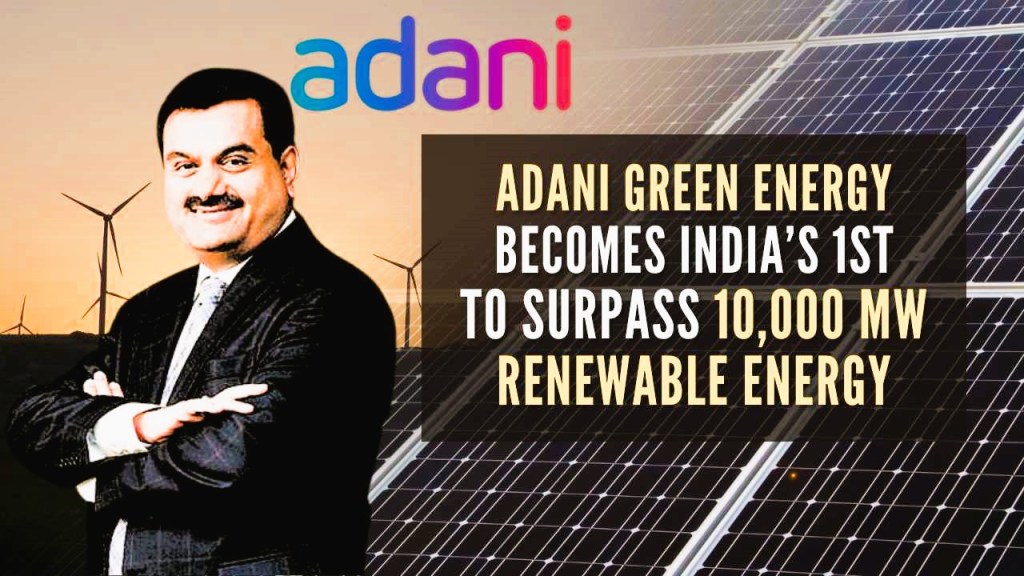
  • Adani Green Energy Ltd (AGEL) Surpasses 10,000 MW Renewable Energy Capacity, Redefining India’s Clean Energy Landscape

    April 6th, 2024

    Powering India’s Future: Adani Green Energy Surpasses 10,000 MW Milestone

    In a monumental stride towards a sustainable future, Adani Green Energy Ltd (AGEL) has achieved a significant milestone, surpassing 10,000 megawatts (MW) of operational renewable energy capacity. This achievement not only highlights AGEL’s unwavering commitment to providing reliable, affordable, and clean power to the national grid but also marks a watershed moment in India’s renewable energy journey. As environmental concerns loom large and the imperative for sustainable solutions intensifies, AGEL stands out as a beacon of hope, setting new benchmarks in the country’s renewable energy sector. With this recent feat, AGEL has not only etched its name in history but has also reiterated its dedication to advancing India’s clean energy agenda, paving the way for a greener and more sustainable future.

    AGEL’s operational portfolio showcases a strategic blend of renewable energy sources, including 7,393 MW of solar capacity, 1,401 MW of wind capacity, and 2,140 MW of wind-solar hybrid capacity. This diverse array of energy sources reflects AGEL’s commitment to meeting India’s energy demands sustainably. It signifies AGEL’s strategic vision in harnessing various renewable sources, ensuring a resilient and sustainable energy ecosystem for the nation’s future energy needs.

    With an operational portfolio of 10,934 MW, AGEL is set to power more than 5.8 million homes and prevent approximately 21 million tonnes of CO2 emissions annually. This significant contribution towards decarbonization and sustainability reaffirms AGEL’s commitment to environmental stewardship and social responsibility.

    Leading the charge in this monumental achievement is Mr. Gautam Adani, the Chairman of the Adani Group, whose visionary leadership has catapulted AGEL to the forefront of India’s renewable energy revolution. With pride, Mr. Adani highlights AGEL’s journey from envisioning a greener future to actualizing a remarkable 10,000 MW in installed capacity within a decade. Under his guidance, AGEL has not only demonstrated rapid growth but also played a pivotal role in propelling India’s transition to clean, reliable, and affordable energy. This milestone sets new benchmarks for the global renewable energy sector, showcasing the transformative impact of Adani’s vision on India’s sustainable development trajectory.

    AGEL’s operational portfolio, now totaling 10,934 MW, is poised to power more than 5.8 million homes and help avoid approximately 21 million tonnes of CO2 emissions annually. This substantial contribution towards decarbonization and sustainability underscores AGEL’s unwavering commitment to environmental stewardship and social responsibility.

    AGEL’s commitment extends beyond operational achievements to active pursuit of greenfield expansion projects in the renewable energy sector. Accounting for approximately 11 percent of India’s installed utility-scale solar and wind capacity, AGEL has significantly contributed to over 15 percent of the nation’s utility-scale solar installations. Moreover, the company’s endeavours have yielded over 3,200 direct green jobs, amplifying its positive impact on both the economy and society. AGEL’s proactive approach to sustainable development not only enhances India’s renewable energy capacity but also fosters economic growth and social progress. Through these initiatives, AGEL continues to lead the charge towards a greener and more prosperous future for India and beyond.

    AGEL’s visionary plans encompass the creation of the world’s largest renewable energy project in Khavda, Gujarat, boasting a capacity of 30,000 MW. This pioneering endeavour, sprawling across 538 square kilometres, reaffirms AGEL’s dedication to amplifying renewable energy generation on an unprecedented scale. It not only signifies a monumental step forward in India’s renewable energy landscape but also sets new benchmarks for the global renewable energy sector. AGEL’s unwavering commitment to innovation and sustainability is evident in its ambitious projects, which promise to revolutionize the way we harness and utilize renewable resources.

    AGEL’s focus on sustainable practices permeates its operations, evident in certifications like ‘single-use plastic free,’ ‘zero waste to landfill,’ and ‘water positive for plants with over 200 MW capacity.’ These initiatives underscore AGEL’s comprehensive approach to environmental stewardship, aligning closely with the United Nations Sustainable Development Goals. By adhering to these rigorous standards, AGEL not only mitigates its environmental footprint but also contributes to the broader goal of creating a greener and more sustainable future. Through its concerted efforts, AGEL sets a commendable example for the renewable energy industry, demonstrating that profitability and environmental responsibility can indeed go hand in hand.

    Adani Green Energy becomes India’s first to surpass 10,000 MW renewable energy – 1

    AGEL’s accomplishment of exceeding 10,000 MW of operational renewable energy capacity represents a monumental stride in India’s pursuit of a sustainable and low-carbon future. With an unwavering dedication to innovation, sustainability, and excellence, AGEL remains at the forefront of the clean energy revolution. Through its pioneering efforts, AGEL not only sets benchmarks but also shapes a brighter and more sustainable tomorrow for generations to come. As the world grapples with the urgent need to combat climate change, AGEL’s leadership in renewable energy plays a crucial role in mitigating environmental impact and fostering global sustainability. By harnessing the power of renewable resources and driving technological advancements, AGEL exemplifies how businesses can lead the charge towards a greener and more resilient future. As India’s renewable energy landscape evolves, AGEL’s continued commitment to excellence reaffirms its pivotal role in shaping a world powered by clean and sustainable energy sources.

    visit arjasrikanth.in for more insights

  • Unveiling the Power of the Atom: Brussels Hosts Historic Nuclear Energy Summit

    April 6th, 2024

    Brussels recently played host to a ground breaking international nuclear energy summit, drawing the attention of world leaders and experts alike. This unprecedented event aimed to create momentum and highlight nuclear energy as a vital solution to pressing global issues, including climate change and energy security. With representatives from 30 countries, including several heads of state, in attendance, the summit showcased the growing recognition of nuclear energy’s potential.

    In March, Brussels stood as the epicentre of a momentous occasion – the Nuclear Energy Summit. With the participation of leaders and experts from 30 nations, this historic gathering underscored the pivotal role of nuclear power in addressing the world’s most pressing challenges. From mitigating climate change to ensuring energy security, nuclear energy emerged as a beacon of hope for a cleaner and more sustainable future.

    Nuclear energy represents a paradigm shift in the quest for clean and reliable power. According to recent statistics, in 2022, nuclear power plants produced 2,487 terawatt-hours of electricity globally, albeit experiencing a 7% decrease from the previous year. Despite this, nuclear energy remains a potent weapon in the fight against climate change. Unlike fossil fuels, nuclear energy production emits minimal to no carbon emissions, making it a crucial ally in achieving global emissions reduction targets.

    While uranium mining may have some carbon footprint, the operational phase of nuclear power plants remains virtually emission-free. This distinguishing factor positions nuclear energy as a critical ally in combating climate change. In contrast, coal-fired electricity generates emissions that are a hundred times more significant than those produced by nuclear power, further emphasizing the importance of nuclear energy in reducing greenhouse gas emissions.

    In the realm of energy reliability, nuclear power reigns supreme. As per data from the International Energy Agency and The World Bank, , nuclear power contributed 3% of India’s domestic electricity production. Unlike renewable sources like solar and wind, nuclear energy is not constrained by seasonality or weather conditions. It provides a steady and uninterrupted supply of power, akin to traditional fossil fuels.

    While solar and wind energy depend on specific weather patterns, nuclear energy stands as a dependable baseload source, capable of meeting the energy needs of communities and industries around the clock. According to statistics, nuclear energy accounted for 1.1% of primary energy, 1.6% of generation capacity, and 2.8% of power generation in India. These figures underscore the importance of nuclear energy in India’s energy mix and its potential to contribute to energy security and reliability.

    Despite its promise, nuclear energy confronts significant hurdles on its path to widespread adoption. Safety concerns, though mitigated by advancements in technology, persist in the public consciousness. According to statistics, India ranks 13th in the world in terms of nuclear capacity. However, the country’s nuclear power capacity falls far short of that of global leaders such as the United States, France, and China.

    Additionally, the management of radioactive waste remains a challenge, necessitating sustainable solutions for long-term disposal. Moreover, overcoming public perception and building trust in nuclear energy require concerted efforts from stakeholders across the globe. India’s nuclear milestones and challenges highlight the complexities involved in harnessing nuclear energy’s full potential while addressing safety, waste management, and public perception concerns.

    India, a nation with a rich history in nuclear energy, is steadfast in its commitment to expanding its nuclear power capacity. Despite facing challenges such as fuel availability and high costs, India aims to triple its nuclear power generation capacity by 2030. The construction of the Kudankulam Nuclear Power Plant in Tamil Nadu stands as a testament to India’s nuclear ambitions, poised to significantly augment the country’s energy capabilities.

    According to statistics, India’s total installed capacity of nuclear power plants stands at around 6.8 gigawatts. As India looks to the future, its commitment to achieving net-zero emissions by 2070 underscores the importance of nuclear energy in its energy transition. With plans to triple nuclear power generation capacity by 2030, India seeks to position itself as a key player in the global nuclear landscape.

    In conclusion, the Brussels Nuclear Energy Summit served as a catalyst for advancing the global dialogue on clean and reliable power. Despite challenges, nuclear energy offers immense promise in combating climate change and ensuring energy security. Through collaboration, innovation, and a shared commitment to sustainability, nuclear energy can pave the way for a brighter, more prosperous future for generations to come. As the world navigates the transition to cleaner energy sources, embracing the power of the atom holds the key to unlocking a sustainable tomorrow. With India’s nuclear ambitions and global efforts to harness nuclear energy’s potential, the path forward is clear – nuclear energy will play a crucial role in shaping the future of global energy.

    visit arjasrikanth.in for more insights
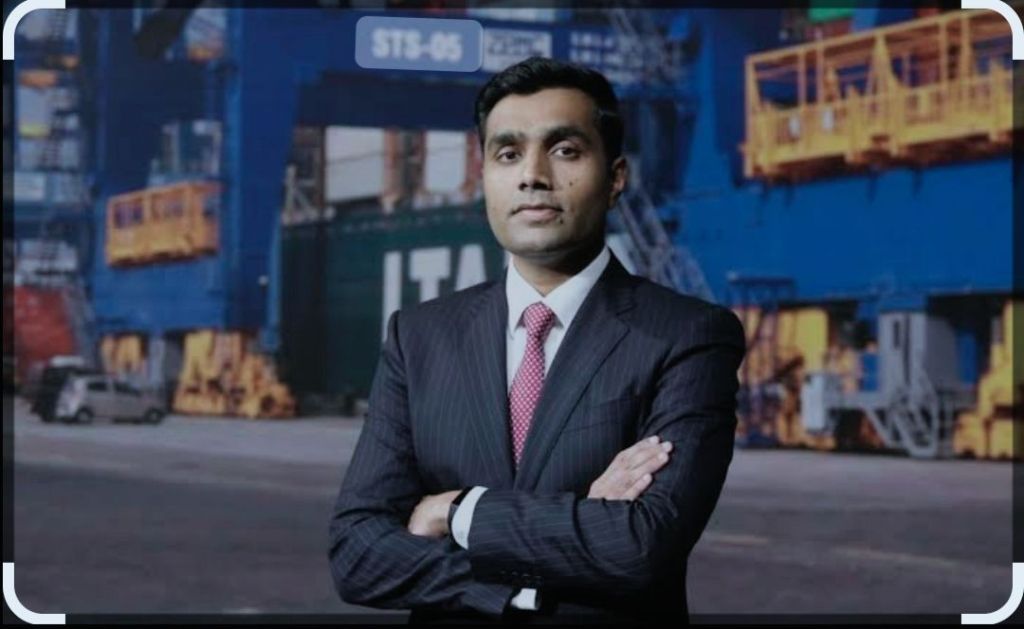
  • Syama Prasad Mookerjee Port Sets New Record in Cargo Handling: Congratulations to Mr. Rathendra Raman IRTS CEO and Team

    April 5th, 2024

    Syama Prasad Mookerjee Port achieves a milestone by handling 66.4 Million Metric Tonnes (MMT) of cargo in FY24.

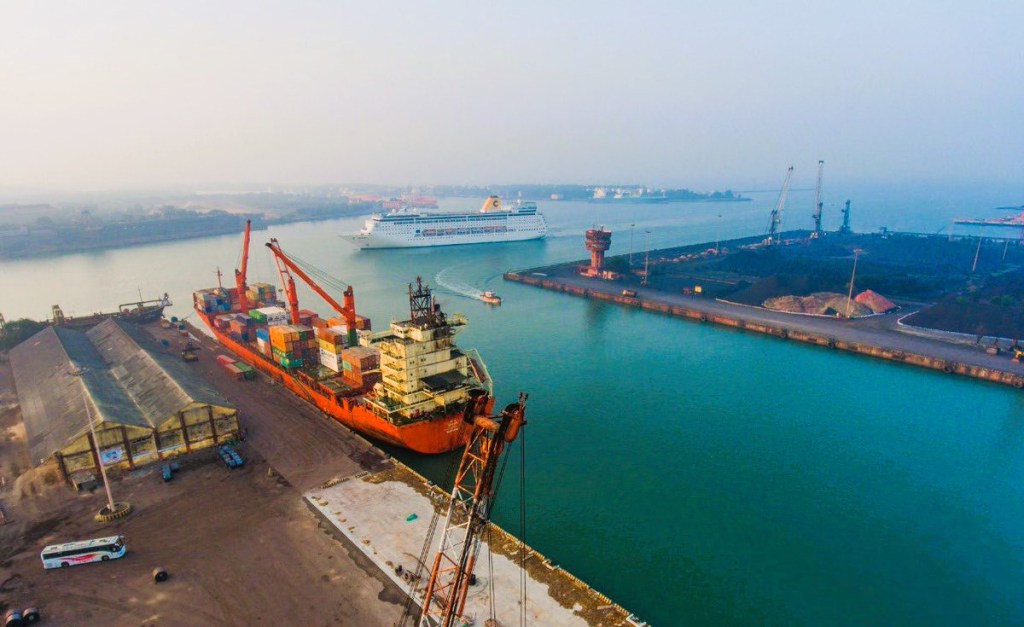
    Syama Prasad Mookerjee Port, Kolkata (SMP Kolkata) holds the distinction of being the oldest operating port in India. With state-of-the-art facilities and a strategic location, it plays a vital role in international trade, serving as a key link for the eastern states of India and neighboring countries. The port’s contribution to the regional economy and job creation cannot be understated, supporting various industries and businesses in the vicinity.

    Despite facing competition from other ports in the region, Kolkata Port has maintained its position as a leading player in maritime trade. This has been possible due to continuous investments in infrastructure development and technological advancements, ensuring that the port remains modern, efficient, and competitive on the global stage.

    In the fiscal year 2023-24, SMP Kolkata achieved a remarkable feat by handling an impressive 66.4 million metric tonnes (MMT) of cargo, marking a 1.11% increase from the previous record. This outstanding accomplishment is a result of strategic initiatives implemented to enhance productivity, safety measures, business development, and overall capacity utilization.

    Under the visionary leadership of Mr. Rathendra Raman IRTS, CEO of Syama Prasad Mookerjee Port, the port has achieved unprecedented success. Mr. Rathendra Raman’s guidance and strategic vision have played a crucial role in the port’s remarkable performance.

    Financially, the port has also excelled, achieving a net surplus of Rs 501.73 crores. This showcases a significant growth of 65% over the previous year’s net surplus, emphasizing the port’s commitment to financial excellence.

    One of the key factors behind this accomplishment has been the port’s emphasis on Public-Private Partnership (PPP) projects. This strategic approach has enhanced the port’s capacity and played a crucial role in its ability to handle such a massive volume of cargo.

    The achievement of Syama Prasad Mookerjee Port, Kolkata, in setting a new record in cargo handling is truly commendable. We extend our heartfelt congratulations to Mr. Rathendra Raman IRTS, CEO of SMP, and his entire team for their relentless efforts, strategic initiatives, and exceptional leadership. This milestone highlights the port’s commitment to excellence, safety, and efficiency. With its remarkable financial performance and focus on PPP projects, SMP Kolkata is undoubtedly poised for continued success in the future.

    Visit arjasrikanth.in for more insights

  • Delving into the Controversial Journey of Patanjali: From Wellness Icon to Legal Battleground

    April 5th, 2024

    Unveiling the Shadows: Patanjali’s Saga of Misleading Advertisements and Legal Scrutiny

    Patanjali Ayurved, a brainchild of Yoga Guru Baba Ramdev and Acharya Balkrishna, emerged in 2006 as a beacon of traditional healing in India’s wellness landscape. Rooted in ancient wisdom, Patanjali promised natural remedies, resonating with a populace increasingly drawn to holistic alternatives over synthetic products. However, as its influence expanded, allegations of deceptive advertising and ethical breaches cast a shadow over its once pristine image.

    Despite facing controversies, Patanjali’s financial performance remained robust, with Acharya Balkrishna’s net worth soaring to US$2.3 billion by May 2021. In 2023, its valuation reached ₹3,000 crore, solidifying its status as one of India’s fastest-growing FMCG companies. While Baba Ramdev serves as the face of the brand, he holds no stake, with Balkrishna owning a commanding 94%, underscoring his pivotal role in the company’s trajectory.

    In the fiscal year under review, Patanjali’s total income witnessed a remarkable surge, reaching Rs 31,821.45 crore, with the edible oil segment contributing significantly at Rs 25,253 crore. Despite these financial triumphs, legal battles and ethical controversies marred its reputation and raised questions about its commitment to ethical practices.

    The Indian Medical Association (IMA) levied serious allegations against Patanjali, accusing the company of disseminating misleading advertisements and making dubious claims about the efficacy of its products, particularly amid the Covid-19 pandemic. The IMA’s petition to the Supreme Court thrust Patanjali’s advertising practices into the limelight, drawing attention to its alleged violations of the Drugs and Magic Remedies Act of 1954.

    In a landmark ruling, the Supreme Court delivered a scathing rebuke to Patanjali’s executives for their non-compliance with court directives, imposing hefty fines as a deterrent. Despite assurances of adherence to regulatory norms, Patanjali’s persistence in disseminating misleading claims invited further judicial scrutiny, highlighting the judiciary’s unwavering commitment to upholding ethical standards and protecting consumer interests.

    Patanjali’s tumultuous journey underscores the delicate balance between profit motives and ethical responsibilities in the corporate arena. As a proponent of holistic wellness, the company faces the challenge of reconciling commercial interests with societal well-being. Its legal travails serve as a cautionary tale, emphasizing the paramount importance of transparency, integrity, and consumer trust in the evolution of the wellness industry. As Patanjali grapples with the aftermath of its legal battles, the lessons learned will undoubtedly shape its future trajectory and redefine corporate accountability in the pursuit of holistic well-being.

    visit arjasrikanth.in for more insights

  • Charting India’s course towards maritime dominance amid geopolitical shifts – Remembering on National Maritime Day 5th April

    April 5th, 2024

    Navigating India’s Maritime Future: A Journey of Strategic Prowess

    India’s maritime legacy is steeped in history, tracing back through millennia, where its extensive coastline of approximately 7,517 kilometres has served as a testament to its deep-rooted connection with the seas. As India commemorates its maritime legacy and charts a course towards a prosperous future, it’s essential to explore the multifaceted dimensions of its maritime industry.

    The maritime sector is not merely a part of India’s economic landscape; it is a cornerstone of its economic growth. Accounting for 95% of India’s trade by volume and 70% by value, the maritime industry acts as a pivotal conduit for trade, GDP growth, and job creation. India’s strategic location along major shipping routes further enhances its importance as a global maritime player.

    India’s maritime history is rich and storied, dating back to antiquity, with evidence of maritime trade and navigation dating as far back as 10,000 B.C. The Indian subcontinent emerged as a maritime powerhouse, dominating trade routes and fostering cultural exchanges with distant lands. From the Mauryan era to the colonial period, India’s maritime prowess shaped its destiny and influenced global trade dynamics.

    The Indian Ocean, often dubbed the “cradle of civilization,” serves as a vital conduit for maritime trade, connecting diverse regions and facilitating economic exchanges. India’s reliance on the Indian Ocean underscores its strategic significance, with 90% of its trade by volume and a significant portion of its oil imports traversing its waters. Throughout history, maritime routes have played a crucial role in promoting commerce and projecting India’s strategic strength globally.

    The global maritime industry acts as the linchpin of international trade, facilitating the movement of goods and fostering economic prosperity. Responsible for nearly 90% of global trade by volume, the maritime sector injects approximately $380 billion annually into the world economy through freight rates alone. Its role as a cornerstone of global commerce underscores its indispensability in driving economic growth and fostering international cooperation.

    India’s maritime policy, encapsulated in initiatives such as the National Maritime Development Programme (NMDP), Sagarmala Program, and Maritime India Vision 2030, has been instrumental in propelling the country’s economic development. These initiatives aim to enhance port infrastructure, streamline shipping operations, and promote sustainable maritime practices, thereby fostering economic growth and job creation.

    While the maritime industry fuels economic growth, it also poses environmental challenges, including air and water pollution, and underwater noise pollution. Addressing these challenges requires a concerted effort to promote green logistics, invest in eco-friendly technologies, and enforce stringent environmental regulations. India’s commitment to sustainable maritime practices is crucial in mitigating the environmental impact of maritime activities and preserving marine ecosystems.

    India’s maritime sector stands at the crossroads of opportunity and challenge, poised to harness its oceanic resources for economic growth while addressing environmental concerns and geopolitical complexities. As India embarks on its maritime journey, it must leverage its historical legacy, strategic advantages, and policy frameworks to navigate the evolving dynamics of the global maritime industry. By fostering innovation, sustainability, and international collaboration, India can emerge as a beacon of maritime excellence, driving economic prosperity and promoting global connectivity in the years to come.

    National Maritime Day on April 5th is a momentous occasion for India to recognize its maritime heritage and the vital role of the seas in shaping its history. It’s a day of tribute to the bravery and resilience of sailors and pioneers who contributed to India’s maritime legacy. However, it goes beyond commemoration, symbolizing a renewed commitment to bolstering India’s maritime capabilities. In an era of globalization and geopolitical shifts, the maritime domain is crucial for India’s economic growth and security. As India faces challenges and opportunities at sea, it strives to maintain unmatched maritime prowess. This entails strategic investments in infrastructure, sustainable practices, and international partnerships. By leveraging its vast coastline and maritime resources, India aims to drive prosperity and innovation for future generations, ensuring its maritime heritage thrives in the modern era.

    visit arjasrikanth.in for more insights
  • Great Indian Bustard: A Battle Against Extinction !!

    April 4th, 2024

    Protecting the majestic Great Indian Bustard is not just a duty; it’s a necessity for preserving India’s natural heritage and ecological balance.

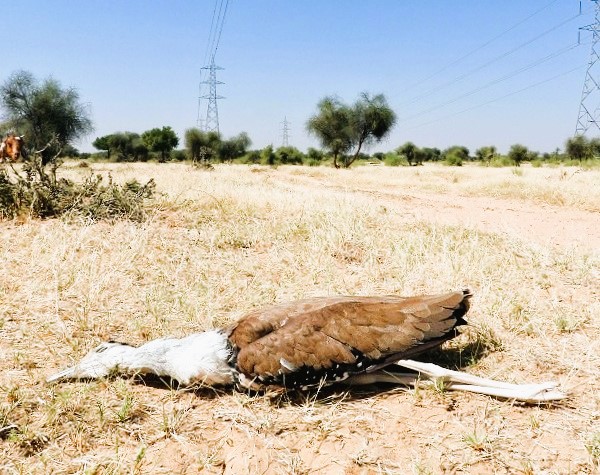
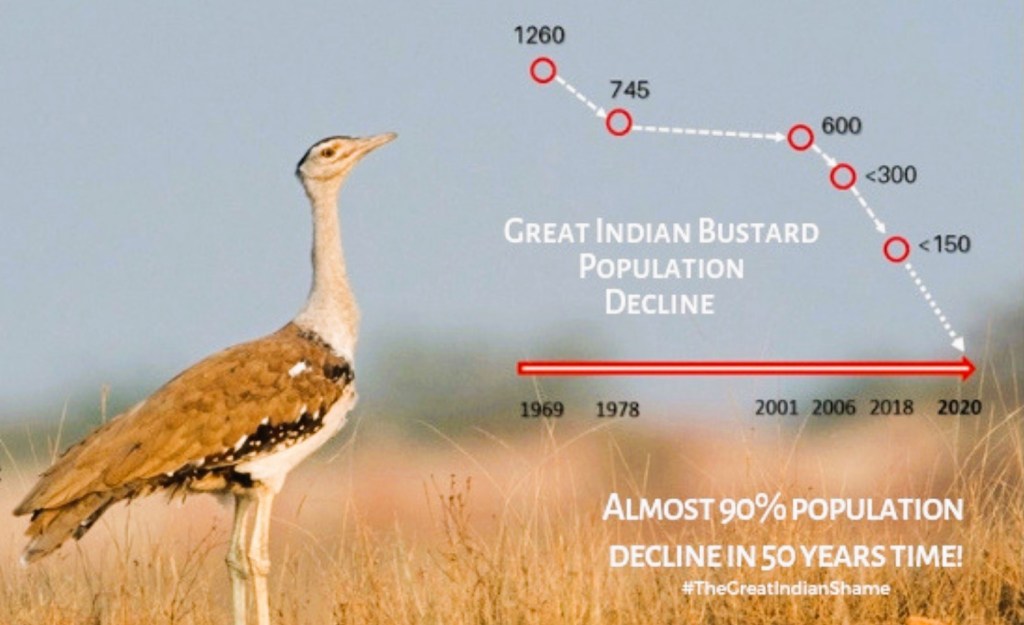
    The Great Indian Bustard (Ardeotis nigriceps), among the heaviest of flying birds, once graced the skies and grasslands of the Indian subcontinent with its awe-inspiring presence. However, the passage of time has seen its population dwindle to fewer than 115 individuals, rendering it one of India’s most critically endangered avian species. Primarily found in the states of Gujarat and Rajasthan, the survival of this magnificent bird is imperilled by a myriad of threats, chief among them being the presence of powerlines in the Kutch region and the harsh desert conditions of western India.

    With each passing year, the Great Indian Bustard inches closer to the precipice of extinction, with its population dwindling to alarming levels. Classified as critically endangered, this iconic bird serves as a bellwether for the health of India’s grasslands and ecosystems. Despite its legal protection under various wildlife conservation acts and international conventions, the Great Indian Bustard continues to face existential threats that jeopardize its very existence.

    The greatest threat to the survival of the Great Indian Bustard comes from collisions with power lines, which pose an insurmountable challenge for these birds due to their limited visibility and inability to detect the lines from a distance. Additionally, habitat loss, exacerbated by human encroachment and development activities, further exacerbates the precarious situation faced by the GIB. In the face of these daunting challenges, urgent action is needed to mitigate the risks and protect the remaining population of this majestic bird.

    In 2021, the Supreme Court of India issued a landmark order mandating the removal of all powerlines in the habitats of Great Indian Bustards, signalling a significant step towards their conservation. However, the practical implementation of this directive posed logistical and financial challenges, necessitating the formation of a seven-member committee to reconcile conservation efforts with the imperative of renewable energy generation. Despite these hurdles, initiatives such as Project Great Indian Bustard have emerged as beacons of hope, focusing on habitat protection, predator control, and community engagement to safeguard the species’ future.

    Raising awareness about the plight of the Great Indian Bustard is essential in mobilizing public support and galvanizing action at all levels. Advocacy campaigns, educational programs, and community outreach efforts serve to amplify the urgency of the situation and foster a collective sense of responsibility towards conservation. Slogans such as “Spare the Habitat to spare the Great Indian Bustard” resonate as powerful reminders of the imperative to protect our natural heritage.

    As we navigate the complexities of conservation, it is incumbent upon us to prioritize the preservation of the Great Indian Bustard and its habitat. Balancing the needs of local communities with the imperatives of species survival requires innovative solutions, collaborative partnerships, and unwavering commitment. By working together, we can chart a course towards a future where the Great Indian Bustard thrives once more, serving as a testament to our dedication to safeguarding India’s ecological legacy.

    In the face of mounting challenges and uncertainties, the conservation of the Great Indian Bustard emerges as a clarion call for action and solidarity. As stewards of our planet, we bear a collective responsibility to protect and preserve the diversity of life that enriches our world. By investing in the Nation’s  resources, energies, and ingenuity into safeguarding the Great Indian Bustard,  not only ensure the survival of a magnificent species but also reaffirm Nation’s commitment to the conservation of India’s natural heritage for generations to come. It’s time to ensure a future where the Great Indian Bustard soars high and free, embodying resilience, hope, and harmony.

    visit arjasrikanth.in for more insights

←Previous Page
1 … 88 89 90 91 92 … 143
Next Page→

Blog at WordPress.com.


Loading Comments...
 

    • Subscribe Subscribed
      • SOCIAL PERSPECTIVES
      • Join 104 other subscribers
      • Already have a WordPress.com account? Log in now.
      • SOCIAL PERSPECTIVES
      • Subscribe Subscribed
      • Sign up
      • Log in
      • Report this content
      • View site in Reader
      • Manage subscriptions
      • Collapse this bar