Protecting the majestic Great Indian Bustard is not just a duty; it’s a necessity for preserving India’s natural heritage and ecological balance.
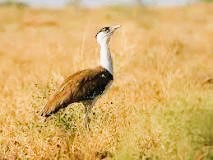
The Great Indian Bustard (Ardeotis nigriceps), among the heaviest of flying birds, once graced the skies and grasslands of the Indian subcontinent with its awe-inspiring presence. However, the passage of time has seen its population dwindle to fewer than 115 individuals, rendering it one of India’s most critically endangered avian species. Primarily found in the states of Gujarat and Rajasthan, the survival of this magnificent bird is imperilled by a myriad of threats, chief among them being the presence of powerlines in the Kutch region and the harsh desert conditions of western India.
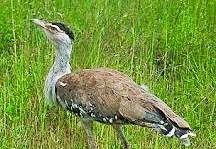
With each passing year, the Great Indian Bustard inches closer to the precipice of extinction, with its population dwindling to alarming levels. Classified as critically endangered, this iconic bird serves as a bellwether for the health of India’s grasslands and ecosystems. Despite its legal protection under various wildlife conservation acts and international conventions, the Great Indian Bustard continues to face existential threats that jeopardize its very existence.
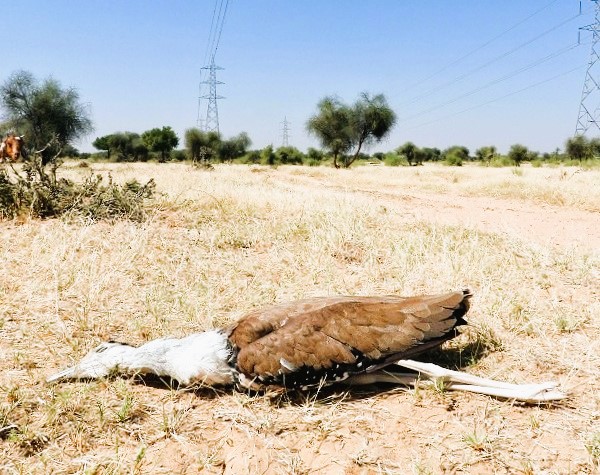
The greatest threat to the survival of the Great Indian Bustard comes from collisions with power lines, which pose an insurmountable challenge for these birds due to their limited visibility and inability to detect the lines from a distance. Additionally, habitat loss, exacerbated by human encroachment and development activities, further exacerbates the precarious situation faced by the GIB. In the face of these daunting challenges, urgent action is needed to mitigate the risks and protect the remaining population of this majestic bird.

In 2021, the Supreme Court of India issued a landmark order mandating the removal of all powerlines in the habitats of Great Indian Bustards, signalling a significant step towards their conservation. However, the practical implementation of this directive posed logistical and financial challenges, necessitating the formation of a seven-member committee to reconcile conservation efforts with the imperative of renewable energy generation. Despite these hurdles, initiatives such as Project Great Indian Bustard have emerged as beacons of hope, focusing on habitat protection, predator control, and community engagement to safeguard the species’ future.
Raising awareness about the plight of the Great Indian Bustard is essential in mobilizing public support and galvanizing action at all levels. Advocacy campaigns, educational programs, and community outreach efforts serve to amplify the urgency of the situation and foster a collective sense of responsibility towards conservation. Slogans such as “Spare the Habitat to spare the Great Indian Bustard” resonate as powerful reminders of the imperative to protect our natural heritage.
As we navigate the complexities of conservation, it is incumbent upon us to prioritize the preservation of the Great Indian Bustard and its habitat. Balancing the needs of local communities with the imperatives of species survival requires innovative solutions, collaborative partnerships, and unwavering commitment. By working together, we can chart a course towards a future where the Great Indian Bustard thrives once more, serving as a testament to our dedication to safeguarding India’s ecological legacy.
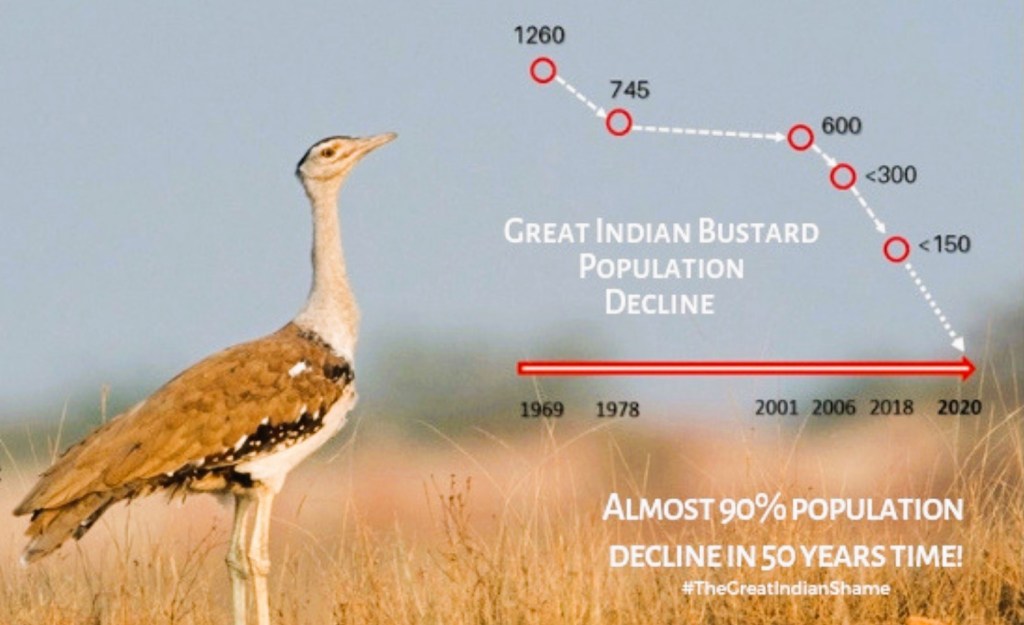
In the face of mounting challenges and uncertainties, the conservation of the Great Indian Bustard emerges as a clarion call for action and solidarity. As stewards of our planet, we bear a collective responsibility to protect and preserve the diversity of life that enriches our world. By investing in the Nation’s resources, energies, and ingenuity into safeguarding the Great Indian Bustard, not only ensure the survival of a magnificent species but also reaffirm Nation’s commitment to the conservation of India’s natural heritage for generations to come. It’s time to ensure a future where the Great Indian Bustard soars high and free, embodying resilience, hope, and harmony.
visit arjasrikanth.in for more insights

