• About

SOCIAL PERSPECTIVES

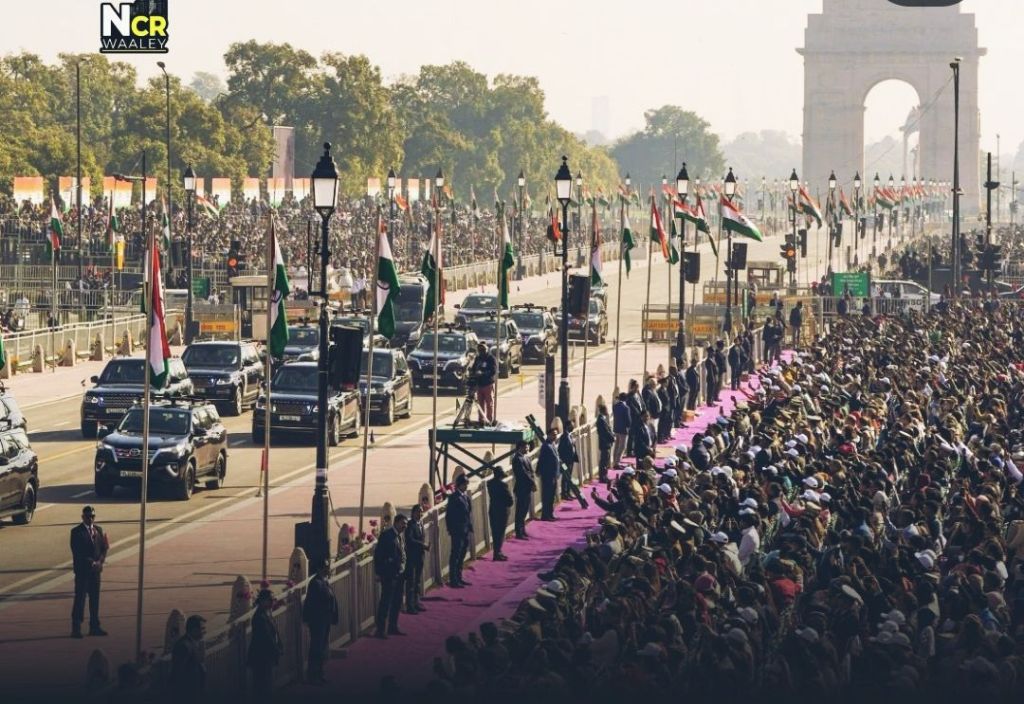
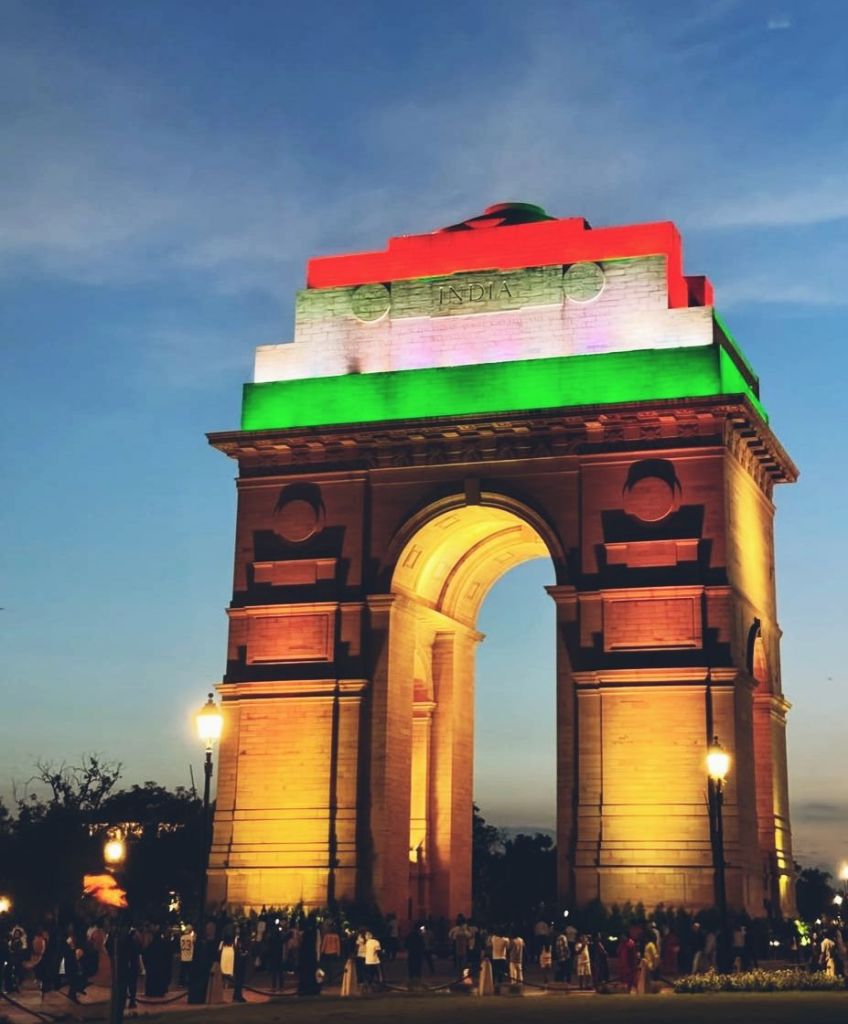
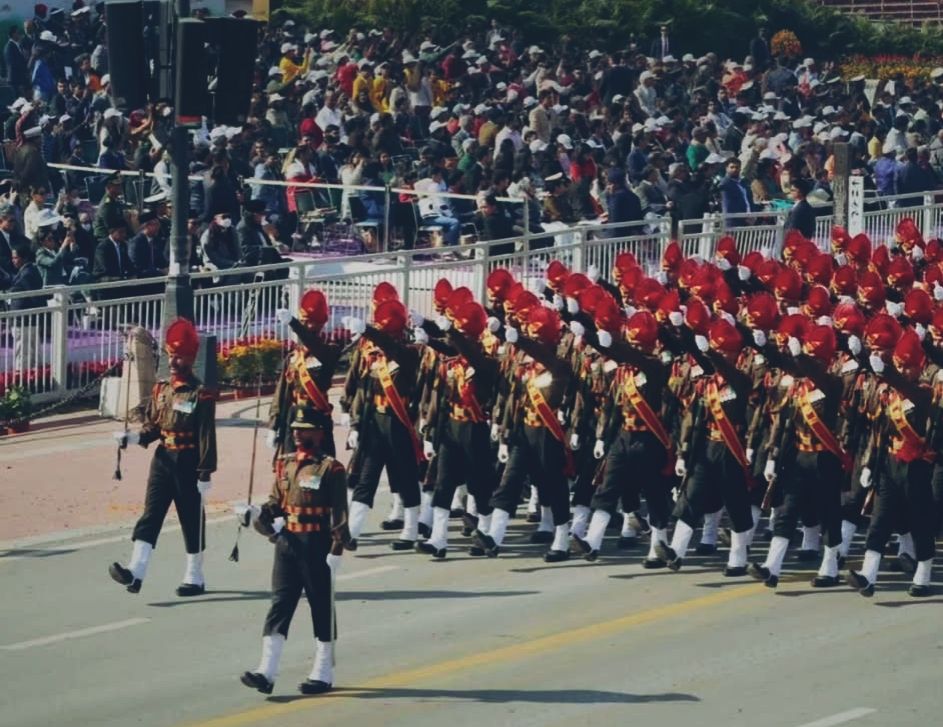
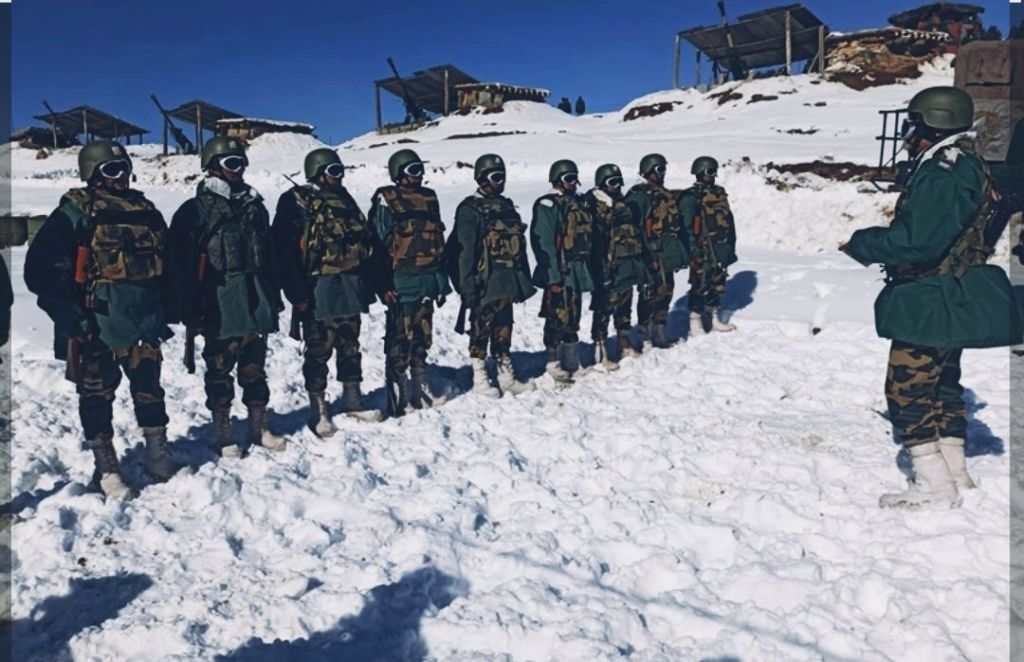
  • Parliament in Costume, Nation in Crisis

    December 13th, 2025

     Rebuilding Governance in an Age of Distraction

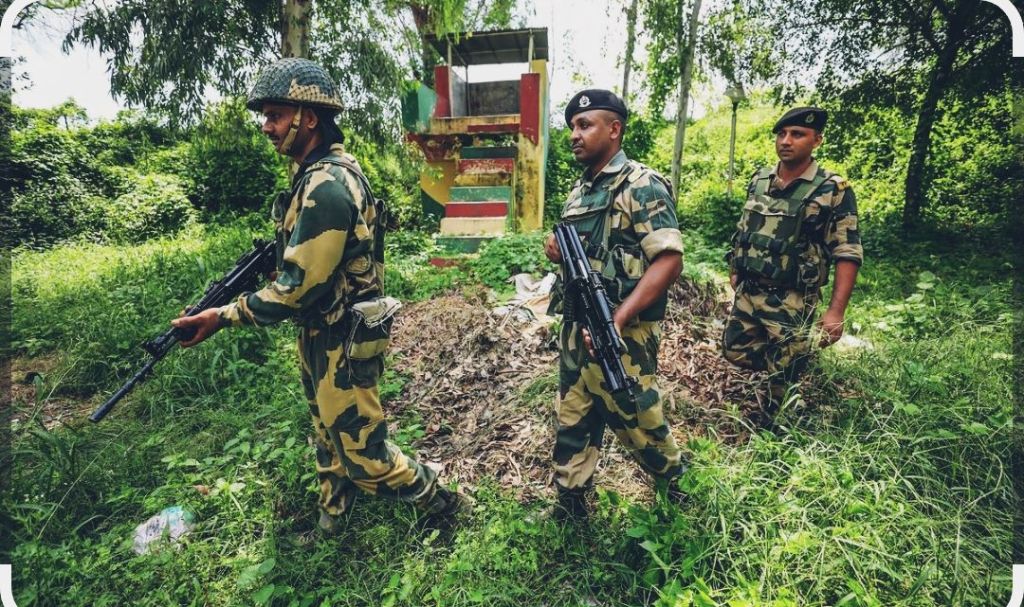
    India today finds itself caught between spectacle and survival, a nation of extraordinary promise wrestling with an extraordinary contradiction. Televised debate rooms crackle with intensity over historical semantics, ideological symbolism, and political point-scoring, while the real scaffolding of everyday life creaks under the pressure of unattended problems. Parliamentary hours drain away in theatrical duels as Manipur continues to smoulder, borders remain tense, and millions of young Indians wait in quiet frustration for concrete answers. The choreography of public discourse dazzles, but the script forgets the audience. What emerges is not mere distraction but a structural misalignment—a system where noise overwhelms nuance and optics overshadow outcomes, creating a democracy rich in decibels but poor in prioritisation.

    Beneath this dramatic surface, the lived economic crisis cuts sharply across households. Unemployment—especially among the educated—has taken the shape of a generational anxiety, reducing degrees to fragile assurances and futures to uncertain wagers. Inflation has become the silent intruder at every dining table, where rising prices of essentials destabilise budgets far more violently than any headline index suggests. Farmers continue to navigate debt traps, climate-related crop failures, and volatile markets. And although GDP numbers offer celebratory headlines, they obscure the widening chasm where billionaires soar while the informal workforce—the backbone of India’s economic engine—grapples with precarious livelihoods, absent safety nets, and limited mobility. The pandemic’s deep scars still pulse beneath the glossy narrative of post-crisis recovery.

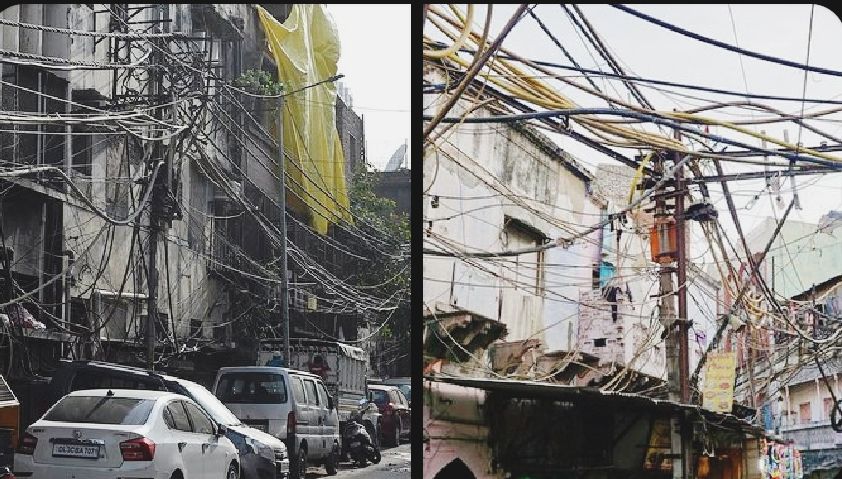
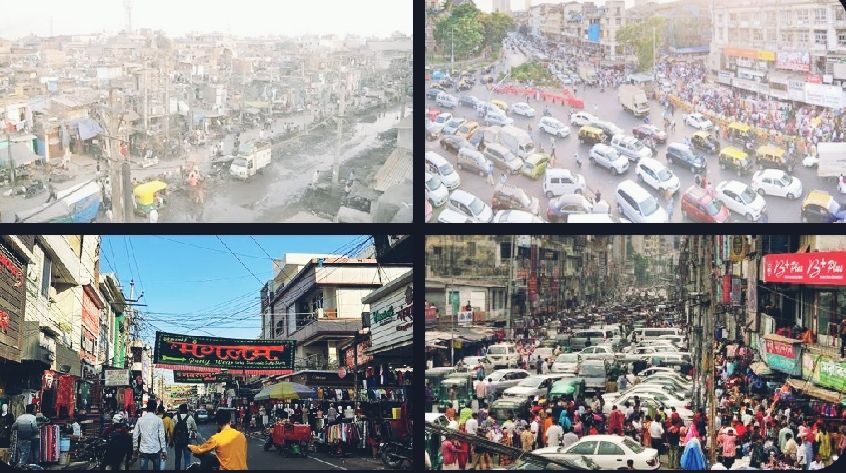
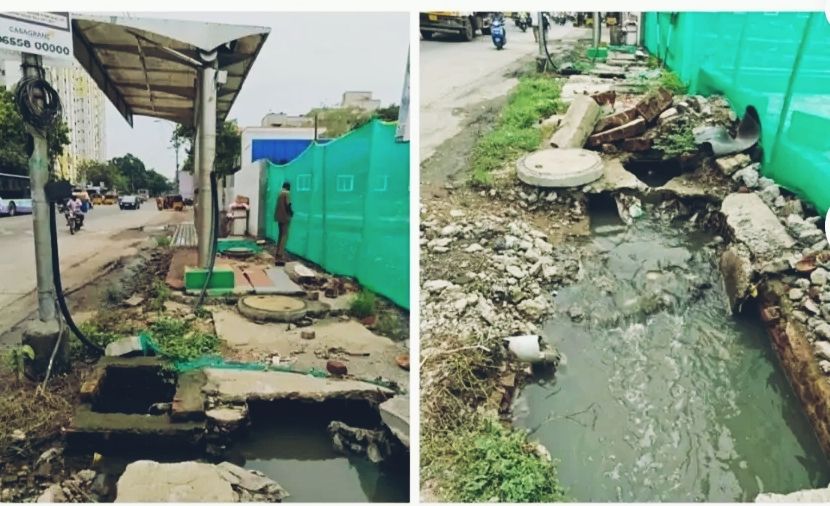
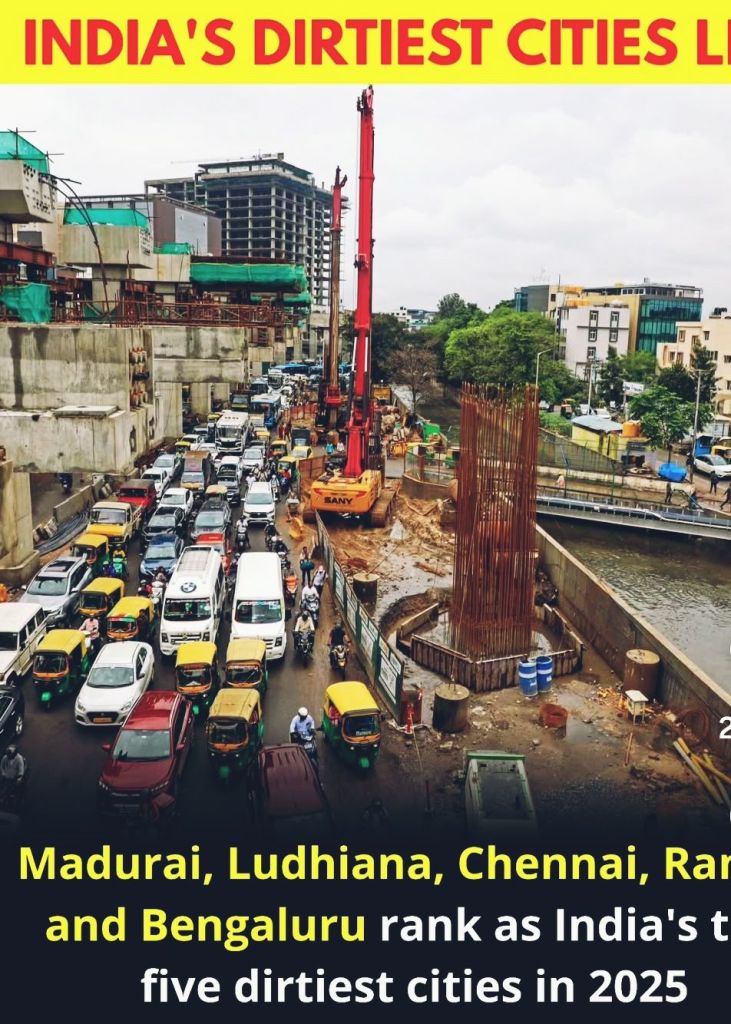
    This economic fragility is mirrored by the strain on social infrastructure, which remains India’s most under-discussed fault line. Public healthcare, stretched far beyond its intended capacity, leaves the poor jostling for basic treatment and the middle class slipping into medical debt. Education, once the ladder that lifted entire families into prosperity, now risks entrenching inequality through learning losses, digital divides, and uneven quality. Generations of children carry weakened foundational abilities that could slow India’s demographic dividend. Social cohesion itself grows vulnerable as caste tensions flare, communal anxieties simmer, and gender-based violence remains distressingly routine. Meanwhile, everyday urban crises—water scarcity, toxic air, broken drainage, congestion, sinking infrastructure—are overshadowed by ribbon-cutting ceremonies and headline-friendly mega-projects.

    At the heart of these intertwined challenges lies a deeper governance crisis, defined by the gradual weakening of institutions. Corruption continues to function as both lubricant and poison—speeding up administrative processes while simultaneously corroding public trust. Judicial delays, with over fifty million pending cases, stretch justice into multi-decade ordeals. Environmental governance has all but collapsed, with cities suffocating under hazardous air, rivers turning into industrial drains, and natural ecosystems sacrificed for unregulated expansion. In this vacuum, polarised politics thrives. Debates shift from accountability in the present to grievances from the past, turning identity and history into perpetual political weapons. It is easier to argue about centuries-old events than to address today’s urgent failures.

    The emerging threats only intensify this fragility. Climate change is no longer a looming future risk but a present force—manifesting in unlivable heatwaves, crop-destroying droughts, and floods that erase neighbourhoods. The brain drain of talented young professionals reflects a troubling vote of no confidence in domestic fairness and opportunity. The digital divide grows wider as millions remain technologically excluded while those online face surveillance, misinformation, and algorithmic manipulation. Adding to this, a silent mental-health crisis spreads across age groups, under-recognised and under-resourced. These are not peripheral challenges; they define what state capacity must look like in the 21st century.

    Yet the Indian story remains one of divergence rather than despair—a widening gap between what is celebrated and what is essential. The real question is not whether the problems are known; they are widely documented and intimately felt. The real test is whether political leadership can shift from symbolic theatrics to structural transformation. While ideological debates dominate Parliament, citizens crave livelihood, dignity, and breathable air. The young Indian is not searching for patriotic choreography; he is searching for a fair opportunity. Farmers do not need cultural commentary; they need predictable prices and institutional support. Urban residents gasping through pollution are unmoved by rhetorical triumphs.

    Nationhood, ultimately, is measured not by the loudness of speeches but by the quiet efficiency of institutions. India must transition from performance governance to problem-solving governance, from symbolic assertions to systemic action. This demands transparency, accountability, and a political culture that rewards competence over spectacle. It requires policymakers to confront reality, not perform around it.

    The larger lesson is both cautionary and hopeful: democracies do not collapse because of noise—they collapse when the noise replaces substance. India now stands at such a crossroads. The country does not need louder slogans; it needs deeper listening. It does not need more dramatic narratives; it needs disciplined, evidence-based governance. The future will belong not to those who dominate the microphone but to those who strengthen the foundations. If India can reclaim seriousness in governance, prioritise citizen well-being, and resist the seduction of political theatre, the nation will move beyond the crisis of noise. It will rise with a quiet strength that no spectacle can overshadow.

    Visit arjasrikanth.in for more insights
  • 🌾🚀 “The Rice That Shook the White House: A Trump Quip Accidentally Crowned India the World’s Grain Superpower”🚀🌾

    December 12th, 2025

    A Trump Outburst Accidentally Unmasked India as the Quiet Giant Feeding the World

    When U.S. President Donald Trump recently thundered that India was “dumping rice in America,” the comment sparked laughter, raised eyebrows, and sent Indian exporters scrambling to double-check their shipment logs. Trump’s signature style—“people are telling me… I heard…”—may have fueled the moment, but it inadvertently triggered something far more useful: a long-overdue national reminder that India is, in fact, the world’s largest producer and the world’s largest exporter of rice. In a world where rice feeds more than half of humanity, India stands at the epicentre of global food security, quietly commanding a position most Indians underestimate and few global leaders fully grasp.

    The numbers tell a remarkable story. India contributes over 28% of global rice production, edging past China’s 27% and harvesting nearly 150 million tonnes every year. On the export front, India dominates with a 30% global market share, shipping over 20 million tonnes last year alone. The USDA expects this to touch 22 million tonnes soon, while Indian exporters predict an astounding 30 million tonnes by 2026–27. This is no accidental surplus from a lucky monsoon. It is the product of expanded acreage, resilient farmers, strong procurement systems, MSP-driven incentives, and decades of agricultural reform. India isn’t just growing rice—it is sustaining a global staple with a consistency unmatched by any other nation.

    Against this backdrop, Trump’s claim of “dumping” is not only incorrect—it is mathematically impossible. The U.S. produces just 7.5–9 million tonnes of rice annually, around the world’s 11th or 12th position. It both exports and imports rice, mostly specialty varieties it does not grow. India’s rice exports to America amount to a tiny 2.74 lakh tonnes of Basmati and an even smaller 60,342 tonnes of non-Basmati—so negligible that statisticians might label it a rounding error. Thailand, Vietnam, and even smaller exporters supply the U.S. in much larger quantities, yet rhetoric in Washington rarely points their way. The truth is simple: what India sells to America is economically trivial—just $337 million out of India’s $13 billion rice export universe.

    But the controversy has generated an unexpected benefit: it has spotlighted the sheer scale and sophistication of Indian agriculture. In the last decade, India’s food grain output has catapulted from 251 million tonnes to 357 million tonnes, including a record 7.65% increase last year alone. Rice, wheat, soybeans, and groundnuts all touched historic peaks. Agricultural GDP remains strong at 3.5–4%, exceptional for a sector employing over half the population. And within rice exports, the story becomes even more impressive: 70% of export volume is low-cost non-Basmati feeding poor nations, while 52% of total export value comes from premium Basmati, whose loyal markets span West Asia, Africa, Europe, and North America.

    This agricultural dominance gives India enormous global leverage. When India imposed export restrictions in 2022–23 to stabilize domestic prices and support its massive 800 million–beneficiary free-food grain program, global rice prices spiked sharply. Several nations complained of supply shocks. The episode exposed a new geopolitical reality: the global rice market pivots on Indian policy choices. A slight shift in India’s sowing patterns—from rice to oilseeds or pulses—would trigger immediate crises across Asia and Africa. India supplies lifelines to some of the world’s most vulnerable economies—Benin, Togo, Senegal, Somalia, Liberia, Bangladesh, and Nepal—many of which rely on India more than on any other exporter.

    Set against this massive canvas, Trump’s remark collapses into irrelevance. India is not dumping rice—not in the U.S., not anywhere. India is exporting reliability, quality, heritage, and food security. It exports premium Basmati that America cannot grow, and it exports non-Basmati that sustains populations in dozens of developing nations. Even if tariffs doubled or tripled, American consumers who crave Basmati would still reach for Indian bags, just as they always have. India’s rice story is not about undercutting markets; it is about filling plates across continents.

    The larger message, however, goes beyond fact-checking a political soundbite. It is about India rediscovering its own agricultural transformation. A country once dependent on foreign grain under PL-480 now shapes global food grain flows. A sector often criticised for low productivity is delivering the world’s largest rice harvests and the world’s largest rice exports. Indian farmers—frequently portrayed as distressed—are simultaneously powering a global food-security architecture.

    Sometimes it takes a wildly inaccurate accusation to reveal an extraordinary truth. And the truth is this: the world eats because India grows.

    Visit arjasrikanth.in for more insights

  • 💥 “The Great Rupee Rollercoaster: India’s Currency Keeps Falling No Matter Who’s Driving the Economy” 💥

    December 11th, 2025

    THE GREAT RUPEE ILLUSION: OUR CURRENCY FALLS, POLITICS RAGES, AND ECONOMICS JUST SHRUGS

    The value of a nation’s currency is often mistaken for its economic strength, but in reality, it is a mirror reflecting a far more complex interplay of global tides, domestic fundamentals, and political narratives. In India, the rupee’s every movement becomes a political battleground, a subject of angry television debates and triumphant social media proclamations. Yet currencies do not bow to ideology. They follow arithmetic, not emotion; structure, not sentiment. Countries like China have long understood this, deliberately keeping the yuan weak to push exports because their economy produces more than it consumes. India, conversely, has inherited a peculiar tradition of currency nationalism—the belief that a rising rupee is a rising nation. This is a comforting myth, but a myth nonetheless. The rupee’s multi-decade slide—from ₹42 per dollar in 1999 to breaching ₹90 today—is not a story of political failure but of predictable economic logic driven by inflation differentials, trade imbalances, and global shocks that do not pause for elections.

    A closer look at history shows a pattern more consistent than political rhetoric acknowledges. The journey from ₹40 to ₹50 took 11 long years, from ₹50 to ₹60 a shorter 4 years and 7 months, and from ₹60 to ₹70 a little over 5 years. The decline from ₹80 to ₹90—just over three years—was the fastest, even though the percentage change was smaller due to the higher base. This downward drift aligns with the experience of many emerging-market currencies, but India’s case appears more dramatic because of its dependency on imports, particularly oil. Every $10 rise in crude prices widens the current account deficit by billions. As RBI Governor has consistently reiterated, currencies ultimately follow economic laws. A developing country with higher inflation than its trading partners will see its currency depreciate—an outcome neither sudden nor catastrophic. What rattles the political imagination is not the depreciation itself but the pace of it—and the uncomfortable comparison with other currencies that have strengthened even as the rupee has weakened.

    Yet the rupee does not move in an Indian vacuum. It moves in a world still dominated by the gravitational pull of the US dollar. The dollar’s recent surge is driven by higher American interest rates, combined with Donald Trump’s renewed assault on the Federal Reserve and his ideological fixation— that a strong dollar harms American industry. These pressures have stirred volatility, encouraging global investors to rush toward the dollar as a safe haven. While several global currencies have gained ground, India and Indonesia have bucked the trend, weakening instead. For India, the strain is compounded by trade tensions with the US, rising merchandise deficits, and stalled expectations of an early India–US trade pact. The absence of such an agreement has dented investor confidence, and in global markets, perception often becomes reality faster than policy.

    Capital flows further complicate the picture. Foreign portfolio investors have already pulled out nearly $17 billion this year—a massive outflow—while net FDI has turned negative despite gross inflows of $6.6 billion. Investors, shaken by global uncertainty, have booked profits in Indian markets or sought safer grounds. Instead of the anticipated “China-plus-one” wave, capital has begun flowing back into China, surprising policymakers. Meanwhile, Indian households, sensing inflationary pressures, have increased their gold and silver purchases, exacerbating imports and widening the trade deficit. Such dynamics create a feedback loop: exporters delay invoicing, anticipating a better dollar rate, while importers rush forward, fearful of further depreciation. The rupee, caught in this tug-of-war, naturally drifts downward.

    Through all of this, the Reserve Bank of India has played a stabilizing but intentionally restrained role. With nearly $600 billion in reserves, the RBI has the firepower to intervene aggressively—but it chooses not to. Heavy-handed intervention risks inviting speculative attacks, the kind famously led by George Soros against countries defending unrealistic currency levels. Instead, the RBI uses a measured “crawling arrangement”—allowing the rupee to adjust gradually while stepping in only to curb sharp volatility. Earlier this year, it quietly sold $33 billion to smooth the descent, and later switched strategy to accumulate $60 billion in forward positions. This dual approach acts as both a shield and a future buffer, ensuring India neither defends an overvalued currency nor becomes vulnerable to sudden shocks. The message is clear: stabilizing the rupee is prudent; artificially strengthening it is dangerous.

    The consequences of a declining rupee are mixed, not uniformly grim. Remittances—India’s powerful financial engine—receive a boost, giving families back home more value in rupees.

    Exporters gain competitiveness. On the other hand, imports become costlier, external debt obligations rise, and inflationary pressures creep in through higher fuel and electronics prices. Fortunately, India’s inflation remains under control, shielding the economy from immediate turmoil. The essential insight is straightforward: exchange rates reflect long-term fundamentals, not short-term pride. The rupee is not in crisis—it is in transition, adjusting to India’s evolving economic structure and global position.

    The broader truth is simple yet often misunderstood: a weaker rupee does not mean a weaker India. Much like a stronger rupee does not automatically signify national greatness. The real challenge lies in fixing fundamentals—expanding exports, diversifying supply chains, reducing dependence on imported energy and electronics, and attracting long-term, stable investment. Above all, India must discard currency nationalism and embrace currency realism. Those who promised ₹1 = $1 were never selling economics—they were selling fantasy.

    The rupee’s journey is neither a tragedy nor a triumph. It is a trajectory—a long-term glide shaped by forces larger than partisan politics. And as India evolves, its currency will continue to adjust. The task is not to stop the depreciation but to ensure the nation becomes stronger even as the rupee becomes weaker. The Great Rupee Illusion will persist, but with sound policies, India can navigate the turbulence with confidence, clarity, and maturity—proving that strength lies not in the currency’s value, but in the economy that stands behind it.

    Visit arjasrikanth.in for more insights

  • Fire, Ashes and the Criminal Architecture of Neglect

    December 10th, 2025

    Inferno Nation:  India’s Fire Disasters Keep Repeating a Script of Silence, Greed and Deadly Negligence 

    Last night’s horrific fire tragedy in Goa was not an accident; it was a structural crime disguised as a mishap. The blaze that erupted around 11:45 PM at the illegally constructed “Romeo Lane” venue on a salt pan turned a minor ignition into mass devastation within minutes. A small pyro device allegedly triggered the spark, but the real accelerant was illegality: bamboo frameworks, fibre partitions, synthetic decorative panels and sealed basement spaces that converted flame into a weapon. At least 26 people were injured and multiple lives lost, including tourists, young revellers, and a family from Delhi. Victims did not primarily die from burns. They died from smoke — carbon monoxide flooding enclosed spaces so rapidly that consciousness was lost before escape was even possible. This is not random disaster; this is predictable death.

    The chilling echo of the Uphaar Cinema fire in New Delhi hangs over this incident like an unanswered indictment. In 1997, 59 lives were lost not because fire could not be fought, but because exits were locked, electrical standards mocked, and inspectors silent. Three decades later, the story has not changed. Illegal structural modifications, fire certificates missing or ignored, zoning laws violated, and enforcement agencies asleep. In Goa, demolition notices had already been issued against the property, yet the club continued to operate with impunity. This is no longer about rogue entrepreneurs. It is about institutional complicity. When closure orders exist but businesses function openly, the state becomes a silent partner in the crime.

    The physical infrastructure failure at the tragedy site exposes a deeper layer of collapse. Fire tenders reportedly had to halt almost 400 metres away because access roads in one of India’s most lucrative tourism zones were unplanned and obstructed. These are not peripheral errors; these are fatal design flaws. Survivors spoke of the eerie absence of alarms, no public address systems, no illuminated exit signage and staff paralysed by fear rather than trained for emergency protocols. A venue that advertised itself as modern collapsed into chaos within seconds. India’s so-called world-class tourism infrastructure revealed its true character: decorative, superficial, and operationally fragile. When preparation does not exist, panic becomes procedure. When training is absent, instinct turns lethal.

    The state’s response was swift in appearance but reflective of damage already inflicted. Suspensions were ordered. Magisterial and forensic inquiries were announced. State-wide audits of nightlife establishments were promised. Arrests followed. Connected properties were sealed.

    Compensation packages of ₹5 lakh per deceased and ₹50,000 for the injured were declared, supplemented by relief support from national funds. These actions, while necessary, are also symbolic admissions of failure. Compensation is never a policy achievement; it is a confession. Money follows death because prevention failed in life. Political optics cannot disguise administrative collapse when families are counting the dead. The truth buried beneath the flames is more disturbing. India’s regulatory framework in high-density urban and tourism corridors operates on an unspoken economic bargain. Revenue is prioritised over risk. Footfall outweighs fire exits. Licences are treated as negotiable instruments rather than safety guarantees.

    Developers and operators gamble that profits will exceed penalties and, historically, the data has rewarded their gamble. Demolition notices are reduced to bureaucratic theatre. Fire safety certificates become assets to be purchased or postponed. This pattern is not new. It has repeated from Uphaar Cinema to Kumbakonam schools, Kamala Mills, hospital fires, factory explosions and warehouse infernos. The architecture of negligence is national, not local.

    What this moment demands is not ritualistic outrage or headline-driven governance but surgical structural reform. Fire safety must shift from checklist culture to criminal liability. Officers who sign unsafe permissions must face prosecution, not transfers. Demolition notices must be executed, not archived. Emergency access infrastructure must be treated as essential urban organs, not optional planning features. Without this, Goa will not remain an exception; it will merely become another timestamp in India’s long chronicle of preventable death. The country does not lack rules, technology, or expertise. It lacks the political courage to enforce. And until that deficit is corrected, every illegally built structure remains a waiting furnace and every crowded night becomes a countdown to tragedy.

    Visit arjasrikanth.in for more insights
  • IndiGo’s Crisis and the Anatomy of a One-Airline Economy

    December 9th, 2025

    Runways to Ruins: When India’s Largest Airline Froze the Nation’s Circulatory System with One Brutal Operational Seizure

    At its darkest hour, IndiGo’s vast network—designed to function as the country’s aerial circulatory system—collapsed into a dangerous arrhythmia. A machine calibrated for nearly 2,300 daily flights convulsed as on-time performance crashed to a catastrophic 30%, exposing not just an airline in trouble, but a nation psychologically and economically thrown off balance. The airspace over India did not simply slow down; it lost rhythm. What followed was a desperate choreography of damage control: 1,500 flights operated on Saturday, shrinking to 600–650 by Sunday, not as weakness but as strategy.

    Aggressive cancellations, though reputationally brutal, prevented the total seizure of a system teetering on the edge of nationwide gridlock. Promises of full stability by December 10 across more than 100 destinations sounded audacious, yet the mere climb from paralysis to partial function revealed how close India came to witnessing a complete aviation nervous breakdown.

    The financial aftershocks resembled a forensic audit of collapse. Refunds touching an astonishing ₹610 crore compressed the cost of broken trust into a few unforgiving days. This was not a routine operational loss; it was a monetized measure of millions of disrupted lives, missed weddings, delayed surgeries, postponed negotiations, and derailed holidays. Nearly 3,000 misplaced bags had to be traced and reunited with their owners, a logistical marathon that did more to expose the scale of systemic rupture than to celebrate recovery. CEO Pieter Elbers defended the brutal pre-emptive cancellations, and while public optics were savage, the internal logic was coldly rational. Letting passengers flood megahubs like Delhi and Mumbai only to cancel at the gate would have created not chaos but unsafe density. By collapsing disruption into digital channels, physical infrastructure was spared a potential safety catastrophe.

    Regulators responded with a firmness rarely witnessed in Indian aviation. The Directorate General of Civil Aviation did not posture; it imposed: zero rescheduling charges, temporary fare ceilings, and blanket waivers on cancellation and change fees until December 15. This was governance with consequence. The issuance of a show-cause notice—paired with an unusual 24-hour extension granted to the CEO—signalled gravity without abandoning procedural fairness. Such latitude is not offered lightly; it reflected both the seriousness of the lapse and the mountainous volume of documentation required to defend system-wide decisions. Under the relentless oversight of Ram Mohan Naidu, Union Minister for Civil Aviation,  delayed passengers were mandated to be accounted for by 8 PM on December 7, transforming aviation from a commercial service into a matter of administrative conscience.

    The regional economic tremors revealed a quieter but more dangerous truth: airline monopolies create fragile local economies. Nowhere was this more visible than in Rajasthan, where tourism contributes nearly 12% of the state’s GSDP and December functions as an economic lifeline rather than a calendar month. Luxury circuits—palace hotels, desert safaris, curated heritage trails—absorbed the shock of high-value cancellations. Occupancies fluctuated wildly, employment continuity wavered, and India’s premium tourism narrative took a reputational bruise it did not deserve. Even as IndiGo clawed back to nearly 75% operational strength, the slowdown exposed a brutal reality: when one airline falters, state economies tremble, not metaphorically but fiscally.

    What the crisis revealed was not just operational failure but architectural vulnerability. IndiGo is no longer merely an airline; it is a national logistics organ. When it falters, India’s internal mobility experiences something akin to organ failure. Recovery at hubs like Bengaluru showcased resilience, but this was reactive engineering, not pre-designed redundancy. The challenge before regulators is no longer about restoring “normal” but about redesigning the skeleton itself. Scale without redundancy is not strength; it is concentrated risk. The lesson from this near-collapse is uncomfortable but unavoidable: survivability is not a benchmark, sustainability is.

    Beyond aviation, the crisis drew a chilling parallel to systemic failures elsewhere, including the devastating fire tragedy in North Goa, exposing a shared national vulnerability: systems optimized for efficiency but starved of slack. IndiGo’s near-meltdown was not simply an airline story; it was a warning about India’s infrastructure philosophy. A nation obsessed with scale but indifferent to stress-testing lives dangerously close to the edge. This time, crisis management held. Next time, luck may not be so generous. What India witnessed was not delayed flights; it was a brief, terrifying glimpse of how fragile national momentum becomes when the machinery of movement stumbles at scale.

    Visit arjasrikanth.in for more insights

  • 🔥 “From Red Corridor to Green Shoots of Peace” 

    December 8th, 2025

    Operation Silent Shield: India Defeated a Decades-Old Insurgency Without Celebration 

    For decades, India’s heartland endured a silent struggle. Dense forests and remote tribal regions, once vibrant with cultural identity and natural wealth, were engulfed by the shadow of Left-Wing Extremism (LWE). Villages remained cut off from governance, citizens lacked basic services, and development froze under the fear of coercion and violence. The insurgency at its peak spanned 126 districts — a Red Corridor that symbolized the State’s limited presence in its own territory. Today, that map has been redrawn. The number of significantly affected districts has dropped to just 11 from 115, marking over a 90% reduction. This extraordinary shift represents one of the most consequential internal security transformations in independent India — a success achieved not through loud proclamations, but through consistent, strategic, and determined statecraft.

    This turnaround was not driven by force alone. It emerged from a nuanced, long-term framework guided by the Ministry of Home Affairs (MHA), rooted in a simple truth: extremism flourishes in governance vacuums. Therefore, the strategy adopted a two-pronged model — decisive security dominance paired with deep developmental intervention. The State no longer reacted to insurgency; it proactively dismantled its foundations. Where ambushes once defined the terrain, governance has now taken root. The transformation is a reminder that national security is not merely the absence of conflict, but the presence of opportunity, rights, and trust.

    The security overhauls reshaped India’s operational capabilities in some of the most unforgiving geographical conditions. Specialized counter-insurgency battalions trained in jungle warfare were deployed alongside local police forces that received modern technology and infrastructure upgrades. 586 fortified police stations were established as physical anchors of the State’s presence. Simultaneously, connectivity became a strategic weapon: roads, bridges, mobile towers, and logistics corridors enabled swift troop movement while denying militants mobility and sanctuary. These interventions forced extremists out of entrenched zones, dismantled command structures, and cut off recruitment channels. The symbols of fear have steadily given way to symbols of governance — a transition invisible from afar, but transformative on the ground.

    Yet policymakers understood that ideological conflicts cannot be won solely on the battlefield. Parallel to security efforts, the government launched an unprecedented expansion of welfare into communities long deprived of State engagement. Healthcare reached remote tribes, school enrollment rose, skill development drove employability, and targeted livelihood missions offered pathways away from radicalization. Rehabilitation programs ensured that those who surrendered were reintegrated with dignity, not stigma. By replacing alienation with inclusion, the State chipped away at the emotional and economic appeal that insurgent groups once exploited. As developmental presence expanded, the insurgency’s narrative collapsed — “the State is absent” was no longer believable when opportunities began entering villages previously lost to history.

    These gains have triggered a broader positive spiral. Regions once considered ungovernable are now opening up to infrastructure investments and industrial expansion. Roads now carry hospital supplies and school buses where armed squads once marched. Power lines and irrigation projects are boosting economic resilience and agricultural productivity. In many areas, economic revival has become the strongest security shield. What is unfolding is not merely pacification, but the creation of self-sustaining peace. Moreover, this experience contributes to a larger national security evolution — complementing stability in the Northeast and improving conditions in Jammu & Kashmir. At a global moment where violent extremism frequently mutates into new forms, India stands out for demonstrating that a democratic framework — strengthened law enforcement, community participation, transparent governance — can defeat entrenched insurgency without compromising constitutional principles.

    However, success has not lulled the government into complacency. The remaining 11 districts represent the movement’s most hardened terrain — topographically challenging zones where extremist remnants, criminal syndicates, and survival networks still operate. Persistence and precision are vital, especially as new threats — narcotics trade, illegal mining, and cross-border networks — attempt to fill the void left by insurgents. Strengthened investigative frameworks, coordinated operations, and innovative socio-economic initiatives are being deployed to ensure stability becomes irreversible. The focus now is not only to suppress violence, but to prevent its resurgence by permanently dismantling its economic and psychological foundations.

    This remarkable yet understated achievement reflects a governance philosophy grounded in perseverance and inclusivity. Where earlier regimes accepted prolonged insecurity as an inevitability, today’s approach has been to confront and resolve it — village by village, family by family. The true success lies not in the statistics, but in the lived experiences of communities who now walk freely, send their children to school, and plan for a future once unimaginable. India’s reclaimed peace is not a matter of celebration alone — it is a strategic asset powering the nation’s economic and geopolitical aspirations. As global observers admire the rise of a confident India, the most profound chapter is being written in the quiet forests of the former Red Corridor — where fear once ruled, hope now leads. Because the greatest victories of a nation often emerge not from military parades, but from the hearts of citizens who are finally free from fear.

    Visit arjasrikanth.in for more insights
  • “Punctuality to Panic: The IndiGo Paradox” 

    December 7th, 2025

    🔥 Skies on the Edge: IndiGo’s Turbulence Reveals the Fragile Architecture of Indian Aviation

    India’s aviation sector has always been a paradox—an industry of soaring ambitions built upon razor-thin margins, volatile costs, and unpredictable competition. Over the decades, the Indian skies have witnessed repeated cycles of promise and collapse, leaving behind a graveyard of once-celebrated airlines. From the monopolistic era of Indian Airlines to the flamboyant failure of Kingfisher, from Jet Airways’ dramatic implosion to the vanishing acts of regional carriers, the industry’s history is a mirror of its structural contradictions. Against this turbulent backdrop, IndiGo emerged not as an innovator but as a master executor—turning discipline, scale, and cost-efficiency into an unbeatable advantage. Yet, as December 2025 showed, even the strongest airline is only as resilient as the ecosystem that sustains it.

    Much of India’s aviation evolution has been shaped by waves of consolidation and collapse. The pre-liberalization era was dominated by bureaucratic inefficiency, high-cost public carriers, and stagnant service standards. Liberalization unleashed private ambition, but many airlines self-destructed—East-West Airlines after its founder’s assassination, ModiLuft due to financial misalignment, Damania due to unsustainable costs. The low-cost revolution of the 2000s brought Air Deccan and SpiceJet into the spotlight, yet both struggled with capital constraints. Kingfisher over-expanded, GoAir faded into insolvency, and Jet Airways collapsed twice under the weight of debt and mismanagement. These failures reveal a consistent pattern: poor financial discipline, flawed fleet strategies, over-expansion, and the perennial clash between premium services and India’s price-sensitive market. In this landscape of fragility, IndiGo’s rise to dominance was not accidental—it was structural.

    IndiGo built its empire on the back of clarity and consistency. The airline’s early years were defined by a laser-sharp focus on a single aircraft type, young fleet, high utilization, and the famous sale-and-leaseback model that generated liquidity during expansion. It secured prime metro slots, launched aggressive price-led growth, and adhered to a no-frills, reliable service model that resonated with India’s expanding middle class. By the mid-2010s, IndiGo had become synonymous with punctuality and operational efficiency. As the rest of the industry oscillated between ambition and chaos, IndiGo deepened its advantage through fleet diversification, digital transformation, international expansion, ancillary revenue streams, and formidable cost control. With 60% domestic market share and over 2,200 daily flights, it became the backbone of Indian aviation—too central to fail, yet too stretched to afford complacency.

    That complacency was exposed brutally in December 2025. India awoke to unprecedented aviation chaos as IndiGo cancelled or delayed at least 175 flights in a single day. Airports from Bengaluru to Delhi melted into scenes of confusion, frustration, and helplessness. The immediate trigger lay in the DGCA’s overhaul of Flight Duty Time Limitations (FDTL), which increased weekly pilot rest requirements and tightened night duty rules—long overdue reforms aimed at ensuring safety and reducing fatigue. Yet these changes struck directly at the heart of IndiGo’s ultra-lean, high-utilization model. With insufficient crew buffers, a tightly packed winter schedule, and inadequate restructuring ahead of the regulatory shift, pilot availability nosedived. Simultaneously, mandatory software upgrades across the Airbus A320 fleet further reduced aircraft availability. The result was a perfect operational storm that shattered IndiGo’s reputation for clockwork precision.

    The numbers captured the crisis starkly. In November alone, IndiGo cancelled more than 1,200 flights, with 700 directly attributable to FDTL-driven restrictions. On-time performance collapsed to 35%—the lowest in the airline’s history. Investor confidence dipped as InterGlobe Aviation’s stock slid more than 3% in a day. The DGCA summoned IndiGo leadership for an emergency briefing, itself an extraordinary moment given the airline’s longstanding image as India’s gold standard in efficiency. But the collapse was not merely operational—it was systemic. It exposed how India’s aviation industry had been sprinting ahead of safety, staffing, and infrastructural realities. Pilot supply pipelines lagged behind route expansion. Aircraft orders grew faster than maintenance capabilities. Schedules tightened even as congestion and weather uncertainties rose. IndiGo’s crisis, therefore, became a reflection of deeper structural stresses across the sector.

    Yet the airline’s rise—and temporary fall—also demonstrates the paradox of scale in Indian aviation. IndiGo’s dominance has undoubtedly reshaped the ecosystem: it democratized air travel, improved operational benchmarks, stimulated secondary airports, and forced even legacy carriers to modernize. But it also concentrated market power, creating a near-duopoly with the Air India Group. Such concentration brings risks—pricing power, reduced competition, supplier dependence, and limited incentives for service innovation. IndiGo’s recent meltdown was not merely a public inconvenience; it was a national vulnerability. When an airline controlling more than half the market stumbles, the tremors ripple across business travel, tourism, logistics, and consumer confidence.

    The turbulence of December 2025 must be viewed as a defining inflection point. Indian aviation can no longer rely on lean staffing, hyper-optimized schedules, or heroic pilot fatigue management to sustain growth. Regulators must balance safety reforms with realistic operational transitions. Airlines must redesign rostering systems, build redundancy into schedules, invest aggressively in training, and strengthen maintenance infrastructure. Policymakers must expand pilot training academies, accelerate airport capacity expansion, and incentivize regional aviation. IndiGo’s crisis is not a story of failure—it is a warning. A reminder that in aviation, speed without resilience is illusion, and dominance without buffers is a structural risk.

    India’s aviation future will depend on whether the ecosystem learns from this moment. IndiGo’s history shows that disciplined strategy and flawless execution can transform a volatile market. But its recent crisis shows that even the most efficient airline cannot outrun systemic flaws. As the industry resets, one truth stands out: sustainable aviation growth demands redundancy, resilience, and regulatory foresight. Only then can Indian skies remain not just busy, but safe, stable, and future-ready.

    Visit arjasrikanth.in for more insights
  • “The Moscow Meridian: India’s Geopolitical Tightrope on a Tilting Planet” 

    December 6th, 2025

    The Modi–Putin dialogue is more than symbolism—it’s a stress test of India’s strategic autonomy amid sanctions, superpower rivalries, and shifting global equilibria. 

    The meeting between Russian President Vladimir Putin and Prime Minister Narendra Modi unfolds at a time when global geopolitics resembles a shifting minefield—every step deliberate, every gesture strategic, every signal scrutinised by rival power blocs. This is far more than a ceremonial diplomatic exchange. It is the renewal of a partnership forged in 1971 through the Indo-Soviet Treaty of Peace, Friendship and Cooperation, a relationship that has shaped India’s military modernisation, energy security, and global posture for more than half a century. Yet, this legacy now faces unprecedented stress. The Ukraine war, fractured supply chains, Western sanctions, and intensifying global rivalries have transformed Indian diplomacy into a high-stakes balancing act. The question confronting New Delhi today is not whether India and Russia remain close, but whether India can sustain this closeness without rupturing its equally vital partnership with the United States.

    The economic stakes of this challenge are enormous. Once, Russian oil was a marginal presence in India’s energy mix, accounting for barely 2.5% of crude imports. But sanctions on Moscow created a unique opportunity: discounted Russian barrels offered India a chance to insulate its economy from inflation and global price shocks. What followed was a dramatic shift—Russian oil now supplies nearly 35% of India’s crude basket. For Moscow, this became a financial lifeline sustaining its wartime economy. For New Delhi, it was a pragmatic, non-ideological response to protect the livelihoods of 1.4 billion people. But this expanded energy partnership has not been without consequence. Washington’s irritation culminated in an unprecedented move: the imposition of 25% tariffs on selected Indian exports—ranging from textiles to engineering goods—threatening India’s access to one of its most important markets. Delhi is now engaged in a diplomatic tightrope walk, reassuring Washington that energy security is non-negotiable while working to preserve critical economic linkages with the U.S.

    As energy flows reshape bilateral equations, Indo-Russian trade has ballooned from $8.1 billion just a few years ago to $68.7 billion in 2025—an eight-fold expansion driven almost entirely by oil. But this surge carries a structural imbalance that Modi is determined to address. India exports far too little to Russia. The goal now is to push Indian goods—smartphones, pharmaceuticals, agricultural products, consumer garments—into a Russian market increasingly dominated by China. This shift is not merely commercial; it is strategic. A trade relationship skewed toward energy imports creates vulnerabilities that could weaken India’s negotiating leverage in future crises. As global supply chains are rewired under pressure from sanctions, conflict, and geopoliticised markets, India seeks to diversify and embed its exports across key geographies, with Russia as a critical node in this new strategy.

    Defence cooperation, historically the bedrock of Indo-Russian ties, adds further complexity. Although Russia’s share in India’s defence imports has declined from 70% to 36%, Moscow remains New Delhi’s single largest military partner. India’s most critical platforms—from nuclear submarines to frontline fighters—bear Russian design DNA. The S-400 system remains central to India’s air defence architecture, even as delivery delays until 2026 highlight the risks of dependence on a sanctions-burdened partner. Yet India cannot simply pivot away. With Pakistan acquiring sophisticated Chinese fighters and a rapidly evolving regional military landscape, New Delhi is quietly exploring next-generation Russian options, including the Su-57 stealth fighter and the S-500 air defence system. But each additional procurement deepens a dependency that India is keen to reduce—illustrating the paradox at the heart of India’s defence diplomacy.

    This is the essence of Modi’s geopolitical tightrope walk. Russia provides energy, defence platforms, and historical strategic congruence. The United States offers technology, markets, investment, and critical diplomatic support. Neither relationship is expendable. Washington’s tariff escalation has already unsettled Indian markets, signalling the risks of misalignment. For Putin, meanwhile, the visit is an opportunity to demonstrate that Russia retains significant global relationships despite Western attempts at isolation. In an international system where the G7 no longer monopolises power, Moscow views India as indispensable to its own narrative of resilience and relevance.

    Ultimately, this meeting is not simply about India and Russia—it is about the shape of the emerging world order. India’s strategic doctrine is no longer about choosing sides but about managing overlapping alliances in a multipolar world. Its goal is diversification: of energy sources, defence suppliers, trade partners, and technology ecosystems. New Delhi seeks autonomy, not alignment; influence, not dependence. If India can maintain Russian oil flows without prompting further American economic retaliation, secure defence deliveries without deepening vulnerability, and expand exports to Russia without compromising its global standing, it will reinforce its identity as a decisive, agenda-setting power in an era defined by fracture and flux.

    As Modi and Putin shake hands, the world will not be watching for warmth or rhetoric. It will be watching for signals—subtle or otherwise—about how India intends to navigate the most complex geopolitical landscape in decades. The stakes are immense, the balance delicate, and the implications global. Yet if any nation has mastered the art of steady movement on an unstable world stage, it is India—walking the fault line with composure, confidence, and a clear sense of purpose.

    Visit arjasrikanth.in for more insights
  • 🔥  “The Phone That Watched Back: India’s Near-Miss with Mandatory Cyber Surveillance”

    December 5th, 2025

    The Sanchar Saathi Mandate Sparked a National Reckoning on Privacy, Power, and Digital Rights

    The mandate arrived like a tremor across India’s tech landscape: every smartphone sold in the country, from Apple’s tightly sealed iPhones to budget Android handsets, had to come preinstalled with the government’s cyber safety tool, Sanchar Saathi—locked, non-removable, and ever-present. The app itself had an impressive résumé: more than 1.4 crore downloads, 21.5 crore portal visits, and over a crore fake SIMs disconnected. It tracked stolen phones, verified IMEIs, flagged suspicious calls, and helped prevent hundreds of crores in fraud. Yet the move to force its installation ignited a market backlash. Privacy advocates decried “surveillance by design,” manufacturers balked at system-level interference, and civil society questioned the precedent it set for digital autonomy. Within days, the government rolled back the mandate, leaving behind a bigger debate about power, privacy, and the limits of lawful digital protection.

    To understand why this directive surfaced, one must consider the accelerating storm of cybercrime. India has seen an explosion of phishing traps, GPS spoofing, delivery frauds, digital impersonation, and coordinated scam networks stretching across borders. Agencies like the Department of Telecommunications and the Ministry of Home Affairs have been under mounting pressure to contain a threat ecosystem that mutates faster than regulations can adapt. Many, pointed out, national security concerns have become central to digital policy. Recent regulations—from mandatory breach reporting to stricter equipment certification—reflect this urgency. On 28 November, the state advanced two sweeping measures: compelling messaging platforms to bind user accounts to SIM cards, and requiring manufacturers to preinstall Sanchar Saathi. What appeared to be an assertive push for public safety simultaneously blurred constitutional boundaries around personal communication and device sovereignty.

    The friction came from a collision of intent and execution. Apple rejected the mandate outright, arguing that such an app embedded at a deep system level would compromise iOS integrity. Privacy experts raised sharper alarms. Sanchar Saathi required extensive permissions—SMS access, call metadata, camera, storage, and device identifiers—permissions that are acceptable when voluntarily granted but concerning when made non-negotiable. Civil society feared function creep—the gradual expansion of a tool from protection to surveillance. Many Forums warned that SIM-binding fundamentally alters digital freedom by restricting cross-device communication, a core principle of modern online life. These technical, legal, and ethical concerns converged into public pushback, forcing the mandate’s withdrawal on 4 December.

    The episode fits into a broader pattern of India’s digital governance growing faster than its safeguards. While the intention to protect citizens is genuine, the architecture of regulation often leans toward state-centric control. The earlier Personal Data Protection Bill fell apart under criticism for sweeping government exemptions. Even the Digital Personal Data Protection Act of 2023, though a significant step forward, leaves grey zones around state access and oversight. In this context, the mandates on SIM-binding and compulsory app installation reflect an underlying tension: the state wants stronger digital defences, yet the frameworks that define limits, accountability, and transparency remain incomplete.

    As legal experts note, it is precisely this lack of procedural clarity that enables abrupt, far-reaching directives like the Sanchar Saathi order. Importantly, the controversy wasn’t about Sanchar Saathi’s utility. The app demonstrably helps block fraudulent devices, recover lost phones, and prevent substantial monetary losses. The backlash came from coercion rather than capability. India must now recalibrate its cybersecurity strategy around four pillars. First, keep adoption voluntary; the massive surge in downloads during the controversy proves that trust—not mandates—drives user engagement. Second, embrace transparency; opening the app’s source code for audit and publicly justifying permissions can rebuild confidence. Third, institutionalize consultation; policies affecting billions of devices cannot be drafted in silos but require input from industry, civil society, consumer groups, and security experts. Fourth, strengthen oversight through independent privacy regulators or judicial supervision to prevent misuse and ensure proportionality. Security and liberty are not opposites—they are co-dependent and must be balanced through structured, accountable governance.

    The rapid withdrawal of the Sanchar Saathi mandate stands as a moment of democratic self-correction. It signals that cybersecurity cannot thrive on unilateral directives, and that citizens will resist measures that seem to turn personal devices into potential instruments of state access. As India builds its digital future—spanning AI governance, quantum communication, 6G networks, and national cyber resilience—the lesson is unmistakable: strong security must be paired with strong rights. Sanchar Saathi’s journey from celebrated safeguard to contested mandate and now to voluntary tool captures the crossroads at which India stands. Whether it becomes a trusted public asset or a warning tale of overreach will depend on the governance choices made from here on. If guided by transparency, accountability, and constitutional fidelity, India can convert this controversy into a powerful blueprint for a digital democracy that protects without controlling, secures without surveilling, and evolves without compromising the freedoms it seeks to defend.

    Visit arjasrikanth.in for more insights
  • 🚨 “Skyscrapers or Sky-Traps? The Vertical Fire Gamble of Modern Cities” 🚒🔥  

    December 4th, 2025

    🔥🏙️ “When Cities Shoot Up, Flames Follow: The High-Rise Fire Paradox That’s Burning Our Future” 🚒

    Urbanisation has evolved into the world’s fiercest competition — a global race to build higher, live denser, and stretch cities vertically when horizontal expansion is no longer possible. Skyscrapers have become symbols of national pride and economic success, promising premium lifestyles, efficient land use, and futuristic skylines. Yet beneath this glamorous façade lies a dangerous paradox: the taller we build, the harder it becomes to protect human life. A fire in a high-rise is not a mere incident — it is a towering catastrophe with the potential for mass casualties.

    This reality struck humankind with brutal force on November 26, 2025, in Hong Kong’s Tai Po district, where the Wang Fuk Court public housing complex — with towers soaring 31 to 35 storeys high — became a fiery hellscape within hours. Seven of eight massive blocks were devoured by flames. At least 94 lives, including that of a firefighter, were lost, and hundreds remain missing. The fire spread rapidly through bamboo scaffolding used during renovation works, while flammable mesh netting and polystyrene insulation accelerated its movement. Hong Kong, a global pioneer in high-rise engineering, found itself outmatched by the sheer challenges of firefighting at altitude, exposing the fragile underbelly of modern vertical living.

    The tragedy echoes previous high-rise fire disasters worldwide. London’s Grenfell Tower turned into a furnace due to combustible cladding, killing 72 residents. In Valencia, Spain, Torre del Moro erupted into a flaming pillar because of highly flammable façade materials. Dubai’s Address Hotel burned like cardboard despite its reputation for luxury engineering. India too battles recurring flames in its vertical concrete jungles — from Mumbai’s dense clusters to Delhi’s aging towers — where illegal repairs, blocked fire exits, overused wiring, and LPG cylinders tucked under staircases endanger thousands every day. These global incidents reveal a shared vulnerability: rapid vertical growth has outpaced adequate safety reform.

    The core issue is not merely fire itself — but the near impossibility of escape from great height. Living 300 feet above ground is aspirational until the only route to survival becomes a smoke-filled staircase. These narrow escape paths quickly turn into choking death traps under panic. Smoke, rising faster than flames, blinds and suffocates victims, while the “stack effect” in tall buildings acts like a chimney, accelerating toxic spread upwards. Elevators cease functioning. Power fails. Elderly residents, children, and people with disabilities are trapped in impossible circumstances. Firefighters cannot rescue beyond the 12th floor using ladders; instead, they must climb dozens of levels in full gear, losing precious minutes while the fire grows. And when fires spread externally — like at Grenfell or Tai Po — even phased evacuation strategies collapse into full-blown chaos.

    However, abandoning the vertical future is not an option. Cities will only grow taller as land scarcity intensifies.

    Therefore, the challenge is to redesign the architecture of survival. Fireproof building materials and insulation must shift from optional to mandatory. Flammable renovation scaffolding must be prohibited. Stairways must be spacious, pressurised against smoke, illuminated, and always obstruction-free. Refuge floors — critical “safe islands” every 15–20 storeys — must never be compromised for commercial use. At the same time, technology must play a transformative role: evacuation elevators capable of operating during fires, real-time fire and structural monitoring sensors, dynamic emergency signage, and digital twin building models that guide firefighters intelligently.

    Ultimately, safety depends not just on design but on preparedness. Fire drills must be strict and regular, not ceremonial routines. Residents should instinctively know escape routes as confidently as they connect to Wi-Fi. Violations such as sealed exits, faulty alarms, or illegal structural alterations must attract penalties serious enough to deter neglect. The Hong Kong tragedy is a loud warning: a single spark can destroy what takes years to build and transform architectural marvels into vertical graveyards. True progress is impossible when safety remains an afterthought.

    Skylines may portray ambition, but safeguarding lives defines true civilisation. A modern city is not one that merely touches the sky — but one that ensures everyone can return safely to the ground during crisis. We must build upward with responsibility and ensure that every wall, corridor, and rescue pathway upholds one uncompromising promise: no life will ever be sacrificed for the sake of a beautiful skyline. 🔥🧯

    Visit arjasrikanth.in for more insights

←Previous Page
1 … 6 7 8 9 10 … 138
Next Page→

Blog at WordPress.com.


Loading Comments...
 

    • Subscribe Subscribed
      • SOCIAL PERSPECTIVES
      • Join 100 other subscribers
      • Already have a WordPress.com account? Log in now.
      • SOCIAL PERSPECTIVES
      • Subscribe Subscribed
      • Sign up
      • Log in
      • Report this content
      • View site in Reader
      • Manage subscriptions
      • Collapse this bar