An Icon of Courage in Space-Stuck 360 km above Earth, Sunita Williams embodies hope, courage, and resilience as she faces uncertainty in the vastness of space.
Sunita Williams, an astronaut known for her courage and resilience, finds herself in a situation that highlights her indomitable spirit. Currently aboard the International Space Station (ISS), about 360 kilometres above Earth, Williams is facing uncertainty regarding her return to our planet. Despite the daunting scenario, she remains hopeful and confident, embodying the qualities that have made her a celebrated figure in space exploration.
Williams’ current mission on the ISS began on June 5, 2024, and has encountered significant technical challenges, including helium leaks and thruster failures on the Boeing Starliner spacecraft. Originally planned as a short-duration mission, these issues have forced NASA and Boeing to consider extending the mission from 45 to 90 days to resolve the problems thoroughly. Despite these setbacks, officials have reassured the public about the safety of Williams and her colleague, Butch Wilmore, emphasizing that the primary concern is to address the technical issues before attempting re-entry.
Throughout the mission, Williams and Wilmore continue their duties aboard the ISS with remarkable resilience and adaptability. This extended mission underscores the unpredictable nature of space travel and the importance of meticulous problem-solving and safety measures. The world watches with bated breath, drawing inspiration from Williams’ unwavering spirit and determination.
Sunita Williams’ contributions to space exploration are extraordinary. She first launched to the ISS on December 9, 2006, aboard the Space Shuttle Discovery, joining the Expedition 14 crew and later Expedition 15. Over her two missions, she has spent a total of 322 days in space, showcasing her endurance and dedication. Williams has conducted seven spacewalks, totaling 50 hours and 40 minutes, setting a record for the most spacewalks by a woman. Beyond her time in space, she has served as the Deputy Chief of the Astronaut Office and supported long-duration missions as a Flight Engineer for Expedition 32 and Commander for Expedition 33. Her extensive experience and leadership have been invaluable to NASA’s efforts in space exploration.
The challenges Williams faces in space are significant. The absence of gravity affects her health, requiring a rigorous workout regimen to maintain her physical condition. Despite these physical challenges, Williams has maintained her confidence and positive outlook. Her resilience is a source of inspiration, demonstrating the strength of the human spirit in adversity. The world watches and prays for Williams’ safe return, recognizing her bravery and contributions to space exploration. Her situation underscores the risks and uncertainties inherent in space travel but also highlights the importance of perseverance and hope.
Sunita Williams stands as a beacon of courage and resilience in space, embodying the best qualities of humanity. Her bravery in the face of uncertainty and her contributions to space exploration have earned her admiration and respect worldwide. The global community continues to watch and pray for her safe return, drawing inspiration from her strength and determination.
Williams is more than just an astronaut; she is a symbol of hope and resilience, inspiring people around the world with her remarkable journey in space. Her story, marked by numerous achievements and milestones, serves as a testament to the boundless capacity for courage and endurance within the human spirit.
As the days stretch into weeks and possibly months, the world continues to hold its breath, praying for their safe return and recognizing Williams’ bravery and contributions to space exploration. Each day she spends in space adds to her legacy, reinforcing the belief that with determination and hope, there are no limits to what we can achieve. Williams’ name will forever be etched in the annals of space exploration, a testament to her indomitable spirit and her unwavering commitment to pushing the boundaries of human potential. Her eventual return to Earth will not just be a homecoming for an astronaut but a celebration of the values she represents: bravery, resilience, and the relentless pursuit of knowledge. In honoring Sunita Williams, we celebrate not only her remarkable achievements but also the human drive to explore, discover, and transcend known limits. Her journey is a powerful reminder that, no matter how vast the universe, the human spirit is capable of reaching beyond the stars.
Analysing the Impact of Bharatiya Nyaya Sanhita (BNS), Bharatiya Nagarik Suraksha Sanhita (BNSS) and the Bharatiya Sakshya Adhiniyam (BSA)!!
On July 1, 2024, India enacted three significant new criminal laws: the Bharatiya Nyaya Sanhita, 2023, replacing the Indian Penal Code of 1860; the Bharatiya Nagarik Suraksha Sanhita, 2023, replacing the Code of Criminal Procedure of 1882; and the Bharatiya Sakshya Adhiniyam, 2023, replacing the Indian Evidence Act of 1872. These reforms aim to modernize the criminal justice system, moving away from colonial-era statutes. The enactment has sparked a national debate, receiving both praise and criticism.
India’s Chief Justice described the new laws as a “watershed moment for our society.” However, opposition parties and legal experts raised concerns about the lack of debate in Parliament before their enactment, arguing that the hurried implementation could worsen the already slow pace of justice in India. The colonial-era sedition law, often used to suppress dissent, has been replaced, seen as a step toward decolonizing the legal system. Laws dealing with sexual assault have been made more stringent, while the law criminalizing sodomy has been removed. The duration for which police can hold a suspect has been increased from 15 days to 60 days, and in some special cases, up to 90 days. The new laws require video recordings at the scene of serious crimes and update the provisions for admissible digital evidence.
Opposition members and legal experts criticized the manner in which these laws were passed, claiming insufficient discussion in Parliament, with only 30 hours of debate involving 34 members. This lack of thorough scrutiny has led to concerns about the laws’ robustness and effectiveness. Legal experts warn that the new provisions could lead to an increase in the number of cases awaiting trial. India’s judicial system is already burdened with millions of pending cases, and adding more without addressing existing inefficiencies could worsen the situation. India’s linguistic diversity and regional customs can hinder the uniform implementation of laws. Corruption is a significant issue, with criminals often escaping justice by bribing officials, undermining the legal process. There is a prevalent tendency among people to flout laws, complicating enforcement.
The Indian criminal justice system suffers from a massive backlog of cases, leading to prolonged delays in the delivery of justice. The system is plagued by inefficiency, a lack of resources, poor infrastructure, and insufficient training for personnel. The extended duration of police custody has raised concerns about civil liberties, with critics arguing that this could lead to abuse of power and prolonged detentions without trial. Some provisions are vague and open to interpretation, particularly those related to social harmony and terrorism, potentially leading to misuse of power. The new laws overlap with existing statutes like the Unlawful Activities (Prevention) Act (UAPA), creating potential confusion regarding their applicability. The new laws grant police more power to decide whether a case can proceed to trial, a role traditionally reserved for judges. This shift has raised concerns about the erosion of judicial oversight. Critics argue that many crucial safeguards have been omitted, violating constitutional protections against illegal detention and self-incrimination.
Opposition leaders and legal experts have called for a re-examination of the new laws. They argue that the hurried implementation without sufficient debate undermines the democratic process and could lead to significant legal confusion. Critics highlight that the new laws could encroach on civil liberties, particularly with provisions allowing extended police custody and discretionary registration of FIRs. The implementation of the new laws alongside the old ones for cases lodged before June 30 could lead to confusion and ambiguity in courts. The reintroduction of handcuffs and the broad discretion given to police could result in violations of human dignity and abuse of power. Effective implementation of these laws requires comprehensive police reform and addressing gaps in judicial infrastructure.
The government has defended the new laws, arguing that they are necessary for modernizing the criminal justice system. They claim that the laws were debated for three months and represent a significant improvement over the colonial-era statutes. The implementation of the new criminal laws in India marks a significant shift from colonial-era statutes. While the reforms aim to modernize the criminal justice system and address contemporary issues, their hurried passage and lack of thorough debate have raised significant concerns. Ensuring that these laws are implemented fairly and transparently, with adequate safeguards for civil liberties, will be crucial for their success. Ongoing monitoring, judicial scrutiny, and potential legislative adjustments will be essential to address the concerns and ensure that the reforms achieve their intended goals. The success of these reforms will depend on how well they balance the need for modernization with the protection of fundamental rights and freedoms.
The Bharatiya Nyaya Sanhita and Bharatiya Nagarik Suraksha Sanhita, new criminal laws replacing the British-era Indian Penal Code (IPC) and Criminal Procedure Code (CrPC), came into effect recently, marking a significant overhaul in India’s criminal justice system. These changes have generated extensive discussion and debate. Below is a detailed analysis of these new laws, their features, criticisms, and implications for India’s legal landscape.
The laws mandate the use of electronic modes for issuing summons, aimed at ensuring greater efficiency and transparency. Videography of crime scenes is now compulsory, intended to provide clear and unbiased evidence in criminal proceedings. Police complaints can now be registered online, making it easier for victims to file complaints and receive acknowledgment copies. This move is designed to enhance victim participation in the legal process. The laws introduce the death penalty for the rape or gang rape of minors, reflecting a strict stance on such heinous crimes. For the first time, mob lynching has been recognized as a specific offense with corresponding punishments. Crimes committed outside India are now under the jurisdiction of Indian courts, ensuring that offenders cannot escape justice by crossing borders. Organized crime has been categorized as a separate offense, indicating a focused effort to combat criminal networks. Community service is introduced as a form of punishment, promoting rehabilitation over mere incarceration.
Critics argue that the new laws were passed without sufficient parliamentary debate, with only 30 hours of discussion and participation from 34 members. The suspension of opposition members during the debate has raised concerns about the democratic process and transparency. The laws extend the duration of police custody from 15 days to up to 90 days in some cases, leading to concerns about potential civil liberties violations. Critics fear that this could lead to abuses of power and prolonged detentions without trial. Some provisions are considered vague and open to multiple interpretations, particularly regarding offenses related to social harmony and terrorism. This ambiguity could lead to arbitrary enforcement and misuse of power. The new laws overlap with existing statutes like the Unlawful Activities (Prevention) Act (UAPA), creating potential confusion regarding their applicability. Clear guidelines are needed to avoid legal ambiguities and ensure consistent enforcement.
Legal experts suggest that many provisions of the new laws will require judicial interpretation and possibly further legislative amendments. Legal Luminaries , emphasized the need for comprehensive consideration of diverse viewpoints and the involvement of various stakeholders in the law-making process. Despite the controversies, the new laws have been implemented. Approximately 80% of the provisions from the previous IPC and CrPC remain relevant, with some terms requiring further definition and judicial clarification.
Legal experts express concerns about the extended custody duration, highlighting the potential for civil liberties abuses. They stress the importance of judicial oversight to ensure fair and just application of these provisions. The vague definitions of some offenses, such as economic terrorism and organized crime, could lead to misuse. Experts call for clearer definitions and guidelines to prevent arbitrary application of the law. Opposition leaders criticized the new laws as a “copy-paste job,” arguing that they do not address the fundamental issues plaguing India’s justice system, such as delays and inefficiencies.
Balancing police powers and civil liberties is a critical issue in the new laws. The increase in custody duration has been particularly contentious, with critics arguing that it could lead to abuses and violations of individual rights. Ensuring that police powers are exercised judiciously and with adequate safeguards is essential for maintaining public trust in the legal system. The implementation of new technologies, such as electronic summons and crime scene videography, requires significant investments in infrastructure and training. Ensuring that law enforcement agencies have the necessary resources and capabilities to effectively use these technologies is crucial for the success of the new laws.
Given the significant changes introduced by the new laws, continuous monitoring and evaluation will be essential to identify and address any issues that arise. Judicial scrutiny, public feedback, and regular reviews will help ensure that the laws are effectively addressing the needs of the criminal justice system and protecting individual rights.
The Bharatiya Nyaya Sanhita and Bharatiya Nagarik Suraksha Sanhita represent significant reforms in India’s criminal justice system. While the new laws aim to modernize the legal framework and address contemporary challenges, their implementation has raised several concerns. Ensuring that these laws are applied fairly and transparently, with adequate safeguards for civil liberties, will be crucial for their success. Ongoing monitoring, judicial scrutiny, and potential legislative adjustments will be necessary to address the concerns and ensure that the reforms achieve their intended goals. The success of these reforms will depend on how well they balance the need for modernization with the protection of fundamental rights and freedoms.
Redefining Metrics and Driving Inclusive Growth in the Digital Era
The rapidly evolving landscape of digital transformation presents a complex challenge for developing countries like India, where traditional metrics struggle to capture the full spectrum of digitalisation. Global indices such as the E-Government Development Index (EGDI), Network Readiness Index (NRI), and ICT Development Index (IDI), conceived nearly two decades ago, have primarily focused on internet access through fixed broadband. However, these indices often fall short in encompassing the multifaceted impacts of today’s digital technologies on economies, societies, and environments.
In response to these limitations, the State of India’s Digital Economy (SIDE) 2024 introduces the Connect-Harness-Innovate-Protect-Sustain (CHIPS) framework. Unlike its predecessors, CHIPS offers a comprehensive evaluation framework structured around five pillars, 16 sub-pillars, and 50 indicators. This framework expands beyond mere connectivity metrics to include economic productivity, social inclusion, environmental sustainability, and governance efficacy in the digital realm. By adopting CHIPS, India aims to provide a more nuanced understanding of its digital landscape, emphasizing not just access but also the transformative potential and sustainability of digital initiatives across the country.
India’s positioning in the global digital landscape highlights its significant strides in digitalisation. Ranked third globally behind the US and China, India demonstrates substantial digital prowess driven by extensive connectivity initiatives and rapid adoption of digital services. However, disparities persist at the user level, with varying access and usage patterns across demographics and regions. The CHIPS framework, prominently featured in the SIDE 2024 report, differentiates between national digitalisation (CHIPS Economy) and individual user experiences (CHIPS User), illuminating India’s dual narrative of technological innovation alongside persistent digital divides.
The information technology (IT) services sector plays a pivotal role in India’s digital economy, contributing significantly to economic growth through job creation and positioning the country as a global leader in software development, tech consulting, and digital innovation. Despite these achievements, challenges such as digital access gaps and unequal technological adoption persist, particularly in rural and marginalized communities. Leveraging frameworks like CHIPS becomes crucial for policymakers and stakeholders to address these complexities, promote inclusive digital development, and sustain momentum in the global digital landscape.
Regional disparities in digitalisation within India further underscore the need for targeted policies that ensure equitable access and development. Wealthier states such as Karnataka and Maharashtra lead in digitalisation, leveraging their economic strength to drive technological adoption. However, initiatives like Kerala’s comprehensive broadband coverage through the National Optical Fibre Network (NOFN) project highlight notable achievements in bridging digital divides at the grassroots level. States like Haryana, Goa, and Tripura have also made significant strides in digital readiness and infrastructure, reflecting their commitment to enhancing digital accessibility and services.
Looking ahead, the CHIPS framework advocates for policies that not only enhance digital outcomes but also prioritize sustainability and inclusivity. It calls for bridging connectivity gaps, fostering digital innovation, safeguarding user privacy, and promoting environmental sustainability. Future editions of the SIDE report are set to incorporate gender-sensitive indicators and expand coverage to non-G20 countries, enhancing the framework’s relevance and applicability on a global scale.
India’s digital transformation has been robust, growing at an impressive rate of 15.6% from 2014 to 2019, outpacing overall economic growth by 2.4 times. This accelerated growth is expected to elevate India’s digital economy to 20% of the total economy by 2026, driven by increased internet connectivity, digital transactions, e-commerce activities, and opportunities in the startup ecosystem. The Digital India initiative has catalysed advancements across critical sectors such as healthcare, education, and electronic manufacturing, positioning India as a frontrunner in global digital innovation and economic resilience.
By enhancing online infrastructure and promoting digital literacy, Digital India aims to foster a less-cash economy, mitigate financial crimes, and promote inclusive growth across urban and rural India. This comprehensive initiative underscores India’s commitment to harnessing digital technologies for socioeconomic development and global competitiveness in the 21st century.
In conclusion, India’s adoption of the CHIPS framework represents a pivotal shift in how digitalisation is measured and understood. By embracing a holistic approach that integrates economic, social, and environmental dimensions, India is poised to lead in inclusive digital growth while ensuring equitable and sustainable development for all. The CHIPS framework sets a precedent for global digital governance and development, guiding other developing nations on their paths to digital transformation in the digital age.
Navigating the Complex Path to Sustainable Transportation
India stands at a pivotal moment in its transportation history, driven by a visionary goal set by Transport Minister Nitin Gadkari to phase out petrol and diesel vehicles by 2034 in favour of electric vehicles (EVs). This ambitious plan aims not only to reduce carbon emissions but also to align with global climate objectives and enhance energy security. However, beneath the surface of this green transition lies a labyrinth of challenges that could potentially derail India’s environmental and economic aspirations.
Electric vehicles (EVs) represent a promising solution to mitigate the environmental impact of traditional internal combustion engine vehicles. By eliminating tailpipe emissions, EVs significantly reduce local air pollution, particularly in congested urban areas. For instance, the Tata Nexon EV Max exemplifies the potential of EVs with its 40.5 kWh battery capable of covering 276 kilometers on a single charge, emitting zero CO2 during operation compared to its fossil fuel counterparts.
Despite their promise of zero tailpipe emissions, the environmental impact of EVs extends to the electricity used for charging, primarily sourced from India’s coal-heavy energy mix. Charging the Tata Nexon EV Max requires approximately 50 kWh of electricity, equivalent to about 26.7 kg of coal. This indirect carbon footprint is nearly 2.5 times higher per kilometre than that of petrol or diesel vehicles. The significant electricity demand highlights the urgent need for a transition to cleaner energy sources. Without robust integration of renewable energy, India risks exacerbating its carbon footprint despite EV adoption.
India’s energy landscape features promising but intermittent renewable sources such as solar (19%) and wind (10%), alongside dominant coal-based electricity (49%). While solar power generates electricity only during daylight hours and wind power fluctuates, the majority of EV charging occurs overnight. This mismatch underscores the need for significant investments in energy storage technologies and grid infrastructure. These investments are essential to harness the potential of renewable energy fully while reducing dependence on coal for EV charging.
India’s current power capacity of 444 GW falls short of projected demands driven by widespread EV adoption. To meet future charging needs, India plans to increase its grid capacity to 517 GW by 2032. However, achieving this expansion requires substantial investments in infrastructure, including transformers, transmission lines, and substations, to prevent overloads and grid failures. Recent incidents in Kerala highlight the urgent need to reinforce local grids against mounting pressures from EV charging demands.
Government subsidies and tax incentives have effectively spurred consumer interest in EVs by mitigating upfront costs and operational expenses. However, these incentives, combined with reduced GST and road taxes on EVs, present substantial revenue challenges for the government. The perceived affordability of EVs, particularly in terms of charging costs compared to fossil fuels, masks broader economic and environmental costs associated with heightened coal consumption and ongoing grid maintenance.
Recognizing the multifaceted challenges of transitioning exclusively to EVs, hybrid vehicles offer a pragmatic compromise. Combining internal combustion engines with electric motors, hybrids deliver superior fuel efficiency and lower emissions without requiring immediate and extensive grid overhauls. Policy support for hybrid adoption through reduced taxes and regulatory frameworks can bridge the gap between environmental objectives and infrastructural realities.
India’s steadfast march toward an all-electric future necessitates a critical review of its current policy trajectory. Rather than a unilateral focus on EVs, policymakers should embrace a balanced strategy that integrates hybrid technologies, bolsters renewable energy infrastructure, and fortifies the national grid against escalating electricity demands. This holistic approach not only mitigates environmental impacts but also safeguards against grid instability and economic vulnerabilities associated with rapid technological transitions.
India’s journey toward electrifying its transportation sector represents a bold step toward achieving environmental sustainability and energy independence. However, this transformative endeavour must navigate a complex landscape of technological, economic, and infrastructural challenges. By adopting a comprehensive strategy that embraces hybrid technologies, strengthens renewable energy capacities, and fortifies the national grid, India can optimize the benefits of EV adoption while mitigating its inherent risks. This balanced approach not only advances environmental stewardship but also fosters resilience against potential grid failures and economic uncertainties. As India charts its course toward a cleaner, greener future, thoughtful policymaking and collaborative action are indispensable in realizing the full potential of its electric vehicle revolution.
Success in any profession is marked by dedication, hard work, and a passion for continuous improvement. In the realm of Indian Railways, one name that stands out for these attributes is Mr. Ravinder Goyal. His recent appointment as the Member of Operations and Business Development in the Railway Board is a testament to his remarkable career and contributions to the Indian Railways. This article celebrates Mr. Goyal’s journey, highlighting his significant achievements, leadership qualities, and the impact he has had on the railway system in India.
Mr. Ravinder Goyal’s journey in the Indian Railways began in 1987 as part of the Indian Railway Traffic Services (IRTS) batch. From the very beginning, he demonstrated an exceptional ability to manage and enhance railway operations. His initial posting as an Area Officer in Valsad on the Mumbai Division of the Western Railway laid a solid foundation for his career. Here, he showcased clarity of vision, meticulous planning, and unwavering dedication—qualities that would define his career.
Starting as an Area Officer, Mr. Goyal’s early experiences were instrumental in shaping his career. He quickly became known for his clear decision-making and exceptional work ethic. His dedication to his responsibilities and his ability to inspire those around him set him apart from his peers. These early years were crucial in building the expertise and leadership skills that would serve him well in the future.
One of the hallmarks of Mr. Goyal’s career has been his diverse and rich experience within the Indian Railways. Over the years, he has served in various capacities, each role adding to his extensive knowledge and expertise. Mr. Goyal’s tenure at the Container Corporation of India (CONCOR) for five years added another dimension to his impressive career. His role here enriched his understanding of container logistics and freight management, broadening his expertise and contributing to the efficient handling of cargo. This experience was invaluable as it provided him with a deeper insight into the commercial aspects of railway operations.
His leadership as the Divisional Railway Manager (DRM) at Bilaspur and Mumbai Divisions showcased his ability to handle complex operations and manage large teams effectively. These roles required a high degree of competence and dedication, both of which Mr. Goyal demonstrated in abundance. His strategic approach and operational acumen ensured smooth and efficient railway operations in these key divisions. Mr. Goyal’s contributions as the Principal Chief Operations Manager in both the North East Frontier Railway and the North Western Railway were pivotal. In these roles, he managed operations across vast and challenging terrains, ensuring seamless service delivery and operational efficiency. His innovative approaches and strategic initiatives brought about significant improvements in the operational metrics of these railways, earning him widespread recognition and respect.
In his most recent role as the Additional Member/Commercial at the Railway Board, Mr. Goyal oversaw the commercial aspects of Indian Railways. His strategic insights and commercial acumen helped streamline processes, optimize revenue, and enhance customer satisfaction. His tenure was marked by several key initiatives that have had a lasting impact on the commercial functioning of the railways. His ability to foresee challenges and implement effective solutions was instrumental in driving the commercial success of the Indian Railways.

Assuming the charge as the General Manager of North Central Railway is yet another feather in Mr. Goyal’s cap. His vast experience and deep understanding of railway operations make him the ideal candidate for this role. Under his leadership, North Central Railway achieved new heights of success and efficiency. His strategic vision and operational expertise have been crucial in driving the railway towards excellence. Mr. Goyal’s journey is an inspiring example of dedication, hard work, and unwavering commitment to one’s profession. As his batchmate, I have had the privilege of witnessing his growth and evolution within the railways. His clarity in decision-making, coupled with his exceptional work ethic, has always set him apart. His commitment to his responsibilities and his ability to inspire those around him have been key factors in his success.
Mr. Ravinder Goyal’s new assignment as the Member of Operations and Business Development in the Railway Board is a well-deserved recognition of his efforts and achievements. His career is a testament to the impact that dedication, hard work, and a passion for continuous improvement can have. We are all immensely proud of his achievements and look forward to seeing the positive impact he will continue to have in his new role.
May God bless Mr. Goyal with continued success, good health, and happiness. His achievements are a source of inspiration to all of us, and we are fortunate to have him as a colleague and a friend. As he embarks on this new chapter in his career, we wish him all the very best and are confident that he will excel in this role just as he has in all his previous ones.
Strengthening Infrastructure Resilience for Sustainable Development!!!
In recent years, India has faced an escalating series of climate-related disasters that have profoundly impacted its critical infrastructure. Floods, landslides, cyclones, droughts, avalanches, and snowstorms have collectively devastated communities and strained essential services such as transportation, telecommunications, and power systems. The frequency and intensity of these disasters have underscored the urgent need for resilient infrastructure capable of withstanding and recovering from such shocks. Since the turn of the century, these disasters have affected over a billion people in India and have incurred economic losses exceeding $120 billion. The year 2023 alone witnessed catastrophic events like the Sikkim glacial lake outburst and Cyclone Michaung in Andhra Pradesh, which collectively affected over 15 million people and resulted in significant loss of life.
Climate-related disasters pose severe challenges to India’s infrastructure, disrupting power grids, transportation networks, and communication systems during extreme weather events such as cyclones and heatwaves. These disruptions not only hamper immediate relief efforts but also exacerbate the risks to public safety. The aftermath often necessitates substantial government expenditure for recovery and reconstruction, highlighting the critical need for proactive measures to enhance infrastructure resilience.
The resilience of India’s infrastructure is challenged by the inadequacy of many existing projects to withstand modern-day climate extremes. Issues like waterlogging, structural damage during cyclones, and inadequate power supply systems are prevalent. Retrofitting these infrastructures to meet resilience standards is costly and less effective compared to integrating resilience features during the initial construction phase. Key strategies include adjusting maintenance schedules to account for climate impacts, adapting construction practices to local environmental conditions, and incorporating natural infrastructure solutions where feasible.
Recognizing the urgency of enhancing infrastructure resilience globally, India launched the Coalition for Disaster Resilient Infrastructure (CDRI) in 2019. This international initiative aims to foster collaboration among governments, United Nations agencies, multilateral development banks, the private sector, and academic institutions. The CDRI serves as a platform for raising awareness, sharing best practices, and promoting innovation in disaster resilience. It particularly supports developing nations with limited resources to strengthen their infrastructure against climate risks. In India, CDRI initiatives have focused on bolstering the resilience of critical infrastructure such as power systems against cyclones and heavy rainfall events.
Building resilient infrastructure requires a multifaceted approach that integrates advanced technologies and cost-effective solutions from the outset of project planning. This includes incorporating earthquake-resistant designs in construction, fortifying power distribution networks to withstand extreme weather events, and adopting adaptive management practices to address future uncertainties in climate impacts. Tools like the Climate-Preparedness Infrastructure Index (CPII) play a crucial role in assessing infrastructure vulnerability to climate risks and guiding policymakers in making climate-smart investment decisions.
India’s vulnerability to climate-related disasters necessitates a strategic and concerted effort to build resilient infrastructure capable of withstanding future shocks. By prioritizing resilience in infrastructure planning and development, India can mitigate the impacts of climate change, safeguard critical services, and protect vulnerable communities. International collaborations such as the CDRI are instrumental in advancing knowledge, fostering innovation, and mobilizing resources for building sustainable and climate-resilient infrastructure globally. With proactive measures, innovative technologies, and informed policymaking, India can pave the way towards a future where infrastructure not only supports economic growth but also ensures resilience in the face of a changing climate landscape.
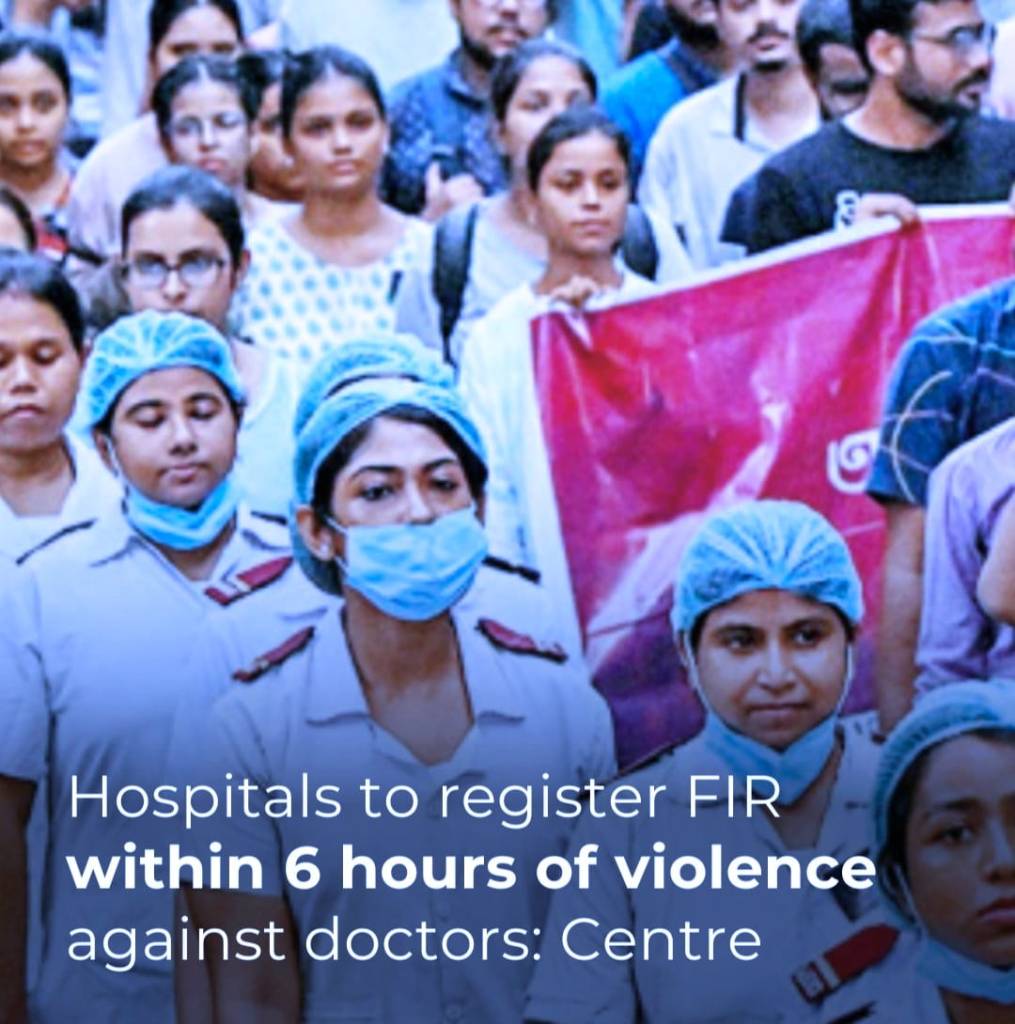
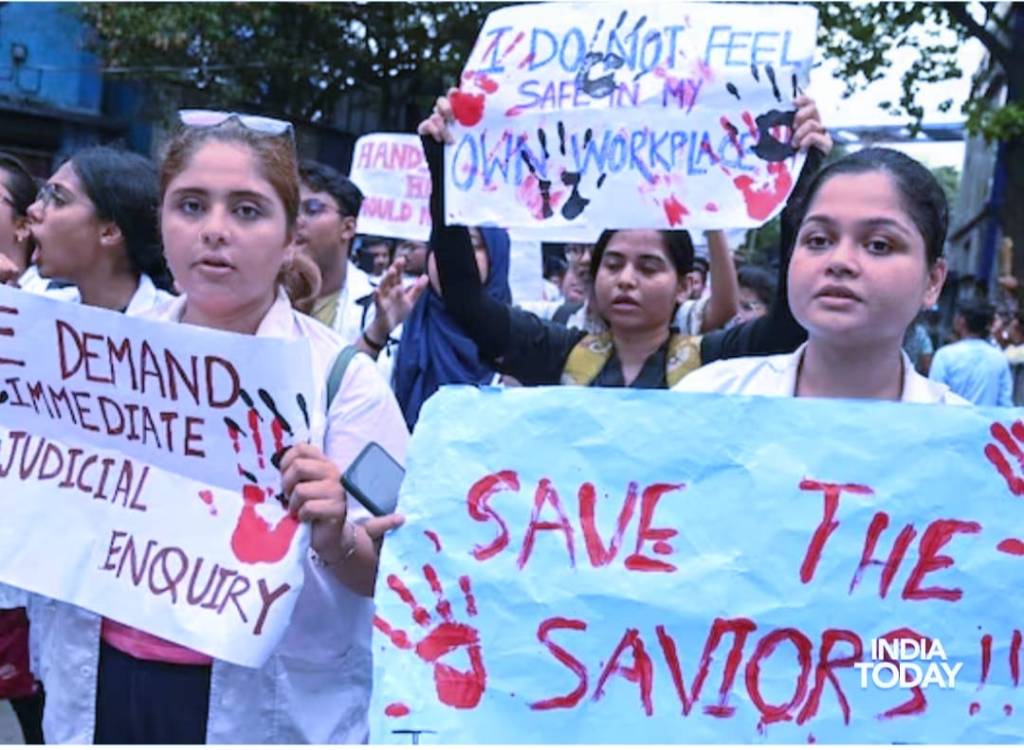
National Doctor’s Day 2024 ( Theme: Healing Hands, Caring Hearts) : Celebrating the Dedication, Compassion, and Legacy of Medical Professionals
National Doctor’s Day in India, celebrated on July 1st, is a special occasion to honour and express gratitude to doctors for their relentless efforts in saving lives and promoting public health. This day holds even more significance in the context of the COVID-19 pandemic, which highlighted the crucial role doctors play as frontline warriors. The choice of July 1st is a tribute to Dr. Bidhan Chandra Roy, a distinguished physician and statesman, who received India’s highest civilian award, the Bharat Ratna. Dr. Roy’s contributions to the medical field and his service as the Chief Minister of West Bengal have left an indelible mark on Indian society. National Doctor’s Day serves as a reminder of the unwavering dedication, empathy, and commitment doctors have towards enhancing public health.
Each year, National Doctor’s Day is celebrated with a specific theme that highlights different aspects of doctors’ contributions. The theme for 2024, ‘Healing Hands, Caring Hearts’, underscores the compassion and dedication that doctors bring to their profession. It acknowledges the emotional and physical healing doctors provide to their patients and emphasizes their role as caregivers. National Doctor’s Day is not only a day of recognition but also a day to reflect on the invaluable contributions of doctors to society.
Doctors are responsible for increasing life expectancy and improving the well-being of society. They possess the skills and dedication necessary to cure diseases and provide hope to individuals diagnosed with terminal illnesses. Modern medical technology, combined with doctors’ care, offers a chance for a longer and healthier life. Additionally, doctors play a crucial role in health promotion and disease prevention. Through educating individuals about the importance of regular check-ups, healthy lifestyle choices, and disease screenings, doctors empower people to make necessary lifestyle changes and reduce the risk of developing chronic illnesses.
Doctors not only provide medical care but also engage in humanitarian work within society. They actively participate in advocacy groups on health issues, disseminating information about how to prevent lifestyle diseases. Doctors often volunteer their time and expertise to serve underserved populations and communities in need. They contribute to humanitarian efforts by providing medical expertise and resources during natural disasters and other emergencies. Furthermore, doctors collaborate with researchers to find new cures for diseases, conducting drug tests and advancing medical knowledge.
Doctors play a crucial role in public health efforts, particularly during epidemics and pandemics. They work closely with public health officials to monitor disease patterns, track outbreaks, and develop strategies for containment and prevention. Doctors actively contribute to research efforts by conducting clinical trials and studies to explore new treatment methods, medications, and medical technologies. Through their expertise and patient-cantered approach, doctors establish strong doctor-patient relationships, listen attentively to patient concerns, and develop personalized treatment plans. They empower individuals to make informed decisions about their health and actively participate in their care, resulting in improved health outcomes and patient satisfaction.
Doctors not only diagnose and treat medical conditions but also drive medical advancements through research and contributions. They conduct clinical trials and studies, exploring new treatment methods, medications, and medical technologies. By disseminating their findings, doctors enhance medical practices and improve patient outcomes. They also play a crucial role in implementing new medical advancements into clinical practice, staying updated on the latest developments in their field. Doctors strive to provide the best possible care to their patients by adopting new surgical techniques, utilizing advanced medical devices, and incorporating evidence-based treatment guidelines.
Doctors have a profound impact on the overall well-being of society. They promote disease prevention and health promotion, raise awareness about vaccinations, screenings, and healthy lifestyles, and address healthcare disparities. Doctors also mentor and educate the next generation of healthcare professionals, ensuring the continuity of high-quality healthcare. National Doctor’s Day is a significant occasion to honour and appreciate the dedication of healthcare professionals in India. It serves as a tribute to their unwavering commitment, empathy, and contribution to the welfare of society. Doctors truly embody the role of living gods, striving for the wellness of the community they serve..
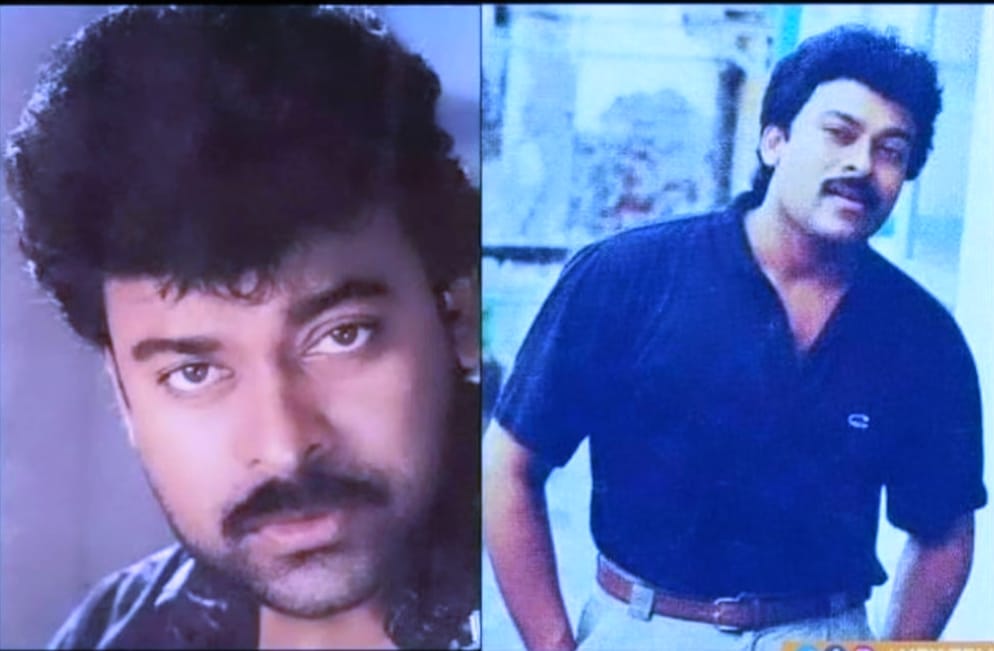
Muppavarapu Venkaiah Naidu, born on 1 July 1949, is an eminent Indian politician who has made significant contributions to the development and progress of India. He served as the 13th Vice President of India from 2017 to 2022, leaving an indelible mark on the nation’s political landscape. Naidu’s illustrious career spans various ministries, including Housing and Urban Poverty Alleviation, Urban Development, and Information and Broadcasting. He is also renowned for his oratory skills, commitment to serving the community, and his instrumental role in skill development through the Swarna Bhoomi trust. In this article, we will delve into the life and achievements of this remarkable leader, highlighting his journey, accomplishments, and the impact he has had on the nation.
Muppavarapu Venkaiah Naidu was born in Chavatapalem village in Nellore district, Andhra Pradesh. His parents, Rangaiah Naidu and Ramanamma, instilled in him the values of hard work, compassion, and dedication to public service from an early age. Naidu completed his schooling at Zilla Parshad High School in Bucchireddy Palem, Nellore. He then pursued his bachelor’s degree in politics and diplomatic studies at V. R. College, Nellore. Later, he obtained a bachelor’s degree in law with a specialization in international law from Andhra University College of Law, Visakhapatnam.
Naidu’s involvement in politics began during his college days when he joined the Rashtriya Swayamsevak Sangh (RSS) and the Akhil Bharatiya Vidyarthi Parishad (ABVP). He emerged as a prominent student leader, eventually becoming the president of the students’ union of colleges affiliated with the Andhra University. His active participation in the Jai Andhra Movement of 1972 further showcased his passion for social causes and his commitment to fighting for the rights of the people.
Naidu’s political journey gained momentum as he championed the cause of farmers and the development of backward areas. His exceptional oratory skills and unwavering commitment to public service propelled his political career. In 1978 and 1983, he was elected as a Member of the Legislative Assembly (MLA) from the Udaygiri constituency in Nellore district. During this time, he became one of the most popular leaders of the Bharatiya Janata Party (BJP) in Andhra Pradesh.
After serving in various organizational posts of the BJP at the state and national level, Naidu was elected as a member of the Rajya Sabha from Karnataka in 1998. He was re-elected twice, in 2004 and 2010, from Karnataka. Naidu’s tenure as the Union Cabinet Minister for Rural Development in the government headed by Prime Minister Atal Bihari Vajpayee marked a turning point in his political career. He spearheaded reforms in rural development and introduced several schemes, including the ‘Pradhan Mantri Gram Sadak Yojana’, aimed at improving the lives of people in rural areas.
With the victory of the BJP in the 2014 general elections, Naidu was sworn in as the Minister for Urban Development and Parliamentary Affairs. During his tenure, he played a pivotal role in shaping urban policies and spearheading initiatives aimed at transforming cities and improving the quality of urban life. His leadership and vision led to the successful implementation of schemes such as the Smart Cities Mission and the Atal Mission for Rejuvenation and Urban Transformation (AMRUT).
Naidu’s dedication to social service extended beyond his political responsibilities. He founded the Swarna Bharat Trust, a social service organization, in Nellore. The trust focuses on providing education and self-employment training programs for underprivileged children, women, and youth. Naidu’s commitment to empowering the marginalized sections of society through the trust exemplifies his compassion and desire to bring about positive change.
Muppavarapu Venkaiah Naidu’s contributions to the nation have been widely acknowledged and honored. He has received numerous awards and accolades, including the Padma Vibhushan, the second-highest civilian award in India. His leadership and dedication to public service have earned him the respect and admiration of people from all walks of life.
As the Nation celebrate Venkaiah Naidu’s birthday, it is essential to recognize his invaluable contributions to the nation. His journey from humble beginnings to becoming a visionary leader and statesman serves as an inspiration to millions. Venkaiah Naidu’s unwavering commitment to the welfare of the people, his visionary leadership, and his dedication to the progress of the nation make him a true national treasure. On this special day, the nation expresses its heartfelt birthday wishes to Venkaiah Naidu and acknowledges his invaluable role in shaping the future of our great nation.
Overcoming Procedural Hurdles to Power India’s Sustainable Future
City Gas Distribution (CGD) systems are pivotal for reshaping India’s urban energy landscape, aiming to enhance accessibility and sustainability while supporting ambitious development goals. The projected surge in demand for CGD from 35 million standard cubic meters per day (MSCMD) to 150 MSCMD by 2028 underscores the urgent need to expand networks across 407 districts. These networks will deliver cleaner fuels like Piped Natural Gas (PNG) and Compressed Natural Gas (CNG), crucial for reducing India’s dependence on imported fuels and mitigating environmental impacts.
India’s CGD sector faces a spectrum of challenges, including pricing dynamics, safety concerns, and the complexities of network expansion. With over 50% of its natural gas needs currently met through imports, bolstering domestic production and distribution capabilities is imperative. The Petroleum and Natural Gas Regulatory Board (PNGRB) plays a pivotal role in regulating and expanding the sector, ensuring compliance with standards while fostering market growth. Despite these challenges, the sector anticipates substantial investments totaling Rs 120,000 crore over the next decade, signalling robust growth prospects and a critical role in India’s energy future.
The Udupi City Gas Distribution project, led by Adani Gas Ltd., epitomizes the scale and ambition of India’s CGD initiatives. This project involves significant investments aimed at providing clean and reliable energy solutions to industrial, commercial, and residential sectors across Udupi. Key components include a 50 km steel pipeline network and the establishment of 11 CNG retail outlets. Additionally, the project aims to connect over one lakh households with PNG, offering a sustainable alternative to traditional fossil fuels.
Despite its transformative potential, the Udupi CGD project has encountered formidable challenges from various governmental and infrastructural agencies. These hurdles underscore the complexities of navigating India’s regulatory landscape and coordinating with diverse stakeholders.
A significant portion of the Udupi CGD pipeline runs along NH 66 and passes near the New Mangalore Port, presenting logistical challenges due to existing utility corridors occupied by pipelines from entities like GAIL, BPCL, and MRPL. Negotiations with NHAI and the Port Trust have been intricate, requiring meticulous planning to secure necessary clearances and permissions.
Securing permissions to lay pipelines through KIOCL’s territory has proven to be a protracted process. This involves navigating inter-PSU collaborations and regulatory approvals, including clearance from the Ministry of Steel due to private sector involvement. Delays in obtaining approvals from KIOCL have significantly impacted project timelines, highlighting the need for streamlined procedures in PSU interactions.
Obtaining right-of-way permissions from New Mangaluru Port Authority , (NMPA) has been another critical hurdle, necessitating extensive documentation and board approvals. The stringent regulatory environment surrounding national assets like ports has added complexity, requiring thorough justification for infrastructure development near these strategic locations.
Crossing railway lines along the Udupi CGD route required approvals from Southern Railway, Palakkad Railway Division involving detailed surveys and compliance with stringent safety protocols. Delays in securing these permissions underscore the challenges associated with coordinating infrastructure projects across multiple transport networks.
Collaboration with GAIL for network access and permissions through KIOCL land has highlighted the complexities of inter-agency coordination. Engaging with GAIL required strategic consultations and negotiations to secure essential permissions for pipeline installation and Connectivity, contributing to project delays.
Navigating administrative queries regarding fee structures in rural areas posed additional challenges, necessitating extensive consultations and clarifications from state authorities. Resolving these issues required meticulous planning to ensure compliance with regulatory frameworks and local governance guidelines.
Securing approvals for pipeline crossings under river canals, including Shambhavi and Pavanji, involved rigorous follow-ups with the Public Works Department (PWD). Fortunately, forest clearance is not required for this project; otherwise, it would have significantly extended the timeline due to cumbersome processes and procedures involved in obtaining such clearances. Compliance with environmental standards and regulatory requirements remains essential, necessitating proactive engagement and thorough project assessments to ensure adherence to all necessary guidelines.
This 50 km project has faced prolonged timelines in obtaining permissions from seven agencies, each with its own rules, guidelines, and cumbersome procedures. Navigating compliance with these guidelines can be challenging for the implementing agency, yet the project’s national importance provides the necessary motivation to persevere. Addressing these challenges requires proactive engagement and streamlined processes to expedite project timelines. Enhanced collaboration with NHAI, KIOCL, NMPA, Railways, GAIL, PWD and local administrative bodies is critical for overcoming bureaucratic and procedural hurdles, ensuring efficient project implementation. Regular follow-ups, joint inspections, and expedited approvals will be essential in navigating regulatory complexities and fostering stakeholder cooperation. This approach not only facilitates timely project completion but also sets a precedent for smoother execution of similar infrastructure initiatives in the future.
The successful implementation of the Udupi City Gas Distribution project required extensive collaboration with key stakeholders and agencies, including:
NHAI: Regional Officer in Bengaluru, Project Officer in Mangalore KIOCL: CMD, Director Projects, CGM Projects, and local officers. NMPA: CEO, Deputy CEO, Chief Engineer, and their team. Railways: DRM Palakkad, Engineering team, and GM Southern Railway. GAIL: CMD, Director Projects, Executive Director in Bangalore, GAIL Gas: Executive Director in Bangalore and local officers. PANCHAYAT RAJ Department: Principal Secretary PR in Bangalore, CEO/Zilla Parishad, District Collector of Udupi, and local officers. PWD: Chief Engineer and local team.
These agencies played indispensable roles in navigating regulatory frameworks, securing approvals, and coordinating efforts to ensure the smooth execution of the Udupi City Gas Distribution project. Their collective expertise and cooperation were instrumental in overcoming challenges and achieving project milestones.
The Udupi City Gas Distribution project serves as a testament to the complexities and opportunities in India’s infrastructure development landscape. Despite encountering formidable procedural and bureaucratic hurdles, the project remains steadfast in its commitment to sustainable urban development and energy efficiency. By navigating regulatory labyrinths and fostering collaborative partnerships, Adani Gas Ltd. can pave the way for cleaner, more efficient energy solutions in Udupi and beyond. This project not only underscores the transformative potential of modern infrastructure but also sets a precedent for future initiatives in India’s energy sector. By learning from the challenges and successes of the Udupi CGD project, stakeholders can advance towards a more sustainable and resilient energy future, contributing to India’s broader developmental objectives.
On June 30, 1959, Indian Oil Corporation Limited (IOCL) was established, marking the beginning of a journey that would transform India’s energy landscape. Over the decades, IOCL has emerged as a cornerstone of the nation’s energy infrastructure, playing a pivotal role in driving economic growth, fostering innovation, and promoting sustainability. As we celebrate the formation day of IOCL, it is an opportune moment to reflect on the company’s monumental contributions to nation-building, its unwavering commitment to core values, and its strategic initiatives that have propelled India towards a cleaner, more prosperous future.
Indian Oil Corporation has been at the forefront of India’s clean energy revolution. The company’s relentless pursuit of sustainable practices has led to the introduction of innovative products and the improvement of processes to meet the government’s clean energy goals. Through its various initiatives, IOCL has significantly reduced its carbon footprint and promoted the use of cleaner fuels across the country. The adoption of alternative energy sources, such as solar and wind, and the development of advanced biofuels underscore IOCL’s commitment to environmental stewardship. The company’s efforts in clean energy are not just about reducing emissions but also about creating a sustainable energy ecosystem that supports India’s transition to a low-carbon economy. By investing in renewable energy projects and advancing research in green technologies, IOCL is paving the way for a future where clean energy is accessible, affordable, and reliable for all.
IOCL’s social responsibility initiatives extend beyond its business operations. The company has consistently partnered with government agencies and non-governmental organizations to uplift underprivileged communities. Through education, healthcare, and skill development programs, IOCL has made a tangible difference in the lives of countless individuals. These initiatives not only address immediate needs but also pave the way for long-term socio-economic development, empowering communities to achieve self-reliance and prosperity. The impact of these initiatives is profound, as they create opportunities for education and employment, improve health outcomes, and foster a sense of community and belonging. By addressing the root causes of poverty and inequality, IOCL’s social programs contribute to building a more inclusive and equitable society.
With a market share of almost half of India’s petroleum products, IOCL is a dominant player in the energy sector. In the fiscal year 2022-23, the company’s market share increased from 40.8% to 42.9%, reflecting its robust growth and market penetration. This dominance is a testament to IOCL’s strategic vision, operational excellence, and customer-centric approach. By ensuring a reliable supply of high-quality petroleum products, IOCL has played a crucial role in meeting the energy needs of the nation and supporting economic activities across various sectors. The company’s extensive distribution network, state-of-the-art refineries, and commitment to quality have solidified its position as a market leader. IOCL’s ability to adapt to changing market dynamics and customer preferences has enabled it to maintain its competitive edge and continue to drive growth in the energy sector.
IOCL’s ambitious pipeline network expansion is a game-changer for India’s energy infrastructure. By February 2026, the company aims to complete a 21,298 km long pipeline network, with a capacity of 164.37 MMTPA for liquid pipelines and 50.73 MMSCMD for gas pipelines. This extensive network will enhance the efficiency and reliability of energy distribution, reduce transportation costs, and minimize environmental impact. The pipeline projects exemplify IOCL’s forward-thinking approach and its commitment to building a resilient and sustainable energy infrastructure. The development of this network is critical for ensuring energy security, reducing dependency on imports, and facilitating the seamless flow of energy across the country. By investing in infrastructure, IOCL is not only meeting current energy demands but also preparing for future growth and development.
IOCL’s operations have made significant contributions to the Indian exchequer. In the fiscal year 2021-22, the company contributed ₹2,64,436 crore to the exchequer, including ₹1,57,181 crore to the central exchequer and ₹1,07,255 crore to state exchequers. These contributions play a vital role in funding government initiatives, infrastructure development, and public welfare programs. IOCL’s financial performance and tax contributions underscore its role as a key driver of the national economy. The company’s profitability and fiscal responsibility are critical for supporting government policies and initiatives aimed at promoting economic growth and social development. By generating significant revenue and contributing to the exchequer, IOCL helps fund essential public services, infrastructure projects, and social programs that benefit millions of people across India.
IOCL’s alignment with various government initiatives demonstrates its commitment to national priorities. The company’s support for ‘Aatmanirbhar Bharat’ aims to enhance self-reliance in energy production and reduce dependency on imports. Through the ‘Swachh Bharat Abhiyan’, IOCL promotes cleanliness and hygiene across its operations and communities. The Pradhan Mantri Ujjwala Yojana (PMUY) has been instrumental in providing LPG connections to millions of underprivileged households, improving their quality of life and reducing health risks associated with traditional cooking methods. IOCL’s involvement in these initiatives reflects its dedication to contributing to national development goals and improving the lives of citizens. By aligning its business strategies with government policies, IOCL supports efforts to build a self-reliant, sustainable, and inclusive economy.
IOCL’s procurement policies prioritize sourcing from Micro, Small, and Medium Enterprises (MSMEs), fostering entrepreneurship and supporting local economies. Additionally, the company’s efforts to increase the share of natural gas in India’s energy mix to 15% by 2030 align with the government’s vision of promoting clean energy. By investing in natural gas infrastructure and advocating for its adoption, IOCL is driving the transition towards a more sustainable and environmentally friendly energy landscape. The promotion of MSMEs is crucial for job creation, innovation, and economic diversification. By supporting small businesses and local suppliers, IOCL contributes to the growth of a dynamic and resilient economy. The focus on natural gas not only reduces emissions but also provides a cleaner and more efficient energy source for various sectors, including industry, transportation, and residential use.
IOCL’s commitment to care is reflected in its comprehensive Corporate Social Responsibility (CSR) initiatives. The company prioritizes the well-being of its employees, communities, and the environment. From healthcare camps and educational scholarships to disaster relief and environmental conservation projects, IOCL’s CSR efforts are driven by a genuine concern for the holistic development of society. These initiatives are designed to address critical social and environmental challenges and create positive impacts on the communities IOCL serves. By focusing on health, education, and environmental sustainability, IOCL’s CSR programs contribute to improving the quality of life and promoting sustainable development.
Innovation is at the heart of IOCL’s operations. The company continuously invests in research and development to pioneer new technologies, improve product quality, and enhance operational efficiency. IOCL’s state-of-the-art refineries, advanced petrochemical complexes, and cutting-edge research centers exemplify its dedication to innovation. By embracing technological advancements, IOCL ensures that it remains competitive in the ever-evolving energy sector. The company’s commitment to innovation drives its efforts to develop new products, optimize processes, and explore emerging opportunities in the energy market. By fostering a culture of innovation, IOCL stays ahead of industry trends and delivers value to its customers and stakeholders.
Passion fuels IOCL’s pursuit of excellence. The company’s workforce, driven by a shared vision, is committed to achieving ambitious goals and overcoming challenges. IOCL’s culture of passion fosters a sense of purpose and motivation among its employees, encouraging them to deliver their best performance and contribute to the company’s success. This passion is evident in IOCL’s relentless drive to excel in all aspects of its operations. The company’s commitment to excellence is reflected in its high standards of quality, safety, and customer service. By nurturing a passionate and motivated workforce, IOCL creates an environment where employees are empowered to innovate, collaborate, and achieve their full potential.
Trust is the cornerstone of IOCL’s relationships with stakeholders. The company upholds the highest standards of integrity, transparency, and accountability in its dealings. By building trust with customers, employees, partners, and the community, IOCL has established a reputation as a reliable and ethical organization. This trust is a vital asset that strengthens IOCL’s brand value and ensures long-term sustainability. The company’s commitment to ethical business practices and corporate governance is essential for maintaining stakeholder confidence and fostering long-term partnerships. By prioritizing trust and integrity, IOCL creates a solid foundation for sustainable growth and success.
IOCL’s brand value is a testament to its excellence and leadership in the energy sector. In 2023, the company’s brand value amounted to around 4.1 billion U.S. dollars, making it the second most valuable oil and gas brand in India. This recognition reflects IOCL’s strong market presence, customer loyalty, and operational efficiency. As India’s highest-ranked energy Public Sector Undertaking (PSU) in the Fortune-500 list of 2023, IOCL continues to set benchmarks in the industry. The company’s brand value is a reflection of its commitment to delivering high-quality products and services, maintaining operational excellence, and building strong relationships with customers and stakeholders.
IOCL’s financial resilience is evident in its impressive revenue and profit figures. For the financial year 2023-24, the company recorded revenue from operations of ₹8,66,345 crore and a net profit of ₹39,619 crore. This remarkable performance highlights IOCL’s ability to navigate market fluctuations, optimize operations, and generate substantial returns for its stakeholders. The company’s robust financial health enables it to reinvest in growth initiatives and enhance shareholder value. IOCL’s financial performance is a testament to its effective management strategies, operational efficiency, and market leadership. By maintaining financial resilience, IOCL is well-positioned to pursue new opportunities, invest in innovation, and support long-term growth.
Despite its significant investments in infrastructure and expansion projects, IOCL maintains prudent debt management practices. As of 2023, the company’s total debt stood at over 1.32 trillion Indian rupees. This debt is strategically utilized to fund capital-intensive projects that drive long-term growth and profitability. IOCL’s ability to manage debt effectively and leverage financial resources for strategic investments underscores its financial acumen and long-term vision. The company’s approach to debt management ensures that it maintains a healthy balance sheet while pursuing ambitious growth and development plans. By carefully managing its financial resources, IOCL can invest in critical infrastructure projects, enhance operational efficiency, and support sustainable growth.
Under the visionary leadership of Chairman Shrikant Madhav Vaidya, IOCL is charting a course towards a sustainable and prosperous future. Mr. Vaidya’s extensive experience and strategic insights have been instrumental in driving the company’s growth and transformation. His association with India’s largest cracker plant, the Panipat Naphtha Cracker Complex, highlights his expertise in petrochemicals and his commitment to innovation. Mr. Vaidya’s leadership is characterized by a strong focus on sustainability, innovation, and stakeholder engagement. By guiding IOCL towards a future-oriented strategy, Mr. Vaidya ensures that the company remains at the forefront of the energy sector and continues to deliver value to its stakeholders.

Mr. Vaidya’s leadership embodies IOCL’s core values of Care, Innovation, Passion, and Trust. His emphasis on employee welfare, community development, and environmental sustainability reflects the company’s holistic approach to business. By fostering a culture of innovation and excellence, Mr. Vaidya ensures that IOCL remains at the forefront of the energy sector, delivering value to stakeholders and contributing to national development. His leadership style promotes a collaborative and inclusive work environment, where employees are encouraged to innovate, take initiative, and contribute to the company’s success. Mr. Vaidya’s commitment to core values is central to IOCL’s strategy and operations, guiding the company’s efforts to achieve sustainable growth and positive social impact.

IOCL’s strategic vision focuses on diversification, digital transformation, and sustainable growth. The company’s initiatives to expand its renewable energy portfolio, enhance digital capabilities, and optimize supply chain operations are aligned with global energy trends and national priorities. IOCL’s future roadmap includes increasing the share of natural gas, exploring new business opportunities, and leveraging technology to drive efficiency and customer satisfaction. The company’s strategic vision is designed to position IOCL as a leader in the transition to a low-carbon economy and a key player in the global energy market. By embracing digital transformation, IOCL aims to enhance operational efficiency, improve customer experiences, and drive innovation across its value chain. The company’s focus on diversification and sustainability ensures that it is well-prepared to navigate the evolving energy landscape and capitalize on emerging opportunities.
As we commemorate the formation day of Indian Oil Corporation Limited, we celebrate not just a company, but a legacy of excellence, innovation, and nation-building. IOCL’s monumental contributions to India’s energy security, economic growth, and social development are a testament to its unwavering commitment to core values and strategic vision. The company’s journey from its inception in 1959 to its current status as a global energy leader is marked by resilience, passion, and a relentless pursuit of excellence. IOCL’s achievements are a reflection of the dedication and hard work of its employees, the trust of its customers, and the support of its stakeholders.
Looking ahead, IOCL is poised to continue its legacy of leadership and innovation. With a strong focus on clean energy, sustainable practices, and technological advancements, the company is well-equipped to navigate the challenges and opportunities of the future. As India’s energy landscape evolves, IOCL will remain a beacon of excellence, driving progress and prosperity for the nation. The company’s future initiatives will build on its rich heritage, leveraging its strengths and capabilities to address emerging energy needs and contribute to a sustainable and inclusive economy.
On this momentous occasion, we extend our heartfelt congratulations to every team member of IOCL. Your dedication, hard work, and unwavering commitment to the company’s values have been instrumental in shaping IOCL’s success. Together, let us continue to fuel the future, building a cleaner, greener, and more prosperous India for generations to come. As IOCL looks to the future, it is guided by a vision of sustainable growth, innovation, and social responsibility. By staying true to its core values and embracing new opportunities, IOCL will continue to make a positive impact on the world and create lasting value for its stakeholders. The journey of Indian Oil Corporation Limited is a testament to the power of vision, leadership, and collective effort, and its future holds the promise of continued excellence and success.