Skip to content
    • About

ARJA SOCIAL PERSPECTIVES

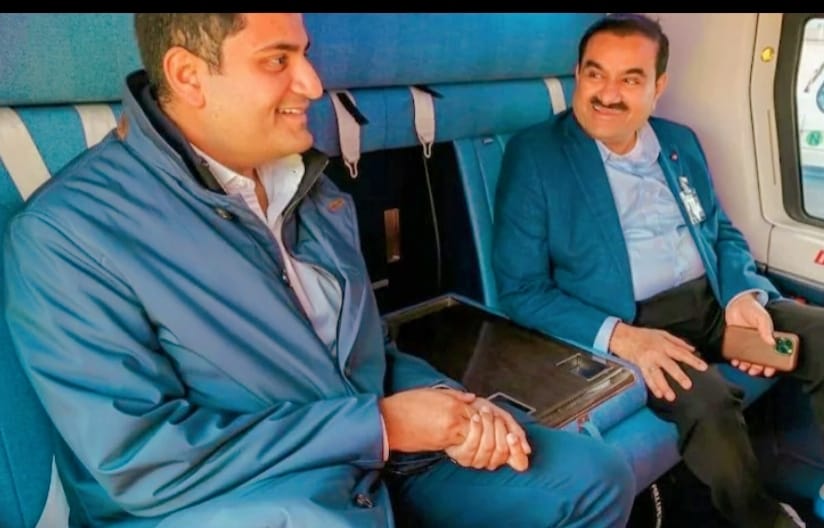
  • Gautam Adani’s Ultimate Guide to Work-Life Balance: A Billionaire’s Secret to Happy Lives

    January 5th, 2025

    In a World Obsessed with Hustle, Adani Redefines Success by Choosing Joy Over Hours—Leading by Example for a Global Standard of Employee Well-Being

    In an era where constant hustle and overwork have become synonymous with success, Gautam Adani, the visionary chairman of the Adani Group, stands apart by offering a refreshing perspective on work-life balance. In a world where India ranks 48th in the Global Life-Work Balance Index 2024, with an average of 46.7 working hours per week, it’s clear that many employees struggle to find harmony between their professional and personal lives. In this context, Adani provides not only a unique approach but also a model that aligns with global standards of employee well-being. His approach is grounded in the belief that work-life balance is not about rigid hours or constant sacrifice but about the joy and fulfilment one derives from both work and personal life.

    Adani’s perspective on work-life balance is both simple and profound. In an interview with IANS, he stated, “If you enjoy what you do, then you have a work-life balance.” This statement encapsulates his philosophy that true balance is not about how many hours one works or how tightly a schedule is structured. Instead, it’s about finding satisfaction and joy in whatever one does, whether that’s at work or with family. This contrasts sharply with the views of many other business leaders who emphasize long hours and the pursuit of success through relentless work. For instance, Infosys founder Narayana Murthy recently sparked a national debate by advocating for a 70-hour workweek, suggesting that India must embrace a culture of hard work to compete with developed nations. Murthy’s stance reflects his own experience of working upwards of 85-90 hours per week. However, Adani’s response challenges this narrative by emphasizing that the real measure of work-life balance is the happiness one derives from work, not the number of hours spent doing it.

    For Adani, the definition of work-life balance is subjective. It’s not about imposing a universal standard on others but about helping individuals find joy and fulfilment in their own unique schedules. “If someone spends four hours with their family and finds joy in it, that’s their balance. If someone else spends eight hours and enjoys it, that’s their balance,” Adani explains. His point is that true balance arises when both work and personal life contribute positively to an individual’s overall happiness, and when this happiness extends to the people they care about most. This belief reflects Adani’s personal ethos as well, as he strives to create a life where family time and work are both given equal importance.

    As the head of one of India’s most influential conglomerates, Adani understands that balancing personal and professional life is essential not only for individual well-being but for fostering a culture of productivity and success within the workplace. Adani’s leadership is a testament to this philosophy; he practices what he preaches by maintaining a balanced approach to both work and family life. “For us, either it is family or work, we don’t have a world out of this,” he says, underscoring the idea that true fulfilment comes from embracing both aspects of life equally. His children, too, adopted this mindset, further reinforcing the importance of leading by example.

    Adani’s perspective is grounded in a deep understanding of life’s impermanence, which he believes helps simplify the complex nature of modern work-life dynamics. He reflects, “No one has come here permanently. When one understands this, life becomes simple.” This recognition of life’s fleeting nature encourages a more relaxed, fulfilling approach to daily routines and challenges the societal obsession with long working hours. It’s a philosophy that not only promotes work-life balance but also encourages people to focus on what truly matters: their happiness and well-being.

    At the Adani Group, these principles extend beyond words. The company is committed to fostering a culture that values work-life balance, which is in line with the founder’s values. The company offers flexible working hours, wellness initiatives, and ensures employees take time off when necessary. This holistic approach helps the Adani Group set a global standard for work-life balance. The company recognizes that when employees are well-rested, mentally healthy, and able to balance their work with personal time, they are more productive and satisfied in their roles.

    To further improve the work-life balance within the organization, several measures could be implemented. These could include providing employees with flexible work schedules, adopting a hybrid work model, and promoting regular breaks throughout the day. Adani also advocates for leadership training to help managers identify signs of burnout and create an open, supportive environment where employees feel comfortable discussing work-life balance concerns. Such an environment promotes a culture where the mental and physical health of employees is a priority, which in turn enhances productivity and job satisfaction.

    Employee wellness programs are another essential element in promoting a healthy work-life balance. By providing access to fitness centres, mental health support, and stress management programs, companies can ensure that employees not only work effectively but also lead healthier, more fulfilling lives. At Adani Group, these programs are integral to the company’s broader strategy of ensuring that employees maintain both physical and mental health—key components of a balanced life.

    However, Adani’s vision goes beyond employees. He emphasizes that true balance isn’t just about the number of hours spent at work or with family, but the joy and fulfilment derived from those hours. Whether it’s four hours or eight hours spent with loved ones, the key is finding personal satisfaction. This holistic approach underscores the importance of emotional and mental well-being as crucial components of work-life balance. Adani’s humorous yet insightful remarks further drive this point home. He quips, “If you spend eight hours, biwi bhaag jayegi (your wife will run away),” reminding us that balance is not just a professional matter but also a personal one that impacts our relationships.

    Adani’s approach to leadership is ground-breaking in its emphasis on work-life balance. Rather than viewing it as a burden, he sees balance as an essential element for long-term success. By encouraging employees to prioritize their mental and emotional well-being, Adani fosters a culture where individuals can perform at their best without compromising their happiness. This leadership style has far-reaching implications for the future of work, offering a sustainable model where success is defined not by the number of hours worked but by the quality of the work and the happiness it brings.

    As companies worldwide continue to evolve and redefine the workplace, Gautam Adani’s perspective on work-life balance offers a model for others to follow. His message is clear: work-life balance is not about hours worked but about finding joy in what you do and fostering happiness in your relationships. The Adani Group’s commitment to employee well-being reflects this philosophy, positioning the company not only as a business leader but as a trailblazer in creating a truly balanced, supportive, and productive workplace.

    In conclusion, Gautam Adani’s personal and professional philosophy on work-life balance stands as a powerful reminder that success is not solely defined by long hours but by the happiness and satisfaction that work brings. His message emphasizes the importance of finding joy in both work and personal life, ensuring that each aspect complements the other. Through its commitment to employee well-being, the Adani Group has set a global standard for what it means to achieve true work-life harmony, offering valuable insights for businesses and individuals worldwide.

    Visit arjasrikanth.in / @DrArjasreekanth for more insights

  • “From Heritage to Hype: The Evolution of Telugu Associations in America”

    January 5th, 2025

    “A Journey from Cultural Guardianship to Glamorous Spectacles: Navigating Challenges, Realigning Priorities, and Rekindling Community Spirit”

    Telugu associations in the United States, initially established to nurture community togetherness and preserve the rich heritage of Telugu culture, have experienced remarkable growth over the decades. Organizations like the Telugu Association of North America (TANA), American Telugu Association (ATA), and American Progressive Telugu Association (APTA) have served as vital platforms for Telugu-speaking individuals, fostering a sense of belonging among immigrants navigating life in a foreign land. However, despite their laudable beginnings and early achievements, these associations now face growing criticism for their perceived drift from meaningful community service toward extravagant event management.

    The founding vision of these associations was clear: allocate a substantial portion of their efforts to community services and cultural preservation, while reserving only a fraction for celebratory events. Unfortunately, as critics point out, this balance has been skewed over time. Lavish conventions, glitzy celebrations, and celebrity-studded programs have taken centre stage, raising concerns about the effective utilization of funds contributed by hard-working Telugu Non-Resident Indians (NRIs). The original intent to focus on community welfare and cultural enrichment appears increasingly overshadowed by the allure of glamour and spectacle.

    Established in 1977, TANA stood as a pioneer in organizing Telugu-speaking communities across North America. Its mission was deeply rooted in promoting cultural and educational programs while providing vital support to Telugu families. ATA, formed in 1990, followed a similar path, achieving milestones like the 1991 Telugu Conference and Youth Convention, which underscored its dedication to preserving the Telugu identity. Both organizations have, at times, delivered significant contributions through charitable endeavours, including disaster relief and educational initiatives.

    However, the current trajectory raises questions. Instead of focusing on pressing issues such as scholarships for deserving students, employment facilitation for Telugu talent, or advocacy for NRIs in local governance back home, these associations are often seen channelling resources into large-scale events. This shift has led to criticism, particularly in India, where observers argue that funds contributed by NRIs are increasingly being diverted toward unnecessary extravagance, often with limited accountability.

    One glaring concern is the alleged misuse of association funds. Reports indicate instances where members’ travel and personal expenses are covered under the guise of official duties. Such practices betray the trust of contributors and dilute the very purpose of these organizations. The decision to organize events in Telugu states and fund them using local resources, rather than leveraging the financial strength of the NRI community, further complicates the issue. This approach risks alienating local communities and undermining the credibility of these associations.

    The Telugu diaspora in the United States represents one of the most resourceful immigrant groups, excelling in fields like technology, medicine, and business. Associations like APTA have indeed harnessed this potential through impactful programs such as the Student Education Program (ASEP), which provides scholarships and resources to deserving students. Similarly, TANA has made commendable contributions through initiatives like Project Envision for eye care and support for low-income students. These efforts exemplify the positive impact such organizations can achieve when focused on their core mission. Unfortunately, such meaningful endeavors are increasingly eclipsed by the pursuit of grandeur.

    One of the most contentious aspects of the current trend is the prominence of celebrity appearances and extravagant dance programs. While cultural celebrations are undeniably a cornerstone of community bonding, critics argue that the emphasis on glamour detracts from the associations’ foundational objectives. The shift from substance to spectacle creates an illusion of success that often masks a lack of tangible impact on the community.

    The irony is striking: the Telugu diaspora, which boasts a population exceeding 1.2 million in the United States, possesses immense potential to drive positive change. These associations could act as catalysts for mentorship programs, skill development initiatives, and collaborations between NRIs and local governments in India. By leveraging the talents and resources of Telugu professionals, associations could foster innovation, investment, and community development both in the U.S. and back home. However, such opportunities are often overlooked in favour of public spectacles.

    Furthermore, the operations of some associations in Telugu states have drawn criticism for prioritizing event management over community welfare. Instead of addressing local challenges or supporting grassroots development, these organizations often divert resources toward elaborate programs that offer limited value to the broader community. This approach not only undermines the associations’ mission but also erodes their standing among local populations.

    The path forward requires introspection and realignment. Telugu associations must revisit their founding principles and prioritize initiatives that foster education, empowerment, and cultural preservation. Resources should be directed toward impactful projects like Telugu language classes, scholarships, and artist support, which leave a lasting legacy and honour the heritage of Telugu culture. Associations should also focus on addressing the unique challenges faced by NRIs, such as immigration issues and professional networking, creating a supportive ecosystem for their members.

    Transparency and accountability are critical to restoring trust. Members must demand greater oversight of financial management and ensure that expenditures align with the organization’s mission. Collaborations with local governments and institutions in India can further enhance the effectiveness of their initiatives, creating mutually beneficial outcomes for NRIs and local communities alike.

    Telugu associations in America have a rich legacy and an incredible opportunity to shape the future. By shifting their focus from superficial displays to meaningful community-driven projects, they can uphold the values they were founded upon and rekindle the spirit of togetherness. It is time to prioritize substance over spectacle, ensuring that their efforts leave a lasting impact for generations to come.

    visit arjasrikanth.in or @DrArjasreekanth for more insights

  • The State of State Finances: The Hidden Puzzle Shaping Our Lives

    January 4th, 2025

    From GST Gains to Power Sector Pains: How India’s States Are Wrestling with Revenue, Debt, and the Fight for Sustainable Growth

    When you think of state finances, what comes to mind? Perhaps it’s dense government reports brimming with jargon, a labyrinth of taxes, or the ever-elusive fiscal deficit. But behind these seemingly tedious terms lies a story that impacts every citizen profoundly—how our roads are paved, schools funded, electricity distributed, and even how healthcare systems cope with crises. State finances aren’t just about managing money; they’re about defining priorities, building resilience, and shaping the quality of life for millions.

    India’s states, with their diverse economies and unique challenges, showcase the art—and struggle—of balancing revenue generation with responsible spending. With the nation emerging from the economic shockwaves of a pandemic, recent reports reveal both triumphs and trials in state financial management. The fiscal puzzle, though intricate, is essential to solving the broader question of sustainable development and equitable growth.

    Take revenue collections, for instance. After a slump during the pandemic, states have bounced back impressively. Revenue receipts have returned to pre-pandemic levels, and debt levels have reduced, with the debt-to-GDP ratio improving from a worrying 31% in March 2021 to a more manageable 27.5% in March 2023. This is a significant milestone, signalling better fiscal discipline and enhanced efficiency. Maharashtra, with its Gross State Domestic Product (GSDP) of ₹2.89 lakh crore in 2022-23, stands as a beacon of fiscal robustness, but other states still grapple with unique challenges.

    The fiscal deficit—a measure of how much more a state spends than it earns—has also shown improvement. From a staggering 4.2% in 2020-21, it dropped to 2.8% in 2021-22 and was budgeted at 3.2% for 2023-24, staying within the 15th Finance Commission’s recommended limit. This trajectory is encouraging, yet some states, like Punjab, continue to battle a high debt-to-GDP ratio. Heavy agricultural subsidies and pension commitments have left little room for investment in critical sectors like education and healthcare.

    What drives state revenue? The answer lies in a mix of taxes, central transfers, and creative revenue generation. GST has been a game-changer, improving tax buoyancy and reducing disparities between states. The State Goods and Services Tax (SGST) now dominates revenue sources, a testament to the efficiency of this unified tax system. But while GST collections have improved, they remain below pre-GST levels as a percentage of GSDP, revealing room for better compliance and administration.

    State expenditures, however, paint a more challenging picture. Over 55% of spending is committed to inflexible obligations like pensions, salaries, and interest payments, leaving limited funds for development projects. This rigidity hampers the ability of states to invest in long-term growth initiatives. Education and healthcare, two pillars of human capital development, often bear the brunt of such fiscal constraints.

    Consider the power sector—a recurring thorn in the side of state finances. State-owned power distribution companies (discoms) are notorious for inefficiency and mounting losses. These losses, fuelled by outdated infrastructure and poor management, ripple through the economy, leading to unreliable electricity supply and higher tariffs for consumers. For a state’s residents, this can mean anything from frequent power outages to escalating bills, all linked to the deeper issue of fiscal mismanagement.

    Education tells another compelling story. Despite the rhetoric of prioritizing children and their futures, states often allocate meagre budgets to this sector. Underfunded schools, outdated infrastructure, and a lack of quality teachers result in subpar educational outcomes. When states prioritize immediate populist measures—such as subsidies—over long-term investments, the ripple effects are felt across generations.

    Yet, all is not bleak. The adoption of technology has ushered in a new era of efficiency and transparency. States like Gujarat and Haryana are leveraging innovations like GST Seva Kendras and QR code systems to streamline tax compliance and reduce leakages. These efforts not only bolster revenues but also set a precedent for others to follow.

    The looming spectre of climate change adds another layer of complexity. States face the dual challenge of managing their finances while preparing for climate resilience. This demands investments in sustainable infrastructure and proactive climate budgeting. Unfortunately, many states lag in integrating these priorities into their financial frameworks, often side-lining long-term sustainability for short-term gains.

    Transparency remains a critical gap in state financial management. Without uniform standards for financial reporting, gauging the true fiscal health of states becomes a herculean task. This lack of clarity undermines accountability, leaving citizens in the dark about how public funds are utilized. A standardized and transparent reporting mechanism is not just a bureaucratic formality—it’s a cornerstone of democratic governance.

    So, what’s the way forward? The fiscal puzzle demands a multi-pronged approach. Rationalizing expenditures, especially on freebies and subsidies, is imperative. States must channel resources into areas that yield long-term benefits, like infrastructure, education, and healthcare. Strengthening tax administration, expanding the tax base, and improving compliance can unlock additional revenues.

    But fiscal management is not merely a numbers game. It’s about prioritizing human welfare, enabling opportunities, and fostering growth. Citizens, too, have a role to play—demanding transparency, holding governments accountable, and engaging in informed debates about financial policies.

    State finances might seem distant or irrelevant, but their influence permeates every aspect of our lives. From the water we drink to the power that lights our homes, these financial decisions ripple through society, shaping its future. The question isn’t just about how states manage their money—it’s about how they balance competing demands to ensure prosperity for all.

    The next time you drive on a smooth highway, face a power outage, or struggle with access to quality education, remember: the answers lie in the fiscal puzzle. It’s not just about budgets or deficits; it’s about building a future that works for everyone. And solving this puzzle isn’t just the government’s responsibility—it’s ours too.

    Visit arjasrikanth.in / @DrArjasreekanth for more insights

  • H1 B-Visa Wars: The Silent Battle Shaping America’s Future”

    January 3rd, 2025

    Skilled Immigration Became the Battleground for Innovation, Politics, and National Identity”

    In the throbbing heart of America’s tech and innovation landscape, the H1B visa program stands as both a beacon of opportunity and a lightning rod for controversy. Established under the Immigration Act of 1990, this program was designed to bridge the gap in highly specialized fields by granting skilled foreign workers a chance to contribute to the U.S. economy. With an annual cap of 85,000 visas—65,000 for general applicants and an additional 20,000 for those with advanced degrees from U.S. institutions—the program has fuelled America’s technological and economic dominance while simultaneously igniting fierce debate over its implications.

    Weeks before the potential return of Donald Trump as U.S. President, a storm has erupted within his political base over the issue of skilled immigration. The controversy gained momentum following the appointment of Sriram Krishnan, a Chennai-born technologist, as Trump’s AI adviser. Krishnan’s outspoken advocacy for increased skilled immigration has drawn the ire of many Trump supporters, reopening old wounds within the “Make America Great Again” (MAGA) movement. While Trump himself has vacillated between criticism and conditional support of the H1B program, this internal conflict underscores the deeper ideological divide among his followers.

    The H1B program’s significance cannot be overstated. It allows U.S. employers to hire foreign professionals for specialized roles in technology, engineering, medicine, and other STEM fields. Typically issued for three years, with the possibility of extension to six, these visas are a lifeline for industries facing acute labour shortages. Data shows the unrelenting demand for these coveted slots; in the 2024 fiscal year alone, U.S. Citizenship and Immigration Services (USCIS) received 386,000 applications, approving 119,000 new visas and extending 267,000 more.

    However, the program has not been without its critics. Opponents argue that H1B workers undercut American labour, claiming companies use the program to hire cheaper foreign talent. While regulations mandate that H1B employees receive wages comparable to U.S. counterparts, enforcement inconsistencies have fuelled allegations of exploitation. High-profile cases of American workers being forced to train their H1B replacements have further inflamed public sentiment.

    The figures tell a compelling story. A mere 19% of applicants secure H1B visas, reflecting intense competition for these opportunities. Despite criticism, the program has undeniably driven innovation, with major corporations like Amazon, Microsoft, and Infosys relying heavily on H1B talent to spearhead research and development initiatives. Proponents argue that without access to global talent, the U.S. risks losing its competitive edge. The National Foundation for American Policy (NFAP) reports that 71% of full-time graduate students in computer science at U.S. universities are international, highlighting the critical role foreign talent plays in the country’s innovation ecosystem.

    Economics aside, the debate has profound political and cultural dimensions. During Trump’s first presidency, an executive order tightened the program’s oversight, leading to a spike in rejection rates. Critics viewed this as a populist manoeuvre catering to anti-immigration factions, while supporters praised it as a necessary reform to protect American workers. Yet, despite these measures, the total number of H1B approvals under Trump was comparable to those during Biden’s administration, illustrating the program’s resilience amid political turbulence.

    Voices from all corners have weighed in. Tech leaders like Elon Musk have passionately defended the program, emphasizing its importance in attracting the world’s top talent. Musk’s argument for maintaining access to the “top 0.1% of engineering talent” underscores the program’s strategic value in ensuring America’s global leadership in innovation. Vivek Ramaswamy, another prominent figure, has also lent his support, calling for balanced policies that prioritize both American workers and the need for skilled immigration.

    Yet, the MAGA movement remains divided. Hardliners call for tighter restrictions, while economic pragmatists argue for a more nuanced approach that balances ideology with the realities of a competitive global market. Trump’s return to power could tilt the scales, with potential policy rollbacks that threaten to undo recent reforms under the Biden administration, which have aimed to modernize the H1B process and alleviate burdens on employers.

    The appointment of Sriram Krishnan as a senior policy advisor on artificial intelligence has reignited discussions around immigration’s role in fostering innovation. As a prominent technologist navigating this fraught landscape, Krishnan epitomizes the complexities of immigration policy in the modern economy. His presence serves as a reminder of the essential contributions H1B holders make to fields critical to national security and economic growth.

    The stakes are undeniably high. A hypothetical mass exodus of H1B workers could wreak havoc on industries reliant on their expertise. Imagine the chaos if Indian tech workers, who make up a significant portion of H1B holders, staged a 24-hour strike—corporate productivity would grind to a halt, revealing the fragility of America’s dependence on foreign talent.

    Public sentiment on immigration is evolving. While previous debates focused predominantly on illegal immigration, the discourse has broadened to recognize the indispensable contributions of skilled immigrants. A shift in perception could pave the way for more constructive discussions on immigration policy, emphasizing the need to balance economic imperatives with ideological concerns.

    In conclusion, the H1B visa program stands at a crossroads, emblematic of broader tensions within American society. Its impact transcends the realms of immigration and economics, touching on questions of identity, opportunity, and global competitiveness. As policymakers grapple with these complex dynamics, the program’s future will shape the trajectory of America’s workforce and its role as a beacon of innovation. Whether the nation can reconcile its conflicting narratives will determine its ability to thrive in an interconnected, talent-driven world. In this high-stakes tug-of-war, the fate of the H1B program is not just about visas—it’s about the very fabric of America’s future.

    Visit arjasrikanth.in / @DrArjasreekanth for more insights

  • Pawan Kalyan: The People’s Champion on the Frontlines of Rural Transformation

    January 2nd, 2025

    Pawan Kalyan’s Epic Political Adventure: Surfing the Waves of Change in Rural Andhra Pradesh

    In a ground-shaking initiative poised to redefine the political arena of Andhra Pradesh, Deputy Chief Minister K. Pawan Kalyan has embarked on an ambitious statewide tour that aims to immerse himself in the lives of citizens while addressing pressing public concerns. Over the next six months, Kalyan plans to visit two districts every month, dedicating an impressive 14 days to each location. This initiative transcends mere political maneuvering; it is a heartfelt commitment to enrich his vision through direct engagement with the neediest populace, especially in rural areas where support and governance are urgently needed.

    Kalyan’s approach highlights the importance of field visits in effective governance. By stepping directly into the daily realities of rural citizens, he will gain invaluable insights into their struggles and aspirations. This hands-on experience is crucial in understanding the complexities of governance that often evade bureaucratic niceties. In rural regions, access to basic amenities like drinking water and sanitation is paramount, and Kalyan aims to tackle these issues head-on during his visits.

    One of the most innovative aspects of Kalyan’s strategy is his plan to set up temporary camp offices in the districts he visits. This initiative not only aims to address public grievances promptly but also fosters transparency and efficiency in service delivery. Bringing government services closer to the people paves the way for increased accountability among officials and empowers citizens to voice their concerns directly. Kalyan’s proactive approach builds a vital bridge of trust between the government and the communities, ensuring that governance is not just a top-down affair but a genuinely collaborative endeavor.

    At the heart of Kalyan’s vision is an integration of welfare initiatives with long-term development goals. While immediate assistance through welfare programs is essential, Kalyan recognizes that true progress lies in aligning these efforts with sustainable development. The financial constraints faced in implementing these initiatives often pose significant challenges, yet Kalyan’s careful planning and resource allocation attempts to alleviate these obstacles. His focus on upskilling the youth and prioritizing human resource development highlights a blueprint for fostering a self-sufficient community that can thrive in an increasingly competitive environment.

    A refreshing aspect of Kalyan’s governance approach is his focus on creating wealth in rural areas. This strategy addresses the systemic governance challenges by generating employment opportunities that are vital for youth empowerment. When financial prosperity is achieved, it alleviates poverty and stimulates economic participation. Kalyan’s vision is clear: wealth generation simplifies the management of governance issues and significantly enhances the overall quality of life in rural settings.

    Moreover, Kalyan’s acknowledgment of empowering families, rather than merely increasing the number of welfare beneficiaries, shows a profound understanding of sustainable governance. He believes that an increase in welfare recipients over the years signifies a failure to achieve genuine empowerment. Instead, his approach aims to equip families with the necessary skills and resources for self-sufficiency, steering away from dependency towards a model grounded in economic independence and community resilience.

    In terms of party dynamics, speculation surrounding the induction of Kalyan’s brother, Naga Babu, into the state cabinet underscores his commitment to recognizing and valuing contributions within the party. By positioning Naga Babu to first be elected as an MLC, Kalyan adopts a thoughtful leadership approach that emphasizes dedication and sacrifice among party members. This strategy not only reinforces internal cohesion but signals a broader commitment to cultivating future leaders within the party.

    As Pawan Kalyan gears up for the Jana Sena Party’s formation day celebrations on March 14, 2025, he is strategically poised to amplify the party’s presence and influence across the state. Strengthening the party’s grassroots connections will be paramount, ensuring that it remains a formidable political force in Andhra Pradesh. By focusing on community empowerment and engagement, Kalyan is setting the stage for a robust political movement that resonates deeply with the public’s aspirations.

    In this ever-evolving political landscape, the success of any governance model hinges on its adaptability to the concerns and needs of its citizens. Kalyan’s unwavering commitment to field visits and engagement with rural communities is a testament to his grasp of this fundamental principle. Prioritizing wealth creation and self-reliance, Kalyan is not just resolving immediate issues but laying the groundwork for a prosperous and equitable future.

    Furthermore, cultivating a strong rapport with rural populations is essential; these communities often experience the brunt of governance failures, necessitating their voices be heard in decision-making spheres. Kalyan’s focus on spending time with these citizens allows him to formulate policies that are genuinely responsive to their needs, underscoring that governance is ultimately about the people it aims to serve.

    The real test for Kalyan will be his ability to turn this ambitious vision into tangible, actionable results. Governance extends far beyond policies; it is fundamentally about empowering people. Through promoting collaboration and accountability, he can create a political climate where citizens feel inclined to partake in the decision-making processes that affect their lives. This participatory approach is critical to building a resilient and self-sustaining rural economy with a thriving community at its core.

    In summation, Pawan Kalyan’s statewide tour signifies a monumental effort to rejuvenate governance in Andhra Pradesh. By prioritizing field visits and sincerely engaging with rural constituents, he aims to establish himself as a true champion of the people. His dedication to fostering wealth creation and employment in rural sectors holds immense potential to uplift countless individuals and families, guiding the state toward a brighter, more prosperous future.

    Visit arjasrikanth.in for more insights

  • “The Invisible Backbone of Indian Agriculture: Women are the Unseen Pillars of Our Fields”

    January 2nd, 2025

    Farming Queens: Women Are Cultivating Change in India’s Agricultural Landscape

    In the vast rural expanses of India, a silent revolution is unfolding, largely hidden beneath the massive agricultural sector’s size and complexity. Amid the rustle of crops and the hum of farm machinery, women work tirelessly in the fields, forming the invisible backbone of India’s agricultural economy. These women, integral to the farming community, contribute significantly to the nation’s food production. Yet, despite their indispensable role, they remain largely unrecognized and undervalued. It’s time to acknowledge the critical part they play, not just as participants but as essential forces shaping Indian agriculture.

    Women constitute approximately 33% of the agricultural labour force in India and account for nearly half of all self-employed farmers, with even higher representation in certain regions. Despite this substantial presence, their contributions often go unnoticed in official records and agricultural policies. It is estimated that women are responsible for producing up to 80% of the food in India, yet their role remains invisible in many ways. The country’s agricultural progress is intricately tied to these women, who perform various tasks across the agricultural value chain—from planting and harvesting to processing and marketing. These roles are not only crucial to the economic fabric of rural India but also to its social structure.

    From the moment seeds are sown until the final harvest, women play pivotal roles at every stage of food production. They handle critical tasks such as transplanting seedlings, weeding, and tending to crops, all of which require meticulous attention and intensive labour. Women’s involvement is essential in both subsistence farming, which ensures their families’ survival, and in commercial agriculture, which sustains the broader economy. Additionally, livestock management, another vital aspect of farming, often falls under their domain. Women care for animals, milk livestock, and manage fodder, all crucial to the agricultural cycle. Despite this extensive involvement, their contributions are rarely highlighted in discussions about agriculture—whether in policy forums or media outlets.

    One of the most glaring aspects of the lack of recognition for women in agriculture is the issue of land ownership. Land ownership is a significant asset in rural India, where it translates into power and decision-making authority. Despite their overwhelming participation in agriculture, women own only 12.8% of agricultural land in India. This disparity limits their access to crucial resources such as credit, government subsidies, and essential inputs like seeds and fertilizers. Without land ownership, women are often excluded from key decisions regarding farming practices, crop selection, and marketing strategies. Even though they manage daily farm operations, ultimate control of the land—and the decision-making power—rests with male family members, perpetuating a cycle where women are seen as laborers rather than decision-makers.

    Gender inequality in agriculture is not only evident in land ownership but also in wages. Women consistently earn significantly lower wages than men for performing the same agricultural tasks. In many cases, their work goes unpaid, as it is often viewed as part of their household responsibilities. This gender pay gap is widespread across India’s agricultural states, leaving women economically disadvantaged. While male farmers are recognized and compensated for their labour, women’s contributions are often dismissed, further entrenching inequality in rural India.

    However, women’s roles in agriculture extend far beyond physical labor. They are often custodians of traditional agricultural knowledge, which they pass down through generations. This knowledge includes sustainable farming techniques, organic pest control, and crop management practices that are increasingly critical as climate change affects agricultural yields. Women play a crucial role in maintaining biodiversity on small farms, employing techniques like crop rotation and intercropping to preserve soil health and reduce dependence on chemical inputs. Their strong connection to the land and reliance on local ecosystems make them indispensable actors in promoting environmentally sustainable farming practices.

    The environmental crisis caused by the Green Revolution’s emphasis on chemical fertilizers and pesticides, which led to soil degradation and groundwater depletion, underscores the importance of traditional farming practices, many of which are championed by women. Women’s farming techniques, prioritizing sustainability and resource conservation, could hold the key to reversing some of the damage inflicted by decades of unsustainable agricultural practices. Their contributions to soil health, water conservation, and biodiversity preservation are essential for the long-term viability of Indian agriculture.

    The roots of gender inequality in agriculture can be traced back to historical developments like the Green Revolution in the 1960s, which transformed India from a food-importing nation to a global agricultural powerhouse. This revolution emphasized mechanization and large-scale commercial farming, primarily benefiting wealthier, male-dominated landowners. Meanwhile, smallholder farmers, many of whom were women, were left behind. The introduction of new technologies and inputs like high-yield variety seeds and chemical fertilizers disproportionately affected women, who lacked the resources to adopt these innovations. As a result, while the agricultural sector became more mechanized, women’s roles remained tied to manual labour, further marginalizing their contributions.

    Adding to these historical challenges is the increasing migration of men from rural to urban areas in search of better economic opportunities, leaving women to manage farms on their own. In many rural regions, women now bear the bulk of the responsibility for agricultural production. In fact, women represent 84% of all rural women who depend on agriculture for their livelihood, making up 33% of cultivators and nearly half of the agricultural labour force. Yet, despite these numbers, agriculture is still perceived as a male-dominated sector, and women’s roles are often seen as supplementary.

    Women in agriculture face additional challenges due to deeply ingrained patriarchal norms that dominate rural India. They are often burdened with both agricultural work and household responsibilities, leaving little time for education and skill development. This lack of access to education prevents many women from learning about new agricultural technologies or market opportunities that could enhance their productivity and economic status. In farming communities, where illiteracy rates among women range from 52% to 75%, this educational gap further entrenches their disadvantaged position.

    Despite these obstacles, efforts are being made to improve conditions for women in agriculture. The Indian government has implemented several programs aimed at enhancing women’s skills, promoting economic independence, and improving access to resources. Initiatives such as the Prime Minister’s Employment Generation Program (PMEGP), the National Rural Livelihoods Mission (NRLM), and Pradhan Mantri Kaushal Vikas Yojana (PMKVY) focus on skill development and entrepreneurship, empowering women to engage more actively in agricultural and non-agricultural sectors. Other initiatives, such as Beti Bachao Beti Padhao and Pradhan Mantri Matru Vandana Yojana (PMMVY), aim to improve education and healthcare for women, ensuring their well-being and economic participation.

    However, these initiatives often fall short of addressing the structural inequities that prevent women from fully participating in agriculture. A more comprehensive approach is needed—one that tackles the root causes of gender disparity, such as unequal land ownership, limited access to credit and markets, and patriarchal norms. Empowering women in agriculture requires financial and educational support, as well as structural reforms that enable them to access resources and participate in decision-making processes.

    Closing the gender gap in agriculture is not only a matter of social justice but also an economic necessity. Studies suggest that equalizing access to resources for women farmers could increase agricultural productivity by 2% to 4%, potentially adding billions to the economy. More importantly, empowering women is crucial for achieving food security in India. As women are responsible for the majority of food production, their full participation in agriculture is essential for sustaining the nation’s food supply, especially in the face of climate change.

    As India moves forward, it must recognize the indispensable role that women play in agriculture. Their contributions are vital not only for today but also for the future of the sector. Addressing gender inequality and empowering women in agriculture will unlock the full potential of India’s agricultural workforce, ensuring a more sustainable and resilient future for farming communities. Empowering women in agriculture is not just about gender equality—it is about securing the future of Indian agriculture and guaranteeing food security for generations to come.

    Visit arjasrikanth.in for more insights

  • India 2024: Beyond Boundaries—Rocketing Through Innovation, Roads, and Resilience

    January 1st, 2025

    From Space to Streets, India’s Year of Unstoppable Growth and Global Triumphs!

    India’s 2024 unfolded like a breath-taking novel, filled with thrilling chapters of innovation, reform, and nation-building. From rocket ships soaring beyond the stars to roads that stretch across the land like veins of progress, this year has witnessed the country transforming at a pace that leaves the world in awe. Gone are the days of underestimation, for India has proven that it is not only capable of dreaming big but also of achieving the impossible. Across technology, infrastructure, governance, and cultural milestones, India has boldly stepped into a future that promises greatness, not just for itself but for the world.

    At the heart of India’s transformation lies its unshakable focus on scientific and technological advancements. The Indian Space Research Organisation (ISRO) continues to push boundaries with ground-breaking missions that resonate beyond the cosmos. In 2024, ISRO launched the X-Ray Polarimeter Satellite (XPoSat), an initiative designed to expand the frontiers of space exploration. But that’s not all. The Aditya-L1 mission, India’s ambitious solar endeavour, promises to unveil secrets of the sun that will impact global scientific research. These monumental projects are part of a broader surge in India’s technological ecosystem, with artificial intelligence (AI), 5G connectivity, and blockchain technology paving the way for future innovations. On the healthcare front, India is positioning itself at the global cutting edge with GenomeIndia, a project aiming to sequence 10,000 Indian genomes—an endeavour that will revolutionize healthcare systems and research.

    Meanwhile, India’s infrastructure transformation continues to unfold at a dizzying pace, fuelling the nation’s ambition to become a global leader. The National Infrastructure Pipeline (NIP), with an investment target of $1.4 trillion by 2025, is laying the groundwork for the next phase of India’s development. Monumental projects like the Atal Tunnel, the world’s longest highway tunnel, and the Chenab Bridge, the highest railway bridge in the world, have already made their mark on the world’s engineering landscape. These are not just feats of engineering; they are symbols of India’s growing capacity to connect and build. Major expressways, including the Delhi-Mumbai Expressway and the Bengaluru-Chennai Expressway, are transforming the nation’s road networks, while the construction of international airports in Navi Mumbai and Noida signals India’s growing role as a global logistics hub. These efforts are set to position India as a central player in the international supply chain, further propelling its economic growth.

    On the governance front, 2024 has been a year of transformative policy reforms that signal India’s commitment to a more inclusive, transparent, and progressive future. The introduction of the Uniform Civil Code (UCC) in Uttarakhand and the Bharatiya Nyaya Sanhita—an overhaul of the country’s criminal justice system—are among the significant reforms reshaping India’s legal and regulatory frameworks. The relaxation of Foreign Direct Investment (FDI) policies, particularly in strategic sectors like defense, banking, and space, indicates India’s ambition to attract foreign investment and integrate itself into the global economy. The government is also embracing the digital age with policies that ensure fair competition in the digital space, as demonstrated by the introduction of the Digital Competition Bill and an AI regulatory framework that aims to ensure the ethical use of cutting-edge technologies.

    India’s political resilience has been another defining feature of 2024. The country’s democratic processes have continued to flourish with the successful conduct of the 18th Lok Sabha elections and simultaneous state elections, which saw a record voter turnout. These elections highlighted the vibrancy of India’s democracy, where robust debates, civil discourse, and the power of voting are respected. Even as political parties grapple with ideological differences, India’s political institutions remain strong, ensuring that governance continues to reflect the will of the people. This democratic maturity has become the cornerstone of India’s transformation, ensuring that progress is not only achieved but done so in a manner that respects the pluralism and diversity of the nation.

    Culturally, India has been making strides that blend its deep-rooted traditions with modern sensibilities. A historic moment arrived in January 2024 with the inauguration of the Ram Mandir in Ayodhya, a monumental event that reflected both the spiritual heritage of India and its capacity to evolve. This event, along with the country’s ongoing celebrations of religious diversity, highlights the coexistence of ancient traditions and a forward-looking vision that embraces both modernization and heritage. India’s commitment to celebrating and preserving its cultural legacy, while also embracing change, is exemplified in initiatives that enhance national pride while respecting the evolving global landscape.

    India’s economic outlook for 2024 remains robust, with a projected GDP growth rate of around 7%, making it the fastest-growing major economy in the world. The digital economy continues to expand, driven by a surge in startups across fintech, health-tech, and other sectors, cementing India’s status as a hotbed of innovation. Key industries like information technology, renewable energy, pharmaceuticals, and e-commerce continue to thrive, contributing to a diverse and resilient economy. The Union Budget 2024-25 further supports industrial and infrastructural growth, emphasizing market efficiency, technology integration, and workforce development. In renewable energy, India ranks fourth globally in solar and wind capacity, and its push toward electric vehicles signals a commitment to sustainable growth.

    However, the country is not immune to challenges. Environmental concerns remain a pressing issue, with air pollution, rising sea levels, and biodiversity loss threatening both urban and rural communities. India’s ambitious renewable energy plans, including investments in solar and wind power, provide hope for a greener future, but more is needed. The country is also grappling with protests from communities affected by industrial projects, signalling the need for more inclusive decision-making processes that balance economic development with environmental sustainability.

    On the global stage, India has continued to assert its diplomatic influence. The country has deepened ties with key global players like the United States and the UAE, expanding cooperation in trade, defense, and technology. As the president of the G20 in 2024, India has championed the cause of developing nations, advocating for climate action, debt restructuring, and increased funding for multilateral development banks. India’s growing presence in the Indo-Pacific and its leadership in global climate discussions underscore its ambitions to be a central player in shaping the future global order.

    India’s social fabric is also undergoing a transformation. Empowerment initiatives for rural women, digital inclusion programs, and the strengthening of cooperatives have all become focal points of India’s policy agenda. Nevertheless, social challenges such as caste-based discrimination, gender inequality, and unequal access to resources continue to require attention. Grassroots movements across the country are pushing for greater equity, ensuring that the benefits of India’s remarkable growth are shared by all, particularly marginalized communities.

    India’s 2024 journey has been one of remarkable transformation—a year where every step forward has been a leap toward a brighter, more inclusive future. From the heavens above, where ISRO’s missions are rewriting the rules of space exploration, to the roads and railways that are becoming the arteries of a rapidly evolving economy, India’s progress is unstoppable. With every milestone, the country reinforces its position as a global leader, driven by innovation, resilience, and an unyielding spirit of progress.

    As India continues to navigate the complexities of the modern world, it is clear that the country is not merely following trends; it is setting them. The coming years promise even more growth, with India poised to play an even more significant role on the global stage. With its unwavering commitment to excellence, inclusivity, and sustainability, India’s 2024 is not just a year of transformation—it is a prelude to a future that will leave an indelible mark on the world.

    Visit arjasrikanth.in / @DrArjasreekanth for more insights

  • Peak Performer: Kaamya’s Epic Quest to Conquer the World’s Summits!

    December 31st, 2024


    At Just 16, She’s Shattering Records and Inspiring Young Adventurers Everywhere!

    In an inspiring tale of unwavering determination and audacious spirit, Mumbai’s Kaamya Karthikeyan has inscribed her name in the chronicles of history by becoming the youngest girl to conquer the Seven Summits—the highest peaks on every continent. Embarking on this incredible journey at the tender age of just 16, her remarkable achievements transcend physical prowess; they showcase an indomitable spirit and self-assuredness that resonate with adventurers and dreamers alike. Kaamya’s journey does not merely reflect personal triumph but serves as a shining beacon of hope and inspiration for young explorers around the globe.

    Kaamya’s odyssey began with the ascent of Mount Kilimanjaro in Africa, a rite of passage that initiated her into the exhilarating world of mountaineering. From there, she tackled the towering Mount Elbrus in Europe and the majestic Mount Kosciuszko in Australia, each climb acting as a stepping stone, elevating her aspirations. Eventually, she braved Mount Aconcagua in South America, stormed the heights of Denali in North America, and fulfilled her lifelong dream by reaching the summit of Mount Everest in Asia. Her final ascent took place on December 24, 2024, when she stood triumphantly atop Mount Vinson in Antarctica. Accompanied by her father, Commander S. Karthikeyan of the Indian Navy, they summited together at 5:20 PM Chilean Standard Time, a moment etched in history not only for Kaamya but for India as a whole.

    While Kaamya’s achievements underscore her physical strength and technical skills, they are deeply intertwined with the unwavering support of her father, Commander Karthikeyan. A figure of strength and guiding influence, he has imparted invaluable life lessons about discipline, resilience, and the importance of self-belief. His role has been instrumental in shaping her character and fortifying her resolve, reinforcing the notion that confidence is essential when venturing into the unknown. In an era where self-doubt often clouds the ambitions of youth, Kaamya’s narrative emerges as a potent reminder of what unyielding determination can achieve. She exemplifies that the mountains we face in life, both literal and metaphorical, can be scaled with courage and a steadfast heart.

    As a student at the Navy Children School in Mumbai, Kaamya manages to find an impeccable balance between her academic responsibilities and her passion for mountaineering. Her commitment to rigorous training and her eagerness to learn illustrate that one can excel in both studies and pursuits outside the classroom. Her outstanding achievements have garnered her awards, including the Rashtriya Bal Shakti Puraskar, signifying her significant contributions to the adventure sport ethos in India.

    Her aspirations are not limited to the Seven Summits; Kaamya has set her sights on conquering the Explorer’s Grand Slam, where she plans to journey to both the North and South Poles. This ambitious goal embodies her relentless pursuit of excellence and represents a quest to continually redefine the boundaries of possibility. Kaamya’s determination serves as an immense motivation for aspiring adventurers, inspiring them to dream big and pursue their daring ambitions with zeal.

    The Indian Navy takes immense pride in Kaamya’s accomplishments, recognizing her as a symbol of resilience, ambition, and dedication. Their commendation extends to her father, underscoring the critical role of family support in nurturing one’s dreams. Kaamya’s success mirrors the values held within the Navy community, where discipline, courage, and commitment are paramount, making her story deeply resonant among those who serve.

    As Kaamya continues to carve her path, her journey communicates a powerful message to the youth of India: self-belief and resilience can yield extraordinary achievements. In a world rife with challenges that often seem insurmountable, her ability to conquer the tallest peaks on Earth sends a clear signal that nothing is beyond reach when one truly believes in themselves. Kaamya Karthikeyan has transcended mere summits; she has inspired the hearts and minds of countless young people, encouraging them to abandon their fears and chase their dreams with vigor.

    Amidst the backdrop of obstacles, Kaamya’s achievements illuminate the power of perseverance and self-worth. Her journey stands as a celebration of the human spirit, a testament to how steadfast determination, relentless effort, and supportive loved ones can pave the way to monumental accomplishments. As she forges ahead in her quest for fresh adventures, Kaamya Karthikeyan embodies the spirit of exploration and the mantra that the sky is not the limit—it’s merely the beginning of new horizons.

    In conclusion, Kaamya Karthikeyan’s breathtaking feats have not simply made her a pioneer in mountaineering; they have ignited a spark of ambition in individuals young and old alike, demonstrating that the journey to greatness requires courage, tenacity, and self-belief. With aspirations extending to the icy North and South Poles, she continues to break barriers and redefine the possible. Her narrative serves as a powerful reminder that, armed with unwavering confidence and resilience, anyone can scale their mountains and achieve greatness, making a significant mark in the world.

    Visit arjasrikanth.in /DrArjasreekanth for more insights
  • Wired Wheels and Green Streets: India’s Electrifying Leap into 2030

    December 30th, 2024

    From Silent Scooters to Powerful Electric Cars, India’s Journey to a Green, Clean, and Electrified Tomorrow

    Picture a bustling Indian street in 2030. Electric scooters whiz past, silent electric cars glide smoothly, and pedestrians pause at sleek charging stations scattered across the urban sprawl. The cacophony of honking petrol and diesel vehicles has faded into the past. This isn’t science fiction; it’s the ambitious electric vehicle (EV) future India envisions. With the goal of making 30% of new vehicle sales electric by the end of the decade, India’s EV journey is already gaining momentum. But, like any transformative vision, it’s a road paved with obstacles, innovation, and sheer determination.

    India’s electric vehicle market is witnessing a historic boom. Over 6 lakh electric two-wheelers (e2Ws) and three-wheelers (e3Ws) were sold under the PM E-Drive scheme in 2023, cementing India’s position as the second-largest market for electric two-wheelers and the largest for three-wheelers globally. The fiscal year 2023 alone saw over 1 million EV sales, driven by local manufacturing and favourable policy incentives. In Delhi, a revolution in electric buses is underway, with the city recently adding 350 electric buses to its fleet, aiming to have 8,000 by 2025, which would form 80% of its bus fleet.

    Between October 2023 and September 2024, India achieved 18 lakh EV sales, a figure projected to reach 16 million annually by 2030. While two-wheelers dominate, accounting for 50% of EV sales, electric cars make up a smaller but growing share, standing at 5%. Cars like the Tata Nexon EV and innovations like the Pravaig MK1 show that India is fast gaining ground in the EV market. With falling battery costs and capable leadership, India is charging toward a greener, cleaner future.

    The electric revolution in India began nearly a decade ago with early government initiatives like the Faster Adoption and Manufacturing of Hybrid and Electric Vehicles (FAME) scheme, which offered subsidies to encourage EV adoption. The momentum only accelerated from there, with the environmental benefits of EVs becoming increasingly apparent. With zero tailpipe emissions, EVs are a clean alternative in a country grappling with severe air pollution and climate change. Each EV on the road means fewer harmful pollutants in the air, making these vehicles not just an alternative mode of transport, but a catalyst for a healthier future.

    The numbers reflect this positive shift. Electric vehicle sales in India surged by a remarkable 49.25% in 2023, reaching 1.52 million units. The market for electric two-wheelers and three-wheelers, particularly in the business-to-business (B2B) segment for last-mile deliveries, has also seen a significant rise. Industry estimates suggest that by 2025, EV sales could account for 20% of new car sales, climbing to 40% by 2030. This shift in consumer preference is evident, with the share of petrol vehicle sales dropping from 86% in 2020 to 76% in 2023, while diesel sales declined from 12% to 11%. As the cost of EVs becomes competitive with internal combustion engine (ICE) vehicles, this trend is likely to accelerate.

    Despite this progress, the journey to a fully electrified India is not without its challenges. One of the largest hurdles remains the lack of charging infrastructure. To meet the 2030 goal, India will need between 5.6 and 5.8 million public charging units. Currently, the country’s charging network is sparse, with most stations offering only unidirectional charging. However, the expansion of bi-directional chargers, which would allow vehicles to feed electricity back into the grid, could revolutionize energy storage and distribution. This technological leap could turn every EV into a potential power bank, reducing grid stress and promoting energy efficiency.

    The government’s efforts to improve charging infrastructure are commendable. Plans are in place to develop dedicated EV corridors on highways, equipped with fast chargers at regular intervals. These stations will cater to electric two-wheelers, cars, and even e-trucks, effectively eliminating the fear of range anxiety that has deterred many potential EV buyers. This strategy is not just about increasing the number of chargers but ensuring their strategic placement and technological upgrades to accommodate the growing number of electric vehicles on the road.

    Meanwhile, the variety and affordability of EVs available in India continue to expand. The MG Comet EV, India’s most affordable electric car, and the Tata Tiago EV, a budget-friendly hatchback for city commutes, are leading the charge. On the higher end, the Mahindra XUV400 offers an impressive 34.5 kWh battery with a range of up to 375 km. This broad spectrum of options caters to diverse customer needs, from budget-conscious buyers to those seeking premium performance. Furthermore, electric buses and e-rickshaws are transforming public and shared transportation, further strengthening the EV ecosystem.

    Economic incentives for EV adoption are another driving force. Under Section 80EEB of the Income Tax Act, EV buyers can claim tax benefits of up to ₹1.5 lakh on the interest paid on loans for EV purchases. This, combined with falling battery prices and government efforts to boost domestic battery manufacturing, makes EV ownership more accessible than ever. The establishment of a lithium-ion battery factory in Gujarat is a game-changer, as it will reduce reliance on imports and lower production costs for manufacturers.

    However, the environmental impact of manufacturing electric cars remains a topic of concern. The mining and refining of raw materials for batteries generates significant greenhouse gases. Yet, when considering the entire lifecycle of the vehicle—from production to disposal—EVs generate far fewer emissions than their petrol and diesel counterparts. Advances in battery recycling and the development of alternative technologies like hydrogen fuel cells could further reduce this environmental impact, offering hope for an even greener future.

    Hydrogen fuel-cell vehicles (HFCVs) represent another promising frontier for India’s sustainable transportation goals. Unlike electric vehicles that rely on large batteries, HFCVs use hydrogen to generate electricity, with water vapor as the only by-product. Though still in the experimental phase, HFCVs could complement EVs, especially in long-distance and heavy-duty transport, where battery-powered vehicles currently face limitations.

    Looking ahead, the future of India’s electric revolution is bright. By 2030, EV sales could skyrocket to 15.33 million units annually, with two-wheelers and three-wheelers driving much of this growth. Advances in battery technology will result in vehicles offering longer ranges and faster charging times, addressing two of the biggest concerns for consumers. Innovations in grid integration will further optimize charging, making it more affordable and efficient. Meanwhile, policy measures will continue to incentivize adoption, ensuring that EVs are accessible to all income groups.

    Beyond technology and economics, the EV revolution is a cultural shift. It reimagines how India moves, from individual commutes to commercial logistics. Companies like JSW are leading the way in transitioning heavy vehicles to electric, setting a standard for others. Startups are exploring creative solutions like battery swapping, allowing users to exchange depleted batteries for fully charged ones in minutes, reducing downtime and making EVs more convenient.

    However, achieving this vision requires unprecedented collaboration. Government bodies must work closely with private enterprises, investing in research and development while ensuring that regulations evolve with innovation. Public awareness campaigns are crucial in dispelling myths and educating consumers about the long-term benefits of EVs. Schools and colleges can also play a vital role in fostering environmental consciousness and promoting EV-related education to the next generation.

    India’s electric journey is not just about hitting milestones; it’s about transforming lives. Cleaner air will lead to healthier communities, and reduced reliance on fossil fuels will improve energy security. As one of the world’s largest markets, India’s transition to electric mobility can serve as an inspiring example for other developing nations, proving that sustainability and economic growth can go hand in hand.

    In conclusion, India’s electric future is an exciting journey of transformation. With ground-breaking technology, improved infrastructure, and supportive policies, India is charging ahead with optimism and ambition. The challenges are real, but so are the opportunities for innovation and growth. As electric vehicles take over Indian roads, they will not only reduce emissions but also reshape the nation’s identity, making a sustainable tomorrow a vibrant reality.

    Visit arjasrikanth.in / @DrArjasreekanth for more insights

  • “Adani’s Acquisition of Air Works Signals a New Era of Aatmanirbharta in Aerospace and Defence”

    December 29th, 2024

    From Transforming MRO Services to Elevating India’s Defence Capabilities, Adani Charts a Bold New Course

    In a world where strategic independence symbolizes national pride, the Adani Group’s bold foray into aerospace and defence signifies an unwavering commitment to advancing the vision of Aatmanirbhar Bharat. The acquisition of Air Works India (Engineering) Private Limited, India’s largest private-sector Maintenance, Repair, and Overhaul (MRO) company, for an enterprise value of INR 400 crore, goes beyond a mere business transaction. It stands as a resolute declaration to strengthen self-reliance in defence and civil aviation infrastructure.

    This ground-breaking agreement formalized on December 23, 2024, marks a transformative step forward in the aviation sector. Air Works, with unmatched expertise in servicing fixed-wing and rotary-wing aircraft, operates across 35 cities, making it an invaluable addition to the Adani portfolio. The acquisition elevates the Adani Group to a leadership position within India’s burgeoning aerospace and defence ecosystem, cementing its role as a driver of innovation and self-reliance.

    Air Works, established in 1951, has earned its reputation as a pioneer in aviation excellence. With diverse capabilities, including line maintenance, heavy checks, interior refurbishment, avionics, painting, and asset management, it has become a globally recognized entity with approvals from over 20 countries. Its advanced facilities in Hosur, Mumbai, and Kochi further bolster its operational prowess. Integrating Air Works’ expertise enhances the Adani Group’s ability to deliver comprehensive MRO solutions, meeting the escalating demands of the Indian aviation sector.

    India’s aviation industry, ranked as the third largest globally, is experiencing unprecedented growth with the anticipated addition of over 1,500 aircraft in the coming years. This rapid expansion aligns seamlessly with the Adani Group’s vision of creating an integrated aviation ecosystem. Establishing a strong presence in the MRO sector reflects not just a strategic move but a deep commitment to bolstering India’s aviation infrastructure and driving the country toward a self-reliant future.

    By acquiring Air Works, the Adani Group has taken a significant stride in reducing India’s dependence on foreign service providers. Historically, the reliance on overseas MRO services has resulted in higher costs and longer turnaround times. This acquisition heralds a shift toward indigenized aviation support, improving efficiency, safety, and cost-effectiveness. The development resonates deeply with the spirit of Aatmanirbhar Bharat, reflecting Adani’s dedication to enhancing local expertise, supporting defence readiness, and advancing the nation’s aviation growth.

    The integration of Air Works brings immense potential for India’s defence preparedness. Over the years, Air Works has played a pivotal role in strengthening the capabilities of the Indian Navy and Indian Air Force. Incorporating its expertise into Adani Defence & Aerospace’s ecosystem creates a synergy that enhances efficiency and minimizes the nation’s reliance on international MRO services. This partnership ensures faster and more effective maintenance support for critical defence assets, securing India’s skies and bolstering sovereignty.

    The acquisition is not an isolated initiative but part of a broader strategy to revolutionize India’s aviation landscape. Managing seven key airports, including Mumbai, Ahmedabad, and Lucknow, the Adani Group already oversees a quarter of India’s passenger traffic and one-third of air cargo operations. The forthcoming greenfield airport in Navi Mumbai, set to commence operations next year, further underscores Adani’s commitment to redefining aviation infrastructure.

    The integration of world-class MRO capabilities into these operations addresses a critical gap in India’s aviation value chain. The focus extends beyond defence, encompassing the needs of civil aviation. Establishing state-of-the-art facilities ensures that the Adani Group serves a dual purpose—catering to both civil and military aviation while contributing to India’s aspiration of becoming a global aviation hub. This dual focus creates ripple effects throughout the ecosystem, fostering job creation, skill development, and technological innovation.

    Adani Defence & Aerospace has consistently championed excellence and innovation. The ecosystem it has cultivated includes dynamic start-ups and MSMEs, reflecting an export-oriented approach that positions India as a global leader. By integrating Air Works into this vibrant framework, the Adani Group is unlocking new growth opportunities, driving collaboration, and setting benchmarks for success in the aerospace sector.

    The acquisition symbolizes a pivotal moment in India’s journey toward aviation self-reliance. As the country transitions from dependence on foreign entities to embracing homegrown capabilities, the Adani Group’s pioneering efforts offer a roadmap for the future. This development represents more than a business milestone—it is a strategic enabler for India’s ambitions in aviation and defence.

    With each step, the Adani Group reaffirms its vision of redefining the limits of possibility. From managing airports to developing advanced defence products, the group’s commitment to innovation and infrastructure development is unwavering. This dedication extends to fostering self-reliance, empowering communities, and driving national progress.

    As India stands on the cusp of an aviation revolution, the Adani Group remains at the forefront, steering the nation toward new horizons. The acquisition of Air Works is not just about enhancing capabilities—it is about securing a future where strategic independence becomes a cornerstone of India’s growth story.

    With its transformative initiatives and visionary leadership, the Adani Group is not only elevating India’s aviation sector but also redefining what it means to build a nation. These efforts resonate with a promise to protect, innovate, and empower, ensuring stronger skies and a brighter future for generations to come.

    Visit arjasrikanth.in / @DrArjasreekanth for more insights

←Previous Page
1 … 64 65 66 67 68 … 160
Next Page→

Blog at WordPress.com.

Loading Comments...
  • Subscribe Subscribed
    • ARJA SOCIAL PERSPECTIVES
    • Join 112 other subscribers
    • Already have a WordPress.com account? Log in now.
    • ARJA SOCIAL PERSPECTIVES
    • Subscribe Subscribed
    • Sign up
    • Log in
    • Report this content
    • View site in Reader
    • Manage subscriptions
    • Collapse this bar