Skip to content
    • About

SOCIAL PERSPECTIVES

  • Connecting India’s Heartlands: The Railway Revolution for Economic Prosperity and Cultural Integration

    August 28th, 2024

    Bridging Gaps, Building Futures: The Transformative Power of Indian Railways in a New India

    In recent days , Indian Railways has embarked on an ambitious journey to reshape the nation’s transportation landscape. This endeavour is not just about laying tracks or extending railway lines; it is a strategic mission aimed at connecting underserved regions, enhancing access to key religious and cultural sites, and driving economic growth and social development. The recent approval by the Union Cabinet of eight new railway projects across 14 districts in seven states is a significant milestone in this journey. With a massive investment of ₹24,657 crore, these projects are set to redefine India’s transportation network, making the nation more connected, inclusive, and prosperous.

    Union Railway Minister’s announcement underscores the importance of these projects in the broader vision of Prime Minister Narendra Modi’s government. The Union Cabinet Committee on Economic Affairs, chaired by Prime Minister, has greenlit these projects, which span across key states including Odisha, Maharashtra, Andhra Pradesh, Jharkhand, Bihar, Telangana, and West Bengal. The railway lines to be developed include the Gunupur-Therubali, Junagarh-Nabrangpur, Badampahar-Kandujhargarh, Bangriposi-Gorumahisani, Malkangiri-Pandurangapuram (via Bhadrachalam), Buramara-Chakulia, Jalna-Jalgaon, and Bikramshila-Katareah routes.

    These new railway lines are not just about improving transportation; they are about enhancing connectivity, efficiency, and the reliability of Indian Railways. The projects align seamlessly with PM’s vision of a “New India,” a vision that prioritizes self-reliance and comprehensive development. By focusing on aspirational districts and tribal-dominated constituencies, these railway projects are set to become powerful catalysts for socio-economic transformation. The improved connectivity they bring is expected to generate significant economic benefits, create employment opportunities, and contribute to the overall development of the areas they serve.

    A key highlight of these projects is the construction of 64 new stations, which will directly benefit six aspirational districts: East Singhbhum, Bhadradri Kothagudem, Malkangiri, Kalahandi, Nabarangpur, and Rayagada. This expansion will not only enhance connectivity for approximately 510 villages and a population of about four million people but will also integrate important cultural and historical sites into the Indian Railways network. One of the most notable cultural integrations is the planned connection of the Ajanta Caves, a UNESCO World Heritage site, which will boost tourism and contribute to the local economy.

    These railway routes are critical for the transportation of essential commodities such as agricultural products, fertilizers, coal, iron ore, steel, cement, bauxite, limestone, aluminium powder, granite, and containers. The capacity augmentation from these projects is expected to add an additional 143 million tonnes per annum (MTPA) of freight traffic. This boost in freight capacity will support India’s climate goals by reducing oil imports by 32.20 crore liters and lowering CO2 emissions by 0.87 million tonnes, which is equivalent to planting 3.5 crore trees.

    The potential economic impact of these railway projects cannot be overstated. By providing enhanced connectivity to mineral-rich regions such as Chhattisgarh, Jharkhand, and Odisha, and linking them with ports on the eastern coast, these projects will create new opportunities for trade and commerce. This improved infrastructure is expected to stimulate economic activity and generate substantial employment opportunities, especially in tribal regions that have faced economic challenges for decades. The railway network’s expansion will not only create jobs in construction and maintenance but also bolster sectors such as tourism, agriculture, and logistics.

    Environmental sustainability is also a central theme in these railway projects. The emphasis on eco-friendly transportation reflects the Indian Railways’ commitment to reducing its carbon footprint and aligning with global efforts to combat climate change. The projected reduction in CO2 emissions—equivalent to the planting of 3.5 crore trees—highlights the significant environmental benefits that these projects will bring.

    The cultural and historical significance of these railway projects further adds to their value. By integrating key religious and cultural sites into the railway network, the government is ensuring that India’s rich heritage is preserved and accessible to future generations. The connection of the Ajanta Caves to the railway network, for instance, will not only make this important site more accessible to tourists but will also contribute to the economic development of the surrounding region.

    Addressing the challenges faced by backward and underserved areas is another crucial aspect of these railway projects. The focus on districts affected by left-wing extremism and socio-economic neglect demonstrates a commitment to restoring peace and stimulating economic activity in these regions. By improving connectivity to tribal areas and districts such as Kalahandi, Nabarangpur, Koraput, Rayagada, and Malkangiri, the railways are playing a vital role in promoting inclusive development. The restoration of peace and economic activity in these areas underscores the potential impact of infrastructure development on addressing historical grievances and fostering economic participation.

    Looking ahead, these ambitious railway projects represent a significant step toward achieving a fully integrated transport network across India. The promise of improved connectivity and hassle-free travel will enhance the quality of life for millions of people and facilitate the movement of goods and services throughout the country. The government’s commitment to expanding the railway network aligns with its broader vision of creating a self-reliant and economically vibrant nation.

    The recent approval of these eight railway projects is a commendable effort by the Indian government to enhance connectivity and drive economic development across the country. By prioritizing economic, social, and environmental factors, these projects reflect a holistic approach to infrastructure development. As the railway network continues to expand, it will undoubtedly lead to transformative changes in the lives of countless citizens, fostering economic growth and cultural enrichment.

    The Indian Railways’ focus on last-mile connectivity is not just about building tracks; it is about laying the foundation for a more connected, prosperous, and inclusive India. With continued commitment and innovation, the vision of hassle-free travel and equitable development for all can become a reality, ensuring that every corner of India is networked and accessible.

    Prime Minister’s leadership in the approval of these railway projects, with a focus on development in Eastern states, represents a strategic move to reduce India’s dependence on oil imports and improve connectivity. The estimated outlay of ₹24,657 crore reflects the government’s dedication to creating a robust and inclusive transportation network. The projects cover key states such as Odisha, Maharashtra, Andhra Pradesh, Jharkhand, Bihar, Telangana, and West Bengal. By addressing the needs of aspirational districts and tribal areas, the Indian Railways is poised to drive meaningful development and economic growth across these regions.

    The significance of these projects extends beyond mere transportation improvements. They represent a commitment to bridging gaps in development, promoting sustainable practices, and enhancing cultural access. As the railway network evolves, it will continue to play a critical role in shaping India’s economic landscape, fostering social progress, and preserving the nation’s rich heritage. Through a strategic focus on connectivity, the Indian Railways is paving the way for a brighter, more inclusive future for India, ensuring that the benefits of development reach every corner of the country.

    The expansion of India’s railway network is a testament to the government’s vision of a more connected and prosperous nation. These projects are not just about improving transportation; they are about creating opportunities, fostering economic growth, and preserving cultural heritage. As the Indian Railways continues to expand, it will play an increasingly vital role in shaping the future of the nation, ensuring that every citizen benefits from the progress and development that connectivity brings. The journey of Indian Railways is one of bridging gaps, building futures, and driving India toward a brighter, more inclusive future.

    visit arjasrikanth.in for more insights

  • Investing in Our Future: The Unified Pension Scheme Advantage

    August 27th, 2024

    Blending Guaranteed Benefits and Market Growth for a Secure Retirement

    In an era where financial stability is no longer a luxury but a necessity, the significance of pensions and social security looms larger than ever. For countless employees, the funds they contribute throughout their careers serve not merely as a financial obligation but as a promise of a stable and secure retirement. As individuals invest both their finances and trust into social security systems, it becomes crucial to ask: Is the government effectively managing these funds to ensure their growth and provide adequate benefits to retirees?

    The recently introduced Unified Pension Scheme (UPS) by the Indian government aims to address this very concern. The UPS represents a critical reform in the pension system for government employees by combining elements of both the Old Pension Scheme (OPS) and the National Pension System (NPS). Unlike the NPS, which is a fully contributory scheme without guaranteed benefits, the UPS offers a mix of assured pension benefits along with the contributory nature of the NPS. This hybrid model is designed to balance fiscal prudence with the provision of financial security to government employees after retirement.

    The UPS guarantees government employees a pension equivalent to 50% of their average basic pay from the last 12 months before retirement, provided they have a minimum of 25 years of service. For those with fewer years of service, the pension amount is proportional to their tenure, with a minimum qualifying service set at 10 years. This component mirrors the OPS by providing a defined benefit. Additionally, in the unfortunate event of an employee’s death, the scheme ensures that the spouse receives a family pension amounting to 60% of the employee’s pension. This provision mirrors the protection offered under the OPS and ensures financial security for the families of government employees.

    Another significant feature of the UPS is its assured minimum pension and inflation indexation. All employees with at least 10 years of service are entitled to a minimum pension of ₹10,000 per month. Moreover, both the assured pension and family pension are adjusted for inflation, protecting the pension’s purchasing power against rising prices. Retirees also receive Dearness Relief, which is adjusted according to the All India Consumer Price Index for Industrial Workers (AICPI-IW), similar to current employees. Additionally, upon retirement, in addition to gratuity, employees receive a lump sum payment equivalent to one-tenth of their monthly emoluments (including pay and Dearness Allowance) for every six months of completed service. This payment is in addition to the assured pension and does not reduce its amount.

    The introduction of the UPS marks a significant shift from the NPS, introduced in 2004, which represented a departure from the non-contributory OPS to a contributory pension system. Under the NPS, employees and the government contribute towards the pension fund, with employees contributing 10% of their basic pay and Dearness Allowance, while the government contributes 14% (with a proposal to increase this to 18.5%). The NPS, however, does not provide an assured pension amount; the returns depend on the market performance of the chosen investment schemes managed by various pension fund managers. The UPS, in contrast, retains the contributory structure of the NPS but integrates it with the assurance of defined benefits similar to the OPS. The key difference is that while the NPS is fully market-driven with no guaranteed returns, the UPS offers a hybrid model with guaranteed pension benefits and family pension, thus providing a more secure post-retirement financial outlook for employees.

    The implementation of the UPS is expected to cost the Indian exchequer ₹800 crore in the first year and approximately ₹6,250 crore overall. Despite the higher initial expenditure, the UPS remains within the framework of a contributory funded scheme, which is crucial for maintaining fiscal sustainability. This contrasts with the OPS, which was an unfunded non-contributory scheme, posing significant long-term fiscal risks.

    The UPS applies to all government employees who retired under the NPS from 2004 onwards. These retirees will have their pension arrears adjusted based on what they have already drawn under the NPS. Current employees can choose between continuing with the NPS or switching to the UPS, though once a choice is made, it is irreversible. While the UPS currently applies to central government employees, state governments have the option to adopt the scheme, potentially broadening its reach to more government employees across India.

    Social security acts as a vital safety net for employees, assuring them of financial support in their post-retirement years. Each month, a portion of an employee’s salary is contributed to this fund, which is managed by the government. This money is not merely an expense; it is a strategic investment in the future. The effectiveness of this investment is heavily reliant on how well the government oversees and manages these funds. In recent years, there has been a growing concern regarding the adequacy of these management practices, particularly in light of the shifting dynamics surrounding pensions.

    The National Pension System (NPS), introduced in 2004, marked a significant departure from the traditional defined benefit pension schemes. Under the NPS, the pension amount is directly tied to the corpus accumulated throughout an employee’s service. While this system sought to create a more sustainable pension model, it has come under fire for its heavy reliance on market performance and the absence of guaranteed returns for retirees. Employees have expressed concerns about the unpredictability of their future financial security, which has prompted discussions about reform.

    The impending implementation of the Unified Pension Scheme (UPS) on April 1, 2025, signals a crucial acknowledgment from the government regarding the need for reform. This new scheme promises to provide an assured pension to 23 lakh eligible central government employees, representing a substantial shift in the government’s approach to pension management. However, this change comes with an increased financial burden, estimated at Rs 6,250 crore annually, raising questions about the sustainability of such commitments.

    The UPS is designed to offer a more secure pension option for employees. Specifically, the government’s contribution will increase from 14 percent to 18.5 percent of the basic salary, while employee contributions will remain fixed at 10 percent. This increase aims to provide a more substantial pension pay-out, addressing long-standing demands from government employees for a more reliable retirement income. Notably, one of the key features of the UPS is its linkage to the length of service. Employees opting for this scheme will receive an assured pension of 50 percent of the average basic pay drawn over the last 12 months before retirement, offering a more predictable financial outcome for retirees. This level of assurance can significantly reduce anxiety about market fluctuations and investment risks that have plagued the NPS.

    Despite the promising features of the UPS, various challenges lie ahead. The government’s ability to effectively manage and multiply pension funds is crucial for the success of this scheme. With a plethora of technological advancements and expertise available, the question arises: Why not leverage private sector capabilities for better returns? The government should consider establishing partnerships with private investment firms that have a proven track record in efficiently managing pension funds. Such collaborations could enhance the growth potential of pension funds and ensure that retirees receive the financial support they deserve.

    Moreover, the government must maintain transparency regarding the costs associated with pension schemes. As the UPS is poised to impose an additional financial burden on the exchequer, it is essential to communicate this clearly to taxpayers. The implications of increased taxation to support these schemes should also be addressed in public discussions, allowing citizens to understand the broader economic landscape in which these decisions are made.

    Technological advancements present numerous opportunities for optimizing pension fund management. Utilizing data analytics can provide valuable insights into market trends, aiding in making informed investment decisions. Furthermore, adopting innovative investment strategies—such as impact investing or sustainable investing—can yield better returns while also benefiting society. These approaches have the potential to align the objectives of pension funds with broader social and environmental goals.

    The private sector has demonstrated its capability to effectively manage pension funds, often achieving higher returns than those typically realized by government-managed funds. By allowing private organizations to manage a portion of the UPS funds, the government could increase the likelihood of providing better returns to retirees. This shift could foster a more competitive environment, driving innovation and efficiency in pension fund management.

    As the landscape of pension schemes evolves, it is essential for employees to be educated about their options. Understanding the implications of opting into the UPS versus remaining under the NPS empowers employees to make informed decisions about their financial futures. Educational initiatives—such as workshops, seminars, and easily accessible resources—can help demystify these complex systems, ensuring that employees are well-informed about their choices.

    The political ramifications of the UPS cannot be overlooked, as this scheme has generated significant buzz in the political arena. The NDA government has framed the UPS as a proactive step towards enhancing the welfare of government employees, which has the potential to influence voter sentiment, particularly among public sector workers. The ability to communicate effectively about this scheme’s benefits and its impact on government finances will be essential for the government to garner public support.

    In conclusion, the introduction of the Unified Pension Scheme marks a significant milestone in India’s approach to securing the future of its government employees. By balancing elements of the Old Pension Scheme and the National Pension System, the UPS addresses long-standing concerns about pension security while ensuring fiscal responsibility. However, its success will depend on the government’s ability to manage pension funds effectively, engage in transparent communication, and possibly collaborate with the private sector to enhance returns. Through careful planning, education, and strategic management, the UPS has the potential to redefine social security in India, securing the financial future of millions of government employees.

    The introduction of the UPS has been lauded as a landmark decision that will ensure a dignified and secure future for lakhs of government employees following their dedicated service. The UPS addresses the uncertainties faced by employees under the NPS, guaranteeing a pension for those who have completed a minimum of 25 years of service. For individuals with service tenure between 10 and 25 years, a proportionate pension will be provided.

    Furthermore, the UPS ensures financial security for families in the event of an employee’s untimely death during service, as their family will receive 60% of the pension as a family pension. Additionally, the government will contribute 18.5% of the employee’s basic salary towards their pension, with an assured minimum pension of Rs 10,000 per month for retirees with at least 10 years of service. These provisions are vital in safeguarding the economic well-being of employees and their families.

    In addition to the assured pension, family pension, and minimum pension, the scheme will be adjusted according to inflation, providing protection against the rising cost of living. This adjustment is crucial, as it ensures that pensioners maintain their purchasing power over time, mitigating the impact of inflation on their quality of life.

    Additionally, the scheme’s sustainability will hinge on its successful implementation and the government’s ability to manage its financial implications. If implemented effectively, the UPS could serve as a model for other sectors, encouraging broader adoption of similar pension schemes.

    The introduction of the Unified Pension Scheme marks a significant milestone in India’s approach to securing the future of its government employees. By balancing elements of the Old Pension Scheme and the National Pension System, the UPS addresses long-standing concerns about pension security while ensuring fiscal responsibility. However, its success will depend on the government’s ability to manage pension funds effectively, engage in transparent communication, and possibly collaborate with the private sector to enhance returns. Through careful planning, education, and strategic management, the UPS has the potential to redefine social security in India, securing the financial future of millions of government employees. As the country navigates the complexities of pension reform, it is crucial that the government remains committed to safeguarding the interests of its workforce and building a robust, sustainable social security system that instills confidence in the hearts of those who have dedicated their careers to public service.

    visit arjasrikanth.in for more insights

  • The Hidden Costs of American Power: Unmasking U.S. Foreign Policy

    August 26th, 2024

    Unveiling the Consequences of U.S. Military Interventions and Economic Sanctions on Global Stability and Sovereignty

    The United States, often touted as the world’s beacon of democracy and freedom, has long been a dominant force on the global stage. However, behind the rhetoric of liberty lies a more complex and often troubling narrative—one of military intervention, covert manipulation, and economic warfare. This article delves into the multifaceted and controversial legacy of U.S. foreign policy, tracing its roots back to the early 19th century and examining its far-reaching consequences in today’s multipolar world. Through historical examples and contemporary analysis, the article critiques the methods and motivations behind U.S. actions on the global stage, arguing that the pursuit of hegemony has often come at a significant cost to global peace and stability.

    Throughout history, the United States has positioned itself as a global leader, a role that has often translated into acting as a global policeman. This self-appointed duty has led to numerous military interventions, many of which have been justified under the guise of protecting democracy, promoting human rights, or ensuring global security. However, the outcomes of these interventions have frequently contradicted the noble ideals they purportedly aimed to uphold.

    The extensive military interventions initiated by the United States since the end of World War II serve as a stark testament to its aggressive foreign policy. According to various reports, the U.S. has engaged in 201 armed conflicts in 153 locations since 1945, accounting for over 80 percent of the total wars during that period. These conflicts, ranging from the Korean War to the recent involvement in Syria, have often left behind a trail of destruction, instability, and human suffering.

    One of the most glaring examples of U.S. military intervention is the NATO-led bombing of Yugoslavia in 1999. Under the pretext of halting ethnic cleansing, U.S. and NATO forces conducted extensive airstrikes that resulted in over 8,000 civilian casualties and displaced nearly a million people. The intervention, which bypassed the United Nations Security Council, raised significant questions about the legality and morality of using military force for humanitarian purposes.

    Similarly, the U.S.-led war in Afghanistan, launched in 2001 following the 9/11 attacks, has had devastating consequences for the Afghan population. While the stated goal was to dismantle al-Qaeda and remove the Taliban from power, the war claimed around 50,000 Afghan civilian lives and displaced millions, creating one of the largest refugee crises in recent history. After two decades of conflict, the Taliban’s return to power in 2021 underscored the futility of the U.S. mission, leaving behind a country in ruins and a population scarred by war.

    The 2003 invasion of Iraq is another critical example of U.S. military intervention with far-reaching consequences. The war, justified by the false premise that Iraq possessed weapons of mass destruction, led to the deaths of over 200,000 civilians and plunged the country into chaos. The power vacuum created by the ousting of Saddam Hussein paved the way for the rise of extremist groups like ISIS, further destabilizing the region and triggering a wave of violence and terrorism that continues to this day.

    In addition to direct military interventions, the United States has also employed covert methods to exert its influence and destabilize governments around the world. The practice of orchestrating coups and supporting opposition movements in foreign countries has been a hallmark of U.S. foreign policy, particularly during the Cold War era.

    Former U.S. National Security Advisor John Bolton’s admission of planning coups in foreign countries exemplifies the covert approach often taken by the U.S. to achieve its strategic objectives. Political scientist Lindsey O’Rourke has documented 64 covert regime change operations orchestrated by the U.S. between 1947 and 1989 alone. These operations, often carried out under the auspices of the CIA, aimed to install governments more aligned with U.S. interests, regardless of the consequences for the targeted countries.

    Latin America has been a particular focus of U.S. covert intervention, with the infamous “Monroe Doctrine” serving as the justification for decades of interference in the region. From the CIA-backed coup in Guatemala in 1954 to the support of Contra rebels in Nicaragua during the 1980s, the U.S. has consistently sought to undermine leftist governments and movements in its “backyard.” The result has been a legacy of instability, repression, and violence across the region, with long-term implications for democracy and human rights.

    In more recent times, the U.S. has continued to employ covert tactics to influence political outcomes in other regions. The so-called “Arab Spring” and various “Colour Revolutions” in Eastern Europe and Central Asia have been viewed by some as examples of U.S.-backed efforts to promote regime change under the guise of supporting democratic movements. While these uprisings have often been driven by genuine grievances, the U.S. involvement has raised suspicions about the true motives behind its support.

    Economic warfare is another critical tool in the U.S. foreign policy arsenal. Economic sanctions, trade embargoes, and other punitive measures have been increasingly used to exert pressure on countries that defy U.S. interests. Over the past two decades, Washington has significantly ramped up its use of sanctions, targeting countries such as Cuba, Venezuela, Iran, and Russia.

    While sanctions are often justified as a means of promoting human rights or deterring aggression, their effectiveness and morality are subjects of intense debate. Critics argue that sanctions often disproportionately affect ordinary citizens rather than the political elites they are intended to target. In countries like Cuba and Venezuela, sanctions have exacerbated economic crises, leading to widespread suffering and hardship for the population.

    The COVID-19 pandemic further highlighted the humanitarian consequences of sanctions, as countries like Iran and Venezuela struggled to obtain medical supplies and equipment due to U.S. restrictions. Despite calls from the international community to ease sanctions during the pandemic, the U.S. maintained its hard line stance, underscoring the often punitive nature of its economic measures.

    The underlying motivations behind U.S. foreign policy are rooted in what some analysts describe as “imperial arrogance.” This term encapsulates the belief that the United States has a unique and exceptional role to play in shaping the global order, often at the expense of other nations’ sovereignty and self-determination.

    The notion of American exceptionalism has long been a driving force behind U.S. foreign policy. From the doctrine of Manifest Destiny in the 19th century to the more recent concept of the “indispensable nation,” the U.S. has consistently viewed itself as a global leader with a moral duty to spread its values and influence. However, this self-perception has often led to a disregard for international norms and the sovereignty of other nations.

    One of the most significant critiques of U.S. foreign policy is its tendency to undermine international rules and institutions. The U.S. has frequently bypassed or disregarded the United Nations and other multilateral organizations when pursuing its strategic goals. The 2003 invasion of Iraq, conducted without explicit UN authorization, is a prime example of this unilateral approach.

    Furthermore, the U.S. has often coerced other countries into compliance with its policies through threats, sanctions, or military force. Countries that refuse to align with U.S. interests have faced retaliation in various forms, from economic pressure to diplomatic isolation. This coercive approach has fostered resentment and resistance among many nations, particularly in the Global South, where U.S. actions are often viewed as a continuation of colonial-era exploitation and domination.

    The justifications provided by the U.S. for its interventions and actions often rely on concepts like “just war theory” or the promotion of democracy. However, these justifications are increasingly seen as a facade for pursuing economic and strategic interests. The U.S. has been accused of using human rights as a tool to pressure and manipulate other nations, rather than as a genuine concern for global welfare.

    American human rights expert Daniel Kovalik has criticized the U.S. for its selective approach to human rights, arguing that it uses the issue as a pretext to intervene in countries where it has strategic interests, while ignoring or even supporting human rights abuses in allied nations. This double standard undermines the credibility of U.S. claims to moral leadership and raises questions about the true motivations behind its foreign policy.

    Similarly, veteran Turkish journalist Tunc Akkoc has argued that U.S. interventions often lead to the physical and spiritual destruction of the regions they target. The wars in Iraq, Afghanistan, and Libya have left behind devastated landscapes, shattered communities, and deep-seated trauma that will take generations to heal. These interventions, far from bringing peace and stability, have often exacerbated existing conflicts and created new sources of tension and instability.

    The broader implications of U.S. foreign policy extend beyond the immediate consequences of individual interventions or sanctions. The pursuit of global hegemony has led to a world order characterized by instability, insecurity, and mistrust. As the world shifts towards a multipolar order, with rising powers like China and Russia challenging U.S. dominance, the U.S. is likely to face increasing resistance to its attempts to maintain control.

    In this context, the U.S. may tighten its grip on global affairs, doubling down on its interventionist and coercive strategies. However, this approach is unlikely to yield positive results in a world that is increasingly sceptical of U.S. intentions and eager to assert its own autonomy. The challenge for the U.S. will be to adapt to a changing global landscape, where its traditional tools of power may no longer be as effective or welcome.

    The legacy of U.S. foreign policy is both complex and contentious, reflecting a significant yet controversial role in shaping the modern world. While the U.S. has been pivotal in global affairs, its methods—marked by military interventions, covert manipulations, and economic warfare—have frequently led to widespread destruction and instability. As the world transitions to a multipolar order, characterized by emerging global powers and diminishing American exceptionalism, the U.S. must reassess its approach to foreign policy. The era of unilateral dominance is waning, necessitating a shift towards strategies that emphasize cooperation, respect for sovereignty, and a sincere commitment to global peace and stability. The future of U.S. foreign policy hinges on its ability to adapt to these evolving realities and address the enduring impact of its past actions.

    visit arjasrikanth.in for more insights

  • Adani Krishnapatnam Port: Leading India’s Maritime Revolution with Cutting-Edge Cargo Technology

    August 25th, 2024

    Transforming Trade Dynamics on India’s East Coast with Innovative and Efficient Port Operations

    Adani Krishnapatnam Port, located on the East Coast of India in Andhra Pradesh, has emerged as a cornerstone of India’s maritime trade and a pivotal gateway to global markets. The port’s recent unveiling of an advanced cargo handling system marks a significant leap forward in its operational capabilities, reinforcing its commitment to technological innovation and efficiency. This development is not just a milestone for Adani Krishnapatnam Port but also a testament to India’s growing prowess in global trade logistics.

    Krishnapatnam Port, an all-weather, world-class deep-water port of international standards, has long been celebrated for its capacity to handle Cape-size vessels round the clock throughout the year. Strategically positioned to serve the landlocked hinterlands of South India, the port boasts seamless multimodal connectivity, including proximity to National Highway 16 and the Chennai-Kolkata Main Rail Line. This robust connectivity infrastructure has enabled the port to efficiently manage a wide range of cargo types, including containerized and bulk cargo, thereby contributing significantly to India’s maritime trade.

    The port’s state-of-the-art infrastructure, which includes mechanized handling systems and dedicated storage yards, has always been one of its defining features. These facilities ensure clean and contamination-free handling of bulk and break-bulk cargo, providing an unparalleled advantage to businesses relying on the port for their logistical needs. Additionally, the port’s status as an Authorized Economic Operator (AEO) certified port, coupled with Customs EDI connectivity and an on-site customs office, has significantly streamlined the customs clearance process, allowing for faster assessments and smoother cargo movement.

    The recent introduction of an advanced cargo handling system at Adani Krishnapatnam Port is set to revolutionize its operations further. This new system leverages cutting-edge technology to enhance the management of both containerized and bulk cargo, promising to deliver unprecedented levels of efficiency and reliability. Key features of this system include automated tracking, real-time data analysis, and improved logistics coordination, all of which contribute to faster turnaround times, reduced operational costs, and increased safety. These advancements position Adani Krishnapatnam Port at the forefront of technological innovation in cargo management, setting new standards for the industry.

    Krishnapatnam Port’s ability to handle multiple types of cargo is underpinned by its vast infrastructure, which includes deep draft berths and multipurpose terminals. These facilities enable the port to accommodate some of the largest bulk carriers in the world, reinforcing its status as a vital hub for global maritime trade. With an installed cargo handling capacity of 70 million tonnes, the port is well-equipped to meet the demands of its diverse clientele. The port’s ongoing expansion plans, which aim to increase its annual capacity to 200 million tonnes, underscore its commitment to growth and its readiness to support India’s burgeoning trade needs.

    One of the standout features of Krishnapatnam Port is its remarkable depth. Known as the deepest port in India, it currently has a draft of 16.5 meters, allowing it to berth vessels with a deadweight tonnage (DWT) of up to 140,000 tonnes. Plans are underway to increase this draft to 20 meters, which will enable the port to accommodate even larger vessels with a DWT of up to 200,000 tonnes. This capability is crucial for the port’s competitiveness, as it allows for the handling of larger volumes of cargo in a single shipment, thereby reducing overall transportation costs and increasing efficiency.

    The port’s commitment to efficiency is further exemplified by its advanced cargo handling equipment, which includes 13 shore cranes with a discharge capacity of 750 to 1,000 measurement tonnes (MT) per hour per crane. This equipment ensures the fastest turnaround time for all types of vessels, making Krishnapatnam Port a preferred choice for global shipping lines. The port’s reputation for efficiency is also bolstered by its single-window clearance system, which simplifies the bureaucratic processes associated with cargo handling and reduces delays.

    Krishnapatnam Port’s journey from its historical roots to its current status as a modern maritime hub is a story of vision, investment, and strategic development. The port’s origins can be traced back to the Vijayanagar Empire, when it was operated by the legendary ruler Sri Krishnadevaraya. Its modern incarnation, however, began in 2008 when it was inaugurated by the UPA Chairperson Sonia Gandhi. Built by the Navayuga Engineering Company Limited under a build-operate-share-transfer (BOST) agreement with the Government of Andhra Pradesh, the port has since evolved into a critical asset for India’s maritime trade.

    The port’s development has been carried out in multiple phases, each aimed at enhancing its capacity and capabilities. The first phase, completed in 2009, involved an investment of ₹1,400 crores and resulted in an annual cargo handling capacity of 25 million tonnes. This phase saw the establishment of mechanized berths for handling iron ore, coal, and general cargo. The second phase, with an investment of $2 billion, further increased the port’s capacity by 40 million tonnes, bringing the total to 70 million tonnes per annum. The port’s expansion plans include increasing the number of berths to twelve and enhancing the draft to 21 meters, positioning it to handle up to 200 million tonnes of cargo annually.

    In addition to its impressive cargo handling capabilities, Krishnapatnam Port is also poised to become a major transhipment hub on India’s East Coast. The port’s strategic location, coupled with dynamic initiatives by international shipping container liners, positions it as a natural gateway for cargo clusters in Southwest India. This geographical advantage offers a significant logistics cost advantage to exporters and importers, further cementing the port’s role in India’s trade ecosystem.

    The port’s commitment to innovation and efficiency is not limited to its cargo handling systems. It also extends to its environmental and safety practices. Adani Krishnapatnam Port has invested heavily in sustainable infrastructure and safety measures, aligning with the Adani Group’s philosophy of “Growth with Goodness.” These efforts are aimed at reducing the port’s environmental footprint and ensuring the safety of its operations, contributing to the overall goal of nation-building.

    Looking ahead, Adani Krishnapatnam Port’s focus remains on leveraging technology and innovation to enhance its service offerings and operational efficiency. The port’s new advanced cargo handling system is just one example of how it is using technology to stay ahead of the curve. By incorporating features such as automated tracking and real-time data analysis, the port is not only improving its operational capabilities but also setting new benchmarks for the industry.

    Adani Krishnapatnam Port’s introduction of an advanced cargo handling system marks a pivotal advancement in its journey to become a global leader in maritime trade. This development reflects the port’s strategic commitment to leveraging state-of-the-art technology and infrastructure, underscoring its role as a vital catalyst for India’s economic growth. By investing in cutting-edge solutions that enhance operational efficiency, safety, and environmental sustainability, the port not only meets the immediate needs of the maritime industry but also sets new benchmarks for future port operations. Its robust infrastructure and innovative approach to cargo management enable the port to offer unparalleled benefits to businesses, reinforcing its status as a key player in global trade and logistics. As Adani Krishnapatnam Port continues to expand and innovate, it strengthens its position as a critical hub for international commerce, fostering connectivity across regions and contributing significantly to India’s development. These advancements highlight a strategic vision that aligns with the evolving demands of global trade, ensuring the port remains a cornerstone of India’s maritime landscape. With a steadfast focus on excellence and growth, Adani Krishnapatnam Port is well-positioned to navigate the challenges of the future and drive the nation’s economic progress forward.

    visit arjasrikanth.in for more insights
  • Revitalizing Pitapuram: Transforming Heritage into Prosperity

    August 25th, 2024

    From Ancient Roots to a Modern Renaissance: Pitampura’s Pathway to Growth and Sustainability

    Pitapuram, located in the Kakinada District of Andhra Pradesh, is a town steeped in history and poised for future growth. With a heritage extending over 1,500 years, Pitapuram is renowned for its cultural and religious significance, exemplified by the Kukkuteswara Temple complex and the Puruhutika Devi Temple, an important Shakti Peetha. The town is also celebrated as the birthplace of the 14th-century saint Sripada Sri Vallabha and is mentioned in ancient texts like the Skanda Purana. Historically, Pitapuram, formerly known as Pishtapura, served as the initial capital of the Eastern Chalukyas and became a significant center during the 18th century as part of the Pitapuram Estate.

    Strategically located at 17.1167°N 82.2667°E, Pitapuram benefits from its tropical climate with distinct seasonal variations and an elevation of 10 meters. It experiences an annual rainfall of 178 mm and is situated 20 kilometers from Kakinada and 75 kilometers from Rajahmundry. Its position on NH 216 and the Duvvada-Vijayawada railway line provides robust connectivity essential for its development. Pitapuram’s religious heritage, including sites like the Pada Gaya Sarovar, enhances its status as a pilgrimage destination. With a population of over 70000 and a literacy rate of 75% Pitapuram is well-positioned to leverage its historical and cultural assets to foster economic development and enhance regional tourism and heritage preservation.

    The action plan for Pitapuram, developed under the guidance of Deputy Chief Minister Pawan Kalyan and District Collector A. Shyam Prasad, outlines a comprehensive strategy aimed at promoting sustainable development and improving residents’ quality of life. The plan focuses on several key areas: healthcare, economic development, social progress, environmental sustainability, infrastructure development, and governance.

    Healthcare is a pivotal aspect of Pitapuram’s development strategy. Upgrading existing healthcare infrastructure and constructing modern hospitals equipped with advanced medical facilities are top priorities. The integration of digital health initiatives, including telemedicine and AI-driven health monitoring systems, is essential to enhance accessibility and quality of care. These technologies can bridge the gap between rural and urban healthcare, enabling remote consultations and better patient management.

    In addition to upgrading infrastructure and incorporating technology, fostering medical education and research is crucial. Attracting and retaining skilled healthcare professionals will be key to improving care quality. Government programs such as Ayushman Bharat and the National Health Mission will play a significant role in boosting healthcare accessibility and affordability. Public health campaigns will focus on preventive healthcare, nutrition, sanitation, and healthy living practices, empowering residents to take proactive steps towards their health.

    Economic development in Pitapuram will be driven by modernizing agriculture, supporting local industries, and leveraging tourism. Implementing modern agricultural practices, such as precision farming and AI-based crop monitoring, will enhance yields and ensure sustainable farming. Supporting local industries, particularly small and medium enterprises (SMEs), through funding, training, and market access is vital for stimulating economic growth and diversifying the economy.

    Skill development programs tailored to market demands will be established, with vocational training centres set up to equip the workforce with relevant skills. Upgrading infrastructure, including roads, telecommunications, and electricity, will enhance connectivity and attract businesses to Pitapuram. Additionally, leveraging the town’s rich cultural heritage and natural resources for tourism will create new revenue streams and job opportunities, further diversifying the local economy.

    Promoting social progress in Pitapuram requires a multi-faceted approach focusing on empowering marginalized communities and enhancing community engagement. Targeted programs offering education, skill training, and financial support will improve the livelihoods of disadvantaged groups and foster entrepreneurship. Strengthening community institutions such as cooperatives and self-help groups will help alleviate poverty and provide essential resources and collective support.

    Community engagement through regular forums and participatory planning will ensure that all voices are heard and contribute to more effective and sustainable development. Improving healthcare infrastructure and services will enhance overall well-being, enabling residents to engage more fully in social and economic activities.

    Environmental sustainability is a key focus of the action plan. Promoting renewable energy through solar and wind projects will reduce carbon emissions and support sustainable energy use. Comprehensive waste management initiatives will include recycling, composting, and waste-to-energy projects to manage waste effectively and minimize environmental impact. Afforestation programs, including tree planting drives and biodiversity conservation efforts, will combat deforestation and enhance local ecosystems.

    Sustainable waste management practices, such as waste segregation and recycling, will improve waste handling and decrease landfill use. Afforestation efforts will bolster biodiversity and ecosystem health, while renewable energy adoption and energy-efficient practices will help lower the carbon footprint. Developing sustainable irrigation systems will conserve water resources, and educating residents on environmental conservation will encourage community involvement. Additionally, promoting eco-friendly transportation and monitoring pollution sources, such as industrial waste and agricultural runoff, will further strengthen Pitapuram’s commitment to environmental sustainability.

    A comprehensive infrastructure development strategy is essential for driving economic and social growth in Pitapuram. Improvements in transport and connectivity will include enhancing road infrastructure and public transport systems to boost regional access and facilitate market connections. Expanding digital infrastructure with widespread internet connectivity and digital literacy programs will enable residents to leverage technology for education and business, bridging the digital divide.

    The infrastructure development strategy will begin with a needs assessment to identify key requirements, followed by a master plan incorporating local input. Sustainable solutions, such as green buildings and renewable energy, will be prioritized. Collaboration with government bodies, private investors, and international organizations will secure necessary funding and expertise. A robust monitoring and evaluation framework will ensure progress and address challenges, making infrastructure development both effective and sustainable.

    Effective governance and administration are crucial for the success of Pitapuram’s action plan. Adopting a data-driven approach will leverage data analytics and AI to inform policy-making and optimize resource allocation. Enhancing transparency and accountability through e-governance initiatives will streamline administrative processes and improve service delivery.

    Establishing a Citizen Service Centre will provide residents with convenient access to government services. A performance-based governance system will promote transparency and accountability, while recruiting and training skilled personnel will strengthen municipal administration. Encouraging public participation through regular meetings, surveys, and feedback mechanisms will ensure inclusive decision-making and address community needs effectively. Inter-departmental coordination and collaboration will further enhance service delivery efficiency, ensuring that all aspects of governance are seamlessly integrated and responsive to the needs of Pitapuram’s residents.

    The strategic timeline for implementing Pitapuram’s action plan involves several phases to ensure effective execution and sustainability. Phase 1, Planning and Engagement, will span Months 1-3 and will involve conducting stakeholder meetings to gather input and finalize the draft report with specific targets and strategies. Phase 2, Pilot Projects and Capacity Building, will cover Months 4-12 and will focus on launching pilot initiatives in agriculture, healthcare, and skill development, alongside training sessions for officials and community leaders on AI integration and sustainable practices. Phase 3, Full-Scale Implementation, will occur over Years 2-5 and will involve rolling out comprehensive programs across health, economic development, and social welfare sectors, with regular progress monitoring and strategy adjustments. Phase 4, Review and Sustainability, will be dedicated to evaluating the effectiveness of initiatives, gathering feedback, and developing strategies to sustain successful programs and scale up efforts based on lessons learned.

    The project scope, goals, and deliverables will be clearly defined, with key milestones and activities assigned specific timelines. Effective communication with stakeholders, progress tracking, and flexibility to accommodate changes are crucial. Resources, budget, and risk management will be integrated into the timeline using project management tools like planograms or Gantt charts.

    In conclusion, the action plan for Pitapuram represents a visionary approach to transforming the town into a thriving, prosperous municipality. By focusing on sustainable development, economic growth, and social progress, the plan aims to uplift the lives of its residents and enhance their quality of life. Leveraging technology, fostering community engagement, and emphasizing key areas such as healthcare, economic development, and environmental sustainability will drive meaningful change. With a clear roadmap, ambitious targets, and a commitment to continuous improvement, Pitapuram is poised for a future of resilience and prosperity, honoring its rich heritage while embracing modern advancements for a better tomorrow.

    visit arjasrikanth.in for more insights

  • India’s Balancing Act: PM Modi’s Historic Visit to Ukraine and Its Global Implications

    August 25th, 2024

    Navigating a Complex Geopolitical Landscape, India Positions Itself as a Key Mediator and Advocate for Peace

    India’s diplomatic efforts have gained significant global attention in recent years, with Prime Minister Narendra Modi’s historic visit to Ukraine standing out as a testament to the country’s growing influence on the world stage. This visit marks the first time an Indian Prime Minister has set foot in Ukraine since its independence from the Soviet Union in 1991. The global media, from The New York Times to Le Monde, has extensively covered this momentous event, highlighting India’s nuanced approach to international relations, especially amid ongoing geopolitical tensions. As a rising global power, India’s diplomatic manoeuvres reflect its aspiration to balance strategic interests with a commitment to peace and stability, underscoring its emerging role as a mediator in international conflicts.

    The visit to Ukraine came at a particularly critical juncture in international politics, with the ongoing conflict between Russia and Ukraine drawing the attention of nations worldwide. The war has polarized many nations, and global leaders have been forced to navigate a complex web of alliances and historical relationships. India’s position in this conflict has been under scrutiny, given its historical ties with Russia and its recent diplomatic overtures toward Ukraine. As noted by The New York Times, “Mr. Modi has carefully calibrated his country’s relations with the two warring nations.” This statement underscores India’s strategic balancing act of maintaining cordial relations with both Russia and Ukraine while advocating for peace and dialogue. It reflects India’s broader strategy of non-alignment and strategic autonomy, allowing it to engage with multiple sides in a conflict without overtly taking sides.

    During his visit to Ukraine, PM Modi met with President Volodymyr Zelensky, a meeting that was viewed by many as a significant diplomatic step. Modi’s trip was seen as a gesture of goodwill and a move to assert India’s position as a global mediator. The New York Times also highlighted India’s participation in a Ukrainian-organized peace summit in June, demonstrating India’s proactive engagement in seeking a resolution to the conflict. However, India’s decision not to sign the communique supporting the Ukrainian plan at the end of the summit indicates its cautious approach, avoiding overt alignment with either side while continuing to promote dialogue as the pathway to peace. This cautious approach is a hallmark of India’s foreign policy, emphasizing dialogue and negotiation over confrontation.

    BBC’s coverage of the visit adds depth to India’s diplomatic stance. The outlet noted that “India had never been neutral in the war,” with PM Modi emphasizing that India’s position from the outset has been centered on peace. This statement underscores India’s commitment to its long-standing foreign policy principle of strategic autonomy, which allows it to engage constructively with all parties in a conflict without explicitly aligning with any side. This approach has enabled India to maintain flexibility and independence in its foreign relations, navigating complex international dynamics without being limited by rigid alliances. The focus on peace and dialogue highlights India’s dedication to multilateralism and its belief in inclusive discussions as essential to resolving global conflicts.

    India’s call for peace, grounded in its historical association with Mahatma Gandhi’s philosophy of non-violence, resonates with many around the world. Modi’s visit to a statue of Gandhi in Kyiv during his trip was a symbolic gesture that reinforced India’s commitment to peaceful resolution and dialogue. This move not only highlighted India’s cultural diplomacy but also its moral stance on global conflicts. However, as BBC pointed out, India’s refusal to condemn Russia’s full-scale invasion and its continued import of Russian oil, despite Western sanctions, presents a paradox. This paradox is a reflection of India’s pragmatic foreign policy, which seeks to balance moral imperatives with national interests. While advocating for peace, India also ensures its economic security and energy needs are met, demonstrating a realist approach to international relations.

    The Guardian’s report on the visit further illustrates the challenges India faces in balancing its diplomatic relationships. The visit came after a period of strained relations between Ukraine and India, especially after Modi’s trip to Moscow coincided with a Russian missile attack on a children’s hospital in Kyiv. The Guardian highlighted Zelensky’s criticism of Modi’s Moscow visit, which underscores the tightrope India must walk in its diplomatic engagements. While India has called for dialogue and diplomacy, it has also continued its economic and military ties with Russia, reflecting its desire to maintain a diversified foreign policy that does not overly depend on any single nation or bloc. This strategy allows India to keep its options open, ensuring it remains a relevant player on the global stage.

    Nikkei Asia provided additional insights into India’s strategic calculations, noting that “despite Western pressure, India has not explicitly condemned traditional ally and weapons supplier Russia for invading Ukraine.” This stance is indicative of India’s long-term strategic interests and its reliance on Russian military hardware and energy resources. India’s decision to continue buying discounted Russian oil, as noted by Nikkei Asia, highlights its priority of securing energy supplies at affordable prices, especially in the face of global economic uncertainties and rising energy costs. This economic pragmatism is a critical component of India’s foreign policy, which seeks to ensure national security and economic stability amidst global turbulence.

    India’s balanced approach has drawn both praise and criticism internationally. On one hand, it has been lauded for its pragmatic stance, which prioritizes national interests and energy security. On the other hand, it has faced criticism for what some perceive as a lack of moral clarity in its foreign policy. Le Monde’s coverage of the visit underscored this point by describing Zelensky’s characterization of Modi’s visit as a “historic moment,” but also highlighting that no breakthrough was achieved. Indian Foreign Minister Subrahmanyam Jaishankar’s statement that the situation is “clearly a complex issue” and that Russia should be involved in peace efforts reflects India’s belief in inclusive dialogue that involves all stakeholders.

    This multifaceted approach reflects India’s broader foreign policy strategy under PM Modi’s leadership. The strategy is one of engagement, dialogue, and balancing multiple interests in a complex international environment. India’s diplomatic engagements with both Russia and Ukraine, as well as its participation in various multilateral forums, demonstrate its willingness to act as a bridge between different sides in global conflicts. This role is particularly significant given India’s growing economic and political clout on the world stage, which allows it to influence global outcomes in ways that were not possible in the past.

    India’s diplomacy, as demonstrated by PM Modi’s visit to Ukraine, is also a reflection of its aspiration to be a global leader that advocates for peace and stability. The visit was not just about bilateral relations with Ukraine but also about sending a message to the international community that India is committed to playing a constructive role in global affairs. The visit showcased India’s ability to engage with diverse nations and act as a mediator in conflicts, a role that is increasingly being recognized and valued by the world. This growing recognition is a testament to India’s evolving foreign policy, which combines traditional principles of non-alignment with a modern approach to global diplomacy.

    The global media’s extensive coverage of the visit indicates that India’s diplomatic efforts are being closely watched and analysed. From The New York Times to Le Monde, each outlet highlighted different aspects of India’s diplomacy, reflecting the complexity and significance of its actions on the global stage. These reports suggest that India’s efforts to balance its relations with both Russia and Ukraine are seen as part of a broader strategy to assert itself as a global power capable of mediating conflicts and contributing to global peace. This balanced approach is crucial for India as it seeks to enhance its global standing while safeguarding its strategic interests.

    India’s approach also underscores its strategic autonomy in international relations. By maintaining a balanced stance, India ensures that it does not become overly reliant on any one country or bloc, allowing it to pursue its national interests more freely. This approach has been particularly evident in its handling of the Russia-Ukraine conflict, where it has managed to maintain relations with both sides while advocating for peace and dialogue. This strategy has allowed India to navigate the complexities of global geopolitics without compromising its core interests. The emphasis on strategic autonomy also reflects India’s desire to shape a multipolar world where it can play a significant role in shaping global governance structures.

    Furthermore, India’s diplomatic efforts are also aimed at showcasing its values on the global stage. By emphasizing its commitment to peace and dialogue, India positions itself as a moral leader in international relations. This is particularly important in the current global context, where many countries are grappling with the challenges of maintaining peace and stability in the face of rising geopolitical tensions. India’s emphasis on non-violence and dialogue, rooted in its cultural and historical traditions, provides a valuable perspective in the global discourse on peace and conflict resolution. This value-based diplomacy is a critical aspect of India’s soft power, enhancing its influence and appeal on the world stage.

    India’s diplomacy, as highlighted by PM Modi’s visit to Ukraine, is also about building bridges and fostering understanding between nations. By engaging with both Russia and Ukraine, India is demonstrating its commitment to dialogue and its belief in the importance of involving all stakeholders in peace efforts. This inclusive approach is crucial for ensuring that any resolution to the conflict is sustainable and acceptable to all parties involved. India’s emphasis on inclusive dialogue reflects its broader vision of a multipolar world where diverse voices are heard, and where peaceful coexistence is the norm. This vision aligns with India’s aspirations to contribute to global governance in a meaningful way, promoting a more equitable and just international order.

    India’s balanced diplomatic approach is not only about navigating current conflicts but also about shaping its future role on the global stage. By maintaining strategic autonomy and advocating for peace, India is positioning itself as a credible voice in global affairs, one that is capable of mediating conflicts and contributing to global stability. The global media’s positive coverage of Modi’s visit to Ukraine highlights the value that the world places on India’s diplomatic efforts and its ability to navigate complex international situations with skill and finesse. As India continues to assert itself on the global stage, its balanced approach to diplomacy will remain a key factor in its ability to influence global outcomes and contribute to global peace and stability.

    India’s diplomacy, as showcased in PM Modi’s Ukraine visit, also reflects its growing confidence as an emerging power. By engaging with both sides in the conflict and calling for inclusive dialogue, India is not only asserting its independence but also its potential to act as a global mediator. This balanced approach is critical for India as it seeks to enhance its global standing while safeguarding its strategic interests. The visit to Ukraine is thus emblematic of India’s broader diplomatic strategy under PM Modi, which seeks to balance multiple interests, engage with diverse partners, and contribute to global peace and stability.

    In conclusion, India’s diplomatic efforts, as highlighted by PM Modi’s visit to Ukraine, demonstrate its commitment to peace, dialogue, and strategic autonomy. The visit was a significant diplomatic gesture that underscored India’s balanced approach to international relations. By maintaining relations with both Russia and Ukraine, advocating for dialogue, and emphasizing its commitment to peace, India has positioned itself as a key player in global diplomacy. The global media’s extensive coverage of the visit reflects the importance of India’s role in international affairs and its growing influence on the world stage. As India continues to navigate complex geopolitical landscapes, its balanced approach to diplomacy will be crucial in shaping its future role in global governance and contributing to international peace and stability.

    visit arjasrikanth.in for more insights
  • Turning the Tide: Ukraine’s Bold Incursion into Russian Territory

    August 24th, 2024

    A Strategic Shift Challenges the Status Quo and Redefines the Ukraine-Russia Conflict

    The conflict between Ukraine and Russia, which has been ongoing for over two years, has been characterized by fierce territorial disputes, severe military engagements, and devastating humanitarian consequences. Recently, there have been significant developments in this conflict, marked by a dramatic shift in the dynamics on the ground. Ukrainian forces have managed to cross into Russian-occupied territory, a move that has fundamentally altered the nature of the conflict and raised important questions about the future of this war. This bold manoeuvre challenges the notion of a stagnant conflict and brings new perspectives to the strategies employed by both sides. It also highlights the severe implications for civilians who are caught in the crossfire, underscoring the need for a more nuanced understanding of the ongoing situation.

    The entry of Ukrainian forces into Russian territory is a historic moment in the conflict. Ukrainian troops have made significant advancements, capturing villages and securing key strategic positions within Russian-held areas. This operation represents a notable breakthrough for Ukraine, which has faced a series of setbacks and challenges on the battlefield over the past year. According to various reports, Ukrainian forces have penetrated approximately 17 to 20 miles into Russian territory, taking control of several villages in the border region. The successful execution of this operation marks a critical juncture in the conflict and serves as a testament to Ukraine’s resilience and determination.

    The operation was conducted under a veil of secrecy, with Ukrainian officials providing minimal information about their strategy and intentions. This lack of communication with Western allies and the broader international community was likely a calculated move, aimed at preventing any premature leaks or attempts to dissuade Ukraine from pursuing this audacious plan. The decision to proceed independently highlights Ukraine’s growing confidence in its military capabilities and its desire to assert control over its own strategic decisions. The ability to carry out such a complex and high-stakes operation successfully speaks volumes about the adaptability and resourcefulness of the Ukrainian military in the face of adversity.

    Several factors contributed to Ukraine’s decision to launch this offensive. One of the primary motivations was the need to create a buffer zone to protect Ukrainian civilians from ongoing Russian attacks. By pushing into Russian-occupied territory, Ukraine aims to disrupt the logistical capabilities of the Russian military, thereby reducing the threat of cross-border assaults and providing a measure of security for its own citizens. This move can be seen as a defensive measure, intended to safeguard Ukrainian territory from further encroachment and to mitigate the risk of continued aggression.

    In addition to the defensive rationale, the offensive also serves a strategic purpose in the broader context of potential negotiations with Russia. With the U.S. presidential elections on the horizon, the geopolitical landscape is in a state of flux, and Ukraine may be seeking to leverage its recent territorial gains to strengthen its position in any future talks with Moscow. Historically, control over territory has been a critical factor in negotiations, and Ukraine’s advancement into Russian-held areas could provide it with a valuable bargaining chip. By demonstrating its ability to reclaim territory and challenge Russian positions, Ukraine may hope to gain an upper hand in the diplomatic arena.

    The dynamics of the battlefield have played a crucial role in Ukraine’s recent success. One of the key reasons behind Ukraine’s ability to make significant inroads into Russian-held territory is the relative vulnerability of the Russian forces stationed along the border. Many of these soldiers are conscripts, who lack the experience, training, and motivation necessary to effectively resist a well-coordinated Ukrainian assault. Ukrainian forces capitalized on this weakness by executing a meticulously planned offensive that caught the Russian military off guard. The operation was characterized by a combination of strategic planning, effective use of technology, and a deep understanding of the local terrain.

    The Ukrainian military has employed modern tactics and advanced technology to gain an upper hand in this conflict. The use of drone reconnaissance, for example, has allowed Ukrainian forces to identify weak points in Russian defences and coordinate their movements with precision. This technological edge has proven to be a decisive factor in the recent operations, enabling Ukraine to reclaim territory and boost the morale of its troops and civilians. The success of these tactics highlights the importance of innovation and adaptability in modern warfare and underscores the evolving nature of the conflict.

    While the military aspects of the offensive are significant, the humanitarian consequences of the conflict cannot be overlooked. Civilians living in the border region have found themselves in an increasingly precarious situation, grappling with the uncertainty and danger that accompany armed conflict. Many Russian civilians in the towns now under Ukrainian control are facing challenges related to displacement, loss of livelihoods, and the psychological toll of living in a war zone. The disruption of daily life and the constant threat of violence have created a climate of fear and instability for those caught in the crossfire.

    Reports indicate that Ukrainian soldiers have been distributing humanitarian aid to civilians in these newly occupied areas, reflecting a commitment to protecting non-combatants and alleviating some of the immediate hardships faced by local populations. However, the reality for many residents remains one of fear and confusion, as they navigate a rapidly changing environment and uncertain future. Conversations with local civilians reveal a deep longing for peace and stability, with many expressing hope for a resolution to the conflict that would allow them to return to their normal lives. The humanitarian dimension of the conflict underscores the urgent need for a peaceful resolution that prioritizes the well-being of all affected communities.

    In response to Ukraine’s offensive, the Russian government faces a complex set of challenges. On one hand, there is the immediate need to address the military setback and reassess the strategic situation on the ground. On the other hand, there is the task of managing domestic perceptions of the war and maintaining public support for the government’s actions. State-controlled media in Russia has portrayed the conflict in a manner that seeks to minimize the impact of Ukraine’s advances, but the reality on the ground may be harder to ignore for many Russians. The sight of Ukrainian forces operating within their territory could evoke feelings of vulnerability and fear, potentially leading to increased questioning of the government’s handling of the war.

    The political implications of Ukraine’s offensive are significant, as they may prompt a reassessment of how the Kremlin communicates about the conflict to its citizens. The incursion into Russian-held territory challenges the carefully constructed narrative of the war that has been presented to the Russian public, and it could lead to a shift in public opinion. As the situation evolves, the Russian government will need to carefully navigate the balance between maintaining domestic support and addressing the realities of the battlefield.

    The long-term implications of Ukraine’s bold offensive are still uncertain, and much will depend on the unfolding dynamics on the ground. While the immediate gains are significant, the sustainability of Ukrainian control over these newly acquired territories remains to be seen. The risk of counteroffensives from Russian forces and potential retaliatory measures must be carefully considered, as they could lead to a renewed escalation of hostilities. The balance between military strategy and diplomatic negotiations will be crucial in determining the future trajectory of the conflict.

    The success of this operation could embolden Ukraine to pursue further territorial reclamation, potentially leading to increased tensions and a further escalation of the conflict. At the same time, the possibility of a negotiated settlement remains on the table, and both sides may eventually recognize the need for a compromise to avoid a protracted and costly war. The delicate interplay between military actions and diplomatic efforts will shape the future of this conflict and determine the prospects for a lasting peace.

    The events of recent weeks represent a pivotal turning point in the Ukraine-Russia conflict. Ukraine’s successful incursion into Russian-held territory signals a shift in the balance of power and challenges previously held assumptions about the trajectory of the war. As both sides reassess their strategies and consider their options, the potential for escalation remains, along with the urgent need for humanitarian considerations. The plight of civilians caught in the crossfire underscores the human cost of this conflict, reminding us that behind the military manoeuvres lie real lives affected by violence and instability.

    As the world watches the unfolding developments in Ukraine and Russia, the role of the international community becomes increasingly important. Diplomatic efforts to facilitate dialogue and promote a peaceful resolution must be intensified to prevent further bloodshed and suffering. The road ahead is fraught with challenges, but Ukraine’s determination and resilience serve as a testament to their commitment to sovereignty and self-determination. The international community has a responsibility to support these efforts and work towards a resolution that respects the rights and aspirations of all parties involved.

    The conflict between Ukraine and Russia is not just a regional issue but a matter of global significance. The unfolding narrative of this conflict will undoubtedly shape the geopolitical landscape for years to come, influencing international relations and the balance of power in the region. The stakes are high, and the outcome of this conflict will have far-reaching implications for global security and stability.

    Mean While Prime Minister Narendra Modi made a historic visit to Ukraine, the first by an Indian leader, where he met President Volodymyr Zelensky in Kyiv. The two leaders exchanged a warm hug and handshake, symbolizing a commitment to diplomatic engagement. Their talks aim to find a negotiated settlement to the Russia-Ukraine conflict. This visit follows PM Modi’s recent trip to Russia, where he emphasized the importance of peace and diplomacy with President Vladimir Putin. Arriving after a 10-hour journey from Poland, Modi’s visit highlights India’s active role in international peace efforts and its commitment to resolving conflicts through dialogue and diplomacy.

    In conclusion, the Ukraine-Russia conflict has reached a critical juncture, marked by Ukraine’s bold offensive into Russian-held territory. This development represents a significant shift in the dynamics of the war and raises important questions about the future of the conflict and the prospects for peace. As both sides navigate the complexities of the battlefield and the diplomatic arena, the need for a comprehensive and sustainable solution becomes increasingly clear. The humanitarian impact of the conflict, particularly on civilians caught in the crossfire, underscores the urgency of finding a resolution that prioritizes peace and stability. The international community must remain engaged and committed to supporting efforts to end the violence and build a more secure and just future for all those affected by this devastating conflict. The path ahead is uncertain, but with determination and a shared commitment to peace, there is hope for a resolution that can bring an end to the suffering and pave the way for a brighter future for Ukraine, Russia, and the broader region.

    visit arjasrikanth.in for more insights

  • Guarding Our Healers: A Strategic Blueprint for Doctor Safety in Government Hospitals

    August 23rd, 2024

    A Multi-Faceted Approach to Boosting Security, Support, and Well-Being for Healthcare Professionals Amid Growing Violence

    The tragic murder of a young doctor at R.G. Kar Medical College and Hospital in Kolkata has illuminated the urgent need for comprehensive reforms to address safety concerns in government hospitals. This horrifying incident, coupled with a troubling increase in violence against healthcare professionals, underscores the critical necessity for a multifaceted action plan to enhance safety, support, and well-being for doctors working in these vital institutions. This article explores a detailed strategy to improve the work environment for duty doctors, ensuring they can perform their essential roles without fear of violence or inadequate support.

    Enhanced security measures are pivotal in safeguarding medical staff. In response to recent protests by resident doctors, the Union Health Ministry has mandated several initiatives aimed at bolstering security in government hospitals. A fundamental component of these measures is the deployment of trained security personnel in high-risk areas, such as emergency departments and during night shifts. These security teams, working in collaboration with local law enforcement, are tasked with ensuring a rapid response to any incidents. Additionally, advanced surveillance systems, including high-quality CCTV cameras, will be installed in critical areas like hospital entrances and waiting rooms. These systems will feature real-time monitoring to promptly detect and address suspicious activities. Strict access control measures will be implemented, including the use of electronic access cards for staff and stringent visitor policies to prevent unauthorized entry. Panic buttons will be strategically placed in key locations, such as doctors’ rooms and nursing stations, to enable swift alerts to security personnel in emergencies. The enhanced security framework will also involve rigorous monitoring of entry and exit points, night escorts for female health professionals, and regular risk assessments. This comprehensive approach aims to create a secure environment for patients, staff, and property, ultimately increasing the resilience of government hospitals against potential threats.

    Improving the work environment is equally crucial for ensuring that doctors can perform their duties effectively and safely. To this end, workspaces in government hospitals should be assessed and upgraded to eliminate hazards. This includes incorporating proper lighting, ventilation, and ergonomic furniture to enhance staff comfort and safety. Secure waiting areas and distinct spaces for patients with behavioural issues should be established to prevent violent confrontations and create a safer environment for both staff and patients. Designated rest areas for doctors are essential; these areas should be comfortable, secure, and equipped with basic amenities, accessible around the clock to provide necessary relaxation during shifts. Moreover, ensuring that medical equipment is up-to-date and functioning properly is vital for reducing stress on healthcare providers and improving patient care. Maintaining a well-stocked inventory of essential supplies and medications is necessary to avoid complications during emergencies. Other recommended improvements include upgrading medical equipment and technology for precision, renovating patient care areas such as ICUs and operating rooms, and enhancing sanitation facilities. Advancing information technology, including electronic health records and telemedicine capabilities, alongside providing accessible parking and disability-friendly facilities, will further contribute to the overall effectiveness and safety of hospital environments.

    Supporting the mental well-being of doctors is another critical aspect of creating a conducive work environment. Access to mental health professionals should be provided to offer counselling services for doctors dealing with stress, burnout, or trauma resulting from workplace incidents. Establishing a confidential helpline will allow doctors to seek immediate support when needed. Additionally, peer support programs should be developed to create safe spaces where doctors can share experiences and challenges, fostering camaraderie and mutual support among medical staff. Regular meetings for these support groups can further enhance solidarity and resilience. Stress management workshops focusing on resilience building, coping strategies, and mindfulness techniques are also crucial. These workshops should be organized regularly to equip healthcare professionals with practical tools for managing stress. The Indian government has initiated various mental health services, including the National Tele Mental Health Programme, which offers tele-based mental health services, and comprehensive primary health care that incorporates mental health support. These services aim to promote mental well-being, reduce stigma, and improve overall healthcare outcomes for government doctors.

    Effective conflict management and adherence to safety protocols are essential for maintaining a safe work environment. Implementing mandatory conflict management training programs for all medical personnel is crucial. This training should focus on conflict resolution and de-escalation techniques, preparing staff for real-life scenarios through simulated exercises. Safety protocol education is also vital; all healthcare workers must be thoroughly educated on existing safety protocols and emergency procedures, with regular updates provided to keep staff informed of any changes. To complement these internal measures, public awareness campaigns should be launched to educate patients and their families about the importance of respecting and ensuring the safety of healthcare providers. Utilizing social media, local news, and community events can help spread this message and foster a supportive culture. These combined efforts aim to improve conflict management skills, reinforce safety practices, and build public support, ultimately creating a safer and more respectful environment for healthcare professionals.

    Strengthening legal protections for healthcare workers is another critical component of ensuring their safety and well-being. Advocating for robust legal safeguards against violence and harassment, and collaborating with lawmakers to classify such incidents as serious offenses, will ensure proper prosecution. Establishing standardized reporting mechanisms is essential for documenting and addressing incidents of violence, which helps deter future occurrences. Developing comprehensive hospital safety policies is also necessary, with clear responsibilities outlined for administration, staff, and security personnel. Regular updates based on feedback and incident reports will enhance safety. The tragic assault on a young doctor at R.G. Kar Medical College and Hospital underscores the urgent need for these measures. This incident, along with other cases of violence against healthcare workers, highlights the necessity for stronger legal protections, effective reporting systems, and updated safety policies to create a safer working environment in healthcare settings across India.

    Building robust community partnerships is crucial for enhancing the support and safety of healthcare professionals in government hospitals. Collaborating with community organizations, local businesses, and law enforcement can significantly boost safety measures and support for healthcare providers. Engaging community members fosters mutual respect and understanding, leading to a more supportive environment for healthcare workers. Hosting community forums provides a platform to address healthcare-related issues, safety concerns, and ways to support local healthcare professionals. These forums encourage open dialogue between doctors, patients, and community members, helping to build trust and cooperation. Additionally, promoting volunteering initiatives within hospitals allows community members to contribute in non-medical roles, easing some of the pressures on medical staff and fostering a sense of community ownership and support for healthcare services. Establishing community health worker programs can also empower local residents to act as health educators and referral agents. Engaging with local non-profits and NGOs through outreach programs, such as health fairs and town hall meetings, can raise awareness and strengthen community ties. Effective communication and cultural sensitivity are essential for these partnerships to be successful and beneficial for all parties involved.

    Robust monitoring and evaluation (M&E) strategies are crucial for enhancing safety and effectiveness in government hospitals. Establishing a Safety Committee in each hospital, including medical staff, security personnel, and administrators, is a foundational step. This committee will oversee the implementation of safety measures and provide feedback on their effectiveness. Regular safety audits should be conducted to evaluate these measures, identify areas for improvement, and integrate staff feedback into safety initiatives. Developing key performance indicators (KPIs) is essential for assessing the success of safety initiatives, staff satisfaction, and incident reduction. Regular reporting of these findings to hospital administration will enable data-driven decision-making for further enhancements. Integrating electronic health records (EHRs) and hospital information systems will streamline data collection and analysis, facilitating outcome-based evaluations. Regular feedback mechanisms from healthcare providers and standardized reporting formats will aid in data comparison and benchmarking, promoting continuous improvement. These strategies collectively ensure that safety protocols are monitored effectively, adjusted as needed, and optimized, ultimately enhancing patient care and staff safety in government hospitals.

    Ensuring the safety and well-being of duty doctors in government hospitals is crucial for maintaining the quality of healthcare services. This action plan addresses systemic issues contributing to recent tragic incidents involving healthcare professionals. By focusing on enhancing safety protocols, upgrading infrastructure, providing robust mental health support, implementing effective training programs, enacting policy reforms, fostering community engagement, and instituting rigorous monitoring practices, we can create a safer and more supportive work environment for doctors. Successful implementation of these measures requires the active collaboration of all relevant stakeholders, including hospital administration, government authorities, healthcare professionals, and community members. This unified approach will help ensure that doctors are not only protected but also supported and empowered to provide exceptional care to patients. By working together, we can enhance patient care, contribute positively to societal well-being, and cultivate a healthcare environment where professionals can thrive and patients receive the highest standard of care.

    visit arjasrikanth.in for more insights

  • Lateral Entry in Indian Bureaucracy: Navigating the Crossroads of Expertise and Equity

    August 22nd, 2024

    Balancing Modernization and Social Justice in a New Era of Civil Service Reform

    The evolution of Indian bureaucracy has always been shaped by the dynamic needs of governance, economic development, and social justice. In recent years, the introduction of lateral entry has emerged as a pivotal reform aimed at infusing specialized knowledge and expertise into the traditionally career-centric civil services. This reform has sparked a vigorous debate, raising fundamental questions about its impact on the principles of merit, reservation, and the overall effectiveness of the bureaucracy. This exploration delves deep into the concept of lateral entry, its historical roots, the rationale behind its implementation, and the controversies that surround it.

    Lateral entry is a mechanism that allows individuals from outside the traditional government service cadres to be recruited into mid and senior-level positions within the bureaucracy. Unlike the conventional route where civil servants are recruited through competitive exams and ascend through the ranks over time, lateral entry offers an alternative pathway for professionals with at least a bachelor’s degree and significant experience in their respective fields to join the bureaucracy. In the educational context, lateral entry typically refers to an alternative route to teaching, where individuals with at least a bachelor’s degree are hired as teachers with the expectation that they will complete a teacher education program over the next three years. However, in the context of Indian bureaucracy, lateral entry has a broader and more impactful meaning. It involves the recruitment of domain experts from the private sector, public sector undertakings (PSUs), state governments, research institutes, and universities to fill positions such as Joint Secretary, Director, and Deputy Secretary within various ministries of the Union government.

    The concept of lateral entry is not entirely new. It has been a topic of discussion and recommendation by several reform commissions over the years. The idea gained formal recognition in 2017 when the NITI Aayog, in its three-year Action Agenda, recommended the recruitment of personnel from outside the All India Services for middle and senior management positions within the central government’s bureaucracy. This recommendation was echoed by the Sectoral Group of Secretaries (SGoS) on Governance in their report submitted in February of the same year. However, the seeds of lateral entry were sown much earlier. The Second Administrative Reforms Commission (ARC), established by the Congress-led United Progressive Alliance (UPA-I) government in 2005 and chaired by Congress leader Veerappa Moily, recommended the recruitment of experts to fill gaps in roles that required specialized knowledge. This was a recognition of the fact that the complexities of modern governance often necessitate expertise that may not be readily available within the traditional civil service structure.

    The actual implementation of lateral entry began under the National Democratic Alliance (NDA) government in 2018. This marked a significant departure from the traditional recruitment practices of the Indian bureaucracy, where senior positions were almost exclusively filled by career civil servants from the All India Services (IAS, IPS, etc.) and Central Civil Services. The first lateral-entry recruitment in 2018 targeted senior-level positions, specifically the post of Joint Secretary. A Joint Secretary is a senior officer in the Indian government, second only to the Secretary and Additional Secretary in terms of hierarchy within a ministry. The government advertised for these positions, seeking experts from emerging fields such as technology, economics, and public policy. The rationale was that career bureaucrats, while experienced in governance, might not possess the specialized skills required for these roles. Since 2018, a total of 63 individuals have been recruited through lateral entry, with around 35 of them coming from the private sector. These recruits include eight Joint Secretaries in 2019 and 30 officers (three Joint Secretaries and 27 Directors) in 2022. As of now, there are 57 lateral entrants serving in various ministries and departments. The ranks of Director and Deputy Secretary were opened for lateral entry later, reflecting the growing acceptance and need for this recruitment method.

    The primary objective of lateral entry is to infuse fresh ideas, innovation, and specialized knowledge into the bureaucracy. The traditional recruitment system, while effective in producing well-rounded administrators, may not always meet the demands of highly specialized fields that are critical to modern governance. For instance, areas such as cybersecurity, environmental policy, digital economy, and investment management require expertise that may not be readily available within the pool of career civil servants. Lateral recruits bring with them valuable experiences from the private sector, non-governmental organizations (NGOs), or other specialized fields. This diversity of experience can help reform and enhance administrative processes, making them more efficient and aligned with global best practices. The infusion of new perspectives can also lead to more innovative solutions to complex governance challenges, fostering a culture of continuous improvement within the bureaucracy.

    One of the key reasons behind the push for lateral entry is the shortage of officers in the Indian Administrative Service (IAS). According to data from the Department of Personnel and Training, there is a shortage of about 1,500 IAS officers. This gap creates a significant strain on the existing bureaucracy, affecting the government’s ability to effectively implement policies and programs. Lateral entry helps bridge this gap by bringing in experts who can hit the ground running and take on leadership roles without the need for extensive training. The modern world presents a myriad of challenges that require specialized knowledge and expertise. From managing the digital economy to addressing climate change, the government needs professionals who understand these domains deeply and can navigate their complexities. Lateral entry allows the government to recruit individuals with the specific skill sets needed to tackle these challenges, ensuring that the administration remains agile and responsive to changing needs.

    While lateral entry has been lauded as a much-needed reform, it has not been without its critics. The introduction of this recruitment method has sparked significant controversy, particularly from opposition parties and civil service advocates. Critics argue that lateral entry undermines the merit-based recruitment process that has been the cornerstone of Indian bureaucracy. The Union Public Service Commission (UPSC) conducts one of the most rigorous and competitive examinations in the world to recruit civil servants. This process is designed to ensure that only the most capable and meritorious individuals enter the civil services. Lateral entry, according to critics, bypasses this meritocratic process and opens the door to potential favouritism and cronyism. There are concerns that appointments through lateral entry could be influenced by political considerations, leading to the recruitment of individuals who may not be the best fit for the roles they are appointed to.

    One of the most significant criticisms of lateral entry is that it could lead to crony capitalism, where the nexus between political parties and capitalists results in the appointment of individuals who are ideologically aligned with the ruling party. This concern is particularly relevant in the context of India’s complex political landscape, where the lines between public and private interests can sometimes blur. Opposition leaders have raised alarms about the potential for lateral entry to be used as a tool to bring ideologically like-minded individuals into key positions within the government. They argue that this could lead to a bureaucracy that is less independent and more susceptible to political influence, undermining the principle of impartial governance.

    One of the most contentious issues surrounding lateral entry is its exclusion from the ambit of caste-based reservations. In India, reservations are a crucial tool for ensuring social justice and equitable representation of marginalized communities within the bureaucracy. The absence of reservations in lateral entry appointments has led to accusations that the government is undermining the constitutional mandate of affirmative action. Opposition parties, particularly the Congress, have vehemently opposed lateral entry on these grounds. They argue that the lack of reservations in lateral entry appointments disproportionately affects Scheduled Castes (SC), Scheduled Tribes (ST), and Other Backward Classes (OBC), further marginalizing these communities within the bureaucracy.

    The exclusion of lateral entry from the ambit of reservations has also raised questions about its legality and constitutionality. The Indian Constitution enshrines the principles of social justice, and reservations are a key mechanism for achieving this goal. By excluding lateral entry from reservations, the government is perceived to be undermining these constitutional principles. Union Minister Jitendra Singh, however, defended the government’s position by arguing that lateral entry appointments are single-cadre appointments, similar to the appointment of a bureaucrat to a specific department. Since reservations do not apply to single-cadre appointments, lateral entry is exempt from these provisions. He also argued that the small pool of lateral entrants and the short duration of their contracts (up to five years) make the application of reservations impractical. Despite these justifications, the debate over the legality and constitutionality of lateral entry continues to be a point of contention. Legal experts and civil rights advocates have called for greater scrutiny of the lateral entry process to ensure that it aligns with the principles of social justice enshrined in the Constitution.

    As the Indian government continues to push for lateral entry, it is essential to strike a balance between embracing expertise and upholding the principles of social justice. The need for specialized knowledge in governance is undeniable, and lateral entry offers a viable solution to this challenge. However, it is equally important to ensure that this reform does not undermine the core values of meritocracy, fairness, and inclusivity that have been the pillars of the Indian bureaucracy.

    One way to address the concerns surrounding lateral entry is to enhance transparency and accountability in the recruitment process. The government could establish clear and objective criteria for lateral entry appointments, ensuring that the selection process is based on merit and not influenced by political considerations. Additionally, involving independent bodies, such as the UPSC, in the selection process could help mitigate concerns about favouritism and cronyism. To address the issue of social justice, the government could consider implementing reservation policies within the lateral entry framework. While the small pool of candidates and the short-term nature of their appointments pose challenges, innovative solutions could be explored to ensure that marginalized communities are not excluded from this new recruitment process.

    The success of lateral entry will ultimately depend on its ability to bring about tangible improvements in governance. It is crucial to monitor and evaluate the performance of lateral entrants to ensure that they contribute positively to the bureaucracy. Regular performance assessments, feedback mechanisms, and outcome-based evaluations could help identify the impact of lateral entry on the effectiveness of governance. The Indian bureaucracy stands at a crossroads, where the need for modernization and the imperative of social justice must be carefully balanced. Lateral entry offers a promising pathway to infuse new ideas and expertise into the administration, but it must be implemented with a commitment to fairness, transparency, and inclusivity. By addressing the concerns surrounding lateral entry and refining the process, India can ensure that its bureaucracy remains both effective and equitable in the years to come.

    visit arjasrikanth.in for more insights

  • Happy Birthday-Chiranjeevi: The Immortal Icon of Indian Cinema and Beyond

    August 22nd, 2024

    From Humble Beginnings to Iconic Stardom: The Unstoppable Journey of a Cinematic Legend

    In the annals of Indian cinema, the name Konidela Chiranjeevi stands tall, a towering figure who has not only dominated the Telugu film industry for decades but has also made significant contributions in the realms of philanthropy and politics. Born as Konidela Sivasankara Varaprasad on August 22, 1955, in the small village of Mogalthur, West Godavari district, Andhra Pradesh, Chiranjeevi’s journey from a humble beginning to becoming an icon of Indian cinema is nothing short of extraordinary. His life story is a testament to his relentless hard work, unmatched talent, and unwavering commitment to both his craft and the people who adore him.

    Chiranjeevi’s early life was steeped in simplicity. Born to a father who was a constable and a mother who nurtured his dreams, he was one among five siblings. His upbringing in the rustic surroundings of Mogalthur, coupled with his family’s deep-rooted values, shaped his character and worldview. His early education took him across various towns due to his father’s transferable job, and it was during these formative years that the seeds of his interest in acting were sown. A disciplined student and a National Cadet Corps (NCC) cadet, Chiranjeevi even had the honour of participating in the Republic Day Parade in New Delhi. Despite his inclination towards acting, he pursued a degree in commerce at Sri Y N College in Narsapuram, fulfilling his academic responsibilities before finally succumbing to the pull of cinema.

    The late 1970s marked the beginning of Chiranjeevi’s acting career, a period that would lay the foundation for his future stardom. His entry into the film industry was facilitated by his enrollment at the Madras Film Institute in 1976, where he honed his acting skills. Chiranjeevi’s film debut came with *Punadhirallu* in 1979, although *Pranam Khareedu,* released in 1978, was his first theatrical release. Initially, Chiranjeevi was cast in supporting roles, often playing anti-hero or antagonist characters. However, it was evident from the outset that he possessed a rare charisma and versatility that set him apart from his contemporaries.

    Chiranjeevi’s rise to stardom was meteoric. The film *Khaidi* (1983) marked a significant turning point in his career, catapulting him into the limelight as one of Telugu cinema’s leading actors. The film’s success not only established Chiranjeevi as a box office powerhouse but also showcased his ability to carry a film with his compelling screen presence and dynamic performances. Throughout the 1980s and early 1990s, Chiranjeevi delivered a string of blockbuster hits, including *Pasivadi Pranam* (1987), *Yamudiki Mogudu* (1988), *Jagadeka Veerudu Athiloka Sundari* (1990), *Gang Leader* (1991), and *Gharana Mogudu* (1992). These films solidified his reputation as a versatile actor capable of excelling in both commercial blockbusters and critically acclaimed roles.

    One of the defining moments of Chiranjeevi’s career came in 1992 when he starred in *Gharana Mogudu*. This film was not only a commercial success but also a milestone in the history of South Indian cinema, as it became the first Telugu film to earn over ₹10 crore in distributor share. The success of *Gharana Mogudu* prompted The Week magazine to dub Chiranjeevi “Bigger than Bachchan,” a reference to Bollywood megastar Amitabh Bachchan, highlighting Chiranjeevi’s unparalleled popularity and influence in the southern states of India.

    Chiranjeevi’s ability to connect with audiences across generations is a testament to his adaptability and deep understanding of the cinematic landscape. He has been able to evolve with the times, experimenting with different genres and roles that have resonated with audiences. Films like *Swayamkrushi* (1987), *Rudraveena* (1988), and *Aapadbandhavudu* (1992) showcased his range as an actor, earning him critical acclaim and several prestigious awards, including the Nandi Awards and Filmfare Awards South.

    While Chiranjeevi’s success on the silver screen is well-documented, his contributions extend far beyond cinema. In 1998, he founded the Chiranjeevi Charitable Trust (CCT), which has become a beacon of hope for thousands in need. The trust operates the largest blood and eye banks in the Telugu-speaking states and has restored the eyesight of over 9,000 individuals through cornea transplants. Chiranjeevi’s philanthropic efforts have earned him numerous accolades, including the “Best Voluntary Blood Bank Award” from the Government of Andhra Pradesh for five consecutive years. His commitment to social causes is a reflection of his deep-rooted belief in giving back to society, a trait that has only endeared him further to his millions of fans.

    Chiranjeevi’s foray into politics in 2008 with the launch of the Praja Rajyam Party (PRP) was another significant chapter in his illustrious career. The party, which he founded with the aim of championing social justice, made a strong showing in the 2009 Andhra Pradesh Legislative Assembly elections, securing 18 seats and becoming the third-largest party in the state. Although PRP eventually merged with the Indian National Congress in 2011, Chiranjeevi’s political journey highlighted his desire to serve the people of Andhra Pradesh in a new capacity. His tenure as a Rajya Sabha Member of Parliament and his subsequent appointment as the Union Minister of Tourism from 2012 to 2014 were marked by his efforts to promote Indian tourism on the global stage.

    After a brief hiatus from cinema to focus on his political career, Chiranjeevi made a triumphant return to the silver screen with *Khaidi No. 150* in 2017. The film, which was a remake of the Tamil blockbuster *Kaththi,* marked Chiranjeevi’s 150th film and was met with widespread acclaim. Critics and audiences alike praised his performance, noting that despite a decade-long absence, Chiranjeevi had lost none of his charisma or star power. The film’s success, both critically and commercially, reaffirmed Chiranjeevi’s status as one of the most beloved actors in Indian cinema.

    Chiranjeevi’s comeback was followed by more successes, including *Sye Raa Narasimha Reddy* (2019), a historical drama based on the life of Uyyalawada Narasimha Reddy, a freedom fighter from Andhra Pradesh. The film, which was made on a massive budget, was a box office success and further cemented Chiranjeevi’s legacy as an actor who could draw audiences to the theatres with his powerful performances.

    In 2022, Chiranjeevi continued to dominate the box office with films like *Acharya* and *GodFather,* the latter of which featured Bollywood superstar Salman Khan in an extended cameo. His 2023 release, *Waltair Veerayya,* was another blockbuster success, proving that Chiranjeevi’s appeal transcends generations. Despite a rare misstep with *Bhola Shankar* (2023), a remake of the Tamil hit *Vedalam,* Chiranjeevi’s stature in the film industry remains unchallenged.

    Chiranjeevi’s influence extends beyond his film and political careers. He is also a co-owner of the Indian Super League football club Kerala Blasters FC, demonstrating his love for sports and his desire to promote football in India. His television debut as the host of the fourth season of *Meelo Evaru Koteeswarudu,* the Telugu adaptation of the popular game show *Who Wants to Be a Millionaire?,* further showcased his versatility and ability to connect with audiences across different mediums.

    Throughout his life, Chiranjeevi has remained a deeply family-oriented man. He married Surekha, the daughter of renowned Telugu comedian Allu Ramalingaiah, in 1980, and together they have three children—two daughters, Sushmitha and Sreeja, and a son, Ram Charan, who has followed in his father’s footsteps to become a successful actor in Telugu cinema. Chiranjeevi’s brothers, Nagendra Babu and Pawan Kalyan, are also prominent figures in the Telugu film industry, with Pawan Kalyan having established himself as an actor-politician with his own political party, Jana Sena.

    Chiranjeevi’s legacy is not just that of a successful actor, politician, and philanthropist, but also that of a mentor and inspiration to the next generation of actors in his family and beyond. His nephew, Allu Arjun, is a major star in Telugu cinema, while other family members like Varun Tej, Niharika, Sai Dharam Tej, Panja Vaisshnav Tej, and Allu Sirish are also making their mark in the industry. Chiranjeevi’s influence on their careers is undeniable, and his guidance has been instrumental in shaping their paths.

    As Chiranjeevi continues to entertain and inspire millions, his impact on Indian cinema, philanthropy, and politics remains profound. He is a true embodiment of the title “Chiranjeevi,” meaning “immortal,” as his contributions to these fields will be remembered for generations to come. Whether it’s through his iconic film roles, his tireless work for the underprivileged, or his efforts to bring about social change through politics, Chiranjeevi’s legacy is one of greatness, resilience, and unwavering dedication to his craft and his people.

    Chiranjeevi’s rise to stardom was not without its challenges. The journey to becoming an icon was fraught with obstacles, including the competition with established actors, the pressure of consistently delivering box office hits, and the scrutiny that comes with fame. However, Chiranjeevi navigated these challenges with grace and determination, continuously reinventing himself to stay relevant in an ever-changing industry.

    Throughout his career, Chiranjeevi has been known for his versatility as an actor. Whether it was playing the role of a rugged action hero, a charming lover, a committed social worker, or a historical figure, Chiranjeevi brought depth and authenticity to every character he portrayed. His ability to connect with the audience, regardless of the genre or role, is a testament to his acting prowess.

    Chiranjeevi’s impact on Telugu cinema cannot be overstated. He was one of the first actors to bring a pan-Indian appeal to Telugu cinema, paving the way for future generations of actors. His films have not only been commercial successes but have also set new benchmarks in terms of storytelling, technical excellence, and box office performance. His dance moves, in particular, have become iconic, with fans eagerly anticipating his performances in every film.

    In addition to his on-screen achievements, Chiranjeevi has also been a pioneer in using his platform for social causes. His Chiranjeevi Charitable Trust (CCT) has been a beacon of hope for thousands of people, particularly in the areas of blood and eye donation. The trust’s initiatives have saved countless lives and have inspired many others to contribute to similar causes. Chiranjeevi’s commitment to philanthropy is a reflection of his deep-seated belief in the power of giving back to society.

    Chiranjeevi’s political career, though brief, was marked by his determination to bring about change. His entry into politics was driven by his desire to serve the people of Andhra Pradesh, particularly the underprivileged and marginalized communities. Despite the challenges he faced in the political arena, Chiranjeevi remained committed to his principles and worked tirelessly to make a difference.

    As Chiranjeevi celebrates his 69th birthday, his legacy continues to grow. He is not only a beloved actor but also a role model for millions of people. His journey from a small village in Andhra Pradesh to becoming a global icon is a story of perseverance, talent, and unwavering dedication. Chiranjeevi’s contributions to cinema, philanthropy, and politics will continue to inspire generations to come, and his name will forever be etched in the annals of Indian history as one of the greatest icons of all time.

    visit arjasrikanth.in for more insights
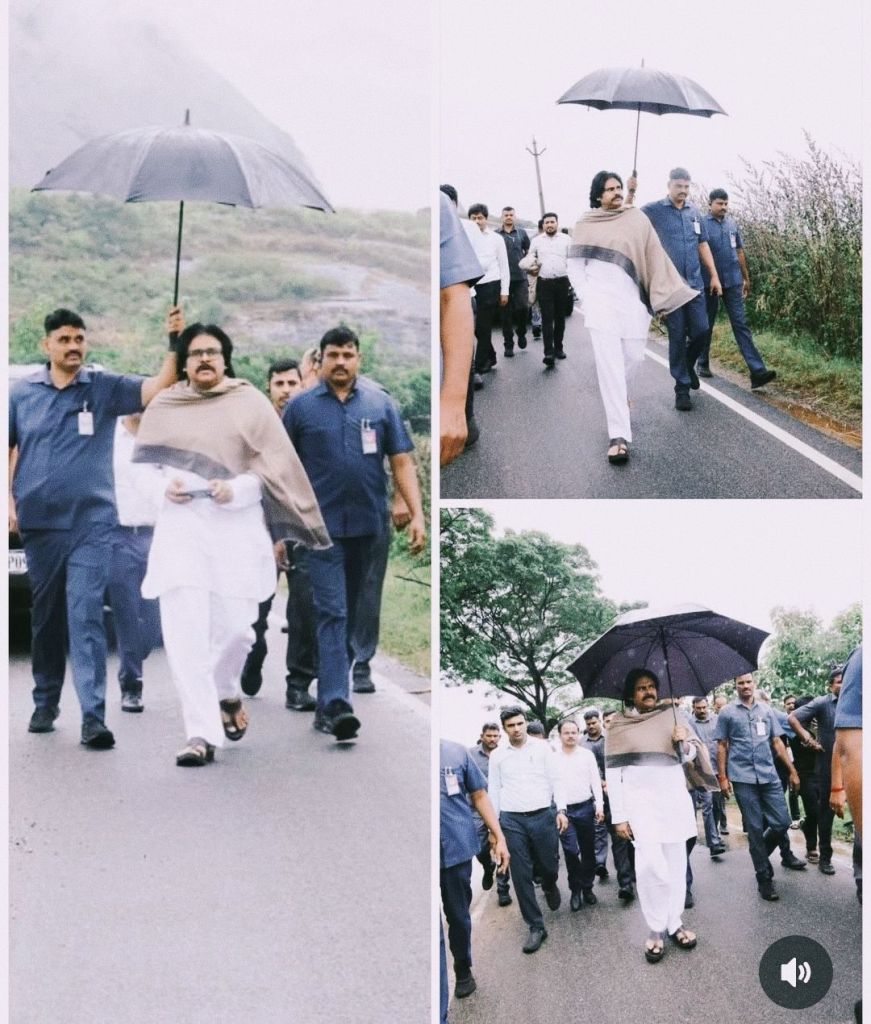
←Previous Page
1 … 68 69 70 71 72 … 146
Next Page→

Blog at WordPress.com.

Loading Comments...

    • Subscribe Subscribed
      • SOCIAL PERSPECTIVES
      • Join 107 other subscribers
      • Already have a WordPress.com account? Log in now.
      • SOCIAL PERSPECTIVES
      • Subscribe Subscribed
      • Sign up
      • Log in
      • Report this content
      • View site in Reader
      • Manage subscriptions
      • Collapse this bar