Skip to content
    • About

SOCIAL PERSPECTIVES

  • “Concrete Arteries: India’s Expressways Are Fuelling a Highway to Economic Glory”

    December 4th, 2024

    From Rapid Commutes to Economic Powerhouses: India’s Expressways are Reshaping the Future of Mobility, Trade, and Growth

    Picture this: a highway not just for cars, but a road of transformation, pulsing with the energy of economic progress. The expressways of India, once a distant dream, are now a tangible reality, weaving a network that’s reshaping the country’s future. These highways are not mere stretches of concrete; they are the lifeblood of India’s modernization, the engines driving the country’s economic surge, urban growth, and even the spirit of national unity. From rapid commutes to fostering trade and tourism, India’s expressways are transforming the way we live, work, and travel, and they are poised to fuel the nation’s growth for years to come.

    For decades, India’s transportation system was characterized by slow, bumpy rides along outdated highways. These roads, while essential, were a barrier to efficient travel, commerce, and communication. But with the advent of expressways, the country has entered a new era. These high-speed, controlled-access roads are not just reducing travel times; they are revolutionizing the way we experience distance, moving India toward a future of unparalleled connectivity. A striking example of this transformation is the Mumbai-Pune Expressway. This landmark project has reduced travel time between the two cities by over an hour, providing more productive hours for businesspeople, tourists, and daily commuters. In a country where time is often a scarce commodity, expressways are game-changers, offering an unprecedented speed of movement and fostering greater economic and social dynamism.

    However, these roads do more than just make travel convenient. They serve as arteries that pump economic vitality into India’s heart. The Delhi-Gurgaon Expressway is a prime example of this, enhancing connectivity between Delhi and Gurgaon. By streamlining the flow of goods and services, this expressway helps businesses thrive, cutting transportation costs and opening new markets. This kind of connectivity is invaluable for industries like e-commerce, which rely on efficient logistics to meet growing consumer demand. The expressways are not just reducing travel time—they are acting as the fuel that powers India’s economic engine, enhancing trade, reducing business costs, and fostering growth in industries that contribute to the nation’s GDP.

    The reach of expressways extends far beyond the bustling urban hubs. They are opening up the remotest corners of the country, ensuring that rural areas benefit from the same opportunities as their urban counterparts. The Yamuna Expressway, for instance, connects Delhi to Agra, facilitating faster travel to one of India’s most famous tourist destinations. This route has not only boosted tourism but also created new avenues for local businesses. Previously isolated towns along the expressway now have access to larger markets, goods, and even tourists, creating a ripple effect of economic activity in their wake. The once-sleepy towns along this route have experienced a surge in employment opportunities, real estate development, and local businesses, thanks to the infrastructure that ties them to larger economic centres.

    The impact of expressways isn’t just about commerce; it’s about setting new standards for infrastructure in India. As the country’s expressway network expands, it is also pushing the boundaries of safety, technology, and environmental sustainability. The Delhi-Meerut Expressway is a notable example of this. It incorporates cutting-edge electronic toll collection systems, advanced traffic management technology, and eco-friendly green spaces along its route. These innovations not only improve the driving experience but also help reduce pollution and mitigate the environmental impact of rapid development. The expressway is an example of how modern infrastructure can be built with sustainability in mind, ensuring that growth is balanced with environmental responsibility.

    One of the most striking effects of expressways is their role in urban development. Cities like Gurgaon and Noida, once peripheral towns, have evolved into thriving metropolises, thanks in large part to their proximity to major expressways. The Ahmedabad-Vadodara Expressway has similarly transformed the region, serving as the backbone of a real estate boom. This expressway has made it easier for people to travel between Ahmedabad and Vadodara, facilitating residential and commercial development along its route. The ease of access has spurred the growth of new neighborhoods, business parks, and employment opportunities, turning these once-marginalized towns into bustling hubs of economic activity.

    Expressways also play a critical role in improving national logistics. The Delhi-Mumbai Expressway, one of the country’s most ambitious infrastructure projects, promises to slash travel time between the national capital and the financial capital by half. This 1,350-kilometer road will significantly improve the efficiency of goods transportation, reducing costs and accelerating the movement of goods between two of India’s most important economic centres. This improved logistics capacity is a game-changer for industries like e-commerce, where the speed of delivery can make or break customer satisfaction. Expressways enable faster deliveries, boosting the online retail market and ensuring that consumers have access to products more quickly and reliably. In a world where convenience and speed are paramount, expressways are key to keeping businesses competitive and consumers satisfied.

    The financial impact of expressways is also substantial. While the cost of building these high-speed roads can be enormous—upwards of 14 crores per kilometre for a four-lane expressway—the returns on investment are equally impressive. Reduced travel time, greater efficiency in goods transportation, and increased local economic activity all contribute to a more dynamic, competitive economy. The Delhi-Mumbai Expressway alone is expected to save businesses billions of rupees annually by cutting transportation costs. The value generated by expressways far exceeds the cost of their construction, making them one of the most cost-effective investments for the nation’s future.

    Despite their many benefits, expressways are not without challenges. The construction of these high-speed roads often involves significant land acquisition, which can lead to the displacement of communities. Additionally, large-scale infrastructure projects like these can have environmental impacts, including noise pollution and disruption to ecosystems. However, with careful planning, compensatory measures, and the use of eco-friendly construction techniques, these challenges can be mitigated. The benefits of expressways, however, far outweigh the drawbacks, as they serve as the backbone of India’s modern economy and contribute to national development in profound ways.

    India’s ambitious plans for expanding its expressway network are transforming the country’s landscape. From the Delhi-Mumbai Expressway to the upcoming Bangalore-Chennai Expressway, new projects are constantly in the works, each one making India more connected, dynamic, and prosperous. These roads are not just infrastructure; they are the highways of progress, driving the nation toward new economic and social heights. As India’s expressway network continues to grow, the country is moving toward a future that is faster, more efficient, and more interconnected than ever before. The expressways are not just the arteries of India’s road system—they are the lifeblood of its future.

    Visit arjasrikanth.in for more insights
  • “Blood Money: The Dark Finances Fuelling Global Terror”

    December 3rd, 2024

    “Crypto, Contraband, and Chaos: Inside the Financial Web of Terror Networks”

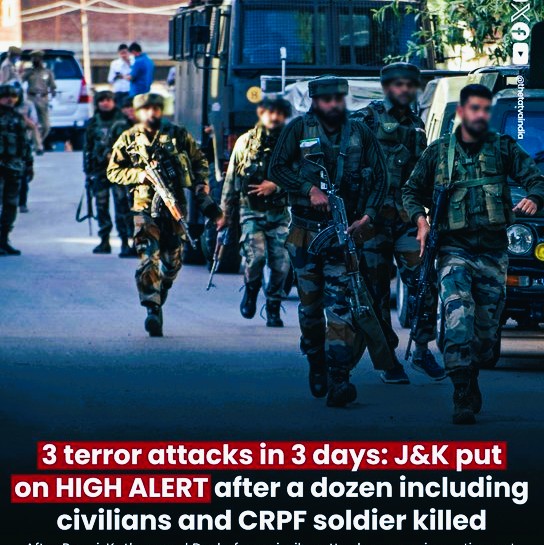
    In the annals of modern history, few events have sent shockwaves through the global consciousness quite like the terrorist attacks that gripped Mumbai in November 2008. For 60 harrowing hours, the city that never sleeps was brought to its knees as ten operatives from the militant group Lashkar-e-Taiba executed a series of coordinated assaults on iconic locations. Among the targets were the historic Taj Mahal Palace Hotel, the Chhatrapati Shivaji Maharaj Terminus, the bustling Leopold Café, a Jewish synagogue, and a cinema. The aftermath was devastating: at least 166 lives were lost, including 20 security personnel and 26 foreign nationals, with over 300 individuals injured. The trauma and deep psychological scars inflicted by these attacks are incalculable, but the tangible costs are staggering and demand our attention.

    The financial implications of terrorism have become glaringly apparent in the aftermath of such tragedies. Earlier this year, the Global Terrorism Index (GTI) reported a chilling statistic: the total economic cost of terrorism surged by 22% to $8,352 billion in 2023, marking the highest level since 2017. This alarming figure does not even account for the devastating attacks that occurred on October 7 in Israel, which, if included, could push the total cost even higher. While the incidence of terrorist attacks decreased by 22% to 3,350, the average number of casualties per attack skyrocketed by an astonishing 56%. The grim reality is that the average number of people killed in attacks increased from 1.6 in 2022 to 2.5 in 2023—the worst trend observed in nearly a decade.

    What drives these organizations that inflict devastating harm upon innocent civilians? Where do they secure their funding? The answers are complex and unsettling. Terrorist financing has evolved dramatically, with groups increasingly turning to digital currencies like Bitcoin for their transactions. The anonymity afforded by cryptocurrencies makes it nearly impossible to trace the origins and destinations of funds, complicating global efforts to combat financing terrorism. Meanwhile, traditional methods such as donations through charities, hawala networks, and state sponsorship continue to play a significant role in sustaining terror networks.

    In India, the statistics surrounding terrorism and its impact reveal a troubling landscape. Since 2007, the country has seen a decline in large-scale terrorism, yet there have been over 90 different organizations responsible for at least one terrorist attack in the last 15 years. These groups range from small-scale local factions to larger, more organized entities. The cost of maintaining security forces to counter these threats is staggering. Estimates suggest that India maintains approximately 343,000 personnel in Kashmir alone, with the cost of counter-terrorism measures ballooning to unsustainable levels.

    The financial burden of terrorism stretches far beyond immediate casualties; it reverberates through the economy, affecting tourism, foreign investment, and the overall perception of safety in the region. Major security precautions at airports, train stations, and public events often lead to a country losing face on the global stage. As fears of terrorism grow, tourist activity declines, resulting in a decrease in foreign investments that are essential for economic growth. The repercussions are felt not only in the immediate aftermath of an attack but also in the long-term economic stability of affected regions.

    The GTI provides invaluable insights into the trends and patterns of terrorist activities worldwide. The report highlights a significant increase in the average number of deaths per attack, with 1,200 individuals killed in a single incident underscoring the severity of the threat. Countries with the highest impact of terrorism are often characterized by political instability, lack of governance, and weak state control. Shockingly, this year marked the first time that a country other than Afghanistan or Iraq witnessed the highest levels of terrorist activity.

    The challenges surrounding terrorism are exacerbated by the emergence of new tactics and methods employed by extremist groups. The October 7 attack in Israel was the largest since the September 11 attacks, showcasing the increasing sophistication of operations carried out by organized and competent groups. Terrorism has morphed into a global challenge, with local attacks in Europe, Africa, and beyond illustrating that the threat is not confined to any particular region.

    As governments and law enforcement agencies grapple with these challenges, the need for comprehensive counterterrorism strategies has never been more critical. The Financial Action Task Force (FATF) has highlighted the gaps in many countries’ abilities to combat money laundering and terrorist financing effectively. In India, despite being classified as largely compliant in addressing these issues, the stark reality reveals that only 28 convictions have been secured in the past five years for money laundering related to terrorism—a mere fraction of the actual instances occurring.

    Moreover, social media has become a powerful tool for terrorists, enabling them to recruit supporters and incite violence. The unprecedented access to global audiences allows extremist ideologies to spread rapidly, resonating with individuals across borders. This phenomenon poses a significant challenge to traditional counterterrorism efforts, as communication channels blur the lines between local and international threats.

    In the context of the evolving landscape of terrorism, the question remains: how can we effectively combat this pervasive threat? The answer lies in a multifaceted approach that encompasses not only intelligence and military strategies but also economic measures and community engagement. Building resilience within affected communities, investing in education, and promoting social cohesion can help counter the narratives that fuel extremism.

    As we reflect on the economic toll of terrorism, it becomes evident that the fight against this menace is not just about military might; it is about addressing the root causes that drive individuals toward violence. Countries must work collaboratively to share intelligence, enhance enforcement mechanisms, and tackle the financial networks that sustain terrorist organizations.

    The trauma inflicted by attacks like those in Mumbai, New York Israel, serves as a grim reminder of the urgency to act. The scars left on individuals, families, and communities are profound, and the economic ramifications extend far beyond the immediate aftermath. It is imperative for governments, civil society, and the international community to unite in a concerted effort to combat terrorism, ensuring that the principles of justice and security prevail.

    In a world that often feels increasingly divided, the fight against terrorism demands resilience, collaboration, and an unwavering commitment to peace. The statistics paint a sobering picture, but they also serve as a call to action. By confronting the issue head-on and addressing the underlying factors that contribute to extremist violence, we can work toward a future where safety, security, and prosperity are not just aspirations but fundamental rights for all.

    The battle against terrorism is not solely a fight against armed groups; it is a struggle for the very fabric of society itself, a testament to our collective resolve to create a world free from the shadows of fear and violence. In this ongoing battle, the lessons learned from past tragedies must guide our actions, ensuring that we remain vigilant and proactive in safeguarding our communities against the scourge of terrorism. Only through unity and determination can we hope to build a safer world for ourselves and future generations.

    Visit arjasrikanth.in/ @DrArjasreekanth for more insights

  • “Smuggled Grains and Political Pains: Pawan Kalyan’s Explosive Visit to Kakinada Port”

    December 2nd, 2024

    Deputy CM’s Bold Inspection Turns the Spotlight on Corruption, Smuggling, and Governance Cracks in Andhra Pradesh

    In a significant and politically charged development, Deputy Chief Minister Pawan Kalyan’s visit to Kakinada Port has brought to light a troubling nexus of illegal rice transport activities, corruption, and systemic lapses. What appeared to be a routine inspection evolved into a bold exposé of the long-standing issue of rice smuggling in Andhra Pradesh, highlighting serious concerns about governance, accountability, and law enforcement. Kalyan’s proactive measures and unflinching critiques have sparked intense public debate, underscoring his commitment to transparency and reform.

    The gravity of the situation is underscored by the role of rice in the Public Distribution System (PDS). The government procures rice at ₹47 per kilogram, distributing it at a highly subsidized rate to support vulnerable populations. However, allegations have surfaced about subsidized rice being diverted for illegal exports, distillery production, and poultry feed. Such actions not only betray public trust but also exploit government resources, compromising the objectives of welfare initiatives. Kalyan’s visit to the port aimed to uncover the truth behind these allegations, and his findings have revealed systemic failings that demand urgent redress.

    During his inspection, Kalyan discovered over 1,000 tons of PDS rice allegedly prepared for illegal export to West Africa. This discovery epitomizes the deeply entrenched smuggling operations that persist despite numerous attempts to clamp down on such practices. His intervention has drawn attention to the limitations of existing oversight mechanisms and the urgent need for structural reform. Kalyan’s approach was not limited to identifying the issue; it served as a clarion call for stakeholders to address the root causes of these illegal activities.

    Kalyan’s candid remarks on social media further emphasized the gravity of the situation. He described the port as a “free-for-all,” a sentiment resonating with citizens disillusioned by the perceived inefficacy of law enforcement. While some critics have viewed his tone as harsh, many see it as a reflection of public frustration and a demand for systemic change. His statements have reignited discourse on the need for robust governance and stricter enforcement to curb illegal activities.

    The bureaucratic framework of district administration often complicates such high-profile interventions. Statutory authorities like the Collector and Superintendent of Police hold significant responsibility for operational oversight. Kalyan’s role as Deputy Chief Minister is inherently strategic, focusing on policy and vision. Nevertheless, his hands-on approach during the visit signals a shift toward accountability and public involvement, challenging traditional administrative paradigms. Supporters argue that such direct action strengthens transparency and public confidence, while critics suggest that collaborative and behind-the-scenes efforts might yield more sustainable outcomes.

    The implications of rice smuggling extend beyond financial losses to national security concerns. Following Kalyan’s visit, authorities intercepted the vessel *Stella L Panama*, allegedly carrying 640 tons of so called, smuggled rice. While this seizure highlights the vigilance of some enforcement mechanisms, it also exposes the reactive nature of current strategies. Kalyan’s critique seeks to drive a shift toward proactive, systemic measures that address vulnerabilities before they are exploited.

    Industry representatives, however, offer a nuanced perspective. Some rice millers contend that the seized rice was a legitimate processed commodity, delayed due to bureaucratic issues such as bank guarantees, rather than an attempt at smuggling. These claims point to the complexities of port operations and the need for careful investigations to avoid unintended harm to legitimate businesses. This interplay between enforcement and industry perspectives underscores the necessity of dialogue, transparency, and well-coordinated regulatory mechanisms.

    Kalyan’s remarks on the regional security implications of smuggling further underscore the broader stakes. The strategic importance of the Kakinada port area, home to ONGC oil fields and the KG Basin, amplifies the need for vigilance. Smuggling networks not only undermine economic stability but also pose risks to critical infrastructure. Kalyan’s emphasis on this aspect calls for a holistic approach to enforcement that integrates economic, social, and security considerations.

    His visit has sparked a spectrum of reactions, ranging from applause for his boldness to criticism of his methods. Some argue that public criticisms of systemic shortcomings could strain relationships within the government and coalition dynamics. Yet, his supporters highlight the necessity of such transparency in fostering reform. Kalyan’s willingness to confront entrenched issues demonstrates a commitment to integrity and justice, even at the cost of political comfort.

    The absence of the district Superintendent of Police during the inspection further highlighted operational gaps in the administration. Kalyan’s insistence on accountability and his call for a thorough investigation into smuggling networks reinforce his focus on safeguarding public resources and upholding the rule of law. His actions have elevated the issue from local concern to a matter of state-wide importance, urging collective action to resolve systemic flaws.

    While the episode has cast a shadow over the port’s operations and credibility, it also presents an opportunity for renewal. Addressing the lapses identified by Kalyan can restore public trust and bolster the port’s reputation as a hub of legitimate trade and governance. By strengthening oversight, improving coordination among agencies, and leveraging technology for monitoring, authorities can create a framework that deters illegal activities while supporting economic growth.

    Looking ahead, the road to reform demands a multi-pronged approach. Enhanced enforcement, proactive measures, and inter-agency collaboration are essential to addressing the challenges posed by smuggling. Equally important is fostering dialogue with industry stakeholders to balance enforcement with economic viability. Such efforts can pave the way for sustainable solutions that protect public welfare while supporting legitimate enterprise.

    Kalyan’s visit to Kakinada Port has catalysed an essential conversation on governance, accountability, and public leadership. His actions underscore the importance of confronting uncomfortable truths and advocating for systemic change. As the situation unfolds, the focus must remain on constructive action and collaborative solutions that address the root causes of identified problems. With a shared commitment to progress, Andhra Pradesh can turn this challenging moment into a stepping stone for transformative reform.

    Visit arjasrikanth.in or @DrArjasreekanth on X for more insights

  • “Storm-proof Success: Adani Group’s Journey Through Shadows and Spotlight”

    December 1st, 2024

    Resilience and Global Trust Propel India’s Flagship Conglomerate Beyond Baseless Allegations

    In the vast narrative of global business, the Adani Group emerges as a monumental symbol of resilience, ingenuity, and relentless progress. In the face of unfounded allegations, the conglomerate remains undeterred, buoyed by the unwavering support of international partners and the steadfast confidence of India. These accusations, dismissed by many as mere distractions, only serve to cast a brighter light on the group’s exceptional achievements and unwavering governance.

    Recent bribery allegations, allegedly part of an international conspiracy, have sought to tarnish the reputation of a company that has become emblematic of India’s rise on the world stage. Yet, these claims have done little to shake the trust placed in Adani by countries such as India, Israel, Saudi Arabia, Tanzania, and Australia. These nations recognize the unmatched value Adani brings in infrastructure and green energy, reaffirming their confidence in the company’s ability to execute transformative projects. For them, these accusations are mere footnotes—fleeting shadows against an otherwise luminous horizon.

    Israel’s unwavering support solidifies Adani’s global credibility. Holding a 70% stake in the strategic Haifa Port and pursuing ambitious plans in military drone production and semiconductor manufacturing, Adani is not only a business partner but a cornerstone of Israel’s strategic vision. Reuven Azar, Israel’s envoy to India, publicly dismissed the allegations, emphasizing their insignificance to Israel. This statement underscores the deep trust between the two entities, rendering the current controversies irrelevant to their robust partnership.

    In the Middle East, the Abu Dhabi-based International Holding Company (IHC) exemplifies absolute confidence in Adani’s vision. Managing assets close to $100 billion, IHC has committed significant investments in Adani’s green energy ventures, further solidifying the symbiotic relationship that thrives on sustainability and innovation. These long-term commitments reflect a shared dedication to transforming industries and shaping the future.

    Tanzania’s endorsement amplifies Adani’s global presence. A 30-year concession agreement with Adani Ports to operate Container Terminal 2 at Dar es Salaam Port reflects a steadfast belief in the group’s expertise and integrity. These agreements not only strengthen Tanzania’s infrastructure but also highlight the trust that developing nations place in Adani to bring about positive change.

    At home, Adani continues to enjoy the resolute support of Indian investors and the broader public. The resurgence of Adani shares, recovering swiftly from initial declines, mirrors the deep-rooted confidence in the company’s vision. This rally has reinvigorated existing stakeholders and attracted new investors who see Adani as a beacon of India’s aspirations for a prosperous, sustainable future. The company’s ground-breaking work in infrastructure and renewable energy resonates with the nation’s goals, positioning Adani as an integral part of India’s growth story.

    The U.S. Department of Justice’s allegations, though significant in tone, fail to implicate key Adani executives such as Chairman Gautam Adani, Executive Director Sagar Adani, or Managing Director and CEO Vneet Jaain. These charges, cantered around securities fraud and wire fraud conspiracy, are based on statements from former employees of unrelated entities, with no substantial evidence linking Adani’s leadership to any wrongdoing. Eminent legal figures like Mukul Rohatgi and Mahesh Jethmalani have strongly defended the group, dismissing the charges as speculative and politically motivated.

    Adani’s resilience in the face of adversity is not a new phenomenon. The Hindenburg report, a prior attempt to destabilize the conglomerate, failed to affect its operations or ethical standing. The latest allegations seem to be yet another attempt to undermine a company that has become synonymous with India’s emergence as a global power. Observers around the world, including those in the Netherlands, have noted that the rapid rise of Indian corporations like Adani challenges established global dominance, making them targets of orchestrated efforts to thwart their progress.

    The Adani Group’s strength lies not only in its robust governance but also in the unwavering dedication of its workforce. The company’s ability to deliver transformative projects—both in India and internationally—speaks volumes about the hard work, innovation, and commitment of its teams. From building critical infrastructure to leading green energy initiatives, Adani continues to shape a better future, earning the trust of nations and communities globally.

    Adani’s achievements speak louder than any baseless allegations it faces. Its Corporate Sustainability Assessment (CSA) score of 67 out of 100 for FY 2023-24, significantly above the sectoral average of 42, is a testament to its dedication to responsibility and innovation. These accomplishments are not mere statistics but reflect a culture of excellence that drives the group forward.

    In India, Adani’s efforts are deeply aligned with the nation’s vision of self-reliance and global leadership. The group’s initiatives resonate with India’s aspirations to become a global powerhouse in infrastructure and renewable energy. This alignment fosters a sense of national pride, further strengthening the trust that the Indian public places in the group.

    As the dust settles, the narrative is clear: these allegations are but fleeting moments in Adani’s illustrious journey. The group’s robust governance, strategic international partnerships, and unshakable support from India ensure that it remains a formidable force on the global stage. Adani’s resilience, vision, and unwavering commitment to excellence serve as a beacon of inspiration, demonstrating that no storm—however fierce—can derail its path to greatness.

    The Adani Group stands as a shining example of resilience and innovation, weathering baseless allegations with unyielding resolve. Its global partnerships, groundbreaking achievements, and deep-seated Indian support form the bedrock of a legacy built on trust and hard work. While conspiracy clouds may loom, they cannot obscure the brilliance of a conglomerate dedicated to shaping a better tomorrow. Adani’s journey is a living testament to the enduring spirit of progress, proving that the confidence of a nation and the trust of international allies are the strongest shields against any adversity.

    Visit arjasrikanth.in for more insights.

    Also @DrArjasreekanth on X

  • Echoes of the Lambadi Legacy: Dr. A. Sharath’s IAS , Defiance of Limits

    December 1st, 2024

    **From Tribal Roots to IAS Glory: The Unfolding Saga of Transformation Through Resilience!**

    History frequently spotlights inspiring figures whose journeys defy social and personal limits, reshaping our world through vision and courage. They emerge from diverse backgrounds, yet their shared resolve to challenge the status quo and leave a legacy resonates across generations. One such extraordinary figure in contemporary India is Dr. A. Sharath, an IAS officer whose life journey traces a compelling narrative from the humble tribal landscapes of Telangana to exalted heights of public service. His story epitomizes a relentless quest to uplift marginalized communities, illuminating the profound impact that determination, innovation, and compassion can instigate in society.

    Born into the Lambadi tribal community in the Nalgonda district, this remarkable individual’s life was anything but privileged. Instead, he emerged from an environment where opportunities were scarce, and challenges were abundant. Rather than being deterred by these obstacles, he transformed them into motivating forces, charting a path that defied societal expectations. His ascent to the esteemed Indian Administrative Service (IAS) becomes not just a personal accomplishment but a testament to the resolute spirit that drives people towards societal transformation.

    This narrative encapsulates an invaluable lesson in resilience and service. Growing up in a tribal family devoid of wealth, he faced limited access to essential resources. Yet, these challenges were the catalysts that ignited his resolve to forge change not merely for himself but for those in dire need. His journey to the IAS wasn’t a fleeting ambition; it became a mission grounded in a profound commitment to enhancing lives across his community. This trajectory revealed a beginning where every achievement heralded a new opportunity to improve communal welfare.

    As he embarked on his career, each role he undertook allowed him to interact closely with tribal communities. Initially serving as a Tribal Project Officer, he tackled the pressing issues gripping tribal regions—education, healthcare, and livelihoods—leveraging local knowledge and culturally- sensitive approaches. His models, rooted in sustainable practices, focused not merely on addressing immediate woes but looking toward long-lasting resilience. His inconspicuous beginnings forged a leader who would later influence policies and administrative frameworks not just locally, but also through impact felt across India.

    Ascending to key positions such as District Magistrate and Collector, his tenure solidified his reputation as an innovative leader. “Together we will win,” his emblematic mantra reverberated through his communities, serving as a clarion call for collaboration. In cultivating a participatory governance approach, he mobilized people toward collective progress, revolutionizing governance practices extending from land rights to healthcare services. His visionary leadership transformed districts into models of administrative efficiency, uplifting educational institutions to top state rankings, all while improving healthcare access and standards.

    The numerous accolades he received reflect the magnitude of his contributions to society. Named in honor by community members through infrastructure and landmarks—a remarkable honor for any public servant—his achievements resonated beyond personal accolades. Receiving two national awards from the President of India underscores his meaningful and impactful work as District Magistrate, carving inroads towards transformative community upliftment.

    His diverse roles—spanning Commissioner of Panchayat Raj, Secretary of the Tribal Welfare Department, and Vice Chairman of the Girijan Cooperative Corporation (GCC)—illustrate a comprehensive, systems-thinking approach to public administration. He embraced technology and innovation, ensuring streamlined service delivery, transparency, and efficiency across government tiers. By fostering market linkages and promoting tribal produce, he forged pathways for economic empowerment while diligently preserving traditional cultural practices, marking an intertwining of growth and heritage.

    Central to his illustrious narrative is a steadfast commitment to the welfare of tribal communities, grappling with the complexities of systemic injustices. He established initiatives encompassing educational upliftment, healthcare access, and economic independence, embodying sustainable development principles that promise enduring change. Fostering skills and supporting entrepreneurship, he laid the groundwork for a brighter and more equitable future.

    More than merely a civil servant, he emerged as a forward-thinking leader where public service intersects sustainability. His approach advocates for a circular economy, underscoring the importance of ecological balance alongside development, reflecting visionary leadership that harmonizes progress with environmental stewardship—an urgent narrative for future generations.

    Across three decades of impressive service, this IAS officer exemplifies tireless dedication and relentless pursuit for betterment. His work ethic rivals that of newcomers, rooted in purpose—a tenet that drives him to see public service not as mere duties, but as essential components of a broader mission to uplift society.

    This journey stands testament to the transformative power of value-oriented leadership. By merging compassion, integrity, and innovative thinking, he demonstrates that meaningful change emerges through collaborative action. His legacy not only inspires others but also incites a call to action among the next generation of public servants to pursue change with undeterred resolve.

    In the annals of Indian public service, Dr. A. sharath’s IAS  narrative shines brightly, heralding a shift towards governance focused on the marginalized. Ultimately, his story reaffirms the profound truth that genuine leadership transcends accolades or positions; it resides in the lives uplifted, the systems refined, and the baton of justice and compassion carried forward. As he continues his work, he embodies an ethos poised for the capturing of hope, equity, and sustainability, inscribing a new chapter in India’s socio-economic tapestry.

    Visit arjasrikanth.in for more insights

    Also @DrArjasreekanth on X

  • Persecution Chronicles: The Vanishing Hindus of Bangladesh

    December 1st, 2024

    Unmasking Injustice, Fear, and the Fight for Survival in a Fractured Nation

    The plight of religious minorities, particularly the Hindu community in Bangladesh, has reached a critical juncture, often overshadowed by broader political narratives and geopolitical manoeuvrings. Recent developments highlight the urgent need for domestic and international attention to address the escalating violence and discrimination against these vulnerable groups.

    Reports of increasing violence against Hindus in Bangladesh are not isolated incidents but part of a troubling pattern that has unfolded over decades. Since Bangladesh’s independence, the Hindu population has plummeted from approximately 30% to less than 8%, underscoring the systemic marginalization and persecution they face. Acts of violence, including the desecration of temples and targeted attacks on communities, have left a deep scar on the country’s social fabric. These incidents demand immediate governmental action to ensure justice and protect the fundamental rights of all citizens, regardless of their religious affiliation.

    Amid this crisis, the Hindu community’s calls for protection resonate as a desperate plea for recognition and action. They argue that the government must uphold its constitutional duty to provide safety and security to all its citizens. The recurring violence against minorities has cultivated an environment of fear and insecurity that can only be mitigated through decisive intervention and robust policy measures. The involvement of all stakeholders, including community leaders and civil society, is critical in addressing these challenges and fostering a sense of inclusivity.

    Adding complexity to the situation is the targeting of organizations like the International Society for Krishna Consciousness (ISKCON). As a global movement promoting universal values of compassion and service, ISKCON has been a beacon of hope for many in the Hindu community. Yet, recent attacks on its temples and members highlight the growing hostility from radical elements. Such incidents not only threaten the existence of these organizations but also strike at the core of religious freedom in Bangladesh.

    Statements from government representatives often paint a starkly different picture. For instance, the Law Ministry, through figures like Asif Nazrul, has asserted that minorities feel safer under the current administration. However, these claims have been met with widespread scepticism. Surveys reveal that a significant portion of the population—64.1%, according to some reports—believes the government is failing to ensure the safety of minorities. This disconnect between official narratives and ground realities raises critical questions about the credibility and effectiveness of the administration’s efforts.

    The issue also carries profound geopolitical implications. Many have criticized the Bangladeshi administration for using external surveys, such as those conducted by Voice of America, to downplay the atrocities against minorities. He argues that these narratives distract from the urgent need to address the systemic violence and discrimination faced by marginalized communities.

    The roots of this crisis can be traced back to Bangladesh’s liberation struggle in 1971. Historical grievances, including allegations of collaboration with Pakistan by certain political figures, have left a legacy of mistrust and division. This history continues to influence contemporary inter-community relations and complicates efforts to achieve reconciliation and unity.

    As global awareness of these issues grows, calls for intervention from international leaders are becoming more pronounced. During his campaign, former U.S. President Donald Trump highlighted the need to address violence against Hindu minorities in Bangladesh, urging stronger action from the United States. Whether such rhetoric will translate into tangible policy shifts remains uncertain, particularly as the Biden administration navigates its strategic interests in the region, primarily focused on countering China’s influence. Critics argue that these geopolitical considerations often overshadow human rights concerns, allowing oppressive policies to persist unchecked.

    Despite the bleak circumstances, there are glimmers of hope. Acts of solidarity between Muslim and Hindu communities in Bangladesh demonstrate the potential for inter-community dialogue and cooperation. Many Muslim citizens have expressed their support for their Hindu neighbour’s, emphasizing the shared humanity that transcends religious divides. Such gestures are vital for building bridges in a society increasingly polarized by politics and ideology.

    India, as a neighboring country with deep historical and cultural ties to Bangladesh, has a significant role to play in addressing this crisis. The Indian government, led by the Prime Minister and the Ministry of External Affairs, must take a firm stance on the issue, advocating for the protection of minorities and considering economic measures if the violence continues unabated. The legacy of the 1971 genocide serves as a stark reminder of the consequences of inaction, urging the global community to hold the Bangladeshi government accountable for safeguarding its most vulnerable populations.

    The narrative surrounding the treatment of minorities in Bangladesh is further complicated by allegations of foreign interference in its politics. Figures like Dr. Muhammad Yunus have been accused of collaborating with external powers to influence the country’s internal dynamics. Such allegations raise concerns about the role of international actors in exacerbating or mitigating the crisis.

    As the world watches, the situation in Bangladesh stands as a test of its commitment to justice and human rights. The international community must amplify the voices of those affected by violence and discrimination while addressing the broader geopolitical factors that shape the narrative. Advocacy for peace and tolerance must transcend national and religious boundaries, fostering a unified front against hatred and oppression.

    The challenges facing Bangladesh are immense, but so are the opportunities for transformative change. By promoting dialogue, understanding, and cooperation among communities, Bangladesh can aspire to a future where all its citizens live in harmony and security. The lessons of history and the values of justice must guide the nation’s journey toward peace, ensuring that the shadows of persecution give way to the light of unity and compassion.

    Visit arjasrikanth.in for more insights

    Also @DrArjasreekanth on X

  • From Silence to Sovereignty: Pawan Kalyan’s Fiery Quest to Revive Sanatana Dharma in “Secular Modern India!”

    November 30th, 2024

    “From ‘Varahi Declaration’ to the Sanatana Dharma Protection Board, a Vision for Secular Justice and Cultural Revival”

    In the vibrant tapestry of India, where diverse threads weave a rich cultural and spiritual narrative, Sanatana Dharma stands as the cornerstone of the nation’s identity. This ancient tradition, symbolizing continuity and timelessness, has profoundly influenced the ethos of the Indian subcontinent. From its philosophical depth to its vibrant rituals and festivals, Sanatana Dharma has been integral to shaping Indian civilization. Yet paradoxically, Hindus, who form the majority of the population, often find themselves navigating a hostile landscape where their temples, traditions, and rituals face persistent threats. This glaring contradiction raises critical questions: How can the majority faith, foundational to India’s heritage, find itself vulnerable in a secular democracy?

    The Indian Constitution enshrines secularism as one of its core principles, guaranteeing equality for all religions. However, the lived reality diverges sharply from this ideal. Minority communities enjoy robust protections, special provisions, and significant state support, while Hindus frequently encounter bureaucratic hurdles and institutional biases. This imbalance undermines their ability to freely practice their religion and preserve their heritage. Secularism, conceived as a unifying principle, has often been wielded as a double-edged sword, marginalizing Sanatana Dharma. This has led to the unfortunate portrayal of Hindu traditions as regressive or politically inconvenient, diminishing their rightful place in India’s pluralistic framework.

    Amidst this backdrop, actor-turned-politician Pawan Kalyan, now Deputy Chief Minister of Andhra Pradesh, has emerged as a resolute advocate for Hindu rights. His impassioned efforts to preserve and protect Sanatana Dharma resonate with millions of Hindus across India. At a public rally in Tirupati, Kalyan unveiled the Varahi Declaration, a bold manifesto aimed at reclaiming the rights of Hindus and fortifying their cultural identity. This declaration outlines a comprehensive vision to safeguard the religious, cultural, and spiritual aspects of Hinduism, which are increasingly under threat from both internal and external forces.

    Central to Kalyan’s vision is the establishment of a Sanatana Dharma Protection Board, operating at both national and state levels. This body would be tasked with preserving Hindu temples, rituals, and properties, offering protection comparable to safeguards enjoyed by other religious communities. The board’s creation marks a vital step toward institutional support for Hinduism, ensuring that it receives the attention and care it deserves in a country where it is often sidelined.

    Another cornerstone of the Varahi Declaration is the introduction of a Sanatana Dharma Certification system, designed to oversee the sanctity of temple rituals and offerings. This initiative addresses longstanding controversies surrounding temple governance, including the mismanagement of temple properties and the declining quality of religious services. By enforcing adherence to traditional practices, the certification system would safeguard against corruption, restore trust among devotees, and ensure that temples remain centres of genuine spiritual practice rather than commercialized institutions.

    Kalyan has been an outspoken critic of pseudo-secular ideologies that selectively deride Hindu traditions while shielding other faiths from scrutiny. He challenges the tolerance levels of such narratives, asking pointedly, “Would the same leniency exist if similar criticism were directed at other religions?” This question underscores the selective outrage dominating India’s public discourse. By confronting political figures like opposition leader over dismissive remarks about Hindu traditions, Kalyan has exposed the cultural insensitivity embedded in political narratives. His statement—“You might hate Modi ji, hate us, but don’t dare to hate Lord Ram”—resonates deeply with Hindus who feel their spiritual beliefs are under constant attack.

    Kalyan’s advocacy transcends rhetoric, calling for a unified Hindu community that rises above caste, region, and language divisions. In his vision, solidarity is essential for reclaiming the rightful place of Hindus in India’s political and cultural landscape. To this end, he proposes a National Ministry for Religious Affairs, aimed at minimizing governmental interference in Hindu matters and ensuring cohesive policies for preserving Hindu traditions. This ministry would address issues like temple property mismanagement and governance inefficiencies, providing a structured approach to protecting Hindu heritage.

    Kalyan envisions temples as more than places of worship; he sees them as community hubs fostering education, art, culture, environmental stewardship, and economic development. This holistic approach reclaims the ancient role of temples as centres of knowledge and social welfare, ensuring they contribute to the broader well-being of society.

    One of the most pressing challenges Kalyan addresses is the systemic bias against Hindus under the guise of pseudo-secular ideologies. He argues that these narratives embolden anti-Hindu rhetoric while silencing Hindu voices, creating an environment where Hindu religious practices are scrutinized or vilified. Kalyan’s critique extends to the judiciary, which he accuses of unequal treatment in addressing attacks on Hindu traditions. “The law appears weaker toward the strong and stronger toward the weak,” he observes, highlighting disparities in justice application.

    Kalyan’s scrutiny of the Tirumala Tirupati Devasthanams (TTD) serves as a case study for the lack of transparency in temple governance. He has condemned the mismanagement of temple assets and called for reforms to ensure accountability. Addressing derogatory remarks likening Sanatana Dharma to a “virus,” Kalyan likened such attacks to futile attempts to diminish the grandeur of the Himalayas, reaffirming the enduring strength of Hindu traditions.

    The plight of Hindus in India, despite their majority status, underscores the urgent need to protect their rights, rituals, and cultural heritage. The selective application of secularism undermines the equality enshrined in the Indian Constitution, creating a hostile environment for the majority community. Kalyan’s visionary proposals—from the Sanatana Dharma Protection Board to the National Ministry for Religious Affairs—offer a comprehensive roadmap for addressing these inequities. His call for unity, mutual respect among faiths, and genuine secularism presents an inclusive vision for India.

    Sanatana Dharma, the timeless spiritual foundation of India, has profoundly shaped its culture and ethos. However, Hindus often face challenges in freely practicing their faith, as secularism sometimes marginalizes their traditions. Actor-turned-politician Pawan Kalyan, Andhra Pradesh’s Deputy Chief Minister, has emerged as a passionate advocate for Hindu rights. His Varahi Declaration outlines initiatives like a Sanatana Dharma Protection Board and Certification System to safeguard temples, rituals, and heritage. Highlighting institutional biases and political insensitivity, Kalyan calls for unity across caste and regional lines. His bold leadership underscores the critical need to preserve India’s spiritual identity and cultural heritage.

    Visit arjasrikanth.in for more insights

    Also @DrArjasreekanth on X

  • “From Zenith to Phoenix: The Unfolding Drama of the Anil Ambani Dynasty”

    November 29th, 2024

    Anil Ambani’s Fall and Anmol Ambani’s Rise Transformed Debt into Destiny, Restoring the Family Empire and Rewriting the Rules of Resilience

    The saga of the Ambani dynasty is nothing less than a cinematic masterpiece, marked by dramatic highs and lows that would make any screenwriter envious. At the centre of this story is Anil Ambani, once one of the wealthiest individuals on the globe, whose journey took a perilous plunge into staggering debt and financial disarray. However, as fate would have it, this narrative is not merely one of downfall; it is a tale of resilience and revival, with Anil’s son, Anmol Ambani, emerging as a beacon of hope and ingenuity, proving that where there is a will, there’s a way.

    Anil Ambani’s empire reached its zenith as he presided over a vast conglomerate that encompassed telecommunications, power, infrastructure, and entertainment. With ambitious aspirations and grand expansions, he aimed to carve a niche in multiple sectors. Yet, the very ambition that once propelled him to greatness became the catalyst for his decline. Miscalculations led to massive financial obligations, and soon, flagship companies like Reliance Infrastructure and Reliance Power found themselves buried under a mountain of debt, eroding investor confidence. As ventures in defense and media stretched resources thin, the situation spiralled out of control. By 2020, Anil’s empire, once a symbol of prosperity, was teetering on the brink of obliteration, burdened by billions in liabilities and facing mounting legal challenges.

    But just as the sun sets, it can also rise again. The turnaround phase began, marked by Anil’s strategic moves aimed at restoring his key enterprises. The cornerstone of this revival was an aggressive approach to debt reduction. Reliance Power, which had once seemed hopelessly trapped in obligations, achieved a remarkable debt-free status. Reliance Infrastructure followed suit, slashing its debt by an astounding 87%. These monumental changes were not mere strokes of luck; they were the result of meticulous planning and determined fundraising efforts. Global investment firms began to inject capital into the beleaguered companies, buoyed by equity offerings and Foreign Currency Convertible Bonds (FCCBs). This influx of funds provided the much-needed lifeline for the businesses to shift their focus towards new projects and growth opportunities.

    A pivotal aspect of this resurgence has been a strategic pivot towards renewable energy. Recognizing the global shift towards sustainability, Reliance Power embraced this trend, securing significant orders such as a 500 MW battery storage system in collaboration with Battery Storage Systems Solutions (BSSS). This bold foray into renewable energy has not only positioned Reliance as a frontrunner in the green sector but has also rekindled investor interest. The subsequent rise in market confidence was palpable, with Reliance Power’s market capitalization soaring past ₹167 billion, marking a striking reversal of fortunes.

    Yet, the remarkable restructuring of debt was just one chapter in this extraordinary comeback. The emergence of Anil Ambani’s sons, Jai Anmol and Jai Anshul, as key figures in steering the family business towards stability and growth represents another layer of this compelling narrative. Their ascension has infused fresh energy and innovative thinking into the family legacy. Anmol Ambani, in particular, has taken on critical responsibilities, starting his journey at Reliance Mutual Fund in 2014 and quickly climbing the ranks to become the Executive Director of Reliance Capital. His strategic foresight and business acumen have been instrumental in reviving Reliance Capital and launching new ventures such as Reliance Life Insurance and Reliance Capital Asset Management.

    Anmol’s influence is evident in every strategic decision made under his leadership. He has played a significant role in fortifying the group’s partnerships, notably assisting Japan’s Nippon firm in increasing its stake in Reliance Nippon Life Asset Management. These alliances not only injected much-needed capital but also enhanced the credibility of the Reliance Group. The impact of Anmol’s endeavours is reflected in his impressive personal net worth of over ₹20,000 crore, highlighting his capability to reverse the tide and restore the family’s stature.

    The ripple effect of the Ambani revival extends beyond financial metrics; it embodies a story of resilience, tenacity, and the courage to dream again in the face of adversity. Six years ago, Anil Ambani’s empire appeared destined for the annals of history as a cautionary tale of overreach and mismanagement. Today, the resurgence of Reliance Power and Reliance Infrastructure stands as a testament to recovery and reinvention. The involvement of the younger Ambanis assures that this legacy is in capable hands, with a bright future on the horizon.

    As the Anil Ambani dynasty writes its latest chapter, it serves as an inspiring lesson about determination and adaptability. Anmol Ambani has demonstrated that setbacks are not the end of the road but rather opportunities to rebuild with renewed vigour. By confronting past mistakes head-on, embracing innovation, and capitalizing on emerging opportunities, the Anil Ambanis have illustrated that resilience is not merely a trait but a way of life.

    The Ambani story transcends the confines of a single family; it is a narrative that resonates with anyone who has faced challenges and dared to rise again. Anil Ambani’s descent into financial turmoil, which once seemed irreversible, has transformed into a saga of strategic decisions and spirited involvement from his son Anmol. Together, they have not only turned sceptics into believers but also redefined the parameters of success in the business realm.

    With their eyes set on the future, the Anil Ambani family is poised to continue their legacy of innovation and leadership. From overcoming debt to pioneering initiatives in renewable energy, they have demonstrated that no challenge is insurmountable when determination and strategy align. The Anil Ambani dynasty, once characterized by financial struggles, now stands as a beacon of hope and inspiration for those navigating the tumultuous waters of the business world.

    As the curtains rise on this new act in the Ambani saga, the world watches with bated breath, eager to see how this family, marked by resilience and reinvention, will continue to shape the landscape of business and beyond. The rise, fall, and phoenix-like revival of the Ambani dynasty is a narrative that will echo through the ages, a reminder that where there’s a will, there’s always a way.

    Visit arjasrikanth.in for more insights

  • When Power Blinds: A Tale of Torture, Karma, and Lessons for Bureaucracy

    November 28th, 2024

    Tyranny, Torture, and Karma: The Bureaucratic Betrayal That Backfired
    In the corridors of power, where authority often blinds reason, there are times when the abuse of power becomes so rampant that it leads to its inevitable downfall. One such story emerges from the state of Andhra Pradesh, where a former Member of Parliament endured an unimaginable ordeal at the hands of law enforcement officers. This harrowing tale, which stands as a stark reminder of the dangers of unchecked power, not only highlights the extreme abuses that can occur when political loyalty outweighs legal and ethical standards, but also the karmic consequences that ultimately follow.

    The nightmare began in May 2021, when the man, a sitting MP at the time, was arrested by the state’s Crime Investigation Department (CID) under highly questionable circumstances. The arrest lacked the necessary legal procedures, with no medical examination conducted, and no respect for due process. The reason for his arrest was alleged sedition, stemming from remarks he made that were critical of the ruling government. But the political motivations behind the arrest were just the beginning. What followed was far more horrific than a simple political retaliation; it was a descent into barbarism.

    Once in custody, He was subjected to brutal physical and psychological torture. The details of his suffering are difficult to fathom. He was beaten with rubber belts and sticks, his legs were bound with ropes, and officers sat on his chest, trying to suffocate him. His health, already compromised by a previous heart surgery, was disregarded in the cruelty of his treatment. The officers, apparently acting on orders from their political superiors, went so far as to livestream his agony to the state’s then Chief Minister. This was not just a case of torture; it was an attempt to destroy a man physically, emotionally, and politically.

    Denied even basic human rights such as water or medical care, his pleas for mercy were ignored. The inhumane treatment was so severe that it seemed designed to end in his death, which could then be conveniently attributed to a heart attack. The situation escalated to a point where the system, designed to uphold justice, had instead become an instrument of oppression.

    Adding to the corruption, there were further attempts to cover up the abuse. The superintendent of a major government hospital allegedly conspired with CID officers to falsify medical reports, declaring the man’s body injury-free despite the obvious signs of torture. This falsification of medical evidence was a critical part of the conspiracy, as it ensured the abuse went unreported and unpunished, extending the reach of those in power to manipulate facts and stifle dissent.

    However, this dark chapter in his life took a turn when the judiciary stepped in. India’s Supreme Court, recognizing the gross violation of human rights, ordered an independent medical examination at a military hospital. The examination, conducted under the watchful eyes of the judiciary, confirmed the extent of his torture. This intervention not only brought much-needed attention to the case but also marked the beginning of a shift in the tide. The courts granted him bail, imposing strict conditions to ensure his rights were protected and that he would be treated fairly moving forward.

    With a change in government came a renewed effort to seek justice for the man who had been wronged. The new administration, different from the one that had condoned the abuse, reopened investigations into the case, holding those responsible for the torture accountable. Several senior officers who had been directly involved in the unlawful treatment now faced serious criminal charges. Among them were a number of police officials who had once wielded significant power, but were now facing arrest and subsequent legal battles. Their fall from grace was a direct consequence of their blind allegiance to political orders, showing that no matter how high one climbs, the abuse of power will eventually lead to ruin.

    This saga provides a crucial lesson for bureaucrats and government officials everywhere. It demonstrates the inherent dangers of blind obedience to political orders, especially when those orders contravene the rule of law and basic ethical standards. Politicians may come and go, but the bureaucrats who implement such orders must live with the consequences of their actions. The officers who participated in the torture, once secure in their positions of power, are now being forced to defend their actions in courts and in the court of public opinion. Their downfall serves as a reminder that justice, though delayed, will always catch up with those who misuse their authority.

    The broader implications of this case are far-reaching. It serves as a cautionary tale for bureaucrats and public servants everywhere. Upholding the rule of law and maintaining ethical standards is not only a professional duty, but also a safeguard against political instability and transitions. When law enforcement is used as a tool of political expediency, it erodes public trust in the system and undermines the very foundations of democracy. It is a reminder that power, when unchecked, can lead to corruption and tyranny.

    This story also underscores the vital role that civil society and the judiciary play in protecting the rights of individuals and ensuring justice is served. Public awareness, activism, and judicial intervention were instrumental in bringing the truth of this case to light. It was the vigilance of the public and the intervention of the courts that prevented this abuse from being swept under the rug, and ensured that the perpetrators faced the consequences of their actions. The case emphasizes the need for continued activism and vigilance to protect human rights and ensure accountability at all levels of governance.

    For the man who endured these horrors, the scars remain, both physical and emotional. But his resilience and pursuit of justice have transformed him into a symbol of resistance against tyranny. From a victim of abuse to a figure who now inspires hope and resilience, his journey proves that no one, no matter how powerful, is beyond the reach of justice.

    The eventual downfall of the officers involved in the torture also reflects a broader shift in societal attitudes. There is a growing intolerance for the misuse of power and a rising demand for accountability from those who are entrusted with positions of authority. This shift is an encouraging sign for the future, as it suggests a move towards a more just and equitable society where the rule of law prevails, and political expediency does not override justice.

    In conclusion, this story is not merely about one individual’s fight for justice. It is a clarion call for systemic change, one that exposes the dangers of unchecked power and the importance of maintaining integrity in positions of authority. For bureaucrats, it is a stark reminder to prioritize the rule of law over political loyalty, as the karmic consequences of their actions are often inevitable. Justice may be delayed, but it can never be denied.

    Visit arjasrikanth.in for more insights

  • COP29: Climate Clash or Cooperation? The High-Stakes Fight for Earth’s Survival

    November 27th, 2024

    Unmet Promises, Fossil Fuel Feuds, and the Quest for Equity in a World on the Brink

    In a world increasingly ravaged by the effects of climate change, the significance of international gatherings focused on environmental issues cannot be overstated. Recently, representatives from nearly every country convened at COP29 to negotiate critical strategies aimed at addressing global warming and ensuring that the Earth does not exceed the crucial threshold of 1.5 degrees Celsius above pre-industrial levels. This limit is a vital point of concern for scientists, who warn that crossing it could lead to catastrophic consequences such as devastating floods, prolonged droughts, and extreme heat waves. As discussions unfolded, the stakes became clearer, particularly for countries on the front lines of climate impacts and the citizens who inhabit them.

    Among the myriad of topics that dominated the agenda, three key issues emerged as focal points: climate finance, the fate of fossil fuels, and the intricacies of carbon markets. Climate finance, in particular, has become a contentious battleground. The question at hand is how much financial assistance wealthier nations should extend to poorer countries grappling with the dual challenges of combating climate change and transitioning to cleaner energy sources. A significant proposal emerged during the discussions: a commitment of $300 billion annually by 2035 to support developing nations. However, the proposal was met with skepticism, especially from India, which perceived it as another politically convenient figure rather than a genuine commitment to climate justice.

    The backdrop of this negotiation reveals a history of unmet promises. In 2009, during COP15, developed nations pledged to provide $100 billion annually by 2020 to assist developing countries. This fund was intended to facilitate two primary objectives: mitigation—preventing further climate change through investments in renewable energy projects like solar farms and wind turbines—and adaptation, which involves helping vulnerable countries prepare for the realities of climate change through measures such as constructing flood defences and developing drought-resistant crops. Unfortunately, the reality fell short of expectations; by 2020, only $83.3 billion had been mobilized, and even by 2021, this figure had only increased to $89.6 billion. The target was finally achieved in 2022, but discrepancies arose over the true nature of these funds. Critics, including organizations like Oxfam, argue that the actual amount available for climate adaptation is significantly lower when loans and exaggerated claims about private sector contributions are taken into account.

    India’s response to the proposed $300 billion target was unequivocal. Officials from the countries dismissed it as a “joke,” citing the lack of seriousness behind such a commitment. They argued that the proposal simply shifted the financial responsibility onto developing countries, relying heavily on loans rather than grants. This perspective reflects a broader frustration with the historical pattern of climate finance, where promises often remain unfulfilled and the burden of climate action falls disproportionately on those least equipped to handle it.

    The discourse around fossil fuels further complicated negotiations at COP29. The pivotal question was whether to phase out fossil fuels altogether or to seek a phasedown approach, which entails gradually reducing their use over time. Many developed nations, particularly the United States, advocated for a complete phase-out, while countries like India and China supported a more gradual reduction. India’s position is rooted in historical responsibility; developed nations have amassed wealth through centuries of fossil fuel exploitation, and now expect developing nations to halt their reliance on these energy sources while still striving for economic growth.

    The economic realities of transitioning away from fossil fuels cannot be overlooked. Currently, coal accounts for approximately 50% of India’s electricity generation. A rapid phase-out could jeopardize industries, escalate energy costs, and hinder economic growth, particularly in developing regions. Instead, India has pushed for a phasedown approach, advocating for financial and technological support from wealthier nations that would enable a smoother transition towards renewable energy.

    Negotiations took a contentious turn when Saudi Arabia faced accusations of altering official texts to favour its agenda. Traditionally, negotiation documents are shared in non-editable formats to ensure fairness; however, allegations arose that Saudi delegates modified the language from “phase out fossil fuels” to “phase down fossil fuels.” This controversy exemplified the broader tensions within the negotiations, as oil-exporting nations sought to protect their interests at the expense of ambitious climate action.

    Ultimately, the outcome of COP29 fell short of binding commitments regarding the fate of fossil fuels, marking a significant setback for global climate action. The lack of decisive agreements reflects a troubling trend where oil-exporting nations continue to wield disproportionate influence over negotiations, undermining the urgency required to address the climate crisis.

    As the dust settles on COP29, the implications of these discussions extend beyond financial commitments and energy transitions. The future of global climate action hangs in the balance, with the next COP meeting set to take place in Brazil. The central question remains: will the international community muster the political will to bridge the gap between wealthy and poor nations, or will the cycle of unmet promises continue? The urgency of climate change demands a concerted global response, one that prioritizes equity and justice for all, particularly those most vulnerable to its impacts.

    As citizens, the stakes in this dialogue are personal. The decisions made at these high-level meetings can determine the quality of life for future generations. Climate change is not an abstract issue; it is a reality that affects food security, health, and livelihoods around the world. The outcomes of COP29 serve as a stark reminder that the fight against climate change requires not only international cooperation but also a commitment to accountability and transparency.

    In conclusion, the discussions and decisions stemming from COP29 encapsulate the complexities of global climate negotiations. The rejection of the $300 billion annual target by India, the debates on fossil fuel usage, and the controversies surrounding negotiation tactics highlight the challenges facing the international community. As the world looks ahead to future meetings, the hope remains that a genuine commitment to equitable climate action will prevail, ensuring that nations stand together in the face of an existential threat. The urgency to act is now, and the responsibility lies with all of us to advocate for a sustainable and just future for our planet.

    Visit arjasrikanth.in for more insights

←Previous Page
1 … 54 55 56 57 58 … 146
Next Page→

Blog at WordPress.com.

Loading Comments...

    • Subscribe Subscribed
      • SOCIAL PERSPECTIVES
      • Join 107 other subscribers
      • Already have a WordPress.com account? Log in now.
      • SOCIAL PERSPECTIVES
      • Subscribe Subscribed
      • Sign up
      • Log in
      • Report this content
      • View site in Reader
      • Manage subscriptions
      • Collapse this bar