• About

SOCIAL PERSPECTIVES

  • “From Spinning Wheels to Silicon: Gandhi’s Timeless Wisdom in a Digital Age”

    October 2nd, 2024

    Gandhi’s Wisdom in a Tech-Driven World: Reimagining Humanity in the Age of Isolation

    As we commemorate the birth anniversary of Mahatma Gandhi on October 2nd, it becomes imperative to reflect on his enduring legacy and the relevance of his philosophies in today’s rapidly evolving world. Gandhi, revered as the ‘Mahatma’ or ‘great soul,’ is celebrated not only for his contributions to India’s independence but also for his profound impact on global movements advocating for civil rights, social justice, and non-violence. In an era marked by technological advancements and increasing isolation, Gandhi’s teachings offer valuable insights into addressing contemporary challenges, including human rights, sustainable development, climate change, and socio-political instability.

    Gandhi’s life was a testament to the power of truth and non-violence, principles he steadfastly advocated through his philosophy of Satyagraha. This approach to social and political change emphasized the importance of standing up for justice without resorting to violence, a concept that resonates deeply in today’s world, where conflicts and violence often overshadow dialogue and understanding. His ideologies continue to inspire movements across the globe, emphasizing the need for a collective approach to address pressing issues that transcend national boundaries.

    In a world increasingly defined by technological advancements, the impact of isolation and disconnection is palpable. The digital age, while offering unprecedented access to information and connectivity, has also fostered a sense of alienation among individuals. This paradoxical reality calls for a re-evaluation of our values and priorities, and Gandhi’s teachings provide a moral compass for navigating these complexities. His philosophy encourages us to prioritize human connections and empathy, reminding us that technology should serve as a tool for enhancing our humanity rather than diminishing it.

    The relevance of Gandhi’s philosophy of non-violence in today’s world is undeniable. Terrorism, political unrest, and violence continue to plague various regions, and Gandhi’s call for peaceful resistance serves as a potent reminder that sustainable change can be achieved through dialogue and mutual understanding rather than through force and coercion. His principles of Satyagraha, advocating peaceful protest and civil disobedience, have been effectively employed by numerous social movements, including the Civil Rights Movement in the United States and the anti-apartheid struggle in South Africa. These instances highlight the transformative power of non-violent resistance in the face of oppression.

    Moreover, Gandhi’s emphasis on sustainable living aligns seamlessly with the global imperative for environmental stewardship. In a time when climate change poses one of the most significant threats to humanity, his advocacy for simplicity and minimalism resonates strongly. Gandhi famously stated, “There is enough on earth for human needs but not for human greed.” This assertion serves as a poignant reminder of the need to re-evaluate our consumption patterns and prioritize sustainability over excessive consumerism. In a world where resource depletion and environmental degradation are rampant, embracing Gandhi’s principles of frugality and mindful consumption can guide us toward a more sustainable future.

    Gandhi’s commitment to social justice and human rights remains just as relevant today, particularly as we witness growing disparities and injustices across the globe. His belief in the inherent dignity of every individual serves as a reminder of the importance of advocating for the marginalized and oppressed. Gandhi’s principle of Sarvodaya, or the welfare of all, emphasizes that true progress can only be achieved when the rights and needs of the most vulnerable members of society are addressed.

    In today’s society, where technological advancements have the potential to exacerbate inequalities, Gandhi’s philosophies can guide us toward creating a more equitable world. The digital divide, which leaves many without access to technology and information, mirrors the socio-economic disparities that Gandhi sought to eradicate. By championing inclusive development and ensuring that technological progress benefits all segments of society, we can honour Gandhi’s legacy and work toward a more just and equitable world. Addressing the digital divide is critical to ensuring that no individual or community is left behind as the world continues to evolve.

    A key aspect of Gandhi’s vision for a just society was the concept of decentralization. He believed that power should be distributed among local communities rather than concentrated in the hands of a few. This principle is particularly relevant in today’s globalized world, where corporate interests often overshadow local needs. Gandhi’s support for self-sufficient villages and local industries underscores the importance of empowering communities to take control of their own destinies. In modern contexts, this can translate into promoting local economies, supporting small businesses, and encouraging sustainable agricultural practices. By fostering local empowerment and resilience, we can build communities that are better equipped to face global challenges while honoring the ideals Gandhi championed.

    Education, in Gandhi’s vision, was not merely about intellectual development but also about fostering moral and ethical growth. His commitment to education as a means of promoting peace and understanding is critical in today’s world, where misinformation and divisive narratives can spread easily through digital platforms. Gandhi envisioned an education system that nurtured critical thinking, compassion, and a sense of responsibility toward others. As we navigate the complexities of a globalized society, fostering a sense of global citizenship and empathy is essential.

    In an era characterized by rapid technological change, it is crucial to cultivate media literacy and ethical reasoning to confront misinformation and divisiveness. By promoting education that emphasizes the values of peace, tolerance, and understanding, we can create a generation that is equipped to navigate the complexities of the 21st century with compassion and wisdom. Gandhi’s educational philosophy serves as a blueprint for fostering a more peaceful and just world.

    Climate change, one of the most pressing global challenges of our time, necessitates urgent action and collective responsibility. Gandhi’s advocacy for environmental stewardship and sustainable living provides a valuable framework for addressing this crisis. His belief in the interconnectedness of all life and the importance of living in harmony with nature resonates strongly in the context of contemporary environmental movements. The Gandhian philosophy of simplicity and minimalism offers practical guidance for combating climate change. Emphasizing the need to reduce consumption and prioritize sustainability aligns with global efforts to mitigate the impacts of climate change.

    Technology, while it has the potential to isolate individuals and foster disconnection, can also serve as a powerful tool for promoting Gandhian values. Social media platforms and digital communication tools can facilitate dialogue, raise awareness about social issues, and mobilize communities for collective action. By leveraging technology to promote empathy, understanding, and social justice, we can harness its potential to advance the ideals Gandhi espoused.

    Moreover, technology can play a crucial role in promoting sustainable practices and empowering local communities. Innovations in renewable energy, sustainable agriculture, and ethical production can align with Gandhi’s vision for self-sufficiency and local empowerment. By embracing technology that aligns with ethical values, we can create a future that honours Gandhi’s teachings while addressing the pressing challenges of our time.

    As we reflect on the legacy of Mahatma Gandhi on this auspicious occasion, it is clear that his teachings hold profound relevance in our technologically driven and often isolated society. His unwavering commitment to truth, non-violence, and social justice provides a moral compass for navigating the complexities of the 21st century. In a world grappling with challenges such as climate change, inequality, and socio-political unrest, Gandhi’s philosophy encourages us to prioritize human connections, advocate for the marginalized, and embrace sustainable practices.

    The birth anniversary of Mahatma Gandhi serves as a powerful reminder of his timeless influence on the world. His principles of truth, non-violence, and social justice have shaped the course of history and continue to resonate in contemporary society. Gandhi’s philosophy of peaceful resistance has transcended borders, offering a blueprint for addressing civil rights, social inequality, and environmental challenges. His emphasis on simplicity and sustainable living aligns seamlessly with current global efforts to combat climate change. Moreover, his vision of decentralization and self-sufficiency encourages local empowerment and community resilience. Gandhi’s teachings are not relics of the past but essential tools for navigating modern complexities. His call for inclusivity, justice, and compassion is particularly significant in a world increasingly driven by technological advancements. As the world evolves, Gandhi’s enduring legacy remains a source of inspiration, guiding efforts toward a more just, equitable, and sustainable future. The continued relevance of his vision offers a path forward for addressing the most pressing challenges of the present age.

    VISIT ARJASRIKANTH.IN FOR MORE INSIGHTS

  • “Beyond the Horizon: Two Indian Navy Women Set Sail to Conquer the World’s Most Dangerous Waters”

    October 2nd, 2024

    Lt. Commanders Dilna K. and Roopa A. Embark on a Bold 8-Month Circumnavigation, Defying Nature and Breaking Barriers in an Epic Voyage of Courage and Empowerment!!!

    The sky stretched endlessly, an expanse of azure so vast it appeared to merge with the horizon, where the ocean mirrored the heavens in a reflection of infinity. Beneath this boundless sky lay a body of water equally infinite in its mystery and depth. In this colossal wilderness of water, two brave souls would soon become specks against the immensity, yet their courage was as vast as the sea that awaited them. On October 2, 2024, two intrepid officers of the Indian Navy, Lt. Commander Dilna K. and Lt. Commander Roopa A., will embark on a voyage unlike any other. Aboard the Indian Naval Sailing Vessel (INSV) Tarini, they will circumnavigate the globe, a journey that will span months, oceans, and trials that few have dared to face. Their only companions: the wind, the waves, and the resilience that lies deep within them.

    Statement by Lt. Commanders Dilna K. and Roopa A.

    “As we set sail on this extraordinary expedition, we are fully aware of the challenges that lie ahead. After three years of intense preparation and training, we are ready to face the unpredictable Southern Ocean, where our sailing skills and resilience will be put to the ultimate test. Navigating through storms and fierce winds across 21,600 nautical miles and passing treacherous caps, we will manage every task independently, from navigation to cooking, with no immediate support. This journey demands immense mental strength and meticulous care for our vessel. Yet, we embrace the thrill of survival, knowing that this adventure will not only test our limits but help us discover our true selves. We embark on this voyage with pride, embodying the spirit of fearless women explorers, determined to inspire others and push the boundaries of what’s possible.”

    The expedition these officers will undertake is nothing short of audacious. Over the course of eight months, they will navigate some of the most treacherous waters on Earth. The Southern Ocean, with its infamous ‘Roaring Forties,’ ‘Furious Fifties,’ and ‘Screaming Sixties,’ is notorious for its ferocious winds and towering waves, a place where even the most seasoned sailors are tested to their limits. But for Lt. Cdr Dilna and Lt. Cdr Roopa, this is not merely a test of endurance; it is a journey of self-discovery and an opportunity to demonstrate the boundless potential of women in the Indian Navy. The Navika Sagar Parikrama-II expedition will test not only their physical stamina but also their mental fortitude, demanding that they remain steadfast in the face of nature’s fiercest challenges.

    Spanning a distance of 21,600 nautical miles—approximately 41,000 kilometers—their voyage is a symbol of women’s empowerment, a statement to the world that gender is no obstacle when it comes to skill, courage, and the ability to conquer the elements. Yet, this journey is not just about breaking stereotypes; it is the culmination of years of rigorous training, discipline, and a deep-rooted passion for the sea. Lt. Cdr Dilna and Lt. Cdr Roopa have prepared meticulously for this moment, mastering not only the technical aspects of sailing but also the psychological endurance needed to survive the isolation and unpredictability of life at sea.

    The INSV Tarini, the vessel that will carry these officers across the world’s oceans, is no stranger to such a venture. In 2017, the boat was part of the first Navika Sagar Parikrama, a historic circumnavigation undertaken by an all-woman crew from the Indian Navy. That mission, led by six women officers, was a ground breaking expedition that proved to the world that Indian women could sail across the globe on their own. Now, Lt. Cdr Dilna and Lt. Cdr Roopa are set to build on that legacy, continuing the tradition of women leading the way in maritime exploration and naval expeditions.

    The journey will begin in Goa, at the Naval Ocean Sailing Node, INS Mandovi. From there, they will sail toward Fremantle, Australia, navigating the vast and unpredictable waters of the Indian Ocean. This leg alone is expected to take 45-50 days, a gruelling stretch of ocean filled with capricious winds, sudden storms, and the ever-present threat of equipment failure. Sailing is not just about physical strength; it requires quick thinking, adaptability, and an intimate understanding of the sea’s temperament. Once they reach Fremantle, they will refuel, conduct repairs, and perhaps for the first time in weeks, feel the solid ground beneath their feet. Yet, this stop will be brief, as their adventure will have only just begun.

    From Fremantle, the officers will set sail toward Lyttleton, New Zealand. As they venture further south, the waters will become colder, more turbulent, and increasingly unforgiving. The ‘Roaring Forties,’ a notorious region of strong westerly winds, will test their sailing skills to the limit. The waves in this region can tower over 30 feet, while winds can reach hurricane speeds without warning. This is where sailors are truly tested, where every decision made aboard the INSV Tarini could mean the difference between success and catastrophe.

    The next leg of their journey will take them southward toward the Drake Passage, one of the most dangerous and feared stretches of water on the planet. Situated between Cape Horn, South America, and Antarctica, the Drake Passage is infamous for its unpredictable weather and monstrous waves. It is here, in the ‘Furious Fifties’ and ‘Screaming Sixties,’ that Lt. Cdr Dilna and Lt. Cdr Roopa will once again face the elements at their most merciless. Freezing temperatures, towering waves, and winds that defy logic will converge in a gauntlet that only the bravest dare to cross.

    If they successfully navigate the Drake Passage, their journey will take them to Port Stanley in the Falkland Islands. This remote outpost in the South Atlantic is a place where the isolation of the sea is most keenly felt. The psychological toll of such isolation—days upon days of nothing but water, wind, and sky—can be profound. It is here that the mental strength of these officers will be tested as much as their physical endurance.

    From Port Stanley, they will sail across the Atlantic Ocean toward Cape Town, South Africa, the final stretch of their Southern Ocean journey before they begin the homeward leg back to Goa. By this point, they would have faced some of the harshest conditions on Earth, but the sea, with all its unpredictability, could still offer new challenges as they head home. The INSV Tarini, though equipped with the latest in navigation and safety equipment, will ultimately rely on the skill, experience, and resilience of Lt. Cdr Dilna and Lt. Cdr Roopa to see them through.

    This voyage, however, is not just a feat of naval prowess. It is a powerful symbol of women’s empowerment, a message to the world that women are equally capable of undertaking the most challenging and dangerous tasks. In a traditionally male-dominated domain like naval expeditions, these two officers are shattering glass ceilings, proving that women can lead, excel, and inspire.

    The Indian Navy has long been a proponent of gender equality, and this mission stands as a shining example of that commitment. Vice Admiral Krishna Swaminathan, Vice Chief of Naval Staff, emphasized the significance of this expedition, not only as a naval achievement but as a statement about the power and potential of women in the armed forces. He commended the officers’ courage, skill, and dedication, noting that their journey will undoubtedly inspire countless others, both within the Navy and across the nation.

    The daring journey of Lt. Cdr Dilna K. and Lt. Cdr Roopa A. aboard the INSV Tarini is a testament to the boundless potential of women. In braving the treacherous Roaring Forties, Furious Fifties, and Screaming Sixties, they will not only conquer the elements but also break societal barriers. Their circumnavigation stands as a symbol of empowerment, proving that gender is no limitation to greatness. With every nautical mile, they will inspire countless others, reminding the world that true courage knows no bounds, and women, too, are masters of the seas.

    Visit arjasrikanth.in for more insights

  • From Black Coal to Golden Sunshine: The NTPC Green IPO Revolutionizing India’s Energy Landscape

    October 1st, 2024

    In the 1970s, India stood on the precipice of transformation, striving for industrialization and yearning for energy to fuel its ambitions. The solution was clear: coal. Once heralded as the king of energy sources, coal was simple, effective, and efficient. Extract it, ignite it, and let the towering turbines spin, generating electricity. The proliferation of coal-fired power plants, with their towering smokestacks, became synonymous with progress and modernization. Amid this energy revolution, the National Thermal Power Corporation (NTPC) was established in 1975, tasked with building massive coal power plants and overseeing the entire supply chain—from coal mining to electricity delivery. Yet, as decades passed, the environmental consequences of this coal dependency became starkly evident. The air thickened with smog, skies darkened, and what was once hailed as progress spiralled into a crisis. Growing calls for cleaner energy compelled NTPC to re-evaluate its strategy, realizing that the global shift away from fossil fuels was not a fleeting trend but an essential evolution.

    The year 2020 marked a pivotal moment for NTPC as it launched a dedicated renewable energy division, setting an ambitious target of generating 60 gigawatts (GW) of renewable energy by 2032. This transition required a fundamental reimagining of operations, embracing new technologies and engaging a diverse array of stakeholders in the energy sector. Unlike coal, renewable energy posed unique challenges; one could not merely dig up sunlight or request a tank of wind. Success demanded innovation, investment, and a bold leap into the unknown.

    Undeterred, NTPC embarked on constructing solar farms and wind turbines across the country, marking the dawn of its green energy initiative. By 2023, the company took a decisive step by transferring its renewable energy assets to this new division, reinforcing its commitment to clean energy. The timing was fortuitous; India had established itself as a global leader in renewable energy, targeting 500 GW of non-fossil fuel capacity by 2030. Public and private investments flooded into the green energy sector, creating a robust framework for rapid expansion.

    Today, NTPC’s renewable energy initiative stands as the largest public sector enterprise in this domain, boasting an operational solar capacity of 3,071 megawatts (MW). The solar segment alone contributes over 90% of total revenue, amounting to a staggering 1,840 crore rupees in the latest financial year, while wind energy contributes approximately 4%. With plans for an initial public offering (IPO) worth 10,000 crore rupees, questions arise about the motivations behind this move so soon after the initiative’s inception.

    One compelling rationale for the IPO is regulatory compliance; Indian regulations require public sector companies to maintain a certain percentage of shares in the market. An IPO could unlock significant value for NTPC, especially as its renewable energy business is on course to surpass traditional coal operations. The ambitious goal of 60 GW by 2032 indicates that this new initiative is evolving into the corporation’s flagship business.

    Debt repayment is another critical reason for the IPO. The rapid expansion of NTPC’s renewable energy division has been financed through loans, and a substantial portion of the IPO proceeds will be directed toward reducing this debt. In the capital-intensive renewable energy sector, minimizing debt is crucial, as it liberates cash flow, reduces interest costs, and provides the financial flexibility needed for reinvestment in future projects.

    However, the success of NTPC’s ambitious vision hinges on its ability to turn grand ideas into reality. Harnessing solar and wind energy is not merely a matter of flipping a switch; it requires strategic partnerships to ensure that green energy reaches consumers. State electricity distributors play a pivotal role in this ecosystem, yet they often grapple with delayed payments and bureaucratic hurdles. To mitigate these risks, NTPC relies on Power Purchase Agreements (PPAs)—long-term contracts that guarantee fixed electricity prices over 25 years. While PPAs offer some stability, they represent just the beginning. Significant investments in infrastructure, including solar panels, wind turbines, and energy storage solutions like batteries and smart grids, are essential for maintaining reliable energy flows as promised in these agreements.

    NTPC’s balance sheet reflects a remarkable increase in property, plant, and equipment, surging to 17,300 crore rupees—a 17% rise compared to the previous fiscal year. This substantial investment in infrastructure not only enhances the initiative’s capacity to meet demand but also solidifies NTPC’s status as a valuable partner for other energy generators.

    One of the most striking aspects of NTPC’s renewable energy venture is its low cost of capital. In the energy sector, securing funding for large projects is paramount, and access to cheaper debt can significantly impact profitability. Strong credit backing from NTPC’s parent company enables the renewable energy division to borrow at favourable rates, facilitating further project development and operational expansion without the burden of exorbitant interest payments.

    With 3,071 MW of installed solar and wind capacity, NTPC diligently pursues its ambitious target of 60 GW by 2032. The company is also at the forefront of developing 27 GW of Round-the-Clock (RTC) renewable energy projects across India, designed to deliver uninterrupted power by integrating various sources, including solar, wind, and battery storage.

    Nevertheless, substantial challenges loom ahead. A notable concentration risk emerges as a significant portion of revenue stems from a limited number of customers, with state electricity distributors accounting for over 45% of total revenue. The notorious payment delays from these distributors can create cash flow issues, sometimes extending up to four months. Geographical concentration further compounds this vulnerability, with 60% of projects situated in one region, exposing NTPC to potential local regulatory challenges and climate variability. Moreover, the hefty capital expenditure required for expanding renewable energy infrastructure necessitates meticulous cost management, which is critical for long-term success.

    As competition intensifies in the renewable energy sector, NTPC faces formidable rivals that have made significant strides. While NTPC enjoys robust government support and strong financial backing, competitors boast advantages such as quicker project execution and diversified revenue streams that could impact NTPC’s market share in securing new projects.

    Additionally, rising financial costs present another challenge as NTPC increases its debt to fund expansion. Coupled with climbing depreciation costs from new asset additions, profit margins may further tighten until the new capacity begins generating revenue. This interplay of factors creates a delicate balance as NTPC navigates its ambitious growth trajectory.

    In terms of income and revenues, it’s crucial to note that in the renewable energy sector, historical performance often takes a backseat to future potential. Investors typically focus on long-term projects and opportunities rather than past financials.

    The NTPC Green IPO represents a significant opportunity within India’s burgeoning renewable energy landscape. Launched by NTPC, the nation’s largest energy conglomerate, this eco-friendly public offering aims to raise funds specifically for financing clean energy initiatives, including solar and wind projects as well as grid-connected power systems. Investing in the NTPC Green IPO means contributing to India’s transition toward sustainable energy, aligning with the government’s goals of reducing carbon emissions and promoting green energy solutions.

    Valued at approximately $10 billion, the Indian green energy market is projected to double to $20 billion by 2025 and could soar to an astonishing $50 billion by 2030. With aspirations of achieving 500 GW of non-fossil fuel capacity by 2030, India is positioning itself as a global leader in renewable energy. This sector encompasses a variety of offerings, including solar, wind, bioenergy, and hydropower, along with innovative energy storage technologies.

    Incorporated in April 2022, NTPC Green Energy has made impressive strides, boasting 3.34 GW of installed capacity and a robust pipeline of 10.8 GW of renewable projects. With strong financial performance and plans to diversify into green hydrogen and energy storage, NTPC Green Energy is poised to play a pivotal role in India’s energy transition. The IPO is tentatively scheduled from November 9 to 12, 2024, with further details to be announced upon submission of the red herring prospectus.

    So where does this leave us? The upcoming IPO represents a significant opportunity for investors, but we must await the issue price to accurately assess the company’s earnings potential and market valuation. Interestingly, whispers within investment circles suggest that acquiring even a single share could be strategic. Owning just one share may grant preferential access to the IPO, poised to be one of the largest in the renewable energy sector and the second-largest public sector IPO following a major market player. Early investment could provide savvy investors with a considerable advantage as they position themselves for growth in this emerging market.

    In conclusion, NTPC’s remarkable transformation from a coal-centric powerhouse to a leader in renewable energy exemplifies the broader shift occurring within India’s energy landscape. With ambitious goals, strategic investments, and a commitment to sustainability, NTPC is well-positioned to play a crucial role in the country’s transition to clean energy. However, navigating challenges such as concentration risks, payment delays, and rising costs while competing against formidable rivals will be essential. As the renewable energy sector evolves, the success of NTPC’s green initiative will depend on its ability to manage these complexities while maintaining its growth trajectory. The upcoming IPO not only marks a financial milestone but also signifies a pivotal moment for NTPC as it solidifies its place in the future of India’s energy sector, showcasing the transformative journey from black coal to golden sunshine.

    Visit arjasrikanth.in for more insights

  • “Pedal to the Future: D.V. Manohar’s SmartBike Revolutionizes Urban Transport!”

    October 1st, 2024

    Pedal Power: D.V. Manohar and SmartBike are Changing Urban Mobility for a Greener Future

    In a world grappling with urban congestion and mounting environmental challenges, the future of urban mobility is being redefined, and at the helm of this revolution is none other than D.V. Manohar. As the visionary entrepreneur behind the Shri Shakti Group and its innovative initiative, SmartBike Mobility, Manohar is not merely promoting cycling; he is catalysing a sweeping transformation in how we perceive and engage with urban transportation. This journey is not just about wheels turning; it’s a ride toward sustainability, health, and a greener planet.

    On September 30, 2024, the Indian Navy took a bold stride into eco-friendly transportation with the launch of the SmartBike Public Bike Sharing (PBS) System at the Naval Campus in Chanakyabagh, New Delhi. This launch marks a watershed moment not just for the Navy but for the Indian Defense Forces at large, making it potentially the first public bike-sharing system implemented in a military context globally. This monumental achievement stands as a testament to Manohar’s relentless pursuit of sustainable urban mobility through SmartBike, showcasing a model that could inspire cities and organizations worldwide.

    D.V. Manohar’s entrepreneurial odyssey began with a profound vision: to weave sustainability into the very fabric of everyday life. As the founder of the Shri Shakti Group, he has successfully pioneered ventures across diverse sectors, including hospitality, education, LPG distribution, public bike sharing, and solar energy. His extensive experience in business management, combined with influential roles like the Chairman of the Confederation of Indian Industry (CII) in Andhra Pradesh and President of the Hotels and Restaurants Association of Andhra Pradesh, has equipped him with the insights and skills to drive impactful change in society.

    A passionate cyclist, Manohar embodies the ideals he champions. Completing two London-to-Paris cycling challenges—a grueling 518-kilometer journey in less than four days alongside his children, Dharmin and Deekshita—he exemplifies the potential of healthier, sustainable living through non-motorized transportation. Under his leadership, SmartBike has surged to become India’s foremost public bike-sharing company, operational in major cities including New Delhi, Chennai, Hyderabad, and Chandigarh.

    However, Manohar’s vision stretches far beyond mere business success; it’s anchored in a deep-rooted commitment to combating urban pollution and promoting healthier lifestyles. With cities increasingly besieged by traffic congestion and deteriorating air quality, the urgency for sustainable transportation solutions has never been more pressing. The SmartBike PBS System represents a significant leap toward this goal, offering an innovative and environmentally friendly mode of transport for short-distance travel and local commutes.

    SmartBike is rapidly gaining traction as more individuals recognize the myriad advantages of cycling as a sustainable travel option. With a fleet exceeding 10,000 bicycles—including electric bikes—SmartBike is poised to meet the surging demand for eco-friendly mobility solutions. The recent memorandum of understanding (MoU) with the Indian Navy not only underscores this commitment but also reflects an ambitious aim to achieve net carbon neutrality.

    Moreover, SmartBike’s aspirations are not confined to Indian borders; the company has ventured into international markets, recently launching e-bike sales in the United States. This expansion illustrates SmartBike’s ambition to tap into global demand for sustainable mobility solutions. As urban areas worldwide face similar pollution and traffic challenges, SmartBike’s innovative model could serve as a blueprint for cities seeking to implement similar initiatives.

    Manohar also emphasizes the myriad health benefits associated with cycling, positioning SmartBike as a key player in fostering physical fitness and overall well-being. Cycling, a low-impact exercise, not only burns calories but also significantly improves cardiovascular health, making it an ideal transportation choice for individuals of all ages. By advocating for cycling over motorized transport, SmartBike contributes not just to healthier lifestyles but to cultivating a culture of fitness and well-being in communities.

    The implementation of the SmartBike PBS System within the Indian Navy is expected to enhance internal mobility for personnel stationed at naval establishments significantly. With strategically located bike stations, service members can easily access bicycles for short commutes, thereby promoting a more active lifestyle. This initiative aligns seamlessly with the Indian Navy’s sustainability goals, emphasizing the importance of adopting innovative solutions that contribute to environmental conservation.

    Recognition for Manohar’s relentless dedication and SmartBike’s success has been substantial. The company was honored as India’s best public bike-sharing provider by the Government of India, a prestigious accolade presented by the Hon’ble President of India. Such recognition underscores SmartBike’s commitment to excellence and innovation in sustainable urban mobility.

    Additionally, SmartBike’s selection as one of twelve startups by Startup India to provide policy recommendations regarding smart and sustainable mobility solutions further emphasizes its influential role in shaping the future of urban transportation in India. The Managing Director of SmartBike, Dharmin, presented these insights to the Hon’ble Prime Minister Narendra Modi, who welcomed their recommendations. This collaboration reflects the government’s support for innovative startups and highlights SmartBike’s pivotal role in promoting sustainable practices.

    In a remarkable achievement, D.V. Manohar was elected as the first Vice President from India of the Brussels-based World Cycling Alliance (WCA) for a three-year term. This election underscores his global leadership in promoting cycling as a sustainable mode of transport. His commitment to cycling is evident in his efforts to expand the Hyderabad Bicycling Club, which has grown to over 16,000 members, emphasizing the importance of community engagement in fostering a cycling culture.

    Under Manohar’s visionary leadership, SmartBike continues to innovate, introducing features such as GPS-enabled bicycles, automatic LED lights, and a user-friendly rent-and-return process. These advancements enhance the cycling experience while prioritizing user safety and convenience. The SmartBike PBS System operates autonomously, with strategically placed stations about 500 meters apart, facilitating seamless pick-up and drop-off of bikes.

    Looking forward, D.V. Manohar envisions SmartBike growing beyond its current achievements. With plans to expand into additional Indian cities and international markets, the potential for growth is immense. By integrating smart mobility solutions into urban landscapes, SmartBike aims to contribute to national sustainability goals while enhancing the quality of life for communities.

    The proactive approach of the Indian Navy in adopting the SmartBike PBS System sets a benchmark for other defense establishments and public sectors to emulate. As cities confront pollution and traffic congestion, initiatives like SmartBike’s PBS System are essential for driving the transition toward sustainable transportation. By embracing eco-friendly solutions, organizations can play a vital role in fostering a cleaner, greener future.

    D.V. Manohar’s journey exemplifies the transformative power of entrepreneurship fuelled by a vision for sustainability. His tireless efforts to champion cycling and eco-friendly transportation resonate with a global audience increasingly aware of the necessity for environmental responsibility. The SmartBike initiative stands as a beacon of hope, demonstrating that through innovation, collaboration, and commitment, we can reshape urban mobility for a better tomorrow.

    In conclusion, the SmartBike Public Bike Sharing System is not merely a pioneering initiative within the Indian Navy but also a transformative leap toward a sustainable and connected future. With a solid foundation, impressive accomplishments, and visionary leadership, SmartBike is poised to navigate the evolving landscape of urban mobility. As we increasingly recognize the significance of eco-friendly transportation solutions, the successful implementation of this PBS system could serve as a catalyst for broader adoption across various sectors, underscoring the critical need for innovative and sustainable practices in our quest for a cleaner, greener world.

    Visit arjasrikanth.in for more insights

  • “Chandana Khan: The Masterpiece of Governance and Creativity—A Life Where Art Met Leadership”

    September 30th, 2024

    A Tribute to Chandana Khan: The Artist, The Bureaucrat, The Leader, The Inspiration!!

    Chandana Khan, a name synonymous with creativity, leadership, and profound wisdom, left the world on September 30, 2024, leaving behind an inspiring legacy that transcends her official role as a retired IAS officer. She was not only a guiding light for many officials in the united Andhra Pradesh but also a creative force whose artistic brilliance resonated across the globe. Her demise marks the end of an era, but her spirit continues to live through the countless lives she touched, the art she created, and the cultural legacy she fostered.

    Born in 1954 in Miaapur, East Pakistan, Chandana Khan’s early life was shaped by the turbulence of partition. In 1947, her family moved to Kolkata, where she was raised in a culturally rich environment that deeply influenced her future endeavours. Kolkata, with its artistic and literary heritage, was the perfect setting for her to develop a passion for the arts and academia. After completing her studies in English Literature from Jadavpur University, she briefly served as a lecturer, nurturing young minds before entering the prestigious Indian Administrative Service (IAS). However, even as she rose through the ranks of bureaucracy, her passion for creativity remained undiminished. Throughout her career, she continued to write poetry and short stories, producing works in both English and Bangla that reflected her deep literary roots.

    Chandana Khan’s journey in the civil service was truly extraordinary. As a guiding force and mentor, she shaped the careers of countless bureaucrats with her wisdom and leadership. Known for her impeccable work ethic and visionary approach, she left an indelible mark on her role as an IAS officer. As the Tourism Secretary, she was instrumental in bringing iconic attractions to Hyderabad, including Prasad IMAX, Jal Vihar, Central Mall, Taramathi Baradari, and Snow World, enriching the cultural and recreational landscape of the united state of Andhra Pradesh. Her initiatives not only boosted tourism but also transformed the city into a vibrant hub for visitors.

    What set Chandana Khan apart was her ability to seamlessly merge her creative sensibilities with her administrative responsibilities. She approached governance with the heart of an artist, always striving to bring innovation and beauty to her work. Whether she was crafting policies or implementing administrative reforms, her unique perspective, rooted in her deep love for art and culture, consistently shone through. Her legacy is one of blending creativity with leadership, a rare and inspiring combination that continues to influence those who worked alongside her.

    Yet, despite her demanding role in the government, Chandana Khan’s creative flame never dimmed. She was an artist in every sense of the word, channelling her love for art into multiple forms of expression. Whether it was through her cooking, painting, writing, or even her approach to governance, she always found a way to infuse creativity into her work. She was a prolific poet and storyteller, with several published collections that explored themes of love, loss, time, and place. Her deep understanding of literary giants like E.M. Forster was evident in her analyses of his works, where she explored the elemental forces of time and place in his novels.

    Chandana Khan’s contributions to the arts were not confined to the written word. As a visual artist, her work transcended borders, gaining recognition on a global scale. Her paintings, which often reflected her inner emotions and experiences, were displayed at prestigious exhibitions worldwide. Khan’s artistic vision was deeply influenced by her personal journey, from the upheavals of partition to the complexities of her role as a public servant. Her ability to express these experiences through vibrant colours and intricate details made her work stand out in the contemporary art scene. Her passion for the arts led her to establish Pegasus Art Gallery in Jubilee Hills, Hyderabad, which became a haven for both established and emerging artists. The gallery, located in her home, was a reflection of her belief that art should be accessible to all. It was not just a gallery but a space that encouraged artistic dialogue and creative exploration.

    Chandana Khan’s love for Hyderabad was as deep as her love for art. She viewed the city as a melting pot of cultures, a place where tradition met modernity, and where artists from all walks of life could thrive. Her efforts to promote the city as a cultural hub were evident in her involvement with events like the Hyderabad Bengali Film Festival. As the chief guest of the festival in 2024, she spoke about Hyderabad’s unique ability to embrace diverse cultures and artistic expressions. Under her guidance, the festival became a celebration of Bengali cinema, art, and culture, showcasing films like Anjan Dutt’s “Chalchitra Ekhon” and highlighting the strong cultural ties between Telangana and West Bengal.

    In addition to her contributions to the arts, Chandana Khan was a champion of cross-cultural exchanges. She believed that art had the power to transcend geographical boundaries and bring people together. Her leadership in events like the Hyderabad Bengali Film Festival was a testament to this belief. She was a cultural ambassador in her own right, using her platform to build bridges between communities and foster mutual understanding through art and film.

    Khan’s legacy is not limited to her artistic accomplishments; her role as a mentor and guide to many bureaucrats in the united Andhra Pradesh is equally noteworthy. Her approach to governance was one of empathy, innovation, and inclusion. She encouraged her colleagues to think beyond the conventional and to find creative solutions to complex problems. Whether it was implementing policies that promoted the welfare of marginalized communities or supporting cultural initiatives, she was always ahead of her time.

    Despite her many achievements, Chandana Khan remained grounded and humble. She viewed life as an ever-evolving canvas, one where every experience contributed to the bigger picture. Her creativity was not confined to her professional life; it extended into every facet of her existence. She was as passionate about cooking as she was about writing, as meticulous in her governance as she was in her painting. Her ability to find joy in the simplest of things and to transform the mundane into something extraordinary is what made her so unique.

    As we bid farewell to this remarkable woman, we are reminded of the profound impact she had on the world around her. Chandana Khan’s passing leaves a void that will be hard to fill, but her legacy will continue to inspire future generations. She was a trailblazer, a leader who proved that creativity and governance could coexist harmoniously. Her life was a testament to the power of art, not just as a form of expression, but as a tool for change, innovation, and unity.

    Chandana Khan was more than just a bureaucrat; she was a true artist, a mentor, and an inspiration to many. Her life’s work, whether in public service or the arts, was driven by a deep passion for creativity and human connection. While her passing is a moment of great loss, her legacy as a leader and artist will continue to resonate for years to come. Through her art, her mentorship, and her cultural contributions, Chandana Khan’s influence will live on, inspiring future generations to blend creativity with leadership, and reminding us all of the transformative power of art.

    Visit arjasrikanth.in for more insights

  • “MEIL’s Power Play: Tapping the Untapped for a Greener Future”

    September 30th, 2024

    In a move set to revolutionize India’s energy landscape, Megha Engineering & Infrastructures Limited (MEIL) has partnered with the Government of Maharashtra’s Department of Water Resources to develop two monumental Pumped Storage Projects (PSPs) with a combined capacity of 4000 MW. These projects are poised to transform Maharashtra’s energy framework, marking a significant step forward in the country’s journey towards sustainable power solutions. The Kamod Pumped Storage Project in Nandurbar District and the Ghosla Pumped Storage Project in Chhatrapati Sambhajinagar District are far more than just infrastructure endeavours. They represent a crucial leap toward India’s energy self-sufficiency, symbolizing the future of renewable energy integration.

    This ground-breaking partnership underscores a strong commitment to harnessing untapped energy reserves through advanced technology and innovative engineering. The signing of the Memorandum of Understanding (MoU) highlighted the strategic importance of the projects, showcasing the ambition to revolutionize the energy landscape. The leadership team emphasized a dedication to advancing India’s energy infrastructure with a focus on innovation, efficiency, and sustainable development, marking a significant step towards a cleaner, more reliable energy future. This initiative reflects a broader vision for creating long-term solutions that align with the country’s renewable energy goals and sustainable development ambitions.

    The development of the Kamod and Ghosla projects aims to meet the state’s growing energy demands while ensuring long-term sustainability. The financial outlay for these initiatives, amounting to ₹21,100 crore, underscores the ambitious scope of this endeavor. However, the value of these projects goes far beyond their monetary cost. The projects are set to generate approximately 2,500 jobs, contributing significantly to the local economies of the districts where they are being implemented.

    One of the defining features of MEIL’s approach is its commitment to timely execution. The Ghosla Pumped Storage Project is expected to be completed within three and a half years, while the Kamod project will take five years to finish. This aggressive timeline speaks volumes about MEIL’s proficiency in managing large-scale infrastructure projects efficiently, without compromising on quality.

    At the heart of these projects are advanced closed-loop systems. These systems involve the construction of upper and lower reservoirs, which allow for the storage and discharge of energy as needed. This capability to store energy during periods of low demand and release it during peak hours makes pumped storage projects indispensable in the renewable energy ecosystem. The Kamod and Ghosla projects will have the ability to store energy for at least six hours each day, offering a reliable solution to the intermittency issues often associated with renewable energy sources like solar and wind power.

    Pumped storage projects like these are becoming increasingly critical in today’s evolving energy market, offering both flexibility and cost-effective solutions for energy storage. By storing excess energy generated during off-peak times, they help stabilize the energy supply during periods of high demand. This is particularly important in Maharashtra, a state experiencing rapid urbanization and industrial growth, both of which are driving up energy consumption.

    The Kamod and Ghosla projects are not merely responses to the state’s immediate energy needs; they represent a fundamental shift in how energy will be generated, stored, and consumed in India. Their successful integration into the power grid will help reduce the state’s reliance on traditional fossil fuels, moving Maharashtra, and India at large, closer to achieving its sustainability goals.

    Furthermore, MEIL’s pumped storage projects are crucial in ensuring the stability of the power grid, as they provide essential services such as grid balancing and frequency regulation. This ensures a consistent supply of electricity, even when renewable energy sources like solar and wind are not producing power. These projects are perfectly aligned with India’s broader ambition to increase the share of renewable energy in its power mix while reducing carbon emissions.

    Innovation lies at the core of MEIL’s vision for the future of energy. As one of India’s leading infrastructure development firms, MEIL has long been known for pushing the boundaries of engineering across various sectors, including water management, transportation, and power generation. Its foray into pumped storage is a natural progression, building on its expertise in delivering large-scale, technologically complex projects.

    MEIL’s adoption of the ‘Build-Operate-Maintain’ (BOM) model for these projects reflects its long-term commitment to creating sustainable infrastructure. Under this model, the company assumes responsibility for every phase of the project, from initial construction to ongoing operation and maintenance. This guarantees that the projects will be managed with a focus on efficiency, safety, and sustainability, ensuring that they deliver long-term value to both the state of Maharashtra and the broader Indian energy market.

    The integration of advanced engineering techniques into these projects sets MEIL apart from its competitors. By utilizing state-of-the-art technology, MEIL is able to design and implement projects that not only meet current energy demands but are also capable of adapting to future needs. This approach ensures that the Kamod and Ghosla projects will serve as a benchmark for future renewable energy initiatives across India.

    The economic and social impacts of these projects are profound. The direct economic benefits include the creation of thousands of jobs during both the construction and operational phases. These projects will stimulate economic growth in the Nandurbar and Chhatrapati Sambhajinagar districts, attracting additional investments and boosting local industries.

    Socially, these projects are expected to improve the quality of life for the communities in the surrounding areas. A reliable supply of electricity is essential for the functioning of critical services like healthcare and education, and it fosters economic development by enabling local businesses to operate more efficiently. Additionally, the infrastructure improvements brought about by these projects, including better roads and utilities, will uplift entire communities, offering them new opportunities for growth and development.

    Beyond Maharashtra, MEIL is expanding its footprint in the renewable energy sector with projects like the Sharavathi Pumped Storage Project in Karnataka. This 2000 MW project, located on the Sharavathi River, further solidifies MEIL’s leadership in renewable energy. Designed as a large-scale “battery,” the Sharavathi project stores energy by pumping water between two reservoirs, releasing it through turbines when power is needed. This innovative approach to energy storage ensures a steady supply of clean electricity for Karnataka, positioning the state as a leader in renewable energy adoption.

    The Sharavathi project highlights the versatility and effectiveness of pumped storage solutions. By acting as a buffer between energy supply and demand, it ensures that electricity is available even when renewable sources are not producing power, making it a key element of India’s clean energy strategy.

    As India transitions towards a more sustainable energy future, the role of pumped storage in managing renewable energy sources cannot be overstated. MEIL’s projects in Maharashtra and Karnataka are setting the stage for a new era of energy management in India. These projects not only address immediate energy needs but also build a strong foundation for future growth in the renewable energy sector.

    Pumped storage projects offer an unparalleled combination of reliability, efficiency, and sustainability. They provide the flexibility required to integrate renewable energy into the power grid while reducing reliance on fossil fuels. MEIL’s leadership in this space is a testament to the company’s vision for a cleaner, greener, and more energy-secure India.

    In conclusion, MEIL’s pioneering pumped storage projects represent a significant milestone in India’s renewable energy journey. The Kamod and Ghosla projects, with a combined capacity of 4000 MW, are poised to redefine Maharashtra’s energy landscape, while the Sharavathi project in Karnataka highlights the potential for pumped storage across the country. As India continues to embrace renewable energy, MEIL’s leadership ensures that the country remains at the forefront of the global clean energy movement, creating a future where energy is both sustainable and accessible to all.

    VISIT ARJASRIKANTH.IN FOR MORE INSIGHTS

  • “RINL: The Phoenix Must Rise—Will It?”

    September 30th, 2024

    RINL: The Final Frontier for a Revolutionary Comeback in Steel!!

    Rashtriya Ispat Nigam Limited (RINL) stands at a pivotal moment in its storied history, a crucial juncture that may well determine its future. Recent developments indicate a rare opportunity for revival, but it’s a call to action that must resonate throughout the organization. Critics and stakeholders alike have raised urgent concerns regarding staff management, highlighting a pervasive culture of politics overshadowing the dedication required to breathe new life into RINL. The time for change is now, as the very survival of this historic organization hinges on a comprehensive transformation.

    The discontent among customers has reached alarming levels, with many feeling apprehensive about engaging with RINL officials. This lack of a customer-friendly approach not only tarnishes the company’s reputation but also jeopardizes its long-term viability. If RINL is to recover, it must embrace a customer-centric philosophy, fostering relationships based on trust and responsiveness. In an increasingly competitive landscape where customer loyalty is paramount, it is imperative that RINL sheds its past image of indifference and adopts a more open, approachable demeanour.

    The political landscape offers a glimmer of hope, especially with recent changes in government. Influential leaders like Chandra Babu Naidu are working diligently behind the scenes to assist RINL in its recovery journey. This support signals a last chance for the organization to refocus its efforts on critical operational areas. RINL must prioritize the full operation of its iron ore mines and ensure that both blast furnaces run at optimal capacity. These actions are essential not only for maximizing production but also for improving the financial stability that has eluded RINL for far too long.

    Maintaining cordial relationships with customers is not merely an option; it is a necessity. The company’s future depends on its ability to connect with clients, understand their needs, and provide timely solutions. Transforming the corporate culture to prioritize customer engagement will not only enhance sales but also bolster RINL’s overall reputation in the market. In this context, embracing a customer-first mentality is not just good business practice; it is crucial for survival.

    Furthermore, the morale of the staff has emerged as a significant concern. Employees have endured enough turmoil, and now is the time for leadership to galvanize the workforce toward a common goal. It is essential that RINL fosters an environment where dedication and hard work are recognized and rewarded. Investing in training and development programs can empower staff, equipping them with the skills and knowledge necessary to contribute meaningfully to the organization’s revival. A motivated workforce will be the backbone of RINL’s transformation.

    In an encouraging turn of events, the State Bank of India (SBI) is stepping in to collaborate with the government on viable solutions for RINL’s financial distress. SBI has presented a comprehensive plan to the Department of Financial Services and the steel secretary, outlining several options aimed at stabilizing RINL. This partnership signifies a positive development and a commitment to restoring RINL to health. It demonstrates that both the government and financial institutions recognize RINL’s importance, not only to the steel industry but also to the Indian economy at large.

    As discussions continue regarding the potential merger of RINL with the Steel Authority of India (SAIL), it is crucial that all options remain on the table. While mergers can provide a path to recovery, they also present challenges that require careful consideration. The focus must remain on what is best for RINL, ensuring that any decision made prioritizes long-term sustainability and growth.

    Amid these discussions, the government’s focus on green steel and decarbonization initiatives presents another golden opportunity for RINL. During a recent summit organized by the Confederation of Indian Industry (CII), steel secretary Sandeep Poundrik emphasized the importance of prioritizing green steel in procurement processes. RINL must seize this opportunity to position itself as a leader in green steel production, developing innovative processes and technologies that reduce its carbon footprint. A commitment to sustainability will not only enhance its competitive advantage but also align with global trends emphasizing environmental responsibility.

    In line with the government’s objectives, RINL must also explore the use of low-grade iron ore through beneficiation facilities. By investing in technologies that improve the quality of iron ore, RINL can enhance its production efficiency and reduce costs. This proactive approach will enable the company to maximize resource utilization while addressing environmental concerns.

    However, adapting to a rapidly changing industry landscape will require more than just operational improvements. With steel prices facing downward pressure, maintaining healthy profit margins is paramount. The government is acutely aware of these market dynamics and is committed to ensuring that the steel industry remains viable. RINL must leverage this support to implement effective cost-control measures while enhancing operational efficiencies. This includes exploring options for diversification and value addition to products, which can open new revenue streams.

    Moreover, establishing a clear communication channel within the organization and with external stakeholders is vital. Transparency can build trust, not only among employees but also with customers, suppliers, and investors. An open dialogue will encourage a culture of collaboration and innovation, crucial for navigating the complexities of the modern steel industry.

    In conclusion, RINL stands at a critical juncture, offering a unique opportunity for a transformative comeback. This pivotal moment allows the organization to redefine its future through strategic shifts and an enhanced focus on customer relations. By cultivating a culture of dedication, improving staff morale, and leveraging the backing of financial institutions, RINL can lay the groundwork for its revival. With the government advocating for green initiatives and innovative practices, RINL must align itself with these evolving trends to not only survive but thrive in an increasingly competitive steel industry. The time for action is now; RINL has a golden opportunity to redefine its legacy. The question remains: will the organization rise to the challenge and reclaim its rightful place in the steel sector? The path to revival begins with decisive steps taken today, and the future of RINL depends not solely on its leadership but also on the collective effort of its workforce. Each employee plays an integral role in crafting the next chapter of this historic company, shaping its success for years to come.

    VISIT ARJASRIKANTH.IN FOR MORE INSIGHTS

  • “Rock Solid, Planet Friendly: Ambuja Cements is Reinventing Concrete for a Cleaner Future”

    September 29th, 2024

    “From Waste to Wonders: Ambuja’s Bold Decarbonization Journey Leads the Global Race Toward a Sustainable, Net-Zero Future”

    In a world grappling with climate change and environmental degradation, the construction industry stands at a crossroads, challenged to rethink its operations and impact on the planet. Among the frontrunners in this transformation is Ambuja Cements Ltd., a prominent player in the cement industry and part of the Adani Group. Recently, Ambuja Cements made headlines by becoming the first cement company globally to join the Alliance for Industry Decarbonization (AFID), a ground-breaking initiative aimed at spearheading the transition to net-zero emissions across various sectors. This decision is not only a testament to Ambuja’s commitment to sustainability but also a strategic move that will shape the future of the cement industry.

    Ambuja Cements has long been recognized for its pioneering efforts in sustainable practices, but its recent initiatives mark a new chapter in its sustainability journey. The company aims to achieve net-zero emissions by 2050, with ambitious targets validated by the Science Based Targets Initiative (SBTi). This commitment is not just a lofty goal; it is backed by substantial investments in renewable energy and innovative technologies designed to minimize the company’s carbon footprint.

    In FY24, Ambuja Cements showcased its dedication to sustainability by utilizing over 8.6 million tonnes of waste-derived resources, demonstrating its commitment to transforming waste into valuable resources. Additionally, the company has achieved remarkable milestones, becoming 11 times water-positive and 8 times plastic-negative. These achievements underscore Ambuja’s proactive approach to environmental stewardship and its determination to lead the industry toward more sustainable practices.

    Joining the Alliance for Industry Decarbonization positions Ambuja Cements at the forefront of the global movement for decarbonization. This initiative facilitates collaboration among companies across various industries, enabling them to share insights and strategies to accelerate the transition to net-zero emissions. The AFID aligns with the targets set forth in the Paris Agreement, emphasizing the urgency of collective action in addressing climate change.
    Karan Adani, Non-Executive Director of Ambuja Cements, articulated the significance of this alliance, stating, “This marks another significant step for Ambuja in its sustainability journey. We are already amongst the lowest emission intensity cement producers globally and are undertaking a number of strategic initiatives to further reduce our GHG emission footprint.” By becoming a member of the AFID, Ambuja Cements can leverage the experiences of global industry peers and share its own innovative approaches to decarbonization.

    The focus on sustainability is not merely a trend; it is a necessity for the future of the cement industry. Cement production is responsible for a substantial portion of global carbon emissions, making it imperative for companies to adopt more sustainable practices. Ambuja Cements recognizes this challenge and is taking proactive measures to address it. By investing in renewable energy, the company aims to power 60% of its expanded capacity through green energy by FY28. This includes a substantial investment of ₹10,000 crore in renewable energy projects, which will not only reduce carbon emissions but also offer compelling economic advantages.

    One of the key components of Ambuja’s sustainability strategy is its commitment to utilizing waste-derived resources. By converting waste materials into valuable inputs for cement production, the company reduces the reliance on virgin raw materials and minimizes waste sent to landfills. This circular economy approach not only contributes to environmental sustainability but also enhances resource efficiency within the industry.

    Additionally, Ambuja Cements has made significant strides in water conservation. Becoming 11 times water-positive indicates that the company is not only managing its water usage effectively but also contributing to the replenishment of water resources in the communities where it operates. This commitment to water sustainability is crucial, especially in regions facing water scarcity and environmental stress.

    Plastic pollution is another pressing environmental challenge that Ambuja Cements is tackling head-on. By becoming eight times plastic-negative, the company is actively working to reduce plastic waste in its operations. This includes adopting innovative practices such as using plastic waste as a substitute for traditional raw materials in cement production. By incorporating waste plastics into its processes, Ambuja is not only reducing its environmental impact but also setting a precedent for other companies in the industry to follow.

    The Alliance for Industry Decarbonization serves as a platform for fostering dialogue among industries, facilitating cooperation, and developing robust decarbonization strategies aligned with national commitments. The International Renewable Energy Agency (IRENA) plays a crucial role in coordinating the activities of the alliance, ensuring that member companies can collaborate effectively to achieve their sustainability goals.

    Ambuja Cements’ membership in the AFID reflects the growing recognition that sustainability is not just a corporate responsibility; it is a business imperative. As stakeholders increasingly prioritize environmental performance, companies that lead the way in sustainability will gain a competitive advantage in the marketplace. Ambuja’s proactive approach positions it favourably to meet the evolving demands of consumers, investors, and regulators.

    Moreover, the commitment to sustainability aligns with the broader goals of the Adani Group, which has made significant investments in renewable energy and sustainable infrastructure. By integrating sustainability into its core business strategy, Ambuja Cements is not only contributing to its own success but also supporting the Adani Group’s vision of building a sustainable future.

    The journey toward sustainability is not without challenges. The cement industry must navigate complex regulatory environments, fluctuating raw material costs, and evolving consumer preferences. However, Ambuja Cements is well-equipped to tackle these challenges head-on. The company’s extensive experience in the industry, combined with its commitment to innovation and sustainability, positions it as a leader in the transition to a low-carbon economy.

    As Ambuja Cements continues to implement its sustainability initiatives, it will undoubtedly face new challenges and opportunities. The key to success lies in maintaining a forward-thinking mindset and fostering a culture of innovation within the organization. By embracing new technologies, exploring alternative materials, and collaborating with stakeholders, Ambuja can continue to push the boundaries of what is possible in the cement industry.

    Furthermore, the global nature of the cement market presents opportunities for Ambuja Cements to share its insights and experiences with other companies around the world. As a member of the Alliance for Industry Decarbonization, Ambuja can contribute to the collective knowledge base and help shape best practices in sustainability across industries. By sharing its journey, Ambuja can inspire others to take action and drive positive change within their own organizations.

    The commitment to sustainability extends beyond environmental considerations; it encompasses social responsibility as well. Ambuja Cements recognizes that its operations have a significant impact on local communities. By prioritizing sustainable practices, the company is not only protecting the environment but also enhancing the quality of life for those living in its operational areas. This holistic approach to sustainability reinforces the idea that businesses can thrive while contributing to the greater good.

    In FY24, Ambuja Cements underscored its commitment to sustainability by utilizing over 8.6 million tonnes of waste-derived resources, turning waste into valuable inputs for production. The company also achieved significant milestones, becoming 11 times water-positive and 8 times plastic-negative, highlighting its proactive approach to environmental stewardship. As the first cement company to join the Alliance for Industry Decarbonization, Ambuja is setting new standards in sustainability with its bold goal of achieving net-zero emissions. Through its investments in innovative practices, waste management, and resource conservation, Ambuja is driving transformation in the cement industry. This commitment not only enhances its operational efficiency but also makes a profound impact on the environment and society. By integrating visionary leadership and innovative solutions, Ambuja Cements is proving that the future of cement can be both green and sustainable, reinforcing the idea that businesses have a responsibility to contribute to a better world for future generations.

    VISIT ARJASRIKANTH.IN FOR MORE INSIGHTS

  • Flute Maestro Nagaraju Talluri: The Sonic Sorcerer of Melodic Landscapes

    September 29th, 2024

    In the grand symphony of Indian classical music, few musicians have managed to leave an indelible mark as profoundly as Nagaraju Talluri. His journey is one of passion, discipline, and a deep connection to the very soul of music. From the sun-drenched coasts of Andhra Pradesh to the resounding stages of international acclaim, Talluri’s flute has become an extension of his soul, speaking a language that transcends time, space, and culture. His music, much like the wind rustling through ancient trees, evokes emotion, memory, and history, transforming the very air into a symphony of timeless melodies.

    Born into a family deeply entrenched in musical tradition, Nagaraju’s relationship with music seemed preordained. Music was not merely an art form in his household—it was a way of life. The sounds of music surrounded him from an early age, with the rich heritage of classical tunes echoing through his home. However, it was the enchanting timbre of the flute that truly captivated his young heart. Growing up in Visakhapatnam, a coastal city rich with natural beauty, Nagaraju found inspiration in the sounds of the ocean waves, the rustling of the palm trees, and the songs of the wind. These natural elements would later become intrinsic to his compositions, as his flute mimicked the rhythm and pulse of the natural world. At the age of ten, he picked up his first bamboo flute, and with that, unknowingly embarked on a journey that would one day enrapture audiences across the globe.

    The transformation of a musical prodigy into a maestro requires more than just raw talent. It takes dedication, discipline, and the guidance of masters to truly hone one’s abilities. Recognizing the fire within him, Nagaraju’s family encouraged his early forays into music. His innate ability to create music was nurtured through rigorous training under accomplished gurus in both Carnatic and Hindustani classical traditions. This dual exposure to two of India’s most revered musical forms would later form the bedrock of his unique style—one that fluidly blends the distinct complexities of both traditions, creating a sound that is at once traditional and refreshingly innovative.

    As his skills grew, so did his opportunities. What began as performances at school and local festivals quickly evolved into something much greater. His talent could not remain unnoticed for long, and soon, Nagaraju found himself under the mentorship of the legendary violinist, Dr. L. Subramaniam. This partnership was pivotal in Nagaraju’s development as a musician. Mentors of Subramaniam’s stature have the unique ability to see not just the artist in front of them, but the potential that lies within. In Nagaraju, Subramaniam recognized a rare talent—a flame that, with the right kind of nurturing, could light up stages across the world. Under his tutelage, Nagaraju learned the nuances of performance—the art of communicating emotion through sound, of connecting with an audience on a level beyond the conscious mind.

    With each performance, Nagaraju’s stature grew. His flute became a voice not just for himself, but for the long lineage of Indian classical music, for the rich cultural heritage of his people, and for the universal human emotions that transcend language and geography. One of the defining moments in Nagaraju’s career was his introduction to the legendary figures of Indian politics—former Prime Minister Atal Bihari Vajpayee and Deputy Prime Minister L.K. Advani. Performing before such eminent personalities was a testament to his growing prominence in the Indian music scene. His flute did not merely produce notes that day; it wove a tapestry of sound that spoke of centuries of tradition, of personal dedication, and of a deep connection to the cultural identity of his homeland.

    In 2003, Nagaraju’s career reached new heights when he became the only Telugu composer invited to participate in the Asian Games. This achievement was not just a personal milestone, but a proud moment for Indian classical music as a whole. His performance on such a prestigious international stage celebrated the diversity and richness of Indian music, bringing it to the forefront of global attention. Through his compositions, Nagaraju did more than showcase his personal talent—he represented the depth and breadth of India’s cultural heritage, earning accolades and respect from both critics and audiences alike.
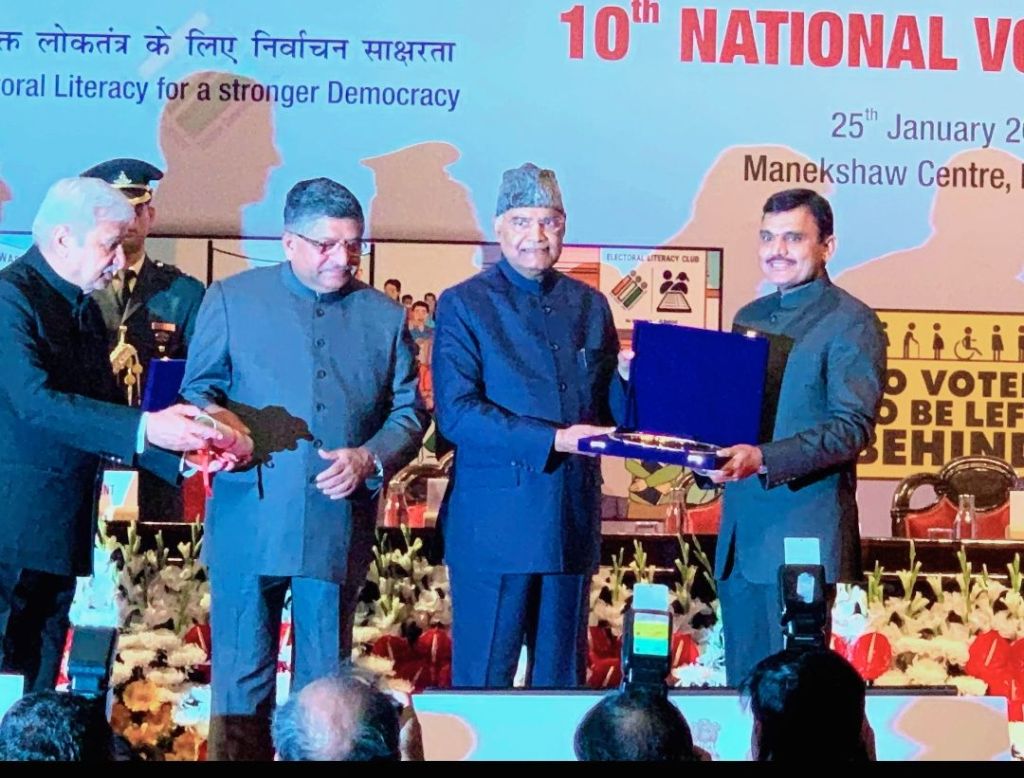
    Another monumental moment in his career was his performance for Dr. A.P.J. Abdul Kalam, one of India’s most beloved Presidents. Performing at the Rashtrapati Bhavan, the residence of India’s President, is an honor few musicians ever achieve. For Nagaraju, this was not just another performance—it was a defining moment that underscored his role as a musician of national significance. Every note he played that evening carried with it the weight of expectation and the reverence of history. The air seemed to hum with the collective anticipation of greatness, and Nagaraju’s flute responded with melodies that resonated deeply, leaving an indelible mark on all who were present.

    Nagaraju’s contributions to the world of music extend far beyond live performances. As a composer, he has created music that transcends genres and speaks to a wide range of audiences. His work in film, most notably for *Jagadguru Adi Shankara*, showcased his ability to create music that is both deeply spiritual and universally appealing. His collaborations with iconic figures like Dr. S.P. Balasubrahmanyam, S. Janaki, and Hariharan further cemented his place among India’s musical elite. These partnerships highlighted his versatility as a musician, as he seamlessly blended into various musical landscapes, from classical to devotional to cinematic compositions.

    But perhaps what sets Nagaraju apart is his ability to push the boundaries of genre. He is not content with staying within the confines of traditional music. His work reflects a deep curiosity and an insatiable desire to experiment and innovate. His compositions for the World Military Games in 2007, for example, showcased his ability to blend different musical traditions, creating something new and exciting. His foray into Afro-Colonial fusion music is yet another example of his boldness and willingness to explore uncharted territories. These innovations are not mere experiments—they are thoughtful explorations of how music can evolve while staying true to its roots.

    Collaborating with musicians from different traditions has enriched Nagaraju’s own musical journey. His work with Mandolin U. Srinivas and percussionist Shivamani has resulted in performances that are as dynamic as they are profound. Each collaboration adds a new layer to Nagaraju’s already diverse repertoire, creating music that is both deeply rooted in tradition and refreshingly modern. His performances are a testament to the idea that music is a universal language, one that transcends cultural and geographic boundaries.

    Over the years, Nagaraju has been honoured with numerous accolades, each one a testament to his immense contribution to Indian classical music. Titles like “Venu Gaana Visarada” and awards such as the Ugadi Puraskaram Hamsa Award are not merely decorative—they represent the pride and admiration that his music has inspired in millions of people around the world. For the Telugu-speaking diaspora, in particular, Nagaraju’s music is a reminder of their cultural heritage—a connection to their roots that brings them immense pride.

    Despite his success, Nagaraju has never lost sight of the importance of giving back. He uses his music not just as a form of entertainment, but as a tool for social good. His performances for prisoners, elderly homes, and charitable organizations demonstrate his deep commitment to using his talent to make the world a better place. He understands the healing power of music, and he uses it to give voice to those who might otherwise go unheard. His sense of social responsibility is as integral to his identity as his music, and it is this combination of artistry and humanity that truly sets him apart.

    Nagaraju’s international tours have played a crucial role in bringing Indian classical music to a global audience. His performances in countries like the United States, the United Kingdom, and the Gulf nations have introduced thousands of people to the beauty and complexity of Indian music. At festivals like the UK Festival in London and the Andhra Cultural Festival in San Francisco, Nagaraju’s flute has transcended cultural barriers, connecting people through the universal language of melody. These performances have not only elevated his career but have also contributed to the global appreciation of Indian classical music.

    Nagaraju’s approach to music is rooted in a deep respect for tradition, but he is equally committed to innovation. His ground breaking concept of “Trivenu Yatra,” where he combines three different types of flutes to create an immersive auditory experience, is a reflection of this philosophy. This performance captures the essence of India’s musical diversity while pushing the boundaries of what is possible. It is a testament to his belief that while tradition provides the foundation, innovation is what keeps the art form alive and relevant.

    One of the most poignant moments in Nagaraju’s career was his performance at the Dandi March commemorative event in Surat in 2018. The event, which celebrated India’s struggle for independence, was given a new layer of emotional depth through Nagaraju’s music. His flute seemed to capture the spirit of freedom and unity that the event symbolized, leaving a lasting impact on all who were present. It was a performance that highlighted the power of music to evoke emotion and tell stories in a way that words alone cannot.

    As Nagaraju Talluri continues to evolve as an artist, he remains deeply connected to his roots. His journey is one of humility, perseverance, and an unwavering commitment to his craft. Through his music, he not only entertains but educates, not only performs but inspires. He is a living testament to the power of music to connect cultures, to heal, and to bring joy.

    Nagaraju’s legacy will undoubtedly continue to inspire future generations of musicians. His contributions to Indian classical music, his relentless pursuit of excellence, and his dedication to using his talent for the greater good have earned him a place among the greats. As long as there are people who appreciate the beauty of melody, Nagaraju Talluri’s flute will continue to resonate, not just in concert halls, but in the hearts of all who have had the privilege of hearing him play. His journey is far from over, and the world eagerly awaits the next chapter in the life of this musical maestro.

    VISIT ARJASRIKANTH.IN FOR MORE INSIGHTS

  • The Silent Storm: Unravelling the Catastrophe of Antimicrobial Resistance

    September 28th, 2024

    The Apocalypse of Antibiotics: A Modern Plague We Can’t Ignore

    The world is facing a daunting challenge that threatens to reverse decades of progress in healthcare: antimicrobial resistance (AMR). This insidious phenomenon renders common medications ineffective against infections that were once easily treatable. Imagine waking up with a fever, seeking relief from antibiotics, only to find that these medications have lost their potency. This harsh reality of AMR not only jeopardizes individual health but also places immense strain on healthcare systems worldwide.

    Antibiotic resistance arises when bacteria evolve to resist standard treatments. Consider a hypothetical case where a patient infected with Staphylococcus aureus is prescribed penicillin. After a few days of treatment, feeling better, the patient skips doses and eventually stops taking the antibiotics. Weeks later, the infection returns, leading the patient to self-medicate with leftover antibiotics, which worsens the condition. Upon consulting a doctor, a stronger antibiotic is prescribed, but feeling weak, the patient again discontinues the medication prematurely, fostering resistance to the new drug.

    This cycle can lead to repeated infections requiring hospitalization and treatment with even more potent antibiotics. If this pattern continues, a double-resistant organism can develop, increasing the risk of severe complications from common infections. The larger concern is the potential for widespread antibiotic resistance, which, while exaggerated in some narratives, poses a genuine threat. Although not all antibiotics become universally ineffective, the growing resistance does compromise treatment options.

    AMR occurs when bacteria, viruses, fungi, and parasites evolve in ways that render standard treatments ineffective. Patients hospitalized with infections resistant to conventional antibiotics face prolonged illnesses, increased medical costs, and heightened risks of complications. The ripple effects of AMR extend far beyond immediate health issues, resulting in longer hospital stays and a rise in healthcare-associated infections, often referred to as superbugs. These challenges emphasize the urgent need to address AMR as a critical public health issue.

    The implications of AMR are particularly severe in surgical contexts. Patients undergoing surgery are at risk of infections, and ineffective antibiotics can lead to significant postoperative complications. In such cases, healthcare providers often resort to higher-tier antibiotics, which may come with a range of adverse effects. This chain reaction prolongs recovery times and further strains healthcare resources.

    One alarming aspect of AMR is its gradual yet relentless nature. As traditional antibiotics fail, medical professionals may turn to stronger, broad-spectrum antibiotics designed to combat a wider range of infections. While this may offer a temporary solution, it inadvertently contributes to the cycle of resistance. Over time, even these broad-spectrum options become less effective as pathogens adapt to survive treatments intended to eliminate them.

    The World Health Organization (WHO) has highlighted the urgency of this crisis, calling for a comprehensive approach to combat AMR. A significant contributor to the rise of antibiotic resistance is antibiotic pollution—an issue stemming from the presence of antibiotics in various environments, including human bodies and ecosystems. A major source of this pollution is the agricultural sector, particularly large-scale poultry farms, where antibiotics are routinely administered to livestock to prevent infections and promote growth. This practice not only introduces low levels of antibiotics into the food chain but also heightens the risk of developing resistant strains of bacteria that can impact human health.

    Moreover, the manufacturing process of antibiotics can lead to environmental contamination. If pharmaceutical effluents are not adequately treated, they can release significant quantities of antibiotics into local ecosystems, further fostering the development of resistant bacteria. This contamination creates a vicious cycle that can ultimately return to humans, complicating efforts to control infections.

    Compounding this issue is the widespread misunderstanding regarding antibiotic use among the public. Many individuals mistakenly believe that antibiotics can cure any infection, including those caused by viruses. This misconception leads to the over-prescription of antibiotics, exacerbating the problem of resistance. Public health campaigns aimed at educating communities about the appropriate use of antibiotics are crucial in curbing this misuse. People need to understand that antibiotics are not a panacea and should only be used when prescribed by healthcare professionals. Completing the full course of antibiotics is also vital; premature cessation of treatment allows surviving bacteria to adapt and thrive.

    Healthcare professionals play a pivotal role in combating AMR. They often face the dilemma of prescribing antibiotics based on patients’ symptoms, sometimes opting for broad-spectrum antibiotics while waiting for culture results. While necessary in certain situations, this practice can contribute to the emergence of resistant strains if it becomes routine for common ailments. Strict adherence to guidelines regarding antibiotic prescriptions is essential to combat AMR effectively. This includes avoiding antibiotics for viral infections and ensuring their use is warranted in all other cases.

    The emergence of AMR threatens to undo much of the progress made in treating infectious diseases over the last century. Antibiotics transformed medicine, drastically reducing mortality rates from infections that were once fatal. However, as resistance continues to rise, we risk returning to an era when simple infections could have dire consequences.

    The urgency of this situation has spurred researchers to explore alternative treatments for bacterial infections. Phage therapy, which utilizes bacteriophages—viruses that specifically target and kill bacteria—shows promise in clinical trials as a potential solution for infections caused by antibiotic-resistant strains. Additionally, developing new antibiotics and antimicrobial agents is crucial, as pharmaceutical companies and research institutions invest in discovering novel compounds to combat resistance. However, the lengthy and challenging process of antibiotic development underscores the need for prioritizing research in this field.

    Individuals also play a critical role in the fight against AMR. Practicing good hygiene, receiving vaccinations, and advocating for responsible antibiotic use are essential steps in mitigating this threat. Supporting local and global initiatives aimed at reducing antibiotic pollution and promoting sustainable agricultural practices can have significant positive impacts on public health and the environment.

    Addressing AMR is not merely a medical challenge; it is a societal issue that necessitates collaboration among healthcare professionals, policymakers, researchers, and the public. By working together, we can develop comprehensive strategies to tackle the factors driving antibiotic resistance and secure a healthier future for generations to come.

    In conclusion, the rise of antimicrobial resistance poses a formidable challenge to modern medicine. As we navigate this complex landscape, it is imperative to prioritize responsible antibiotic use, invest in new treatment options, and raise awareness about the risks associated with AMR. The health of individuals and communities hinges on our collective efforts to combat this silent threat. The global crisis of antimicrobial resistance requires immediate action and a multifaceted approach involving education, research, and policy changes. Through collaborative efforts, we can hope to overcome this silent storm and protect the health of current and future generations.

    VISIT ARJASRIAKNTH.IN FOR MORE INSIGHTS

←Previous Page
1 … 51 52 53 54 55 … 134
Next Page→

Blog at WordPress.com.


Loading Comments...
 

    • Subscribe Subscribed
      • SOCIAL PERSPECTIVES
      • Join 99 other subscribers
      • Already have a WordPress.com account? Log in now.
      • SOCIAL PERSPECTIVES
      • Subscribe Subscribed
      • Sign up
      • Log in
      • Report this content
      • View site in Reader
      • Manage subscriptions
      • Collapse this bar