Skip to content
    • About

SOCIAL PERSPECTIVES

  • Hydrogen Havens: Andhra Pradesh’s Leap into a Green Energy Future

    January 15th, 2025

    Turning Vision into Reality: India’s Green Hydrogen Journey Starts in Andhra Pradesh”

    India’s National Green Hydrogen Mission is driving a global shift toward sustainable energy, with Andhra Pradesh emerging as a pivotal hub for green hydrogen development. Backed by visionary leadership from the Prime Minister and the dynamic Chief Minister, the state is paving the way for industrial transformation and economic growth. As a frontrunner in this renewable energy revolution, Andhra Pradesh is poised to lead the nation in green hydrogen innovation, combining industrial expansion with environmental responsibility. This initiative not only aligns with India’s ambitious sustainability goals but also positions the state as a catalyst for clean energy solutions, fostering a future of sustainable progress and global leadership in renewable energy.

    India’s pursuit of green hydrogen signifies more than a technological leap—it marks a commitment to a greener, energy-independent future. By setting ambitious targets like producing 5 million metric tonnes (MMT) of green hydrogen annually by 2030, the nation is addressing its dual goals of reducing carbon emissions and achieving energy security. Andhra Pradesh is uniquely positioned to lead this revolution, becoming a beacon for renewable energy integration and industrial modernization.

    Green hydrogen, often called the “fuel of the future,” is derived from renewable energy through electrolysis, producing a clean and versatile energy carrier. Its potential to decarbonize heavy industries such as steel, cement, and fertilizers, as well as transportation, is immense. With this in mind, Andhra Pradesh’s strategic investment in renewable energy infrastructure and green hydrogen production promises a transformative impact, not just for the state but for the nation at large.

    The National Green Hydrogen Mission, with its ₹19,744 crore budget, is the cornerstone of this initiative. This mission not only sets ambitious production targets but also fosters technological innovation, strengthens infrastructure, and aligns with India’s climate goals. Andhra Pradesh’s abundant natural resources—sunshine, wind, and water—serve as the perfect foundation for the production of green hydrogen. The synergy between these resources and the state’s burgeoning industrial base is paving the way for Andhra Pradesh to emerge as a global leader in green hydrogen.

    Visakhapatnam, often referred to as the “City of Destiny,” is set to become the heart of India’s green hydrogen aspirations. Spanning approximately 1,200 acres near the Gangavaram Seaport, the proposed Green Hydrogen Hub represents a bold step toward energy sustainability. With the capacity to produce 1.5 million tonnes of green ammonia, 0.5 million tonnes of green methanol, and sustainable aviation fuel (SAF), this hub is not just an industrial project—it is a gateway to a cleaner future.

    The ambitious ₹1.85 lakh crore investment in this hub reflects the unwavering commitment of both the central and state governments. Beyond its environmental impact, the project is expected to create approximately 57,000 jobs, catalyzing economic growth and empowering local communities. This collaboration between NTPC Green Energy Limited and the New & Renewable Energy Development Corporation of Andhra Pradesh (NREDCAP) exemplifies the power of strategic partnerships in driving the energy transition forward.

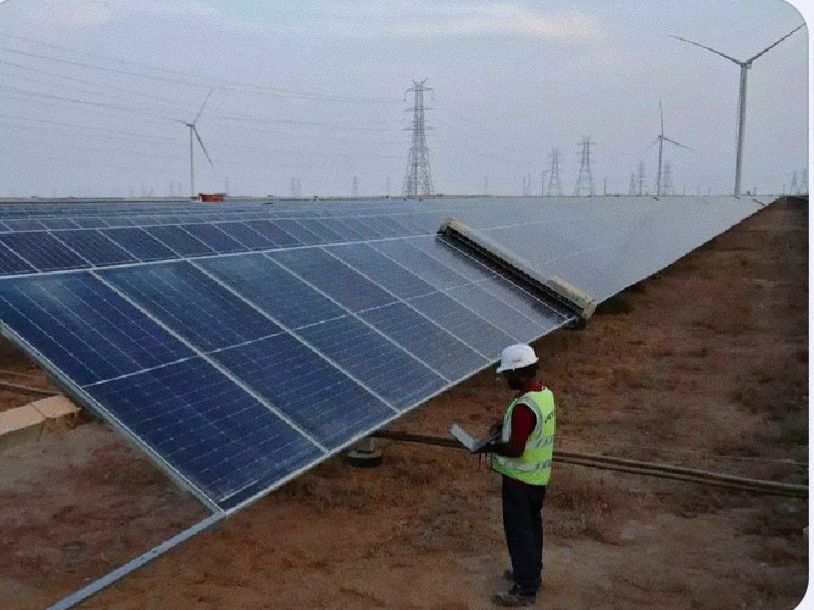
    Andhra Pradesh’s commitment to renewable energy is evident in its robust targets. Over the next five years, the state aims to achieve 78.5 GW of solar energy, 35 GW of wind energy, and 22 GW of pumped storage capacity. These goals align seamlessly with India’s broader vision of achieving 500 GW of non-fossil fuel-based energy capacity by 2030. The integration of these renewable energy sources with green hydrogen production showcases Andhra Pradesh’s strategic foresight in building a resilient and sustainable energy ecosystem.

    The challenges on the road to green hydrogen dominance are not insignificant. High production costs, estimated at ₹320-330 per kilogram, coupled with infrastructure development hurdles, demand innovative solutions. However, Andhra Pradesh’s proactive policies, technological investments, and collaborative ventures are effectively addressing these barriers. By leveraging economies of scale, enhancing electrolyser efficiency, and building robust supply chains, the state is poised to overcome these challenges and set new benchmarks in green hydrogen adoption.

    The global demand for green hydrogen is projected to soar to 150 GW by 2030, creating an unparalleled opportunity for India to emerge as a major exporter. Andhra Pradesh’s strategic location, coupled with its robust production capabilities, positions it as a key supplier to energy-importing nations. The development of port-based green economies, exemplified by Visakhapatnam, sets a precedent for other regions to follow. This vision aligns with India’s aspiration to lead the global green hydrogen market, driving innovation and economic growth while fostering environmental stewardship.

    The Green Hydrogen Hub in Visakhapatnam is more than just a project—it is a symbol of Andhra Pradesh’s commitment to sustainable development. By integrating renewable energy resources, industrial applications, and export capabilities, the hub serves as a model for sustainable industrial ecosystems. Its focus on green chemicals like ammonia and methanol underscores the versatility of green hydrogen, highlighting its potential to transform energy consumption across sectors.

    The role of India’s leadership, particularly the Prime Minister’s unwavering focus on sustainable energy, cannot be overstated. The National Green Hydrogen Mission reflects the central government’s resolve to position India at the forefront of the global energy transition. Simultaneously, Chandra Babu Naidu, Andhra Pradesh’s Chief Minister has demonstrated remarkable vision in aligning state policies with national goals. By prioritizing renewable energy and industrial growth, the Chief Minister has created a conducive environment for innovation, investment, and community development.

    As Andhra Pradesh takes bold strides toward becoming a Green Hydrogen Hub, its impact will resonate far beyond its borders. The state’s proactive approach serves as a blueprint for other regions aspiring to achieve energy independence and industrial modernization. From reducing greenhouse gas emissions to creating economic opportunities, Andhra Pradesh is redefining what it means to lead in the 21st century.

    The journey to a green hydrogen future is not without its challenges, but the stakes have never been higher. As the world grapples with the urgent need to combat climate change, Andhra Pradesh’s commitment to renewable energy offers a glimmer of hope. By embracing green hydrogen, the state is not only securing its energy future but also contributing to a cleaner, greener planet.

    Andhra Pradesh’s rise as India’s Green Hydrogen Hub is a testament to the power of visionary leadership, strategic planning, and collective action. With its abundant natural resources, robust industrial base, and unwavering political support, the state is poised to lead India’s green energy revolution. The Green Hydrogen Hub in Visakhapatnam symbolizes this transformative journey, blending economic progress with environmental sustainability.

    As the nation marches toward its net-zero targets, Andhra Pradesh stands at the forefront, embodying the spirit of innovation and resilience. The Prime Minister’s leadership and the Chief Minister’s foresight have laid a strong foundation for a cleaner, greener future. With the world watching, Andhra Pradesh is not just participating in the global energy transition—it is defining it. This is more than a story of energy—it is a story of hope, ambition, and the promise of a sustainable tomorrow.

    Visit arjasrikanth.in / @DrArjasreekanth for more insights

  • Petrochemical Powerplay: Adani & Reliance – Shaping India’s $1 Trillion Industrial Dream

    January 11th, 2025

    From Bold Entrants to Legacy Titans, How India’s Dynamic Petrochemical Sector is Redefining Global Manufacturing and Sustainability”

    India’s petrochemical sector stands poised at the cusp of a transformative era, cementing its role as a cornerstone of the nation’s industrial and economic ambitions. Petrochemicals, as the backbone of modern manufacturing, underpin a wide array of industries, including textiles, pharmaceuticals, construction, and packaging. As the essential raw material driving innovation and production, their importance to the industrial ecosystem cannot be overstated. The Indian petrochemical market, valued at $220 billion in 2023, is projected to soar to $300 billion by 2025, with a vision to achieve a staggering $1 trillion by 2040. This growth trajectory signifies not just industrial expansion but also the sector’s critical role in India’s journey toward becoming a global manufacturing and economic powerhouse. At the forefront of this evolution are two industrial titans—Reliance Industries and the Adani Group—whose dynamic interplay is reshaping the sector and driving India’s aspirations toward global leadership.

    Reliance Industries, led by Mukesh Ambani, has long been synonymous with excellence in the petrochemical domain. With decades of experience, Reliance has established itself as a dominant force in the production of polyester, polymers, and specialty chemicals. Its integrated operations, cutting-edge technology, and economies of scale have ensured its leadership position in the market. On the other hand, Adani Petrochemicals, spearheaded by Gautam Adani, is a bold new entrant that brings a fresh perspective and disruptive energy to the sector. Despite its relatively recent foray, Adani has already demonstrated a strong commitment to the sector through strategic initiatives, such as its joint venture with Thailand’s Indorama Resources to establish Valor Petrochemicals Ltd. This collaboration marks a significant step in Adani’s quest to carve a prominent niche in the industry.

    A hallmark of Adani’s ambitious plans is its flagship $3 billion Purified Terephthalic Acid (PTA) plant in Maharashtra. With an impressive production capacity of 3.2 million tons, this facility is poised to supply critical raw materials to India’s burgeoning textile and packaging industries, which are vital contributors to the country’s economic machinery. At the same time, Reliance Industries continues to expand and innovate, reinforcing its dominance while responding to the competitive challenge posed by Adani’s entry. This interplay of ambition and expertise not only elevates the industry but also underscores the critical role of competition in driving industrial progress.

    The rivalry between Reliance and Adani transcends the traditional bounds of corporate competition, serving instead as a catalyst for efficiency, innovation, and industrial growth. Mukesh Ambani’s systematic and legacy-driven approach contrasts with Gautam Adani’s bold, rapid-investment strategy, creating a dynamic interplay of leadership styles. This duality infuses the sector with fresh energy, driving advancements in technology, capacity building, and sustainable practices. The sheer scale of investments and the strategic focus of both players are already reshaping the industry, pushing boundaries and setting new benchmarks.

    Adani Petrochemicals’ entry into the sector has not only introduced fresh competition but also accelerated innovation, particularly in the realm of sustainability. Its petrochemical cluster in Mundra, Gujarat, serves as a prime example of integrating renewable energy sources, such as solar and wind, into industrial operations. This approach demonstrates that industrial growth can coexist with environmental responsibility. Additionally, Adani’s planned polyvinyl chloride (PVC) plant in Gujarat, which is set to become India’s largest with a capacity of 2 million tons, aims to reduce the country’s reliance on imports while bridging a critical gap in the domestic manufacturing ecosystem. These developments highlight Adani’s commitment to aligning industrial expansion with environmental stewardship and self-reliance.

    Reliance, too, has embraced sustainability as a core principle. From circular economy practices to advancements in recycling technologies, Reliance has been a trailblazer in integrating environmental consciousness into its operations. Together, the efforts of Reliance and Adani are enhancing India’s credibility as a responsible global manufacturer, reinforcing the country’s ability to meet the demands of a rapidly changing global marketplace.

    The implications of this transformative growth extend far beyond national borders. As global leaders in petrochemicals, such as BASF, ExxonMobil, and Chevron Phillips Chemical, continue to dominate the international stage, India is emerging as a formidable contender. The massive investments and bold initiatives of Reliance and Adani signal India’s readiness to transition from being a consumer to a global producer and exporter of petrochemical products. This shift not only boosts India’s industrial capacity but also positions the nation as a hub for petrochemical innovation, strengthening its role in the global supply chain.

    The journey to global petrochemical dominance, however, is not without its challenges. High capital requirements, complex technologies, and stringent environmental regulations present significant hurdles. Nevertheless, Reliance and Adani are well-equipped to navigate these obstacles. Reliance’s proven track record, coupled with its ability to innovate, ensures its agility in a competitive market. Similarly, Adani’s robust financial backing and strategic partnerships, such as its collaboration with Indorama, bring valuable global expertise and insights to the table. These strengths exemplify the resilience required to overcome challenges and capitalize on opportunities.

    The combined impact of Reliance and Adani’s endeavours extends beyond the petrochemical industry itself. By driving innovation, creating employment opportunities, and enhancing domestic growth, these industrial giants are shaping the broader narrative of India’s economic resurgence. Their investments not only expand India’s industrial capacity but also improve its ability to compete in global markets, reducing trade deficits and promoting self-reliance. The competition between Reliance and Adani highlights a shared vision of an ambitious, resilient, and globally competitive India.

    Ultimately, the competition between these two titans is more than just a corporate rivalry—it is a reflection of India’s aspirations and potential. Their dynamic interplay fosters an environment of innovation, efficiency, and growth, setting the stage for transformative advancements in the petrochemical sector. Through strategic investments in capacity building, sustainability, and global collaboration, Reliance and Adani are not only shaping the future of petrochemicals but also defining India’s industrial destiny. The future of India’s petrochemical sector shines brightly, driven by the relentless efforts of these two powerhouses. Their rivalry exemplifies the spirit of competition as a force for good, propelling India toward a leadership role in the global economy and underscoring the nation’s enduring promise to the world.

    Visit arjasrikanth.in / @DrArjasreekanth for more insights

  • Gods, Queues, and Chaos: Revolutionizing Pilgrimage in the Digital Age

    January 10th, 2025

    From Stampedes to Serenity: Technology Can Transform the Sacred Journey

    In a land where spirituality is woven into daily life, the tragedy at Tirupati, where six pilgrims lost their lives in a stampede, is a sobering wake-up call. As millions flock to sacred temples like Tirupati Balaji, these revered sites often become battlegrounds of chaos, overwhelmed by inadequate infrastructure and antiquated management practices. It’s time for a divine intervention—one that marries tradition with technology, ensuring safer and more organized pilgrimages.

    Chandra Babu Naidu’s observations about crowd mismanagement at Tirumala resonate deeply. From poor policing and excessive offline ticketing to the lack of proper holding areas, these failures are systemic, not individual. Pilgrims endure long waits, misinformation, and overcrowding, highlighting the pressing need for modern solutions. Lessons from this tragedy underline the importance of anticipating crowd surges, deploying temple guides, and balancing focus between managing pilgrims inside and outside temple premises.

    The scale of footfall at India’s temples is monumental, rivalling even the busiest transportation hubs. Yet, unlike airports, temples rely on outdated systems that fail to ensure safety or comfort. Drawing inspiration from the aviation industry, temples can implement digital queuing systems. QR codes for advance bookings, combined with real-time updates on crowd density, would minimize chaos and enhance the pilgrimage experience. Pilgrims could secure their darshan slots online, avoiding long queues and overcrowded holding areas.

    Technology can further streamline crowd management through facial recognition systems, enabling authorities to monitor crowd density and identify bottlenecks before they escalate. Airports use these tools to ensure passenger flow; temples can adopt similar systems to provide a seamless and safe experience for devotees. Such innovations don’t detract from spirituality but protect it by creating an environment where the focus is on prayer, not panic.

    A significant hurdle in temple management is the entrenched VIP culture. Repeated visits by influential figures, quotas for public representatives, and preferential darshan types such as L1, L2, and Break Darshan disrupt the experience for ordinary devotees. The current system, where VIPs are escorted with attendants, often denies others the opportunity for darshan. A fairer model would see all pilgrims, including VIPs, guided through regular queues, with assistance provided only when necessary. By minimizing preferential treatment, temples can foster an equitable environment, reducing resentment and ensuring access for everyone.

    The Indian Railways offers a blueprint for reform. By curtailing emergency quotas and prioritizing general accessibility, it has set a precedent for balancing privilege with fairness. Temples can adopt a similar approach, focusing on inclusivity and streamlining darshan for all devotees.

    Financially, India’s prominent temples generate enormous revenues, which can be reinvested in modernizing their operations. Tirumala Tirupati Devasthanams (TTD), with a budget running into thousands of crores, can allocate a fraction of these funds to technological upgrades. Clean drinking water, adequate restrooms, seating areas, and digital management systems should become standard offerings, catering especially to the elderly and differently-abled.

    Concerns about technology disrupting the sanctity of temple traditions are misplaced. On the contrary, technology can complement spirituality. By automating logistical aspects like ticketing and crowd control, authorities can focus on preserving the divine atmosphere that draws millions to these sites. The harmony of tradition and modernity ensures the sacred experience remains undisturbed while improving safety and accessibility.

    The Tirupati tragedy isn’t an isolated incident. Stampedes during festivals at the Banke Bihari Temple, the Ram Temple in Ayodhya, and Hathras underscore the critical need for a nationwide overhaul of temple management. Neglecting safety measures has dire consequences, and the tools to prevent such tragedies are readily available. Lessons from events like the Kumbh Mela, where RFID tags successfully managed millions of pilgrims, can guide the implementation of similar strategies across temples.

    Public awareness campaigns are crucial for fostering acceptance of modernization. By educating devotees on the benefits of digital systems, temple authorities can ease the transition to technology-driven management. Community engagement in planning these changes builds trust and ensures smoother implementation.

    Collaboration between government, temple authorities, and private technology firms is essential. Policy interventions mandating technological solutions in major temples could set a transformative precedent. With collective action, temples can evolve into safe, welcoming spaces that uphold their spiritual essence while accommodating modern needs.

    As beacons of faith and cultural heritage, India’s temples must embrace the future without forsaking the past. Investing in technology is not just an option—it’s a necessity. From reducing chaos to enhancing inclusivity, the integration of modern solutions can elevate the pilgrimage experience, ensuring every devotee feels the warmth of divine grace without fear or frustration.

    The path forward is clear: it’s time to revolutionize how we manage India’s temples. By prioritizing crowd management, fairness, and technological innovation, we can transform these sacred spaces into paragons of efficiency and harmony. The divine experience should embody serenity, not chaos. With determination and vision, we can ensure our temples remain symbols of devotion, accessible and safe for generations to come. Let us embrace this spiritual evolution, where tradition meets technology, and faith flourishes in peace and order.

    Visit arjasrikanth.in or @DrArjasreekanth for more insights

  • Geopolitical Gyrations: India’s Diplomatic Tightrope Walk in 2025

    January 9th, 2025

    From Trump’s Return to Border Peace and Global Alliances: Will India Triumph or Tumble?

    As the world looks ahead to the unfolding events of 2025, the geopolitical environment surrounding India is growing ever more complex. The recent return of Donald Trump as the President of the United States has sent shockwaves through international relations, raising key questions about the trajectory of U.S.-India relations. Trump’s unpredictable style and his tendency to follow through on bold campaign promises make it increasingly difficult to predict how his administration will impact India’s strategic positioning. His earlier tenure, though marked by unconventional and at times confrontational foreign policy, reshaped global dynamics, and his return to power will likely bring about new challenges and opportunities for India.

    One of the most pressing concerns for India as it navigates this new chapter is trade. Trump’s administration previously imposed substantial tariffs on foreign imports, and the possibility of a 60% tariff on Indian goods looms large. Such a move could alter trade dynamics dramatically, leading to potential friction between the two nations. With India’s burgeoning export sector heavily reliant on the U.S. market, any significant changes in trade policy could force India to seek new markets or take a more aggressive stance in negotiations. Diplomatic responses from New Delhi will be essential to protect India’s economic interests in a highly competitive global marketplace.

    Another significant concern that has long been a point of contention in U.S.-India relations is the issue of immigration, particularly the H-1B visa program. This program has long served as a critical lifeline for Indian professionals, especially in the technology and services sectors. Under Trump’s previous administration, immigration policy became a flashpoint, with several measures introduced to limit the number of H-1B visas issued. As the possibility of these restrictive measures returning under Trump’s leadership becomes more likely, India could face economic consequences, as skilled labor – a key contributor to the Indian economy – would face more stringent barriers to entry into the U.S. If Trump continues to focus on curbing immigration, it could have lasting effects on India’s labor export model, potentially stalling the flow of skilled professionals vital to the Indian economy.

    In addition to the U.S. relationship, India’s diplomatic position is also affected by tensions with other global players. One notable example is the strained relationship with Canada. Recent allegations implicating Indian nationals in the assassination of a Canadian politician have led to a souring of bilateral ties. Diplomatic expulsions and a general cooling of relations have ensued, leading to a complex situation for India. The upcoming 2025 Canadian elections will be crucial in determining the future trajectory of this relationship. A new government in Canada could provide an opportunity for reconciliation, with hopes that diplomatic ties could be restored. However, if the current administration continues to take a tough stance, it could further strain relations, making it difficult for India to secure a positive outcome in this important bilateral relationship.

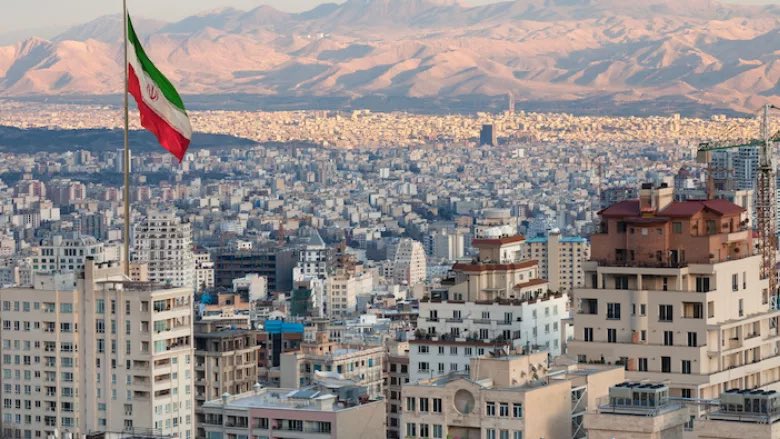
    Beyond these Western concerns, India’s geopolitical focus is also heavily influenced by events in the Middle East. The ongoing instability in the region, especially after the humanitarian disaster triggered by the October 2023 attacks, continues to capture global attention. The conflict has raised alarm about the overall stability of the Middle East and has profound implications for India, particularly regarding energy security. India has longstanding ties with both Israel and Palestine, and its diplomatic stance on these matters is one of careful balancing. India’s efforts to promote peace in the region are complicated by the fact that Iran, a major player in Middle Eastern politics, is facing internal strife and diminishing influence. The shifting political landscape in Iran could present India with both risks and opportunities as it seeks to maintain its influence in the Gulf and safeguard its energy interests.

    The situation in Iran is indicative of broader power shifts in the region, and India must navigate these changes with caution. As Iran faces unprecedented internal challenges, India could potentially reassess its regional strategy. While this could allow India to enhance its influence in the Gulf, particularly in areas like energy security and trade, it also presents the risk of becoming too entangled in the instability of the region. Iran’s role in Middle Eastern politics is unlikely to diminish entirely, and India’s diplomatic agility will be critical as it seeks to strengthen its position in the Gulf while ensuring that its strategic interests are not compromised.

    Meanwhile, to the east, India’s neighbour Bangladesh is facing political uncertainty, which could have significant implications for India’s security interests. Prime Minister Sheikh Hasina’s government was toppled with internal challenges, including the rise of Islamist factions, as it prepares for elections in late 2025. For India, maintaining a stable and democratic Bangladesh is of paramount importance, not just for regional stability, but also to safeguard its own security. Should the political landscape in Bangladesh take a more radical turn, it could create new challenges for India, particularly regarding cross-border security and refugee management. India’s diplomatic efforts in the lead-up to these elections will be critical in ensuring that Bangladesh remains a stable, friendly neighbour.

    In the north, India’s relationship with China has seen a gradual thaw after years of tension and military standoffs. Recent diplomatic engagements suggest that both countries are eager to avoid further escalation and are focused on fostering cooperation in areas like regional security and trade. The ongoing dialogue between Indian Prime Minister Narendra Modi and Chinese President Xi Jinping, alongside military de-escalation measures, indicates that both countries recognize the value of peace and collaboration. However, India must tread cautiously in its dealings with China, given the historical complexities and ongoing border disputes that could flare up at any time.

    Finally, the war in Ukraine remains a significant factor in global geopolitics, continuing to shape international alliances and energy policies. India’s stance on the conflict has been marked by a commitment to dialogue and peace, while maintaining strong ties with Russia, a longstanding strategic partner. However, as the conflict drags on and the global balance of power shifts, India will need to reassess its approach, particularly in light of potential shifts in U.S. policy under Trump’s return. India’s ability to maintain its neutrality while advancing its national interests will be tested as the global order evolves.

    As India approaches 2025, it finds itself navigating a web of complex relationships and challenges. The next few years will be critical in shaping its future role on the world stage. How India engages with its neighbors, manages its relationships with global superpowers, and adapts to shifting geopolitical realities will determine whether it can leverage its position as a regional leader. With careful diplomacy and strategic foresight, India could find itself at the forefront of a more stable and prosperous South Asia, ushering in a new era of cooperation and growth for the region.

    Visit arjasrikanth.in / @DrArjasreekanth for more insights

  • Haindava Sankharavam: Igniting the Southern Flame of Sanatana Dharma

    January 9th, 2025

    Vijayawada’s Resounding Call: Uniting Tradition, Identity, and a Vision for Cultural Sovereignty”

    When a movement chooses its epicenter, it does so with purpose and precision. Vijayawada, a city synonymous with its strategic position as the gateway to South India, found itself the chosen stage for an event that aimed to alter the cultural and political trajectory of an entire region. The Vishva Hindu Parishad (VHP), with its ambitious ‘Haindava Sankharavam,’ turned this bustling hub into a crucible for ideological transformation. The choice of Kesarapalli, near Gannavaram, wasn’t merely geographic—it was symbolic. A bridge between tradition and modernity, this site became the ground zero for rallying a cause deeply rooted in history yet sharply focused on contemporary challenges.

    The ‘Haindava Sankharavam,’ translating to the “battle cry of Hinduism,” was more than just an event; it was a declaration. Designed to resonate far beyond Vijayawada’s borders, the gathering drew an astonishing three lakh participants from every mandal and village in Andhra Pradesh. The intent was unmistakable: transcend caste divides, unify Hindus under a shared cultural and religious identity, and reignite the flames of Sanatana Dharma. The rally’s demands, articulated with clarity and conviction, touched a nerve—protection of temple properties, autonomy from government control, and a resolute stand against what the VHP perceives as systemic neglect.

    The heart of the rally’s narrative revolved around temple autonomy. For decades, Hindu religious institutions have operated under government oversight, a framework introduced to ensure transparency and curb corruption. Yet, to the VHP and many of its supporters, this oversight is a shackle, a symbol of inequity when compared to the freedoms enjoyed by churches and mosques. The demand for legislative amendments to free temples from state control isn’t new, but the fervours at Kesarapalli added an urgency to the cause. The nine-point declaration adopted during the event was both a roadmap and a rallying cry: remove non-Hindu employees from temple administration, recover alienated temple properties, and channel temple revenues exclusively toward the propagation of Hindu religion.

    This isn’t just about management; it’s about reclaiming a heritage. The rally highlighted a long-standing grievance that Hindu temples, unlike other religious institutions, are often treated as administrative entities rather than spiritual sanctuaries. Critics, however, caution against the potential pitfalls of such autonomy, fearing privatization and exclusion. They argue that temple revenues must serve the broader public good, particularly marginalized communities. Yet, the VHP counters this with a vision of self-reliance and self-determination—a framework where temples are managed by religious councils instead of bureaucratic machinery, ensuring both accountability and reverence.

    The event’s significance extends beyond cultural revivalism; it’s intricately tied to political dynamics. For a region historically resistant to Hindutva ideologies, the ‘Haindava Sankharavam’ marks a bold push into uncharted territory. Andhra Pradesh, with its complex interplay of caste, religion, and politics, presents both a challenge and an opportunity. The state’s recent political climate, rife with debates over temple management and allegations of misgovernance, has created a fertile ground for the Sangh Parivar’s message. Political allies have found common cause in advocating for the protection of Sanatana Dharma, adding momentum to the VHP’s agenda.

    The choice of Vijayawada as the epicentre was a masterstroke. Positioned at the crossroads of Andhra Pradesh, Tamil Nadu, Karnataka, and Telangana, the city serves as a logistical hub and a symbolic gateway. By organizing such a massive event here, the VHP underscored its intent to make Vijayawada a launchpad for its southern strategy. The participation of prominent spiritual leaders lent the event an air of legitimacy, while their presence reinforced the movement’s spiritual and cultural underpinnings.

    Critics, however, warn of the potential risks of conflating cultural preservation with political ambitions. The demands for autonomy, while resonating with many, must navigate a delicate balance between tradition and inclusivity. The call to safeguard Sanatana Dharma and protect Hindu culture must also address the complexities of caste dynamics, ensuring that the movement unites rather than divides.

    The rhetoric at Kesarapalli wasn’t limited to temple autonomy. VHP leaders painted a broader picture of grievances, alleging systemic injustices against Hindus in the state. References to historical struggles, such as the Ram Janmabhoomi movement, evoked a sense of continuity, linking the present cause to a larger narrative of resurgence. The emphasis on unity and identity resonated deeply, creating an emotional and ideological connect with the participants.

    For the BJP and its allies, the ‘Haindava Sankharavam’ is more than a cultural initiative; it’s a strategic opportunity. Expanding the Hindutva footprint in southern states has long been a challenge, but the event signals a concerted effort to overcome resistance. The presence of influential political and spiritual leaders from across the region underscores a coordinated push for acceptance and consolidation. By aligning cultural preservation with political objectives, the rally seeks to carve out a new space for Hindutva in the south.

    As the chants of Sanatana Dharma echoed through Kesarapalli, the ‘Haindava Sankharavam’ became more than just an event—it became a movement. The demands for autonomy and the calls for unity reflect a deep-seated desire to reclaim cultural and spiritual sovereignty. The success of this movement will depend on its ability to balance tradition with modern governance, navigate the complexities of caste and community, and articulate a vision that resonates across diverse demographics.

    In the evolving narrative of Hindu nationalism, the ‘Haindava Sankharavam’ marks a pivotal chapter. By choosing Vijayawada as its launchpad, the VHP has signalled its intent to create ripples that extend far beyond Andhra Pradesh. Whether these ripples become waves will depend on the movement’s ability to translate its vision into actionable change, uniting people not just by religion but by a shared sense of purpose and identity.

    Visit arjasrikanth.in / @DrArjasreekanth for more insights

  • Wings of Ambition: Andhra Pradesh’s Ascent to Aviation Glory

    January 8th, 2025

    Navigating the Skies of Innovation, Growth, and Global Excellence

    The skies above Andhra Pradesh hold the promise of a transformative journey. By embracing a bold and innovative aviation initiative, the state has the potential to redefine its economic and developmental narrative. Imagine a single, integrated aviation ecosystem seamlessly blending education, logistics, manufacturing, and cutting-edge technology—a vision that is not only ambitious but also deeply rooted in practicality and purpose. Such an ecosystem has the power to position Andhra Pradesh as a global beacon of aviation and aerospace excellence.

    The Integrated Aviation Corridor (IAC) is a ground-breaking concept designed to bring together all facets of the aviation industry into a cohesive and efficient platform. This initiative is more than infrastructure; it represents an intricate tapestry of education, research, logistics, and policy advocacy. Anchored by a vision of sustainability and innovation, the corridor will cater to diverse needs, from skilled workforce development to advanced technological applications like drones and maintenance services.

    Economic benefits flow like jet streams in the aviation industry, and the IAC promises to create significant waves of growth. Thousands of job opportunities—direct and indirect—will emerge, spanning sectors such as aircraft maintenance, cargo logistics, piloting, and aviation manufacturing. Each role contributes to the broader ecosystem, fostering inclusivity and uplifting the local economy. The integration of specialized education and training ensures that the youth of Andhra Pradesh are not mere spectators but active participants in this transformative journey.

    The proposed corridor is poised to catalyse infrastructural development across the state. Modernized airports will act as conduits for growth, while aviation training centres will prepare a new generation of professionals. Logistics hubs will boost the movement of goods, ensuring faster, more efficient trade. Drone technology, one of the most promising areas of aviation, will revolutionize agricultural, industrial, and defense applications. Each of these elements strengthens the state’s connectivity, making it a magnet for investments and a key player in the global aviation landscape.

    The air cargo and logistics segments are critical components of this vision. With enhanced air connectivity, Andhra Pradesh can transform into a hub for seamless transportation of goods. Agricultural products—especially perishables—can reach distant markets swiftly, ensuring higher incomes for farmers and boosting exports. Similarly, the development of maintenance, repair, and overhaul (MRO) facilities will provide a vital backbone for the aviation sector, fostering self-reliance and reducing dependency on overseas services.

    Another pillar of this initiative is the focus on research and development (R&D). Collaborations with national and international institutions will push the boundaries of innovation, enabling the state to lead in areas like sustainability, drone technology, and advanced manufacturing. These R&D programs will not only attract global attention but also fuel local entrepreneurship and job creation.

    Tourism, a vital economic driver, is set to flourish under this aviation revolution. Improved air connectivity will unlock the vast potential of Andhra Pradesh’s rich cultural heritage, serene beaches, and spiritual landmarks. The IAC will enable tourists to access remote and lesser-known destinations, fostering niche tourism segments like eco-tourism, medical tourism, and adventure tourism. The ripple effect of tourism extends to local businesses, enhancing livelihoods and fostering regional pride.

    Skill development forms the cornerstone of this ambitious roadmap. Specialized training programs and the establishment of an aviation university will provide cutting-edge education tailored to the industry’s evolving demands. From piloting and air traffic management to logistics and drone operations, these initiatives ensure that local talent is equipped to meet global standards. The result is a highly skilled workforce ready to drive the state’s aviation aspirations to new heights.

    Collaboration lies at the heart of this vision. Partnerships with government bodies, industry stakeholders, and academic institutions will ensure seamless integration and sustainable growth. By fostering public-private synergy, the state can create an environment conducive to investment and innovation. This inclusive approach ensures that the benefits of development reach every corner of Andhra Pradesh, leaving no region behind.

    Despite its lofty ambitions, the path to realizing the IAC is not without challenges. Economic volatility, regulatory hurdles, and the complexities of project implementation require a steadfast commitment to strategic planning and execution. However, the state’s proven track record of forward-thinking policies and transparent governance instils confidence that these challenges can be navigated effectively.

    The vision for Andhra Pradesh’s aviation future is more than a development plan—it is a transformative journey that encapsulates progress, innovation, and resilience. As the state takes bold strides to embrace this opportunity, it is not just building airports and infrastructure; it is crafting a legacy of empowerment and growth. The IAC stands as a testament to the power of collaboration and the limitless possibilities that arise when vision meets action.

    The skies are no longer the limit for Andhra Pradesh; they are the beginning of a limitless horizon. The proposed aviation initiative represents a leap toward a future filled with opportunities, innovation, and prosperity. By harnessing the power of an integrated aviation ecosystem, the state is not merely transforming its economy but reshaping its identity as a leader in the global aviation and aerospace sector. As planes take off and drones soar, they carry with them the aspirations of millions, symbolizing a brighter and boundless tomorrow for Andhra Pradesh.

    visit arjasrikanth.in for more insights
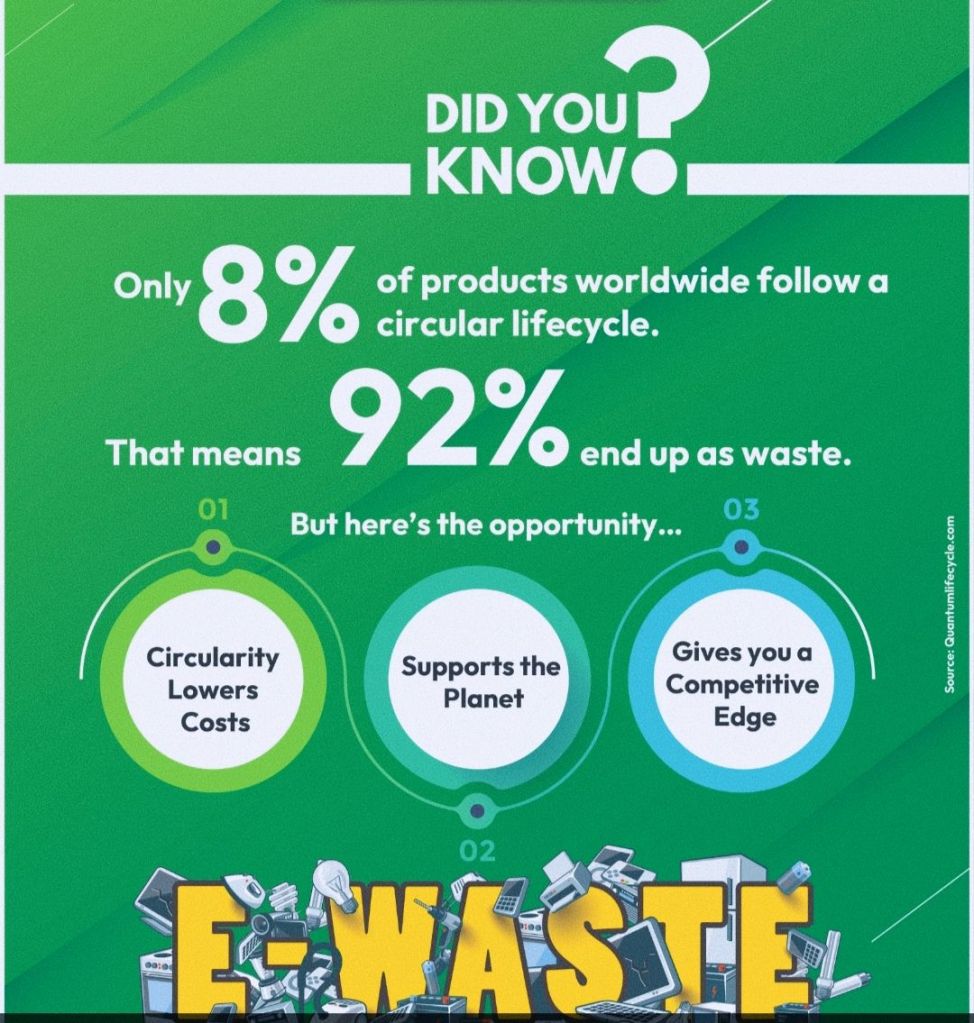
  • Spice Up the Streets: India’s Delicious Revolution in Street Food!!

    January 7th, 2025

    Transforming Taste and Tradition with 100 Street Food Hubs—A Culinary Adventure of Culture, Community, and Cleanliness!!

    In a world filled with culinary variety and innovation, street food in India holds a special place as a symbol of tradition and culture. This vibrant aspect of Indian food culture is more than just a quick meal—it reflects the country’s diverse regional identities and offers a platform for shared experiences. The Government of India’s initiative to establish 100 Street Food Hubs, with a particular focus on four in Andhra Pradesh, represents a major step toward celebrating indigenous cuisine, promoting hygiene, and enhancing public health. These hubs are not just about food stalls; they aim to create memorable experiences that attract locals and tourists alike, transforming street food into a cultural phenomenon.

    Street food in India is a gastronomic adventure that spans across regions, each offering unique flavours and dishes. From Mumbai’s Vada Pav to Delhi’s Chaat and Kolkata’s sweets like Rasgulla, street food provides a deep connection to the country’s culinary landscape. It is a food culture that evokes nostalgia, where people gather to enjoy affordable, flavourful meals with friends and family. These proposed Street Food Hubs will serve as platforms for street vendors, providing them an opportunity to showcase their culinary skills while adhering to strict hygiene and safety standards.

    The Clean Street Food Initiative, driven by the Food Safety and Standards Authority of India (FSSAI), aims to elevate street food by enforcing rigorous food safety protocols. The initiative seeks to ensure that vendors comply with hygiene standards, building consumer trust and encouraging people to explore the broad spectrum of street food offerings without hesitation. Vendors will be trained in best practices for cleanliness, which is vital in establishing a safe and enjoyable street food experience for all.

    Imagine a bustling food hub filled with the delightful aroma of Bhel Puri, Pav Bhaji, and Dhokla, where locals and tourists alike converge to enjoy street food. These hubs are not only about the food but the stories behind each dish and vendor. By showcasing these traditional foods to a global audience, India can boost its culinary reputation, turning street food into a major attraction for food lovers from across the world.

    The economic impact of these Street Food Hubs is also significant. Street vendors contribute immensely to India’s economy, making up over 60% of the GDP and providing livelihoods for millions. The creation of these hubs offers a platform for vendors to thrive, empowering grassroots entrepreneurs. With better training, these vendors can refine their skills, increase their customer base, and achieve greater financial independence, thus helping elevate the community economically.

    Street food, often seen as an affordable and accessible option, also plays a crucial role in providing essential nutrition. With the increasing focus on health-conscious consumers, these hubs offer a chance for street vendors to adapt by incorporating healthier ingredients and sustainable practices. By emphasizing fresh produce and promoting wholesome meals, the hubs can transform street food into a more nutritious choice that aligns with modern dietary trends.

    However, the rise of street food does present public health challenges, particularly in relation to foodborne illnesses. These concerns highlight the importance of maintaining high hygiene standards in the food hubs. Through consistent inspections and comprehensive training for vendors, the risks associated with street food consumption can be mitigated, ensuring that these food hubs remain safe environments for all.

    Beyond hygiene, street food is a reflection of India’s cultural diversity. The variety of dishes—from spicy Samosas to sweet Jalebis—is unparalleled. By creating dedicated hubs, there is an opportunity to preserve traditional recipes while encouraging innovation. This fusion of heritage and creativity can inspire new culinary trends that will resonate with both Indian and international tastes.

    As these Street Food Hubs continue to be developed, community engagement will be crucial. These hubs can serve as vibrant spaces for local events, cooking workshops, and cultural celebrations, fostering a sense of pride and connection among residents. Actively involving the local community in the development and management of these hubs will ensure their sustainability and long-term success, enriching the lives of all involved.

    The initiative also aligns with broader urban development goals. With urbanization on the rise, cities need accessible, affordable, and nutritious food options. Street food hubs can meet this demand, offering convenient meals in areas where traditional dining options might be scarce. These hubs can become essential components of urban food systems, providing nourishment to growing populations.

    Furthermore, these hubs have the potential to impact various sectors, such as tourism, hospitality, and agriculture. By sourcing ingredients from local farmers, vendors can strengthen regional food systems, promoting sustainability and food security. This collaboration between street food and agriculture will benefit both farmers and vendors, while enhancing the freshness and quality of the food served.

    Looking ahead, the establishment of Street Food Hubs presents an opportunity for India to redefine its culinary landscape. By embracing the diverse flavours of street food, the country can celebrate its rich heritage while addressing contemporary challenges like food safety, health, and sustainability. With the right infrastructure and support in place, these hubs can evolve into cultural centres, bringing communities together through food while preserving India’s culinary legacy.

    In conclusion, the creation of 100 Street Food Hubs across India represents more than just an effort to increase access to food. It is a celebration of culture, community, and entrepreneurship. These hubs will elevate indigenous culinary traditions while prioritizing hygiene and safety, setting the stage for a gastronomic renaissance. As they take shape, these hubs will attract food lovers and tourists while empowering local vendors and strengthening community ties. The vision of a thriving street food culture in India is on the verge of becoming a reality, offering a flavourful and prosperous future for all involved.

    Visit arjasrikanth.in / @DrArjasreekanth for more insights

  • Healing a State: Naidu’s Bold Blueprint for Medical Marvels in Andhra Pradesh

    January 6th, 2025

    The Healthcare Revolution: Naidu’s Vision for a Healthier Andhra Pradesh in the Face of Inequity

    In a state where vibrant culture intertwines with pressing health challenges, Andhra Pradesh stands at a pivotal moment in its healthcare journey. Under the transformative leadership of Chief Minister N. Chandrababu Naidu, significant efforts are underway to address the healthcare inequities that continue to affect millions across the state. While progress has been made, particularly in rural health programs, the stark disparity between private and public healthcare accessibility underscores the urgent need for comprehensive reforms.

    Naidu’s visionary leadership is rooted in the belief that healthcare is a fundamental right, not a privilege. However, this ideal faces challenges in practice. Private hospitals, often offering world-class services, remain accessible primarily to affluent families, while impoverished households grapple with insurmountable barriers to quality medical care. Bridging this divide necessitates an alignment with central government health initiatives, the implementation of universal insurance models, and a strategic upgrade of healthcare infrastructure.

    Andhra Pradesh boasts an extensive healthcare network with 1,509 Primary Health Centres (PHCs) and a comprehensive array of Government General Hospitals, District Hospitals, Area Hospitals, Community Health Centres, and Village Health Clinics. For the fiscal year 2024-25, the state allocated an impressive ₹18,421 crore to the Health, Medical, and Family Welfare Department—an increase of ₹2,539 crore from the previous year. This significant investment reflects a strong commitment to strengthening healthcare delivery mechanisms. However, achieving true equity requires more than increased funding; it demands systemic overhauls that prioritize accessibility and inclusivity.

    The state’s healthcare workforce is a cornerstone of its medical infrastructure, with approximately 11,000 doctors employed in government hospitals. These professionals manage a heavy daily influx of patients, supported by 228 government hospitals offering 15,208 beds across District Hospitals, Area Hospitals, Community Health Centres, Specialty Hospitals, and Civil Dispensaries. Rural healthcare is further bolstered by 10,032 Village Health Clinics, while over 650 private hospitals complement public healthcare efforts. Despite this extensive network, gaps in affordability and accessibility remain, particularly for marginalized communities.

    One of the most pressing concerns is the escalating cost of private healthcare, which continues to strain low-income families. The NTR Vaidya Seva scheme has made strides in providing free medical care to approximately 1.43 crore families, but a transition to a universal insurance-based model could further expand its reach. Such a model has the potential to remove financial barriers, enabling families to access comprehensive care without the fear of falling into debt. Complementary initiatives, such as establishing Jan Aushadhi stores in every mandal to provide affordable medicines, are essential to reducing healthcare costs and easing the burden on vulnerable populations.

    Naidu’s emphasis on preventive care forms a cornerstone of his healthcare vision. By focusing on prevention rather than treatment, the state can address health issues at their root, significantly reducing the strain on hospital systems. The proposed utilization of the state’s 104 services for preventive health screenings and regular blood tests is a step in this direction. By equipping citizens with regular health reports and fostering a culture of early intervention, the state can pave the way for a healthier populace and reduce the long-term healthcare burden.

    Technology is another transformative pillar of Naidu’s healthcare strategy. The issuance of health cards for all citizens underscores the importance of accessible health information, enabling better tracking and management of medical histories. Integrating artificial intelligence (AI) into healthcare services could revolutionize delivery, particularly in underserved rural and tribal areas. Advanced technologies have the potential to optimize patient care, reduce the strain on hospital resources, and enhance service delivery in remote regions. Furthermore, consolidating the state’s 108 and 104 emergency services under a unified operator exemplifies the effort to streamline healthcare responses and improve operational efficiency.

    Emergency medical services, often a weak link in the healthcare system, are receiving overdue attention. The government’s investment of ₹60 crore to upgrade the ambulance fleet demonstrates a renewed commitment to patient safety and timely medical assistance. Beyond infrastructure improvements, the reinstatement of additional compensation for emergency service workers highlights the value placed on frontline healthcare providers and their indispensable contributions.

    Medical education has also seen transformative advancements under Naidu’s leadership. The significant increase in the number of medical colleges and expanded MBBS seats has strengthened the state’s ability to train future healthcare professionals. However, meeting the evolving demands of Andhra Pradesh’s healthcare sector requires more than just an increase in numbers. Targeted training programs and advanced skill development initiatives are crucial to building a workforce that is both robust and responsive to the state’s growing medical needs.

    Aligning state healthcare strategies with central government initiatives like Ayushman Bharat is essential for achieving the state’s healthcare objectives. Ayushman Bharat, the world’s largest government-funded healthcare program, offers health insurance for secondary and tertiary care, focusing on inclusivity and accessibility. Complementing this are digital health initiatives such as the Ayushman Bharat Digital Mission and the e-Sanjeevani telemedicine platform, which leverage technology to streamline healthcare delivery. Full integration of these programs can significantly enhance the state’s healthcare outreach and efficiency, ensuring broader coverage and impact.

    The integration of traditional health sciences (AYUSH) with modern medicine presents another promising avenue. India’s rich heritage of Ayurveda, Yoga, Unani, Siddha, and Homeopathy offers holistic approaches to health that can complement biomedical practices. Incorporating AYUSH into the state’s three-tier public health system could redefine healthcare delivery, especially in rural areas where traditional practices remain influential. However, realizing this potential requires greater investment in research, clinical trials, and the development of standardized protocols.

    Achieving healthcare equity ultimately depends on participatory governance and active community engagement. Empowering local health workers, strengthening infrastructure, and fostering widespread public awareness are critical components of this effort. Complementary investments in water and sanitation facilities, reliable power supply, and effective waste disposal systems are equally vital to creating a truly holistic healthcare ecosystem.

    Citizen feedback is a crucial tool for refining and improving these initiatives. Naidu’s transformative vision for healthcare is not merely about addressing current challenges; it is about laying the groundwork for a resilient and inclusive future. By prioritizing universal access, preventive care, technological innovation, and community participation, Andhra Pradesh can emerge as a model of equitable healthcare for the entire nation.

    As the state embarks on this ambitious journey, the determination of its leadership will be the defining factor. Now is the time for decisive action to bridge healthcare divides, uplift marginalized communities, and extend the benefits of modern medicine to every corner of Andhra Pradesh. With a focus on equity and innovation, the state is poised to set a benchmark for others to follow, becoming a beacon of hope and health for its people.

    Visit arjasrikanth.in / @DrArjasreekanth for more insights

  • “Coal: The Undying Titan of Energy in an Era of Renewables”

    January 6th, 2025

    “Why Coal’s Legacy Isn’t Fading Anytime Soon—The Unexpected Return of the World’s Oldest Power Source”

    When we picture the future of energy, the image of a world powered by clean, renewable sources such as wind and solar often dominates our minds. Coal, with its dark, polluted legacy, seems to be relegated to the past, a fossil fuel doomed to fade away. However, a closer look at the global energy market, fuelled by the latest reports and emerging trends, suggests that the death of coal has been greatly exaggerated. In fact, coal’s reign as a dominant power source is far from over, and it may continue to be an essential player in the global energy mix for several more decades.

    According to the 2024 report from the International Energy Agency (IEA), coal demand is projected to hit an all-time high, with global consumption reaching a staggering 877 million tonnes. This surge defies the expectations of a swift transition away from coal, underscoring its resilience and undeniable importance in the global energy landscape. The narrative of coal’s inevitable decline is being challenged, as countries—especially in Asia—continue to rely heavily on it for both economic growth and energy security.

    Coal’s enduring dominance can be attributed to several factors. First and foremost, it is an incredibly abundant and accessible resource. Coal reserves are spread across the globe, with significant concentrations in key countries like China, India, and the United States. Unlike renewable sources that require complex infrastructure and variable weather conditions, coal is reliable, readily available, and inexpensive to transport. These attributes make it a go-to energy source for both developed and developing nations. In fact, it remains a vital input for industries such as steel, cement, and aluminium production, where alternative, greener technologies are yet to be widely adopted.

    On top of that, coal-fired power plants are a stalwart for baseload electricity generation. Unlike renewables like solar and wind, which depend on intermittent weather patterns, coal provides a stable, uninterrupted supply of electricity that is crucial for the functioning of modern economies. This reliability is particularly important in emerging markets, where energy demand is growing rapidly, and access to cleaner alternatives remains limited. Countries like India and China continue to rely on coal to power their cities, factories, and infrastructure projects, with no immediate solution to replace it.

    The geopolitical shifts triggered by the ongoing conflict in Ukraine have also played a pivotal role in propelling coal back into the spotlight. Sanctions on Russia’s natural gas exports have caused a major supply crunch, prompting countries worldwide to increase their reliance on coal as an alternative. In 20213 alone, global coal demand spiked by 9%, as countries scrambled to secure energy supplies. As the world confronts volatile energy markets and the unpredictable fallout of geopolitical tensions, coal’s role in providing affordable, accessible energy has proven indispensable.

    However, this rise in coal demand is not without its complications. The environmental and health costs associated with coal remain profound. As the most carbon-intensive fossil fuel, coal combustion releases large amounts of greenhouse gases that contribute to climate change. Coal mining itself is also fraught with challenges, including habitat destruction, water contamination, and hazardous working conditions. The adverse health impacts from air pollution generated by coal-fired plants are well-documented, leading to respiratory diseases and other health problems in surrounding communities.

    Despite these concerns, coal’s position in the energy market shows little sign of waning in the short term. In fact, as we look toward the future, coal is expected to continue playing a central role in meeting the world’s energy needs. According to the IEA, while renewable energy generation is projected to increase eightfold by 2050, coal demand will only decline by two-thirds. This is particularly true for countries in the Asia-Pacific region, where the demand for coal is expected to peak much later than in the West. India and Indonesia, for instance, are expected to continue expanding their coal capacity into the late 2030s.

    Coal’s resilience can also be seen in the continued growth of coal production. China, the world’s largest coal producer, accounts for nearly 30% of global coal consumption, using more coal than the rest of the world combined. This massive consumption is driven by China’s rapidly expanding economy, which requires vast amounts of electricity to fuel new industries like artificial intelligence, data centres, and electric vehicle manufacturing. Even as China pushes forward with its renewable energy goals, its coal dependency remains an integral part of its energy mix.

    India, too, is experiencing a similar dynamic. With a population of over 1.4 billion and an economy growing at a fast pace, India’s energy needs are immense. Despite ambitious plans to increase its renewable energy capacity, the country’s coal demand continues to grow. In 2024, India’s coal consumption is expected to rise by 8%, further cementing its reliance on this fossil fuel. However, India’s strategy is not one-dimensional; it is simultaneously investing in renewable energy, with plans to install 500 gigawatts of renewable capacity by 2030. This dual approach reflects the complex balancing act many countries face—integrating renewables while ensuring the reliability and affordability that coal offers.

    Logistical advancements, such as the expansion of rail networks in India to transport coal more efficiently, also point to coal’s continued relevance. The country is working to enhance its coal transportation capacity, aiming to shift 75% of coal transportation to rail by 2030. This will not only improve the efficiency of coal delivery but also help meet the ever-growing energy demands.

    Looking ahead, the future of coal is intricately tied to the pace of innovation in both clean energy technologies and global economic developments. While the world moves towards renewable energy, coal’s role in global power generation will remain significant for the foreseeable future. The energy transition will take time, and in many regions, coal will continue to be the cornerstone of energy security and economic growth. As such, the narrative of coal’s death may be premature, as the world finds itself increasingly dependent on this seemingly outdated energy source—at least for a few more decades.

    Visit arjasrikanth.in / @DrArjasreekanth for more insights

  • Gautam Adani’s Ultimate Guide to Work-Life Balance: A Billionaire’s Secret to Happy Lives

    January 5th, 2025

    In a World Obsessed with Hustle, Adani Redefines Success by Choosing Joy Over Hours—Leading by Example for a Global Standard of Employee Well-Being

    In an era where constant hustle and overwork have become synonymous with success, Gautam Adani, the visionary chairman of the Adani Group, stands apart by offering a refreshing perspective on work-life balance. In a world where India ranks 48th in the Global Life-Work Balance Index 2024, with an average of 46.7 working hours per week, it’s clear that many employees struggle to find harmony between their professional and personal lives. In this context, Adani provides not only a unique approach but also a model that aligns with global standards of employee well-being. His approach is grounded in the belief that work-life balance is not about rigid hours or constant sacrifice but about the joy and fulfilment one derives from both work and personal life.

    Adani’s perspective on work-life balance is both simple and profound. In an interview with IANS, he stated, “If you enjoy what you do, then you have a work-life balance.” This statement encapsulates his philosophy that true balance is not about how many hours one works or how tightly a schedule is structured. Instead, it’s about finding satisfaction and joy in whatever one does, whether that’s at work or with family. This contrasts sharply with the views of many other business leaders who emphasize long hours and the pursuit of success through relentless work. For instance, Infosys founder Narayana Murthy recently sparked a national debate by advocating for a 70-hour workweek, suggesting that India must embrace a culture of hard work to compete with developed nations. Murthy’s stance reflects his own experience of working upwards of 85-90 hours per week. However, Adani’s response challenges this narrative by emphasizing that the real measure of work-life balance is the happiness one derives from work, not the number of hours spent doing it.

    For Adani, the definition of work-life balance is subjective. It’s not about imposing a universal standard on others but about helping individuals find joy and fulfilment in their own unique schedules. “If someone spends four hours with their family and finds joy in it, that’s their balance. If someone else spends eight hours and enjoys it, that’s their balance,” Adani explains. His point is that true balance arises when both work and personal life contribute positively to an individual’s overall happiness, and when this happiness extends to the people they care about most. This belief reflects Adani’s personal ethos as well, as he strives to create a life where family time and work are both given equal importance.

    As the head of one of India’s most influential conglomerates, Adani understands that balancing personal and professional life is essential not only for individual well-being but for fostering a culture of productivity and success within the workplace. Adani’s leadership is a testament to this philosophy; he practices what he preaches by maintaining a balanced approach to both work and family life. “For us, either it is family or work, we don’t have a world out of this,” he says, underscoring the idea that true fulfilment comes from embracing both aspects of life equally. His children, too, adopted this mindset, further reinforcing the importance of leading by example.

    Adani’s perspective is grounded in a deep understanding of life’s impermanence, which he believes helps simplify the complex nature of modern work-life dynamics. He reflects, “No one has come here permanently. When one understands this, life becomes simple.” This recognition of life’s fleeting nature encourages a more relaxed, fulfilling approach to daily routines and challenges the societal obsession with long working hours. It’s a philosophy that not only promotes work-life balance but also encourages people to focus on what truly matters: their happiness and well-being.

    At the Adani Group, these principles extend beyond words. The company is committed to fostering a culture that values work-life balance, which is in line with the founder’s values. The company offers flexible working hours, wellness initiatives, and ensures employees take time off when necessary. This holistic approach helps the Adani Group set a global standard for work-life balance. The company recognizes that when employees are well-rested, mentally healthy, and able to balance their work with personal time, they are more productive and satisfied in their roles.

    To further improve the work-life balance within the organization, several measures could be implemented. These could include providing employees with flexible work schedules, adopting a hybrid work model, and promoting regular breaks throughout the day. Adani also advocates for leadership training to help managers identify signs of burnout and create an open, supportive environment where employees feel comfortable discussing work-life balance concerns. Such an environment promotes a culture where the mental and physical health of employees is a priority, which in turn enhances productivity and job satisfaction.

    Employee wellness programs are another essential element in promoting a healthy work-life balance. By providing access to fitness centres, mental health support, and stress management programs, companies can ensure that employees not only work effectively but also lead healthier, more fulfilling lives. At Adani Group, these programs are integral to the company’s broader strategy of ensuring that employees maintain both physical and mental health—key components of a balanced life.

    However, Adani’s vision goes beyond employees. He emphasizes that true balance isn’t just about the number of hours spent at work or with family, but the joy and fulfilment derived from those hours. Whether it’s four hours or eight hours spent with loved ones, the key is finding personal satisfaction. This holistic approach underscores the importance of emotional and mental well-being as crucial components of work-life balance. Adani’s humorous yet insightful remarks further drive this point home. He quips, “If you spend eight hours, biwi bhaag jayegi (your wife will run away),” reminding us that balance is not just a professional matter but also a personal one that impacts our relationships.

    Adani’s approach to leadership is ground-breaking in its emphasis on work-life balance. Rather than viewing it as a burden, he sees balance as an essential element for long-term success. By encouraging employees to prioritize their mental and emotional well-being, Adani fosters a culture where individuals can perform at their best without compromising their happiness. This leadership style has far-reaching implications for the future of work, offering a sustainable model where success is defined not by the number of hours worked but by the quality of the work and the happiness it brings.

    As companies worldwide continue to evolve and redefine the workplace, Gautam Adani’s perspective on work-life balance offers a model for others to follow. His message is clear: work-life balance is not about hours worked but about finding joy in what you do and fostering happiness in your relationships. The Adani Group’s commitment to employee well-being reflects this philosophy, positioning the company not only as a business leader but as a trailblazer in creating a truly balanced, supportive, and productive workplace.

    In conclusion, Gautam Adani’s personal and professional philosophy on work-life balance stands as a powerful reminder that success is not solely defined by long hours but by the happiness and satisfaction that work brings. His message emphasizes the importance of finding joy in both work and personal life, ensuring that each aspect complements the other. Through its commitment to employee well-being, the Adani Group has set a global standard for what it means to achieve true work-life harmony, offering valuable insights for businesses and individuals worldwide.

    Visit arjasrikanth.in / @DrArjasreekanth for more insights

←Previous Page
1 … 49 50 51 52 53 … 146
Next Page→

Blog at WordPress.com.

Loading Comments...

    • Subscribe Subscribed
      • SOCIAL PERSPECTIVES
      • Join 107 other subscribers
      • Already have a WordPress.com account? Log in now.
      • SOCIAL PERSPECTIVES
      • Subscribe Subscribed
      • Sign up
      • Log in
      • Report this content
      • View site in Reader
      • Manage subscriptions
      • Collapse this bar