• About

SOCIAL PERSPECTIVES

  • “Amit Shah: The Unseen Maestro of Indian Politics – A Birthday Salute”

    October 22nd, 2024

    Sixty Years of Shah: Celebrating the Mastermind Behind India’s Political Revolution!

    As the sun rises on October 22, 2024, India finds itself at a pivotal juncture in history. Today, the Nation celebrates  the 60th birthday of a remarkable leader whose influence has profoundly shaped the country’s political landscape. This individual, whose name resonates with both admiration and controversy, embodies a journey that continues to transform the very fabric of Indian politics. With a unique blend of strategic acumen, resilience, and visionary leadership, he has emerged as an iconic force, redefining political norms and practices.

    Born in Mumbai on October 22, 1964, this leader’s formative years were steeped in the values of hard work and dedication instilled by his modest upbringing. As the son of a small businessman, he developed an intrinsic understanding of service to the nation and communal harmony. Influenced early on by the ideologies of the Rashtriya Swayamsevak Sangh (RSS), he forged vital friendships and alliances that would later become the bedrock of his extraordinary political career.

    What sets this leader apart from his contemporaries is his remarkable ability to decipher the complexities of Indian society. Under his strategic leadership, the Bharatiya Janata Party (BJP) has transformed from a marginal political player into a dominant electoral powerhouse, achieving an astonishing 303 seats in the 2019 general elections. This remarkable feat underscores not only his strategic mind but also years of hard work, grassroots mobilization, and unwavering commitment to the party’s core values that have fuelled his rise.

    His tenure as the president of the BJP marked a pivotal transformation for the party. His strategic brilliance was on full display with the initiation of a massive membership drive that propelled the party’s membership to over 11 crore in just five months. This achievement was not merely about numbers; it reflected a newfound energy and unity that galvanized the party and translated into electoral victories. His approach extended beyond merely winning elections; it aimed at solidifying the BJP’s stature as the primary political force in India, employing data analytics and social media to forge connections with voters in unprecedented ways.

    His adeptness in securing critical victories in key states, particularly in Uttar Pradesh—where the BJP won 73 out of 80 seats in 2014—illustrates his political manoeuvrings skills. His ability to understand regional dynamics, caste equations, and local issues allowed the BJP to penetrate areas previously considered strongholds of rival parties. His nickname, the “road roller,” aptly encapsulates his relentless pursuit of success, clearing obstacles in the way of the BJP’s ascent.

    However, his extraordinary journey has also sparked significant controversy. His political rhetoric, particularly regarding issues of religious identity and nationalism, has ignited debates across the country. Critics argue that his hard line stances are divisive, while supporters contend that his policies are aimed at reinforcing national security and fostering unity among diverse communities.

    One of his most commendable qualities is his resilience in the face of adversity. Amidst serious allegations related to the 2002 Gujarat riots, he not only emerged unscathed but politically invigorated. His acquittal in subsequent legal battles marked a resurgence in his career and further solidified his standing within the BJP. This ability to navigate political storms speaks volumes about his strategic foresight and unwavering commitment to his ideals.

    As he approaches this significant milestone of 60 years, speculation regarding his future in Indian politics abounds. While loyalty to his party leader remains unwavering, many view him as a potential successor in a possible leadership transition. His political instincts, combined with an acute understanding of grassroots sentiments, position him as a key architect in shaping the future of the BJP and, consequently, India. Yet, he remains steadfast in his commitment to strengthen the party’s foundations and ensure its sustained success.

    Beyond the electoral landscape, this leader’s vision encompasses a broader aspiration for the nation. He emphasizes the importance of cooperative movements to drive economic growth and uplift farmers’ livelihoods, which are critical to India’s socio-economic fabric. His disciplined work ethic and commitment to public service reflect a leader genuinely invested in the well-being of the nation.

    On this momentous occasion, as the nation celebrates the 60th birthday of this influential figure, it’s essential to recognize the duality of his persona as both a strategist and a polarizing figure. His journey encapsulates the complexities of Indian politics, where success often intertwines with controversy. Yet, his unwavering dedication to the BJP and relentless pursuit of political excellence stand out. As heartfelt birthday wishes pour in, people acknowledge his monumental contributions to redefining India’s political landscape. May this milestone year usher in even greater achievements, strengthening the foundations of governance, security, and national unity in the country.

    In conclusion, as we commemorate the 60th birthday of this exceptional political leader, it is essential to reflect on the profound impact he has made on India’s political fabric. His journey from humble beginnings to becoming a formidable force in contemporary politics exemplifies not only ambition and resilience but also an unyielding vision for a united and prosperous nation. His innovative strategies, adept political manoeuvres, and dedication to grassroots engagement have redefined the standards of leadership in India. As he steps into this new decade, may he continue to inspire not just his party but the entire nation with his unwavering commitment to progress and governance. Happy birthday! His  legacy is a testament to the transformative power of strategic leadership, and your contributions will undoubtedly shape the trajectory of Indian politics for years to come. Here’s to many more milestones and successes in His journey ahead!

    Visit arjasrikanth.in for more insights

  • “Palle Panduga: Pawan Kalyan’s Village Revolution That Transforms Tradition Into Triumph”

    October 21st, 2024

    Andhra Pradesh’s Deputy Chief Minister Turned a Festival Into a Blueprint for Rural Empowerment

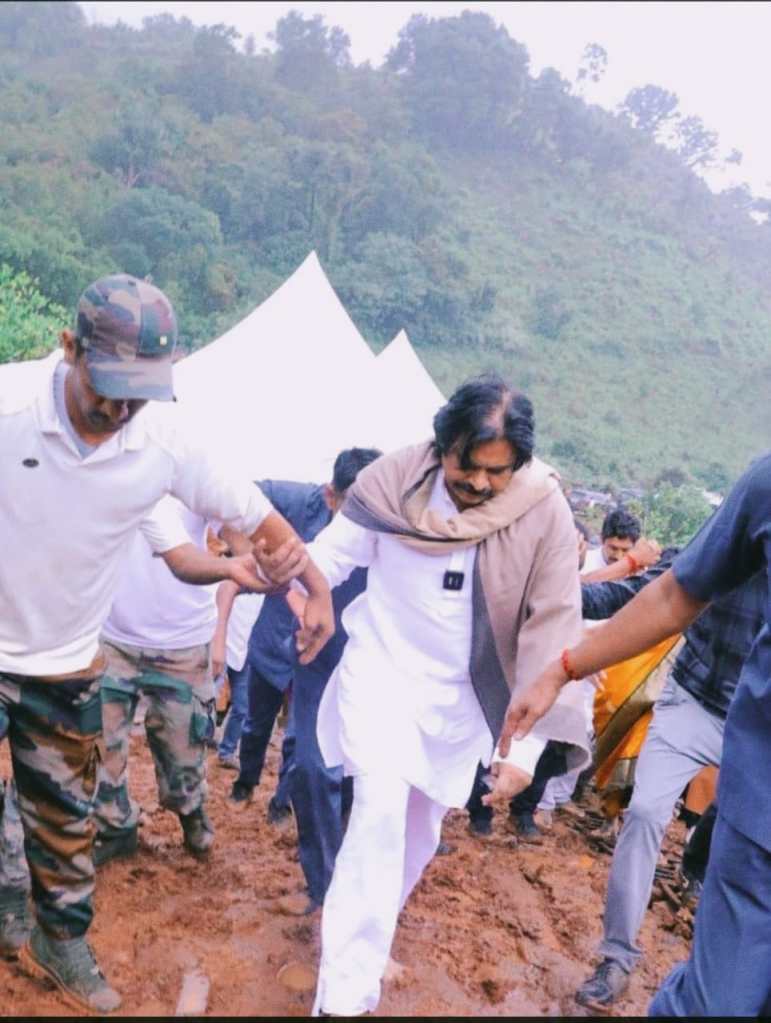
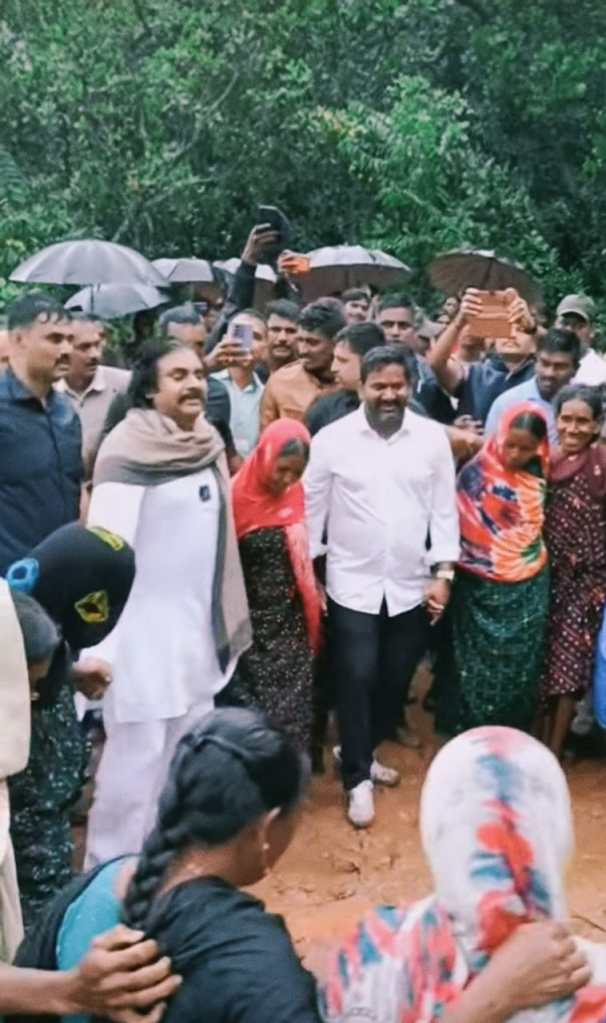
    In the intricate web of governance, a quiet yet transformative revolution is unfolding, one that defies the typical grand proclamations but has an undeniable impact. Amid the usual hustle and bustle of politics and bureaucracy, a unique initiative called Palle Panduga has emerged as a beacon of change. At first glance, it might seem like a cultural celebration, yet as one delves deeper, it becomes evident that Palle Panduga is much more. It represents a radical blueprint for sustainable village development, and at the forefront of this movement is Pawan Kalyan, the Deputy Chief Minister of Andhra Pradesh, who has not only envisioned but engineered a future where each village becomes a self-sustaining unit.

    In a world increasingly focused on urban expansion and the allure of glittering city skylines, rural development often takes a backseat. However, in Andhra Pradesh, Pawan Kalyan has rewritten this narrative. His focus isn’t on urban centres or metropolitan areas, but on the core of Indian society—the villages. These rural heartlands, for decades, have been overlooked, receiving only sporadic access to basic infrastructure and amenities. But under Kalyan’s leadership, there has been a tangible shift in priorities. For the first time in the state’s history, the village is finally being recognized as a focal point for progress.

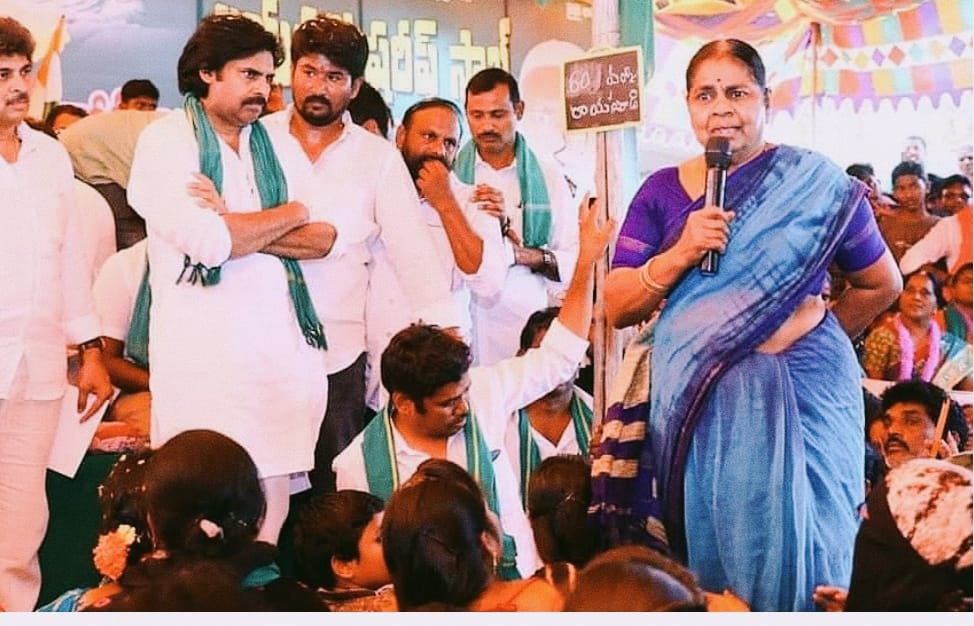
    Two months ago, Pawan Kalyan revitalized the nearly forgotten tradition of gram sabhas, empowering villagers to voice their concerns and participate in shaping the future of Andhra Pradesh’s rural landscape. The numbers alone illustrate the scale of this initiative—these assemblies were conducted in 13,326 *gram panchayats*, marking an unprecedented mobilization of people and resources. But the discussions weren’t limited to immediate concerns such as roads or drainage. They laid the groundwork for a larger, more ambitious vision—one where villages are transformed into independent economic units capable of sustaining themselves.

    This massive effort did not go unnoticed. It earned the prestigious World Records Union Award, not only for its scale but also for its impact. Yet, the state government did not stop at this recognition. It promptly cleared ₹2,081 crore in pending MGNREGS (Mahatma Gandhi National Rural Employment Guarantee Scheme) bills and approved the creation of nine crore workdays for the current financial year. This move provided a significant boost to rural employment, offering villagers not just temporary relief but long-term prospects for sustainable livelihoods. These actions exemplify the kind of thoughtful governance that is driving real change in Andhra Pradesh’s villages.

    At the heart of this transformation lies Palle Panduga, a week-long celebration of development. On the surface, it may appear as just another traditional festival, but this initiative is far more profound. Palle Panduga is not merely a cultural gathering; it is a cleverly designed government program that harnesses the festive spirit to drive tangible progress in Andhra Pradesh’s villages.

    What sets Palle Panduga apart from traditional festivals is its focus on lasting impact. Rather than ending with empty promises, this celebration delivers real, visible change. Villagers witness their homes and communities being transformed—not just in spirit, but in the very infrastructure that supports daily life. Roads are laid, drainage systems are revamped, and water harvesting pits are dug—all under the guise of a “festival.” The success of *Palle Panduga* lies not in one-off achievements but in its ability to lay the foundation for long-term rural empowerment.

    However, *Palle Panduga* is not a one-time initiative. It is part of a much larger roadmap for rural development that stretches well into the future. Pawan Kalyan’s vision for 2024-25 is ambitious yet grounded in practicality, with a target of creating 25.50 crore workdays under MGNREGA. Among the key projects on the horizon are the construction of 11,512 farm ponds and 1,900 *Gokulams* (cattle sheds), both crucial for ensuring water sustainability and boosting agricultural productivity.

    These initiatives are not just symbolic. They represent a shift from passive celebration to active participation in building self-sufficient, thriving villages. Behind this carefully orchestrated symphony of progress is a well-oiled machine of governance, driven by Pawan Kalyan’s unwavering resolve. For years, the state’s rural landscape had suffered from neglect, with promises of development dissolving as quickly as they were made. But under Kalyan’s leadership, the narrative has changed. He is not merely a figurehead for government initiatives—he is the very embodiment of this change.

    One of the most significant tools in this rural transformation is the Mahatma Gandhi National Rural Employment Guarantee Act (MNREGA). For too long, MNREGA had been dismissed as merely a means of providing employment, often criticized for generating unproductive labour. Under Kalyan’s leadership, however, MNREGA has been reimagined as a tool for infrastructure development. Roads, drainage systems, and other key projects are being initiated, ensuring that each village receives tailored support based on its specific needs.

    Through *Palle Panduga* and MNREGA, Kalyan has demonstrated that the goal is not simply to provide employment, but to build lasting assets that will benefit villagers for years to come. *Palle Panduga* has become a vehicle for sustainable infrastructure, ensuring that rural Andhra Pradesh is not left behind in the broader development narrative.

    There is a certain irony in the way *Palle Panduga* has redefined the concept of a festival. Traditionally associated with joy and celebration, festivals often pass without leaving any lasting impact. But under Kalyan’s vision, *Palle Panduga* turns the idea of a festival on its head. It isn’t just about dancing and feasting; it is about laying the foundation for a sustainable future.

    The scale of *Palle Panduga* is staggering. Thousands of villages, lakhs of workdays, and crores of rupees all converge in a single week of development frenzy. Yet, it is not a one-off initiative destined to fade into obscurity after the celebrations end. Rather, it is part of a long-term vision, one that sees each village slowly inching towards becoming a self-sustaining economic unit.

    Pawan Kalyan’s genius lies in his ability to see beyond the immediate and focus on long-term solutions. His leadership is not about merely addressing today’s issues but about preventing tomorrow’s crises. Take, for example, the water harvesting pits being dug across villages. On the surface, they appear to be simple structures. But in the long run, these pits will play a crucial role in mitigating water shortages, ensuring that villages can sustain agricultural activities even during the driest months. Perhaps the most remarkable outcome of *Palle Panduga* is how it has reawakened the village spirit. Villagers who once felt forgotten by the government now feel a renewed sense of pride and ownership in their communities. They are no longer passive recipients of aid; they are active participants in their own development.

    As the inaugural edition of *Palle Panduga* draws to a close, it is clear that this is only the beginning. What started as a simple festival has evolved into a revolution for rural Andhra Pradesh, one that shows no signs of slowing down. Pawan Kalyan’s vision for the state’s villages is bold, ambitious, and unprecedented. If the success of *Palle Panduga* is any indication, the villages of Andhra Pradesh are on their way to becoming not only self-sufficient but thriving centres of culture, commerce, and community.

    In a world where rural development is often overshadowed by urban priorities, Kalyan has shifted the focus back to where it truly belongs: the villages. Through *Palle Panduga*, he has shown that genuine progress is not achieved by neglecting the heart of a nation but by empowering it. As the villages of Andhra Pradesh rise, one festival at a time, they serve as a model for the rest of the country—and perhaps even the world—on how to build a future rooted in sustainable development.

    Visit arjasrikanth.in for more insights

  • From Political Powerhouse to Prison: The Cautionary Tale of Borugadda Anil Kumar**

    October 20th, 2024

    In the tumultuous world of Indian politics, Borugadda Anil Kumar’s journey from a fervent political advocate to a criminal facing serious charges illustrates the dangers of unchecked loyalty, reckless behavior, and the fleeting nature of political alliances. His recent arrest by the Guntur Police shines a light on a larger issue: the exploitation of individuals for political gain and the ease with which they are discarded when they become liabilities. Anil Kumar’s case provides a sobering reminder that political patronage in India often comes with an expiration date, leaving those who once thrived on it to face the consequences of their actions alone.

    Anil Kumar first rose to prominence with inflammatory videos that quickly went viral on social media platforms. His rhetoric, aimed squarely at opposition leaders, particularly figures like Chandrababu Naidu, Nara Lokesh, and Pawan Kalyan, went far beyond criticism. These videos were filled with derogatory remarks, personal attacks, and veiled threats. At one point, he boldly declared that he would “eliminate” Naidu and Lokesh if given the command by his political leaders. This kind of rhetoric not only crossed ethical boundaries but also showcased a worrying trend in Indian politics—the use of social media as a weapon for intimidation and character assassination.

    Anil Kumar’s behavior, though shocking, is a reflection of the growing role social media plays in political discourse. What was once a platform for sharing ideas and fostering public debate has now become a tool for vicious personal attacks, often orchestrated by individuals or groups with political motivations. Rather than focusing on policy or governance, the discourse has devolved into personal vendettas, where politicians and their families are subjected to harassment and abuse. Anil Kumar was one of the more visible players in this troubling trend, using his platform to hurl baseless accusations and threats under the guise of political loyalty.

    What is particularly striking about Anil Kumar’s story is how swiftly the political machinery abandoned him when things took a turn for the worse. Unlike other party members who faced legal issues and received an outpouring of support from their political allies, Anil Kumar found himself isolated. There were no trending hashtags rallying behind him, no public demonstrations of solidarity from his party. This silence speaks volumes about the transactional nature of political loyalty in India. Individuals like Anil Kumar, who operate on the fringes of decency and legality, are often valued for their ability to stir controversy and attack opponents. However, once their usefulness wanes or they become a liability, they are swiftly cast aside.

    This pattern of abandonment is not unique to Anil Kumar. It reflects a broader reality in Indian politics, where those who engage in unethical or indecent behavior in the name of political allegiance are often used and discarded by the very systems that once supported them. The protection that political power offers is only temporary, and when it evaporates, individuals are left to face the legal and social consequences of their actions. Anil Kumar’s arrest on charges of extortion, defamation, and anti-social activities is a glaring example of this. Once untouchable under the political regime he supported, he now finds himself vulnerable in the face of changing political tides.

    The allegations against Anil Kumar go beyond mere social media outbursts. Reports suggest that he may have operated an illicit network, engaging in extortion and other illegal activities, emboldened by his proximity to political power. This highlights another significant issue within Indian politics—the way political connections can be leveraged to shield individuals from accountability. While Anil Kumar thrived under the protection of the past ruling party, he likely believed that this power would insulate him from any repercussions. Now, with the opposition back in control, his political shield has disappeared, and he must face the consequences of his actions.

    Anil Kumar’s downfall also brings attention to the toxic nature of political patronage in India. Many individuals are encouraged to act indecently or even violently, believing that their political affiliations will protect them. This creates a culture of impunity, where individuals like Anil Kumar feel emboldened to cross ethical lines, confident in the knowledge that political power will shield them from repercussions. However, as his arrest demonstrates, this protection is often temporary, and when it disappears, the consequences can be severe.

    His case is a reflection of a wider problem in the political landscape, where decency is often sacrificed for short-term political gains. The normalization of vulgar language, threats, and intimidation as part of political dialogue is not only damaging to those directly involved but also erodes public trust in democratic institutions. When individuals feel that political loyalty is a license to engage in illegal or unethical behavior, it diminishes the integrity of the political process and sets a dangerous precedent for others to follow.

    The emotional toll of such toxic behavior is not limited to politicians themselves but extends to their families as well. Public figures like Chandrababu Naidu, Nara Lokesh, and Pawan Kalyan have had to endure personal attacks that go far beyond political rivalry. Social media amplifies this harassment, subjecting them and their families to a barrage of insults and threats. What starts as political mudslinging often escalates into real-world harm, as figures like Anil Kumar use their platforms to attack opponents on a deeply personal level. This underscores the need for greater accountability and a return to civility in political discourse.

    Anil Kumar’s rise and fall serve as a cautionary tale about the dangers of relying too heavily on political power for protection. His once-loyal allies have distanced themselves from him, leaving him to face the consequences of his actions alone. This swift abandonment is a stark reminder that political loyalty is often fleeting, and those who engage in unethical behavior for short-term gain may find themselves isolated when their actions come under scrutiny.

    In conclusion, Borugadda Anil Kumar’s arrest is a stark reflection of the toxic intersection between politics and indecency in Indian public discourse. His case highlights the transient nature of political power and the dangers of engaging in vulgarity and intimidation for personal or political gain. While his story may be unique in its specifics, it is emblematic of a broader problem within Indian politics—a culture that often encourages unethical behavior while offering only temporary protection to those who engage in it. As Indian politics continues to evolve, it is crucial for society to demand higher standards of decency and accountability from those in power. Only by promoting integrity and respect in public discourse can we hope to restore trust in democratic institutions and ensure that political engagement remains focused on governance rather than personal attacks.

    Visit arjasrikanth.in for more insights

  • “Skills That Thrill: Young India Skills University, Telangana Paves the Way for Tomorrow’s Trailblazers!”

    October 20th, 2024

    Transforming Tomorrow’s Leaders with Real-World Skills for a Competitive Edge!

    India, a land of vibrant traditions and a burgeoning youthful population, stands at a transformative crossroads. With about 65% of its citizens under 35, the potential for socio-economic advancement is immense. However, to leverage this demographic dividend, India requires a radical rethinking of its educational landscape—one that marries academic learning with essential skills training. This is where the Young India Skills University (YISU) enters the fray, driven by visionary leadership and robust industry support.

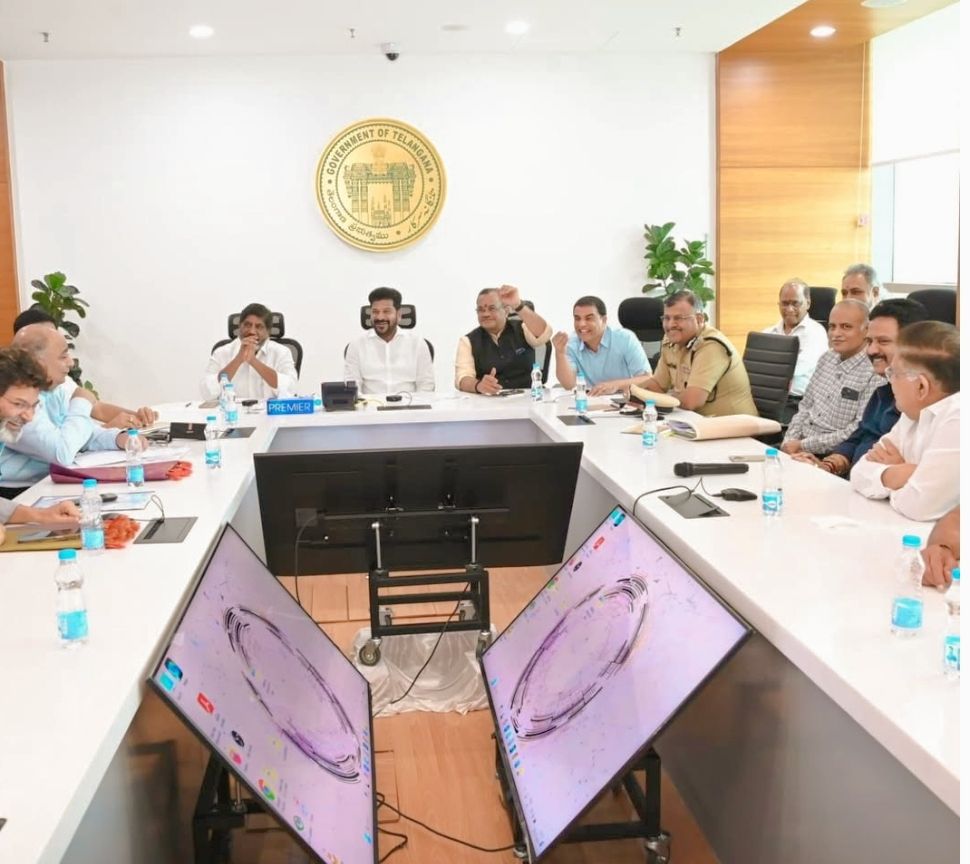
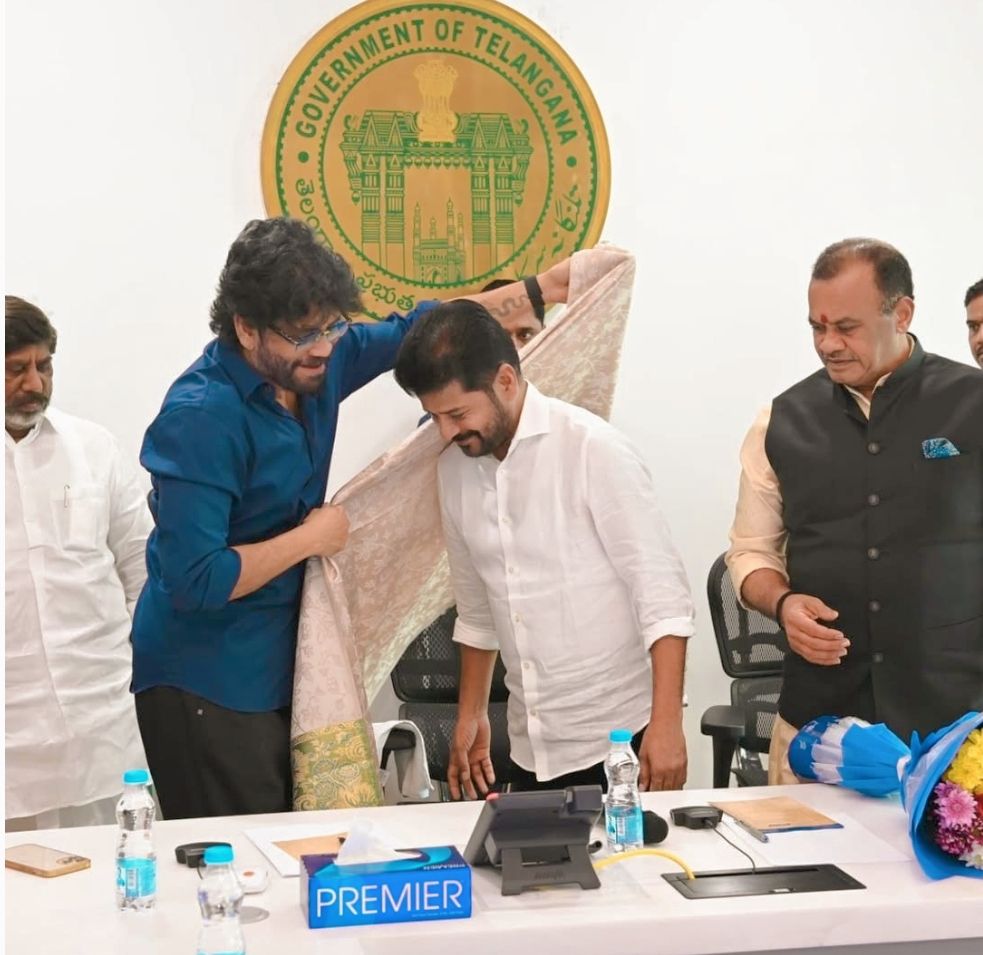
    The inception of YISU signifies more than just another educational institution; it embodies a revolutionary approach to preparing India’s youth for a competitive global marketplace. In a world where skill sets are rapidly evolving, the urgency to equip young professionals with relevant training cannot be overstated. The Chief Minister of Telangana, Revanth Reddy, emerges as a pivotal figure in this educational revolution. His commitment to fostering an ecosystem where education meets industry needs reflects the visionary leadership necessary to guide India’s youth toward a prosperous future.

    YISU’s mission revolves around creating a dynamic interface between education and industry, ensuring that academic curricula align with real-world requirements. The university’s establishment is underscored by Gautam Adani’s swift and generous pledge of ₹100 crores to support its foundation. This decisive action highlights the critical role of public-private partnerships in addressing India’s pressing skills gap, illustrating a shared commitment to empowering the nation’s youth.

    On October 11, 2024, YISU unveiled its ambitious plans, poised to launch courses on November 4, 2024. Initially, the university will roll out three specialized schools: Logistics and E-Commerce, Healthcare, and Pharmaceuticals and Life Sciences. By offering tailored programs like Warehouse Executive, Key Consignor Executive, Finishing Skills in Nursing, and the Pharma Associate Program, YISU aims to arm students with the precise skills and knowledge necessary to thrive in today’s fast-paced job market.

    In an era where employability is a significant concern, the youth increasingly seek pathways that ensure job readiness upon graduation. This is particularly pertinent in Telangana, where the government is actively transforming areas like Mucherla into vibrant industrial hubs. The establishment of YISU aligns seamlessly with the state’s strategic efforts to bridge the educational-employment divide. Reddy’s vision is clear: to reduce unemployment and enhance the skillsets of youth, thereby ensuring their competitiveness in an ever-evolving technological landscape.

    The university is also committed to inclusivity and accessibility, targeting over 2,000 youth in its inaugural year. By prioritizing skill development, YISU aims not only to foster individual career growth but also to contribute significantly to national economic progress. As industries grapple with a growing shortage of skilled labour, initiatives like YISU can provide immediate solutions by producing graduates ready to contribute effectively to the workforce.

    Moreover, YISU’s ethos is deeply rooted in ethical values and holistic education. Its logo, featuring 24 spokes surrounding the map of India, symbolizes a commitment to moral integrity, ensuring that graduates are not only technically proficient but also imbued with the values essential for navigating the complexities of the modern workplace.

    The role of Adani in this initiative cannot be overlooked. His immediate response to the need for skill development underscores the urgency and importance of this venture. By backing YISU, he sets a precedent for industry leaders to take an active role in shaping the educational landscape, ensuring that future generations are equipped to meet the challenges of tomorrow.

    As the university gears up for its launch, the collaborative spirit that defines its mission is crucial. By actively inviting partnerships with industrialists and corporations, Reddy is cultivating a sense of shared responsibility among stakeholders. This call for industry involvement not only ensures curriculum relevance but also enhances job placement and internship opportunities for students, creating a direct link between education and employment.

    The establishment of YISU is not an isolated initiative but part of a broader vision by the Telangana government to position the region as a global hub for investments and skill development. With ambitious plans for future projects, including a Future City and an Artificial Intelligence city, Telangana is poised to attract international attention and investment. This holistic approach to skill development recognizes that education is a cornerstone of economic growth, fostering innovation and driving industry advancements.

    As YISU prepares to welcome its inaugural cohort of students, the timing is critical. The world is increasingly in search of skilled youth, and India has a unique opportunity to emerge as a leader in providing a workforce that meets global demands. By intertwining industry partnerships with educational frameworks, YISU stands to create a model that not only addresses local employment needs but also extends its influence into international markets.

    Looking ahead, the upcoming courses in healthcare, logistics, and pharmaceuticals are merely the starting point. YISU envisions expansion into diverse fields such as artificial intelligence, tourism, renewable energy, and digital design. This strategic growth will cultivate a versatile skill set among graduates, enabling them to adapt to the evolving demands of a rapidly changing job market.

    In conclusion, the launch of Young India Skills University marks a monumental step forward in India’s quest for skill development and job readiness among its youth. Under the visionary leadership of Revanth Reddy and with the prompt support of Gautam Adani, YISU is poised to become a beacon of hope for aspiring professionals. As India navigates the complexities of globalization and technological advancement, YISU will play a crucial role in shaping its youth’s future, empowering them to compete globally while remaining anchored in their rich cultural heritage. With the right skills and training, the youth of India can rise to any challenge, driving the nation toward a prosperous future and fulfilling the promise of its vast potential.

    Visit arjasrikanth.in for more insights
  • “Assam’s Identity Crossroads: Supreme Court’s Citizenship Ruling Reshapes the State’s Future”

    October 19th, 2024

    “Balancing Migration, Indigenous Rights, and National Integrity—The Court’s Landmark Verdict on Section 6A Sparks Hope and Uncertainty in Assam”

    In a pivotal ruling for Assam and India, the Supreme Court has delivered a landmark judgment that directly addresses the long-debated issues of citizenship and immigration in the north-eastern state. By a 4-1 majority, the court upheld Section 6A of the Citizenship Act, a provision born from the 1985 Assam Accord. This section allows individuals who migrated to Assam between January 1, 1966, and March 25, 1971, to apply for Indian citizenship after a 10-year waiting period. The judgment is a significant step in regulating the complex interplay between migration, citizenship, and indigenous rights in Assam, a state that has long grappled with these often-contradictory forces.

    The Assam Accord emerged from a period of significant political unrest in the 1970s and early 1980s, driven by concerns over illegal immigration from neighboring Bangladesh (formerly East Pakistan). Assamese nationalists, worried about the potential erosion of their cultural identity, led widespread protests, demanding the identification and deportation of immigrants. The Assam Accord, signed as a compromise between the central government and Assamese leaders, established different cut-off dates for determining citizenship in Assam, distinct from the rest of India.

    Section 6A, part of this agreement, introduced a unique framework for citizenship in Assam. It was intended to ease tensions by allowing a significant number of immigrants to gain citizenship after a specified period. However, it has remained a source of contention. Critics argue that it alters Assam’s demographic, cultural, and political landscape by allowing immigrants from this period to settle permanently. Despite these criticisms, the Supreme Court’s decision has provided this provision with a firm legal foundation.

    The ruling represents a balancing act between preserving the rights of migrants and addressing the concerns of indigenous populations. The court recognized the need to safeguard Assam’s cultural heritage while simultaneously upholding the human rights of those who have made the state their home. This acknowledgment reflects the broader complexity of migration and citizenship issues across India. However, Assam, in particular, faces the unique challenge of maintaining a delicate balance between these competing interests. The court upheld March 25, 1971, as the cut-off date for determining citizenship eligibility, offering a legal framework for assessing immigrant status in a region where the issue of identity is a constant source of tension.

    The court’s decision comes at a time when Assam’s political landscape is deeply polarized around citizenship matters. The implementation of the National Register of Citizens (NRC) and the Citizenship Amendment Act (CAA) has already ignited intense debates and protests. Critics of the NRC process claim it has been mismanaged, leading to the arbitrary exclusion of many long-time residents of Assam. The CAA has also been criticized for its potential to discriminate against certain communities, especially Muslims. Through its ruling, the Supreme Court reaffirmed the importance of constitutional principles in guiding decisions on citizenship, providing hope for a fair resolution to these controversies.

    However, the ruling has elicited mixed reactions across the political spectrum. On one hand, many see it as a necessary step toward formalizing the citizenship of thousands of immigrants, with the potential to ease long-standing tensions. On the other hand, there are concerns about how the process will unfold. The risk of renewed unrest is real if the citizenship process is not handled with sensitivity and transparency.

    Despite the court’s validation of Section 6A, broader anxieties about Assam’s future remain unresolved. A dissenting opinion from one of the judges signals that the constitutional validity of the provision could still be challenged in the future. Moreover, the ruling leaves unanswered questions regarding immigrants who arrived after 1971, an issue that is likely to continue fuelling political and social tensions in the state.

    The significance of this judgment extends beyond legal interpretation; it touches the core of Assam’s identity crisis. For decades, questions of who belongs and who does not have dominated the state’s political discourse. Assam has always been a unique part of India, a melting pot of cultures, languages, and traditions. Yet, the continuous inflow of migrants has exacerbated fears among indigenous populations about the potential erosion of their cultural and economic rights. The court’s decision to uphold Section 6A emphasizes the ongoing need for a citizenship framework that is fair, transparent, and sensitive to these deep-rooted concerns.

    As the discourse surrounding citizenship in Assam evolves, it is essential for all stakeholders—political leaders, civil society, and citizens alike—to engage in meaningful and constructive dialogue. While the court’s ruling has provided legal clarity, it is now up to Assam’s leaders to ensure that this decision fosters peace and unity rather than division. Transparency in the NRC process, equitable implementation of citizenship provisions, and clear communication with affected populations will be crucial to maintaining stability in the years ahead.

    In conclusion, the Supreme Court’s ruling on Section 6A of the Citizenship Act is a landmark decision with far-reaching implications for Assam and India as a whole. It provides a legal framework for addressing the long-standing citizenship issues in Assam while recognizing the importance of protecting the region’s cultural identity. As the state moves forward, it must carefully navigate the intricate dynamics of migration, citizenship, and identity to ensure justice and dignity for all residents. The path ahead may be complex, but with this ruling, Assam has an opportunity to build a more inclusive and balanced future.

    Visit arjasrikanth.in for more insights
  • Whiskey Wars: Can Andhra Pradesh’s New Liquor Policy Survive the Black Market and Political Syndicates?

    October 19th, 2024

    Booze, Black Markets, and Budgets: Andhra Pradesh’s Liquor Policy Rollercoaster

    In India, the liquor business is a bewildering maze of state-specific rules, taxes, and regulations that often leave consumers scratching their heads. The price of the same bottle of whiskey can range wildly depending on where you are in the country. In Karnataka, for example, a staggering 80% tax is levied on the maximum retail price (MRP) of alcohol, while in Goa, the tax is a more reasonable 50%. This discrepancy results in a bizarre scenario where a bottle of whiskey costs ₹130 in Goa but skyrockets to ₹513 in Karnataka. These vast price differences have fuelled rampant liquor smuggling and black-market activities as people cross state borders for cheaper alcohol.

    Despite the chaos, liquor remains a cash cow for state governments, accounting for around 13% of total state tax revenues in the 2024 fiscal year. This brings us to Andhra Pradesh, a state that has struggled with its liquor policies for years. After an ambitious yet costly attempt at liquor prohibition that slashed revenues by ₹20,000 crore, the state is now set to roll out a new liquor policy on October 16. This policy promises sweeping changes aimed at curbing illegal sales and generating more than ₹5,500 crore for the state’s coffers. But will it work?

    A few years ago, Andhra Pradesh tried to tackle alcohol consumption by taking control of the retail liquor business. The state reduced the number of liquor shops from 4,380 to 3,500 and hiked prices in an attempt to reduce demand. The plan backfired. Alcohol consumption did decline, but instead of victory over vice, the state witnessed a surge in smuggling and black-market sales. People simply turned to cheaper, untaxed liquor . The black market thrived, defeating the very purpose of the policy.

    This time around, Andhra Pradesh hopes to avoid similar pitfalls. The new policy will open up the liquor market to private retailers, granting licenses to operate 3,736 shops. Applicants will need to pay a non-refundable fee of ₹2 lakh per shop, with no limit on how many licenses one person can hold. The state also plans to introduce low-cost liquor, priced as low as ₹99, to make legal alcohol more accessible and undercut illegal sales. Retailers will earn a 20% margin on the issue price of liquor, including beer and wine, but they’ll also be saddled with a hefty annual retail excise tax (RET) ranging from ₹5 lakh in small towns to ₹8.5 lakh in larger cities, set to rise by 10% in the second year.

    While the policy looks good on paper—cheaper alcohol, more revenue, fewer black-market sales—its implementation raises concerns. During the bidding process for liquor licenses, many shops struggled to attract interest. Out of 85,000 applications submitted, nearly 900 shops received no bids at all. Some districts, like Tirupati, Nellore, and Vishakhapatnam, reported zero applications for many outlets, while others, like Vijayanagaram, saw a flood of over 800 bids.

    Critics worry that the policy might lead to monopolies, where a few players dominate the market in certain districts, stifling competition. Additionally, the combination of high taxes and low prices might force shops into unprofitable situations, pushing some retailers toward shady practices to stay afloat.

    Andhra Pradesh is treading a delicate line. While the state has already pocketed around ₹1,700 crore in license fees, the long-term sustainability of these shops is uncertain. Will they be able to operate profitably, or will they collapse under the weight of high taxes and cheap pricing?

    And then there’s the spectre of political syndicates. Even before the new policy fully takes effect, license holders have reported intimidation and pressure from local leaders demanding a share of their profits—up to 20% in some cases. This is especially prevalent in constituencies like Vijayawada and Guntur, where syndicates are offering to buy out licenses for sums as high as ₹1 crore. In other cases, political figures have warned new entrants that they won’t be able to operate unless they comply with these demands.

    The stakes are high, not just for the state government but for everyone involved. Andhra Pradesh’s Chief Minister has vowed to crack down on these coercive tactics, but whether that promise will hold remains to be seen. The state’s experience will serve as a case study for other regions grappling with similar issues. If successful, Andhra Pradesh could revolutionize liquor regulation by striking a balance between generating revenue and reducing illegal activity. If it fails, however, it may simply end up empowering the very black market it seeks to eliminate.

    In conclusion, Andhra Pradesh’s new liquor policy is an ambitious effort to clean up a complicated and corrupt industry. But with political syndicates threatening new license holders and black-market forces lurking in the background, the state faces a tough road ahead. Whether it will succeed or stumble remains to be seen. The eyes of the nation will be watching closely as Andhra Pradesh attempts to rewrite the rules of the game.

    Visit arjasrikanth.in for more insights
  • “Polio, Prison, and the State’s Power: The Extraordinary Tragedy of G. Sai Baba’s Fight for Freedom”

    October 18th, 2024

    When A paralyzed professor took on an indifferent state, justice became the greatest casualty.

    In a world where liberty is often taken for granted, the case of G. Sai Baba serves as a chilling reminder of how easily an individual’s fundamental rights can be trampled by institutional systems. His story is not just a fight for justice; it is a harrowing struggle against a system that failed to protect one of its most vulnerable citizens. G. Sai Baba’s life, marked by relentless advocacy for human rights despite his own crippling disability, turned into a modern-day tragedy—a glaring example of how the state can turn on its citizens, snuffing out their liberty under the guise of security.

    G. Sai Baba was no ordinary individual. Born into a world that seemed determined to challenge him, he contracted polio as a child, leaving him paralyzed from the waist down. Despite this, he fought valiantly, using his academic platform as a professor to amplify the voices of marginalized communities. His life’s work was cantered around advocating for those who had been silenced, the oppressed, and the forgotten. Yet, in a cruel twist of fate, his activism—once a beacon of hope for the downtrodden—became the very reason he was cast into darkness by the state.

    In 2014, G. Sai Baba was arrested, accused of being a member of the banned Communist Party of India (Maoist). The state charged 90% crippled person, with conspiring against the government, allegedly based on possession of documents and electronic evidence tied to Maoist activities. The arrest marked the beginning of his descent into a Kafkaesque nightmare, where the line between guilt and innocence blurred, and the very foundations of justice seemed to crumble. What followed was a judicial process riddled with irregularities that ultimately led to his wrongful imprisonment under the draconian Unlawful Activities (Prevention) Act (UAPA).

    The UAPA, often criticized for its vague definitions and potential for misuse, became the instrument of Sai Baba’s torment. Despite his 90% disability, the court branded him a “high-profile leader” of the Maoists, dismissing the abundant evidence presented by his defense. The charges against him were flimsy at best, and the state’s case relied on unsubstantiated allegations rather than concrete evidence. Yet, the system’s inertia carried him into a life sentence—a sentence that reflected not just a failure of justice but an indifference to his humanity.

    As G. Sai Baba languished in prison, his health rapidly deteriorated. Years of inadequate medical care and the harsh conditions of incarceration wreaked havoc on his frail body. Despite pleas from his family and supporters for medical intervention, the prison authorities turned a blind eye. The very institution that was supposed to protect its citizens had become an accomplice in his suffering, reducing a once-respected professor and activist to a symbol of institutional neglect. Sai Baba, already a victim of polio, now became a victim of a judicial system that refused to acknowledge his basic rights as a disabled individual.

    In October 2022, a ray of hope appeared when the Bombay High Court acquitted him, citing serious procedural lapses in the prosecution. The court lambasted the state for rushing to convict Sai Baba without substantial evidence, emphasizing the need for a higher standard of proof in cases where individual liberty was at stake. For a brief moment, it seemed that justice had prevailed. But the victory was short-lived. The Maharashtra government immediately filed an appeal against the acquittal, once again plunging Sai Baba into uncertainty and reinforcing the message that the state could wield its power with impunity.

    Sai Baba’s case laid bare a grim truth about the Indian justice system: in many cases, the burden of proof rests disproportionately on the accused. For those like Sai Baba, who are ensnared by the state’s apparatus, the fight for freedom becomes a seemingly endless ordeal. The UAPA, with its sweeping powers, has become a tool for the state to suppress dissent and punish those who dare to question its authority. Sai Baba’s plight is a reminder that the state’s failure to present credible evidence should never come at the expense of an individual’s liberty. The real threat to national security is not dissent but the erosion of civil liberties under the guise of protecting it.

    While the legal battle waged on, Sai Baba’s health continued to decline. His imprisonment prevented him from receiving the urgent medical care he desperately needed. The irony is almost too bitter to bear: a man whose life was spent fighting for the rights of others was denied even the most basic right to life-saving medical attention. The state’s refusal to acknowledge his deteriorating condition speaks volumes about its disregard for the rights of disabled individuals.

    When Sai Baba finally succumbed to his ailments, his death became a tragic symbol of the state’s failure. His life, once filled with purpose and resilience, was extinguished by the very forces he had fought against. Activists and supporters were quick to condemn the state’s negligence as “institutional murder,” pointing to the inhumane treatment Sai Baba endured during his years in prison. His death was not just a personal loss—it was a national tragedy that exposed the deep flaws in India’s justice system.

    Sai Baba’s case is emblematic of a broader issue that plagues India today: the ease with which the state can label dissent as a threat to national security. In a world where the possession of certain literature or the expression of certain views can land one in prison, the very concept of liberty is at risk. The frightening reality is that the state’s power to suppress dissent has grown unchecked, and the line between activism and criminality has been blurred. This low threshold for determining threats invites a dangerous precedent—one that stifles free expression and fosters a culture of fear.

    The lessons learned from Sai Baba’s ordeal are clear: the fight for justice must be relentless. The judiciary, while bound to uphold the law, must also act as a bulwark against state overreach. Laws like the UAPA must be scrutinized, and reforms must be introduced to ensure that the state’s power to prosecute is tempered by accountability. If the state is allowed to act unilaterally, trampling on the rights of its citizens without facing consequences, then the very notion of justice becomes an illusion.

    Sai Baba’s death has sparked a call for change. His story has become a rallying cry for activists, scholars, and citizens alike who demand accountability from the state. The battle for liberty does not end with his death—it is just beginning. His legacy is a reminder that the fight for justice is not just about individuals; it is about reclaiming the rights of all citizens in the face of unchecked state power.

    The tale of G. Sai Baba is a heart breaking illustration of the struggle for liberty in an oppressive system. It serves as a stark warning of the dangers that arise when the state is given unchecked power to determine who is a threat and who is not. His life and death stand as a powerful testament to the resilience of those who fight for justice, and a clarion call for a society that values individual rights above all else.

    Visit arjasrikanth.in for more insights

  • Clean Dreams, Dirty Reality: The Rollercoaster Ride of Swachh Bharat Mission”

    October 17th, 2024

    “From Sky-High Aspirations to Ground-Level Grime: Navigating the Twists and Turns of India’s Quest for Cleanliness”

    As India strides confidently into the 21st century, the tale of its cleanliness campaign unfolds like a rollercoaster, filled with highs of aspiration and lows of disillusionment. The Swachh Bharat Mission (SBM), launched on October 2, 2014, was conceived as more than a mere government initiative; it was a sweeping movement fuelled by the collective dreams of a healthier, cleaner nation—a vision deeply rooted in the ideals of Mahatma Gandhi. The goal was audacious: to eliminate garbage across India by 2019. Yet, as we reflect on the mission’s first decade, the stark reality contrasts sharply with the optimistic vision, revealing a path strewn with challenges and unfulfilled promises.

    At its inception, SBM sought to not only tidy up the streets but to foster a sense of communal responsibility towards waste management in every Indian. However, the anticipated results have remained tantalizingly out of reach. Despite its well-structured framework, the campaign’s initial emphasis on sanitation awareness has struggled to curb the relentless production of waste. Cities like Mumbai, Delhi, and Ahmedabad stand as grim monuments to this neglect, with sprawling landfills like Deonar and Pirana serving as reminders of the mission’s shortcomings.

    Deonar, India’s largest landfill, epitomizes the failures of SBM. Spanning a staggering 296 acres, it houses about 9% of the nation’s total landfill waste. Surrounding communities suffer from pollution-related health issues, breathing in the toxic legacy of decades of environmental neglect. Although plans for remediation are part of Mumbai’s Climate Action Plan, aiming for closure by 2025, concrete results remain elusive. Meanwhile, in Ahmedabad, the Pirana landfill has seen some progress, boasting about 48% clearance. However, this achievement highlights the uneven success of the mission nationwide, as Delhi continues to grapple with the overwhelming Ghazipur and Bhalswa landfills, which swell with waste, thwarting efforts for a cleaner future.

    As the original mission neared its ten-year milestone, it became clear that the challenges faced were not solely infrastructural but also cultural. The ingrained habits of littering and waste mismanagement call for more than just awareness campaigns; they demand a deep-rooted transformation in societal attitudes toward cleanliness. Recognizing this need, the introduction of Swachh Bharat Mission Urban 2.0 (SBM-U 2.0) on October 1, 2021, marked a pivotal moment in the journey. This revamped mission focuses on legacy waste management and cleaning operations for the dumps that have long been neglected, setting an ambitious goal: achieving “Garbage-Free City” status for all urban local bodies (ULBs) by 2026.

    To realize this goal, SBM-U 2.0 outlines essential objectives, emphasizing the need for 100% source segregation of waste, necessitating active participation from citizens. Households are encouraged to sort waste into recyclable and non-recyclable categories, ensuring more effective handling from the outset. This community-centric approach is paired with systematic door-to-door collection of segregated waste, a crucial step toward more efficient waste management. Moreover, the mission addresses scientific waste management, targeting not just disposal but also the reclamation of legacy dumpsites that have accumulated waste for decades. Enhanced wastewater treatment facilities are included in this comprehensive plan, ensuring urban areas can sustainably manage waste while minimizing environmental repercussions.

    While SBM-U 2.0 charts an ambitious course for the future, we cannot overlook the historical context of India’s sanitation landscape. Before the original Swachh Bharat Mission launched, approximately 550 million people practiced open defecation, and rural sanitation coverage stood at a dismal 34%. Prime Minister Modi’s push for cleanliness stemmed from both personal beliefs and the pressing need for reform. The mission succeeded in constructing over 120 million individual household toilets, achieving a remarkable increase in sanitation coverage to 100% by 2019. However, the road ahead is littered with persistent challenges that necessitate a multifaceted approach extending beyond mere infrastructure improvements. In numerous cities, ineffective implementation strategies have led to continued public littering and poor waste management practices.

    The vision of a garbage-free India demands a cultural shift that weaves education, community engagement, and sustained efforts to foster behavioural changes. To prevent new landfills from becoming future symbols of neglect, a collective culture of cleanliness must take root. The government’s focus on recycling and resource recovery represents a commendable step forward but requires a united effort from all stakeholders—local communities, the private sector, and government agencies.

    As SBM-U 2.0 progresses, it faces the dual challenge of managing existing legacy sites while ensuring that new ones do not emerge. This necessitates a robust waste management framework prioritizing innovation and collaboration. Cities are encouraged to create comprehensive action plans emphasizing waste segregation and processing, with funding sourced from the central mission budget and state governments. Initiatives like bio-remediation and bio-mining are promoted to recover valuable materials from waste while simultaneously reducing the volume of garbage in legacy landfills.

    Current statistics reveal that approximately 41% of the waste across 2,421 identified landfill sites has undergone remediation. However, this figure is tempered by the sobering reality that only about 20% of these sites have been completely cleared. While the initiative aims to eradicate all legacy sites by March 2026, there is a sense of optimism surrounding ongoing projects, with many nearing completion. This hope is grounded in the understanding that the process of cleaning urban areas goes beyond mere waste removal; it involves cultivating a culture of cleanliness that resonates throughout society.

    Despite the myriad challenges, the Swachh Bharat Mission has undoubtedly heightened public awareness around sanitation and cleanliness. Its journey has also sparked a wave of positive changes: improved urban infrastructure, enhanced public health, and a renewed commitment to environmental sustainability. The mission’s effects extend beyond waste management, laying the groundwork for healthier urban environments.

    In conclusion, the lessons learned from the successes and setbacks of the Swachh Bharat Mission should not deter ongoing efforts to achieve a cleaner India. The significance of SBM-U 2.0 lies in its comprehensive approach to urban sanitation and waste management, recognizing past failures while providing a clear roadmap forward. The mission aspires to unite government bodies, local communities, and citizens in a shared endeavour to transform India’s urban landscape. As we embark on this ambitious journey, the necessity for sustained efforts, innovative solutions, and a shared sense of responsibility has never been more pressing. The road to a garbage-free India may be winding and arduous, but every small step taken today is a giant leap towards a brighter, cleaner future.

    Visit arjasrikanth.in for more insights

  • “The Great Indo-American Tango: Trump, Tariffs, and the Tidal Wave of Trade Wars”

    October 16th, 2024

    Tariff Tango: Trump and India’s High-Stakes Dance Off

    As the 2024 U.S. presidential election draws near, the evolving U.S.-India relationship has taken center stage, especially with former President Donald Trump’s renewed scrutiny of India’s trade practices. Trump has been vocal in criticizing what he perceives as an unfair trade imbalance, intensifying a debate around economic diplomacy and strategic maneuvering. In 2022, U.S.-India trade amounted to $191.8 billion, with the U.S. exporting $73 billion and importing $118.8 billion, leading to a trade deficit of $45.7 billion. India’s key exports included diamonds, packaged medicaments, and refined petroleum, while the U.S. exported crude petroleum, coal briquettes, and diamonds. Additionally, the services trade was significant, with the U.S. exporting $25.9 billion in services and India exporting $33.2 billion. Foreign direct investment (FDI) also flourished, with the U.S. investing $51.6 billion in India and India investing $3.7 billion in the U.S.

    At the heart of Trump’s critique lies his frustration with what he views as a significant trade imbalance, driven in part by India’s high tariffs on certain goods. For instance, India imposes tariffs of 150% on whiskey and wine and 125% on motorcycles, which Trump has labelled as exorbitant and inequitable. These high tariffs create barriers for U.S. businesses attempting to enter India’s market, fuelling Trump’s argument that the U.S. is being unfairly treated. His portrayal of India as a trade adversary positions the U.S. as a victim of one-sided trade practices, bolstering his narrative of economic nationalism aimed at revitalizing American manufacturing and trade balance.

    U.S. companies face significant challenges in navigating India’s high tariff regime, which complicates their ability to penetrate the market effectively. Many well-known brands have struggled to gain traction, hindered by sluggish sales and the lingering impacts of the COVID-19 pandemic. These difficulties highlight the broader obstacles faced by American firms in this heavily regulated economy, raising concerns about the long-term viability and growth potential of U.S. businesses in India’s dynamic market landscape.

    A closer examination of the tariff structures further illustrates the challenges of U.S.-India trade relations. While the U.S. maintains an average tariff rate of 3.3%, India’s average stands at 17%, creating a substantial gap that complicates U.S. manufacturers’ ability to compete. This disparity becomes more pronounced when compared to other markets such as South Korea and China, which maintain average tariffs of 13.4% and 7.5%, respectively.

    Trump’s rhetoric, however, must also be viewed through the lens of electoral strategy. His framing of India’s trade policies appeals to his voter base, which is focused on domestic job creation and economic revitalization. By casting India as a trade antagonist, Trump reinforces his broader message of economic nationalism, positioning himself as a defender of American businesses—a stance that resonates with a significant portion of the U.S. electorate. While Trump publicly maintains a respectful relationship with Indian Prime Minister Narendra Modi, his focus on trade highlights the complexity of U.S.-India relations.

    Nationalism has also played a significant role in both countries’ economic policies, as seen in India’s “Make in India” initiative, launched by Prime Minister Modi to boost domestic manufacturing. Both leaders have leveraged nationalist rhetoric to rally domestic support for their economic agendas, creating a dynamic where mutual admiration coexists with strategic competition.

    Looking ahead, the potential for escalating trade tensions remains real, particularly if retaliatory tariffs come into play. Such a scenario could lead to tit-for-tat tariff battles that harm both economies, potentially undoing years of diplomatic efforts to strengthen the U.S.-India partnership.

    Ultimately, the 2024 election will be pivotal in determining the future of U.S.-India trade relations. As the two countries navigate economic challenges, political leaders on both sides must balance domestic priorities with international cooperation. Trump’s portrayal of India as a trade antagonist underscores the complex interplay between politics, economics, and international relations. His narrative will not only shape the outcome of the U.S. election but could have lasting implications for global trade, with U.S.-India relations standing at a critical crossroads. The decisions made in the coming months will be instrumental in shaping the future of this partnership and its impact on the global economic landscape.

    In conclusion, the intricate interplay between tariffs, trade, and political strategy in U.S.-India relations serves as a vital case study for observers worldwide. As Trump continues to focus on trade practices, the implications of his rhetoric extend far beyond the election season. The dynamics between the U.S. and India—characterized by both contention and shared ambitions—will undoubtedly play a critical role in shaping the future of global economic relationships. In this grand diplomatic dance, the world watches closely, anticipating the next steps in a relationship marked by uncertainty, opportunity, and the potential for transformative change.

    Visit arjasrikanth.in for more insights.

  • “Naveen Patnaik: The Quiet Revolutionary Who Won Odisha’s Heart”

    October 16th, 2024

    HAPPY BIRTH DAY NAVEEN PATNAIK!!!

    Naveen Patnaik, Odisha’s longest-serving Chief Minister, is a man whose understated demeanour contrasts sharply with his towering achievements. Born on October 16, 1946, in Cuttack, Patnaik entered politics as a reluctant leader. Yet today, he stands as a symbol of people-centric governance, admired not only in Odisha but across India. Patnaik’s 24-year tenure as Chief Minister, which began in 2000, has not only transformed Odisha but has also set a new standard in governance. As he celebrates his 78th birthday on October 16, the legacy of this gentle leader speaks volumes of dedication, vision, and integrity.

    In a political landscape often marred by corruption and scandals, Naveen Patnaik has been a beacon of honesty and transparency. His clean image is one of his greatest assets, a trait that has consistently endeared him to the people of Odisha. Despite being a late entrant into politics, following the death of his father, the legendary Biju Patnaik, Naveen quickly made a name for himself. Founding the Biju Janata Dal (BJD) in 1997, he led the party to multiple electoral victories, eventually breaking ties with the BJP to establish his independent leadership in the state.

    What sets Patnaik apart is his unwavering focus on the welfare of the common people. Odisha, once seen as a backward state, has made remarkable strides under his leadership. Free education up to class 8, with provisions for books, school uniforms, and meals, has significantly improved literacy rates. In healthcare, he has revolutionized public hospitals by ensuring free treatment, recruiting over 5,000 doctors, and maintaining clean, well-equipped facilities. His administration’s focus on rural development is evident in the expansion of roads, electricity, and water supply to even the remotest villages.

    Perhaps Patnaik’s most lauded achievement is his disaster management during Odisha’s frequent cyclones. His “zero casualty” approach has earned global praise, with the United Nations recognizing his government’s efforts. The effectiveness of this policy is a testament to his commitment to saving lives and his ability to rally the state’s resources when it matters most.

    Despite his reserved nature and occasional criticism over his inability to speak fluent Odia, Naveen Patnaik’s bond with the people of Odisha is unshakeable. Women, in particular, have shown strong support for him, reflecting his government’s efforts to empower them. In a landmark move, he gave 33% of party tickets to women candidates, setting an example for the entire nation. His focus on the welfare of self-help groups and women-led initiatives has had a profound impact on social development in the state.

    Naveen Patnaik’s success is not just about political victories; it’s about the trust he has built with the people. Even when the Modi wave swept across India, Odisha stood firmly behind Patnaik. His leadership has transcended political affiliations, making him a rare leader in Indian politics—a figure who, despite challenges, has remained unwavering in his commitment to the people.

    His journey from a quiet leader to a beloved Chief Minister is a testament to the power of good governance, empathy, and integrity. On his birthday, the people of Odisha celebrate not just their leader, but the man who transformed their state and their lives.

    Visit arjasrikanth.in for more insights
←Previous Page
1 … 48 49 50 51 52 … 134
Next Page→

Blog at WordPress.com.


Loading Comments...
 

    • Subscribe Subscribed
      • SOCIAL PERSPECTIVES
      • Join 99 other subscribers
      • Already have a WordPress.com account? Log in now.
      • SOCIAL PERSPECTIVES
      • Subscribe Subscribed
      • Sign up
      • Log in
      • Report this content
      • View site in Reader
      • Manage subscriptions
      • Collapse this bar