As the Dalai Lama turns 90, a spiritual Cold War ignites—can centuries of sacred tradition survive Beijing’s quest to clone the divine?
On July 6, 2025, the world celebrated the 90th birthday of the 14th Dalai Lama. But behind the gentle smiles and prayer flags fluttering in the Himalayan breeze, the air was thick with suspense. Because this wasn’t just a birthday—it was a geopolitical and spiritual landmine wrapped in a monk’s robe. The world wasn’t just singing “Happy Birthday” to a beloved nonagenarian. It was holding its breath for a reincarnation battle that could define the future of Tibet, challenge China’s grip on spiritual sovereignty, and potentially ignite a new front in the global ideological war.
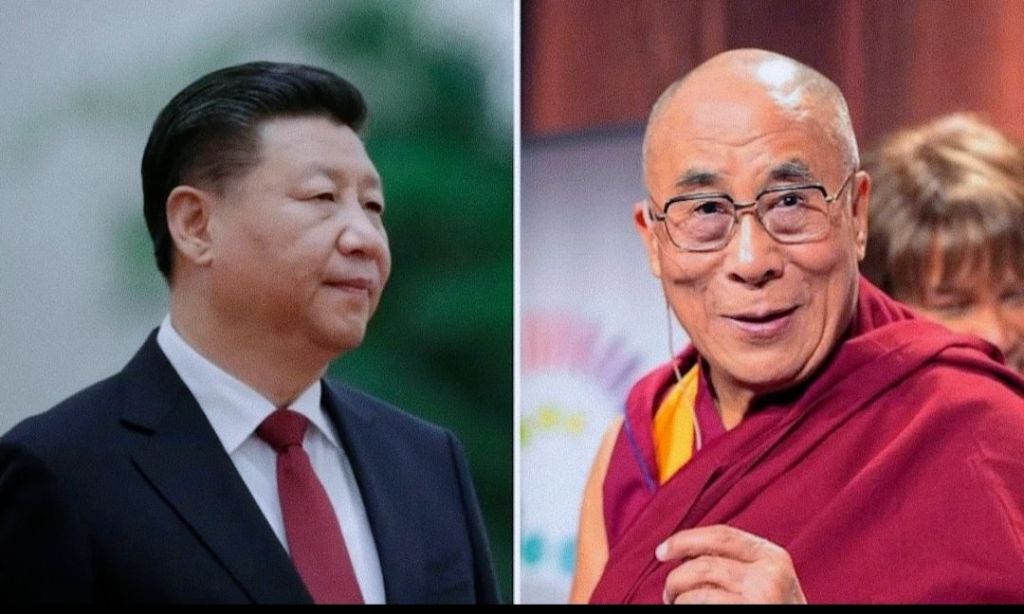
The Dalai Lama, Tenzin Gyatso, has been many things—Tibet’s exiled ruler, a Nobel Peace Prize laureate, a global ambassador of compassion, and the heartbeat of a displaced people. His journey from a remote village in northeastern Tibet to becoming the face of nonviolent resistance is etched in world history. After fleeing to India in 1959 following a brutal crackdown by Chinese forces, he reinvented his leadership, eventually stepping down from political duties in 2011 and embracing a purely spiritual role. But now, at 90, his decision to continue the institution of the Dalai Lama—announced just days before his milestone birthday—has reignited a storm that has been brewing for decades.
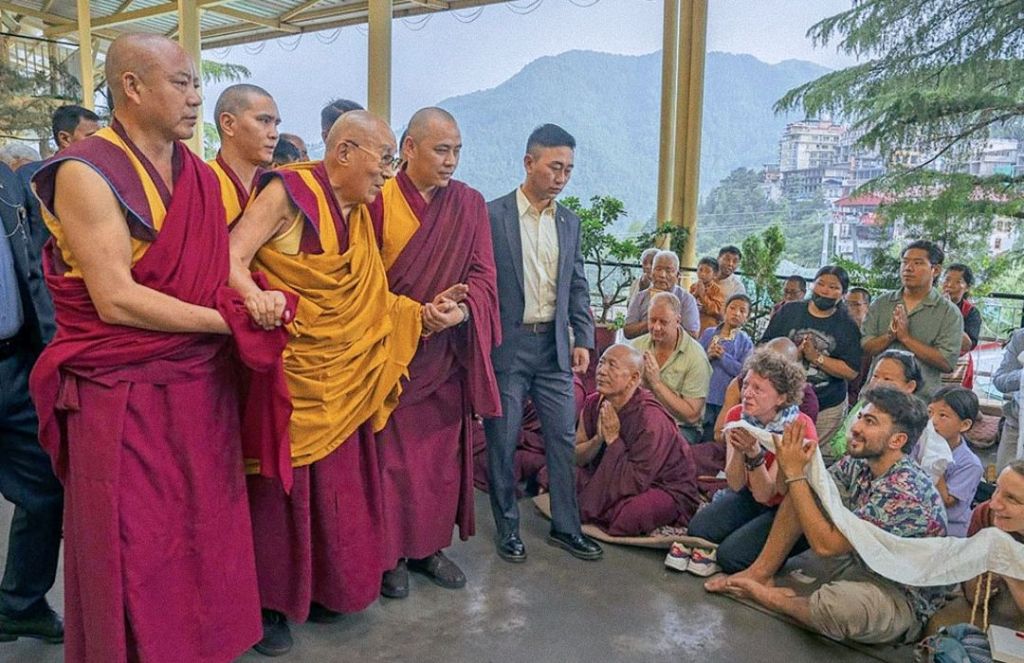
Because this isn’t just about choosing a monk. It’s about who gets to define truth.
In Tibetan Buddhism, the process of identifying the Dalai Lama’s reincarnation is deeply mystical. After the death of a Dalai Lama, spiritual signs—dreams, oracles, even the direction of the smoke from cremation—guide a team of lamas to a child who is believed to be the next incarnation. The child is tested using objects from the former Dalai Lama, and when the recognition is affirmed, the boy is enthroned. It’s as much faith as it is fate.
But China wants none of that. The Chinese Communist Party (CCP), which has spent decades eroding Tibetan identity, insists that reincarnations must now be approved by the state under a 2007 regulation known as State Religious Affairs Bureau Order No. 5. Their chosen mechanism? A relic of Qing Dynasty control known as the Golden Urn system—an imperial lottery masquerading as spiritual legitimacy. In short, Beijing wants to handpick its own Dalai Lama, one who will toe the party line and sanctify the status quo.
It’s like trying to nationalize the soul.

Why would an atheist regime want to reincarnate a monk? Because religion in Tibet isn’t just belief—it’s resistance. Control over the next Dalai Lama would give Beijing enormous leverage over Tibetan hearts and minds, both within China and across the Buddhist world. From Mongolia to Ladakh, Bhutan to Inner Mongolia, the Dalai Lama is revered. And whoever bears that title next could either consolidate China’s grip or shatter its illusion of harmony.
The current Dalai Lama knows this. Which is why he’s made it clear: only he has the spiritual authority to guide his reincarnation. He’s hinted that he may be reborn outside Tibet, possibly in a free country. He’s even floated the idea of appointing a successor during his lifetime—something akin to spiritual succession planning. The official line from Dharamshala is that the Gaden Phodrang Trust, under his guidance, will manage the process.
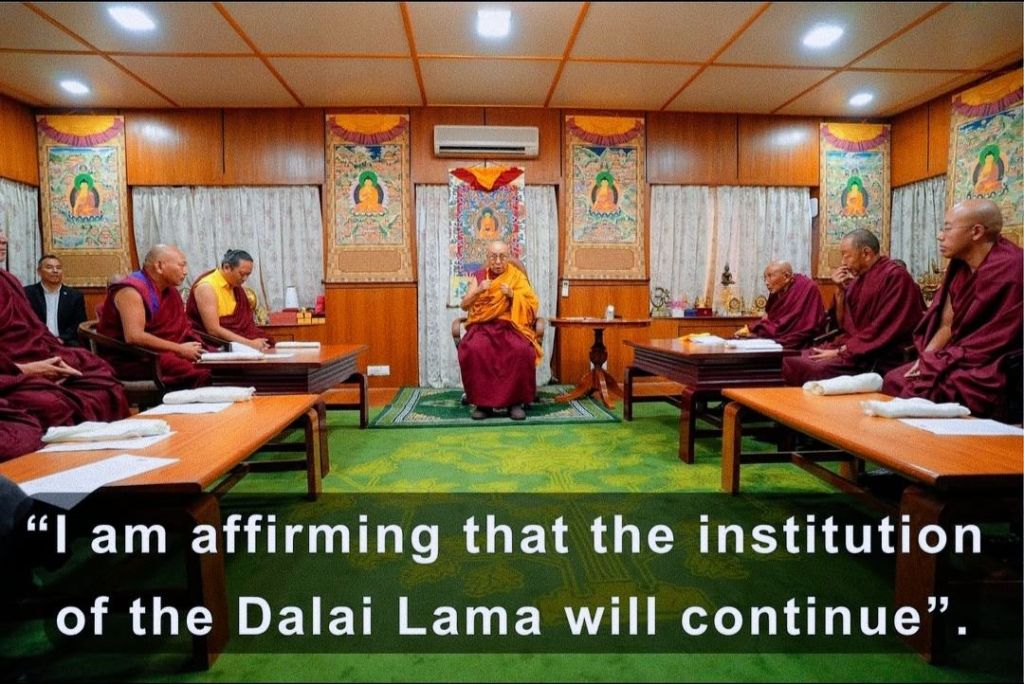
But that sets up a near-certain collision course: two Dalai Lamas. One, chosen through the ancient traditions of Tibetan Buddhism. The other, an ideological Frankenstein, built by Beijing in a lab of propaganda and control. A split would fracture Tibetan Buddhism and force governments worldwide to choose sides. Will the world recognize a Dalai Lama molded by faith—or forged in a Communist crucible?
The United States has already made its choice. The Tibetan Policy and Support Act of 2020 reaffirms that only Tibetan Buddhists have the right to determine their spiritual leaders, warning of sanctions against any Chinese officials meddling in the process. The European Parliament echoes similar sentiments. India, meanwhile, finds itself in a diplomatic balancing act. Hosting the Dalai Lama since 1959 has brought both moral stature and strategic strain. Beijing has repeatedly warned New Delhi against supporting any “illegal reincarnation,” even as tensions continue to simmer on the Himalayan border.
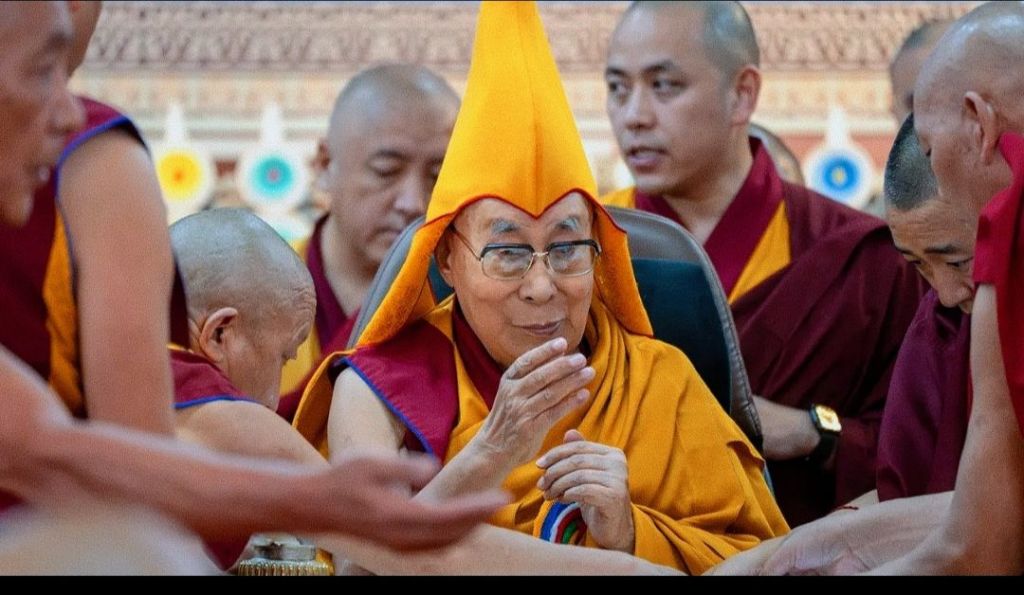
What happens next is anyone’s guess. But one thing is clear: the clock is ticking. The Dalai Lama’s passing—whenever it happens—could be the spark that sets off a spiritual Cold War. Not just a battle of faiths, but a contest between authoritarian imposition and spiritual self-determination.
Because this story isn’t just about who gets to wear the robes. It’s about who gets to define truth in a world where truth is increasingly transactional. Will a state’s decree trump a soul’s journey? Can propaganda out-reincarnate prophecy?
At 90, the Dalai Lama remains the voice of compassion, non-violence, and moral clarity. But his legacy now hangs in the balance, not because of age, but because of ambition—China’s ambition to colonize not just land, but belief.
The world has a choice to make. And the next Dalai Lama—whoever and wherever he is—will carry not just a lineage, but the burden of that choice.
Visit arjasrikanth.in for more insights