In the grand theatre of modern geopolitics, wars are rarely born solely from territorial maps or military calculations; they germinate in the cognitive landscapes of those who wield power. The devastating confrontation in Ukraine and the enduring standoff between Iran and its adversaries offer a rare laboratory for examining how memory, identity, and ideology sculpt leadership under existential strain. In Kyiv, Volodymyr Zelenskyy has come to personify national resistance against external invasion. In Tehran, Ali Khamenei presides over a revolutionary order whose institutional DNA is intertwined with defiance. Both nations endure immense civilian suffering. Yet the psychological architecture guiding these leaders diverges profoundly: one was thrust into war by aggression; the other sustains confrontation as a pillar of legitimacy. To dismiss these trajectories as mere ego is simplistic; to ignore their psychological foundations is strategically naïve.
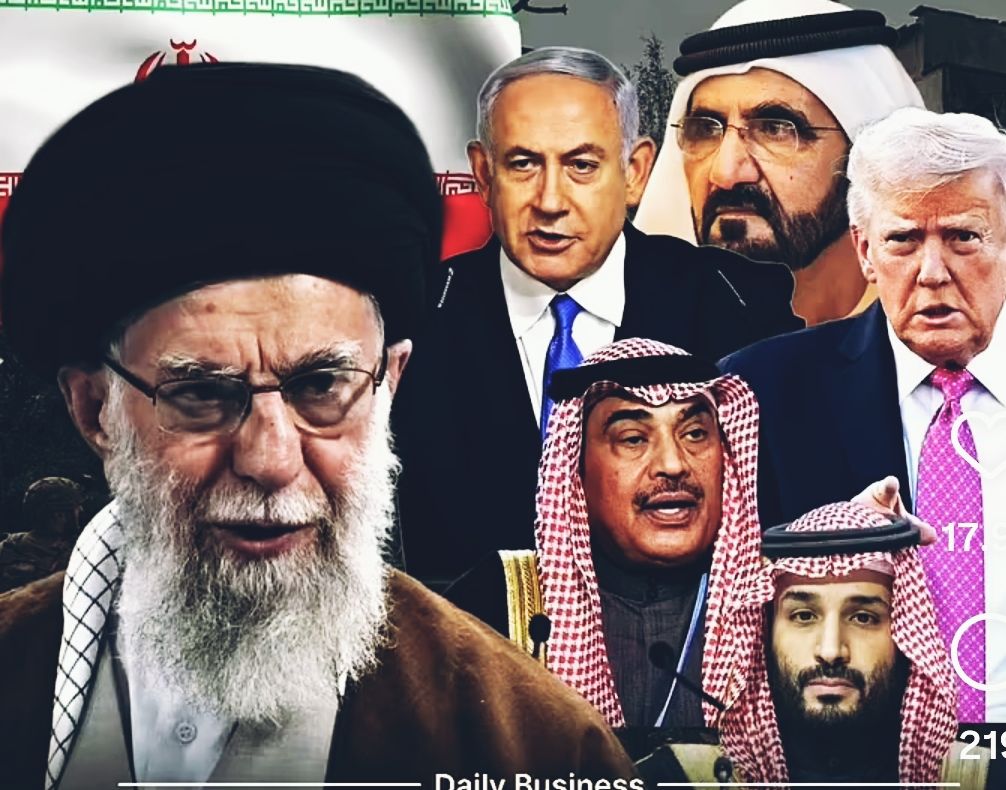
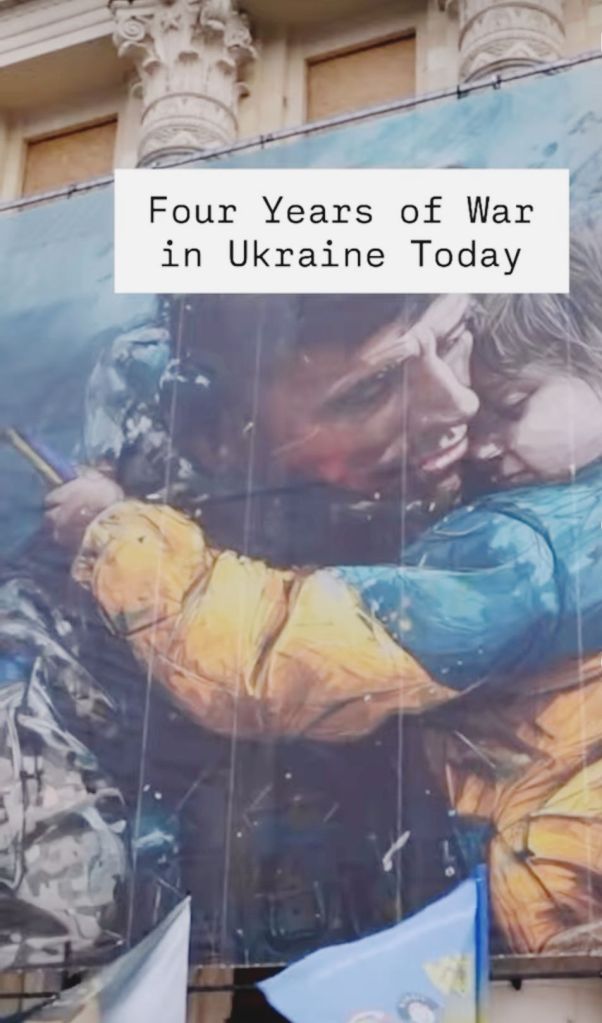
Zelenskyy’s metamorphosis from comedian to commander was not an ideological crusade but a situational transformation forged in crisis. When Russian forces advanced toward Kyiv in February 2022, his refusal to evacuate transcended tactical symbolism. It fused leader and nation into a shared narrative of vulnerability and resolve. That moment recalibrated global perception and fortified domestic morale, signaling agency in the face of imposed chaos. Resistance became existential rather than optional; sovereignty and survival merged into a single imperative. Critics who frame his steadfastness as reckless brinkmanship overlook the binary imposed upon him—capitulate and legitimize conquest, or resist and risk devastation. Under invasion, compromise is seldom interpreted as prudence; it is read as surrender. His rhetorical intensity thus mirrors the psychology of a population confronting erasure, not the indulgence of theatrical vanity.
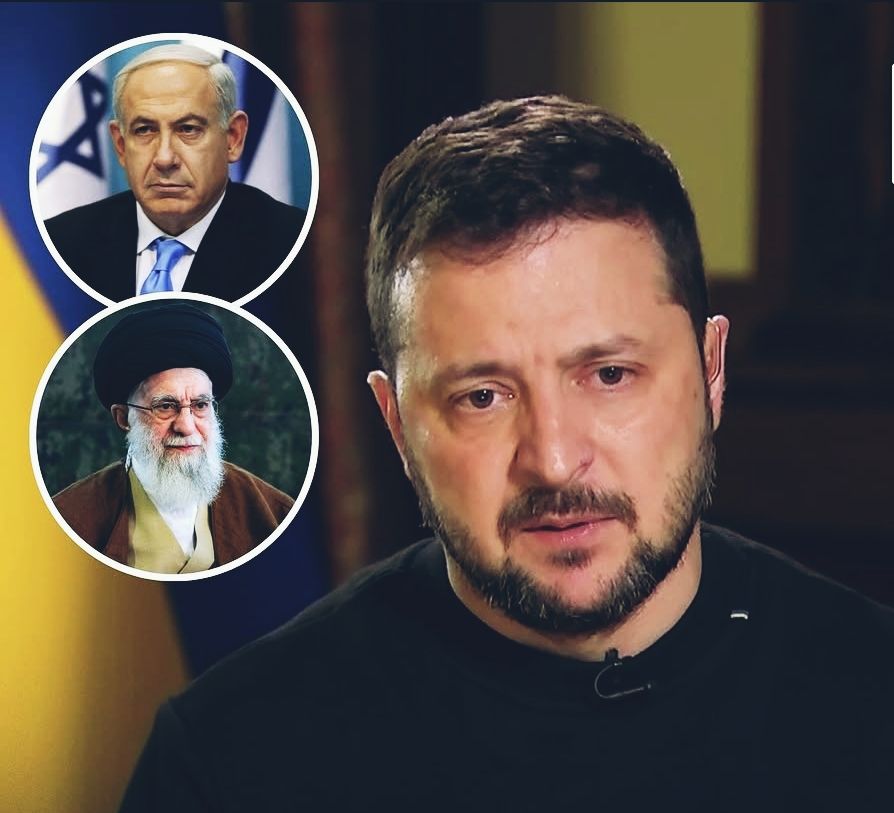
Khamenei’s worldview, by contrast, is rooted in revolutionary sediment layered across decades. The memory of the 1953 coup, the upheaval of 1979, and the trauma of the Iran–Iraq war constitute the psychological scaffolding of his leadership. Under the long shadow of Ruhollah Khomeini, resistance evolved from strategy into state theology. Confrontation with the United States and Israel is framed not as episodic policy but as existential doctrine. Sanctions and diplomatic isolation are narrated domestically as moral trials that validate revolutionary authenticity. Unlike Zelenskyy, who adapted under sudden invasion, Khamenei governs within an institutional ecosystem that ritualizes defiance. His authority is anchored less in charismatic improvisation than in ideological continuity.
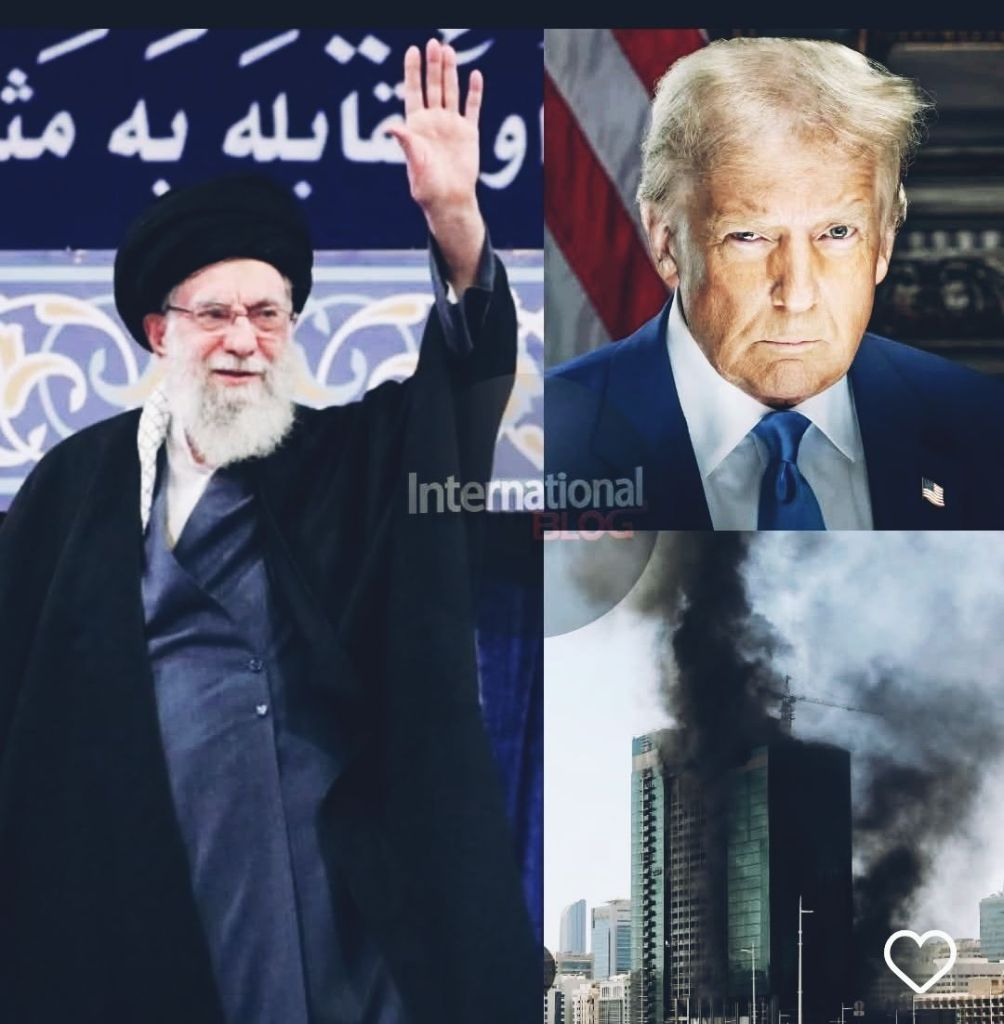
Compromise risks symbolic dilution; flexibility carries psychological cost. In such a system, steadfastness is not merely preference but identity.
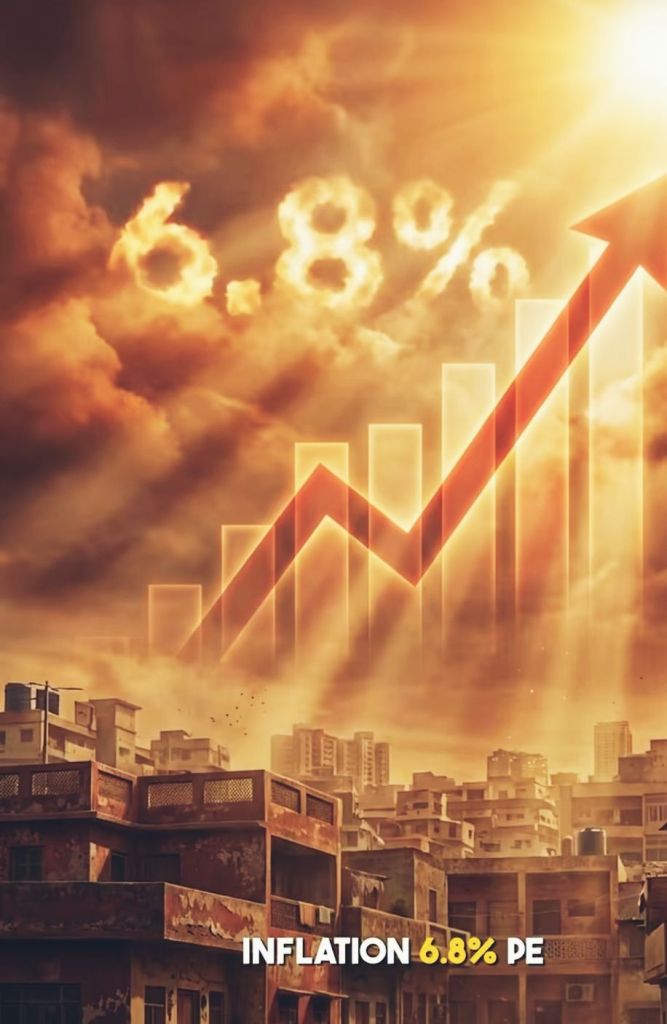
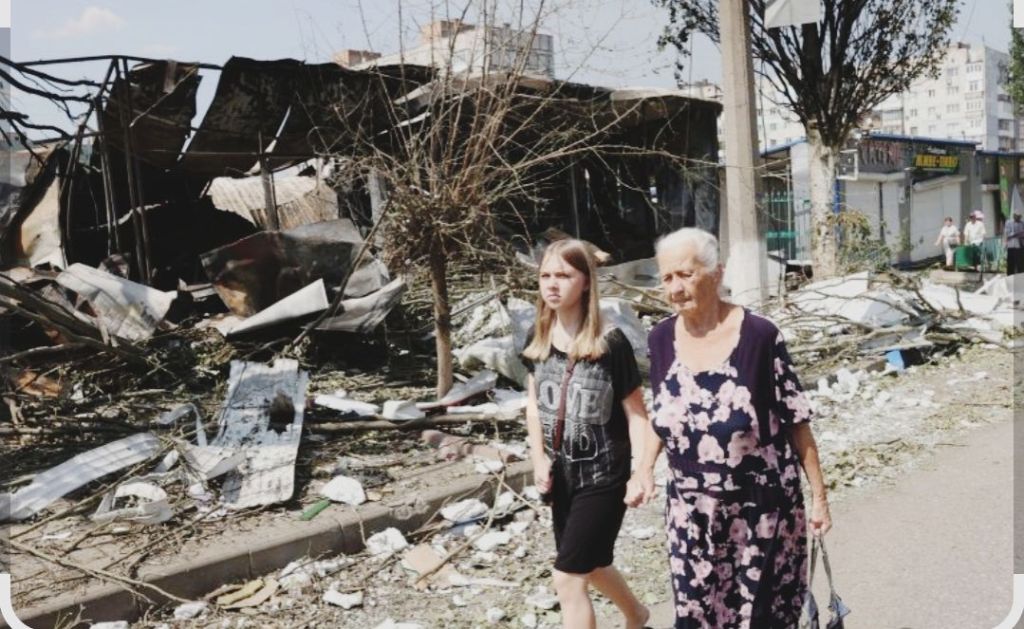
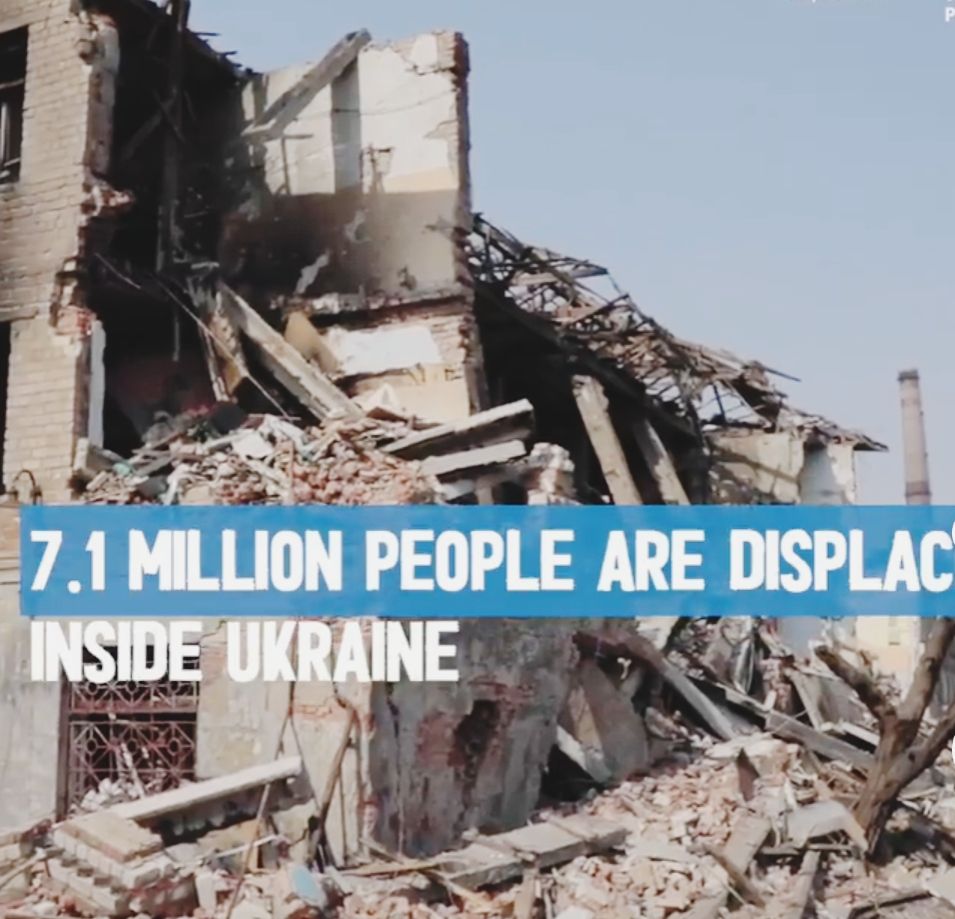
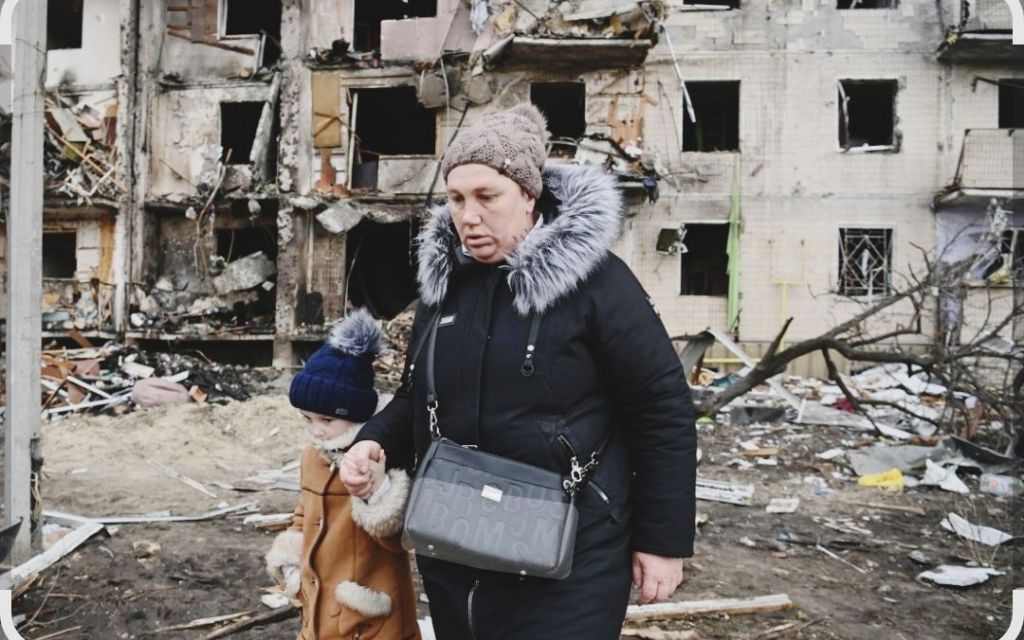
The civilian toll in each context reveals a striking moral asymmetry. Ukrainians endure displacement, infrastructural devastation, and profound loss primarily because of external aggression. Resistance aligns broadly with public sentiment forged in bombardment; national identity has hardened precisely because survival demanded cohesion. In Iran, however, prolonged sanctions, inflation, environmental stress, and youth unemployment intersect with a doctrine that privileges ideological endurance over economic normalization. Nuclear brinkmanship and regional entanglements consume fiscal and diplomatic capital while households absorb inflationary strain. Here, deprivation is reframed as virtue, humiliation as the ultimate taboo. The psychological calculus prioritizes dignity over material relief. Citizens become participants in a narrative that sanctifies sacrifice, even as its burdens fall unevenly across society.
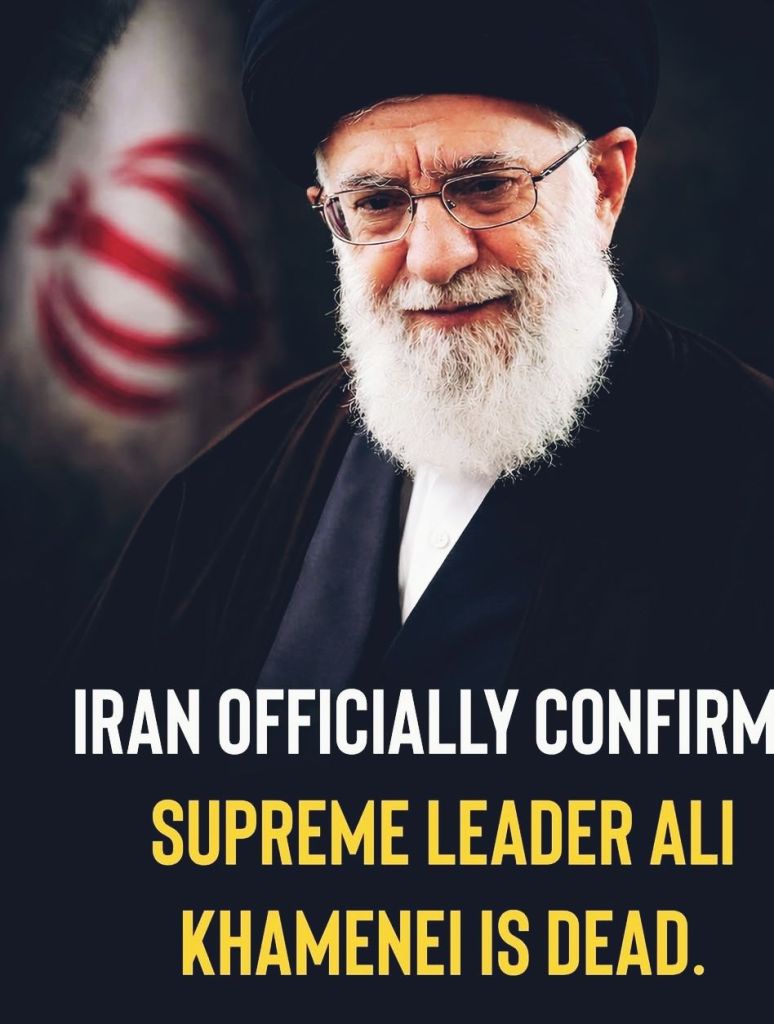
History suggests that even the most entrenched ideologies can bend without breaking. In 1972, Richard Nixon traveled to Beijing, recalibrating Cold War geometry despite his anti-communist pedigree. George Washington warned against entangling passions that might imperil republican durability. Even Khomeini ultimately accepted a ceasefire to preserve the Iranian state. These episodes illuminate a principle often obscured by rhetoric: recalibration is not capitulation but strategic evolution. Leaders who pivot successfully do so by reframing compromise as continuity in different language. The psychology of saving face becomes as critical as the technical architecture of agreements.
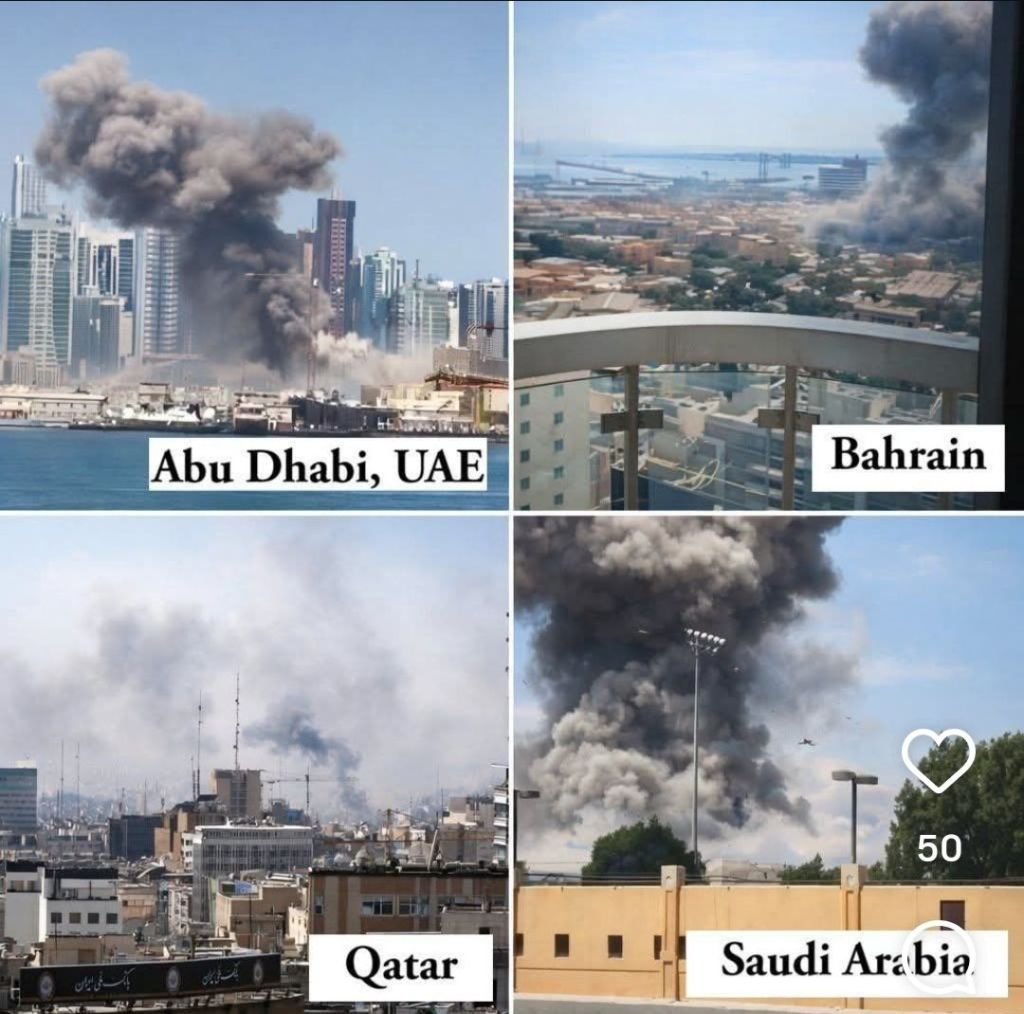
Applied to Ukraine, this principle does not demand surrender but sequencing. Durable security guarantees must compensate for vulnerabilities exposed by past assurances. Tactical pauses, phased diplomacy, or conditional neutrality arrangements—if underwritten by credible multilateral commitments—could transform stalemate into strategic stabilization. For Iran, the recalibration required is psychological before procedural. Engagement with adversaries must be narrated domestically not as ideological retreat but as tactical resilience that safeguards sovereignty while alleviating economic hardship. A revitalized nuclear framework linked to tangible economic dividends could recalibrate internal incentives. The challenge lies less in drafting clauses than in crafting narratives that preserve authority while reducing citizen burden.
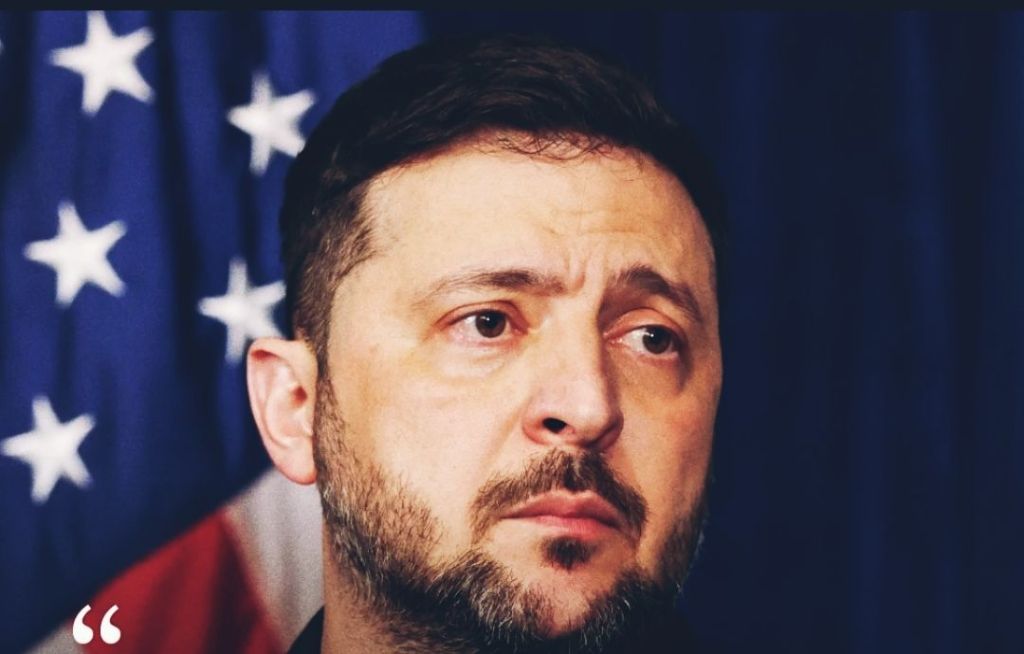
For the international community, policy design must account for leadership psychology as much as for military arithmetic. Maximum-pressure strategies often entrench siege narratives, reinforcing the very identity structures they seek to weaken. Incentive-based frameworks coupling compliance with visible economic benefits may alter domestic calculations more effectively than punitive escalation. In Ukraine’s case, sustained solidarity and calibrated military support should coexist with credible diplomatic off-ramps. Wars rarely conclude in absolutes; they end through layered compromises that protect core sovereignty while reducing existential risk.
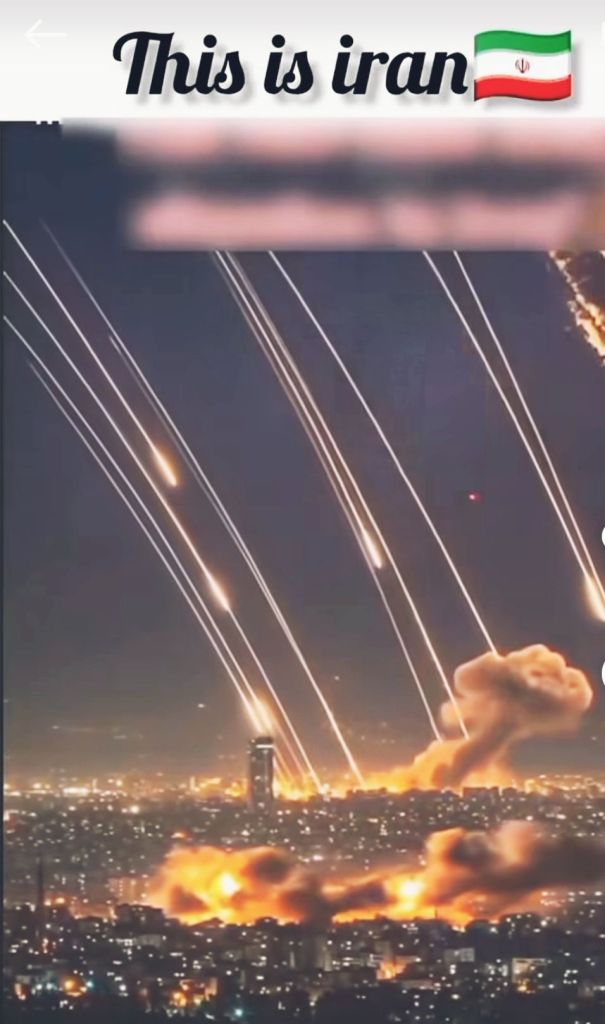
Ultimately, the metaphor of crowned ego and sanctified siege captures only part of the story. Leadership under existential pressure compresses personal psychology and national destiny into a single axis.
Zelenskyy’s defiance is rooted in survival; Khamenei’s steadfastness in doctrinal permanence. One fights to prevent erasure; the other to prevent dilution. Both demonstrate how belief systems can mobilize extraordinary resilience—and how unchecked rigidity can prolong suffering. Nations do not gamble because leaders relish risk; they gamble because identity, memory, and legitimacy narrow perceived alternatives. The decisive variable is not pride itself but the capacity to transcend it. History’s verdict is unsparing: those who mistake inflexibility for strength often preside over exhaustion, while those who dare to recalibrate—however bitter the taste—secure continuity. Between ideology and endurance lies a narrow bridge called wisdom, and crossing it determines whether nations inherit ruin or renewal.
VISIT ARJASRIKANTH.IN FOR MORE INSIGHTS





























 SOCIAL PERSPECTIVES