Indian Railways has long been a staunch supporter of sports in the country, recognizing the importance of nurturing and empowering athletes. The Asian Games 2023 have once again showcased the railway’s commitment to sports, with an impressive participation of 90 players. These athletes have not only represented the nation but have also brought home an outstanding tally of medals. This article aims to highlight Indian Railways’ dedication to promoting sports and its remarkable contribution to the success of Indian athletes at the Asian Games.
The Asian Games 2023 served as a platform for athletes from various countries to exhibit their skills and compete at the highest level. Indian Railways played a significant role in this event, with a commendable 90 players representing the organization. This strong presence demonstrated the railway’s commitment to supporting sports and providing opportunities for athletes to excel.
The athletes from Indian Railways showcased their talent and determination, resulting in an outstanding medal tally at the Asian Games 2023. So far, 40 players have won a total of 22 medals, including 10 individual medals and 12 team game medals. This remarkable achievement reflects the hard work and dedication of both the athletes and the support system provided by Indian Railways.
Out of the 22 medals won by Indian Railways athletes, 8 are gold medals. These victories in both individual and team events highlight the exceptional performance and skill of the athletes. The gold medals not only symbolize their excellence but also serve as a testament to the rigorous training and support received from Indian Railways.
In addition to the gold medals, Indian Railways athletes also secured 7 silver and 7 bronze medals. These achievements in both individual and team events demonstrate the diversity and depth of talent within the organization. The silver and bronze medals further solidify Indian Railways’ contribution to the Indian contingent’s success at the Asian Games.
Looking back at the Asian Games 2018, Indian Railways athletes contributed to 9 out of 69 medals, accounting for an impressive 13% of the total medals won by India. The ongoing Asian Games 2023 have surpassed this record, with Indian Railways athletes contributing to 22 out of 107 Indian medals, totaling 20.6%. This growth in contribution highlights the organization’s unwavering commitment to the development and success of Indian athletes.
Indian Railways’ commitment to sports goes beyond mere participation in events. The organization serves as a strong support system, providing athletes with the necessary infrastructure, coaching, and other resources to excel. By nurturing talent and empowering athletes, Indian Railways plays a pivotal role in shaping the future of Indian sports.
Indian Railways’ commitment to sports and the remarkable achievements of its athletes at the Asian Games 2023 are a testament to the organization’s dedication and support. With 90 players participating and securing an impressive tally of 22 medals, including gold, silver, and bronze, Indian Railways has once again proven its role in promoting and developing sports in the country. As the athletes continue to shine on the international stage, Indian Railways’ unwavering support and commitment will undoubtedly pave the way for even greater success in the future.
A Shocking Escalation in the Israel-Hamas Conflict
As the Israel-Hamas conflict entered its second day, the world watched in shock as Hamas executed a large-scale surprise attack on Israel, leaving hundreds dead and sparking an intense wave of violence. The unexpected assault raises serious questions about Israel’s intelligence capabilities and the broader implications of this conflict for the Middle East
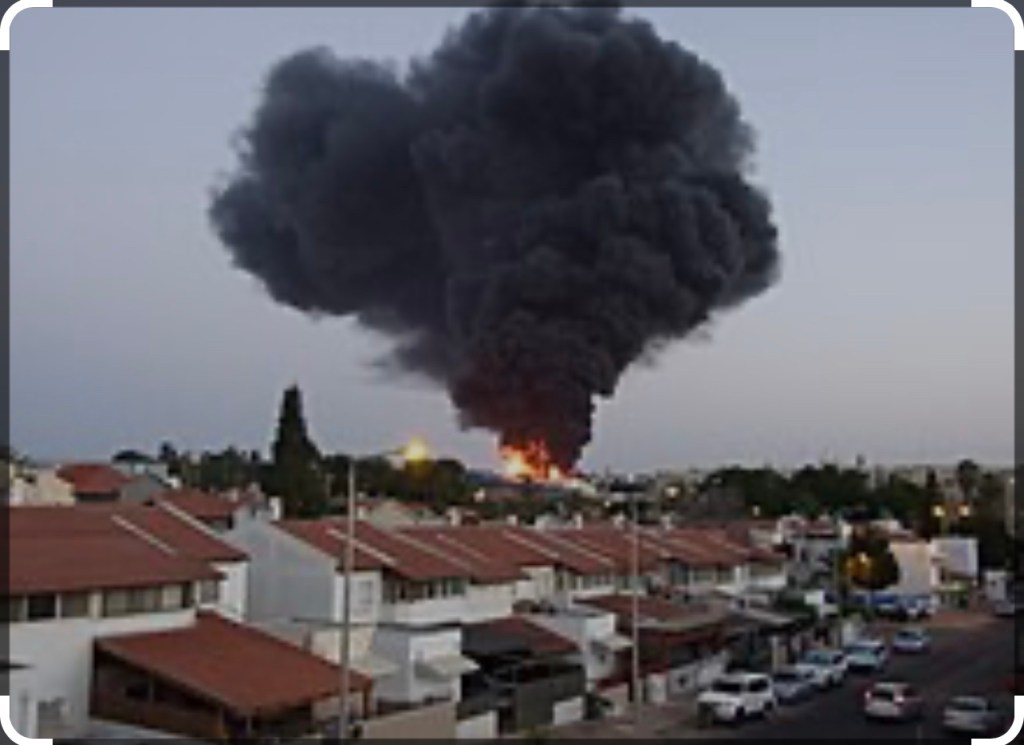
On a fateful Saturday, Gaza militants launched a coordinated surprise attack on Israel, catching the nation off guard. Rockets rained down on Israeli cities, while Hamas fighters infiltrated Israel by land, sea, and air, some even using paragliders. The attack resulted in hundreds of Israeli casualties and marked a dramatic escalation in the long-standing conflict.
Israeli Prime Minister Benjamin Netanyahu declared that the country was at war, not merely engaged in an operation or rounds of conflict. The casualties in Israel have surpassed 350, with no end to the violence in sight. The uncertainty looms as dozens of hostages, including Israeli soldiers, remain in Hamas’s custody.
Netanyahu vowed “mighty vengeance” on Hamas and imposed a blockade on Gaza, cutting off essential supplies like electricity, fuel, and goods. The Israeli military confirmed the capture of hostages, signalling a dire situation.
The most pressing question that arises from this shocking attack is how Israel, with its formidable intelligence apparatus, could have failed to anticipate it. Despite Israel’s extensive intelligence networks and assets, including informants within Palestinian militant groups, such a coordinated and audacious assault went undetected. This lapse in intelligence is baffling, given Israel’s history of targeted assassinations and precision operations.
Hamas’s ability to plan and execute this attack with such precision underscores its high level of operational security. The group’s militants crossed the heavily fortified border with ease, using various means to infiltrate Israel. The attack involved stockpiling and firing thousands of rockets, all while staying under the radar of Israeli intelligence. This level of sophistication suggests a well-coordinated effort by Hamas
The conflict also unfolds against the backdrop of Israel’s improving geopolitical relations in the region. Israel had recently normalised ties with several Arab nations through the Abraham Accords, including the UAE, Morocco, and Bahrain. There were even talks of Saudi Arabia considering normalisation with Israel.
However, the violence threatens to disrupt these diplomatic gains. Hamas’s attack may have been partly driven by a desire to counter Israel’s growing international support. The conflict is a significant setback for the prospect of further normalisation in the Middle East.
The fighting has already cast a shadow over the potential normalisation of relations between Israel and Saudi Arabia. Saudi Arabia had recently frozen efforts to establish formal ties with Israel, citing Israel’s unwillingness to make concessions to the Palestinians as the reason. The current violence further dampens the prospects of a speedy normalisation process.
While the immediate conflict remains primarily localised to Gaza and Israel, there is always the risk of it spreading. As of now, there are no signs of Iranian involvement or Hezbollah’s participation, which suggests a limited global impact. However, if evidence emerges linking Iran to the attacks, it could lead to broader regional tensions.
Lebanon’s Hezbollah group did launch attacks on Israeli sites near the Lebanese-Syrian border, potentially escalating the situation. The conflict’s expansion into a larger regional war remains a concern.
The unexpected nature of the attack has also raised questions about U.S. intelligence. American officials stated that they were not tracking the impending attack, suggesting that the Israelis did not share intelligence on the matter with Washington. This oversight has led to an urgent reevaluation of intelligence-sharing protocols between the U.S. and Israel.
The shocking Hamas attack on Israel has shaken the region, resulting in a significant loss of life and raising concerns about Israel’s intelligence capabilities. The conflict threatens to derail recent diplomatic progress in the Middle East and has already strained potential relations between Israel and Saudi Arabia. While the immediate impact remains localised, the risk of broader regional involvement looms large. As Israel grapples with the aftermath of this attack, the world watches with bated breath, hoping for a swift resolution to the violence.
In the journey of life, we often come across people who leave a lasting impact on us. These individuals have a unique ability to bring out the best in us, making us feel happy, content, and at peace. This article explores the significance of positive relationships and the qualities that make them so special. From encouraging our dreams to providing unwavering support, these connections have the power to boost our confidence and help us become the best version of ourselves.
One of the defining characteristics of a positive relationship is the feeling of happiness and contentment it brings. Whether it’s a friend, a partner, or a family member, being in the presence of someone who genuinely cares about us can uplift our spirits and bring joy to our lives. Their presence alone can brighten our day and leave a lasting impression of happiness.
In a positive relationship, we are truly accepted for who we are. There is no need to put on a facade or pretend to be someone we’re not. These individuals embrace our quirks, flaws, and all the unique aspects of our personality. We feel safe to express ourselves authentically, knowing that we will be loved and accepted unconditionally.
A true supporter in our lives is someone who believes in our potential and encourages us to pursue our dreams. They understand our passions and aspirations and provide unwavering support to help us achieve them. Whether through words of encouragement or practical assistance, they inspire us to reach for the stars and seize every opportunity that comes our way.
Positive relationships are built on a foundation of mutual respect and upliftment. These individuals never seek to belittle or undermine us. Instead, they empower us to grow and thrive. They understand that our success does not diminish their own, and they are genuinely happy to see us succeed.
In the company of these special individuals, our ego takes a backseat. We feel comfortable being vulnerable and letting go of the need to prove ourselves. There is no competition or need for validation. Instead, we can simply be present in the moment, fostering a deep connection based on trust and mutual understanding.
Being around positive people brings a sense of peace and serenity. Their calm and collected nature helps us find solace in their presence. Whether through their words of wisdom, their soothing demeanor, or their ability to listen without judgment, these individuals create a safe space where we can truly relax and find inner peace.
True friends and companions are there for us in both good times and bad. They celebrate our successes with genuine enthusiasm and provide a shoulder to lean on during difficult moments. Their unwavering support helps us navigate life’s ups and downs with confidence, knowing that we are not alone in our journey.
Positive relationships have a transformative effect on our self-confidence. These individuals see our potential and help us recognize our worth. Their belief in us serves as a catalyst for personal growth, empowering us to face challenges head-on and embrace our strengths.
Positive relationships have the power to shape our lives in profound and meaningful ways. From the happiness and contentment they bring to the unwavering support they provide, these connections have the ability to boost our confidence, encourage our dreams, and bring us inner peace. When we find ourselves surrounded by individuals who genuinely care about our well-being and uplift us, we are truly blessed. Cherish these relationships, for they are the nourishment for our souls, helping us become the best versions of ourselves.
In the heartland of Amalapuram, a small town in Andhra Pradesh, a young sportsman has etched his name in the annals of badminton history.
Satwiksairaj Rankireddy, a 23-year-old native of Amalapuram, has achieved an extraordinary feat by winning a gold medal in badminton. This remarkable achievement has not only brought glory to his name but has also filled the hearts of his family and community with immense pride and joy.
Satwiksairaj Rankireddy, along with his doubles partner Chirag Shetty, has made history by becoming the first-ever Indian badminton doubles pair to secure a gold medal at the Asian Games 2023. Their exceptional skills and unwavering determination led them to overcome formidable opponents, including former world champions Aaron Chia and Soh Wooi Yik, in the semi-finals. This victory has not only elevated their status in the world of badminton but has also brought immense pride to the entire nation.
Amalapuram, a town nestled on the banks of the Godavari River, is known for its rich cultural heritage and close-knit community. Satwiksairaj Rankireddy’s astounding achievement has filled the town with an unparalleled sense of pride and joy. As a native of Amalapuram, Satwiksairaj has become a role model for aspiring athletes and a symbol of hope for the entire community. His success has not only put Amalapuram on the map but has also inspired many young talents to pursue their dreams fearlessly.
Behind every successful athlete, there is a strong support system, and Satwiksairaj Rankireddy is no exception. His family, particularly his parents and siblings, have been his pillars of strength. They have nurtured his talent, encouraged his passion, and stood by him through every triumph and setback. The unwavering support, encouragement, and blessings from his fellow members have been instrumental in his rise to stardom.
Satwiksairaj Rankireddy’s exceptional achievement serves as an inspiration not only to aspiring athletes but to all individuals who dare to dream big. His journey showcases the power of dedication, perseverance, and hard work. Satwiksairaj’s success is a testament to the fact that with passion, determination, and the right support, no dream is too ambitious to achieve.
As Satwiksairaj Rankireddy continues to make waves in the badminton world, we, his extended family and friends, extend our heartfelt blessings for his future endeavors. May his success continue to soar to greater heights, and may he bring more laurels not only to himself but also to our beloved town of Amalapuram and the entire nation.
Satwiksairaj Rankireddy’s gold medal in badminton is not just an individual achievement but a moment of pride for the entire nation. His journey from Amalapuram to the international badminton stage has captivated the hearts of millions, inspiring them to believe in their dreams and work tirelessly towards their goals. As we celebrate his remarkable achievement, let us recognize the power of sports in bringing communities together and igniting the spirit of excellence within each of us.
Exploring the consequences of todays attacks by Hamas and the importance of combating terrorism for a peaceful resolution to the Israel-Palestinian conflict.
Todays attack by Hamas on Israel resulting in the deaths of 198 people and numerous injuries has been widely condemned by the international community. Acts of terrorism not only cause immediate loss of life and suffering but also hinder efforts towards a peaceful resolution in various conflict-ridden countries such as Pakistan, Afghanistan, Iraq, Libya, and beyond. This article delves into the consequences of terrorism in the Israel-Palestinian conflict and emphasizes the importance of combating such acts to pave the way for a lasting and peaceful resolution.
The Israel-Palestinian conflict has been a longstanding issue with deep historical, political, and religious complexities. Over the years, this conflict has resulted in immense human suffering and strained international relations. This article explores the key factors and historical background of the conflict, examines the major obstacles to peace, and explores potential pathways towards a lasting resolution. By fostering understanding and empathy, we can contribute to a future where both Israelis and Palestinians can coexist in peace and mutual respect.
The attack by Hamas on Israel highlights the devastating consequences of terrorism. Innocent lives are lost, families are torn apart, and communities are left traumatized. Such acts of violence only serve to deepen the divide between Israelis and Palestinians, making it even more challenging to find a path towards peace.
Additionally, terrorism nurtured within a country can lead to its downfall. Countries like Pakistan, Afghanistan, Iraq, and Libya have experienced the detrimental effects of terrorism, including political instability, economic stagnation, and social unrest. This emphasizes the need for all nations to unite in combating terrorism and addressing its root causes.
To achieve a peaceful resolution in the Israel-Palestinian conflict, it is crucial to address the issue of terrorism. Combating terrorism requires a comprehensive approach that includes intelligence sharing, cooperation between nations, and targeted efforts to dismantle terrorist networks.
Furthermore, addressing the underlying causes that fuel terrorism, such as political grievances, socioeconomic disparities, and lack of opportunities, is essential. Investing in education, job creation, and infrastructure development can provide hope and diminish the appeal of extremist ideologies.
The condemnation of the recent attack by Hamas demonstrates the global community’s united front against terrorism. It is imperative for nations to work together, sharing intelligence and resources, to counter terrorist activities effectively. Strengthening international counter-terrorism mechanisms, such as the United Nations Counter-Terrorism Center, can facilitate coordination and cooperation.
Terrorist attacks, like the recent one by Hamas, not only cause immediate loss and suffering but also hinder efforts towards a peaceful resolution in conflicts worldwide. Combating terrorism is crucial for finding a lasting resolution to the Israel-Palestinian conflict and preventing the downfall of nations affected by terrorism. By addressing the root causes and working together on a global scale, we can promote peace, stability, and prosperity for all. It is through collective action that we can break the cycle of violence and build a future where terrorism has no place, and dialogue and understanding prevail.
Guarding Your Plans, Weaknesses, Failures, Big Moves, Secrets, and Income
In today’s interconnected world, where oversharing is a common practice, it’s crucial to understand that not everything about your life needs to be laid bare for all to see. There are six critical aspects of your life that should remain private, safeguarded from the prying eyes of others. This article explores the significance of maintaining discretion in these areas and the potential consequences of sharing them too freely.
Sharing your plans with others is a nuanced endeavour. While seeking support and validation from friends and family is natural, revealing your aspirations to the wrong individuals can lead to complications. Some may discourage your goals, plagiarize your ideas, or even claim credit for your hard work. To preserve your ambitions and creative pursuits, it’s often wiser to keep your plans close to your chest until they are more fully developed.
Your vulnerabilities are deeply personal, and not everyone warrants access to them. Disclosing your weaknesses opens the door for others to exploit them intentionally or unintentionally. Some may take advantage of your insecurities, while others might resort to making fun of your vulnerabilities. Safeguard your self-esteem and self-worth by maintaining discretion about your weaknesses.
Failure is an inevitable facet of life, something everyone experiences at one point or another. However, openly sharing your failures can result in others viewing you as a perennial underachiever, potentially limiting future opportunities. Instead of fixating on past mistakes, concentrate on your growth and achievements, and share your successes with the world.
When planning a significant life change or a substantial move, discretion is paramount. Sharing your intentions may lead others to replicate your plans or disrupt your process. Keeping your next big move under wraps enables you to execute it without external interference, ensuring that your accomplishments come as a genuine surprise to those around you.
The term “secret” exists for a reason—it signifies confidentiality. Sharing your secrets, even in the strictest confidence, carries inherent risks. The unintended release of your secrets could harm your reputation and potentially land you in trouble. Uphold the sanctity of your secrets by confiding only in those whom you trust implicitly.
Your income is a personal matter, and there’s often little reason to divulge your financial details unless circumstances necessitate it. Sharing your income can breed envy or, worse, expose you to exploitation by those seeking to take advantage of your financial situation. Protect your financial well-being by keeping such matters confidential.
In a world where oversharing has become commonplace, it’s vital to remember that not every facet of your life requires public disclosure. Some aspects, including your plans, weaknesses, failures, next big moves, secrets, and income, should be held close to your heart, shielded from potential harm, manipulation, or interference.
While sharing with close friends and family can be therapeutic and enriching, it’s essential to exercise discretion when discussing sensitive matters or significant life changes. Safeguarding these six aspects of your life empowers you to retain control over your personal and professional well-being, allowing you to decide what to reveal and what to keep hidden. In an era where information translates to power, maintaining discretion emerges as a valuable asset that safeguards your interests, enabling you to navigate life’s challenges with confidence and poise.
“Understanding the Core Needs of Partners in a Marriage”
In the intricate dance of love and companionship that is marriage, there are fundamental needs that both partners seek to fulfill. While these needs may vary from person to person, there are two foundational elements that form the bedrock of a successful and happy marriage: love and respect. This article, delves into what women desire from their husbands and what men seek from their wives, highlighting that love and respect are the cornerstone of a fulfilling married life.
A woman’s emotional needs in a marriage are often deeply intertwined with the expression of love. To truly understand what a woman wants from her husband, it is crucial to recognize that love, in its various forms, takes precedence over most other desires.Women seek an emotional connection with their husbands. This connection goes beyond mere physical presence and touches the depths of their hearts. Listening to her thoughts, feelings, and concerns, and being genuinely interested in her world fosters a sense of closeness and emotional intimacy.
Small acts of affection, such as holding hands, hugging, or giving compliments, reaffirm her attractiveness and worth in your eyes. These gestures serve as tangible expressions of love and appreciation. Effective communication is vital in any relationship. Taking the time to engage in meaningful conversations, sharing experiences, and discussing both joys and challenges helps build a strong foundation for a lasting marriage.A loving wife desires her husband’s unwavering support in her personal and professional endeavors. Encouragement during difficult times and celebrating her achievements are crucial in making her feel valued and cherished. Trust is the bedrock of a strong marital bond. Being faithful and loyal to your wife builds trust over time, allowing her to feel secure and confident in the relationship.
While love remains a universal requirement for both partners, men often prioritize another essential element in a marriage: Respect
Respect is the cornerstone of what a man wants from his wife. It encompasses various aspects, including acknowledging his opinions, appreciating his efforts, and valuing his contributions to the family. Respect validates a man’s self-worth and strengthens his emotional connection with his spouse. Men appreciate companionship and the sense of partnership in marriage. Sharing experiences, hobbies, and quality time together deepens their emotional connection and makes them feel valued.
While physical intimacy is important to both partners, it is essential to note that for men, it often signifies emotional closeness. A healthy and satisfying physical relationship can enhance the emotional bond between a husband and wife. Just as women seek trust and support from their husbands, men desire the same from their wives. Trusting each other and providing unwavering support during life’s ups and downs is vital for a strong marriage. Expressing gratitude and appreciation for his efforts, whether big or small, goes a long way in making a man feel loved and respected. Simple words of thanks can make a significant difference in the quality of a marriage.
Love and respect in a marriage are not isolated concepts but are deeply interconnected. When a husband expresses love for his wife, it often results in her reciprocating with respect. Likewise, when a wife respects her husband, he tends to respond with increased love and affection. This symbiotic relationship between love and respect is the secret to a wonderful married life. In the journey of marriage, understanding what each partner desires is crucial for building a strong and harmonious relationship. While both men and women seek love, women often prioritize emotional connection, affection, and communication, while men highly value respect, companionship, and physical intimacy. Recognizing and fulfilling these core needs can lead to a deeply fulfilling and joyful marriage where both partners feel cherished and appreciated. Love and respect are not only the keys to a wonderful married life but also the foundations of a lasting and meaningful relationship.
India’s men’s hockey team celebrates their resounding victory over defending champions Japan, reclaiming the Asian Games gold after five years.
India’s men’s hockey team showcased exceptional skill and determination as they clinched the Asian Games gold medal with a remarkable 5-1 victory over defending champions Japan. This victory not only secured India’s fourth gold medal in men’s hockey but also ensured their qualification for the upcoming Olympics in Paris. This article, explores India’s journey to success in the Asian Games and highlight the significant growth and development of hockey in the country.
India’s road to glory in the Asian Games was marked by an impressive display of skill and teamwork. They emerged victorious in all their matches, defeating Uzbekistan (16-0), Singapore (16-1), Japan (4-2), and arch-rivals Pakistan (10-2). Their dominance continued with convincing wins over Bangladesh (12-0) and Korea (5-3) in the semi-finals. The final against defending champions Japan showcased India’s unwavering determination and clinical finishing, leading to a resounding 5-1 triumph.
Hockey in India has witnessed significant growth in recent years, thanks in part to the introduction of the Hockey India League (HIL). The league has not only improved the financial conditions of players but has also generated a talent pool and developed hockey infrastructure in smaller cities like Ranchi, Raipur, and Bhubaneshwar. Indian hockey’s upward trajectory since 2014 includes defeating Germany, winning the Asia Cup, and qualifying for the Rio Olympics. The organizing of world FIH events in India by Hockey India has further contributed to the growth and popularity of the hockey
To ensure the continued growth of hockey in India, it is crucial to encourage youth participation. By hosting international events and making them accessible to schoolchildren, India can inspire the next generation of hockey players. Experiences of watching matches live and witnessing their heroes in action have a lasting impact on aspiring young athletes. The increased frequency of international events in India is a positive sign, indicating the development of world-class facilities and corporate investment in the sport.
India’s triumph in the Asian Games and their reclaiming of the gold medal in men’s hockey is a testament to the team’s hard work, skill, and resilience. The victory not only brings glory to the nation but also highlights the significant growth of hockey in India. The introduction of the Hockey India League, improved player conditions, the development of hockey infrastructure, and the hosting of world-class events have all played a role in elevating Indian hockey to new heights. With continued support and encouragement, the sport of hockey in India can reach even greater heights and inspire future generations of players.
Harmilan Bains, a 25-year-old Indian athlete hailing from Mahilpur town in Punjab, has made her mark in the Asian Games by securing a silver medal in the women’s 1500m race. This achievement is particularly noteworthy as it mirrors the success of her mother, Madhuri, who won a silver medal in the 800m race at the 2002 Asian Games in Busan, South Korea.
The Bains family is a testament to the power of enthusiasm, planning, and execution when it comes to reaching for the medal podium. Madhuri Saxena, Harmilan’s mother, played a pivotal role in shaping her daughter’s destiny. During her third month of pregnancy with Harmilan, Madhuri had to run for trials due to a complaint against her. Her determination led her to successfully clear the trials. Thus, Harmilan was introduced to the world of athletics even before her birth.
Athletic prowess runs in the Bains family. Madhuri Saxena secured a silver medal in the 800m race at the 2002 Asian Games, marking a significant achievement in her career. On the other hand, Harmilan’s father, Amandeep Singh Bains, also left his mark in the world of sports by winning a medal in the South Asian Games. Their shared passion for athletics laid the foundation for Harmilan’s journey in the field.
Harmilan Bains’ remarkable journey in athletics reached new heights at the Asian Games when she clinched a silver medal in the women’s 1500m race. She completed the race in 4 minutes and 12.74 seconds, showcasing her incredible talent and determination. Although her timing was slightly slower than her national record of 4:05.39, it was still an outstanding achievement.
Harmilan’s success didn’t stop with the 1500m race. In a highly competitive 800m race, she clocked an impressive timing of 2:03.75, securing another silver medal. This remarkable feat was a testament to her skill and ability to perform at the highest level of international competition.
Harmilan now has her sights set on surpassing her mother’s achievements by excelling in the 800m race, the same event in which her mother won a silver medal at the 2002 Asian Games. Her determination is evident as she playfully alludes to this goal with the phrase, “Mom, 800m is still there.” If she succeeds, she will not only honor her mother’s legacy but also carve her name in the annals of Asian Games history.
Harmilan’s achievements at the Asian Games are a source of pride for her family, her hometown of Mahilpur, Punjab, and the entire nation. Her talent, dedication, and perseverance have propelled her to the forefront of Indian athletics. With her sights set on even greater accomplishments, Harmilan Bains is undoubtedly a rising star who has the potential to shine even brighter in the world of sports.
Harmilan Bains’ journey in athletics is a testament to the power of family, determination, and unwavering commitment to one’s goals. Her silver medals in the women’s 1500m and 800m races at the Asian Games reflect not only her talent but also the legacy of athletic excellence that runs in her family. As she continues to chase her mother’s legacy and aim for even greater heights, Harmilan Bains is a name to watch in the world of Indian athletics. Her story is an inspiration to aspiring athletes and a source of pride for her family and her nation.
The United States takes decisive action against Chinese companies and individuals allegedly involved in the fentanyl supply chain, intensifying efforts to combat the deadliest overdose crisis in the nation’s history. Meanwhile, India faces its own fentanyl crisis at its northern borders, demanding a closer look at the global drug trade’s impact on both nations.(Fentanyl is a potent synthetic opioid drug , for use as an analgesic (pain relief) and anaesthetic. It is approximately 100 times more potent than morphine and 50 times more potent than heroin as an analgesic.)
The world finds itself in the grip of two concurrent catastrophes, both originating from the same source – China. While the COVID-19 pandemic wreaked havoc globally, China is now implicated in another catastrophe, this time in the form of drug trafficking. This article delves into the recent actions taken by the United States to combat the fentanyl epidemic and draws parallels with the fentanyl crisis affecting India. It highlights the profound economic and social impact of these crises on both nations.
The United States faces an unprecedented crisis – a surge in fentanyl-related overdose deaths that has claimed the lives of more than 100,000 Americans between August 2021 and August 2022. Fentanyl, an extremely potent synthetic opioid, is now responsible for approximately 200 daily fatalities in the U.S. The gravity of this situation has compelled U.S. authorities to intensify their efforts, not only through law enforcement but also preventative and treatment measures.
Despite these efforts, the fentanyl epidemic continues to expand, underscoring the complexity of the issue. To tackle this crisis, the U.S. government recently imposed sanctions and unveiled indictments against Chinese companies and individuals allegedly involved in the illegal fentanyl trade. These actions signal a concerted push to disrupt the fentanyl supply chain.
The charges and sanctions specifically target Chinese companies and executives accused of various roles within the fentanyl production process, including advertising, manufacturing, and distribution of precursor chemicals for synthetic opioids like fentanyl. These chemicals are instrumental in producing the highly addictive drug.
U.S. officials have framed these actions as a crucial step in their ongoing battle against the fentanyl epidemic, which stands as the deadliest overdose crisis in U.S. history. Attorney General Garland stated, “We are here today to deliver a message on behalf of the United States government. We know who is responsible for poisoning the American people with fentanyl. We know that this global fentanyl supply chain, which ends with the deaths of Americans, often starts with chemical companies in China.”
In response to the charges and sanctions, China has strongly condemned the actions taken by the United States. Liu Pengyu, a spokesperson for China’s embassy in Washington, DC, underscored China’s firm stance on counter-narcotics efforts. He accused the U.S. of “scapegoating” China and undermining bilateral anti-drug cooperation. The diplomatic tensions surrounding the issue have prompted discussions on enhancing cooperation between the U.S. and China to address the flow of fentanyl and its precursors.
The U.S. Justice Department’s actions extend beyond the charges against companies. The department has also indicted 12 company executives for their alleged involvement in drug trafficking. In a coordinated effort, the Treasury Department has imposed sanctions on 28 individuals and entities, primarily in China but also in Canada. These sanctions effectively sever these entities from the U.S. financial system and prohibit any form of business dealings between them and individuals or entities within the United States. Notably, none of those charged have been arrested yet, but Attorney General Garland emphasized the prosecution’s commitment to ensuring that all defendants face justice.
The fentanyl epidemic presents a multifaceted challenge that extends beyond legal action against suppliers. While law enforcement efforts are crucial in disrupting the supply chain, addressing the crisis requires a comprehensive approach. The surge in overdose deaths underscores the need for prevention, treatment, and harm reduction measures.
The United States has invested over a trillion dollars in the war on drugs over the past 50 years. Despite these massive expenditures, drug use in the U.S. is on the rise again. This alarming trend necessitates a reevaluation of drug policy and a recognition that a holistic approach is essential to combat the fentanyl epidemic.
As the United States confronts the fentanyl crisis, India grapples with its own drug-related catastrophe, particularly at its northern borders. The Manipur region has recently experienced a wave of violence, triggered by ethnic tensions and exacerbated by narco-politics and cross-border interests.
Ethnic fault lines in Northeast India have occasionally erupted into violent clashes, and Manipur is currently bearing the brunt of these tensions. The clashes between the Chin-Kuki-Mizo-Zomi hill tribes and the Meitei community have resulted in many deaths, with reports indicating an increasing toll. This violence has prompted the relocation of more than 45,000 individuals, with over 6,500 seeking refuge in neighboring Mizoram.
The violent episode began with an armed mob infiltrating a tribal solidarity march held in protest against the Meiteis’ demand for inclusion in the list of Scheduled Tribes under the Indian constitution. The trouble began in the Torbung area near Churachandpur and rapidly escalated, leading to systematic arson and destruction in various areas.
Amidst the turmoil, claims and counterclaims have emerged, particularly related to narco-terrorism. The Meitei Resurgence Forum (MReF) has accused certain groups, including Kuki armed groups operating under the Suspension of Operation (SoO) agreement, of instigating violence while being involved in drug trafficking. The SoO represents a ceasefire signed between the Indian government, Manipur government, and Kuki armed groups. MReF has further alleged that armed Kuki militants were involved in killings, arson, and the destruction of Meitei temples and shrines.
The MReF also condemned Meitei mobs for vandalizing and destroying Kuki property in the valley areas. They alleged that armed Kuki militants, funded by drug money and supported by illegal migrants, were exacerbating the conflict.
The conflict in Manipur is closely linked to the illicit drug trade and national security. The Manipur government’s efforts to combat the illegal drug trade, including the destruction of poppy cultivation, have contributed to simmering anger among certain communities. Drug smuggling and production persist in Manipur, leading to disillusionment among the populace.
The drug trade in the region is interconnected with international dynamics. Manipur, bordering the Golden Triangle countries, has become a hub for poppy cultivation and heroin production. The influence of drug trafficking organizations, allegedly connected to major Southeast Asian players, cannot be underestimated. This international drug trade’s impact on Manipur’s conflicts demands a broader perspective.
India’s strategic interests in the Indo-Myanmar region should be pursued judiciously. Manipur’s ongoing violence should not be exploited to exacerbate internal conflicts in northeastern states. A comprehensive and sensitive approach is needed to address these complex challenges while ensuring national security and stability.
In conclusion, the fentanyl crisis has gripped both the United States and India, albeit in different forms. While the U.S. grapples with the fallout of Chinese involvement in the illegal fentanyl trade, India faces its own challenges in Manipur, exacerbated by narco-politics and cross-border interests. Both nations must navigate these crises carefully, recognizing the multifaceted nature of the problems and the need for comprehensive solutions.








 SOCIAL PERSPECTIVES