Discover the hidden meanings and ancient wisdom behind the Chhath Puja festival.
Traditions are an integral part of any culture, and India is a land known for its rich and diverse traditions. One such tradition is the festival of Chhath Puja, which is celebrated primarily in the states of Jharkhand, Bihar and Uttar Pradesh. In this article, we will delve into the significance of Chhath Puja and uncover the logic behind this ancient Hindu festival.
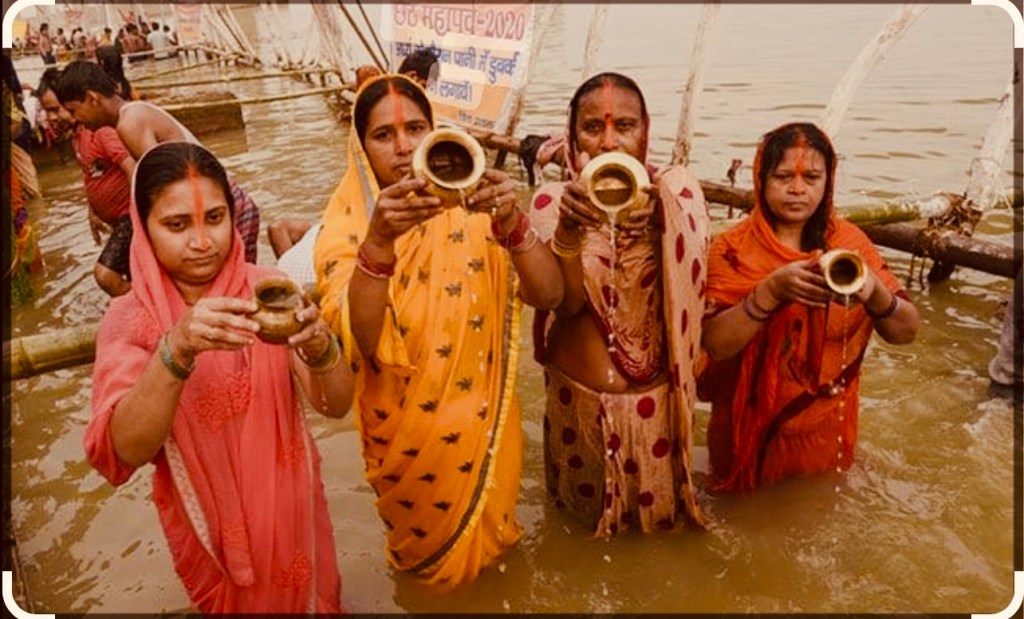
Chhath Puja is deeply rooted in the history of Hinduism and is considered one of the oldest festivals in India. It is dedicated to the worship of Lord Surya, the Sun God, and his sister Chhathi Maiyya. The festival is celebrated six days after Diwali, on the sixth day of the Hindu lunar month of Kartika. Its rituals span over four days and include various customs and practices.
The primary purpose of Chhath Puja is to express gratitude and thankfulness to Lord Surya for the bounties of life on earth. It is believed that by performing this puja, devotees can seek blessings for their well-being and prosperity. The festival also serves as an occasion to purify the mind, body, and soul.
Chhath Puja holds scientific significance as well. Scientists have observed that during sunrise and sunset, the sun emits a low level of harmful ultraviolet radiation. By offering prayers during these specific times, devotees protect themselves from the harmful effects of the sun’s rays. This ancient wisdom shows that our ancestors had a deep understanding of the sun’s influence on our well-being.
Chhath Puja is a four-day-long festival, each day having its own set of rituals. The first day, known as Nahay Khay, involves taking a holy bath and cooking rice, dal, and pumpkin. On the second day, called Kharna, devotees observe a fast and prepare kheer and roti. The third and fourth days are dedicated to offering Arghya to the setting and rising sun respectively, without consuming food or water. The festival demands strict discipline and purity from the devotees.
Chhath Puja is a tradition that is passed down from one generation to another. Once a family starts performing the rituals, it becomes a commitment that cannot be stopped unless someone in the family passes away. This legacy showcases the importance and reverence attached to this festival.
During Chhath Puja, devotees offer special Prasad to Lord Surya. The holy food includes Kheer, Thekua, rice laddu, dates, and fruits. It is interesting to note that during the festival, other family members are prohibited from consuming food with onions and garlic, emphasizing the purity and sanctity of the occasion.
Chhath Puja not only benefits physical well-being but also has positive effects on mental health. The rituals and practices during the puja create a sense of calmness and remove negative energies from the body. It is believed to regulate the flow of vital energy, known as Prana, and helps to control negative emotions such as jealousy and anger.
Chhath Puja is a festival that encompasses deep spiritual beliefs, scientific reasoning, and cultural significance. By understanding the logic behind this ancient tradition, we can appreciate the wisdom of our ancestors and the holistic approach they had toward life. As we celebrate Chhath Puja, let us embrace the beauty of this festival and honor the traditions that have been passed down through generations.
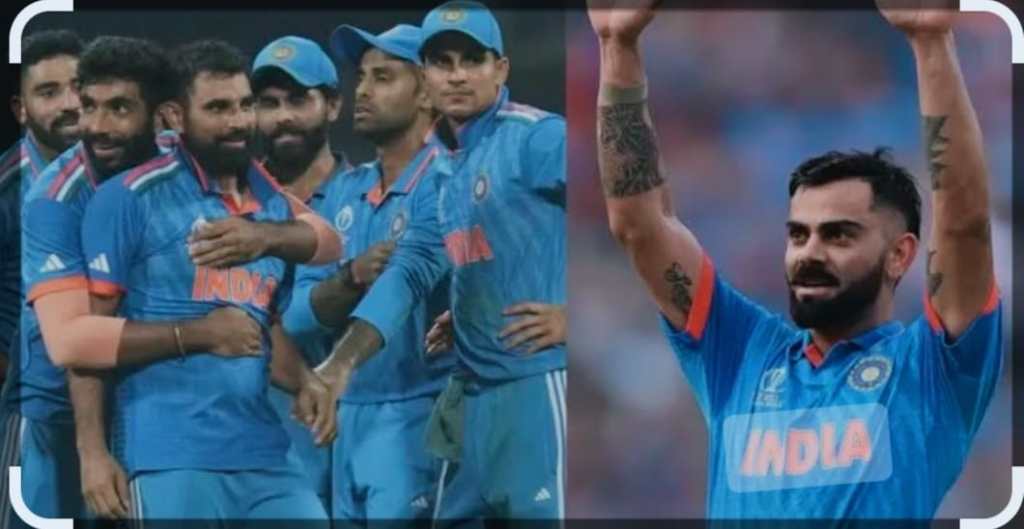
“11 Warriors, 11 Champions – India’s Cricketing Prowess Unleashed in ICC 2023”
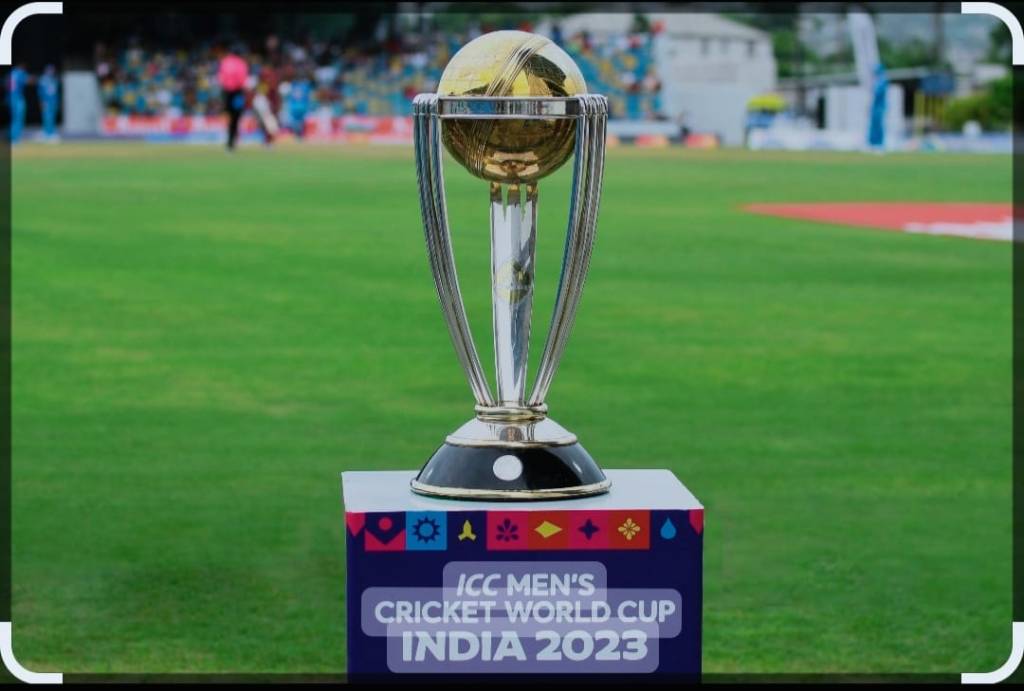
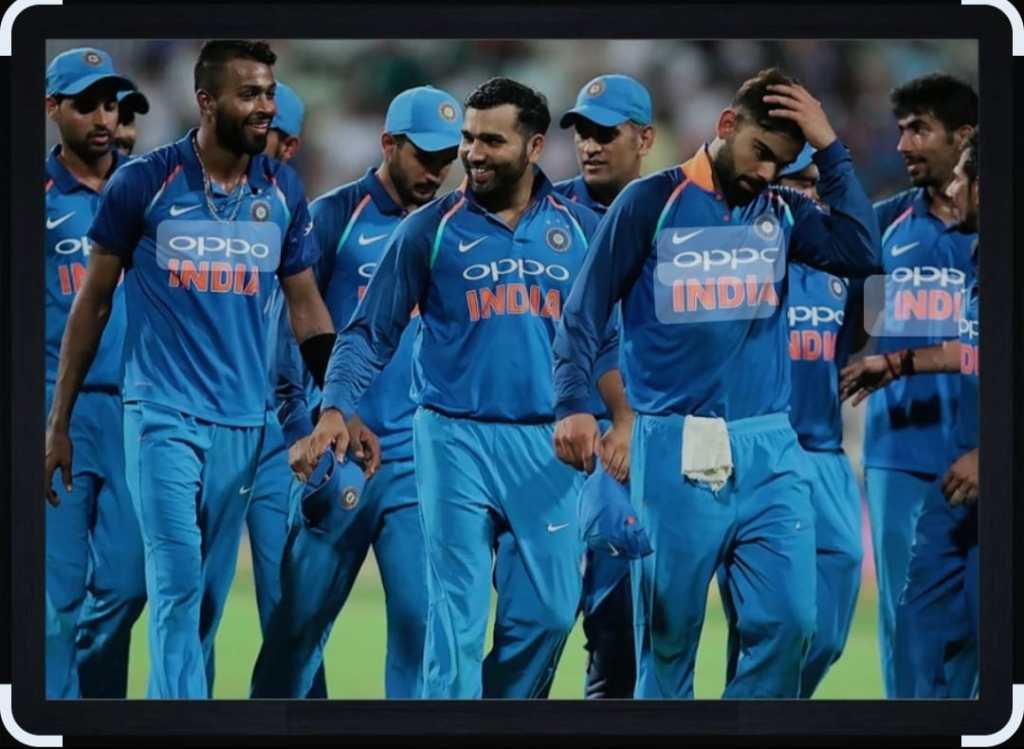
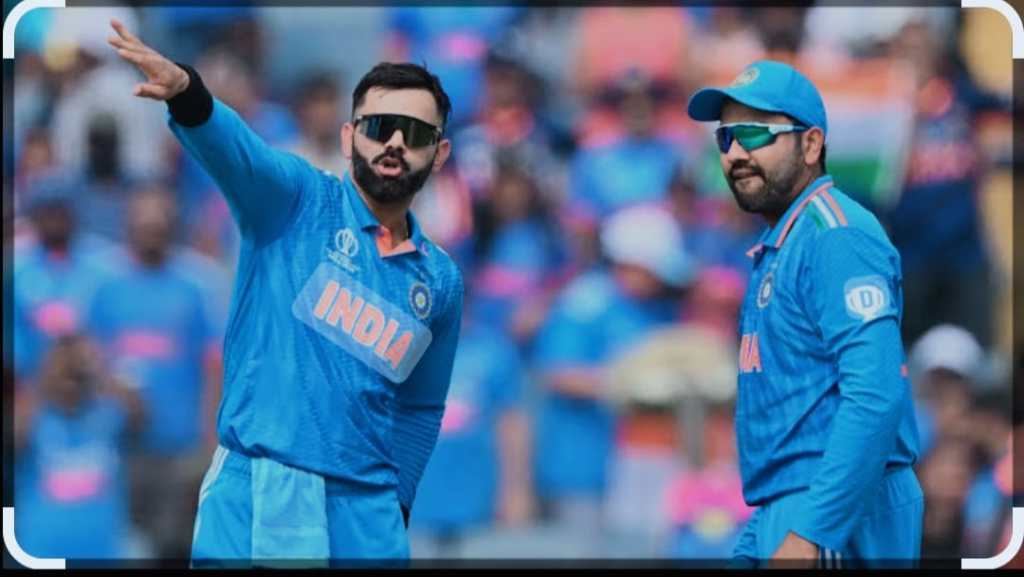
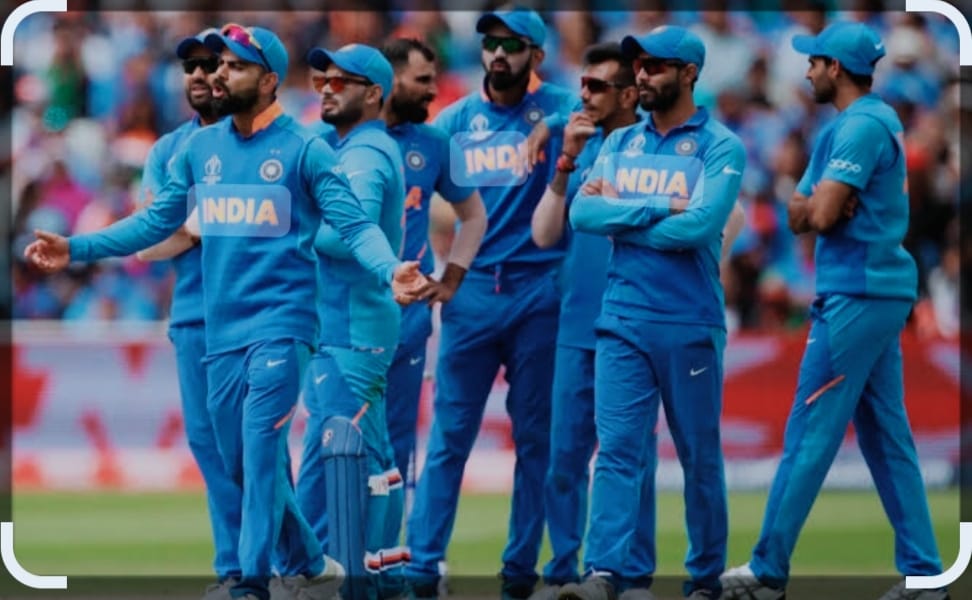
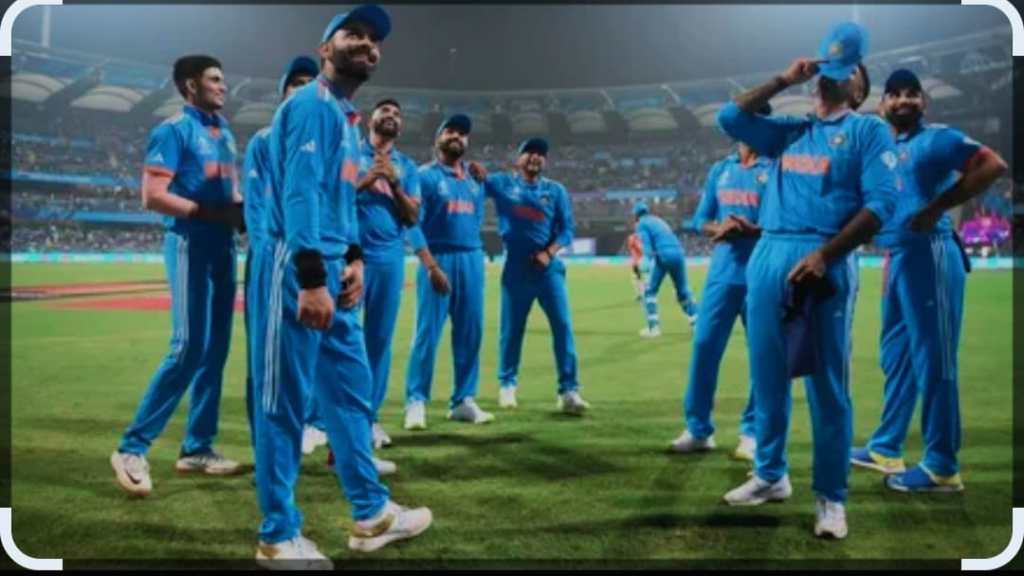
The cricketing world is ablaze with excitement as India’s 11 cricketing titans gear up for the ICC 2023 Finals in Ahmedabad. Each player in this magnificent lineup has not just excelled but soared to unprecedented heights, becoming a champion in their own right. This journey has been nothing short of extraordinary, marked by record-breaking performances, skillful play, and an unwavering spirit that has captivated over 50 million viewers.
Rohit Sharma, The Elegant Maestro, At the helm, the batting virtuoso born on April 30, 1987, in Bansod, Nagpur. His three double centuries in ODIs make him a record-setter, showcasing impeccable timing and powerful hitting that define him as a limited-overs powerhouse. Beyond his on-field brilliance, Rohit’s leadership has steered India to significant victories.
Shubman Gill, The Young Dynamo, Hailing from Fazilka, Punjab, embodies passion and dedication. His unique training methods, instilled by his father, set him apart. Gill’s dynamic batting and fielding prowess have left an indelible mark in age-group cricket, the U19 World Cup, and the IPL, making him a rising star in international cricket.
Virat Kohli , The Run-Machine and Leader, an icon with over 500 matches for India, stands tall as one of the greatest batsmen in international cricket. His dynamic playing style, consistency, and effective leadership make him a formidable force. Kohli’s dedication to fitness and fearless approach defines his unique leadership style.
Shreyas Iyer, The Captain Marvel, Shreyas Iyer, the 16th Indian cricketer to score a century in his debut Test, has showcased remarkable performances. His captaincy skills with Delhi Capitals and Kolkata Knight Riders reflect calmness, quick decision-making, and effective communication.
Suryakumar Yadav, he Explosive Batsman, a prominent Indian cricketer, achieved the status of the fastest batsman to reach 1000 runs in T20 Internationals. His unique playing style, footwork, and ability to score swiftly make him a valuable asset in the middle-order.
KL Rahul, The Versatile Dynamo, with his elegant right-hand batting and wicketkeeping skills, has been a consistent performer since 2016. His versatility is evident in being the only Indian player to score a century on his ODI debut and the first batter to score a T20I century at the 4th or lower position.
Mohammed Shami, The Fast Bowling Maestro, a right-arm fast bowler, is a mentor on and off the field. With records like the most consecutive 4-wicket hauls in ODIs and being the seventh-fastest to 100 ODI wickets, Shami’s consistent pace and swing have been crucial to India’s success.
Jasprit Bumrah, The Bowling Maverick, aged 29, stands as a unique and invaluable asset with an impressive array of skills. His unorthodox slinging action, disciplined line and length, and variations like yorkers, in-swing, and out-swing make him a formidable bowler across all formats.
Ravindra Jadeja, The All-Round Dynamo, a cricket superstar, has excelled across all formats, winning the IPL four times. His left-arm orthodox spin and remarkable fielding skills make him a potent all-rounder, contributing significantly to India’s victories.
Mohammed Siraj, ‘Miyan Magic’ on the Field, the right-arm fast bowler, delivered a historic performance in the Asia Cup final, securing a joint fastest five-wicket haul in ODI history. Known as ‘Miyan Magic,’ his stunning delivery at 156 km/h showcased his exceptional skills.
Kuldeep Yadav, The Spin Wizard, renowned for his left-arm unorthodox spin, is India’s go-to slow bowler on turning pitches. With 150 ODI wickets, he stands as one of the best spinners globally, showcasing his wicket-taking prowess.
As these 11 champions march onto the field in Ahmedabad, Indian hearts beat with anticipation. Eleven years since India entered the finals, the team’s collective prowess and individual brilliance have elevated them to the zenith of cricketing excellence. With over 1.4 billion prayers echoing, the ICC 2023 Finals are more than a match – they are a testament to the unwavering spirit, skill, and determination of these cricketing titans. Here’s to Team India – may they etch their names in history and bring the ICC Cup home. Our best wishes resonate across the cricketing world as we witness the culmination of a remarkable journey, where every player is a champion.
In the intricate landscape of global sports, cricket, epitomized by the Board of Control for Cricket in India (BCCI), stands as an unparalleled force. As the wealthiest cricket governing body globally, the BCCI not only shapes the destiny of Indian cricket but also exerts influence on the international stage. However, the magnanimity of cricket’s financial prowess brings forth the imperative for broader social engagement & responsibility within sports organizations. This article navigates through the complexities of the BCCI’s financial might, scrutinizes its tax implications, and advocates for a fundamental shift in the approach of all sports bodies—making sporting events not just competitions but holistic experiences deeply rooted in social engagement.
Established in 1928, the BCCI has metamorphosed into the richest cricket governing body worldwide, headquartered in Churchgate, Mumbai. As a private entity, it operates autonomously, outside the purview of the National Sports Federation of India, standing tall as a financial powerhouse. The BCCI’s financial prowess is underscored by its staggering earnings of ₹6,558 crore (US$820 million) in the fiscal year 2022-2023, with a substantial chunk emanating from the Indian Premier League (IPL), one of the globe’s wealthiest sports leagues.
Despite its designation as a charitable organization, rendering it exempt from income tax, the BCCI finds itself entangled in the intricate web of taxation complexities. The Income Tax Act stipulates that income generated by the BCCI is taxable, prompting a noteworthy payment of ₹4,000 crore (US$500 million) in taxes for the fiscal year 2022-23. Interestingly, the BCCI’s commitment extends beyond its own obligations, as it voluntarily undertook to pay ₹963 crore in taxes on behalf of the International Cricket Council (ICC) for the 2023 Cricket World Cup.
A crucial question arises—does the BCCI truly qualify as a charitable entity? Its exemption from income tax, coupled with substantial revenue from commercial ventures like the IPL, raises legitimate concerns. The intricacies of its legal standing came to the forefront during an appeal before the Income Tax Appellate Tribunal (ITAT), where the BCCI’s income tax payment of over ₹3,500 crore from 2008 to 2018 was made “under protest.”
To comprehend the BCCI’s global standing, a comparative analysis of other cricket boards’ net worth becomes imperative. With a reported net worth of $2.25 billion, the BCCI surpasses Cricket Australia ($79 million) and the England and Wales Cricket Board (ECB) ($59 million), prompting both admiration and scrutiny. The BCCI’s financial clout extends its influence over the International Cricket Council (ICC), slated to earn nearly $230 million annually from 2024 to 2027, constituting 38.5% of the ICC’s approximate yearly earnings. This lopsided share sparks discussions on the fairness and equity of the global cricketing ecosystem.
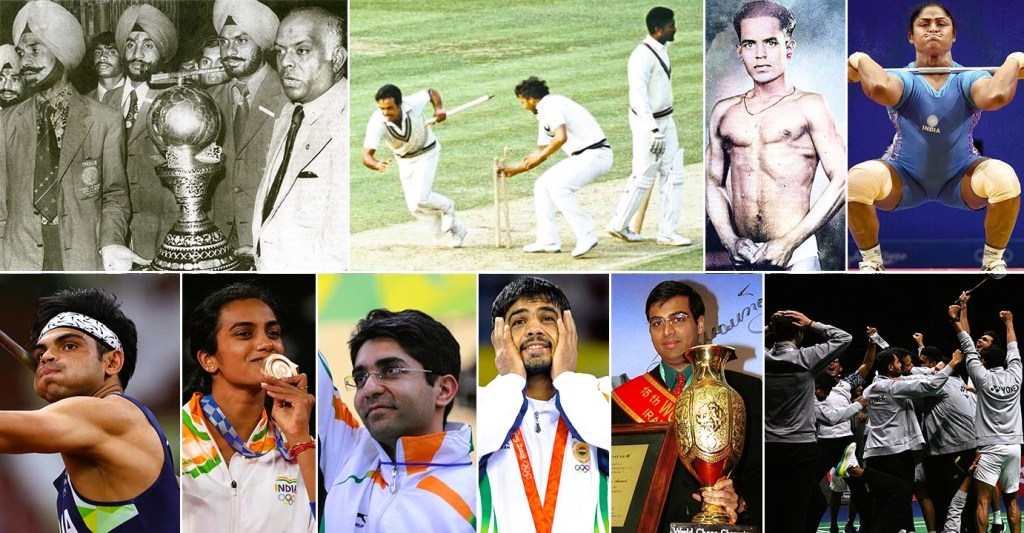
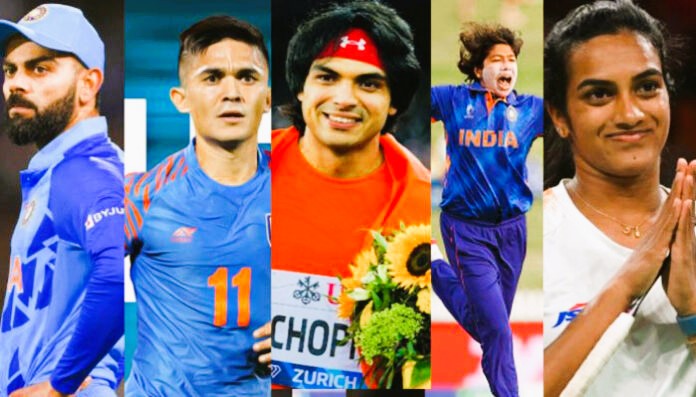
Independent India’s top-10 sporting moments
The IPL, a global cricketing extravaganza, not only serves as a substantial revenue source for the BCCI but also unfolds intriguing taxation dynamics. Its exemption from tax, validated by the ITAT, hinges on the premise that, despite being a lucrative commercial enterprise, the IPL aligns with the objective of promoting cricket—a facet that warrants contemplation.
Beyond the labyrinth of financial prowess and taxation intricacies, a poignant narrative surfaces—one that advocates for active social engagement & responsibility from sports bodies. This transcends the realm of competition, urging cricket boards and sports organizations to make their events more attractive and inclusive.
As sports bodies organize grand events, a paradigm shift is urged to transform these experiences into more than mere competitions. Engaging the public, fostering community involvement, and creating an environment that transcends the competition itself contribute to the holistic allure of sporting events.
While cricket takes the centre stage in this discourse, the broader message resonates with all sports bodies, from football, Athletic, Kabaddi to tennis. The mandate is clear: prioritize social engagement and responsibility. The net worth and revenue of sports bodies should not solely be utilized for the betterment of the sport but for initiatives that contribute to societal well-being through sports .
Social engagement and responsibility in sports goes beyond philanthropy; it calls for transparency, equity, and conscientious practices. Sports bodies should not only champion fair play on the field but also exhibit fairness in resource distribution, ensuring that financial prowess translates into positive social impact.
In the dynamic realm of sports governance, the BCCI’s financial dominance underscores both its achievements and challenges. As discussions unfold regarding taxation and charitable status, a broader narrative materializes—one that envisions sports bodies as catalysts for positive societal change. The BCCI, with its influence, possesses the potential to set a precedent for others to follow, championing social engagement & responsibility as an integral part of sports governance.
The journey toward making sporting events more attractive and socially engaging is not merely a responsibility; it is a collective commitment to shaping the future of sports—a future where the thrill of competition converges with the warmth of community and the power to effect positive change.
“Six ‘Factory Busts’ Across Maharashtra Unveil a Disturbing Pattern – Narcotics Weaving Through the Social Fabric, Endangering the Youth.”
In recent weeks, Maharashtra has witnessed a string of significant operations, unearthing clandestine narcotics factories that are contributing to the escalating drug crisis in the region. These illicit operations, strategically located in Palghar, Pune, Nashik, Aurangabad, and Solapur, have become breeding grounds for synthetic drugs, casting a dark shadow over local communities and undermining the very fabric of society.
A stark revelation unfolded when law enforcement agencies, in collaboration with the Central Bureau of Narcotics Control, dismantled a narcotics factory operating in Maharashtra. This strategic bust was a culmination of weeks of investigation, resulting in multiple arrests and the confiscation of illicit drugs exceeding Rs. 5 crore in value. The operation sent shockwaves through the region, shedding light on the depth of the illicit drug trade.
The raids conducted across Maharashtra in the past three weeks offer a glimpse into the modus operandi of local drug manufacturers. These operations, often orchestrated through family networks and pop-up factories, provide a disturbing insight into how synthetic drugs are finding their way into local communities, silently corroding the social fabric.
In a recent operation, the police seized a staggering amount of mephedrone (MD), valued at Rs. 36.9 crore, and apprehended seven individuals. The raid, conducted at a drug manufacturing unit in Palghar district, revealed the extent of the narcotics trade. The confiscated drugs, machinery, and accessories were only the tip of the iceberg.
The arrested individuals were found in possession of liquid and powder raw materials, chemicals, firearms, and ammunition. This alarming discovery emphasizes the need for stringent measures to curb the proliferation of narcotics, which not only jeopardizes the health of individuals but also poses a significant threat to the safety and well-being of the community.
The crackdown on illicit narcotics isn’t a standalone event; it is a result of meticulous planning and collaboration among law enforcement agencies. The trail often begins with tip-offs and intelligence gathering. In one instance, a raid on a hotel led to the arrest of several individuals and the seizure of a substantial quantity of mephedrone, firearms, and cash.
These arrests served as a domino effect, leading the police to individuals higher up in the narcotics chain. As the web unraveled, it exposed a sophisticated operation run by individuals with diverse backgrounds – from event organizers to businessmen and civil contractors. This eclectic mix highlights the complexity of the narcotics trade and the diverse individuals involved in its propagation.
Narcotics, once manufactured, find their way to consumers through a complex network involving drug peddlers. These peddlers, often controlled by higher-ups known as drug leaders, create a bridge between the factory operations and the end users. Beyond drug leaders, the intricate hierarchy extends to drug mafia kingpins who orchestrate large-scale trafficking operations. Traditionally, narcotics were plant-based, sourced from regions like Afghanistan and South America. However, the landscape has shifted, with synthetic drugs flooding the market. Maharashtra, particularly in Mumbai, Pune, Solapur, and Nasik, has become a hotspot for synthetic narcotic drug manufacturing.
Synthetic drug manufacturing has evolved into a small-scale industry, requiring minimal infrastructure and a select set of skills. Unlike plant-based narcotics, synthetic drugs like mephedrone are easier to produce and distribute, making them an attractive option for those involved in the illicit trade. From a cost perspective, synthetic drugs offer a more economical alternative. One gram of high-quality cocaine can cost between Rs. 8,000 to 10,000, while mephedrone, a synthetic drug, comes at a lower cost, less than Rs. 5,000. The affordability, coupled with its perceived effects, has contributed to the rise in the demand for synthetic narcotics.
The manufacturing process of synthetic drugs, often conducted in isolated rented buildings, operates on a five-day cycle. A qualified doctor and pharmacist are the key players in this dark industry. In a month, over 20 kg of synthetic drugs can be produced, generating profits exceeding a crore rupees if distributed efficiently. However, the ease of production comes at a significant cost to public health. Individuals addicted to synthetic narcotics often experience adverse health effects, and the cosmetic changes are glaring. Despite the inherent risks and dangers associated with these drugs, the allure of quick profits has fueled the growth of this small-scale industry.
Law enforcement agencies have identified these illegal businesses as family-run operations. With limited chances of information leaks, these factories can be set up and run by 3-4 family members, resembling a cottage industry. The distribution network is often handled by trusted relatives, creating a tightly-knit operation that is difficult to infiltrate. The manufacturing process emits a distinct odor, prompting these units to be located near other facilities with strong smells, such as drug factories, poultry farms, and often during the rainy season when the smell is less noticeable. Residue disposal is done discreetly, usually in pits, further complicating the task of law enforcement.
Most of these narcotics businesses operate under the radar, presenting a challenge for law enforcement. However, local vigilance can play a pivotal role in controlling the spread of synthetic narcotics. The close-knit nature of these family-run operations means that increased vigilance at the local police station level can be an effective strategy in curbing their activities.
As Maharashtra grapples with the fallout of these factory busts and the pervasive narcotics menace, a concerted effort is required on multiple fronts. From intelligence gathering to strategic raids and community awareness, the fight against illicit narcotics demands a comprehensive and collaborative approach.
The recent surge in synthetic drug factories in Maharashtra has sounded an alarm, urging authorities to address the issue with urgency and determination. Beyond law enforcement, there is a need for community engagement, rehabilitation programs, and awareness campaigns to shield the youth from the clutches of narcotics.
In conclusion, the battle against illicit narcotics is not just a legal or law enforcement issue; it’s a societal challenge that requires a unified front. Maharashtra, and indeed the entire nation, must come together to break the chains of this synthetic onslaught, safeguarding the well-being of its youth and preserving the social fabric that binds communities together.
“National Epilepsy Day Special: Illuminating the Journey, Advocating for Change”
November 17 marks National Epilepsy Day, a poignant reminder to raise awareness and extend support to the 50 million people worldwide living with epilepsy, with 10 million in India alone. Epilepsy, characterized by repeated seizures, demands a deeper understanding and collective efforts to bridge treatment gaps and dispel societal stigmas.
Epilepsy, often likened to an electrical storm within the brain, manifests in various forms, including tonic-clonic status epilepticus and sudden unexplained death in epilepsy (SUDEP). Unfortunately, a treatment gap persists, fueled by a lack of knowledge, poverty, cultural beliefs, and stigmatization.
Purple Day, initiated by Cassidy Megan, seeks to represent epilepsy globally using the color purple. Despite its prevalence, misinformation and treatment disparities persist. Infectious diseases exacerbate the challenges, contributing to new-onset epilepsy and status epilepticus.
While epilepsy remains incurable, recent advancements in treatment, notably Anti-Epileptic Drugs (AEDs), offer hope for seizure control. However, the severity of the condition becomes evident when seizures prove resistant to medication, potentially resulting in permanent injury or death.
Contrary to misconceptions, epilepsy can affect individuals at any age. Although more common in young children and older adults, approximately 1 in 100 people in the U.S. has experienced an unprovoked seizure or received an epilepsy diagnosis.
The Madhavan Nayar Center for Comprehensive Epilepsy Care (RMNC) stands as a beacon in India, offering comprehensive care for those with epilepsy. Experts underscore the role of genetics and environmental conditions in causing epilepsy, with genetic predisposition accounting for 30 to 40 percent of cases.
While many individuals with epilepsy can lead normal lives, those with long-standing or difficult-to-control epilepsy face increased risks of unemployment and the need for daily assistance. Navigating the journey to normalcy requires understanding and support.
Ongoing epilepsy research tackles challenges such as traumatic brain injuries, strokes, tumors, and brain damage. A promising avenue involves exploring the impact of a low glycemic index diet in controlling seizures for some individuals.
With nearly half of epilepsy cases lacking a clear cause, global efforts are crucial. Societal misconceptions, structural issues, genetic factors, infections, metabolic disorders, and immune system complications contribute to the complexity of epilepsy.
Dispelling myths around epilepsy is essential, empowering individuals with the condition to lead normal married lives. Understanding the medical aspects of epilepsy is paramount, ensuring informed decisions regarding marriage and pregnancy.
Recent studies, supported by the National Institutes of Health, highlight the interplay between breathing failure and seizures in severe epilepsy. This discovery opens new avenues for research, offering insights into the intricate connections between epilepsy and physiological functions.
In conclusion, handling epilepsy with care involves dismantling stigmas, fostering awareness, and embracing a multidimensional approach to treatment. As we traverse the complexities of epilepsy, it is imperative to recognize the resilience of those affected, advocate for comprehensive care, and work towards a society that supports individuals living with epilepsy. By dispelling myths, fostering understanding, and advancing research, we can collectively navigate the storm within and strive for a seizure-free future.
“Balancing Excellence and Accessibility: Navigating the Controversy Surrounding NMC’s MBBS Seat Distribution Strategy”
In a bid to reform medical education and ensure a more diverse and inclusive healthcare system, the National Medical Commission (NMC) recently introduced a controversial policy for the allocation of medical seats. This policy, allowing for a maximum of 100 MBBS seats per 10 lakh population, has sparked intense debates among stakeholders. The heated discussions revolve around the potential impact on educational quality, accessibility, and the equitable distribution of healthcare professionals.
The policy’s initial aim was to address regional disparities in the availability of healthcare professionals, reduce crowding in medical colleges, and enhance the quality of education. However, the NMC faced strong opposition from states like Tamil Nadu and Karnataka, leading to a suspension of its decision to limit MBBS seats to 100 per 10 lakh population.
If strictly implemented, the policy would have limited the addition of approximately 40,000 MBBS seats across the country, particularly affecting states like Bihar and Jharkhand, which face a significant deficiency in healthcare professionals. This decision, although aimed at ensuring an even distribution, faced criticism for its potential to exacerbate the shortage of faculty members in various states.
Critics argue that a blanket decision for seat allocation across the nation, given its vast diversity, may not be the most effective approach. Advocates for a more nuanced strategy suggest that medical seat allocation should be based on feasibility and a case-to-case basis. This approach takes into consideration the unique circumstances of each state, such as population density, existing healthcare infrastructure, and the potential impact on regional disparities.
Stakeholder engagement becomes crucial in navigating through the complexities of medical seat allocation. The recent decision by the NMC to defer the implementation of the 100 seats per 10 lakh population ratio until the academic year 2025-26 reflects a willingness to reconsider and involve stakeholders in the decision-making process. This delay allows for a more thorough evaluation and potential modifications to the policy.
While the NMC emphasizes the need for excellence and equity in medical education, striking the right balance is paramount. Equity does not necessarily translate into a one-size-fits-all approach. The focus should be on creating a system that accommodates regional variations, ensuring that every state has the opportunity to develop its healthcare infrastructure while maintaining high educational standards.
The debate surrounding the NMC’s MBBS seat allocation policy brings to light the complexities of managing healthcare education on a national scale. Striking a balance between equity and feasibility is essential to meet the diverse needs of India’s vast population. As the NMC reviews and reevaluates its policies, the emphasis should be on fostering a healthcare system that is not only inclusive but also adaptable to the unique challenges faced by each region.
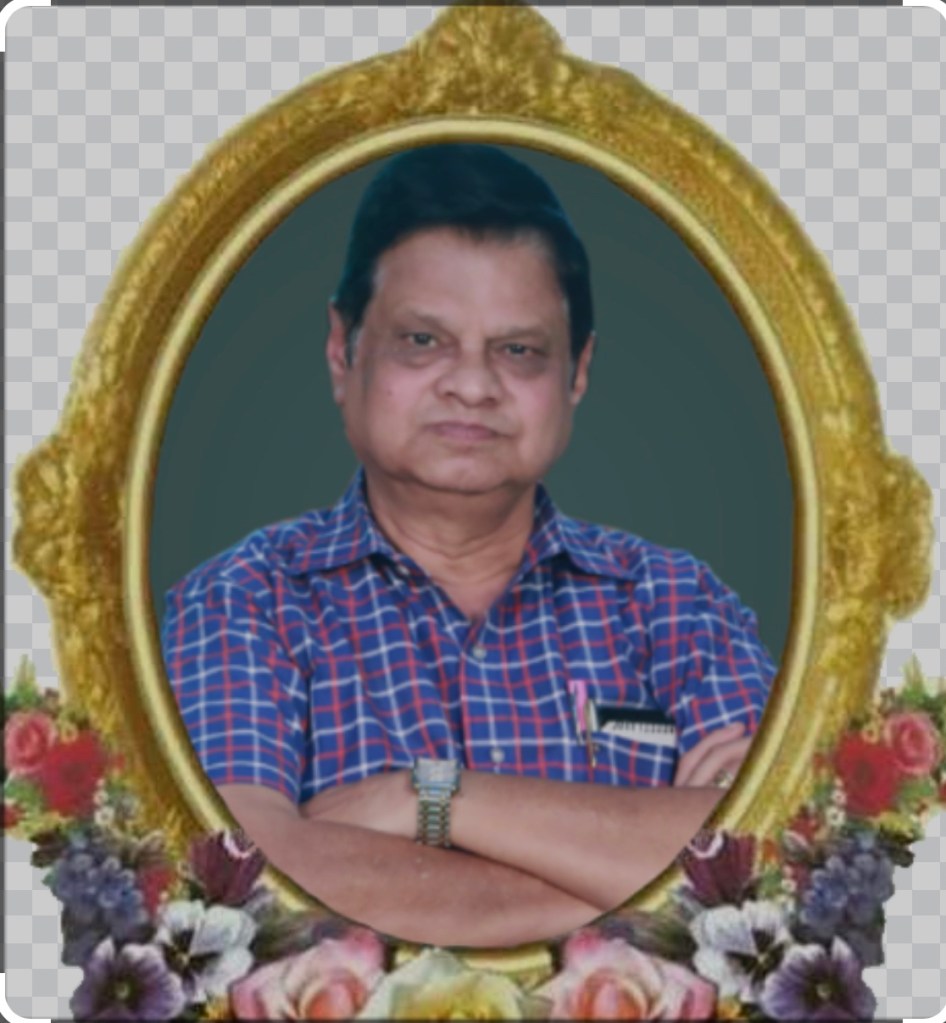
NVL Nagaraju, a champion of Telugu culture, dedicated his life to promoting art and culture in Delhi and beyond.
In a world where cultural diversity is celebrated, it is important to recognize individuals who have made significant contributions in preserving and promoting their own cultural heritage. NVL Nagaraju, a prominent figure in the Telugu community, dedicated his life to the promotion of Telugu art and culture in the national capital. As we fondly remember him on his death anniversary, let us reflect on his invaluable contributions and the impact he had on the Telugu community in Delhi.
Born in the quaint village of Datthivalasa in Parvathipuram, Andhra Pradesh, NVL Nagaraju began his journey as a cultural enthusiast over three decades ago. In 1990, he established the Delhi Telugu Association (DTA), a platform aimed at encouraging and preserving Telugu art and culture in Delhi. His efforts were recognized and supported by influential personalities such as Late MP Dronam Raju Satyanarayana, Dr. MohanKanda IAS , Padmabhushan Padmanabhayya, and many others.
After completing his post-graduation at MR College in Vizianagaram, Nagaraju married Lakshmi . His two sons Raghu Jagadeesh have settled in America. In 1973, he arrived in Delhi and joined the Indian Farmers Fertilizer Cooperative (IFFCO) as an employee and resigned later
Throughout his professional life, Nagaraju remained dedicated to his passion for promoting Telugu culture. He actively participated in various cultural events and established strong relationships with the Andhra Association, serving as a trustee and vice chairman of the Telugu school.
NVL Nagaraju’s influence extended beyond his involvement in cultural organizations. He served as the General Secretary for the Andhra Film Society during the 1980s and 1990s, fostering close relationships with numerous Telugu artists. His amiable and nurturing nature endeared him to those who knew him, earning him the reputation of being a friend to many. His contributions to the Telugu community in Delhi were immeasurable.
NVL Nagaraju played a pivotal role in propagating Telugu culture in the national capital. He coordinated with various cultural organizations, organized numerous cultural functions and festivals, and provided a platform for Telugu artists to showcase their talents both nationally and internationally. His dedication and efforts created a vibrant Telugu cultural scene in Delhi, enriching the lives of the 7 lakh Telugu people residing there.
Tragically, NVL Nagaraju lost his life to the COVID-19 pandemic on 17Nov2020.
However, his contributions and impact on the Telugu community in Delhi will forever be remembered and cherished. His relentless pursuit of promoting Telugu art and culture has left an indelible mark on the hearts of those he touched.
NVL Nagaraju’s life is a testament to the power of passion and devotion. His tireless efforts to promote Telugu culture in the national capital have brought the community closer together and ensured the preservation of their rich heritage. As we fondly remember him on his death anniversary, let us not only celebrate his invaluable contributions but also be inspired by his dedication to promoting and preserving our cultural roots. NVL Nagaraju will always be remembered as a visionary who championed Telugu culture and left an enduring legacy for generations to come.
“Beyond concrete confines, rooftop gardens emerge as urban oases, transforming cities into eco-friendly havens of sustainability and serenity.”
In the dynamic landscape of urban living, where towering structures dominate the skyline, the emergence of rooftop gardens stands as a beacon of hope for a more sustainable and harmonious future. Beyond their aesthetic appeal, these elevated sanctuaries play a pivotal role in reshaping the very essence of our cities, offering a multitude of benefits that extend far beyond mere visual allure.
Picture a lunch break that whisks you away from the confines of your office to a rooftop park with panoramic views, a refreshing breeze, and a vibrant display of greenery. Rooftop gardens offer a rare communion with nature, especially in the bustling metropolises where green spaces are often a luxury. Scientific studies consistently underline the mental health benefits of regular contact with greenery, reducing stress levels and enhancing overall well-being.
A happier and less stressed workforce isn’t just a utopian vision; it’s a tangible outcome of integrating rooftop gardens into urban spaces. The positive impact on mental health not only improves the quality of life for city dwellers but also has ripple effects on workplace productivity and seamless employee recruitment.
Rooftop gardens emerge as silent warriors in the battle against urban air pollution, a formidable foe faced by metropolitan areas worldwide. Acting as natural air purifiers, these green spaces filter airborne pollutants and gases through the photosynthesis process. While a single rooftop garden may seem like a drop in the ocean, the cumulative effect of numerous green roofs can significantly lower greenhouse emissions, combating smog and dust distribution in urban environments.
In a world grappling with excessive waste, rooftop gardens contribute significantly to waste reduction by extending the lifespan of building materials and technologies. From waterproofing membranes to HVAC systems, these gardens promote sustainability by integrating greenery into the urban infrastructure.
Rooftop gardens are not only aesthetically pleasing but also efficient in harnessing the power of rain. They play a crucial role in water management by retaining up to 80% of rainfall in summer and 40% in winter. Acting as natural filters for runoff, they moderate rainwater temperature, reducing the risk of local flooding.
However, the most significant advantage of rooftop gardens lies in their ability to combat the Urban Heat Island (UHI) effect. Urban areas often experience elevated temperatures due to concrete surfaces absorbing and retaining heat. Rooftop gardens mitigate this effect by cooling cities through the daily evaporation cycle of plants. This, in turn, reduces the dependency on air conditioners and cooling technologies, impacting energy consumption and contributing to a more sustainable urban ecosystem.
Speaking of energy consumption, rooftop gardens emerge as champions in the realm of energy efficiency. These green spaces provide insulation that retains heat in winter and keeps temperatures cool in summer. Studies confirm that rooftop gardens modify temperature fluctuations, moderate heat flow through roofs, and significantly reduce the energy demand for air conditioning, especially during warmer seasons.
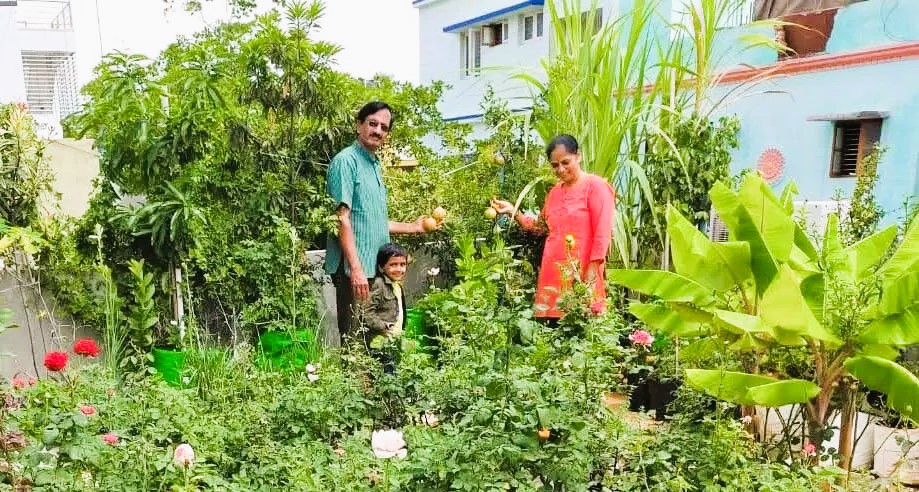
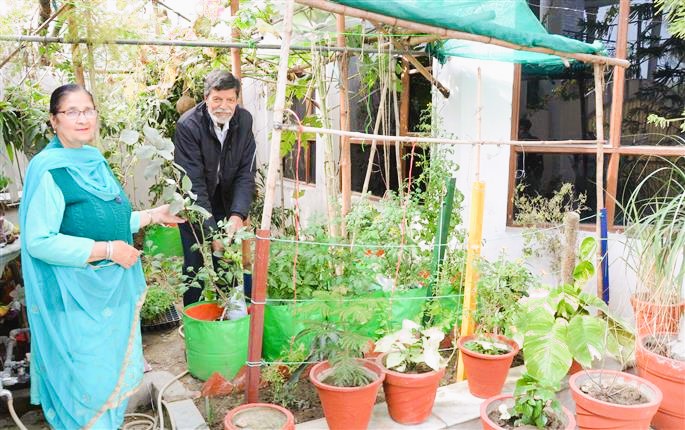
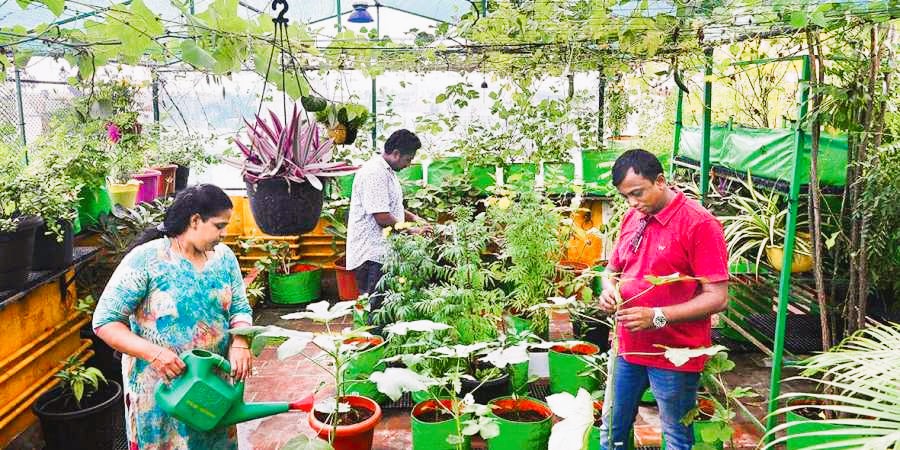
The green revolution isn’t confined to temperature regulation; it extends to urban agriculture, a burgeoning initiative fostered by rooftop gardens. Transforming rooftops into miniature farms, these spaces contribute to the production of fresh, organic food in an environmentally friendly manner, bringing sustainable agriculture to the heart of urban living.
Beyond temperature insulation and energy efficiency, rooftop gardens act as natural sound barriers. The combination of soil and plants absorbs, reflects, or deflects sound waves, providing effective noise reduction. In bustling urban areas or locations near airports and flight paths, the impact of noise pollution is profound. Rooftop gardens offer a natural solution to mitigate these challenges, enhancing the quality of life for city dwellers.
As Indian cities grapple with expanding populations and the consequential rise in food demand, the conventional agricultural sector faces scrutiny for contributing significantly to the country’s greenhouse gas emissions. Simultaneously, it is increasingly vulnerable to the impacts of climate change. In response, various stakeholders, including the government, research institutions, and civil society, are actively seeking sustainable solutions to ensure the resilience of India’s food production.
In this direction, the AP SkillMission during the peak of the COVID-19 pandemic took up a unique program of skilling housewives in rooftop gardening. The program virtually imparted concepts followed by physical assistance from the Green Army. Over 10,000 housewives in Vijayawada are benefiting from this program, fostering the concept of “Good is grown at home; our home harvest is our home cooking.” The initiative emphasizes the synergy between growing one’s food and using it in home-cooked meals.
As we gaze towards the horizon of urban development, let us champion the cause of rooftop gardens – a testament to our commitment to greener, healthier, and more harmonious cities. In cultivating these elevated landscapes, we sow the seeds of a future where sustainability and urban living coalesce seamlessly, creating a legacy for generations to come. The serenity of rooftop gardens, the energy efficiency they bring, the sustainable agriculture they foster, and the alternative food systems they inspire all contribute to a holistic vision of urban living. These green havens above not only redefine the skyline but also redefine our relationship with the environment, urging us to tread lightly on the planet while cultivating a vibrant and sustainable urban future.
“From All England Glory to Grooming Champions: The Inspiring Journey of Pullela Gopichand in Indian Badminton.”
In the realm of Indian badminton, one name stands tall, echoing across generations and inspiring champions – Pullela Gopichand. A maven of the sport, Gopichand’s journey from winning the All England Open Badminton Championships in 2001 to shaping the next generation of badminton stars is nothing short of extraordinary.
Pullela Gopichand’s ascent to badminton glory reached its pinnacle in 2001 when he clinched the All England Open Badminton Championships. In doing so, he became only the second Indian to achieve this prestigious feat, following in the illustrious footsteps of Prakash Padukone. This triumph catapulted Gopichand into the annals of Indian sports history.
Gopichand’s playing career was marked by resilience, strategic prowess, and an unyielding spirit. Coached by the legendary S. M. Arif and later mentored by Prakash Padukone at his academy, Gopichand’s journey from a national junior title to five consecutive National Badminton Championship titles showcased his mettle on the court.
His international achievements include gold medals at the Indian National Games in 1998, victories in the SAARC Badminton Tournament, and commendable performances at the 1998 Commonwealth Games. However, the pinnacle was reached in 2001 when he etched his name alongside badminton legends by conquering the All England Open.
Beyond his personal achievements, Gopichand’s legacy takes a transformative turn with the establishment of the Gopichand Badminton Academy in 2008. Situated on a 5-acre land awarded by the government of Andhra Pradesh in recognition of his All England triumph, the academy became the breeding ground for future badminton champions.
Gopichand’s vision extended beyond personal glory; he pledged to produce champions in his academy. His commitment to this cause is evident in his daily routine, as he dedicates himself from 4:30 am to 8 pm, manifesting unwavering dedication and patriotism. The academy currently trains approximately 160 aspiring shuttlers across different age groups.
Under Gopichand’s expert guidance, the Gopichand Badminton Academy has nurtured and produced a cadre of outstanding badminton players. Some of his notable disciples include: Saina Nehwal, Ranked 1 in women’s singles and an Olympic Bronze Medalist; P. V. Sindhu, Ranked 3 in women’s singles, Olympic Silver Medallist, and a global badminton icon ; Srikanth Kidambi, Formerly world-ranked 3 in men’s singles, showcasing exceptional prowess on the court ; Parupalli Kashyap: Ranked 6 in men’s singles, contributing to India’s badminton legacy ; Prannoy Kumar: Ranked 14 in men’s singles, a promising talent in Indian badminton.
These players, each a testament to Gopichand’s coaching prowess, have not only excelled in the national arena but have also made their mark on the global stage.
Gopichand’s transition from a pioneering champion to a golden coach is marked by a coaching philosophy that extends beyond the technicalities of the game. His journey teaches us several invaluable lessons: Gopichand’s decades-spanning passion for badminton serves as a beacon for aspiring players. His journey underscores the importance of nurturing a dream, trusting one’s talents, and maintaining a positive mental frame despite obstacles ; Gopichand’s approach to defeats as learning experiences sets a profound example. Rather than succumbing to setbacks, he viewed each defeat as an opportunity to grow stronger ; In his playing career, Gopichand emerged as a self-made pioneer, overcoming environmental limitations, injuries, and losses. His journey inspires a generation to rise above challenges and carve their path to success.
Gopichand’s visionary approach to coaching goes beyond individual success stories. Recognizing the need for a holistic ecosystem, he embarked on an entrepreneurial pursuit to establish the Gopichand Badminton Academy. His foresight ensured the mobilization of both capital and human resources to create an environment conducive to producing champions.
As India revels in the success of badminton stars like P. V. Sindhu and Srikanth Kidambi on the global stage, Pullela Gopichand remains a guiding force behind these achievements. His enduring passion for the sport, coupled with his commitment to nurturing future champions, serves as a blueprint for the future of Indian badminton.
In conclusion, Pullela Gopichand’s journey from a pioneering champion to a transformative coach exemplifies the indomitable spirit required to leave an indelible mark on the world of sports. As he continues to inspire and produce champions, the legacy of Gopichand will forever be etched in the heart of Indian badminton. Bravo, Gopi! May your coaching prowess continue to shape the destiny of Indian badminton for generations to come.
“From Bollywood Glamour to Financial Gloom: The Untold Journey of Subrata Roy Sahara”
In the sprawling landscape of Indian business, Subrata Roy’s name was synonymous with success, luxury, and influence. Born on June 10, 1948, in Bihar’s Araria, Roy’s journey began as a young entrepreneur in 1976 when he set up Sahara Finance, a modest chit fund company. Little did the world know that this man would go on to create an empire that spanned across industries, from finance and housing to manufacturing, aviation, and media.
Roy’s story was nothing short of a Bollywood script – a rags-to-riches tale that started with a capital of Rs 2,000 and a vision. Within a decade, Sahara India Pariwar emerged as a powerhouse, boasting 9 crore investors and customers, a net worth of Rs 259,900 crore, 5,000 establishments, and a vast land bank of 30,970 acres.
His empire reached its zenith, encompassing iconic properties like New York’s Plaza Hotel and London’s Grosvenor House. The flamboyant businessman even extended his influence into the realms of cricket and Formula One racing, sponsoring the Indian cricket and hockey teams and owning a Formula One racing team.
Roy’s lifestyle reflected his success, with his 270-acre gated residence, “Sahara Shehar” in Lucknow, hosting grand events attended by the who’s who of politics, business, and Bollywood. His wedding ceremony for his sons in 2004, attended by 10,500 guests, showcased the opulence that had become synonymous with the Sahara brand.
However, the glittering façade began to crumble when Sahara Prime City filed its draft red herring prospectus in 2009. What followed was a cascade of legal troubles as two group firms, Sahara India Real Estate Corporation and Sahara Housing Investment Corporation, were found to have raised funds illegally, leading to a probe by the Securities and Exchange Board of India (SEBI). In 2011, SEBI ordered the return of Rs 24,000 crore to over 30 million investors. The Supreme Court upheld this decision in 2012, marking the beginning of Roy’s descent from the pinnacle of success to the depths of legal battles. Roy’s defiance and dramatic actions, including sending trucks loaded with millions of application forms to SEBI, only intensified the legal drama. In 2014, the Supreme Court ordered Sahara to return all money to depositors with an interest of 15 percent. Roy’s arrest in 2014 and subsequent bail in 2016 marked the beginning of a protracted legal battle that continued until his demise in 2023.
As legal battles waged on, Roy’s financial empire faced severe setbacks. In 2018, SEBI directed Sahara India Commercial Corporation to return Rs 14,100 crore, along with 15 percent interest, raised between 1998 and 2009 from nearly 20 million investors. The financial strain escalated further when the apex court threatened to cancel Roy’s parole if the group did not return a staggering Rs 62,600 crore to investors, including interest and fines.
Despite the deposit of over Rs 15,000 crore with SEBI, the process of refunding investors faced unexpected hurdles. By March 31, 2023, only a fraction of the funds had been claimed, leaving many questions unanswered. With Roy’s death on November 14, 2023, the final chapter of one of India’s most significant financial sagas came to a close.
As Subrata Roy faced the legal quagmire, another startling revelation unfolded – the unraveling of his once-strong connections with Bollywood. In the heyday of his success, Roy’s parties were attended by the glitterati of Bollywood. However, when news of his demise broke, not a single member of the film industry publicly acknowledged or attended the funeral. The man who once commanded the attention and favor of Bollywood found himself in solitude at the end.
The life of Subrata Roy is a gripping saga that mirrors the dualities of success and downfall. From the zenith of wealth and influence to the nadir of legal battles and financial struggles, Roy’s journey is a cautionary tale of hubris and humility. His ability to build an empire from humble beginnings was awe-inspiring, yet the arrogance that accompanied success became the catalyst for his eventual downfall. The legal battles with SEBI, the protracted court proceedings, and the financial woes painted a stark contrast to the opulence he once revelled in.
In the end, Subrata Roy’s story teaches us that success is fleeting, and the respect one commands cannot be bought with wealth alone. The solitude in which he departed serves as a stark reminder that no amount of money can shield one from the consequences of legal missteps and the erosion of public trust.
As we reflect on the life of Subrata Roy, we are reminded of the impermanence of power and the importance of humility in the face of success. The once-mighty industrialist leaves behind a legacy that is as much a tale of grandeur as it is a cautionary narrative of the perils that accompany unchecked ambition.

























 SOCIAL PERSPECTIVES