Skip to content
    • About

SOCIAL PERSPECTIVES

  • Farmer-Centric Incentives: A Key Factor in the Upcoming State Elections in India

    October 17th, 2023

    Farmers hold the key to victory in the forthcoming state elections as political parties in Madhya Pradesh, Rajasthan, Chhattisgarh, and Telangana aim to address their concerns and gain their support.

    As India gears up for state elections, the significance of the agricultural sector and the welfare of farmers cannot be overlooked. With over 45% of the country’s workforce engaged in farming, political parties are vying for their support in states like Madhya Pradesh, Rajasthan, Chhattisgarh, and Telangana. These states have a higher proportion of the workforce employed in agriculture compared to other regions, making farmer-centric incentives crucial for electoral.

    In Chhattisgarh, where over 60% of the workforce is engaged in agriculture, the Congress government led by Bhupesh Baghel has promised to increase the paddy purchase price to Rs.3600 per quintal. Rice is a significant crop in the state, and the previous BJP government, under Raman Singh, initiated the practice of direct paddy procurement from farmers. Over time, the government increased the minimum support price (MSP) and provided additional bonuses, making Chhattisgarh one of the top states in terms of paddy procurement. The increased support for rice farmers has injected significant funds into rural areas, benefiting the agricultural sector.

    In Rajasthan, the agricultural landscape differs from Chhattisgarh, with rice being less prominent. However, the northern part of the state faces Cotton crop losses due to the pink bollworm infestation, impacting farmers heavily. The government must address this issue to protect the livelihoods of farmers. Additionally, Rajasthan is also known for growing crops like mustard, wheat, and barley. The state government must focus on diversifying agriculture and providing necessary support to farmers in these sectors.

    With over 44% of the state’s economic productivity coming from agriculture, Madhya Pradesh has made significant investments in the sector. Under the previous BJP government led by Shivraj Singh Chouhan, efforts were made to improve irrigation systems and establish mandis (agricultural markets). The state has become a major contributor to the central pool for wheat production. However, the current government’s initiatives in agriculture have been limited, and it remains to be seen how this will impact the electoral outcome.

    Telangana, under the leadership of K Chandrasekhar Rao, has implemented the Rythu Bandhu scheme, India’s first direct benefit transfer program for farmers. Under this scheme, farmers receive financial assistance of Rs.5000 per acre per season for two crops, totaling Rs.10,000 per year. This initiative has garnered significant support for the government, especially as it expanded irrigation infrastructure through the Kaleshwaram project. Telangana has emerged as a major contributor to the central pool for paddy and cotton procurement, further highlighting the government’s focus on farmers’ welfare.

    As the state elections approach in India, political parties recognize the importance of farmer-centric incentives in securing electoral victory. In states with a significant agricultural workforce like Madhya Pradesh, Rajasthan, Chhattisgarh, and Telangana, addressing farmers’ concerns and providing support through initiatives such as increased MSP, direct benefit transfer schemes, and crop diversification can make a significant impact. By prioritizing the welfare of farmers, political parties can ensure sustainable agricultural growth and uplift the lives of millions of rural households.

    Visit arjasrikanth.in for more insights

  • UNLOCKING TRUE POTENTIAL EMBRACING UNCOMFORTABLE COMFORT

    October 16th, 2023


    In a world where comfort is highly sought after, it’s easy to get trapped in a cycle of complacency. We often seek comfort in our routines, familiar environments, and the status quo. However, comfort can be deceiving, as it limits our ambition, stifles our creativity, and dims our dreams. The truth is, the most addictive drug in the world isn’t cocaine, heroin, or alcohol. It’s comfort. This article explores the grip that comfort has on our lives and how to break free from its limitations. By embracing discomfort, challenging fear, expanding our circles, prioritizing learning over winning, and living on the edge, we can unleash our true potential and reach new heights of personal growth and fulfillment.


    Comfort is a double-edged sword. On one hand, routines provide stability and streamline our lives. However, when we become too reliant on our routines, we risk stagnation and missed opportunities for growth. Comfort lulls us into a false sense of security, making us believe that staying within our comfort zones is safe. But in reality, it hinders our ambition and prevents us from reaching our true potential. To break free from comfort’s grip, we must recognize its allure and challenge our routines regularly. Stepping outside of our comfort zones can be uncomfortable, but it is where true growth and personal development occur.


    Embracing discomfort is the key to breaking free from the limitations of comfort. It’s about stepping outside of our comfort zones and pushing ourselves to try new things. This can be as simple as taking a new class, starting a challenging project, or finding a complex new hobby. By incorporating discomfort into our daily lives, we open ourselves up to new experiences and opportunities for growth. Discomfort is the ultimate antidote to stagnation, as it forces us to adapt, learn, and evolve. By craving discomfort and making it a regular part of our lives, we can unlock our true potential and achieve greatness.


    Fear is often at the root of our comfort-seeking behaviors. We fear failure, change, and rejection, so we cling to what is familiar and comfortable. However, facing our fears head-on is essential to breaking free from the grip of comfort. By confronting our fears and diminishing their power, we can replace comfort with confidence. It’s important to remember that growth and success often lie on the other side of fear. Each fear we conquer is a stepping stone towards personal growth and reaching our true potential. So, instead of allowing fear to hold us back, let us challenge it and embrace new possibilities.


    Comfort thrives in echo chambers, where we surround ourselves with like-minded individuals and familiar environments. To break free from comfort, we must expand our circles and engage with different thinkers, seek out new communities, and embrace alternative viewpoints. Diverse interactions broaden our horizons and challenge our preconceived notions. When we surround ourselves with people who think differently than us, we are exposed to new ideas, perspectives, and opportunities for growth. Comfort fears these interactions because they disrupt the status quo. However, it is through these diverse interactions that we can break free from the limitations of comfort and unlock our true potential.


    While winning may be comfortable, it does not necessarily equate to improvement. To truly grow and reach our potential, we must prioritize learning over winning. This means trying new strategies, venturing off the beaten path, embracing past failures as valuable lessons, and celebrating growth rather than just victories. It’s important to view failures and setbacks as stepping stones towards success, rather than reasons to retreat back into our comfort zones. By shifting our focus to progress and continuous learning, we can overcome the allure of comfort and propel ourselves forward.


    Living on the edge of our comfort zones is where legacies are built and true growth occurs. It’s about pushing ourselves to explore new territories, take risks, and challenge ourselves regularly. This doesn’t mean acting recklessly, but rather, it means stepping outside of our comfort zones in a calculated manner. Taking a course outside of our expertise, networking with people from diverse fields, and committing to a challenging project monthly are all ways to go beyond the familiar and unlock the next level of our potential. By living on the edge, we open ourselves up to new experiences, opportunities, and the chance to truly unleash our true potential.


    Comfort may be addictive, but it is not where our true potential lies. By understanding the grip of comfort, challenging routines, confronting fears, expanding circles, prioritizing learning, and living on the edge, one can break free from comfort’s limitations and unlock the true potential.

  • The New Tech World: Transforming Women’s Roles Yesterday, Today, and Tomorrow

    October 16th, 2023

    Breaking Stereotypes and Shaping a Gender-Equal Future in India Embracing Change and Nurturing Equality – India’s Women on the Path to a Brave New World

    In the ever-evolving landscape of India, the role of women is undergoing a remarkable transformation. Yesterday, they were bound by age-old traditions and stereotypes, but today, the winds of change are sweeping across the nation. Economic independence is reshaping social dynamics, compelling both men and women to reevaluate their positions. As the world embraces the digital age and the tech revolution unfolds, Indian women are at the forefront of this societal upheaval. Their journey from a constrained past to an empowered present hints at a promising future.

    From a time when women were confined to the shadows, today’s India bears witness to the emergence of women as independent, educated, and self-sufficient individuals. As the world observed International Women’s Year, it raised questions about the impact of these changes in India, a nation with a rich tapestry of culture and tradition.

    The status of Indian women has been influenced by centuries of history, each era adding its own layer to their story. In the Rig Vedic, Puranic, and Buddhist times, women enjoyed significant freedoms. They were equals in rights and privileges, actively participating in various facets of society. Monogamy was the norm, and widows could remarry. However, over the years, social norms began to shift. Buddhism rekindled the light of gender equality, but the subsequent eras brought a decline, particularly with the arrival of the Muslim conquerors. Practices like purdah, child marriages, female infanticide, and sati became prevalent, suppressing women’s voices and independence.

    Nevertheless, India has always revered women as goddesses, each with unique qualities symbolizing knowledge, wealth, courage, and strength. These attributes provide a glimpse into the expectations placed on women. History reveals stories of women who fought alongside men in battles, governed kingdoms, and played pivotal roles in the nation’s struggle for independence. India even celebrated the distinction of having a female prime minister.

    Yet, despite these pockets of enlightenment, much of India remained entrenched in traditional gender roles. Women, while being raised with the awareness of their equality, often shied away from professional careers in favor of family life. However, times are changing rapidly.

    In today’s India, more women are stepping into the workforce, challenging stereotypes and breaking barriers. The feminist movement, constitutional amendments granting equal rights, and the necessity of dual incomes in modern households are propelling women into previously male-dominated spheres. The government is actively supporting women in their pursuit of financial independence, recognizing the potential of their contributions to the economy.

    As women continue to navigate the transition from home life to the workplace, they are pushing for flexible working arrangements, part-time jobs, and remote work opportunities. Society is becoming more accepting of working women, not only in urban but also rural areas. Women are proving their worth across diverse professions, from the police force to the armed services, and even as pilots.

    Nevertheless, gender equality is still a work in progress. The representation of women in senior positions and on corporate boards remains inadequate. Challenges such as bias and harassment persist. Yet, women are standing firm, demanding their rights and dismantling societal barriers.

    In the past 50 years, India has made considerable strides. Men are slowly recognizing the intellectual and professional capabilities of women, and gender gaps are narrowing. The hope is that the coming generations will grow up in a world free of gender discrimination.

    The status of women in India has come a long way since independence.

    Structural and cultural shifts have allowed for more equitable opportunities in education, employment, and political participation. Today, the advancement of women is one of the most significant developments in modern India, resonating with Mahatma Gandhi’s assertion that women are the noblest of God’s creations.

    However, challenges still exist. Gender inequality is a global issue, denying women their rights to education, healthcare, economic opportunities, and political involvement. India is no exception to this problem, as it continues to grapple with the mistreatment and discrimination of women. The Indian Constitution guarantees equal rights to women, but the translation of these rights into practical, everyday life remains a complex journey.

    Traditional roles have held women back, with societal norms dictating their responsibilities within the family. Gender discrimination and the negligence of women’s healthcare have further hindered progress. Issues like female foeticide persist, perpetuating the belief that women are burdens. Despite constitutional provisions for free primary education, a significant portion of India’s female population still lacks access to quality education.

    Times, however, are changing, albeit slowly. Films and literature are capturing the shifting dynamics, showing how women are challenging traditions and achieving remarkable feats. From movies like “Water” to “English Vinglish,” the narratives reflect the changing aspirations of women.

    As India stands on the threshold of the tech revolution, women are poised to play a pivotal role. The journey from being relegated to the shadows to embracing digital empowerment and seizing new opportunities is a testament to their resilience. The promise of a gender-equal India lies in nurturing this transformation.

    Women’s roles are fast changing in the new tech world, shaping a future where the gender divide diminishes, and the potential of every individual is celebrated, regardless of their gender. India is progressing toward a brave new world where women are not just equal, but instrumental in the nation’s growth and development.

    Visit arjasrikanth.in for more insights

  • The Extinction of Vultures: A Threat to Eco Balance

    October 15th, 2023

    The rapid decline in vulture populations has had devastating consequences for the environment and human health.

    Vultures, often seen as scavengers, play a crucial role in maintaining the balance of ecosystems. These magnificent creatures, with their unique adaptations for consuming carrion, have been an integral part of nature’s clean-up crew for centuries. However, in recent decades, vultures in India have faced a severe population decline, pushing them to the brink of extinction. This decline has not only disrupted the delicate balance of nature but has also had far-reaching consequences for human health and the environment.

    India is home to nine species of vultures, each with its own unique characteristics and role in the ecosystem. However, the population of these vultures has plummeted drastically in recent years. In the early 1980s, three species of Gyps vultures – the white-rumped vulture, the long-billed vulture, and the slender-billed vulture – had a combined estimated population of 40 million in South Asia. Shockingly, by 2017, the total population had dwindled to a mere 19,000 individuals.

    The primary cause of this sharp decline can be attributed to the widespread use of diclofenac, a nonsteroidal anti-inflammatory drug (NSAID) commonly administered to livestock. When cattle treated with diclofenac die, vultures feeding on their carcasses suffer from kidney failure, ultimately leading to their demise. Studies have revealed that even a tiny proportion of livestock carcasses containing diclofenac can cause a significant crash in vulture populations.

    The extinction of vultures has had profound implications for the environment. Without vultures to consume carrion, animal carcasses are left to rot, posing a serious risk to human health. Rotting carcasses become breeding grounds for infectious germs and pests such as rats. This increase in disease-carrying animals has resulted in a surge in feral dog populations, as they scavenge on the unattended carcasses. Feral dog bites, which are the most common cause of human rabies, have led to thousands of additional deaths and economic implications amounting to billions of dollars.

    Moreover, the absence of vultures has disrupted the natural animal disposal system. Vultures, with their efficient metabolism, were able to process carcasses and prevent pollution. With their decline, the environment has suffered from increased pollution and the spread of diseases carried by other scavengers. The loss of vultures has particularly impacted the Parsi community, who traditionally expose their dead bodies for vultures to feed on. As a result of the decline in vulture populations, the Parsis have been forced to abandon their ancient customs due to hygiene concerns.

    Recognizing the urgency of the situation, steps have been taken to conserve and recover vulture populations. Veterinary usage of diclofenac has been banned in India since 2006, with meloxicam suggested as a safer alternative. Conservation schemes and captive-breeding programs have been established to help revive vulture numbers. The ban on diclofenac has shown promising results, with the decline in vulture populations being significantly arrested in India, Pakistan, and Nepal.

    However, challenges remain in the enforcement of the ban and the availability of diclofenac in other countries. Despite the progress made, the road to vulture recovery is a long one, as these birds are slow to breed and face numerous threats even in protected areas. The recent Vulture Action Plan 2020-25 launched by the Ministry of Environment, Forest and Climate Change in India aims to strengthen conservation measures and ensure the ban on toxic drugs for veterinary use.

    The extinction of vultures in India has had far-reaching consequences for the environment and human health. The rapid decline in population numbers, primarily caused by the use of diclofenac, has disrupted the delicate balance of ecosystems. The absence of vultures has led to an increase in disease-carrying animals, pollution from rotting carcasses, and economic losses due to additional deaths from rabies. Efforts are being made to conserve and recover vulture populations, but sustained action is necessary to ensure the survival of these incredible creatures and restore eco balance in the long run.

    Visit arjasrikanth.in for more insights

  • “The Journey of Parenting: Nurturing from Birth to Marriage”

    October 14th, 2023

    “Parenting is a complex yet rewarding voyage, with each stage presenting unique challenges and joys.”

    Parenthood is an extraordinary journey marked by the profound responsibility of nurturing a child from infancy to adulthood, preparing them for life’s complexities, including the monumental events of settling down and marriage. This remarkable voyage not only demands love and care but also a careful balance between providing and guiding. Caring for a child, particularly a girl, is an incredible task that requires parents to play multiple roles throughout their child’s life.

    The Birth of Parents: With the birth of a child comes the birth of a parent. Each parent is new, and there is no one-size-fits-all approach. As parents, one may find their parenting skills put to the test daily. While striving for a liberal approach based on expert advice, the need for restraint and caution to prevent overindulgence is equally important.

    The Early Stages: From the moment a child is born, parents are thrust into the role of caregivers, responsible for every aspect of their well-being. The initial stages involve sleepless nights and constant attention to feeding, diaper changes, and ensuring a safe and loving environment.

    It’s intriguing how what was once resisted as a child, considering it outdated and non-liberal when imposed by one’s father, now becomes essential for one’s own children. Concepts like good manners, etiquette, societal values, and norms, once detested, gain significance over time. The famous quote, “By the time you realize that your father was right, you will have a son who thinks that you are wrong,” encapsulates the generational shift in perspective.

    The immense love for children can sometimes cloud judgment, making parents blind to their children’s faults. Striking the right balance between guidance and discipline is a herculean task.

    As children grow, they encounter various life stages, each presenting its own unique set of challenges. Adolescence, generally between the ages of 12 and 14, is often considered one of the most challenging periods, especially for teenage girls. The onset of adolescence brings hormonal changes, intensifying emotions, and the struggle to develop reasoning skills. Parents must help their children navigate these years filled with unpredictability, expectations, and boundary-setting.

    To understand the enormity of the task, it’s essential to explore the various roles parents take on during their child’s upbringing. While mothers are often celebrated for their roles as managers, teachers, chefs, household nurses, and financial controllers, fathers too have significant roles. They traditionally act as protectors, providers, teachers, mentors, friends, emotional anchors, and celebrants.

    The journey from birth to marriage is filled with milestones and challenges, requiring parents to demonstrate the three essential roles of a protector, a provider, and a disciplinarian. These roles play a significant part in moulding a child’s character and values.

    But parenting goes beyond these roles; it also involves instilling positive values such as self-control, compassion, collaboration, consistency, and celebration, which are the foundation of good parenting. This leads to children thriving in an environment where they feel loved, supported, and secure.

    As children enter adulthood and consider settling down and marriage, parents play a different yet vital role. They serve as guides and offer support as their children make significant life choices. Parents help their children navigate the intricacies of relationships and make informed decisions regarding their future partners.

    The journey of parenting is not a linear path but a complex and evolving one. It involves listening to children, encouraging their creativity and independence, and fostering a secure and loving family structure. It’s essential to recognize that while there is no perfect parent, the right parent for a child is one who provides love, support, and guidance.

    Throughout this journey, parents must also prioritize open communication. Engaging with children, explaining the reasons behind rules and decisions, and encouraging them to express their feelings and suggestions play a crucial role in a child’s development. A positive parent-child relationship builds a solid foundation for adulthood.

    Parenting is an incredible voyage, filled with various roles, stages, and challenges. From birth to marriage, parents are responsible for nurturing, guiding, and preparing their children for the complexities of life. It’s a journey that demands love, patience, and commitment. While it can be challenging, the rewards are immeasurable, as parents watch their children grow into capable, responsible adults ready to embark on their own paths in life. This journey is demanding and challenging, but its rewards are abundant, beautiful, and blissful. It’s a journey of self-discovery, personal growth, and unconditional love, where parents and children learn and grow together. Parenting shapes the future of children and the world, and it’s a path of continuous learning and adaptation from the moment a child is born.

    visit arjasrikanth.in for more insights
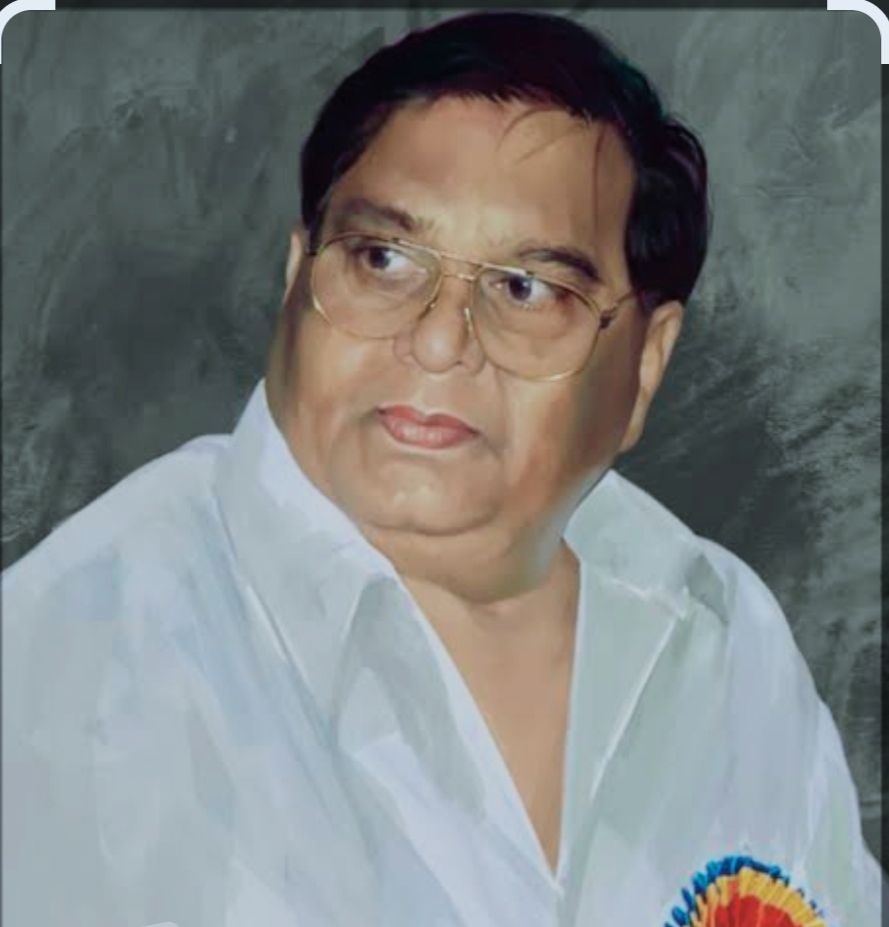
  • “Karthyayani Amma: The Inspiring Journey of India’s Literacy Icon”

    October 13th, 2023

    “Karthyayani Amma’s remarkable life journey from illiteracy to topping literacy exams is a testament to the indomitable human spirit.”

    In the world, where stories of triumph over adversity inspire and amaze, one name stands out – Karthyayani Amma. Her life, which spanned over a century, was a testament to the indomitable human spirit. Her story, one of determination and resilience, captured hearts and minds alike. In a society where education is often associated with the young, her journey was an extraordinary exception.

    Born around 1922, Karthyayani Amma lived an ordinary life, defined by the extraordinary circumstances she found herself in. She was not privileged with the opportunities many take for granted, like going to school. Instead, she took on the role of a mother and worked as a domestic helper and cleaner to support her six children after her husband’s passing in 1961. Yet, the thirst for knowledge never left her.

    In 2018, Karthyayani Amma found her chance to chase her dream of literacy. Inspired by her daughter’s achievement in passing an examination at the age of sixty, she embarked on a journey of learning. It was her time to shine, to break the shackles of illiteracy that had confined her for years. She enrolled in the Kerala State Literacy Mission Authority’s Aksharalaksham (“Million Letter”) program, alongside more than 40,000 other eager learners. She was the oldest among them, but age was just a number for her.

    Karthyayani Amma’s passion and dedication shone through as she tackled the subjects of reading, writing, and mathematics. When the results came in, she stood as a shining example of what the human spirit can achieve. She scored a remarkable 98 out of a possible 100 marks. Her modesty showed when she remarked, “I learned so much for no reason. The tests were way too easy for me.” But her success was a testament to her unwavering spirit and the power of determination.

    Following her extraordinary achievement, Karthyayani Amma became a national sensation. She was showered with recognition and honors from all corners. Film star Manju Warrier celebrated Diwali with her. The Keralan education minister, C. Raveendranath, gifted her a laptop, and the chief minister of Kerala, Pinarayi Vijayan, presented her with a certificate of merit. Her fame reached international heights, and in 2019, she became a Commonwealth of Learning Goodwill Ambassador.

    The pinnacle of her journey came in March 2020 when she was honored with the prestigious Nari Shakti Puraskar award. President Ram Nath Kovind himself presented her with this award, a recognition of her unwavering spirit and a celebration of the power of education and determination. This award was the crowning achievement of a woman who, in her own words, learned so much “for no reason.” Karthyayani Amma’s story didn’t just inspire those in her native India but resonated with people worldwide. Renowned chef-writer Vikas Khanna directed a critically acclaimed documentary called “Barefoot Empress,” chronicling her incredible journey. Her remarkable life also led to an illustrated children’s book by Khanna, titled “Barefoot Empress,” which continues to inspire children globally.

    Karthyayani Amma’s journey serves as a beacon of hope for people of all ages, proving that it’s never too late to pursue knowledge and realize dreams. She shattered the boundaries of age and circumstance, reminding the world that education is a lifelong journey, and determination knows no limits.

    On 10th October 2023, India mourned the loss of this remarkable soul. Karthyayani Amma, the woman who showed the world the transformative power of education, passed away at the age of 101. Her legacy lives on as a symbol of unwavering determination, inspiring generations to come. In the words of Kerala Chief Minister Pinarayi Vijayan, “Her demise is a significant loss to our literacy movement, which helped shape modern Kerala.” Her journey will forever be a shining testament to the potential of the human spirit.

    visit arjasrikanth.in for more insights
  • India’s Stand on the Israeli-Hamas War: Ensuring Safety and Evacuation of Indian Nationals

    October 13th, 2023

    The recent escalation of tensions between Israel and Hamas has garnered global attention, and India finds itself in a delicate position as it navigates the complexities of the conflict. With a large Indian diaspora in the region and significant economic interests at stake, India has a responsibility to protect its citizens and maintain diplomatic relations with both Israel and the Arab world. This article delves into India’s stance on the Israeli-Hamas war and its efforts to evacuate Indian nationals from the war zone.

    Initially, India’s Ministry of External Affairs (MEA) maintained silence on the issue, which raised eyebrows in the region. However, after five days, the MEA finally issued a statement acknowledging the universal obligation to observe international humanitarian law and the global responsibility to fight terrorism in all its forms. The MEA spokesperson also emphasized India’s support for the resumption of direct negotiations and the establishment of an independent and viable state of Palestine.

    India’s silence and delayed response can be attributed to the delicate diplomatic balancing act it must perform. India has close ties with both Israel and the Arab world, which are divided on this issue. With partners on both sides of the conflict, India faces the challenge of maintaining relationships while taking a principled stand on terrorism and advocating for peace.

    The Arab world’s stance on the conflict has shifted due to recent normalization processes, such as the Abraham Accords between Israel, the UAE, and Bahrain. Saudi Arabia has also shown signs of warming relations with Israel. However, countries like the UAE, Bahrain, Kuwait, and Oman have been critical of Israel’s actions. India finds itself in a unique position due to its significant presence and economic interests in the region.

    India’s support for Israel during these trying times has been acknowledged and appreciated. The Israeli ambassador to India expressed gratitude towards Prime Minister Modi for his support. While waiting for an official statement, diplomats expressed the importance of an official stance from the Indian government. The Indian government has launched Operation Ajay to repatriate Indian citizens who wish to return home.

    India has initiated the evacuation process by sending chartered aircraft to safely bring back Indian citizens from the conflict zone. The first batch of 230 Indian nationals is expected to return on Friday. The Indian embassy has urged all Indians in the region to register and provide their exact location and willingness to return. The repatriation process will be based on the number of individuals willing to come back to India.

    The repatriation process poses challenges due to the volatile situation in the region. While Israel is not under constant conflict, certain areas are witnessing intermittent attacks. Ensuring the safety of Indian nationals in Gaza and finding safe routes for their evacuation remains a priority. The Indian government must carefully plan and execute the repatriation process, taking into account the risks involved.

    India finds itself in a delicate position as it stands in solidarity with Israel while maintaining its diplomatic ties with the Arab world. The MEA’s statement reflects India’s commitment to international humanitarian law and the fight against terrorism. The evacuation efforts demonstrate India’s dedication to ensuring the safety of its citizens caught in the crossfire. As the conflict continues, India must continue to balance its interests and work towards a peaceful resolution for all parties involved.

    visit arjasrikanth.in for more insights
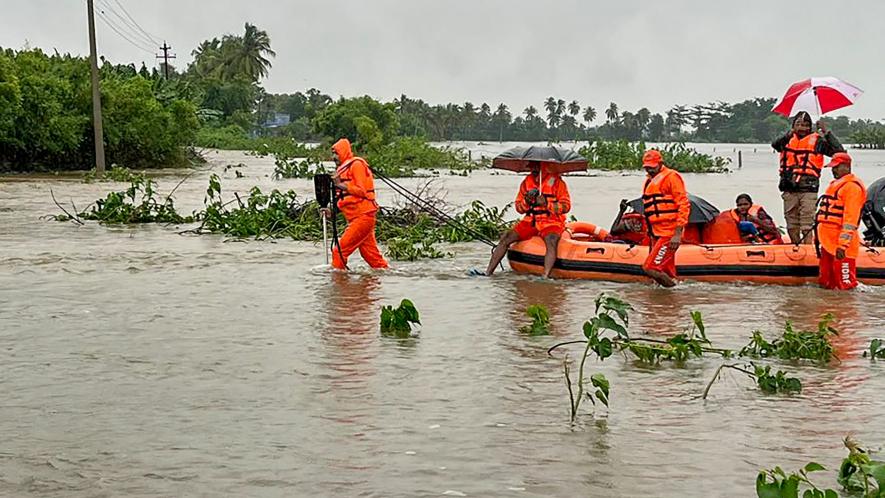
  • 2023: A Year of Escalating Climate Change

    October 13th, 2023

     Rising Temperatures, Worsening Crisis – The Unavoidable Climate Challenge

    Climate change in 2023 is not just an impending threat; it’s a grim reality we are facing today. With each passing month, the earth gets warmer, and its consequences are becoming increasingly severe. This article delves into the alarming climate change scenario in 2023 and its profound implications for the coming years. The year 2023 has marked a significant shift in the global climate narrative. With the ongoing changes in the Pacific Ocean temperatures, it’s evident that this year is already proving to be warmer than any of the previous nine months. What’s more concerning is the trajectory for the next three years, as experts predict even more scorching temperatures, bringing with them a host of devastating effects on our planet.

    The most disconcerting projection for climate change in 2023 is the increasing likelihood of the average global temperature rising above 1.5°C. Recent reports suggest that this probability has surged to nearly 50% for the next five years, spanning from 2022 to 2026. This alarming statistic emphasizes the urgency of addressing climate change. Climate change in 2023 is a pressing concern on a global scale. Rising temperatures have led to more frequent and intense natural disasters, putting the lives and livelihoods of countless individuals at risk. Governments and international organizations have been working relentlessly to implement policies aimed at mitigating the impacts of this crisis.

    The Intergovernmental Panel on Climate Change (IPCC) has been unequivocal in its assessment: urgent action is required to limit global warming to 1.5°C above pre-industrial levels. The consequences of exceeding this threshold are dire, and the window for effective action is rapidly closing.  To combat climate change, a multifaceted approach is necessary, involving governments, businesses, and individuals. Here are some key strategies to address climate change in 2023 and beyond: Implementing carbon pricing mechanisms can discourage excessive greenhouse gas emissions, encouraging industries to adopt cleaner practices; Transitioning to renewable energy sources, such as wind and solar power, is crucial in reducing our reliance on fossil fuels and decreasing emissions; The widespread adoption of electric vehicles can significantly reduce emissions from the transportation sector, a major contributor to climate change.

    As of May 2023, the concentration of CO2 in the atmosphere stands at a staggering 420.00 parts per million (PPM). To put this in perspective, the global temperature has risen by 1.15°C compared to pre-industrial levels. These statistics reveal the enormity of the challenge we face. The summer of 2023 was the hottest on record since global temperature records began in 1880. Scientists at NASA’s Goddard Institute of Space Studies in New York confirm this unsettling fact. Such extreme heat events are becoming increasingly common, posing a severe threat to ecosystems and human health.The global average temperature in July 2023 reached a historical high, a record likely to stand for at least 120,000 years. This startling revelation underscores the gravity of the climate crisis we are experiencing today. India, in particular, faces severe implications. The monsoon of 2023 witnessed a substantial decrease in rainfall, significantly below the long-period average. The consequences of this are far-reaching, impacting agriculture, water resources, and overall livelihoods.

    The prognosis for the near future is far from optimistic. State-of-the-art climate models predict an increase of approximately 3.5°F in global temperatures over the next century. This rate of climate change has no parallel in the last 10,000 years and presents a formidable challenge. It is evident that unless greenhouse gas emissions are drastically reduced by 2030, we may soon reach a point of no return. The urgent need for collective action to avert a climate catastrophe has never been more apparent.

    The year 2023 is setting new benchmarks in terms of global temperature and the climate crisis. With each passing month, our planet gets hotter, and the consequences are dire. The worst projection for climate change in 2023 is already coming true, and unless we take immediate and decisive action, the coming years will bring even more devastating effects to our world. It’s time to recognize the gravity of the situation and work collectively to mitigate the impact of climate change.

    As we move forward, let us remember that the decisions we make today will determine the kind of world we leave for future generations. The time for action is now.

    Visit arjasrikanth.in for more insights
  • A Maritime Milestone: India’s First Sea Transhipment Port Inauguration” “Governments of Kerala’s & India’s Coastal Ambitions and Gautam Adani’s Vision Converge to Redefine Maritime History on October 15, 2023.”

    October 13th, 2023

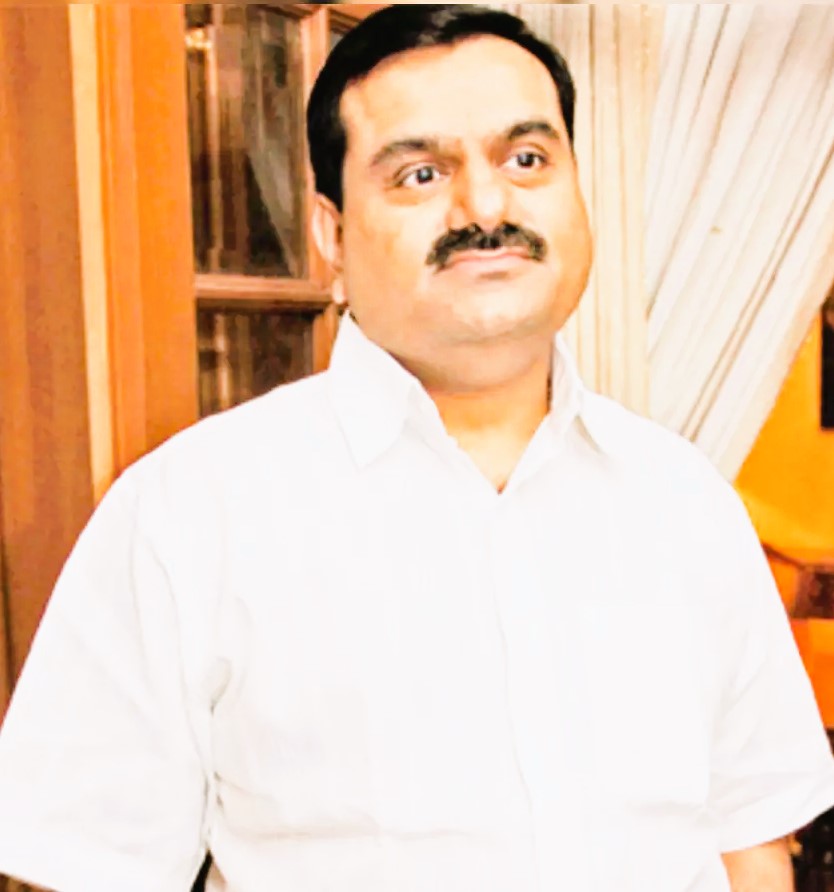
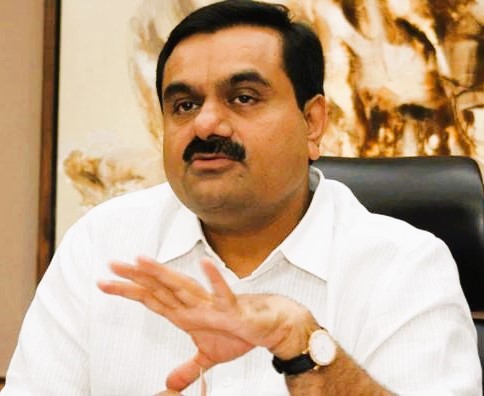
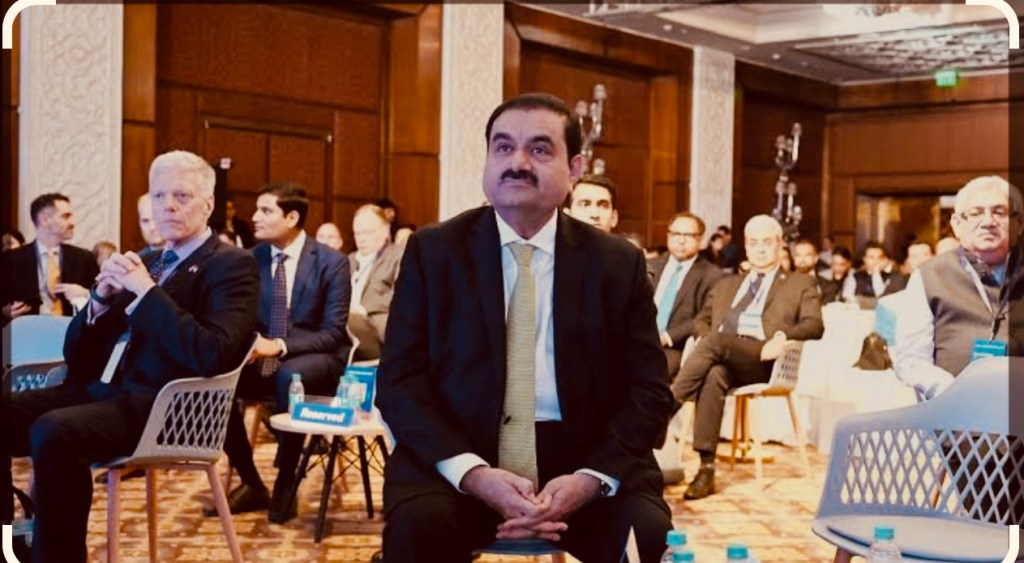
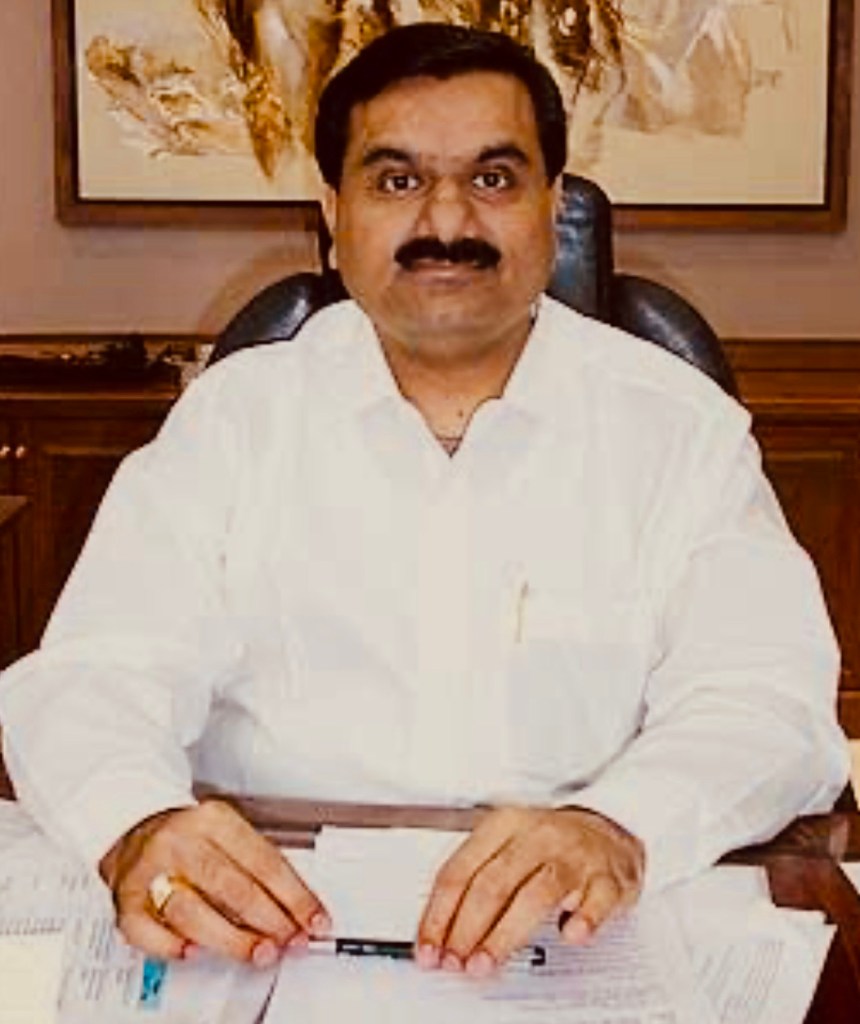
    In the heart of coastal India, history is set to be rewritten on a monumental scale. Sunday, October 15, 2023, will mark a momentous occasion when the Government of Kerala, India, and the Adani Group converge their vision and resources to inaugurate India’s first-ever Sea Transhipment Port. This maritime marvel, nestled along Kerala’s coastline, is poised to usher in a new era of economic growth, job creation, and infrastructural development. At the helm of this transformative venture stands Gautam Adani, a visionary entrepreneur who has demonstrated, time and again, his ability to create wealth and pioneering infrastructure where none seemed possible. This article delves into the remarkable journey from a sleepy Mundra Jetty Port in 1994 to the world-class seaport and how, 25 years later, the Adani Group is all set to replicate this success story on the shores of Kerala.

    The ground-breaking project, Vizhinjam International Sea Port, Thiruvananthapuram, Kerala, involves a substantial Rs. 7600 crore investment, boasting a natural depth of 18 meters and strategically located just 10 nautical miles from a major international shipping route. With an initial capacity of 1 million TEUs, scalable to a staggering 6.2 million TEUs, the port promises to facilitate a wide range of activities, including a seafood park, bunkering, a community skill park, an outer ring road, an industrial corridor, and even cruise tourism. Furthermore, this ambitious venture is expected to create over 5000 direct jobs. Remarkably, it marks India’s first Greenfield port project to receive viability gap funding from the Government of India.

    Before we embark on the historic journey to the first Sea Transhipment Port of India, let’s take a brief look at the origins of Adani’s maritime legacy. Gautam Adani, the man behind the vision, is no stranger to transforming barren lands into bustling economic hubs. In 1994, the Mundra Jetty Port in Gujarat, once a sleepy and underdeveloped location, witnessed a complete transformation. Adani’s visionary approach, coupled with state-of-the-art technology and a commitment to wealth creation, converted it into one of the world’s best seaports. Adani’s journey from a small trading firm to a global conglomerate reflects an unwavering commitment to development, innovation, and a relentless pursuit of excellence. The Mundra Port became a testament to his ability to build infrastructure, create jobs, and drive economic growth. His determination and business acumen not only put Mundra on the global map but also redefined India’s maritime landscape.

    Fast forward to 2023, and we find ourselves at the brink of another historic moment. Kerala, with its long coastline and strategic location, has always held immense potential as a maritime hub. Recognizing this, the Government of Kerala, in collaboration with the Union Government & Adani Group, is all set to create a sea transhipment port that promises to unlock the state’s economic potential and drive India’s maritime supremacy.

    Kerala’s aspirations as a maritime powerhouse have been brewing for years. The state, often referred to as “God’s Own Country,” boasts a vast coastal stretch along the Arabian Sea. It is endowed with natural harbours, thriving marine resources, and a rich maritime heritage. However, despite its inherent advantages, Kerala’s maritime potential remained largely untapped. This is where the Kerala Maritime Vision comes into play and the Vision is a comprehensive plan aimed at harnessing the state’s coastal resources and leveraging them to create jobs, drive economic growth, and position Kerala as a key player in the global maritime arena. This vision aligns seamlessly with Gautam Adani’s philosophy of wealth creation, infrastructure development, and employment generation. The Adani Group’s involvement in this transformative endeavour is pivotal. With a track record of converting barren land into thriving ports, they bring invaluable expertise and a proven formula for success. The Adani Group’s commitment to realizing the vision of Kerala as a maritime hub is not merely a corporate collaboration; it’s a promise to turn dreams into reality.

    One of the Adani Group’s most notable achievements in Gujarat was the infusion of cutting-edge technology into the Mundra Port. The same commitment to innovation and excellence is poised to be replicated in Kerala. The new Sea Transhipment Port will be equipped with state-of-the-art technology, automation, and efficient logistics systems to streamline cargo handling, thus enhancing efficiency and productivity. This technological marvel will not only make the port operationally efficient but also align seamlessly with the “Make in India” initiative by providing a world-class gateway for Indian exports and imports. The port is strategically positioned to cater to the demands of emerging industries, offering a competitive edge in global trade.

    The inauguration of the Sea Transhipment Port is expected to kickstart an economic renaissance in Kerala. This development will act as a catalyst for the creation of thousands of jobs, making a substantial contribution to reducing unemployment in the state. Additionally, the port will spur economic activity in related sectors, such as logistics, transportation, and manufacturing, thereby amplifying its impact. Moreover, the Adani Group has a track record of investing in local communities and fostering sustainable development. The economic gains from the port will trickle down to the local population, elevating their living standards and increasing overall prosperity.

    The journey from a barren jetty to a world-class port is a testament to Gautam Adani’s ability to create wealth and empowerment. This legacy of wealth creation extends beyond the Adani Group itself, benefitting the state of Kerala, its residents, and the nation as a whole. The port will facilitate an increase in trade volume, stimulate investments, and open new avenues for entrepreneurs and businesses to thrive. In a time when economic growth is critical for a nation’s development, the Adani Group’s commitment to building infrastructure that spurs wealth creation is particularly noteworthy. Their dedication to generating employment opportunities and fostering economic prosperity underlines the transformative power of public-private partnerships.

    As the Sea Transhipment Port prepares for its grand inauguration on the Sunday, October 15, 2023, it not only signifies Kerala’s ambitions but also reinforces India’s growing presence on the global maritime map. The new port will have a significant impact on India’s maritime trade and logistics network. It is poised to enhance the country’s transhipment capabilities, positioning India as a hub for regional and international trade. With a dedicated commitment to improving trade infrastructure, Adani Group aims to foster a thriving maritime ecosystem that not only supports local businesses but also projects India as a formidable player in the global market. This strategic endeavor further emphasizes the “Act East” policy, encouraging closer ties with Southeast Asian and East Asian countries through enhanced connectivity.

    As the clock ticks down to Sunday, October 15, 2023, we stand on the precipice of history. The inauguration of India’s first Sea Transhipment Port in Kerala will be a testament to the convergence of vision, innovation, and determination. It is a reminder that with unwavering commitment and the right partnerships, we can turn dreams into reality, and seemingly barren lands into beacons of prosperity. The Mundra Port’s transformation in 1994 laid the foundation for this monumental moment. It showed that through visionary leadership and the infusion of cutting-edge technology, even the most ambitious dreams can be achieved. Gautam Adani’s journey from a small trading firm to a global conglomerate underscores the power of entrepreneurship and the ability to create wealth and employment opportunities that transform entire regions.

    In conclusion, the impending inauguration of India’s inaugural Sea Transhipment Port on October 15, 2023, stands as a watershed moment in the annals of Indian maritime development. The unification of vision and unwavering collaboration among the Government of Kerala, the Union Government, and the Adani Group has given birth to a maritime marvel that is destined to redefine India’s maritime history. This transformative endeavour, backed by a colossal investment of Rs. 7600 crores, natural depths of 18 meters, and a strategic location just 10 nautical miles from a major international shipping route, symbolizes the nation’s commitment to innovation, growth, and prosperity on the global maritime stage.

    Visit arjasrikanth.in for more insights.

  • “Caste Census: Illuminating the Path to Social Justice and Inclusive Development”

    October 12th, 2023

    “Unlocking the Potential of Data-Driven Policies for Marginalized Communities”

    In the ever-evolving landscape of India’s socio-political discourse, the topic of a caste census has once again taken center stage. The demand for a comprehensive caste census, which includes the enumeration of Other Backward Classes (OBCs) and other marginalized groups, has gained momentum, sparking debates and discussions across the nation. In this article, we delve into the advantages of conducting a caste census and why it should transcend the realm of politics to usher in a new era of socio-economic development and inclusivity.

    Census in India has a rich history dating back to the colonial exercise of 1881. It serves as a critical tool for the government, policymakers, academics, and more, allowing them to capture population data, allocate resources, track social changes, and conduct delimitation exercises. However, it has often been criticized as a blunt instrument unsuitable for specialized inquiries.

    On the other hand, the Socio-Economic and Caste Census (SECC) was first conducted in 1931. Its primary objective was to gather information on the economic status of Indian families, both in rural and urban areas, with a specific focus on identifying indicators of deprivation. Additionally, SECC collects data on specific caste names to evaluate the economic conditions of different caste groups.

    Caste-based discrimination still persists in various parts of India. A caste census can play a pivotal role in identifying disadvantaged groups and ensuring that they receive the attention and resources they rightfully deserve. By understanding the distribution of different caste groups, targeted policies can be formulated to address social inequality and uplift marginalized communities.

    Accurate data on the population of OBCs and other marginalized groups is essential to ensure the equitable distribution of resources. A caste census can provide insights into the socio-economic conditions and needs of different caste groups, enabling policymakers to design policies that cater to their specific requirements and promote inclusive development.

    Affirmative action policies, such as reservations for OBCs and other marginalized groups, aim to promote social justice. However, without proper data on the population, it becomes challenging to evaluate the impact and effectiveness of these policies. A caste census can facilitate the monitoring of these policies’ implementation and outcomes, allowing policymakers to make informed decisions regarding their continuation and modification.

    Caste is an integral part of Indian society, influencing social relationships, economic opportunities, and political dynamics. Conducting a caste census can provide a comprehensive picture of the diversity within Indian society, shedding light on the social fabric and the interplay between different caste groups. This data can contribute to a better understanding of social dynamics.

    Article 340 of the Indian Constitution mandates the appointment of a commission to investigate the conditions of socially and educationally backward classes and make recommendations on steps that should be taken by governments. A caste census aligns with this constitutional provision.

    While there are compelling arguments in favor of a caste census, there are also valid concerns raised by opponents: Critics argue that caste-based discrimination is illegal, and a caste census could inadvertently reinforce the caste system. They emphasize the importance of focusing on individual rights and equal opportunities for all citizens rather than categorizing people based on their caste identities ; Defining castes is a complex undertaking, as there are thousands of castes and sub-castes in India. Critics argue that attempting to classify them could lead to confusion, disputes, and further divisions within society ;Some fear that a caste census could exacerbate social divisions. They contend that promoting social harmony by emphasizing commonalities among people is more beneficial for national integration.

    The Government of India, in 2021, stated in Lok Sabha that it had decided as a matter of policy not to enumerate caste-wise population other than Scheduled Castes (SCs) and Scheduled Tribes (STs) in the Census.

    The SECC conducted in 2011 aimed to collect comprehensive data on socio-economic indicators, including caste information. However, the raw caste data collected in the SECC has not yet been released or effectively utilized due to concerns over data quality and classification challenges.

    As the demand for a caste census gains momentum, it is essential to consider independent studies at the district and state levels to acquire caste and sub-caste data. Moreover, the data must not be weaponized for political gains but should serve as a means to promote social justice and inclusivity.

    In conclusion, while there are arguments both for and against a caste census, the importance of accurate data on the population of OBCs and other marginalized groups cannot be overstated. Such data is crucial for policymakers to promote social justice and ensure equitable resource distribution. It is imperative that policymakers carefully weigh these arguments to pave the way for a more equitable and just society—one where every citizen has the opportunity to thrive.

    Visit arjasrikanth.in for more inputs

←Previous Page
1 … 134 135 136 137 138 … 146
Next Page→

Blog at WordPress.com.

Loading Comments...

    • Subscribe Subscribed
      • SOCIAL PERSPECTIVES
      • Join 106 other subscribers
      • Already have a WordPress.com account? Log in now.
      • SOCIAL PERSPECTIVES
      • Subscribe Subscribed
      • Sign up
      • Log in
      • Report this content
      • View site in Reader
      • Manage subscriptions
      • Collapse this bar