“Maldives government suspends ministers for derogatory remarks against PM Modi. The power of social media in shaping diplomatic discourse and its repercussions on India-Maldives relations.”
In a surprising turn of events, the Maldives government recently suspended three deputy ministers for making derogatory remarks against Indian Prime Minister Narendra Modi on social media. The incident has sparked debates on the influence of social media on diplomatic relations and raises questions about freedom of expression in the digital age. This article delves into the details of the controversy, the response from both nations, and the broader implications of social media diplomacy.
The controversy erupted when deputy ministers Mariam Shona Masha Shari and Majhi made derogatory remarks against Prime Minister Narendra Modi on various social media platforms. The Maldives government, responding promptly, suspended the ministers, emphasizing that such remarks were personal opinions and did not reflect the official stance of the Maldivian government. The comments included disparaging comparisons and criticisms, sparking a wave of responses both locally and internationally.
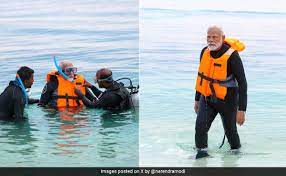
Mariam Shona, in particular, had previously made disparaging comments about PM Modi, sharing now-deleted posts that included photos of Modi’s visit to Lakshadweep. She compared India to a cow and expressed opinions favouring previous administrations over the current one. The Maldivian government distanced itself from these comments, emphasizing that they do not align with official policy. Former Maldives President M Deep criticized the statements, stating they were unacceptable and expressing hope for resignations.
The controversy comes just months after the Maldives government, under President Mohammed Moiz, requested the withdrawal of Indian military personnel from the nation. This recent incident has added strain to the relationship between India and the Maldives. The derogatory remarks, along with subsequent actions, have led to a social media battle between Maldivian politicians and Indian users, with calls for a boycott of travel to the Maldives gaining traction.
The controversy unfolded shortly after Prime Minister Narendra Modi shared images from his visit to Lakshadweep, promoting domestic tourism. The positive message was well-received, leading to increased interest in Lakshadweep as a tourist destination. However, some Maldivian politicians expressed discontent, leading to derogatory remarks and a clash between supporters and critics on social media.
The Indian government, taking note of the derogatory commentary, raised the issue with the Maldivian administration, expressing displeasure over the remarks facing slack. The Maldivian government, in response, distanced itself from the comments, stating they were made in a personal capacity. The Modi government emphasized its commitment to acting against those making such remarks, leading to the swift suspension of the three ministers involved.
The incident has triggered a broader discussion on the influence of social media in shaping international relations. With derogatory remarks leading to diplomatic tensions, the use of social media as a platform for expressing political opinions has become a critical concern. The incident has also prompted discussions on the need for clear guidelines on the digital expression of opinions by government officials.
The controversy highlights the challenge of maintaining diplomatic etiquette in the digital age. While social media provides a platform for individuals to express their opinions, the line between personal views and official positions can become blurred, leading to unintended diplomatic consequences. The erosion of traditional channels of communication has given rise to unfiltered expressions that can strain relations between nations.
The Maldives social media controversy serves as a stark reminder of the challenges posed by digital diplomacy. While social media platforms offer unprecedented reach and immediacy, they also bring risks to diplomatic relations. The incident underscores the importance of clear guidelines for government officials in expressing opinions on digital platforms and the need for swift, decisive action in addressing diplomatic challenges arising from the online space. As nations navigate this evolving landscape, it becomes imperative to strike a balance between freedom of expression and maintaining the decorum expected in international relations.
Navigating the Horizons of Artificial Intelligence, India Takes Centre Stage in the Global Tech Arena.
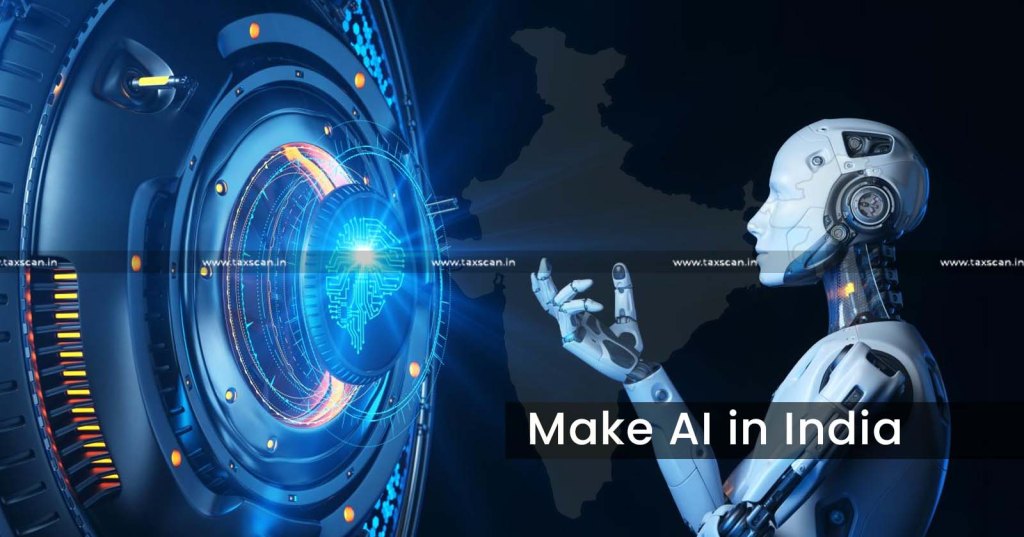
In 2023, India witnessed a ground-breaking surge in artificial intelligence (AI), overshadowing progress in other research domains. The pivotal moment was traced back to OpenAI’s launch of ChatGPT in August 2022, propelling generative AI, including models like ChatGPT, to global acclaim. The widespread adoption of AI among millions sparked unparalleled creativity and innovation, reshaping perceptions of data and coding. This article explores the transformative AI developments and milestones of 2023, offering a glimpse into upcoming projects shaping India’s technological landscape in 2024. The democratization of AI, making it accessible to those without extensive technical expertise, triggered a paradigm shift, unlocking a myriad of possibilities for individuals and industries alike.
One of the distinctive features of AI’s impact in 2023 was its ability to supercharge various processes, creating a ripple effect across industries. AI is a “giant organism” tapping into the collective intelligence of humanity over millennia. The technology’s ability to read and comprehend vast amounts of information surpassed any previous achievements, fundamentally altering the way data and coding were approached.
The acceleration of product cycles became a hallmark of AI’s influence. The rapid evolution of AI technology itself, coupled with its learning capabilities, contributed to an unprecedented pace of development. Tasks that once took considerable time to accomplish were now being executed at an extraordinary speed, with the promise of even faster iterations in the future.
Generative AI, exemplified by models like ChatGPT, found applications across diverse domains. From drafting college essays and composing music to debugging code and analyzing complex data, the versatility of generative AI became evident. Rajan notes that major tech players, including Google, faced significant pressure to keep pace with the evolving landscape. Google’s response was the development of models like BERT and Gemini, with the latter positioned as a formidable contender against GPT-4.
The development of AI2, another generative AI model, further underscored the rapid evolution of technology. The competitive environment fostered innovation and pushed companies to release more advanced and refined versions, creating a dynamic landscape for AI development.
As AI continued its triumphant march, concerns and apprehensions began to surface. The unprecedented speed of AI evolution, combined with its potential impact on various industries, raised questions about its ethical use and societal consequences. The fear of job displacement and the ominous specter of AI-driven misinformation became significant points of contention.
But many acknowledge the concerns surrounding the misuse of AI, exemplified by deepfakes and manipulated content. Instances like the Rashmika Mandanna case, where a deepfake video went viral, highlighted the darker aspects of AI’s capabilities. The need for regulation to curb malicious uses of AI became increasingly apparent.
In response to the growing concerns, AI platforms, especially those operated by major tech companies, started implementing regulations and restrictions. Platforms like ChatGPT introduced measures to prevent the creation of specific individuals’ images, addressing privacy and ethical concerns. The challenge lies in striking a delicate balance between innovation and ethical considerations.
The regulatory landscape for AI is expected to evolve further in 2024, with a focus on mitigating the potential negative impacts of the technology. The collaboration between governments and technology companies is crucial to ensuring responsible AI development and usage.
As the technological horizon unfolds in 2024, AI is poised to continue its transformative journey. The integration of AI into smartphones, with a focus on on-device AI processing, is expected to become more prevalent. Some predict that large language models running on devices will provide suggestions and answers even without an internet connection, revolutionizing the user experience. Furthermore, the exploration of AI-led devices, such as the Human-AI pin, presents exciting possibilities. These devices, driven by AI, have the potential to redefine human interaction with technology, paving the way for innovative applications and enhanced efficiency.
In conclusion, 2023 marked a pivotal year for India’s technological landscape, with AI taking center stage. The transformative impact of generative AI technology reached unprecedented heights, influencing diverse sectors and challenging traditional workflows. As India steps into 2024, the careful navigation of the AI frontier, with a keen focus on ethical considerations and regulatory measures, will be imperative. The journey into the realm of AI promises continued innovation, ushering in an era where humans and machines collaborate to unlock new dimensions of possibility. The saga of artificial intelligence in India is just beginning, and the chapters yet to be written hold the potential to reshape the future of technology and human experience.
“A mother’s plea for justice echoes as her son languishes behind bars
In a poignant tale that spans five years, a mother’s relentless pursuit of justice unfolds, echoing the cry for her son, J. Srinivas Rao, imprisoned for his alleged role in the Kodi Kathi case. This case, marked by its political undertones and the attack on Y.S. Jagan Mohan Reddy, has cast a shadow on the lives of those involved, especially Srinivas Rao, who has spent the past five years in the confines of Rajamahendravaram Central Jail.
The Kodi Kathi case gained notoriety in 2018 when Srinivas Rao was accused of attacking Jagan Mohan Reddy at Visakhapatnam Airport during the 2018 assembly general elections campaign. As his legal battle unfolded, the gravity of the situation became apparent, leaving Srinivas Rao, his family, and even the legal fraternity grappling with the complexities of justice.
Srinivas’s mother, J. Savitri, and brother, Subbaraju, recently took a desperate step, seeking a No Objection Certificate (NOC) from Chief Minister Y.S. Jagan Mohan Reddy. Their plea was simple but loaded with desperation — a plea for an NOC that could potentially secure bail for Srinivas Rao. The family’s encounter with the legal system had been arduous, marked by seven unsuccessful bail petitions over the past five years.
In a heart-wrenching moment, Savitri expressed her anguish at her son’s prolonged incarceration, stating that he has remained a remand prisoner for over four years without bail. The desperation in her voice was palpable as she threatened to take extreme measures, even contemplating suicide if her son did not return home on bail.
Their journey took them to the CM’s camp office at Tadepalli, where they submitted their petition for an NOC as part of the Spandana program. Their plea was not just a legal manoeuvre; it was a cry for compassion, a plea for the Chief Minister to empathize with their plight as they navigate the challenges of supporting themselves in old age.
This emotional appeal sheds light on the human toll of prolonged legal battles and the anguish of a family caught in the crossfire of political and legal complexities. Subbaraju, Srinivas’s brother, revealed the family’s relentless pursuit of justice through seven bail petitions that, unfortunately, yielded no results. Faced with these challenges, they turned to the Chief Minister, hoping for a ray of compassion in their pursuit of justice.
The National Investigation Agency (NIA), tasked with investigating the attack on Jagan Mohan Reddy, entered the fray with a counter-petition. The NIA clarified that there was no conspiracy behind the attack, seeking the dismissal of Jagan’s petition calling for a deeper probe into the incident.
The complexity of the case is further heightened by the involvement of key players like Harshavardhan, the airport restaurant owner, and the accused, J. Srinivasa Rao. The NIA’s assertion that Harshavardhan was not linked to the incident and that Srinivasa Rao was not a sympathizer of the TDP introduces a web of intrigue, leaving the legal proceedings in a state of flux.
As the legal battle unfolds, Srinivasa Rao remains behind bars, his fate hanging in the balance. Recent developments, including his interaction with advocate Battuala Rama Prasad, reveal a nuanced layer to the case. Srinivasa Rao’s denial of the attack and lack of knowledge about the alleged rooster knife introduce an element of mystery, leaving the door ajar for further revelations.
The Andhra Pradesh High Court’s decision to postpone the bail petition hearing for Srinivas Rao adds another twist to the narrative, prolonging the family’s wait for justice.
In the midst of these legal manoeuvres, the emotional toll on Srinivas’s family is palpable. Savitri’s threat of suicide underscores the desperation and helplessness that often accompanies prolonged legal battles, especially for those with limited resources and political influence.
The legal and political landscape surrounding the Kodi Kathi case is intricate and multi-faceted. The involvement of the Chief Minister, the NIA’s counter-petition, and the family’s plea for an NOC weave a complex tapestry of justice, politics, and human emotions. The fate of Srinivas Rao, an accused caught in this web, remains uncertain, highlighting the challenges within the justice system and the toll it takes on individuals and families. In conclusion, the Kodi Kathi case stands as a testament to the intricate dance between justice and politics, leaving families like Srinivas Rao’s in the crossfire. As the legal saga unfolds, the emotional plea of a mother for an NOC and the complexities introduced by the NIA’s counter-petition add layers of intrigue. The case serves as a stark reminder of the human cost embedded in legal battles, especially when political undertones further complicate the pursuit of justice. The wait for resolution continues, casting a long shadow on the lives of those entangled in the Kodi Kathi case.
“In the face of foreign media onslaughts, India’s legal system stands strong, protecting conglomerates like Adani. A positive journey through the recent Supreme Court ruling unveils the resilience of our legal framework.”
In the dynamic landscape of India’s economic growth, recent events surrounding the Adani conglomerate have sparked debates, accusations, and legal scrutiny. However, amidst the storm, the country’s legal system has demonstrated its robustness, assuring investors and conglomerates that the rule of law prevails. This article explores the positive aspects of the recent Supreme Court ruling, highlighting the significance of legal integrity in protecting and fostering economic growth.
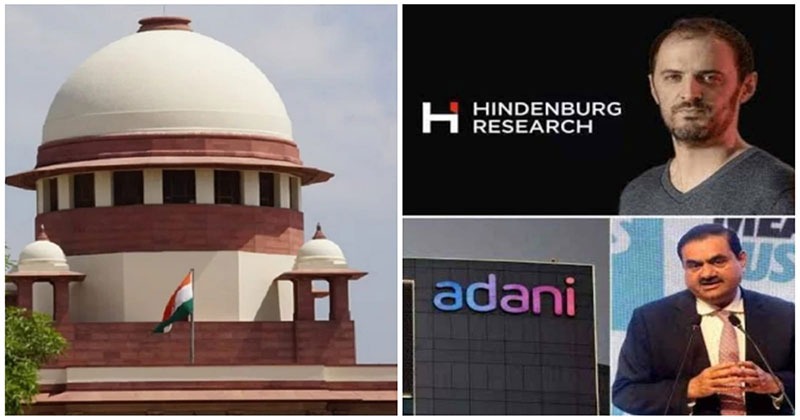
In a landmark ruling, the Supreme Court of India upheld the probe panel’s report in the Adani hidden case, dismissing doubts about the integrity of the investigation. The court’s decision, emphasizing no grounds for criminal investigation, reflects a commitment to legal due process. Importantly, the court refused to order a probe by the Central Bureau of Investigation (CBI), affirming faith in the existing regulatory mechanisms.
The Securities and Exchange Board of India (Sebi), a key player in the regulatory framework, played a pivotal role in the Adani case. The court acknowledged Sebi’s competence in investigating market manipulation allegations and endorsed the probe conducted by the regulatory body. Moreover, the court suggested measures to enhance the regulatory mechanism, underscoring the commitment to continuous improvement and adaptability.
Following the Supreme Court’s decision, Gautam Adani, the founder of the Adani Group, expressed gratitude on social media, emphasizing the principle of “Satyamev Jayate” (truth alone triumphs). Adani’s acknowledgment of those who stood by him reflects a positive perspective on the legal process. His assertion that the truth has prevailed echoes the confidence in the legal system’s ability to discern fact from speculation.
While the legal landscape triumphs, political narratives surrounding the Adani case remain contradictory. The Congress party, on one hand, maintains allegations of manipulation and systemic abuse against the Adani Group. However, the Chief Minister of Telangana, Revanth Reddy, engaged in discussions with Adani Group representatives, highlighting the dual nature of political interactions with business entities.
The Adani case underscores the delicate balance between promoting industrial growth and navigating political complexities. The Bharatiya Janata Party (BJP) questions the Congress party’s stance, raising concerns about permissions sought before political representatives meet business leaders. This juxtaposition emphasizes the intricate dance between economic development and political scrutiny.
As India stands at the threshold of a new year, the economic outlook remains promising. The positive resolution of the Adani case signifies a commitment to fair and transparent legal processes. However, challenges persist, including geopolitical events and fluctuations in oil prices. The upcoming elections add another layer of complexity, requiring a harmonious balance between economic aspirations and political considerations.
In conclusion, India’s recent experience with the Adani case illuminates the resilience of its legal system and the positive impact it has on economic prosperity. The Supreme Court’s unwavering commitment to due process and transparency sends a reassuring message to investors and conglomerates alike. As the nation strides into the future, the harmonious coexistence of legal integrity and economic growth will undoubtedly shape India’s narrative on the global stage.
“Empowering the Margins: Andhra Pradesh’s Village Volunteer System and Its Impact on Grassroot Governance”
In the heart of Andhra Pradesh, a silent revolution is unfolding as the Village Volunteer System takes governance to the doorsteps of the poor. This system, initiated by Chief Minister Y.S. Jagan Mohan Reddy, aims to bridge the gap between the government and rural communities through the tireless efforts of over 2.5 lakh volunteers equipped with smartphones, biometric readers, and a commitment to serve.
One of the system’s key strengths lies in its decentralization. Volunteers are selected from the local community, ensuring they understand the unique needs and issues of the people they serve. This localization helps tailor government schemes to specific community needs, making them more effective in addressing grassroots challenges.
The Village Volunteer System has undeniably made a positive impact on the lives of the poor. With each volunteer responsible for 50 households, they become the link between the government and rural communities. They play a pivotal role in delivering pensions, certificates, and conducting essential surveys, particularly noteworthy during the challenging times of the pandemic.
Furthermore, the government’s flagship program, the ‘Village Volunteers System,’ aims to instil confidence among people in the government. The establishment of Village Secretariats, ensuring governance delivery within 72 hours, reinforces the commitment to efficient service.
Despite the remarkable strides, challenges loom over the Village Volunteer System. The introduction of dual control and management in village panchayats versus the volunteer system has caused confusion. Political interference at the village level adds an additional layer of complexity, testing the resilience of a system designed to empower the marginalized.
The clash between the traditional village panchayat system and the modern Village Volunteer System has created a dichotomy. While the volunteer system brings efficiency, the dual control mechanism has triggered annoyance within the political framework at the village level. Striking a balance between the two becomes crucial for sustaining the positive impact on grassroots governance.
To ensure the sustained success of the Village Volunteer System, challenges such as the lack of training, insufficient recognition, and concerns over data privacy must be addressed. Volunteers, often unsung heroes, need regular training sessions, workshops, and mentoring to enhance their understanding of the schemes they implement. Recognition is a powerful motivator. Providing financial incentives or certificates of appreciation can go a long way in acknowledging the hard work put in by the volunteers. Additionally, addressing concerns about data privacy requires reinforcing the government’s data security apparatus, assuring citizens that their information is in safe hands. While concerns about data privacy are valid, it is essential to recognize the vital role these volunteers play in grassroots governance. Painting the entire system with a broad brush based on isolated incidents undermines the positive impact they bring.
In conclusion, the Village Volunteer System stands as a beacon of hope for the poor, bringing governance to their doorsteps. The challenges it faces, from dual control dilemmas to data privacy concerns, need careful navigation. By addressing these challenges through training, recognition, and a robust data security framework, Andhra Pradesh can pave the way for a brighter future where grassroots governance truly empowers the marginalized. As the Village Volunteer System continues its journey, it serves as a testament to the transformative power of decentralized governance.
Chandrayaan-3’s Lunar Triumph and Beyond: Unveiling India’s Odyssey in Space Exploration
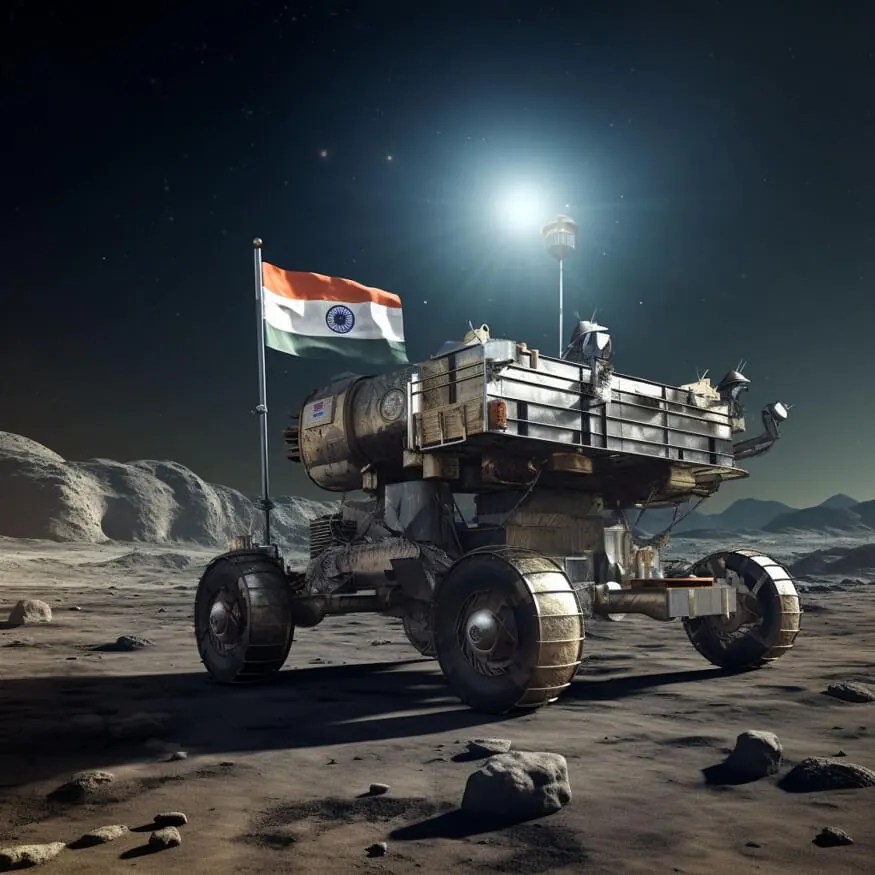
In a historic leap, India achieved a monumental milestone on August 23, 2023, with the triumphant soft landing of Chandrayaan-3 on the lunar surface. This remarkable feat not only solidified India’s position as the fourth nation globally to achieve such a landing but also marked a pivotal moment for the Indian Space Research Organisation (ISRO). Let’s unravel the tapestry of significant events and scientific breakthroughs that defined 2023, shaping India’s trajectory in space exploration.
The successful soft landing of Chandrayaan-3 was a testament to India’s resilience and expertise in space exploration. After a setback in 2019, the third attempt, brought an unparalleled sense of achievement. The decades-long gap between lunar missions by other nations shouldn’t diminish India’s accomplishments. This triumphant landing stands as a beacon of success, showcasing the nation’s prowess in conquering the final frontier.
Beyond lunar triumphs, 2023 witnessed India forging stronger bonds in the international space community. Collaborations with NASA paved the way for an Indian astronaut to venture to the International Space Station (ISS), marking India’s return to human spaceflight after four decades. The strategic partnership with NASA’s Artemis program positions India as a key player in shaping the future of lunar missions and space exploration. These collaborations underscore India’s commitment to advancing scientific knowledge and fostering global cooperation.
Diversifying its cosmic portfolio, India successfully launched Aditya L1, its first space-based solar observatory. The mission, injected into a precisely calculated orbit by the Polar Satellite Launch Vehicle (PSLV), showcased India’s innovative approach to space missions. The PSLV’s unique utilization of the upper stage highlighted the nation’s capabilities in executing complex and ground-breaking space endeavours.
Simultaneously, 2023 witnessed significant strides in scientific research within India. The establishment of the National Research Foundation (NRF) addressed long-standing concerns about the lack of research opportunities for university students. By aiming to expand research capabilities, especially within universities, and mobilizing additional financial resources, NRF stands as a beacon for the future of scientific research in India.
Despite these achievements, the perennial challenge of inadequate funding for scientific research remains. Only 0.65% of GDP allocated to research. The NRF, with its objectives to expand research infrastructure and mobilize additional financial resources, presents a promising solution to this funding conundrum. It seeks to make research more popular, bring in more funds, and foster greater insights in the scientific community.
India’s unwavering commitment to scientific exploration extended to the polar regions. With three operational stations in the Antarctic and one in the Arctic since the early ’80s, India has maintained a robust scientific presence. The decision to make the Arctic station operational year-round and establish a new Antarctic station underscores India’s dedication to advancing research in extreme environments.
As the cosmic curtains rise on 2024, India has a multitude of space missions and scientific endeavors to anticipate. The launch of the SRR-NASA synthetic satellite, a joint venture between ISRO and NASA, holds promises of new discoveries. Additionally, the full dress rehearsal for Gaganyaan, India’s scheduled human spaceflight mission in 2025, adds to the excitement. While the unfolding of NRF might not capture public attention, its impact on reshaping the research landscape is anticipated to be profound, making it more robust, financially viable, and globally competitive.
In conclusion, 2023 emerges as a pivotal chapter in India’s celestial journey, marked by the historic landing of Chandrayaan-3, international collaborations, and ground-breaking scientific endeavours. As the nation looks toward 2024 with ambitious space missions and a reinvigorated focus on scientific research, India’s odyssey in space exploration promises to soar to even greater heights. The stars align for India as it continues to contribute significantly to the collective human endeavour of unravelling the mysteries of the cosmos.
Rahman’s career in film scoring took flight during the early 1990s with the Tamil film Roja. His ability to seamlessly blend diverse musical elements into his compositions caught the attention of filmmakers and audiences alike. Rahman’s distinctive sound, characterized by its soul-stirring melodies and captivating rhythms, quickly earned him widespread acclaim.
One of Rahman’s most significant achievements is his unparalleled integration of Indian classical music with various genres. He fearlessly experiments with electronic music, world music, and traditional orchestral arrangements, resulting in a truly unique and culturally rich musical experience. Rahman’s compositions not only resonate with Indian audiences but also captivate listeners around the world, bridging cultural gaps and inspiring musical collaboration.
Rahman’s immense talent has been acknowledged through numerous awards and honors. He has been the recipient of six National Film Awards, two Academy Awards, two Grammy Awards, a BAFTA Award, and a Golden Globe Award, among many others. These accolades highlight Rahman’s ability to create music that transcends boundaries and touches the hearts of people worldwide.
With an estimated 150 million records sold worldwide, Rahman is undeniably one of the best-selling recording artists in history. His ability to resonate with audiences across different cultures and languages is a testament to his universal appeal. Rahman’s compositions have graced international cinema and theatre, elevating the standards of Indian music on a global scale.
Rahman’s contributions extend beyond music. He is a notable humanitarian and philanthropist, actively involved in supporting various charitable causes. In 2009, he founded the Sunshine Orchestra, which provides free music education to economically and socially deprived children. Rahman’s philanthropic initiatives showcase his commitment to making a positive difference in society.
A.R. Rahman has redefined the boundaries of music, blending diverse genres and captivating audiences worldwide. His remarkable ability to seamlessly infuse Indian classical music with electronic, world, and traditional orchestral arrangements sets him apart as a true musical genius. Rahman’s numerous accolades, including Academy and Grammy Awards, attest to his immense talent and global recognition. Moreover, his philanthropic endeavors reflect his dedication to using music as a platform for social change. A.R. Rahman’s contributions to the world of music will continue to inspire generations to come, solidifying his status as the “Mozart of Madras” and a true musical icon.
In an era where global dynamics undergo constant shifts, India emerges as a beacon of diplomatic finesse. As a global leader, India meticulously balances equidistance between giants, fostering its Atmanirbhar spirit while aspiring to become one of the world’s top three economies in the next five years. India’s diplomatic approach is akin to a tightrope walk, maintaining a delicate equilibrium between global powers. By championing the Atmanirbhar initiative, India not only aims for economic self-reliance but also ensures the growth of its local industries. This careful dance involves simultaneous engagements with major players, a testament to India’s nuanced diplomatic strategy.
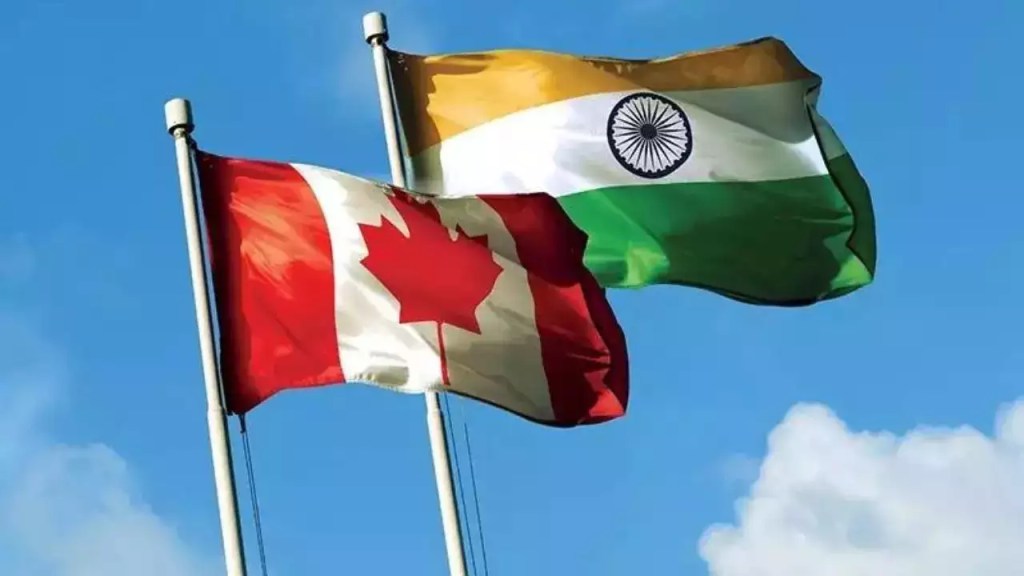
The odyssey unfolds from the western horizon, where India’s relations with Canada plummet to an unprecedented low. The diplomatic landscape, already marred by the tragic Kanishka bombing incident in 1980, witnesses a renewed downturn in 2023. Credible allegations linking India to the assassination of a Khalistani leader on Canadian soil become a focal point, amplifying the echoes of historical wounds. In the aftermath, diplomats are swiftly removed, and visa restrictions are imposed, inflicting a significant blow to the bilateral relationship. However, India, adept in the delicate art of diplomacy, strategically recalibrates its approach, skilfully walking back on some impositions to avert a complete rupture. This diplomatic dance, amidst the scars of history and contemporary challenges, underscores the nation’s resilience and commitment to navigating complex terrains. Despite the tense atmosphere, the absence of a widespread investment exodus signals a steadfast determination to weather challenges. In the face of diplomatic adversity, India’s ability to maintain equilibrium emerges as a testament to its diplomatic finesse and unwavering pursuit of cooperative partnerships on the global stage.
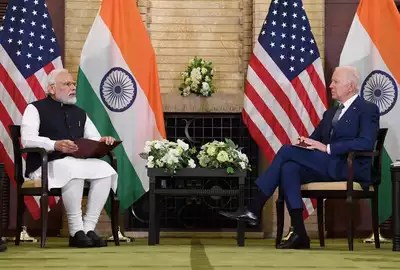
In the unfolding narrative, PM Modi’s journey to the United States becomes a pivotal chapter marred by allegations of a plot to assassinate a Khalistani leader on American soil. However, this challenging backdrop is juxtaposed against the backdrop of the remarkable evolution of relations between India and the USA over the past two and a half decades. The alleged involvement of an Indian official in an assassination plot triggers a unique response from India, demonstrating its unwavering commitment to the rule of law. Filing a case in a New York court, India confronts the complexity of the situation, with the USA viewing trafficking, gun running, and assassination plots with grave concern. The establishment of a high-level probe committee underscores India’s serious approach to address the intricacies of the matter. Amidst these diplomatic hurdles, the USA’s decision to bypass an invitation to attend the Republic Day parade stands as a minor blip in an otherwise robust relationship. The collaboration between India and the USA extends seamlessly from sea to stars, encompassing shared endeavours in space exploration, clean energy initiatives, advancements in AI, quantum computing, and the facilitation of higher education exchanges. This collaborative synergy underscores the resilience and depth of the Indo-American partnership despite transient challenges.
In the midst of the conflict between Israel and Hamas, India’s stance evolves from initial support to Israel into a delicate balancing act. Witnessing the devastating casualties, particularly among women and children, India shifts its focus towards emphasizing humanitarian care. Advocating for a global role in controlling the attacks, India takes a diplomatic stand in the UN General Assembly, voting in favour of a ceasefire. This decision is a testament to India’s commitment to ensuring the safety of the substantial Indian population, amounting to 90 lakh individuals, working in the Gulf. Balancing diplomatic ties with Israel, India calls for a cessation of indiscriminate air strikes against Gaza, aligning its position with the global sentiment against attacks on civilians. In navigating the complexities of the Israel-Hamas conflict, India strategically positions itself as a proponent of peace and humanitarian values, emphasizing the need for a cessation of hostilities to protect innocent lives in the region.
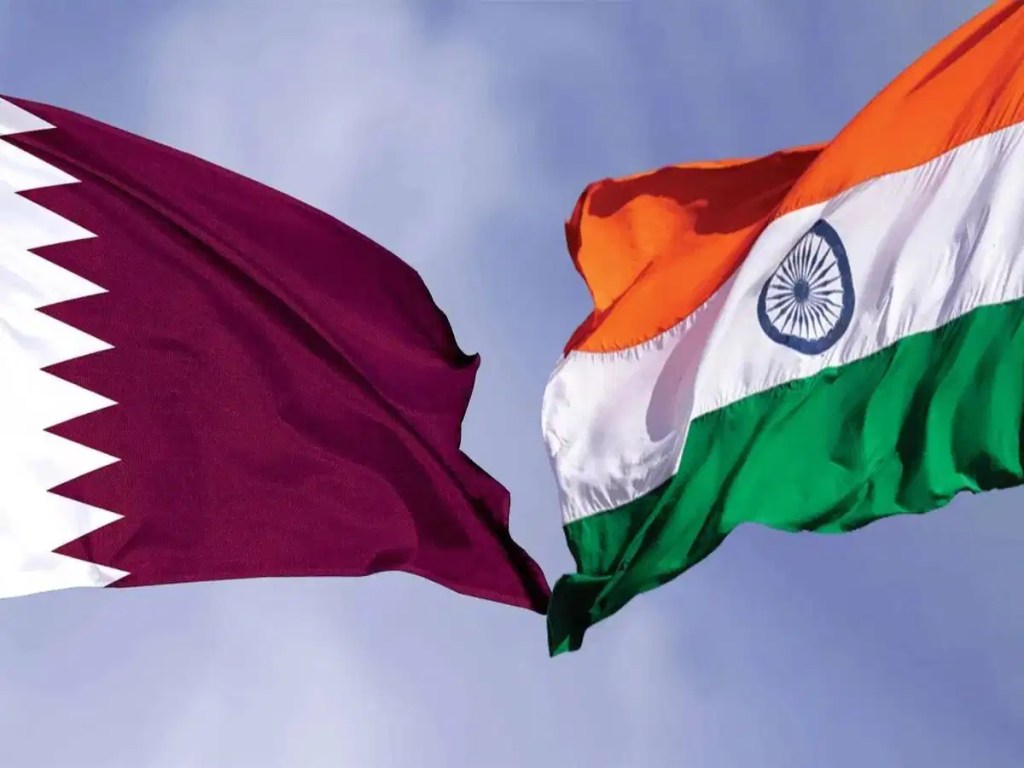
In Qatar, the looming spectre of eight Indian navy men facing the death penalty becomes a severe test for diplomatic ties. The gravity of the situation is compounded by Qatar’s delayed communication with India, adding layers of complexity to the challenge. The eventual reduction of the death penalty to life imprisonment brings a collective sigh of relief, and the Indian government reaffirms its commitment to supporting the families affected by this distressing ordeal. Remarkably, despite the diplomatic challenges posed by this incident, relations between India and Qatar manage to withstand the strain, showcasing the resilience and maturity in the diplomatic ties between the two nations. This episode serves as a poignant reminder of the intricate nature of international relations and the importance of navigating such crises with diplomatic finesse.
As the Taliban asserts control over Kabul for an extended period of two and a half years, India tactfully sustains working-level relations, extending crucial humanitarian support to the Afghan populace. Vigilant and watchful, India carefully monitors the actions of the Taliban-led government, implementing stringent measures to prevent the display of the Taliban flag in both Indian and international waters. Navigating through challenges, India maintains a strategic engagement with the Taliban, underscoring its unwavering commitment to fostering regional stability. This delicate dance on the diplomatic stage highlights India’s pragmatic approach, carefully balancing its interests with the need for stability in the tumultuous Afghan landscape.
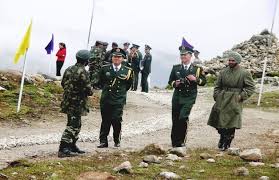
Amid persistent tensions with China, characterized by aggression in various regions, the Maldives becomes a focal point where India’s strategic decisions come under scrutiny. The withdrawal of Indian military forces, complying with China’s directives, sparks concerns and adds complexity to the already delicate geopolitical landscape. The India-China border, once emblematic of peace, is now fraught with challenges, hosting an intimidating presence of 50,000 troops on either side. Since the escalation in 2020, the repercussions are evident, with diminished student exchanges and a discernible surge in Chinese influence in the Maldives. The situation, far from achieving normalcy, presents a looming spectre of tension, particularly concerning Taiwan. More than 50% of global goods passing through the South China Sea further intensify the strategic importance of the region. Frequent meetings between the Chinese President and the Indian PM reflect the urgency to address the burgeoning challenges, yet conclusive outcomes remain elusive, underscoring the complexities embedded in the diplomatic discourse between these two formidable nations.
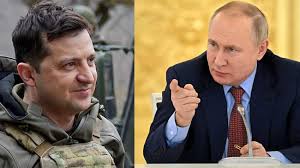
As the Russia-Ukraine war extends into its twenty-third month, the financial haemorrhage on both sides sends ripples through the global economy, presenting a complex challenge for India. Heavily reliant on Russian oil at discounted rates, India deftly navigates the economic fallout, recognizing the intricate web of consequences. The war’s impact reverberates globally, with fluctuating oil prices creating a tumultuous market where traders grapple to sell Russian oil, impeding shipping movements and contributing to the broader economic instability. For India, seeking diversification in defense dependence becomes imperative in this geopolitical quagmire. The conundrum deepens as its biggest adversary and primary supplier, Russia, aligns closely with the unfolding events. The delicate balancing act becomes paramount for India, as it carefully manoeuvres through the geopolitical storm, aiming to safeguard its strategic interests while mitigating the economic repercussions of the protracted conflict. In this intricate dance of diplomacy, India’s adept navigation remains crucial for maintaining stability amid the turbulence of global affairs.
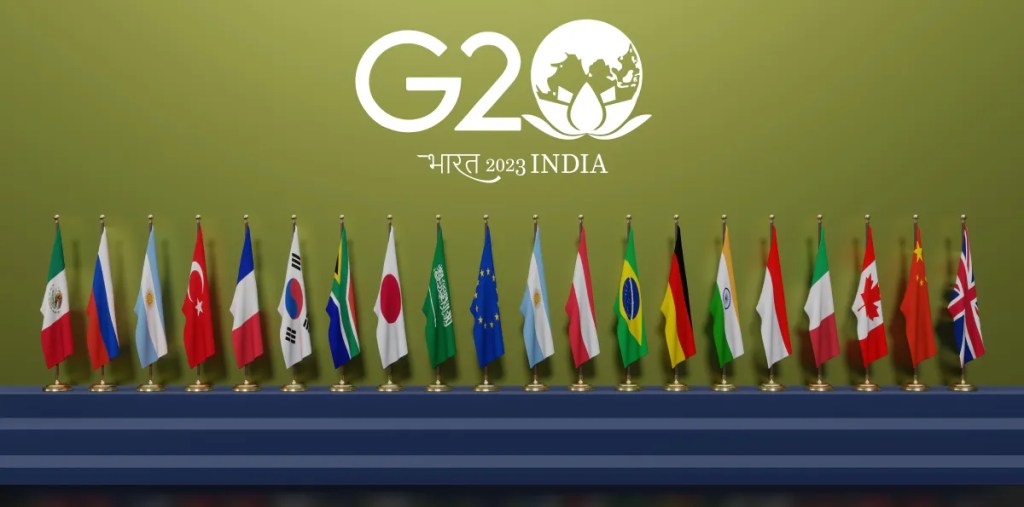
Hosting the G20 stands as a diplomatic triumph for India, transcending mere event logistics. The inclusion of 120 lesser-developed nations under the Global South umbrella marks a substantial achievement, giving a resonant global platform to address climate challenges and developmental needs. This expanded representation amplifies the voices of nations often marginalized in international discourse. The induction of the African Union into the G20 further solidifies its significance, ensuring the concerns of the entire African continent are heard in this influential forum. As Brazil prepares to take the G20 reins in 2024, the alignment of Western powers, Russia, and China indicates a breakthrough in fostering international cooperation. The G20’s resurgence during challenging times becomes a beacon of hope, offering prospects for global consensus on pressing issues, showcasing the diplomatic dexterity essential for navigating the complexities of the contemporary geopolitical landscape.
The geopolitical landscape of 2024 witnesses over 50 countries, including India’s neighbour Bangladesh, gearing up for significant elections. The potential return of Sheikh Hasina in Bangladesh holds the promise of heightened connectivity in the Northeast region, fostering stronger sub-regional ties. This prospect aligns with India’s strategic interests in promoting regional cooperation and economic development. Beyond Bangladesh, elections in Taiwan, Pakistan, Indonesia, the United States, and the United Kingdom carry far-reaching global implications. The outcomes of these electoral processes are poised to shape international relations, introducing new dynamics and potential shifts in policy directions. Of particular interest is the fate of the UK Conservatives, facing a formidable battle after over a decade in power. The evolving political landscape in the UK may have repercussions on bilateral relations and cooperation with countries like India. As a key player in global affairs, India keenly observes these elections, cognizant of the consequential nature of political transitions. The diplomatic calculus of nations will inevitably adjust to the outcomes, contributing to the fluidity and dynamism characterizing international relations in the contemporary era.
In the intricate dance of global diplomacy, India gracefully walks the tightrope of leadership, confronting challenges with poise. Despite occasional diplomatic lows and regional tensions, India’s steadfast commitment to dialogue, cooperation, and the rule of law shines through. The Atmanirbhar spirit, driving economic self-reliance, becomes a catalyst for India’s aspirations of global leadership, fostering local industries and contributing to a robust national economy. In a world characterized by intricate complexities, India emerges not only as a global leader but as a diplomatic maestro, adept at maintaining equilibrium amid the ever-evolving geopolitical landscapes. The positive outlook stems from India’s resilience and diplomatic finesse, evident in its ability to navigate multifaceted challenges. As the global audience observes, India’s diplomatic odyssey unfolds as a beacon of collaboration, stability, and shared prosperity, promising a future where nations work together for mutual benefit. The nation’s diplomatic journey is not merely a narrative of survival but a testament to India’s role as a proactive contributor to global harmony and progress.
In this narrative, India positions itself not just as a participant in the global stage but as a leader shaping the discourse of international relations. The ability to balance strategic interests, foster economic growth, and cultivate diplomatic relationships reflects a nation that understands the nuances of modern diplomacy. As the world watches India’s positive diplomatic odyssey, it becomes evident that the nation’s role goes beyond regional influence—it extends to being a pivotal player in the global arena, where collaboration, stability, and shared prosperity are the guiding principles of a promising future. As India walks the tightrope of global leadership, navigating through challenges with grace, the overall outlook is positive. Despite diplomatic lows and regional tensions, India’s commitment to dialogue, cooperation, and the rule of law remains unwavering. The Atmanirbhar spirit propels local industries, contributing to India’s global leadership aspirations. In a world marked by complexities, India emerges not only as a global leader but also as a diplomatic maestro, adept at maintaining equilibrium in the face of ever-evolving geopolitical landscapes. As the world watches, India’s positive diplomatic odyssey continues, promising a future of collaboration, stability, and shared prosperity.
“Wishing a Happy Birthday to Kapil Dev – The Cricketing Legend who redefined the game with his prowess, leadership, and records. 🎉🏏 #KapilDev #HappyBirthdayKapilDev”
As the cricketing world gears up to celebrate the birthday of a true maestro, Kapil Dev, on January 6, it’s time to delve into the extraordinary journey of a cricketer who left an indelible mark on the sport. Kapil Dev’s legacy extends far beyond his stellar performance on the field – he is hailed as one of the greatest all-rounders and captains in the history of cricket. This article pays tribute to the cricketing legend, exploring his remarkable career, leadership, and the records that etched his name in the annals of the game.
Born on January 6, 1959, Kapil Dev’s journey in cricket began in his early years, showcasing a natural talent that would eventually revolutionize the sport. Known for his explosive fast bowling and hard-hitting middle-order batting, Kapil quickly rose through the ranks, catching the attention of cricket enthusiasts around the world.
Regarded as one of the greatest all-rounders to grace the cricketing arena, Kapil Dev’s impact was felt with every delivery he bowled and every stroke he played. His ability to take crucial wickets, coupled with his knack for turning matches with the bat, made him a force to be reckoned with. Kapil’s unique combination of skills marked him as a rare talent in the world of cricket.
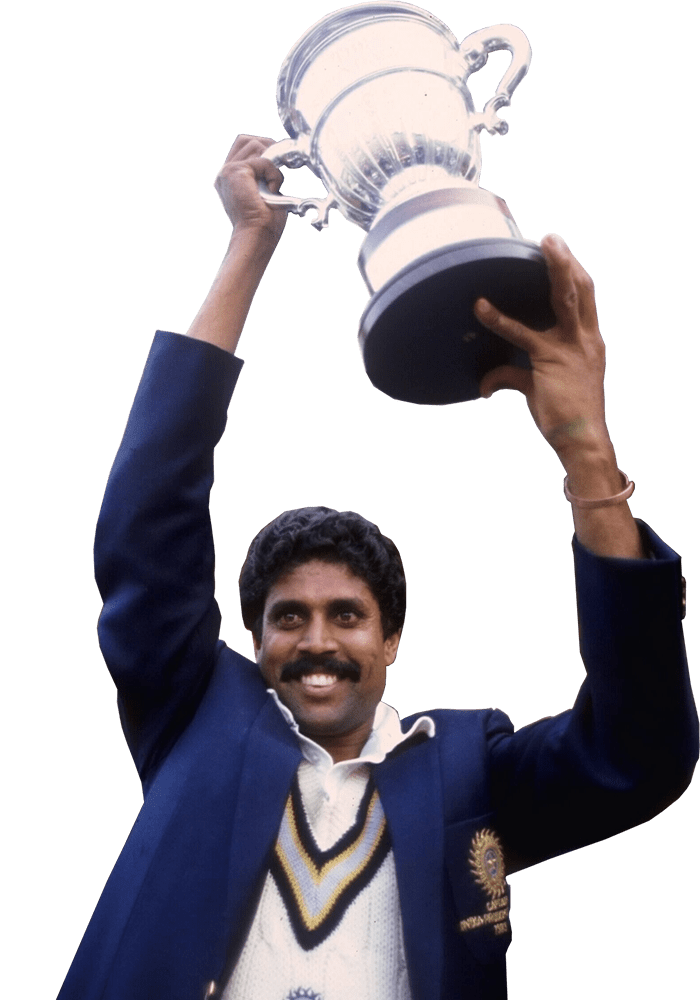
Kapil Dev’s crowning achievement came in 1983 when he captained the Indian cricket team to a historic victory in the Cricket World Cup. The triumph against the West Indies in the final remains one of the most iconic moments in cricketing history, and Kapil’s leadership during the tournament solidified his status as one of the greatest captains ever.
Even after retiring from international cricket in 1994, Kapil Dev continued to contribute to the sport. Serving as India’s national cricket coach between October 1999 and August 2000, he shared his wealth of knowledge and experience with the next generation of cricketers, leaving an indelible impact on the development of the game in India.
Kapil Dev’s name is synonymous with records that underscore his cricketing brilliance. At the time of his retirement, he held the world record for the highest number of wickets taken in Test cricket, a feat eventually surpassed by Courtney Walsh in 2000. Kapil was also India’s highest wicket-taker in both Tests and ODIs. Notably, he was the first player to achieve the milestone of 200 ODI wickets.
Kapil Dev stands as the only player in the history of cricket to have taken more than 400 wickets (434 wickets) and scored over 5000 runs in Test matches. His remarkable all-round capabilities showcased his versatility and made him a trailblazer in a sport that demands excellence in multiple facets.
On March 11, 2010, Kapil Dev received one of the highest honours in cricket – induction into the ICC Cricket Hall of Fame. This recognition marked the culmination of a glittering career and underscored Kapil’s enduring impact on the sport.
As we extend heartfelt birthday wishes to Kapil Dev, it’s essential to acknowledge the enduring legacy of a cricketing legend. From his early days as a prodigious talent to the pinnacle of success as a World Cup-winning captain, Kapil Dev’s journey is a testament to his passion, skill, and indomitable spirit.
In celebrating Kapil Dev’s birthday, we celebrate not only a cricketer but an inspirational leader, a record-breaking genius, and a true maestro who shaped the narrative of Indian cricket. Happy Birthday to the cricketing legend, and may his legacy continue to inspire generations to come. 🎂🏏
In the intricate ecosystem of the corporate world, mastering the art of managing bosses is a crucial skill for professional growth. This comprehensive article explores the psychology of Boss Behaviour.
A boss who consistently criticizes employees may reveal traits like insecurity, dissatisfaction, or a sadistic inclination. The behaviour can stem from feeling threatened, wanting to spread misery, perceiving the employee as weaker, venting personal frustration, or seeking favouritism. Understanding these underlying motives is crucial. Employees should assess their own reactions and, if necessary, engage in open communication or seek support to foster a healthier working environment.
A boss who habitually criticizes employees publicly may exhibit dominance, insecurity, or a desire to assert control. Public criticism could be a means of displaying power, masking personal insecurities, or projecting blame onto others. This behaviour may create a hostile work environment, damaging team morale. Addressing the issue involves understanding the underlying motives and, if necessary, fostering open communication to establish a more supportive and constructive workplace dynamic.
A boss who fails to lead by example creates a leadership void. This may stem from a lack of self-awareness, accountability, or a misguided belief in authoritative leadership. Such behaviour can result in a disengaged team and diminished respect for leadership. Effective leadership involves modelling the desired behaviour, fostering collaboration, and cultivating a positive work environment to inspire and guide the team toward success.
A boss ignoring rebels within a team may fear confrontation or lack conflict resolution skills. This avoidance might stem from insecurity or a desire to maintain a façade of harmony. However, overlooking dissent can foster a toxic work environment, hindering team dynamics. Effective leaders address concerns, promote open communication, and strive to understand differing perspectives to foster a collaborative and innovative team culture.
A boss with unclear communication may face challenges in expressing thoughts or expectations. This can result from a lack of organizational skills, fear of being misunderstood, or insufficient understanding of the subject matter. The boss might experience frustration or stress due to ineffective communication, potentially impacting team productivity. Developing clarity, active listening, and refining communication skills can enhance leadership effectiveness and team cohesion.
A boss who struggles to delegate may grapple with perfectionism, fear of loss of control, or a lack of trust in team members. This reluctance can lead to overburdening oneself, hindering team development, and causing inefficiencies. Understanding the importance of delegation, building trust in the team’s capabilities, and addressing personal concerns can help the boss develop effective delegation skills and improve overall team performance.
A boss organizing unnecessary meetings may indicate a lack of time management skills or a desire for control. It can result from a misguided attempt to stay informed or assert authority. Addressing underlying concerns, streamlining communication channels, and fostering a culture of efficient collaboration can help alleviate the need for excessive meetings and contribute to a more productive work environment.
A boss who engages in micromanaging may harbour trust issues or have a perfectionist mindset. Fear of failure or a need for control can drive this behaviour. It often stems from a desire to ensure tasks align with personal standards. Encouraging open communication, providing clear expectations, and fostering a collaborative environment can help alleviate the need for excessive micromanagement, promoting a healthier workplace dynamic.
A boss prioritizing paperwork over people work might be driven by a focus on administrative tasks or a lack of understanding about the importance of interpersonal relationships. This approach could stem from pressure to meet deadlines or an inclination toward procedural efficiency. Encouraging a balance between administrative duties and employee well-being, recognizing the value of both, can contribute to a more holistic and effective leadership style.
A boss immersed in day-to-day operations might exhibit a hands-on approach due to a desire for control or a sense of responsibility. This behaviour can result from a fear of delegation, a lack of trust in subordinates, or a belief that personal involvement ensures success. Encouraging a strategic perspective and building trust in the team’s capabilities can help alleviate the need for excessive involvement in daily tasks.
Boss behaviour, influenced by diverse personalities and management styles, shapes workplace dynamics. Leadership styles, ranging from authoritarian to laissez-faire, impact decision-making and communication. Effective communication, openness, and attentiveness contrast with poor communication leading to misunderstandings. Mastering boss management involves understanding these intricacies, fostering open communication, empathy, and adaptability. Recognizing leadership styles transforms workplace struggles into opportunities. To thrive professionally, decoding “boss psychology” is crucial. Strained boss relations often lead to job loss, emphasizing the need for understanding. Collaborative approaches, including changing perspectives, avoiding hostility, helping bosses improve, and strategic communication, empower professionals to navigate challenges and flourish amidst complexities, fostering collective success.