Skip to content
    • About

SOCIAL PERSPECTIVES

  • “Pawan Kalyan’s Uncharted Political Odyssey: Navigating Challenges for a Transformative Impact”

    November 11th, 2023

    “Breaking free from the shadows, Pawan Kalyan charts his political course amidst a sea of challenges, striving for a transformative impact in Andhra Pradesh Politics .”

    In the dynamic realm of Andhra Pradesh politics, Pawan Kalyan stands as an unconventional player, transitioning from a silver screen sensation to a political maverick. As the state witnesses the dominance of two political behemoths engaged in fierce battles, Kalyan’s journey is a quest to carve out a distinctive space for himself. This article delves into the challenges and opportunities that define Pawan Kalyan’s political odyssey and the transformative impact he aspires to make.

    Pawan Kalyan’s foray into politics with the establishment of the Jana Sena Party marked a paradigm shift in Andhra Pradesh’s political landscape. The magnetic pull he exerted on the youth, drawn not only to his cinematic charisma but also to his sincerity and simplicity off-screen, was palpable. However, navigating the complexities of politics required more than just a dedicated fan base.

    While Pawan Kalyan boasts a legion of admirers, the crucial distinction between admirers and voters cannot be overstated. The applause and cheers at rallies do not always translate into votes at the ballot box. Recognizing this dichotomy is imperative for Kalyan, as he endeavors to ascend to political authority. The challenge lies in converting the enthusiasm of the masses into tangible electoral support.

    As a leader, Pawan Kalyan’s effectiveness hinges on his ability to establish a robust grassroots connect. Mere rhetoric will not suffice; actions must underscore his commitment to the people. Initiating projects, addressing local issues, and actively participating in community-driven initiatives can foster a deeper connection. Building a political identity grounded in tangible deeds rather than promises is the cornerstone of creating a lasting impact.

    Pawan Kalyan’s journey is characterized by his honesty and simplicity, qualities that have endeared him to many. Sustaining and amplifying these virtues is essential for building trust. In the intricate web of political narratives, trust becomes a rare commodity. Pawan Kalyan’s commitment to truth and simplicity can be the bedrock on which he establishes his political credibility.

    The commitment to issue-based politics sets Pawan Kalyan apart in a landscape often dominated by power-centric strategies. Focusing on problems that resonate with the masses and advocating for meaningful solutions has the potential to disrupt traditional political paradigms. However, the challenge lies in consistently aligning actions with this ideology, avoiding pitfalls of wavering stances.

    As the younger brother of Chiranjeevi, a stalwart in both cinema and politics, Pawan Kalyan carries the legacy of his family into the political arena. While Chiranjeevi’s political career faced scrutiny, Pawan Kalyan seeks to forge his unique identity. Leveraging the goodwill associated with the family name and simultaneously establishing independence is a delicate balancing act.

    Pawan Kalyan’s political journey has not been without hurdles. The lack of political experience, media influences, challenges in carving an independent legacy, and the formidable competition posed by established parties are roadblocks to his political aspirations. Acknowledging these challenges and learning from setbacks are imperative for recalibrating strategies.

    Pawan Kalyan’s entry into Andhra Pradesh politics represents a work in progress, a narrative unfolding chapter by chapter. The transformative impact he envisions necessitates not only perseverance but also a nuanced understanding of the ever-evolving political dynamics. As the Jana Sena Party evolves, its leader must navigate the turbulent waters of Andhra Pradesh politics, learning from each ebb and flow. Whether Pawan Kalyan’s political odyssey culminates in a paradigm shift or becomes a footnote in the state’s political history remains to be seen. For now, the journey continues, marked by uncertainty, tenacity, and the unwavering spirit of a political maverick.

  • “Balancing Act: Leveraging Multinational Consultants Without Weakening Government Machinery”

    November 11th, 2023

    “While multinational consultants bring expertise, relying too heavily on them risks diluting government autonomy.”

    In the dynamic landscape of governance, multinational consultant groups, including industry giants like PwC, KPMG, and McKinsey, play a crucial role in providing specialized services across various sectors, including government initiatives. The allure of their expertise is undeniable, but a fine line must be walked to ensure that their involvement does not compromise the autonomy and strength of the government machinery.

    Multinational consultancy firms have become synonymous with efficiency, innovation, and global best practices. In India, these firms operate within 16 ministries of the Government of India, contributing their expertise to a wide array of tasks. The financial magnitude of their impact is significant, with the cumulative revenue (CR value) of PwC alone reaching around 500 crores in 2021, solidifying its position as one of the leading consulting firms in the country.

    Reports obtained through the Right To Information (RTI) Act shed light on the extensive collaboration between the Indian government and major consulting firms. PwC, Deloitte, Ernst & Young, KPMG, and McKinsey collectively secured over 300 consultancy assignments, amounting to nearly Rs 500 crore. This collaboration spanned 16 ministries and various crucial activities, from financial due diligence to evaluating nominations for e-governance awards.

    Referred to as the “Big Five,” these consulting giants—PwC, Deloitte, Ernst & Young, KPMG, and McKinsey—have become integral to the functioning of government departments and ministries. PwC emerged as the frontrunner, securing the highest number of contracts (92) totaling over Rs 156 crore between 2017 and 2022. Deloitte followed with 59 assignments worth Rs 130.13 crore. Ernst & Young, KPMG, and McKinsey also played significant roles in various government initiatives.

    The collaboration between the government and the “Big Five” extended across diverse sectors and ministries. The Ministry of Petroleum and Natural Gas, along with its PSUs, awarded contracts worth over Rs 170 crore, showcasing the broad reach of consultancy services. The power sector closely followed, with nine organizations under the power ministry contributing assignments worth Rs 166.41 crore.

    Recognizing the need for transparency and accountability, the Union Ministry of Finance has directed all ministries and departments to provide details of the consultants appointed by them. This initiative aims to facilitate meaningful discussions for budget allocations under the Professional/Office expenses/Salary head. The directive emphasizes the importance of understanding the selection process, tenure, and average remuneration of consultants.

    While the collaboration with multinational consultants brings undeniable benefits, a cautionary note must be sounded against over-reliance. The government must retain its autonomy and not abdicate its responsibilities to external entities. The increasing dependence on consultant groups, often referred to as the “Big Four” or “Big Five,” raises concerns about the potential erosion of the government’s decision-making capabilities.

    In navigating the complex terrain of governance, the collaboration between the government and multinational consultants offers a valuable exchange of expertise. However, this partnership should be approached with a delicate balance, ensuring that the government retains its autonomy and decision-making prowess. The directive from the Union Ministry of Finance reflects a commitment to transparency and accountability, critical elements in maintaining a robust government machinery.

    As the nation progresses, it is imperative to leverage the strengths of multinational consultants while safeguarding the core principles of governance. A symbiotic relationship, where external expertise complements governmental capabilities without overshadowing them, is the key to a resilient and effective governance framework. In this balancing act, the government can harness the best of both worlds—external proficiency and internal resilience—leading to a harmonious and impactful administration.

    visit arjasrikanth.in for more insights.

  • “Justice Delayed is Democracy Denied: Expedite Criminal Cases Against Elected Representatives”

    November 10th, 2023

    The Alarming Reality: 40% of Sitting MPs Have Criminal Cases

    In the landscape of Indian democracy, the recent directive from the Supreme Court to fast-track criminal trials against Members of Parliament (MPs) and Members of Legislative Assemblies (MLAs) serves as a critical intervention. As of today, 9th November, the Chief Justices of all high courts have been tasked with forming special benches to monitor these trials, a move aimed at addressing the alarming prevalence of criminal charges against elected representatives.

    A recent report by the Association of Democratic Reforms (ADR) and New Election Watch (NEW) sheds light on the disconcerting fact that 40% of sitting MPs have declared criminal cases against themselves. This revelation, coupled with the gravity of these charges, including murder, attempt to murder, kidnapping, and crimes against women, underscores the urgency for a robust judicial response.

    In a democracy, where elected representatives are meant to be the pillars of governance, the prevalence of criminal charges among them raises serious questions about the health of our democratic institutions. It is imperative that the rule of law prevails, and those entrusted with the responsibility of shaping the nation’s future are held accountable for their actions.

    The recent directive from the Supreme Court, led by Chief Justice DY Chandrachud, comes in response to a petition filed by advocate Ashwini Upadhyay. The petition highlighted the severity of the situation, with data presented by advocates Vijay Ansari and Upadhyaya indicating that over 860 serious charges are pending against 194 MPs.

    The court’s directive empowers high courts to form special benches that will monitor criminal trials against MPs and MLAs. This proactive stance recognizes the constitutional authority of high courts over district courts, emphasizing their capacity to oversee these trials effectively. The move is a crucial step towards establishing accountability and ensuring that elected representatives are not beyond the reach of the law.

    To address the backlog of cases and expedite justice, the Supreme Court has outlined specific guidelines. High Court Chief Justices are directed to register a suo motu case titled “In Re Designated Courts for MPs/MLAs” to monitor the early disposal of pending criminal cases against elected representatives. This special bench, led by the Chief Justice or a designated judge, will hear the case at regular intervals, ensuring expeditious proceedings.

    The prioritization of criminal cases against MPs and MLAs, especially those punishable with death or life imprisonment, is a significant aspect of the guidelines. The court emphasizes that trial courts should not adjourn cases except for compelling reasons, minimizing delays that often contribute to prolonged legal battles.

    To further ensure transparency, the high courts are mandated to maintain a district-wise information tab on their official websites. This tab will provide detailed information about the filing year, the number of pending cases, and the current stage of proceedings. This transparency measure aims to keep the public informed and enhance accountability in the justice delivery system.

    The Supreme Court’s directive is not merely a legal manoeuvre; it is a decisive step towards preserving the sanctity of democracy. As the nation grapples with the stark reality that a significant percentage of elected representatives face criminal charges, the need for swift and impartial justice becomes paramount.

    In a democracy, the elected representatives are meant to reflect the will and aspirations of the people. When these representatives carry the baggage of criminal charges, it not only erodes public trust but also jeopardizes the very foundations of democratic governance. The Supreme Court’s guidelines for expediting criminal cases against elected representatives are, therefore, not just a legal imperative but a moral obligation to uphold the principles of justice and accountability.

    As the high courts embark on this crucial mission to monitor and expedite these cases, the nation watches with anticipation. The outcomes of these proceedings will not only shape the fate of individual politicians but will also set a precedent for the future. The message is clear: no one, regardless of their political stature, is beyond the rule of law. Only through swift and impartial justice can we ensure that our democracy remains vibrant, accountable, and free from the shadows of criminality.

    visit arjasrikanth.in for more insights

  • Remembering Sir Surendranath Banerjee: A Pioneer in Indian Politics

    November 10th, 2023

    Sir Surendranath Banerjee, a luminary in the annals of Indian political history, was born on 10th November 1848. His life, spanning the latter half of the 19th century and the early decades of the 20th century, witnessed a remarkable journey of leadership, advocacy, and nation-building. As we pay tribute to this visionary on his birthday, let’s delve into the great contributions that have left an indelible mark on the Indian political landscape.

    Surendranath Banerjee’s political journey commenced with the foundation of the Indian National Association, a significant milestone in the struggle for India’s independence from British rule. Alongside Anandamohan Bose, he played a pivotal role in leading two sessions of the Indian National Conference in 1883 and 1885. These gatherings laid the groundwork for the later establishment of the Indian National Congress.

    Banerjee’s association with the Indian National Congress marked another crucial phase in his career. He emerged as a senior leader within the Congress, contributing his intellect and dedication to the cause of freedom. His deep commitment to the idea of a united and self-reliant India made him an influential voice in the Indian political landscape.

    One of the remarkable aspects of Banerjee’s political ideology was his welcoming stance towards the Montagu–Chelmsford Reforms. Unlike some factions within the Congress, Banerjee saw the potential for positive change in these reforms and believed in engaging with the British authorities to secure incremental advancements for India. This nuanced approach set him apart, reflecting his pragmatism and commitment to achieving progress through collaboration.

    However, as political landscapes evolved, so did Banerjee’s perspectives. In 1919, in response to the changing dynamics and, possibly, differences in ideology with some liberal leaders within the Congress, he took a bold step. Sir Surendranath Banerjee, along with like-minded individuals, parted ways with the Congress and founded a new organization named the Indian National Liberation Federation. This move underscored his unwavering dedication to the cause of India’s independence, even if it meant charting an independent course.

    Sir Banerjee’s contributions went beyond organizational leadership; he was instrumental in shaping the political discourse of his time. His eloquent speeches and writings resonated with a vision for a free and united India. As one of the founding members of the Indian National Congress, he played a crucial role in shaping the early direction of the party and the broader freedom movement.

    In remembering Sir Surendranath Banerjee, it is essential to recognize not only his political acumen but also his role as a bridge between different ideologies. His ability to navigate through the complexities of the political landscape while maintaining a steadfast commitment to the cause of Indian independence is a testament to his statesmanship.

    As we celebrate the birth anniversary of this stalwart leader, let us reflect on the enduring legacy of Sir Surendranath Banerjee. His life serves as an inspiration for present and future generations, a reminder that the path to freedom requires resilience, vision, and a tireless dedication to the principles of justice and equality.

    visit arjasrikanth.in for more insights.

  • America and India’s Collaborative Approach: Developing Sri Lanka’s Infrastructure for Strategic Reasons

    November 10th, 2023

    The strategic partnership between the US and India aims to create a win-win situation by utilizing the technical know-how of India and developing high-quality infrastructure in Sri Lanka. The Adani Colombo port terminal project holds the key to containing others influence in the region.

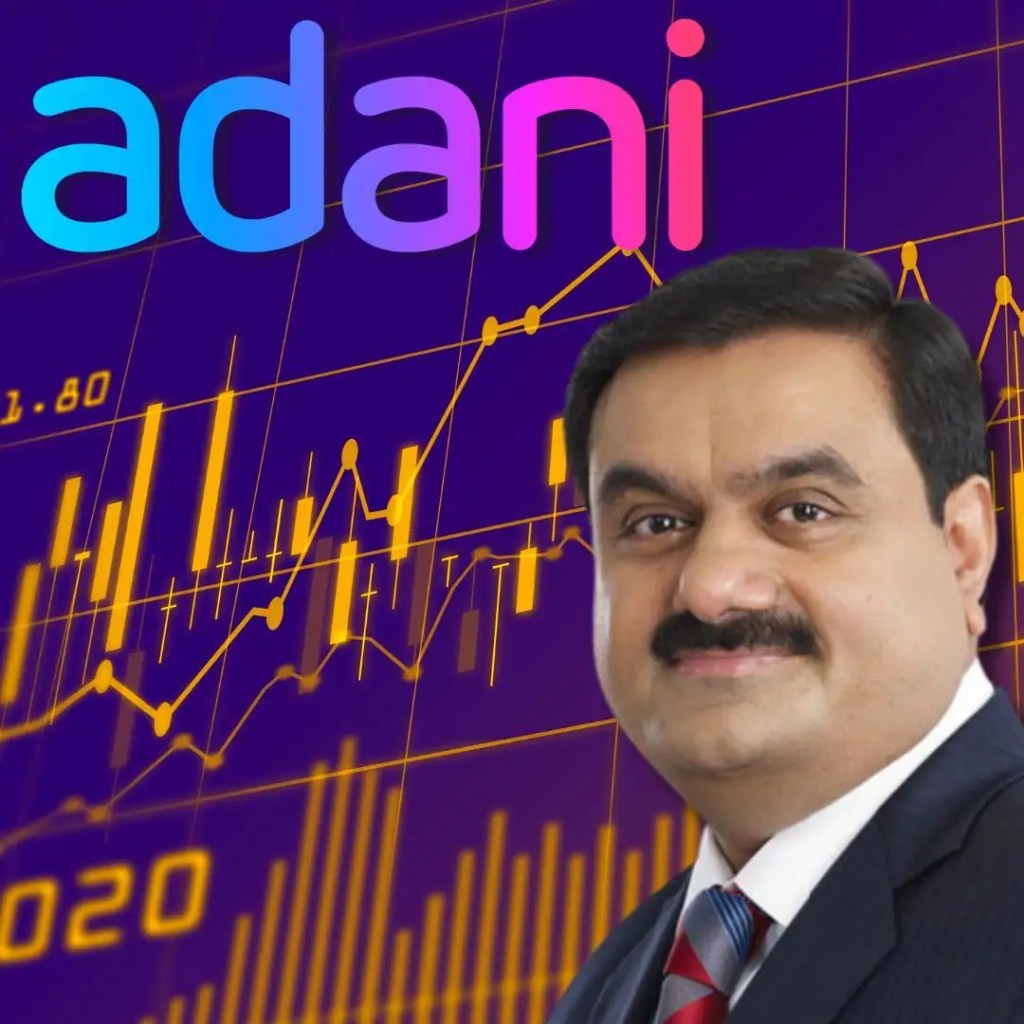
    In a significant move, the United States has announced a loan of $553 million to build a new terminal at Sri Lanka’s Colombo port. This project, led by a consortium in which India’s Adani group holds a 51% stake, marks an increasing cooperation between the US and India to counter China’s influence The focus is on developing quality infrastructure in Sri Lanka, with the aim of creating a win-win situation for all parties involved.

    Developed countries like America play a crucial role in supporting and financing infrastructure projects in developing nations. The American Government have chosen to support Adani Ports due to their strong belief in the company’s ability to deliver high-quality infrastructure within specified time schedules. The whole world is watching the Adani Colombo port terminal project, recognizing its potential for success.

    India, a developing country with advanced technical expertise, brings valuable logistics and manpower to the table. The collaboration between India’s Adani group, Sri Lanka’s John Keynes holdings, and the Sri Lanka ports authority ensures a well-rounded approach to the project. Leveraging India’s technical know-how, combined with local knowledge and American funding, opens up avenues for success.

    The Colombo port, being the largest port in Sri Lanka, has immense potential due to its strategic location. It handles more than 7 million TEU of cargo and serves as a crucial link between West Asia and major Asian economies. The US announcement plays a vital role in enhancing the port’s potential and developing world-class infrastructure. This collaboration aims to create a template for future projects, setting a benchmark for quality infrastructure development.

    China’s presence and influence in Sri Lanka through various projects have been significant. However, many of these projects have faced criticism for not delivering the expected results, leading to the term “white elephants.” The collaboration between the US and India serves as a strategic move to counter China’s influence in the region. By developing quality infrastructure and providing an alternative to Chinese investments, the aim is to contain the widespread influence of China.

    While the Colombo port project is a significant step, it is important to acknowledge that one terminal will not be sufficient to counter China’s influence entirely. China has undertaken port projects worldwide, including in Myanmar, Bangladesh, and Africa. Therefore, it is crucial for India and the US to continue playing catch-up and collaborating on future projects to replicate their success elsewhere. Developing countries will closely monitor the outcome of the Adani Colombo port terminal project, as it has the potential to shape future decisions on new projects.

    The collaboration between developed countries like America and developing countries like India holds great promise in developing quality infrastructure in Sri Lanka. The Adani Colombo port terminal project serves as a strategic move to counter China’s influence in the region. By utilizing technical know-how, investing in high-quality infrastructure, and providing an alternative to Chinese investments, this partnership aims to create a win-win situation for all stakeholders involved. The success of this project will not only benefit Sri Lanka but also establish a template for future collaborations, benefiting the globe at large. The credit goes to Gautam Adani for his vision and perseverance in realizing this endeavor. It is our hope that Adani Port achieves grand success in Colombo, paving the way for further collaboration and development in the region.

    Visit arjasrikanth.in for more insights

    Disclaimer : The above are the personal views of the Author.

  • “Silent Victims: Unveiling the Grim

    November 10th, 2023

    Realities of Human Trafficking and the Call for Stringent Action”

    In the shadows of our global society, a sinister force threatens the very essence of humanity — human trafficking. This harrowing reality involves the forced exploitation of individuals, predominantly women and children, subjected to sex trafficking, forced labor, and involuntary servitude. The consequences of this global problem extend far beyond individual suffering, causing physical, sexual, and psychological harm. As we delve into the pitiable conditions of trafficked persons, especially children, the urgent need for stringent rules to contain this menace becomes apparent.

    Human trafficking spares no community or nation. Its victims endure unimaginable trauma, abuse, disability, violence, family breakdown, homelessness, poverty, illiteracy, malnutrition, and a myriad of other factors that strip away their basic human rights. The extent of this menace is alarming, with 7 in 10 human trafficking victims being women and girls. The effects ripple through families, communities, and entire nations, leaving a trail of devastation that goes beyond physical boundaries.

    Recognizing the severity of this issue, the Alliance against Trafficking in Persons has emerged as a global forum. Comprising international, non-governmental, and inter-governmental organizations, this alliance joins forces to prevent and combat human trafficking. The UN Human Rights Office actively contributes to this alliance, emphasizing the collective responsibility to eradicate this grave violation of human rights.

    Human trafficking manifests in various forms, each equally destructive. From bonded labor and involuntary servitude among migrant laborers to involuntary domestic servitude and forced child labor, the breadth of exploitation is vast. The sinister inclusion of child soldiers and the rampant issue of sex trafficking and prostitution further highlight the urgency of addressing this multifaceted problem.

    International law plays a crucial role in combating human trafficking. Article 5 of the protocol mandates states to criminalize trafficking in any form, holding them accountable for attempted trafficking or involvement in organizations engaged in trafficking. The implementation of this protocol falls under the purview of the United Nations Office on Drugs and Crime (UNODC). By establishing legal frameworks, the international community seeks to create a robust defense against the trafficking epidemic.

    Trafficked persons face a myriad of health-related problems, ranging from physical violence and sexual exploitation to psychological abuse and exposure to diseases. The long-lasting consequences on their physical, reproductive, and mental health underscore the urgency of addressing human trafficking not only as a social issue but as a public health crisis.

    Recent events, such as the raids conducted by the National Investigation Agency (NIA) in states like Karnataka, Kerala, and Bihar, shed light on the pervasive nature of human trafficking. The crackdown on human trafficking modules and the apprehension of operatives emphasizes the need for proactive measures to dismantle illegal networks.

    As we confront the pitiable conditions faced by trafficked persons, especially children, it becomes evident that the fight against human trafficking requires a multi-pronged approach. Stringent legal frameworks, international collaboration, and proactive law enforcement are essential components in this battle for justice. While recent actions by entities like the NIA signal progress, there is a collective responsibility to shine a light on the darkest corners of society and eradicate the scourge of human trafficking. Only through unwavering commitment, stringent rules, and global cooperation can we hope to create a world where every individual lives free from the shackles of exploitation and fear.

    visit arjasrikanth.in for more insights
  • “Odd and Even Scheme: A Molehill in the Mountain of Delhi’s Air Pollution Challenges”

    November 9th, 2023

    Revisiting Delhi’s Odd and Even Scheme Amidst Air Pollution Concerns”

    Delhi’s Odd and Even Scheme has been a subject of discussion and debate since its inception. While it has had some positive impacts, it’s essential to acknowledge that it alone cannot be the silver bullet to solve the perennial problem of air pollution that plagues the city every November.

    The scheme has undoubtedly contributed to reducing traffic congestion and offered a brief respite from escalating pollution levels. It follows the simple concept of odd and even numbers, but its execution is far more complex. During its implementation, there were significant shifts in travel schedules and exemptions for various modes of transportation, which hindered its effectiveness.

    The impact on air quality, especially during the second phase of the scheme, left much to be desired. PM2.5 levels showed only marginal reductions in specific areas but failed to have a significant impact on the overall air quality of the city. The reasons behind this shortfall were multifaceted, including shifts in commuting patterns and the expansion of exempted vehicles.

    Efforts to curb air pollution and protect public health are laudable, but they should be comprehensive and address the various factors contributing to the problem. While the Odd and Even Scheme was a step in the right direction, it cannot be viewed as a stand-alone solution. Air pollution in Delhi is the result of complex interactions between vehicular emissions, agricultural practices (such as stubble burning), and meteorological conditions.

    Delhi, which often faces “severe plus” air quality levels, requires a multipronged approach to tackle its air pollution crisis effectively. Solutions need to encompass stricter emission norms, promotion of public transportation, controlling industrial emissions, and incentivizing clean energy practices. These measures should not be last-minute interventions but well-thought-out, long-term strategies.

    Identifying odd and even numbers has practical importance in fields such as mathematics, but it’s vital to remember that air quality is not as simple as odd and even digits. Solving Delhi’s air pollution problem requires a systematic approach that takes into account the city’s unique challenges, including traffic congestion, industrial pollution, and geographical factors.

    While odd and even numbers are crucial for mathematical and computer science applications, addressing Delhi’s air pollution challenges requires a broader perspective. The Odd and Even Scheme, in isolation, may seem like a mountainous effort, but the mountain of Delhi’s air pollution issues needs to be scaled with more comprehensive and sustained measures.

    A collaborative effort from the government, industry, and citizens is essential. Increased awareness, stringent pollution control measures, and investments in clean and sustainable technologies are the need of the hour. It’s time to tackle the air pollution issue in Delhi with a holistic, year-round approach instead of relying solely on temporary restrictions like the Odd and Even Scheme.

    The Odd and Even Scheme’s impact was noteworthy, but it is only a small piece of the puzzle. To clear the air in Delhi, the city must look beyond this scheme and focus on the systematic, long-term changes needed to address the root causes of air pollution. Delhi deserves clean, breathable air throughout the year, not just during the fleeting weeks of the Odd and Even rule.

    Visit arjasrikanth.in for more insights

  • The Downfall of Jet Airways: A Cautionary Tale of Corporate Governance and Mismanagement

    November 9th, 2023

    Jet Airways, a name that once epitomized success and elegance in the Indian aviation industry, tragically plummeted into financial ruin and ceased operations in April 2019. This article delves into the corporate governance issues and financial mismanagement that led to the demise of Jet Airways, ultimately impacting the lives of many families. It serves as a stark reminder that corporate governance isn’t just a formality but a critical element for any business’s sustained success.

    Jet Airways, founded by Naresh Goyal in 1992, began its journey with great promise and quickly became one of India’s leading airlines. However, the seeds of its downfall were sown within, leading to a catastrophic fall from grace . The reasons were: In 2018, Jet Airways was grappling with a massive debt of over INR 1.3 trillion. The airline’s financial instability became increasingly apparent, and despite desperate attempts to revive its fortunes, it eventually had to ground its fleet in April 2019 ; One of the critical factors contributing to Jet Airways’ downfall was Naresh Goyal’s unwavering control over the company. His dominant shareholding gave him the authority to make crucial decisions without considering the interests of other stakeholders. Goyal’s unwillingness to dilute his stake and his insistence on retaining majority shares only exacerbated the airline’s predicament.

    Jet Airways’ fall underscores several corporate governance failures that are valuable lessons for businesses: In promoter-centric companies, the interests of other stakeholders, including minority and foreign shareholders, are often disregarded in favor of the promoter’s vision. This disregard for equitable treatment of all shareholders is a breach of corporate governance regulations ; Indendent directors play a pivotal role in implementing corporate governance policies. However, in a promoter-led company like Jet Airways, their recommendations often fell on deaf ears. Even when the company faced severe financial difficulties in 2018-19, and Tata offered to acquire Jet Airways, the board did not consider this viable option ; Companies have a duty to protect the rights of all stakeholders, including employees, suppliers, and shareholders. Jet Airways’ board, led by Naresh Goyal, failed to safeguard the interests of other stakeholders when the airline was on the brink of bankruptcy. This led to many employees losing their jobs and other stakeholders suffering due to the lack of collective decision-making.

    The fall of Jet Airways serves as a stark reminder of the importance of effective corporate governance and leadership in any business. While no corporate model is foolproof, it is crucial to establish a framework that ensures accountability and transparency to protect all stakeholders. The following steps can help avoid the pitfalls that led to Jet Airways’ demise :The Board of Directors should be independent and not influenced solely by the promoters. Effective boards, in adherence to regulatory guidelines, can provide checks and balances, ensuring that the interests of all stakeholders are considered. Independent directors should have a meaningful role and a voice in crucial decisions. Their recommendations should be taken seriously, especially when the company’s financial health is at risk; Businesses must prioritize the rights of all stakeholders, including employees, suppliers, and shareholders. The board’s duty is to make decisions that protect the interests of all involved.

    The fall of Jet Airways is a cautionary tale for companies of all sizes and industries. It emphasizes that corporate governance isn’t just about complying with regulations but about fostering a culture of responsibility, transparency, and accountability. Only then can companies hope to avoid the pitfalls that led to the demise of a once-prominent aviation giant. Jet Airways’ story is a solemn reminder that corporate governance is not just for the benefit of owners but for the collective benefit of society, ensuring that the interests of all stakeholders are protected and upheld.

    Visit arjasrikanth.in for many insights.

  • Controlling Abusive Deepfakes: Social Media Giants and the Need for Stringent Action

    November 8th, 2023

    The Indian government’s advisory calls for the removal of morphed images within 24 hours to combat the spread of abusive deepfakes.

    In today’s digital era, the rise of deepfake technology has ushered in a new age of misinformation and impersonation. While it offers incredible potential for creativity and entertainment, it also poses a significant threat to individuals’ privacy, reputation, and online security. In light of these concerns, the Indian government has issued an advisory to major social media companies, urging them to identify and promptly remove deepfakes, morphed images, and other content that violate established rules and regulations. The urgency behind this advisory underscores the need for stringent action in dealing with abusive deepfakes.

    Deepfake technology allows for the creation of hyper-realistic videos and images by employing artificial intelligence algorithms to manipulate existing content. While this innovation can be used for benign purposes, such as entertainment and artistic expression, it has increasingly become a tool for malicious actors. Individuals with harmful intentions can use deepfakes to impersonate others, spread false information, and manipulate images to deceive and manipulate people.

    The recent deepfake video of actress Rashmika Mandanna serves as a grim example of the dark side of deepfake technology. The video, which falsely depicted her in a indecent situation, circulated widely on social media platforms, garnering attention and outrage. In this case, the deepfake technology was harnessed to manipulate an innocent person’s image and exploit it for malicious purposes. Such incidents can have severe consequences, impacting an individual’s personal and professional life.

    In response to the Rashmika Mandanna deepfake incident and the growing concern around deepfakes, the Indian government issued an advisory to major social media companies, including Facebook, Instagram, and YouTube. The advisory carries significant weight as it calls for the prompt removal of misleading content created using artificial intelligence, deepfake technology, within a 24-hour period. The urgency of this advisory emphasizes the need for social media platforms to take swift and decisive action against abusive deepfakes.

    The advisory reinforces the importance of due diligence by social media platforms in adhering to established rules and regulations. It emphasizes the need for these platforms to ensure that their users are well-informed about the rules, privacy policies, and user agreements. Users should be explicitly warned against posting content that impersonates another person. This guidance aims to reduce the spread of abusive deepfakes by creating an environment where users are informed and educated about the risks associated with such content.

    The advisory is a reminder that failure to act in accordance with the relevant provisions of the Information Technology Act can have legal consequences. According to Section 66D of the Information Technology Act, 2000, individuals engaging in cheating by impersonation using computer resources can face imprisonment of up to three years and fines of up to Rs 1 lakh. Social media platforms, as intermediaries, also have a responsibility to follow the IT Intermediary Rules. Rule 7 of the IT Rules, 2021, states that platforms can be taken to court by aggrieved users under provisions of the Indian Penal Code if they fail to comply with the rules notified in April 2023.

    The advisory, accompanied by the legal provisions, underlines the urgency in combating abusive deepfakes. As technology advances, the responsibility of social media platforms in protecting their users from harmful content increases. The speed with which deepfakes can be created and disseminated demands an equally swift response from these platforms. The well-being, reputation, and privacy of their users depend on their ability to detect and remove abusive deepfakes within the stipulated timeframes.

    The Rashmika Mandanna deepfake incident also highlights the need for a collective response to the threat of deepfakes. As the actress herself emphasized, such incidents are not only concerning for public figures but for all individuals who can fall victim to this technology. As a community, we must address this issue with urgency to prevent more people from being affected by identity theft and misinformation.

    Deepfake technology poses a significant threat to the privacy and reputation of individuals. The recent advisory from the Indian government highlights the importance of swift and decisive action by social media platforms to combat abusive deepfakes. As technology continues to advance, so does the responsibility of these platforms in protecting their users from harmful content. Stringent action is necessary to ensure that impersonation, misinformation, and deepfakes do not erode trust in the digital age.

    In an age where technology allows for the creation of hyper-realistic yet deceptive content, the need for vigilance and responsibility cannot be overstated. The Indian government’s advisory serves as a reminder that social media giants must act swiftly to combat the abuse of deepfake technology and ensure that their platforms remain safe and trustworthy spaces for all users. The battle against abusive deepfakes is not just a legal one; it is a collective effort to protect the integrity of online interactions and safeguard individual identities from malicious exploitation.

    visit arjasrikanth.in for more insights
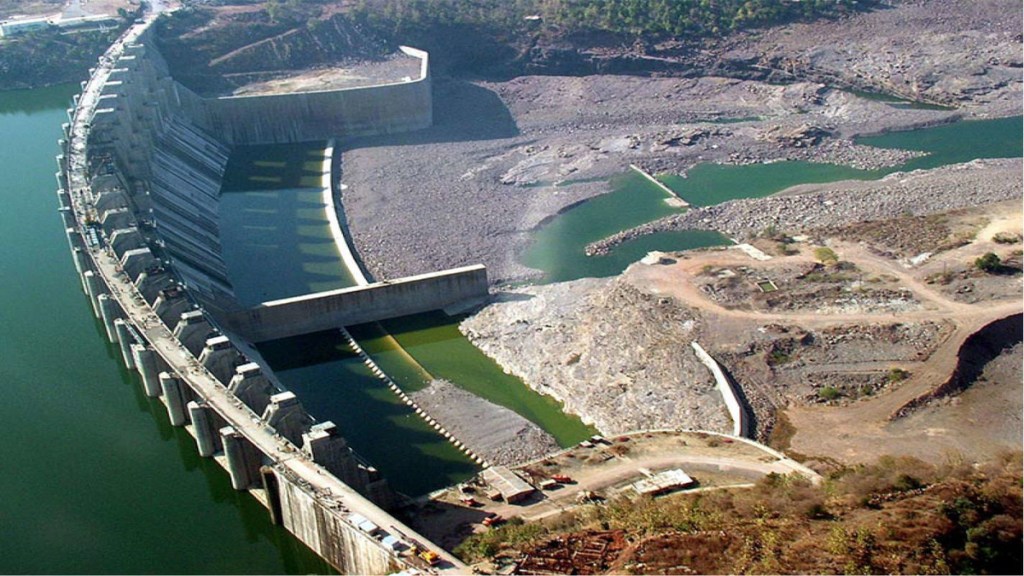
  • “Kaleswaram Project: A Triumph in Irrigation and Beyond”

    November 8th, 2023

    “From Controversy to Triumph – How Kaleswaram Project is Transforming Telangana”

    In a state that has been battling water scarcity and agricultural challenges, the Kaleswaram Project stands as a beacon of hope and transformation. Despite its fair share of controversies and criticisms, this ambitious venture has proved its worth and is set to redefine the landscape of Telangana for generations to come.

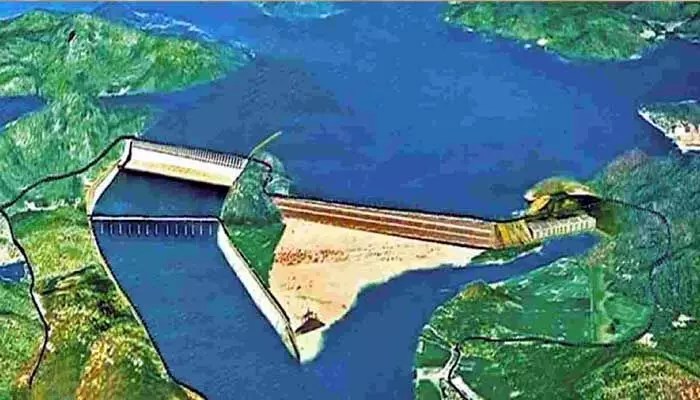
    From its inception as the Pranahita-Chevella project to its renaming and redesign as the Kaleswaram Project in 2014, this colossal irrigation system has come a long way. The project’s construction cost, initially estimated at ₹80,190.46 crores, may have raised eyebrows, but the immense scale and impact it promises are undeniable. At nearly 1,832 kilometers in length, with 1,531 kilometers of gravity canals, this project is a testament to human engineering prowess.

    Critics have not been shy in expressing their concerns, from allegations of financial irregularities to environmental apprehensions. However, the project’s proponents contend that it’s a symbol of cultural and religious significance, designed to address long-standing issues in Telangana. The Kaleswaram Project transcends politics and ideologies, aiming to provide solutions where they are needed most.

    One of the most impressive aspects of the Kaleswaram Project is its diverse set of objectives. Its three primary purposes—irrigation, transport, and power generation—promise to reshape Telangana’s economic landscape. When completed, the project will provide water for irrigation and drinking to about 45 lakh acres of land across the state, while also meeting the needs of Hyderabad and Secunderabad. It will create a 24-hour power supply, boost the groundwater table, and enhance discharge from bore wells. Such socio-economic upliftment is the need of the hour for Telangana’s farmers, and the project is a significant stride in this direction.

    The controversy surrounding the project’s finances and alleged engineering lapses has led to a heated political battle in Telangana. Accusations of corruption and claims that the project became an “ATM” for some have fueled these disputes. Still, it is crucial to keep the larger picture in focus. The Kaleswaram Project has the potential to bring tangible and lasting benefits to the people of Telangana.

    Mega Engineering and Infrastructure Limited (MEIL), the company responsible for completing the construction of the Kaleshwaram Lift Irrigation project, has demonstrated what determined engineering and commitment can achieve. The completion of this massive endeavor in a mere four years is nothing short of extraordinary. The investment of 11 billion dollars and the amount of earth moved during its construction showcase the project’s formidable scale.

    Moreover, the Kaleshwaram Project is making waves on the global stage. Maria C Lehman, the president of the American Society of Civil Engineers (ASCE), has praised it as a success story that the world can learn from. This international recognition underscores the significance and ingenuity behind this irrigation endeavor.

    Despite the challenges, controversies, and doubts, the Kaleswaram Project is a testament to human ambition, engineering excellence, and the determination to transform a region. Its significance extends beyond irrigation, reaching into the realms of culture, socio-economic development, and international recognition. This irrigation marvel has the power to reshape the future of Telangana, ensuring prosperity and growth for generations to come. While the controversies may persist, the people of Telangana, particularly its farmers, stand to gain the most from the triumph of the Kaleswaram Project.

    visit arjasrikanth.in for more insights

←Previous Page

1 … 128 129 130 131 132 … 146
Next Page→

Blog at WordPress.com.

Loading Comments...

    • Subscribe Subscribed
      • SOCIAL PERSPECTIVES
      • Join 106 other subscribers
      • Already have a WordPress.com account? Log in now.
      • SOCIAL PERSPECTIVES
      • Subscribe Subscribed
      • Sign up
      • Log in
      • Report this content
      • View site in Reader
      • Manage subscriptions
      • Collapse this bar