In two vastly different corners of the sporting world, a common thread of resilience and the pursuit of justice has emerged. India and China, two sporting giants, have been grappling with scandals that have rocked the foundations of their respective sports—wrestling and tennis. These stories shed light on the complexities and challenges faced by athletes when seeking accountability and change within the sports industry.
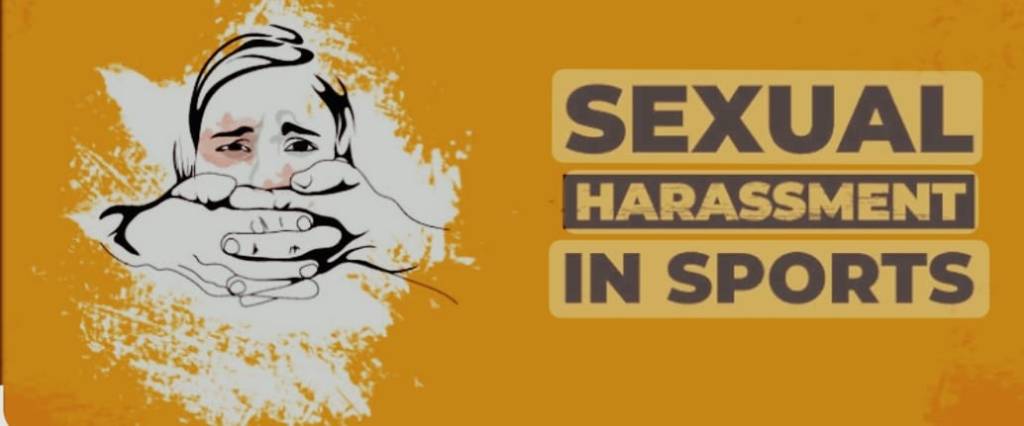
Indian wrestling, long celebrated for its grit and determination, faced a reckoning earlier this year. Allegations of sexual harassment within the Wrestling Federation of India (WFI) sent shockwaves through the sport. The brave voices of women wrestlers who spoke out against the former WFI chief, Brij Bhushan Sharan Singh, ignited a movement for justice. Their protests, often in the form of dharnas (sit-ins) on the streets of Delhi, demanded more than just accountability; they called for the removal of a prominent figure in Indian politics and sports. These protests came at a cost, disrupting the athletes’ training routines and taking a toll on their physical and mental well-being.
The suspension of national camps by the Sports Authority of India (SAI) only compounded the challenges. Sports analysts opine, Athletes were left without proper coaching, facilities, and the support needed for their preparation for international tournaments. The neglect of training, particularly for women wrestlers who struggled to find suitable sparring partners and physiotherapists, underscored the disparities within the sport.The absence of adequate facilities at training centres further highlighted the financial burdens that often fell on the athletes themselves or their coaches and fellow athletes. The inequities in funding and resources between male and female wrestlers revealed the gender disparities in Indian wrestling.
Despite these challenges, Indian wrestlers displayed remarkable resilience, securing six bronze medals at the Asian Games. Their achievement is a testament to their determination, but it also raises the question of what more they could have accomplished with better support and preparation.
In contrast, China’s tennis scene faced a different kind of storm—the mysterious disappearance of tennis star Peng Shuai. Her sexual assault allegations against a high-ranking Chinese government official sent shockwaves through the tennis world and beyond. The Women’s Tennis Association (WTA) took a bold step by suspending its tournaments in China in response to Peng Shuai’s case. The decision was driven by concerns about her safety and calls for transparency. However, the WTA’s recent announcement of a return to China’s courts has ignited a debate about the balance between ethics and economics in sports.
The economic interests associated with tournaments in China, along with the potential revenue and the nation’s significance in the tennis world, have weighed heavily on the WTA’s decision. Yet, the unresolved nature of Peng Shuai’s case and concerns about athlete welfare have left many skeptical about the organization’s stance on ethical issues. The WTA’s return to China is a pivotal moment for women’s tennis, but it is fraught with uncertainty. It underscores the challenges organizations face when navigating the complexities of sports, politics, and human rights. The world watches, hoping for a resolution that prioritizes justice and the well-being of athletes.
In two different corners of the globe, athletes and sports organizations grapple with issues that transcend competition and medals. The battles for justice in India and China highlight the power of athletes’ voices and the need for transparency and accountability within the sports industry. India’s wrestlers, despite facing adversity and neglect, showcased their resilience at the Asian Games. Their achievements stand as a testament to their determination, but they also serve as a reminder of the support they deserve.
China’s tennis saga reminds us of the intricate relationship between sports and politics, ethics and economics. The return of tournaments to China raises questions about the balance between principles and profit, highlighting the complexities faced by sports organizations.
Ultimately, these stories underscore the importance of championing justice, transparency, and athlete welfare in the sporting arena. Athletes, no matter where they come from, should have the opportunity to compete in an environment free from harassment and fear, and their voices should be heard and valued. As we celebrate the resilience of athletes, we must also recognize the challenges they face and work collectively to create a fair and just sporting world.
Visit arjasriaknth.in for more insights.








 SOCIAL PERSPECTIVES