Skip to content
    • About

SOCIAL PERSPECTIVES

  • “Argentina’s Economic Revolution: Milei’s Radical Shift and the Global Lessons”

    December 5th, 2023

    In a seismic political shift, Argentina recently elected Javier Milei, a far-right libertarian economist, as its new president, marking a departure from the country’s socialist history. Milei’s unconventional views and promises of radical economic reforms have captivated the nation. This article delves into the implications of Milei’s proposals, particularly his plan to adopt the U.S. dollar, and explores how Argentina’s economic journey mirrors global trends of widening wealth gaps and economic disparities.

    Javier Milei’s ascent to power is unprecedented, given his anti-establishment stance and rejection of traditional economic ideologies. With a background ranging from a former soccer player to a Rolling Stones cover band singer, Milei’s diverse persona resonates with a populace disillusioned by years of economic hardship. His victory signifies a desire for change and a rejection of the status quo.

    Argentina faces severe economic challenges, including triple-digit inflation, stagnant GDP growth, and escalating poverty rates. Milei’s diagnosis attributes these issues to excessive government spending and unchecked money printing. His proposed solution involves tightening fiscal expenditures, abolishing the local currency, and adopting the U.S. dollar—a move aimed at curbing inflation and introducing fiscal discipline.

    At the core of Milei’s economic revolution is the controversial proposal to abandon the Argentine peso and embrace the U.S. dollar. This drastic measure seeks to eliminate inflation by curbing the government’s ability to print money arbitrarily. While the idea has its merits in stabilizing prices, it raises concerns about relinquishing control over monetary and exchange rate policies.

    Milei’s radical approach to economic reform reflects broader global trends. Many countries, both developed and developing, are grappling with similar economic challenges, witnessing a widening wealth gap and growing economic inequality. Argentina’s experience serves as a microcosm of a global phenomenon where the rich get richer, and the poor get poorer.

    Argentina’s history of attempting currency pegs, including the ill-fated 1990s attempt, provides valuable lessons. Milei’s victory suggests a potential departure from the country’s previous dedollarization efforts. The inability to reverse dollarization once implemented serves as a cautionary tale for other nations considering similar measures.

    While Milei’s proposal aims to bring stability, dollarization poses challenges. Critics, including experts , warn about the potential drawbacks, such as a depreciated exchange rate, severe recessions, and social unrest. The irreversible nature of adopting another country’s currency raises questions about long-term economic resilience.

    Argentina’s economic struggles parallel a global trend where developed nations continue to prosper while developing nations face increasing challenges. Milei’s victory highlights the urgency for transformative economic policies to address these disparities and foster inclusive growth.

    Addressing the immediate financial crisis in Argentina requires short-term goals and measures. Milei’s emphasis on fiscal discipline, reducing government spending, and adopting the U.S. dollar aims to stabilize the economy quickly. However, the success of these measures hinges on effective implementation and public acceptance.

    Argentina’s choice of Javier Milei as its president and his radical economic proposals, especially the potential adoption of the U.S. dollar, mark a turning point for the nation. As the world watches, Argentina’s journey becomes a global lesson in navigating economic challenges, wealth inequality, and the pursuit of sustainable growth. Milei’s gamble encapsulates the urgency for innovative solutions to break the cycle of financial crises, offering insights that extend far beyond Argentina’s borders. The outcome of this economic revolution will undoubtedly shape the future narrative of not only Argentina but also the broader global economic landscape.

    visit arjasrikanth.in for more insights
  • “Janasena’s Electoral Odyssey: A Call for Strategic Evolution”

    December 5th, 2023

    “Charting a Course: Janasena’s Path to Relevance in Andhra Pradesh Politics”

    In the complex tapestry of Indian politics, where every move is a strategic dance, the Janasena Party, under the leadership of actor-turned-politician Pawan Kalyan, finds itself at a critical juncture. Battling setbacks in both Telangana and Andhra Pradesh elections, the party faces the imperative need for a comprehensive strategic evolution. This article delves into the challenges, unveils a roadmap for Janasena’s resurgence, and accentuates the significance of meticulous planning, strengthened voter connections, and the cultivation of robust local leadership.

    The reverberations of defeat echoed loudly for Janasena in Telangana, where candidates, despite aligning with the BJP, faced the ignominy of losing deposits in all eight contested constituencies. However, amidst the gloom, Kukatpalle emerged as a glimmer of hope as the party clinched the third position. This defeat served as a wake-up call, necessitating a re-evaluation of seat distribution strategies, especially in collaboration with the Telugu Desam Party, as the party geared up for the forthcoming Andhra Pradesh assembly elections.

    Andhra Pradesh presented a haunting déjà vu for Janasena in 2019, as the party suffered a significant setback. Despite charismatic leadership and impassioned speeches, admiration failed to translate into votes. The harsh reality unfolded as Janasena lost deposits in a staggering 121 out of the 137 contested seats. This underscored the crucial need to establish the party at the grassroots level, a lesson that echoed in the corridors of Janasena’s political headquarters.

    Amidst the rubble of defeat, a crystal-clear takeaway emerged – Janasena must root itself firmly at the grassroots level. Charismatic leadership, while captivating, is insufficient to secure votes. The party must invest earnestly in building a robust foundation. This involves active engagement with communities, addressing local issues that resonate with the electorate, and fostering a sense of belonging among the masses.

    Pawan Kalyan’s magnetic charisma has undeniably drawn crowds and admiration. However, the real challenge lies in translating this admiration into a substantial vote bank. A deeper connection with voters is paramount. Understanding local sentiments, issues, and aspirations becomes the bedrock upon which a more profound and lasting bond between Janasena and the electorate can be forged. The party must adopt a comprehensive approach to address the diverse concerns of the communities it seeks to represent.

    To solidify its presence at the grassroots, Janasena must invest in nurturing local leaders. These leaders act as the vital bridge between the party and the people, understanding the pulse of their communities and effectively addressing their needs. A decentralized leadership structure ensures that the party’s message resonates authentically with the diverse demographics of Andhra Pradesh.

    The alliance with the Telugu Desam Party demands more than a cursory glance at past mistakes. Janasena must meticulously analyse its previous missteps, recalibrate its approach, and ensure that candidates are strategically positioned to maximize their impact. The lessons learned from both Telangana and Andhra Pradesh underscore the necessity of this strategic realignment to present a formidable front in the political arena.

    In the aftermath of defeat, Pawan Kalyan displayed a rare humility and a commitment to learning from electoral outcomes. Acknowledging the party’s deficiencies, he pledged to continue empowering backward communities, signalling a genuine willingness to adapt and grow. This introspective approach is a beacon of hope for Janasena’s faithful, indicating a leadership open to transformation and evolution.

    Janasena, standing at the crossroads, is on the cusp of a potential renaissance in Andhra Pradesh politics. The path forward demands a multifaceted strategy encompassing grassroots engagement, fortified voter connections, and the cultivation of a cadre of strong local leaders. Strategic seat distribution, a careful examination of past mistakes, and a relentless commitment to addressing the core issues of diverse communities will be the linchpin of Janasena’s resurgence. As the party redefines its narrative, it must remember that success lies not just in admiration but in a genuine and sustained connection with the people it aspires to serve. The call to action echoes loud and clear – Janasena must evolve strategically to become a potent force in the political landscape of Andhra Pradesh.

    visit arjasrikanth.in for more insights.

  • “Remembering Ghantasala Venkateswara Rao : Echoes of Melody, Maestro of Ages”

    December 4th, 2023

    “A musical luminary who transcended time, Ghantasala’s legacy continues to resonate in the hearts of millions.”

    In the vast tapestry of the film industry, where success stories abound, only a few attain a mythical status that transcends generations. One such luminary was the “Madhura Gayakudu,” Ghantasala Venkateswara Rao, forever etched in the memories of his followers as Ghantasala. Born in 1922 in Choutupalli, Andhra Pradesh, his journey from humble beginnings to global acclaim remains a symphony of resilience, musical brilliance, and unwavering commitment to social causes.

    Ghantasala’s tryst with music began in the rustic environs of Choutupalli, where his father, a trained Mridanga performer, sowed the seeds of melody. A visit to his father’s shows ignited a musical spark, leading him to sell his gold ring to pursue music in Vijaya Nagaram under the tutelage of Patrayani Sitarama Shastri. His talent garnered appreciation, with maestro Dwaram Venkata Swamy Naidu even gifting him a Tambura.

    Despite his immense talent, initial success eluded Ghantasala. HMV Gramophone Company rejected him, citing his voice as unsuitable for recording. A setback turned into a triumph when they later had to record and sell his voice in thousands of records. His journey to artistic success faced another twist during the Quit India movement, where his patriotic songs landed him in prison for 18 months. Behind bars, he encountered political stalwarts, further shaping his outlook.

    Released from prison, Ghantasala’s foray into acting and singing marked a turning point. His residence almost became Ghantasala Balaramaiah’s office, where encounters with Akkineni Nageswara Rao and Peketi Sivaram set the stage for his illustrious playback career. Samudrala Raghavacharya provided the opportunity to sing for “Swarga Seema” in 1945, initiating the era of Ghantasala, the Playback Singer par Excellence.

    Turning music director for “Mana Desam” in 1949, Ghantasala crafted soulful compositions for nearly 125 films. Classics like “Lava Kusa,” “Maya Bazaar,” “Rahasyam,” “Chiranjeevulu,” and “Gundamma Katha” showcased his musical brilliance. His singing became inseparable from screen legends like NTR and ANR, contributing significantly to their success.

    Venturing beyond the realm of films, Ghantasala enriched Light Music through albums like “Karuna Sri,” “Pushpa Vilapam,” and “Kunti Kumari.” A talented lyricist, his song “Bahudurapu Batasari” stands testament to his multifaceted artistry. An immortal gift to Telugu households was his rendition of the “Bhagavad-Gita,” a work that achieved timeless status in various audio formats.

    Ghantasala’s commitment extended beyond the realms of music. Active participation during the Indo-China war in 1962 and being honored with “Padma Sri” by the Indian Government reflected his patriotic fervor. His efforts during humanitarian crises showcased the transformative power of music for social good.

    In 1970, Ghantasala received the Padmashree, and his silver jubilee celebration witnessed a grand felicitation. Posthumously, the Indian government and the US Postal Department honored him with postal stamps. His legacy lives on through a music college named after him in Vijayawada, a bronze statue in Hyderabad, and the countless households that treasure his musical gems.

    As we celebrate the birth centenary of Ghantasala Venkateswara Rao, his melodies echo through time, resonating with fans globally. His journey, from the village of Choutupalli to international acclaim, exemplifies the transformative power of music and unwavering dedication to social causes. Ghantasala’s legacy endures, a testament to the indelible impact of a “One in a Lifetime Singer.”

    visit arjasrikanth.in for more insights

  • “Harmony in Relationships: Balancing Masculine and Feminine Energies”

    December 4th, 2023

    In the intricate dance of relationships, there exists a delicate interplay of energies that determines the dynamic between partners. Masculine and feminine energies, often associated with traditional gender roles, play a crucial role in shaping the foundation of a strong and lasting connection. In this exploration, this article, delves into the significance of balancing the roles of leader and follower, giver and receiver, and the ebb and flow of masculine and feminine energies in a relationship.

    At the core of every successful relationship lies a harmonious exchange of energies. Picture a leader, the embodiment of strength and protection, exuding masculine energy. Complementing this force is the follower, radiating a receptive and nurturing feminine energy. In this symbiotic relationship, the leader provides a sense of security, while the follower brings emotional depth and support.

    Protector and Provider: In the realm of masculine energy, the roles of protector and provider take center stage. The protector, akin to a shield, guards the relationship from external threats, be they emotional or physical. This individual takes on the responsibility of ensuring a safe and secure environment for both partners. Simultaneously, the provider assumes the role of the breadwinner, ensuring the material needs of the relationship are met. This energy is assertive, goal-oriented, and at times, competitive.

    Contrastingly, feminine energy manifests as a supporter and enhancer. The supporter offers unwavering encouragement, acting as a pillar of emotional strength for the masculine counterpart. This role is marked by empathy, understanding, and the ability to navigate the complexities of emotions. On the other hand, the enhancer focuses on nurturing the growth of the relationship, injecting it with creativity, compassion, and a touch of intuition. The feminine energy thrives on collaboration and harmony.

    A healthy relationship necessitates a fluid exchange of power dynamics. Sometimes, she leads, and he follows, embodying a balance that allows for mutual growth. In the realms of intimacy, the giver and the receiver play pivotal roles. The giver showers love, affection, and support, while the receiver, in accepting these offerings, creates a reciprocal cycle of appreciation and connection.

    However, imbalance in these energies can tilt the delicate equilibrium of a relationship. Two individuals embodying primarily masculine energies may find themselves in a perpetual power struggle, each vying for dominance. The battleground of comparison, competition, and criticism emerges, leading to discord and potential relationship breakdown.

    True tranquillity in a relationship emerges when both masculine and feminine energies find their rightful place. There are times when the protector is needed, stepping up in times of crisis. Simultaneously, the supporter lends an empathetic ear and a comforting presence. The dance continues as roles shift seamlessly, creating a dynamic partnership where each energy complements the other.

    In the grand tapestry of relationships, the interplay of masculine and feminine energies weaves a story of love, strength, and harmony. Recognizing the importance of balance, understanding when to lead and when to follow, when to protect and when to nurture, forms the foundation of a resilient and enduring connection. By embracing the unique qualities of both energies, we unlock the true potential of a partnership where love and understanding reign supreme. So, let the dance of energies continue, as the masculine and feminine energies twirl in unison, creating a masterpiece of togetherness.

    visit arjasrikanth.in for more insights
  • “Decoding the BJP Juggernaut: Unraveling the Threads of Ideology, Nationalism, and Power”

    December 3rd, 2023

    “Highlighting the BJP’s Multi-Faceted Strategy for Political Dominance”

    In the intricate tapestry of Indian politics, the Bharatiya Janata Party (BJP) stands tall, seemingly invincible. To decipher the code to their success, one must look beyond the charismatic leaders like Narendra Modi and Amit Shah. The strength of the BJP lies in a multifaceted approach, intertwining ideology, nationalism, direct outreach, and organizational prowess. As we delve into the anatomy of the BJP’s dominance, we uncover the strategic pillars that have made them a formidable force.

    At the heart of BJP’s strength lies its ideological base – Hindutva. This socio-political and cultural ideology advocates the cultural hegemony of Hindus. The party’s unwavering commitment to this ideology resonates with a significant section of the electorate, providing a solid foundation for their political narrative.

    Narendra Modi’s leadership has brought an additional lever into play – nationalism. The question, however, is whether it is hyper-nationalism or a more nuanced neo-nationalism. India, under the BJP, has positioned itself as the ViswaGURU, a global leader. This narrative of India’s ascendancy on the world stage appeals to the patriotic sentiment of the electorate, reinforcing the BJP’s political narrative.

    The BJP’s success is also attributed to its strategic use of the Direct Benefit Transfer (DBT) scheme. By reaching out directly to beneficiaries, the party has created a tangible link between governance and individual citizens. This approach, transcending traditional bureaucratic channels, has not only garnered support but has also portrayed the BJP as a party delivering on its promises.

    Beyond ideology and outreach, the BJP boasts unparalleled organizational and financial muscle power. The Rashtriya Swayamsevak Sangh (RSS) acts as the ideological fountainhead, providing a robust organizational structure. Additionally, the party’s financial acumen and ability to mobilize resources have given them a significant advantage in the electoral battleground.

    To defeat the BJP, one must dissect their success strategy and formulate a counter-strategy that addresses the core strengths. Opposing parties need to build narratives that resonate across diverse sections of society. Instead of countering Hindutva, the focus should be on inclusive ideologies that unite rather than divide. A nuanced approach to nationalism is crucial. While acknowledging national pride, opposition parties should emphasize a more collaborative and diplomatic role on the global stage, steering away from hyper-nationalistic rhetoric. The DBT scheme has been a game-changer for the BJP, and opposition parties need to invest in similar direct outreach mechanisms to ensure that the benefits of governance reach the grassroots level. Transparency in governance becomes paramount in winning public trust. Opposition parties must focus on building strong, inclusive organizational structures. Unity in diversity should not be merely a slogan but a guiding principle in organizational frameworks.

    For political parties in power and the opposition alike, the path forward lies in acknowledging the strengths and weaknesses of the BJP’s approach. It necessitates a commitment to democratic values, inclusivity, and transparent governance. The blueprint for political success lies not in imitation but in innovation, creating narratives that reflect the evolving aspirations of a diverse nation.

    The BJP’s dominance in Indian politics is a testament to the effectiveness of their multi-pronged strategy. As we unravel the threads of ideology, nationalism, direct outreach, and organizational strength, it becomes evident that the path to political success is complex yet navigable. The challenge for both the ruling party and the opposition is to transcend partisan lines and collectively work towards a democratic renewal that reflects the true spirit of the nation. In understanding the BJP’s success lies the key to shaping the future contours of Indian democracy.

    Visit arjasrikanth.in for more insights
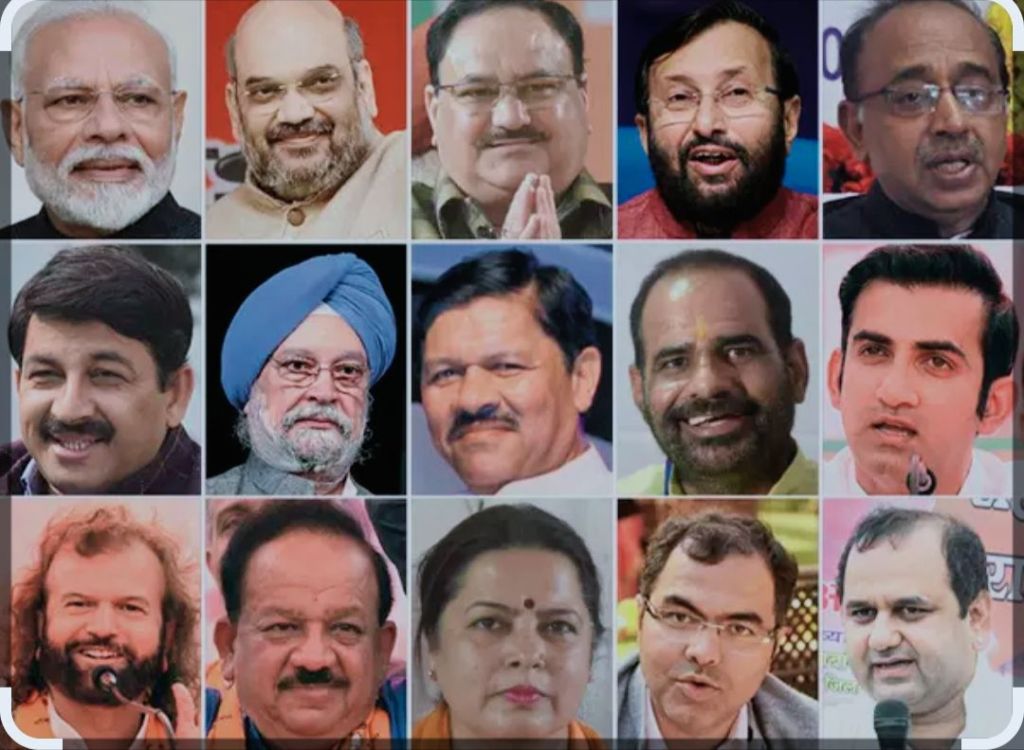
  • “Medics in Power: 15 Doctors Elected as MLAs in Telangana Elections 2023”

    December 3rd, 2023

    “From the operating room to the legislative halls, these victorious doctors are set to heal the state with their expertise and commitment to public service.”

    The recent Telangana elections held in 2023 saw a surprising trend as doctors emerged victorious in their respective constituencies and were elected as Members of Legislative Assembly (MLAs). This phenomenon highlights the growing influence and trust that the public has in medical professionals, as they chose to elect them to hold legislative positions. Let’s take a closer look at some of these doctors who won as MLAs and the impact they are expected to have on the state.

    One of the prominent doctors who won in the elections is Dr. Ramchander Naik, an experienced general surgeon. He contested from the Dornakal constituency and secured a seat under the Congress party. Dr. Naik’s medical expertise and dedication to serving the people have played a pivotal role in his victory.

    Another doctor who was successful in the elections is Dr. Vamshi Krishna, a highly skilled general surgeon. He contested from the Achampet constituency and won as an MLA under the Congress party. Dr. Krishna’s commitment to providing quality healthcare to his patients resonated with the voters, leading to his triumph.

    The BJP party also saw a victory in the form of Dr. Palvai Harish, an orthopedic surgeon who won from the Sirpur constituency. Dr. Harish’s strong medical background and his passion for public service motivated the people to vote for him.

    Dr. Murali Naik, yet another general surgeon, emerged victorious from the Mahbubad constituency as an MLA under the Congress party. His expertise in the medical field combined with his dedication to the well-being of the community propelled him to success.

    Dr. Satyanarayana, a skilled general surgeon, secured a seat from the Manakonduru constituency under the Congress party. His compassionate approach towards patient care and community welfare garnered support from the voters.

    In Medak, Dr. Mainampally Rohith, an MBBS graduate, won as an MLA under the Congress party. Dr. Rohith’s vision for improving healthcare infrastructure and accessibility in his constituency resonated with the electorate.

    Dr. Parnika Reddy, a general physician, emerged victorious from the Narayanpet constituency as an MLA under the Congress party. Dr. Reddy’s knowledge and experience in family medicine and her dedication to public health led to her triumph.

    The Congress party saw another doctor, Dr. Sanjeeva Reddy, a pediatrician, winning the Narayankhed constituency. Dr. Reddy’s expertise in child healthcare and his commitment to improving child welfare played a crucial role in his electoral victory.

    Dr. Vivek Venkataswamy, an MBBS graduate, secured a seat from the Chennur constituency as an MLA under the Congress party. Dr. Venkataswamy’s understanding of local healthcare issues and his determination to address them contributed to his win.

    In Bhandrachalam, Dr. Tellam Venkat Rao, an orthopedic surgeon, won as an MLA representing the BRS party. Dr. Rao’s extensive experience in the medical field and his focus on rural healthcare development resonated with the voters.

    Dr. Kalvakuntla Sanjay, an Mch neurosurgeon, emerged victorious from the Korutla constituency under the BRS party. Dr. Sanjay’s expertise in the field of neurosurgery and his commitment to improving healthcare facilities in his constituency influenced the voters’ decision.

    Dr. Bhupathi Reddy, an orthopedic surgeon, secured a seat from the Nizamabad rural constituency as an MLA under the Congress party. Dr. Reddy’s dedication to providing quality healthcare services and his focus on rural healthcare development garnered support from the electorate.

    Dr. Sanjay, an ophthalmologist, emerged as an MLA from the Jagtial constituency representing the BRS party. Dr. Sanjay’s expertise in eye care and his initiatives to improve eye health awareness played a crucial role in his electoral victory.

    Dr. Ragamayi, an experienced pulmonologist, won from the Sathupalli constituency as an MLA under the Congress party. Dr. Ragamayi’s specialization in respiratory health and her efforts to raise awareness about lung diseases resonated with the voters.

    Lastly, Dr. Kuchukulla Rajesh Reddy, an MDS graduate, secured a seat from the Nagarkurnool constituency as an MLA under the Congress party. Dr. Reddy’s focus on dental health and his dedication to improving oral healthcare services influenced the people’s decision.

    In conclusion, the Telangana elections of 2023 witnessed an interesting trend as doctors emerged victorious and were elected as MLAs. This outcome highlights the trust that the public has in medical professionals and their ability to bring about positive change in society. With their expertise and dedication, these doctors are expected to play a crucial role in shaping the healthcare landscape and addressing the healthcare needs of the people in their respective constituencies.

    Visit arjasriaknth.in for more insights 

  • Governance, Communication Gaps, and Anti-Incumbency: Analyzing the Troubles Faced by KCR in Telangana

    December 3rd, 2023

    A closer look at the factors contributing to anti-incumbency sentiment and the impact of governance, communication gaps, and MLA performance on the political landscape of Telangana.

    Governance is a critical aspect of politics, but when it fails to prioritize public welkness and encounters communication gaps, it can lead to anti-incumbency sentiments. This article delves into the reasons behind the anti-incumbency faced by KCR in Telangana, focusing on governance issues, communication gaps, and the performance of MLAs at the local level. By analyzing these factors, we can gain insights into the challenges faced by the incumbent government and its potential impact on future elections.

    During the recent elections, several factors influenced voters to choose the Congress party. According to surveys, 32% of respondents cited the Congress manifesto as their reason for voting, indicating that the party’s promises resonated with the electorate. Additionally, 23% sought a change of government, while 14% expressed anti-incumbency sentiments against the Chief Minister. Notably, 31% of voters expressed dissatisfaction with the performance of their local MLAs. These factors collectively contribute to what can be termed as an “anti-BRS” sentiment, with voters seeking to send a message to the government and demanding change.

    Effective communication and performance at the local level play a crucial role in addressing public concerns and fostering trust. However, in Telangana, communication gaps between the government and citizens have hindered progress. Many individuals have voiced their frustrations regarding the lack of responsiveness from government officials and the need to escalate matters to higher authorities. MLAs, who are meant to address the problems of the people, have also faced criticism for their perceived absence and failure to fulfill their responsibilities. These communication gaps and subpar MLA performance have contributed to the anti-incumbency sentiment prevailing in Telangana.

    The rise of anti-incumbency sentiment has not been without consequences for KCR and his party. The likely loss of the Chief Minister post in the recent elections reflects the impact of anti-incumbency on his political career. The sentiment of change and dissatisfaction with governance and local MLAs played a significant role in the outcome. Despite the government’s efforts to counter the anti-incumbency wave, the electorate’s message was clear: they desired a change and voted accordingly.

    Governance, communication gaps, and the performance of MLAs have emerged as key factors contributing to the anti-incumbency sentiment faced by KCR and his government in Telangana. The Congress party has  capitalized on these sentiments by offering a promising manifesto and presenting itself as an alternative to the incumbent government. The anti-incumbency sentiment serves as a reminder to political leaders that prioritizing development and effectively communicating with the public are crucial for maintaining public trust and securing electoral success. With future elections on the horizon, it is imperative for politicians to address these issues and work towards creating a government that truly serves the needs of the people.

    Visit arjasrikanth.in for more insights
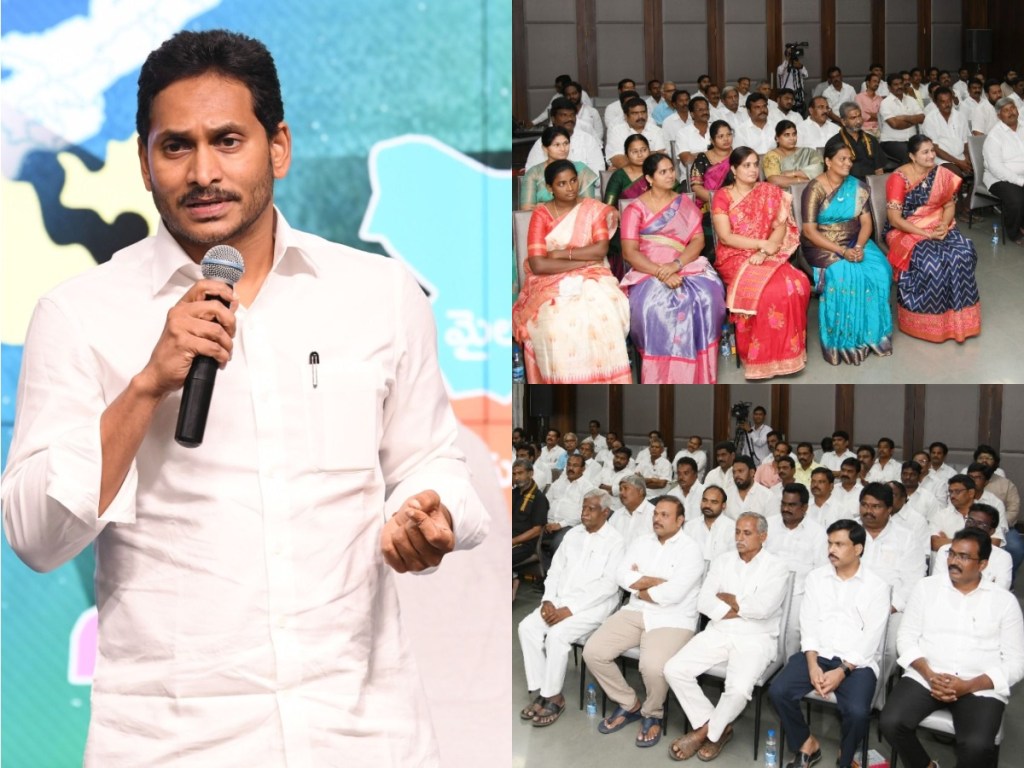
  • “Empowering Rural India: The Transformative Role of Self-Help Groups in Alleviating Poverty”

    December 3rd, 2023

    “Unlocking Opportunities, Building Communities: The Journey of Self-Help Groups in Rural India”

    In the vast tapestry of rural India, Self-Help Groups (SHGs) emerge as beacons of change, navigating the complex terrain of poverty alleviation. This article delves into the multifaceted impact of SHGs, exploring their functions, effects on decision-making, and their crucial role in the socio-economic fabric of the country.

    Beyond financial aid, SHGs function as social networks, fostering collective leadership, and addressing conflicts through mutual discussions. Acting as a conduit for formal banking services, SHGs facilitate financial inclusion, particularly in rural areas, acting as building blocks for the rural poor.

    SHGs catalyze social change by increasing involvement in decision-making within households. This empowerment extends to awareness about various programs, organizations, and heightened access to such entities. The ripple effect includes elevated expenditure on health and marriage events, signifying a positive shift in attitudes and priorities.

    Opportunities burgeon as SHGs contribute significantly to rural poverty alleviation. Economic empowerment propels women to participate actively in decision-making at both household and community levels. The collective strength derived from SHGs plays a pivotal role in shaping India’s rural economy.

    However, the journey is not without hurdles. Challenges include limited training, capacity building, and skill upgradation. Financial illiteracy and incomplete coverage of SHG members by formal institutions underscore the need for a nuanced approach.

    Economic Survey 2022-23 highlights the commendable growth of SHGs, indicating a CAGR of 10.8% in credit linkage over the last decade. The evolving landscape, championed by individuals like Aloysius Fernandez, emphasizes the exponential growth of microfinance and SHGs in India.

    The social capital of SHGs emerges as a potent force capable of addressing deep-seated social issues like gender-based discrimination and casteism. As homogeneous units at the village and cluster levels, SHGs foster harmony, hinting at a promising future with far-reaching impacts.

    In the intricate dance between transparency and privacy, the art of discretion becomes a powerful tool for maintaining personal boundaries, fostering genuine connections, and ensuring that certain aspects of your life remain sacred. By cultivating a sense of mystery, protecting your plans, and keeping intimate details private, you navigate relationships and professional endeavors with a strategic approach. In the delicate balance between openness and safeguarding your inner sanctum, the art of silence becomes a powerful ally.

    Visit arjasrikanth.in for more insights
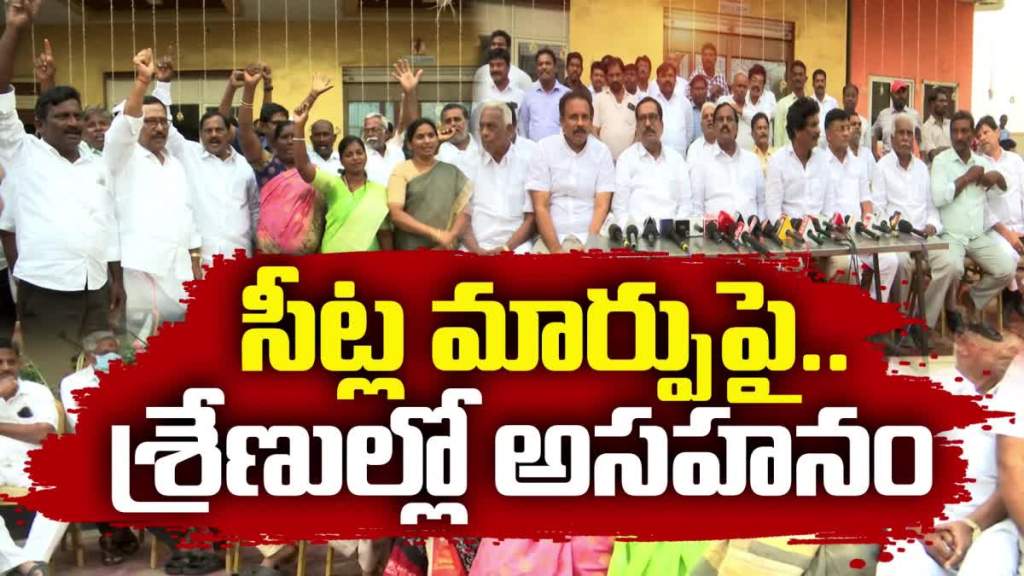
  • “Tejas Triumph: India’s Aerospace Marvel Soars to New Heights”

    December 2nd, 2023

    “Unveiling the Wings of Progress: Tejas Fighter Aircraft’s Journey from Vision to Victory”

    India’s aerospace landscape has witnessed a remarkable transformation with the Tejas, a single-seat, twin-engine marvel designed for air superiority and multirole missions. As the Indian Air Force (IAF) takes strides to modernize its fleet, this article delves into the Tejas’ journey, from its production numbers to global demand, cost considerations, and the unique features propelling it to the forefront of defense technology.

    The Tejas currently stands as a beacon in the Indian Air Force, with three production models – Mark 1, Mark 1A, and a trainer version. The IAF’s strategic acquisition plan includes 32 Mark 1s, 73 Mark 1As, and 18 Mark 1 trainer aircraft, signaling a robust commitment to integrating advanced technology into the nation’s air defense capabilities.

    Hindustan Aeronautics Limited (HAL) has established two production lines in Bengaluru, capable of producing up to 16 Tejas aircraft per year. An additional production line at HAL, Nasik, is set to elevate this rate beyond 24 aircraft from 2024-25 onwards. This surge in production capacity signifies the growing demand for the Tejas, not only domestically but also on the global stage.

    The Tejas has garnered attention beyond Indian borders, with countries like the USA, Australia, Indonesia, and the Philippines expressing interest. The recent pact between the USA and HAL to jointly manufacture Mark II Tejas aircraft underscores the international appeal of this homegrown marvel. The Tejas is gradually replacing aging fleets globally, with Malaysia already shortlisting it under its acquisition program.

    While contributing to India’s defense capabilities, the Tejas also plays a pivotal role in the country’s economic strategy. The aerospace and defense production target of $26 billion by 2025, with a significant portion from exports, positions the Tejas as a crucial player in India’s economic growth and self-sufficiency.

    The Tejas boasts a range of advanced features, including an AESA radar and mid-air refueling capability. Its single-engine, compound Delta wing, and tailless design make it the lightest and smallest multi-role supersonic fighter aircraft in its class. The technological advancements in the Tejas ensure maneuverability, agility, and reliability, setting it apart from its counterparts.

    Comparisons with other aircraft, such as the JF-17 Thunder, highlight the Tejas’s superiority. The Tejas emerges as a more capable, maneuverable, and reliable aircraft, challenging the narratives surrounding its counterparts. The strategic advantage of the Tejas is evident in its ability to outperform competitors like the F16 Block 52.

    With orders worth Rs 36,468 Crore for the delivery of 83 LCA Mk 1A aircraft, the Tejas is poised to become a cornerstone of the IAF’s fleet. The commitment to 40 LCA, over 180 LCA Mark-1A, and at least 120 LCA Mark-2 planes in the next 15 years signifies a robust future for the Tejas in India’s defense strategy.

    As Prime Minister Narendra Modi took to the skies in a Tejas sortie, the message was clear – a renewed sense of pride and optimism about India’s national potential. The Tejas stands not only as an aircraft but as a testament to India’s technological capabilities, self-reliance, and global competitiveness in the aerospace sector. The journey of the Tejas from vision to victory is a saga of innovation, determination, and a resolute march toward a future where India’s aerospace marvels soar to new heights.

    visit arjasrikanth.in for more insights
  • December 2nd, 2023

    “India’s Millet Triumph: Codex Alimentarius Commission Lauds Global Standards Proposal”

    “FSSAI’s Kamal Vardhan Rao Leads India’s Charge at Codex Alimentarius, Ushers in Millet Recognition”

    In a ground breaking achievement, India’s relentless pursuit of elevating millets to global acclaim has found resounding acknowledgment at the 46th session of the Codex Alimentarius Commission (CAC) held in Rome, Italy. The commission, a globally revered standard-setting body for food safety and quality, showered praise on India’s Standards on Millets and endorsed the nation’s proposal for the development of global standards for millets. Led by CEO, FSSAI, Shri G Kamala Vardhana Rao, the Indian delegation’s strategic move aligns perfectly with the celebration of 2023 as the International Year of Millets.

    India has meticulously crafted a comprehensive group standard for 15 varieties of millets, outlining eight critical quality parameters. This initiative has been hailed at the international meet where Codex currently holds standards for Sorghum and Pearl Millet. India’s forward-looking proposal for global standards particularly spotlights Finger millet, Barnyard millet, Kodo millet, Proso millet, and Little millet as group standards – akin to those established for pulses.

    Union Minister of Health & Family Welfare, Dr. Mansukh Mandaviya, extended heartfelt congratulations to the Indian delegation during this momentous occasion. Dr. Mandaviya emphasized that India’s instrumental role has made millets the preferred choice for people worldwide. He envisions India’s proposal as a benchmark that will illuminate the inherent benefits of millets on a global stage.

    The CEO of FSSAI, Shri G Kamala Vardhana Rao, leading the Indian delegation, presented the book on Standards of Millets to CODEX Chairman, Mr. Steve Wearne. The proposal aligns not only with the declaration of 2023 as the “International Year of Millets” but also resonates with the escalating international trade in millet-based products. The Codex Alimentarius Commission’s endorsement now propels India to initiate the development of draft standards based on the submitted project documents.

    The group standards proposed by FSSAI for 15 types of millets lay the groundwork for defining essential quality parameters. These include maximum limits for moisture content, uric acid content, extraneous matter, other edible grains, defects, weevilled grains, and immature and shrivelled grains. This framework is poised to act as a cornerstone for the creation of global standards. Notably, existing Codex standards for Sorghum and Pearl millet would also be revisited during the formulation of group standards for millets.

    The 46th session of the Codex Alimentarius Commission commemorates the 60th anniversary of the esteemed body, of which India has been a proud member since 1964. India’s active role in chairing and co-chairing numerous Expert Working Groups (EWGs) relating to various Codex standards/texts and guidelines reflects the nation’s commitment to international food safety standards. Among the crucial standards proposed by India are those for Okra, BWG Pepper, Aubergines, Dried and Dehydrated Garlic, Dried or Dehydrated Chilli Pepper and Paprika, Fresh Dates, Mango Chutney, Chili Sauce, Ware Potatoes, and labeling requirements for non-retail containers.

    India’s remarkable success at the Codex Alimentarius Commission not only propels millets to unprecedented global recognition but solidifies the nation’s role as a pioneer in setting international food safety and quality standards. The visionary leadership of Union Minister Dr. Mansukh Mandaviya and the strategic functioning  of CEO Kamala Vardhana Rao played a pivotal role in orchestrating this triumph. Their dedication to steering India’s millet odyssey showcases a paradigm of proactive engagement resonating globally. The comprehensive group standard for 15 millet types, presented by CEO Kamala Vardhana Rao, defines eight quality parameters, setting the groundwork for future global standards. India’s commitment to nutritious, sustainable, and globally embraced food choices, particularly during the International Year of Millets, reinforces its leadership in shaping the discourse around food safety and quality. This triumph signifies a broader commitment to holistic well-being and environmental sustainability, making India’s millet movement a global exemplar.

    Visit arjasrikanth.in for more insights
←Previous Page
1 … 127 128 129 130 131 … 151
Next Page→

Blog at WordPress.com.

Loading Comments...

    • Subscribe Subscribed
      • SOCIAL PERSPECTIVES
      • Join 108 other subscribers
      • Already have a WordPress.com account? Log in now.
      • SOCIAL PERSPECTIVES
      • Subscribe Subscribed
      • Sign up
      • Log in
      • Report this content
      • View site in Reader
      • Manage subscriptions
      • Collapse this bar