Skip to content
    • About

SOCIAL PERSPECTIVES

  • “The Vanguard of Green Energy: Adani Group’s Unwavering Commitment to a Sustainable World”

    October 29th, 2023

    Adani Group is leading India’s charge towards a greener, more sustainable future through unwavering dedication to renewable energy.

    In an era defined by environmental consciousness and the pressing need to address climate change, the global energy landscape is undergoing a remarkable transformation. This change is propelled by the rise of renewable energy sources, specifically wind and solar power, driven by technological advancements and proactive governmental policies on a global scale.

    As we witness this monumental shift towards clean and sustainable energy, India, an emerging economic powerhouse, takes center stage in the global transition to clean technology. The Indian government has set forth ambitious targets for energy transformation, aiming to achieve 500 GW of renewable energy capacity by 2030. These aspirations are reinforced by progressive policy initiatives designed to stimulate domestic manufacturing, including the ground breaking Production Linked Incentive (PLI) scheme for solar energy, green hydrogen production, and the indigenous manufacturing of electrolysers. The influence of these measures on clean technology manufacturing and green hydrogen production is nothing short of transformative.

    Adani New Industries Ltd (ANIL) stands as a testament to India’s commitment to this transformative journey. With the mission to develop an integrated ecosystem that ensures the most cost-effective production of renewable energy, ANIL is embarking on an ambitious path to significantly expand manufacturing capacities for solar and wind technologies. The goal is to reach a capacity of 10 GW within the next 3 to 5 years.

    But the commitment goes beyond wind and solar. ANIL is pioneering end-to-end solutions for the production of globally competitive green hydrogen and its sustainable derivatives on a large scale. Efforts to manufacture electrolyzers for green hydrogen production are already underway. Collaborations with leading hydrogen production technology firms from Australia and Italy are set to facilitate the development of large-scale electrolyzer systems, further optimizing the Balance of Plant (BOP). The blueprint is ready, and construction of the pilot line is imminent.

    ANIL’s inaugural project is nothing short of ambitious. It aims to produce a staggering 1 million metric tonnes per annum (MMTPA) of green hydrogen in Gujarat, with the initial phase scheduled to commence production by FY2027. Flexibility is key to this endeavor, as ANIL is prepared to expand its capacity to 3 MMTPA of green hydrogen over the next decade, backed by a significant investment of approximately USD 50 billion.

    Research and development are at the heart of ANIL’s mission. Their primary focus is on harnessing next-generation technology for solar, wind, and green hydrogen, with an unwavering commitment to reducing the levelized cost of energy (LCOE). By embracing digitalization and Industry 4.0 principles, ANIL is integrating tools such as Artificial Intelligence (AI), machine learning, and real-time data analysis for process optimization, aiming to increase efficiency and safety. The state-of-the-art renewable energy manufacturing ecosystem, nestled in Mundra, spans wind, solar, electrolyzers, and associated equipment. This ecosystem is poised to serve both domestic and international markets, further cementing India’s role as a key player in the clean technology supply chain.

    Adani Group has rapidly evolved into a wind Original Equipment Manufacturer (OEM), establishing a 1.5 GW wind turbine manufacturing and assembly unit in record time. In just a year and a half, it secured a spot on the Ministry of New and Renewable Energy’s (MNRE) Revised List of Models and Manufacturers (RLMM). The 5.2 MW onshore wind turbine developed by Adani Group has disrupted the global wind energy sector, asserting itself as one of the most potent wind turbines worldwide.

    Adani Solar’s meteoric rise within a span of six years is a result of their early adoption of next-gen technology and a wholehearted embrace of digitalization. For six consecutive years, they have been ranked as the top performer by PVEL, an independent test lab in the downstream solar and energy storage industry. Adani Group’s leadership role in the Pradhan Mantri Kisan Urja Suraksha Evam Utthaan Mahabhiyan (PM-KUSUM) segment is a testament to their commitment. Notably, they are the sole domestic solar player with a pilot line of ingot-wafer, a pioneering feat in India.I’m

    With confidence, ANIL is positioned to be the catalyst for the Adani Group’s enduring success in the renewable energy and green hydrogen sectors. As they nurture future technologies, their ultimate goal remains crystal clear: to provide affordable and sustainable energy for all.

    The ongoing global energy revolution, driven by renewable energy sources, marks a critical juncture for the sustainability of our planet. Adani Group has embraced a leadership role in this renewable energy journey, demonstrating an unwavering commitment to green hydrogen and sustainable solutions. In their pursuit of a cleaner, greener future, their efforts transcend mere business initiatives, reflecting a conscientious drive to ensure a brighter and more sustainable future for all.

    In the process, Adani Group has not only set an example for India but for the entire world to embrace renewable energy and collaborate in mitigating the impending climate crisis. Their commitment is nothing short of commendable and is undeniably indispensable in shaping a more sustainable future.

    Visit arjasrikanth.in for more insights.

  • The Gathering Storm: Global Warming’s Menacing Threat to Our Planet

    October 28th, 2023

    Monitoring the Vital Signs of Our Ailing Planet

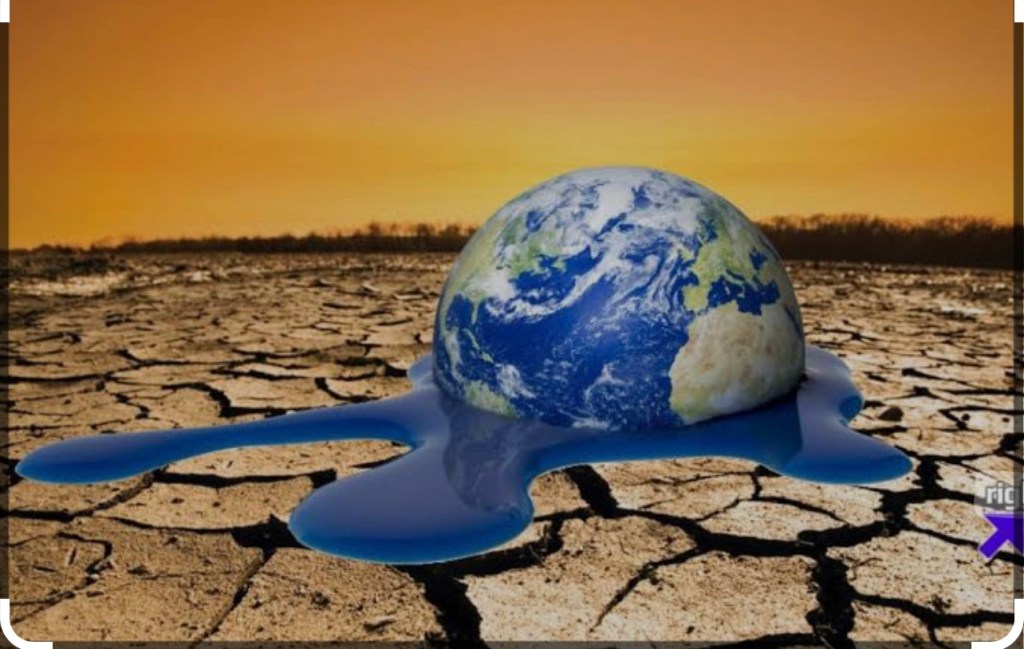
    In recent times, global warming has emerged as one of the most pressing threats to the health of our planet. The impacts of climate change are far-reaching, and if we continue down the current path, we risk making the Earth uninhabitable for future generations. This article delves into the significant threats posed by global warming, which include rising sea levels, an uptick in natural disasters, loss of biodiversity, and disruptions in weather patterns. These transformations cast a long shadow over human health, ecosystems, and infrastructure. The time has come for immediate and collective action to address global warming and preserve our planet’s vital signs.

    Global warming, as a result of human activities, is causing an unprecedented and catastrophic transformation in the Earth’s climate. Rising global temperatures and sea levels, spurred by the emission of greenhouse gases, have pushed our planet’s vital signs to the brink. Monitoring indicators such as land and ocean temperature, sea level height, ice loss in polar regions, and shifts in weather patterns paints a disconcerting picture of the changes occurring on Earth.

    The heart of the problem lies in the greenhouse gases, especially carbon dioxide, that have been released into the atmosphere through human activities. These gases have disrupted the Earth’s energy budget, trapping heat and resulting in higher temperatures. The effects of this energy imbalance are exacerbating various natural disasters, including hurricanes, heatwaves, floods, and more.

    One of the most significant casualties of global warming is the natural world. Wildlife and ecosystems are experiencing catastrophic consequences across the globe. The increase in greenhouse gases and the resulting rise in temperatures are causing irreversible harm. Glaciers and ice sheets are melting, river and lake ice is breaking up prematurely, and plant and animal ranges are shifting. This article will shed light on the consequences of these changes, impacting both human and environmental health.

    Beyond the environmental effects, global warming poses an immediate threat to human health. Rising temperatures are linked to an increase in air pollution, the spread of diseases, more frequent extreme weather events, forced displacement, mental health issues, and greater challenges related to food security. The impacts on health are far-reaching and must be addressed proactively.

    Understanding the drivers of global warming is essential. The primary sources of greenhouse gases include the burning of fossil fuels, deforestation, livestock farming, and the emission of fluorinated gases. Each of these activities contributes to the increasing concentration of greenhouse gases in the atmosphere, further intensifying the global warming phenomenon.

    Monitoring the vital signs of our planet is crucial in understanding the extent of global warming. Key indicators include the height of sea levels, the concentration of atmospheric carbon dioxide, and the state of Antarctic ozone. Tracking the movement of water around the globe using gravity maps, identifying volcanic eruptions and forest fires through carbon monoxide measurements are also vital in comprehending the severity of the changes occurring on Earth.

    Preventing further damage from global warming demands concerted global efforts. While some effects may be irreversible, action taken now can mitigate the more catastrophic consequences. Reducing greenhouse gas emissions, adopting sustainable practices, and fostering awareness are the first steps towards healing our planet.

    Global warming poses a severe and immediate threat to the health of our planet. The effects of climate change are evident in rising temperatures, melting ice sheets, and shifts in ecosystems. The consequences extend to human health and well-being, as we grapple with air pollution, diseases, and food security issues. The culprits behind global warming must be addressed, and concerted global efforts are required to limit the extent of the damage.

    Our planet’s vital signs are the key to understanding the severity of the changes underway. Tracking these indicators will guide our actions and help us mitigate the consequences of global warming. The clock is ticking, and the time for collective action is now. Only by taking immediate steps to reduce our carbon emissions and protect our planet can we secure a sustainable future for our planet and its inhabitants.

    visit arjasrikanth.in for more insights

  • Remembering The Visionary Leadership of Indra Nooyi: A Global Impact

    October 28th, 2023

    Exploring the extraordinary journey of Indra Nooyi, former CEO of PepsiCo, and her enduring impact as a transformational leader on a global scale.

    Indra Nooyi, the former CEO of PepsiCo, is more than just a corporate luminary. She’s a leader whose transformational style has left an indelible mark on the global stage. This article delves into the distinctive leadership qualities that have made her a shining example, with insights that are pertinent to organizations across the world.

    Indra Nooyi is renowned for her transformational leadership style. Transformational leaders inspire and motivate their teams not only to achieve specific goals but also to grow and develop as individuals. Nooyi’s exceptional leadership has been the driving force behind her journey, marked by innovation, diversity, and unwavering commitment.

    As a democratic leader, Nooyi actively engages with qualified teams capable of making independent decisions. She values employees’ ideas, listens attentively, evaluates options, and then makes informed decisions. This approach fosters a culture of collaboration and inclusion, which has been pivotal to her success.

    Nooyi’s leadership traits can be summarized by the “Seven C’s” – Competence, Creativity, Courage, Communication, Coaching, Compass, and Citizenship. These attributes are central to her leadership philosophy and have steered her path towards excellence.

    Nooyi’s charisma was instrumental in exciting people about her visionary ideas. Her creative thinking allowed her to envision possibilities beyond the status quo, pushing for innovation and achieving larger goals.

    One of Nooyi’s strengths lies in strategic planning. She not only introduced ground breaking ideas but also effectively communicated why her vision would lead to success. Her ability to translate her vision into reality made her a true leader in every sense.

    During her tenure at PepsiCo, Nooyi’s mandate was “Performance with Purpose.” Her focus was on achieving substantial profits while upholding a strong moral compass. She was known for trusting her intuition and strategic planning, even when faced with skepticism.

    Indra Nooyi exemplifies genuine heart-cantered leadership. She believes in achieving profits with a strong moral compass as her guide. Her approach is a reflection of “The Possible,” where she combines her convictions and strategies to inspire and motivate others. Her leadership is a testament to her strong moral compass and her commitment to effect positive change.

    Nooyi’s vision transcends the corporate realm. In her memoir, “My Life in Full,” she shares her aspiration for a society that allows women and young family builders to balance work and family life for a more supportive, inclusive, and productive economy. This commitment to a greater societal good embodies her leadership values.

    Indra Nooyi is recognized for her unwavering commitment to diversity and gender inclusion. Her visionary approach took PepsiCo beyond traditional beverages, focusing on healthier alternatives and sustainability. Her emphasis on a diverse workforce and innovation significantly reduced the company’s environmental footprint.

    Indra Nooyi’s contributions are celebrated on a global scale. Her influence extends beyond PepsiCo, making her a role model for women and leaders worldwide. In 2019, she was appointed as the Class of 1951 Chair for the Study of Leadership and was recognized as one of the “Best CEOs in the World.”

    Nooyi’s charismatic leadership style is well-documented. Her ability to inspire and excite people is a hallmark of her leadership. This charisma has played a pivotal role in her success, motivating her teams to reach new heights.

    Nooyi’s vision goes beyond corporate interests. She envisions a society that promotes a balanced work-family life and fosters economic prosperity. Her unwavering commitment to achieving these goals showcases her leadership qualities.

    Indra Nooyi’s journey is far from over. She continues to inspire and influence as a board member at Amazon, Chair for the Study of Leadership at West Point, and a member of MIT’s School of Engineering Dean’s Advisory Council. Her impact is not just a legacy; it’s an ongoing journey.

    With a net worth estimated at approximately $350 million, as of June 2023, Indra Nooyi’s influence is profound. Her leadership, philanthropic endeavors, and career achievements have placed her among the most influential figures in the world.

    Indra Nooyi’s leadership style is not just a model for organizations; it’s a blueprint for global impact. Her transformational approach, commitment to diversity, and unwavering moral compass are lessons that leaders worldwide can draw inspiration from. As a leader who continues to shape the world, Nooyi’s journey is one of vision, innovation, and unyielding dedication. Her legacy is a testament to the extraordinary influence one person can have on organizations and society as a whole. Indra Nooyi’s leadership is not just relevant; it’s indispensable.

    visit arjasrikanth.in for more insights

  • Remembering Bill Gates: A Visionary Leader, Philanthropist, and Global Icon

    October 28th, 2023

    On his birth anniversary, we celebrate the extraordinary journey of Bill Gates, from co-founding Microsoft to transforming lives through the Bill & Melinda Gates Foundation.

    Bill Gates, the global luminary, was born on October 28, 1955, in Seattle, Washington. His life’s trajectory is a testament to visionary leadership, pioneering technology, and unwavering commitment to global welfare. Co-founder of Microsoft Corporation and a remarkable philanthropist, Bill Gates has left an indelible mark on the world.

    Bill Gates’ journey began with an innate passion for technology. He embarked on his path when he enrolled at Lakeside School in 1967, an institution that allowed him to explore his fascination with computers. In 1968, he started programming alongside Paul Allen in the school’s computer center, setting the stage for his future innovations. Gates’ vision was taking shape.

    In 1975, Bill Gates, along with Paul Allen, co-founded Microsoft Corporation. Their vision was to make computing accessible to the masses. Under Gates’ leadership, Microsoft swiftly transformed into the worldwide leader in business and personal software and services. It was here that the digital revolution began, making computing an integral part of everyday life.

    Bill Gates’ commitment to improving global equity and human welfare knows no bounds. This vision led to the establishment of the Bill & Melinda Gates Foundation, where he works alongside grantees and partners to enhance equity in the United States and worldwide. The foundation focuses on improving health, eradicating hunger and extreme poverty, and ensuring that every life holds equal value.

    The impact of the Gates Foundation has been monumental. Health programs supported by the Global Fund, initiated by the foundation, have saved 38 million lives and provided essential prevention, treatment, and care services to hundreds of millions of people across the globe. Bill Gates’ philanthropic efforts have redefined global health and set new standards for humanitarian initiatives.

    In 2023, Bill Gates ranked 6th in the Forbes 400 list of wealthiest Americans, with a wealth of $111.0 billion. As of September 2023, his estimated net worth is US$123 billion, making him the fourth-richest person globally, according to the Bloomberg Billionaires Index. Yet, Bill Gates’ influence transcends financial wealth; he is a symbol of transformation, innovation, and humanitarianism.

    Bill Gates’ journey is marked by fascinating insights: Gates’ extraordinary career began with a college dropout, as he left Harvard University in 1973 to pursue his passion for software development ; In 1977, he faced arrest in Albuquerque, New Mexico, a chapter in his life that later seemed inconceivable given his global stature ; His impressive SAT score was indicative of the brilliance that would shape the future of technology ; Gates’ children are slated to inherit only a fraction of his enormous wealth, as he prioritizes the philanthropic causes championed by the Gates Foundation ; Surprisingly, he does not speak any foreign language, despite his extensive global interactions ; Had Microsoft faltered, Gates had a vision of being an AI researcher, a path he could have treaded seamlessly.

    Bill Gates is more than just a tech magnate or a philanthropist. He embodies a clear vision of the future of technology and has the unique ability to inspire others to share that vision. His leadership is characterized by his demands for excellence, a willingness to make tough decisions even when they are unpopular, and his technical expertise. He was not only a gifted student but also a visionary who exhibited extraordinary talent, particularly in the field of mathematics.

    Bill Gates and Melinda French Gates, through their foundation, have donated a staggering US$38.4 billion over their lifetime, adding over US$5 billion in 2022 alone. Gates ranked as the second richest person in the U.S., with a net worth of US$102 billion. The impact of his wealth distribution has been substantial, changing lives and societies.

    Bill Gates’ influence on the global economy cannot be overstated. As the co-founder of Microsoft, he played a pivotal role in popularizing personal computers and pioneering the software industry. Through the Bill & Melinda Gates Foundation, he has committed billions of dollars to enhance global health and education, leaving an indelible mark on the world economy.

    On Bill Gates’ birth anniversary, we pay tribute to his unparalleled legacy. He is more than a global icon; he is a beacon of hope, an embodiment of vision, and a symbol of relentless dedication to the betterment of humanity. Bill Gates’ journey from the inception of Microsoft to the far-reaching impact of his philanthropic endeavors showcases his unwavering commitment to improving the lives of people around the world. As a visionary leader, philanthropist, and technology pioneer, he continues to shape the course of history, leaving behind a legacy that will inspire generations to come.

    visit arjasrikanth.in for more insights

  • Clearing the Air: Long-Term Social Measures to Tackle Delhi’s Air Pollution Crisis

    October 28th, 2023

    Breath of Fresh Air: Paving the Way for Cleaner Skies

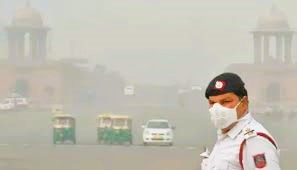
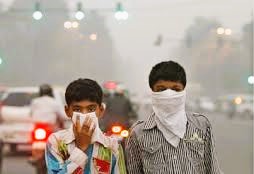
    Delhi, India’s bustling capital, is grappling with a relentless adversary – air pollution. The city, landlocked and surrounded by neighboring states, faces a formidable challenge in controlling pollution levels. Long-term social measures are imperative to combat this crisis effectively. Delhi’s air quality isn’t just a concern for policymakers; it’s a dire need for society as a whole. This article delves into the multifaceted issue of air pollution in Delhi, exploring its impact on public health and proposing strategic, society-driven solutions.

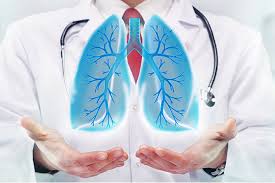
    Delhi’s air pollution is not merely an environmental concern; it’s a significant public health crisis. Prolonged exposure to polluted air escalates the risk of respiratory and cardiovascular diseases, and the statistics are startling. According to the World Health Organization (WHO), air pollution is associated with over 1 million premature deaths in India every year and a staggering 7 million deaths worldwide. The adverse effects of air pollution extend beyond the lungs and cardiovascular system, impacting the central nervous system and causing a range of health issues. Long-term exposure to air pollution is linked to chronic bronchitis, chronic obstructive pulmonary disease (COPD), pneumonia, heart diseases, and central nervous system dysfunctions. It also increases the risk of various diseases, including stroke, lung cancers, aggravated asthma, and lower respiratory infections.

    Various factors contribute to Delhi’s poor air quality, including: One of the leading sources of air pollution in Delhi is emissions from motor vehicles ; Industries emit pollutants into the atmosphere, further deteriorating air quality ; Inadequate ventilation and household activities contribute to indoor air pollution ; Stubble burning in neighboring states, such as Punjab and Haryana, worsens air quality in Delhi ; Dust from construction activities adds to the particulate matter in the air ; Open burning of garbage releases harmful pollutants into the atmosphere.

    To tackle the problem of air pollution in Delhi, several steps being taken and suggested are: Shifting from conventional vehicles to electric ones can substantially reduce air pollution from motor vehicle emissions. The Supreme Court’s intervention has already led to cleaner fuel adoption, but EVs are the way forward ; Delhi must collaborate closely with its neighboring states to curtail activities like stubble burning, which significantly worsen the air quality in the city ; Delhi requires systemic changes to ensure long-term air quality improvement, with well-defined policies and implementation strategies.

    Ambient air pollution poses a significant threat to public health, with far-reaching consequences. It leads to more than four million preventable deaths globally each year, and in Delhi, non-communicable diseases (NCDs) due to air pollution surpass global averages. The harmful effects of pollution are not limited to the lungs but extend to all aspects of health. People are forced to stay indoors due to hazardous outdoor air, impacting their ability to exercise and work. Air pollution in Delhi is responsible for various NCDs, including chronic obstructive pulmonary disease (COPD), bronchial asthma, and other illnesses. The city records hundreds of thousands of premature deaths annually, primarily due to the elevated levels of particulate matter (PM) in the air, particularly PM2.5.

    As winter approaches, Delhi experiences a spike in air pollution, reaching hazardous levels. Smoke from stubble fires, Diwali firecrackers, and local sources of pollution all contribute to this worsening crisis. At this time, there is a substantial increase in cases of COPD, asthma, pneumonia, and other respiratory issues. Prolonged exposure to pollution leads to a surge in lung cancer cases, making the long-term effects of air pollution abundantly clear.

    The impact of air pollution is evident in the increasing number of patients seeking emergency care for respiratory issues. Even when air quality falls slightly into the “poor” category, a significant rise in cases is observed. During the peak of the pollution crisis, when PM2.5 levels reach around 400 micrograms per cubic meter, the rise in patients seeking emergency care can be as high as 40%. The chronic effects of pollution exposure lead to a spike in cases of chronic obstructive pulmonary disease (COPD), asthma, pneumonia, and even lung cancer. This prolonged exposure also impacts overall longevity and can lead to heart and neurological problems.

    Mitigating the impact of pollution on public health is essential to limit the morbidity and mortality caused by exposure to air pollution. It’s crucial to address the issue of air pollution, not only for the sake of the environment but for the well-being of the people.

    Delhi’s battle with air pollution is an ongoing struggle, exacerbated by external factors like stubble burning in neighboring states. The health repercussions of this crisis are undeniable, with a significant increase in cases of respiratory diseases and other related health issues. Long-term systemic changes are vital, including transitioning to electric vehicles, addressing industrial emissions, and encouraging sustainable practices. Delhi’s quest for cleaner air necessitates collective action from society, the government, and relevant stakeholders to secure a healthier, cleaner future for its residents. Clean air is a fundamental human right, and it’s time for Delhi to take the necessary steps to ensure that right is upheld.

    visit arjasrikanth.in for more insights

  • The Crucial Role of Primary Health Centres in India’s Healthcare Landscape

    October 27th, 2023

    Overcoming Neglect: A Digital Vision for India’s Primary Health Centres

    In India’s diverse healthcare ecosystem, Primary Health Centres (PHCs) stand as the cornerstone, providing basic medical services to millions. However, the neglect of these facilities from construction to maintenance has far-reaching consequences on healthcare accessibility, particularly for underserved communities. This article explores the pivotal role of PHCs and proposes a forward-looking strategy through digitalization.

    At the heart of India’s intricate healthcare system lie the Primary Health Centres (PHCs), serving as the first point of contact for individuals seeking essential medical services. According to the National Health Mission of the Indian government, there were approximately 35000 PHCs in the country as of date. These centers offer a range of crucial healthcare services, including immunization, maternal and child healthcare, and diagnosis and treatment of diseases. In rural areas, they are often the initial contact point for patients.

    While PHCs play a fundamental role in the healthcare ecosystem, they grapple with various challenges that hinder their effectiveness and remedies are highlighted herewith : Many PHCs, especially in rural areas, lack basic amenities such as electricity, water, and sanitation, hampering their ability to provide quality care ; Continuous training and capacity building are vital to enhance the skills and knowledge of healthcare workers, ultimately leading to improved patient care ; Encouraging community involvement can raise awareness and promote healthier practices, benefiting both the centers and the local population ; Establishing reliable referral systems ensures that patients with severe conditions are promptly directed to higher-tier healthcare facilities for advanced care ; Increasing vaccination coverage is vital to prevent the spread of diseases and safeguard public health ; Regular audits and accountability mechanisms can enhance the efficiency and transparency of PHCs ; Incorporating modern technologies and healthcare practices can elevate the quality of care provided by PHCs ; Expanding government spending on healthcare is essential to bridge funding gaps and enhance healthcare services ; The implementation of insurance programs can alleviate the financial burden on patients and improve their access to healthcare ; Addressing regional disparities in healthcare access is essential to ensure equitable services for all citizens.

    To address these formidable challenges and reinvigorate PHCs, digitalization emerges as a promising solution. Here is how digitalization can be implemented ; The Government of India should invest in the digitalization of PHCs and cluster healthcare centers. Linking these facilities with Aadhar cards and health cards can provide invaluable data on geographical health issues ; Establish a unified platform, similar to the one for primary cooperative societies, where all PHCs in India can be digitally interconnected ; Ensure that all PHCs adhere to standardized digital protocols, ensuring consistency and facilitating the sharing of data.

    Further, Digitalization can usher in significant and positive changes in India’s healthcare system: Access to comprehensive healthcare data empowers evidence-based decision making, leading to more efficient resource allocation ; Digital platforms facilitate better communication between PHCs, enabling them to share information, experiences, and best practices ; Digital records ensure that healthcare professionals have a patient’s complete medical history at their fingertips, leading to better diagnosis and treatment ; Real-time tracking and monitoring of healthcare services help authorities address issues promptly, ensuring quality care ; Efficient allocation of resources, based on data-driven insights, can result in cost savings and improved healthcare delivery ; Digital platforms can bridge the urban-rural healthcare divide, ensuring that even remote areas have access to quality healthcare.

    Primary Health Centres (PHCs) serve as the linchpin of India’s healthcare system, offering the first point of contact for millions, particularly in rural areas. Neglecting these centers, from inadequate infrastructure to insufficient training, poses a significant obstacle to delivering quality healthcare. To revitalize PHCs, the Indian government should embark on a digital transformation, connecting all centers under a unified platform. The positive impact of this digital transition on healthcare accessibility, data-driven decision-making, and resource optimization is immeasurable. By refocusing on PHCs and embracing digital technologies, India can take significant strides toward providing accessible and efficient healthcare to all its citizens.

    visit arjasrikanth.in for more insights

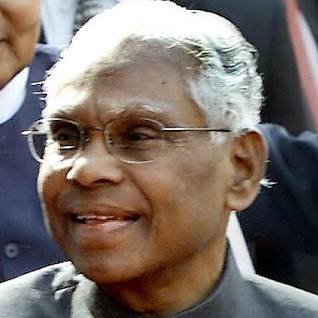
  • Remembering The Trailblazing Legacy of K.R. Narayanan: India’s Independent President

    October 27th, 2023

    Remembering K.R. Narayanan, the 10th President of India, whose remarkable journey from a small village to Rashtrapati Bhavan symbolizes the resilience and determination that defined his life.

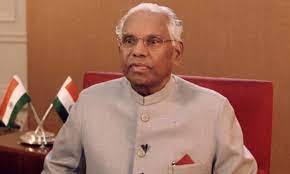
    Kocheril Raman Narayanan, a name etched in the annals of Indian history, was a man of extraordinary integrity and vision. Born on October 27, 1920, in the humble village of Perumthanam, located in the princely state of Travancore, he went on to become the tenth President of India and the ninth Vice President of the nation. K.R. Narayanan’s remarkable journey, filled with illustrious diplomatic service, political acumen, and ground breaking presidency, is a testament to his indomitable spirit and unwavering commitment to the betterment of his beloved country.

    K.R. Narayanan’s journey began with an illustrious career in the Indian Foreign Service during the Nehru administration. His remarkable diplomatic skills quickly gained recognition, and he was appointed as India’s ambassador to several countries, including Japan, the United Kingdom, Thailand, Turkey, the People’s Republic of China, and the United States of America. It was during this time that Jawaharlal Nehru, India’s first Prime Minister, referred to him as “the best diplomat of the country.” Narayanan’s diplomatic prowess helped India foster strong international relations, laying the foundation for the nation’s global influence.

    At the request of the then-Prime Minister, Indira Gandhi, K.R. Narayanan made a pivotal transition into Indian politics. His decision to enter the political arena marked the beginning of a new chapter in his illustrious career. He contested and won three successive general elections to the Lok Sabha and was entrusted with the role of Minister of State in the Union Cabinet under former Prime Minister Rajiv Gandhi. His tenure as a minister was marked by his unwavering commitment to public service and a keen focus on addressing the challenges facing the nation.

    In 1992, K.R. Narayanan was elected as the ninth Vice President of India, a position that was a stepping stone to his historic presidency. In 1997, he achieved a remarkable milestone by becoming the President of India, breaking new ground as the first member of the Dalit community to hold the highest constitutional office in the land. His presidency was marked by a series of significant accomplishments and ground breaking decisions that continue to define his legacy.

    K.R. Narayanan was not a passive or ceremonial President. He described himself as a “working President,” emphasizing that he would operate “within the four corners of the Constitution.” This philosophy positioned him somewhere between an “executive President” with direct power and a “rubber-stamp President” who merely endorsed government decisions without question.

    Throughout his presidency, Narayanan demonstrated remarkable independence and assertiveness. He was not afraid to exercise his discretionary powers when necessary, often deviating from convention and precedent. Notable instances of this included his role in the appointment of the Prime Minister during a hung Parliament, the dismissal of state governments, and the imposition of President’s rule at the suggestion of the Union Cabinet. His decisions were characterized by a commitment to upholding constitutional values and ensuring the welfare of the nation.

    K.R. Narayanan’s presidency was marked by his strong commitment to the welfare of the Indian people. He presided over the golden jubilee celebrations of Indian independence, a momentous occasion in the nation’s history. His tenure saw the 1998 general election, during which he became the first Indian President to cast his vote while in office, setting yet another new precedent. His actions showcased his unwavering dedication to the democratic principles that underpin the Indian Constitution.

    In conclusion, K.R. Narayanan’s life and legacy serve as an inspiration to us all. From his humble beginnings in a small village to becoming the President of the world’s largest democracy, he personified resilience and determination. His tenure was marked by a commitment to upholding constitutional values, championing the welfare of the nation, and setting new standards for the office of the President. K.R. Narayanan will forever be remembered as a true trailblazer in Indian history, leaving an indelible mark on the nation he loved and served with distinction.

    visit arjasrikanth.in for more insights.

  • “The Rising Tide of Cyber Attacks in 2023 and Its Impact on India’s Future”

    October 27th, 2023

    As cyber threats loom large, India braces for a surge in digital vulnerabilities that may disrupt its progress.

    In the age of interconnectedness, the world has witnessed a staggering surge in cyberattacks during 2023. From ransomware assaults to increasingly sophisticated malware, cybercriminals have become relentless, and India, with its heavy reliance on digital infrastructure, stands as one of the countries most vulnerable to these threats. This article explores the unprecedented rise in cyber threats this year, the challenges they pose to India, and the global implications of this digital crisis. The internet’s vast network has revolutionized our lives, but it has also given rise to a menacing threat: cyberattacks. These attacks are no longer isolated incidents; they have become a constant presence in our lives, affecting businesses, governments, and individuals alike. An investigation has recently revealed that between February 7 and June 21, 2023, a staggering 71 cyberattacks were publicly disclosed, compromising over 4.5 billion records. This alarming trend doesn’t bode well for the global village concept, as the impact of these attacks is far-reaching, with India being one of the countries hit hardest.

    The year 2023 has witnessed an unprecedented surge in cyber threats. From ransomware attacks to sophisticated malware, cybercriminals are becoming more relentless, with no signs of slowing down. According to recent research, September 2023 alone saw 71 publicly disclosed security incidents, resulting in a mind-boggling 3,808,687,191 compromised records. These numbers are staggering, and they point to a growing global crisis.

    The cyber threats in 2023 are not isolated incidents. They are part of a larger, interconnected issue. The rising unrest worldwide has contributed to the surge in cybercrimes, making them a global concern. Malware attacks, including the notorious ransomware attacks, are not just growing in number but are also becoming more sophisticated and targeting a wider range of enterprises.

    In 2023, businesses must prepare to face several significant cybersecurity challenges. These challenges include: Cybercriminals are increasingly using ransomware attacks to extort money from individuals, businesses, and even governments. The financial impact can be devastating ; The use of cloud services has opened new vulnerabilities, and third-party breaches can have far-reaching consequences ; As more people use mobile devices for work and personal use, they become attractive targets for malware ; Wipers and Destructive Malware can cause severe damage to systems and data ; Hackers are turning legitimate software and tools into weapons for cyberattacks ; Attackers exploit vulnerabilities in software supply chains to infiltrate systems ; International cyberattacks have the potential to disrupt global business operations.

    India is particularly vulnerable to the rising tide of cyberattacks. With a significant portion of its economy dependent on digital infrastructure, protecting against cyber threats is essential. The recent investigation into cyberattacks in 2023 has highlighted the profound implications for India.

    The financial consequences of cyberattacks are significant. The worldwide cybersecurity market is projected to reach $166.20 billion in 2023, reflecting the ever-increasing need for cybersecurity measures. According to the IBM Cost of a Data Breach Report 2023, the global average cost of a data breach has risen to $4.45 million, marking a 15% increase from 2020. This sharp increase in costs is driving organizations to allocate more resources to cybersecurity. As a result, 51% of organizations plan to increase their cybersecurity spending in 2023.

    Despite economic challenges and IT budget scrutiny, the cybersecurity market is growing. In the second quarter of 2023, the market grew by 11.6% year over year, reaching a total of $19 billion. The resilience of cybersecurity spending highlights the critical importance of protecting digital assets.

    The rising number of cyberattacks poses a severe threat to India and the world. The impact is not limited to financial losses but extends to national security and personal privacy. It’s imperative that individuals, businesses, and governments take action to safeguard against cyber threats.

    In this interconnected world, a single breach can have far-reaching consequences. The effects of a data breach are not confined to the immediate financial loss but also include the loss of reputation and customer trust. The importance of robust cybersecurity measures cannot be overstated.

    As cyber threats continue to evolve and grow, the need for cybersecurity has never been more critical. Cybersecurity professionals and organizations must stay vigilant and adapt to the changing landscape of cyber threats. By prioritizing cybersecurity, India and the world can defend against cyberattacks and protect their economies and societies from the devastating consequences of cybercrimes. Cybersecurity is not just a responsibility; it is an imperative for our digital future.

    The year 2023 has brought an alarming increase in cyberattacks, with India facing significant vulnerabilities. The impact of these attacks is far-reaching, affecting both the economy and national security. The rising tide of cybercrimes poses a significant challenge for India and the world. By investing in cybersecurity and adopting robust protective measures, we can fortify our digital infrastructure and safeguard our future against the relentless onslaught of cyber threats. In this global village, united efforts are essential to ensure a secure and resilient digital world.

  • The Complex Coin: Hamas Attack on Israel, Israeli Counter-Attack, UN and Global Opinions

    October 26th, 2023

    The recent conflict between Hamas and Israel sparks debates at the UN and divides global opinion.

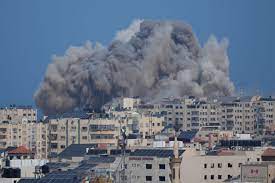
    The unrest between Hamas and Israel has captured global attention, leading to heated discussions at the United Nations and divided opinions worldwide. This article examines the four sides of this complex coin, starting with the Hamas attack on Israel on October 7th, followed by the Israeli counter-attack. We will then explore the opinions of the United Nations and the global community at large, shedding light on the diverse perspectives surrounding this ongoing conflict.

    On October 7th, Hamas launched a series of attacks on Israel, triggering a wave of violence and unrest. These attacks were met with condemnation from the international community, as they targeted innocent civilians and posed a threat to regional stability. The Israeli government, caught off guard, responded swiftly to these attacks, vowing to protect its citizens and restore peace in the region.

    In response to the Hamas attacks, Israel launched a counter-offensive to neutralize the threat and ensure the safety of its people. This offensive involved targeted strikes on Hamas military infrastructure and key personnel. While Israel argued that its actions were necessary for self-defense, they have faced criticism for the civilian casualties incurred during the strikes.

    The conflict between Hamas and Israel quickly became a topic of debate at the United Nations. UN Secretary-General Antonio Guterres stated that the attacks by Hamas did not happen in a vacuum, highlighting the plight of Palestinians living under occupation for 56 years. Guterres condemned the collective punishment imposed on the Palestinian people but also faced severe criticism from the Israeli ambassador, who demanded his resignation for allegedly sympathizing with terrorism.

    Global opinion on the conflict remains divided. Supporters of Israel argue that the country has the right and duty to defend itself against terrorist attacks. They point to Hamas’ use of human shields and its disregard for civilian lives as evidence of the group’s barbarism. On the other hand, critics of Israel’s actions raise concerns about the disproportionate use of force, civilian casualties, and the impact on the humanitarian situation in Gaza.

    The recent conflict between Hamas and Israel has had far-reaching consequences on regional stability. The attacks by Hamas and Israel’s subsequent counter-offensive not only escalated tensions between the two parties but also strained relationships with neighboring countries. Egypt and Jordan, both of whom have peace agreements with Israel, expressed concerns over the violence and called for an immediate ceasefire. This conflict has highlighted the delicate balance in the region and the need for diplomatic efforts to prevent further escalation.

    The conflict has exacerbated the already dire humanitarian situation in Gaza. The densely populated strip has been heavily impacted by the Israeli strikes, resulting in the destruction of infrastructure, including hospitals, schools, and homes. The limited access to basic necessities such as food, water, and electricity has further worsened the plight of the Palestinian population. International humanitarian organizations have called for urgent assistance to address the immediate needs of those affected and to support the long-term recovery efforts.

    In the face of this ongoing conflict, diplomatic efforts have been initiated to de-escalate tensions and find a sustainable solution. Several countries, including Egypt, Qatar, and the United States, have been actively involved in brokering negotiations between Hamas and Israel. These efforts aim to secure a ceasefire and lay the groundwork for future peace talks. The international community, including the United Nations, has emphasized the importance of dialogue and a diplomatic resolution to prevent further loss of life and suffering.

    The conflict has received extensive media coverage globally, with news outlets closely following the developments on the ground. Social media platforms have also played a significant role, allowing individuals from around the world to voice their opinions and share information in real-time. However, the rapid spread of misinformation and inflammatory content has also been a challenge, often fueling tensions and exacerbating divisions among different communities.

    While efforts are focused on ending the immediate violence, finding a long-term solution to the Israeli-Palestinian conflict remains a complex challenge. The issues at the heart of this conflict, including borders, settlements, and the right to self-determination, require comprehensive negotiations and compromises from both sides. The international community, including the United Nations, must continue to support and facilitate these efforts, promoting peace, justice, and stability in the region.

    The conflict between Hamas and Israel has unleashed a wave of violence, stirring debates at the United Nations and dividing global opinion. As the situation unfolds, it is essential for all parties involved to prioritize dialogue, humanitarian assistance, and diplomatic efforts. Only through peaceful resolutions can the cycle of violence be broken, and a path towards a just and lasting peace be established for the people of Israel and Palestine.

    Visit arjasrikanth.in for more insights.
  • “From Tamil Nadu to Orissa: The Remarkable Journey of Pandian VK. IAS 2000 , the Trusted Bureaucrat Reshaping Odisha Administration”

    October 26th, 2023

    In the state of Orissa, a remarkable story of bureaucratic efficiency and amicability has unfolded. Pandian, V.K., an IAS officer 2000 Batch, originally from Tamil Nadu, has risen through the ranks to become one of the most influential figures in the state’s administration. With his unparalleled dedication and strategic vision, Pandian has not only gained the confidence of top politicians but has also taken control of the administration, transforming the state of Orissa in the process.

    Pandian’s journey to the pinnacle of power in Orissa began when he was appointed as the Chairman of the state’s 5T initiative, a program aimed at pushing rural development. This appointment showcased his exceptional capabilities and paved the way for his subsequent role as the private secretary to Chief Minister Naveen Patnaik. Serving in this position for over 12 years, Pandian built considerable influence within the corridors of power in Odisha.

    According to reports, Pandian is now believed to be one of the most influential people in the state. His efficiency and amicability have made him an indispensable asset to Chief Minister Naveen Patnaik. Unlike other politicians who rely heavily on their fellow politicians, Patnaik has shown a preference for bureaucrats like Pandian. This affinity for bureaucrats has enabled Pandian to pull the strings and effectively run the state’s administration.

    Pandian’s impact on Orissa has been substantial. Through his meticulous planning and implementation, he has successfully undertaken various initiatives for the state’s development. One of his significant roles includes being the chairman of the 5T initiative, which aims to transform the administrative apparatus of the state government. Under this program, major schemes in every department have been identified and included for transformation.

    Additionally, Pandian has been assigned the crucial responsibility of overseeing the Naveen Odisha scheme, a 4000 crore rupee initiative aimed at rural development. This scheme will provide financial support to every gram panchayat in the state, ensuring rapid progress and growth at the grassroots level.

    While Pandian’s rise to power has been impressive, it has not been without its share of criticism and challenges. The opposition parties, including the BJP and Congress, have raised concerns about his actions and have filed complaints against him. Even within his own party, dissent has emerged, with senior BJD member Swami Ranjan Patnaik accusing Pandian of anti-people activities and financial fraud.

    Pandian’s journey from Tamil Nadu to Orissa has been nothing short of extraordinary. Through his efficiency, amicability, and strategic vision, he has gained the trust and confidence of top politicians, including Chief Minister Naveen Patnaik. With his influential roles in the state’s administration and his dedication to transforming Orissa, Pandian is set to play a pivotal role in the ruling Biju Janta Dal. Only time will tell the extent of his success, but his impact on the state’s development cannot be denied.

    visit arjasrikanth.in for more insights.

←Previous Page
1 … 128 129 130 131 132 … 143
Next Page→

Blog at WordPress.com.


Loading Comments...
 

    • Subscribe Subscribed
      • SOCIAL PERSPECTIVES
      • Join 102 other subscribers
      • Already have a WordPress.com account? Log in now.
      • SOCIAL PERSPECTIVES
      • Subscribe Subscribed
      • Sign up
      • Log in
      • Report this content
      • View site in Reader
      • Manage subscriptions
      • Collapse this bar