Skip to content
    • About

SOCIAL PERSPECTIVES

  • “Highway Hijinks: The Illicit Saga of Gujarat’s Fake Toll Plaza”

    December 21st, 2023

    “Entrepreneurial Spirit: The Decade-Long Underground Toll Collection Venture”

    Gujarat, a state steeped in vibrant culture and industrial dynamism, has found itself entangled in a web of audacious deception. Emerging from the shadows of fake government offices, a new saga unfolds—a clandestine operation involving a fake toll plaza. This elaborate scheme, operating for over a year, has reportedly amassed over ₹75 crore, casting a shadow over the efficacy of toll collection mechanisms and raising questions about the resilience of deceptive ventures. As we traverse the winding roads of Gujarat’s highways, we unravel the intricate web of the fake toll plaza and delve into the entrepreneurial spirit that fuelled a decade-long underground toll collection venture in a village along National Highway 8A.

    In the heart of Gujarat’s Morbi district, a fake toll plaza emerges on the bustling Bamanbore-Kutch National Highway. The masterminds behind this audacious operation strategically set up their booth within the confines of a closed ceramic factory named ‘White House.’ Operating covertly for over a year, the fake plaza bypasses the genuine toll booth, charging commuters significantly lower amounts than the official toll tax. The allure of paying as low as ₹20 to ₹200, compared to the actual toll tax ranging from ₹110 to ₹595, entices unsuspecting commuters to take the detour.

    The success of the fake toll plaza lies in its ability to divert traffic through a closed ceramic factory and a detour around the Vaghasiya toll plaza. This section unravels the strategic maneuvers employed by the perpetrators to avoid detection, creating a parallel road and charging far less than the official toll booth.

    Media reports finally expose the full extent of the fake toll plaza’s operation. Swift police action follows, lodging a complaint against the ceramic factory owner and his accomplices. The reluctance of the official toll plaza operator to file a complaint adds complexity to the situation, emphasizing the challenges authorities face in combating such deceptive ventures.

    The continued deception takes a toll on both government officials and unsuspecting commuters. The allure of paying only half the toll tax tempts many to choose the alternative route, perpetuating the illegal toll collection. The incident in Gujarat serves as a stark reminder of the vulnerabilities in our toll collection mechanisms, demanding a re-evaluation of security measures, the role of technology, and the collaboration between authorities and toll operators.

    Shifting our focus, we venture into the seemingly ordinary village along National Highway 8A, where a decade-long entrepreneurial venture has thrived—a clandestine toll collection system. In 2010, when the NHAI established an official toll plaza, villagers found a way to bypass tolls by using a dirt road next to the highway. An enterprising few from the village saw an opportunity to increase their prosperity by stopping vehicles on this dirt road, charging ₹50 for trucks and ₹10 for cars.

    Investigations reveal that the unofficial toll amounts were significantly higher, ranging from ₹110 to ₹720, depending on the size of the vehicle. The toll collectors claimed that the funds were directed towards building temples in the village. Villagers proudly showcased newly built temples and a cricket ground allegedly funded by the toll collection, adding a layer of complexity to the story.

    Remarkably, this illicit toll collection persisted for nearly a decade. In December of the previous year, a new player entered the scene—a toll plaza situated inside the White House Tiles ceramic tile factory. The village’s decade-long operation finally unravels, revealing the adaptability and resilience of this community-driven venture.

    As we draw the curtains on these two sagas, Gujarat’s national highways resonate with tales of audacity, resilience, and the complexities of community-driven initiatives. The fake toll plaza stands as a cautionary tale, prompting a re-evaluation of toll collection mechanisms and the need for enhanced vigilance. Simultaneously, the decade-long underground toll collection venture sheds light on the adaptive nature of community economies, emphasizing the importance of balanced regulations.

    Gujarat’s highway hijinks transcend the boundaries of a localized incident; they serve as a wakeup call for the nation to fortify its infrastructure against deceptive ventures. The entrepreneurial spirit, whether manifested in deceptive toll operations or legitimate community-driven ventures, reflects the resilience and innovation embedded in the societal fabric. The roadmap for a secure and resilient future in toll collection and community-driven initiatives lies in a comprehensive strategy that combines technological vigilance, collaborative governance, strengthened regulatory frameworks, public awareness campaigns, and adaptive policies. As Gujarat’s highways continue to be the canvas for these narratives, the nation must learn, adapt, and evolve to foster an environment where the entrepreneurial spirit flourishes within the bounds of legality, contributing to the collective growth and well-being of society.

    visit arjasrikanth.in for more insights

  • “Constitutional Crossroads: Unravelling the Supreme Court’s Verdict on Jammu and Kashmir’s Special Status”

    December 21st, 2023

    “Shifting Tides – The Supreme Court’s Ruling on Article 370 Reshapes India’s Federal Landscape”

    The recent landmark judgment by the Supreme Court of India, upholding the abrogation of Jammu and Kashmir’s special status under Article 370, signifies more than just judicial deference. It marks a departure from the Court’s established positions on federalism, democratic norms, and the sanctity of legal processes. This article delves into the nuances of the judgment, its political implications, and the constitutional intricacies that shape the future of J&K and, potentially, other states in India.

    The Supreme Court’s decision is undoubtedly a political triumph for the ruling Bharatiya Janata Party (BJP), offering a legal imprimatur to its audacious move in August 2019. By stripping Kashmir of its special status and bringing it in line with other states, the government secured a significant victory. However, the judgment also sparks debates about the subversion of federal principles, a lack of historical context appreciation, and potential repercussions for constitutional procedures.

    A significant concern emanates from the Court’s assertion that Parliament, during President’s Rule, can enact any legislation, even with irreversible consequences, on behalf of the State legislature. This interpretation challenges a fundamental feature of the Constitution, paving the way for a range of hostile and irrevocable actions without the involvement of an elected body. The potential implications for the rights of states are grave, as it allows for unilateral actions in the absence of a representative government.

    The government’s intricate process to remove J&K’s special status involved a Constitutional Order on August 5, 2019, applying the entire Constitution to the region. Despite certain aspects being deemed unconstitutional, the consequential notification on August 6, declaring Article 370 as valid, was upheld. The Court’s rationale that the Constitution of India has been applied incrementally over the years raises questions about historical obligations and promises made to J&K.

    The Court’s conspicuous silence on whether the Constitution permits the reorganization of J&K into two Union Territories leaves a critical question unanswered. By choosing not to adjudicate on the first-ever use of Article 3 of the Constitution to downgrade a state, the Court’s decision raises concerns about judicial evasion. The assurance of restoring J&K’s statehood, while accepted by the Court, invites scepticism about the validity of such assurances as legal safeguards.

    The ruling, while upholding Indian sovereignty over J&K, sets a precedent that tilts the scales in favour of the Union. The Court’s position that there are no limits on the President’s power or Parliament’s competence to act on behalf of the State government and its legislature poses a substantial threat to the powers devolved to the states. The potential misuse of “non-legislative” powers by state assemblies under President’s Rule introduces a perilous dimension to the federal structure.

    The Supreme Court’s verdict on Article 370 represents a turning point in India’s constitutional trajectory. While the decision settles the specific case, it also raises critical questions about the distribution of powers, federalism, and democratic processes. As the nation grapples with the implications of this judgment, it becomes imperative to navigate the constitutional waters carefully, ensuring a delicate balance between the union and the states in the world’s largest democracy. The constitutional tapestry has been unraveled, and the course ahead demands a careful reweaving of the fabric that binds the diverse states of the Indian republic.

    Disclaimer: Personal Views stand corrected.

    visit arjasrikanth.in for more insights

  • “BJP’s Masterstroke: Crafting a Winning Formula for the 2024 General Elections”

    December 21st, 2023

    “Deciphering the BJP’s Strategic Moves – New Leaders, New Tactics, and a Clear Vision for 2024”

    In a surprising turn of events, the Bharatiya Janata Party (BJP) has strategically reshaped its approach for the upcoming 2024 general elections. The recent triumphs in Rajasthan, Madhya Pradesh, and Chhattisgarh unveil not just a grab for power but a meticulously orchestrated plan involving the appointment of new Chief Ministers and the transmission of potent political messages. This article navigates through the party’s state of readiness, the significance behind the introduction of fresh faces, and the narratives these decisions convey.

    The decision to opt for relatively unfamiliar faces as Chief Ministers marks a departure from established regional leaders in these states. The BJP appears to be in the process of cultivating a new leadership cadre, underscoring the authority of the central command over regional influences. This unexpected move aligns with the party’s strategy to maintain a robust connection with Prime Minister Narendra Modi, leveraging his popularity in the approaching 2024 elections.

    The caste dynamics embedded in the selection of Chief Ministers reveal a well-calculated balancing act by the BJP. In Madhya Pradesh, the appointment of Mohan Yadav, a Yadav leader, aims to fortify the party’s Other Backward Classes (OBC) voter base, countering the influence of rival parties in Uttar Pradesh and Bihar. The selection of Vishnu Deo Sai, a tribal leader, in Chhattisgarh resonates beyond the state borders, acknowledging the substantial tribal population in central India.

    The appointment of Deputy Chief Ministers further exemplifies the BJP’s strategic acumen. Inclusion of leaders from diverse castes, including Dalits, Brahmins, and Rajputs, signifies an effort to address regional sensitivities and construct a broad-based support structure. The BJP’s multifaceted approach, encompassing caste dynamics, development, Hindutva, and nationalism, demonstrates a nuanced strategy to counter traditional caste-based politics.

    The BJP’s choices for Chief Ministers and Deputy Chief Ministers extend beyond immediate state requirements. These decisions are strategic messages communicated to voters nationwide. The party aims to showcase unity, discipline, and a commitment to governance, intending to set a precedent for the 2024 Lok Sabha elections.

    The amusing anecdote of Chief Minister Bhajan Lal Sharma standing in the last row during a group photo symbolizes the BJP’s emphasis on discipline and a discouragement of internal rivalries. This sends a clear message that in-fighting won’t be tolerated, especially in the run-up to the crucial 2024 elections.

    The BJP’s unconventional strategy of selecting candidates from relative obscurity and prioritizing discipline over internal rifts provides a unique model for political parties. It challenges the traditional norms of promoting prominent faces and encourages merit-based appointments to strengthen the party’s overall narrative.

    In conclusion, the BJP’s recent moves in appointing Chief Ministers for Rajasthan, Madhya Pradesh, and Chhattisgarh transcend routine political decisions. They are calculated steps in a larger chess game leading up to the 2024 general elections. The party’s emphasis on fresh leadership, caste balancing, and disciplined governance signifies a comprehensive strategy to retain and expand its electoral dominance. As the political landscape evolves, the BJP’s blueprint for 2024 appears both intriguing and formidable, setting the stage for a dynamic and closely watched electoral battle.

    visit arjasrikanth.in for more insights

  • “Life’s True Wealth: Unveiling Steve Jobs’ Profound Wisdom”

    December 20th, 2023

    “Beyond the Billions: Lessons from Steve Jobs on Life, Happiness, and Legacy”

    In the grand tapestry of life, Steve Jobs, the visionary co-founder of Apple Inc., left behind not just a legacy of ground breaking technology but also a treasure trove of wisdom. As he faced pancreatic cancer, his final reflections on recognition, wealth, and life’s true essence offer profound insights. Let’s delve into Jobs’ last words, where he contemplated the real value of things in the face of imminent death.

    As Steve Jobs lay in bed, battling pancreatic cancer, he contemplated the entirety of his existence. Despite amassing a fortune of 7 billion dollars by the age of 56, Jobs realized that the conventional markers of success—recognition and wealth—pale in significance when confronted with the inevitability of death. These poignant reflections serve as a testament to the transformative power of introspection.

    Jobs distilled his insights into five undeniable facts. The first revolves around the equality of time. Whether a clock costs $30 or $300, it inexorably points to the same moment. In this analogy, Jobs underscores the universal truth that time, the great equalizer, is indifferent to the material value we assign to its measurement.

    The second undeniable fact speaks to life’s journey. Regardless of whether one drives a $150,000 luxury car or a $2,000 budget vehicle, the destination remains the same. Jobs’ words challenge the societal emphasis on material possessions and highlight the universality of human experiences, transcending the superficial distinctions that wealth often brings.

    A pivotal insight from Jobs encourages a shift in educational priorities. Instead of steering children toward the pursuit of wealth, he advocates for cultivating happiness. The crux lies in imparting a profound understanding of the value of things, transcending their monetary price. Jobs envisions a future where individuals appreciate life’s intrinsic worth beyond its materialistic measures.

    In urging the consumption of food as medicine, Jobs imparts a timeless lesson in holistic well-being. Recognizing the preventive power of nourishment, he emphasizes the importance of mindful eating. Implicit in his words is the idea that a proactive approach to health, treating food as medicine, can forestall the need to consume medicine as a substitute for neglected well-being.

    Jobs’ reflections take a poignant turn as he acknowledges the enduring strength of love. In the face of adversity and countless reasons to give up, he asserts that genuine love will find a way to endure. This timeless sentiment underscores the profound impact of meaningful connections and relationships, urging individuals to hold on to love’s resilience.

    Steve Jobs’ last words serve as a poignant reminder that life’s true wealth transcends the confines of material riches. In his final reflections, he invites us to reevaluate our priorities, emphasizing the intrinsic value of time, experiences, education, health, and love. As we navigate our own journeys, Jobs’ wisdom encourages a shift towards a more profound understanding of the essence of life—one that prioritizes happiness, holistic well-being, and enduring connections. Beyond the billions, there lies a wealth that truly defines the human experience.

    visit arjasrikanth.in for more insights

  • “COP28 in Dubai: Navigating a Climate Odyssey for a Sustainable Tomorrow”

    December 20th, 2023

    “Decoding Global Climate Commitments: From Loss and Damage to Renewable Resilience”

    Amidst the soaring temperatures of 2023, the 28th global climate conference in Dubai unfolded as a crucial battleground for world leaders, climate activists, and policymakers. This article aims to dissect the pivotal decisions and global commitments made at COP28, reflecting on the urgency presented by the hottest year on record and the imperative need for concrete actions against rapid climate change. The article emphasizes the critical reality: the world is lagging in its efforts to combat the escalating climate crisis. The urgency to act is accentuated by the record-breaking temperatures of 2023, urging leaders to take decisive and immediate measures.

    A year after its formal inception in Egypt, the Loss and Damage Fund finally saw capitalization at COP28, totalling an encouraging $800 million in commitments. The article explores the significance of this decision in fortifying global resilience against extreme weather events and addressing the aftermath of climate-induced disasters.

    DECEMBER 1: World Heads of State pose for a group photo at Al Wasl during the UN Climate Change Conference COP28 at Expo City Dubai on December 1, 2023, in Dubai, United Arab Emirates. (Photo by COP28 / Mahmoud Khaled)

    The mandated Global Stocktake (GST), occurring every five years, took center stage at COP28. Serving as a review mechanism, the outcomes of GST set the trajectory for future climate actions. The article dissects the decisions flowing from this exercise and their implications for the global fight against climate change.

    For the first time, COP28 confronted the necessity of transitioning away from fossil fuels. A contentious debate that led to a prolonged deadlock ultimately resulted in a compromise. The article scrutinizes the symbolism and challenges surrounding this landmark decision, marking a seismic shift in international climate negotiations.

    India’s position on coal phase-down comes under scrutiny, delving into the nuances of the country’s dependence on coal for electricity production. The COP28 document’s emphasis on symbolic gestures rather than immediate phase-out commitments is explored, emphasizing the need for clarity and defined timelines in international climate negotiations.

    Central to COP28 was the global commitment to triple renewable energy capacity to around 11,000 GW by 2030. The article examines the implications of this ambitious target, highlighting its potential to reduce dependence on fossil fuels and curb carbon emissions. The interconnected goal of doubling energy efficiency rates is also explored as a crucial aspect of comprehensive climate action.

    As the curtain falls on COP28 in Dubai, the decisions made reverberate globally, shaping the trajectory of climate action. From addressing loss and damage to navigating controversies around fossil fuels, these decisions hold far-reaching implications. The commitment to renewable energy and increased energy efficiency provides a beacon of hope amid the climate crisis. The international community must now translate these commitments into concrete actions to secure a sustainable future for our planet. As we navigate this climate odyssey, the choices made today will determine the course of our collective tomorrow.

    visit arjasrikanth.in for more insights

  • “From Job Creation to Job Displacement: The Unseen Ripples of Technological Disruption”

    December 20th, 2023

    “Navigating the Waves of Disruptive Technologies: Impact on Employment and Socio-Economic Dynamics”

    The surge of disruptive technologies is reshaping the landscape of industries, leaving an indelible mark on how consumers interact with products and services. However, beneath the surface lies a complex interplay between innovation and employment, sparking debates on job creation, displacement, and the socio-economic consequences. This article delves into the multifaceted impact of disruptive technologies, exploring the nuances of their influence on job markets and societal well-being.

    Disruptive technology, characterized by innovations that revolutionize existing markets and business models, carries the potential to reshape industries fundamentally. From 5G technology to artificial intelligence and advanced virtual reality, these technologies introduce new products, services, and processes, altering traditional paradigms and leaving an enduring impact on how business is conducted.

    Disruptive technologies present a paradox in the employment landscape. While they open new vistas in industries such as software development, data analytics, and automation, they simultaneously pose a threat to jobs dependent on manual labor or conventional methodologies. The net effect on employment is a delicate equilibrium, with the potential for positive growth in the long run as innovation and productivity drive the creation of new jobs and industries.

    The adoption of disruptive technologies heralds positive effects on the economy, yet the transition is not without costs. The displacement of existing industries, workers, and institutions represents a significant challenge. Balancing the gains with the losses becomes pivotal in understanding how emerging economies can harness the benefits of disruptive technologies while mitigating adverse effects on established sectors.

    The employee life cycle undergoes transformation with the integration of technology. Human resources professionals leverage HR technology throughout the entire journey, from recruitment to departure. The use of tools such as HRIS and performance management systems streamlines data management, performance assessment, and training, ushering in a new era of efficiency and effectiveness.

    Disruptive innovation, whether in the form of low-end or new-market disruption, poses challenges for incumbent organizations. In its early stages, disruptive innovations may not perform as well as existing products, leading to a tendency for organizations to overlook their potential. High risks accompany disruptive innovation, particularly when catering to a small segment initially.

    The disruptive technologies, particularly AI, automation, and digitization, redefine employment generation. However, the narrative often sidesteps the insecurities faced by the unemployed youth. The reduction in employment opportunities, as witnessed in various sectors, raises concerns about the socio-economic impacts, potential increases in crime, and shifts in societal dynamics.

    As disruptive technologies continue to shape the future, a nuanced understanding of their impact on employment and society is imperative. The ongoing debate surrounding the advancements in AI, automation, and digitization should not overshadow the critical discussion on unemployment, inflation, and the skills needed for the future workforce. Navigating these waves requires a comprehensive approach, addressing both the benefits and challenges to ensure a balanced and sustainable future for employment and socio-economic well-being. The disruptive technology revolution is not merely about innovation; it is about shaping a future where progress is inclusive and mindful of its societal footprint.

    Special thanks to Vinay Kuamr IRS , for contributing insightful thoughts to this article.

    Visit arjasrikanth.in for more insights

  • NTPC Powering the Nation: Achieving Unprecedented Milestones in Power Generation

    December 19th, 2023

    NTPC Group achieves fastest ever 300 Billion Units (BU) generation, setting a new benchmark in the energy sector.

    Power is the lifeblood of any nation’s progress, and behind the scenes, there are powerhouses working tirelessly to ensure a steady and reliable supply. One such powerhouse is the National Thermal Power Corporation (NTPC) that has been at the forefront of power generation in India. With a recent achievement of the fastest ever 300 Billion Units (BU) generation, NTPC has once again demonstrated its commitment to powering the nation. This article explores NTPC’s remarkable accomplishments, its dedication to clean and sustainable energy, and its pioneering ventures into new business areas.


    Congratulations are in order for CMD NTPC and the entire NTPC team for achieving the fastest ever 300 BU generation. In just 262 days, NTPC surpassed last year’s achievement, accomplishing this milestone 18 days ahead of schedule. This remarkable feat is a testament to NTPC’s dedication, efficiency, and unwavering commitment to delivering reliable and affordable power to the nation.


    NTPC’s contributions towards a sustainable future are evident in its installed capacity of approximately 74 GW, with over 18 GW, including 5 GW of renewable energy, under construction. By actively incorporating renewable energy sources into its portfolio, NTPC is leading the way towards a cleaner and greener future. The goal of achieving 60 GW of renewable energy capacity by 2032 showcases NTPC’s commitment to reducing carbon emissions and mitigating the impact of climate change.


    NTPC’s innovative spirit and adaptability are evident in its foray into various new business areas. The company’s exploration of e-mobility, Waste-to-Energy, Green Hydrogen solutions, and power distribution of Union Territories highlight its ability to diversify and explore avenues for growth. By embracing these new technologies and business models, NTPC is not only expanding its horizons but also contributing to the overall development of the country.


    NTPC’s achievements go beyond mere numbers and statistics. The uninterrupted power supply provided by NTPC plays a crucial role in driving the nation’s progress. From lighting up homes and businesses to powering industries and infrastructure, NTPC’s contribution to the nation’s development cannot be overstated. It is the backbone of India’s economic growth and a catalyst for social development.


    In conclusion, NTPC’s exceptional achievement of the fastest ever 300 BU generation is a testament to its unwavering commitment to powering the nation. With a focus on clean and sustainable energy, NTPC is leading the way towards a brighter and greener future. By venturing into new business areas and embracing innovative technologies, NTPC is not only ensuring a reliable power supply but also contributing to the overall growth and development of the country. Congratulations to CMD NTPC and the entire team for their outstanding accomplishments. Your dedication and hard work are shaping the energy sector and paving the way for a sustainable and prosperous future for India.

    Visit arjasrikanth.in for more insights
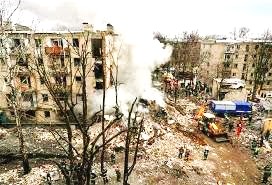
  • “From personal tragedies to political triumphs, President Biden’s story echoes worldwide, inspiring a new era of possibilities for seniors.”

    December 19th, 2023

    In the vast tapestry of history, certain stories transcend the realm of politics, becoming universal narratives of inspiration. President Joe Biden’s remarkable journey, marked by resilience and leadership, is one such saga that resonates globally. As he celebrates his 82nd birthday on November 20, 2023, we delve into a life shaped by adversity, triumphs, and a powerful message that age is merely a number.

    President Biden’s life has been a poignant chronicle of profound tragedies. From the devastating loss of his wife and daughter in a Christmas tree shopping accident to the death of a son due to brain cancer and another son’s struggles with addiction, his personal history is a testament to the resilience required to endure unimaginable sorrow. Yet, through it all, Biden emerged as a symbol of strength, demonstrating that the human spirit can weather even the darkest storms.

    In 1988, Biden faced a life-threatening brain aneurysm, a moment that could have altered the course of history. However, through sheer determination and medical intervention, he not only survived but thrived. This pivotal moment became a testament to his indomitable will, foreshadowing the resilience that would later define his political career.

    Assuming the presidency at the age of 78 defied conventional expectations of retirement and marked a new chapter in Biden’s life. His ascent challenges age stereotypes, sending a powerful message that life’s most significant accomplishments are not bound by age. This section explores how Biden’s presidency became a beacon for seniors globally, encouraging them to view this phase of life as an opportunity for fresh beginnings.

    Biden’s journey serves as a case study for senior citizens worldwide, encouraging a re-evaluation of the notion that life slows down after a certain age. The message is clear: seniors should embrace this phase of life as a new beginning, challenging preconceived notions and setting ambitious goals. Biden’s example inspires them to recognize their vitality and capability, proving that age should not limit aspirations.

    President Biden’s story transcends political affiliations, resonating universally as a tale of resilience amidst adversity. It serves as a beacon for individuals facing personal challenges, demonstrating that setbacks need not define one’s destiny. Biden’s ability to navigate life’s unpredictable journey with strength and grace imparts a universal lesson on facing challenges head-on.

    The profound message from President Biden’s life should echo through communities of senior citizens worldwide. It is a call to action, urging them to embrace this chapter of life with renewed vigor and purpose. Seniors are encouraged to challenge preconceived notions, set ambitious goals, and share this empowering message with their peers.

    As President Joe Biden celebrates his 82nd birthday, a month back (20NOV) his life stands as a beacon of resilience, tenacity, and the enduring human spirit. His journey transcends the political realm, inspiring a global audience to rethink the limitations imposed by age. Reflecting on his story, we find the courage to defy stereotypes, embrace challenges, and, like President Biden, discover the strength to lead, achieve, and inspire—no matter our age. In this celebration of life, we recognize that boundaries are meant to be surpassed, and the best chapters may unfold when we least expect them.

    visit arjasrikanth.in for more insights

  • “A Political Storm: Unprecedented Suspension of 78 MPs Rocks Indian Parliament”

    December 19th, 2023

    In a seismic shift within the Indian political landscape, the suspension of a record-breaking 78 Opposition Members of Parliament (MPs) has triggered a contentious debate on the essence of democracy and dissent in the Indian parliamentary system. This extraordinary measure, a response to disruptions and protests demanding accountability following a security breach in Parliament, has ignited discussions on the far-reaching implications of such a drastic action.

    The suspension of 79 opposition lawmakers, following a similar action against 14 MPs the previous week, has thrust the Indian Parliament into uncharted territory. This brings the total number of suspensions to a staggering 93 in a single session – a historic high that signals a stern response to what is perceived as increasing unruly conduct within the legislative body.

    The trigger for this extraordinary measure was the security breach in the new parliament complex on December 13. A man breached security, entered the lower house, shouted slogans, and set off a smoke canister. In response, opposition lawmakers demanded a government statement and a thorough discussion on the security lapse. The discord between the ruling Bharatiya Janata Party (BJP) and the opposition has escalated, leading to a sharp increase in the number of suspensions.

    The analysis by political leaders and presiding officers points to four main causes of disruptions: MPs lacking sufficient time to raise crucial issues; Unresponsiveness from the government and retaliatory postures from the Treasury benches; Deliberate disturbance for political or publicity reasons ; Failure to take immediate action against MPs who interrupt proceedings.

    The general principle is that the Speaker of Lok Sabha and Chairman of Rajya Sabha bear the responsibility of maintaining order. Rules of Procedure and Conduct empower them to force a member to withdraw or suspend a member for disorderly conduct. The maximum period of suspension is for the remainder of the session. Suspended members lose various privileges, including the right to enter the chamber, attend committee meetings, give notice for discussions, and receive replies to questions. While Article 122 of the Constitution prohibits questioning parliamentary proceedings in court, there have been instances of judicial interventions, challenging procedural aspects of legislative functioning.

    The sweeping suspension of 78 MPs in a single day has sparked strong reactions from the opposition. The Congress party has likened Prime Minister Narendra Modi and Home Minister Amit Shah to modern-day dictators, drawing parallels with Hitler. Opposition leaders are deliberating a complete boycott of Parliament, underscoring their assertion that democracy itself is under suspension.

    As the winter session progresses, the suspension count rises. A total of 45 MPs have been suspended from the Rajya Sabha, and 33 opposition members, including prominent figures from Congress, DMK, and TMC, face suspension from the Lok Sabha. The duration of suspensions varies, with some members facing suspension for the entire winter session.

    The ongoing showdown raises fundamental questions about the functioning of the Indian Parliament. Striking a balance between addressing planned disruptions and allowing legitimate concerns to be raised is crucial. The need for a constructive role by opposition members is emphasized, advocating for a platform where views can be expressed in a dignified manner.

    As the suspension saga unfolds, India’s parliamentary system finds itself in uncharted waters. The clash between the government and the opposition, the historic number of suspensions, and the debate over the suspension’s impact on democracy underscore the need for a nuanced and balanced approach. The coming days will likely witness intensified political discourse, with both sides seeking to assert their positions in this high-stakes confrontation. The story of parliamentary suspensions in the winter session of 2023 is far from over, and its ramifications will reverberate in the annals of Indian political history.

    visit arjasrikanth.in for more insights

  • “Exploring the Odyssey of Living Together Before Marriage”

    December 19th, 2023

    “Unravelling the Threads of Trust, Violence, and Legal Ambiguity in Modern Relationships”

    In the intricate tapestry of Indian society, the emergence of live-in relationships has woven a new narrative, challenging traditional norms and raising questions about trust, violence, and legal complexities. While the youth may embrace these unions with evolving perspectives, recent incidents, such as the shocking case in Thane, Maharashtra, shed light on the darker side of living relationships. This article explores the far-reaching effects of live-in relationships on the social fabric of Indian society, examining both the advantages and the perils.

    The recent incident in Thane, where a woman was allegedly run over by her boyfriend after a violent altercation, serves as a stark reminder of the potential hazards within modern relationships. Priya Singh’s ordeal exposes the vulnerability that can arise, even after five years of companionship, raising concerns about trust, communication, and the repercussions of unchecked aggression.

    While live-in relationships offer a modern approach to companionship, they come with their own set of advantages and disadvantages. On one hand, they provide a platform for deeper understanding and bonding between partners, allowing them to make informed decisions about their future. On the other hand, conflicts over living arrangements, financial disputes, and a lack of commitment are common pitfalls that can strain relationships, as evident in the Thane incident.

    Live-in relationships exist in a legal gray area in India. While the Supreme Court recognizes them and offers protection under domestic violence laws, societal perspectives often clash with legal standing. The tension between legality and morality adds a layer of complexity to these relationships, leaving couples in a state of uncertainty.

    Several factors contribute to the strain in live-in relationships. Financial disputes, lack of legal protection, and emotional challenges are significant issues that couples may face. The lack of commitment and the ease of breaking up further complicate the dynamics, as seen in the Thane incident, where a disagreement escalated to a violent act.

    One telltale sign that a relationship is in trouble is the closing off of vulnerability and openness between partners. In a successful relationship, both individuals feel comfortable sharing thoughts and opinions openly. The breakdown of this emotional connection can signal the impending end of a relationship, a phenomenon evident in relationships on the brink of failure.

    The legal recognition of live-in relationships by the Supreme Court in India marks a significant shift. In the case of S Khushboo versus Kanniammal in 2010, the court categorized live-in relationships as domestic relationships, protected under the Prevention of Domestic Violence Act 2005. However, this legal acceptance does not entirely resolve the moral conflict surrounding these relationships in Indian society.

    Live-in relationships in India often spark a clash between legal acceptance and societal morality. While the law acknowledges their legality, societal norms may still view them as immoral. This moral dilemma places couples in a precarious position, caught between the desire for companionship and societal expectations.

    As live-in relationships become more prevalent in India, it is crucial to navigate the intricate web they weave in society. The Thane incident serves as a wake-up call, prompting a closer examination of the challenges and advantages inherent in these modern unions. Balancing legal recognition, societal expectations, and individual moral compasses is essential to fostering healthy relationships. In the evolving landscape of Indian relationships, addressing trust issues, committing to open communication, and understanding the legal nuances can contribute to a more harmonious coexistence.

    visit arjasrikanth.in for more insights

←Previous Page
1 … 117 118 119 120 121 … 146
Next Page→

Blog at WordPress.com.

Loading Comments...

    • Subscribe Subscribed
      • SOCIAL PERSPECTIVES
      • Join 106 other subscribers
      • Already have a WordPress.com account? Log in now.
      • SOCIAL PERSPECTIVES
      • Subscribe Subscribed
      • Sign up
      • Log in
      • Report this content
      • View site in Reader
      • Manage subscriptions
      • Collapse this bar