Skip to content
    • About

SOCIAL PERSPECTIVES

  • “Freebies in Indian Politics: A Double-Edged Sword”

    December 29th, 2023

    The pulsating heart of Indian politics beats to the rhythm of promises, where freebies, charmingly known as the “Revdi culture,” have become both a weapon and a liability. This exploration delves into the intricate world of political giveaways, uncovering the layers of impact they cast on the nation’s economy, society, and governance. As the debate intensifies, the article navigates the terrain of benefits, pitfalls, and the looming question of sustainability.

    In the grand theatre of public policy, programs like MGNREGA take center stage, offering the promise of assured wages. This not only contributes to a robust and healthier workforce but also acts as a lifeline for those battling the claws of poverty. The stage widens as the Public Distribution System (PDS) enters, a supporting actor offering subsidized food grains, ensuring both consumer welfare and fair remuneration for farmers. The symphony crescendos with subsidized food grains through the PDS and schemes like PMGKAY. In a nation prone to crises, these initiatives become the guardians of basic food security, shielding the vulnerable from the spectre of starvation, especially during unprecedented events like the COVID-19 pandemic.

    Enter the protagonists – initiatives like mid-day meals and free bus passes. They not only address the immediate need of hunger in schools but also act as catalysts for societal transformation. The narrative takes an empowering turn with free bus passes for women in Tamil Nadu, encouraging their participation in the workforce and laying the foundation for economic stability. In a surprising twist, the distribution of free color televisions emerges as a subplot combating domestic violence. The televisions become agents of change, fostering women’s empowerment and self-respect, revealing the unexpected societal dividends of seemingly unrelated freebies.

    Subsidies, such as free laptops, take the stage as necessities, not luxuries. In the evolving landscape of skills and knowledge, these freebies become instrumental in enhancing productivity, bridging the gap between the digital divide and ensuring a more competitive and knowledgeable workforce. Fiscal incentives in states like Kerala step into the limelight, aiming to encourage corporate growth and industrial development. The symphony, now reaching its zenith, echoes promises of economic prosperity through strategic fiscal policies.

    However, as the applause for these initiatives resonates, dissonant chords emerge. The funds for these freebies, often financed through loans, fail to contribute to additional revenue. The curtain lifts, revealing the growing debt burden that silently shadows the applause. Behind the scenes, a more clandestine act takes place – borrowing for freebies occurring off-budget. This financial sleight-of-hand conceals debt and circumvents fiscal targets, leaving the audience unaware of the economic smoke and mirrors. As the drama unfolds, the excessive spending on freebies distorts the plot. Resources are diverted from growth-enhancing items and infrastructure, creating an imbalanced narrative that might compromise long-term economic goals.

    The spotlight now reveals a stark truth – expenditure distortion contributes to social inequalities. The World Inequality Report takes centre stage, pointing to the concentration of income among the top 1% in India, a result of the very policies meant to uplift the masses. A subplot emerges, questioning the sustainability of the entire performance. The focus on free power, water, and similar promises risks diverting attention from sustainable growth, renewable energy, and the development of efficient public transport. The script takes an unexpected turn as reliance on indirect taxes for funding freebies becomes apparent. The consequence – a disproportionate tax burden, impacting economic competitiveness and leaving the audience questioning the true cost of their “free” gifts.

    As the crescendo builds, a final act unfolds – the race for providing freebies poses a risk of fiscal disaster. Discussions about mechanisms like subnational bankruptcy punctuate the air, casting shadows on the economic stability of regions engulfed in the freebie frenzy. Enter the supporting characters – legislative checks, especially by the Opposition. They become the guardians of accountability, holding the government accountable and ensuring that the show remains within the bounds of economic prudence. The Comptroller and Auditor General (CAG) audit steps into the limelight, theoretically a check on the financial integrity of the performance. However, limitations in addressing immediate political concerns become apparent, leaving the audience questioning the efficacy of this safeguard. Market responses, portrayed through loan pricing for different state governments, become the silent narrators of the financial health of the regions. They offer cues about the stability of finances and the looming spectre of debt sustainability.

    The Supreme Court, like the wise elder, steps in and suggests constituting an expert committee. This committee, comprising representatives from beneficiaries, governments, finance bodies, and regulatory bodies, becomes the beacon of hope for a more nuanced evaluation of the freebie phenomenon. The conductor steps forward, urging the audience to distinguish between merit goods and public goods. This differentiation becomes crucial to address concerns about inequality and economic distortion, reshaping the narrative around the very definition of “freebies.” A contemplative interlude emerges – evaluating the long-term impact of freebies on the economy, life quality, and social cohesion. This moment of reflection becomes essential to craft a sustainable and enduring melody that transcends the immediate political applause.

    The script takes a turn towards constitutional revisions. Revisiting the Seventh Schedule, amending Article 282, and modifying the Fiscal Responsibility and Budget Management (FRBM) acts are proposed measures. The goal – to enforce complete disclosure of liabilities and usher in an era of transparency. A subtle but significant subplot unfolds – the Constitution requires states to seek the Centre’s permission for borrowing. This avenue becomes a potential tool for imposing conditionalities, injecting a note of responsibility into the narrative.

    In a dramatic twist, the idea of establishing realistic prospects of a financial emergency in cases of fiscal irresponsibility emerges. This prospect serves as a deterrent, forcing actors on the political stage to think twice before indulging in the reckless distribution of economic favours.

    The curtain falls, and the spotlight dims. The debate over freebies in Indian politics, with all its complexities and contradictions, echoes the need for a nuanced approach. Balancing short-term political gains with long-term economic sustainability becomes the challenge of the next act. Instituting checks, revisiting constitutional provisions, and ensuring transparency emerge as crucial steps in navigating the complex landscape of freebies. The upcoming expert committee’s findings become the anticipated climax, offering insights into developing a comprehensive framework that addresses both the benefits and concerns associated with freebies in Indian governance. As the final notes of the symphony linger, the audience is left with a lingering question – can the melody of freebies be transformed into a harmonious composition that resonates not just in the political arena, but in the hearts and minds of a nation aspiring for sustainable growth and inclusive prosperity? The next act, yet unwritten, holds the answer.

    visit arjasrikanth.in for more insights
  • Transforming Wastewater into a Resource: The Hyper Filtration Legacy of Efficiency and Dedication

    December 28th, 2023

    Hyper Filtration Private Limited: Pioneering a Sustainable Water Revolution for Over 35 Years

    In the face of a growing global population and escalating industrial activities, the demand for water has reached critical levels, putting immense pressure on freshwater sources. As a response to this challenge, Hyper Filtration Private Limited, led by the visionary Mr. SK Gupta, an esteemed alumnus of IIT Roorkee, has emerged as a trailblazer in water and wastewater treatment. This article delves into the remarkable journey, processes, advantages, and industry applications of Hyper Filtration’s ground breaking technology.

    Water, often termed the elixir of life, is facing an unprecedented threat due to overconsumption and pollution. Recycling effluent water has become a linchpin in the realm of water management, offering a sustainable solution to combat water scarcity, reduce the strain on municipal supplies, and mitigate environmental impact.

    Effluent water, treated to rigorous standards, plays a pivotal role in conserving water resources and alleviating the burden on municipal supplies. Hyper Filtration’s commitment to recycling water not only reduces the demand for freshwater but also fosters a more sustainable and balanced water ecosystem. The recycled water finds applications in non-potable purposes such as irrigation, industrial cooling, and toilet flushing.

    Water recycling extends beyond conservation; it is a multifaceted approach encompassing groundwater recharge, agricultural irrigation, and industrial processes. Hyper Filtration’s systems contribute to groundwater replenishment, support responsible agriculture, and aid industries in reducing freshwater dependence.

    The three primary benefits of water recycling – conservation of ecosystems, financial savings, and environmental health – underscore the holistic approach that Hyper Filtration employs in its revolutionary water treatment systems.

    Established in 1985, Hyper Filtration has been at the forefront of water treatment, consistently pushing the boundaries of innovation, reliability, and sustainability. Led by Mr. SK Gupta’s dedication to excellence, the company has achieved a remarkable 98% recovery rate in water treatment processes.

    Hyper Filtration’s systems undergo a meticulous series of processes, ensuring maximum efficiency and environmental sustainability. From the cooling tower to the reverse osmosis unit, each step contributes to the superior quality of the treated water. The incorporation of Physiochemical SOS methods, biological systems with bacteria, and membrane bio reactors highlights the company’s commitment to excellence.

    The advantages of Hyper Filtration’s systems extend beyond the technical. With a 98% water recycling rate, the systems significantly reduce the strain on water resources. Cost-effective at approximately Rs.100 per kiloliter, the systems outshine conventional methods that average around Rs.250+. The zero discharge feature ensures environmental responsibility, and the compact design allows for flexibility in implementation.

    Hyper Filtration has earned its reputation through reliability and a proven track record. With a significant presence in mineral water plants, projects with zero liquid discharge, sewerage plants, and industrial reverse osmosis systems, the company has successfully completed over 3700 projects. This extensive experience underscores the trust industries place in Hyper Filtration’s expertise.

    Hyper Filtration’s systems find application across diverse industries, catering to unique water treatment needs. From distilleries to municipalities, the company’s solutions address the specific challenges posed by each sector, ensuring efficient and environmentally responsible water treatment.

    In the ever-evolving landscape of water treatment, Hyper Filtration Private Limited continues to be a guiding force. The company’s commitment to innovation, sustainability, and efficiency remains unwavering. Hyper Filtration’s systems are not just a technical solution but a pathway toward a sustainable future, ensuring that water, the elixir of life, is treated with the respect it deserves. As industries worldwide face increasing pressure to adopt responsible water management practices, Hyper Filtration’s technology stands as a beacon of hope, transforming wastewater into a valuable resource for generations to come.

    visit arjasrikanth.in for more insights

  • Remembering “Dhirubhai Ambani: Architect of Ambition and Pioneer of Prosperity”

    December 28th, 2023

    “Celebrating the Entrepreneurial Spirit of Dhirubhai Ambani: A Legacy That Continues to Inspire”

    Dhirubhai Ambani, born on December 28, 1932, in Chorwad, Gujarat, stands as an icon of entrepreneurship, symbolizing resilience and an unwavering pursuit of success. This article delves into the extraordinary journey of Dhirubhai Ambani, highlighting his struggles, triumphs, and the enduring legacy he left behind.

    Dhirubhai Ambani’s entrepreneurial success was grounded in unique qualities that set him apart. His ability to think beyond conventional boundaries, focus on customer value, and build strong relationships were pillars of his success. Ambani’s relentless pursuit of higher goals made him a beacon for those seeking inspiration.

    In the late 1950s, Ambani initiated his entrepreneurial journey with Reliance Commercial Corporation, trading in spices. His strategy of offering higher-quality products and accepting smaller profits fuelled rapid expansion. This marked the beginning of what would evolve into a global conglomerate.

    Returning to India in 1966, Ambani founded Reliance Commercial Corporation with minimal capital. His exceptional ability to spot opportunities transformed the business into Reliance Industries, laying the foundation for a legacy that shaped India’s economic landscape.

    Ambani emerged as a role model for Indian entrepreneurs, inspiring a generation with his success story. His revolutionary precedents and quotes continue to motivate individuals, emphasizing the importance of determination and perfection in achieving success.

    Dhirubhai Ambani’s entrepreneurial journey reached its pinnacle with the founding of Reliance Industries in 1958. Taking Reliance public in 1977, he received posthumous recognition with the Padma Vibhushan in 2016, solidifying his status as one of India’s most successful entrepreneurs.

    Ambani’s quotes resonate as timeless inspiration, urging individuals to think big, think fast, and think ahead. His emphasis on determination and perfection underscores the importance of building one’s dreams to avoid helping others build theirs.

    Embarking on his entrepreneurial journey with Reliance Commercial Corporation, Dhirubhai initially traded in spices. A strategic shift to the yarn trade industry in 1962 set the stage for the evolution of Reliance Industries.

    Dhirubhai’s business acumen and calculated risks propelled him to become the richest Indian of his time. His journey from importing polyester yarn to establishing Reliance Industries showcased his ability to spot opportunities and drive success.

    Choosing not to leave a will, Dhirubhai aimed for the unity of his sons, Mukesh and Anil. Posthumously, the legacy faced challenges, with Mukesh retaining control over Reliance Industries and Anil feeling overlooked. Dhirubhai Ambani’s entrepreneurial journey exemplifies the power of ambition, innovation, and relentless dedication. As we celebrate the enduring legacy of this trailblazer, his life continues to inspire generations globally. Dhirubhai Ambani, the architect of ambition, has left an indelible imprint on the entrepreneurial spirit, proving that audacity and unwavering resolve pave the way from humble beginnings to global success.

    visit arjasrikanth.in for more insights

  • “Celebrating Ratan Tata’s 85th Birthday: Architect of India’s Economic Renaissance”

    December 28th, 2023

    “Ratan Tata: A Visionary Odyssey – 85 Years of Shaping India’s Destiny”

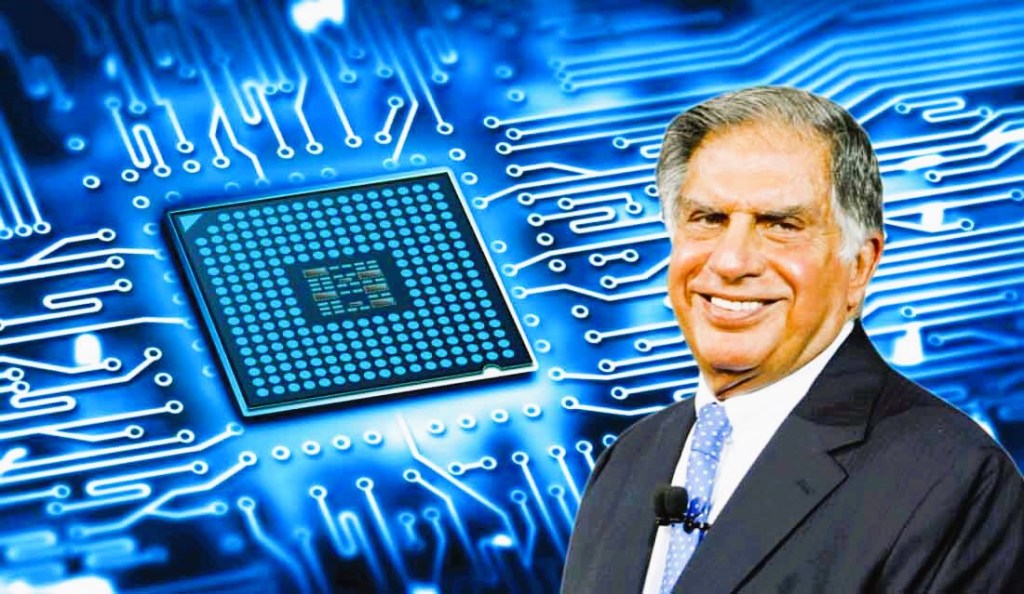
    As the sun sets on December 28, 1937, a luminary is born, destined to reshape the trajectory of Indian business and economic growth. Today, as we celebrate Ratan Tata’s 85th birthday, we embark on a journey through the life of a visionary whose leadership, simplicity, and unwavering commitment have left an indelible mark on the economic landscape of India.

    For over five decades, Ratan Tata has been the steward of the Tata Group, transforming it into a Rs. 5 lakh crore empire. A leader of unparalleled vision, Tata’s approach to business emphasized good manners, dedication, competitiveness, and courage. Under his leadership, the Tata empire expanded globally, acquiring companies like Tetley Tea, Corus Steel, and JLR, contributing significantly to India’s industrial and commercial progress.

    Beyond corporate realms, Ratan Tata played a pivotal role in India’s economic ascent. His influence extended far beyond the Tata Group, injecting vitality into the nation’s economic growth. The infusion of Rs. 10,000 crore into the Tata group empire over two decades reflects his commitment to creating national wealth.

    Ratan Tata’s creativity and vision found expression in the Nano, a car designed to provide affordable mobility to millions. The Nano became an icon of affordability and innovation, a testament to Tata’s commitment to meeting the diverse needs of consumers and realizing his dream of a people’s car.

    As Ratan Tata gracefully steps into retirement, it marks the culmination of a journey filled with challenges and triumphs. The Tata empire, valued at Rs. 5 lakh crore, now rests in the hands of his successor, Cyrus Mistry. Tata leaves behind a legacy that not only amasses economic wealth but also exemplifies values and ethical business practices.

    Ratan Tata’s impact extends beyond boardrooms into the realm of social responsibility. In his second innings, Tata envisions a focus on rural development, water conservation, and providing essential services, reflecting a commitment to uplifting the underprivileged.

    The Tata legacy in the aviation sector, dating back to JRD Tata, found renewed vigor under Ratan Tata’s leadership. Efforts to revive the aviation dream with ventures like the partnership with Singapore Airlines faced challenges, underscoring Tata’s commitment to pioneering endeavours.

    Beyond boardrooms, Ratan Tata’s personal life unveils a multifaceted personality. His love for planes, helicopters, and an impressive collection of cars, including favourites like the Ferrari California, speaks to his diverse interests. His dedication to pet dogs, leisurely activities like strolling and piano practice, adds a touch of humanity to the titan of industry.

    Ratan Tata’s success is not just measured in financial terms; it’s a testament to his commitment to moral values. Recognition in the form of Padma Bhushan, Padma Vibhushan, and honorary doctorates from global universities underscores his exemplary contributions.

    As Ratan Tata celebrates his 85th birthday, the nation extends heartfelt wishes for good health and prosperity in the years ahead. His retirement marks the end of an era, but the values instilled, the businesses expanded, and the lives touched by his philanthropy continue to resonate. Ratan Tata’s journey is a testament to the indomitable spirit of a leader who not only shaped industries but also cared deeply about the well-being of the nation and its people. Happy Birthday, Ratan Tata – a true architect of India’s economic and social progress! May the years ahead be as extraordinary as the legacy you’ve built.

    visit arjasrikanth.in for more insights
  • “Unlocking Boundless Learning: The Transformative Power of Online Education”

    December 28th, 2023

    Navigating the Waves of Change – The Evolution of Online Education

    A Decade of Transformative Initiatives has seen a remarkable shift in the education sector, especially with the rise of online education. This article explores the profound impact of online education, dissecting its opportunities and challenges, and how it aligns with the broader vision for India’s future.

    Online education has disrupted traditional learning institutions, democratizing access to education. This flexible and affordable approach has seen a surge in individuals opting for online courses, whether for skill development, career advancement, or formal education. The shift is evident in the evolving perception of online degrees, moving from scepticism to widespread acceptance.

    1324689337

    The perception of online education has undergone a significant transformation. Initially met with skepticism, online learning is gaining widespread acknowledgment of its effectiveness. Advancements like virtual classrooms and interactive learning experiences have played a pivotal role in this shift. Employers and academic institutions now recognize the value of online degrees, aligning them with industry needs and favorably considering them in hiring and promotion decisions.

    The COVID-19 pandemic acted as a catalyst, accelerating the adoption of online learning. It highlighted the convenience and accessibility of online education, breaking down barriers and making it a viable option for skill development and formal education.

    Academic institutions are recognizing online education not as a replacement but as a complementary element to the traditional framework. The key is to find a balance where the strengths of traditional education, such as personal interactions and campus experiences, seamlessly blend with the flexibility and accessibility offered by online platforms.

    Technological advancements, especially the integration of artificial intelligence (AI), have significantly impacted the delivery and experience of online courses. AI has introduced personalized learning experiences, adapting coursework to meet individual students’ requirements. The future holds promises of more innovations in AI, immersive technologies, and extended reality, enriching online learning experiences.

    Employers are increasingly recognizing the value of online degrees, especially from reputable institutions. Online degrees reflect dynamic learning environments, allowing professionals to pursue advanced degrees without interrupting their careers. The flexibility offered by online education aligns well with the demands of a dynamic work environment.

    Academic institutions are incorporating online education as a complimentary element to traditional frameworks. The focus is on finding a symbiotic relationship between traditional and contemporary teaching methods, creating a positive shift in perception.

    Contrary to common misconceptions, online courses cover a wide range of subjects. Many institutions offer diverse programs, from business administration to computer applications, arts, and social work. The global accessibility of online education is facilitated through advanced learning management systems, ensuring learners worldwide can access quality education seamlessly.

    While challenges exist, including connectivity issues, time management, and learner isolation, many institutions address them through a multi-faceted approach. Robust infrastructure minimizes connectivity problems, regular check-ins and engaging content combat learner isolation, and flexible scheduling options ease time management challenges. The future of online education is promising, with personalized learning experiences being a major trend. Artificial intelligence will play a crucial role in tailoring education to individual learning styles. The integration of AI, immersive technologies, and extended reality will further revolutionize online learning, providing rich, engaging, and effective educational experiences.

    visit arjasrikanth.in for more insights

  • “Controversy, Power Play, and the Quest for Fair Play: The Unravelling Saga of WFI”

    December 28th, 2023

    “Ringside Turmoil: The Struggle for Integrity in India’s Wrestling Federation”

    In the arena where national pride clashes with political influence, India’s Wrestling Federation finds itself entangled in a web of controversy. With the recent suspension of the newly-elected committee, coupled with the retirement of Olympic medallist Sakshi Malik and the symbolic return of Padma Shri by Bajrang Punia, the Wrestling Federation of India (WFI) is undergoing a tumultuous period. This article dissects the multifaceted crisis, exploring the political intricacies, the sexual harassment scandal, and the consequential fallout.

    The shockwaves rippled through the sporting community as Olympic medallist Sakshi Malik announced her retirement on the same day that Sanjay Singh assumed the presidency of WFI. This move sent a powerful message, symbolizing dissent against the political manoeuvring within the federation. Sakshi, along with fellow wrestlers, had earlier accused the previous president, Brij Bhushan Singh, of sexual harassment, sparking months of protests that were temporarily quelled in June.

    The saga traces back to allegations of sexual harassment and intimidation against Brij Bhushan Singh. Despite the controversy, he completed his term, and the scheduled elections were delayed due to legal interventions. The eventual election on December 21 saw Sanjay Singh emerge as the president, reigniting protests and placing the federation in the crosshairs of political scrutiny.

    The nexus between sports and politics became glaringly evident with Sanjay Singh’s victory, raising questions about the sincerity of assurances to keep politics out of sports. Despite promises that Brij Bhushan’s family would not contest, Singh, a close associate, secured the majority, underscoring the influence of political affiliations in the election process.

    In a surprising turn, the newly elected committee faced suspension by the Ministry of Sports, citing Brijbhushan’s lingering influence. Observations that the federation’s office continued to operate from Brijbhushan’s residence raised concerns about the autonomy of the newly elected body. The immediate announcement of junior wrestling championships without consulting the committee added fuel to the suspicions of arbitrary decision-making.

    Sanjay Singh and Brijbhushan’s Singh responded differently to the suspension, with Singh facing criticism for allegedly acting on Brijbhushan’s instructions. Brijbhushan’s claimed retirement from wrestling activities, expressing regret for any celebrations that may have ensued post-election. The wrestling community now faces uncertainty as an interim committee takes charge, determining the immediate future of wrestling in India.

    As the turmoil unfolds, critical questions emerge about the priorities in Indian sports. Should the focus be on athletes and their achievements, or do individual egos and political interests take precedence? The intertwining of sports and politics casts a murky shadow over the Wrestling Federation of India, prompting reflection on the integrity of the system. The crisis in the Wrestling Federation of India transcends administrative disputes, exposing systemic issues of power abuse and sexual misconduct. The suspension of the newly elected committee serves as a crucial juncture, prompting reflection on the governance of sports in the country. The resolution of this conflict will determine whether the wrestling ring remains a stage for glory or a battleground for power, emphasizing the need for a renewed commitment to fair play, transparency, and the development of wrestling in India.

    visit arjasrikanth.in for more insights

  • “Beyond the Fields: The Devastating Impact of Drugs on Rural Punjab and the Call for a Comprehensive Solution”

    December 27th, 2023

    “Punjab’s Battle Against the Drug Menace: A Call for Balance in Tackling Supply and Demand”

    For over a decade, the idyllic fields of Punjab have been marred by an insidious drug crisis, tearing apart families and ensnaring the youth. Emerging from the shadows of post-militancy Punjab, the drug menace has transformed from a mere transit point on the golden crescent trade route into a rampant consumer-driven epidemic. In this comprehensive exploration, we delve into the profound impact of the drug menace on rural Punjab, emphasizing the urgent need for a balanced and all-encompassing approach that addresses both the supply and demand sides of this crisis.

    The aftermath of failed militancy and the subsequent rise of “Narco-terrorism” laid the foundation for Punjab’s entanglement in the illicit drug trade. Positioned strategically on the traditional golden crescent route, Punjab became a conduit for the flow of drugs from Afghanistan to Pakistan and then to Delhi, ultimately reaching global destinations. However, the paradigm shift occurred when the people of Punjab started consuming drugs, setting the stage for a crisis that would grip the entire state.

    A gram of heroin, fetching anywhere between ₹1,000 to ₹5,000, becomes a lucrative enterprise for those struggling with poverty and unemployment. With no need for qualifications or interviews, drug peddling presents a quick and tempting route to financial gain. The lack of rehabilitation measures only intensifies the cycle, turning drug trade into a family business. Some of the recent investigations reveal a concerning trend – an increasing involvement of women in the direct drug trade. Traditionally dominated by men, data from over 11,000 NDPS cases (Narcotic drugs and psychotropic substances) between April 2022 and February 2023 suggests that women now account for over 10% of such cases, marking a significant departure from the scenario observed in 2016.

    Attributing the rise of women in the drug trade to various factors, investigators, highlight the entrapment of families with a history of drug involvement in a vicious cycle. The lack of rehabilitation and societal stigma propel families towards drug peddling, turning it into an unfortunate family business. This trend is exacerbated in South Western regions like Malwa, (It is the largest region in terms of area and has 15 districts in it, the largest of which are Ferozepur, Ludhiana, Patiala, and Bathinda.) where economic hardships and poverty create fertile ground for involvement in the drug trade.

    A closer examination of female drug peddlers reveals a concentration in the Malwa region, characterized by high population density and pockets of poverty. In areas where traditional occupations pay poorly, the allure of quick and easy money from the drug trade becomes irresistible. The lack of job opportunities and economic prospects further exacerbates the issue, making drug peddling an appealing alternative for survival.

    The drug crisis exacts an immeasurable toll on families, especially those with children. Visiting villages and homes where multiple family members have been arrested for drug-related offenses paints a grim picture. Children, left without proper guidance and stigmatized by society, face an uncertain future. The cycle perpetuates itself as the lack of education and opportunities further diminishes their chances of breaking free from the clutches of drug involvement.

    Beyond legal consequences, families involved in drug peddling face severe social stigma. Neighbors and community members distance themselves, fearing the influence of drug-related activities on their own families. The fear of the drug crisis spreading to their children prompts communities to ostracize families caught in the web of addiction and peddling.

    A recurring issue highlighted by investigators is the lack of thoroughness in the investigation process. Drawing parallels with an investigation conducted seven years ago, one notes a distressing trend – the reuse of identical details in multiple FIRs (First Information Reports). This indicates a lack of diligence in collecting evidence and tailoring cases to individual circumstances. The implications of such oversight raise questions about the veracity of arrests and the efficacy of the justice system in curbing the drug menace.

    Arun Pal Singh CP Flag offa wareness run to mark the International Day Against Drug Abuse and Illicit Trafficking,organised byPpunjab Police in Amritsar on Sunday photo vishal kumar

    Punjab stands at a pivotal moment in its prolonged struggle against a deeply entrenched drug menace that has silently permeated its rural fabric for over a decade. The consequences are stark—families torn asunder, children bereft of guidance, and communities burdened by the weight of stigma. The urgency for a comprehensive approach is glaring, calling for a nuanced balance between cracking down on the drug supply chain and implementing initiatives that tackle the root causes of demand.This crisis, born from the shadows of post-militancy Punjab, has transformed from a mere transit point on the golden crescent trade route into a rampant consumer-driven epidemic. Recent investigations shed light on the evolving role of women in the drug trade, with over 10% of cases involving them. This demographic shift underscores the need for a nuanced understanding of the issue.

    Socioeconomic factors propelling the drug trade are acutely visible in the Malwa region, marked by high population density and pockets of poverty—a fertile ground for the insidious trade to thrive. The dearth of job opportunities and economic prospects propels individuals, especially women, into the drug trade as a desperate means of survival. Families, ensnared in a vicious cycle of addiction and lacking rehabilitation, find themselves further entangled. In response, Punjab must transcend its troubled history and envisage a future where its youth can flourish without succumbing to the clutches of drugs. A harmonized strategy is imperative—combining intensified law enforcement against kingpins

  • “Breaking Expectations: Unveiling India’s Remarkable Economic Triumph Amidst Pandemic Aftermath”

    December 27th, 2023

    “India’s Economic Resurgence: Triumph Over Pandemic Shadows”

    blog

    In the intricate dance of economic indicators, none holds more sway than Gross Domestic Product (GDP), the pulse of any nation’s financial health. When the Reserve Bank of India (RBI) projected a 6.5% GDP growth, skepticism reverberated. However, as the financial year unfolded, India’s GDP soared to a remarkable 7.6%, sparking a reassessment of the nation’s economic potential. The article delves into the significance of this growth, questioning whether India has genuinely emerged from the economic aftermath of the pandemic.

    2023, November’s revelation of a 7.6% GDP growth triggered a revision of the full-year forecast to 7%, eclipsing the initial 6.5%. This unexpected surge not only silenced skeptics but injected vitality into the Indian stock market and beckoned increased foreign investments.

    1675252891

    The manufacturing sector’s unexpected growth, marked by soaring operating profits of major firms, raises profound questions. The surge, ranging from 20% to 30%, propels stock market indices like the Sensex to new heights. Yet, the central question looms—has this economic rejuvenation permeated every corner of the nation, or is it a selective renaissance, leaving some sectors and demographics untouched?

    Rewinding to the pre-COVID era, when a sub-4% growth rate fuelled concerns about a diminished medium-term growth potential, the current surge to 6.5% and now 7% offers a glimmer of hope. This unexpected trajectory mirrors the high-growth phase of 2004 to 2008, prompting reflections on the resilience of the Indian economy.

    While global economies grapple with stagnation, India stands tall as a symbol of resilience and growth. Surpassing most nations, India finds itself as the sole “game in town,” attracting global attention and investments. This exceptional positioning underscores India’s economic prowess amidst a challenging global backdrop.

    The correlation between stock market performance and tangible economic realities is nuanced. While operating profits of large firms propel stock market surges, questions linger about real growth in sales, employment, and wages. This duality exposes the challenges of an uneven economic recovery, emphasizing the need for inclusivity in India’s economic resurgence.

    Celebrating economic resurgence demands addressing inequality. With a population exceeding 1.4 billion, policy imperatives must smooth out geographical and socio-economic disparities. Equitable growth distribution is essential to ensure that the economic upswing benefits every Indian, transcending demographic and sectoral boundaries.

    India’s GDP growth, defying expectations and global trends, signifies not only economic resilience but the potential for transformative growth. While the stock market soars, true success lies in translating this economic triumph into tangible improvements in the lives of everyday Indians. As the nation charts its course forward, policymakers face the challenge of navigating an inclusive path, ensuring that economic resurgence becomes a beacon of hope for all. The journey from shadows to prominence is not just an economic tale; it’s a testament to India’s unwavering spirit and determination to emerge stronger from the shadows of the pandemic. In this dawn of a new economic era, the resilience, inclusivity, and sustained prosperity of India beckon, offering a promising future where growth benefits the many, not just the few.

    visit arjasrikanth.in for more insights

  • Gyanvapi Mosque Controversy: Unravelling Centuries of Faith and Legal Battles in Varanasi”

    December 26th, 2023

    “Faith, History, and Justice Collide: The Gyanvapi Dispute Rocks the Spiritual Core of Varanasi”

    In the heart of Varanasi, where the sacred and the secular intertwine, the Gyanvapi Mosque controversy has ignited a fervent debate between Hindu and Muslim communities. This article delves into the historical roots, legal intricacies, and recent developments surrounding the Gyanvapi dispute, exploring the delicate balance between faith and the pursuit of justice.

    Built in 1669 during the reign of Mughal Emperor Aurangzeb, the Gyanvapi Mosque in Varanasi stands as a testament to India’s rich and complex history. However, beneath its serene facade lies a dispute that has festered for decades, tracing its origins to the mosque’s construction on the site of the original Kashi Vishwanath Temple.

    The legal battle surrounding the Gyanvapi dispute has been long and contentious. The Varanasi court, where the suit is pending, seeks to restore the ancient temple at the contested site currently occupied by the mosque. The petitioners argue that the Gyanvapi mosque is an integral part of the temple, urging the removal of Muslims from the complex and the demolition of the mosque.

    In January 2022, the controversy took a volatile turn when a group of Hindu men, authorized by local authorities, entered the Gyanvapi mosque. Inside, they claimed to have found evidence of the desecration of Hindu deities during the Muslim rule in India, sparking protests and religious tensions in the region.

    The Gyanvapi controversy has raised critical questions about the relationship between India’s secular government and its diverse religious communities. The incident in Varanasi has reignited discussions on how the government should navigate religious tensions while upholding the principles of justice and communal harmony.

    Examining the historical context of the Gyanvapi controversy involves understanding Aurangzeb’s reign and his impact on religious structures. Scholars argue about the number of temples destroyed during his rule, with some contending that he built more temples than he demolished.

    The Allahabad High Court’s recent judgment in the Gyanvapi case rejected all petitions by the mosque committee challenging civil suits that seek the restoration of the temple at the mosque site. The court’s decision adds another layer to the complex narrative of the dispute.

    In a bid to uncover the truth behind the Gyanvapi dispute, the Archaeological Survey of India (ASI) conducted a scientific survey of the premises. The report, submitted to the Varanasi district court, is yet to be released, leaving the contents and implications shrouded in mystery.

    As the Gyanvapi dispute continues to unfold, it becomes a poignant reflection of the challenges in navigating the intersection of faith, history, and justice. Varanasi, a city that embodies the essence of spirituality, finds itself grappling with the echoes of a historical feud. The need for a delicate balance between religious sentiments and legal proceedings is underscored, urging a nuanced and empathetic approach to resolving the complexities embedded in the Gyanvapi controversy. In the heart of this ancient city, the quest for truth and reconciliation unfolds, shaping the narrative of a nation that strives to harmonize its diverse cultural fabric.

    visit arjasrikanth.in for more insights

  • Miriyala Venkat Rao: A Tribute to a Passionate Leader!!! 

    December 25th, 2023

    On his birth anniversary, we fondly remember Miriyala Venkat Rao, a remarkable leader who dedicated his life to the welfare of the needy. His compassionate and dedicated nature, coupled with his tireless efforts, made him a valued contributor to humanity at large. This article will delve into the life and contributions of Miriyala Venkat Rao, highlighting his impact on society, particularly through his role as a leader of the Kapu community.

    Miriyala Venkat Rao, also known as Kapu leader, was born on December 25, 1939, in Rajahmundry. Although his ancestors hailed from Prakasam district, most of his life was associated with Vijayawada. From an early age, he possessed socialist sentiments and had a visionary outlook on social aspects, shaping his future path. These attributes ultimately led him to join the Congress party.

    Venkat Rao’s leadership skills gained recognition as he championed the rights of workers and the underprivileged. From leading rickshaw workers to factory workers’ unions, he tirelessly fought for their rights and welfare. Many prominent leaders, including Jakkam Pudi, Undavalli, Gollapalli Surya Rao, and Harsha Kumar, were inspired by his leadership. He also faced imprisonment under the PD Act during the Jai Andhra movement, gaining invaluable experience in tackling societal issues.

    Venkat Rao’s passion for literature, drama, and art played a vital role in shaping his character. His close friendships with renowned personalities like Kudu Haranath, Edida Nageswara Rao, Raogopalarao, Nutanprasad, and Natak Krishna Gummadi Gopalakrishna enriched his perspective and contributed to his ability to make critical decisions. He also maintained an open-door policy, welcoming interactions with BC and Dalit leaders, which allowed him to empathize with a diverse range of people.

    Recognizing the underrepresentation of Kapus, who comprise 27 percent of the population but wielded minimal political power, Venkat Rao founded the Kapu Maha Sabha in 1982. This movement brought together various sub-castes such as Kapu, Telaga, Balija, Ontari, Eastern Kapu, and Munnuru Kapus under a unified umbrella. The Kapunadu Mahasabha, which gathered lakhs of Kapus on the banks of the Krishna River, significantly influenced the political landscape.

    Venkat Rao understood the importance of education in uplifting the Kapu community. He tirelessly worked to enhance literacy rates by distributing scholarships to hundreds of deserving individuals and encouraging financial support for educational pursuits. Additionally, he played a pivotal role in forming Kalyana Manda Palu and promoting sustainable practices in forest resource management, fostering unity among backward castes.

    Despite facing opposition and conspiracies from the ruling class, Venkat Rao remained a steadfast guide and advocate for the Kapu community until his last days. He maintained amicable relations with all, providing guidance in times of trouble, even amidst his own health limitations. Miriyala Venkat Rao’s leadership and unwavering commitment to the Kapu movement will forever be remembered as a golden chapter in the history of Kapus.

    Miriyala Venkat Rao’s life and contributions exemplify the true essence of a compassionate and dedicated leader. His relentless efforts for the welfare of the Kapu community, combined with his inclusive approach towards people from various castes and backgrounds, have left an indelible mark on our society. On his birth anniversary, we fondly remember and honor Miriyala Venkat Rao, cherishing his valued contributions to humanity and his unwavering dedication as a relentless social  leader.

    Visit arjasriaknth.in for more insights

←Previous Page
1 … 115 116 117 118 119 … 146
Next Page→

Blog at WordPress.com.

Loading Comments...

    • Subscribe Subscribed
      • SOCIAL PERSPECTIVES
      • Join 106 other subscribers
      • Already have a WordPress.com account? Log in now.
      • SOCIAL PERSPECTIVES
      • Subscribe Subscribed
      • Sign up
      • Log in
      • Report this content
      • View site in Reader
      • Manage subscriptions
      • Collapse this bar