Skip to content
    • About

SOCIAL PERSPECTIVES

  • “Parliament Security Breach: Unraveling the Chaos and Accountability”

    December 14th, 2023

    “A shocking breach in Parliament security raises questions about the responsibility of Delhi Police, Parliament Security, and the Union Ministry. Delve into the aftermath, the anniversary implications, and the urgent need for accountability.”

    The recent breach in Parliament security sent shockwaves through the nation as two individuals disrupted proceedings by jumping from the visitor gallery, releasing yellow smoke, and shouting slogans. The identities of the intruders, Sagar Sharma and Manoranjan D, have come to light, shedding light on a meticulously planned operation that has left the country questioning its security apparatus.

    Sagar Sharma, son of Shankarlal Sharma, had attended the Lok Sabha session as a guest of Mysuru Lok Sabha member Pratap Simha. On the other hand, Manoranjan D, a 35-year-old resident of Mysore, Karnataka, with a Bachelor of Engineering degree in Computer Science, orchestrated the intrusion.

    The breach unfolded during a Lok Sabha session, with BJP MP Rajendra Agrawal presiding. The youths, in their 20s, jumped from the visitor gallery, causing panic and chaos in the house. As they moved towards the front row, jumping from one row to another, slogans demanding an end to tyranny echoed in the hallowed halls.

    The intruders, Sagar Sharma and Manoranjan D, not only disrupted proceedings by jumping into the Lok Sabha chamber but also released yellow smoke from canisters, creating a surreal scene reminiscent of past terror incidents. The coincidental timing on the anniversary of the 2001 Parliament terror attack added an eerie layer to the breach.

    The aftermath of the intrusion led to swift action by MPs and security personnel, resulting in the arrest of Sagar Sharma and Manoranjan D. Additionally, two other individuals, Amol from Latur, Maharashtra, and Neelam from Hisar, Haryana, were arrested for spraying coloured gas and shouting slogans outside the Parliament premises.

    Initial investigations revealed that the accused, including Sagar Sharma and Manoranjan D, knew each other and had connected on social media. The intricate planning behind the breach involved six individuals, with two causing chaos inside the Parliament and two creating disturbances outside. One accused, Vickey, was detained, while another, Lalit Jha, remains on the run.

    Reports suggest that the passes for the visitor gallery were facilitated by BJP MP Pratap Simha of Mysore. This revelation raises questions about the integrity of the pass issuance process and the potential involvement of MPs in the breach.

    Parents of Manoranjan D expressed surprise at their son’s actions, stating that he had no ill intentions. They emphasized his educational background and intentions to contribute positively to society. The motivations behind the breach are yet to be fully unraveled, as investigations delve into the intricacies of the planning.

    The Parliament security breach has not only exposed vulnerabilities in the security apparatus but also raised concerns about the potential involvement of individuals connected to MPs. As investigations continue, the nation awaits answers about the motivations, associations, and lapses that allowed such an unprecedented intrusion to occur. The incident serves as a stark reminder of the constant need for vigilance and a robust security framework to protect the heart of India’s democracy.

    visit arjasrikanth.in for more insights
  • “Odisha on the Rise: Shattering Stereotypes and Redefining Governance in India”

    December 14th, 2023

    “From the President’s office to key Minister & Ministerial positions, Odisha emerges as a powerhouse, challenging regional dominance and inspiring a new era of meritocracy in Indian politics.”

    In a paradigm-shifting development, the eastern state of Odisha has become a formidable force in shaping the governance landscape of India. Breaking free from regional stereotypes, individuals from Odisha have assumed influential roles, challenging preconceived notions and underscoring the true spirit of meritocracy in the country. From the President of India to key Ministers and Officials , Odisha’s ascent to power highlights the diverse expertise and talent that the state brings to the national stage.

    The symbolic head of the nation, the President of India, proudly hails from Odisha, signifying the trust and recognition bestowed upon individuals from this region. Beyond the presidency, Odisha’s influence permeates crucial sectors, with the Education Minister, Skill Development Minister, and Railway Minister all tracing their roots back to this eastern state. This comprehensive representation in pivotal positions showcases Odisha’s dominance in areas crucial to the nation’s progress.

    Odisha’s influence is not confined to specific sectors; rather, it spans a spectrum of crucial domains. From entrepreneurship and communication to IT, electronics, tribal affairs, and the Jal Shakti Ministry, Odisha’s representatives showcase a diverse range of skills and expertise. This broad representation reflects the state’s commitment to contributing across various sectors, contributing to India’s holistic development.

    The list of notable figures from Odisha goes beyond the conventional roles, featuring leaders in positions such as RBI Governor, CAG of India, NCB Chief, IMD Chief, IOCL Director, and NDRF Chief. These leaders exemplify Odisha’s ability to produce talent that excels in diverse fields, making significant contributions to the nation’s growth and development.

    What sets Odisha apart is its unwavering commitment to meritocracy. Despite constituting only 3.3% of the population and lacking significant political clout, individuals from Odisha have achieved remarkable success and recognition. This commitment underscores India’s dedication to rewarding talent, honesty, hard work, sincerity, and efficiency, irrespective of political affiliations or regional biases.

    The Principal Secretary in the Prime Minister’s Office, P.K. Mishra, a native of Odisha, holds one of the most powerful posts in the country. His appointment stands as a testament to his capabilities, showcasing that political connections do not overshadow meritocracy in India. This success story challenges the notion that one particular region, Gujarat, solely dominates the governance of India.

    Odisha’s rise in national governance challenges stereotypes and underscores the inclusive nature of Indian politics. The presence of distinguished figures from Odisha in key positions demonstrates that regional affiliations do not define success. The achievements of individuals from Odisha underscore the fact that talent, dedication, and integrity are the driving forces behind their ascent to influential roles.

    As Odisha gains prominence, it stands as a beacon of inspiration for aspiring leaders across the country. The state has broken free from regional boundaries, securing its place on the national stage. This remarkable feat serves as a testament to India’s commitment to meritocracy and recognizing talent from diverse backgrounds as Under:
    President of India :- *Odisha*
    Education Minister :- *Odisha*
    Skill development -. *Odisha*
    Enterpreneurship – *Odisha*
    Railway Minister :-. *Odisha*
    Communication. -. *Odisha*
    IT Ministry -. *Odisha*
    Electronics – *Odisha*
    Tribal Affairs – *Odisha*
    Jal Shakti ministry – *Odisha*
    PMO – *Odisha*
    RBI Governor :- *Odisha*
    CAG of India :-. *Odisha*
    NCB Chief :- *Odisha*
    IMD chief :-. *Odisha*
    IOCL , Director :- *Odisha*
    NDRF chief – *Odisha*

    Odisha’s remarkable ascent in the governance of India reflects the nation’s dedication to meritocracy and recognizing talent beyond regional affiliations. With representatives in pivotal positions across ministries, departments, and institutions, Odisha has shattered preconceived notions about regional dominance. The achievements of individuals from Odisha underscore the inclusive nature of Indian politics and serve as a beacon of hope for aspiring leaders from every corner of the country. The rise of Odisha is not just a regional phenomenon; it is a celebration of merit, diversity, and the democratic spirit that defines India’s political landscape.

    visit arjasrikanth.in for more insights

  • “Election Commission Bill 2023: Navigating the Controversial Terrain of Democracy”

    December 14th, 2023

    In a major twist, the Chief Election Commissioner Bill 2023 has become the hot topic of a heated debate, putting ambitious lawmakers against constitutional principles. This article takes a deep dive into the nitty-gritty of the bill, its controversial sections, and the wider impact it could have on the nation’s democratic landscape.

    The Chief Election Commissioner Bill 2023, introduced in the Rajya Sabha on August 10, seeks to regulate the appointment, conditions of service, and term of office for the Chief Election Commissioner (CEC) and other Election Commissioners (EC). Aiming to redefine the procedures governing the Election Commission, the bill has triggered widespread protests, particularly regarding its proposals to alter the status and remuneration of the election commissioners.

    One of the primary objectives of the bill is to establish a committee responsible for the selection of members of the Election Commission. The proposed committee would be chaired by the Prime Minister, with the Leader of Opposition in the Lok Sabha and a Cabinet Minister nominated by the Prime Minister serving as members. This move has raised concerns about executive influence over the crucial process of appointing election commissioners.

    Additionally, the bill suggests revising the salary, allowance, and service conditions of the CEC and other ECs, aligning them with those of the Cabinet Secretary instead of the current status on par with Supreme Court judges. This shift has sparked debates over the potential downgrading of the election commissioners’ status and its impact on their independence.

    Article 324 of the constitution vests the superintendence, direction, and control of elections in the Election Commission. The CEC and other ECs are appointed by the President, a process that the new bill aims to reform. It proposes a selection committee headed by the Prime Minister, introducing a new layer to the appointment process.

    The contentious point arises from the departure of the bill from the 1991 Act, which equated the salary of ECs with that of a Supreme Court judge. The proposed amendment suggests aligning the remuneration of the CEC and other ECs with that of the Cabinet Secretary, a move that has drawn criticism for potentially compromising the Election Commission’s autonomy.

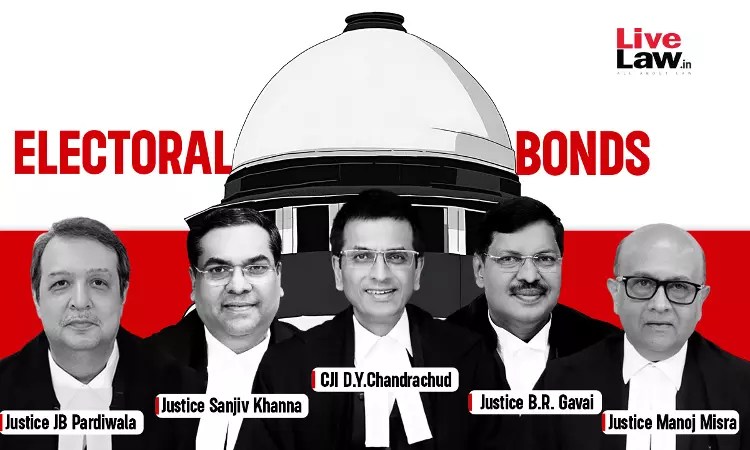
    The bill’s introduction comes in the aftermath of a constitution bench of the Supreme Court ruling in March. The court, in an interim order, established a committee comprising the Prime Minister, the Leader of Opposition, and the Chief Justice of India to make nominations for the EC. The order was an attempt to ensure that the EC’s appointment process remains insulated from executive interference.

    However, the bill proposes a departure from the Supreme Court’s interim arrangement, replacing the Chief Justice of India with a Cabinet Minister nominated by the Prime Minister in the selection committee. This shift has triggered concerns about the potential erosion of the EC’s independence.

    Critics argue that the proposed legislation opens the door for executive control over the Election Commission, allowing the ruling party to influence the selection process. Former Chief Election Commissioners express unease about downgrading the status of election commissioners, emphasizing the importance of maintaining their independence from the government.

    Former Supreme Court judge Madan B. Lokur contends that the bill contradicts the spirit of the Supreme Court’s judgment, which was an expression of the views of the Constituent Assembly. The concern is that the proposed changes might compromise the EC’s ability to act independently, making them subordinate to the ruling government.

    The introduction of the Chief Election Commissioner Bill 2023 has not been without its share of political unrest. Opposition members have vehemently opposed the legislation, labelling it an attempt by the ruling Bharatiya Janata Party (BJP) to exert control over the election body. The bill has been met with protests, and its passage remains a subject of intense debate in the political arena.

    As the Chief Election Commissioner Bill 2023 navigates through the legislative process, it stands as a critical juncture in defining the future of the Election Commission and, by extension, the democratic process in India. The tussle between legislative intent and constitutional principles underscores the need for a careful examination of the proposed amendments and their potential impact on the autonomy and integrity of the Election Commission. The coming days are likely to witness heightened debates, discussions, and perhaps revisions to strike a balance that safeguards the democratic ethos while addressing the concerns raised by various quarters. The outcome will undoubtedly shape the landscape of electoral governance in India for years to come.

    visit arjasrikanth.in for more insights

  • FOMO Unveiled: Navigating the Modern Social Psyche

    December 14th, 2023

    Decoding the Fear: Understanding, Confronting, and Thriving Beyond FOMO

    In the contemporary, fast-paced, interconnected world, the Fear of Missing Out (FOMO) has transformed from a catchy acronym into a profound psychological experience. This comprehensive exploration aims to unravel the roots of FOMO, delve into its connections with social anxiety, and illuminate the extensive impact it has on individuals’ lives. Join us on a journey through the intricate landscape of FOMO as we explore its psychological underpinnings and provide strategies to navigate this prevalent modern-day dilemma.

    FOMO, or the Fear of Missing Out, extends beyond a transient emotion; it is a psychological phenomenon that induces anxiety and stress. The article delves into the core causes of FOMO, unraveling why individuals experience an overwhelming sense of exclusion and how this feeling impacts their mental well-being. By understanding the roots of FOMO, we lay the foundation for confronting and mitigating its effects.

    A positive relationship exists between FOMO and social anxiety, creating a cycle of emotional turmoil. The exploration of this intricate dynamic sheds light on how heightened FOMO levels correlate with increased social anxiety. Understanding this relationship is essential for individuals seeking to break free from the grips of FOMO and alleviate the associated mental distress.

    FOMO transcends mere concern; it is a problematic attachment to social media with consequences ranging from sleep disturbances to impulsive behaviors. The article uncovers the multifaceted effects of FOMO, illustrating how it manifests in behaviors such as overspending and overeating. By recognizing the broader impact of FOMO, individuals can work towards healthier coping mechanisms.

    In the age of constant connectivity, social media serves as both the culprit and the antidote to FOMO. Navigating this complex relationship, we examine how social media usage contributes to the fear of missing out while simultaneously acting as a means to connect. Understanding this paradox is crucial for individuals striving to balance their online presence with meaningful real-life experiences.

    A structural equation model reveals FOMO’s mediating role between social self-efficacy and life satisfaction. The exploration of how individuals’ perceptions of their social abilities influence overall life satisfaction provides insights into the intricate equation at play. Recognizing the role of FOMO in shaping life satisfaction is a key step towards fostering a healthier relationship with social situations.

    Fear, particularly the fear associated with missing out, disrupts cognitive processes and decision-making. Dissecting how fear affects human behavior highlights the vulnerability of individuals to intense emotions and impulsive reactions. By understanding these consequences, individuals can develop strategies to mitigate the negative impact of FOMO on their decision-making processes.

    Social comparison, intertwined with FOMO, perpetuates feelings of inadequacy when individuals measure themselves against peers. The exploration of this psychological cycle provides insights into how FOMO contributes to negative self-perception. Breaking this cycle is essential for individuals striving to cultivate a positive self-image and reduce the impact of FOMO on their mental well-being.

    Teenagers, immersed in a culture of constant online presence, emerge as particularly vulnerable to FOMO. Investigating the reasons behind their susceptibility and understanding how social media contributes to negative self-image offers valuable insights. Addressing the vulnerability of teens is crucial for developing targeted interventions that promote a healthier relationship with social media and mitigate the long-term impacts on their mental well-being.

    Recognizing the pervasive impact of FOMO, the article provides practical coping strategies. From mindfulness practices to self-compassion and acknowledging the choices individuals make, these strategies empower individuals to navigate the complexities of FOMO. By adopting these coping mechanisms, individuals can regain control over their mental well-being and develop resilience against the negative effects of FOMO.

    In the intricate labyrinth of FOMO, understanding its roots, impact, and coping strategies becomes paramount. This article aims to decode the fear of missing out, providing insights into its psychological underpinnings and offering a roadmap for individuals to foster a healthier relationship with the digital age. As we unravel the complexities of FOMO, the path to a more balanced and fulfilling life becomes clearer, one mindful choice at a time.

    visit arjasrikanth.in for more insights

  • “Congratulations to Mohan Yadav: The Unexpected Torchbearer of Change in Madhya Pradesh”

    December 13th, 2023

    “A political twist unfolds as Mohan Yadav emerges as Madhya Pradesh’s Chief Minister-elect – dissecting the surprising selection and the path to a new era.”

    In an unexpected turn of events, the Bharatiya Janata Party (BJP) has chosen Mohan Yadav as the Chief Minister-elect of Madhya Pradesh. This decision, following extensive speculation about other prominent leaders, has set the stage for a significant shift in the state’s political landscape. Let’s delve into the intricacies of this surprising choice, exploring Yadav’s background, controversies, and the implications for Madhya Pradesh.

    Amidst a pool of formidable contenders, Mohan Yadav, an MLA from Ujjain South and a minister in the previous Shivraj Singh Chouhan cabinet, emerged as the unexpected choice for Madhya Pradesh’s top post. This decision defied the expectations surrounding key figures like Shivraj Singh Chouhan, Prahlad Patel, and others.

    The BJP’s journey towards this unconventional selection involved a strategic balancing act. Recognizing the need for a fresh approach due to anti-incumbency sentiments, the party strategically projected multiple Chief Ministerial faces across different regions. The surprising selection of Yadav indicates a departure from conventional choices, signaling the BJP’s commitment to evolving political narratives.

    Mohan Yadav’s political journey is marked by grassroots engagement and organizational roles. His affiliation with the Akhil Bharatiya Vidyarthi Parishad (ABVP) and the Rashtriya Swayamsevak Sangh (RSS) in the ’90s laid the foundation for a diverse set of experiences. Serving as the Education Minister in the Shivraj Singh Chouhan Cabinet showcased his commitment to educational reforms, including the introduction of chapters based on Hindu epics.

    Yadav’s selection is not without controversy. His candid and at times inflammatory remarks have sparked debates, notably comments related to Sita’s life. However, these controversies coexist with his notable contributions, such as hosting religious events and active participation in local sports associations, adding layers to his political persona.

    The elevation of Mohan Yadav aligns with the BJP’s promise to bring about a new era of leadership in Madhya Pradesh. The party, recognizing the need for a fresh perspective, has fulfilled its commitment to party workers and voters. Despite the energetic campaign led by Shivraj Singh Chauhan, the BJP’s decision reflects a determination to surprise and evolve, challenging established norms.

    As Mohan Yadav assumes the mantle of leadership, Madhya Pradesh braces for a political transformation. The composition of his cabinet, the roles of key leaders like Shivraj Singh Chouhan, and the unfolding of promised changes will be closely scrutinized. The BJP’s ambitious mission to secure all 29 seats in the upcoming Lok Sabha campaign further emphasizes the party’s commitment to a dynamic and evolving political narrative.

    Madhya Pradesh finds itself at the brink of a new chapter with Mohan Yadav as its Chief Minister-elect. The surprise element in his selection, coupled with the BJP’s strategic manoeuvres, promises an intriguing political narrative. While the impact of this decision remains uncertain, it signifies a departure from the expected, propelling Madhya Pradesh into uncharted territories under the leadership of Dr. Mohan Yadav. Only time will reveal the trajectory of this political journey, and for now, the state stands on the precipice of change.

    visit arjasrikanth.in for more insights

  • “From Demonetization to Cash Stacks: The Puzzling Journey of ₹354 Crores in Jharkhand “

    December 13th, 2023

    In the wake of demonetization, the Indian government aimed to create a cashless economy, imposing withdrawal limits and emphasizing the need for fool proof identification in financial transactions. However, recent events have brought to light an astonishing discovery – ₹353 crores in cash stashed in premises linked to Congress Rajya Sabha MP Dhiraj Sahu, raising questions about the effectiveness of post-demonetization measures.

    India, in the aftermath of demonetization, experienced a significant transformation in its financial landscape. The government’s push toward a digital economy, coupled with stringent measures like withdrawal limits and mandatory identification, aimed to curb black money and promote transparency. However, the recent revelation of ₹353 crores in fresh notes challenges the narrative of a successful demonetization.

    The Income Tax raids on premises linked to Congress MP Dhiraj Sahu uncovered an unprecedented ₹353 crores in cash. Sahu, a prominent Congress figure, is now at the centre of a political storm, with the BJP alleging a nexus between Congress and corruption. The immense scale of this cash seizure marks a pivotal moment in India’s ongoing battle against illicit funds.

    Despite the government’s efforts to minimize cash transactions, large amounts of cash continue to emerge in operations like the one targeting Dhiraj Sahu. The counting process itself became a spectacle, involving 176 bags of cash, three banks, and 40 currency counting machines. This raises critical questions about the efficacy of demonetization and whether it inadvertently led to the hoarding of fresh notes.

    One of the primary objectives post-demonetization was to promote digital transactions. However, the recent cash discoveries indicate that the shift towards a cashless economy may not be as seamless as envisioned. The allure of hard cash, especially in colossal amounts, continues to challenge the transition to a fully digital financial ecosystem.

    Dhiraj Sahu’s case serves as a wake-up call, prompting a re-evaluation of India’s financial discipline and the efficacy of anti-black money measures. The question arises: Is the abolishment of ₹500 notes the solution? Would it lead to a surge in digital transactions, making the accumulation of hard money a near-impossible feat? As India grapples with these questions, it becomes imperative to reassess and reorient the strategies in place.

    Critics argue that demonetization, while disrupting the existing cash flow, failed to address the root causes of black money accumulation. The cash seized from Dhiraj Sahu’s premises raises concerns about the extent of such hoarding and whether other prominent figures are engaging in similar practices. The BJP’s reference to past instances of large cash seizures during demonetization further complicates the narrative.

    The ₹353 crore cash saga unfolds against the backdrop of demonetization’s aftermath, revealing the complexities and challenges inherent in India’s financial landscape. As political narratives clash, it is crucial to address the core issues – the efficacy of demonetization, the resilience of the cash-centric system, and the need for a robust digital transition. Dhiraj Sahu’s case serves as a microcosm of a broader issue, necessitating a comprehensive and reflective approach to reshape India’s financial trajectory. In the grey zone between demonetization’s objectives and unintended consequences, the nation must chart a course toward a more transparent and accountable financial future.

    visit arjasrikanth.in for more insights

  • “Congratulations to Vishnu Deo Sai: A Political Odyssey from Panchayat to Chief Ministership”

    December 12th, 2023

    “Clean Image, Low Profile: Vishnu Deo Sai’s Historic Rise as Chhattisgarh Chief Minister”

    In a remarkable turn of events, Vishnu Deo Sai, a political stalwart from Chhattisgarh, has ascended to the position of Chief Minister, marking a significant milestone for tribal representation. Known for his clean image and low-profile nature, Sai’s journey from a Panchayat member to the Chief Minister’s office is a testament to his political acumen and the BJP’s strategic recalibration.

    Born in the tribal village of Bagia under Jashpur district in 1964, Vishnu Deo Sai entered the political arena in 1989, contesting local civic body polls. His early success saw him elected as the ‘panch’ of Baiga village panchayat and later as the sarpanch unopposed. Hailing from a political family, his grandfather, Budhnath Sai, was a nominated MLA from 1947 to 1952, laying the foundation for Sai’s political legacy.

    His mentor, the charismatic BJP leader Dilip Singh Judeo, played a pivotal role in shaping Sai’s political journey. Despite completing only his higher secondary education and leaving college, Sai’s dedication to public service propelled him forward.

    Vishnu Deo Sai’s rise in politics was steady yet impactful. A four-time MP and two-time MLA, he secured his first state Assembly seat from Tapkara in Jashpur district in 1990. Sai’s political trajectory saw him leading the BJP in Chhattisgarh twice, further solidifying his role in state politics.

    Throughout his political career, Sai maintained a non-controversial image, distinguishing himself through integrity and a commitment to public service. Loyalty to former Chief Minister Dr. Singh became a hallmark of Sai’s political identity, earning him respect across party lines.

    In the recent polls, Vishnu Deo Sai secured victory over Congress candidate U D Minz in the Kunkuri assembly constituency by a substantial margin of over 25,000 votes. This triumph marked his return to the forefront of Chhattisgarh politics and positioned him as the chief minister-designate.

    The decision to appoint Vishnu Deo Sai as Chief Minister is not arbitrary but a strategic move by the BJP. In 2022, Sai was replaced as the State BJP President, indicating a shift toward OBC representation with Arun Sahoo taking the reins. However, the electoral success in the northern tribal belt, Sarja, where the BJP secured all 14 seats, prompted a reconsideration.

    Sai’s appointment aligns with the BJP’s strategy to secure tribal votes, a significant electoral factor in Chhattisgarh. The tribal community, forming a substantial portion of the population, holds sway in electoral dynamics. Sai’s selection over other candidates, including Union Minister Renuka Singh, underscores the party’s focus on garnering tribal support.

    Beyond tribal representation, Sai’s religious identity also plays a role in his political alignment. Unlike the common perception of tribal communities identifying outside mainstream religions, Sai’s association with RSS’s tribal affiliate Vaasi Kalyan Ashram demonstrates a connection to Hinduism. This aligns with the party’s strategy, particularly considering the influence of OBC representation in Chhattisgarh politics.

    As Chief Minister, Vishnu Deo Sai faces immediate challenges and opportunities. Fulfilling promises made during the election campaign, particularly regarding the Pradhan Mantri Fasal Bima Yojana and other welfare schemes, tops his agenda. The BJP manifesto commitments, such as financial aid to married women and favorable paddy procurement prices, will be closely watched.

    Moreover, with elections on the horizon, Sai’s leadership as a tribal Chief Minister might bolster the BJP’s prospects in tribal-dominated constituencies. The tribal vote bank, constituting 9% of the total Lok Sabha seats, could play a pivotal role in securing additional seats for the BJP.

    Vishnu Deo Sai’s elevation to the Chief Minister’s office heralds a new era in Chhattisgarh’s political landscape. His journey from a grassroots political leader to the highest office in the state showcases the BJP’s strategic response to regional dynamics and electoral considerations. As Chhattisgarh embarks on this historic moment, Vishnu Deo Sai’s tenure will undoubtedly shape the future trajectory of tribal representation and political dynamics in the state, marking a turning point in its political narrative.

    visit arjasrikanth.in for more insights

  • Celebrating the Iconic Rajinikanth on His Birth Anniversary: A Cinematic Journey

    December 12th, 2023

    As the world celebrates the birth anniversary of the legendary Rajinikanth, it’s an opportune moment to reflect on the life and career of a man who has become synonymous with Indian cinema. Born on December 12, 1950, as Shivaji Rao Gaekwad, Rajinikanth’s journey from a bus conductor to the “Superstar” of Indian cinema is nothing short of a cinematic marvel.

    In a recent interview, Rajinikanth himself addressed the question on everyone’s mind: Is he considering retirement? The answer was clear – Rajinikanth is not contemplating retirement at the moment. His love for acting and the joy it brings him are evident. The iconic actor expressed his desire to continue gracing the silver screen for as long as he can, bringing joy to his millions of fans worldwide.

    However, the seasoned actor did drop a hint about a potential shift in focus. Rajinikanth openly shared his willingness to explore a full-time foray into politics in the future. While he remains committed to entertaining audiences, the prospect of serving the public through politics is a path he is willing to tread.

    No tribute to Rajinikanth would be complete without revisiting some of his most monumental cinematic achievements. Here’s a glimpse into the top 10 highest-grossing movies of the Superstar:

    2.0 (2018): A sci-fi thriller that pushed the boundaries of Indian cinema. Jailer (I) (2023): An action-packed comedy-crime drama showcasing Rajinikanth’s versatile acting. Kabali (2016): An action-crime drama that captivated audiences worldwide. Enthiran (2010): A groundbreaking science fiction film that showcased Rajinikanth’s dual roles. Darbar (2020): A cop drama that added another dimension to Rajinikanth’s repertoire. Petta (2019): A stylish action film that became a box office sensation. Annaatthe (2021): A recent release that continues to make waves in the cinematic landscape. Sivaji (2007): A film that solidified Rajinikanth’s position as the matinée idol of Tamil cinema.
    These movies not only shattered box office records but also became cultural phenomena, elevating Rajinikanth to the status of a living legend.

    To understand the journey of Rajinikanth, we must go back to his cinematic debut. In 1975, under the guidance of director K. Balachander, Rajinikanth made his debut in the Tamil drama Apoorva Raagangal. His initial role, a minor one as an abusive husband, hinted at the potential waiting to be unleashed.

    It was Balachander’s Telugu drama film Anthuleni Katha (1976) that marked Rajinikanth’s first major role, setting the stage for his breakthrough in Tamil cinema with Moondru Mudichu (1976). Balachander’s keen eye for talent played a pivotal role in discovering Rajinikanth’s acting prowess.

    From negative roles in films like Avargal, 16 Vayathinile, Aadu Puli Attam, and Gaayathri to positive characters in movies like Kavikkuyil and Sahodarara Savaal, Rajinikanth showcased his versatility early in his career. His portrayal of a failed lover in Bhuvana Oru Kelvi Kuri (1977) earned him critical acclaim, marking a turning point in his journey.

    The late ’70s saw Rajinikanth’s ascent to lead roles with films like Bairavi (1978), Mullum Malarum (1978), and Aval Appadithan (1978). The latter earned him a Tamil Nadu State Film Award Special Prize for Best Actor.

    The 1980s solidified Rajinikanth’s status as both an action hero and a superstar with movies like Billa (1980) and Murattu Kaalai (1980). He ventured into comedy with Thillu Mullu (1981), a Tamil remake of the Bollywood film Gol Maal (1979).

    His Bollywood debut in Andhaa Kaanoon (1983) and success in films like Nallavanukku Nallavan (1984) expanded his reach beyond Tamil cinema. The latter earned him the Filmfare Award for Best Tamil Actor.

    Rajinikanth’s 100th film, Sri Raghavendrar (1985), portrayed him as the Hindu saint Raghavendra Swami. Despite being a box-office failure, it showcased his willingness to experiment.

    The latter half of the ’80s witnessed Rajinikanth’s foray into Hindi cinema with films like Geraftaar (1985) and ChaalBaaz (1989). His Hollywood debut in Bloodstone (1988) marked a bold step into international cinema.


    Rajinikanth’s influence wasn’t confined to the realm of cinema. A major turning point in his life occurred when K. Balachander discovered him for the 1975 film Apoorva Raagangal. This marked the beginning of a journey that saw Rajinikanth’s impact not only in entertainment but also in politics.

    A staunch follower of the late NTR, Rajinikanth actively participated in politics, campaigning for the Telugu Desam Party (TDP). However, the trajectory of his political involvement took an unexpected turn after the tragic on-set accident in 1989.

    Rajinikanth’s contribution to cinema has been duly recognized over the years. In 1984, he received a Nandi Award for Best Actor in a supporting role for the film Sundari Subbarao. The pinnacle of recognition came in 2005 when he was honored with the NTR National Award, solidifying his place in the pantheon of Indian cinema.

    In the new millennium, Rajinikanth continued to redefine Indian cinema. Films like Chandramukhi (2005) and Sivaji (2007) showcased his enduring appeal. The latter, directed by S. Shankar, made him the second-highest paid actor in Asia after Jackie Chan. His portrayal of a scientist and an andro-humanoid robot in Enthiran (2010) marked a significant chapter. The film was India’s most expensive production at the time of its release and remains among the highest-grossing Indian films of all time.The experimentation continued with the 2014 animated film Kochadaiiyaan, the first in India shot with motion capture technology. While it faced commercial challenges, it highlighted Rajinikanth’s willingness to embrace innovation.


    Beyond the entertainment industry, Rajinikanth’s contributions to society are significant. His on-screen persona often reflected a larger-than-life character, embodying principles of justice, courage, and righteousness. This portrayal had a profound impact on his fans, transcending the realms of fiction. Rajinikanth’s on-screen characters often stood as symbols of resilience and social justice. His movies addressed societal issues, and the impact went beyond the box office. Films like Kaala (2018), where he played a Malaysian Tamil crime boss, demonstrated his commitment to storytelling that resonates with societal values.

    As we celebrate Rajinikanth’s birth anniversary, we reflect not only on his cinematic achievements but also on the man behind the characters. His journey from a bus conductor to a global cinematic icon is an inspiration to many. Rajinikanth’s charisma, humility, and commitment to his craft have left an indelible mark on the hearts of millions. With over 170 films to his credit and a career spanning decades, Rajinikanth remains a cultural phenomenon. He is not just a star; he is a symbol of cinematic excellence, a mentor to aspiring actors, and a beloved figure whose influence transcends borders.

    As Rajinikanth continues to grace the silver screen with his magnetic presence, the world eagerly awaits the next chapter in the cinematic journey of the one and only Superstar. Happy Birthday, Rajinikanth, may your legacy continue to inspire generations to come!

    visit arjasrikanth.in for more insights

  • Nutan Prasad: Remembering a Versatile Actor on His Jayanthi

    December 12th, 2023

    As the birth anniversary of the legendary Telugu actor Nutan Prasad approaches, it is only fitting that we take a moment to remember and celebrate the life and contributions of this versatile artist. Born on 12th December 1945 in Kaikaluru, Andhra Pradesh, Nutan Prasad, originally named Tadinada Varaprasad, left an indelible mark on the world of Telugu cinema and theatre. His journey in the film industry, spanning from the early 1970s to 2009, was filled with remarkable performances, earning him accolades and a place in the hearts of audiences.

    Nutan Prasad embarked on his acting career with the play “Naa Votu” in Guntur, showcasing his theatrical roots. However, it was his debut in the movie “Andala Ramudu” in 1973, where he starred alongside the legendary Akkineni Nageshwara Rao, that marked the beginning of his cinematic journey. This was just the starting point for a career that would see him donning various roles, from a villain to a comedian, showcasing his incredible acting range.

    One of the significant milestones in Nutan Prasad’s career was the movie “Muthyala Muggu,” where he played a villain alongside Rao Gopal Rao. His prowess as an actor reached its zenith with the film “Rajadhi Raju,” in which he portrayed the character of Satan. The movie not only became a hit but also featured a song, “కొత్త దేవుడండీ కొంగొత్త దేవుడండీ,” choreographed on him that remains popular to this day.

    Nutan Prasad’s versatility was evident in his collaborations with actors from different generations. From “Patnam Vachina Pativratalu” to “Khaidi,” “Magamaharaju,” “Srivariki Premalekha,” “Kathanayakudu,” and “Aha Naa Pellanta,” he left an indelible mark on each project with his impeccable acting skills.

    Nutan Prasad during the shooting of “Bamma Maata Bangaru Baata” in 1989. An unfortunate accident on the sets, involving his co-star Rajendra Prasad, resulted in a broken back and left him paralyzed from the waist down. This incident marked a turning point in his career, as he had to adapt to a new reality. Nutan Prasad, displaying remarkable resilience, did not let this setback define the entirety of his career.

    Despite the physical challenges, Nutan Prasad continued to contribute to the entertainment industry. He transitioned from full-time acting to making guest appearances, and he also lent his voice to dubbing and commentary for serials and movies. Notably, he provided the voiceover for the late Gummadi in “Aayanaki Iddaru” (1995). His distinctive voice and narrative style received appreciation from Telugu TV audiences when he became the narrator for the hit crime reality show on ETV-2, “Neralu Ghoralu.”

    Nutan Prasad’s impact extended beyond the screen. His memorable dialogues, such as “దేశం చాలా క్లిష్టపరిస్థితిలో ఉంది” (transl. The country is in a very difficult situation) and “నూటొక్క జిల్లాల అందగాడిని” (transl. I am one of the most handsome persons from 101 districts), became iconic and even inspired the title of the film “Nootokka Jillala Andagadu” (2021). These lines became synonymous with Nutan Prasad’s unique style and left an indelible mark on the cultural landscape.

    Despite the challenges in his personal life, Nutan Prasad continued to receive recognition for his contributions to cinema. In 1984, he was honored with a Nandi Award for Best Actor in a supporting role for the film “Sundari Subbarao.” Later, in 2005, he received the prestigious NTR National Award, a testament to his enduring impact on the industry.

    Nutan Prasad’s commitment to his craft and his ability to adapt to changing circumstances showcased his resilience and passion for storytelling. Beyond the realm of cinema, he was also known for his involvement in politics. A staunch follower of the late NTR, Nutan Prasad joined the Telugu Desam Party (TDP) and actively campaigned for the party. However, following the life-altering accident, his active participation in politics diminished.

    As we commemorate Nutan Prasad’s Jayanthi, let us reflect on the life of a versatile actor who navigated the highs and lows of his career with grace and determination. His legacy lives on through his timeless performances and the impact he had on Telugu cinema. Nutan Prasad will always be remembered for his ability to bring characters to life and his enduring contribution to the world of entertainment.

    visit arjasrikanth.in for more insights

  • “Brewing Success: Malavika Hegde’s Triumph Over Adversity at Café Coffee Day”-Woman Power & Determination

    December 12th, 2023

    “From Crisis to Triumph: The Inspiring Journey of Malavika Hegde, the Woman Behind Café Coffee Day’s Resurgence.”

    In the intricate world of business, tales of triumph and resilience often shine the brightest. One such story is that of Malavika Hegde, the fearless CEO of Café Coffee Day (CCD), who not only saved the iconic brand from financial collapse but also charted a course towards unprecedented growth and prosperity. This is more than just a business turnaround; it’s a testament to the power of determination, resilience, and an unwavering commitment to a vision.

    The roots of Café Coffee Day date back to 1996 when VG Siddhartha laid the foundation of this revolutionary coffee venture. Fast forward to December 2020, Malavika Hegde assumes the role of CEO at CCD Enterprises Limited, stepping into the shoes of her late husband, VG Siddhartha. This marked the beginning of a remarkable journey that would redefine the future of CCD.

    The untimely demise of VG Siddhartha, CCD’s founder, thrust Malavika Hegde into the spotlight. A resilient woman, she embraced the challenge, becoming a shining example of indomitable spirit in the face of adversity. As the wife and successor, she took over the reins of CCD, a company teetering on the edge of financial ruin, and pledged to start afresh.

    The harsh realities of CCD’s failure emerged with the tragic suicide of its founder, revealing significant debt mismanagement and a lack of control over financing decisions. The company faced an uphill battle, and skeptics doubted the possibility of recovery. However, Malavika Hegde’s determination to honor her husband’s legacy fueled her commitment to resurrecting the brand.

    Malavika Hegde’s commitment to CCD goes beyond financial gains. As a non-executive board member, she serves on the CCD board without compensation, demonstrating her dedication to the company’s values. Despite the challenges posed by her husband’s passing and the global COVID-19 shutdown, Malavika successfully navigated the turbulent waters.

    Malavika Hegde’s strategy for CCD’s resurgence is multi-faceted. Focused on affordability and convenience, CCD had successfully catered to diverse customer segments through various outlet types. However, increased competition and poor financial management led to cash flow problems and mounting debt. Malavika’s strategic approach involved securing new investors to inject capital into CCD. Through alliances and share purchase agreements, she attracted reputed companies, convincing them of the enduring value of the CCD brand.

    The financial rollercoaster faced by CCD was daunting. Temporary halts in export operations and the closure of nearly 280 outlets were driven by lower margins and higher working capital requirements. Despite the challenges, Malavika Hegde’s prudent fiscal and business management efforts began to show results. In FY23, CCD reported a loss of ₹30.78 crore, a significant improvement from ₹34.93 crore in FY22. The quarterly report for Q1FY24 showcased a net profit of ₹24.57 crore, a stark contrast to the previous year’s loss.

    From her early days on the CCD board to becoming the CEO, Malavika Hegde’s journey is marked by unwavering leadership. In the face of personal loss and professional stress, she led over 25,000 employees with honesty and dedication. Her commitment to reducing CCD’s debt, which stood at ₹7,000 crores in March 2019, resulted in a remarkable reduction to ₹1,731 crores by 2021.

    Malavika Hegde transcends the boundaries of a businesswoman; she becomes a source of inspiration for women and society at large. Her qualities of patience, leadership, and honesty shine through, proving that success is attainable even in the most challenging times. As a single mother, she juggled personal responsibilities with professional challenges, emerging as a beacon of success for women across the nation.

    Café Coffee Day, with its 572 cafés and 333 Value Express kiosks, stands as a testament to Malavika Hegde’s wit and hard work. The resurgence of CCD is more than a business comeback; it’s a tale of a woman who rose from the ashes, determined to fulfill her husband’s dream. Malavika Hegde’s journey showcases the power of commitment, resilience, and the ability to overcome adversity.

    In the grand narrative of Café Coffee Day’s evolution, Malavika Hegde emerges as the protagonist, leading the charge from a sinking ship to a well-maintained vessel. The story is not just about the revival of a brand but the embodiment of a woman’s strength and determination. As we enjoy our coffee at CCD today, let us raise our cups to Malavika Hegde and the remarkable story she has etched in the annals of Indian business history. The legacy continues, and Café Coffee Day’s journey, under her leadership, is nothing short of extraordinary. Keep slaying, Malavika Hegde!

    visit arjasrikanth.in for more insights
←Previous Page
1 … 119 120 121 122 123 … 146
Next Page→

Blog at WordPress.com.

Loading Comments...

    • Subscribe Subscribed
      • SOCIAL PERSPECTIVES
      • Join 106 other subscribers
      • Already have a WordPress.com account? Log in now.
      • SOCIAL PERSPECTIVES
      • Subscribe Subscribed
      • Sign up
      • Log in
      • Report this content
      • View site in Reader
      • Manage subscriptions
      • Collapse this bar