“Explore the enchanting secrets of India’s rich tapestry, from space missions cheaper than Hollywood to the spiritual city of Varanasi. This article takes on a journey through the diverse landscapes, cultural treasures, and awe-inspiring achievements that make India truly extraordinary.”
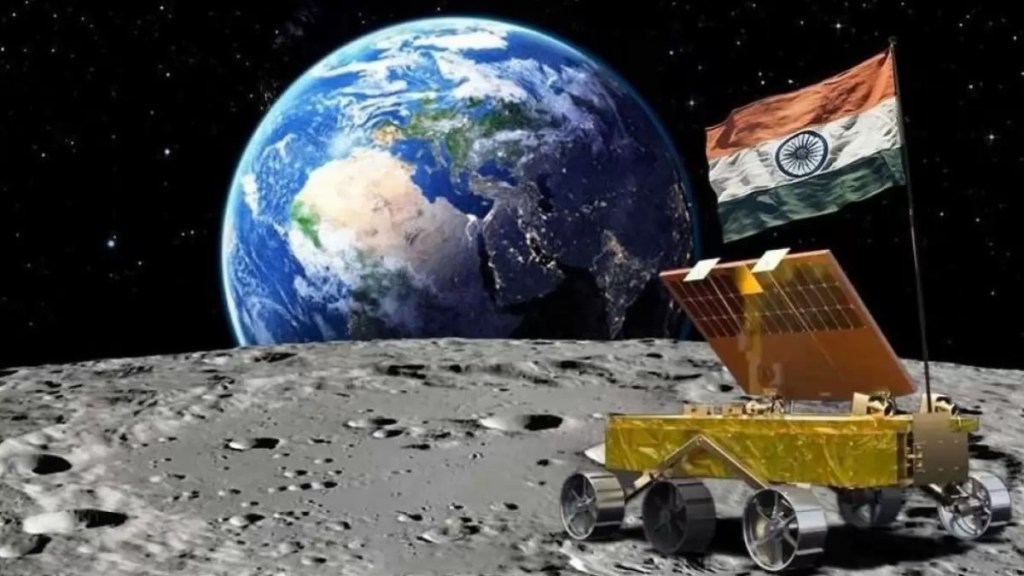
India’s Mars mission, accomplished at a remarkable cost of $74 million, stands as a triumph in space exploration, notably outshining the budget of the Hollywood blockbuster “Gravity.” This financial efficiency underscores India’s prowess in space technology and its ability to achieve ambitious milestones with limited resources. The success of the Mars mission not only places India in an elite group of space-faring nations but also challenges conventional norms, proving that groundbreaking space exploration can be achieved without the astronomical budgets often associated with such endeavors, setting a noteworthy precedent for the global space community.

Nestled in the Bay of Bengal, the North Sentinel Island emerges as Earth’s last frontier, shrouded in mystery and isolation. Inhabited by indigenous people who deliberately distance themselves from the outside world, this untouched enclave serves as a living testament to humanity’s ancient roots. The island’s inhabitants, with their voluntary seclusion, create a captivating juxtaposition between an ancient existence and the rapid modernization sweeping the globe. North Sentinel Island stands as a poignant reminder of the delicate balance between preserving cultural heritage and navigating the relentless march of contemporary progress in our interconnected world.

In a glittering testament to India’s enduring love affair with gold, remarkable Indian women collectively hold a staggering 11% of the world’s gold reserves. This unparalleled ownership showcases not only their individual wealth but also underscores the cultural significance of gold in India. Gold, deeply ingrained in the nation’s traditions and ceremonies, takes on a symbolic role beyond its monetary value. As these women amass substantial gold reserves, they become living embodiments of a cultural legacy, intertwining wealth, adornment, and tradition in a captivating narrative that echoes through the ages.

India’s UN Troop Contribution solidifies its position as the largest contributor to UN missions since their inception, illustrating a profound commitment to global peacekeeping. This significant role underscores India’s dedication to maintaining international peace and security, deploying a substantial number of troops to conflict zones worldwide. Indian peacekeepers are renowned for their professionalism and effectiveness, earning respect on the global stage. This commitment reflects India’s ethos of contributing to the greater good, fostering a safer world through active participation in UN peacekeeping efforts and exemplifying the nation’s dedication to upholding global harmony.

Indian Real Estate in London stands as a testament to the global influence and economic prowess of the Indian diaspora. Surpassing the population of England itself, Indians own a significant share of property in the heart of the UK capital. This substantial ownership highlights not only the financial success of the Indian community abroad but also their integral role in shaping the international real estate landscape. As London’s skyline is adorned with properties owned by Indians, it symbolizes a tangible connection between India and one of the world’s most influential and cosmopolitan cities, fostering economic and cultural ties.

Indian Americans make an indelible mark on the hospitality industry, with over 40% of motels in the United States under their ownership. This substantial presence highlights their entrepreneurial spirit and success in the competitive American business landscape. Indian owners play a pivotal role in shaping the hospitality experience for countless travelers, contributing significantly to the sector’s growth and diversity. The widespread ownership of motels reflects not only economic success but also the ability of the Indian diaspora to forge a lasting impact on an industry integral to the American experience.

Indian professionals have etched their mark on the global business stage, spearheading 6.3% of Fortune 500 companies. This statistic underscores India’s substantial influence and contribution to the international business landscape. The presence of Indian CEOs in Fortune 500 companies signifies the nation’s prowess in producing visionary leaders who navigate complex global markets. Their success not only enhances the reputation of Indian business acumen but also reflects the capability of Indian professionals to helm major corporations, shaping the trajectory of these influential entities and showcasing India’s significance in the contemporary global economic arena.
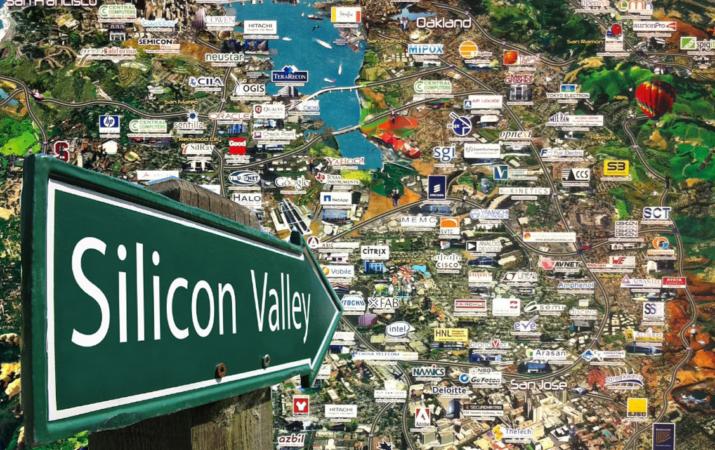
Silicon Valley, the epicenter of technological innovation, is significantly influenced by India, with 1/3rd of its engineers hailing from the subcontinent. This demonstrates India’s pivotal role in shaping the tech landscape globally. Additionally, 10% of high-tech business CEOs worldwide are of Indian origin, showcasing the community’s leadership prowess. Indian professionals in Silicon Valley contribute not only to technological advancements but also hold strategic leadership positions, fostering a strong Indian imprint on the global high-tech industry. The success of Indian engineers and CEOs in Silicon Valley highlights the nation’s excellence and impact in the realm of innovation and business leadership.
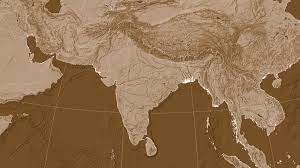
India’s geological evolution unveils a fascinating narrative dating back 15 million years. At that time, the Indian subcontinent was an isolated island, adrift in the vastness of the Indian Ocean and even shared connections with Antarctica. However, a monumental transformation occurred when India collided with the Asian continental plate, sparking the birth of the awe-inspiring Himalayan mountain range. This collision, over millennia, shaped the landscape and topography of the region, leaving an indelible mark on India’s geological history and contributing to the breathtaking natural wonders we witness today.

Indian Railways, a lifeline woven into the fabric of the nation, transcends mere transportation. With a daily passenger count matching the population of Australia, it epitomizes the sheer magnitude and interconnectedness of India’s diverse populace. The railways crisscross the subcontinent, not merely ferrying passengers but weaving tales of shared journeys, cultural exchanges, and the pulse of a dynamic nation. This colossal network mirrors the rhythmic heartbeat of India, transporting dreams, aspirations, and a kaleidoscope of stories as it steams ahead, embodying a mobile microcosm that mirrors the vibrant diversity of the nation it serves.
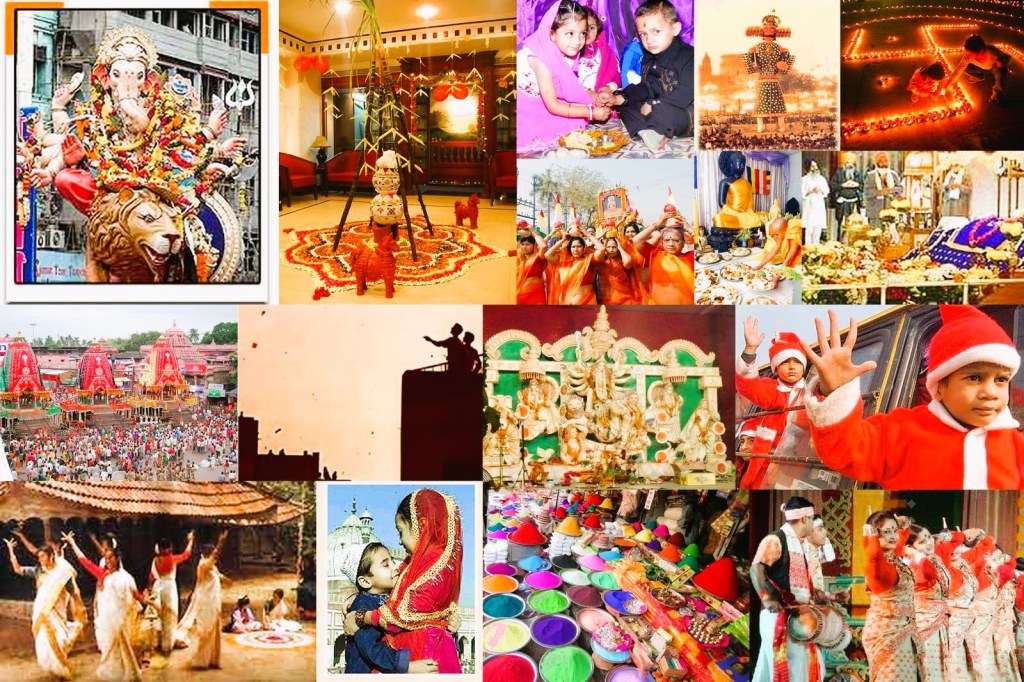
Linguistic diversity in India is a testament to the nation’s rich tapestry, boasting over 19,500 languages. This vast linguistic panorama reflects the intricate mosaic of cultures and communities that thrive within the subcontinent. Each language echoes a unique narrative, preserving centuries-old traditions, folklore, and the collective wisdom of its people. From Hindi and Bengali to Tamil and Urdu, the linguistic kaleidoscope encapsulates the essence of India’s unity in diversity. It’s a linguistic symphony where dialects aren’t just words; they are living repositories of history, heritage, and the collective identity of a nation steeped in cultural richness.
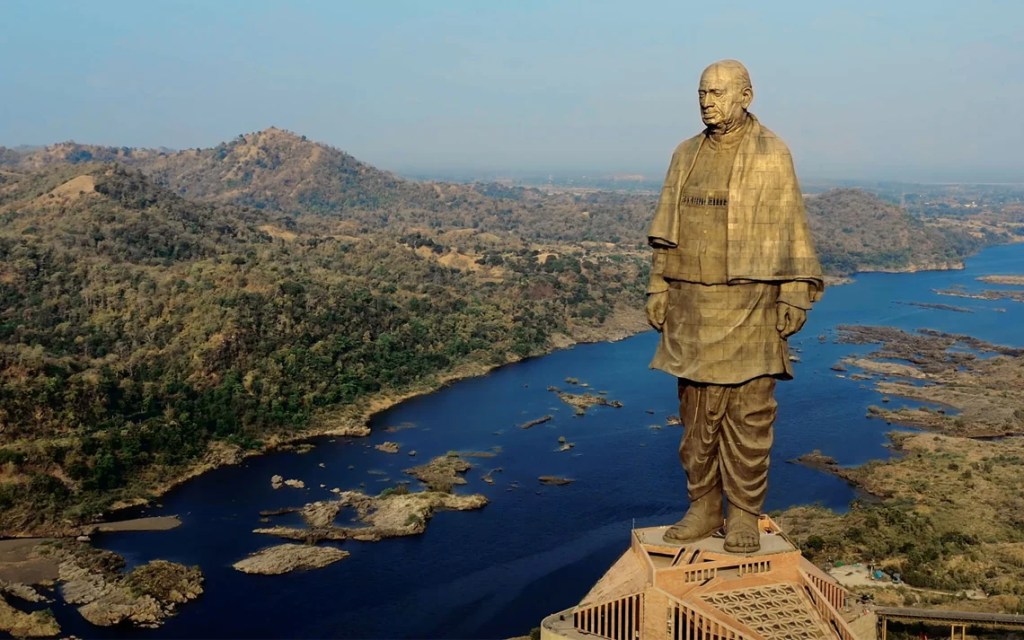
The Statue of Unity, a towering masterpiece standing at an impressive 600 feet, proudly holds the title of the world’s tallest statue. Located in the Indian state of Gujarat, this monumental tribute depicts the country’s first Deputy Prime Minister, Sardar Vallabhbhai Patel. Beyond its sheer height, the statue serves as a powerful symbol of national unity and pride, embodying the spirit of India’s diverse yet unified identity. The grandeur of the Statue of Unity not only pays homage to a key historical figure but also stands as a testament to the collective strength and aspirations of the Indian people.

Mary Kom, the renowned Indian boxer, has etched her name in sporting history by securing an extraordinary eighth medal at the World Boxing Championship. This remarkable feat cements her status as one of the greatest boxers of all time. Hailing from Manipur, Mary Kom’s unparalleled dedication, skill, and tenacity have propelled her to the pinnacle of the boxing world. Her journey serves as an inspiration not only for aspiring athletes in India but also for individuals globally. Mary Kom’s achievements transcend sports, embodying the spirit of resilience and excellence that defines her extraordinary career.

India holds the prestigious title of being the first country to mine diamonds, establishing itself as the primary global source for these precious gems for almost a millennium. The rich history of Indian diamond mining dates back to the fourth century BC, creating a legacy that spans centuries. During this period, India played a pivotal role in shaping the global diamond trade, showcasing the nation’s early mastery in extracting and appreciating these rare and coveted stones. The historical significance of India’s diamond mines adds a glittering chapter to the country’s cultural and economic narrative.

The legendary Freddie Mercury, often hailed as the world’s first Indian rockstar, traces his roots to Parsi origin, a community known for its cultural richness. Born Farrokh Bulsara, in Zanzibar, he later embraced British citizenship. Freddie’s indelible mark on the music industry came as the lead vocalist of the iconic band Queen. His mesmerizing voice, flamboyant stage presence, and prolific songwriting made him a global sensation. Despite his diverse background, Freddie Mercury’s Parsi-Indian heritage remains an integral part of his identity, contributing to the colorful tapestry of his life and the cultural legacy he left behind.
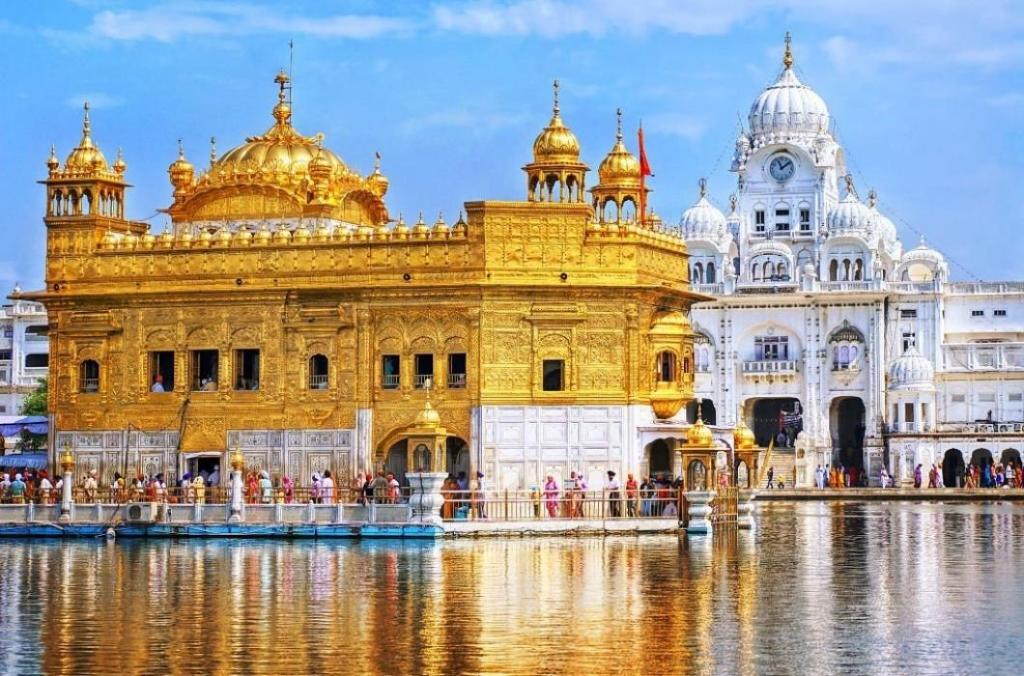
The Golden Temple, a symbol of Sikhism’s spiritual magnificence, stands as a beacon of compassion and inclusivity. Situated in Amritsar, India, it undertakes a remarkable humanitarian feat by serving daily vegetarian meals to over 50,000 people. This langar, a free community kitchen, exemplifies the Sikh principles of equality, selfless service, and communal harmony. Open to people of all backgrounds, regardless of religion or social class, the Golden Temple’s langar transcends culinary boundaries, fostering a sense of unity and nourishing not only the body but also the spirit of those who partake in this communal feast.

In the arid landscapes of Rajasthan, a heartening tradition takes root with the birth of every girl child. As a powerful testament to gender equality and environmental consciousness, 111 trees are planted on the occasion of a girl’s birth. This symbolic act not only celebrates the arrival of a new life but also emphasizes the importance of nurturing and sustaining the environment for future generations. With each sapling representing hope, this eco-friendly initiative in Rajasthan intertwines the values of gender empowerment and environmental stewardship, creating a legacy of harmony and responsibility for the generations to come.

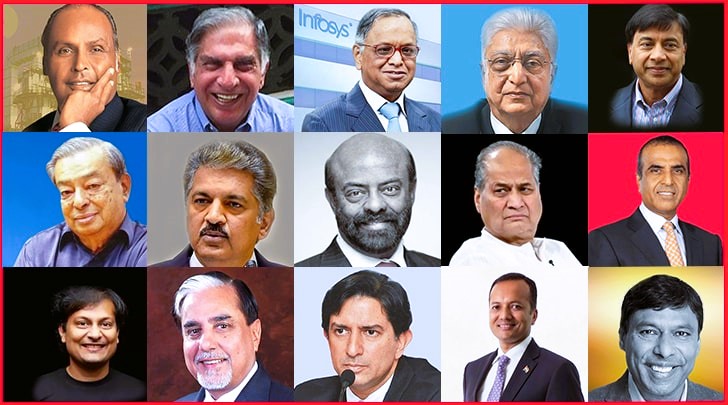
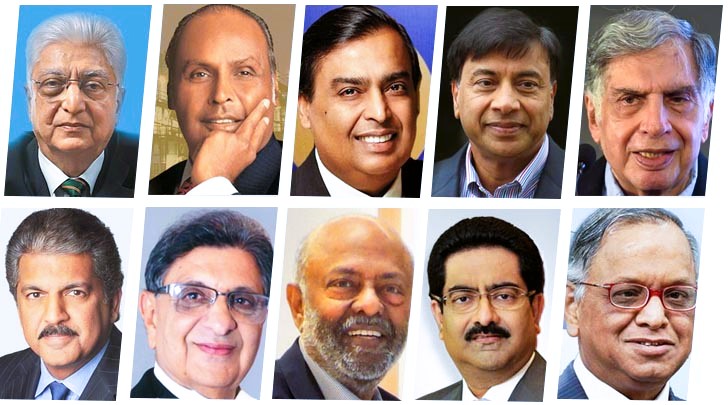
India stands as a testament to economic dynamism, harboring a significant cohort of wealth. With an impressive count of almost 6884 ultra-high-net-worth individuals and a formidable league of 140 billionaires, the nation’s economic landscape showcases unparalleled growth. These billionaires span diverse sectors, contributing to India’s burgeoning influence on the global economic stage. The proliferation of wealth not only underscores the nation’s financial prowess but also positions India as a haven for entrepreneurs and visionaries, fueling the narrative of a thriving and robust economy that continues to shape the future of the country.
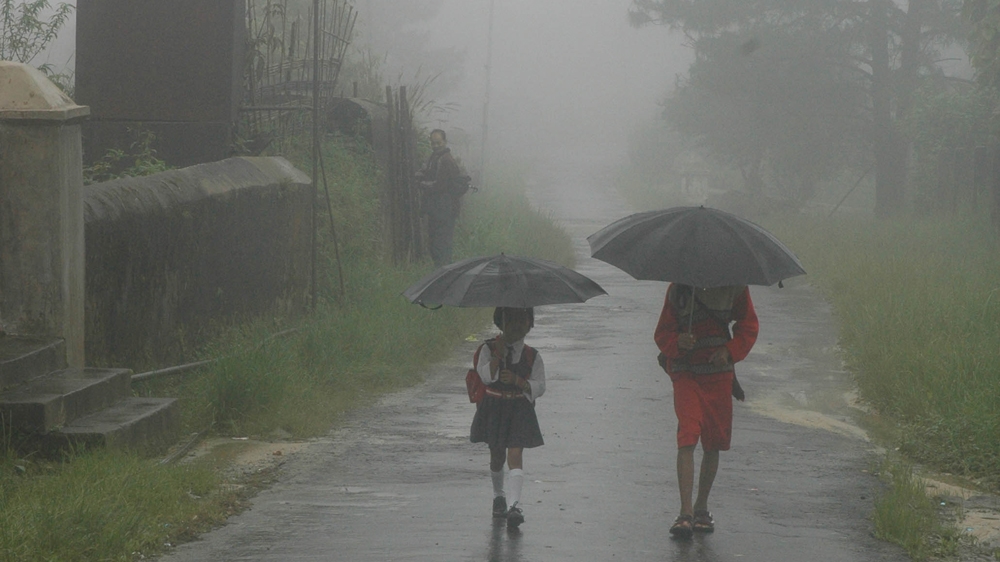
Meghalaya, nestled in Northeast India, is renowned for its enchanting living root bridges. This picturesque state boasts a remarkable meteorological distinction, holding the record for the highest average annual rainfall globally, a staggering 12,000 mm. The abundance of rainfall not only contributes to the lush green landscapes and diverse flora but also fosters the unique natural engineering feat of living root bridges, where the indigenous Khasi and Jaintia communities ingeniously manipulate the roots of rubber fig trees to create sturdy and sustainable bridges, exemplifying the harmonious relationship between nature and human ingenuity.

India, with its rich biodiversity, is home to the captivating white variant of Bengal tigers. This unique subspecies, characterized by its stunning white coat and distinctive blue eyes, emerges from a genetic mutation influencing pigmentation. The white tiger’s appearance, though striking, results from a lack of red and yellow pigments, showcasing the intricacies of nature’s palette. Revered for their ethereal beauty, white tigers are a testament to the fascinating diversity within India’s wildlife. Conservation efforts strive to protect and preserve these majestic creatures, ensuring their place in the vibrant tapestry of India’s natural heritage.
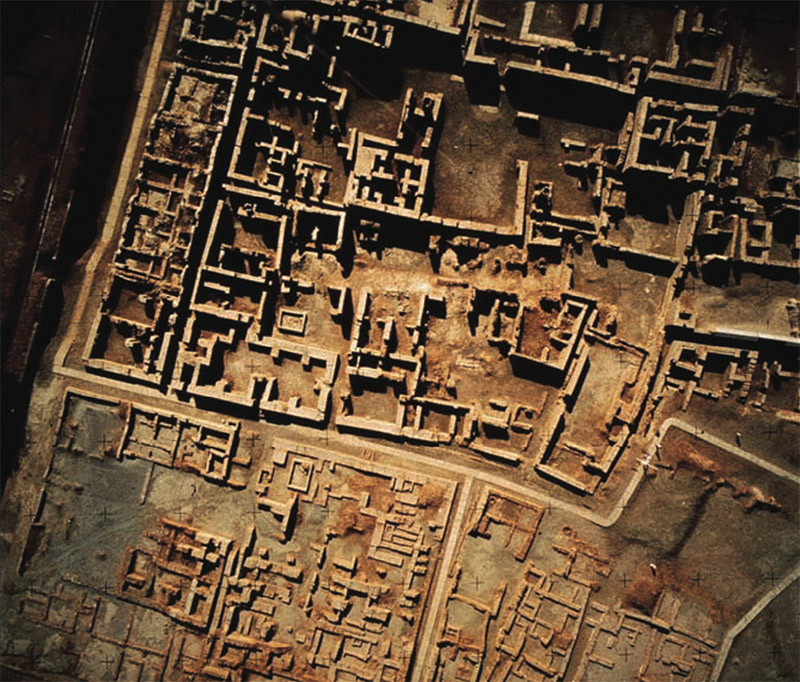
Rooted in antiquity, Hinduism stands as the world’s oldest religion, tracing its documented origins back to 5500 BCE. Evolving over millennia, Hinduism encompasses a diverse array of beliefs, practices, and philosophical tenets. Its ancient scriptures, the Vedas and Upanishads, provide profound insights into spiritual philosophy and ritualistic traditions. Hinduism’s enduring influence is evident in its adaptability, fostering a rich tapestry of mythologies, rituals, and cultural expressions. As a timeless source of wisdom and spirituality, Hinduism continues to shape the cultural and philosophical landscape, embodying the profound historical and spiritual legacy of India.
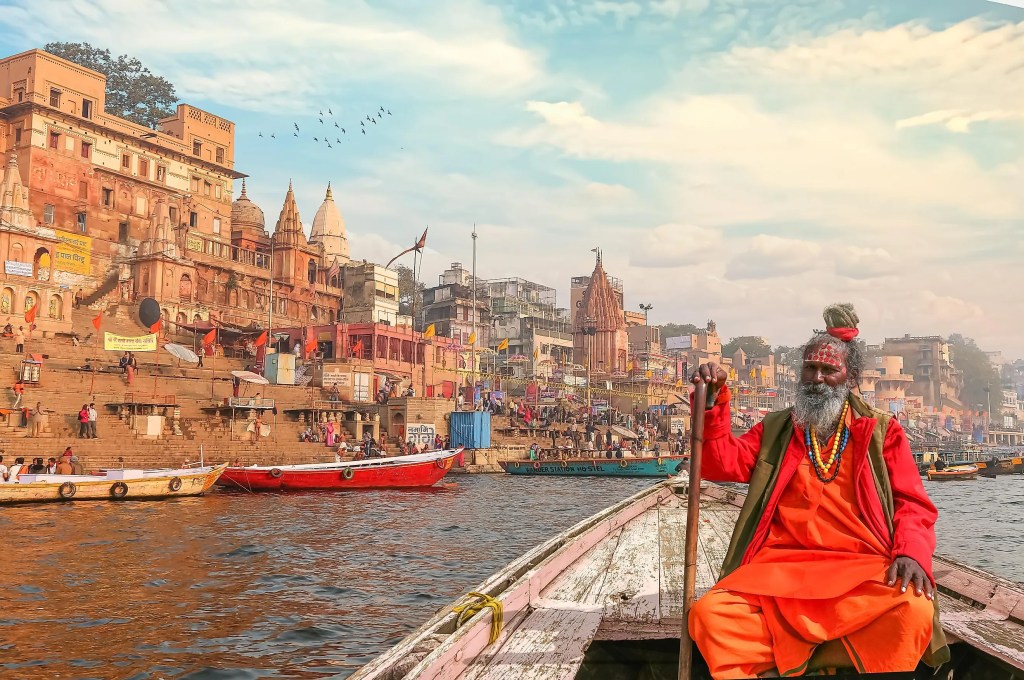
Varanasi, the timeless city also known as Banaras or Kashi, stands as one of the world’s oldest continuously inhabited places, resonating with spiritual and cultural significance. Nestled along the sacred Ganges River, Varanasi is a living testament to India’s rich heritage and enduring traditions. Its ancient ghats, temples, and narrow alleys evoke a mystical aura, drawing pilgrims and seekers from across the globe. Varanasi’s cultural tapestry, woven with centuries of rituals and ceremonies, reflects the eternal spirit of India. As a symbol of spiritual continuity, Varanasi remains a captivating testament to the country’s profound historical and cultural legacy.
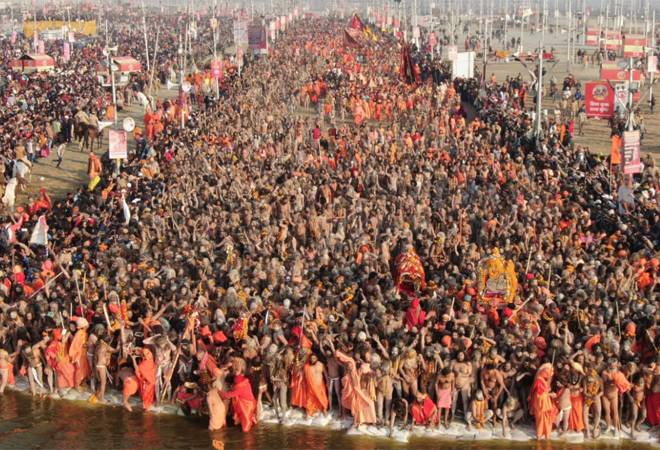
The Maha Kumbh Mela, a celestial spectacle of immense spiritual significance, unfolds every 12 years in India. The 2011 edition marked a unique moment as it became visible from space, a testament to its colossal scale. This grand event drew an astounding gathering of over 70 million pilgrims, making it the largest peaceful congregation on Earth. Bathing in the sacred rivers during the Mela is believed to cleanse one’s sins, and the spiritual fervor surrounding this celestial gathering reflects the profound cultural and religious diversity that defines India’s spiritual landscape.
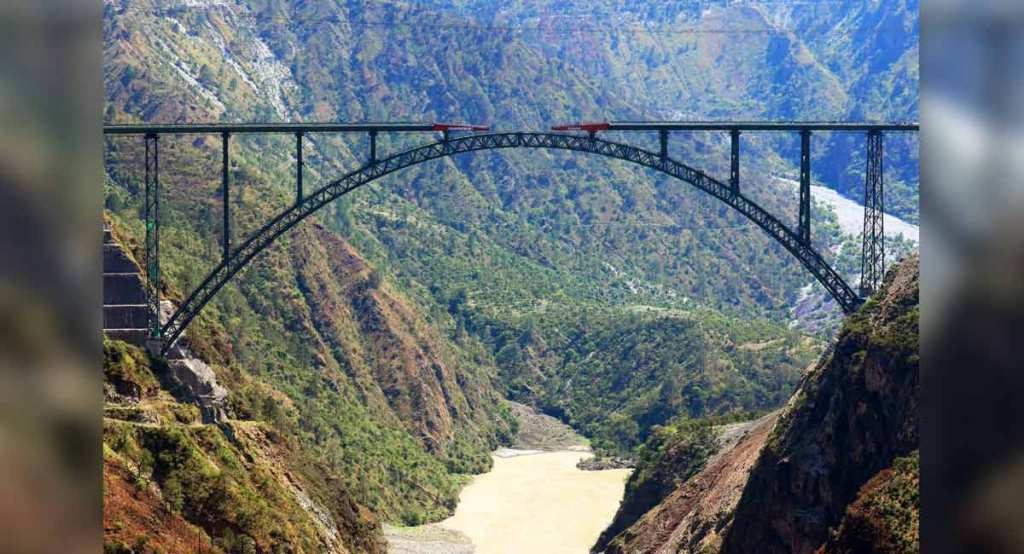
The Chenab Bridge, an engineering marvel nestled in the scenic landscapes of Jammu and Kashmir, proudly holds the title of the world’s tallest rail bridge. Soaring to a majestic height of 1178 feet, it gracefully spans the Chenab River. This colossal structure not only exemplifies cutting-edge engineering but also seamlessly integrates with the breathtaking natural surroundings. The bridge’s towering presence symbolizes India’s prowess in infrastructure development and stands as a testament to the nation’s commitment to innovation and connectivity, traversing both the realms of engineering excellence and the awe-inspiring beauty of its topography.
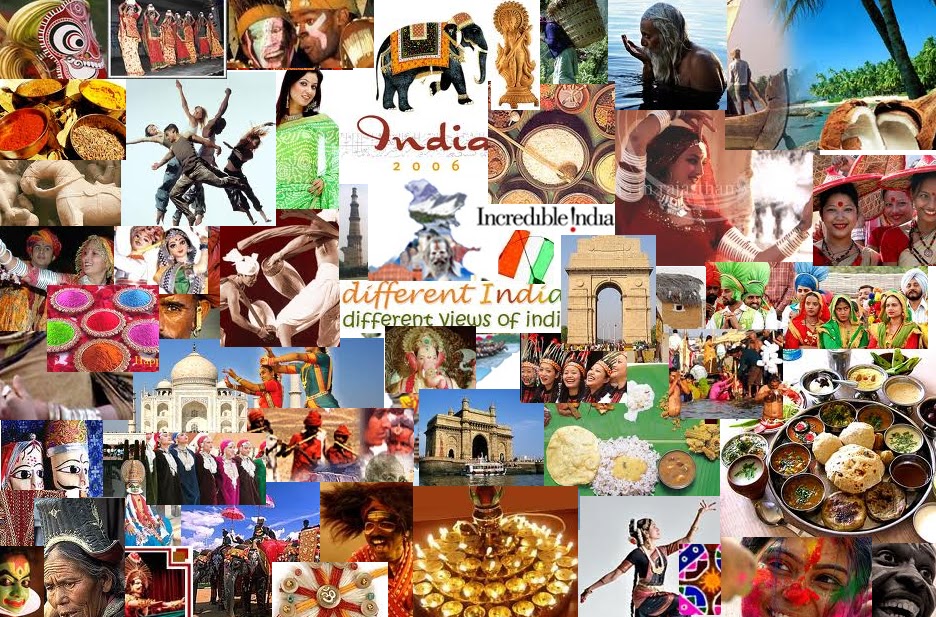
In the symphony of nations, India stands as a virtuoso, harmonizing innovation and heritage with a grace that captivates the global audience. From its triumphant foray into the celestial realms on a budget that outshone Hollywood extravagance to the meticulous preservation of ancient traditions, India’s narrative unfolds as a testament to the coexistence of tradition and progress. The landscapes that stretch from the snow-capped peaks of the Himalayas to the sun-drenched shores of its coastal regions paint a canvas of diversity that is both awe-inspiring and humbling. In this kaleidoscope of topography, India invites explorers to traverse its terrain, where every step is a journey through time and tradition.
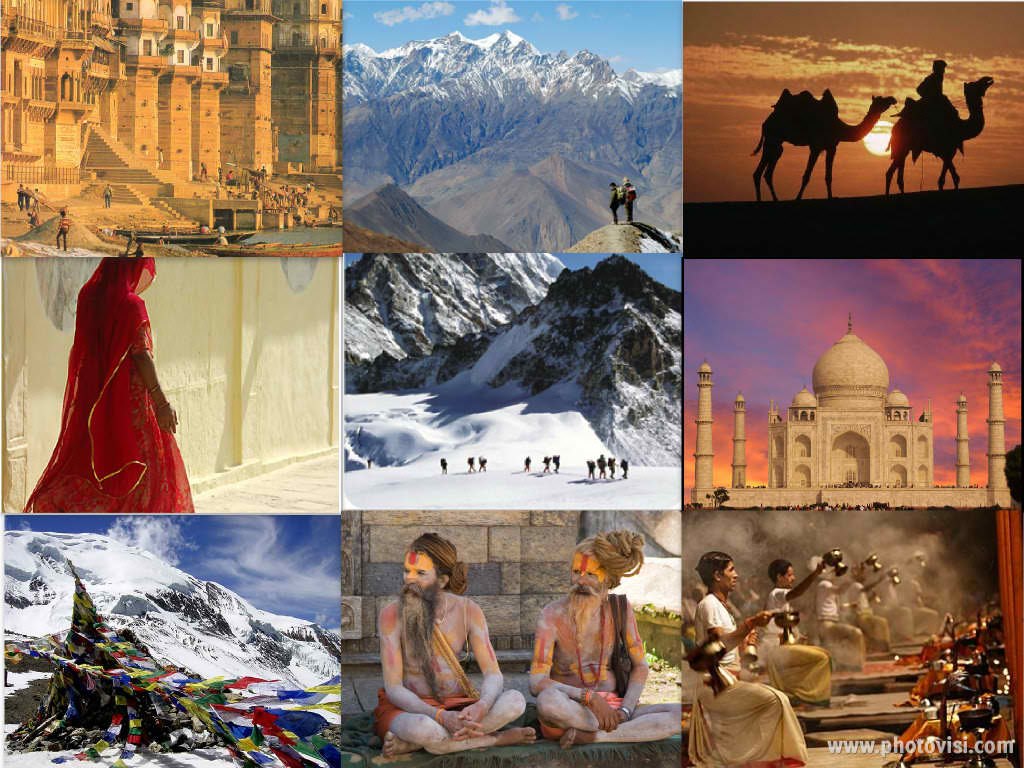
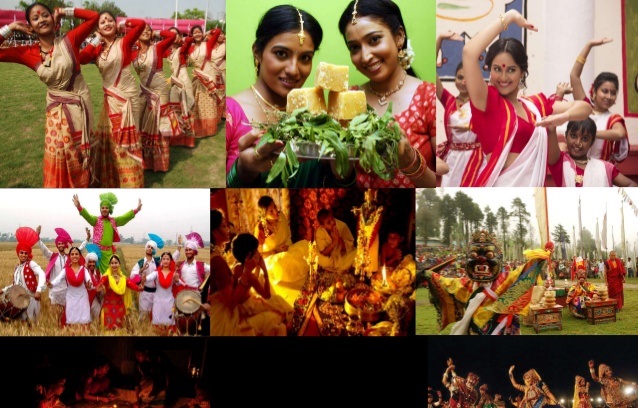
Diverse cultures, each with its own unique tapestry of festivals, traditions, and cuisines, weave together to form the rich fabric of Indian society. Vibrant festivals, celebrated with fervor, become living testimonials to the country’s cultural vibrancy. The aroma of spicy cuisines, a culinary odyssey in itself, beckons connoisseurs from around the world to indulge in a sensory feast.
Yet, it’s not just the sensory allure that defines India; it’s the remarkable achievements that mark its presence on the global stage.
visit arjasrikanth.in for more insights




















 SOCIAL PERSPECTIVES