Skip to content
    • About

SOCIAL PERSPECTIVES

  • Navigating Governance Challenges: Unravelling the Complex Tapestry of Andhra Pradesh Politics

    January 16th, 2024

    Unravelling the complexities of policies, controversies, and progress in Andhra Pradesh under Chief Minister Jagan Mohan Reddy’s leadership. A journey through highs and lows, challenges and triumphs, shaping the state’s political landscape.

    Under Chief Minister Jagan Mohan Reddy’s leadership, Andhra Pradesh’s political landscape has witnessed seismic shifts marked by ambitious policies, controversies, and governance challenges. His tenure is unravelling the intricate tapestry that now defines the state’s political journey. This article delves into a comprehensive analysis, exploring the positive facets and contentious decisions that have indelibly shaped Andhra Pradesh’s governance. From transformative initiatives to navigated controversies, the narrative of Reddy’s administration emerges as a complex interplay of progress and challenges, painting a nuanced picture of the state’s political evolution under his stewardship.

    Chief Minister Jagan Mohan Reddy’s audacious policy initiative, proposing three capitals—Amaravati, Visakhapatnam, and Kurnool—with distinct roles, aims to rectify regional imbalances in Andhra Pradesh’s development. However, this bold move has stirred a cauldron of controversies that reverberate state-wide. While strategically distributing functions for an investor-friendly environment, concerns about infrastructure, feasibility, and logistical challenges loom large. The intricate political landscape further complicates matters, as diverse stakeholders express contrasting views. The success of this ambitious policy not only hinges on addressing these challenges but will also significantly influence Andhra Pradesh’s holistic development trajectory and its allure for potential investors. As the state navigates through these complexities, the three-capital proposal becomes a focal point shaping the future of Andhra Pradesh’s governance and economic landscape.

    The implementation of a 70% job reservation for locals, designed to prioritize regional employment, faces challenges in attracting industrial investments to the state. While the policy’s intent is laudable, its long-term sustainability and impact on economic growth require careful examination. Analysts, delving into its repercussions, emphasize its effects on the job market and economic dynamics, probing the delicate balance between regional empowerment and economic viability. The policy raises fundamental questions about promoting local interests without hindering the broader economic landscape. This nuanced exploration unfolds against the administration’s efforts to balance indigenous employment opportunities with an environment conducive to industrial growth. As the state grapples with these challenges, critiques aim to unravel the complexities inherent in navigating the intersection of regionalism and economic development.

    The implementation of ground breaking employment schemes like Grama Volunteers and Grama Sachivalayam to tackle unemployment presents a positive narrative. However, this commendable effort undergoes critical examination, with meticulous dissection of the associated financial strain on the state treasury. The widespread delegation of responsibilities, while fostering employment, raises concerns about fiscal ramifications and sustainability. Questions about the long-term feasibility of these initiatives emerge, initiating a dialogue on implications for the state’s fiscal health. The analysis delves into the intricate balance required for successful policy implementation, emphasizing the need for a proportional increase in revenue to accommodate augmented responsibilities. This nuanced discussion on the economic viability of employment-centric policies contributes to a comprehensive understanding of the challenges and prospects associated with the state’s commitment to generating employment opportunities through innovative and socially impactful initiatives.

    The suspension or delaying of pivotal projects such as Polavaram, Kadapa Steel Plant, and the Penna Krishna River Interlinking initiative has cast a shadow over the sustained development of Andhra Pradesh. A meticulous analysis unravels the intricacies behind the interruptions in these projects, shedding light on their root causes and possible ramifications. Venturing beyond surface-level observations, critics elucidate multifaceted consequences encompassing the domains of infrastructure, economic growth, and public sentiment. The discourse contemplates not only the immediate impacts on project timelines and regional development but also probes into the broader implications for the state’s long-term developmental trajectory. This scrutiny aims to provide a comprehensive understanding of the challenges hindering the continuity of these crucial initiatives and their potential implications on the overall progress of Andhra Pradesh.

    Anna Canteens, a cornerstone in Andhra Pradesh’s battle against hunger, have been indispensable in delivering economical and wholesome meals to the masses. Initiated as a powerful remedy for food insecurities, these canteens emerged as a radiant emblem of social welfare, presenting sustenance at affordable rates. Nevertheless, recent decisions to shutter these establishments have ignited apprehensions regarding their potential impact on the vulnerable strata of society. Beyond merely addressing hunger, Anna Canteens evolved into a poignant symbol of inclusive governance. The closure demands a contemplative assessment of the state’s dedication to social welfare, casting shadows on its commitment. It also beckons a consideration of alternative strategies to guarantee food security for the disadvantaged. The echoes of Anna Canteens linger as a testament to the delicate interplay between policy decisions and the well-being of the underprivileged.

    In Andhra Pradesh, the paradoxical predicament of sand scarcity persists despite rampant river sand mining. The extensive extraction not only jeopardizes river ecosystems but also intensifies the scarcity dilemma. The state finds itself entangled in the repercussions, grappling with a surge in illicit sand mining activities. This scarcity ripples through the construction sector, inducing disruptions and price escalations. The intricate dance between environmental threats, regulatory shortcomings, and escalating demand emphasizes the urgency of embracing sustainable sand mining practices. As the state confronts this pressing issue, striking a delicate equilibrium between developmental imperatives and ecological preservation becomes paramount for fostering a resilient and environmentally conscious construction industry. It beckons a harmonious integration of progress and environmental stewardship to navigate the intricacies of this sand scarcity conundrum.

    Andhra Pradesh’s governance has commendably prioritized welfare initiatives, placing a prominent emphasis on social development. While these measures strive to uplift marginalized sections and address societal disparities, a notable concern surfaces regarding the absence of an equally robust, investor-friendly atmosphere. The state’s policies, although beneficial for social welfare, may not sufficiently attract investments and nurture economic growth. Striking a delicate equilibrium between welfare-driven governance and creating an environment that appeals to investors becomes paramount. The state’s leadership confronts the challenge of harmonizing these divergent priorities to ensure comprehensive development, encompassing both the welfare of its citizens and the creation of an investor-friendly ecosystem that propels economic prosperity. Achieving this balance will be pivotal for the sustainable and holistic progress of Andhra Pradesh, navigating the intricate landscape of social development and economic vitality.

    In conclusion, this comprehensive analysis offers a nuanced perspective on Chief Minister Jagan Mohan Reddy’s governance in Andhra Pradesh. It acknowledges positive strides in specific domains while rigorously evaluating controversies and decisions that have raised public concerns. The article highlights the intricate task of maintaining equilibrium between populist measures and fostering long-term sustainable development—a persistent challenge for the administration. It calls for a re-examination of governance strategies, emphasizing the need for a judicious blend that ensures both immediate benefits and enduring progress. As the political landscape unfolds, the citizens of Andhra Pradesh remain hopeful for the realization of developmental commitments and the resolution of persistent challenges, marking a pivotal juncture in the state’s governance trajectory. The analysis serves as a compass, guiding discussions on the delicate balance between immediate gains and sustainable growth in Andhra Pradesh’s dynamic political arena.

    visit arjasrikanth.in for more insights

  • Inside the Complex World of a CEO (Contradictions Expectation Officer) :

    January 15th, 2024

    Exploring the intricate journey of a CEO, from managing contradictory expectations to adapting in the ever-evolving landscape of success measurement.

    In the dynamic realm of corporate leadership, the Chief Executive Officer (CEO) is confronted with challenges that transcend surface glamour. This exploration unveils the layers of a CEO’s multifaceted journey, encompassing contradictory expectations, the evolving landscape of success measurement, and the imperative for innovation amid shifting consumer demands and technological advancements. Beyond the title, a CEO navigates a complex tapestry of responsibilities, emphasizing the need for adaptive strategies to meet the dynamic demands of a rapidly evolving business landscape.

    Once perceived through a simplistic lens, a CEO’s role has evolved into a complex tapestry of responsibilities. The past measured CEOs on a handful of parameters, but today, they juggle an array of contradictory expectations, adopting roles like Chief Education Officer, Chief Empathy Officer, Chief Engagement Officer, and Chief Ecosystem Officer. Balancing these expectations becomes a central challenge for modern CEOs. Moreover, the landscape of success measurement has transformed, with CEOs now evaluated against a staggering 75 parameters, emphasizing the need for a nuanced approach. The imperative for innovation in response to dynamic consumer demands and technological advancements further adds to the intricacies of a CEO’s journey. Beyond the glamour of the title, a CEO navigates a multifaceted landscape, requiring strategic acumen, adaptability, and resilience to steer the organization towards sustained success.

    In the contemporary landscape of rapid digitization, CEOs find themselves navigating the intricate challenge of synchronizing their companies with the perpetually evolving expectations of consumers. Remaining static is not a viable option; CEOs are compelled to emerge as champions of innovation to ensure the enduring relevance of their enterprises. At the core of business development lies the pulsating rhythm of innovation, requiring CEOs to actively cultivate a corporate culture that not only embraces change but thrives on continuous adaptation. The dynamic demands of consumers demand a proactive and forward-thinking approach, urging CEOs to lead their organizations in a perpetual dance of evolution, staying attuned to emerging trends, technologies, and consumer preferences to secure a prominent and sustainable foothold in the ever-changing market landscape.

    In the pursuit of sustained success, CEOs acknowledge the paramount importance of human capital. Talent management transcends being a mere task; it is a strategic investment. A crucial facet of this endeavour involves crafting an engaging work environment that not only nurtures but also develops employees both personally and professionally. CEOs must internalize the understanding that neglecting investments in talent development jeopardizes the long-term success of the organization, emphasizing the need for foresight and commitment to fostering a workplace where individuals can flourish, contribute meaningfully, and collectively propel the organization toward its envisioned goals.

    Contemplative businessman standing near big window looking out at city, thoughtful entrepreneur building future plans, thinking over ways to overcome business problems, pass through crisis, back view

    Beyond profits, CEOs bear the responsibility of steering their organizations toward sustainability, aligning with the heightened consciousness of environmental and social responsibility. This is not just a business imperative but a societal obligation CEOs must embrace.

    Indian CEOs distinguish themselves with an innate curiosity that sets them apart, cultivating environments where diverse perspectives converge. This unique trait fosters a culture of collaborative excellence, driving teams towards success through a shared vision and goals. Effective leadership, in this context, transcends individual prowess. It involves articulating clear objectives, promoting a culture of collaboration, and instituting robust mechanisms for conflict resolution, ensuring that the collective energy of the team is harnessed positively. In this dynamic landscape, Indian CEOs showcase a blend of inquisitiveness and strategic acumen, positioning themselves not merely as leaders but as architects of collaborative brilliance in an ever-evolving global arena.

    In concluding the exploration of a CEO’s intricate journey, it becomes evident that success hinges on the ability to navigate contradictory expectations, foster innovation, and strategically invest in human capital. The multifaceted role demands a holistic approach to leadership, especially in an ever-evolving business landscape. CEOs are not merely captains steering corporate ships; they are architects of collaborative excellence. By orchestrating strategies for sustained success in a dynamic and challenging global arena, CEOs play a pivotal role in shaping the future of their organizations. Embracing change, cultivating a culture of innovation, and recognizing the significance of human resources, CEOs pave the way for their companies to thrive amidst complexities and uncertainties, leaving a lasting legacy in the world of corporate leadership.

    visit arjasrikanth.in for more insights
  • “In a year of turmoil, Adani Group emerges stronger, rewriting its narrative and winning back global investor trust.”

    January 14th, 2024

    “Adani’s Triumph: A Phoenix’s Ascent from Controversy to Resilience”

    In the tumultuous span of 12 months, Adani Group’s narrative has undergone a remarkable transformation. Initially shaken by the seismic impact of Hindenburg Research’s damning allegations, the conglomerate has not only weathered the storm but emerged strengthened both financially and legally, epitomizing resilience and strategic acuity. The pivotal moment arrived with the Supreme Court’s dismissal of investigations and the green light for a $5 billion fund raise through share sales. This marked a profound turning point, propelling Adani into a phoenix-like resurgence. The saga reflects Adani’s ability to adapt strategically, transforming adversity into an opportunity for growth. The conglomerate’s journey stands as a testament to its unwavering resolve, navigating challenges, and emerging from the shadows of controversy with renewed strength and vitality. The approval of the fund raise and legal clearance signal a promising chapter in Adani’s trajectory, reinforcing its position as a resilient force in the ever-evolving landscape of global business.

    In the face of adversity, Adani Group strategically realigned its corporate strategies, prioritizing the interests of larger shareholders. Initiating measures aimed at enhancing profitability, reducing debt, and fortifying institutional outreach, the conglomerate underwent a substantial transformation in its corporate landscape. This strategic evolution has resonated positively with investors, fostering a renewed sense of confidence in Adani’s trajectory. What was initially perceived as a crisis has now been reframed as an ongoing evolution, showcasing the conglomerate’s adaptability and resilience in navigating challenges. The deliberate steps taken to address financial concerns and strengthen institutional ties highlight Adani’s commitment to sustainable growth and ethical business practices, positioning it favourably in the eyes of the investment community.

    In a remarkable rebound, four of Adani Group’s 10 listed stocks have fully recovered from their post-Hindenburg crash lows. Adani Power stands out, more than doubling its value, while Adani Ports gained an impressive 52%. ACC and Ambuja Cement have successfully rebounded to their pre-Hindenburg levels, indicating a robust recovery trend. However, Adani Wilmar, Adani Energy Solutions, and Adani Total Gas continue to face challenges, trading 33 to 73% lower. Despite these hurdles, the overall trajectory for Adani Group is one of resilience and recovery, reflecting the conglomerate’s ability to navigate and overcome adversity. Investors are witnessing a commendable turnaround in the group’s fortunes, showcasing the effectiveness of strategic measures taken to restore confidence and stability in the market.

    The storm unleashed by Hindenburg Research on January 24, 2023, wreaked havoc with allegations spanning financial violations, money laundering, and stock price manipulation. The ensuing chaos not only eroded Adani Group’s stock valuations but also cast doubt on the conglomerate’s very survival. However, this turbulent period marked the inception of a battle that would ultimately culminate in Adani’s triumph. The adversity triggered by Hindenburg’s allegations became a catalyst for positive change within the conglomerate, leading to a remarkable turnaround. Adani’s ability to weather the storm, coupled with strategic initiatives and the alignment of corporate strategies with shareholder interests, showcases a tale of resilience and triumph against all odds. This transformative journey has reshaped Adani Group’s narrative, solidifying its position as a symbol of triumph in the face of controversy.

    Adani, historically valued for market metrics over tangible assets, witnessed a significant downturn post-Hindenburg. Paradoxically, this correction rendered Adani stocks more attractive to investors seeking opportunities amid the chaos. The recovery has been steady, with the overall market capitalization rebounding by ₹8.5 trillion since February 2023. Despite this positive trajectory, the conglomerate’s valuation still lingers below the pinnacle it achieved in January of the preceding year. Adani’s journey reflects a strategic recalibration, appealing to investors who recognize the potential for resurgence in the wake of adversity. The nuanced recovery emphasizes Adani’s ability to navigate challenges, presenting itself as a compelling narrative of resilience and adaptability in the face of market fluctuations.

    In the aftermath of adversity, long-term investors discerned the latent potential in Adani’s depreciated companies, housing premier ports, airports, and power plants across the nation. Seizing the opportunity, promoters garnered almost ₹40,000 crores by divesting their stakes. Notably, institutional investors, including Rajeev Jain and Qatar Investment, placed substantial bets on Gautam Adani’s prowess to navigate the challenging landscape. This strategic backing from institutional heavyweights attested to the confidence in Adani’s capability to steer the conglomerate towards resurgence. As the fallen companies with their formidable assets attracted renewed attention, the infusion of funds signalled a collective belief in Adani’s strategic vision and marked a pivotal moment in the conglomerate’s journey of revitalization.

    In a remarkable shift of sentiment, thousands of retail investors seized the opportunity to enhance their stakes across all ten group companies, underlining a resurgence of confidence. The surge in retail investment was evident as the number of retail investors in Adani Enterprises alone increased by over three lakhs, with Adani Total Gas witnessing a rise of 3.5 lakhs and Adani Group experiencing an uptick of 2.8 lakhs. This influx of retail participation not only reflected renewed trust but also signaled a broadening base of individual investors expressing their faith in Adani’s recovery. While certain institutional investors opted for an exit, the unwavering commitment of others in companies like Adani Power, Adani Green, and ACC reinforced the conglomerate’s appeal to a diverse spectrum of investors.

    Adani Stocks On January 03 – 1

    Gautam Adani’s ascension from a textile merchant’s family to becoming Asia’s wealthiest individual epitomizes an entrepreneurial saga driven by strategic vision. In the face of initial challenges, Adani steered the conglomerate towards diversification, venturing into critical infrastructure projects, acquiring strategic assets, and spearheading expansions into the burgeoning field of renewable energy. This transformative journey reflects Adani’s innate ability to adapt, innovate, and capitalize on emerging opportunities. From humble beginnings, Adani’s foresight and resilience have propelled the conglomerate into diverse sectors, solidifying its standing as a key player in the Indian business landscape. As Adani Group continues to shape the future of industries, Gautam Adani’s legacy stands as a testament to the potential for growth and innovation inherent in the pursuit of entrepreneurial endeavours.

    In conclusion, Adani Group’s remarkable triumph over adversity stands as a testament to its adaptability and effective leadership. The Hindenburg saga, despite its initial disruptive impact, evolved into a catalyst for positive change within the conglomerate. Adani’s strategic diversification, unwavering commitment to transparency, and the ability to attract global investors have positioned it as a significant and resilient player in the market. The phoenix-like rise of Adani is an inspiring tale of triumph, capturing the attention and trust of investors on a global scale. As Adani Group continues its journey, it stands not just as a business entity but as a beacon of resilience, reshaping its narrative for the future. The conglomerate’s ability to weather storms, learn from challenges, and emerge stronger underscores its enduring commitment to sustainable growth. In the dynamic landscape of global business, Adani Group’s success story remains a source of inspiration, demonstrating that adversity can be transformed into an opportunity for growth and transformation.

    visit arjasrikanth.in for more insights

  • Sankranti Splendor: A Harvest Festival Unveiling Cultural Riches

    January 14th, 2024

    Celebrating Prosperity, Unity, and Renewal – The Essence of Sankranti

    Sankranti, synonymous with Pongal in certain regions, unfolds as an animated four-day harvest festival, annually celebrated in India and parts of Nepal every January. Beyond its agricultural roots, this festival serves as a vibrant tapestry interwoven with tradition, spirituality, and communal renewal. The article embarks on a profound exploration, navigating through the spiritual, agricultural, and mythological dimensions of Sankranti, unravelling its timeless significance in contemporary times.

    Sankranti stands as a unique celebration of cultural heritage, acting as a conduit for family unity. Families come together, engaging in traditions, savouring culinary delights, exchanging heartfelt gifts, and participating in communal rituals. This festive unity becomes a temporal bridge, prompting individuals to reflect on past aspirations and formulate resolutions for the future.


    At the pinnacle of Sankranti, Makar Sankranti marks the sun’s transition into Capricorn, bidding farewell to winter and ushering in longer days. Paying homage to Lord Sun, this auspicious occasion symbolizes the profound shift from darkness to light, embodying nature’s cyclical rejuvenation. As the sun gracefully enters Capricorn, Earth undergoes a transformative shift, directing increased sunlight to the Northern Hemisphere. This celestial event, akin to a herald of spring, serves as a poignant reminder of nature’s perpetual renewal.

    Makar Sankranti transcends seasonal transitions; it signifies a spiritual metamorphosis. During this auspicious time, the belief permeates that attaining moksha, liberation from the mortal realm, becomes feasible. The festival becomes a vessel for profound spiritual meanings, transcending its agricultural origins. Farmers express gratitude for a bountiful yield and seek blessings for future prosperity. Beyond individual expressions, the festival transforms into a communal celebration, accentuating the importance of gratitude and collective well-being.

    The mythological narrative of Sankranti involves the worship of Sun God, Lord Vishnu, and Goddess Lakshmi. Devotees pay homage to the constellations, symbolizing the triumph of good over evil, creating a captivating cultural mosaic embedded in tradition. Sesame seeds, significant during Sankranti, transcend culinary tradition. Linked to the Sun god, Surya Dev, these tiny seeds are believed to encapsulate solar energy in Hindu mythology.

    In conclusion, Sankranti emerges as a vibrant kaleidoscope of tradition, spirituality, and agricultural celebration, intertwining mythology with contemporary significance. Beyond its roots in ancient tales, the festival serves as a temporal bridge, connecting the past and present, providing a timeless link to cultural heritage. As families and communities come together to celebrate Sankranti, they engage in a collective renewal, symbolizing the eternal dance of life, light, and prosperity. The festival’s multifaceted nature encompasses spiritual transitions, agricultural gratitude, and cultural resonance. In essence, Sankranti becomes a harmonious blend of ancient wisdom and contemporary celebration, offering individuals a profound connection to their cultural roots and an enduring celebration of life’s cyclical renewal.

    visit arjasrikanth.in for more insights

  • “Artificial Intelligence’s Triumph: Transforming Cancer Care in India’s Heartland”

    January 13th, 2024

    “Pioneering AI at Tata Memorial Hospital – A Beacon of Hope in the Fight Against Cancer”

    In the dynamic realm of healthcare, artificial intelligence (AI) emerges as a transformative force, particularly in the early detection of cancer. Tata Memorial Hospital in Mumbai takes centre stage in this ground breaking narrative, harnessing the potential of AI to revolutionize cancer diagnosis and treatment. This article navigates through the genesis of AI in cancer detection, its role in addressing the rising cancer incidents in India, and the technological marvel of the AI bio imaging bank.

    In 2023, Tata Memorial Hospital initiated a visionary project to develop an AI algorithm for early-stage cancer detection. Anchored in deep learning, this algorithm taps into a bio imaging bank, utilizing data from over 60,000 patients. It deciphers complex patterns within CT or MRI scans, offering insights into tumour aggressiveness and predicting survival probabilities.

    Dr. Sudeep Gupta, Director of Tata Memorial Centre, highlights the alarming surge in cancer cases across India, projecting an increase from 1.3 million to 2.6 million in the next decade. Lifestyle factors contribute to this rise, necessitating innovative solutions for early detection. The article emphasizes the role of AI as a diagnostic ally, especially in rural areas where specialized oncologists are scarce.

    The AI algorithm becomes a beacon of hope for rural India, where early detection significantly improves chances of recovery. The impracticality of deploying specialized oncologists in every corner of the vast country makes AI a virtual specialist. Even non-specialized doctors benefit from AI’s recommendations, spanning treatment protocols, nutritional guidance, and early detection strategies.

    At the core of this transformative initiative lies the AI bio imaging bank, a repository of radiological data that fuels the algorithm’s analytical capabilities. Tailored algorithms for specific cancers, coupled with an understanding of tumour characteristics, contribute to the precision of early-stage cancer detection. The article delves into the technological intricacies of the bio imaging bank.

    Beyond early detection, AI contributes to patient safety by reducing radiation exposure during routine scans. Tata Memorial Hospital successfully implements AI algorithms to decrease radiation exposure by 40%, benefiting cancer patients undergoing frequent CT scans. Additionally, AI plays a pivotal role in ICU settings, guiding doctors in treatment protocols and minimizing blind adherence to suggested methodologies.

    The article explores the profound impact of AI on reducing cancer fatalities. With 80 to 90% survival rates for patients detected in early stages, AI becomes a beacon of hope, especially in rural areas with limited healthcare accessibility. The potential of AI to facilitate prompt treatment through early diagnoses marks a paradigm shift in cancer care.

    In conclusion, the integration of AI into cancer care at Tata Memorial Hospital signifies a transformative journey. The AI algorithm’s prowess in early detection offers tangible results in the quest for cancer survival. This technological advancement becomes a testament to the collaborative efforts of AI and medical professionals, providing accessible, timely, and accurate cancer diagnoses. The article concludes by highlighting the promising future where early-stage cancer detection becomes a cornerstone of comprehensive healthcare, showcasing the resilient spirit of innovation in the face of formidable health challenges.

    visit arjasrikanth.in for more insights
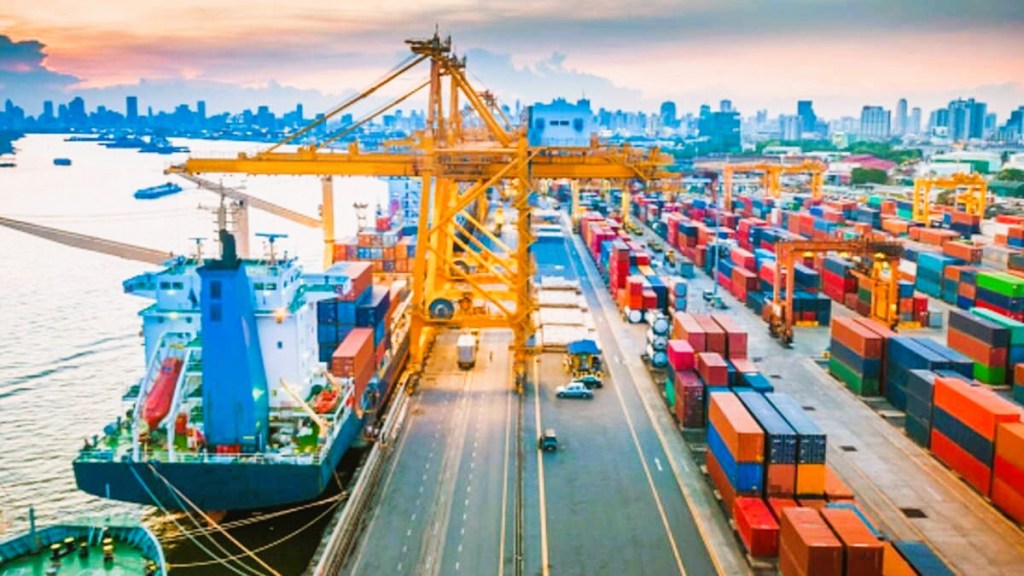
  • Polavaram Project: Navigating Complexities and Controversies in India’s Ambitious Irrigation Endeavor

    January 13th, 2024

    Proposed in 1941, the Polavaram project, a testament to the resilience of vision, has faced the ebb and flow of challenges – leadership transitions, managerial oversights, and financial disagreements. The once-set April 2022 completion deadline now hangs in uncertainty, whispers of a potential extension lingering until 2025. Launched in 2002, the project aspires to redefine Andhra Pradesh’s topography through expansive irrigation. However, its noble goals are entangled in a web of delays, controversies, and multifaceted challenges. This comprehensive exploration not only scrutinizes the project’s advantages and disadvantages but also unravels the intricate political dynamics and the formidable hurdles it encounters on its journey to realizing ambitious objectives. Nestled on the Godavari River, spanning West Godavari and East Godavari districts, the Polavaram Project, designated a national endeavour in 2014, emerges as a linchpin in addressing critical aspects of water resource management. Acknowledged by the Central Board of Irrigation and Power (CBIP), the project’s envisioned benefits stand poised to revolutionize the region’s socio-economic landscape.

    The Polavaram Irrigation Project, a beacon of transformative aspirations, unfolds a tapestry of benefits across diverse domains. Envisioned to embrace vast expanses in Visakhapatnam, East Godavari, West Godavari, and Krishna Districts, the project emerges as a catalyst for agricultural prosperity, aiming to elevate crop yields and rural livelihoods. The meticulously planned 960 MW hydropower plant stands as a testament to the project’s commitment to meeting Andhra Pradesh’s burgeoning energy needs, thereby fostering a landscape of industrial and economic development. Beyond the realms of energy, the reservoir’s strategic capacity is poised to orchestrate a ballet of river regulation during monsoons, acting as a guardian against downstream flood risks.

    Addressing the parched throats of water-scarce regions, the project takes on the mantle of a benevolent provider, aspiring to quench the thirst of numerous villages and towns. Stepping into the realm of infrastructure, the envisioned enhancement of inland waterway transportation along the Godavari River promises not just connectivity but an impetus for economic growth. In the crucible of construction and operation, the Polavaram Project unfolds as more than just a hydraulic marvel; it holds the potential to be a harbinger of employment, a catalyst for economic development, and a transformative force shaping the socio-economic landscape of Andhra Pradesh.

    Amidst the transformative promises that the Polavaram project holds, a tapestry of challenges casts a shadow over its ambitious aspirations. The looming prospect of displacing over 1.88 lakh people across 222 villages presents a formidable humanitarian challenge, demanding intricate solutions from the government to ensure the seamless resettlement of affected communities. The project’s footprint extends beyond the boundaries of progress, submerging archaeological sites, wildlife sanctuaries, and coal deposits, echoing the environmental concerns that reverberate through opposition voices.

    In the intricate dance of politics, the spectre of agitation looms large, with political entities and environmentalists poised to challenge the project, creating a contentious political landscape. The financial labyrinth adds another layer of complexity, with estimated costs soaring to Rs 65,000 crore. Bureaucratic delays further exacerbate the challenge, constraining the project’s timely execution and amplifying financial strains. Despite fervent efforts and revised completion targets, the elusive nature of meeting deadlines paints a portrait of uncertainty. The envisioned benefits of the Polavaram project, encompassing irrigation, hydropower, flood control, and water supply, are shackled by the chains of potential delays, postponing the realization of positive impacts on the landscape and the lives it aims to transform.

    As of the current date, the Polavaram project stands at a crossroads, navigating through a labyrinth of uncertainties and challenges. The project, initiated by Y.S. Rajasekhara Reddy, continued under Chandra Babu Naidu, and presently overseen by Chief Minister Y.S. Jagan Mohan Reddy, finds itself entangled in disagreements between the state and central governments. The central government’s commitment to fund solely the irrigation component places the onus of managing rehabilitation costs squarely on the shoulders of the state.

    The reimbursement process, demanding upfront expenditure by the state and subsequently claiming funds, has become a contentious point, further intensifying financial strains. The 2023 revised cost estimate for Phase I stands at Rs. 17,144.06 crore, yet the 2021-22 Union Budget remains devoid of any allocation for the project, compounding the financial challenges. The reimbursement-only commitment amplifies the financial burden on the state. Amidst these challenges, a glimmer of progress emerges with 50% completion of canal works. The Patti Seema Lift Irrigation Project provides a temporary solution, diverting Godavari water to the Krishna Delta, addressing immediate water scarcity concerns. However, critics contend that the state government’s emphasis on welfare schemes has redirected funds, impeding progress and intensifying the contentious nature of the project. The Polavaram project finds itself at a critical juncture, grappling with financial intricacies, political discord, and the imperative need for sustained momentum to overcome the hurdles on its transformative path.

    The Polavaram Project stands as a testament to Andhra Pradesh’s unwavering commitment to water resource management and economic progress. Despite inherent challenges, its transformative potential in revolutionizing irrigation, power generation, and flood control is undeniable. As the project advances, a meticulous approach to environmental considerations, displacement issues, and financial constraints becomes imperative. Positioned as a beacon of sustainable development, the Polavaram Project holds the capacity to address pressing water challenges while fostering robust economic growth in the state. It symbolizes a profound commitment to balancing developmental aspirations with environmental consciousness.

    In its journey, the project encounters multifaceted challenges, including displacement, environmental impacts, financial constraints, and political discord. Realizing its objectives depends on adeptly navigating these intricate complexities, forging consensus between state and central authorities, and empathetically addressing concerns of displaced communities and environmental activists. Termed as the “Lifeline of Andhra Pradesh,” the Polavaram project embodies lofty ambition and resilient perseverance. It stands as a testament to the intricate dynamics woven into large-scale infrastructure initiatives. As this transformative venture unfolds, it promises not only to alleviate water-related challenges but also emerges as a symbol of sustainable progress, showcasing the synergy between ambition, adversity, and the pursuit of a more prosperous future for Andhra Pradesh.

    visit arjasrikanth.in for more insights
    (more…)
  • Sharmila’s Political Gamble: Merging YSR Telangana Party with Congress!!!

    January 12th, 2024

    Sharmila, acclaimed for her dynamic campaigning during Jaganmohan Reddy’s imprisonment, takes a bold step by merging YSR Telangana Party with Congress, sparking anticipation of a political resurgence. As her strategic move unfolds, the crucial question lingers: Can Sharmila’s entry reshape Congress’ fate in Andhra Pradesh and redefine the political landscape in Telangana?

    In the ever-evolving world of politics, alliances and allegiances frequently shift, and politicians often make strategic moves to further their goals. One such significant development in Andhra Pradesh and Telangana is the unexpected decision by Y. S. Sharmila, sister of Chief Minister Jaganmohan Reddy, to merge her YSR Telangana Party with the Indian National Congress. Renowned for her pivotal role in campaigning for her brother during his imprisonment, Sharmila is now stepping into a new role as a member of the Congress party. This move has the potential to bring about a seismic shift in the political landscape of both states. However, as the wounds of the past and the challenges ahead cannot be overlooked, the question remains: Can Sharmila be the beacon of hope for a Congress that seems to have lost its way in the state, and can her entry reshape the political dynamics in Telangana?

    The Congress party in Andhra Pradesh finds itself in dire straits, primarily due to the aftermath of the decision to split the state. The bifurcation, resulting in the formation of Telangana, triggered a severe backlash against the Congress. Key leaders defected to other parties, leaving the Congress with a diminished presence in the state. The political space is now dominated by the Yuvajana Sramika Rythu Congress Party (YSRCP) and the Telugu Desam Party (TDP), leaving little room for a third party.

    Sharmila’s decision to enter Andhra politics through the merger with Congress raises eyebrows and sparks debates. Some argue that her entry is too late, as voters may have already made up their minds. The deep-rooted anti-incumbency sentiment against the Congress’s Bifurcation of state, further complicates the party’s chances in the upcoming elections.

    Jagan Mohan Reddy’s firm hold on minority, Dalit, and Reddy caste votes poses a formidable challenge for Sharmila. While Jagan faces anti-incumbency sentiments, his committed vote bank might prove resilient. Sharmila’s task of swaying voters towards Congress becomes even more challenging given her lack of political experience and her brother’s ruthless political style.

    Sharmila’s political journey has been marked by memorable statements, making her a subject of memes and public discussions. Her motor-mouth approach and flip-flops on various issues have positioned her differently from her father and brother, adding an element of unpredictability to her political persona.

    The Congress party’s resurgence in Telangana, boosted by Rahul Gandhi’s Bharat Jodo Yatra and success in Karnataka, is cited as a source of inspiration. The hope is that a similar revival might occur in Andhra Pradesh and Maharashtra, leading to increased Congress representation in the Lok Sabha Elections of 2024.

    Sharmila’s political move is undoubtedly a gamble, and its success hinges on multiple factors. The political landscape in Andhra Pradesh, with its historical baggage and complex caste dynamics, poses significant challenges. Sharmila’s ability to navigate these challenges and create a niche for herself in the political arena remains uncertain.

    The question arises whether Sharmila’s entry into Telangana and Andhra politics will have a ripple effect in Andhra Pradesh. The state’s electorate might sympathize with her for the alleged wrongs if any done by her brother, but the charisma required to sway public sentiment is a different matter altogether. The ambivalence surrounding Sharmila’s intentions—reviving Congress or gradually replacing Jagan—could create confusion among voters.

    Currently, Congress holds 45 seats in Lok Sabha, acting as the principal opposition. The merger with YSR Telangana Party is expected to strengthen Congress in Telangana, adding an interesting dynamic to the political scenario. The party hopes for a similar impact in other southern states, marking a potential re-alignment of political forces.

    Sharmila’s decision to merge YSR Telangana Party with Congress injects a new dimension into the political landscape of both Andhra Pradesh and Telangana. Whether this move will be a game-changer or a mere footnote in the upcoming elections remains uncertain. The complex interplay of historical grievances, regional dynamics, and personal ambitions makes this political gamble one to watch closely as the elections draw near.

    Sharmila’s Entry into Congress: A Beacon of Hope for Andhra Pradesh? Only Time Will Tell.

    visit arjasrikanth.in for more insights
  • Unravelling the Enigma: Deciphering the Indus Valley Script

    January 12th, 2024

    Navigating Through Millennia – The Quest to Understand the Language of an Ancient Civilization

    The Indus Valley Civilization, dating back to 3300 BC, remains a treasure trove of historical intrigue. For decades, scholars, historians, and scientists have endeavoured to decode the enigmatic script from that era. The linguistic basis, the number of symbols, and the very essence of whether it represents a language at all have fueled scholarly debates. In a recent research paper by Bangalore-based software engineer Bahaa Hanuma Ali Mukhopadhyay, new insights emerge, shedding light on the scientific underpinnings of the script and its potential commercial applications. This article delves into the complexities surrounding the ancient script, exploring its challenges, controversies, and the evolving perspectives of experts.

    The Indus Valley Civilization, thriving between 3300 BC and 1300 BC, marked a pinnacle in ancient Asia. Reaching its zenith from 2600 BC to 1900 BC, it showcased remarkable urban planning, intricate economic systems, and dynamic overseas trade. Encompassing an expansive territory of over eight hundred thousand square kilometers, predominantly in present-day Pakistan and Northwest India, it served as the harbinger of subsequent urban cultures in the subcontinent. This ancient urban marvel emerged along the Indus River , spanning from present-day Chandigarh to the Arabian Sea coast. Flourishing for over 1,500 years, it left an indelible legacy through sophisticated urban planning, ground-breaking architecture, and advanced expertise in mathematics and astronomy, solidifying its significance in shaping the course of ancient civilizations.

    The script of the Indus Valley Civilization serves as a crucial artifact, offering a glimpse into the thoughts and lives of its ancient inhabitants. The ability to write indicates a level of societal advancement, enabling the preservation of information deemed important. Much like contemporary written records, the script holds the key to understanding the civilization’s values, priorities, and societal structures.

    Historians and researchers have grappled with numerous challenges in deciphering the Indus Valley script. With over a hundred proposed decipherments, the absence of bilingual inscriptions poses a significant hurdle. The script’s pictographic nature, coupled with the unknown language it represents, adds complexity. The diverse linguistic landscape of the civilization, spanning a large geographic area, further complicates the task.

    Debates surrounding the Indus Valley script have been rife with varying perspectives. Disagreements on the number of symbols, ranging from 62 to 676, exemplify the lack of consensus. The quest to identify the underlying language has seen theories ranging from Sanskrit to Dravidian, with recent propositions suggesting a non-linguistic, commercial purpose for the script.

    Mukhopadhyay’s recent research introduces a fresh perspective, proposing that the script served primarily for commercial purposes. The inscriptions, she contends, functioned as permits for tax collection, licenses for crafts, or trade agreements. Challenging traditional beliefs about the script’s religious or literary nature, Mukhopadhyay’s theory reframes the narrative, emphasizing the pragmatic, economic utility of the script.

    While few argue for revaluating the script’s classification, questioning whether it should be considered a script at all. Drawing parallels with modern-day QR codes, few posit that the Indus Valley inscriptions may have served a multifaceted purpose beyond linguistic communication. This raises questions about the traditional understanding of ancient scripts and encourages scholars to explore alternative interpretations.

    Despite decades of efforts, the script’s complete decipherment remains elusive. Yet, its significance as a historical artifact cannot be overstated. The script provides invaluable insights into the administrative, commercial, and possibly cultural aspects of the Indus Valley Civilization. Unravelling its mysteries is not only a scholarly pursuit but a key to unlocking the depths of an ancient civilization.

    As we navigate through the millennia, attempting to decipher the script of the Indus Valley Civilization, the journey becomes as significant as the destination. The script, with its complexities and controversies, invites us to rethink our understanding of ancient languages and communication. While scholars continue their endeavours, the script stands as a silent witness to a civilization’s intricacies, awaiting the day when its secrets will fully emerge from the echoes of millennia past.

    visit arjasrikanth.in for more insights

  • Celebrating National Youth Day – Nurturing Leadership and Responsibility

    January 12th, 2024

    Swami Vivekananda: Illuminating Paths, Inspiring Lives

    On January 12th, National Youth Day, also known as Swami Vivekananda Jayanti, paints the canvas of India with vibrant celebrations, honouring the dynamic energy and potential of the youth. This article delves into the valued contributions of Swami Vivekananda, a prominent philosopher and spiritual leader, exploring the essence of National Youth Day and its significance in fostering responsibility and leadership among the younger generation.

    Born on January 12, 1863, in Kolkata, Swami Vivekananda emerged as a trailblazer in Indian philosophy and spirituality. Raised in affluence, he embraced Western-style education but found his true calling in the teachings of his guru, Ramakrishna. The young Vivekananda gained global recognition with his impactful speech at the World’s Parliament of Religions in 1893, Chicago. His emphasis on religious tolerance, universal spirituality, and the importance of youth marked a transformative era.

    National Youth Day, officially declared by the Government of India in 1984, commemorates Swami Vivekananda’s birthday. It holds special importance, aiming to infuse the youth with Vivekananda’s philosophy and ideals. The celebration seeks to motivate the younger generation to contribute significantly to the nation’s development. The logo, featuring six stylized youth, symbolizes ‘unity in diversity,’ capturing the multi-hued cultural facet of India.

    Central to Swami Vivekananda’s teachings was the belief that the youth were the key to a nation’s progress. He emphasized education, self-confidence, and spiritual development. National Youth Day serves as a platform to share these principles with the youth, inspiring them to contribute positively to society. Vivekananda’s legacy underscores the importance of personal and societal development, a message echoed through various events, activities, and programs organized on this day.

    The celebration of Swami Vivekananda’s birthday is joyously observed across Ramakrishna Math, Ramakrishna Mission, and their branches. The day includes auspicious rituals, devotional songs, meditation, and religious speeches. National Youth Day activities extend beyond these rituals, encompassing parades, speeches, recitations, music, seminars, and sports. Educational institutions play a crucial role, organizing events that involve students in delivering lectures and writings inspired by Swami Vivekananda’s ideas.

    Organizations like Mission Bhartiyam contribute to the celebration with events like Basti Yuvo Mahotsav in Uttar Pradesh. This two-day extravaganza features activities for all age groups, promoting education, art, lifestyle, and trust among the youth. Similar celebrations occur nationwide and internationally, where the focus is on fostering unity, cultural exchange, and the overall development of the youth.

    The National Youth Summit held on January 13, 2022, showcased the theme ‘Ek Bharat, Shreshtha Bharat’ (One India, Best India). The summit aimed to unite India’s diverse cultures through engaging and interactive methods, emphasizing cultural exchange as a means to strengthen the nation’s unity. Such initiatives showcase the dynamism of National Youth Day in addressing contemporary challenges and fostering a sense of unity among the youth.

    In conclusion, National Youth Day stands as a beacon, radiating the ideals of Swami Vivekananda and inspiring the youth of India. The celebration not only honours a revered spiritual leader but also serves as a catalyst for positive change. Swami Vivekananda’s teachings, emphasizing education, self-confidence, and spiritual development, continue to resonate, encouraging the youth to contribute meaningfully to society. As the nation commemorates National Youth Day, it embarks on a journey of nurturing responsible leaders, instilling a sense of duty, and fostering a brighter future for India. The legacy of Swami Vivekananda lives on, illuminating paths and inspiring lives across generations.

    visit arjasrikanth.in for more insights
  • “Adani’s DRISTI 10: Elevating India’s Maritime Surveillance Capabilities with Cutting-Edge Technology”

    January 12th, 2024

    “Adani Group, a pioneer in Indian infrastructure, extends its technological prowess to the defence sector with the DRISTI 10 – A game-changer for Indian Navy’s surveillance strength.”

    In the dynamic landscape of India’s technological advancements, the Adani Group has emerged not only as a force in infrastructure but also as a vanguard in defence innovation. The recent unveiling of the DRISTI 10 Starliner, an indigenous Unmanned Aerial Vehicle (UAV), signals a significant stride in fortifying India’s naval prowess. Beyond its striking capabilities, this state-of-the-art surveillance marvel, developed in collaboration with Israeli defense firm Elbit Systems, is set to revolutionize the Indian Navy’s intelligence, surveillance, and reconnaissance (ISR) capabilities.

    The Adani Group, renowned for its technological strides in Indian infrastructure, extends its expertise to the defense sector with the DRISTI 10. Developed in collaboration with the Indian Navy, this pioneering UAV signifies a significant foray into cutting-edge maritime surveillance technology. Gujarat-based Adani, aligned with India’s vision of self-reliance
    (AatmaNirbharBharat Abhiyan) and technological prowess, unveils the DRISTI 10 as a ground breaking achievement. This article probes into the UAV’s transformative significance, dissecting its technological features and elucidating the strategic implications for India’s defence capabilities. The DRISTI 10 encapsulates Adani’s commitment to innovation and national security, marking a paradigm shift in India’s defence narrative.

    In a pivotal moment for India’s defence capabilities, the spotlight shines on Adani’s delivery of the DRISTI 10 Starliner, a ground breaking defence platform for the Indian military. The cutting edge technology underscores its remarkable attributes—impressive 70% indigenization, an extensive 36-hour endurance, and a robust payload capacity of 450 kg. The prospect of potential weaponization and an impressive service ceiling of 30,000 feet adds significant layers to its strategic significance. This technological feat not only showcases Adani’s commitment to cutting-edge innovation but also positions the DRISTI 10 as a formidable asset, contributing to India’s defense prowess and fostering self-reliance in advanced military technologies.

    The synergy between Adani and Elbit Systems takes center stage as a pivotal collaboration, illuminating the technological transfer integral to the development of DRISTI 10. This partnership represents a significant leap towards global competitiveness in defense technology, showcasing the prowess of Indian entities in absorbing and applying cutting-edge innovations. The exchange of technological expertise between Adani and Elbit Systems underscores a broader narrative of India’s journey toward self-reliance in defense capabilities. By leveraging international collaborations, Adani not only reinforces its commitment to innovation but also contributes to positioning India as a key player in the global defense landscape. This union exemplifies the power of strategic collaborations in propelling India toward advanced military technologies and fostering a robust, self-sufficient defense ecosystem.

    Admiral R Hari Kumar, the Naval Chief, acknowledged, the Adani Group for its instrumental role in bolstering Naval capabilities, particularly with the development of DRISTI 10. Admiral highlighted DRISTI 10 as a potent force multiplier in the Indian Ocean region. The naval chief’s insights underscore the challenges faced by the navy and the transformative impact that DRISTI 10 brings to intelligence, surveillance, and reconnaissance. Admiral Kumar reinforces the significance of indigenous technological advancements in enhancing the country’s defence capabilities, particularly in strategically vital regions. The collaboration between the Navy and Adani emerges as a critical step toward fortifying maritime security and achieving self-reliance in cutting-edge defence technologies.

    Adani’s significant contributions to defence innovation extend beyond DRISTI 10, encompassing the ongoing development of India’s inaugural private sector UAV. The UAV’s versatility, poised for diverse applications such as search and rescue and disaster management. Adani’s commitment to advancing cutting-edge technology within the defense sector solidifies its role as a pivotal player, contributing not only to strategic surveillance capabilities but also addressing broader societal needs through multifunctional UAV applications.

    Amidst evolving geopolitical challenges, DRISTI 10 aligns seamlessly with India’s strategic objectives. It delves into the drone’s pivotal role in addressing emerging threats in the Arabian Sea and countering China’s calculated power play. As a cutting-edge intelligence, surveillance, and reconnaissance (ISR) platform, DRISTI 10 reinforces India’s preparedness against diverse security challenges, positioning itself as a crucial asset in navigating the intricate dynamics of the Indian Ocean region.

    In conclusion, the transformative narrative of DRISTI 10, from conceptualization to its instrumental role in enhancing India’s maritime surveillance capabilities, signifies a significant milestone in the nation’s defense landscape. This journey stands as a testament to India’s prowess in innovation and adaptation to contemporary defense challenges. The broader implications for the defense sector underscore the pivotal role played by Adani in propelling India towards technological excellence and self-reliance. The DRISTI 10 saga symbolizes a triumph in India’s technological ascent, reflecting the nation’s capacity to navigate and excel in the dynamic realm of defense technology. This remarkable achievement positions India as a key player in the global defence arena, with Adani’s contributions at the forefront of India’s journey towards achieving self-sufficiency and technological prowess.

    visit arjasrikanth.in for more insights

←Previous Page
1 … 110 111 112 113 114 … 146
Next Page→

Blog at WordPress.com.

Loading Comments...

    • Subscribe Subscribed
      • SOCIAL PERSPECTIVES
      • Join 107 other subscribers
      • Already have a WordPress.com account? Log in now.
      • SOCIAL PERSPECTIVES
      • Subscribe Subscribed
      • Sign up
      • Log in
      • Report this content
      • View site in Reader
      • Manage subscriptions
      • Collapse this bar