Skip to content
    • About

SOCIAL PERSPECTIVES

  • The Political Landscape of Andhra Pradesh: Challenges and Changes

    January 19th, 2024

    Navigating the Controversies and Transformations in Andhra Pradesh’s Politics

    The political landscape of Andhra Pradesh has undergone significant shifts in recent years, marked by controversies and strategic decisions. This article aims to navigate through the challenges and changes, exploring the controversies surrounding Government , the aftermath of the 2019 elections, and the strategic decisions made by the YSRCP in shaping the state’s political future. Additionally, it delves into the significance of local leadership, the impact of historical lessons, and the importance of embracing change in the realm of Andhra Pradesh’s politics.

    Andhra Pradesh, once a region known for its vibrant political dynamics, has recently faced a series of controversies, casting a shadow over its governance and integrity. The current Government after a sweeping victory in the 2019 elections, has been embroiled in allegations ranging from involvement in illegal mining to connections with liquor and sand mafia activities. These accusations have not only tarnished the image of the government but have also fuelled concerns about the state’s progress and economic growth.

    Critics argue that the actions taken by the State Government including neglecting central government projects, have set Andhra Pradesh back by decades. The state’s commitment to development has been called into question, raising doubts about its ability to attract investments and foster economic prosperity. The controversies surrounding the State Governance have become a focal point in the political discourse, with stakeholders expressing their concerns about the direction in which the state is heading.

    In response to the challenges and controversies, the YSRCP has embarked on a journey of strategic changes in its local leadership. The party’s decision to appoint new in-charges for constituencies is a calculated move aimed at countering anti-incumbency sentiments and securing a majority in the upcoming elections. YS Jagan Mohan Reddy’s vision, as articulated by the party, involves winning a staggering 175 constituencies and potentially replacing up to 50 legislators.

    This strategic overhaul underscores the YSRCP’s commitment to performance-based decision-making and teamwork. By acknowledging the need for change within its ranks, the party is signalling a willingness to adapt and respond to the evolving political landscape. The sweeping victory of the YSRCP in the 2019 elections may have influenced YS Jagan Mohan Reddy’s strategy, leading him to believe that the people voted for his leadership rather than focusing on local leadership and MLA candidates.

    The 2019 elections, which catapulted the YSRCP to power, marked a turning point in Andhra Pradesh’s political history. The majority win seemingly reinforced the notion that the electorate had voted based on the charismatic leadership of YS Jagan Mohan Reddy. However, this realization has prompted the YSRCP to make bold decisions that might reshape the party’s trajectory.

    A parallel can be drawn with the political landscape of the 1980s when N. T. Rama Rao rose to prominence. The emphasis on the leader’s persona over the local representatives led to transformative changes, and the YSRCP’s current strategy may serve as a reminder of the lessons learned from history. The treatment of MLAs with less dignity and disrespect might mirror the political manoeuvres of the past, and the party risks repeating the mistakes that history has witnessed.

    In the ever-evolving world of politics, adaptability is key to survival and success. The YSRCP’s decision to replace MLAs and make strategic moves demonstrates their readiness to embrace change and respond to the needs and aspirations of the people. While the outcome of these changes remains uncertain, the party’s commitment to counter attack anti-incumbency is evident.

    As history has shown, anything can happen in politics, and being open to change is crucial for long-term success. The YSRCP’s ability to navigate through controversies, learn from historical parallels, and strategically adapt to the evolving political landscape will shape the party’s future and, consequently, the future of Andhra Pradesh.

    Andhra Pradesh stands at a crossroads, grappling with controversies, strategic changes, and the ever-present need for political adaptability. The controversies have raised questions about governance, integrity, and the state’s commitment to development. The YSRCP’s strategic decisions, including the overhaul of leadership and emphasis on performance-based decision-making, reflect a proactive approach to counter anti-incumbency sentiments.

    The aftermath of the 2019 elections and historical parallels offer valuable lessons for the YSRCP as it navigates the complex political terrain. The party’s focus on the leader’s persona and strategic changes in constituencies evoke memories of transformative political movements in the past. The lessons from history underscore the importance of balancing leadership charisma with the strength of local representatives.

    As Andhra Pradesh prepares for the upcoming elections, the choices made by the electorate will shape the state’s political trajectory. It is crucial for the people to carefully consider the potential consequences of these choices and remain open to change for a better and prosperous Andhra Pradesh. The political landscape is dynamic, and the ability to adapt and learn from the past will determine the state’s political destiny.

    visit arjasrikanth.in for more insights

  • Silent Transformation: Prime Minister Modi’s Vision for a New Bharat

    January 19th, 2024

    Prime Minister Narendra Modi is silently making the best efforts to create a new Bharat, leaving behind British names and practices, with the aim of propelling India to become one of the top three developed nations in the world within the next five years.

    In a bold and visionary move, Prime Minister Narendra Modi has embarked on a transformative journey to reshape India’s identity by reclaiming its historical and cultural roots. By changing the name of British India to Bharat, he aims to foster a collective sense of pride and unity among the Indian people. This article explores the various initiatives undertaken by the Prime Minister to create a new Bharat, free from the shackles of colonialism, and position India as a global leader in the next five years.

    One of the cornerstones of Prime Minister Modi’s vision is the construction of a new Parliament Bhavan. This architectural marvel will not only provide a modern and technologically advanced environment for lawmakers but also infuse elements inspired by India’s rich cultural heritage. The incorporation of traditional motifs and architectural styles will evoke a sense of pride and identity among the citizens, while state-of-the-art facilities will enable efficient legislative proceedings and informed decision-making.

    To showcase India’s rich maritime history and assert its cultural identity, the Indian Navy has replaced the British symbols on its flag with the emblem of Chhatrapati Shivaji Maharaj. This significant change signifies a shift towards recognizing and honouring indigenous heroes and their contributions to the nation. The inclusion of Shivaji’s emblem on the navy flag pays homage to his courage, valour, and indomitable spirit, instilling a sense of pride and purpose among the naval personnel.

    In another move to reclaim India’s cultural identity, the Indian government has decided to rename Rajpath, the iconic ceremonial boulevard in New Delhi, to Karthavya Path. This renaming initiative aims to reflect the true essence of India’s heritage and emphasize the nation’s commitment to its responsibilities. The term “Karthavya” signifies duty and purpose, aligning with India’s philosophy of fulfilling one’s obligations towards the nation and society.

    To honor the contributions of India’s freedom fighters and redefine the nation’s historical narrative, the government has erected Subhas Chandra Bose’s statue in place of the British statues at India Gate. This gesture pays tribute to one of the most influential leaders of India’s independence struggle and serves as a powerful reminder of the sacrifices made by countless individuals towards the nation’s freedom.

    Prime Minister Modi has announced the changing of the Beating Retreat song from its British colonial origins to an iconic Hindi song by the legendary Lata Mangeshkar. This decision reflects the government’s commitment to honoring India’s rich heritage and showcasing its vibrant traditions on a global platform. By embracing indigenous music, the government aims to promote Indian culture and foster a sense of national pride and unity.

    In a departure from the British colonial tradition, the Indian government has decided to replace the iconic red briefcase with an Indian-made tab for presenting the budget. This decision reflects the government’s commitment to promoting indigenous products and shedding the remnants of colonial symbolism. The move highlights India’s technological advancements and supports the “Make in India” initiative.

    The Modi government has revised the Indian Penal Code (IPC), replacing the outdated British-era code with the Bharatiya Samhita. This reform aims to update archaic laws and incorporate modern-day procedures, addressing contemporary challenges. By modernizing the IPC, the government seeks to ensure that laws align with the needs and aspirations of the Indian society and promote a sense of justice and fairness.

    Prime Minister Modi has renamed the iconic Mogul Gardens in Rashtrapati Bhavan to Amrit Udhyan, emphasizing the importance of connecting with India’s cultural heritage. This renaming initiative creates a sense of pride and belonging among the Indian populace, encouraging the appreciation and protection of the nation’s cultural treasures. It serves as a reminder of our shared history and the need to nurture our cultural identity in a rapidly changing world.

    Prime Minister Narendra Modi’s silent yet powerful efforts to create a new Bharat, free from British names and practices, are poised to transform India into one of the top three developed nations in the world within the next five years, Through initiatives such as the construction of a new Parliament Bhavan, the replacement of colonial symbols, the renaming of iconic landmarks, and the promotion of indigenous art, culture, and traditions, Prime Minister is Promoting indianness. This is a step towards reclaiming India’s identity and celebrating its rich heritage. The renaming of iconic landmarks is another way to assert India’s independence and uniqueness. Prime Minister Narendra Modi’s determination and vision are driving this transformation, and the future of a new and developed Bharat seems promising.

    visit arjasrikanth.in for more insights
  • “Rising Beyond Odds: Sumit Nagal’s Triumph at the Australian Open and the Transformative Journey of Indian Tennis”

    January 18th, 2024

    “Sumit Nagal creates history by defeating world number 31 Alexander Bublik in the Australian Open, marking the first Indian victory against a seeded player since 1989.”

    In a ground breaking achievement, Sumit Nagal’s victory against Alexander  at the Australian Open echoes far beyond the tennis court, shedding light on the challenges faced by Indian players and the immense financial strain in the world of professional tennis. This article explores the significance of Nagal’s win, the financial struggles inherent in tennis, and the journey of Sumit Nagal within the global tennis landscape.

    Sumit Nagal’s win is a monumental achievement on both personal and national levels. His journey from a ranking beyond the top 500 to defeating a seeded player in a Grand Slam event is a testament to his resilience. More significantly, it highlights the struggles faced by Indian tennis players globally. Nagal’s victory marks a breakthrough, albeit a modest one, for Indian tennis, addressing the absence of a notable presence in Grand Slam events for the past seven years.

    Tennis, known for its exorbitant costs, places immense financial strain on players. The investment in coaches, equipment, travel, and training facilities is substantial. The limited prize money in lower-level tournaments often fails to sustain players outside the elite ranks. Nagal, who has openly discussed his financial challenges, finds reprieve in his Australian Open win, offering a financial cushion crucial for sustaining and reinvesting in his career.

    The prohibitive cost of tennis acts as a formidable barrier for Indian players aspiring to make a mark in the sport. While some find success through determination and external support, the absence of a well-established system in India poses challenges. Financial constraints limit opportunities for players to compete and develop their skills, necessitating participation in tournaments outside India, which further escalates financial burdens.

    Nagal’s tennis journey, marked by early recognition from Mahesh Bhupathi and notable performances against top players like Roger Federer, has been a rollercoaster. Injuries, financial constraints, and the disruptions caused by the COVID-19 pandemic impeded his progress. However, Nagal’s recent triumph renews hope for a resurgence in his career, showcasing the highs and lows inherent in the life of a professional tennis player.

    Sumit Nagal’s historic victory at the Australian Open serves as a poignant reminder of the myriad challenges faced by tennis players, particularly those from India. The financial burdens associated with the sport often hinder growth and development, making it an uphill battle for players to compete at the highest level. Nagal’s triumph is a testament to the dedication, perseverance, and inherent talent required to overcome these obstacles.

    As we celebrate Nagal’s achievement, it is imperative to reflect on the transformative power of such victories. Nagal’s win not only propels him back into the spotlight but also illuminates the path for aspiring tennis players in India. The hope is that this accomplishment will inspire a renewed focus on supporting and nurturing tennis talent within the country, paving the way for more breakthroughs on the international stage.

    visit arjasrikanth.in for more insights

  • “Remembering the Visionary Leader on His Vardhanthi – A Tribute to NTR’s Enduring Legacy”

    January 18th, 2024

    “Nandamuri Taraka Rama Rao (NTR): Architect of Andhra Pradesh’s Political Renaissance”

    As the sun sets on another day, it marks the solemn occasion of the death anniversary of a political luminary, Nandamuri Taraka Rama Rao (NTR), who not only graced the silver screen as a legendary actor but also left an indelible mark on the political landscape of Andhra Pradesh. This article pays homage to the iconic leader, tracing his extraordinary journey from the world of cinema to the echelons of political power.

    NTR’s foray into politics was not a calculated move but a response to the prevailing socio-political milieu. In the late 1970s, Andhra Pradesh was ensnared in political instability, with frequent changes in leadership leading to disillusionment among the populace. The Congress party’s dominance faced internal strife, prompting NTR to contemplate his role in serving the people beyond the silver screen.

    The turning point came in 1982 when NTR, at the age of 60, embarked on a transformative journey by establishing the Telugu Desam Party (TDP). Fueled by a deep sense of gratitude towards the people who had supported him, he envisioned a political platform that would echo the aspirations and concerns of the Telugu-speaking populace. The party’s name itself, “Telugu Desam,” resonated with a call for regional pride and empowerment.

    The announcement of the new party marked the beginning of a whirlwind political campaign. NTR, equipped with a refurbished Chevrolet van transformed into a mobile stage, traversed the length and breadth of Andhra Pradesh. This unique campaign strategy, dubbed the “Chariot of Consciousness,” became emblematic of his commitment to connect with the masses directly.

    NTR’s meteoric rise in Andhra Pradesh politics was nothing short of a political tsunami. In a remarkable feat, the Telugu Desam Party secured a landslide victory within a span of nine months, ending the decades-long monopoly of the Congress party in the state. NTR assumed the role of Chief Minister, heralding a new era of governance that prioritized the welfare of the common man.

    True to his promise, NTR dedicated 15 days of every month to the service of Telugu people. This commitment went beyond political rhetoric, becoming a symbol of his unwavering dedication to the well-being of the citizens. His populist policies aimed at upliftment, education, and healthcare endeared him to the masses.

    NTR’s tenure as Chief Minister spanned an impressive three terms, a testament to the faith reposed in him by the people. During this period, he implemented groundbreaking initiatives that touched every facet of society, including welfare programs, agricultural reforms, and infrastructure development. His governance style was characterized by transparency, accountability, and a steadfast commitment to inclusive growth.

    NTR’s political journey was not without its share of challenges. His government faced a brief interregnum in 1984 when it was overthrown by the central government, only to return to power through democratic means. His leadership faced criticism, and yet, he remained resolute in his pursuit of a prosperous and empowered Andhra Pradesh.

    While NTR’s political legacy remains unparalleled, his contributions extended beyond the realm of governance. As a cultural icon, his influence on Telugu cinema reverberates to this day. His philanthropic endeavours, including the establishment of the Basavatarakam Indo American Cancer Hospital, showcased his commitment to humanitarian causes.

    As we remember Nandamuri Taraka Rama Rao on his death anniversary, we pay tribute to a leader who transcended the boundaries of politics and entertainment. NTR’s vision, commitment, and service to the people of Andhra Pradesh have etched his name in the annals of history. His enduring legacy continues to inspire generations, reminding us of the transformative power of leadership dedicated to the welfare of the people.

    visit arjasrikanth.in for more insights

  • “Adani Group and Telangana Government Join Forces in a Historic Partnership Worth Over Rs 12,400 Crore”

    January 18th, 2024

    “Adani’s Vision for Telangana: Paving the Way for Economic Growth and Development”

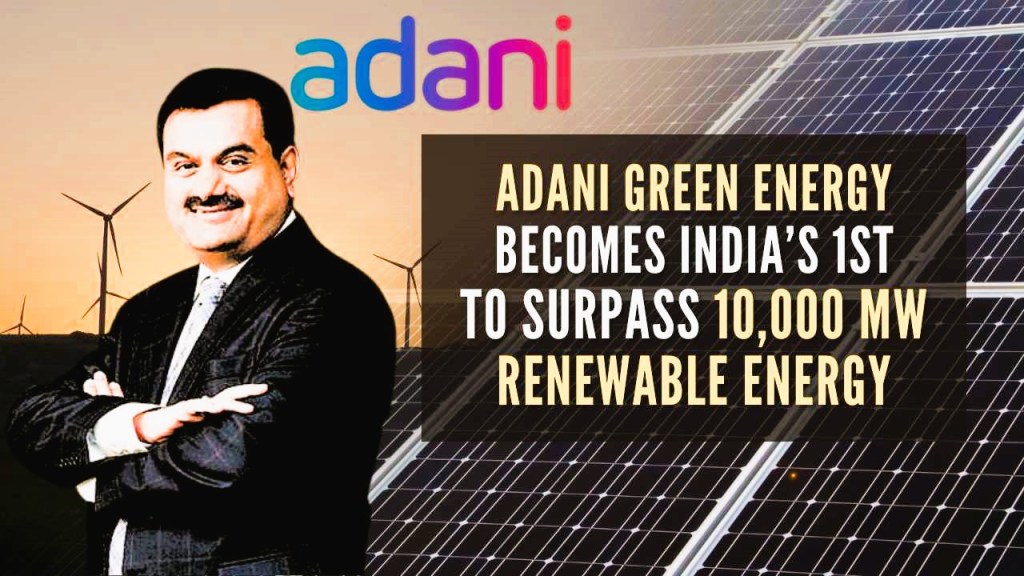
    Adani Group, a stalwart in India’s corporate landscape, is on a mission to contribute significantly to the nation’s prosperity. With a focus on wealth creation and transformative activities, Adani has been actively involved in various states, recently solidifying its commitment in vibrant Gujarat, Uttar Pradesh, Rajasthan, and now, in a ground breaking move, in the vibrant state of Telangana. This article delves into the recent Memorandums of Understanding (MoUs) signed between the Adani Portfolio and the Telangana government, marking a momentous stride towards economic development.

    Adani’s commitment to creating wealth and fostering economic activities across states is commendable. Vibrant Gujarat, Uttar Pradesh, Rajasthan and many more states have all witnessed the positive impact of Adani’s initiatives. The conglomerate’s dedication to these regions exemplifies its role as a catalyst for growth, job creation, and infrastructural development.

    In a strategic move, the Chief Minister of Telangana, has entered into a Memorandum of Understanding (MOU) with the Adani Conglomerate. This progressive step emphasizes the Chief Minister’s dedication to the state’s development, especially after the completion of elections. The people of Telangana have given a mandate for wealth creation, and this partnership with Adani is a testament to the forward-thinking approach of the Chief Minister.

    A significant development unfolded at the World Economic Forum 2024 in Davos, where the Telangana Government and the Adani Portfolio signed four ground breaking MoUs, amounting to an investment of over Rs 12,400 crore. These MoUs cover diverse sectors, including a data centre, clean energy projects, cement plants, and aerospace and defense facilities.

    The Adani Group detailed its substantial investments in Telangana, outlining a comprehensive plan for the state’s economic growth. A massive investment of Rs 5,000 crore is earmarked for setting up a 100 MW data centre powered by green energy over the next 5-7 years. The project aims to collaborate with local MSMEs and start-ups, providing employment to 600 people. Another Rs 5,000 crore will be invested in setting up two pump storage projects, contributing 850 MW at Koyabestagudem and 500 MW at Nacharam. With an investment of Rs 1,400 crore, Ambuja Cements plans to build a 6 MTPA cement plant, spanning 70 acres and providing employment for over 4,000 people. An investment of Rs 1,000 crore over ten years is dedicated to establishing a comprehensive ecosystem for research, development, design, manufacturing, and integration of counter-drone and missile systems at the Adani Aerospace Park.

    The signed MoUs are poised to lay the foundations for Telangana’s economic growth, envisioning a green, sustainable, inclusive, and transformative future. Adani’s commitment aligns with the state’s mandate for wealth creation, leading to job opportunities, enhanced infrastructure, and technological advancements.

    The Chief Minister assured Gautam Adani that the state government would provide the required amenities, infrastructure, and support for the projects. Telangana’s proactive and investor-friendly approach has been a key factor in attracting such significant investments. The Chief Minister’s assurance reflects a new era of collaboration between the government and corporate giants for the state’s progress.

    As Telangana moves towards a path of economic rejuvenation, the partnership between the state government and the Adani Conglomerate emerges as a beacon of progress. The substantial investments across diverse sectors underscore the commitment to creating wealth, generating employment, and fostering innovation. Adani’s vision aligns seamlessly with Telangana’s aspirations for a sustainable and transformative future. This historic collaboration stands as a testament to the power of public-private partnerships in driving economic growth and development.

    visit arjasrikanth.in for more insights
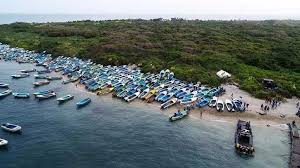
  • “Forging the Future: SAIL’s Steel Symphony in Nation Building”

    January 17th, 2024

    “Celebrating SAIL’s Foundation Day: Greetings and Best Wishes to Every Team Member on this Momentous Occasion”

    In the grand tapestry of India’s industrial landscape, the Steel Authority of India (SAIL) stands as a towering pillar, both figuratively and literally. Established in 1938 with the primary goal of promoting and developing the steel industry in the country, SAIL has evolved into one of the largest steel producers globally. As we celebrate SAIL’s Foundation Day, it’s an opportune moment to reflect on the company’s pivotal role in shaping the nation’s destiny.

    From its humble beginnings in 1938, SAIL has undertaken a journey of monumental proportions. Over the years, the company has undergone significant expansion and modernization, aligning its efforts with the goal of increasing production efficiency and enhancing product quality. This strategic evolution has not only propelled SAIL to the forefront of the Indian steel industry but has also contributed substantially to the nation’s overall economic development.

    The future for SAIL appears promising, with forecasts indicating robust growth. The company is predicted to witness an 18.1% annual growth in earnings and a 1.6% increase in revenue. The anticipated 17.9% per annum growth in earnings per share (EPS) signifies a trajectory of prosperity. Additionally, SAIL is in the process of finalizing growth plans that aim to elevate its capacity to an impressive 34-35 million tonnes by 2030-2031, a testament to its commitment to staying at the forefront of the steel industry.

    For those contemplating the investment landscape, SAIL presents itself as an attractive prospect. With a TTM P/E ratio of 12.04 compared to the sector P/E of 14.79, SAIL stands out. Analysts, too, have shown confidence, with a significant number initiating coverage and providing favourable ratings. This, coupled with a commendable employee rating of 4.1 out of 5 on Ambition Box, reflects positively on the company’s financial health and work environment.

    Beyond the financial realm, SAIL’s contributions to nation building are immeasurable. The company has played a significant role in key projects of national importance, including the Statue of Unity, India’s longest bridge – Dhola Sadiya, the Sardar Sarovar project, major Expressways, the Bandra-Worli Sea Link, and the Commonwealth Games village. These projects not only showcase SAIL’s technical prowess but also underscore its commitment to playing a vital role in shaping the nation’s infrastructure.

    SAIL’s impact on the Indian economy cannot be overstated. With plants strategically spread across the country, producing an array of steel products, SAIL has played a key role in the development of India’s heavy industry. Its contribution to the growth of the country’s economy is undeniable, making it a cornerstone in India’s journey toward industrial prowess.

    On the occasion of SAIL’s Foundation Day, we extend our heartfelt greetings and best wishes to every team member who has been a part of this incredible journey. Your dedication, hard work, and commitment to excellence have not only shaped the success of SAIL but have also contributed significantly to the progress of our great nation.

    As SAIL stands at the cusp of a future marked by growth and prosperity, it serves as a beacon of inspiration for the entire nation. The company’s journey, from its inception to its current standing, exemplifies the spirit of resilience and determination. On this Foundation Day, let us collectively celebrate the legacy of SAIL and look forward to a future where its steel symphony continues to resonate, forging the path to a stronger, more prosperous India.

    visit arjasrikanth.in for more insights
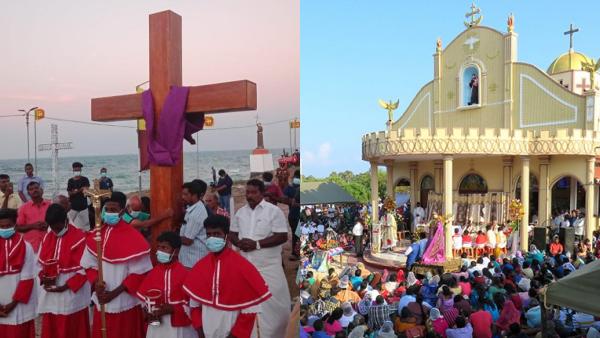
  • Prime Minister Narendra Modi inaugurates the Mumbai Trans Harbour Link, a testament to India’s infrastructure prowess.

    January 17th, 2024

    Mumbai Trans Harbour Link: Redefining Connectivity and Infrastructure

    India has once again made its mark on the global map with the creation of outstanding assets. On Friday, Prime Minister Narendra Modi inaugurated the Mumbai Trans Harbour Link. This 22 km long bridge, including a 16.5 km sea link, is set to revolutionize travel within the city and establish itself as the longest sea bridge in India. This article will delve into the remarkable construction of this bridge and its impact on commuters.

    The Mumbai Trans Harbour Link (MTHL) stretches over an impressive 22 km, with a six-lane structure (3+3). A significant portion, 16.5 km, is built on the Arabian Sea, making it the longest sea bridge in the country. The infrastructure marvels at the massive amount of concrete and skill utilized in its construction. The concrete trucks travelled a distance equal to that from Earth to the moon, while the reinforcing bars used could have built 17 Eiffel Towers. The incorporation of Japanese technology, including 85,000 tonnes of orthotropic steel, further adds to its uniqueness.

    The MTHL offers a breath-taking view of Mumbai’s coastline, providing commuters with a unique experience. The bridge serves as a modern structure, adorned with stunning features such as flamingos in the surrounding area. It not only enhances connectivity but also preserves the natural beauty of the sea.

    Building a bridge of this magnitude presented several challenges. One of the main concerns was protecting the marine life and migratory birds in the sea. Innovative techniques, including reverse drilling technology and careful navigation around oil pipelines, were employed to ensure minimal disruption. The livelihoods of fishermen were also taken into account, considering the importance of the coastline to their trade.

    The primary objective of the MTHL is to reduce travel time between Mumbai and Navi Mumbai to just 20 minutes, compared to the previous hour-long journey. The seamless connectivity provided by the bridge is expected to contribute significantly to the country’s GDP. The Mumbai Metropolitan Region, a major economic hub, will benefit from improved transportation infrastructure. Additionally, the MTHL will seamlessly connect to the upcoming Mumbai International Airport, further enhancing accessibility.

    The MTHL witnessed an overwhelming response from the public on its inaugural day. Thousands of vehicles flocked to experience the seamless travel offered by the bridge. Although some commuters expressed concern about the toll amount, the overall excitement and satisfaction were evident. The bridge’s ability to reduce travel time and provide a picturesque journey left a positive impression.

    The Mumbai Trans Harbour Link stands as a testament to India’s engineering prowess and commitment to infrastructure development. This magnificent bridge not only connects Mumbai and Navi Mumbai but also sets the stage for future connectivity projects. While there are challenges to overcome and further interchanges to be constructed, the MTHL has already transformed the commute experience for thousands of people. As India continues to make its mark on the global map, the Mumbai Trans Harbour Link serves as a shining example of the country’s dedication to progress and innovation.

    visit arjasrikanth.in for more insights

  • Unmasking the Reality Behind the Political Façade

    January 17th, 2024

    The Mental and Political Challenges of a Politician

    The Mental and Political Challenges of a Politician

    Being a politician is a journey through a labyrinth of challenges, marked by constant scrutiny, power dynamics, and unyielding pressure to meet certain standards. This journey exacts a profound psychological toll on individuals engaged in the high-powered, high-profile world of politics. Whether managing intricate political alliances or meeting the ever-present expectations of the public, the life of a politician is akin to a delicate tightrope walk, where equilibrium is constantly sought amid the complexities of the political landscape.

    In the intricate realm of politics, leaders carry an unseen but substantial burden. Enduring relentless pressure, politicians must secure party approval, meet sky-high expectations, and cultivate the trust of their constituents. This invisible weight, amplified by the intricate navigation of complex bills and the ever-looming threat of public ridicule, weaves a mentally taxing tapestry for those in the political arena. The constant juggling act between party loyalty, public service, and the demanding legislative landscape creates an environment where resilience and fortitude are paramount. In this challenging journey,

    politicians grapple not only with the visible facets of their roles but also the intangible, psychological toll that comes with the relentless pursuit of approval and the complexities of political life.

    The demanding landscape of politics exposes leaders to relentless public scrutiny and media coverage, impacting their mental health profoundly. The incessant barrage of critical opinions, negative media portrayal, and the weight of public expectations exacts a toll, fostering stress, anxiety, and, at times, depression among politicians. The challenge of balancing personal convictions with party expectations adds an additional layer of complexity to their already intricate roles. Navigating this delicate equilibrium becomes a formidable task, as politicians grapple not only with the external pressures but also the internal struggles arising from the constant scrutiny, emphasizing the need for resilience and mental fortitude in the face of the relentless challenges that define their public lives.

    Politicians navigate a formidable journey, confronting personal sacrifices, enduring insults, threats, and perpetual public scrutiny. This demanding trajectory necessitates exposing themselves to the public eye, making decisions that may alienate loved ones, and even confronting death threats. The concealed personal toll, often overshadowed by the polished political façade, sheds light on the rigorous nature of public service. A politician’s firsthand account unveils the intricate challenges of local politics, offering insights that resonate universally.

    The enduring pressure to appease diverse constituencies, combined with the emotional weight of perceived failure and an unwavering commitment to positive transformation, binds politicians globally in shared experiences. This narrative underscores the shared humanity within political personas, emphasizing the universal threads woven into the complex fabric of political life.

    Campaigning unveils its harsh realities beyond the glamour, showcasing a demanding journey. The exhaustive tasks, including door-to-door canvassing and campaign organization, entail substantial physical and mental exertion. The emotional rollercoaster experienced, oscillating between moments of despair and the eventual resilience acquired, vividly portrays the intricate and strenuous campaign planning process.

    Publicity in politics acts as a double-edged sword, offering visibility but extracting a toll. The integral nature of fame in politics means that politicians are subjected to heightened scrutiny and criticism. Their personal lives become public fodder, and every action undergoes meticulous examination. This constant exposure not only impacts mental well-being but also strains personal relationships. The article delves into the intricate dynamics of navigating the public eye, shedding light on the challenges politicians face as they grapple with the repercussions of their heightened visibility in the relentless world of politics.

    Embarking on a political career unveils a web of complexities shaped by family background, patrons, and strategic promises. The journey is scrutinized, emphasizing the significance of crafting compelling messages. In the contemporary post-internet landscape, targeted strategies have become paramount, enabling politicians to tailor messages to specific voter segments. The article illuminates the multifaceted nature of political careers, where success is influenced by a combination of factors ranging from familial ties to effective communication strategies. It delves into the intricate dynamics of navigating the political arena, illustrating how the right blend of elements contributes to a successful political trajectory.

    Visit arjasrikanth.in for more insights

  • “Stormy Seas: Decoding the Houthis’ Strategic Moves in the Red Sea”

    January 17th, 2024

    In the complex theater of Middle Eastern geopolitics, the Houthis, a formidable force in Yemen, have strategically turned their focus to the Red Sea, launching a series of ship attacks. This article aims to unravel the motives behind these assaults, exploring the intricate web of Yemen’s internal conflicts, deciphering global repercussions, and understanding the role of key players. As stormy seas symbolize broader turbulence in the Middle East, the Houthis’ maritime offensive emerges as a critical piece in an intricate puzzle, demanding thorough examination and analysis.

    Despite claims of solidarity with Palestine by Houthi spokesman Yahya Sarea, a closer examination reveals a more calculated motive. Beyond symbolic activism, the attacks strategically aim at gaining control over the Red Sea and the Bab al-Mandab Strait. This move goes beyond mere support for Palestine, indicating a deliberate effort to reshape power dynamics in the region.

    Amidst Yemen’s persistent internal strife, the Houthis have capitalized on power struggles, asserting control over significant territories. This not only fuels the ongoing conflict but also triggers international peace initiatives. Ongoing talks between Saudi Arabia and the Houthi forces add complexity, intertwining with broader geopolitical complexities in the Middle East.

    Accusations of Iranian support escalate as intelligence, technology, and weapons reportedly fuel Houthi attacks in the Red Sea. This alleged backing not only challenges regional stability but also casts shadows on global trade routes, raising concerns about the broader implications of Iran’s involvement in the conflict.

    Beyond expressing solidarity with Palestinians, the Houthis aim to expand their influence in Yemen and the Arab world. Simultaneously, a strategic move seeks to disrupt Saudi Arabia’s normalization with Israel, creating a complex web of geopolitical challenges with far-reaching global consequences.

    The attacks heighten tensions, drawing in international players like the United States. U.S. strikes, justified as safeguards for maritime navigation, add complexity to the multifaceted conflict. The involvement of allies such as the UK, Canada, and the Netherlands further raises the stakes.

    In a targeted military campaign, over 16 sites in Yemen were struck to degrade Houthi capabilities without causing further regional destabilization. The challenge now lies in assessing the actual damage and anticipating the group’s adaptive strategies, as the conflict continues to escalate.

    Iran’s strategic backing of the Houthis aligns with a larger plan to exert pressure on Israel and the U.S., using the maritime offensive as a means to uphold regional influence and contest Western dominance. The situation amplifies concerns about the broader geopolitical balance in the Middle East.

    The looming dilemma for President Joe Biden and allies unfolds as further measures are considered. The question arises: to expand the response’s scope, potentially destabilizing Yemen, or uphold a targeted approach concentrating on degrading specific military capabilities. The decision carries significant implications for the evolving conflict.

    Navigating the stormy waters of the Red Sea unveils a precarious Middle Eastern geopolitical landscape. Understanding the motives behind the Houthis’ maritime offensive is pivotal for anticipating the region’s future. Balancing regional conflicts, global trade, and ideological perspectives creates a multifaceted challenge that demands careful navigation. The delicate equilibrium hangs in the balance, shaping the broader turbulence in the Middle East. As the Houthis strategically target ships, decoding their motivations becomes integral to foreseeing the trajectory of international relations in this complex and evolving scenario.

    visit arjasrikanth.in for more insights

  • “Empowering Lives: Decoding the Impact and Dynamics of Direct Benefit Transfers”

    January 16th, 2024

    “Navigating the Promise and Peril: A Comprehensive Exploration of Direct Benefit Transfers and their Role in Shaping Societal and Economic

    Landscapes”

    Embark on an insightful journey into the economic intricacies and societal transformations spurred by direct benefit transfers (DBT), as political promises usher in a new era of financial support. In the ever-evolving landscape of political discourse, DBT has emerged as a pivotal tool, with promises and challenges shaping its trajectory. This article delves into the multifaceted realm of DBT, exploring its historical roots, economic implications, and the enduring debate surrounding its effectiveness.

    Direct Benefit Transfer (DBT) has risen to prominence as a contemporary approach to providing direct cash, gaining momentum in recent decades. With a dual focus on immediate relief and the integration of recipients into the broader economic system, DBT signifies a dynamic shift in social and economic policies. Its objective is to empower individuals who may have limited means or incentives for full participation in the economy.

    While DBT and Universal Basic Income (UBI) share certain parallels, their distinctions are pivotal. DBT operates through targeted schemes, addressing specific population segments, unlike UBI, which advocates for a basic income for all citizens. The ongoing discourse scrutinizes the choice between targeted and universal approaches to financial assistance, considering inclusivity, economic efficiency, and broader societal impact.

    DBT schemes face scrutiny, with sceptics questioning the financial viability of governments, particularly in developing economies. Concerns include the strain on government budgets, potential deficits, and the perception of DBT as a populist measure that might discourage economic productivity. Navigating these criticisms requires nuanced policy considerations to optimize the societal impact of direct benefit transfers within the broader economic landscape.

    In recent decades, economic arguments supporting DBT have gained substantial traction. Advocates assert that providing critical amounts of cash to impoverished segments can stimulate economic growth. DBT, by energizing local economies through increased spending, becomes a catalyst for development. This aligns with the idea that empowering individuals at the grassroots level is essential for comprehensive economic progress.

    The core premise supporting DBT is rooted in the idea that unless people’s basic needs are satisfied, achieving their active and productive participation in the economy remains elusive. By alleviating immediate financial concerns, DBT aims to enable individuals to break free from the cycle of poverty, fostering conditions conducive to economic productivity.

    The intersection of DBT with political agendas introduces a nuanced and intricate dynamic. Politicians leverage these schemes for electoral support, raising questions about the genuine intent behind such initiatives. The challenge lies in finding a delicate balance between short-term political gains and the enduring impact on crucial aspects like education, poverty alleviation, and overall societal development. As political narratives intertwine with the implementation of DBT, the imperative becomes not only to address immediate electoral objectives but also to ensure a sustained and positive transformation in the lives of the populace. Striking this balance requires a thoughtful and strategic approach, acknowledging the dual role that DBT plays in the political landscape – as a tool for immediate electoral appeal and as a catalyst for long-term social and economic progress.

    Delving into India’s Direct Benefit Transfer program, introduced in 2011, we explore its evolution, challenges, and far-reaching impact on poverty alleviation and rural development. From its initiation under the National Rural Employment Guarantee Scheme to becoming a Guinness World Record holder for the largest cash transfer program, India’s DBT offers valuable insights into the global landscape of direct cash transfers.

    In the intricate dance between promises and challenges inherent in direct benefit transfers, the nation stands at a pivotal crossroads. Beyond immediate political gains, the ongoing debate probes the nuanced relationship between financial assistance, individual empowerment, and the quest for sustainable economic development. DBT transcends its status as a mere political instrument; it emerges as a transformative force, illuminating a path towards a future where financial empowerment becomes the keystone for holistic societal development. The efficacy of DBT demands more than conceptual brilliance; it requires meticulous implementation, responsiveness to criticisms, and synchronization with broader strategies for fostering inclusive growth. As the nation grapples with promises and pitfalls, the journey towards transformative societal development necessitates a harmonious blend of policy acumen, public engagement, and an unwavering commitment to addressing the multifaceted needs of the populace.

    visit arjasrikanth.in for more insights

←Previous Page
1 … 109 110 111 112 113 … 146
Next Page→

Blog at WordPress.com.

Loading Comments...

    • Subscribe Subscribed
      • SOCIAL PERSPECTIVES
      • Join 107 other subscribers
      • Already have a WordPress.com account? Log in now.
      • SOCIAL PERSPECTIVES
      • Subscribe Subscribed
      • Sign up
      • Log in
      • Report this content
      • View site in Reader
      • Manage subscriptions
      • Collapse this bar