• About

SOCIAL PERSPECTIVES

  • “Navigating Triumph: Empowering Quotes to Propel Our Journey into New Beginnings 2024”

    January 1st, 2024

    As the curtain rises on 2024, a stage is set for a new act in the grand play of life. This article, curates a symphony of inspirational quotes, each note resonating with the promise of fresh beginnings and untold possibilities. Let these quotes be your guiding melodies, your source of strength, and the companions on your journey through the unwritten chapters of the coming year.

    “The beginning is the most important part of the work.” – Plato

    In the tapestry of life, the commencement of a new year is the pivotal moment, akin to the first stroke of an artist’s brush. Embrace the genesis of 2024 with reverence, for within the beginning lies the power to shape triumphs yet to unfold. Each dawn is a blank canvas, awaiting the masterpiece of your creation.

    “To believe you can is halfway there.” – Theodore Roosevelt

    Self-belief is the silent force that propels aspirations into reality. Theodore Roosevelt’s wisdom serves as a compass, guiding you through uncharted waters. In 2024, let the echo of your belief resonate, bridging the gap between where you stand and the heights you aspire to reach.

    “With the new day comes new strengths and new thoughts.” – Eleanor Roosevelt

    As the sun ushers in the dawn of a fresh day, it carries with it the promise of renewal. Eleanor Roosevelt’s insight reminds us of the perpetual cycle of strength and thought that accompanies each sunrise. Seize the opportunity to cultivate resilience and embrace innovative perspectives with each breaking dawn.

    “You are never too old to set another goal or to dream a new dream.” – C.S. Lewis

    Age is not a cage that restrains dreams; it is merely a number on the calendar. C.S. Lewis beckons you to reject the notion of limitations and, in 2024, to revel in the freedom of limitless dreams. Let the canvas of your life welcome each stroke of ambition, regardless of the years that have gone by.

    “The future belongs to those who believe in the beauty of their dreams.” – Eleanor Roosevelt

    Dreams are not whimsical illusions; they are the architects of the future. Eleanor Roosevelt’s words are a call to arms, urging you to believe in the intrinsic beauty of your dreams. As you traverse through 2024, let your unwavering belief be the North Star guiding you toward the promise of tomorrow.

    “Every great dream begins with a dreamer. Always remember you have within you the strength, the patience, and the passion to reach for the stars to change the world.” – Harriet Tubman

    Harriet Tubman’s wisdom resonates with the inner dreamer in us all. In 2024, channel the strength, patience, and passion that lie dormant within. Be the dreamer who not only envisions greatness but possesses the tenacity to reach for the stars and, in doing so, changes the world.

    “The only limit to our realization of tomorrow will be our doubts of today.” – Franklin D. Roosevelt

    Doubt is the silent saboteur, limiting the boundless horizons of the future. Franklin D. Roosevelt challenges you to confront and cast aside the shackles of doubt. As you navigate through 2024, let doubt find no quarter, for it alone has the power to stifle the realization of endless tomorrows.

    “You have the power to create the life you want.” – Les Brown

    Les Brown’s declaration is a profound truth. As you stand at the threshold of 2024, recognize the authority within you to shape the narrative of your life. Consciously wield this power, creating a tapestry woven with intention, purpose, and the relentless pursuit of your dreams.

    “The best way to predict the future is to create it.” – Peter Drucker

    Peter Drucker’s insight transcends mere fortune-telling; it invites you to be an active participant in shaping destiny. In 2024, take hold of the reins and be the creator of your own narrative. The actions you take today mold the contours of the future you desire.

    “This is a new year and a new beginning, and things will change.” – Taylor Swift

    As Taylor Swift’s words echo through the corridors of time, the New Year emerges not as a continuation but as a symphony of change. Welcome the transformative power of new beginnings in 2024. Embrace the unknown, for within change lies the fertile ground for growth, joy, and the fulfillment of your deepest aspirations.

    As the curtains fall on this exploration of inspirational quotes for the New Year, let the symphony of wisdom be your guiding melody. May these quotes empower you to believe in the beauty of your dreams, to overcome doubts, and, most importantly, to ignite the flames of change and transformation. In 2024, you are the artist, the dreamer, and the architect of your narrative. The canvas of the New Year awaits your brushstroke—bold, vibrant, and filled with the promise of new beginnings. Let these quotes be the guiding stars in your constellation, propelling you toward a year of triumph, growth, and the fulfilment of your deepest aspirations.

    visit arjasrikanth.in for more insights

  • “Unlocking Joy In New Year : Breaking Free from the Habits that Undermine our Happiness”

    December 31st, 2023

    In the pursuit of happiness, our journey is often impeded by subtle habits that we might not even realize are slowly chipping away at our well-being. This article explores the nine indirect happiness killers that stealthily diminish the joy in our lives. From overcommitting to neglecting dreams, understanding and breaking free from these habits can be the key to unlocking a more fulfilling and content existence.

    Overcommitting, or the inability to say no, may initially seem like a path to please others, but in the long run, it leads to neglecting what truly matters. Learning to set boundaries and prioritize commitments can alleviate the burden of spreading oneself too thin.

    Perfectionism, while motivating, can create an unattainable standard and a perpetual feeling of inadequacy. Acknowledging that perfection is an illusion and embracing imperfections is crucial for fostering a healthier self-image.

    Harboring grudges and resentment is like carrying a heavy load that weighs you down. Choosing forgiveness and letting go of anger not only frees you but also creates space for positivity and growth.

    Neglecting self-care is akin to forgetting to water a plant. Physical and emotional well-being requires nurturing. Taking intentional breaks, practicing self-compassion, and dedicating time for relaxation contribute to overall happiness.

    An overloaded schedule may create an illusion of productivity, but it often transforms life into a chaotic rush. Prioritizing tasks, setting realistic goals, and allowing room for spontaneity can lead to a more balanced and enjoyable life.

    Ignoring emotions allows emotional clutter to accumulate, affecting mental health and happiness. Acknowledging and processing emotions is essential for maintaining emotional well-being.

    Living too much in the past or future can cause us to miss the beauty of the present moment. Practicing mindfulness and gratitude can redirect our focus to the richness of the here and now.

    Settling for less than what we truly want limits our potential and narrows our horizons. Striving for personal and professional fulfillment empowers us to reach for our true desires.

    In the midst of busy routines, it’s easy to neglect our dreams. Pursuing our passions and unique aspirations infuses life with purpose and contributes significantly to overall happiness.

    Indirect happiness killers lurk in the shadows of our daily lives, subtly impacting our well-being. Recognizing and addressing these habits is the first step towards liberating our joy. By learning to say no, embracing imperfection, practicing forgiveness, prioritizing self-care, managing schedules, processing emotions, living in the present, striving for more, and pursuing our dreams, we can break free from the chains that bind our happiness. In the journey to true contentment, these revelations guide us toward a brighter and more fulfilling existence.

    Happy New Year 2024 !!!

    Visit arjasrikanth.in for more insights
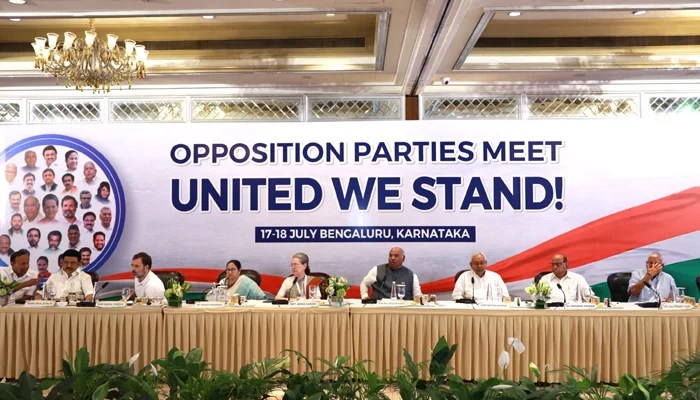
  • “Charting a Course for Progress: PM Modi’s Visionary Decade Unveiled”

    December 31st, 2023

    “Narendra Modi’s Vision for India: A Decade of Transformative Initiatives”

    Prime Minister Narendra Modi’s remarkable decade in office has been defined by a series of visionary initiatives that aim to reshape and elevate India’s trajectory. From water conservation to digital empowerment, Modi’s core concepts focus on building a resilient, self-reliant, and prosperous nation. This article explores each initiative individually, showcasing their profound impact on the nation’s development and the collective journey towards a stronger India. Modi’s appeals to the nation serve as guiding principles, encapsulating the essence of a decade dedicated to transformative change.

    In his first appeal, Prime Minister Modi urged all Indians to save every drop of water, acknowledging the severe water scarcity issues facing the nation. Initiatives like Jal Shakti Abhiyan and Namami Gange have been instrumental in rejuvenating rivers, cleaning water bodies, and promoting sustainable water management. Beyond addressing scarcity, these efforts have created livelihood opportunities and improved the overall environmental health of the nation.

    The Digital India initiative, reflecting Modi’s second appeal, has played a pivotal role in making Indians digitally literate and promoting online transactions. Through Jan Dhan Yojana, Aadhaar, and UPI, the government has enabled financial inclusion and seamless, secure digital transactions. This not only enhances transparency in governance but also catalyzes economic growth and entrepreneurship.

    Modi’s call for cleanliness, the third appeal, manifested in the Swachh Bharat Abhiyan—the world’s largest cleanliness drive. This paradigm shift in attitudes towards hygiene has significantly improved sanitation facilities, reduced open defecation, and enhanced public health outcomes across the nation.

    The fourth appeal encourages the promotion and use of “Made in Bharat” products, aligning with the Make in India campaign. This initiative aims to boost domestic manufacturing, create employment opportunities, and position India as a global manufacturing hub. Emphasizing indigenous industries has instilled pride in Indian craftsmanship and innovation.

    Modi’s fifth appeal urges Indians to explore their country’s beauty and diversity before traveling abroad. Initiatives like Incredible India and Swadesh Darshan focus on developing tourist infrastructure, preserving heritage sites, and promoting lesser-known destinations. This not only enhances tourism but fosters a sense of national pride and unity.

    The sixth appeal highlights Modi’s commitment to sustainable agriculture. Initiatives like Paramparagat Krishi Vikas Yojana promote organic farming, reduce chemical inputs, and ensure the long-term health of the soil. This supports farmers in transitioning to natural farming methods, increasing their income and promoting environmental sustainability.

    Modi’s seventh appeal emphasizes incorporating millets into daily diets. The National Mission on Nutri-Cereals encourages the cultivation, processing, and marketing of millets. This not only revives traditional food practices but also improves farmers’ incomes and contributes to a healthier nation.

    The eighth appeal underscores the importance of fitness, whether through yoga or sports. The Fit India movement promotes physical and mental well-being, fostering a culture of fitness. Initiatives like the International Day of Yoga and the Khelo India Games encourage an active lifestyle, sports participation, and the development of sports infrastructure.

    Modi’s final appeal calls for supporting at least one poor family to eradicate poverty. Initiatives like the Pradhan Mantri Awas Yojana, Jan Aushadhi Scheme, and Ayushman Bharat focus on providing affordable housing, healthcare, and essential medicines to underprivileged families, improving their quality of life.

    Prime Minister Narendra Modi’s visionary leadership, reflected in these transformative initiatives, has propelled India toward a brighter future. From addressing water scarcity to fostering digital empowerment and promoting indigenous industries, each initiative plays a crucial role in the nation’s development. As India continues on this path of progress, Modi’s vision remains a guiding force for building a prosperous, inclusive, and self-reliant nation. The legacy of the last decade is one of resilience, determination, and a collective commitment to a better India.

    visit arjasrikanth.in for more insights

  • Unmasking Shadows: The Mysterious Wave of Anti-India Terrorist Assassinations in Pakistan Raises Alarms

    December 30th, 2023

    Unknown assailants strike again, targeting high-profile terrorists. Is there more to these covert operations?

    In recent months, Pakistan has become a stage for a series of mysterious assassinations that have sent shockwaves through anti-India groups. The latest victim, Dawood Malik, closely associated with Maulana Masood Azhar, follows a troubling pattern, marking the second such event in October after the killing of Shahid Latif, the mastermind behind the 2016 Pathankot attack.

    These covert operations, executed by unknown gunmen, have ignited speculation, with Pakistani security agencies hinting at the potential involvement of external agnecies. The list of victims includes prominent figures such as Ziaur Rehman of LeT, Sukhdool Singh – a Khalistani terrorist in Canada, Abu Qasim Kashmiri – orchestrator of the Dhangri attack, and Sardar Hussain Arain – an LeT operative responsible for JuD’s madrassa network, among others.

    The circumstances and perpetrators behind these mysterious assassinations remain unclear, raising concerns about safety and security in the region. Ongoing investigations are vital to unravel the truth behind these clandestine operations. Some of them are:

    Bashir Ahmad Peer (20 February): a top commander of Hizbul Mujahideen, was shot dead in Rawalpindi. His role as the “launching chief” of Hizbul in Pakistan involved recruiting and sending infiltrators with arms and ammunition into the Kashmir valley.

    Syed Khalid Raza (27 February): a former Al-Badr Mujahideen commander, met a targeted attack in Karachi. Responsible for dispatching fresh recruits into Kashmir, he was designated as a terrorist by India in October 2022.

    Mistry Zahoor Ibrahim (1 March): associated with Jaish-e-Mohammed and one of the hijackers of Indian Airlines flight IC 814, was found dead in Karachi. His violent history included the stabbing death of a hostage during the 1999 hijacking.

    Syed Noor Shalobar (4 March):Believed to be an ISKP commander, Shalobar was reportedly involved in recruiting terrorists for launching attacks in the Kashmir valley. His assassination raised questions about links with the Pakistan Army and ISI.

    The frequency and consistency of these targeted killings raise eyebrows, prompting speculation about the motives and actors behind the scenes. The Sidhudesh Revolutionary Army (SRA) claimed responsibility for one attack, while others remain shrouded in mystery.

    Recent additions to this perplexing series include notable figures like Lakhbir Singh Rode, Adnan Ahmed, Maulana Raheem Ullah Tariq, and more. Each case echoes the familiar narrative of unidentified gunmen on motorcycles executing swift and deadly attacks.

    Pakistani agencies have pointed fingers at external intelligence agencies , accusing of orchestrating these assassinations. The lack of identified culprits and the recurring pattern fuel suspicions and diplomatic tensions among the neighbors.

    In the past one and a half months, six more terrorists, with links to the Pakistan Army, ISI, or Pakistan-backed terror groups, have been added to the list. The method remains consistent, and blame is cast on external forces.

    The mystery surrounding these targeted killings in Pakistan raises numerous questions, demanding thorough investigation and transparency. The consistent modus operandi, allegations against external intelligence agencies, and the escalating body count contribute to a complex narrative that awaits unraveling. As tensions persist, the enigma of these covert operations continues to cast a shadow over regional stability.

    visit arjasrikanth.in for more insights

  • “Guiding Lights: Navigating Success with Wisdom from Visionary Minds”

    December 30th, 2023

    “Embark on a transformative journey to success with insights from business icons—Richard Branson, Jeff Bezos, Steve Jobs, Oprah Winfrey, Bill Gates, Jeff Immelt, Satya Nadella, and Sheryl Sandberg. Learn, adapt, stay humble, and embrace the path ahead.”

    The journey through life, especially for the youth, is a thrilling odyssey marked by challenges and opportunities. In this ever-evolving world, the guidance of seasoned visionaries becomes invaluable. This article delves into the timeless wisdom shared by influential figures such as Richard Branson, Jeff Bezos, Steve Jobs, Oprah Winfrey, Bill Gates, Jeff Immelt, Satya Nadella, and Sheryl Sandberg. Each luminary imparts unique insights that can shape the path to success for today’s youth.

    “Be Willing to Take Risks” – Richard Branson, the audacious entrepreneur behind the Virgin Group, champions the spirit of risk-taking. His advice to young individuals is clear—embrace risk early in life. Branson contends that staying within the confines of one’s comfort zone leads to a life filled with regrets. Venturing into the unknown not only opens doors to innovation but also cultivates personal growth.

    “Learn from Failure” – Jeff Bezos , the architect of Amazon, views failure as a stepping stone to success. Rather than perceiving failure as an endpoint, Bezos encourages learning from it. Building resilience and extracting valuable lessons from failures are crucial elements that distinguish successful individuals. Bezos challenges the youth to view failure not as a setback but as an integral part of the journey.

    “Stay Hungry” – Steve Jobs , the visionary co-founder of Apple Inc., emphasizes the perpetual hunger for knowledge and success. Jobs’ counsel is a call to sustained curiosity and an unrelenting thirst for learning. Staying hungry for success, wealth, and knowledge becomes the driving force propelling individuals toward their aspirations.

    “Stay Humble” – Oprah Winfrey , media mogul and philanthropist, extols the virtue of humility. Her advice to the youth is to remain open to new ideas and experiences while cautioning against arrogance. Acknowledging that there is always more to learn, Winfrey underscores the significance of staying humble as a key to personal and professional growth.

    “Be Patient” – Bill Gates , co-founder of Microsoft, imparts the wisdom of patience on the journey to success. Urging young people not to rush decisions, Gates emphasizes the value of slow and steady progress. Significant achievements, according to Gates, require dedication and time. Success is a journey, a gradual progression likened to the steady growth of a plant into a tree.

    “Stay Curious” – Jeff Immelt, former CEO of General Electric, places importance on perpetual curiosity. His advice is simple yet profound—never stop questioning the world. Immelt believes that the more curious one is, the more knowledge they accumulate. This thirst for understanding not only fosters innovation but also enhances adaptability in a rapidly changing world.

    “Be Adaptable” – Satya Nadella, CEO of Microsoft, acknowledges the constantly evolving nature of the world. His counsel to young people is to be adaptable and fearlessly embrace change. In a dynamic environment, adaptability becomes a crucial factor for success, ensuring individuals are prepared for any challenge that lies ahead.

    “Learn from Mentors” – Sheryl Sandberg, Facebook’s COO, underscores the significance of mentorship. Recognizing that behind every successful person is a mentor, Sandberg encourages the youth to seek guidance from experienced mentors. These mentors play a pivotal role in offering support and valuable insights throughout the journey to success.

    In the mosaic of life, the wisdom shared by these influential figures serves as guiding lights for the youth navigating the complex terrain of success. Whether it’s embracing risk, learning from failures, staying hungry for knowledge, staying humble, being patient, staying curious, being adaptable, or learning from mentors, each piece of advice contributes to a holistic approach to personal and professional growth. As the next generation sets forth on their individual journeys, the amalgamation of these insights can pave the way for a fulfilling and successful life. The transformative power of these lessons from visionary minds becomes the compass guiding today’s youth toward a future marked by resilience, curiosity, adaptability, and, ultimately, success.

    visit arjasrikanth.in for more insights

  • “Wealth Wisdom: Insights from India’s Billionaires to Guide Young Entrepreneurs”

    December 30th, 2023

    “Navigating Success: Sage Advice from India’s Business Titans”

    India’s economic landscape is adorned with the triumphs of visionaries who have not only created great national wealth but have also become beacons of wisdom for aspiring entrepreneurs. In this comprehensive exploration, we delve into the valuable contributions and life lessons from some of India’s most successful billionaires. Each luminary offers a unique perspective, and their collective advice forms a roadmap for those embarking on their entrepreneurial journey.

    Mukesh Ambani, India’s wealthiest individual and the chairman of Reliance Industries, advocates for financial success through meticulous income tracking. Recognized on Forbes’ list of powerful people, Ambani emphasizes the importance of diligently monitoring one’s primary income source. His advice extends to showcasing value through hard work, making career advancements easier to negotiate without intimidation. Ambani’s success mantra lies in letting one’s work speak for itself, focusing on business rather than public appearances. His principles include having a dream for business success, trusting none, considering risks essential for growth, and maintaining composure during challenges.

    Gautam Adani, a prominent industrialist and billionaire, exemplifies success through actively seeking opportunities, honing negotiation and sales skills, fostering a learning mindset, and giving back to society. Adani’s diversification strategy, adapting to market demands, propelled the Adani Group to become India’s third-largest conglomerate. As the world’s 6th richest person, Adani’s journey and principles offer inspiration for aspiring entrepreneurs. He emphasizes resilience, innovation, and ethical practices.

    Shiv Nadar, a business magnate and philanthropist, advocates experimentation as a crucial part of the entrepreneurial process. He encourages young entrepreneurs to try new ideas, embrace technology for positive change, and learn from failures. Nadar’s wisdom underscores the significance of adapting to evolving market trends and utilizing technology to create new opportunities.

    Savithri R. Jindal, a business executive overseeing various businesses, imparts advice on staying focused, disciplined, and seeking mentorship. Her emphasis on adaptability and self-awareness in a changing business environment resonates with the need to view challenges as opportunities for growth.

    Cyrus Poonawalla, chairman and founder of the Aditya Birla Group, emphasizes the importance of having a clear vision for the future and the courage to follow it. Poonawalla’s advice revolves around learning from failures, taking calculated risks, and being adaptable to necessary changes.

    Dilip Shanghvi, the CEO of Sun Pharmaceuticals, underscores the importance of persistence, customer focus, embracing technology, and being honest in entrepreneurial pursuits. His advice revolves around passion, a strong work ethic, and continuous innovation.

    Kumar Birla’s advice covers perseverance, wise decision-making, prioritizing family and relationships, giving back to the community, and staying adaptable and innovative in a fast-changing business environment.

    Radhakishan Damani, an entrepreneur and business tycoon, offers valuable advice on perseverance, hard work, dedication, continuous learning, and building a strong team. His insights provide a source of inspiration for aspiring entrepreneurs.

    Lakshmi Mittal, the chairman of the Laxmi Group, emphasizes self-belief, passion, calculated risks, innovation, and humility. His advice encourages entrepreneurs to stay adaptable, take risks, and prioritize giving back to the community.

    Kushal Pal Singh, an entrepreneur and motivational speaker, advocates for staying focused, disciplined, and never giving up on dreams. His insights underscore the importance of mindset, determination, and perseverance.

    Aditya Birla, a seasoned businessman, imparts wisdom on perseverance, innovation, risk-taking, vision, discipline, passion, and respect for others. His advice encourages entrepreneurs to maintain a strong work-life balance.

    Uday Kotak, executive vice chairman of Kotak Mahindra Bank, likens wealth creation to a marathon, emphasizing a balanced approach. His advice includes making money work for you through smart investments, focusing on equity for ownership, and maintaining financial balance.

    Anand Mahindra, Chairman of Mahindra Group, stresses the importance of periodically reviewing finances. His advice involves scrutinizing the cash flow statement to understand income, expenditure, assets, and liabilities for financial independence.

    Rakesh Jhunjhunwala, an Indian billionaire investor, emphasizes a spending rule: Income – Savings = Expenses. His approach encourages monitoring expenditures, minimizing costs, and allocating more funds for investment.

    Ratan Tata, former chairman of Tata Sons, advocates for creating an emergency fund to cover unforeseen expenses during uncertainties. His advice aligns with financial stability during challenging times.

    Azim Premji, a business magnate and philanthropist, believes in thinking big and aiming for higher goals for financial success. His advice encourages dreaming beyond the immediate goal for substantial achievement.

    Sunil Bharti Mittal, the founder and former CEO of Bharti Enterprises, advises entrepreneurs to start small, scale up with a clear vision, and focus on innovation for business success.

    Naveen Jindal, an entrepreneur in steel, mining, and real estate, emphasizes the importance of hard work, persistence, taking risks, listening to others, learning from experience, and networking for success.

    In this wealth of wisdom shared by India’s esteemed billionaires, a tapestry of entrepreneurial guidance unfolds. From meticulous financial management and adaptability to innovation, the advice resonates with the essence of building and sustaining successful ventures. Aspiring entrepreneurs in India can draw from these insights, learning not just the art of business but also the values that define enduring success. The collective wisdom of these business titans forms a powerful beacon, illuminating the path for those with the audacity to dream, innovate, and build a future marked by success and positive impact.

    visit arjasrikanth.in for more insights

  • “Navigating the Waves: India’s Dual Struggle Against GN1 and JN1 COVID-19 Subvariants”

    December 29th, 2023

    “Dive into the complexities of India’s battle against the GN1 and JN1 variants, exploring their characteristics, governmental responses, and individual protective measures.”

    As India navigates the relentless waves of the COVID-19 pandemic, two new variants, GN1 and JN1, have emerged, demanding attention and strategic responses. In this comprehensive article, we delve into the intricacies of each variant, examining their characteristics, the actions taken by health authorities, and the crucial preventive measures individuals can adopt.

    The GN1 variant, a subvariant of Omicron, has recently taken center stage in the ongoing battle against COVID-19 in India. Designated as a variant of interest by the World Health Organization (WHO), GN1 demonstrates a competitive advantage over other circulating variants. In the United States, GN1 accounts for a significant share of cases, emphasizing its dominance.

    While concerns about increased transmissibility persist, data thus far has not shown a rise in severe cases or adverse outcomes associated with GN1. The genetic makeup of GN1, with one additional spike protein mutation compared to its predecessor Piola, raises questions about vaccine efficacy, but WHO reassures that existing vaccines remain effective.

    In response to the escalating cases of GN1, the Union Health Ministry in India swiftly initiated measures. Directives were issued to all states, urging increased surveillance, enhanced testing, and a revival of genomic sequencing efforts. The decline in testing and sequencing in recent months necessitated this renewed emphasis on identifying and tracking variants.

    India’s healthcare system, having gained valuable experience over the past two years, exhibits readiness to tackle the challenges posed by GN1. Hospitals have adapted to handle COVID-19 patients, with the ability to scale up the number of beds and allocate separate wards for effective treatment. The nation’s proactive approach positions it well to manage potential increases in hospitalizations.

    As GN1 spreads, individual adherence to preventive measures becomes paramount. Health experts emphasize the importance of regular handwashing and mask-wearing in public spaces. While panic is discouraged, these simple measures play a crucial role in curbing the transmission of GN1 and other variants.

    Simultaneously, another player, JN1, has entered the scene, particularly gaining traction in Kerala. This article explores the characteristics of JN1, its genetic distinctions, and the response from health authorities.

    JN1, as an Omicron subvariant, shares its lineage with Piola, but with fewer spike protein mutations. Despite its prevalence, there is no conclusive evidence of increased severity associated with JN1. WHO assures that existing vaccines continue to be effective against JN1.

    India finds itself at the crossroads of a dual challenge, grappling with GN1 and JN1. The emergence of these variants underscores the fluid nature of the pandemic, demanding ongoing vigilance and adaptive strategies. The nation’s response, characterized by swift government action, a resilient healthcare system, and individual commitment to preventive measures, reflects a collective determination to overcome these challenges. As uncertainties persist, India stands united in its pursuit of health and resilience against the evolving landscape of the COVID-19 pandemic.

    visit arjasrikanth.in for more insights

  • “Unveiling the Shadows: The Intricate Web of Global Human Trafficking Exposed by Romanian Flight Controversy”

    December 29th, 2023

    “A journey from Dubai to Vatry, France to Mumbai unravels the complexities of international travel, shedding light on the urgent need for heightened vigilance against human trafficking networks.”

    In a startling turn of events, the Romanian Flight bound for Nicaragua became the epicentre of controversy, grounded in France over suspicions of human trafficking. This article peels back the layers of the incident, unravelling the intricacies of international aviation regulations, the ongoing investigations, and the fate of the passengers caught in the crossfire.

    Nicaragua, nestled in Central America, has long been a gateway for illegal migration to the US and Canada, colloquially known as the “donkey route” in India. Individuals often land in these countries with valid visas, only to embark on illicit journeys across borders.

    Operated by Romanian carrier Legend Airlines, the flight faced a sudden halt in France after authorities received an anonymous tip regarding human trafficking. The subsequent investigation involved intense interrogations, document verifications, and detentions. The French government’s meticulous process ultimately led to the lifting of the embargo on December 24th, allowing the flight to resume on December 25th.

    Unexpectedly, the flight was redirected to India, shining a spotlight on the complexities of international permissions. Out of the 303 passengers, 25 sought asylum in France, sparking debates about their uncertain status. The remaining 275 passengers returned to India, undergoing thorough questioning by immigration and investigative authorities.

    Among the 25 seeking asylum, some held written tickets, while others possessed valid documents for Nicaragua. The lack of concrete evidence and a paper trail complicates the allegations, leaving the asylum seekers in a state of limbo with unanswered questions about their eventual status.

    Returning passengers faced a grueling 45-hour process of scrutiny by immigration authorities, including the CBI. While most were temporarily allowed to return to their home states, each passenger underwent questioning and scrutiny by local authorities.

    Despite mentions by the Indian government of four Nepalese individuals, clarity on their involvement remains elusive. The uncertain status of the asylum seekers adds another layer of complexity to the situation.

    The Romanian Flight saga unveils the intricacies of international aviation, immigration, and the persistent challenges posed by human trafficking. Despite the lack of concrete evidence, the incident underscores vulnerabilities in the system and emphasizes the urgent need for comprehensive international cooperation. As passengers attempt to reintegrate into their lives, lingering questions about the asylum seekers highlight the complexities of global migration issues. The aftermath of the Romanian Flight serves as a stark reminder of the ongoing struggles against illegal migration, emphasizing the continuous efforts required to safeguard the integrity of international borders.

    visit arjasrikanth.in for more insights

  • “Freebies in Indian Politics: A Double-Edged Sword”

    December 29th, 2023

    The pulsating heart of Indian politics beats to the rhythm of promises, where freebies, charmingly known as the “Revdi culture,” have become both a weapon and a liability. This exploration delves into the intricate world of political giveaways, uncovering the layers of impact they cast on the nation’s economy, society, and governance. As the debate intensifies, the article navigates the terrain of benefits, pitfalls, and the looming question of sustainability.

    In the grand theatre of public policy, programs like MGNREGA take center stage, offering the promise of assured wages. This not only contributes to a robust and healthier workforce but also acts as a lifeline for those battling the claws of poverty. The stage widens as the Public Distribution System (PDS) enters, a supporting actor offering subsidized food grains, ensuring both consumer welfare and fair remuneration for farmers. The symphony crescendos with subsidized food grains through the PDS and schemes like PMGKAY. In a nation prone to crises, these initiatives become the guardians of basic food security, shielding the vulnerable from the spectre of starvation, especially during unprecedented events like the COVID-19 pandemic.

    Enter the protagonists – initiatives like mid-day meals and free bus passes. They not only address the immediate need of hunger in schools but also act as catalysts for societal transformation. The narrative takes an empowering turn with free bus passes for women in Tamil Nadu, encouraging their participation in the workforce and laying the foundation for economic stability. In a surprising twist, the distribution of free color televisions emerges as a subplot combating domestic violence. The televisions become agents of change, fostering women’s empowerment and self-respect, revealing the unexpected societal dividends of seemingly unrelated freebies.

    Subsidies, such as free laptops, take the stage as necessities, not luxuries. In the evolving landscape of skills and knowledge, these freebies become instrumental in enhancing productivity, bridging the gap between the digital divide and ensuring a more competitive and knowledgeable workforce. Fiscal incentives in states like Kerala step into the limelight, aiming to encourage corporate growth and industrial development. The symphony, now reaching its zenith, echoes promises of economic prosperity through strategic fiscal policies.

    However, as the applause for these initiatives resonates, dissonant chords emerge. The funds for these freebies, often financed through loans, fail to contribute to additional revenue. The curtain lifts, revealing the growing debt burden that silently shadows the applause. Behind the scenes, a more clandestine act takes place – borrowing for freebies occurring off-budget. This financial sleight-of-hand conceals debt and circumvents fiscal targets, leaving the audience unaware of the economic smoke and mirrors. As the drama unfolds, the excessive spending on freebies distorts the plot. Resources are diverted from growth-enhancing items and infrastructure, creating an imbalanced narrative that might compromise long-term economic goals.

    The spotlight now reveals a stark truth – expenditure distortion contributes to social inequalities. The World Inequality Report takes centre stage, pointing to the concentration of income among the top 1% in India, a result of the very policies meant to uplift the masses. A subplot emerges, questioning the sustainability of the entire performance. The focus on free power, water, and similar promises risks diverting attention from sustainable growth, renewable energy, and the development of efficient public transport. The script takes an unexpected turn as reliance on indirect taxes for funding freebies becomes apparent. The consequence – a disproportionate tax burden, impacting economic competitiveness and leaving the audience questioning the true cost of their “free” gifts.

    As the crescendo builds, a final act unfolds – the race for providing freebies poses a risk of fiscal disaster. Discussions about mechanisms like subnational bankruptcy punctuate the air, casting shadows on the economic stability of regions engulfed in the freebie frenzy. Enter the supporting characters – legislative checks, especially by the Opposition. They become the guardians of accountability, holding the government accountable and ensuring that the show remains within the bounds of economic prudence. The Comptroller and Auditor General (CAG) audit steps into the limelight, theoretically a check on the financial integrity of the performance. However, limitations in addressing immediate political concerns become apparent, leaving the audience questioning the efficacy of this safeguard. Market responses, portrayed through loan pricing for different state governments, become the silent narrators of the financial health of the regions. They offer cues about the stability of finances and the looming spectre of debt sustainability.

    The Supreme Court, like the wise elder, steps in and suggests constituting an expert committee. This committee, comprising representatives from beneficiaries, governments, finance bodies, and regulatory bodies, becomes the beacon of hope for a more nuanced evaluation of the freebie phenomenon. The conductor steps forward, urging the audience to distinguish between merit goods and public goods. This differentiation becomes crucial to address concerns about inequality and economic distortion, reshaping the narrative around the very definition of “freebies.” A contemplative interlude emerges – evaluating the long-term impact of freebies on the economy, life quality, and social cohesion. This moment of reflection becomes essential to craft a sustainable and enduring melody that transcends the immediate political applause.

    The script takes a turn towards constitutional revisions. Revisiting the Seventh Schedule, amending Article 282, and modifying the Fiscal Responsibility and Budget Management (FRBM) acts are proposed measures. The goal – to enforce complete disclosure of liabilities and usher in an era of transparency. A subtle but significant subplot unfolds – the Constitution requires states to seek the Centre’s permission for borrowing. This avenue becomes a potential tool for imposing conditionalities, injecting a note of responsibility into the narrative.

    In a dramatic twist, the idea of establishing realistic prospects of a financial emergency in cases of fiscal irresponsibility emerges. This prospect serves as a deterrent, forcing actors on the political stage to think twice before indulging in the reckless distribution of economic favours.

    The curtain falls, and the spotlight dims. The debate over freebies in Indian politics, with all its complexities and contradictions, echoes the need for a nuanced approach. Balancing short-term political gains with long-term economic sustainability becomes the challenge of the next act. Instituting checks, revisiting constitutional provisions, and ensuring transparency emerge as crucial steps in navigating the complex landscape of freebies. The upcoming expert committee’s findings become the anticipated climax, offering insights into developing a comprehensive framework that addresses both the benefits and concerns associated with freebies in Indian governance. As the final notes of the symphony linger, the audience is left with a lingering question – can the melody of freebies be transformed into a harmonious composition that resonates not just in the political arena, but in the hearts and minds of a nation aspiring for sustainable growth and inclusive prosperity? The next act, yet unwritten, holds the answer.

    visit arjasrikanth.in for more insights

  • Transforming Wastewater into a Resource: The Hyper Filtration Legacy of Efficiency and Dedication

    December 28th, 2023

    Hyper Filtration Private Limited: Pioneering a Sustainable Water Revolution for Over 35 Years

    In the face of a growing global population and escalating industrial activities, the demand for water has reached critical levels, putting immense pressure on freshwater sources. As a response to this challenge, Hyper Filtration Private Limited, led by the visionary Mr. SK Gupta, an esteemed alumnus of IIT Roorkee, has emerged as a trailblazer in water and wastewater treatment. This article delves into the remarkable journey, processes, advantages, and industry applications of Hyper Filtration’s ground breaking technology.

    Water, often termed the elixir of life, is facing an unprecedented threat due to overconsumption and pollution. Recycling effluent water has become a linchpin in the realm of water management, offering a sustainable solution to combat water scarcity, reduce the strain on municipal supplies, and mitigate environmental impact.

    Effluent water, treated to rigorous standards, plays a pivotal role in conserving water resources and alleviating the burden on municipal supplies. Hyper Filtration’s commitment to recycling water not only reduces the demand for freshwater but also fosters a more sustainable and balanced water ecosystem. The recycled water finds applications in non-potable purposes such as irrigation, industrial cooling, and toilet flushing.

    Water recycling extends beyond conservation; it is a multifaceted approach encompassing groundwater recharge, agricultural irrigation, and industrial processes. Hyper Filtration’s systems contribute to groundwater replenishment, support responsible agriculture, and aid industries in reducing freshwater dependence.

    The three primary benefits of water recycling – conservation of ecosystems, financial savings, and environmental health – underscore the holistic approach that Hyper Filtration employs in its revolutionary water treatment systems.

    Established in 1985, Hyper Filtration has been at the forefront of water treatment, consistently pushing the boundaries of innovation, reliability, and sustainability. Led by Mr. SK Gupta’s dedication to excellence, the company has achieved a remarkable 98% recovery rate in water treatment processes.

    Hyper Filtration’s systems undergo a meticulous series of processes, ensuring maximum efficiency and environmental sustainability. From the cooling tower to the reverse osmosis unit, each step contributes to the superior quality of the treated water. The incorporation of Physiochemical SOS methods, biological systems with bacteria, and membrane bio reactors highlights the company’s commitment to excellence.

    The advantages of Hyper Filtration’s systems extend beyond the technical. With a 98% water recycling rate, the systems significantly reduce the strain on water resources. Cost-effective at approximately Rs.100 per kiloliter, the systems outshine conventional methods that average around Rs.250+. The zero discharge feature ensures environmental responsibility, and the compact design allows for flexibility in implementation.

    Hyper Filtration has earned its reputation through reliability and a proven track record. With a significant presence in mineral water plants, projects with zero liquid discharge, sewerage plants, and industrial reverse osmosis systems, the company has successfully completed over 3700 projects. This extensive experience underscores the trust industries place in Hyper Filtration’s expertise.

    Hyper Filtration’s systems find application across diverse industries, catering to unique water treatment needs. From distilleries to municipalities, the company’s solutions address the specific challenges posed by each sector, ensuring efficient and environmentally responsible water treatment.

    In the ever-evolving landscape of water treatment, Hyper Filtration Private Limited continues to be a guiding force. The company’s commitment to innovation, sustainability, and efficiency remains unwavering. Hyper Filtration’s systems are not just a technical solution but a pathway toward a sustainable future, ensuring that water, the elixir of life, is treated with the respect it deserves. As industries worldwide face increasing pressure to adopt responsible water management practices, Hyper Filtration’s technology stands as a beacon of hope, transforming wastewater into a valuable resource for generations to come.

    visit arjasrikanth.in for more insights

←Previous Page
1 … 103 104 105 106 107 … 134
Next Page→

Blog at WordPress.com.


Loading Comments...
 

    • Subscribe Subscribed
      • SOCIAL PERSPECTIVES
      • Join 99 other subscribers
      • Already have a WordPress.com account? Log in now.
      • SOCIAL PERSPECTIVES
      • Subscribe Subscribed
      • Sign up
      • Log in
      • Report this content
      • View site in Reader
      • Manage subscriptions
      • Collapse this bar