Skip to content
    • About

SOCIAL PERSPECTIVES

  • Fortifying India’s Defense: The Strategic Role of DRDO in National Security

    March 26th, 2024

    Driving Self-Reliance and Cutting-Edge Innovation in Defense Technologies

    The Defence Research and Development Organisation (DRDO) stands as the vanguard of India’s defense innovation, playing a pivotal role in bolstering national security through the development of cutting-edge defense technologies. With a mandate to achieve self-reliance in critical defense systems, DRDO’s contributions span across land, air, sea, space, and cyber domains, shaping the trajectory of India’s defense capabilities.

    DRDO’s multifaceted responsibilities encompass the entire spectrum of defense technology, including research and development, designing advanced sensors and weapon systems, facilitating production and induction of developed technologies, providing technical solutions to enhance combat effectiveness, establishing robust infrastructure for testing and evaluation, and promoting skill development to strengthen human resources. With a legacy of excellence and a forward-looking approach, DRDO remains committed to fortifying India’s defences and ensuring the nation’s security interests are safeguarded in an increasingly complex global landscape.

    At the heart of DRDO’s mission lies a commitment to research, design, and production of state-of-the-art defense equipment and systems. From conceptualization to induction, DRDO leads the charge in developing advanced sensors, weapon systems, and platforms essential for safeguarding India’s sovereignty.

    One of DRDO’s landmark achievements is the successful development and induction of critical defense products into the Indian Army, including the revolutionary Weapon Locating Radar (WLR) SWATHI, NBC Recce vehicle, and NBC Drugs. These accomplishments underscore DRDO’s unwavering dedication to fortifying India’s defense capabilities and equipping the armed forces with cutting-edge systems to combat emerging threats.

    A recent testament to DRDO’s prowess is the successful test of the Agni V missile, marking a significant milestone in India’s missile development program. Equipped with Multiple Independent Targetable Re-entry Vehicle (MIRV) technology, the Agni V boasts the capability to carry multiple warheads and strike multiple targets simultaneously. This integration enhances India’s deterrence posture and strengthens its ability to counter evolving security challenges.

    The Agni missile series, from Agni I to Agni V, symbolizes the evolution and advancement of India’s missile capabilities under DRDO’s stewardship. With a range exceeding 5,000 kilometres, the Agni V holds the capability to reach continental ballistic ranges, positioning India as a formidable force in the global defense arena.

    Looking ahead, DRDO remains steadfast in its commitment to innovation and modernization, with ongoing efforts to develop new variants such as Agni VI and Agni P. Through continuous research and development, DRDO strives to enhance the effectiveness, accuracy, and reliability of India’s defense arsenal, ensuring readiness to tackle emerging threats in an ever-evolving security landscape.

    In conclusion, the indispensable role played by DRDO in bolstering India’s defense capabilities cannot be overstated. As the driving force behind cutting-edge innovation and self-reliance in defense technologies, DRDO stands as a beacon of excellence in safeguarding India’s national security interests. With a rich legacy of achievements and a forward-looking vision, DRDO continues to shape India’s defense landscape, reinforcing the nation’s defenses and solidifying its position on the global stage. The recent successful test of the Agni V missile, equipped with MIRV technology, serves as a testament to India’s remarkable advancements in missile capabilities. The integration of multiple warheads and the capability to target multiple locations simultaneously significantly enhance India’s defense capabilities. Furthermore, the ongoing development and modernization efforts within the Agni missile family underscore India’s unwavering commitment to maintaining a robust and effective defense system, ensuring readiness to counter emerging threats and challenges in the dynamic geopolitical environment.

    visit arjasrikanth.in for more insights

  • Unveiling the Dangers of Artificial Food Colours: A Closer Look at Health Risks and Regulatory Concerns

    March 25th, 2024

    Unveiling the Hidden Dangers: The Hazards of Artificial Food Colours

    In March 2024, the Karnataka government enacted a ban on harmful colouring agents in foods like Gobi Manchurian and cotton candy, aiming to protect public health. This article discusses the ban’s implications, highlighting concerns over artificial food colours’ health risks and regulatory challenges. It emphasizes the importance of consumer awareness in making informed dietary decisions amidst growing apprehensions about these additives. The ban serves as a call to action, urging regulatory agencies and consumers alike to prioritize food safety and transparency in the food industry. By understanding the risks associated with artificial food colours and advocating for stricter regulations, individuals can contribute to a healthier food supply chain and promote public well-being.

    Version 1.0.0

    The ban, announced by Health Ministry , carries severe penalties for violators, including imprisonment and hefty fines. This proactive measure reflects growing concerns about the long-term health risks associated with consuming snacks tainted with artificial colours. Shockingly, tests conducted by the Karnataka health department revealed the presence of banned colouring agents in a significant number of Gobi Manchurian and cotton candy samples, prompting urgent action to protect public health.

    Artificial food colors, originating from petroleum, may harbor traces of lead and arsenic, posing significant health hazards. Certain dyes, like Tartrazine (Yellow 5), have been associated with behavioral changes such as irritability and restlessness. Additionally, sensitive individuals may experience allergic reactions, including skin rashes and nasal congestion, from colors like Blue 1, Red 40, Yellow 5, and Yellow 6. Although concerns about cancer risk are less conclusive, caution is warranted when consuming products containing artificial food colors. While regulatory agencies like the FDA and EFSA assert their safety within approved limits, critics contest this, citing evidence of adverse health effects and industry manipulation of research studies. Thus, ensuring transparency, rigorous oversight, and consumer awareness are imperative in navigating the complexities surrounding artificial food colors and safeguarding public health.

    Despite regulatory frameworks in place to monitor the use of food colors, challenges persist in enforcing compliance, especially among smaller vendors and in smaller cities. The prevalence of banned coloring agents in cooked food served in restaurants highlights gaps in oversight and raises questions about consumer safety. Moreover, the limited scope of approved colors and the potential for contamination pose significant challenges in ensuring the purity and safety of food products. Addressing these challenges requires stricter monitoring and enforcement measures, along with increased awareness among vendors and consumers about food safety regulations. Collaborative efforts between regulatory authorities, industry stakeholders, and consumers are essential to effectively navigate these complexities and uphold the integrity of the food supply chain. By working together, we can mitigate the risks associated with harmful additives and ensure that only safe and approved ingredients find their way into our food products.

    The debate over the safety and health implications of artificial food dyes is multifaceted and contentious. While regulatory agencies maintain that these additives are safe within approved limits, critics raise valid concerns about the long-term health effects and integrity of the approval process. Manipulation of research studies by the food dye industry and anecdotal evidence of adverse reactions further fuel the controversy, highlighting the need for greater transparency and research into the safety of artificial food colours.

    In conclusion, the ban on harmful colouring agents in Karnataka serves as a crucial step towards protecting public health and raising awareness about the potential hazards of artificial food colours. While these additives may enhance the visual appeal of processed foods, they also pose significant risks to human health, including behavioural changes, allergic reactions, and potential carcinogenic effects. Stricter regulations, increased consumer awareness, and a shift towards natural alternatives are essential in mitigating these risks and ensuring the safety of our food supply. By advocating for greater transparency and accountability in the food industry, we can empower consumers to make informed choices and safeguard their health and well-being from the hidden dangers of artificial food colours.

    visit arjasrikanth.in for more insights

  • Unveiling Motives: The Moscow Terror Attack and its Implications for Russia-Ukraine Conflict

    March 24th, 2024

    A devastating attack on Moscow’s Crocus City Hall has sparked questions about the motives behind the tragedy and its impact on regional security amidst the ongoing Russia-Ukraine conflict.

    The recent terror attack at Crocus City Hall in Moscow has brought the nation to its knees, prompting discussions about the underlying motives and timing of the incident. With the ongoing war between Russia and Ukraine as a backdrop, this article delves into the details of the attack, explores potential motives, and examines the broader implications for regional security.

    Crocus City Hall, a popular venue on the outskirts of Moscow, was plunged into chaos when armed individuals opened fire, causing significant casualties and devastation. The nation was left in shock as video footage captured the horrifying scenes, raising questions about the motives behind such a tragic act. As authorities continue to investigate, the Russian government is committed to bringing the perpetrators to justice and ensuring the safety of its citizens.

    The timing of the attack has raised concerns and speculation about its motives. Given Russia’s involvement in the Ukraine conflict, it is unexpected for the country to face internal targeting. This has sparked discussions about the possible involvement of external actors and the potential for political gains. Political analysts and experts delve into the complexities of the situation and the roles various actors may be playing in the region.

    The attack poses a significant challenge for President Vladimir Putin, who has campaigned on promises of national security. This incident contradicts these assurances and exposes vulnerabilities within the country. As the investigation progresses, reactions from other countries, including Ukraine, are anticipated. However, the scale and effectiveness of any potential retaliation remain uncertain amidst the ongoing conflict and Russia’s current challenges.

    The attack in Moscow serves as a stark reminder of the vulnerability of public spaces worldwide. It underscores the ongoing threats faced by countries not only in terms of internal security but also the broader conflicts in the Middle East. The incident emphasizes the need for heightened vigilance and improved security measures in public venues to ensure the safety of citizens.

    The tragic terror attack in Moscow amidst the Russia-Ukraine conflict has shaken the nation and sparked questions about the motives and timing of the incident. As the investigation progresses, it is crucial for Russia to respond effectively and ensure the safety of its citizens. The attack highlights the complexities and uncertainties surrounding warfare, intelligence, and the wider geopolitical landscape in the Middle East. It serves as a poignant reminder of the ongoing threats faced by countries globally and the imperative of heightened vigilance in public spaces. By addressing these challenges and working together, nations can strive towards a safer and more secure future.

    Visit arjasrikanth.in for more insights

  • The Dance of Migratory Political Birds: Understanding Party Switching in Indian Politics

    March 24th, 2024

    The Phenomenon of Party Defections in Indian Politics: Dynamics, Implications, and Future Trends

    The landscape of Indian politics is marked by the frequent migration of politicians between political parties, sparking debates and raising questions about its implications on democracy. From prominent figures like Nitish Kumar to lesser-known names, party defections have become increasingly prevalent, prompting concerns about political integrity and accountability.

    Party switching, or defection, is not a new phenomenon in Indian politics but has gained momentum in recent years. While some view these shifts as a natural aspect of a vibrant democracy, others criticize them as opportunistic manoeuvres driven by personal interests rather than ideological convictions.

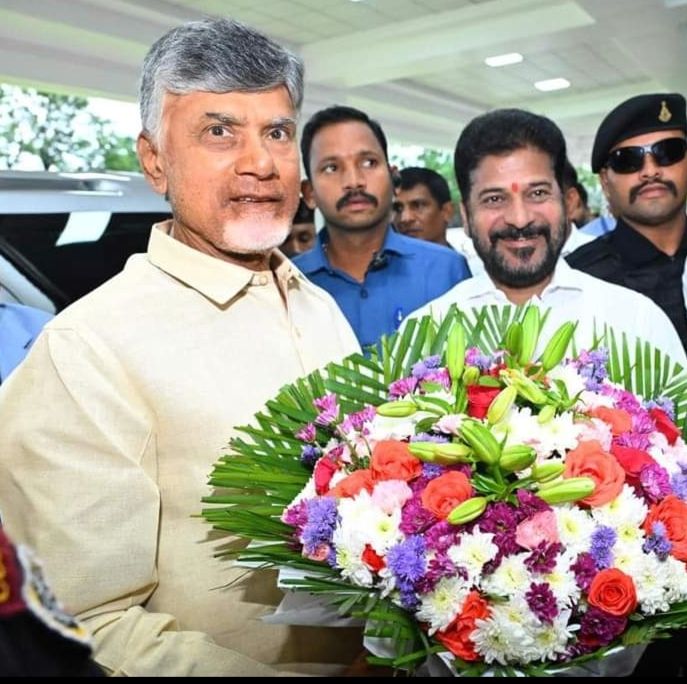
    The journey of political figures like Nitish Kumar and Ashok Chawla serves as compelling examples of party switching in India. Nitish Kumar’s frequent shifts have earned him the moniker of the modern-day “Paltu-Ram,” highlighting the pragmatic considerations that often influence politicians’ decisions. Similarly, the defection of Ashok Chawla from Congress to BJP, along with other instances like TDP’s alliance with BJP and Jitender Reddy’s departure from BJP to Congress in Telangana, underscores the fluidity of party affiliations.

    Data from Ashoka University reveals the significant impact of defections on electoral outcomes. In the 2019 Lok Sabha elections, out of 205 turncoats, only 35 emerged victorious, (15%) underscoring how ideology often takes a backseat to personal interests. Interestingly, both major parties, BJP and Congress, were equally favoured by defectors, highlighting the pragmatic considerations that drive politicians to switch sides.

    The impact of defections on voters varies, with smaller switches often failing to sway public opinion significantly. While high-profile leaders like Nitish Kumar may attract attention, voters often prioritize issues over personalities. Moreover, repeated defections erode trust in political parties and their leaders, undermining the democratic process.

    The BJP’s strategic focus on expanding its footprint in southern states underscores the evolving dynamics of Indian politics. However, challenges exist, particularly in states where regional parties hold sway. To strengthen their presence in these regions, the BJP needs to invest in building a robust grassroots cadre and adopt a nuanced approach to politics rather than inviting other party politicians .

    The media plays a crucial role in shaping public discourse around political defections, facilitating discussions on these matters across the country. Whether it’s the BJP’s expansion efforts in the south or the Congress’ survival strategies in the Hindi heartland, the media serves as a conduit for political narratives, influencing public perception.

    In conclusion, party defections are a multifaceted aspect of Indian politics, reflecting the dynamic nature of democratic processes. While some politicians may prioritize ideology, others focus on personal interests and political opportunism. The impact of these shifts on voters varies, emphasizing the importance of voter discernment and engagement with key issues. Moreover, the role of the media in illuminating these political shifts and fostering public discourse cannot be overstated. As India prepares for future elections, the evolving dynamics of party switching will continue to shape the political landscape, underscoring the need for transparency, accountability, and a robust democratic ethos in the country’s governance. Only time will tell how these factors influence the trajectory of Indian politics in the years to come.

    visit arjasrikanth.in for more insights
  • Pioneering a Sustainable Shift: Industry Giants Adani & Mahindra Unite for Electric Mobility

    March 24th, 2024

    The collaboration between two industrial powerhouses, Adani Group and Mahindra & Mahindra, signals a monumental stride towards a greener automotive landscape in India. In a ground breaking initiative aimed at propelling electric mobility in the country, these key players in the automotive sector have forged an alliance. This strategic partnership between a leading automotive entity and an energy conglomerate seeks to expedite the adoption of electric vehicles (EVs) and fortify the nation’s EV charging infrastructure. The collaboration underscores a shared commitment to sustainability, perfectly aligned with India’s ambitious climate action objectives.

    Outlined in a Memorandum of Understanding (MoU), the partnership charts a comprehensive roadmap for expanding EV charging infrastructure nationwide. This roadmap encompasses a spectrum of initiatives, including the development of an extensive charging network, ensuring seamless access for EV users, and integrating digital solutions for an enhanced consumer experience. With a network of over 1,100 chargers accessible through a dedicated app, consumers are poised to experience unparalleled convenience in charging their electric vehicles.

    Veejay Nakra, President of the Automotive Division at Mahindra & Mahindra, emphasized the strategic significance of the alliance in bolstering the EV charging infrastructure. He highlighted the organization’s unwavering commitment to delivering seamless charging solutions, fostering EV adoption, and nurturing a robust ecosystem through strategic collaborations.

    Suresh P Manglani, Executive Director and CEO of Adani Gas, the partnering energy conglomerate, expressed optimism about the collaboration. He highlighted the pivotal role of this partnership in instilling confidence among consumers regarding EV technology, thereby contributing to a reduction in carbon emissions and advancing India’s climate action agenda.

    While the benefits of electric vehicle charging infrastructure are abundant, several challenges such as the scarcity of charging stations, prolonged charging durations, safety concerns, and high EV costs persist. Addressing these challenges is imperative to expedite the transition to electric mobility.

    Various charging protocols like the Combined Charging System (CCS), CHAdeMO, and Tesla Supercharger network facilitate efficient communication between EVs and charging stations. Additionally, supportive policies and regulations are pivotal for incentivizing EV adoption and facilitating the deployment of charging infrastructure.

    Transitioning to electric mobility is not just a necessity but a strategic imperative for India to mitigate pollution, reduce oil dependency, and foster economic growth. However, challenges such as inadequate charging infrastructure and technological barriers necessitate collaborative efforts and innovative solutions.

    Key considerations such as availability, reliability, and convenience play a crucial role in influencing EV drivers’ choice of charging stations. It is imperative for stakeholders across government, business, and the private sector to ensure widespread geographical coverage, optimal uptime, and seamless accessibility to charging stations.

    Furthermore, the integration of wireless charging technology and renewable energy sources holds promise for the future of EV charging infrastructure. Government initiatives, subsidies, and infrastructure expansion plans are instrumental in promoting EV adoption and facilitating the establishment of a comprehensive charging network.

    Understanding the intricacies of EV charging infrastructure is paramount to realizing the full potential of electric vehicles. By surmounting challenges, embracing technological advancements, and implementing supportive policies, India can pave the way for a greener and more sustainable future in mobility.

    Transitioning to electric mobility offers numerous benefits, including reduced carbon emissions, improved air quality, and decreased dependence on fossil fuels. Electric vehicles are also more energy-efficient and cost-effective in the long run. With advancements in battery technology, the range and performance of EVs are improving, making them a viable alternative to traditional internal combustion engine vehicles.

    India’s commitment to electric mobility is evident in its ambitious targets and policy initiatives. The National Electric Mobility Mission Plan (NEMMP) aims to achieve 30% electric vehicle penetration by 2030. The Faster Adoption and Manufacturing of Electric Vehicles (FAME) scheme provides incentives for EV adoption, charging infrastructure development, and research and development in the sector.

    The benefits of electric mobility extend beyond environmental considerations. The adoption of EVs can also create new job opportunities, stimulate economic growth, and enhance energy security. India has a vast potential for renewable energy generation, which can power the growing fleet of electric vehicles, further reducing greenhouse gas emissions.

    In conclusion, the partnership between Mahindra & Mahindra and Adani Total Energies E-Mobility Ltd represents a significant advancement in India’s journey towards electric transportation. Through collaborative efforts, these industry leaders aim to promote the widespread adoption of electric vehicles and foster a sustainable mobility ecosystem. By leveraging their combined expertise and resources, they are positioned to revolutionize India’s mobility sector and drive the transition towards cleaner transportation systems. The expansion of EV charging infrastructure, supported by innovative policies and technologies, will play a pivotal role in accelerating this transition. By addressing challenges, improving accessibility, and integrating renewable energy sources, this partnership is poised to create a greener and more sustainable future for mobility nationwide.

    visit arjasrikanth.in for more insights
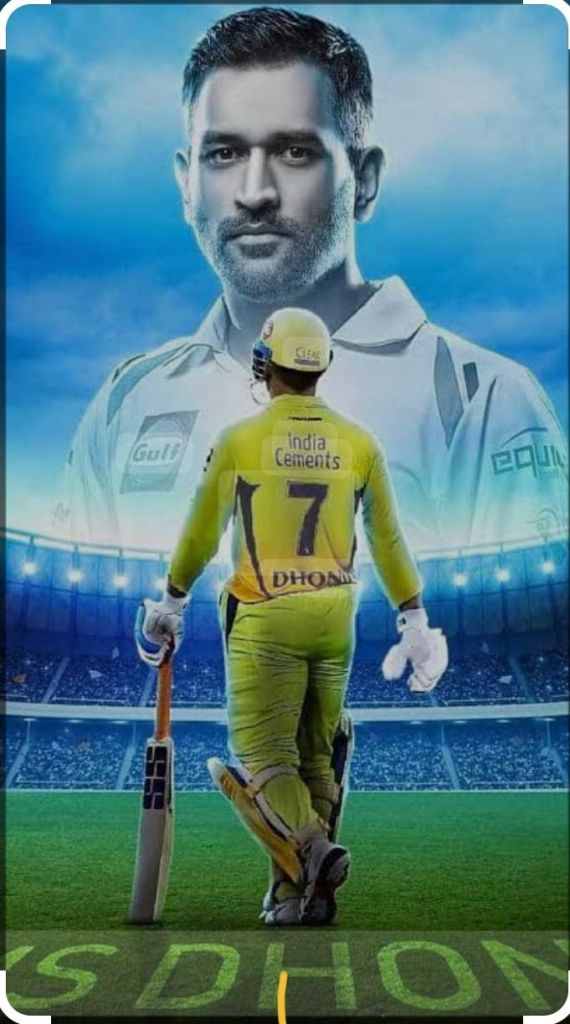
  • Balancing Act: Navigating the IPL vs Ranji Trophy Debate in Indian Cricket

    March 23rd, 2024

    The clash between tradition and modernity in Indian cricket raises critical questions about the future of the sport.

    The IPL vs Ranji Trophy debate has been a topic of discussion in Indian cricket circles for several years now, and recent developments have brought this issue to the forefront once again. With the Indian Premier League (IPL) becoming increasingly popular and financially lucrative, there has been a noticeable trend of players prioritizing the T20 tournament over domestic red-ball cricket, particularly the Ranji Trophy. This trend has raised concerns among cricket administrators, coaches, and fans about the long-term impact on the development of players and the health of Indian cricket as a whole.

    Recent actions taken by the Board of Control for Cricket in India (BCCI) reflect the seriousness with which this issue is being addressed. Last month, the BCCI issued a warning to players against prioritizing IPL over domestic cricket and took concrete steps by excluding two young stars, Shreyas Iyer and Ishan Kishan, from its list of central contracts for missing Ranji Trophy matches in the latest season. This move by the BCCI highlights the growing concern within the cricketing community regarding the diminishing importance of domestic red-ball cricket in the eyes of players.

    An analysis conducted by The Indian Express revealed alarming statistics regarding player participation in the Ranji Trophy. Of the 165 Indian cricketers who signed up for IPL 2024, 56 did not appear for a single game in the Ranji season, while an additional 25 players participated in only one match. These numbers underscore the extent of the problem and highlight the need for urgent intervention to address the issue.

    One of the primary reasons cited by players for skipping Ranji Trophy matches is the desire to remain injury-free for the IPL. With the IPL being a high-profile tournament with significant financial rewards, players often prioritize their participation in the T20 league over domestic red-ball cricket. However, while injuries may be a genuine concern, there are questions about the accountability of players and the lack of a clear policy or fitness protocol from the BCCI.

    The absence of a clear policy from the BCCI has left state units powerless in enforcing the participation of IPL stars in first-class cricket. Despite the efforts of some IPL franchises to encourage their players to play Ranji Trophy matches, there is a lack of consistency in ensuring their participation. This inconsistency has contributed to a culture where players feel they can prioritize the IPL without facing consequences.

    The issue extends beyond individual players and has broader implications for Indian cricket as a whole. The Ranji Trophy has long been considered the breeding ground for future international cricketers, providing them with the opportunity to hone their skills and showcase their talent in the longer format of the game. However, with the increasing popularity of T20 cricket and the IPL, there is a risk that the importance of domestic red-ball cricket will continue to diminish, potentially affecting the quality of talent coming through the ranks.

    The recent actions taken by the BCCI, including the introduction of the Test cricket incentive scheme, are positive steps towards addressing the imbalance between domestic and T20 cricket. By incentivizing players to prioritize Test cricket and providing financial rewards for their participation, the BCCI is sending a clear message about the importance of the longer format of the game. However, more needs to be done to ensure that players understand the value of domestic red-ball cricket and are willing to commit to representing their state teams in the Ranji Trophy.

    In conclusion, the IPL vs Ranji Trophy debate represents a significant challenge for Indian cricket, requiring a careful balancing act between the demands of T20 cricket and the traditions of the longer format. While the IPL has undoubtedly brought unprecedented popularity and financial rewards to Indian cricket, it is essential to ensure that the development of players and the health of the domestic cricket ecosystem are not compromised in the process. With concerted efforts from the BCCI, IPL franchises, and players themselves, it is possible to strike the right balance and safeguard the future of Indian cricket.

    visit arjasrikanth.in for more insights
  • Unravelling the BJP’s Southern Strategy: PM Modi’s Bold Foray into the South

    March 23rd, 2024

    Shaping Southern Horizons: PM Modi’s Strategic Push in South India-Prime Minister Modi’s Southern tour marks a crucial chapter in BJP’s electoral playbook, aiming to redefine its fortunes in Tamil Nadu, Telangana, and Karnataka.

    Prime Minister Narendra Modi’s recent tour across Kerala, Tamil Nadu, Telangana, and Karnataka has injected fresh vigour into the Bharatiya Janata Party’s (BJP) electoral strategy, particularly in regions where the party has historically lacked dominance. With a keen focus on expanding the BJP’s footprint in the South, PM Modi’s visits have been marked by strategic intent and calculated political messaging. This article delves into the nuances of PM Modi’s tour, analysing statistical insights, electoral objectives, and the challenges ahead for the BJP in the Southern political landscape.

    The BJP’s strategic campaign aims to recalibrate its electoral fortunes and expand its influence across key states, including Andhra Pradesh, Telangana, Karnataka, Tamil Nadu, and Kerala. Prime Minister Narendra Modi’s extensive tour underscores the BJP’s concerted efforts to rally support, address local concerns, and challenge established political players in the region.

    In Telangana, PM Modi made a bold prediction, foreseeing the BJP’s ascension and the potential ousting of both the Congress and the Telangana Rashtra Samithi (TRS) from the state’s political scene. This declaration underscores the BJP’s electoral ambition and its determination to emerge as a formidable force in Telangana. Despite facing entrenched regional players, the BJP’s optimism reflects its strategic calculus and the appetite for expanding its electoral footprint.

    Transitioning to Karnataka, PM Modi articulated a narrative centered around anti-incumbency sentiments, strategically positioning the BJP as a credible alternative to the ruling Congress government. With a strong performance in the 2019 elections, winning 25 out of 28 seats and securing a commendable vote share, the BJP aims to leverage the prevailing political dynamics to consolidate its position further in Karnataka. PM Modi seized the opportunity in Karnataka to critique the ruling Congress party, emphasizing the BJP’s commitment to addressing governance issues and fostering development in the state. With a strong base established in previous elections, the BJP aims to capitalize on anti-incumbency sentiments and position itself as a credible alternative to the Congress-led government.

    Tamil Nadu, with its unique political landscape and historical challenges for the BJP, emerges as a pivotal battleground in PM Modi’s electoral strategy. Paying homage to the victims of the 1998 Coimbatore bombings, PM Modi reaffirmed the BJP’s commitment to addressing security concerns. With an ambitious target of achieving a 25% vote share in the upcoming elections, the BJP’s aspirations in Tamil Nadu signal a concerted push to break new ground and transcend historical limitations. Despite facing historical challenges in Tamil Nadu, where the BJP has traditionally struggled to gain traction, PM Modi’s visit was marked by solemn tributes to the victims of the 1998 Coimbatore bombings. The BJP’s ambitious electoral objective in Tamil Nadu includes a substantial increase in its vote share, targeting 25% in the upcoming elections.

    Despite forming an alliance with the Telugu Desam Party (TDP) in 2014, the BJP’s performance in Andhra Pradesh has seen minimal growth, with a mere 3.7% vote share. A critical challenge faced by the BJP in Andhra Pradesh is the absence of grassroots leadership and cadre strength. The burden of electioneering largely now falls on TDP party workers due to the dearth of grassroots-level leaders or cadre within the BJP or JSP. The majority of leaders in both parties lack grassroots experience or cadre backgrounds, with many being defectors from other parties. This situation raises doubts about their credibility and effectiveness within the local cadre, hampering the BJP’s efforts to expand its influence and electoral prospects in the state.

    Prime Minister Modi’s tour across the Southern states, comprising over 40 programs, exemplifies the BJP’s dedicated efforts to mobilize support and energize voters. These statistics highlight the party’s strategic focus on pivotal battlegrounds and its resolve to surmount obstacles in its pursuit of electoral triumph in the region. With programs spanning Andhra Pradesh, Telangana, Karnataka, Tamil Nadu, and Kerala, the BJP’s electoral machinery is operating at full throttle, underscoring its commitment to expanding its influence. However, challenges loom large, encompassing internal discord and opposition from entrenched regional forces. Despite these hurdles, the BJP remains resolute in its mission to bolster its presence and sway in the South, signaling a determined stride towards shaping the political landscape of the region.

    The BJP’s endeavours in the Southern states encounter formidable challenges, including internal discord, opposition from entrenched regional players, and the complexities of electoral dynamics. In Tamil Nadu, especially, the BJP faces an uphill battle, necessitating a nuanced approach to navigate the intricate political terrain successfully. While the BJP’s Southern campaign has been marked by assertive rhetoric and targeted outreach efforts, several challenges loom large on the horizon. Internal dissent, opposition from regional parties, and complex electoral dynamics pose formidable obstacles to the BJP’s electoral aspirations in the South. In Tamil Nadu, particularly, the BJP faces an uphill battle due to its historically limited organizational base and opposition from entrenched regional players. Overcoming these challenges will require strategic manoeuvrings and effective coalition-building to realize the BJP’s electoral objectives in the region.

    Prime Minister Narendra Modi’s recent tour of Southern states marked a significant shift in the BJP’s electoral strategy. The party is making a concentrated effort to redefine its prospects in Tamil Nadu, Kerala, Telangana, Andhra Pradesh, and Karnataka. This renewed focus includes expanding its presence, forging strategic alliances, and addressing grassroots concerns. The BJP’s approach demonstrates ambition, astuteness, and strategic foresight. However, navigating the complexities of Southern politics poses formidable challenges that require adaptability, resilience, and a nuanced approach. As the countdown to the elections begins, the BJP’s fate in the South hangs in the balance. The electorate’s judgment and the unfolding of a new political narrative in the region will determine the party’s success. The tour by Prime Minister Modi highlights the BJP’s strategic imperative to enhance its political influence and electoral footprint in the South. Despite facing opposition from established political players and internal discord, the BJP is determined to overcome these obstacles and achieve its electoral objectives. The outcome of the upcoming elections will serve as a crucial test for the BJP’s aspirations, shaping the future political landscape of Southern India.

    visit arjasrikanth.in for more insights

  • Jagan Mohan Reddy’s Social Engineering Strategy in Andhra Pradesh Politics

    March 22nd, 2024

    Empowering Marginalized Communities for Inclusive Governance

    As the May 13, 2024, Assembly and Lok Sabha elections in Andhra Pradesh draw closer, Chief Minister Jagan Mohan Reddy of the YSR Congress Party (YSRCP) is implementing a groundbreaking social engineering strategy to reshape the political landscape and ensure the representation of marginalized communities. With a vision for inclusive governance and social justice, Jagan aims to address historical marginalization and empower marginalized communities through greater participation in policymaking. This article explores the key elements of Jagan’s social engineering strategy, the benefits it brings, and the responses it has garnered.

    Jagan Mohan Reddy has learned from recent electoral setbacks and is determined not to repeat the same mistakes. By studying the defeat of Telangana’s Chief Minister K Chandrasekhar Rao due to non-performing legislators, Jagan recognizes the dangers of complacency. He has also taken inspiration from the BJP’s social engineering success in Uttar Pradesh and understands the importance of strategic coalition-building. These lessons have shaped Jagan’s innovative approach to realign political forces and regain political dominance in Andhra Pradesh.

    Jagan’s commitment to political rejuvenation is evident in his decision to revamp the YSRCP’s parliamentary lineup. Dropping 14 of the 22 sitting YSRCP MPs, he has signaled a significant shift in his approach to governance. By bringing in fresh faces and invigorating the party’s electoral prospects, Jagan aims to inject new energy and ideas into the YSRCP. Notable MPs who have been replaced include MVV Satyanaryana and Chinta Anuradha, further demonstrating Jagan’s commitment to change.

    Jagan Mohan Reddy is not afraid to take risks and explore new approaches. By dropping 25% of the incumbent MLAs, he is signaling a departure from conventional political strategies. In a surprising move, MPs MVV Satyanarayana and Margani Bharat will transition to the Assembly arena by contesting from Visakhapatnam East and Rajamahendravam City seats, respectively. Jagan himself will seek re-election from his stronghold of Pulivendula. These decisions showcase Jagan’s willingness to challenge the status quo and embrace new possibilities.

    Jagan Mohan Reddy’s social engineering initiative aims to ensure the representation of marginalized communities. His slogan “my SC, my ST, my BC, my minority” encapsulates his approach, as he has reserved 50% of the Assembly and Lok Sabha seats for these communities. This groundbreaking move reflects the unwavering commitment of the YSRCP to promote political empowerment and inclusivity. By giving marginalized communities a greater say in the decision-making process, Jagan aims to address their unique challenges and aspirations.

    Jagan’s social engineering initiative has garnered both praise and criticism. Supporters applaud his commitment to inclusive governance and his efforts to uplift marginalized communities. However, critics, such as TDP  question the genuineness of Jagan’s inclusive representation, pointing out alleged underrepresentation of certain caste groups. Jana Sena Party emphasizes the importance of true social harmony and warns against using caste identities for political gain. These differing opinions highlight the complexity of navigating social engineering in politics.

    In addition to his focus on marginalized communities, Jagan Mohan Reddy prioritizes the empowerment of women. He has nominated 24 women candidates across Assembly and Lok Sabha seats, challenging conventional gender norms and promoting better representation of women in politics. While these efforts are commendable, Jagan recognizes the need for further progress and promises to continue working towards equal opportunities for women in upcoming elections.

    Jagan Mohan Reddy’s social engineering strategy in Andhra Pradesh politics demonstrates his commitment to inclusive governance and social justice. By ensuring the representation of marginalized communities and empowering women, Jagan aims to address historical marginalization, reduce inequalities, and promote sustainable development. While his initiative has received praise for its efforts to uplift marginalized communities and promote inclusivity, it has also faced criticism for alleged underrepresentation of certain groups. However, Jagan remains steadfast in his vision for a more equitable and prosperous future, promising to continue working towards equal opportunities for all. Through his innovative approach and determination to challenge the status quo, Jagan Mohan Reddy is reshaping the political landscape of Andhra Pradesh and setting a precedent for inclusive governance and empowerment. The acceptance of Jagan social engineering will ultimately be determined by the people and time, which will unfold on May 13th, 2024.

    Visit arjasrikanth.in for more insights
  • The Veggie Dilemma: Zomato’s Pure Veg Initiative Unveiled

    March 22nd, 2024

    “Delving into the Complexities: Zomato’s Bold Move Sparks Debate on Inclusivity in India’s Culinary Realm”

    In March 2024, Zomato CEO Deepender Goyal introduced a controversial feature known as “Pure Veg Mode” and “Pure Veg Fleet,” aimed at accommodating customers adhering to a 100% vegetarian diet. This initiative was prompted by concerns over food spillage in delivery boxes, with the aim of enhancing customer experience without favouring or isolating any religious or political affiliations.

    The launch of these features ignited a polarizing debate on social media. While some praised Zomato for addressing the needs of vegetarian consumers, others criticized the move, expressing concerns about potential discrimination and safety issues for delivery personnel. Critics argued that segregating delivery executives based on dietary preferences could exacerbate existing societal divides.

    Despite facing backlash, Goyal reaffirmed Zomato’s commitment to social responsibility, asserting that the company would swiftly revoke the feature if significant negative repercussions arose. He highlighted the overwhelmingly positive response from certain segments of the population, particularly young people whose parents preferred vegetarian options.

    However, criticisms continued to emerge, with some questioning the validity of the statistics cited by Goyal regarding the prevalence of vegetarianism in India. While Goyal claimed that India has the largest percentage of vegetarians globally, others pointed out that more than 50% of the Indian population identifies as non-vegetarian, casting doubt on the necessity of the “Pure Veg Mode” and “Pure Veg Fleet.”

    The controversy surrounding Zomato’s initiative reflects broader societal tensions regarding dietary preferences, cultural practices, and social inclusion. While the company aimed to cater to the needs of a specific demographic, the move inadvertently stirred controversy and highlighted the complexities of navigating diverse consumer preferences in a rapidly evolving marketplace.

    Zomato’s decision to introduce the “Pure Veg Mode” and “Pure Veg Fleet” was undoubtedly a bold move, reflecting the company’s commitment to customer satisfaction and innovation. By addressing the needs of vegetarian consumers, Zomato sought to tap into a significant market segment that had previously been underserved. However, the initiative also sparked a heated debate about inclusivity and the implications of segregating delivery executives based on dietary preferences.

    Critics of Zomato’s Pure Veg initiative argued that it could perpetuate existing societal divides and promote discrimination. They contended that food preferences should not be a basis for segregation, and businesses like Zomato have a responsibility to promote inclusivity and diversity. Additionally, concerns were raised about the safety and well-being of delivery personnel, particularly those who would continue to wear the traditional red shirts.

    Supporters of the segregation policy, on the other hand, argued that it was a business decision aimed at catering to the preferences of customers who prefer vegetarian food. They likened it to other forms of segregation, such as separate containers for different types of waste, and believed that it was a reasonable practice. They also pointed to the positive response from certain segments of the population, indicating a demand for vegetarian options in the market.

    Social media played a significant role in amplifying the debate surrounding Zomato’s Pure Veg initiative. Platforms like Twitter, Facebook, and Instagram became battlegrounds for competing viewpoints, with users expressing their opinions and engaging in heated discussions. Hashtags related to the controversy trended widely, drawing attention from both supporters and critics of Zomato’s decision.

    While social media provided a platform for individuals to voice their opinions and engage in dialogue, it also amplified the spread of misinformation and polarizing rhetoric. Some users disseminated false information about Zomato’s initiative, leading to further confusion and controversy. Additionally, the anonymity afforded by social media allowed individuals to express extreme viewpoints without fear of repercussions, contributing to the escalation of tensions.

    The controversy surrounding Zomato’s Pure Veg initiative underscores the complexities of navigating diversity and inclusion in today’s society. India is a land of diverse cultures, languages, and traditions, where food plays a central role in shaping identity and community. However, this diversity can also be a source of division and conflict, as evidenced by the heated debate sparked by Zomato’s decision.

    Businesses like Zomato have a responsibility to navigate these complexities thoughtfully and inclusively. While catering to the preferences of specific market segments is important for business success, it should not come at the expense of inclusivity and diversity. Zomato’s decision to roll back its Pure Veg initiative in response to public backlash demonstrates the importance of listening to diverse perspectives and being responsive to community feedback.

    As Zomato continues to navigate the fallout from the launch of the “Pure Veg Mode” and “Pure Veg Fleet,” the company faces the challenge of balancing customer demands with ethical considerations and societal sensitivities. Ultimately, the response to this initiative underscores the importance of thoughtful and inclusive decision-making in the business landscape, particularly in industries as culturally significant as food delivery.

    The controversy surrounding Zomato’s Pure Veg initiative highlights the complexities of food preferences and the challenges businesses face in catering to diverse consumer demands. It also brings to the forefront the need for a more inclusive approach that respects individual choices while promoting unity and understanding among different communities. By engaging in constructive dialogue and listening to diverse perspectives, businesses like Zomato can play a positive role in fostering inclusivity and diversity in society.

    visit arjasrikanth.in for more insights

  • Celebrating Abilities: Empowering the Down Syndrome Community Through Creativity.

    March 21st, 2024

    Embracing creativity to empower individuals with Down syndrome.

    March 21st is World Down Syndrome Day, a global celebration that aims to raise awareness, promote inclusivity, and advocate for the rights of individuals with Down syndrome. While Down syndrome presents unique challenges, it is crucial to recognize and celebrate the abilities and talents of individuals within the community. This article explores the power of creativity in empowering individuals with Down syndrome, highlighting their artistic expressions, storytelling, and innovative contributions.

    Art allows individuals with Down syndrome to express their emotions, thoughts, and perspectives in unique ways. Through painting, drawing, sculpture, and other forms of art, they can communicate and connect with others on a profound level. Celebrating their artistic expressions not only showcases their talents but also encourages a deeper understanding and appreciation of their perspectives.

    Writing and storytelling provide individuals with Down syndrome the opportunity to share their experiences, imagination, and voices. Whether through personal narratives, poetry, or fiction, their stories have the power to educate, inspire, and challenge societal perceptions. Recognizing and amplifying their storytelling abilities helps create a more inclusive literary landscape.

    Music has a universal language that transcends barriers, and individuals with Down syndrome often have a natural inclination and talent for music. Whether through singing, playing instruments, or participating in dance and theatre, they can showcase their creativity, entertain audiences, and inspire others. Embracing their musical and performance abilities fosters a sense of empowerment and belonging.

    Individuals with Down syndrome possess unique perspectives and problem-solving abilities. Their innovative contributions can be seen in various fields, including technology, design, and entrepreneurship. By nurturing their creativity and providing opportunities for skill development, we can tap into their potential and benefit from their fresh and inventive ideas.

    Inclusive education and support systems play a crucial role in empowering individuals with Down syndrome to explore and develop their creative abilities. By providing tailored educational strategies, adaptive tools, and a supportive environment, we can help them overcome challenges and reach their full potential. Inclusive education promotes the belief that everyone deserves equal opportunities to explore and express their creativity.

    Celebrating the achievements of individuals with Down syndrome in creative endeavors not only recognizes their talents but also challenges societal stereotypes and misconceptions. Highlighting their successes inspires others and encourages a more inclusive society that values diversity and embraces the contributions of all individuals.

    World Down Syndrome Day provides an opportunity to celebrate the abilities and creative talents of individuals with Down syndrome. By embracing their artistic expressions, storytelling, music, and innovative contributions, we can empower them to thrive and contribute meaningfully to society. Let us continue to foster inclusive environments, support their creative endeavours, and celebrate their achievements. Together, we can create a world that appreciates and values the unique perspectives and abilities of individuals with Down syndrome.

    visit arjasrikanth.in for more insights
←Previous Page
1 … 94 95 96 97 98 … 146
Next Page→

Blog at WordPress.com.

Loading Comments...

    • Subscribe Subscribed
      • SOCIAL PERSPECTIVES
      • Join 107 other subscribers
      • Already have a WordPress.com account? Log in now.
      • SOCIAL PERSPECTIVES
      • Subscribe Subscribed
      • Sign up
      • Log in
      • Report this content
      • View site in Reader
      • Manage subscriptions
      • Collapse this bar