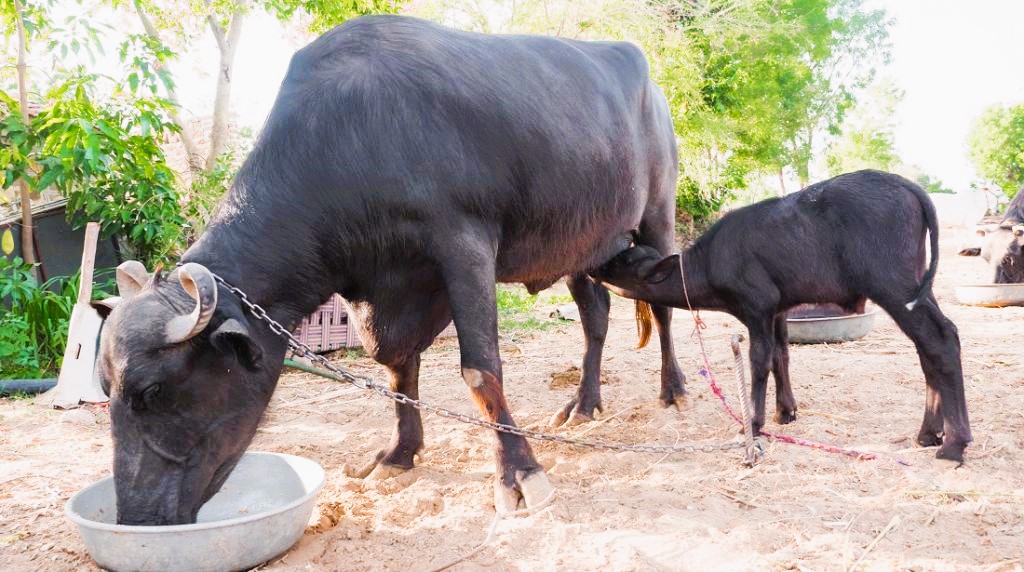
Shifting the focus to the White Revolution, India aims to revolutionize its dairy industry akin to the Green Revolution, ensuring sustainable milk production to meet growing demands.
In the heartland of India, where the rivers flow and fields stretch to the horizon, a remarkable story unfolds. India proudly wears the crown of the world’s largest milk producer, contributing an astounding 24.64% to the global milk production . Yet, behind this impressive achievement lies a nuanced tale of challenges and paradoxes, as recent reports hint at a unique milk crisis gripping the nation’s dairy industry. This article embarks on a journey through India’s sprawling dairy landscape, exploring the intricate factors that shape its dominance and the hurdles that cast shadows on its success.
A tapestry woven with growth, India’s trajectory as the foremost milk-producing nation is awe-inspiring. The fiscal year 2022-23 witnessed a remarkable 58% surge in milk production over the past nine years, culminating in an astonishing 230.58 million tonnes. This exponential rise reaffirms India’s position as the unchallenged global leader in milk production, a feat achieved through the collective efforts of millions of dairy farmers and a robust dairy industry.
As the sun rises over India’s dairy landscape, the state of Uttar Pradesh emerges as the protagonist, claiming the title of the highest milk-producing state during 2022-23. With a substantial 15.72% share of the total milk production, Uttar Pradesh leads the charge, followed by Rajasthan, Madhya Pradesh, Gujarat, and Andhra Pradesh, each contributing significantly to the nation’s dairy prowess.
Beneath the veneer of success, a paradox unfolds. In the fiscal year 2021-22, India produced a staggering 221 million tonnes of milk, securing its position as the world’s largest producer. Yet, reports from the UN Food and Agriculture Organization (FAO) hint at a looming crisis. The challenge lies in reconciling immense production with the intricate issues plaguing the dairy sector, inviting a closer inspection.
Unlocking the secrets of milk production reveals a triad of factors – genetics, nutrition, and management. Genetic variations among dairy cattle breeds, the interval between milkings, the stage of lactation, animal age, feeding regimes, and disease control intricately weave the tapestry of milk composition and production. The quest for sustained growth in milk production hinges on a delicate balance of these factors.
Despite its global acclaim, India’s dairy sector grapples with challenges. The productivity per animal remains a bottleneck, standing at a modest 987 kg per lactation, far below the global average of 2,038 kg. Ethical concerns echo through the corridors of animal husbandry, as growth hormones, antibiotics, and disease control measures raise questions about the treatment of dairy animals and the quality of the milk they produce.
India’s dairy saga unfolds against the backdrop of a remarkable evolution. From a milk-deficient nation dependent on imports in the 1950s and 1960s, the country has metamorphosed into a surplus producer, contributing 23% of the global milk production. This transformation is a testament to the resilience and commitment of farmers, cooperatives, and private entities shaping India’s dairy destiny.
As the wheels of progress turn, threats emerge on the horizon. The quality of milk, a lifeline for millions, is at risk. Pathogen contamination, chemical additives, environmental pollution, and nutrient degradation cast shadows on the sanctity of this indispensable commodity. Microbiological hazards loom large, demanding vigilant measures to preserve the integrity of India’s milk supply.
In the vast expanse of India’s dairy landscape, the echoes of success and challenges reverberate. The paradox of a milk crisis amid abundance calls for introspection and action. From the fields of Uttar Pradesh to the cooperative stronghold of Anand, the trajectory of India’s dairy industry navigates a complex milky way. The path forward demands a delicate balance – a balance between soaring productivity, ethical practices, and environmental sustainability. As India charts its course through this intricate Milky Way, the choices made today will shape the nation’s dairy destiny for generations to come.
A deep dive into the transformative dynamics between North Korea and Russia, from historic meetings to potential geopolitical ramifications, as they redefine alliances in a shifting global landscape.”
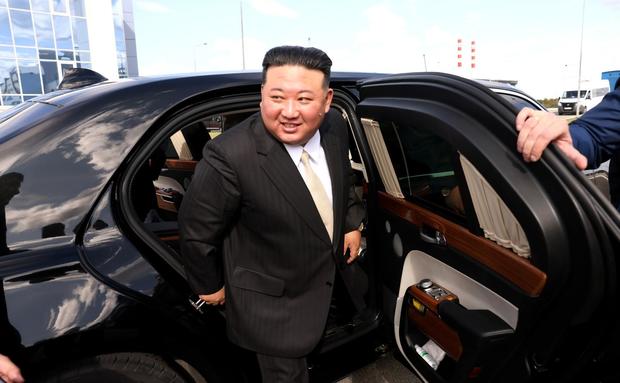
The dynamic relationship between North Korea and Russia has recently undergone significant transformations, drawing the world’s attention and sparking concerns about the stability of the region. The historic meeting between North Korean leader Kim Jong-un and Russian President Vladimir Putin marked a turning point in diplomatic ties. This encounter, the first with a foreign leader since North Korea closed its borders in January 2020, set the stage for a series of developments that would add complexity to an already intricate relationship.
Kim Jong-un’s interactions with Russian President Vladimir Putin have become a focal point, especially in Washington, where analysts closely monitor the situation. North Korea’s possession of nuclear weapons adds a layer of seriousness to concerns, as the possibility of military actions looms. Central to their discussions is Russia’s interest in acquiring ammunition from North Korea, a move aimed at replenishing resources depleted in the ongoing Ukraine conflict. This proposed deal raises intricate questions about the nature of their collaboration, as North Korea seeks shipments of food, energy, and advanced weapons technologies in return.
The Korean Peninsula, already strained by tensions, faces an additional challenge as North Korea undergoes a significant policy shift regarding reunification. Kim Jong-un’s abandonment of the decades-old policy of cooperation for reunification, coupled with provocative statements and military exercises, escalates the risk of military conflict. The rhetoric signals a departure from North Korea’s historical goals, emphasizing readiness for war and asserting its status as a nuclear-armed state. This shift not only heightens regional tensions but also poses challenges for global stability.
The deepening friendship between Kim Jong-un and Vladimir Putin manifests in increased transportation activities between the two nations, a clear violation of sanctions. Suspicions linger regarding Russia potentially providing military support to North Korea, including artillery shells and rockets, raising concerns about the reinforcement of North Korea’s substantial arsenal. Since Russia’s invasion of Ukraine in 2022, ties between Moscow and Pyongyang have warmed considerably, as evidenced by high-profile visits and discussions on ammunition supply.
While China has long been considered North Korea’s closest ally, the evolving ties with Russia bring new dimensions to the regional geopolitical landscape. South Korea’s diplomatic relations with Russia further contribute to the intricate web of alliances in Northeast Asia. China, historically North Korea’s largest trading partner, now faces a new strategic triangle as Russia and North Korea deepen their ties. The delicate dance between these three nations holds the potential to shape the future trajectory of Northeast Asia, introducing uncertainties and shifting dynamics in a region already marked by geopolitical complexities.
The evolving relationship between North Korea and Russia operates at a critical juncture, weaving together diplomatic, economic, and military dimensions. As the alliance strengthens, it holds the potential to reshape regional dynamics and influence geopolitical considerations. The ongoing engagements between these nations demand careful observation and strategic responses from stakeholders across the globe.
As Kim Jong-un seeks economic aid and military technology from Russia, the geopolitical landscape in Northeast Asia remains in flux. Unanswered questions about the nature of their agreement, potential arms deals, and North Korea’s role on the global stage leave observers grappling with uncertainties. The upcoming meeting between Putin and Kim in 2024 adds another layer to this complex puzzle.
The rendezvous between Kim Jong-un and Vladimir Putin represents a pivotal moment in the geopolitical landscape. The ammunition deal, North Korea’s foreign policy shift, and the deepening alliance between Russia and North Korea create a complex web of challenges and opportunities. As the strategic dance unfolds, the international community watches closely, recognizing that the outcomes will shape the dynamics of Northeast Asia and reverberate across the globe. The chessboard is set, and the players are making their moves in this high-stakes geopolitical game.
Unveiling the Global Scourge: The Menace of Fake Drugs
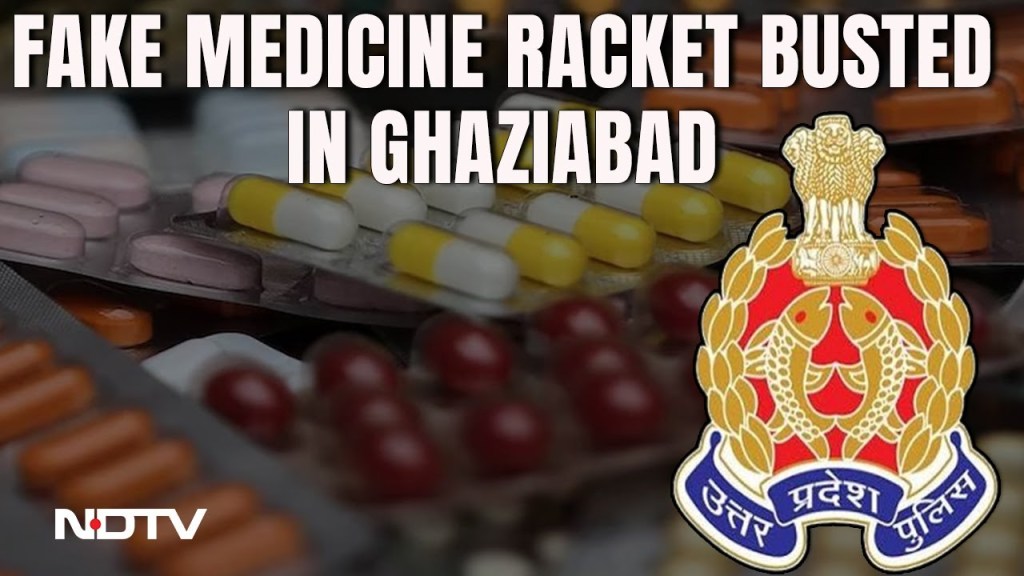
The recent exposure of a counterfeit medicine racket by the Maharashtra Food and Drug Administration (FDA) has brought to the forefront a pervasive issue transcending India’s borders. Seizing 21,600 counterfeit tablets of the antibiotic ciprofloxacin from government hospitals across Maharashtra is just a glimpse into a broader global crisis impacting public health and the pharmaceutical industry on an unprecedented scale.
Instances of counterfeit medicines infiltrating government hospitals in Maharashtra and circulating in Delhi spotlight the intricate networks underlying the fake drug industry. The crackdowns by the FDA and Delhi Police’s Crime Branch have unraveled the production, supply, and distribution chains of counterfeit medicines. The arrest of individuals involved in manufacturing and selling these drugs emphasizes the need for regulatory action and law enforcement intervention at the local level.
The economic fallout of counterfeit drugs extends far beyond local markets to the global pharmaceutical industry. Europe’s pharmaceutical sector loses billions of euros annually, contributing to a 4.4% loss of EU-wide sales. The repercussions include job losses, reduced revenues, and strained healthcare systems. Germany alone loses €1 billion or 2.9% of total revenue. The health risks posed by these counterfeit drugs, particularly in diseases like malaria, cast a looming shadow over global public health.
Counterfeit and substandard medicines significantly contribute to the escalating crisis of antimicrobial resistance. With rampant overuse and misuse of antimicrobials and the proliferation of counterfeit drugs, resistance is on the rise globally. The interconnectedness of travel and trade acts as a catalyst, facilitating the rapid spread of resistant microbes. Urgent action is imperative to address this growing threat and preserve the efficacy of antimicrobial treatments.
India, as a major exporter of generic medicines, stands at the forefront of the pharmaceutical industry but faces challenges in regulating its pharmaceutical sector effectively. Despite efforts to combat counterfeit drugs, regulatory challenges persist, leading to the proliferation of fake medicines. The solution lies in international collaboration, stringent regulatory measures, and robust public awareness campaigns to curb the production and distribution of counterfeit drugs. Shared accountability and sustained efforts are crucial components of addressing this multifaceted issue and ensuring medicine quality globally.
Specific cases underscore the grave consequences of counterfeit medicines. In Pakistan in 2012, 60 lives were lost after consuming a cough syrup intended for recreational use, revealing a contaminant, levomethorphan, five times stronger than morphine. In Paraguay in 2013, a locally made cough medicine containing the same dextromethorphan batch linked to deaths in Pakistan led to 44 children being hospitalized. Tragic incidents like the injection given to Thomas Rybinski in 2012 for back pain, containing contaminants causing fungal meningitis and resulting in his death, expose the severe consequences of poor-quality medicines.
Antimicrobial drugs with insufficient active ingredients significantly contribute to antimicrobial resistance, particularly in low- and middle-income countries where resistance is on the rise due to high rates of infections, overuse, and misuse of antimicrobials, poor sanitation, and poor-quality medicines. The interconnected nature of global travel and trade exacerbates the spread of resistant microbes, making it a worldwide issue demanding immediate attention.
As a major exporter of generic medicines, India plays a pivotal role in the global pharmaceutical market. However, challenges with regulatory oversight have been noted, with pharmaceutical companies facing criticism for exporting substandard or contaminated medicines. Different standards across countries complicate regulatory efforts, with a WHO study estimating that around 10% of medicines in low- and middle-income countries are of poor quality. A nationwide drug survey in India in 2017 found 3.16% of sampled medicines to be substandard and 0.0245% to be fake.
The production of fake medicines involves intricate networks, with some manufacturers offering varying degrees of active ingredients – full-salt, half-salt, or chalk-mitti. The addition of a fraction of the active ingredient to fakes, a practice that emerged about 15 years ago, allows manufacturers to claim production errors if caught. Laboratory studies suggest a link between poor-quality medicines and antimicrobial resistance, but studying this directly in humans is challenging.
In the historical context, the widespread use of chloroquine against malaria inadvertently led to the emergence of resistant parasites, highlighting the risks associated with sub-therapeutic doses. This unintended consequence shifted the dynamics of the fight against malaria, as the remedy meant to combat the disease inadvertently contributed to its resilience. The challenge intensifies with the proliferation of counterfeit antimalarials, which not only endanger lives but also exacerbate global antimicrobial resistance, containing incorrect active ingredients and even antibiotics.
Addressing the global challenge of ensuring medicine quality requires a multifaceted approach, emphasizing international coordination and effective regulation. The World Health Organization (WHO) plays a central role in confronting this issue, but the complexity demands shared and sustained global accountability. Drawing inspiration from the aviation industry, collective accountability in pharmaceutical standards can encourage nations to prioritize and enforce stringent regulations, recognizing the consequences of non-compliance beyond their borders. In essence, the battle against counterfeit medicines requires a united front, integrating international efforts to fortify the pharmaceutical industry against the threats posed by fake drugs and ensure global health through collaborative and vigilant measures.
In conclusion, the recent revelation of the counterfeit medicine racket in Maharashtra serves as a stark reminder of the complex, globalized processes involved in the manufacture and distribution of medicines. Cases of fake and substandard medicines expose the urgent need for enhanced regulatory measures, international collaboration, and shared accountability to safeguard public health and address the growing threat of antimicrobial resistance. The impact of counterfeit drugs extends far beyond local borders, posing a significant threat to both public health and the integrity of the pharmaceutical industry on a global scale. Through concerted efforts, stringent regulations, and heightened public awareness, the international community can combat the menace of counterfeit medicines and ensure the safety and efficacy of medications worldwide.
Upholding transparency and accountability, the Supreme Court’s ruling on electoral bonds reshapes India’s political funding landscape.
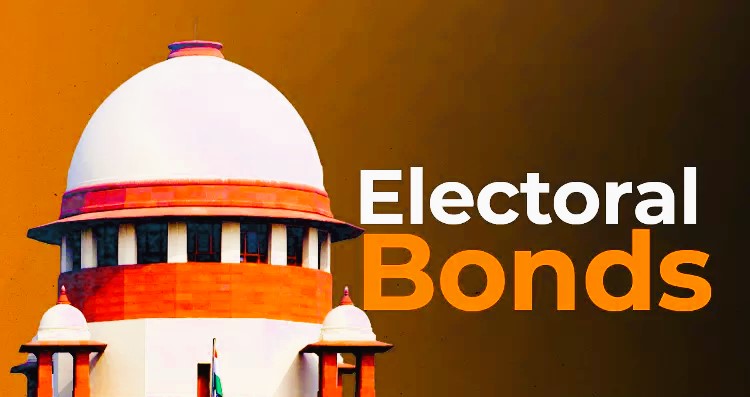
In a ground breaking move, the Supreme Court has declared the Electoral Bonds scheme unconstitutional, sending shockwaves through India’s political landscape just ahead of the 2024 Lok Sabha elections. This controversial scheme, marred by anonymity concerns, has been at the forefront of debates regarding transparency in political funding. The court’s decision mandates the State Bank of India to disclose donor details by March 15, aiming to bring greater transparency to the often opaque realm of political donations.
The Electoral Bonds scheme, introduced as a means of political funding, has faced persistent criticism for its lack of transparency. The scheme allows individuals and corporations to make anonymous donations to political parties, raising concerns about the violation of the right to information and free speech. The recent Supreme Court verdict aims to rectify this by compelling the State Bank of India to unveil the identities of donors, thereby enhancing transparency in the political funding process.
To comprehend the magnitude of the issue, it’s imperative to analyse how other democratic nations regulate political funding. In the UK, political parties face stringent regulations on donations, requiring detailed declarations of funding sources and amounts. Similarly, the US employs committees to oversee donations, with foreign nationals prohibited from contributing. In contrast, India grapples with a lack of transparency, exemplified by the Electoral Bonds scheme, which conceals the identity of donors and raises concerns about the influx of illicit money into the democratic system.
The primary challenge posed by the Electoral Bonds scheme lies in its lack of transparency. The anonymity afforded to donors undermines the principles of a democratic setup, where citizens have the right to know who funds political parties. Additionally, the absence of disclosure regarding the source of funding raises suspicions of potential misuse, especially when donations exceed 7.5% of the donor’s average net profit. The need for board resolutions authorizing donations and profit and loss accounts is compromised due to the anonymity of contributors.
The recent Supreme Court verdict emphasizes the constitutional principles underlying the protection of individual rights in a democratic framework. The right to privacy, often invoked in defense of anonymous political donations, is counteracted by the need for transparency to safeguard against corruption and crony capitalism. The court’s decision addresses the potential erosion of democratic values when a select few make substantial political donations in exchange for preferential treatment, encapsulating the essence of quid pro quo corruption.
While the Supreme Court’s verdict marks a significant step towards transparency, the broader issue of political funding in India requires comprehensive reforms. Drawing inspiration from international models, imposing caps on individual contributions, restricting corporate donations, and ensuring stringent reporting standards are essential steps. A re-evaluation of the entire political funding ecosystem is imperative to prevent crony capitalism and uphold the democratic ideals enshrined in the Constitution.
The Electoral Bonds saga signifies a critical juncture in India’s democratic journey, calling for introspection and reform. The Supreme Court’s decision is a clarion call for greater transparency in political funding, challenging the prevailing opacity that hinders the democratic process. As the nation grapples with the implications of this verdict, the need for sustained efforts to regulate and organize political funding becomes paramount. The trajectory of electoral reforms will determine whether India can effectively combat systematic corruption and uphold the democratic ethos envisioned by its constitution.
Delhi Metro Rail Corporation (DMRC) has not only transformed transportation in Delhi but also become a model for sustainable urban development.
Delhi Metro Rail Corporation (DMRC) receives the prestigious Highly Commended Award in the Digital Champion category at Transport Ticketing Global 2024 in London, recognizing their outstanding efforts in advancing digital ticketing initiatives. This global recognition underscores DMRC’s commitment to innovation and excellence in the transportation sector.
Since its inception in 2002, the Delhi Metro has been more than just a transportation network; it’s a symbol of progress and development for the National Capital Territory. Behind this marvel of engineering and infrastructure lies the Delhi Metro Rail Corporation (DMRC), responsible for its construction, operation, and expansion. As Delhi grapples with urbanization challenges, the DMRC emerges as a vital catalyst for sustainable growth and connectivity. In the heart of India, the Delhi Metro Rail Corporation (DMRC) stands as a testament to progress, connectivity, and sustainable urban development. Established in 1995, DMRC has evolved into a multifaceted entity, responsible for constructing, operating, and maintaining the Delhi Metro, while also spearheading metro rail, monorail, and high-speed rail projects across India and beyond. As we delve into the depths of its achievements, challenges, and future prospects, it becomes evident that DMRC is not merely a transit system; it is a catalyst for the development of the national capital.
DMRC, or Delhi Metropolitan Railway Corporation, plays a pivotal role in the growth of Delhi. By operating and maintaining the metro railway system, DMRC facilitates seamless connectivity across the National Capital Territory, reducing commute times and easing traffic congestion. The expansion of DMRC’s network has made distant areas accessible, promoting inclusive development and economic opportunities. The Delhi Metro, operational since 2002, has been a resounding success – a financial and technical marvel that not only connects various parts of the National Capital Territory (NCT) but also extends its influence to nearby cities like Faridabad, Gurgaon, Noida, and Ghaziabad. With nearly 19 million people relying on its services, the Delhi Metro is the 12th longest metro system globally and the 16th largest in terms of daily passengers.
The success story of DMRC is underscored by its numerous achievements. In 2011, DMRC became the first metro rail system globally to receive carbon credits for reducing greenhouse gas emissions, a testament to its commitment to sustainability. Its reputation for safety, reliability, and punctuality positions DMRC among the top metro systems in Asia, setting benchmarks for excellence in public transportation.DMRC’s achievements extend beyond its operational scale. In 2011, the United Nations certified DMRC as the first metro rail system globally to receive carbon credits for its efforts in reducing greenhouse gas emissions, effectively curbing annual carbon emissions in Delhi by an impressive 630,000 tonnes. This recognition solidifies DMRC’s commitment to environmental sustainability and sets a benchmark for metro systems worldwide.
The DMRC is not just about infrastructure; it’s about setting high standards. The commitment to being among the top three metro systems in Asia is reflected in DMRC’s core values – safety, reliability, punctuality, quality, and customer responsiveness. The aspiration to delight customers by surpassing their expectations demonstrates an unwavering dedication to excellence in public transportation.
Looking ahead, DMRC remains committed to its vision of delighting customers and maintaining its position as a leader in the industry. With upcoming projects like Phase 4 expansions, DMRC continues to innovate and expand its reach, ensuring that Delhi remains at the forefront of urban development and connectivity. As we peer into the future, DMRC’s commitment to growth is evident. The upcoming Phase 4 projects, including the Janakpuri West-RK Ashram and Aerocity- Tughlakabad corridors, are set to enhance connectivity and accessibility in Delhi. Despite facing challenges like the recent pandemic-induced financial strain, DMRC remains steadfast in its mission to remain at the forefront of India’s metro systems.
Beyond providing efficient transportation, DMRC is also leading the charge in environmental sustainability. By harnessing renewable energy sources like solar power, DMRC aims to reduce its carbon footprint and promote eco-friendly practices. Its initiatives reflect a commitment to responsible growth and a greener future for Delhi. In an era where sustainability is paramount, DMRC is leading by example. The corporation aims to meet a significant portion of its energy needs through renewable sources, with a vision to achieve 50% reliance on renewable energy by 2031. This commitment to green practices aligns with the global imperative to address climate change and environmental degradation. Beyond being a mode of transportation, DMRC plays a pivotal role in the overall development of Delhi. By reducing traffic congestion, connecting diverse areas of the city, and promoting sustainable urban development, the metro system acts as a catalyst for economic growth. The enhanced connectivity provided by DMRC attracts investment, boosts tourism, and contributes to the city’s prosperity.
Despite its successes, DMRC faces challenges, including financial constraints and operational hurdles. The recent pandemic-induced losses highlight the need for resilience and adaptation in the face of unforeseen crises. However, with strong government support and strategic planning, DMRC is poised to overcome these challenges and continue its journey towards excellence. However, no journey is without its challenges. Despite its success, DMRC has faced financial setbacks, especially in the aftermath of the pandemic. Yet, its resilience and commitment to recovery signify a determination to overcome obstacles. The current net loss of Rs 3,808.6 crore underscores the need for strategic planning and continued governmental support to ensure the sustained success of this vital institution.
For millions of Delhiites, the metro has become an integral part of daily life, transforming how they commute and interact with the city. The metro’s accessibility and affordability have made it a preferred mode of transportation, fostering social inclusion and mobility for all segments of society. The success of the Delhi Metro is not merely a matter of statistics or accolades. It is a narrative of progress, interconnectedness, and a commitment to the well-being of the nation’s capital. The metro serves as a lifeline for millions, navigating the intricacies of Delhi’s diverse landscape and contributing significantly to the city’s socioeconomic fabric.
In conclusion, the Delhi Metro Rail Corporation stands as a beacon of progress and development in the National Capital Territory. Through its innovative infrastructure projects and sustainable practices, DMRC has not only revolutionized transportation but also set a precedent for urban development across India. As Delhi continues to evolve, DMRC remains steadfast in its mission to drive growth, connectivity, and prosperity for generations to come. As we traverse the extensive network of the Delhi Metro, we witness more than just trains gliding through tunnels. We witness the pulse of a city, the lifeline that connects its arteries and breathes life into its aspirations. The Delhi Metro Rail Corporation, with its unwavering commitment to excellence, sustainability, and growth, is not merely a transit authority – it is a guardian of Delhi’s destiny. As it forges ahead, overcoming challenges and embracing opportunities, DMRC continues to shape the narrative of progress for the national capital, ensuring that Delhi’s journey towards a sustainable and prosperous future remains firmly on track.
As the CAA’s implementation sparks a nationwide discourse, India stands at a crossroads, grappling with diverse reactions and navigating the intricate web of socio-political implications.
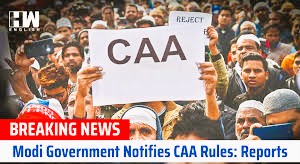
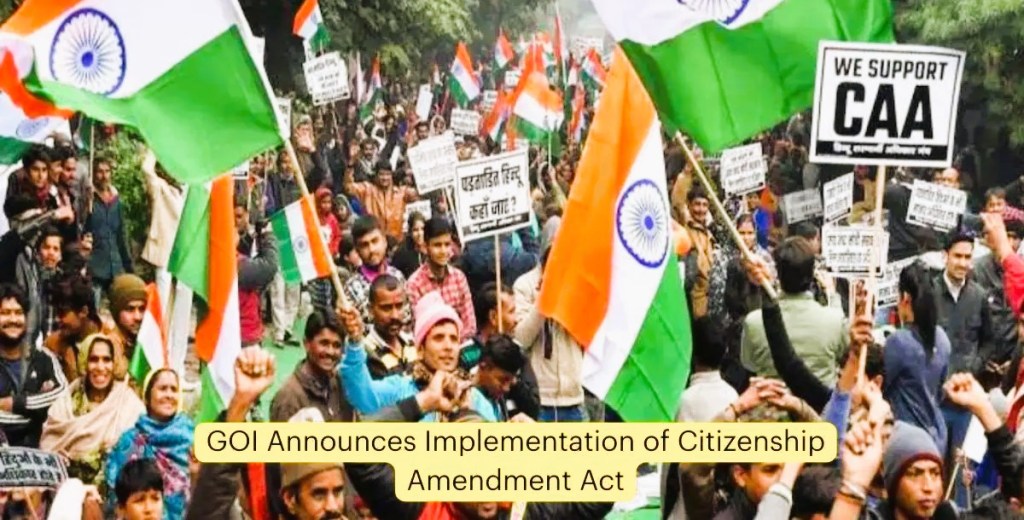
The unveiling of the Citizenship (Amendment) Rules, 2024, by the Union Home Ministry has thrust the Citizenship Amendment Act (CAA) back into the spotlight, triggering a spectrum of reactions across the nation. This legal framework provides eligible individuals with the avenue to apply for Indian citizenship under the provisions of the CAA. However, the timing and consequences of this move have ignited a vigorous nationwide debate, manifesting in protests, celebrations, and political discord simultaneously. India, at this critical juncture, is witnessing the unfolding impact of the CAA on its socio-political fabric.
The announcement of the Citizenship (Amendment) Rules has led to a cascade of reactions, with protests erupting notably in Shaheen Bagh, Delhi, Lucknow, Jamia Millia Islamia, and Assam, unveiling deep-seated divisions in public sentiment. In contrast, states like West Bengal and Delhi have witnessed celebrations, with Chief Minister Mamata Banerjee publicly declaring non-implementation of the act in her state. This stark contrast illustrates the multifaceted nature of the CAA’s impact on Indian society.
Enacted in 2019, the Citizenship Amendment Act (CAA) aims to extend Indian citizenship to persecuted non-Muslim migrants from Pakistan, Bangladesh, and Afghanistan, who arrived before December 31, 2014. The recently revealed rules outline the application process, covering provisions for registration or naturalization. However, the act’s implementation has led to starkly contrasting views among political leaders, activists, and citizens. While some view it as a necessary safeguard for persecuted religious minorities, others denounce it as divisive and discriminatory. The timing of its implementation amid protests and political unrest has raised suspicions about its underlying motivations.
Political leaders, including West Bengal Chief Minister Mamata Banerjee, have criticized the Bharatiya Janata Party (BJP) for the timing of the CAA’s implementation, raising questions about the delayed notification. AIMIM chief Asaduddin Owaisi labelled the CAA as divisive, particularly targeting Muslims, while the Nationalist Congress Party (NCP) alleged it was a diversionary tactic by the BJP to shift focus from the electoral bonds issue. Legal challenges to the CAA, focusing on its potential violation of Article 14 guaranteeing equality before the law, await Supreme Court scrutiny. Critics argue that selective citizenship based on religion undermines constitutional principles of equality and secularism.
The government defends the CAA by emphasizing its aim to protect those facing religious persecution, especially from neighbouring countries. Enacted in December 2019, the CAA seeks to grant citizenship to persecuted religious minorities like Hindus, Sikhs, Jains, Buddhists, Parsis, and Christians who fled Pakistan, Bangladesh, and Afghanistan before December 31, 2014. The opposition, represented by state governments like Kerala and West Bengal, openly rejects CAA implementation, expressing concerns about its impact on communal harmony and constitutional values. Widespread protests signify growing dissent against what’s perceived as a threat to the nation’s secular fabric.
To comprehend the CAA’s context, the National Register of Citizens (NRC) and the National Population Register (NPR) must be considered. While the NRC has been implemented in Assam to identify illegal immigrants, its application in the rest of India is pending. The NPR, initiated in 2010, serves as a national population database. The contentious issue lies in the timing of implementing the CAA, raising questions from various political quarters.
The CAA’s implementation has triggered a substantial debate on the definition of citizenship and the safeguarding of religious minorities. While opposition parties remain steadfast in their opposition, the government stands firm in its decision to implement the act. Legal and political battles are anticipated in the coming months as the future of the CAA hangs in the balance. As India navigates this complex terrain, it becomes evident that the nation is grappling with contrasting ideologies and visions for its future. The act’s implementation, met with mixed reactions, marks a pivotal moment in India’s socio-political landscape. The ensuing legal and political battles will play a decisive role in determining the fate of the CAA, influencing the contours of citizenship, secularism, and religious protection in the country.
Navigating the complexities of the CAA demands constructive dialogue and debate, ensuring the voices of all stakeholders are heard and respected. Beyond being a mere legal and administrative process, the CAA poses a moral and ethical dilemma, testing the foundational values of India’s democracy. Only time will reveal the unfolding saga of the CAA and the lasting impact it leaves on India’s socio-political fabric.
Unveiling the Legal Maze: GN Saibaba’s Struggle Against Unjust Allegations
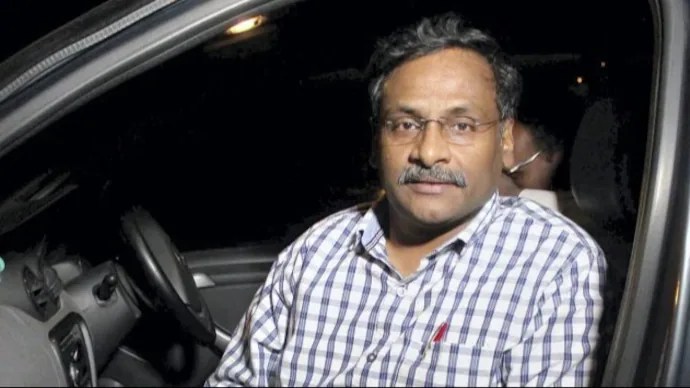
In the annals of legal history, the name GN Saibaba resonates as a poignant saga of resilience against unjust accusations and a testament to the enduring pursuit of truth and justice. Amidst the tumultuous backdrop of alleged Maoist links, GN Saibaba’s legal battle against the government has been nothing short of a rollercoaster ride, marked by twists, turns, and ultimately, vindication.
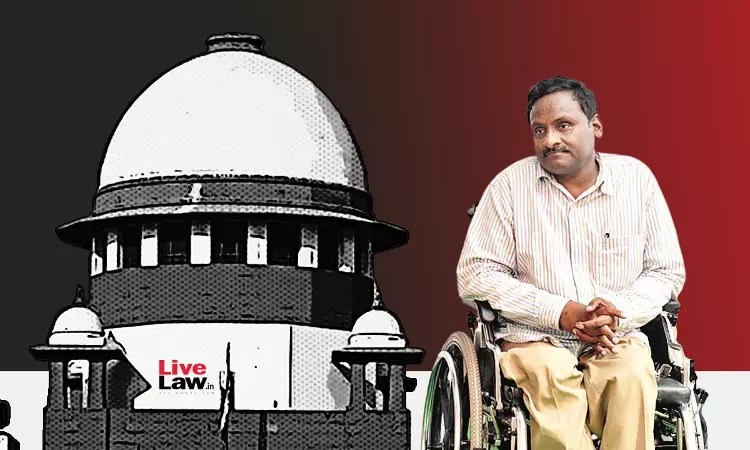
The recent decision by the Supreme Court to refuse a pause on the Bombay High Court’s order acquitting GN Saibaba and others serves as a beacon of hope in an otherwise arduous journey. The bench’s acknowledgment of the well-reasoned judgment by the High Court underscores the gravity of the case and the meticulous scrutiny applied to unravelling the truth.
From the corridors of academia to the confines of a prison cell, GN Saibaba’s journey has been fraught with challenges and tribulations. Accused of harboring Maoist sympathies and engaging in activities deemed subversive to the state, Saibaba found himself entangled in a legal quagmire that threatened to strip away his dignity and freedom.
However, amidst the adversities, the spirit of justice prevailed. The Bombay High Court’s decision to acquit GN Saibaba and others, citing lapses in due process and a lack of substantial evidence, was a watershed moment in the quest for truth. The court’s scathing critique of the prosecution’s case and its steadfast commitment to upholding the principles of fairness and equity serve as a beacon of hope for all those ensnared in the web of injustice.
At the heart of GN Saibaba’s legal odyssey lies a fundamental question of human rights and civil liberties. His ordeal underscores the perils of unchecked state power and the imperative of safeguarding the rights of the accused against arbitrary persecution.
As GN Saibaba emerges from the shadows of legal uncertainty, his story serves as a clarion call for vigilance and accountability in the pursuit of justice. It is a reminder that the arc of the moral universe may be long, but it bends towards justice.
In the final analysis, GN Saibaba’s legal battle is not just a personal quest for exoneration but a collective struggle for the preservation of democratic values and the sanctity of the rule of law. It is a testament to the indomitable human spirit and the unwavering resolve to seek redress against all odds.
As GN Saibaba embarks on a new chapter in his life, let his story serve as an enduring testament to the power of perseverance, resilience, and unwavering faith in the pursuit of justice. May his triumph over adversity inspire future generations to stand up against injustice and tyranny, and may his legacy endure as a beacon of hope for all those who dare to dream of a more just and equitable world.
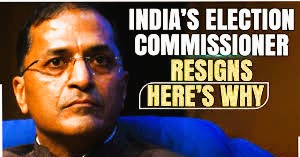
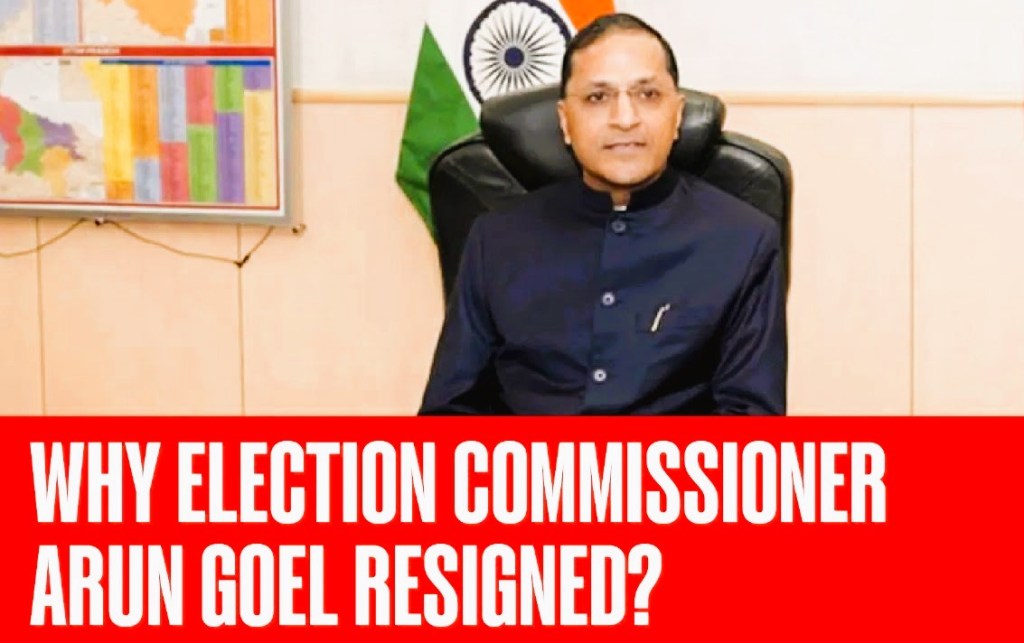
Unravelling the Democratic Tapestry: A Closer Look at Arun Goel’s Resignation and India’s Electoral Conundrum
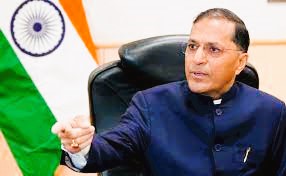
The unexpected resignation of Election Commissioner Arun Goel, just days before the anticipated announcement of the 2024 Lok Sabha election schedule, has ignited widespread concerns about the fairness and transparency of India’s democratic process. This abrupt departure, occurring on the eve of a crucial electoral event, has reverberated through the political landscape, raising significant questions about the health of the country’s democratic institutions. The incident, characterized by reported differences with Chief Election Commissioner Rajiv Kumar, further amplifies existing anxieties surrounding the gradual erosion of independent institutions and the potential influence wielded by the government. The timing of Goel’s resignation, coupled with the lack of clarity surrounding the reported disagreements, adds layers of complexity and uncertainty to the electoral process, leaving citizens and stakeholders alike apprehensive about the upcoming Lok Sabha elections and the broader state of India’s democracy.
Arun Goel, a retired bureaucrat and a seasoned 1985-batch IAS officer of the Punjab cadre, joined the Election Commission in November 2022. Known for his reputation as a “straightforward official who goes by the rules,” Goel’s sudden resignation, accepted by President Draupadi Murmu on March 9, citing “personal reasons,” has ignited speculation and raised concerns about the Election Commission’s functionality.
Sources point to apparent differences between Chief Election Commissioner Rajiv Kumar and Arun Goel during their visit to West Bengal to oversee preparations for the parliamentary elections. Insiders reveal that Goel refused to attend a press conference in Kolkata, differing with Kumar, who addressed the media alone on March 5. While Kumar mentioned Goel’s return to Delhi due to “health concerns,” sources close to Goel dismissed it, maintaining that he is in perfect health. Reports suggest that Goel cut short his visit due to serious differences with Kumar, but the exact nature of these disagreements remains undisclosed.
The timing of Goel’s resignation, on the eve of the crucial Lok Sabha elections, has added complexity and uncertainty to the electoral process. Despite attempts by the government to dissuade him and reconcile differences, Goel remained firm on his decision to exit, leaving many bewildered at the swift turn of events.
Arun Goel, born on December 7, 1962, in Patiala, is a highly educated individual with an MSc. in mathematics and a postgraduate with distinction in development economics from the University of Cambridge, England. Before joining the Election Commission, Goel served in various roles within the central administration, including Vice-Chairman of the Delhi Development Authority and Secretary in the Ministry of Culture and Ministry of Heavy Industries.
His appointment as Election Commissioner, following voluntary retirement from the Indian Administrative Services (IAS) on November 18, 2022, faced legal challenges. The Association of Democratic Reforms (ADR) moved the Supreme Court, challenging the appointment as arbitrary and violative of the institutional integrity and independence of the Election Commission of India. The Supreme Court dismissed the plea, but the circumstances surrounding Goel’s appointment continue to be a point of scrutiny.
The sudden resignation of Arun Goel has triggered a wave of concerns and criticism from political leaders, with no specific party taking a prominent stance. Leaders from different quarters have questioned the transparency of the electoral process and expressed concerns about the potential impact on democratic institutions. Worries about the “systematic decimation” of independent institutions have been voiced, cautioning against any undue influence on the poll panel.
Some leaders have raised questions about the autonomy of the Election Commission, pointing to alleged differences on election-related matters. Concerns about transparency within constitutional bodies have been highlighted, drawing parallels with past instances of dissent within the Commission.
Expressing concerns about potential government influence on the appointment of Election Commissioners, some leaders emphasized recent changes in the law governing these appointments. The Chief Election Commissioner And Other Election Commissioners (Appointment, Conditions of Service And Term of Office) Act, effective from January 2, 2024, grants significant power to the government in appointing commissioners, raising questions about the potential politicization of these crucial roles.
With Goel’s resignation, the Election Commission is left with only one member, Chief Election Commissioner Rajiv Kumar, out of the mandated three members. This reduction in the number of commissioners raises doubts about the commission’s ability to carry out its duties effectively, especially with the looming Lok Sabha elections.
Under the new law, a search committee led by the law minister is tasked with shortlisting five candidates, and a selection committee headed by the Prime Minister finalizes the appointment. However, concerns about the independence of the selection process have been raised, given the significant role of the ruling government in these appointments.
Arun Goel’s resignation has ignited a profound discourse on the resilience and independence of India’s democratic institutions. The mysterious circumstances surrounding his departure, coupled with reported discord with Chief Election Commissioner Rajiv Kumar, spotlight the formidable challenges faced by the Election Commission. As the specter of the upcoming Lok Sabha elections looms, there is a heightened scrutiny of the transparency in the electoral process, necessitating vigilant oversight.
Allegations of government interference, compounded by recent legislative alterations governing the appointment of Election Commissioners, evoke fundamental concerns about the robustness of India’s democratic foundations. The enduring vitality of democratic principles and the capability of institutions to withstand external pressures emerge as decisive elements shaping the nation’s political trajectory.
Capturing national attention, the unfolding political narrative prompts citizens and stakeholders to remain watchful, advocating for a fair, transparent, and democratic electoral framework that upholds the fundamental tenets of the world’s largest democracy. Arun Goel’s resignation echoes as a poignant reminder of the delicate equilibrium between political influence and the preservation of democratic ideals. Meeting the challenges ahead necessitates a united effort to fortify India’s democratic fabric against adversarial forces.
Upholding Integrity: The Battle Against Paper Leaks in Indian Education
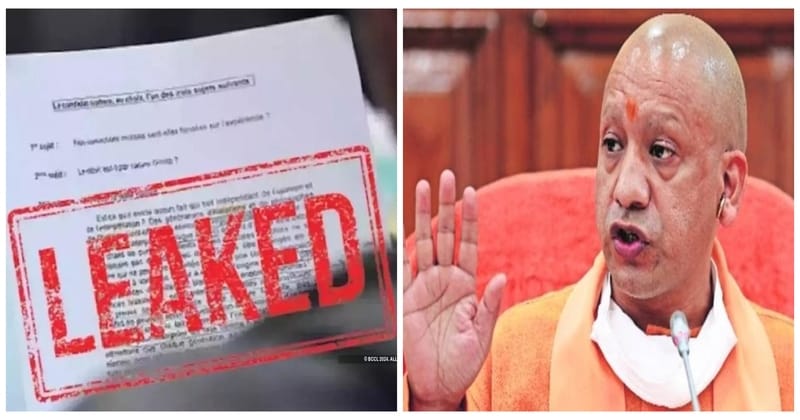
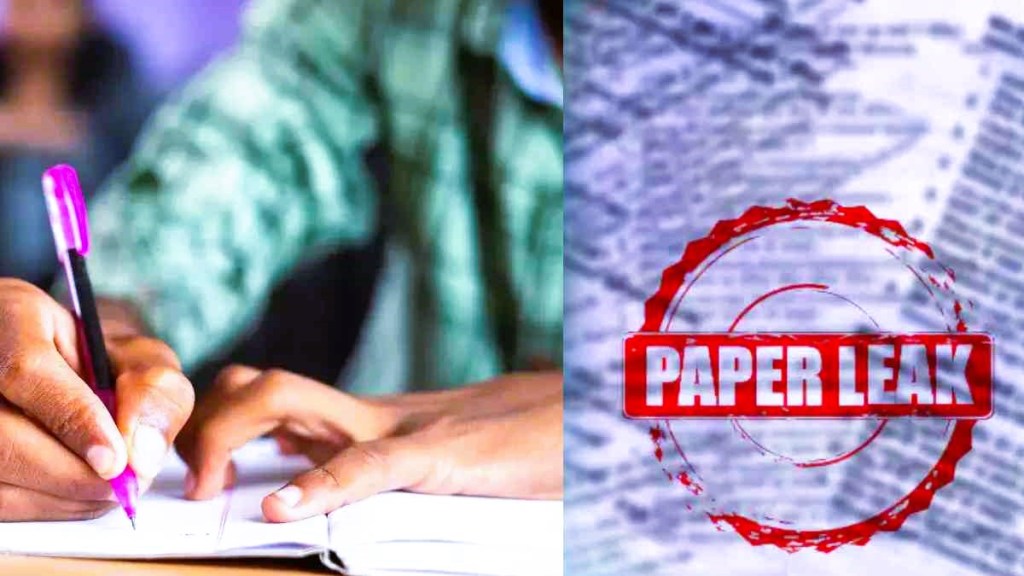
In the vast expanse of India’s educational landscape, the challenge of paper leaks has emerged as a pressing concern. Recent incidents in Uttar Pradesh, marked by the cancellation of the UP Police Constable Recruitment exam and the postponement of the UPPSC CS trial exam, highlight the severity of the issue. The repercussions of such leaks extend beyond Uttar Pradesh, permeating schools and examinations nationwide. As the nation confronts this crisis, concerns about the adequacy of existing measures become prominent, underscoring the necessity for a cohesive and comprehensive approach to uphold the integrity of examinations.
The storm erupted with widespread protests and accusations of paper leaks, culminating in the unprecedented cancellation of the UP Police Constable Recruitment exam. In the aftermath, the apprehension of hundreds linked to the paper leak unveiled a complex network of corruption and malpractice within the examination system. As concerns over exam integrity heightened, the UPPSC CS trial exam faced an unexpected postponement, intensifying anxieties among aspirants and casting shadows over the sanctity of the examination process.
The contagion of question paper leaks extended its reach to Haryana, where malpractice during class 10th and 12th exams underscored the widespread nature of the issue. Individuals, driven by desperation for unfair advantages, went to extreme lengths, disrupting the sanctity of examination halls. The epidemic of paper leaks knows no geographical bounds, stretching from the southern realms of Telangana to the northeastern landscapes of Assam, the western expanse of Maharashtra to the princely state of Rajasthan. It has infiltrated exams across states, sparing no subjects and impacting diverse educational levels. The incidents of question paper leaks during class 10th and 12th exams in Haryana serve as poignant examples, shedding light on the pervasive nature of this problem and the urgent need for comprehensive measures to preserve the integrity of the examination system.
The decisive passage of the Public Examinations Bill 2024 by Parliament signifies a united front against paper leaks. This legislation, armed with stringent punishments for offenders, reflects a resolute commitment to uphold the integrity of examinations. Political figures, with Rahul Gandhi at the forefront, have responded to the crisis by pledging to introduce new laws. These proposed legislations aim to establish foolproof examination procedures, with a particular emphasis on eliminating the involvement of private entities in the examination process. The concerted efforts of lawmakers and political figures underscore a collective determination to address the root causes of paper leaks, ensuring a robust and trustworthy examination system for the benefit of all stakeholders.
The battle against paper leaks faces formidable technological challenges as culprits employ sophisticated methods to evade detection, including the exploitation of 5G networks. This poses a substantial hurdle for investigators striving to maintain the integrity of examinations. Special Task Forces, exemplified by the one in Uttar Pradesh, are at the forefront of actively pursuing leads and interrogating suspects. Their mission is to unravel the intricate networks behind paper leaks, employing meticulous investigative methodologies to stay ahead of the technological advancements leveraged by those involved in malpractice. As the cat-and-mouse game between investigators and culprits unfolds, the determination of these specialized units becomes increasingly crucial in maintaining the sanctity of examinations and curbing the influence of technology on the illicit activities undermining the educational system.
The tragic toll of despair has manifested in aspirants resorting to taking their own lives, a heart-wrenching consequence of the turmoil induced by paper leaks. These deeply unsettling incidents underscore the devastating impact on individuals’ lives and mental well-being, prompting a somber reflection on the profound consequences of this crisis. Beyond the immediate implications for academic and professional pursuits, the crisis reveals a poignant human dimension, highlighting the urgent need for comprehensive measures to address the psychological toll on individuals grappling with the uncertainties and challenges posed by paper leaks. As the educational landscape contends with this distressing reality, it underscores the imperative not only to safeguard the integrity of examinations but also to prioritize the mental health and well-being of aspirants affected by these egregious breaches of trust.
The paper leak crisis has not only been a profound issue affecting the education system but has also emerged as a potent political tool. Opposition parties, seizing upon the crisis, have effectively utilized it to criticize the government’s perceived failure in addressing key issues such as unemployment and corruption. What initially unfolded as an examination integrity concern has now morphed into a significant election issue, resonating with a broader electorate concerned about governance and accountability. The political implications of the paper leak crisis are far-reaching, adding a layer of complexity to the discourse surrounding educational reforms. This convergence of educational and political narratives underscores the need for a nuanced and comprehensive approach in addressing the multifaceted challenges posed by paper leaks. It is a stark reminder that the consequences of such crises extend beyond the educational realm, permeating into the broader socio-political landscape of the nation.
Addressing the aftermath of the paper leak crisis demands a multifaceted strategy to rebuild public trust in the examination system. Central to this effort is addressing systemic issues like unemployment and corruption, which fuel malpractices. Concrete actions, including legislative reforms with stringent penalties, leveraging technological advancements, and fostering a unified approach involving governmental bodies, educational institutions, and civil society, are imperative. The goal is to create a resilient and trustworthy examination framework, rectifying flaws, and restoring public confidence through collective action.
The battle against paper leaks in Indian education is far from over. As the nation confronts this multifaceted challenge, it must address underlying issues of unemployment, corruption, and institutional integrity. Only through concerted efforts and unwavering commitment can India uphold the integrity of its education system and provide its youth with a fair and equitable pathway to success. This entails not just securing examination processes but also fostering a holistic environment that promotes transparency, discourages malpractices, and ensures a level playing field for all aspiring students.
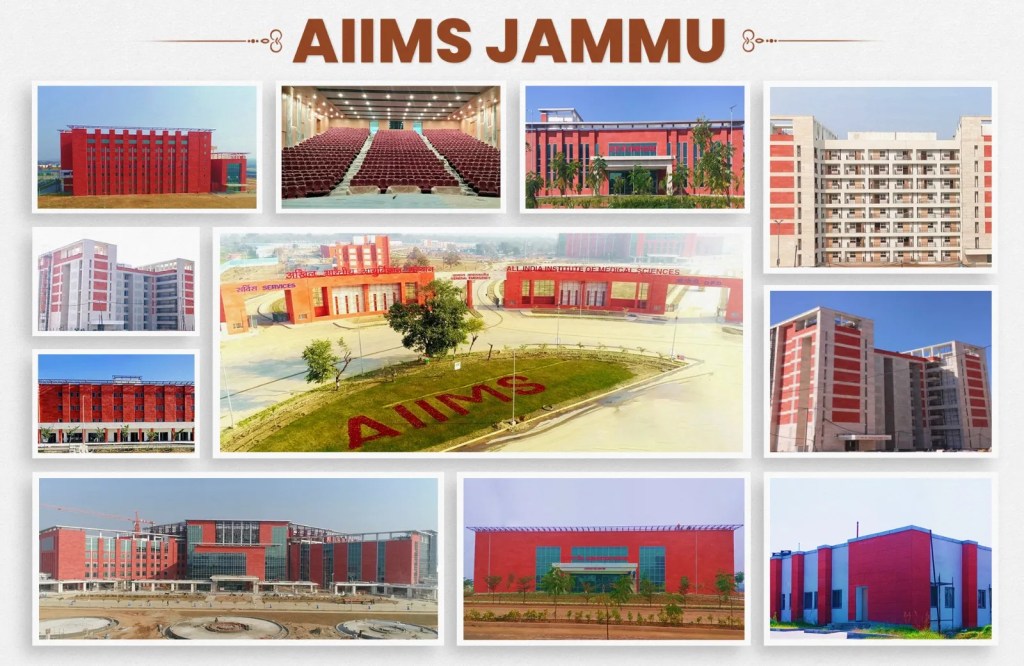
Revolutionizing Healthcare: The Transformative Impact of AIIMS Jammu
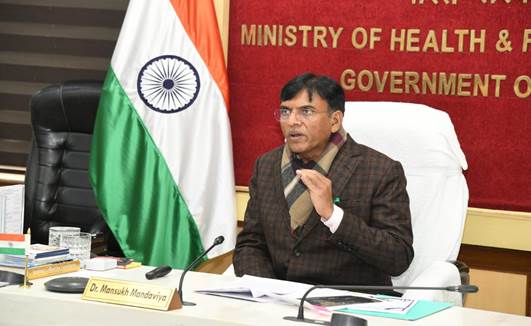
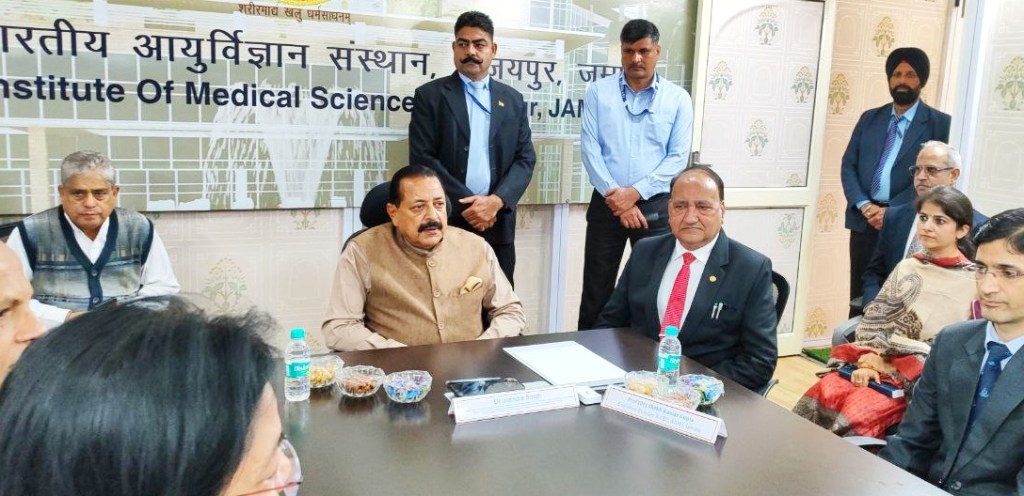
India undergoes a healthcare revolution with the inauguration of five AIIMS by Prime Minister Modi, a Rs 48,000 crore investment across 23 states, promising equitable healthcare. Modi guarantees progress and emphasizes the recent establishment of seven AIIMS in 10 days, addressing historical disparities. Reflecting on India’s COVID-19 triumph, Modi underscores extensive healthcare augmentation, Ayushman Arogya Mandirs, and holistic initiatives. Health Minister Mansukh Mandaviya virtually inaugurates a Super Specialty Block and lays the foundation for an AIISH Satellite Canter, showcasing commitment to healthcare transformation. AIIMS Jammu, a beacon of excellence, symbolizes a paradigm shift in healthcare under Modi’s leadership, offering top-tier services, research, and education.
In the picturesque landscape of Vijaypur, Jammu, the All India Institute of Medical Sciences (AIIMS) Jammu stands tall as an Institute of National Importance, spearheading a healthcare revolution. Initiated under the Pradhan Mantri Swasthya Suraksha Yojana (PMSSY), this institution serves as a symbol of hope, aiming to address healthcare disparities, promote cutting-edge research, and elevate medical education standards. This in-depth exploration delves into the ground breaking impact of AIIMS Jammu on regional healthcare, emphasizing patient-centric innovations, academic excellence, and its ambitious vision to evolve into a global healthcare village.
AIIMS Jammu envisions itself as a reliable and high-quality referral centre for tertiary healthcare. The institution’s motto, “Healing meets Hope,” encapsulates its commitment to reshape the healthcare landscape of the region. The intricately designed logo, weaving socio-cultural and spiritual elements of the Jammu region, mirrors the institute’s profound ethos.
Spread across a sprawling 226.84 acres along National Highway 44, AIIMS Jammu boasts one of India’s largest and most aesthetically pleasing campuses. The institute is poised to offer comprehensive medical services, projecting an expected daily footfall of 2000-3000 patients in the outpatient department. In its inaugural phase, the establishment of 750 beds, including 193 ICU beds, and advanced facilities such as Nuclear Medicine, 20 Modular OTs, MRI, and CT Scan, signifies a commitment to round-the-clock, continuous, and compassionate care.
The “Aayush Block,” a dedicated space merging traditional and modern medicine, signifies AIIMS Jammu’s holistic healthcare approach. Equipped with a helipad for swift trauma patient transport during emergencies, AIIMS Jammu positions itself as a critical healthcare hub for the region.
AIIMS Jammu introduces pioneering initiatives to craft a ‘Patient-Centric Hospital.’ Ground breaking amenities like Patient Assistant Services, Indoor Navigation System, Patient Care Managers, and Smart Payment Cards are designed to elevate the overall patient experience. The Patient Navigation System, particularly beneficial for differently-abled individuals, facilitates seamless navigation within the facility.
With an annual intake of 100 students for its MBBS program and 60 students for Nursing, AIIMS Jammu is dedicated to expanding its educational offerings, including post-graduate programs, super-specialization programs, doctorate degrees, and more in the future. The institute emphasizes the digitalization of healthcare, with the swift replacement of traditional paper records with Electronic Health Records (EHRs) within a year of commissioning.
Collaborations with prestigious institutes like IIT, IIM, IIIM, and others play a pivotal role in creating a globally connected healthcare ecosystem. The innovative MBA program in Hospital Administration and Healthcare Management, jointly initiated by AIIMS, IIM, and IIT Jammu, signifies a significant stride in interdisciplinary education. Future initiatives include joint PhD programs, integrated MBBS+PhD programs, a Biomedical Technology Course, and the establishment of a School of Public Health hosting an MPH program.
Prioritizing eco-friendliness, AIIMS Jammu’s campus is developed with a 4-star Green Rating for Integrated Habitat Assessment (GRIHA). Features such as a solar panel system, sewage treatment plant, and extensive green cover underscore the institute’s commitment to sustainability. Notable “Value Additions” enhance the quality of life on campus, incorporating an Amphitheatre, Cycling Track, and Soft Music along Walking paths.
AIIMS Jammu stands as a crucial support pillar for trauma care and disaster management in the challenging terrains of Jammu & Kashmir, Ladakh, and neighboring regions. Prof (Dr) Shakti Kumar Gupta, the Executive Director & CEO, emphasizes the institution’s unwavering dedication to serving the public and security forces.
Recognizing the critical role of time in healthcare outcomes, AIIMS Jammu ensures timely transportation through a helipad installation. Prof Gupta extends heartfelt gratitude to security forces personnel, acknowledging their dedication and assuring them of AIIMS Jammu’s readiness to deliver the highest quality care in any medical emergency. The institute is committed to addressing both the physical and psychological aspects of trauma, providing comprehensive support services, including counselling and rehabilitation programs.
AIIMS Jammu remains vigilant in disaster management, emphasizing meticulous planning, coordination, and regular training exercises. The institution actively engages in community outreach and public education, collaborating with national and international organizations to enhance collective response capabilities. In its pursuit of excellence, AIIMS Jammu plans to establish a dedicated Centre of Excellence in Trauma Sciences and the Institute of Traumatology in the second phase of development. These initiatives aim to elevate trauma care through a multidisciplinary approach, advanced diagnostics, surgical expertise, and intensive care facilities. AIIMS Jammu envisions providing comprehensive trauma care, from stabilization to rehabilitation, reaffirming its commitment to excellence in healthcare.
AIIMS Jammu takes the lead in women empowerment, boasting 54% female faculty and 78%-80% female Nursing Officers. The institution is committed to equal opportunities, fostering supportive work environments, and implementing gender-sensitive policies. Tailored training programs underscore its commitment to nurturing women’s leadership.
In alignment with Prime Minister Shri Narendra Modi Ji’s initiatives, including ‘Beti Bachao, Beti Padhao’ and ‘Mission Shakti,’ AIIMS Jammu emphasizes women’s health under the National Health Mission. Prof (Dr) Shakti Kumar Gupta, AIIMS Jammu’s Executive Director & CEO, highlights the institute’s recognition of women’s pivotal societal role. With nearly 55% of doctors and 80% of nursing staff being women, AIIMS Jammu actively promotes their employment and representation. Going beyond representation, the institution actively supports women’s leadership, with women holding key administrative positions and contributing significantly to research, advancing academic and scientific achievements.
AIIMS Jammu’s visionary initiatives demonstrate an unwavering dedication to creating an inclusive and equal healthcare environment for women. These efforts position AIIMS Jammu as a trailblazer in fostering a progressive and equitable healthcare landscape.
AIIMS Jammu aspires to be a “Global Village” for healthcare, research, skill development, and medical education, showcasing its dedication to global standards through international collaborations, a modern digital library, and specialized centres of excellence in Telemedicine, Trauma Sciences, Nursing, Cancer Care, and more.
Strategically leveraging digital platforms such as social media, blogs, and YouTube talks, AIIMS Jammu actively disseminates information and heightens awareness, particularly focusing on women’s well-being. The institution’s forward-looking initiatives include plans for a creche facility to support female staff in managing work and caregiving responsibilities, contributing to a supportive environment for working mothers. Integration of Government of India initiatives under the National Health Mission aligns with AIIMS Jammu’s vision for a healthier, more joyful, and economically prosperous India.
Under the milestones in digital healthcare transformation, AIIMS Jammu’s digital roadmap includes cutting-edge features like predictive analytics, remote monitoring, mental health support, and seamless data flow through interoperability. Initiatives such as community health, disease surveillance, clinical data repositories, and precision medicine via wearable devices underscore AIIMS Jammu’s commitment to leading in the realm of digital healthcare. Future initiatives emphasize preventive wellness programs, chronic care management using digital devices, and enriched patient experiences with wearable devices, emphasizing a holistic approach to healthcare.
In summary, AIIMS Jammu emerges as a transformative force, addressing regional healthcare imbalances and contributing significantly to education, research, and global collaborations. The institution sets a new standard in healthcare through patient-centric innovations, academic excellence, eco-friendly infrastructure, and a commitment to diversity and empowerment. As it navigates a transformative shift in digitalization and global connectivity, AIIMS Jammu aspires to be a catalyst for positive health outcomes not only regionally but on a global scale.
Furthermore, AIIMS Jammu stands as a trailblazer in both women empowerment and digital healthcare transformation. With a steadfast commitment to equality, inclusivity, and the integration of technological advancements, the institute envisions a future where healthcare is not only efficient but also personalized and preventive. AIIMS Jammu’s journey establishes a paradigm for an empowering and technologically advanced healthcare landscape.
In conclusion, Prof Gupta expresses unmatched pride, gratitude, and respect for the security forces personnel, reaffirming AIIMS Jammu’s mission to safeguard public and security forces’ health and well-being. The institution, with unwavering commitment, innovation, collaboration, and dedication, sets a benchmark for healthcare globally, aspiring to be a beacon of excellence in trauma care and disaster management in North India. As AIIMS Jammu continues its ground breaking initiatives, it stands poised to shape the future of healthcare, setting a shining example for institutions worldwide.



















 SOCIAL PERSPECTIVES