Navigating Challenges, Revitalizing Ambitions, and Charting a Course for Transformation
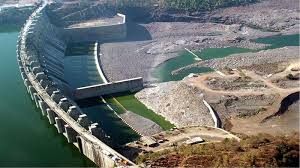
The Polavaram Irrigation Project stands as a testament to both the ambitions and complexities of modern infrastructure development in India. Conceived over eight decades ago, its journey has been marked by political manoeuvring, environmental challenges, and significant financial commitments. At the heart of this monumental project lies the promise of transforming Andhra Pradesh’s agricultural landscape, mitigating water scarcity, and bolstering economic growth. However, its path to fruition has been fraught with setbacks and delays, leaving its fate hanging in the balance for many years.
After a five-year hiatus, the Telugu Desam Party (TDP) under the leadership of Chief Minister N. Chandrababu Naidu has returned to power with a resounding mandate. One of the central pillars of Naidu’s agenda is the revitalization of the Polavaram Irrigation Project, often dubbed as Andhra Pradesh’s lifeline. The previous YSRCP government faced widespread criticism for neglecting the project during its tenure, exacerbating existing challenges and delaying progress.
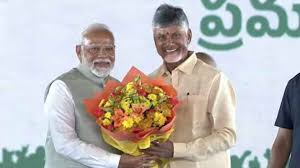
Naidu has wasted no time in reinstating the weekly ‘Every Monday-Polavaram’ review meetings, echoing his proactive approach during his previous term (2014-2019). His personal commitment was further underscored by his visit to the Polavaram Project site on June 17, marking his 30th inspection—a stark contrast to the minimal attention it received in recent years.
Initially estimated at Rs. 10,151.04 crore, the cost of the Polavaram Project has ballooned to Rs. 55,548.87 crore by 2017-18, reflecting the scale and complexity of its infrastructure requirements. Recognized as a National Project post the bifurcation of Andhra Pradesh, it aims to transfer surplus waters from the Godavari River to the Krishna river basin. This ambitious goal includes providing irrigation for multiple crops, preventing floods, generating hydroelectric power, and ensuring drinking water security for millions.
As of May 2024, physical work progress stands at 75.78%, with significant milestones achieved in earthwork, concrete structures, and canal development. Despite these advancements, Land Acquisition, Rehabilitation, and Resettlement (LA, R&R) efforts lag behind at 22.55%, posing ongoing challenges in addressing the socio-economic impact on displaced communities.
The financial landscape of the Polavaram Project is equally complex. The Government of India has reimbursed Rs. 15,146.28 crore towards eligible expenditures, with Rs. 521.62 crore pending. Additional funds are required to complete Phase 1 of LA, R&R, underscoring the critical need for timely financial support to mitigate disruptions and ensure equitable compensation for affected populations.
The Polavaram Project’s implementation has not been without controversy. Displacement of 20,946 families, predominantly from tribal communities, remains a contentious issue. While 12,797 families have been resettled, challenges persist in completing the required R&R colonies and providing sustainable livelihood options for affected populations. Environmental concerns have also loomed large, with allegations of inadequate mitigation measures for wildlife sanctuaries, archaeological sites, and agricultural lands. Legal battles and public protests have underscored the need for robust environmental stewardship and transparent governance throughout the project’s lifecycle.
Chief Minister N. Chandrababu Naidu’s return to power signifies a renewed commitment to completing the Polavaram Project and addressing the broader developmental agenda of Andhra Pradesh. His strategic acumen and experience in navigating complex political landscapes position him as a pivotal figure in shaping the state’s future. From his previous tenure as the chief architect of Hyderabad’s IT revolution to his current role in steering Andhra Pradesh towards economic resurgence, Naidu’s legacy is intertwined with bold reforms and visionary projects. His leadership during the Polavaram Project’s critical phase reflects his unwavering dedication to delivering on promises made to the people of Andhra Pradesh.
The Polavaram Irrigation Project stands at a crossroads, poised between its ambitious goals and daunting challenges. As Chief Minister N. Chandrababu Naidu recommits himself to its completion, the project represents not only a feat of engineering but also a symbol of political will and determination. The journey ahead will require navigating financial complexities, addressing socio-economic impacts, and upholding environmental standards with utmost diligence.
Connecting Dreams: The Path to Andhra Pradesh’s Economic and Social Renaissance through the South Coast Railway Zone
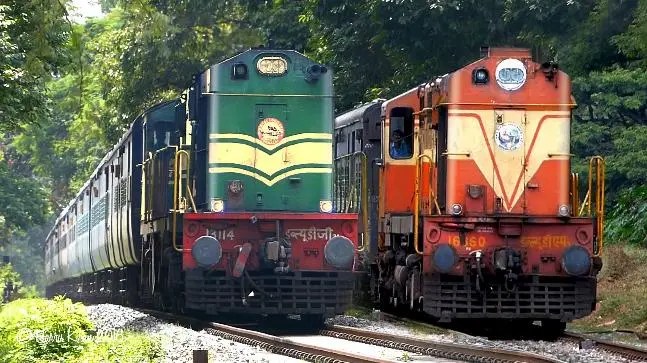
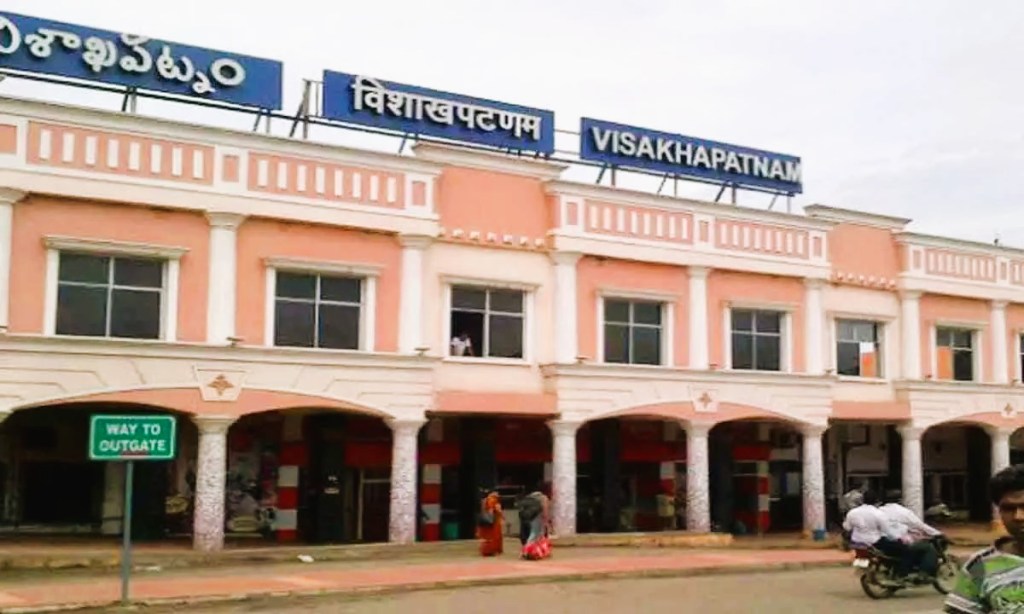
The much-anticipated establishment of the South Coast Railway Zone (SCoR) headquartered in Visakhapatnam represents a significant leap forward for Andhra Pradesh’s comprehensive regional development agenda. Amidst a backdrop of persistent demands and political advocacy, this monumental project is poised to enhance connectivity, stimulate economic growth, and drive localized development across northern Andhra Pradesh. However, the delay in handing over 52 acres of land necessary for constructing the proposed railway zone headquarters at Mudasarlova in Visakhapatnam has postponed the operationalization of the railway zone, highlighting the intricate challenges and complex narratives that accompany such a transformative initiative.
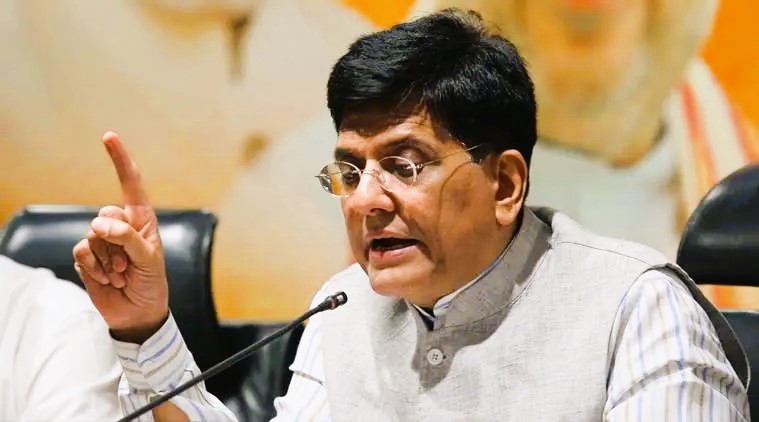
The genesis of the SCoR Zone traces back to 2019 when Railway Minister Piyush Goyal announced the creation of a new railway zone based in Visakhapatnam, fulfilling a long-standing demand from Andhra Pradesh politicians since Telangana’s creation nearly five years earlier. This move was anticipated to enhance operational efficiency, meet regional demands, and catalyze economic growth by improving connectivity and infrastructure. The detailed estimates for the new zone headquarters’ construction were approved by the Railway Board with a budget of ₹106 crore, assigning the East Coast Railway Zone to undertake the construction after design approval.
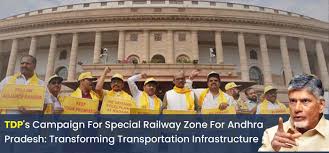
Chandrababu Naidu’s return to power as Chief Minister of Andhra Pradesh marked a significant turning point characterized by accelerated development and strategic influence. His leadership, both within the state and at the federal level, underscored a proactive approach towards achieving long-standing goals, such as the establishment of the South Coast Railway (SCoR) Zone in Visakhapatnam, following decades of persistent advocacy. Naidu’s governance was distinguished by a commitment to navigating complex political landscapes while prioritizing inclusive policies that promote sustainable growth and equitable distribution of resources.
The delay in handing over the 52 acres of land necessary for constructing the proposed railway zone headquarters at Mudasarlova in Visakhapatnam has postponed the operationalization of the railway zone. This land, which was to be exchanged for the railway land taken by the State government as compensation, is crucial for the development of the SCoR. The Ministry of Railways has been urged to promptly resolve the pending land issues and commence construction within the next two months, emphasizing the urgency and critical nature of this project.
Economically, the establishment of the SCoR Zone is expected to catalyze growth in northern Andhra Pradesh, benefiting districts like Srikakulam, Vizianagaram, and Visakhapatnam through improved railway connectivity and infrastructure. This development is crucial for fostering economic corridors and facilitating the seamless movement of goods and services essential for regional development. Infrastructure development within the SCoR Zone is already underway, supported by significant government investments in projects such as Rail Bhavan construction and station renovations. These initiatives not only enhance operational capabilities but also stimulate job creation across various skill levels, reinforcing local economies and supporting broader developmental aspirations.
The creation of the SCoR Zone represents a monumental achievement poised to enhance connectivity, stimulate economic growth, and drive localized development across northern Andhra Pradesh. Beyond its immediate infrastructural benefits, this initiative embodies a transformative vision aimed at uplifting communities and fostering regional prosperity through optimized operational efficiencies and improved service delivery. Administratively, the creation of the SCoR Zone involves the integration and reorganization of railway divisions such as Waltair into neighbouring divisions like Vijayawada, Guntur, and Guntakal. This realignment aims to enhance operational efficiency, streamline administrative processes, and improve service quality across the region, signaling a shift towards decentralized management and localized decision-making.
The political dimension of establishing the South Coast Railway (SCoR) Zone cannot be overlooked, with figures like Chandrababu Naidu often being proactive in driving infrastructure development. Despite historical challenges, the unified support for Andhra Pradesh’s railway expansion initiatives underscores a collective commitment to meeting the state’s growing transportation needs and fostering regional development. This project highlights the intricate interplay between political advocacy, strategic leadership, and infrastructural development, demonstrating how unified efforts can lead to transformative outcomes. Naidu’s leadership, characterized by persistent advocacy and a forward-looking vision, has been instrumental in navigating the complex political and administrative landscapes to bring this long-awaited project to fruition. The SCoR Zone stands as a testament to the power of collaboration and strategic planning in achieving regional prosperity and enhancing connectivity, ultimately benefiting the broader populace of Andhra Pradesh.
As Andhra Pradesh embarks on an ambitious phase of railway modernization, the focus remains steadfast on delivering tangible benefits to citizens and positioning the state as a leader in India’s railway network. Key outcomes include the introduction of new train services originating from Visakhapatnam, designed to improve connectivity and convenience for passengers state wide. Additionally, the localization of construction and maintenance work within Andhra Pradesh promises broader economic benefits, including increased employment opportunities for local contractors and workers.
The establishment of the South Coast Railway Zone headquartered in Visakhapatnam represents a significant leap forward for Andhra Pradesh’s comprehensive regional development agenda. Beyond its infrastructural implications, the SCoR Zone embodies a transformative vision of connectivity, economic vibrancy, and social progress under Chandrababu Naidu’s leadership. As the state navigates logistical challenges and political dynamics, the focus remains steadfast on realizing tangible benefits for its populace and sustaining momentum towards inclusive growth and prosperity. The delay in handing over the necessary land underscores the project’s complexity and urgency. However, with continued advocacy, strategic leadership, and unified support, the realization of the South Coast Railway Zone stands as a testament to Andhra Pradesh’s commitment to progress, connectivity, and regional development. As the construction of the SCoR Zone headquarters commences, it heralds a new era of economic vibrancy and social upliftment for the region, promising a brighter, more connected future for all its inhabitants.
Delving into India’s Rich Past through Scientific Inquiry and Discovery !!!
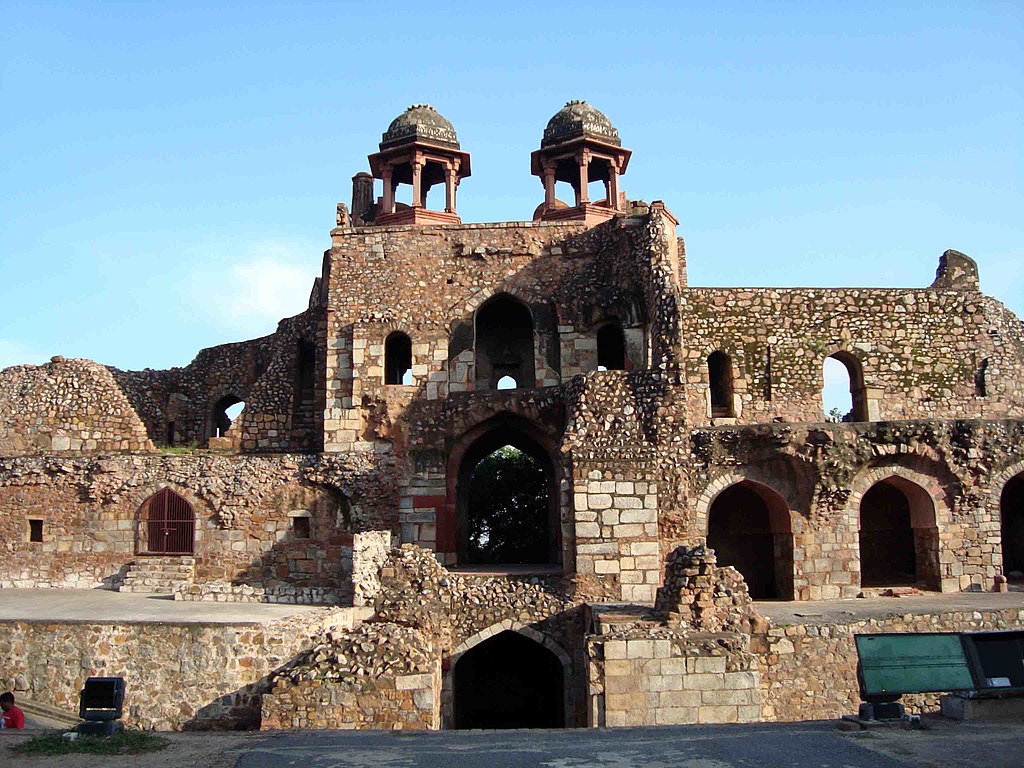
The Archaeological Survey of India (ASI) has been on a decades-long mission to establish a tangible connection between the epic Mahabharata and archaeological findings. Situated in the heart of India’s capital, Delhi, Purana Qila (Old Fort) has been a focal point of this endeavour, initially built by the Mughal emperor in the 16th century. As the ASI gears up for its seventh round of excavations, the potential to unearth significant insights into ancient India’s history looms large.
One of the most notable discoveries by the ASI includes Painted Grey Ware (PGW) pottery found at Delhi’s Purana Qila, dating back to 1100–1200 BC. Characterized by black spots and strokes on Gray pottery, its discovery beneath a Mauryan-era stepwell suggests continuous habitation, reinforcing its significance during the Mahabharata era.
In Bahaj village, Rajasthan, ASI uncovered needle-shaped bone tools from the Mahabharata period, showcasing advanced craftsmanship possibly used for writing or weaving. Rare black beads from the Shunga period were also found, shedding light on technological advancements and daily life during that era.
At Sanauli, 68 km from Delhi, evidence dating back to 1500–2000 BCE was discovered, including a war chariot, rusted bow and arrow, burial site, pottery, war shields, and weaponry. These artifacts offer a vivid glimpse into martial and daily life during the Mahabharata era, providing unique insights into ancient military technologies and strategies.
The Braj region, encompassing Bahaj village, has yielded artifacts from various periods, including the Kushan, Sunga, Maurya, Mahajanapada, and Mahabharata eras. This diversity underscores the area’s historical importance and potential for unearthing a comprehensive civilization from the Mahabharata period.
Across India, over 35 sites have yielded artifacts aligning with descriptions of ancient cities mentioned in the Mahabharata. Discoveries in Kurukshetra, the legendary battlefield, include iron arrows and spearheads dated to approximately 2800 BCE through thermoluminescence, aligning with the epic’s historical timeline.
ASI manages and protects 3,679 national monuments and archaeological sites. Excavations at Purana Qila are ongoing, aiming to link the fort with the Mahabharata’s ancient city, Indraprastha. Previous digs revealed pottery, coins, and figurines, with ongoing efforts supported by the Ministry of Tourism’s ‘Adopt a Heritage’ scheme, integrating the epic’s narrative into tourism and cultural events.
Renowned archaeologists have been pivotal in advancing this project since its inception in 1954, identifying sites mentioned in the Mahabharata and finding cultural evidence suggesting their historical existence. Challenges include interpreting findings to establish direct links to the epic amidst scholarly debates over its multi-author origins.
The ASI’s excavation project merges history, mythology, and archaeology, enriching our understanding of India’s past through scientific inquiry. Preservation efforts safeguard sites from urban development threats, ensuring continuity of India’s cultural heritage. Despite challenges, ongoing excavations yield insights into the Mahabharata’s era, enhancing our comprehension of ancient Indian civilization.
In conclusion, ASI’s excavation endeavours to connect the Mahabharata with tangible archaeological evidence underscore India’s dedication to preserving its cultural legacy. Through meticulous research and preservation, ASI unveils the mysteries of the Mahabharata era, enriching our understanding of India’s ancient past and its enduring cultural significance.
Renewed Hope with the Revival of Andhra Pradesh’s Subsidized Meals Program for Urban Poor
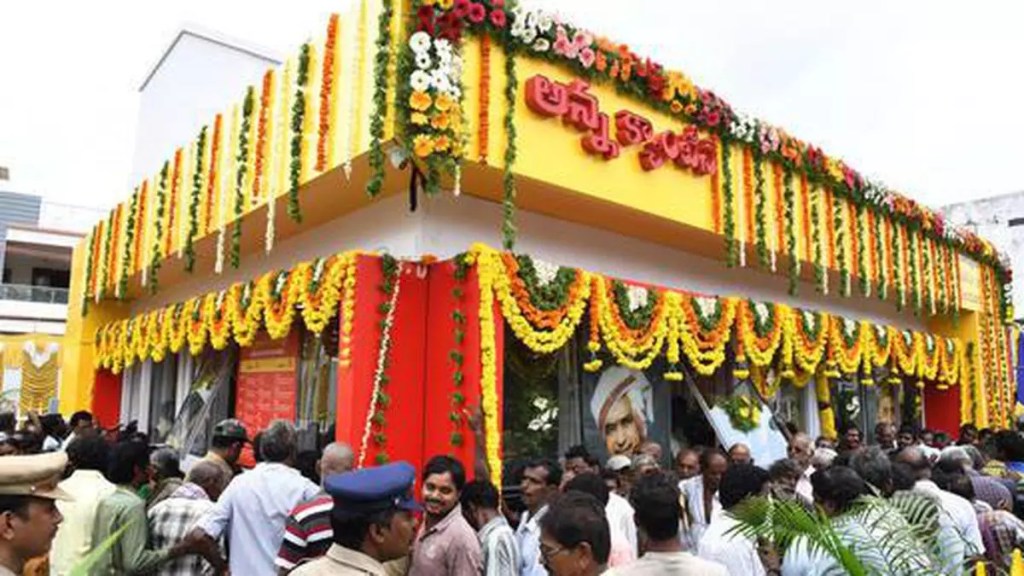
The vibrant cities of Andhra Pradesh are abuzz with excitement and hope as discussions to reopen the beloved Anna Canteens gain momentum. Once a vital lifeline for the region’s lower-income groups, these canteens were closed by the previous YSR Congress Party (YSRCP) government, leaving a profound void in the community. This article explores the significance of Anna Canteens, reflects on the repercussions of their closure, and examines the renewed optimism surrounding their potential revival.
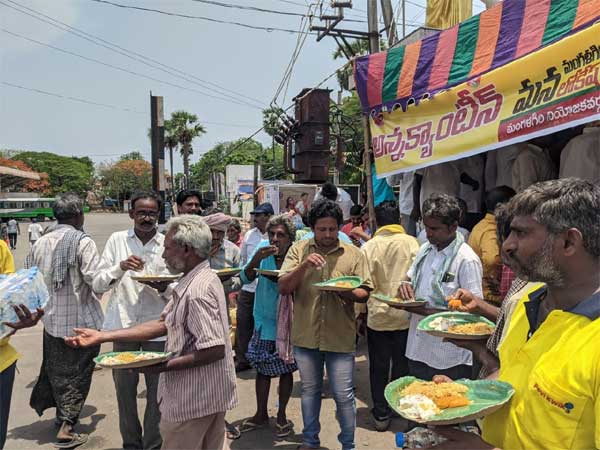
Anna Canteens were initially introduced by the Telugu Desam Party (TDP) government, offering highly subsidized nutritious meals for just ₹5. They quickly became a cherished fixture in Andhra Pradesh , providing affordable and wholesome meals to lower-income groups, daily wage workers, and students. These canteens not only addressed hunger but also fostered a sense of community and solidarity among residents. The concept of Anna Canteens dates back to March 2016 when the first canteen, named after TDP founder-president NT Rama Rao, was opened on a pilot basis near the Government Transitional Headquarters at Velgapudi in Amaravati. Initially, only three more canteens were established over the next two years. Recognizing the growing need for affordable food in urban areas, the government decided to expand the program, targeting all Urban Local Bodies (ULBs) with populations exceeding 50,000. The goal was to provide affordable meals to the urban poor, who often struggle with hunger, poverty, and malnutrition.
In July 2018, the government officially launched the NTR Anna Canteens Scheme, named after the late NT Rama Rao, to provide ready meals at subsidized prices to the urban poor. These canteens offer breakfast, lunch, and dinner for ₹5 each, allowing individuals to have three meals a day for just ₹15. This initiative aims to alleviate hunger and improve the nutritional status of the urban poor, including unemployed youth, bachelor students, employees, workers in unorganized sectors, and people staying in hospitals. The success of this initiative can be partly attributed to the model established by the Amma Canteens in Tamil Nadu, started by former Chief Minister J Jayalalithaa in June 2013. Amma Canteens provided affordable meals to the poor and became a model for similar programs in other states. NTR Anna Canteens in Andhra Pradesh followed a similar model, providing high-quality food at nominal prices.
The implementation of Anna Canteens in Andhra Pradesh has been managed by the Akshaya Patra Foundation, an NGO known for its large-scale food distribution programs. According to officials, the government spends an average of ₹73 per person per day to provide meals at these canteens. Beneficiaries pay only ₹15 for three meals, while the remaining cost of ₹58 is subsidized by the government. Anna Canteens have proven to be highly beneficial to the urban poor. They help increase savings by providing affordable meals, reduce malnutrition, and improve the health standards of the urban poor and unemployed youth. The canteens also provide a sense of food security, allowing individuals to focus on their work or studies without worrying about where their next meal will come from.
During the Telugu Desam Party (TDP) regime from 2014 to 2019, Anna Canteens were one of the most popular outreach programs. They provided top-quality food to the needy at a very nominal price, making them a critical support system for the underprivileged. However, the program was scrapped by the subsequent YSR Congress government, leading to significant public outcry. This decision met with widespread disappointment and criticism as many locals relied on these canteens for their daily sustenance. Traders also felt the impact, with reduced foot traffic affecting local commerce. The closure of the canteens left a void in the community, and the absence of affordable meals was keenly felt by all.
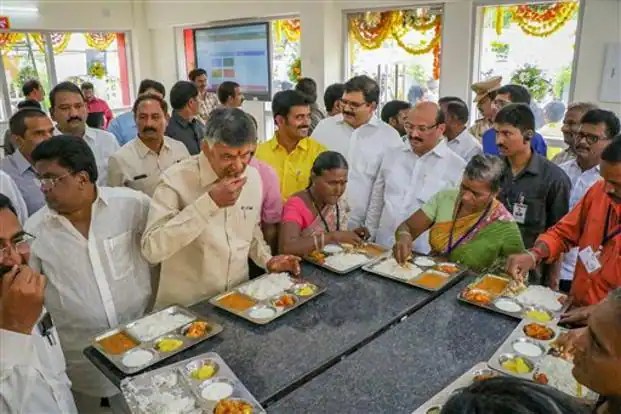
With the return of the TDP-led government in 2024, Chief Minister N Chandrababu Naidu has revived the Anna Canteen program. On June 13, 2024, he signed the file related to the reopening of Anna Canteens across the state, including in major cities like Vijayawada, Visakhapatnam. The reopening of Anna Canteens has been met with widespread approval. These canteens are seen as a crucial support system for the underprivileged, providing affordable and nutritious meals. The government’s commitment to reopening and expanding the Anna Canteens demonstrates its dedication to addressing the needs of the poor and improving their quality of life.
The impact of Anna Canteens on the lives of the urban poor cannot be overstated. These canteens serve an average of 2.15 lakh people every day, providing them with access to affordable and nutritious meals. This support is especially important for those who struggle to afford food due to unemployment, low wages, or other economic hardships. The success of Anna Canteens in Andhra Pradesh has drawn attention to the importance of such initiatives in addressing hunger and malnutrition. By providing affordable meals, the government can help improve the health and well-being of the urban poor, allowing them to lead more productive and fulfilling lives. The positive feedback from the beneficiaries of Anna Canteens highlights the program’s effectiveness and the need for its continued expansion.
The revival of the Anna Canteen program under Chandrababu Naidu’s leadership reflects the TDP’s commitment to social welfare and inclusive development. The government’s focus on providing affordable meals to the urban poor is part of a broader strategy to improve the living standards of all citizens, particularly the most vulnerable. By addressing basic needs such as food security, the government aims to create a more equitable and prosperous society.
The reopening of Anna Canteens also has significant economic implications. By providing affordable meals, the program helps to increase disposable income for the urban poor, allowing them to spend more on other necessities such as housing, education, and healthcare. This, in turn, can stimulate economic activity and contribute to overall economic growth. Anna Canteens also play a crucial role in supporting the informal workforce, which constitutes a significant portion of the urban population. Many workers in the informal sector do not have access to regular meals and rely on affordable food programs to sustain themselves. By providing nutritious meals at a low cost, Anna Canteens help to improve the productivity and well-being of these workers, contributing to a more resilient and dynamic economy. Furthermore, Anna Canteens serve as a model for other states and regions looking to address hunger and malnutrition. The success of the program demonstrates the feasibility and impact of providing subsidized meals to the poor, encouraging other governments to adopt similar initiatives. The positive outcomes of Anna Canteens can inspire and inform efforts to tackle food insecurity and malnutrition across the country.
The revival of Anna Canteens also highlights the importance of collaboration between the government and non-governmental organizations (NGOs). The partnership with the Akshaya Patra Foundation has been instrumental in the successful implementation of the program, leveraging the NGO’s expertise in large-scale food distribution. This collaboration underscores the potential for public-private partnerships to address complex social issues effectively. The revival of Anna Canteens in Andhra Pradesh represents a significant step towards addressing hunger and improving the quality of life for the urban poor. Under the leadership of Chandrababu Naidu, the government has demonstrated its commitment to social welfare and inclusive development by providing affordable and nutritious meals to those in need. The positive impact of Anna Canteens on the lives of beneficiaries underscores the importance of such initiatives in creating a more equitable and prosperous society. By addressing basic needs such as food security, the government can help to improve the health, well-being, and economic prospects of the urban poor, contributing to overall social and economic development.
The potential revival of Anna Canteens in Andhra Pradesh signifies a ray of hope for the community. The affordable meals provided by these canteens were a lifeline for many and fostered a sense of community and solidarity. The closure of the canteens left a void in the lives of the residents and impacted local commerce. However, with their revival, there is renewed optimism and anticipation. The return of Anna Canteens would not only address the issue of hunger but also stimulate economic activity, providing a much-needed boost to the community. The residents eagerly await the return of these beloved canteens, hoping for a brighter and more inclusive future for Urban Poor.
The 2024 US Presidential Election is poised to be a landmark event in American political history, defined by unprecedented legal challenges facing both major candidates, former President Donald Trump and incumbent President Joe Biden. These legal controversies are reshaping voter perceptions of accountability and the integrity of the political process. This comprehensive analysis explores the current political landscape, statistical forecasts, and key factors influencing the race, while emphasizing the need to challenge conventional assumptions in American politics.
President Joe Biden’s administration has encountered significant challenges, leading to a decline in approval ratings amid critiques of policy decisions on inflation, the COVID-19 pandemic, and international relations. Despite these obstacles, Biden remains focused on advancing legislative priorities such as infrastructure improvements, climate change mitigation, and healthcare reforms.
In contrast, Donald Trump’s political trajectory remains unconventional, marked by the January 6 Capitol insurrection and a second impeachment, yet he maintains substantial influence within the Republican Party. Statistical forecasts suggest a strong possibility of Trump returning to the White House, bolstered by advantages in critical battleground states, particularly across the Sun Belt.
Statistical models, incorporating historical data, economic indicators, presidential approval ratings, and state voting patterns, forecast a closely contested race. Biden’s declining popularity aligns with historical trends for incumbent presidents seeking re-election, exacerbated by economic concerns like inflation. Shifts in voter demographics, especially among midterm-active groups, further impact polling outcomes.
Trump’s resurgence in statistical models can be attributed to several factors, including Biden’s declining approval ratings and economic discontent amplified by inflation. Trump’s ability to mobilize his base and capitalize on dissatisfaction with the current administration has solidified his electoral prospects, with indications that undecided voters may be swayed by recent legal developments.
While the election has shown stability, unforeseen events like potential legal outcomes or economic fluctuations could dramatically alter voter sentiment. Statistical models, while useful, are inherently limited in predicting such shifts, as evidenced by the unexpected outcomes of past elections like 2016, emphasizing the need to challenge assumptions and remain vigilant.
Hunter Biden, facing new tax-related charges and a firearms indictment, represents a significant legal challenge for President Biden’s re-election campaign. Despite negotiations for a plea deal, subsequent legal proceedings and indictments have complicated Hunter’s legal landscape, influencing public discourse and potentially affecting voter perceptions.
The 2024 election’s outcome will significantly impact the trajectory of American democracy, reflecting voter sentiments on accountability and institutional integrity. As voters prepare to make their choice, they face a decision that extends beyond partisan lines, testing the strength of democratic institutions and their resilience in times of legal and political challenges.
In conclusion, the 2024 US Presidential Election stands as a critical moment for American democracy, shaped by profound legal challenges facing both candidates. Statistical forecasts provide insights into a closely contested race, yet the dynamic nature of American politics underscores the need to challenge assumptions and anticipate unforeseen developments. As the nation prepares to vote, the outcome will not only reflect public will but also the enduring strength of democratic institutions in upholding justice and accountability.
Exploring AAHL’s Phenomenal Growth and Strategic Air Cargo Expansion
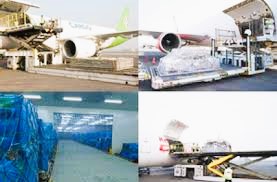
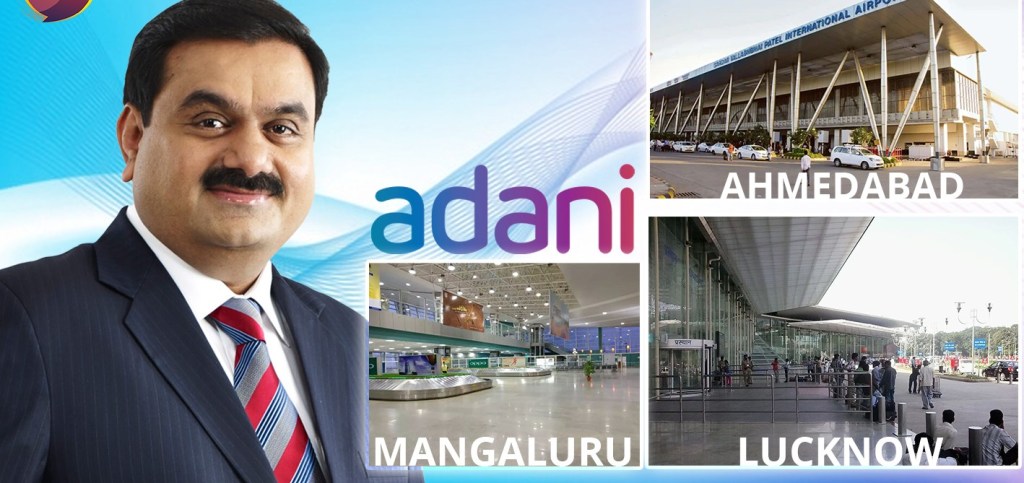
Adani Airport Holdings Limited (AAHL) has achieved a monumental milestone in India’s aviation history by handling over one million tonnes of air cargo during the fiscal year 2023-24. This accomplishment not only showcases AAHL’s robust operational capabilities but also emphasizes its pivotal role in shaping the country’s air logistics landscape. The article delves into the details of this remarkable feat, analysing AAHL’s record growth and strategic market expansion.
In recent years, AAHL has emerged as a key player in India’s aviation sector, managing a network of seven airports across the country. The fiscal year 2023-24 marked a significant milestone for AAHL as it surpassed the one-million-tonne mark in air cargo handling. This achievement highlights AAHL’s capability to efficiently manage and expand its cargo operations amidst evolving market demands and technological advancements.
During FY 2023-24, AAHL handled a total of 1.01Million Tonnes of cargo, reflecting a notable 7% year-on-year increase from the previous fiscal year. This growth consolidates AAHL’s position in the air cargo industry and reinforces its substantial market share, capturing 30.1% of the overall cargo market in India. Such a feat underscores AAHL’s strategic approach to enhancing operational efficiencies and meeting the burgeoning demands of air freight services.
AAHL’s success in air cargo handling is attributable to its strategic management of airports located in key economic hubs such as Mumbai, Ahmedabad, Guwahati, Lucknow, Jaipur, Mangaluru, and Thiruvananthapuram. These airports serve as crucial nodes for the transportation of diverse commodities including automobiles, pharmaceuticals, perishables, electricals/electronics, and engineering goods. International cargo operations accounted for 65% of AAHL’s total handled cargo, highlighting its global connectivity and capability to facilitate trade flows between India and major international markets such as Germany, the Netherlands, the UAE, the UK, and the USA.
The recognition bestowed upon AAHL, including awards like the Cargo Airport of the Year – Region India at Air Cargo India 2024 and the Best Cargo Airport – Efficiency & Digitization at the India Cargo Awards 2023, underscores its commitment to operational excellence and innovation. These accolades reflect AAHL’s proactive efforts to enhance service capabilities and integrate advanced technologies into its operations. Moreover, strategic partnerships with prominent freight operators such as Challenge Group and CMA CGM Air Cargo further enhance AAHL’s network reach and service offerings.
In its pursuit of operational excellence, AAHL has embraced digital transformation initiatives such as the adoption of 100% virtual account usage through SACT at Mumbai International Airport. This technological advancement streamlines domestic cargo operations and positions AAHL at the forefront of digital innovation within the aviation sector. Leveraging advanced technologies, AAHL aims to enhance efficiency, transparency, and reliability across its cargo handling operations, thereby meeting the evolving needs of its customers and stakeholders.
Looking ahead, AAHL remains focused on strengthening its infrastructure and expanding its service capabilities to sustain its growth trajectory. The acquisition of Mumbai International Airport Limited (MIAL) and the development rights for Navi Mumbai International Airport exemplify AAHL’s long-term strategic investments in India’s aviation infrastructure. Ongoing investments in cargo facilities at airports like Mangaluru, Guwahati, and Jaipur underscore AAHL’s commitment to enhancing cargo handling capacities and meeting the increasing demand for air freight services in India.
Adani Airport Holdings Limited’s achievement of handling over one million tonnes of air cargo in FY 2023-24 marks a significant milestone in its journey towards becoming a leader in India’s aviation and logistics sectors. As AAHL continues to expand its footprint and enhance operational efficiencies, the company remains pivotal in driving India’s air cargo growth story. With a steadfast commitment to innovation, sustainability, and customer-centric service, AAHL is well-positioned to navigate future challenges and opportunities, reaffirming its role as a cornerstone of India’s aviation infrastructure.
In summary, AAHL’s achievement not only symbolizes its operational prowess but also underscores its pivotal role in transforming India’s air cargo landscape. As it continues to innovate and expand, AAHL is poised to lead the way in meeting the dynamic demands of global trade and logistics, thereby contributing to India’s economic growth and development. This milestone sets a precedent for future advancements in the aviation sector, positioning AAHL as a beacon of progress and reliability in India’s air cargo industry.
Fuelling Tax Reform: The Journey Towards GST Inclusion
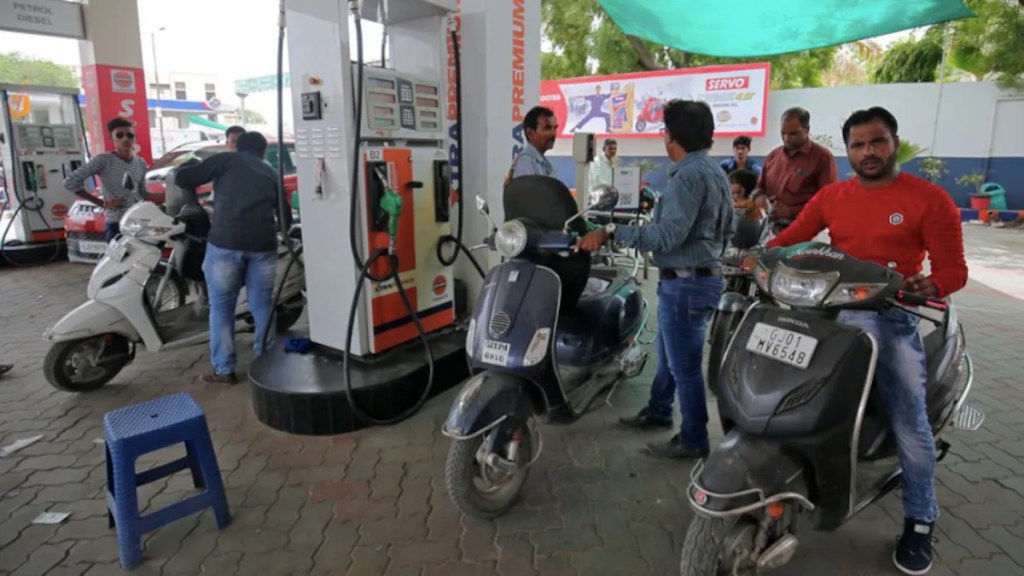
The taxation of petrol and diesel in India is a complex issue, intricately shaped by two primary forms of indirect taxation: Central Excise Duty and State Value Added Tax (VAT). These taxes play a crucial role in government revenues, which are essential for funding infrastructure and driving economic growth. However, the combined tax rates on petrol, which stands at around 107%, and diesel, approximately 79%, are significantly higher than the highest Goods and Services Tax (GST) slab of 28%. This substantial disparity brings up critical questions regarding the feasibility and consequences of integrating petrol and diesel into the GST regime.
The current structure of petrol and diesel taxation poses significant challenges and opportunities. This comprehensive analysis delves into various scenarios for incorporating these fuels into the GST system, examines the broader economic implications, and explores the historical and political contexts influencing tax policies.
One proposed solution is to introduce a new, higher GST slab specifically for petrol and diesel. However, considering the existing operational challenges within the GST framework, this approach may prove impractical. The GST system has already faced significant hurdles, and adding a new tax slab exceeding 28% could further complicate its structure and exacerbate current issues.
Integrating petrol and diesel under a new GST slab would require meticulous planning and robust execution to avoid additional complications. The Indian GST system has faced various teething problems since its implementation, including technical glitches, compliance challenges, and resistance from businesses and states. Introducing a new tax slab could potentially destabilize the already delicate equilibrium.
Moreover, higher tax slabs might not be well-received by the public or businesses, leading to potential backlash. The GST Council, comprising representatives from the central and state governments, would need to achieve a consensus on this matter, which could prove to be a significant political hurdle.
Another potential solution is to include petrol and diesel in the highest existing GST slab of 28%. However, given the current economic climate—shaped by the effects of demonetization, GST implementation, and the COVID-19 pandemic—this option appears unlikely to gain traction among central and state governments.
Including petrol and diesel under the 28% GST slab would result in substantial revenue losses for both levels of government. Currently, the central and state governments derive significant income from the excise duties and VAT on these fuels. Transitioning to the GST system would drastically reduce these revenues, compromising the governments’ ability to fund essential expenditures, especially when fiscal stimulus measures are crucial for economic revival.
The implementation of such a policy would also face resistance due to the fiscal impact on state finances. States rely heavily on VAT collections from petrol and diesel to fund their budgets. Any reduction in this revenue stream could lead to budgetary constraints, impacting public services and infrastructure projects.
The third option is to classify petrol and diesel as demerit goods under GST, imposing a cess in addition to the GST rate to compensate for revenue losses. However, to bridge the gap between current taxation rates and the GST rate, a substantial cess of 50-75% would be necessary. Politically, this option is fraught with challenges, as such high additional taxes on essential goods would likely provoke public backlash.
Classifying petrol and diesel as demerit goods would entail recognizing them as products that generate negative externalities, such as pollution and traffic congestion. While this classification aligns with environmental objectives, the economic and political ramifications must be carefully considered.
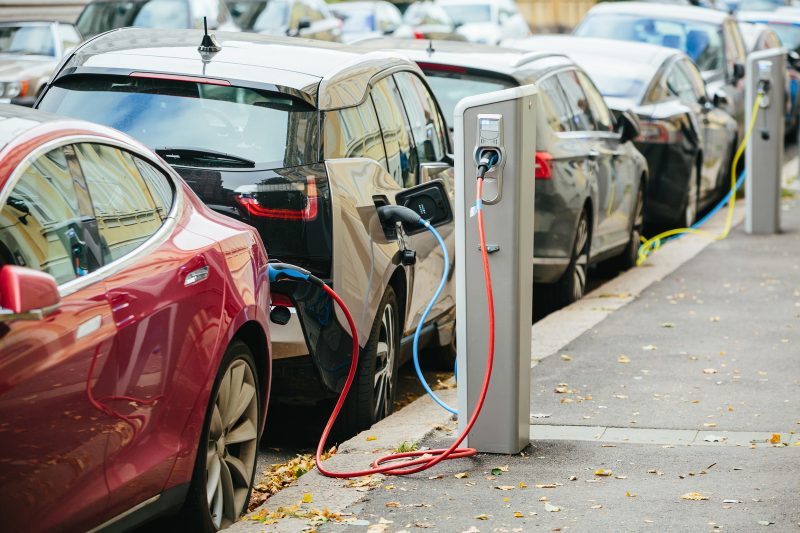
Exploring alternatives to the high taxation on petrol and diesel could involve diversifying government revenue sources and reducing consumers’ economic burden. One approach is to gradually reduce excise duties and VAT while increasing GST rates on luxury goods and services to balance revenue losses without impacting essential goods. Enhancing tax collection efficiency and reducing evasion through improved compliance and technology could generate additional revenue without raising tax rates. Promoting alternative fuels and renewable energy sources, encouraging electric vehicle adoption, investing in public transportation infrastructure, and incentivizing renewable energy projects could reduce dependency on petrol and diesel, mitigating the economic impact of fuel taxes and fostering a sustainable and resilient energy sector.
Imposing a significant cess could offset revenue losses, but it would also raise the retail prices of petrol and diesel, counteracting the intended benefits of GST inclusion. Moreover, public acceptance of such a high cess is doubtful, as it would directly affect consumers’ pockets, leading to potential unrest and political instability.
Currently, the retail price of petrol in most Indian states is composed of four main components: the base cost after refining, which is approximately 32% of the final price (around Rs. 31.36); the central government tax, which is about 35% (approximately Rs. 34.30); the state VAT, approximately 29% (about Rs. 28.42); and the dealer commission, roughly 4% (around Rs. 3.60).
If petrol were brought under the 28% GST slab, the pricing structure would change significantly: the base cost after refining would remain Rs. 31.36, the 28% GST on the base cost would be Rs. 8.78 (shared between the Centre and State), and the dealer commission would be Rs. 3.92, making the total price Rs. 44.06. While this would lower consumer prices, the central government would lose approximately Rs. 29.91 per liter in revenue, and the states would lose around Rs. 24.03 per liter. To recoup these losses, alternative tax increases would be necessary, presenting a politically and economically challenging scenario.
The current pricing mechanism ensures that both central and state governments secure substantial revenues from petrol and diesel sales. However, this system also burdens consumers with high prices. The proposed GST structure aims to alleviate this burden but requires balancing the revenue shortfall with fiscal policies that do not destabilize the economy.
Fuel prices are a major source of revenue for both central and state governments. The COVID-19 pandemic has exacerbated revenue shortfalls due to reduced retail fuel purchases, while government expenditures have surged, particularly in response to the pandemic. Governments now face a choice between not raising taxes, potentially leading to budget deficits, necessitating borrowing or money printing, which could cause inflation and currency devaluation, or raising taxes, as the current government has done, to maintain control over deficits and inflation.
If petrol prices were lowered by including them under GST, significant revenue shortfalls would occur, leading to reduced government spending on infrastructure projects like roads and railways, potentially increasing unemployment in the construction sector and slowing GDP growth. Increased pressure on state finances could result in power cuts, poor road maintenance, higher registration fees for properties, increased prices for public services, and agricultural distress. Potential political instability might also arise due to public dissatisfaction with increased taxes elsewhere or reduced government services.
High tax rates on petrol and diesel significantly impact the cost of living and the overall economy. These taxes heavily contribute to the final retail prices of these fuels, thereby increasing transportation costs, goods prices, and overall inflation. For consumers, especially those in lower-income brackets, high fuel prices reduce disposable income and limit spending on essential goods and services. The high transportation costs due to expensive fuel lead to increased prices for goods and services, creating inflationary pressures that affect food prices and manufacturing costs. Consequently, high fuel prices slow economic growth by reducing consumer spending and increasing production costs. For businesses, particularly in logistics and transportation, high fuel costs erode profit margins and reduce competitiveness. Small and medium-sized enterprises (SMEs), which are more sensitive to cost fluctuations, struggle to absorb high fuel prices, leading to reduced investment, lower job creation, and slower economic expansion.
Historically, governments rarely reduce taxes once implemented. This trend suggests that even if economic normalcy returns post-pandemic, substantial tax cuts on fuel are unlikely. The high fuel prices disproportionately affect the poor, but reducing these taxes without a viable revenue replacement would be economically detrimental.
The resilience of fuel taxes is rooted in their administrative ease and substantial revenue generation. These taxes are relatively straightforward to collect, providing a steady revenue stream crucial for governmental budgets. Even with fluctuations in crude oil prices, taxes ensure consistent revenue, helping manage fiscal deficits and inflation.
The Indian government’s reliance on fuel taxes reflects a broader trend in tax policy, where indirect taxes are preferred for their efficiency and reliability. This reliance, however, imposes significant costs on consumers, particularly those in lower income brackets.
In conclusion, including petrol and diesel under GST would significantly lower consumer prices but also drastically cut government revenue. This shortfall would necessitate higher taxes elsewhere or reduced public spending, leading to broader economic repercussions. Given the critical role of fuel taxes in government finances, the political and economic challenges of such a shift make it unlikely in the near future. The taxation of petrol and diesel in India presents a multifaceted challenge, balancing government revenue needs with economic impacts on consumers and businesses. Integrating these fuels into the GST system could lower consumer prices but would create significant revenue shortfalls that would need to be addressed through other means. The current economic conditions and the importance of fuel taxes in government revenue make it unlikely that petrol and diesel will be included under GST soon. However, exploring alternatives such as reducing dependency on fossil fuels, enhancing tax collection efficiency, and diversifying revenue sources could help create a more balanced and sustainable tax system.
Charting a Course for Global Stability and Innovation
The G7 summit, which commenced on June 14, 2024, in Italy, convened leaders from the world’s seven wealthiest democracies against a backdrop of profound global challenges. This pivotal gathering aimed to tackle pressing issues with wide-reaching implications for international relations and economic stability. Prime Minister Narendra Modi’s attendance, marking his inaugural foreign trip of his third term, highlighted India’s escalating significance as an outreach nation. In particular, India’s role in the Indo-Pacific region was a focal point, underscoring its critical position in counterbalancing China’s increasing assertiveness.
The summit’s agenda was multifaceted, focusing on strengthening global partnerships, countering China’s expansion in the Indo-Pacific, addressing bilateral challenges between India and Canada, tackling global challenges like climate change and pandemic response, and discussing the implications for global relations and India’s strategic interests.
At the heart of the G7 summit was a concerted effort to enhance global partnerships and alliances. Leaders from Canada, France, Germany, Italy, Japan, the United Kingdom, the United States, and the European Union gathered to forge consensus on critical global issues. India’s role as a bridge between the global South and the world’s advanced economies was prominently featured, highlighting its strategic relationships with key nations like the United States and Japan. These alliances not only bolstered India’s geopolitical standing but also influenced global policies on trade, security, and sustainable development. The discussions aimed to foster collaboration on economic recovery post-pandemic, technological innovation, and ensuring equitable access to vaccines and healthcare.
Amidst growing concerns over China’s expanding influence in the Indo-Pacific, the G7 summit provided a critical platform for India to assert its strategic significance. Collaborative efforts with Southeast Asian nations aimed to promote regional stability and economic cooperation, countering China’s assertive policies. India’s significant investments in infrastructure and economic development have positioned it as a pivotal player in shaping the region’s geopolitical dynamics. Key discussions focused on enhancing maritime security, ensuring freedom of navigation, and promoting a rules-based order, all essential for maintaining stability amidst rising geopolitical tensions. By strengthening these alliances and asserting its role, India demonstrated its commitment to regional stability and its strategic importance in counterbalancing China’s influence. The summit underscored the necessity of united efforts to address the complex challenges in the Indo-Pacific, highlighting India’s proactive stance and leadership in fostering a cooperative and stable regional environment.
Prime Minister Modi’s interactions with Canadian Prime Minister Justin Trudeau at the G7 summit highlighted efforts to address complex bilateral challenges, including sensitive issues such as Sikh extremism. Both leaders engaged in constructive dialogue to foster cooperation while addressing mutual concerns. The intricacies of India-Canada relations, shaped by historical ties and contemporary issues, demanded diplomatic finesse to enhance bilateral trade, cultural exchange, and strategic cooperation. Discussions aimed to deepen collaboration in areas of mutual interest such as energy security, technology transfer, and combating global challenges like climate change and pandemics. This high-level engagement underscored the importance of building a resilient and multifaceted partnership, reflecting both nations’ commitment to working together on critical global issues. The summit provided a unique opportunity for India and Canada to strengthen their bilateral relations, emphasizing the need for continuous dialogue and collaboration to navigate shared challenges and capitalize on opportunities for mutual benefit.
The G7 summit agenda encompassed a wide range of global challenges, including climate change mitigation, pandemic response strategies, and governance of emerging technologies. India’s active participation highlighted its commitment to global solutions and technological innovation. Collaborative efforts among G7 countries aimed to establish frameworks for sustainable development, disaster resilience, and equitable distribution of vaccines and healthcare resources. India’s expertise in renewable energy, climate adaptation strategies, and digital governance played a crucial role in shaping global policies and fostering international cooperation. Discussions also focused on enhancing preparedness for future pandemics, strengthening healthcare systems, and leveraging technology for inclusive development. By participating in these discussions, India emphasized its role as a key player in addressing global issues, showcasing its ability to contribute significantly to international efforts aimed at creating a more sustainable and resilient world. The summit provided a platform for India to share its innovations and strategies, reinforcing its position as a leader in promoting global well-being and technological progress.
The outcomes of the G7 summit had profound implications for global relations and India’s strategic interests. India’s proactive engagement underscored its role in fostering inclusive growth, stability, and sustainable development worldwide. The summit catalyzed collaboration, consensus-building, and collective action among diverse nations, addressing shared challenges and opportunities in an interconnected world. Prime Minister Modi’s participation reflected India’s commitment to forming strategic partnerships, addressing bilateral concerns, and contributing to global initiatives on climate change, pandemic preparedness, and technological innovation. These efforts highlighted India’s growing influence and its capacity to drive international stability, economic resilience, and sustainable development. The summit marked a significant step towards a more interconnected and cooperative global community, positioning India as a key player in shaping global policies and promoting collaborative solutions to pressing global issues.
The multifaceted agenda of the G7 summit exemplified the intricate web of issues that global leaders must navigate. At the forefront of these discussions was the enhancement of global partnerships. The gathering of leaders from Canada, France, Germany, Italy, Japan, the United Kingdom, the United States, and the European Union was a testament to the importance of forging consensus on critical global challenges. India’s role as a bridge between the global South and the world’s advanced economies was a significant focus, highlighting its strategic relationships with key nations such as the United States and Japan. These alliances not only bolstered India’s geopolitical standing but also had a substantial impact on global policies related to trade, security, and sustainable development. The discussions were geared towards fostering collaboration on economic recovery in the post-pandemic era, technological innovation, and ensuring equitable access to vaccines and healthcare.
Exploring the Rebirth of Amaravati Under New Leadership and Its Implications for State Development
Amaravati, the ambitious capital city project of Andhra Pradesh, stands as a testament to visionary urban planning and development. Initiated under the leadership of Chandrababu Naidu, the former Chief Minister, this project aimed to redefine urban living and economic growth in India’s newly bifurcated state. Despite facing setbacks and uncertainty in recent years, the return of Chandrababu Naidu to power has reignited hopes for Amaravati’s revival, promising economic prosperity, modern infrastructure, and sustainable development.
The genesis of Amaravati dates back to 2014, following the bifurcation of Andhra Pradesh and the formation of Telangana. This geopolitical change necessitated the establishment of a new capital for residual Andhra Pradesh. Chandrababu Naidu seized the opportunity to envision Amaravati, drawing inspiration from global cities like Singapore. His grand vision encompassed a sprawling city spread across 217 square kilometres along the southern banks of the Krishna River. The plan included nine theme cities and 27 townships, designed to create a balanced urban environment integrating residential, commercial, and recreational spaces. The project aimed not only to address administrative needs but also to stimulate economic growth and elevate Andhra Pradesh’s global stature.
Amaravati was not merely a capital city; it was conceived as a symbol of modernity, sustainability, and efficiency. Drawing from the successes of urban planning in cities like Singapore, Naidu and his team envisioned a city that would not only cater to the administrative needs of the state but also serve as a model for future urban development in India. The emphasis was on creating a greenfield city that would be sustainable, technologically advanced, and economically vibrant.
Despite initial enthusiasm and significant international investments, Amaravati encountered formidable challenges. The change in political leadership in 2019, with Y S Jagan Mohan Reddy assuming office and the YSR Congress Party taking charge, brought about a paradigm shift in governance priorities. Reddy’s administration proposed a decentralization plan involving three capitals for Andhra Pradesh, which included Amaravati as the legislative capital, Visakhapatnam as the executive capital, and Kurnool as the judicial capital. This decision effectively side-lined Amaravati as the sole capital, triggering widespread protests among farmers and residents who had willingly contributed their lands under the promise of Amaravati becoming the primary administrative hub.
The protests, which continued for over 1,600 days, reflected the deep-seated emotional and economic investments associated with Amaravati’s development. Farmers, who had parted with their lands through innovative land pooling mechanisms, felt betrayed by the abrupt policy shift that threatened to undermine the viability and potential of Amaravati.
The fate of Amaravati hung in the balance until March 5, 2022, when the High Court delivered a pivotal ruling against the government’s attempts to abandon the project. The court’s decision underscored the legal commitments and substantial financial investments already made in Amaravati, amounting to approximately ₹15,000 crore in development expenditure. This ruling provided a legal lifeline to Amaravati’s revival efforts, clearing the way for Chandrababu Naidu’s administration to resume development activities with renewed vigor and purpose.
The judicial intervention was crucial in restoring confidence among stakeholders and investors, reaffirming the sanctity of contracts and commitments made by the government in the pursuit of Amaravati’s development. It also signalled a judicial recognition of the significance of planned urban development in fostering economic growth and regional balance.
With Chandrababu Naidu’s return as Chief Minister, Amaravati’s revival has swiftly gained momentum. The government has initiated a comprehensive action plan to revive stalled projects, focusing on infrastructure restoration and environmental clean-up. Engineers and workers have received directives to clear vegetation, complete pending constructions, and establish crucial road and utility networks. Efforts are also underway to finalize financial arrangements with contractors and developers who were previously involved in Amaravati’s construction.
The scale of the task ahead is formidable. Industry estimates suggest an additional ₹40,000 crore will be required to complete the envisioned infrastructure and government buildings for Amaravati. This revised budget highlights the financial commitments and challenges associated with revitalizing a project of such magnitude and ambition.
Despite these challenges, Amaravati’s revival holds tremendous promise for Andhra Pradesh’s economic future. The city’s development is expected to stimulate economic growth, attract substantial investments, and generate employment opportunities across various sectors. Real estate markets have already shown signs of recovery, with renewed interest from developers and investors anticipating future demand and growth potential.
The revival of Amaravati is not just about constructing buildings and roads; it is about creating a conducive environment for businesses to thrive, for educational and research institutions to flourish, and for communities to prosper. The planned urban infrastructure, coupled with the focus on sustainability and innovation, positions Amaravati as a hub of economic activity and a model for inclusive growth.
In conclusion, the resurgence of Amaravati under Chandrababu Naidu’s visionary leadership signifies a critical milestone in Andhra Pradesh’s trajectory towards sustainable development and inclusive growth. As the new government navigates fiscal recovery, governance transparency, and infrastructure revitalization, it faces both challenges and opportunities. By prioritizing the completion of Amaravati’s construction, fostering an investor-friendly environment, and upholding principles of transparency and accountability, the NDA alliance can propel Andhra Pradesh towards a future defined by progress and prosperity. The road ahead may be challenging, but with steadfast determination and strategic governance, Amaravati is poised to reclaim its status as a beacon of hope and prosperity for all of Andhra Pradesh.
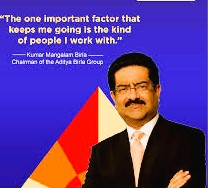
From Steady Foundations to Soaring Heights: The Journey of Kumar Mangalam Birla
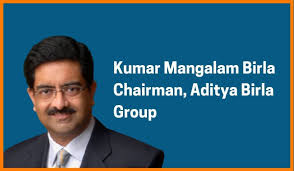
Kumar Mangalam Birla, born on 14th June 1967, is a pivotal figure in Indian industry and philanthropy. As the Chairman of the Aditya Birla Group, Birla has significantly expanded the conglomerate’s global presence, contributing immensely to India’s economy and societal welfare. His journey from inheriting leadership at a young age to transforming the Aditya Birla Group into a global powerhouse showcases his visionary leadership and unwavering commitment to excellence.
Born into the illustrious Birla family, Kumar Mangalam Birla was raised with strong values of hard work, integrity, and social responsibility. He completed his B.Com from the University of Bombay, earned a Chartered Accountant degree from the Institute of Chartered Accountants of India, and pursued an MBA from the London Business School to augment his business acumen.
In 1995, at the age of 28, Birla took over the reins of the Aditya Birla Group following his father’s sudden demise. He faced this formidable challenge with determination and strategic foresight, stabilizing and then rapidly expanding the group. Birla’s tenure has been marked by over 40 successful acquisitions, both domestically and internationally, which have positioned the group as a leader across sectors such as metals, cement, textiles, and chemicals. Noteworthy acquisitions include Novelis in 2007, which solidified the Aditya Birla Group’s global presence in aluminium, complementing Hindalco’s existing capabilities. Similarly, the acquisition of Columbian Chemicals enhanced the group’s footprint in the chemicals sector, while the purchase of Domsjö Fabriker bolstered its position in the pulp and fibre industry.
Under Birla’s leadership, a culture of innovation has thrived within the Aditya Birla Group, fostering creativity, continuous learning, and the adoption of cutting-edge technologies. This approach has enabled the conglomerate to maintain its competitiveness in a dynamic global market. Birla’s commitment to corporate governance has been exemplary, evident from his role as Chairman of the SEBI Committee on Corporate Governance, where he played a pivotal role in shaping India’s corporate governance landscape, emphasizing transparency, accountability, and ethical behavior.
Philanthropy is deeply ingrained in Birla’s leadership philosophy, with the Aditya Birla Group dedicating a portion of its earnings to social causes. The group’s CSR initiatives encompass diverse areas such as education, healthcare, sustainable livelihoods, infrastructure development, and social reform. The Aditya Birla Centre for Community Initiatives and Rural Development, spearheaded by Rajashree Birla, has implemented transformative programs benefiting underprivileged communities. During the COVID-19 pandemic, the group contributed significantly to relief efforts, exemplifying its commitment to societal well-being beyond financial support.
Education holds a special place in Birla’s philanthropic vision. As Chancellor of BITS Pilani, he has played a crucial role in expanding the institution’s reach and enhancing academic excellence. Birla’s vision for BITS includes fostering a culture of research and innovation to drive economic and social development. The establishment of BITSoM in Mumbai underscores his commitment to nurturing future business leaders equipped for a rapidly evolving global landscape. His association with the London Business School further highlights his dedication to advancing global education.
Kumar Mangalam Birla’s contributions to business and society have earned him numerous accolades, including the prestigious Padma Bhushan in 2023 for his outstanding contributions to trade and industry. Other accolades such as the Global Entrepreneur Award by The Indus Entrepreneurs (TiE), the ABLF Global Asian Award, and the CNBC-TV18 India Business Leader Award for ‘Taking India Abroad’ underscore his business acumen, ethical practices, and social responsibility. Birla’s influence extends beyond his business achievements, as evidenced by his key roles on various regulatory and professional boards, influencing economic policies and regulatory frameworks.
In summary, Kumar Mangalam Birla’s legacy is a testament to visionary leadership, ethical business practices, and a profound commitment to social responsibility. His transformative impact on the Aditya Birla Group and his contributions to philanthropy and education have left an indelible mark on Indian industry and society. Birla’s journey serves as an inspiration for aspiring entrepreneurs and business leaders, emphasizing the pivotal role of innovation, integrity, and compassion in achieving sustainable success. As we celebrate his achievements, Kumar Mangalam Birla continues to exemplify the power of ethical leadership in shaping a better future for all.






























 SOCIAL PERSPECTIVES