Skip to content
    • About

SOCIAL PERSPECTIVES

  • Episode in the Spotlight: Unravelling the Controversy Involving Politician V. Vijaya Sai Reddy

    July 18th, 2024

    A Deep Dive into the Family Feud and Political Intrigue Making Headlines

    In an era where private lives are increasingly subject to public scrutiny, a recent controversy involving YSRCP Member of Parliament (MP) V. Vijaya Sai Reddy has captivated the public and media alike. This story, which initially appeared as a personal matter between a husband and wife, has now spiralled into a full-blown Episode involving allegations of extramarital affairs, financial impropriety, and political manoeuvring. The intricate web of accusations and defences has not only put the individuals involved under the microscope but has also sparked a broader debate on the balanced media reporting and the intersection of personal and political lives.

    The controversy began with a highly publicized quarrel between Kalingiri Shanthi, an assistant endowment commissioner, and her husband, Madan Mohan Manipati. The dispute took a dramatic turn when Madan Mohan accused his wife of having an extramarital affair with V. Vijaya Sai Reddy, a prominent politician from the YSR Congress Party. According to Madan Mohan, Shanthi gave birth to a child in 2022 through “immoral means” and demanded a DNA test to determine the child’s paternity, implicating both Vijaya Sai Reddy and government pleader Pothireddy Subhash Reddy.

    V. Vijaya Sai Reddy has vehemently denied the allegations, describing them as baseless attempts to tarnish his image. In a press conference held on July 15, he refuted claims of any impropriety, stating that his interactions with Shanthi were strictly professional and limited to official duties during his tenure in Visakhapatnam. He accused sections of the media and political opponents, orchestrating a smear campaign against him. Reddy announced his intention to file a defamation suit against the media houses responsible for propagating these allegations and to take the matter to the Editors Guild of India.

    The media’s role in this controversy has been both influential and controversial. Critics argue that the sensationalist reporting has exacerbated the situation, violating journalistic balance  by not considering the sensibilities of the individuals involved, particularly Shanthi. The publication of unverified claims has drawn sharp criticism from various quarters, highlighting the need for more responsible and balanced journalism. On the other hand, some defend the media’s role in holding public figures accountable, asserting that transparency is essential in a democratic society.

    Madan Mohan’s allegations extend beyond the affair, accusing Vijaya Sai Reddy of financial misconduct. He claimed that Reddy financially assisted Shanthi in purchasing a villa worth ₹2.6 crores in Vijayawada and provided ₹1.6 crores in cash on two separate occasions. Madan Mohan substantiated his claims by presenting photographs of the cash transactions and detailed his suspicions about the paternity of the child, which he believes can be clarified through a DNA test.

    In response, Vijaya Sai Reddy offered to take an oath in the name of Lord Venkateswara to prove his innocence, further criticizing the media for their irresponsible reporting. He also suggested that internal party conflicts and external political rivals might have played a role in perpetuating these allegations.

    The controversy has sparked widespread public debate, with opinions divided on the veracity of the claims and the appropriateness of the media’s coverage. Many sympathize with the personal turmoil faced by the individuals involved, while others express concern over the potential misuse of media and political power to settle personal scores. The incident has also reignited discussions about the balanced boundaries of media reporting and the responsibilities of public figures.

    This controversy brings to the fore several balanced dilemmas. For politicians like Vijaya Sai Reddy, maintaining a balance between personal and public life is fraught with challenges. The use of media for political gains can backfire, as illustrated by Reddy’s own predicament. His extensive use of media to criticize Chandra Babu Naidu, opposition members during his time in power has now turned against him, demonstrating the precarious nature of such strategies. The analogy of riding a tiger aptly describes the situation—once on the tiger, one is safe, but falling off can have dire consequences.

    The legal implications of this case are significant, with potential defamation suits and complaints to various human rights commissions in the offing. Vijaya Sai Reddy’s threat to introduce a Private Members Bill in Parliament against unscrupulous journalists underscores the broader legal battles that could ensue. On a social level, the controversy highlights the impact of public scandals on private lives, raising questions about the privacy rights of individuals and the Balanced responsibilities of the media.

    Reddy’s announcement of his intention to file defamation suits against media houses indicates a potential legal battle that could set precedents for future cases involving public figures and media reporting. Additionally, his threat to introduce a Private Members Bill in Parliament against unethical journalism highlights the potential for legislative responses to media overreach. Such measures, however, must carefully balance the need to protect individuals from unwarranted media attacks with the imperative to uphold freedom of the press.

    There are crucial lessons to be learned from this episode. First, the need for Balanced journalism cannot be overstated. Media outlets must adhere to rigorous standards of verification and sensitivity, especially when dealing with personal matters that can have far-reaching consequences. Second, politicians and public figures must exercise caution in their interactions and be aware of the potential repercussions of their actions. The case of Vijaya Sai Reddy serves as a stark reminder that the power of the media, once harnessed, can turn into a double-edged sword.

    The episode involving V. Vijaya Sai Reddy is a complex tale of personal conflict, political intrigue, and media dynamics. It underscores the delicate balance between public accountability and personal privacy, highlighting the balanced responsibilities of both the media and public figures. As the dust settles, the lessons learned from this controversy will hopefully pave the way for more responsible media practices and a more cautious approach to public life. The case serves as a reminder that while power may be transient, the impact of one’s actions, particularly in the public eye, can be enduring and far-reaching.

    The broader implications of this controversy touch on several key areas. First, there is the issue of balanced journalism. The need for accurate, balanced reporting is paramount, especially in cases that involve personal lives. Sensationalism, while it may drive viewership and readership, ultimately erodes public trust in the media. This episode has underscored the necessity for media outlets to adopt more responsible reporting practices, ensuring that stories are both truthful and respectful of individuals’ privacy.

    Second, the episode has highlighted the precarious nature of political life. For public figures, the line between personal and professional can often blur, leading to situations where private matters become public concerns. Vijaya Sai Reddy’s predicament is a case in point. His extensive use of media to critique his political opponents has come full circle, with the same media now casting a critical eye on his private life. This serves as a cautionary tale for politicians, emphasizing the importance of maintaining a clear distinction between their personal and professional lives.

    On a social level, the controversy has sparked a broader conversation about privacy and the public’s right to know. The balance between transparency and privacy is delicate, and this episode has shown that tipping too far in either direction can have serious consequences. Public figures, by virtue of their roles, do have a diminished expectation of privacy. However, there is still a need to protect them from unwarranted intrusions that serve no public interest and only seek to sensationalize their personal lives.

    In conclusion, the controversy involving V. Vijaya Sai Reddy is a multifaceted saga that touches on issues of personal privacy, balanced media , and political accountability. It serves as a stark reminder of the complex interplay between these elements in the life of a public figure. As the story continues to unfold, it offers important lessons for politicians, media professionals, and the public alike. By learning from this episode, we can hope to foster a more respectful, balanced , and balanced approach to the intersection of personal lives and public roles.

    visit arjasrikanth.in for more insights

  • Cruelty in the Skies: The Dark Side of Pigeon Racing in Punjab

    July 18th, 2024

    In modern society, animals often endure undue suffering at the hands of human activities, exemplified by pigeon racing in Punjab. Although not officially recognized as a sport, kabutarbazi adheres to village-level customs across rural Punjab, typically occurring from May to June and even streamed on platforms like YouTube. Despite its legality in most states, pigeon racing involves releasing thousands of birds into the wild each year, where many fail to return, raising concerns about animal abandonment and welfare. This practice highlights a troubling aspect of animal exploitation for entertainment, shedding light on the ethical implications surrounding such traditions.

    In contrast, traditional animal races like Kambala in Karnataka, where buffaloes are whipped across muddy fields tethered to plows, and camel racing across India, Australia, and the Middle East over distances of 2.5 to 6 miles, illustrate cultural sports that spark ethical debates. Similarly, the Maramadi bull surfing festival in Kerala, where bulls race on freshly plowed fields post-harvest, blends tradition with competitive fervor but faces criticism for subjecting animals to stress and potential harm. Events like bulbul fighting and cockfighting further intensify ethical concerns, prompting ongoing discussions on balancing cultural heritage with animal welfare in regulated environments.

    Pigeon racing involves taking competing birds from their lofts and releasing them to race home. The time the pigeon takes to get home and the distance it has flown are recorded, and the fastest bird is declared the winner. Races generally range from 75 miles to 500 miles in distance. Birds are entered into a race under strict regulations at the clubs’ racing headquarters, such as a local public house, sports club, or village hall. Once all the birds are race-entered, they are collected by a specially designed pigeon racing transporter and taken to a predetermined liberation point. Once the weather conditions and flight paths are deemed suitable for the race, the birds are liberated, and the time is notified to all the fanciers waiting for the return of their pigeons. Each pigeon returning to a different loft has to fly a different distance to the next loft. This racing distance between the bird’s home loft and the race point is carefully measured by GPS. The time taken by the bird to return is measured using one of two acceptable timing methods. A race season is normally separated between old birds and young birds (usually youngsters in their first year of competition) and another for older birds. A pigeon can start to be able to competitively compete from about six months of age and still be in competition at over ten years of age, although four to five years is an average racing career.

    The traditional method of timing racing pigeons involves rubber race rings with a unique recorded number and a specially designed pigeon racing clock. The ring is attached around the pigeon’s leg before being sent to race. The serial number is recorded, the clock is set and sealed, and the bird carries the ring home. When the first bird returns, its trainer removes the ring and places it in a slot in the clock. The time that the ring was placed in the clock is recorded as the official time that the competing bird arrived home. From this timestamp, an average speed is measured, and a winner of the race can be determined. The latest development for timing racing pigeons is the Electronic Timing System. The bird’s arrival is recorded automatically. When using an electronic system, the pigeon fancier doesn’t even have to be at the loft to clock the birds as they return. Birds are fitted with a band that has a tiny RFID chip in it, which can be read when the bird comes home. At the home loft, the electronic scanning records the pigeon’s arrival. The pad is placed at the entry point to the loft entrance, and as the pigeon crosses it, the electronic band is scanned. The serial number of the transponder ring is recorded along with the time of arrival. This is very similar to timing systems used in human races.

    Pigeon fanciers play a crucial role in pigeon racing. However, their practices often raise ethical concerns. Pigeons who don’t perform well in races may be killed, and racing pigeons have no control over their lives. Fanciers decide with whom and when pigeons can mate, when they can fly, and literally how long they live. Fanciers may also neglect their pigeons, leading to poor living conditions and health issues. Pigeons are smart, easy-going birds that quickly learn household routines. They do fine in homes with other pets and can live peacefully and unafraid with dogs and cats as long as they are kept safe. Pigeons are very emotional and do need a BFF, whether another bird or a human with whom they can spend the day. Despite their intelligence and emotional capacity, the treatment of racing pigeons often reflects a disregard for their well-being.

    Pigeons can fly between 600 and 700 miles in a single day, with the longest recorded flight in the 19th century taking 55 days between Africa and England, covering 7,000 miles. Pigeons are thought to navigate by sensing the earth’s magnetic field and using the sun for direction. Their remarkable abilities make them ideal for racing, but these same capabilities are often exploited to the detriment of the birds’ health and welfare. Last month, an argument between two friends over who to invite for a pigeon racing event that they were jointly hosting in Ikolaha village of Punjab’s Ludhiana district ended in the death of one. Both Gurdeep Singh, 22, and his friend Kuldeep Singh alias Vicky Aujla, 44, co-owned a flock of over 100 pigeons and would frequently organize such events in the village. The friends had got into an argument over Kuldeep inviting a rival to the June 23 racing event. The argument ended with Kuldeep and his son Daman, 20, bludgeoning Gurdeep with an iron rod, police said. Gurdeep is survived by his minor brother and their grandmother Mukhtiar Kaur. This incident highlights the intensity and rivalry associated with pigeon racing in Punjab, where the stakes are high, and the competition can turn deadly.

    Pigeon racing, thought to be popularized during the Mughal era, has become a significant sport in rural Punjab and certain areas of Pakistan. It is believed to have originated during the elite pigeon-keeping era and continues to attract enthusiasts who earn their livelihood through this sport. The objective of pigeon racing is to keep the birds in the sky for the longest possible duration. The rules and practices vary across different regions of Punjab. Pigeon racing events are well-organized, although they lack official recognition. The participating pigeons, numbering around 90, are distinguished by specific markings on their feathers. The owner of the pigeon that comes in last during the race is declared the winner. The sport involves significant amounts of money, with entry fees and prizes attracting participants, including NRIs (Non-Resident Indians). Prizes like tractors, cattle, and expensive bikes are often on the line, making the sport more intense and even brutal. Behind the glitz and glamour of pigeon racing lies a dark reality. To ensure their birds fly longer, owners subject them to harsh conditions. Pigeons are tied to speakers that play loud noises, fed laxatives to keep them light, and denied water to reduce their weight. Many pigeons succumb to extreme heat during these races, as they are forced to fly beyond their endurance limits. Pigeons who don’t perform well in races may be killed, and racing pigeons have no control over their lives. Fanciers decide with whom and when pigeons can mate, when they can fly, and literally how long they live. Fanciers may also neglect their pigeons, leading to poor living conditions and health issues.

    Animal rights activists, including senior BJP leader Maneka Gandhi, have raised their voices against the cruelty inflicted upon pigeons in this sport. They advocate for a complete ban on pigeon racing, citing the inhumane treatment and high mortality rates. While some regulations exist, they are not effectively enforced, allowing the exploitation of these innocent creatures to continue. The pigeon race in Punjab highlights the dark side of human entertainment at the expense of animal welfare. These innocent birds suffer immensely due to the intense competition and cruelty they endure. It is crucial to recognize the ethical implications of pigeon racing and take necessary measures to protect these creatures from further harm. Only through awareness, education, and strict enforcement of animal welfare laws can we put an end to the cruel practice of pigeon racing in Punjab.

    visit arjasrikanth.in for more insights
  • Delhi’s Power Play: Understanding the Controversy Over The Surge in Electricity Bills

    July 17th, 2024

    The Shock of Rising Electricity Bills in Delhi: A Deep Dive into the Power Purchase Adjustment Charge Controversy

    In recent months, Delhi residents have experienced a significant surge in their electricity bills, driven primarily by an increase in the Power Purchase Adjustment Charge (PPAC). This adjustment, which came into effect in February, has resulted in a 6 to 8 percent increase in domestic electricity bills. The revision is attributed to rising coal and fuel prices, necessitating higher power procurement costs for distribution companies (discoms).

    Take the case of a Delhi consumer who paid ₹6,493 for 712 units consumed in June, compared to ₹4,080 for 548 units in May. Despite consuming within the 500-800 unit range both months, the consumer saw a steep rise in the bill due to various components. The June bill breakdown includes a fixed charge of ₹591, an energy charge of ₹3,544, PPAC of ₹1,270, an 8% surcharge of ₹330, a 7% pension surcharge of ₹290, PPAC on the fixed charge of ₹311, and a 5% electricity charge. Overall, 60% of the bill is for energy consumption, while the remaining 40% consists of taxes and surcharges, varying across different discoms and areas in Delhi.

    The revision of PPAC charges, now ranging from 6.75% to 8.75%, reflects the rising costs of coal and other fuels used by generation companies. This price increase has significantly impacted power purchase costs. Discoms are allowed to increase PPAC up to 10% as per existing rules, particularly during summer when demand peaks. However, these hikes do not affect consumers using up to 200 units per month, who continue to receive free electricity. The burden of increased fixed charges and PPAC falls disproportionately on those who pay their bills, leading to some of the highest electricity costs in Delhi. The inclusion of a 7% pension surcharge has also raised concerns, as consumers question the necessity of this additional charge.

    The controversy surrounding Delhi’s electricity bill hikes has sparked widespread public outcry and protests, with residents and various groups voicing their dissatisfaction. The debate highlights the broader issues of governance, regulatory oversight, and the balance between cost recovery for discoms and consumer protection.

    The background and context of this issue trace back to the operational dynamics of Delhi’s electricity distribution system. Managed by various discoms, the system faces the challenge of balancing cost recovery with providing reliable and affordable electricity to millions of residents. Over the years, the regulatory environment governing these discoms has evolved, attempting to strike a delicate balance between market dynamics and consumer protection.

    From a technical standpoint, the PPAC is a component of electricity bills designed to pass on fluctuations in power purchase costs directly to consumers. Under regulatory frameworks established to govern such charges, discoms have the authority to adjust PPAC within specified limits, reflecting changes in fuel prices and other procurement costs.

    Economically, the implications of higher electricity bills extend beyond individual households to impact businesses and industries operating in Delhi. Increased operational costs associated with higher energy expenditures threaten to undermine business viability and hinder economic growth. Moreover, the controversy has underscored broader issues related to governance and regulatory oversight within public utilities, raising questions about transparency and accountability in tariff adjustments.

    Looking ahead, the resolution of this controversy will depend heavily on the actions taken by regulatory authorities and policymakers. Calls for greater transparency in tariff-setting processes and enhanced consumer protection measures have intensified in response to public dissatisfaction. Stakeholders, including government bodies, discoms, consumer advocacy groups, and regulatory authorities, face mounting pressure to collaborate effectively in addressing these concerns and ensuring a fair and sustainable electricity tariff regime for Delhi’s residents.

    In conclusion, the ongoing debate over electricity bills in Delhi serves as a poignant reminder of the complex interplay between economic imperatives, regulatory frameworks, and public expectations in the delivery of essential services. As India’s capital city grapples with the aftermath of the PPAC revision, there is an urgent need for dialogue, transparency, and concerted action to forge a path forward that prioritizes consumer welfare while safeguarding the financial integrity of electricity distribution services.

    visit arjasrikanth.in for more insights
  • The Changing Landscape: Trump’s Attempted Assassination and the Evolution of the Republican Party

    July 16th, 2024

    The assassination attempt on Donald Trump has left America at a crossroads. As the nation grapples with the shockwaves, the Republican Party must navigate its future under intense scrutiny.

    In a shocking turn of events, former President Donald Trump recently faced a deadly assassination attempt during a rally, leaving the nation stunned and raising profound questions about the upcoming presidential election. The incident has triggered a wave of uncertainty and introspection, particularly within the Republican Party as it prepares for the pivotal Republican National Convention in Milwaukee. This article explores the evolving Republican platform under Trump’s influence, its implications for American society, and the potential outcomes should Trump return to the White House.

    The Republican Party’s platform for the upcoming convention marks a significant departure, unmistakably moulded in Trump’s image. Core shifts include a notable absence of a national abortion ban, signalling a departure from traditional conservative positions, and a softened stance on same-sex marriage, indicative of a strategic move to broaden appeal while maintaining conservative values. Trump’s imprint is evident in proposals to dismantle the Education Department and weaponize the Department of Justice, reflecting a vision of streamlined federal governance and heightened executive power.

    The aftermath of the assassination attempt has thrust Trump back into the spotlight, portraying him as a resilient figure against perceived establishment adversaries. The incident, where Trump was wounded but survived, has galvanized his base and intensified fundraising efforts, bolstering his narrative of being a victim of political persecution. Meanwhile, the Democratic Party faces internal discord amid President Joe Biden’s leadership challenges and concerns about his ability to unite a polarized nation.

    Globally, the attempt on Trump’s life resonates as a cautionary tale of escalating political divisions and violence, mirroring similar incidents involving world leaders facing ideological attacks. The FBI’s investigation into the assailant, Thomas Matthew Crooks, underscores the complex motivations behind such violent acts and the broader implications for domestic security and political discourse.

    Looking forward, the upcoming Republican National Convention looms large as a crucible for defining the party’s future trajectory and its alignment with Trump’s populist agenda. Project 2025, a radical policy blueprint proposed by the Heritage Foundation, further aligns with Trump’s vision, proposing controversial measures such as banning pornography and overturning federal approval of the abortion pill. Despite Trump’s apparent disavowal of this project, its resonance within conservative circles underscores the deepening ideological fissures within the party.

    The symbolic weight of Trump’s image as a defiant leader, bloodied yet unbowed, holds sway over the narrative of the 2024 presidential race. The assassination attempt has not only reinvigorated Trump’s political stature but also underscored the nation’s profound divisions and the urgent imperative to restore civil discourse and uphold democratic principles. Symbolism in politics plays a pivotal role, with Trump’s portrayal as a resilient fighter resonating deeply among his supporters and further polarizing an already divided electorate.

    In conclusion, the recent assassination attempt on Donald Trump has irrevocably altered the landscape of the 2024 presidential election and the trajectory of the Republican Party. It has starkly illuminated the dangers of political polarization and underscored the critical imperative to restore civility and uphold democratic norms. As the nation grapples with the aftermath, the upcoming Republican National Convention and broader election campaign will be decisive in shaping the future course of American politics and society. Addressing the challenges exacerbated by this event demands a unified effort to foster civil discourse, confront the root causes of polarization, and promote national unity for the sake of stability and prosperity. Reflecting on historical precedents, such as past political assassinations, underscores the transformative impact of such events on societal norms and political landscapes. Effective leadership in these turbulent times requires unwavering commitment to democratic values and the cultivation of unity. Embracing these principles is paramount as the nation prepares for the election, ensuring a resilient future anchored in democratic integrity and collective strength.

    visit arjasrikanth.in for more insights

  • Race for the White House 2024: Biden’s Health, the Survey Act, and the Battle for American Democracy

    July 15th, 2024

    The 2024 presidential election in the United States looms large on the horizon, characterized by intense polarization and critical issues that have dominated public discourse and shaped political strategies. At the heart of this pivotal moment are two primary concerns: President Joe Biden’s health and the passage of the Survey Act, formally known as the Safeguard American Vote Eligibility Act. These issues not only reflect the challenges facing American democracy but also underscore the complexities of leadership and governance in an increasingly divided nation.

    The health of President Joe Biden has emerged as a focal point in the lead-up to the 2024 election. Amidst widespread speculation fuelled by videos and social media posts questioning his physical and cognitive fitness, concerns about Biden’s age and ability to serve effectively have permeated public discourse. Figures within his own party, including prominent voices like actor George Clooney and House Speaker Nancy Pelosi, have subtly suggested that Biden should consider his continued candidacy. However, White House spokesperson John Pierre has dismissed these concerns, attributing them to AI-generated misinformation.

    Critics argue that focusing on Biden’s age and health status serves as a Republican strategy aimed at undermining his presidency. They contend that if Biden is indeed fit for office, his age should not be a disqualifying factor. Nevertheless, his occasional verbal slips and visible aging have contributed to doubts about his leadership capabilities, particularly in the context of a nation grappling with significant domestic and global challenges.

    The debate over Biden’s health extends beyond partisan politics, highlighting broader concerns about transparency, honesty, and the need for a realistic assessment of presidential fitness. As the leader of the free world, the President’s health and ability to fulfil the duties of office are critical considerations that resonate deeply with voters seeking stability and effective governance.

    Simultaneously, the passage of the Survey Act by the US House of Representatives has ignited controversy and sharp political divisions. Officially titled the Safeguard American Vote Eligibility Act, this legislation mandates proof of citizenship for voter eligibility—a requirement not universally supported. Proponents argue that the measure is essential for safeguarding the integrity of the electoral process, drawing parallels to voter ID laws in other democracies like India.

    Supporters of the Survey Act assert that requiring proof of citizenship is a necessary step to prevent voter fraud, including allegations that non-citizens have unlawfully participated in US elections. However, critics counter that instances of voter fraud involving non-citizens are exceedingly rare, citing meticulous investigations that have revealed minimal evidence to support widespread fraud claims.

    Opponents of the Survey Act, predominantly Democrats, argue that it represents a concerted effort to disenfranchise marginalized communities and suppress voter turnout. They contend that the legislation disproportionately impacts minorities and immigrants, potentially undermining the democratic principle of equal representation and access to the ballot box.

    Beyond the substantive policy debates, the 2024 election cycle has been marked by strategic manoeuvres and political cynicism. Critics accuse Republicans of exploiting immigration and voter fraud fears as tactics to mobilize their base and gain electoral advantage. Former President Donald Trump’s influence looms large within the Republican Party, with allegations that his directives have shaped legislative priorities and party strategies, often at the expense of bipartisan compromise.

    The Republican narrative on immigration and voter fraud is viewed as part of a broader strategy to consolidate power through fear and division. By focusing on perceived threats posed by immigrants and fraudulent voting practices, Republicans seek to galvanize support among their base while casting doubt on the legitimacy of electoral outcomes that do not favour their interests.

    Critics argue that the Republican emphasis on voter ID laws and immigration enforcement reflects a fundamental contradiction within the party’s stance on electoral integrity. Despite advocating for stringent voting requirements, some Republicans have undermined confidence in the electoral process by contesting election results and perpetuating unfounded claims of widespread fraud. This approach, they contend, undermines the credibility of democratic institutions and fosters partisan divisions that threaten the stability of American democracy.

    Experts caution that safeguarding the integrity of the electoral process requires a balanced approach that addresses legitimate concerns about voter fraud while ensuring equitable access to voting rights. The polarization and cynicism surrounding electoral issues underscore the urgent need for political leadership capable of fostering unity, transparency, and public trust in democratic institutions.

    As the United States prepares for the 2024 presidential election, the nation stands at a crossroads defined by critical challenges and divisive political narratives. The health of President Joe Biden and the passage of the Survey Act encapsulate the complexities of contemporary American democracy, where leadership, transparency, and electoral integrity are under intense scrutiny.

    The outcome of the election will not only determine the future direction of the country but also shape its global standing and internal cohesion. The issues at stake—Biden’s health, voter eligibility, and political strategies—reflect broader debates about governance, representation, and the resilience of democratic norms.

    Ultimately, the 2024 election represents a pivotal moment for American democracy, where the choices made by voters will resonate far beyond the confines of party lines and political allegiances. The challenge lies in navigating uncertainty with a commitment to unity, integrity, and the enduring principles that underpin democratic governance. As the nation prepares to cast its ballots, the stakes could not be higher in determining the course of America’s future.

    visit arjasrikath.in for more insights

  • Hit-and-Run Cases: A Rising Menace on Indian Roads

    July 14th, 2024

    Confronting the Surge with New Laws and a Commitment to Justice

    India has seen a significant rise in road accidents, with over 460,000 reported in 2022, a 12% increase from the previous year. Among these, more than 67,000 were hit-and-run cases. This translates to an average of 53 road accidents and 19 deaths every hour, highlighting the need for stringent measures to address this issue.

    In response to the rising concern over hit-and-run incidents, the Bharatiya Nyay Sanhita (BNS) Act, 2023, introduced stricter penalties. Section 106 (2) of the BNS mandates up to 10 years in jail and a fine for fleeing an accident scene without reporting to a police officer or magistrate. This aims to deter negligent drivers from escaping responsibility after causing accidents.

    Under the BNS, the punishment for hit-and-run cases is more severe compared to the Indian Penal Code (IPC). Drivers who cause serious accidents by negligent driving and flee the scene without informing authorities can now face up to 10 years of imprisonment and a fine of Rs 7 lakh. This increase in penalties underscores the government’s commitment to reducing hit-and-run cases and ensuring accountability.

    Previously, the IPC addressed hit-and-run cases under sections 279, 337, 338, and 304A, with Section 337 specifically dealing with hurt caused by rash or negligent driving. However, these provisions were often criticized for being lenient, as the offense was bailable and did not adequately address the ‘run’ aspect of hit-and-run cases. This leniency was believed to contribute to the high rate of fatalities and trauma resulting from such incidents.

    The new regulations under the BNS are seen as a crucial step towards tackling the menace of hit-and-run accidents. The stricter penalties aim to deter drivers from fleeing accident scenes and encourage them to take responsibility for their actions. However, experts remain cautious about the effectiveness of these laws, pointing out that the real challenge lies in their enforcement. While the legislation provides a strong legal framework, its success will depend on the efficiency and commitment of law enforcement agencies in implementing the new rules.

    The Motor Vehicles (MV) Act, 1988, addresses compensation for victims of hit-and-run accidents. It stipulates a compensation of Rs 2 lakh for deaths resulting from hit-and-run accidents and Rs 50,000 for grievous injuries. The Supreme Court has urged the central government to ensure that compensation amounts are adequate and reflective of the severity of incidents. However, the compensation provided often falls short of covering the extensive costs incurred by victims, given the high costs of medical treatment and financial losses suffered by families. There is a pressing need to review and increase these amounts to ensure they are commensurate with the severity of the injuries and the financial impact on the victims.

    Hit-and-run cases continue to pose a significant challenge, particularly in urban areas where almost half of the fatalities in road accidents involve vehicles that were never traced. Cities like Delhi, where the rate of hit-and-run incidents is particularly high, illustrate the pressing need for effective implementation and enforcement of these laws. Mumbai, Pune, and Hyderabad have also witnessed several high-profile hit-and-run cases, drawing attention to the inadequacies of the current legal framework.

    Mumbai has seen some notorious hit-and-run cases, including an incident involving a prominent strongman who attempted to evade arrest after causing a fatal accident. The subsequent police investigation revealed a network of individuals complicit in the incident, highlighting the complexities of hit-and-run cases. Similar incidents have occurred in other cities like Pune, Delhi, and Hyderabad, underscoring the need for comprehensive measures to address these cases.

    Analyzing statistical data reveals a concerning trend of increasing hit-and-run incidents across India. Comparing the number of cases from 2019 to 2022 demonstrates a significant rise, indicating the urgent need for action. These incidents not only threaten road safety but also erode public trust in the justice system. The leniency previously exhibited in handling these cases under the IPC has contributed to this alarming rise. The introduction of the BNS Act, with its stricter penalties, is a step in the right direction, but its success will depend on rigorous enforcement.

    Hit-and-run accidents have devastating consequences for both victims and their families. Victims often suffer from severe physical injuries that require extensive medical treatment and rehabilitation. The psychological trauma of such incidents can be long-lasting, leading to mental health issues like depression and anxiety. Financially, the burden of medical expenses and the loss of income can be devastating for families. In many cases, the legal battle for compensation and justice is an uphill struggle, further adding to their woes.

    Law enforcement plays a crucial role in addressing the hit-and-run menace. The effectiveness of the new laws under the BNS Act will largely depend on the commitment and efficiency of the police and judiciary in enforcing them. This includes prompt and thorough investigations, swift apprehension of offenders, and ensuring that cases are prosecuted to the full extent of the law. The implementation of technological tools like surveillance cameras and automated number plate recognition systems can aid in tracking down hit-and-run offenders more effectively.

    Community awareness and education are vital in combating hit-and-run incidents. Public awareness campaigns that highlight the legal consequences of hit-and-run offenses and the importance of responsible driving can help reduce these incidents. Schools and colleges can play a role in educating young people about road safety and the severe repercussions of negligent driving. Non-governmental organizations (NGOs) and community groups can collaborate with law enforcement agencies to promote road safety and support victims.

    The media plays a significant role in highlighting hit-and-run cases and advocating for justice. Media coverage can bring attention to specific incidents, putting pressure on authorities to take action and ensuring that cases are not forgotten. High-profile cases that receive extensive media attention often lead to public outcry, prompting legal reforms and stricter enforcement of laws. However, the media must also be responsible in their reporting, avoiding sensationalism and respecting the privacy and dignity of victims and their families.

    The rising number of hit-and-run cases in India is a grave concern that demands immediate attention and action. The introduction of the BNS Act, 2023, with its stricter penalties, is a welcome step towards addressing this issue. However, the effectiveness of these laws will depend on their rigorous enforcement by law enforcement agencies and the judiciary. Adequate compensation for victims, increased public awareness, and community involvement are also essential in combating the hit-and-run menace. By working together, the government, law enforcement agencies, media, and the public can create a safer environment on the roads and ensure that justice is served for the victims of hit-and-run incidents.

    visit arjasrikanth.in for more insights

  • Vizhinjam Port: A Glorious Achievement in Indian Maritime History-Karan Adani Hails Berthing of Mothership and Promises 5,500 Jobs by 2029

    July 14th, 2024

    A New Era for Indian Transhipment: Vizhinjam Port Welcomes Its First Mothership

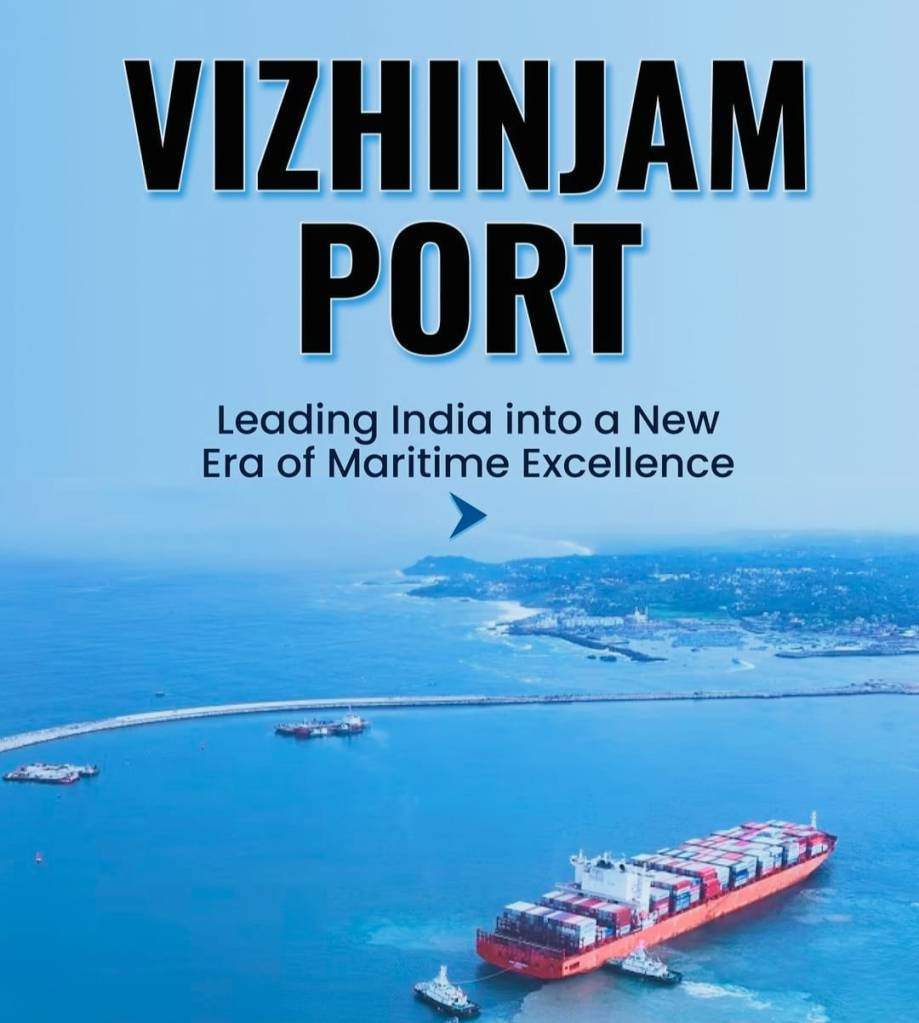
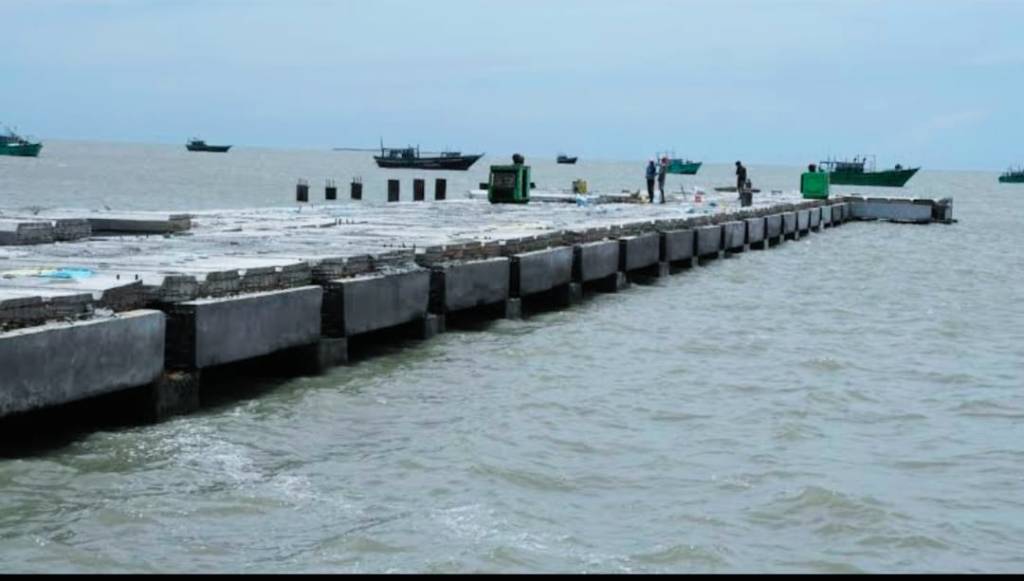
    India’s maritime history witnessed a transformative event on July 11, when the mothership “San Fernando” berthed at the newly inaugurated Vizhinjam International Seaport. This event marked the commencement of operations at India’s first transhipment port, symbolizing the country’s significant entry into the global transhipment arena. This milestone, celebrated by Karan Adani, Managing Director of Adani Ports and SEZ Limited (APSEZ), was described as a “Glorious Achievement” in Indian maritime history.

    The significance of Vizhinjam Port cannot be overstated. Situated near Kovalam Beach in Kerala, Vizhinjam International Seaport is poised to become a crucial node in international trade routes. Its strategic location and state-of-the-art infrastructure will reduce India’s reliance on transhipment ports in Colombo, Dubai, and Singapore, thereby enhancing maritime logistics efficiency and reducing costs for Indian exporters and importers.

    Vizhinjam International Seaport boasts South Asia’s most advanced container handling technology. The port is equipped with cutting-edge container handling equipment and advanced automation and IT systems. Highlighting this technological edge, Karan Adani noted, “What we have already installed here is South Asia’s most advanced container handling technology. And once we complete the automation and the Vessel Traffic Management System, Vizhinjam will be in a class of its own as one of the most technologically sophisticated transhipment ports in the world.”

    The construction of Vizhinjam Port represents a successful collaboration between the Kerala government and Adani Vizhinjam Port, with a combined investment projected to reach Rs 20,000 crore by 2028-29. This substantial investment will not only enhance the port’s capabilities but also stimulate the local economy by creating numerous job opportunities. Over 2,000 direct and indirect jobs have already been generated, with an additional 5,500 employment opportunities expected by 2028-29.

    The contribution of Karan Adani to this project has been paramount. His vision and leadership have been instrumental in turning the idea of Vizhinjam into a reality. From the inception of the project, he has been deeply involved in every aspect of its development. His strategic foresight and commitment to excellence have driven the project forward, overcoming numerous challenges and setting new benchmarks in the maritime industry.

    Adani’s approach to the development of Vizhinjam has been multifaceted. Recognizing the strategic importance of the port’s location, he has focused on building an infrastructure that not only meets current demands but also anticipates future growth. This forward-thinking approach is evident in the advanced technologies implemented at the port. By integrating AI, IoT, and video analytics, Adani Ports has created a highly efficient and technologically sophisticated operation that sets a new standard for ports in the region.

    The port’s development has also been marked by a strong emphasis on sustainability and environmental responsibility. Adani has ensured that the construction and operation of Vizhinjam adhere to the highest environmental standards. This commitment to sustainability is reflected in the port’s design, which includes features such as energy-efficient equipment, waste management systems, and measures to protect the local marine ecosystem.

    The economic and social impact of the Vizhinjam project is significant. The port’s development is set to generate thousands of jobs, directly and indirectly, significantly boosting the local economy. Adani’s dedication to community development is reflected in the ancillary projects planned around the port, such as a modern fishing harbour, a seafood park, cruise tourism facilities, and an industrial corridor. These initiatives will not only create extensive employment opportunities but also stimulate economic growth in the region. The development of these ancillary facilities underscores Adani Ports’ commitment to holistic regional development, ensuring that the benefits of the Vizhinjam project extend beyond the port itself to foster broader economic and social advancements in the area.

    Karan Adani’s leadership has also been characterized by a collaborative approach. The successful partnership between Adani Ports and the Kerala government is a testament to his ability to build strong relationships with key stakeholders. This collaborative spirit has been crucial in navigating the complexities of the project and ensuring its successful execution.

    The Vizhinjam project has seen an accelerated pace of development, with the first phase now expected to be fully operational by the end of this year. “Although we are expected to complete Phase 1 in December this year, I am delighted to announce that we will complete the first phase much before that,” Karan Adani stated. All four phases are expected to be completed by 2028-29, making Vizhinjam a major hub for international maritime trade.

    Vizhinjam International Seaport is not just an infrastructure project but a showcase of advanced technology. Adani Ports has implemented AI (artificial intelligence), IoT (Internet of Things), and video analytics to optimize port operations. “It is a showcase from a technology perspective as we have implemented AI, IoT, video analytics, all kinds of tech to make operations most efficient,” Adani said.

    Vizhinjam’s strategic location on international trade routes will create a hub-and-spoke system for Indian ports, enhancing efficiency and reducing logistics costs. The port’s development is a key component of APSEZ’s strategy to handle one billion tonnes of cargo by 2030, with nearly 900 million tonnes expected from India. Adani emphasized the importance of making Indian ports a hub for international trade, focusing on regions with high manufacturing or consumption bases such as South East Asia, East Africa, the Middle East, Bay of Bengal, and Bangladesh.

    The port’s strategic location will significantly reduce transshipment time by 30-40 percent, benefiting Indian exporters and importers by lowering logistics costs and improving global competitiveness. APSEZ expects at least a 4-5 percent drop in logistics costs with Vizhinjam’s operationalization. The port aims to handle a traffic of 1.5 million TEUs per annum in Phase 1, with plans to increase this capacity to five million TEUs by 2028-29.

    The realization of Vizhinjam International Seaport showcases the vision and dedication of Karan Adani and his team at Adani Ports and SEZ Limited. Their commitment to transforming India’s maritime sector has been pivotal in bringing this ambitious project to life. Under Adani’s leadership and strategic foresight, Vizhinjam has emerged as a key player in global maritime logistics, creating significant wealth and employment opportunities for the nation. Congratulations are due to Karan Adani and his team for their remarkable achievement in making Vizhinjam Port a reality. Their efforts have not only enhanced India’s maritime capabilities but also positioned the country as a significant player in the global transhipment arena. This accomplishment underscores Adani Ports’ role in advancing India’s position in international maritime trade.

    The Vizhinjam International Seaport stands as a symbol of India’s growing prowess in the maritime sector. With advanced infrastructure, significant investments, and the promise of job creation, the port is set to become a pivotal hub in global maritime logistics. As Karan Adani aptly put it, the port is not just an infrastructure project but a symbol of India’s aspirations and capabilities on the global stage. The successful berthing of ‘San Fernando’ marks the beginning of a new chapter in Indian maritime history, positioning Vizhinjam as a key player in international trade. The port’s development is a shining example of what can be achieved through visionary leadership, strategic investment, and a commitment to excellence.

    The inauguration of Vizhinjam International Seaport heralds a new era in Indian maritime history. The port’s strategic location, advanced technology, and significant economic impact position it as a major player in global transhipment. The leadership of Karan Adani has been instrumental in this achievement, driving the project forward with vision and dedication. As Vizhinjam continues to develop, it will undoubtedly play a crucial role in enhancing India’s maritime capabilities and boosting the country’s position in international trade. The successful berthing of ‘San Fernando’ is just the beginning of what promises to be a transformative journey for India’s maritime sector.

    visit arjasrikanth.in for more insights

  • The North Atlantic Treaty Organization : A Timeless Alliance in a Changing World

    July 13th, 2024

    The North Atlantic Treaty Organization (NATO), ratified in 1949, stands as a testament to the enduring commitment of Western nations to collective defense and mutual assistance in the face of global uncertainties. As the alliance celebrates its 75th anniversary amidst evolving geopolitical challenges, this article explores NATO’s historical significance, its current relevance in modern security landscapes, and the pivotal discussions shaping its future.

    The origins of the North Atlantic Treaty can be traced back to the aftermath of World War II, a period marked by heightened Cold War tensions between the Western bloc and the Soviet Union. Formed initially by twelve nations including the United States, Canada, and several European states, NATO aimed to counter the perceived threat of Soviet expansionism through collective security. Central to its founding principles was Article 5, which enshrined the doctrine of mutual defense— an attack on one member would be deemed an attack on all, fostering solidarity among member nations.

    In the contemporary geopolitical landscape, NATO continues to serve as a cornerstone of transatlantic security and stability. The alliance has adapted its strategic posture to address diverse security challenges, ranging from conventional warfare to terrorism and cyber threats. NATO’s expansive mission includes crisis management operations, humanitarian assistance, and peacekeeping missions, underscoring its role in promoting peace and security beyond its original defense mandate.

    The alliance’s response to evolving security dynamics, such as Russia’s annexation of Crimea and hybrid warfare tactics, highlights NATO’s agility in confronting emerging threats while upholding democratic values and international norms. NATO member states’ commitment to defense spending targets and interoperability initiatives underscores their collective resolve to enhance military readiness and deterrence capabilities in an unpredictable global environment.

    The 75th anniversary summit of NATO in Washington, D.C., served as a pivotal moment for member and partner nations to reaffirm their commitment to collective defense and solidarity amidst escalating global challenges. Key highlights of the summit included discussions on defense spending targets, the establishment of new military command structures, and initiatives to bolster allied resilience in the face of regional instability.

    Secretary General Jens Stoltenberg’s address underscored NATO’s pivotal role in maintaining transatlantic security and upholding democratic principles, particularly in light of Russia’s ongoing aggression in Ukraine and China’s assertive policies. The summit’s outcomes reflect NATO’s proactive stance in adapting to modern security threats while fostering unity among member states and enhancing cooperation with strategic partners worldwide.

    Russia’s strategic behavior and its relations with NATO member states have significant implications for the alliance’s security calculus and cohesion. The Kremlin’s actions, including the invasion of Ukraine and ongoing destabilization efforts in Eastern Europe, have tested NATO’s collective resolve and prompted robust responses, such as increased troop deployments and defensive measures along NATO’s eastern flank.

    Analysing Russia’s influence on NATO’s strategic calculations reveals a complex interplay of military deterrence, diplomatic engagements, and economic sanctions aimed at curbing Moscow’s aggressive ambitions. NATO’s strategy to counter Russian aggression includes comprehensive defense planning, enhanced intelligence sharing, and solidarity-building measures to safeguard member states from external threats and preserve regional stability.

    The deepening partnerships between India-Russia and China-Russia present diplomatic challenges and strategic implications for NATO’s global influence. India’s defense cooperation with Russia, underscored by significant military acquisitions and joint exercises, complicates NATO’s efforts to maintain influence in the Indo-Pacific region and beyond. Similarly, China’s alignment with Russia in opposing Western sanctions and advocating for multipolar global governance poses a formidable challenge to NATO’s diplomatic strategies.

    Navigating the geopolitical shifts driven by Indo-Russian and Sino-Russian partnerships requires NATO to adopt a nuanced approach that balances deterrence with dialogue, cooperation, and strategic engagements with regional stakeholders. The alliance’s proactive engagement with Indo-Pacific partners and its commitment to upholding democratic values and international norms remain critical in shaping global security architectures and countering authoritarian influences.

    As NATO commemorates its 75th anniversary, the alliance stands at a critical juncture in navigating complex geopolitical realities and emerging security challenges. The summit in Washington, D.C., reaffirms NATO’s enduring commitment to collective defense, unity among member states, and adaptation to evolving threats in an interconnected world. By fostering strategic partnerships, enhancing military capabilities, and upholding democratic values, NATO remains a vital force for international peace, stability, and prosperity in the 21st century.

    visit arjasrikanth.in for more insights

  • NABARD: A Pillar of Rural Development in India

    July 12th, 2024

    Celebrating NABARD Formation Day and its  Four Decades of Transforming Rural India

    The National Bank for Agriculture and Rural Development (NABARD) stands as a cornerstone of rural development in India. Since its establishment in 1982, NABARD has played a crucial role in promoting sustainable and equitable development across the nation’s rural areas. This article delves into the multifaceted contributions of NABARD, highlighting its extensive impact on rural credit systems, infrastructure development, and the overall enhancement of rural livelihoods.

    NABARD was born out of the consolidation of the agricultural credit functions of the Reserve Bank of India (RBI) and the refinance functions of the Agricultural Refinance and Development Corporation (ARDC). Established by an Act of Parliament on July 12, 1982, NABARD was created to address the financial and developmental needs of the rural sector holistically. Its primary objective is fostering rural prosperity through a comprehensive approach that includes financial, developmental, and supervisory roles.

    One of NABARD’s core functions is credit provision and regulation. The institution provides and regulates credit for agriculture, small-scale industries, cottage and village industries, handicrafts, and other allied economic activities in rural areas. This ensures that farmers, rural entrepreneurs, and cooperatives have access to timely and affordable credit. Acting as an apex refinancing agency, NABARD supports institutions offering investment and production credit for various developmental activities. This helps maintain a steady flow of credit to critical rural sectors, facilitating growth and sustainability.

    In terms of rural infrastructure development, NABARD plays a pivotal role in financing projects. This includes irrigation, roads, rural electrification, and market yards, all crucial for boosting agricultural productivity and improving rural livelihoods. Collaboration with state governments and other agencies ensures that infrastructure projects align with regional development plans, enhancing the overall impact.

    Planning and supervision are also key components of NABARD’s operations. The institution prepares district-level credit plans to guide the banking industry in achieving credit targets. These plans ensure that credit reaches the areas where it is most needed and is utilized effectively for rural development. NABARD also supervises Regional Rural Banks (RRBs) and Cooperative Banks, ensuring they adhere to sound banking practices. This helps maintain the stability and reliability of rural financial institutions.

    NABARD is deeply invested in capacity building and development initiatives. It promotes microfinance and rural entrepreneurship through Self-Help Groups (SHGs) and Joint Liability Groups (JLGs), empowering rural women and small farmers by providing access to credit and income-generating opportunities. Training and research facilities are offered for banks, cooperatives, and organizations involved in rural development, enhancing their capacity to serve rural communities better.

    Technological integration is another area where NABARD has made significant strides. By integrating rural banks with Core Banking Solutions (CBS) platforms, NABARD has streamlined operations and improved efficiency, ensuring better services for rural clients.

    NABARD’s comprehensive approach has significantly transformed India’s rural landscape. In the agricultural sector, NABARD has been instrumental in advancing farm mechanization and post-harvest management. It supports minor irrigation, horticulture, plantation, forestry, land development, animal husbandry, fisheries, and more, along with infrastructure for agricultural marketing. Various government subsidy-linked credit schemes, such as the Dairy Entrepreneurship Development Scheme and schemes for the commercial production of organic inputs, are run through NABARD. These schemes encourage farmers to adopt modern agricultural practices and technologies.

    In the non-farm sector, NABARD supports rural industries, agro-industries, artisans, handicrafts, and handlooms, providing alternative livelihoods and contributing to the diversification of the rural economy. Through SHGs and JLGs, NABARD’s initiatives in microfinance and entrepreneurship have empowered rural communities by providing them with access to credit and fostering entrepreneurial activities.

    Institutional development is another area where NABARD has made significant contributions. It supports the development of Rural Credit Cooperatives and RRBs, creating a sustainable rural financial system. This support enhances credit flow to farmers and other rural residents, facilitating their economic growth and stability. NABARD also collaborates with international development agencies for projects like the KfW-NABARD Adivasi Development Programme and the Indo-German Watershed Development Programme. These collaborations bring global expertise and resources, strengthening NABARD’s developmental initiatives.

    Financial inclusion and literacy are central to NABARD’s mission. The institution promotes financial literacy among rural populations through various initiatives under the Financial Inclusion Fund (FIF). These programs educate rural residents about financial products and services, helping them make informed financial decisions. NABARD supports the establishment of Bank Sakhis (community-based banking facilitators) and Centres for Financial Literacy (CFLs) to enhance financial inclusion, ensuring that even the most remote and marginalized communities have access to banking services.

    NABARD has implemented several key initiatives and schemes that have had a profound impact on rural development. The Dairy Entrepreneurship Development Scheme (DEDS) supports dairy processing and infrastructure development, aiding farmers in establishing viable dairy businesses. Under the Pradhan Mantri Awaas Yojana – Gramin, NABARD provides loans for constructing houses with essential amenities for needy households, improving rural housing conditions. The Rural Infrastructure Development Fund (RIDF) supports infrastructure projects in rural areas, enhancing connectivity and access to essential services. The Long-Term Irrigation Fund finances irrigation projects to improve water availability for agriculture, boosting productivity and sustainability. NABARD also supports the establishment and functioning of microfinance institutions and self-help groups, empowering rural populations through financial inclusion and entrepreneurship.

    Looking to the future, NABARD aims to adopt the latest technologies in agriculture, enhancing productivity and sustainability. It is focused on climate resilience, emphasizing climate adaptation and sustainable agricultural practices to mitigate the impacts of climate change on rural communities. NABARD continues to enhance the financial inclusion of rural populations, ensuring access to banking and financial services. Strengthening value chains for various agricultural products is another key priority, improving market access and profitability for farmers. NABARD is committed to fostering partnerships with various stakeholders to enhance rural development, leveraging collective expertise and resources.

    visit arjasrikanth.in for more insights

  • Ensuring Retirement Security in a Changing Fiscal Landscape

    July 12th, 2024

    Balancing Social Security and Financial Benefits: The Case for a Hybrid Pension Scheme

    As of July 2024, the Government of India has decisively turned away from proposals to reinstate the Old Pension Scheme (OPS) for central government employees hired after January 1, 2004. Instead, the focus is on enhancing the National Pension System (NPS), highlighting the government’s commitment to fiscal responsibility while addressing the need for retirement security among government employees. This strategic shift affects over 3.5 million central government employees and more than 0.7 million pensioners, underscoring the importance of balancing financial sustainability with social welfare in the nation’s pension policies.

    The OPS provided a guaranteed lifelong income post-retirement, calculated as 50% of the last drawn basic salary plus dearness allowance (DA) or the average earnings of the last ten months of service, whichever was higher. The scheme was unfunded, meaning pensions were paid out of current revenues, which posed a significant fiscal burden on the government.

    The guaranteed income and minimal risk associated with the OPS made it a preferred choice for many employees. However, its unfunded nature meant that the government had to allocate substantial resources from its current revenues to meet pension obligations, potentially straining the fiscal budget and diverting funds from other developmental and welfare programs.

    The National Pension System (NPS)Introduced in 2004, the NPS marked a significant departure from the OPS. It is a defined contribution scheme where both the employee and the employer contribute towards the pension fund. These funds are invested in various financial instruments, with returns being market-linked, making the pay-out at retirement uncertain. This system encourages long-term savings and investments, aligning with broader economic reforms aimed at fiscal prudence.

    The NPS offers several advantages, including tax deductions of up to ₹1.5 lakh under Section 80C of the Income Tax Act, along with additional deductions under Section 80CCD(1B). It encourages long-term savings and investments, allowing employees to allocate their contributions to different financial instruments and potentially earn higher returns. Additionally, the NPS provides flexibility in choosing the investment mix, enabling employees to tailor their investments according to their risk appetite and financial goals.

    However, the NPS also comes with its challenges. The major issue is that it is market-linked and return-based, making the payout uncertain. At maturity, employees can withdraw 60% of the accumulated corpus tax-free, while the remaining 40%, received as an annuity, is taxable. This market exposure can create anxiety among employees regarding their post-retirement financial stability.

    In March 2023, the government set up a committee led by Finance Secretary T V Somanathan to explore how to enhance the NPS without reverting to the OPS. The committee’s proposal integrates elements of both NPS and OPS, aiming to provide a hybrid solution that balances fiscal responsibility with adequate retirement security.

    The proposed hybrid model includes a provision for a 50% assured pension for central government staff under the NPS. This approach seeks to provide a safety net similar to the OPS while maintaining the investment and savings discipline of the NPS. By offering a guaranteed component within the NPS framework, the proposal aims to provide a sense of security to employees while encouraging them to save and invest for their future.

    Despite these efforts, there remains a strong demand from various quarters, including employees’ unions, to revert to the OPS. The Supreme Court of India has also played a role in this discourse. In a landmark judgment, the Supreme Court upheld the Delhi High Court’s directive to restore the OPS for certain central government employees. This judgment has added fuel to the ongoing debate and has led to increased pressure on the government to reconsider its stance on the OPS.

    Several state governments have already reintroduced the OPS for their employees, fulfilling election promises and responding to public demand. States like Himachal Pradesh, Chhattisgarh, Rajasthan, Jharkhand, and Punjab have reinstated the OPS, which has further intensified the call for its revival at the central level.

    The government’s current approach of enhancing the NPS while incorporating elements of the OPS aims to strike a balance between providing adequate retirement benefits and maintaining fiscal responsibility. Several enhancements to the NPS have been made to make it more attractive. For instance, the contribution rates for both the government and employees have been increased to 14% each. This increase aims to ensure a larger corpus at the time of retirement, providing better financial security.

    Additionally, the NPS offers flexibility in choosing the investment mix, allowing employees to tailor their investments according to their risk appetite and financial goals. Another significant development is the enhancement of Dearness Relief (DR) for central government pensioners. Effective from January 2024, the DR has been increased from 46% to 50% of the basic pension/family pension, including additional pension/family pension. This increase is aimed at helping pensioners cope with inflation and rising living costs.

    The government has also introduced new rules for pension schemes to provide better clarity and structure. For instance, in cases where government servants leave the scheme before attaining the age of 60, the mandatory annuitisation would be 80% of the pension wealth. This ensures that a substantial portion of the pension wealth is used to provide a regular income stream in retirement.

    The Supreme Court has also ruled on higher pension schemes, enabling subscribers to opt for higher pensions. This ruling, while offering the potential for better retirement benefits, emphasizes the need for careful retirement planning and consideration of tax implications.

    The debate over which pension scheme is better—OPS or NPS—continues to be a complex one. The OPS offers guaranteed income and minimal risk, making it a preferred choice for many employees. However, it poses significant fiscal challenges. The NPS, while providing tax benefits and encouraging long-term savings, exposes employees to market risks and uncertain returns.

    Employees must weigh the advantages and disadvantages of both schemes before making a decision. The guaranteed income and minimal risk of the OPS offer security but come with fiscal sustainability challenges. On the other hand, the NPS, with its tax benefits and potential for higher returns, requires careful financial planning and risk management.

    In conclusion, the Government of India’s decision to enhance the National Pension System (NPS) rather than revert to the Old Pension Scheme (OPS) for central government employees recruited after January 1, 2004, reflects a balanced approach to addressing employees’ concerns while maintaining fiscal discipline. The committee’s proposal to integrate elements of both schemes aims to create a hybrid solution that ensures financial security for employees while promoting savings and investment discipline. This strategic shift affects over 3.5 million central government employees and more than 0.7 million pensioners, underscoring the importance of balancing financial sustainability with social welfare in the nation’s pension policies.

    The debate highlights the merits and challenges of both schemes. The OPS provides predictable and secure retirement benefits, but its unfunded nature imposes significant fiscal burdens. Conversely, the NPS encourages long-term savings and offers tax benefits, but it exposes employees to market risks and uncertain returns. Ultimately, the choice between OPS and NPS depends on individual preferences, financial goals, and risk tolerance. The government’s efforts to enhance the NPS and provide a guaranteed pension component underscore its commitment to the financial well-being of its employees while maintaining fiscal responsibility. By leveraging the expertise of financial experts and ensuring a minimum guarantee for employees, a hybrid pension scheme can address concerns of social security and financial benefits, promoting the well-being of employees, generating revenue for developmental purposes, and ensuring optimal utilization of pension funds in the financial markets.

    visit arjasrikanth.in for more insights
←Previous Page
1 … 75 76 77 78 79 … 146
Next Page→

Blog at WordPress.com.

Loading Comments...

    • Subscribe Subscribed
      • SOCIAL PERSPECTIVES
      • Join 107 other subscribers
      • Already have a WordPress.com account? Log in now.
      • SOCIAL PERSPECTIVES
      • Subscribe Subscribed
      • Sign up
      • Log in
      • Report this content
      • View site in Reader
      • Manage subscriptions
      • Collapse this bar