Skip to content
    • About

SOCIAL PERSPECTIVES

  • Resilience Forged in Steel: The Vizag Steel Plant Saga

    June 27th, 2024

    Navigating Challenges Towards Sustainable Growth

    Vizag Steel Plant, affectionately known as the People’s Steel Plant, holds a special place in the hearts of the local community in Visakhapatnam. With its potential to produce over 7 million tonnes of crude steel and 5.5 million tonnes of finished products annually, the plant stands as a critical player in India’s steel industry landscape. However, amidst its significant production capabilities, Vizag Steel Plant faces a myriad of challenges that threaten its operational efficiency and financial stability. This article delves into the current state of affairs at Vizag Steel Plant, analyses its challenges, and proposes strategic initiatives for its revival and sustainable growth.

    The cost of production at Vizag Steel Plant poses a substantial challenge, with operational costs exceeding sale prices, resulting in margin losses that undermine profitability. The primary cost components include sourcing costs for raw materials, manpower expenditures, and techno-economic costs associated with plant operations. Addressing these cost inefficiencies is crucial to enhancing the plant’s financial performance and overall competitiveness in the steel market.

    For instance, the current predicament involving over 2.5 lakh tonnes of coking coal stranded at Gangavaram Port due to a court attachment underscores the liquidity and operational challenges faced by the plant. Coupled with pending payments towards iron ore supplies from NMDC, coal procurement, and existing bank loans, Vizag Steel Plant confronts a severe financial strain that necessitates immediate remedial actions.

    The liquidity position of Vizag Steel Plant remains precarious, exacerbated by mounting payment obligations and operational costs. To mitigate these challenges, effective fund allocation strategies and leveraging available resources are imperative. Government intervention, coupled with strategic partnerships with financial institutions, can provide the necessary financial respite to stabilize cash flows and restore operational continuity.

    Optimizing the utilization of Vizag Steel Plant’s two blast furnaces represents a pivotal opportunity to streamline production processes and reduce operational costs. Collaborative efforts with NMDC and proactive engagement with financial stakeholders to alleviate financial pressures are essential steps towards enhancing blast furnace efficiency. This concerted approach is instrumental in revitalizing cash flows and sustaining operational viability.

    The Vizag Steel Plant holds three iron ore reserves, with capacities of 0.4 million tonnes (MT), 1.8 MT, and 1.8 MT respectively. Currently, only the 0.4 MT mine is operational, while the others await Environmental Clearance, a process that has stretched over several years. Accelerating approval procedures for these reserves and cultivating strategic partnerships with entities such as NMDC are pivotal steps. These initiatives would bolster the plant’s iron ore supply chain, reduce dependence on external suppliers, and strengthen overall profitability. Moreover, strategically allocating iron blocks in Chhattisgarh and expediting the operationalization of existing mines are crucial measures. These actions will significantly enhance raw material sufficiency, fortify operational resilience, and position the plant more competitively in the steel industry landscape.

    A potential merger between Vizag Steel Plant and Steel Authority of India Limited (SAIL) presents a promising avenue to synergize operations, consolidate resources, and optimize logistical efficiencies. This strategic collaboration not only reduces transportation costs but also expands market reach, particularly in southern India. Utilizing Vizag Steel Plant’s robust infrastructure and operational capabilities under SAIL’s stewardship can drive economies of scale, enhance cost-effectiveness, and bolster overall profitability.

    Conducting a comprehensive analysis of value chain costs and benchmarking against industry standards is indispensable for identifying cost inefficiencies and operational bottlenecks. By meticulously scrutinizing each facet of the value chain, Vizag Steel Plant can streamline operations, minimize techno-economic costs, and optimize resource allocation. Adopting best practices and implementing efficiency-driven initiatives are fundamental to achieving sustainable cost reductions and operational excellence.
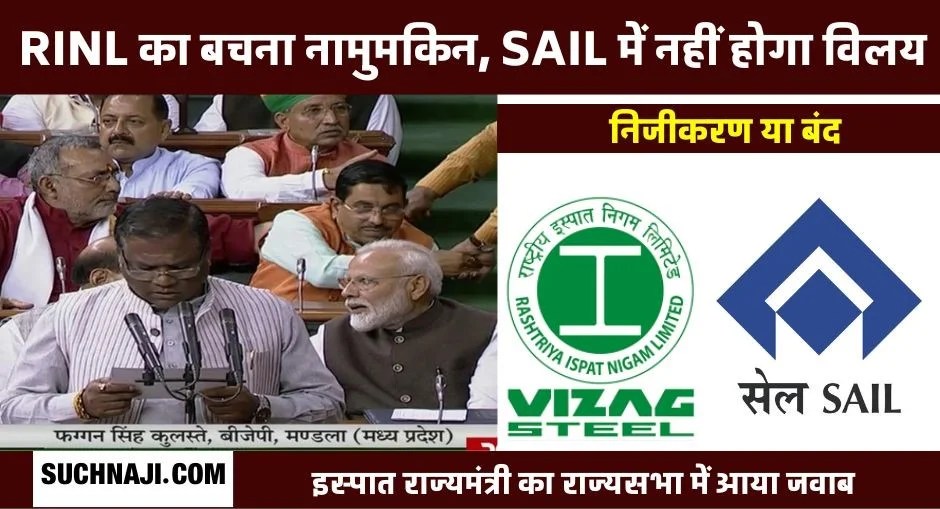
    Effective collaboration between the state and central governments is pivotal in revitalizing Vizag Steel Plant’s operations and ensuring its long-term viability. Governmental support through budgetary allocations, expedited iron mine allocations, and policy interventions that align with industry dynamics are critical enablers for the plant’s revival. Facilitating operational synergies with SAIL, coupled with proactive measures to address regulatory hurdles and financial constraints, underscores the government’s commitment to fostering industrial growth and economic resilience.

    In conclusion, the revival of Vizag Steel Plant demands a multifaceted strategy encompassing stringent cost optimization measures, prudent liquidity management, enhanced blast furnace efficiency, strategic leverage of iron ore reserves, exploration of merger potentials, rigorous value chain analysis, and robust governmental support. Upholding the plant’s legacy as the People’s Steel Plant requires a concerted effort to navigate challenges, capitalize on growth opportunities, and ensure sustainable profitability. With steadfast government backing, collaborative partnerships, and strategic initiatives, Vizag Steel Plant can transcend its current predicaments, reclaim its position as a cornerstone of India’s steel industry, and contribute meaningfully to regional development and economic prosperity.

    visit arjasrikanth.in for more insights

  • The Burgeoning Alliance between Russia and North Korea: A Shift in Global Geopolitics

    June 26th, 2024

    Putin’s Strategic Moves with North Korea and Vietnam Reshape Global Geopolitics Amidst Western Isolation

    The alliance between Russia and North Korea, solidified by a historic security pact, has emerged as a pivotal development in contemporary global geopolitics, particularly amidst the backdrop of Western isolation resulting from the Ukraine conflict. President Vladimir Putin’s strategic manoeuvres in Asia, notably with North Korea and Vietnam, underscore Russia’s resilience and determination to assert influence on the global stage despite international pressures and sanctions.

    President Putin’s visit to North Korea, a significant diplomatic event marking his first in 24 years, yielded a landmark security pact with Kim Jong Un. This agreement includes provisions for immediate military assistance and technological support aimed at bolstering North Korea’s defense capabilities, particularly enhancing its nuclear program. The pact not only serves to strengthen bilateral ties between Russia and North Korea but also represents a defiant stance against Western sanctions and isolation efforts. The deepening of this alliance holds significant implications for global security, especially concerning nuclear proliferation dynamics and the balance of power in East Asia.

    Following the successful visit to North Korea, President Putin’s diplomatic agenda extended to Vietnam, a nation gaining prominence due to its strategic location in Southeast Asia and its burgeoning economic influence. Rooted in historical ties dating back to the Soviet era, Russia-Vietnam relations have been revitalized through renewed military and economic collaborations. Vietnam’s diplomatic strategy, often referred to as “bamboo diplomacy,” highlights its adeptness in balancing relationships with major global players while maintaining economic ties with China, thereby showcasing its strategic acumen in a complex geopolitical landscape.

    Vietnam’s neutral stance on the Ukraine conflict underscores its commitment to sovereignty and territorial integrity, while also subtly critiquing Russia’s actions in the context of its own historical experiences with foreign invasions. This nuanced approach allows Vietnam to navigate its partnerships strategically, maintaining a delicate balance amidst competing global interests.

    The Russia-North Korea alliance presents multifaceted challenges to regional stability, significantly impacting the security calculations of neighboring countries such as South Korea, Japan, and the United States. North Korea’s exchange of conventional weapons for essential supplies from Russia underscores the deepening military partnership between the two nations. Moreover, Russia’s dismantling of a UN panel monitoring sanctions against North Korea complicates international efforts to enforce sanctions, thereby raising concerns about global security and the effectiveness of non-proliferation regimes in Northeast Asia.

    The alliance directly challenges the strategic interests of South Korea, Japan, and the United States, prompting these nations to reassess their security strategies and alliances in East Asia. The United States, in response, has reiterated its commitment to allies and expressed concerns about potential regional destabilization and the risks associated with nuclear proliferation in the Korean Peninsula. The evolving dynamics of this partnership could potentially lead to significant realignments in the region, affecting countries like Vietnam that maintain strategic partnerships with both Russia and China.

    China’s long-standing influence over North Korea, rooted in substantial economic support and diplomatic leverage, faces a formidable challenge from the growing Russia-North Korea relationship. Russia’s recent economic contributions to North Korea, surpassing China’s historic support, could potentially undermine China’s regional influence, particularly in managing the North Korean nuclear threat and maintaining stability in Northeast Asia. This shift in alliances underscores the complexities of regional dynamics and highlights the competition among major powers for influence in the Asia-Pacific region.

    The weakening of international sanctions and the erosion of global norms present significant challenges for smaller states like Cambodia, which adhere to UN sanctions as part of their commitment to international norms. However, the broader erosion of these measures could compromise regional security and undermine the international legal framework designed to maintain stability and uphold global norms. The implications of the Russia-North Korea alliance are profound, challenging existing global power structures and necessitating vigilant monitoring of its impact on global security and stability.

    Russia’s strategic repositioning in Asia reflects broader geopolitical ambitions aimed at countering Western influence and asserting global relevance. The resurgence of Russian influence, as evidenced by strengthened alliances with North Korea and Vietnam, underscores the complexities of contemporary geopolitics and the strategic calculations guiding Russia’s diplomatic engagements. Vietnam’s rising economic stature and pivotal role in Southeast Asia provide Russia with a crucial ally for expanding influence, particularly in the energy and military sectors. The evolving Russia-Vietnam relationship reshapes regional dynamics, offering Vietnam strategic depth in its foreign policy while navigating complex relationships with major global powers.

    The deepening alliance between Russia and North Korea is reshaping global politics and security dynamics in significant ways. By challenging Western dominance and realigning regional alliances, this partnership underscores the fluidity of international relations. As Russia strengthens ties with North Korea and Vietnam, historical alliances are being redefined, introducing new geopolitical realities. The international community faces crucial challenges in managing this alliance, particularly concerning nuclear proliferation and East Asian stability. As Russia asserts its geopolitical ambitions amid Western isolation, global strategies must adapt to maintain international security and uphold established norms. The evolving partnership among Russia, North Korea, and Vietnam marks a pivotal shift in global geopolitics, with profound implications for security and stability in the 21st century.

    visit arjasrikanth.in for more insights

  • Celebrating the birthday of P. Ashok Gajapathi Raju, a stalwart of Indian politics and a beacon of simplicity and integrity.

    June 26th, 2024

    Honouring P. Ashok Gajapathi Raju: A Legacy of Simplicity and Service

    P. Ashok Gajapathi Raju was born on June 26th, into the esteemed lineage of the royal state of Vizianagaram, Andhra Pradesh. His upbringing under the guidance of his father, Late Shri P.V.G. Raju, the Rajah Saheb of Vizianagaram, instilled in him principles of integrity, service, and leadership from a young age. Education played a pivotal role in shaping his worldview, starting with his formative years at Scindia School in Gwalior, where he imbibed discipline and a sense of responsibility. Subsequent schooling at Hyderabad Public School and V.S. Krishna College in Visakhapatnam further enriched his academic journey, equipping him not only intellectually but also with a strong ethical foundation.

    Motivated by a deep-rooted sense of socialism and a profound commitment to addressing socio-economic challenges, Ashok Gajapathi Raju entered politics with a vision to effect meaningful change. His journey into public service commenced with his election to the Andhra Pradesh State Legislature, marking the beginning of a distinguished political career that spanned over four decades. His tenure as a legislator was characterized by tireless advocacy for developmental initiatives aimed at improving public health, promoting education, and ensuring equitable access to resources across Vizianagaram district.

    Throughout his political career, Ashok Gajapathi Raju held several pivotal ministerial portfolios, including Commercial Tax, Excise, Finance, Planning, and Revenue. His leadership was distinguished by a rare blend of pragmatism and idealism, where policies were not only formulated but implemented with a keen focus on achieving tangible outcomes for the people of Andhra Pradesh. His stewardship of key departments like Finance and Planning during the administrations of Chief Ministers NT Rama Rao and Chandrababu Naidu earned him a reputation for fiscal prudence and visionary governance.

    One of Ashok Gajapathi Raju’s enduring legacies is his profound impact on education. Recognizing the transformative power of education, he played a pivotal role in establishing numerous educational institutions under The Maharaja Alak Narayana Society of Arts and Science (MANSAS). As Vice-Chairman of MANSAS, he spearheaded initiatives to expand educational opportunities across the district, ensuring that quality education was accessible to students from all backgrounds. His commitment to education extended beyond institutional development to the implementation of policies that enhanced educational standards and promoted academic excellence.

    In addition to education, Ashok Gajapathi Raju prioritized community development and public health initiatives. His efforts in providing housing, clean drinking water, and healthcare facilities underscored his unwavering dedication to improving the quality of life for marginalized communities. His vision for sustainable development encompassed initiatives aimed at conserving water and electricity, reflecting a holistic approach to governance that balanced immediate needs with long-term environmental stewardship.

    Beyond governance, Ashok Gajapathi Raju’s leadership extended to the realm of sports and cultural preservation. As the President of the Andhra Cricket Association, he promoted sporting excellence and infrastructure development, fostering a culture of athletic achievement among the youth. His initiatives to establish sports training centres in Hyderabad, Visakhapatnam, and Vizianagaram aimed to nurture talent and promote sportsmanship across the state.

    Central to Ashok Gajapathi Raju’s public persona was his unwavering commitment to honesty and simplicity, values instilled in him by his upbringing and reinforced throughout his illustrious career. His integrity earned him the trust and respect of his constituents, making him a revered figure in Andhra Pradesh’s political landscape. Despite holding high office and wielding significant influence, he remained grounded in humility, setting a benchmark for ethical leadership in public service.

    Behind Ashok Gajapathi Raju’s public achievements lies a personal life marked by devotion to family and community. Married to Suneela, he is a loving father to two daughters, whose support and understanding have been instrumental in his journey. His dedication to his family mirrors his commitment to serving the larger family of Andhra Pradesh, embodying the principles of duty, compassion, and responsibility.

    As a parliamentarian representing the Vizianagaram constituency, Ashok Gajapathi Raju continued to champion the cause of his constituents at the national level. His tenure as a Member of Parliament was characterized by a proactive approach to legislative issues, where he advocated for policies that promoted economic growth, social justice, and inclusive development. His contributions to parliamentary debates and committee work reflected a deep understanding of governance dynamics and a commitment to upholding democratic values.

    Beyond his official duties, Ashok Gajapathi Raju is actively involved in philanthropic endeavours aimed at uplifting the underprivileged and empowering marginalized communities. His philanthropic efforts span healthcare, education scholarships, and social welfare programs, demonstrating a comprehensive approach to addressing socio-economic disparities. Through charitable trusts and foundations, he continues to support initiatives that foster sustainable development and promote human dignity.

    Ashok Gajapathi Raju’s exemplary service to the nation has been recognized through various awards and accolades, underscoring his status as a distinguished statesman and community leader. His contributions to public life have earned him the admiration of colleagues, constituents, and stakeholders across the political spectrum. He remains a role model for aspiring leaders, epitomizing the values of integrity, humility, and service to society.

    In conclusion, P. Ashok Gajapathi Raju’s life and career exemplify the highest ideals of public service and ethical leadership through his dedication to his constituents, unwavering integrity, and humility. As we commemorate his birthday, the nation honours his achievements and pledges to uphold the values he embodies. His impeccable integrity and down-to-earth demeanour have endeared him to the people, making him a true leader. His contributions to education, public health, and community development have left a lasting impact, serving as a beacon of ethical governance. Let us reflect on his legacy of simplicity, service, and stewardship, and may his birthday inspire future leaders to prioritize integrity and compassion in their pursuit of public service, thereby continuing his legacy of selfless dedication to the welfare of society.

    visit arjasrikanth.in for more insights

  • Tragedy Amidst Devotion: Unravelling the Hajj 2024 Catastrophe

    June 25th, 2024

    Unrelenting Heat and Unauthorized Journeys Result in Over 1,300 Fatalities

    The 2024 Hajj pilgrimage, an event of immense religious significance for Muslims worldwide, has been marred by tragedy. Saudi Arabia announced on Sunday that a staggering 1,301 pilgrims lost their lives, primarily due to extreme heat and unauthorized trips. This catastrophic event has raised questions about the management and organization of the Hajj, as well as the severe implications of climate change on religious observances.

    The Hajj pilgrimage, one of the five pillars of Islam, mandates every Muslim with the means to perform it at least once in their lifetime. This year, the pilgrimage coincided with record-setting temperatures in Saudi Arabia, reaching 125 degrees Fahrenheit (51.8 degrees Celsius). The extreme heat, coupled with the physical demands of the Hajj rituals, proved deadly for many pilgrims. The Saudi government attributed the majority of deaths to heat stress, which was exacerbated by unauthorized pilgrimages. In their statement, the government noted that “the health system addressed numerous cases of heat stress this year, with some individuals still under care. Regrettably, the number of mortalities reached 1,301.” Unauthorized pilgrims, lacking the necessary permits and proper arrangements, often endured long walks without adequate shelter or comfort, making them particularly vulnerable to the harsh conditions. This situation underscores the urgent need for improved infrastructure and stricter adherence to regulations to ensure the safety and well-being of all pilgrims.

    An astonishing 83% of those who died during the Hajj were unauthorized pilgrims, lacking necessary permits and thus walking long distances under the scorching sun without adequate shelter or comfort. These individuals included several elderly and chronically ill people, who were particularly vulnerable to the harsh conditions. Unauthorized pilgrims, typically unable to afford the steep costs of official Hajj permits—which can run into several thousand US dollars—often resort to making the journey without proper arrangements. This leaves them without access to organized tour buses equipped with air conditioning or easy access to water and food supplies. This year, the lack of proper shelter and amenities for unauthorized pilgrims significantly contributed to the high mortality rate, underscoring the urgent need for more accessible and safer pilgrimage conditions.

    The Saudi government also highlighted the challenges in identifying the deceased. Many of the unauthorized pilgrims did not carry identification documents, complicating the process. The statement emphasized that proper processes were followed for identification, burial, and honoring the deceased, with death certificates provided to the families. “Identification completed, despite the initial lack of personal information or identification documents. Proper processes were followed for identification, burial, and honoring the deceased, with death certificates provided,” it stated.

    The tragedy has sparked criticism of the infrastructure and organization of this year’s Hajj pilgrimage. Many pilgrims on official tours also faced hardships, spending the bulk of their day walking outdoors in the intense heat. Some witnesses reported seeing worshippers losing consciousness and walking past bodies covered in white cloth.

    In response to the tragic deaths during the Hajj pilgrimage, the Egyptian government acted against 16 Hajj tourism firms involved in organizing illegal pilgrimages to Mecca. The Egyptian cabinet decided to revoke the licenses of these firms and refer their managers to the public prosecutor amid fears that hundreds of Egyptians were among the deceased. A report reviewed by the Egyptian cabinet accused some operators of issuing incorrect visas, which forced pilgrims to enter Mecca through desert paths on foot. The report also highlighted the failure of some firms to provide proper accommodation, leaving pilgrims exposed to the extreme heat. These actions underscore the critical need for stringent oversight and regulation of Hajj pilgrimage organizers to prevent such tragedies in the future. Unauthorized pilgrimages, often undertaken due to the high cost of official permits, not only endanger the lives of pilgrims but also complicate efforts to manage and ensure the safety of the millions who undertake this sacred journey each year.

    Hajj permits are crucial for ensuring the safety and organization of the pilgrimage. These permits are distributed based on a quota system, with each country allocated a certain number of permits. This year, Saudi Arabia issued 1.8 million licenses for pilgrims to legally access Mecca. However, the high cost of these permits often pushes many pilgrims to attempt the journey without proper authorization, risking severe consequences.

    The timing of the Hajj pilgrimage, based on the Islamic lunar calendar, can fall during extremely hot periods in Saudi Arabia. This year, the pilgrimage took place during one of the hottest months, making the journey even more arduous. The total number of deaths could still rise as governments continue to report on the fate of their pilgrims.

    Climate change is increasingly becoming a critical factor in the safety of the Hajj pilgrimage. A 2019 study by the journal Geophysical Research Letters predicted that heat stress for Hajj pilgrims would exceed the “extreme danger threshold” from 2047 to 2052 and again from 2079 to 2086, with increasing frequency and intensity as the century progresses. This forecast underscores the urgent need for measures to mitigate the impact of extreme heat on pilgrims.

    Saudi Health Minister Fahd bin Abdurrahman Al-Jalajel described the management of the Hajj this year as “successful” despite the challenges. The health system provided over 465,000 specialized treatment services, including 141,000 services to unauthorized pilgrims. However, the minister did not specify the exact number of deaths attributed to heat.

    “The health system addressed numerous cases of heat stress this year, with some individuals still under care. Among the deceased were several elderly and chronically ill individuals,” the minister stated.

    The Hajj pilgrimage is not only a religious obligation but also a significant economic driver for Saudi Arabia. The pilgrimage generates substantial revenue from lodging, transport, gifts, food, and fees. Before the pandemic, the religious pilgrimage generated $12 billion in revenues. The recent deaths have raised concerns about the future of the Hajj, especially in the face of climate change and the increasing number of unauthorized pilgrims.

    Unauthorized pilgrims, who do not have access to amenities meant to make the pilgrimage more bearable, often face severe hardships. Unregistered Egyptian pilgrims reported difficulties in accessing hospitals or hailing ambulances for their loved ones, some of whom ended up dying. The Saudi official, mentioned that around 400,000 unauthorized pilgrims took part in this year’s Hajj, with almost all of them from Egypt.

    The tragic events of this year’s Hajj highlight the urgent need for better regulation and support for unauthorized pilgrims. Ensuring that all pilgrims have proper permits and access to adequate facilities can significantly reduce the risk of fatalities. Additionally, increasing awareness about the dangers of performing the Hajj without proper authorization is crucial.

    The Hajj 2024 catastrophe, resulting in over 1,300 deaths, has starkly highlighted the severe consequences of extreme heat and unauthorized pilgrimages. With climate change intensifying these threats, it is crucial for Saudi Arabia and the global Muslim community to take proactive measures. Enhancing the infrastructure and organization of the Hajj pilgrimage is essential to ensure that all pilgrims possess the necessary permits and have access to vital amenities. Additionally, a concerted effort to educate potential pilgrims about the risks of unauthorized journeys and the importance of adhering to official regulations is imperative. By addressing these issues, we can safeguard the wellbeing of millions of faithful who undertake this profound spiritual journey each year.

    Visit arjasrikanth.in for more insights

  • Happy Birth Day Gautam Adani: Mastering Success through Opportunity, Negotiation, and Diversification

    June 24th, 2024

    Gautam Shantilal Adani, the chairman and founder of the Adani Group, is a prominent Indian billionaire industrialist. With his astute business acumen and relentless pursuit of opportunities, Adani has built an empire that spans various industries. This article explores the key factors behind Adani’s success, including his ability to seize opportunities, his negotiation and sales skills, his youthful mindset, his commitment to society, and his strategic diversification. By understanding Adani’s journey, we can gain valuable insights into achieving success in our own lives.

    Adani’s success can be attributed to his keen eye for spotting opportunities and his unwavering determination to seize them. He has consistently demonstrated the importance of staying alert, researching emerging markets, and taking calculated risks. By adopting a similar mindset, individuals can cultivate a proactive approach to identify and capitalize on opportunities in their respective fields.

    Adani’s prowess in negotiation and sales has played a pivotal role in his rise to success. His ability to strike favorable deals, forge strategic partnerships, and navigate complex business landscapes has been instrumental in the growth of his conglomerate. Highlighting the significance of these skills, Adani inspires aspiring entrepreneurs to hone their negotiation and sales abilities to achieve their goals.

    One remarkable aspect of Adani’s success is his youthful mindset. Despite his accomplishments, he maintains a relentless drive for innovation and adaptation. Adani emphasizes the importance of continuous learning, embracing new technologies, and staying agile in an ever-changing business environment. By embracing a similar mindset, individuals can stay ahead of the curve and thrive in their endeavors.

    Adani’s commitment to giving back to society is a testament to his values and ethics. Through the Adani Foundation, he actively engages in various philanthropic initiatives, contributing to education, healthcare, and rural development. Adani’s dedication to social responsibility serves as a reminder that success should not be solely measured by financial achievements but also by the positive impact one can have on society.

    Adani’s success story is characterized by strategic diversification. By expanding his business interests across industries such as resources, logistics, energy, agriculture, defense, and aerospace, he has created a resilient and robust conglomerate. Adani’s ability to identify and capitalize on emerging sectors underscores the importance of diversification in mitigating risks and maximizing opportunities.

    Gautam Adani’s remarkable journey from humble beginnings to becoming one of India’s most influential industrialists offers valuable lessons for aspiring entrepreneurs and individuals seeking success. By embracing a mindset of seizing opportunities, honing negotiation and sales skills, maintaining a youthful outlook, giving back to society, and pursuing strategic diversification, we can navigate the path to success with confidence and resilience. Gautam Adani’s story serves as an inspiration, reminding us that with determination, perseverance, and a commitment to our values, we too can achieve greatness.

    Visit arjasrikanth.in for more insights

  • Nalanda University: Reviving India’s Legacy of Knowledge and Enlightenment

    June 24th, 2024

    Resurrecting an Ancient Seat of Learning for Modern Global Collaboration

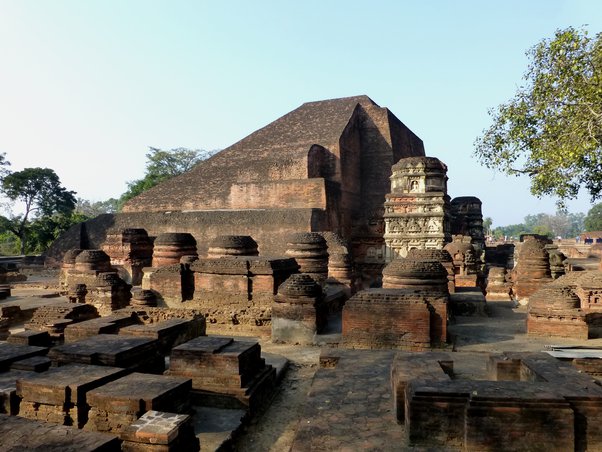
    India’s historical legacy as a centre of learning and cultural exchange reached its zenith during the first millennium CE, with Nalanda University standing as a testament to this intellectual prowess. Situated in what is now Bihar, Nalanda attracted scholars and students from across Asia for eight centuries, fostering a vibrant environment where knowledge flourished and transcended geographical boundaries.

    During its prime, Nalanda University became synonymous with intellectual prowess and cultural exchange. It housed thousands of students and teachers, offering a curriculum that encompassed Buddhist studies, philosophy, theology, mathematics, astronomy, and medicine. Its library, known as the “Dharma Gunj” or “Mountain of Truth,” was said to contain over nine million manuscripts, making it one of the largest repositories of knowledge in the ancient world.

    Nalanda’s reputation as a centre of learning extended far beyond the Indian subcontinent. Scholars from China, Korea, Japan, Tibet, Mongolia, Sri Lanka, and Southeast Asia travelled to Nalanda to study and exchange ideas. This cultural melting pot nurtured a unique intellectual ecosystem where diverse traditions and philosophies coexisted and thrived.

    However, Nalanda faced a tragic fate in the 12th century when it was ransacked and burned by Turkish invaders led by Bakhtiyar Khilji in 1193 CE. The destruction of Nalanda was not merely a loss of physical infrastructure; it represented a blow to India’s intellectual heritage and a disruption of centuries-old traditions of knowledge dissemination. Despite the devastation, Nalanda continued to function in a diminished capacity for some years before finally succumbing to abandonment and neglect.

    The idea to revive Nalanda University gained momentum in the early 2000s, fuelled by a collective desire to reclaim India’s historical legacy as a global centre for learning. The late President of India, Dr. APJ Abdul Kalam, played a pivotal role in championing this cause, emphasizing Nalanda’s potential to once again become a beacon of knowledge and cultural exchange in the modern world.

    In 2006, the initiative to revive Nalanda received significant international support through the East Asia Summit, comprising 18 member countries including India. This collaborative effort underscored Nalanda’s importance not only to India but also to the broader Asian region as a symbol of shared heritage and intellectual curiosity.

    The path to revival culminated in the enactment of the Nalanda University Act in 2010 by the Government of India, which provided a legal framework for the establishment of the new university. The Act emphasized Nalanda’s role as an international institution dedicated to intellectual, philosophical, historical, and spiritual studies, echoing the multidisciplinary approach of its ancient predecessor.

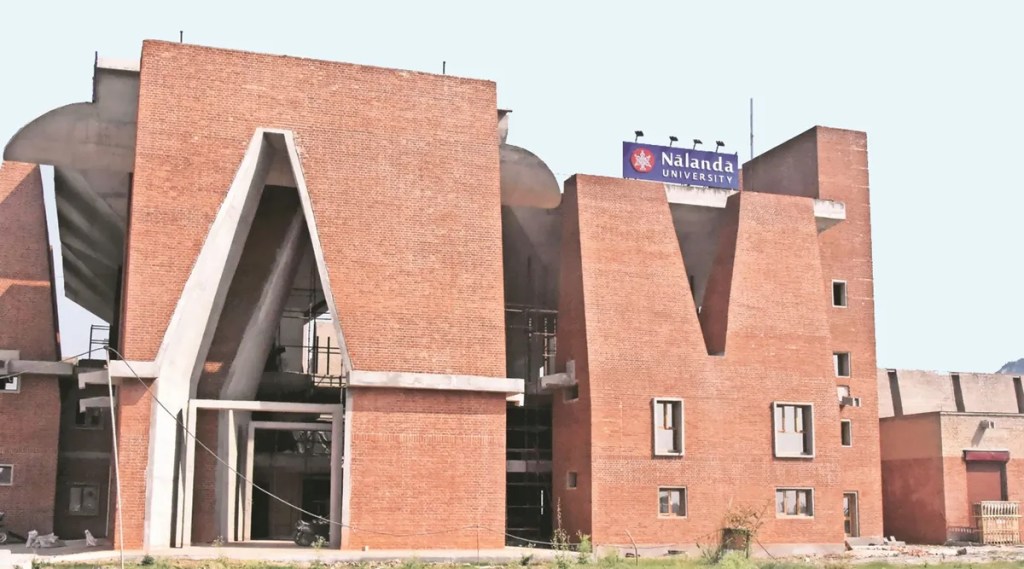
    On June 19, 2024, Prime Minister Narendra Modi inaugurated the new campus of Nalanda University near Rajgir, Bihar, marking a historic moment in India’s educational landscape. The inauguration symbolized not only the physical resurrection of Nalanda but also the renewal of India’s commitment to fostering global cooperation in higher education.

    Nalanda University admitted its very first batch of students in 2014, heralding a new chapter in its storied history. Initially, classes were held at the Rajgir Convention Centre, with temporary accommodation provided at Hotel Tathagat by the Bihar government. These early years were characterized by logistical challenges and infrastructure development as the university sought to establish its academic programs and administrative framework.

    The contemporary Nalanda University embodies a vision of educational excellence and global collaboration. Designed to blend ancient wisdom with modern knowledge systems, the university offers programs in diverse disciplines such as Historical Studies, Ecology, Environmental Studies, Philosophy, Comparative Religion, and Management Studies. This interdisciplinary approach reflects Nalanda’s commitment to addressing contemporary global challenges while preserving and promoting traditional wisdom.

    Under the governance of a distinguished Governing Board, Nalanda University fosters an environment conducive to scholarly exchange and intellectual exploration. The board comprises eminent intellectuals, diplomats, and administrators who are dedicated to upholding academic integrity and promoting cultural understanding through education.

    The revival of Nalanda University stands as a testament to India’s enduring commitment to educational excellence and cultural preservation. From its ancient origins as a beacon of learning to its modern-day resurrection, Nalanda continues to inspire scholars and enthusiasts worldwide with its rich history and scholarly pursuits. As Nalanda University moves forward, it seeks to reclaim its position as a global centre for learning and cultural revitalization, bridging the past with the future in the pursuit of knowledge and enlightenment. Through its interdisciplinary programs, international collaborations, and commitment to sustainability, Nalanda University is poised to make significant contributions to global academia and cultural dialogue. Students and researchers from around the world converge at Nalanda, inheriting a legacy of intellectual curiosity, mutual respect, and a shared commitment to shaping a more inclusive and enlightened world.

    visit arjasrikanth.in for more insights

  • Pawan Kalyan’s Vision: Transforming Panchayats through Social Audit

    June 23rd, 2024

    From Village to Silver Screen: Pawan Kalyan’s Visionary Journey Back to Rural Governance

    In a significant move towards transparency and accountability, Pawan Kalyan, the Deputy Chief Minister of Andhra Pradesh, has initiated social audits in over 21,000 villages across the state. This article explores the vision of Pawan Kalyan in taking up the Panchayat social audit, which has the potential to transform the strength and effectiveness of the Panchayat system. By ensuring the proper utilization of funds and identifying any misappropriation, this initiative aims to empower rural communities and promote environmental protection. A social audit is an essential evaluative process that scrutinizes a program or scheme by juxtaposing official records against the actual on-ground realities. In village settings, these audits are periodic gatherings organized by Gram Sabhas to thoroughly examine project details. As a mechanism of public vigilance, social audits play a pivotal role in ensuring transparency, accountability, and effective decision-making in local governance.

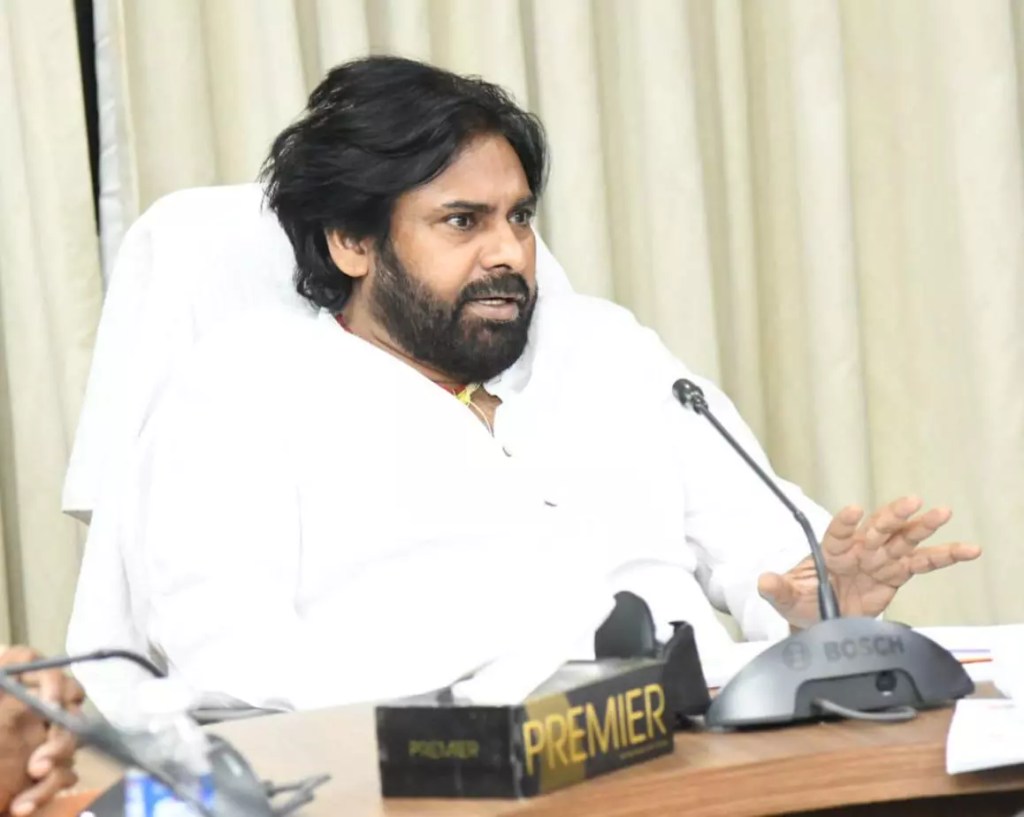
    Pawan Kalyan’s Commitment to Social Audits After assuming the role of Deputy Chief Minister and Minister for Panchayat Raj, Rural Development, and Forests, Pawan Kalyan wasted no time in instructing officials to conduct social audits in all villages across Andhra Pradesh. This move reflects his commitment to ensuring that employment guarantee funds are utilized for the benefit of the needy public and without any misuse.

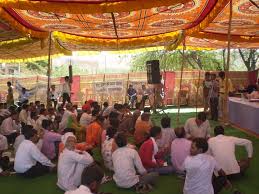
    Empowering Rural Communities Pawan Kalyan expressed his delight at being assigned the Panchayat Raj, Rural Development, and Forests departments, as they align with his interests and aspirations for environmental protection. Through social audits, he aims to empower rural communities by promoting transparency and accountability in the utilization of funds allocated for various development projects. Social audits empower villagers by making them aware of their rights and the mechanisms in place to implement schemes for their benefit. Regular assemblies convened by Gram Sabhas serve as continuous platforms for public vigilance, ensuring transparency and accountability of Panchayati Raj Institutions (PRIs) and officials.

    Understanding the Process of Social Audit During a thorough review meeting with officials from the Social Audit Department of the Mahatma Gandhi National Rural Employment Guarantee Scheme, Pawan Kalyan familiarized himself with the process of social audit. This included understanding the methodology of identifying misappropriation of funds and the mechanism for conducting social audit meetings at the field level. Under the Mahatma Gandhi National Rural Employment Guarantee Act (MGNREGA) 2005, the Gram Sabha is tasked with monitoring the execution of works within the Gram Panchayat and conducting regular social audits of all projects undertaken within the Panchayat. This statutory requirement ensures proper oversight and management of cooperatives and public organizations.

    A social audit involves several key steps to ensure transparency and accountability in the implementation of schemes. It begins with auditing the scheme at various stages—pre-implementation, implementation, and post-implementation—to ensure adherence to objectives. This is followed by verifying records and registers to identify discrepancies, inspecting work sites to validate completed tasks, and conducting door-to-door visits to gather first-hand information from job card holders. The findings are compiled into a comprehensive report, which is then presented to the Gram Sabha for review and approval. Once approved, the report is submitted to the concerned Panchayats and the Director of Social Audit. The Social Audit Gram Sabha ensures inclusivity by allowing all community members to voice their opinions, maintaining impartiality in observation, and documenting only verifiable facts. Community mobilization and the establishment of Social Audit Units (SAUs) are also crucial for organizing and overseeing the audit process. However, social audits face challenges such as limited scope, which might not cover all consumer concerns, and potential bias towards the interests of the auditing entity.

    Ensuring Effective Utilization of Funds Pawan Kalyan emphasized the importance of utilizing the funds in the employment guarantee scheme effectively. He made it clear that any violations or misuse of funds would be the responsibility of the officials involved. To promote rural development, he instructed the officials to explore broader ways in which the employment guarantee scheme can be utilized. Regular monitoring of the funds was also emphasized to ensure their proper utilization. VRPs, identified by the Social Audit Unit in each state, play a crucial role in the audit process. They are typically members of Self-Help Groups (SHGs), preferably women, or individuals who have worked under MGNREGA. Their involvement ensures community participation and adds credibility to the audit process.

    The Potential Impact of Social Audits The implementation of social audits in all villages across the state holds immense potential for transforming the Panchayat system. By identifying misappropriation of funds and promoting transparency, social audits can not only empower local communities but also foster a culture of accountability among officials. Additionally, this initiative aligns with Pawan Kalyan’s vision of promoting environmental protection through sustainable rural development.

    Conclusion Pawan Kalyan’s vision of conducting social audits in villages across Andhra Pradesh is a significant step towards promoting transparency, accountability, and effective utilization of funds. By empowering rural communities and ensuring the proper allocation of resources, this initiative has the potential to transform the strength and effectiveness of the Panchayat system. As the social audits progress, it is expected that the benefits of this initiative will be felt by the people of Andhra Pradesh, leading to sustainable and inclusive rural development. Social audits are vital for fostering transparency, accountability, and effective governance in rural settings. By involving community members in scrutinizing public projects and ensuring that their voices are heard, social audits bridge the gap between policy intentions and actual outcomes. They empower villagers, promote responsible governance, and ensure that the benefits of schemes and programs reach the intended beneficiaries, thereby contributing to the overall development and well-being of rural communities.

    visit arjasrikanth.in for more insights

  • Adani Cement’s Strategic Acquisition of Penna Cement: Paving the Way for Percolation to South India’s Cement Market

    June 23rd, 2024

    Adani Group’s entry into the cement industry through the acquisition of Penna Cement Industries Ltd is a game-changer in the race for market penetration in South India.

    The Indian cement industry is witnessing a seismic shift as the Adani Group, a powerhouse in the infrastructure sector, makes its strategic foray into the cement industry. With the recent acquisition of Penna Cement Industries Ltd, Adani Cement has solidified its position as a key player in the South India market, marking a significant step towards cement dominance in the region.

    The acquisition of Penna Cement Industries Ltd by Adani Cement is a strategic move aimed at capitalizing on the booming cement market in South India. Penna Cement, with its production capacity of 10 million tonnes per annum (mtpa), brings valuable assets and market presence to the Adani Group. With an additional 4 mtpa capacity under construction, Penna Cement’s growth potential aligns perfectly with Adani’s strategic expansion plans.

    The acquisition, valued at Rs 10,422 crore, will enhance Adani’s market share in the cement sector from 14% to 16%. This will further bolster Adani’s foothold in South India, a region that accounts for a significant share of India’s total cement production. Adani Cement’s aim to capture 20% of the Indian cement market by 2028 shows its commitment to becoming a market leader.

    One of the key advantages of the Penna Cement acquisition is its strategic location. Penna Cement operates in key markets in southern India, including Tamil Nadu, Karnataka, Andhra Pradesh, and Telangana. These states are witnessing rapid infrastructure development and urbanization, driving the demand for cement. By leveraging Penna Cement’s existing dealer network, Adani Cement can expand its market reach and strengthen its position in these high-growth markets.

    Operational efficiency is another area where the acquisition of Penna Cement brings substantial benefits to Adani Cement. With 90% of Penna Cement’s capacity equipped with railway sidings and supported by captive power plants and waste heat recovery systems, Adani Cement can improve its operational efficiency and cost competitiveness. The surplus clinker at Penna Cement’s Jodhpur plant will also contribute to an additional 3 mtpa cement grinding capacity, boosting Adani Cement’s production potential.

    The acquisition of Penna Cement by Adani Cement not only enhances its market share but also demonstrates Adani Group’s financial strength and strategic foresight. The deal, funded entirely through internal accruals, showcases Adani’s robust financial position and its commitment to pursuing growth opportunities.

    Adani Cement’s entry into the cement industry aligns with its broader vision of sustainable development. The group has made sustainability a key pillar of its business strategy, and this commitment extends to its cement operations. By integrating renewable power generation capabilities, such as heat recovery systems, Adani Cement aims to minimize carbon emissions and harness green energy within the cement industry. This approach not only aligns with global sustainability goals but also sets a positive example for the industry.

    The acquisition of Penna Cement is a significant milestone in Adani Cement’s ambitious growth journey. By leveraging the group’s synergies and financial stability, Adani Cement is well-positioned to achieve its target of capturing one-fifth of the Indian cement market by 2028. The integrated approach to capacity enhancement, land acquisition, and raw material procurement sets Adani Cement on a path towards sustained growth and market leadership.

    Adani Group’s entry into the cement industry through strategic acquisitions reflects its commitment to national development and economic growth. By diversifying its business portfolio and contributing to India’s infrastructural growth, Adani is playing a vital role in building a sustainable future for the nation.

    In conclusion, Adani Cement’s strategic acquisition of Penna Cement Industries Ltd. represents a pivotal step in its expansion into the South Indian cement market. This acquisition brings valuable assets, an established market presence, and enhanced operational efficiencies to Adani Cement, reinforcing its position as a major industry player. With Penna Cement’s 10 million tonnes per annum (MTPA) capacity, and an additional 4 MTPA under construction, Adani Cement significantly boosts its production capabilities. This move is expected to increase Adani Cement’s market share in India by 16%, solidifying its presence in the highly competitive southern market. The integration of Penna Cement’s existing dealer network into Adani Cement’s distribution framework will create formidable synergies, further strengthening its market position. With a commitment to sustainability and a long-term strategic vision, Adani Cement is well-positioned to drive progress and innovation, contributing to the growth and modernization of the Indian cement industry and fostering economic development across the Nation.

    visit arjasrikanth.in for more insights

  • Dreaming Gold: The Sleep Revolution Fuelling India’s Olympic Glory

    June 22nd, 2024

    Dr. Monika Sharma’s Mission to Optimize Athletes’ Performance at the Paris Olympics

    In the fiercely competitive world of sports, where victory can hinge on fractions of a second or the tiniest margin, achieving excellence demands more than raw physical prowess alone. It requires meticulous planning, comprehensive preparation, and an increasingly nuanced approach to athlete care. Central to this evolution is an often-underappreciated yet crucial element: the quality of sleep.

    As the anticipation builds for the Paris Olympics, recognized as the pinnacle of global athletic competition, India has embarked on a groundbreaking initiative to elevate its athletes’ performance. For the very first time in its Olympic history, the Indian contingent will benefit from the dedicated expertise of a sleep specialist, Dr. Monika Sharma. Her role extends far beyond advisory; it is pivotal, focused on optimizing athletes’ sleep to enhance both their physical capabilities and mental resilience during the rigorous competition period.

    Scientific evidence unequivocally supports the pivotal role of sleep in athletic achievement. Adequate and quality sleep serves as a catalyst for peak performance by enhancing critical functions such as reaction times, muscle recovery rates, and cognitive sharpness. These factors collectively empower athletes to perform at their peak, ensuring they can deliver under the immense pressure of competitive sports. Conversely, sleep deprivation exacts a toll on these essential attributes, impairing decision-making abilities, reducing physical recovery rates, and potentially compromising an athlete’s ability to perform optimally when it matters most.

    Throughout Olympic history, Indian athletes have grappled with significant sleep-related challenges that have impacted their global performances. Stories abound of athletes defying sleeplessness through sheer determination and adrenaline to achieve remarkable feats. These narratives underscore not just the resilience of athletes but also the profound impact of sleep on their capacity to overcome adversity and deliver exceptional performances on the world stage.

    The proactive inclusion of Dr. Monika Sharma as India’s Olympic team sleep advisor represents a transformative leap forward in athlete care. Dr. Sharma brings with her a wealth of expertise and innovation in sleep science tailored specifically for sports. Her approach integrates cutting-edge research with personalized strategies aimed at mitigating common disruptors like jet lag, competition-induced stress, and the dynamic environment of the Athletes’ Village.

    Dr. Sharma’s interventions are not limited to theoretical guidance; they include practical solutions designed to optimize sleep conditions for athletes. This includes the introduction of state-of-the-art sleep pods within athletes’ accommodations, equipped with amenities to facilitate restorative sleep. Additionally, athletes benefit from comprehensive education on sleep hygiene practices, pre-competition rituals, and the use of specialized sleep-inducing tools—all aimed at enhancing recovery, fortifying resilience, and maximizing their potential for peak performance.

    In anticipation of the Paris Olympics, India has embarked on proactive measures to foster environments conducive to quality sleep for its athletes. The installation of advanced sleep pods within the Athletes’ Village stands as a tangible testament to this commitment, providing athletes with essential resources to optimize their sleep routines amid the demanding schedule of international competition.

    Furthermore, comprehensive education on sleep hygiene empowers athletes with the knowledge and tools to proactively manage their sleep patterns. This proactive approach not only seeks to enhance immediate performance outcomes but also lays the groundwork for sustained athlete health and success over the long term.

    In elite sports, where the pursuit of excellence often hinges on marginal gains, the importance of incremental improvements in sleep quality cannot be overstated. Research consistently demonstrates that even minor enhancements in sleep duration and quality can translate into significant advantages in competitive settings. Whether through accelerated recovery rates, heightened mental acuity, or improved physical readiness, optimizing sleep emerges as a definitive strategy for athletes striving to surpass their limits and achieve unparalleled success.

    The appointment of a dedicated sleep specialist within India’s Olympic team signifies a significant leap forward in sports science, establishing sleep as a critical determinant of athletic success on a global scale. Dr. Monika Sharma’s role exemplifies India’s commitment to athlete care, emphasizing holistic well-being and showcasing how optimized sleep can enhance performance. As India prepares for the Paris Olympics, the adoption of advanced sleep optimization strategies is poised to redefine benchmarks of athletic excellence worldwide. Beyond sports, India’s proactive approach to sleep underscores broader implications for public health, advocating a culture where rest is integral to overall well-being rather than merely a routine practice. This initiative represents a transformative shift in sports performance enhancement, integrating scientific rigor, personalized care, and innovative solutions to support athletes comprehensively. With a deep understanding of sleep’s transformative power, India reaffirms its dedication to nurturing champions both on and off the field, highlighting sleep as not only essential but a strategic imperative in the pursuit of sporting greatness globally.

    visit arjasrikanth.in for more insights

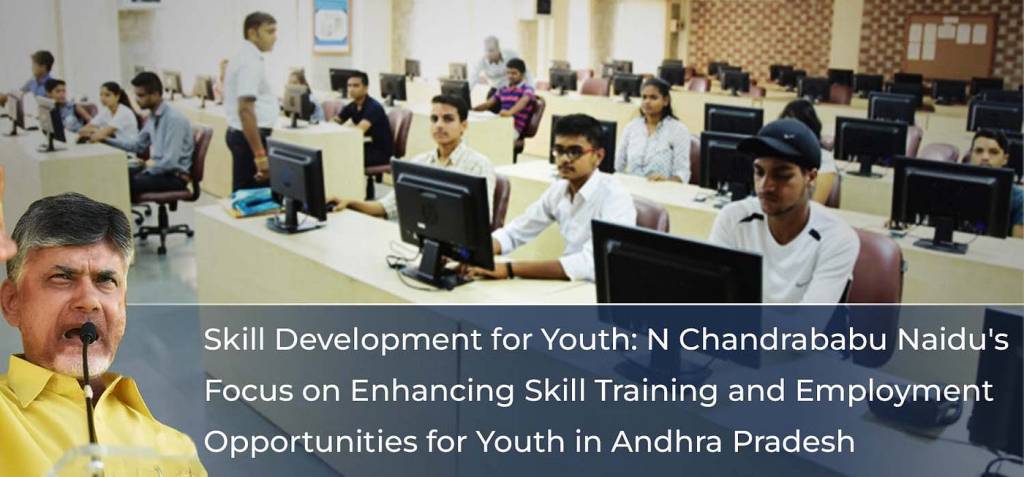
  • Mastering Tomorrow: Chandrababu Naidu’s Blueprint for a Skilled Andhra Pradesh

    June 21st, 2024

    Empowering Every Citizen with Holistic Skilling Solutions

    The Government of Andhra Pradesh, under the visionary leadership of Chief Minister N. Chandrababu Naidu, is embarking on a groundbreaking initiative to conduct the Skill Census-2024. This comprehensive assessment and data collection effort aims to map the skills and competencies of individuals across the state, identify the skillsets that industries require, and address the skill gaps that exist. The Skill Census is a testament to Naidu’s commitment to fostering a skilled society, not just among the youth but across all demographics including women, rural youth, tribal communities, and housewives. By honing the talents of these diverse groups, Andhra Pradesh aims to boost societal productivity and create a more inclusive and prosperous future.

    Chandrababu Naidu’s fourth term as Chief Minister of Andhra Pradesh is marked by his unwavering dedication to enhancing the skill sets of the state’s population. Recognizing that skills are the backbone of economic development, Naidu has prioritized the Skill Census-2024 as a key component of his administration’s agenda. This initiative is not merely a survey; it is a strategic move to understand the existing skills, identify gaps, and implement targeted training programs that will empower individuals and meet the demands of the job market.

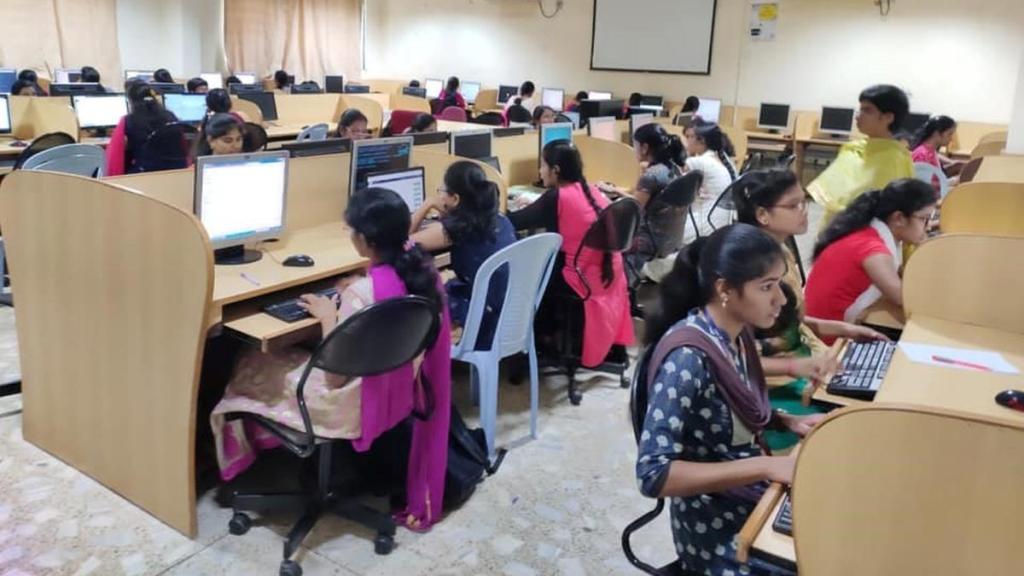
    Naidu’s approach to skilling is holistic, encompassing all segments of society. He believes that every individual, regardless of age, gender, or background, has unique talents that can be nurtured and developed. This inclusive strategy ensures that youngsters are equipped with contemporary skills that make them job-ready, while women gain access to training programs that enhance their employability and entrepreneurial capabilities. Rural and tribal youth receive training tailored to local needs, promoting self-employment and sustainable livelihoods, and housewives can upskill and potentially enter the workforce or start their own ventures. This comprehensive skilling initiative is expected to create a robust bridge between the ‘haves’ and ‘have-nots’ in the state, fostering economic equality and social upliftment.

    The Skill Census-2024 is designed with five major objectives: assessing the diverse skill profiles within the population, pinpointing the exact skill requirements in various sectors, highlighting skill gaps, providing data-driven insights to design effective skill training, education, and employment policies, and empowering individuals with the relevant skillsets needed to compete in the market, make informed career choices, and enhance their employability.

    The Skill Census will involve a detailed survey of the existing workforce and demographic trends, capturing information on education, work experience, training, and skill proficiency levels, including technical, soft, and digital skills. The data collection process will be rigorous, involving stakeholder consultations and advanced data analytics techniques to ensure accuracy and reliability. This comprehensive approach will provide valuable insights for designing targeted skill development programs that align with industry needs and future job market trends.

    The primary goal of the Skill Census is to enhance the employability of individuals and contribute to the economic growth of Andhra Pradesh. With approximately one million youngsters graduating from educational institutions annually and an equal number of rural youth who have dropped out seeking employment, the need for a structured skill development framework is critical. The Skill Census will help create job opportunities, promote self-employment, improve productivity, and support lifelong learning.

    In the context of the Skill Census, the SkillSurvey Reference tool plays a crucial role. This cloud-based, data-driven solution provides quick access to relevant feedback on job candidates from their references. The Pre-Hire 360® workflow of SkillSurvey offers a scientifically validated, job-specific process that helps reduce turnover and improve hiring decisions. Key features of SkillSurvey Reference include simplified reference checking, job-specific surveys, improved talent selection, reduced turnover, and seamless integration with Talent Hub. These capabilities make SkillSurvey Reference an invaluable tool for the Skill Census, providing detailed insights that will inform the skill development strategies of Andhra Pradesh.

    Understanding the current skill landscape is essential for the success of the Skill Census. The population of Andhra Pradesh aged 15 years and above is approximately 416.44 lakh, with 181.91 lakh (44%) in the labour force. Key statistics include a low female labour force participation rate of only 13%, an unemployment rate of 4.4%, a predominantly rural workforce, and varying income levels among employed persons.

    The data also highlights the disparity between formally and informally acquired skills. Approximately 2.94 lakh persons have received or are undergoing formal vocational training, while around 171.2 lakh persons have informally acquired skills. Among the informally skilled individuals, a significant number are aware of formal skill development programs, and many are willing to enroll if the training is free or sponsored. A concerning 239.86 lakh persons, or 57.6% of the population aged 15 years and above, do not possess any skill and are not employed. Females constitute a significant portion of this segment, with 66% residing in rural areas. Among those willing to enroll in formal training, a majority expressed willingness if the training is free or sponsored, and preferred short-term training programs.

    The Skill Census-2024 initiative, spearheaded by Chief Minister N. Chandrababu Naidu, is poised to transform the skill development landscape in Andhra Pradesh. By conducting a comprehensive assessment of the state’s skillsets and identifying gaps, the government aims to design targeted training programs that will enhance employability, promote self-employment, and drive economic growth. Naidu’s holistic approach to skilling, which includes women, rural and tribal youth, and housewives, ensures that no segment of society is left behind. The integration of advanced tools like SkillSurvey Reference further strengthens this initiative, providing data-driven insights that will guide workforce development strategies. The Skill Census will bridge the gap between the current workforce’s skills and industry demands, creating a skilled and adaptable workforce ready to meet the challenges of the future.

    As Andhra Pradesh embarks on this ambitious journey, the vision of a skilled, empowered, and prosperous society becomes a tangible reality. The Skill Census-2024 is not just a policy initiative; it is a commitment to the future, ensuring that every individual has the opportunity to realize their potential and contribute to the state’s growth and development. Chandrababu Naidu’s leadership and vision are set to make Andhra Pradesh a powerhouse of human resources, not just nationally but on the global stage.

    Under the visionary leadership of Chief Minister N. Chandrababu Naidu, Andhra Pradesh is set to embark on a transformative journey through the Skill Census-2024. This comprehensive initiative underscores Naidu’s commitment to a holistic approach to skilling, aimed at enhancing the capabilities of all sections of society, from the youth to women, rural communities, and tribal populations. The primary objective of the Skill Census-2024 is to bridge the existing skill gaps by conducting an in-depth assessment of the current skill sets and identifying the competencies required by various industries. This data-driven initiative aims to ensure that every individual, regardless of their background, has access to the necessary training programs to enhance their employability and entrepreneurial capabilities.

    visit arjasrikanth.in for more insights
←Previous Page
1 … 76 77 78 79 80 … 143
Next Page→

Blog at WordPress.com.


Loading Comments...
 

    • Subscribe Subscribed
      • SOCIAL PERSPECTIVES
      • Join 104 other subscribers
      • Already have a WordPress.com account? Log in now.
      • SOCIAL PERSPECTIVES
      • Subscribe Subscribed
      • Sign up
      • Log in
      • Report this content
      • View site in Reader
      • Manage subscriptions
      • Collapse this bar