In the words of Captain Vikram Batra, “Either I will come back after hoisting the tricolour, or I will come back wrapped in it, but I will be back for sure.”
Kargil Vijay Diwas, celebrated on July 26 every year, commemorates the extraordinary bravery and sacrifice of the Indian soldiers who fought against Pakistani infiltrators in the 1999 Kargil War. This day holds immense significance in Indian history, not only as a tribute to the fallen heroes but also as a testament to the nation’s resolve to protect its sovereignty against all odds. The Kargil War stands out as a high-altitude conflict marked by treacherous terrain, extreme weather conditions, and the indomitable spirit of the Indian Armed Forces.
The Kargil War, also known as Operation Vijay, was fought between May and July 1999 in the Kargil district of Jammu and Kashmir. Pakistani soldiers and militants infiltrated the Indian side of the Line of Control (LoC), occupying strategic heights that overlooked the vital Srinagar-Leh highway. The intrusion was detected in early May, leading to a full-scale military operation by India to evict the intruders. The conflict ended on July 26, 1999, with the Indian Army regaining control of the peaks, marking a decisive victory for India.
Kargil’s strategic importance lies in its location along the Line of Control (LoC) and its proximity to the Srinagar-Leh highway. Control over these heights would have given the Pakistani military a significant advantage, potentially disrupting the supply routes to Leh and the Siachen Glacier. The conflict’s high-altitude terrain, with peaks rising over 16,000 feet, posed significant challenges to both logistics and combat operations.
The Kargil War is etched in the annals of history as a demonstration of unparalleled valour and determination. The Indian soldiers, fighting at altitudes where oxygen levels were low and temperatures plummeted, displayed extraordinary courage. The stories of individual bravery and sacrifice are numerous, but a few stand out as particularly emblematic of the spirit of the Indian Armed Forces.
Captain Vikram Batra, posthumously awarded the Param Vir Chakra, India’s highest military honour, is remembered for his fearless leadership and indomitable spirit. Leading his men in the capture of Point 5140, he famously radioed the success of the mission with the phrase “Yeh Dil Maange More!” His bravery during the recapture of Point 4875, where he laid down his life, continues to inspire generations.
Lieutenant Manoj Kumar Pandey, another Param Vir Chakra awardee, led his men in the assault on Jubar Top. His daring leadership under heavy enemy fire was crucial in securing the position, although he succumbed to his injuries. His last words, “Na chhodnu” (I will not spare them), encapsulate the resolve and bravery of the Indian soldiers.
Grenadier Yogendra Singh Yadav, also a recipient of the Param Vir Chakra, survived despite sustaining multiple injuries during the assault on Tiger Hill. His actions, which involved climbing a sheer rock face under heavy fire and neutralizing enemy positions, were pivotal in the capture of the strategic peak.
The Kargil War highlighted the critical role of technology and communication in modern warfare. The use of satellite imagery, surveillance drones, and real-time intelligence provided the Indian Army with a tactical advantage. Communication networks ensured coordination between various units, essential for the success of operations in such challenging terrain.
Kargil Vijay Diwas is not just a day of remembrance but also a celebration of national unity and the collective resolve to safeguard India’s borders. The war underscored the importance of robust military preparedness, effective intelligence gathering, and inter-service cooperation. It also highlighted the need for strong security measures and the continuous modernization of the armed forces to counter emerging threats.
Every year, on Kargil Vijay Diwas, the Prime Minister of India pays homage to the fallen soldiers at Amar Jawan Jyoti at India Gate, New Delhi. Commemorative events are organized across the country to honour the bravery and sacrifice of the armed forces. These ceremonies serve as a reminder of the supreme sacrifice made by the soldiers and the enduring gratitude of the nation.
Located in Dras, the Kargil War Memorial stands as a poignant tribute to the soldiers who lost their lives in the conflict. Built in pink sandstone, the memorial features the names of the fallen soldiers inscribed on the Wall of Heroes. It is a place of pilgrimage for many Indians, symbolizing the nation’s respect and admiration for its brave soldiers.
The Kargil War, though a brief conflict, holds enduring lessons. It serves as a reminder of the importance of military preparedness and the need for continuous vigilance. The war also highlighted the human cost of conflict and the importance of dialogue and peaceful resolution of disputes. The resilience and determination displayed by the Indian soldiers continue to inspire and motivate the armed forces and the nation as a whole.
Kargil Vijay Diwas is a solemn yet proud occasion that celebrates the bravery, sacrifice, and patriotism of the Indian soldiers who fought in the Kargil War. The day serves as a powerful reminder of the nation’s commitment to protecting its sovereignty and honoring the memory of those who laid down their lives for the country. As we salute these heroes, we reaffirm our dedication to upholding the values they fought for and ensuring that their sacrifices are never forgotten. Their legacy lives on, inspiring future generations to serve the nation with the same courage and determination.
In the words of Captain Vikram Batra, “Either I will come back after hoisting the tricolour, or I will come back wrapped in it, but I will be back for sure.” These words encapsulate the spirit of Kargil Vijay Diwas, a day to remember, honour, and draw inspiration from the extraordinary sacrifices of our brave soldiers.
Last year, negotiators from almost every country in the world came together to finalize a new treaty for the conservation of the high seas. The high seas refer to the oceans that are outside the jurisdiction of any country, covering 64% of the ocean surface and 43% of the Earth. This treaty is significant because currently, there are no environmental laws governing what happens in these areas, despite the oceans being a crucial part of the global climate cycle and home to millions of species and trillions of microorganisms. India recently announced its intention to sign and ratify this treaty, leading to a discussion on its importance and implications. This article will delve into the details of the treaty, its objectives, and the potential impact it can have on the conservation of our oceans and biodiversity.
The high seas have long been a regulatory gap in terms of environmental protection. While countries have sovereign rights over seawater up to 200 nautical miles from their coastlines, the deep sea beyond these boundaries is largely unregulated. This means that countries are free to exploit resources, engage in activities like fishing and deep-sea mining, and lay internet cables without any oversight. The new treaty aims to fill this gap and bring regulation and conservation measures to these vast ocean areas, covering approximately 64% of the entire ocean.
The United Nations Convention on the Law of the Sea (UNCLOS) is an international agreement that defines various aspects of ocean governance, including sovereign rights, maritime boundaries, and resource management. However, UNCLOS was established before concerns about climate change and biodiversity became prominent. While it does have some sustainability provisions, it lacks specific provisions addressing these issues. The high seas treaty aims to address this gap by focusing on the sustainable use of ocean resources and ensuring equitable access to genetic resources found in the ocean.
One of the main objectives of the high seas treaty is to establish marine protected areas (MPAs) in the high seas. These MPAs would be similar to protected areas on land, such as national parks and wildlife sanctuaries. These areas would be designated as ecologically fragile and strictly regulated, limiting human activities to ensure the conservation of biodiversity. MPAs play a crucial role in preserving habitats, protecting endangered species, and maintaining the overall health of marine ecosystems.
The ocean is home to a diverse array of life forms, including microorganisms and larger organisms, which hold potential genetic resources that can benefit humanity. These genetic resources can be utilized in various fields, such as drug discovery and biotechnology. The high seas treaty emphasizes the equitable access and sharing of these genetic resources among countries. It ensures that the benefits derived from the utilization of these resources, both in terms of knowledge and financial gains, are distributed proportionally and shared by all countries.
The high seas treaty also introduces the requirement for environmental impact assessments (EIAs) for activities carried out in the deep sea, such as deep-sea mining. EIAs are a standard practice in assessing the potential environmental consequences of projects. This provision aims to ensure that countries undertake comprehensive assessments of the potential impacts of their activities on the marine environment and take necessary measures to mitigate any adverse effects.
The high seas treaty represents a significant step towards the conservation and sustainable use of our oceans and their resources. By addressing the regulatory gap in the high seas, establishing marine protected areas, ensuring equitable access to genetic resources, and implementing environmental impact assessments, this treaty has the potential to protect biodiversity, preserve fragile ecosystems, and promote responsible and sustainable practices in ocean governance. However, the journey towards the treaty’s implementation and ratification by all countries may present challenges. Nevertheless, with collective efforts and a shared commitment to safeguarding our oceans, we can strive towards a more sustainable future for our planet and ensure the protection of our precious marine ecosystems.
Government Initiatives and Farmer Success Stories are Paving the Way for a Sustainable Oil Palm Industry .
The rise of oil palm cultivation in Andhra Pradesh stands as a compelling example of how favourable environmental conditions, government support, and strategic industry focus can converge to transform agriculture and bolster economic growth. As the global demand for palm oil continues to surge, Andhra Pradesh has emerged as a leading player in the sector, demonstrating how a region can leverage its resources to excel in a high-growth industry. This comprehensive overview explores the multifaceted development of oil palm cultivation in the state, examining the strategies employed, the support mechanisms in place, and the broader implications for the state and beyond.
Andhra Pradesh’s geographic and climatic conditions are central to its success in oil palm cultivation. The state’s diverse agro-climatic zones offer an ideal environment for oil palm, which thrives in tropical conditions characterized by abundant rainfall and a stable climate. These conditions enable the state to maintain a robust and productive oil palm sector capable of meeting domestic needs and contributing to international markets. The state’s commitment to advancing oil palm production is evident through substantial investments and proactive strategies aimed at expanding the sector.
A key component of the development of oil palm cultivation in Andhra Pradesh is the government’s comprehensive support and incentive framework. One of the most significant measures is the increase in subsidies for plant material. The revised subsidy rates now stand at ₹20,000 per hectare for indigenous plants and ₹29,000 for imported plants, a notable increase from the previous ₹12,000 per hectare. Additionally, the maintenance subsidy has been raised to ₹21,000 per hectare. These enhanced subsidies are designed to reduce the initial costs associated with establishing oil palm plantations, making it more financially viable for farmers to invest in this lucrative crop.
Financial assistance is another critical element of the government’s support strategy. The estimated cost of oil palm cultivation is around ₹1.2 lakh per hectare, with the government providing a subsidy of ₹30,000. This financial aid alleviates the initial investment burden on farmers and encourages broader adoption of oil palm cultivation. By offering substantial financial support, the government aims to mitigate the risks associated with the early stages of cultivation and facilitate a smoother transition for farmers into oil palm production.
The economic incentives associated with oil palm cultivation further enhance its attractiveness. Farmers can earn approximately ₹3 lakh per annum from an acre of oil palm, translating into significant income when scaled up. The establishment of direct purchasing agreements between oil companies and farmers ensures that farmers receive fair prices for their produce, eliminating intermediaries from the supply chain. This direct market access not only improves financial outcomes for farmers but also enhances overall profitability within the sector.
Infrastructure development is another area where significant strides are being made. Planned investments exceeding ₹300 crore aim to develop sapling nurseries, collection centres, and state-of-the-art processing mills. This infrastructure investment is expected to create around 1,000 direct and indirect jobs, contributing to economic growth and stability within the region. By enhancing infrastructure, the government is ensuring that the entire supply chain—from cultivation to processing—operates efficiently and effectively.
Despite these positive developments, there is a compelling case for the establishment of a dedicated Palm Oil Board. Such a board would facilitate better coordination among stakeholders, including farmers, processors, and policymakers. Centralizing governance and oversight would streamline efforts to boost production and address sector challenges more effectively.
A Palm Oil Board could play a crucial role in implementing and overseeing sustainable agricultural practices. This would involve promoting water-efficient irrigation techniques and minimizing the use of harmful pesticides, ensuring that environmental concerns are addressed. By focusing on sustainability, the board would help mitigate the environmental impact of palm oil cultivation and promote long-term viability.
Furthermore, a dedicated board would be instrumental in implementing government policies effectively. It could manage subsidies, oversee infrastructure projects, and ensure that support reaches the intended beneficiaries. This would enhance the effectiveness of policy measures and ensure optimal use of resources.
Research and development would also benefit from the establishment of a Palm Oil Board. By driving R&D efforts focused on improving yield, disease resistance, and sustainability, the board would help Andhra Pradesh maintain its competitive edge in the global palm oil market. Investing in R&D would support innovation and technological advancements, further strengthening the state’s position in the industry.
While the economic benefits of palm oil cultivation in Andhra Pradesh are substantial, the sector also faces significant environmental challenges. One major concern is water usage. Oil palm cultivation requires considerable amounts of water, with irrigation needs rising to 325-350 liters per palm per day during the summer months. This high water demand exacerbates groundwater depletion in the region, raising concerns about the sustainability of water resources.
Climate change also poses risks to palm oil cultivation. Variability in rainfall patterns due to climate change can negatively impact palm oil yields. Coastal districts in Andhra Pradesh, which receive less rainfall and experience high variability, face particular challenges. The effects of climate change, such as altered precipitation patterns and increased frequency of extreme weather events, could further complicate oil palm production.
Environmental impact is another critical issue. The expansion of oil palm plantations has raised concerns about deforestation and habitat loss. Despite efforts to mitigate these impacts, such as using mobile apps for water management and exploring water recharge techniques, the environmental footprint of palm oil cultivation remains significant. The conversion of natural habitats into oil palm plantations can lead to biodiversity loss and ecosystem disruption.
Success stories from individual farmers in Andhra Pradesh illustrate the transformative potential of oil palm cultivation. For instance, a farmer who transitioned from mango cultivation to oil palm has seen his income triple and his quality of life improve. This experience underscores the economic benefits that oil palm cultivation can offer, even to small-scale farmers.
Similarly, another farmer has used the profits from his oil palm farm to educate his children and build a home. His success highlights the broader social benefits of oil palm farming, including improved education and housing conditions for rural families.
Looking ahead, the future of oil palm cultivation in Andhra Pradesh appears promising, with ambitious expansion targets and continued government support. The state plans to cover an additional 112,000 hectares by 2025-26, building on its current successes. This expansion will require ongoing investment and support from both the government and private sector.
Balancing economic benefits with environmental sustainability remains a critical challenge. The introduction of advanced practices and technologies will be essential for minimizing the ecological impact of palm oil production. Efforts to improve water management, reduce pesticide use, and enhance environmental stewardship will be key to ensuring the long-term sustainability of palm oil cultivation.
In conclusion, the proactive measures taken in palm oil production and processing are setting a benchmark for the industry. With increased subsidies, substantial investments, and the potential establishment of a Palm Oil Board, the region is well-positioned to lead in this sector. Although challenges related to water usage and environmental sustainability remain, the commitment to addressing these issues through innovative solutions and supportive policies is commendable.
The success stories of individual farmers and the region’s ambitious expansion plans demonstrate the potential of palm oil cultivation to drive economic growth and improve livelihoods. By continuing to balance economic and environmental considerations, the region can ensure a sustainable and prosperous future for its palm oil industry. This comprehensive approach not only supports the growth of the palm oil sector but also contributes to broader agricultural and economic development goals. As the region continues to lead in oil palm cultivation, its experiences and strategies could serve as a model for other areas seeking to harness the benefits of this vital crop.
A Posthumous Victory: Supreme Court Declares Assam Man Indian Citizen After 15-Year Struggle
In a ground breaking verdict, the Supreme Court recently declared a man from Assam an Indian citizen after a long and arduous legal battle. This landmark judgment has brought attention to the challenges faced by individuals like RASHEED, who fought for their citizenship for over a decade and a half. RASHEED, an illiterate man, had his citizenship granted posthumously, three years after his demise. This article delves into the details of his struggle, shedding light on the flaws within the citizenship system and the significance of the Supreme Court’s decision.
RASHEED’s journey began in 2004 when he was identified as a suspected illegal immigrant by the police. He received a notice from the Foreigners Tribunal (FT) accusing him of being a foreigner. However, RASHEED failed to appear before the tribunal due to medical reasons, leading to an order declaring him a foreigner in absentia. He appealed this decision to the Gauhati High Court in 2015 but was unsuccessful. It was not until 2017 that the Supreme Court intervened, sending the case back to the FT to give RASHEED an opportunity to defend himself.
The Supreme Court noted several flaws in the proceedings against RASHEED. The initial allegations made by the police lacked substantial evidence, and the grounds on which he was accused were never presented to him. The burden of proof was placed solely on RASHEED, leaving him at a disadvantage. Additionally, the court highlighted the common issue of discrepancies in names and spellings in official documents, emphasizing that such discrepancies should not be the sole basis for determining one’s citizenship.
After 12 long years of legal battles, RASHEED’s case finally reached the Supreme Court again in 2021. To everyone’s surprise, it was discovered that RASHEED had passed away in 2018, three years before the verdict was delivered. The court overturned all previous orders and posthumously declared RASHEED an Indian citizen. Sadly, neither RASHEED nor his family were aware of this significant development until a journalist reached out to them.
The Supreme Court’s decision in RASHEED’s case has far-reaching implications for citizenship jurisprudence in India. It highlights the need for a fair and transparent process that provides accused individuals with a reasonable opportunity to defend themselves. The judgment also brings attention to the flaws in the system, including unsubstantiated allegations and reliance on minor discrepancies in documents. It serves as a reminder that the burden of proof should not solely lie on the accused but should be shared by the authorities making the accusations.
RASHEED’s story is a poignant reminder of the struggles faced by many individuals who fight for their citizenship in India. His posthumous recognition as an Indian citizen by the Supreme Court sheds light on the flaws within the citizenship system and the need for reforms. It is a testament to the importance of a fair and just legal process that upholds the principles of justice and equality. RASHEED’s journey may have ended, but his case will continue to serve as a catalyst for change and a symbol of hope for those seeking their rightful citizenship.
The journey of RASHEED serves as a window into the complexities and bureaucratic challenges that many face when accused of being illegal immigrants. His case began in a small village in Assam, a region fraught with disputes over citizenship and identity. The state’s history of migration and the socio-political dynamics often result in ordinary citizens being entangled in prolonged legal battles to prove their nationality. RASHEED’s case is a stark illustration of how bureaucratic oversight and systemic inefficiencies can profoundly impact individuals and their families.
When RASHEED first received the notice from the Foreigners Tribunal, he was bewildered. Illiterate and with limited understanding of the legal processes, he could not comprehend the gravity of the situation. His failure to appear before the tribunal was not due to negligence but rather due to his deteriorating health. Despite his inability to defend himself, the tribunal declared him a foreigner, a decision that would haunt him for the rest of his life.
The Gauhati High Court’s decision to uphold the tribunal’s order added another layer of frustration to RASHEED’s ordeal. His appeal was dismissed without a thorough examination of the evidence, reflecting a broader issue within the judicial process where cases are often rushed, and the individuals’ circumstances overlooked. It was only in 2017, when the Supreme Court decided to intervene, that there was a glimmer of hope for RASHEED and his family.
The Supreme Court’s intervention was a critical turning point. The justices recognized the procedural lapses and the unfair burden of proof placed on RASHEED. Their decision to remand the case back to the Foreigners Tribunal with instructions to allow RASHEED to present his case was a significant step towards ensuring a fair trial. However, this decision came too late for RASHEED, who had already passed away, highlighting the often slow and cumbersome nature of legal processes.
The Supreme Court’s final verdict in 2021, posthumously declaring RASHEED an Indian citizen, was a bittersweet victory. While it corrected a grave injustice, it also underscored the human cost of bureaucratic inefficiency and judicial delays. RASHEED’s family, who had endured years of social stigma and financial hardship due to his uncertain legal status, received the news with mixed emotions. The recognition of RASHEED’s citizenship brought a sense of closure, but it also served as a stark reminder of the years lost in a futile battle.
The judgment also pointed out a significant systemic flaw: the reliance on minor discrepancies in documents as evidence of foreignness. In RASHEED’s case, variations in the spelling of his name and discrepancies in his date of birth were used to question his citizenship. The Supreme Court’s decision emphasized that such inconsistencies, common in official documents, should not be grounds for declaring someone a foreigner. This principle could potentially influence future cases and lead to more humane and rational adjudication processes.
The broader implications of the Supreme Court’s decision extend beyond RASHEED’s case. It highlights the urgent need for reforms in the citizenship verification process. The case has brought to light the plight of many individuals who, like RASHEED, face similar accusations without substantial evidence. It calls for a system that ensures due process and protects individuals from arbitrary and unjust decisions. The judgment also advocates for a more balanced approach where the burden of proof is not disproportionately placed on the accused.
RASHEED’s struggle is emblematic of the wider issues faced by marginalized communities in Assam and other parts of India. The state has a long history of complex migration patterns, and the National Register of Citizens (NRC) process has been mired in controversy. Many individuals, often from poor and illiterate backgrounds, have found themselves caught in the crossfire of identity politics and bureaucratic inefficiencies. The Supreme Court’s ruling in RASHEED’s case serves as a beacon of hope for these individuals, signalling a shift towards a more just and equitable system.
The media’s role in bringing RASHEED’s story to light cannot be understated. It was through persistent journalistic efforts that the plight of RASHEED and others in similar situations gained national attention. Journalists played a crucial role in uncovering the systemic flaws and highlighting the human cost of bureaucratic inefficiency. The interaction between the media, judiciary, and civil society in this case exemplifies how collective efforts can bring about significant change.
RASHEED’s case also sheds light on the psychological toll of prolonged legal battles on individuals and their families. The constant fear of deportation, social ostracization, and financial strain can have devastating effects. RASHEED’s family, like many others, lived under the shadow of uncertainty for years. The emotional and mental stress of proving one’s identity and legitimacy in their own country is a harsh reality for many, and RASHEED’s story brings this aspect to the forefront.
The Supreme Court’s verdict is a call to action for policymakers to address the systemic issues within the citizenship verification process. It underscores the need for a more humane approach that considers the socio-economic realities of the individuals involved. Legal reforms should aim to simplify the process, reduce bureaucratic hurdles, and ensure that the burden of proof is balanced. Moreover, there is a need for better legal aid and support systems for those accused of being foreigners, ensuring they have access to adequate representation and resources to defend themselves.
RASHEED’s journey also highlights the importance of documentation and the challenges faced by marginalized communities in maintaining accurate records. In many rural and impoverished areas, access to proper documentation is limited, and discrepancies are common. This case underscores the need for a more robust and accessible system of record-keeping that minimizes errors and discrepancies, thereby reducing the likelihood of wrongful accusations.
The case of RASHEED will undoubtedly leave a lasting impact on the legal and political landscape in India. It has set a precedent for how cases of alleged illegal immigrants should be handled, emphasizing the need for a fair and transparent process. The judgment serves as a reminder to authorities that the principles of justice and equality must be upheld, even in the face of bureaucratic challenges.
In conclusion, RASHEED’s story is a powerful testament to the resilience of individuals fighting for their rightful place in society. His posthumous recognition as an Indian citizen by the Supreme Court highlights the urgent need for reforms within the citizenship verification process. It is a reminder that justice delayed is justice denied, and that systemic flaws must be addressed to prevent similar cases in the future. RASHEED’s legacy will continue to inspire and drive efforts towards a more just and equitable society, where every individual is afforded their rightful dignity and citizenship.
A Strategic Vision for Economic Growth, Employment Creation, and Social Justice!!
The Union Budget for 2024-25 is a meticulous roadmap designed to foster economic growth, create employment opportunities, and ensure social justice. With a strategic allocation of resources and a clear vision, this budget addresses key sectors such as agriculture, employment, manufacturing, and urban development. It sets ambitious targets to reduce the fiscal deficit and stabilize inflation, laying the groundwork for a more resilient and inclusive economy.
The budget projects total receipts excluding borrowings at ₹32.07 lakh crore and total expenditure at ₹48.21 lakh crore. The net tax receipt target is set at ₹25.83 lakh crore, with the fiscal deficit aimed at 4.9% of GDP, projected to fall below 4.5% in the next fiscal year. Inflation remains low and stable, nearing the 4% target, with core inflation at 3.1%. These figures underscore the government’s commitment to fiscal prudence while driving economic expansion.
A cornerstone of the budget is the Prime Minister’s Package of 5 Schemes, focusing on employment and skilling. Targeting 4.1 crore youth over five years, these schemes include provisions for first-time employees, job creation incentives in manufacturing, and employer reimbursements for hiring additional employees. Additionally, a centrally sponsored scheme aims to skill 20 lakh youth over five years by upgrading 1,000 Industrial Training Institutes, complemented by an internship program with 500 top companies benefiting 1 crore youth over the same period.
The budget emphasizes higher female workforce participation through initiatives like working women hostels, crèches, women-specific skilling programs, and market access for women SHG enterprises. The Model Skill Loan Scheme will be revised to facilitate loans up to ₹7.5 lakh, with financial support for loans up to ₹10 lakh for higher education for those ineligible under current schemes.
With an allocation of ₹1.52 lakh crore, the government plans to release 109 high-yielding and climate-resilient crop varieties. One crore farmers will be initiated into natural farming, and 10,000 bio-input resource centres will be established. The Digital Public Infrastructure (DPI) for Agriculture will cover farmers and their lands within three years, enhancing agricultural productivity and resilience.
The budget introduces a credit guarantee scheme for MSMEs without collateral, a mechanism to maintain credit during stress periods, and enhances Mudra loan limits under the ‘Tarun’ category from ₹10 lakh to ₹20 lakh. Mandatory onboarding on the TReDS platform will be expanded, and financial support will be provided to set up 50 food irradiation units in the MSME sector. E-Commerce Export Hubs will be developed, and a Critical Mineral Mission will address domestic production and recycling, ensuring a sustainable supply chain for critical industries.
Transit Oriented Development plans will be formulated for 14 large cities. PM Awas Yojana Urban 2.0 proposes a ₹10 lakh crore investment, including ₹2.2 lakh crore central assistance, to address urban housing needs. A new scheme will support the development of 100 weekly ‘haats’ or street food hubs annually for five years, promoting urban development and local economies.
A policy on ‘Energy Transition Pathways’ will balance employment, growth, and environmental sustainability. Key initiatives include promoting pumped storage projects for electricity storage, R&D for small and modular nuclear reactors, and joint ventures for Advanced Ultra Super Critical Thermal Power Plants. Regulations will support the transition of ‘hard to abate’ industries to the ‘Indian Carbon Market’ mode.
The central government will invest ₹11,11,111 crore in capital expenditure, with state governments receiving ₹1.5 lakh crore in long-term interest-free loans for infrastructure investment. Phase IV of Pradhan Mantri Gram Sadak Yojana will provide all-weather connectivity to 25,000 rural habitations. Projects like the Kosi-Mechi link and flood mitigation in several states will receive financial support, ensuring comprehensive infrastructure development.
The Anusandhan National Research Fund will be operationalized, with a financing pool of ₹1 lakh crore to spur private sector-driven research. A venture capital fund of ₹1,000 crore will expand the space economy, driving innovation and technological advancement. The government aims to simplify and rationalize the GST structure, leveraging its success to include remaining sectors. Sector-specific customs duty proposals include exemptions for critical medicines and medical equipment, reductions in duties on mobile phones and precious metals, and adjustments in duties for various other sectors including electronics, chemicals, and plastics.
Efforts to simplify taxes, improve taxpayer services, provide tax certainty, and reduce litigation continue. Key initiatives include merging two tax exemption regimes for charities into one, rationalizing TDS rates, and decriminalizing delays in TDS payments. Reopening of assessments will be limited to significant escaped income, and time limits for search cases will be reduced. Capital gains tax rates will be rationalized, and exemption limits increased.
All remaining services of Customs and Income Tax will be digitized over the next two years. The ‘Vivad Se Vishwas Scheme, 2024’ aims to resolve income tax disputes pending in appeal, and monetary limits for filing tax-related appeals have been increased to reduce litigation. The budget abolishes the angel tax for all classes of investors to bolster the start-up ecosystem. It also introduces a simpler tax regime for foreign shipping companies operating domestic cruises and reduces the corporate tax rate for foreign companies from 40% to 35%.
Measures to deepen the tax base include increasing the Security Transactions Tax on futures and options of securities and taxing income received on the buyback of shares. Social security benefits are enhanced, with the deduction of expenditure by employers towards NPS increased from 10% to 14% of the employee’s salary. Non-reporting of small movable foreign assets up to ₹20 lakh is de-penalized, ensuring better social security for employees and pensioners.
The budget introduces a revised tax rate structure, increasing standard deductions for salaried employees and enhancing deductions on family pensions. The new tax regime aims to simplify personal income tax and provide significant savings for taxpayers. Land-related actions include the Unique Land Parcel Identification Number (ULPIN) and digitization of cadastral maps. Integration of e-shram with other portals will provide a one-stop solution for labour services. Open architecture databases will address the labour market’s changing needs, and NPS Vatsalya will facilitate contributions for minors.
The Union Budget 2024-25 presents a holistic and forward-looking approach to economic development, employment generation, and social justice. By addressing critical sectors with targeted initiatives and significant investments, the budget aims to build a resilient and inclusive economy. The government’s strategic vision, reflected in its comprehensive plan, sets the stage for sustained growth and prosperity, ensuring that the benefits of development reach all sections of society.
After eight months of silence, NASA’s Voyager 1 reawakens, sending data from over 15 billion miles away, reigniting our cosmic curiosity and pushing the boundaries of human exploration!!!
In a triumphant moment for space exploration, NASA’s Voyager 1 has resumed its extraordinary journey after an eight-month hiatus, sending back valuable data from a staggering distance of over 15 billion miles. This achievement marks a testament to human ingenuity and the enduring legacy of the Voyager missions, which began their voyage in 1977 with the ambitious goal of exploring the outer planets and beyond.
The Voyager mission emerged from a rare planetary alignment opportunity recognized by NASA in the early 1970s—a celestial alignment occurring once every 176 years. This favourable positioning enabled a spacecraft to undertake a grand tour of Jupiter, Saturn, Uranus, and Neptune with minimal fuel consumption. Thus, Voyager 1, alongside its twin Voyager 2, embarked on a pioneering mission to unravel the mysteries of the solar system.
Voyager 1, a marvel of engineering comparable in size to a small car, was equipped with 11 sophisticated scientific instruments designed to capture detailed data and images of the planets and their moons. Among its cargo was the iconic golden record, a cultural time capsule intended to communicate the diversity of life and civilization on Earth to potential extra-terrestrial beings. This record encapsulated sounds, music, and images from our planet, symbolizing humanity’s curiosity and desire for connection beyond our cosmic borders.
As Voyager 1 ventured deeper into the cosmos, it provided humanity with unprecedented views and discoveries. At Jupiter, the spacecraft revealed active volcanoes on Io and unveiled intricate details of the giant planet’s turbulent atmosphere. Journeying onward to Saturn, Voyager 1 captured breath taking images of its majestic rings and discovered new moons, fundamentally reshaping our understanding of these distant worlds and their complex dynamics.
Voyager 2, launched just 16 days before its twin, embarked on a trajectory that allowed it to explore Uranus and Neptune, becoming the only spacecraft to date to visit these outermost planets of our solar system. At Uranus, Voyager 2 discovered ten new moons, two previously unknown rings, and a highly tilted magnetic field, significantly enriching our knowledge of this ice giant. Its arrival at Neptune unveiled the Great Dark Spot—a massive storm comparable in scale to Jupiter’s Great Red Spot—and discovered six additional moons, further expanding our understanding of planetary systems beyond the asteroid belt.
In August 2012, Voyager 1 achieved a historic milestone by crossing into interstellar space, becoming humanity’s first emissary to venture beyond the heliosphere—a protective bubble of particles and magnetic fields emanating from the Sun. This monumental feat allowed scientists to study the interstellar medium, the vast expanse between stars filled with remnants of ancient stellar explosions and cosmic debris, offering unprecedented insights into the broader galactic environment.
Despite the vast distances and harsh conditions of space, Voyager 1 encountered its share of challenges, including a critical communication failure in November 2023 that threatened its mission continuity. The dedicated team at NASA exhibited extraordinary resilience and ingenuity in diagnosing and resolving the issue, restoring communication after an arduous eight-month silence. This episode underscored the tenacity and dedication of the Voyager mission team, highlighting their unwavering commitment to pushing the boundaries of exploration.
The enduring legacy of Voyager 1 extends far beyond scientific discovery, inspiring awe and wonder among people worldwide. Its images and findings have ignited the imaginations of generations, fostering a deeper appreciation for the vastness and beauty of the universe. The spacecraft’s trajectory embodies humanity’s insatiable curiosity and relentless pursuit of knowledge, reinforcing our place within the cosmic tapestry.
Central to the Voyager mission’s legacy is the golden record—a symbolic gesture of humanity’s aspiration to connect with potential extra-terrestrial civilizations. This meticulously crafted record contains a diverse array of greetings, music, natural sounds, and images, encapsulating the essence of life on Earth. Conceived as a cultural artifact, the golden record serves as a testament to our collective history and identity, transcending time and space to convey the story of our existence to distant cosmic voyagers.
As Voyager 1 and Voyager 2 continue their interstellar journey, they remain operational through the innovative use of radioisotope thermoelectric generators (RTGs), which convert heat from decaying plutonium-238 into electricity. While these power sources are projected to sustain operations until at least 2025, with potential extension until 2030, ongoing management of power allocation is essential to optimize scientific output. Despite eventual operational limitations, the enduring impact of the Voyager missions will endure, serving as a beacon of inspiration for future explorations and discoveries.
In conclusion, Voyager 1’s odyssey has illuminated the wonders of the universe, from its pioneering exploration of the outer planets to its historic entry into interstellar space. It stands as a testament to human ingenuity, resilience, and our unwavering pursuit of knowledge. As we continue to expand the frontiers of space exploration, Voyager 1 will forever symbolize our collective aspiration to understand the cosmos and our place within it—a timeless journey that transcends the boundaries of time, space, and human imagination.
Elevating the Pilgrim Experience: Transformative Enhancements for Tirumala
The Tirumala Tirupati Devasthanam (TTD) is a renowned spiritual destination, attracting millions of devotees from around the world who seek the divine blessings of Lord Venkateswara. This sacred site holds the significant responsibility of providing a pilgrimage experience that is both seamless and spiritually enriching. Under the visionary guidance of Executive Officer Shyamala Rao, TTD has already made substantial progress in refining the pilgrimage experience. Noteworthy improvements include streamlining the darshan process and enhancing the quality of Annaprasadam and Laddus. However, with the number of devotees consistently rising, there is an urgent need for further advancements to elevate the pilgrimage experience to new heights. This comprehensive proposal outlines transformative recommendations designed to unlock Tirumala’s full potential as a spiritual sanctuary. These suggestions build upon the commendable progress achieved thus far, aiming to offer a more organized and spiritually fulfilling pilgrimage experience that aligns with the evolving needs and expectations of the global devotee community.
One of the most significant challenges faced by devotees is the lack of centralized information and assistance, which often leads to confusion and frustration. To address this, TTD should establish Pilgrim Facilitation Centers (PFCs) at strategic locations within and around the temple complex, as well as in major cities where TTD temples are located. These centers will act as comprehensive hubs, offering crucial services and information, including guidance on accommodation, ticket booking, Laddu distribution, and darshan queue management. Each PFC will be staffed by knowledgeable personnel fluent in multiple languages, assisting pilgrims in navigating the complex efficiently. They will provide essential resources such as maps, brochures, and real-time updates. By centralizing these services, PFCs will alleviate planning stress and ensure a more organized, serene, and fulfilling pilgrimage experience. This initiative will significantly enhance convenience for pilgrims, streamlining their journey and improving their spiritual experience at Tirumala.
Darshan, the revered opportunity to view Lord Venkateswara, is the primary motivation for visiting Tirumala. However, lengthy wait times and a complex queueing system often detract from the spiritual focus of the pilgrimage. To improve this experience, TTD should implement a comprehensive online and mobile booking system for darshan slots. This user-friendly platform will enable devotees to reserve their preferred darshan times in advance, thus reducing stress and making visit planning more efficient. Integrating this system with TTD’s existing digital platforms will allow pilgrims to manage their bookings, receive real-time updates, and adjust their plans as needed. This integration will streamline the darshan process, minimize wait times, and enhance overall efficiency. The new system will not only alleviate the logistical challenges associated with darshan but also ensure a smoother, more fulfilling spiritual experience for all devotees. Through these technological advancements, TTD can significantly improve the pilgrimage journey, allowing devotees to concentrate on the spiritual significance of their visit rather than the logistical complexities.
Further enhancement of the darshan experience can be achieved by introducing an advanced queue management system. This system should incorporate digital display boards, mobile apps, and RFID-based tracking to offer real-time updates on queue lengths and waiting times. Providing this information will enable pilgrims to make informed decisions and plan their visits more efficiently. To ensure a more inclusive experience, dedicated queues for the elderly, differently-abled, and those with pressing time constraints should be established, facilitating a smoother darshan experience for all. Introducing a “Fast-Track Darshan” option for a nominal fee could further improve accessibility. This option would cater to individuals with limited time or physical challenges, allowing them to bypass regular queues and access darshan more swiftly. Revenue generated from this service could be reinvested into enhancing overall pilgrim services, supporting ongoing improvements, and promoting sustainability. By integrating these technologies and options, TTD can significantly streamline the darshan process, reduce wait times, and ensure a more organized and fulfilling spiritual journey for all devotees. This approach will not only improve operational efficiency but also reinforce TTD’s commitment to providing exceptional service to its pilgrims.
Comfortable and affordable accommodation is crucial for a fulfilling pilgrimage experience. Despite TTD’s extensive network of guest houses and dormitories, high demand often exceeds availability, resulting in booking challenges for pilgrims. To address this issue, TTD should enhance its online booking system to ensure greater transparency and equitable room allocation. Upgrading the system with a robust waitlist management feature will provide real-time updates on room availability and booking status, allowing pilgrims to plan their stays more effectively. Additionally, introducing digital payment options will streamline the booking process, making transactions more convenient and efficient. By implementing these improvements, TTD can alleviate booking difficulties, improve the overall accommodation experience, and ensure that pilgrims have a comfortable and stress-free stay. This approach will not only enhance the quality of the pilgrimage but also reinforce TTD’s commitment to providing excellent service and support for all visitors. Ensuring that every aspect of the pilgrimage, including accommodation, is managed efficiently will contribute to a more organized, enjoyable, and spiritually enriching journey for all devotees.
Expanding lodging options through partnerships with local hotels and homestays in Tirupati and the surrounding areas can significantly benefit pilgrims. By implementing a TTD-approved partnership program, TTD can ensure that these local accommodations adhere to quality standards, offer fair pricing, and maintain booking transparency. This initiative will provide pilgrims with a wider range of choices and enhance their overall experience. Encouraging local providers to cater specifically to pilgrims’ needs, such as offering vegetarian meals and adhering to religious customs, will help preserve the spiritual essence of the pilgrimage while improving accommodation options. Such measures will not only support the local hospitality industry but also contribute to a more comfortable and spiritually fulfilling journey for all visitors. By integrating these partnerships, TTD can enhance the pilgrimage experience, offering convenience and adherence to religious practices while maintaining high standards of quality and service.
Effective logistical support is vital for ensuring a smooth pilgrimage experience. To address transportation challenges, TTD should implement dedicated shuttle services connecting Tirupati town with the Tirumala temple complex and other key locations. These shuttles will alleviate the congestion and inconvenience often faced by pilgrims. Additionally, clear and well-marked signage, along with directional indicators placed strategically throughout the temple premises and surrounding areas, will guide pilgrims efficiently and minimize confusion. Collaborating with local transportation authorities to improve public transport options is equally important. This collaboration should focus on increasing bus frequency and enhancing the reliability of services to ensure that pilgrims have convenient and timely access to the temple. By integrating these measures, TTD will not only streamline the transportation process but also significantly enhance the overall accessibility and comfort of the pilgrimage experience. Such improvements will contribute to a more organized, stress-free visit, allowing pilgrims to focus on their spiritual journey rather than logistical concerns.
In today’s digital age, technology plays a crucial role in enhancing the pilgrim experience. Implementing facial recognition technology for secure authentication can effectively prevent misuse of mobile numbers, email IDs, and identity proofs, ensuring that only genuine devotees access TTD services. By integrating this technology with TTD’s digital platforms, including online booking systems and mobile apps, both security and operational efficiency will be significantly improved.
A comprehensive mobile application should be developed to serve as a centralized resource for real-time updates on darshan queues, accommodation availability, Laddu distribution, and other essential services. This app should feature digital payment options, such as UPI, credit/debit cards, and mobile wallets, streamlining transactions for accommodation bookings, Laddu purchases, and Arjita Seva payments. Additionally, incorporating contactless services, such as touchless interactions and self-service kiosks, will enhance hygiene and address safety concerns in the post-pandemic era. By leveraging these technological advancements, TTD can offer a more convenient, secure, and streamlined pilgrimage experience, ultimately making the journey more enjoyable and fulfilling for all devotees.
In summary, the Tirumala Tirupati Devasthanam (TTD) stands as a globally revered spiritual destination. Under the dynamic leadership of Executive Officer Shyamala Rao, significant progress has been made in improving the pilgrim experience. However, as the number of devotees continues to rise, further enhancements are crucial to fully realize Tirumala’s potential as a spiritual sanctuary. Establishing Pilgrim Facilitation Centres, streamlining the darshan process through advanced booking and queue management systems, and enhancing accommodation and logistical support are vital steps. Leveraging technology, such as digital payment options and mobile apps, will also play a key role in enriching the pilgrimage experience. These measures will ensure a more organized, efficient, and spiritually fulfilling journey for all devotees, reinforcing Tirumala’s reputation as a premier religious destination. By implementing these recommendations, TTD will not only enhance the overall pilgrimage experience but also reaffirm its commitment to excellence in spiritual service, making every visit to Tirumala a profoundly memorable and transformative journey.
Uncovering the energy demands and environmental impact of the data-driven world.
The rise of artificial intelligence (AI) and the increasing demand for data are set to revolutionize the power consumption landscape, particularly for data centres in the US, Europe, and globally. This transformation will have significant economic and environmental implications as data centres’ appetite for electricity grows substantially. Google’s ambitious sustainability goals and the pressing need to address carbon emissions highlight the complex relationship between technology and the environment.
Data centers are the backbone of the digital age, responsible for processing, storing, and transmitting vast amounts of information. Historically, advancements in energy efficiency have kept their power consumption stable despite increasing workloads. From 2015 to 2019, data canter workloads nearly tripled, yet their power demand remained steady at about 200 terawatt-hours per year. However, since 2020, these efficiency gains have slowed, leading to a rise in power consumption.
The surge in AI technologies is a significant factor in this increased energy demand. AI enhances computing capabilities but is particularly energy-intensive. For instance, a single ChatGPT query consumes approximately 2.9 watt-hours of electricity, compared to 0.3 watt-hours for a Google search. Goldman Sachs Research projects that data center power demand will increase by 160% by 2030, with AI accounting for a significant portion of this rise.
Currently, data centres consume 1-2% of global power, a figure expected to climb to 3-4% by the decade’s end. In the US and Europe, this increased demand will drive significant growth in electricity consumption, reversing a long-standing trend of stagnant power demand. The carbon dioxide emissions from data centres are also anticipated to be more than double between 2022 and 2030, representing a “social cost” of $125-140 billion.
In the US, power demand has remained relatively flat over the past decade, thanks to efficiency improvements such as LED lighting. However, this is set to change. Between 2022 and 2030, power demand is expected to rise by about 2.4%, with data centres alone contributing around 0.9 percentage points to this increase. By 2030, data centres will use 8% of US power, up from 3% in 2022. To support this surge, US utilities will need to invest approximately $50 billion in new generation capacity and expand natural gas pipeline infrastructure to meet the growing demand.
Europe faces a similar challenge. Over the past 15 years, Europe’s power demand has been impacted by various crises, including the global financial crisis, the COVID-19 pandemic, and the energy crisis spurred by the war in Ukraine. Additionally, slower-than-expected electrification and ongoing de-industrialization have contributed to a cumulative decline in electricity demand since 2008. However, from 2023 to 2033, Europe’s power demand could grow by 40-50% due to data centre expansion and accelerated electrification. By 2030, the power needs of European data centres will match the current total consumption of Portugal, Greece, and the Netherlands combined.
The distribution of data centre power demand in Europe will vary by country. Nations with cheap and abundant power from nuclear, hydro, wind, or solar sources, such as the Nordic countries, Spain, and France, are expected to see significant growth in data centre power consumption. Additionally, countries with substantial financial services and tech industries, offering incentives to attract data centres, such as Germany, the UK, and Ireland, will also experience increased demand.
Goldman Sachs Research estimates that Europe will need to invest over $1 trillion to prepare its power grid for the AI-driven future. This investment will be critical in ensuring that the region can accommodate the rising power needs while supporting sustainable growth.
The environmental impact of increased data center power consumption cannot be ignored. The rise in carbon dioxide emissions poses a significant challenge to global climate goals. However, the technology sector remains optimistic about reducing energy intensity and meeting emission targets despite the rising demand. Substantial investments in renewable energy and emerging nuclear generation capabilities are expected to play a crucial role in mitigating the environmental impact.
AI itself may also contribute to environmental benefits by accelerating innovation in various sectors, including healthcare, agriculture, and education, potentially leading to emissions-reducing efficiencies. For example, AI can optimize energy use in buildings, improve supply chain efficiencies, and enhance agricultural productivity, all of which can contribute to lower overall emissions.
Google’s ambition to achieve 24/7 carbon-free energy for its data centres and offices by 2030 drives its extensive investments in renewable energy initiatives. Emphasizing air-cooled technology in some data centres enhances efficiency while preserving local water sources, aligning with Google’s sustainability goals. The company’s 2023 Environmental Report underscores the significant impact of electricity consumption on its carbon footprint, particularly through Scope 2 emissions, which arise from indirect electricity use. This commitment reflects Google’s proactive stance on environmental responsibility, aiming to mitigate its operational impact and advance towards a more sustainable future.
Globally, data centres and related data transmission networks consume up to 1.5% of electricity each, as reported by the International Energy Agency. Despite improvements in efficiency keeping this percentage stable, the growing demand for digital services continues to pose challenges. A report by Newmark projects that U.S. data centre demand will surge from 17 gigawatts (GW) in 2022 to 35 GW by 2030.
Google is focused on maximizing the efficiency of its data centers while meeting increasing global computing demands. The company employs various strategies, such as using outside air for cooling, custom servers, and maintaining temperatures at 80°F. On average, Google’s data centers are 1.5 times more efficient than standard enterprise facilities, and the company has tripled its computing capacity with the same amount of electrical power used five years ago.
To balance the high energy demands of its data centres, Google has entered into numerous power purchase agreements (PPAs) with organizations like SRP. Google has been procuring clean energy for over a decade to mitigate its electricity footprint. Between 2010 and 2022, the company secured over 80 PPAs, amounting to 10 GW of renewable generation capacity, which is equivalent to more than 31 million solar panels.
Despite Google’s commitment to renewable energy, its emissions have surged by 48% compared to the baseline year of 2019. The company attributes this increase to the demand placed on data centres by artificial intelligence and the constant need for electricity. Google’s energy consumption reached 22.29 terawatt hours in 2022, up from 12.7 terawatt hours in 2019, highlighting the significant growth in energy usage.
Data centres, especially large or hyperscale facilities, consume massive amounts of power due to various factors. These include the demand for high-performance computing, cooling requirements, and the continuous processing and storage of data. Managing the energy consumption of data centres poses a significant challenge, especially as Google handles over 2.5 exabytes of data daily, requiring robust infrastructure and secure storage facilities.
In the tech industry, sustainability initiatives vary among major players. Apple, for instance, has set targets for its suppliers to switch to renewable energy, positioning itself as a leader in this area. Google, on the other hand, has focused on achieving carbon neutrality and operating on 24/7 carbon-free energy. A comparison of sustainability efforts among tech giants reveals the need for continued innovation and collaboration to address environmental challenges effectively.
The surge in data centre power demand driven by AI and increasing data needs represents a significant shift in the global energy landscape. While this growth poses challenges, particularly in terms of carbon emissions, it also presents opportunities for innovation and investment in sustainable energy solutions. The need for substantial investments in power generation and infrastructure, coupled with advancements in energy efficiency and renewable energy, will be crucial in meeting the future energy demands of data centres. As data centres become increasingly central to the digital economy, their role in shaping the future of energy consumption and sustainability will be pivotal. By embracing AI and other emerging technologies, while simultaneously investing in sustainable energy solutions, the US, Europe, and the global community can navigate this transformation towards a cleaner and more efficient energy future.
Revitalizing Andhra Pradesh: A New Era of Progressive Governance under Chandrababu Naidu
The current governance under Chief Minister Chandrababu Naidu marks a significant evolution from his previous administration. His strategic selection of youthful, energetic, and highly qualified cabinet ministers has ushered in a new era of proactive and responsive governance. These ministers are not only eager to demonstrate their capabilities but are also deeply engaged in field visits, conducting thorough reviews, and devising innovative solutions to enhance the performance of their respective departments. Their maturity and expertise signify a promising shift in the quality of governance, reflecting a robust understanding of their responsibilities and a commitment to public service.
Under the visionary leadership of Chandrababu Naidu, Andhra Pradesh has undergone a remarkable transformation. Naidu’s strategic vision and dynamic approach to governance have propelled the state into a new era of progressive development. His administration has focused on fostering inclusive growth, economic prosperity, and technological innovation, with the ultimate goal of making Andhra Pradesh a leading state in the nation. His efforts have created a conducive environment for sustainable development, attracting investments, and improving the quality of life for the people. Naidu’s forward-thinking policies and emphasis on good governance are driving the state towards unprecedented heights of progress and setting a benchmark for other states to follow.
Naidu’s vision for Viksit Andhra Pradesh 2047 encompasses a comprehensive set of action points designed to foster inclusive development and sustainable growth. These action points include uplifting the living standards of underprivileged sections of society, eradicating poverty, and embracing advanced technologies like artificial intelligence to revolutionize various sectors, particularly agriculture.
A key element of Naidu’s strategy is achieving targeted economic growth by strengthening skill development and implementing educational reforms. By promoting collaborative governance, he aims to ensure that all stakeholders are engaged in the development process. Additionally, establishing robust monitoring and evaluation mechanisms is essential to measure progress and ensure accountability.
Naidu’s vision is not just about economic metrics but also about creating a society where every individual has the opportunity to thrive. This holistic approach to development ensures that progress is balanced and sustainable, paving the way for Andhra Pradesh to become a model state by 2047.
Chandrababu Naidu has shown remarkable wisdom in selecting a senior, experienced chief secretary and a competent team in the Chief Minister’s office. This team acts as an effective link between the political leadership and the bureaucracy, ensuring smooth and efficient administration. Andhra Pradesh, despite its smaller size, faces a variety of regional challenges, which Naidu and his team are adeptly addressing. Naidu’s strategic vision and hands-on approach have already begun to address and mitigate these challenges, showcasing his deep understanding of the state’s unique needs and potential.
Understanding the critical importance of project financing, Chandrababu Naidu has been diligently working to secure as many funds as possible from the central government. Within a month, he made three visits to Delhi, meeting with various ministers to push for development projects and central schemes. With state contributions ranging from 10-25%, Naidu aims to leverage these schemes to bring significant development activities to Andhra Pradesh. He is also focusing on attracting central institutions, public sector undertakings, and private organizations to start operations in Amaravati. This concerted effort to boost the state’s financial inflow and infrastructural foundation reflects his commitment to building a self-sustaining and economically vibrant Andhra Pradesh.
The state has been grappling with debt, primarily due to a previous focus on disbursing freebies rather than wealth creation. Many developmental projects were stalled for over half a decade, and youth employment opportunities dwindled. Investments and industries were hesitant to enter Andhra Pradesh. This scenario has placed a huge responsibility on Naidu to restore confidence, attract investments, and offer incentives to revitalize the economy. His administration has been actively creating a conducive environment for business, simplifying regulatory processes, and ensuring that investor concerns are promptly addressed. This approach is gradually restoring investor confidence and stimulating economic activity within the state.
Each year, half a million youth graduate from colleges in Andhra Pradesh, seeking employment opportunities. Over the past five years, many of these graduates have migrated across India to cities like Chennai, Bangalore, Hyderabad, Pune, and Gurugram, as well as internationally to the USA, Canada, and Gulf countries, leaving their parents behind in rural areas, which have transformed into old-age homes. Recognizing the talent of these youngsters, Chief Minister Naidu has initiated skill development programs to bridge the gap and enhance their employability both within the state and beyond. These initiatives include industry-specific training programs, partnerships with leading educational institutions, and the establishment of innovation hubs to nurture entrepreneurial talent. By focusing on skill development, Naidu aims to retain the youth within Andhra Pradesh, thereby boosting the local economy and fostering community development.
Chandrababu Naidu’s vision focuses on two critical aspects: transforming Amaravati into a hub of wealth and employment, and developing Polavaram as the lifeline of Andhra Pradesh. He has personally reviewed these projects to ensure they are on track for timely completion, reflecting his commitment to their success.
Amaravati is envisioned as a world-class city with state-of-the-art infrastructure, sustainable development practices, and a thriving business ecosystem. It aims to attract investment, create jobs, and elevate the living standards of its residents. The city is planned to be a center of innovation and economic activity, driving the state’s growth forward.
The Polavaram project, on the other hand, is designed to address water scarcity, support agriculture, and provide drinking water to millions. By transforming the agrarian landscape of Andhra Pradesh, it aims to improve the livelihoods of farmers and ensure food security for the state. The project is also expected to mitigate flooding, enhance irrigation, and contribute to the overall socio-economic development of the region. Naidu’s proactive approach to these projects is anticipated to bring about significant improvements, fostering sustainable growth and development in Andhra Pradesh.
In recent instructions, Naidu emphasized the importance of sand availability, crucial for infrastructure projects and household construction. His stance has been widely appreciated, contrasting sharply with the previous government’s arbitrary and rude behavior. The fear of police action and the use of unparliamentary language by the former administration alienated the public. Naidu has made it clear that such arrogance will not be tolerated in his government, promoting a culture of obedience and maturity among people’s representatives. This shift towards respectful and people-centric governance is fostering a more harmonious relationship between the government and the citizens, thereby enhancing public trust and cooperation.
The competitive spirit among ministers is palpable, with each striving to outperform the others. The free hand given by Naidu to his ministers to improve their respective ministries is yielding positive results. This performing government is set to bring about substantial changes, driven by Naidu’s focus on wealth creation and maintaining good relations with the central government and other states. Ministers are encouraged to innovate, think outside the box, and implement policies that are tailored to the unique needs of their departments. This approach is fostering a culture of excellence and accountability, leading to improved governance and better service delivery to the citizens.
In the past, Naidu operated like a CEO, with extensive reviews and discussions. However, He has now adopted a more political approach, conducting shorter reviews and giving politicians more time to discuss their constituency issues. This change has been well-received, allowing for a more balanced and inclusive governance approach. By empowering local leaders and fostering open dialogue, Naidu is ensuring that the voices of the people are heard and their needs are addressed. This shift towards a more participatory form of governance is enhancing the effectiveness and responsiveness of the administration.
Overall, there is a paradigm shift in governance in Andhra Pradesh. Under the leadership of Chandrababu Naidu and his council of ministers, who are working with a competitive spirit and performance motto, the state is on the path to becoming a vibrant Andhra Pradesh, akin to ten Singapore’s. With vision and support from various sectors and the federal government, Andhra Pradesh is poised to achieve remarkable growth and development in the days to come. The state’s strategic location, coupled with its rich natural resources and talented human capital, positions it as a potential powerhouse of economic growth and innovation in India.
Chandrababu Naidu’s leadership and the dynamic performance of his team have set Andhra Pradesh on a trajectory of unprecedented growth and development. By focusing on wealth creation, employment generation, and efficient governance, Naidu has instilled a sense of hope and optimism among the people. The proactive and mature approach of his ministers, coupled with strategic collaborations with the central government and private sectors, is transforming Andhra Pradesh into a hub of innovation and prosperity. As the state continues to progress, the visionary governance of Chandrababu Naidu will undoubtedly leave a lasting legacy, making Andhra Pradesh a beacon of development and pride on the global map.
Naidu’s administration is characterized by a forward-thinking vision and a pragmatic approach to governance. His focus on economic development, infrastructure improvement, and skill enhancement is creating a robust foundation for sustainable growth. By fostering a culture of transparency, accountability, and innovation, Naidu is not only addressing the immediate challenges faced by Andhra Pradesh but also laying the groundwork for a prosperous future.
A key element of Naidu’s governance strategy is the emphasis on infrastructure development. The construction of modern highways, the expansion of ports, and the development of smart cities are pivotal components of this strategy. These projects aim to improve connectivity and facilitate trade, while also creating thousands of jobs and stimulating local economies. By focusing on infrastructure, the administration seeks to attract global investors, positioning Andhra Pradesh as a preferred destination for businesses looking to establish a presence in India.
Naidu’s administration is also placing a strong emphasis on technological advancement and digital innovation. The implementation of e-governance initiatives, the promotion of digital literacy, and the establishment of IT parks are transforming Andhra Pradesh into a digital powerhouse. These initiatives are designed to enhance the efficiency of public services, reduce corruption, and empower citizens through access to information and technology.
Education and healthcare are critical areas where Naidu’s administration is making significant strides. By improving the quality of education, investing in teacher training, and enhancing school infrastructure, the government aims to equip the youth with the skills and knowledge required to compete in a global economy. Similarly, the focus on healthcare is directed at providing accessible and affordable medical services to all citizens, improving public health outcomes, and reducing the burden of disease.
Agriculture, the backbone of Andhra Pradesh’s economy, is also receiving focused attention. Naidu’s administration is implementing various initiatives to support farmers, improve agricultural productivity, and ensure food security. These efforts include promoting sustainable farming practices, providing modern agricultural inputs, and developing irrigation infrastructure. By addressing the challenges faced by the agricultural sector, the government aims to enhance the livelihoods of farmers and contribute to rural development.
In conclusion, the governance under Chief Minister Chandrababu Naidu embodies a comprehensive and strategic approach to development. His focus on economic growth, infrastructure development, technological innovation, education, healthcare, and agriculture is propelling Andhra Pradesh towards a future of prosperity and sustainability. Naidu’s dynamic leadership and proactive approach are creating an environment conducive to progress, fostering hope and optimism among the people. As Andhra Pradesh continues to evolve and thrive under this visionary governance, it is poised to become a model of development and an inspiration for other states in India. The legacy of Chandrababu Naidu’s leadership will undoubtedly be remembered as a period of transformative change and remarkable achievements, positioning Andhra Pradesh as a beacon of growth and excellence on the global stage.
Pioneering Real Estate in India with Visionary Leadership
Adani Realty, the real estate arm of the Adani Group, has embarked on a remarkable journey of growth and innovation since its establishment in 2010. From its humble beginnings as part of Adani Enterprises Ltd to becoming a standalone powerhouse in the real estate sector, Adani Realty has consistently pushed the boundaries of excellence. Today, it is valued at Rs 56,500 crore and ranks as the seventh most valuable real estate company in India, according to the 2024 Grohe-Hurun’s India Real Estate 100 Report. This article delves into the impressive growth story of Adani Realty over the past 12 years.
The journey of Adani Realty began with the launch of Shantigram, a 600-acre mixed-use development township project in Ahmedabad, in 2010. This ambitious project marked the group’s entry into the real estate sector and set the stage for future endeavours. In 2013, the real estate business was restructured under Adani Properties, operating under the brand name Adani Realty. This strategic move allowed the company to focus solely on real estate development, paving the way for rapid growth and expansion.
Adani Realty’s growth trajectory over the past decade has been nothing short of extraordinary. With a focus on residential, commercial, and social club projects, the company has made significant strides in key cities such as Ahmedabad, Mumbai, Pune, and Gurugram. By developing over 69 million square feet of properties, Adani Realty has established itself as a major player in the Indian real estate market.
The launch of Shantigram in Ahmedabad was a watershed moment for Adani Realty. This integrated township, spread over 600 acres, set new standards for urban living with its world-class amenities and sustainable design. Shantigram quickly became a sought-after address, showcasing Adani Realty’s commitment to quality and innovation. The restructuring of the real estate business under Adani Properties in 2013 marked a significant turning point. Operating under the brand name Adani Realty, the company was able to streamline its operations and focus on its core competencies. This strategic move laid the foundation for the company’s rapid growth in the following years.
Fast forward to 2024, Adani Realty is now valued at Rs 56,500 crore, according to the Grohe-Hurun’s India Real Estate 100 Report. This remarkable achievement reflects the company’s consistent growth and its position as the seventh most valuable real estate company in India. Adani Realty’s success is attributed to its strategic vision, innovative projects, and unwavering commitment to excellence.
Adani Realty’s recent acquisition of a 24-acre plot at Bandra Reclamation in Mumbai is a testament to its aggressive expansion strategy. This prime land parcel, secured through a competitive bidding process, will be redeveloped into a landmark project that further enhances the company’s portfolio. Such strategic acquisitions are pivotal in maintaining Adani Realty’s growth momentum and its reputation as a leading real estate developer.
Jackbastian K. Nazareth, CEO of Adani Realty, stands at the forefront of the company’s remarkable success in the real estate sector. With a strong foundation in Mumbai, he leverages profound insights into market dynamics and aligns strategic initiatives with the broader vision of the Adani Group. Nazareth’s leadership is marked by an unwavering commitment to excellence and a pioneering spirit in innovation. Under his stewardship, Adani Realty has embraced cutting-edge construction technologies and sustainable practices, pioneering advancements that redefine industry standards. His strategic acumen has guided the company through challenges while capitalizing on emerging opportunities, facilitating its expansion into new and promising markets. Nazareth’s visionary leadership continues to propel Adani Realty forward, shaping its trajectory as a leader in the real estate landscape with a focus on innovation, sustainability, and enduring excellence.
Adani Realty is distinguished by its unwavering commitment to quality and sustainability in real estate development. Known for superior craftsmanship and innovative design, Adani Realty integrates sustainable practices throughout its construction processes, ensuring environmentally responsible and resilient developments. A hallmark of Adani Realty is its strategic partnerships with renowned architects, designers, and contractors. These collaborations not only uphold the highest standards of project execution but also ensure timely and cost-effective delivery. By fostering strong alliances, Adani Realty enhances its reputation as a reliable and respected player in the real estate market, consistently meeting and exceeding industry expectations.
Adani Realty’s impact on the Indian real estate sector has been profound. The company’s innovative projects have set new standards for urban living, while its commitment to quality and sustainability has inspired other developers to follow suit. Adani Realty’s success story is a testament to the transformative power of visionary leadership and strategic planning. Adani Realty’s residential projects have redefined urban living by offering state-of-the-art amenities and thoughtfully designed spaces. From luxury apartments to affordable housing, the company’s projects cater to diverse segments of the market. By prioritizing customer satisfaction and delivering high-quality homes, Adani Realty has earned the trust and loyalty of thousands of families.
In addition to residential developments, Adani Realty has made significant strides in the commercial real estate sector. The company’s commercial projects are designed to meet the evolving needs of businesses, providing modern office spaces and retail outlets. These developments not only enhance the business ecosystem but also contribute to the economic growth of the regions where they are located. Adani Realty’s social clubs, such as The Belvedere Golf and Country Club in Ahmedabad and the Belvedere Club in Gurugram, offer exclusive amenities and recreational facilities to their members. These clubs are designed to foster a sense of community and enhance the quality of life for residents. By providing world-class leisure facilities, Adani Realty has created spaces where people can relax, socialize, and enjoy a balanced lifestyle.
Adani Realty’s excellence has been recognized by numerous awards and accolades. The company’s projects have received acclaim for their design, innovation, and sustainability. These recognitions not only validate Adani Realty’s commitment to quality but also reinforce its position as a leader in the real estate sector. Adani Realty’s inclusion in the 2024 Grohe-Hurun’s India Real Estate 100 Report as the seventh most valuable real estate company in India is a significant achievement. This recognition reflects the company’s impressive growth and its ability to deliver value to its stakeholders. Many of Adani Realty’s projects have received awards for their design and sustainability. These accolades are a testament to the company’s commitment to excellence and its ability to create landmark developments that stand the test of time.
Looking ahead, Adani Realty is positioned for sustained growth driven by strategic vision, innovation, and a strong commitment to sustainability. With a robust project pipeline and a focus on quality, Adani Realty is poised to capitalize on emerging opportunities in the real estate market globally. Actively expanding its footprint, the company leverages expertise to diversify its portfolio and explore new growth avenues. Innovation and technology are central to Adani Realty’s strategy, with investments in cutting-edge construction technologies and sustainable practices aimed at enhancing efficiency and setting industry benchmarks. Sustainability is integral, with environmentally responsible practices across developments contributing to conservation efforts and a sustainable future. Guided by visionary leadership and a commitment to excellence, Adani Realty aims to shape urban landscapes and drive advancements in India’s real estate sector.
Over the past 12 years, Adani Realty has achieved remarkable growth milestones, from the inception of Shantigram in 2010 to achieving a current valuation of Rs 56,500 crore. This success is attributed to the visionary leadership of Gautam Adani and the strategic foresight of its CEO. Adani Realty’s commitment to quality, innovation, and sustainability has positioned it as a leader in India’s real estate sector, setting new benchmarks and earning accolades as one of the country’s most valuable real estate companies. As it continues to expand and embrace new opportunities, Adani Realty remains dedicated to shaping urban living and contributing significantly to India’s growth trajectory.

















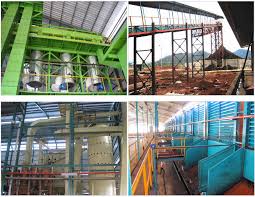






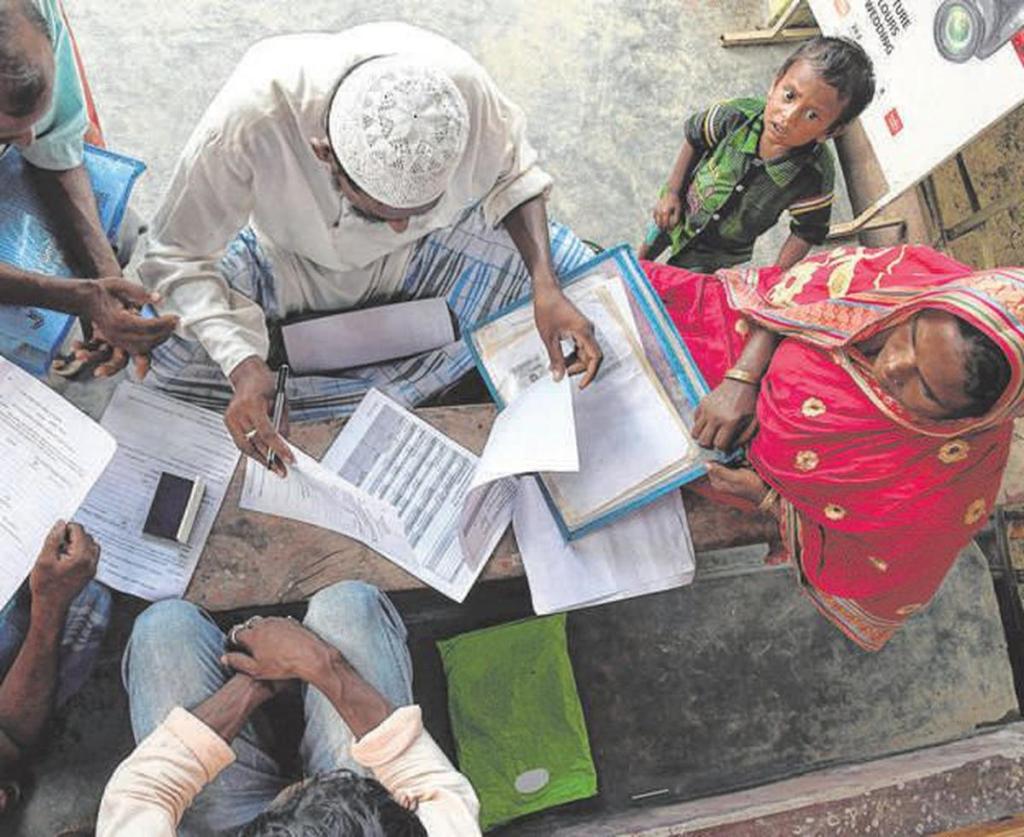












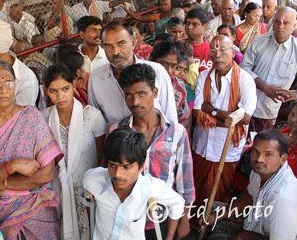
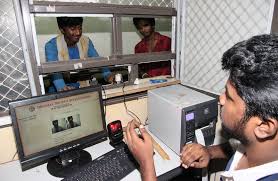










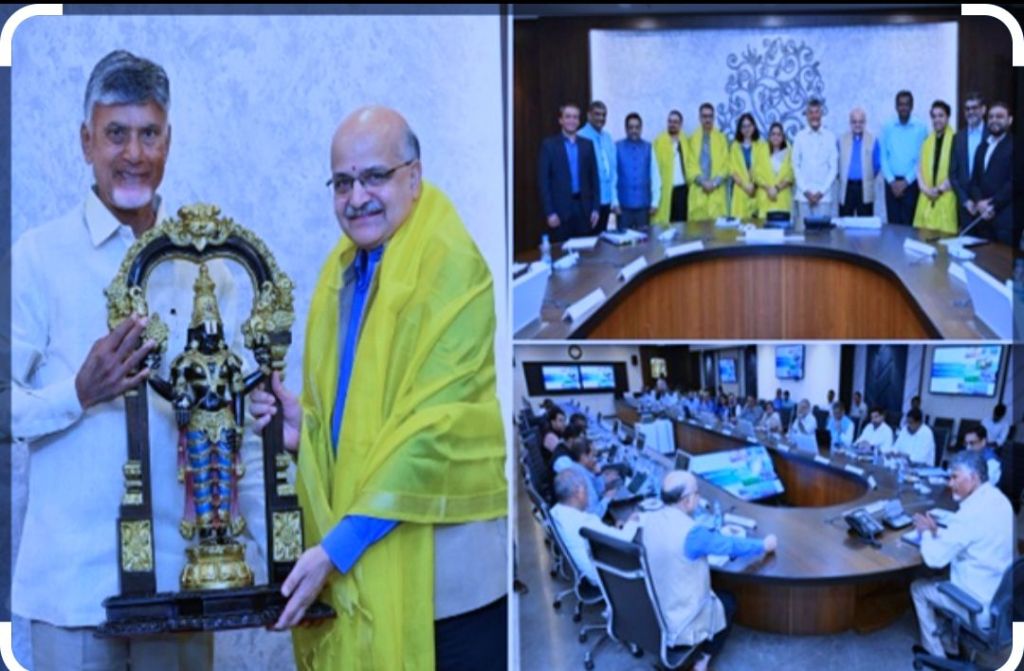







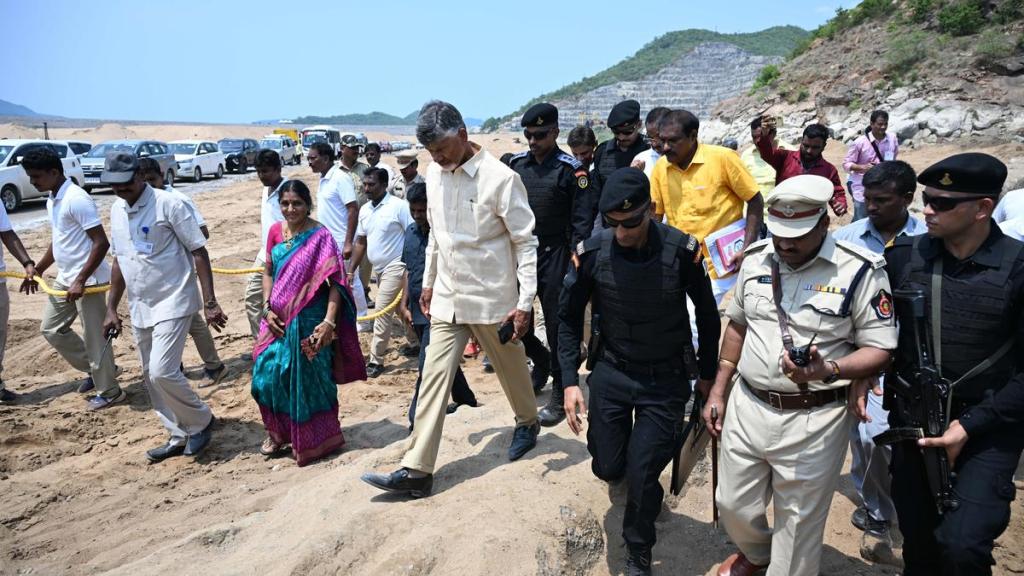










 SOCIAL PERSPECTIVES