Skip to content
    • About

SOCIAL PERSPECTIVES

  • Arvind Kejriwal: The Maverick Politician

    August 4th, 2024

    Bureaucrat Turned Politician: The Complex Journey of Arvind Kejriwal!!!

    Arvind Kejriwal’s journey from a tax officer to the Chief Minister of Delhi is marked by contradictions, controversies, and emotional complexity. Trained to approach every situation with suspicion, a trait that served him well in his bureaucratic role, Kejriwal’s transition into politics saw this suspicion evolve into a more combative and emotionally charged approach. His political career is defined by a steadfast commitment to anti-corruption, populist policies, and a perpetual state of confrontation. Despite facing criticism for his tactics and mental health, Kejriwal has garnered a dedicated following among the lower strata of society, who view him as a hero. His rise to prominence began with his active involvement in the India Against Corruption movement alongside Anna Hazare, where his vocal stance against corruption resonated with a disillusioned populace. Capitalizing on this momentum, he founded the Aam Aadmi Party (AAP), promising transparency and clean governance. This narrative explores the complexities of Kejriwal’s political journey, examining his rise to power, controversial policies, and personal traits that have both propelled and hindered his career.

    Arvind Kejriwal first gained national prominence as a key figure in the India Against Corruption movement alongside Anna Hazare. His rhetoric against corruption resonated with millions of Indians disillusioned by the numerous scams that plagued the Congress government. Leveraging this momentum, Kejriwal launched the Aam Aadmi Party (AAP) with a promise of clean governance and transparency. His early political days were marked by bold moves, including the surprising decision to form a government with the support of the Congress party, which he had vehemently opposed. Kejriwal’s tenure as Chief Minister began with populist measures such as free water and subsidized electricity. These initiatives endeared him to many lower-income residents of Delhi but also drew criticism from economic experts for fiscal irresponsibility and short-termism. Despite the controversies, Kejriwal’s focus on anti-corruption and welfare policies struck a chord with the common man, solidifying his support base. This period in Kejriwal’s career highlights his strategic audacity and the complex interplay between idealism and pragmatism in his quest to transform Delhi’s political landscape.

    Arvind Kejriwal’s political strategy has heavily relied on offering “freebies,” which, despite criticism, have solidified his support base among lower-income groups in Delhi. Policies such as free water, subsidized electricity, and improved public schools and healthcare facilities have transformed him into a hero for many. These populist measures, however, have also led to accusations of fiscal irresponsibility, with critics arguing that Kejriwal’s focus on short-term gains undermines the long-term financial health of the state. Nonetheless, his supporters view these policies as essential for improving the lives of the marginalized and see Kejriwal as a leader who genuinely cares for their welfare. This dichotomy underscores the complex nature of Kejriwal’s approach to governance. His tenure has been characterized by a persistent state of confrontation, a trait rooted in his past experiences as a tax officer. Kejriwal’s combative approach to politics has led to frequent clashes with the central government and other political entities. While this fighting spirit has been lauded by his supporters as necessary for challenging entrenched corruption and interests, it has also contributed to a polarized political environment. This narrative captures the multifaceted dimensions of Kejriwal’s leadership and its impact on Delhi’s political landscape.

    Critics argue that Kejriwal’s confrontational style has created a polarized political environment and overshadowed effective administration, leading to accusations of neglect in managing Delhi’s affairs. They contend that his focus on political battles detracts from his commitment to day-to-day governance. Conversely, his supporters believe this fighting spirit is necessary to challenge the entrenched interests and corruption in Indian politics. Kejriwal’s emotional nature significantly influences his political decisions, contrasting with the detachment seen in some leaders. His actions, driven by strong emotions and personal convictions, endear him to many as a passionate and genuine leader. However, this emotional approach has also resulted in impulsive decisions and public controversies, contributing to his reputation for unpredictability and volatility.

    While Kejriwal’s confrontational style has garnered attention and support, it has also led to significant governance issues. Critics argue that his focus on battling political adversaries has often come at the expense of effective administration in Delhi, leading to accusations of neglect. This approach, characterized by political grandstanding, has raised concerns about his commitment to the daily responsibilities of his office. Kejriwal’s attempt to prove that the administration can function without the Chief Minister’s constant oversight is seen as both a strength and a weakness. While it demonstrates decentralization and delegation, it also raises questions about the necessity of more direct involvement to ensure the effective implementation of policies and programs.

    Moreover, Kejriwal’s dedication to his role has come under intense scrutiny, particularly concerning his mental health. The immense pressure and relentless criticism he faces have impacted his well-being, prompting debates about his suitability for public office. Despite these challenges, Kejriwal’s resilience and emotional investment in his work underscore his commitment to serving the people of Delhi. His approach highlights the delicate balance between leadership and effective governance, reflecting the complexities of his political journey.

    One of the most significant turning points in Arvind Kejriwal’s political journey was his split with Anna Hazare. Initially, Kejriwal was seen as a dedicated follower of Hazare, advocating for the Lokpal Bill and fighting against corruption. However, Kejriwal’s decision to enter electoral politics created a rift between the two leaders, highlighting an ideological divide within the anti-corruption movement. Hazare’s disapproval of Kejriwal’s political ambitions underscored this division, as many saw Kejriwal’s decision to launch the Aam Aadmi Party (AAP) and pursue a political career as a betrayal of the movement’s principles. This split not only affected Kejriwal’s image but also led to internal struggles within AAP, as the party grappled with its identity and direction. Despite the challenges, Kejriwal’s resilience and determination helped him navigate through this period of turbulence, solidifying his leadership and paving the way for his eventual rise to power. This pivotal moment in his career reflects the complexities of his political journey and the inherent tensions in balancing activism with political aspirations.

    Arvind Kejriwal’s leadership of the Aam Aadmi Party (AAP) has been marred by internal conflicts and controversies. Prominent leaders such as Yogendra Yadav and Prashant Bhushan were expelled from the party, leading to accusations of authoritarianism and intolerance of dissent. These internal struggles have weakened AAP and raised serious questions about Kejriwal’s leadership style. Despite these challenges, Kejriwal has managed to maintain control over the party and secure significant electoral victories. However, the internal turmoil has affected the party’s stability and its ability to function as a cohesive political force. Kejriwal’s leadership style, characterized by suspicion and confrontation, has contributed to these internal conflicts, further complicating the party’s dynamics. While his approach has helped in maintaining a strong grip on the party, it has also led to a polarized environment within AAP. This dichotomy reflects the complex nature of Kejriwal’s leadership, which combines effective electoral strategy with contentious internal management, impacting the party’s overall unity and effectiveness.

    Arvind Kejriwal’s political journey has been significantly shaped by his rivalry with Prime Minister Narendra Modi, marked by public spats, accusations, and a relentless battle for political dominance. Kejriwal’s criticism of Modi has been a constant feature of his political narrative, often overshadowing his own governance efforts. This rivalry has polarized Indian politics, with both leaders commanding strong support bases. Kejriwal’s frequent attacks on Modi have drawn both admiration and criticism. Supporters view him as a fearless leader challenging the central government, while detractors see him as an opportunist seeking political mileage. The Modi-Kejriwal rivalry has become a defining feature of Indian politics, influencing public opinion and political discourse. While this ongoing battle has helped Kejriwal maintain a high profile, it has also led to concerns that his focus on political adversaries detracts from addressing pressing issues in Delhi. Despite the controversies, Kejriwal’s resilience and strategic acumen in navigating this rivalry underscore the complexities of his leadership and its impact on his political career.

    As Kejriwal continues his political journey, his leadership remains a topic of debate. While he has achieved electoral successes and maintains a dedicated support base, the controversies surrounding his approach and governance raise questions about his long-term effectiveness. Balancing his emotional nature with the demands of governance will be crucial in shaping his future in Indian politics.

    Kejriwal’s political career is a significant narrative in Indian politics, marked by a blend of ambition, reform, and complex dynamics. His transition from a tax officer to Chief Minister reflects a journey of transformation, characterized by both achievements and controversies. As he navigates the evolving political landscape, his ability to adapt and balance his personal traits with effective governance will play a crucial role in defining his legacy. Kejriwal’s journey, with its mix of successes and challenges, continues to be a compelling and evolving story in the realm of Indian politics.

    visit arjasrikanth.in for more insights

  • Taxed to the Max: India’s New Tax Reforms Are Reshaping Real Estate and Daily Life

    August 3rd, 2024

    The Double Whammy of Indirect Taxes and the Removal of Indexation Benefits

    In India, a significant portion of an individual’s earnings is allocated to taxes, both direct and indirect. On average, nearly 40% of a person’s income is directed towards government taxes, which underscores a substantial financial burden. This taxation system implies that a considerable part of the income earned by individuals goes to paying taxes, which are then used by the government to fund various programs, including subsidies and welfare schemes. This allocation often shifts the focus away from wealth creation and economic growth.

    The tax burden for an average salaried individual is notably high, with everyday activities and purchases subject to indirect taxes in the form of Goods and Services Tax (GST). This includes a range of routine expenses such as dining out, refuelling vehicles, purchasing grooming products, and watching movies. These activities are all subject to GST, adding to the overall expenditure. When combined with direct taxes, such as income tax, the total tax liability can consume almost 43% of a person’s income.

    India’s direct tax system is primarily composed of income tax, which, as of September 2021, includes different tax slabs: up to ₹2.5 lakh is tax-free; income between ₹2.5 lakh and ₹5 lakh is taxed at 5%; income between ₹5 lakh and ₹10 lakh is taxed at 20%; and income above ₹10 lakh is taxed at 30%. Indirect taxes, on the other hand, include GST, customs duties, excise duties, and service tax. GST rates vary by item, with essentials being taxed at a lower rate and luxury goods at a higher rate. While income tax affects a relatively small segment of the population—approximately 1% of Indians—GST impacts almost everyone, with its effects varying based on individual consumption patterns.

    The substantial tax burden on the average Indian highlights the necessity for effective tax planning and a comprehensive understanding of how taxes affect daily life. This complexity becomes even more pronounced with recent changes introduced in the Union Budget concerning the taxation of real estate sales. Specifically, the government has decided to withdraw indexation benefits for long-term capital gains, a move that has stirred significant discussion among property owners, investors, and the real estate sector as a whole.

    To grasp the full implications of these changes, it is important to understand the concept of indexation and its benefits. Indexation involves adjusting the value of an asset to account for inflation, ensuring that capital gains tax reflects real gains rather than nominal ones. For instance, if an individual purchased a flat for ₹1,00,000 two decades ago and its market value has since appreciated to ₹2,00,000, the apparent capital gain would be ₹1,00,000, suggesting a 100% profit. However, inflation plays a critical role in determining the actual value of money over time. Assuming an annual inflation rate of 4%, the original ₹1,00,000 would need to be adjusted for inflation over twenty years, resulting in an inflation-adjusted value of approximately ₹1,65,000. Therefore, the real capital gain, when accounting for inflation, is only ₹35,000, not ₹1,00,000. Indexation benefits allow taxpayers to exclude the effects of inflation from their taxable gains, ensuring they are taxed only on the real profit.

    Previously, indexation benefits were provided on long-term capital gains from the sale of assets such as properties, gold, and other investments. This benefit allowed individuals to calculate their capital gains more accurately by reflecting their true financial position. The tax on capital gains was computed based on the adjusted figure, which significantly reduced the tax burden. However, the recent budget announcement has introduced two significant changes: the removal of indexation benefits and a reduction in the tax rate on long-term capital gains from 20% to 12.5%. These changes have generated considerable debate among economists, property owners, and potential buyers, prompting a re-evaluation of real estate investment strategies.

    With the withdrawal of indexation benefits, individuals selling properties will face a higher taxable amount. For instance, without indexation, the capital gains would be calculated as ₹1,00,000, leading to a tax of ₹10,000. With indexation, the real gain was reduced to ₹35,000, resulting in a tax of only ₹3,500. This change could significantly increase tax liabilities for property owners, particularly those who acquired their properties many years ago when prices were lower. Although the reduction in tax rates may provide some relief, the net effect will depend on individual circumstances.

    The effectiveness of the new tax structure depends on two critical factors: the inflation rate and the rate at which property prices appreciate. If inflation rates remain high and property prices do not keep pace, the absence of indexation benefits could impose severe tax liabilities on sellers. Conversely, if property values rise significantly relative to inflation, the reduced tax rate might offset the loss of indexation benefits. The impact of these changes will differ across various regions in India. For instance, property prices in major urban centres like Mumbai and Delhi have historically increased at a faster rate compared to smaller towns. Consequently, property owners in high-growth areas may experience less benefit from the removal of indexation than those in areas with stagnant property values.

    A significant concern arising from the withdrawal of indexation benefits is the potential increase in black money within real estate transactions. Higher tax liabilities could prompt some property owners to underreport property values to evade taxes, exacerbating issues related to unaccounted cash in the sector and challenging efforts to promote transparency in real estate dealings.

    The withdrawal of indexation benefits represents a transformative shift in the taxation landscape for real estate transactions in India. While the reduction in tax rates may offer some relief, the removal of indexation benefits raises considerable concerns for property sellers. This change is likely to increase tax liabilities, especially for those who have held properties for long periods, as they will now face higher taxable gains without the ability to adjust for inflation. The varying impacts across regional property markets will further complicate the situation, with sellers in high-growth areas potentially faring better than those in stagnant markets. Additionally, the risk of increased black money circulation poses a challenge to the government’s efforts to enhance transparency and accountability in the real estate sector.

    As the Indian economy continues to evolve, these tax reforms will shape the future of real estate transactions, influencing market dynamics and investment behavior. The withdrawal of indexation benefits is part of a broader strategy to streamline the tax system and boost revenue generation. However, it also highlights the delicate balance policymakers must strike between fiscal objectives and economic growth. Real estate is a crucial component of the Indian economy, contributing significantly to GDP and employment. Policy changes affecting this sector have far-reaching consequences for economic stability and growth.

    One immediate concern is the potential slowdown in the real estate market. Higher tax liabilities could deter potential sellers, leading to reduced market supply, which could, in turn, drive up property prices and make real estate less affordable for buyers. The overall market impact will depend on how these changes are perceived and managed by stakeholders. Investors, traditionally viewing real estate as a safe and profitable investment, may need to reassess their strategies due to the withdrawal of indexation benefits. This shift might lead them to seek alternative investment avenues that offer better tax efficiency, affecting the flow of capital into the real estate sector and its subsequent growth.

    For property developers, the new tax regime presents both challenges and opportunities. Higher tax liabilities for sellers might lead to a slowdown in property transactions, impacting sales and revenue. However, developers could benefit from increased demand for new properties as buyers look for options that minimize their tax liabilities. Developers will need to innovate and adapt their business models to thrive in this new environment.

    The government has a crucial role in managing the transition. Effective communication and implementation of the new tax policies will be essential to minimize confusion and ensure compliance. The government may also need to consider additional measures to support the real estate sector during this transition, such as incentives for affordable housing or infrastructure development. The broader economic context is also significant. India’s economy is at a critical juncture, with both opportunities and challenges. The country is poised for significant growth driven by a young, dynamic population, rapid urbanization, and increasing foreign investment. However, it also faces structural challenges such as high inflation, fiscal deficits, and the need for substantial infrastructure development.

    In this context, the withdrawal of indexation benefits is part of a broader effort to address fiscal challenges and establish a more robust and sustainable economic framework. Nevertheless, it underscores the need for balanced and nuanced policymaking that considers the diverse needs and interests of different stakeholders. For individual taxpayers, the new tax regime highlights the importance of financial planning and literacy. Understanding the implications of tax changes and making informed decisions will be crucial for optimizing financial outcomes. Taxpayers must stay informed about the latest developments and seek professional advice to navigate the complexities of the new tax environment. Overall, the recent changes in India’s tax policy, particularly the withdrawal of indexation benefits for long-term capital gains, have significant implications for the average Indian. The already heavy tax burden is further exacerbated by these new policies, which may impact real estate transactions, investment strategies, and overall economic stability.

    Visit arjaSrikanth.in for more insights
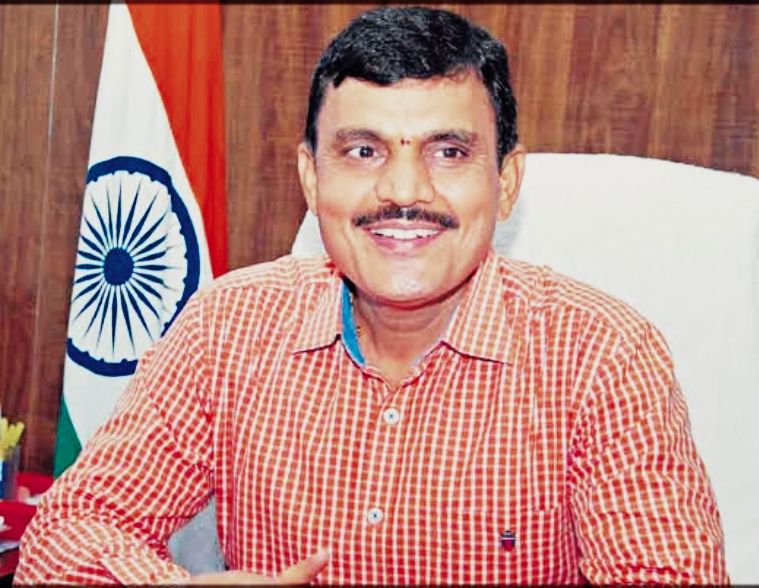
  • Unwavering Dedication: The Humanitarian Legacy of B.S. Narayana Bhatt

    August 2nd, 2024

    Celebrating a Visionary Leader’s Enduring Commitment to Education, Disaster Relief, and Transforming Lives

    Narayana Bhatt began his remarkable journey over five decades ago by founding Sri Saradha Mandir in Bapatla, Andhra Pradesh. As an educator, he guided countless students to excel in various fields, from Civil Services and Banking to Social Services, embodying the role of a dedicated mentor. Bhatt’s commitment to his students went beyond the classroom; he treated them as family and provided guidance around the clock. His influence extended into social activism, particularly during natural calamities and disasters when he tirelessly worked to support the needy and poor. Even at the age of 70, Bhatt’s unwavering dedication and service have left an indelible mark on the community, transforming thousands of lives and bringing significant societal changes. His legacy is a testament to the power of education and selfless service, inspiring future generations to strive for excellence and compassion.

    From the outset, Bhatt’s vision for Sri Saradha Mandir was not just to impart academic knowledge, but to nurture holistic development. His approach to education was comprehensive, emphasizing moral values, critical thinking, and community service. This unique blend of academic rigor and ethical grounding prepared his students to become not only successful professionals but also conscientious citizens.

    Bhatt’s social activism was not limited to disaster relief; he consistently engaged in initiatives that uplifted the underprivileged and marginalized, ensuring that education and support reached those who needed it the most. His life’s work continues to be a beacon of hope and an exemplar of selfless service, demonstrating the profound impact one individual can have on society. Bhatt’s legacy is a testament to the power of dedication, compassion, and unwavering commitment to the betterment of others.

    A pivotal moment in Bhatt’s life came in August 1996 when a team of volunteers under his leadership attended a “Disaster Management Workshop” in Trivandrum. This training proved crucial, preparing Bhatt and his team for the challenges ahead and thrusting them into action during various natural calamities.

    In October 1996, Prakasam District grappled with devastating flash floods. Acting swiftly, Bhatt and his volunteers coordinated with local authorities to distribute essential relief supplies sourced from the Indian Red Cross Society (IRCS) and national contributions. Their efforts were instrumental in alleviating the suffering of thousands, demonstrating Bhatt’s leadership and organizational prowess in crisis situations. The swift, coordinated response to the floods highlighted Bhatt’s ability to mobilize resources efficiently and effectively, ensuring that aid reached those most in need.

    Just weeks later, in November 1996, East Godavari District faced the wrath of a powerful hurricane. Deployed once more, Bhatt led relief operations in Rajahmundry and Amalapuram, overseeing the distribution of vital supplies sent by the National Headquarters and the AP State Branch. The collaboration with Revenue authorities and local officials ensured efficient delivery, earning accolades from the community and recognition from the District Collector on Republic Day 1997. Bhatt’s ability to navigate the complexities of disaster relief operations showcased his exceptional leadership and deep commitment to humanitarian aid.

    The Orissa Super Cyclone of October 1999 presented another monumental challenge. Responding to the state’s call for aid, Bhatt mobilized a team to Bhubaneswar, where they spent over a month distributing relief articles to cyclone victims. The scale of devastation prompted generous contributions from institutions and individuals, facilitating substantial relief efforts that Bhatt and his team executed tirelessly. His work during the Orissa Super Cyclone underscored his resilience and ability to inspire others to join in the mission of service.

    The Gujarat Earthquake in January 2001 marked another chapter in Bhatt’s humanitarian journey. His team’s swift deployment to Kutch district, equipped with blankets, clothes, medicines, and solar lamps, brought much-needed relief to earthquake survivors. Their efforts were bolstered by local collaborations and logistical support, showcasing Bhatt’s ability to organize effective disaster response operations across state borders. This operation further solidified Bhatt’s reputation as a stalwart in disaster management and relief.

    Beyond disaster relief, B.S. Narayana Bhatt has made significant contributions to community health and welfare. As Chairman of the Indian Red Cross Society, Bapatla District, and Founder Secretary of its Sub-Branch, he has championed initiatives ranging from blood donation drives to health awareness programs. His commitment to nurturing future leaders through leadership competitions and youth initiatives has empowered generations to contribute meaningfully to society. Bhatt’s initiatives in health and education have created a sustainable impact, fostering a culture of service and responsibility among the youth.

    In addition to his humanitarian efforts, Bhatt’s role in education has been transformative. He understood that education was the key to unlocking potential and creating opportunities for social mobility. His students, many of whom have risen to prominent positions in various sectors, are a testament to his dedication and teaching prowess. Bhatt’s holistic approach to education, where he emphasized values such as empathy, integrity, and community service, has left a lasting impact on his students, who continue to embody these principles in their professional and personal lives.

    Through this article, we aim to pay rich tribute to our Guru, who not only educated but also inspired and uplifted many, leaving a legacy of compassion, service, and excellence. Bhatt’s life is a shining example of how one person’s vision and dedication can create ripples of positive change, transforming lives and communities. His tireless efforts during natural disasters and his unwavering commitment to education and social welfare have left an indelible mark on society.

    Bhatt’s legacy is also evident in the way he inspired others to follow in his footsteps. His students and volunteers, having witnessed his dedication and compassion first hand, have gone on to become leaders in their own right, continuing the work he started. This multiplier effect is perhaps one of Bhatt’s most significant contributions, as it ensures that his values and principles continue to influence and inspire future generations.

    Recognized with numerous awards and accolades, including service medals and certificates from esteemed dignitaries, Bhatt continues to inspire with his commitment to humanity. His accolades, however, are just a small reflection of the immense respect and admiration he commands within the community. Bhatt’s true reward lies in the countless lives he has touched and the positive change he has brought about.

    As we reflect on his remarkable contributions, we remember B.S. Narayana Bhatt as a symbol of hope and compassion, whose tireless efforts have touched and transformed countless lives in times of dire need. His story is a powerful reminder of the impact one individual can have when driven by a sense of purpose and a commitment to serve others. Bhatt’s life and legacy are a testament to the enduring power of compassion, dedication, and selfless service.

    In conclusion, Narayana Bhatt’s journey epitomizes selfless service and unwavering dedication to humanitarian causes. From the flood-ravaged plains of Prakasam to the earthquake-shattered landscapes of Gujarat, Bhatt’s leadership has been a cornerstone of relief and rehabilitation efforts. His ability to mobilize resources, coordinate volunteers, and foster community resilience underscores his legacy as a true humanitarian. As we celebrate his contributions, we strive to embody the values he championed and continue the work he started, ensuring that his legacy of compassion and service lives on.

    visit arjasrikanth.in for more insights

  • From Tragedy to Transformation: Rethinking Habitation and Environmental Conservation in Hilly Terrains

    August 2nd, 2024

    Wayanad’s Wake-Up Call: Addressing the Growing Threat of Landslides in India

    Landslides have become an increasingly common and devastating natural disaster in India, particularly in hilly regions like Kerala and Uttarakhand. The tragic events that unfolded in Wayanad, Kerala, where 143 lives were lost and 186 individuals sustained injuries due to a series of landslides, highlight the pressing need for effective landslide management. As our nation continues to face the repercussions of unchecked development in these fragile terrains, it is imperative that we reassess our approach to habitation and environmental conservation in hilly areas.

    On  a fateful day, the serenity of Wayanad was shattered by multiple landslides that struck in the early hours of the morning. The first landslide occurred around 1 AM, followed by another at approximately 4:30 AM. These disasters trapped countless individuals beneath rubble, resulting in a heart-wrenching toll of lives lost and injuries sustained. The Indian Meteorological Department had issued a red alert for Wayanad and the neighbouring districts, signalling the severity of the situation. The rescue operations commenced swiftly, with local authorities and security forces mobilizing to aid those trapped. Chief Minister Vijayan announced a two-day state mourning period to honour the lives lost in this calamity. The tragedy has raised significant concerns about the safety of habitations in hilly terrains, prompting discussions on the necessity of sustainable development practices.

    Landslides typically occur in areas with steep slopes and loose soil, often exacerbated by heavy rainfall, earthquakes, and human activities. In regions like Kerala, where monsoons bring heavy downpours, the risks of landslides are amplified. The soil saturation leads to a decrease in stability, resulting in catastrophic events that can impact not only human life but also infrastructure and ecosystems. In Wayanad, the landslides destroyed homes, roads, and crucial bridges, isolating communities and hindering rescue efforts. The aftermath of such disasters extends beyond immediate fatalities, affecting the mental and emotional well-being of survivors and leaving communities to grapple with the loss of their homes and livelihoods.

    In recent years, there has been a significant increase in urbanization and development in hilly regions. While economic growth and infrastructure development are essential, they often come at the expense of environmental sustainability. The overutilization of hill terrains without proper planning and consideration for natural processes has led to a precarious balance between human habitation and nature. The case of Wayanad serves as a stark reminder that nature has its own course and can retaliate against human encroachment. The lack of foresight in planning has resulted in a vicious cycle of destruction, where floods and landslides become common occurrences. Therefore, it is crucial for policymakers to formulate strategies that prioritize ecological balance and sustainable development.

    To mitigate the impact of landslides, a comprehensive management strategy is needed. This strategy should encompass various aspects, including risk assessment and mapping, sustainable urban planning, community awareness and preparedness, restoration of natural barriers, and emergency response and rehabilitation. Identifying vulnerable areas through geological surveys and risk assessment can help inform future development plans. Implementing stricter regulations on construction in high-risk zones, coupled with sustainable land-use practices, can reduce the likelihood of landslides. Educating local communities about the risks of landslides and establishing early warning systems can improve response times and save lives. Reforestation and the restoration of natural barriers can help stabilize soil and reduce the risk of landslides. Strengthening emergency response mechanisms and providing adequate resources for rehabilitation can aid in recovery efforts post-disaster.

    The landslide tragedy in Wayanad has prompted a wave of political and social reactions. Prime Minister Narendra Modi expressed his concern over the incident and announced financial assistance for the affected families. Local leaders and organizations have also rallied together to provide support and resources for the rescue efforts. However, amidst the outpouring of sympathy and support, there lies a pressing need for actionable solutions that address the root causes of such disasters. It is not enough to respond to tragedies as they occur; proactive measures must be taken to prevent them in the first place.

    The history of landslides in India is replete with incidents that have caused significant loss of life and property. Each disaster serves as a grim reminder of the need for better preparedness and management strategies. The Wayanad tragedy is no exception. It underscores the importance of addressing the environmental and human factors that contribute to landslides. Deforestation, unplanned construction, and inadequate drainage systems are some of the human activities that exacerbate the risk of landslides. On the other hand, natural factors like heavy rainfall, soil erosion, and seismic activity are also major contributors.

    The Wayanad landslides also highlight the importance of early warning systems and timely evacuation. The Indian Meteorological Department had issued a red alert, but the extent of the disaster caught many by surprise. This calls for a review of the current early warning systems and their effectiveness in preventing such tragedies. There is also a need for better coordination between various government agencies and local communities to ensure a swift response in the event of a disaster.

    One of the key challenges in managing landslides is the lack of comprehensive data on vulnerable areas. While geological surveys and risk assessments are conducted, there is a need for more detailed and up-to-date information. This can help in identifying high-risk zones and implementing preventive measures. Technology can play a crucial role in this regard. Remote sensing, geographic information systems (GIS), and other advanced tools can be used to monitor and predict landslides. These technologies can provide real-time data, enabling authorities to take timely action.

    In addition to technological solutions, community participation is vital for effective landslide management. Local communities are often the first to be affected by landslides, and their involvement in disaster preparedness and response can make a significant difference. Educating communities about the risks of landslides and training them in emergency response can save lives. Community-based early warning systems, where residents are trained to monitor signs of potential landslides, can also be effective.

    Reforestation and soil conservation are other critical measures in preventing landslides. Trees and vegetation play a crucial role in stabilizing soil and preventing erosion. Afforestation and reforestation programs should be prioritized, particularly in hilly regions. Additionally, sustainable agricultural practices can help in maintaining soil health and reducing the risk of landslides. Terracing, contour ploughing, and other soil conservation techniques can be employed to minimize soil erosion.

    Another important aspect of landslide management is the regulation of construction activities in hilly areas. Unplanned and haphazard construction can destabilize slopes and increase the risk of landslides. Strict building codes and regulations should be enforced to ensure that construction activities do not compromise the stability of the terrain. Infrastructure development should be planned in a manner that takes into account the geological and environmental conditions of the area.

    The Wayanad tragedy also underscores the need for adequate infrastructure to support rescue and relief operations. Access to affected areas is often hindered by damaged roads and bridges, delaying rescue efforts. Investing in resilient infrastructure that can withstand natural disasters is crucial. This includes building roads, bridges, and communication networks that can remain operational during emergencies.

    The role of the government in landslide management cannot be overstated. Policies and regulations need to be in place to guide development activities and ensure environmental sustainability. The government should also allocate sufficient resources for disaster preparedness and response. This includes funding for early warning systems, emergency response teams, and rehabilitation programs for affected communities.

    The private sector can also play a role in landslide management. Companies involved in construction, mining, and other activities in hilly regions should adopt sustainable practices and comply with environmental regulations. Corporate social responsibility (CSR) initiatives can be directed towards reforestation, soil conservation, and community education programs.

    International cooperation is another avenue that can be explored. Countries facing similar challenges can share knowledge and best practices in landslide management. International organizations can provide technical assistance and funding for disaster preparedness and mitigation projects. Collaborative research and development efforts can lead to the development of innovative solutions for landslide prevention and management.

    Education and research are fundamental to improving landslide management. Academic institutions and research organizations should be encouraged to study the causes and impacts of landslides and develop effective mitigation strategies. Training programs for professionals involved in disaster management can enhance their skills and knowledge.

    Public awareness campaigns can also play a crucial role in landslide management. Informing the public about the risks of landslides and the measures they can take to protect themselves can save lives. Media, schools, and community organizations can be involved in spreading awareness and educating the public.

    In the long term, addressing the root causes of landslides requires a holistic approach that balances development and environmental sustainability. This involves rethinking our approach to urbanization, infrastructure development, and land use in hilly regions. Sustainable development practices that prioritize ecological balance can help in reducing the risk of landslides and other natural disasters.

    In conclusion, the landslides in Wayanad are a wake-up call for India to re-evaluate its approach to habitation in hilly terrains. As we witness the increasing frequency of natural disasters, it is vital that we prioritize the management of landslides and other environmental challenges. By adopting sustainable practices, engaging in comprehensive planning, and respecting the delicate balance of our ecosystems, we can protect lives, property, and the environment. The lessons learned from the Wayanad tragedy should serve as a guide for future actions and policies aimed at preventing such disasters. Through collective efforts and a commitment to sustainable development, we can build a safer and more resilient future for all.

    visit arjasrikanth.in for more insights
  • The Endless Voyage: Charting the Epic Tale of Machilipatnam Port

    August 1st, 2024

    Navigating Dreams and Delays in Andhra Pradesh’s Maritime Quest

    On the sun-drenched shores of Andhra Pradesh, Machilipatnam Port stands as a beacon of both historical significance and future potential. As a long-desired infrastructure project, its development represents a transformative opportunity for the region. Despite a tumultuous history marked by political setbacks and shifting priorities, the vision for Machilipatnam Port is now poised to align with broader regional development goals. This article delves into the port’s storied past, its current status, and the promising future it holds for Andhra Pradesh and beyond.

    Machilipatnam, a coastal town with a rich history, served as a bustling trade hub during the British colonial era. Known by various names such as Masulipatnam and Bandar, its strategic location attracted Dutch, British, and French traders. The port’s historical significance is underscored by its role in facilitating trade in goods such as rice, textiles, and pharmaceuticals. However, as modern ports evolved, Machilipatnam’s once-thriving port became overshadowed by more contemporary facilities.

    The dream of reviving Machilipatnam Port was rekindled on April 23, 2008, when then-Chief Minister Y.S. Rajasekhara Reddy laid the foundation stone for the deep-water port project. With an initial investment of ₹1,590 crore, the project aimed to revolutionize maritime trade in the Krishna district. Entrusted to a consortium of Maytas Infra, Nagarjuna Construction Co, SREI Infrastructure, and Sarat Chatterjee & Company, the project promised to construct three berths with a combined length of 6,900 meters of breakwaters, capable of handling 15 million tonnes per annum (tpa) of cargo. The initial phase was expected to be completed within 24 months, igniting hopes for economic rejuvenation.

    Despite the initial enthusiasm, the journey of Machilipatnam Port has been fraught with challenges. Political dynamics and administrative changes have often stalled progress. The project’s momentum was disrupted by a series of setbacks, including the cancellation of the concession agreement with Navayuga Engineering Company Limited (NECL) in August 2019. This decision came after former Chief Minister N. Chandrababu Naidu’s foundation stone laying in February 2019, highlighting the complex interplay of political and economic forces affecting the project.

    The port’s development faced significant opposition from local farmers and fisherfolk concerned about land acquisition and loss of livelihoods. Protests erupted, leading to the government’s decision to revoke land acquisition notifications in June 2018. These events underscored the difficulties of balancing development with community interests.

    Despite these obstacles, the commitment to developing Machilipatnam Port remained steadfast. The establishment of the Machilipatnam Urban Development Authority (MUDA) in 2016 and its expansion to oversee 12 mandals marked a renewed focus on the project. With an estimated cost of ₹5,156 crore, the port’s construction was projected to transform Machilipatnam into a thriving port city, fostering economic growth and connectivity.

    The port’s strategic location offers unparalleled connectivity, linking it to the National Highway 216 and the Gudivada-Machilipatnam railway line. This infrastructure positions Machilipatnam as a vital gateway for trade and logistics, not only for Andhra Pradesh but also for neighbouring states such as Telangana and Chhattisgarh. The port’s potential to facilitate seamless movement of goods enhances its appeal as a key player in the region’s economic development.

    The development vision for Machilipatnam Port mirrors successful examples from other states, particularly Gujarat. The Gujarat government’s development of the Dahej Seaport, connected to the Delhi-Mumbai Rail Corridor and Road Corridor, serves as a model for Machilipatnam. Dahej Seaport’s success in becoming a bustling hub of economic activity demonstrates the transformative potential of strategic port development. Similarly, Machilipatnam Port’s connection to Hyderabad via six-lane highways and the encouragement of industrial hubs along the route could replicate Gujarat’s success story.

    For Machilipatnam Port to realize its full potential, a comprehensive industrial cum port development plan is essential. The development strategy should include not only the port infrastructure but also the creation of ancillary facilities such as industrial zones, fishing harbours, and logistics centres. This holistic approach ensures that the port’s benefits extend beyond maritime trade to encompass broader economic development.

    With leaders like N. Chandrababu Naidu and Revanth Reddy at the helm, there is hope that the project will gain momentum and achieve its goals before 2029. Their leadership could drive the necessary political will to overcome past hurdles and ensure the port’s successful completion. The port’s development could mirror Gujarat’s achievements, fostering economic prosperity for both Andhra Pradesh and Telangana.

    The development of Machilipatnam Port is set to act as a powerful catalyst for substantial economic and social transformation. Its strategic location is poised to significantly boost regional connectivity and trade opportunities, fostering widespread growth. With crucial infrastructure improvements already underway, including electrified double rail tracks and upgraded road networks, the port will enhance the efficient movement of goods and attract substantial investments. This comprehensive development is expected to create a ripple effect, driving economic vitality and revitalizing local communities throughout the region.

    The port’s development will also generate employment opportunities and stimulate ancillary industries. By fostering a conducive environment for industrial growth, the port can become a nucleus of economic activity, benefiting local communities and contributing to regional development.

    While the port’s development holds immense promise, it is crucial to address environmental considerations. Coastal ecosystems are fragile, and port activities must be managed to mitigate ecological impact. Implementing sustainable practices and ensuring responsible growth are essential to preserving the region’s environmental health while pursuing economic advancement.

    Machilipatnam Port’s journey from a historical trade hub to a modern maritime gateway encapsulates a narrative of dreams, determination, and resilience. Despite the challenges and delays, the port stands as a symbol of hope and progress. Its development represents a significant opportunity for Andhra Pradesh and neighboring states, promising to transform the region’s economic landscape.

    As the port navigates its course towards completion, it holds the potential to become a cornerstone of Andhra Pradesh’s economic strategy. By leveraging its strategic location, enhancing connectivity, and fostering industrial growth, Machilipatnam Port can emerge as a dynamic hub of trade and development. The ongoing commitment to its development reflects a broader vision for regional prosperity, driven by the optimism and determination of those who champion its cause.

    In conclusion, Machilipatnam Port’s construction  is more than a project; it is a testament to the ambition and perseverance of Andhra Pradesh’s people. The port’s successful development will not only enhance regional connectivity but also catalyse economic growth, creating opportunities for a brighter future. As the port continues its journey towards realization, it remains a beacon of progress, embodying the hopes and aspirations of a community poised for transformation.

    visit arjasrikanth.in for more insights
  • Delhi’s Basement Crisis: A Tragic Flood Exposes the Dangers of Misused Spaces

    August 1st, 2024

    The Heart breaking Deaths of Aspiring IAS Candidates Reveal the Urgent Need for Reform in Basement Regulations and Urban Safety

    On a recent Saturday evening, a heart-wrenching tragedy unfolded in Old Rajinder Nagar, Delhi. The basement of Rau’s IAS Study Circle, which was housing aspiring IAS candidates, was inundated with torrential rains, leading to the heart breaking deaths of Shreya Yadav from Uttar Pradesh, Tanya Soni from Telangana, and Nevin Dalwin from Kerala. This incident has set off a wave of public outrage, political upheaval, and demands for systemic reform, shedding light on deep-seated issues concerning the misuse of basements across the city.

    The basement of Rau’s IAS Study Circle, intended for vehicle parking and maintaining structural integrity, was overwhelmed by severe rainfall that exceeded its drainage capacity. The victims, all young and driven individuals preparing for the Union Public Service Commission (UPSC) exams, found themselves in an environment ill-equipped to handle such emergencies. This tragedy highlights the widespread issue of converting basements into commercial spaces without adequate safety measures or regulatory oversight.

    In the aftermath of the flood, the Delhi Police arrested seven individuals, including the owner of Rau’s IAS Study Circle. The arrests also involve other parties responsible for managing and operating the coaching centre. These individuals face charges of culpable homicide and related offenses. The Delhi Police are probing significant breaches of safety regulations, such as inadequate drainage systems and the unauthorized use of basements for commercial purposes.

    The response to this catastrophe has been marked by urgency and intensity. The Municipal Corporation of Delhi (MCD) has begun sealing properties and basements that violate building codes, signalling a serious attempt to address the safety lapses prevalent across many institutions in the city. This crackdown reflects a broader recognition of the need for stringent enforcement of building regulations and safety norms.

    Politically, the incident has sparked a storm of criticism. Members of Parliament from various parties have called for a thorough inquiry, with the BJP accusing the Aam Aadmi Party (AAP)-led Delhi government of negligence. Both the Rajya Sabha and Lok Sabha have debated the issue, reflecting a broad dissatisfaction with the current governance and its handling of safety standards. In Old Rajinder Nagar, students have staged protests, blaming local authorities for their failure to enforce safety protocols. The Delhi Police have issued notices to the MCD, seeking detailed information about the drainage system and the officials responsible for maintaining it.

    As the legal process unfolds, five of the arrested individuals have been placed in 14-day judicial custody. Authorities have initiated demolition of encroachments around the coaching centre, including a bulldozer operation to clear the affected area. The investigations also extend to damage caused to the coaching centre by water waves from passing vehicles during the rains.

    The tragedy at Rau’s IAS Study Circle underscores a systemic problem in Delhi’s urban landscape: the misuse of basements. Many residential buildings have basements initially designed for vehicle parking and ventilation but are now repurposed for commercial activities. This misuse is often facilitated by corrupt practices and the complicity of local officials who overlook regulatory violations.

    Basements, which were intended to serve functional purposes such as parking and ensuring structural stability, are now frequently converted into offices, study centres, and other business ventures. This shift not only violates building regulations but also creates hazardous conditions for occupants. The increased demand for commercial space has led to inadequate safety measures and inadequate preparedness for emergencies.

    The repurposing of basements for commercial use places an additional strain on Delhi’s already overloaded infrastructure. The higher demand for water and electricity from these commercial activities exacerbates resource shortages and infrastructure problems. Furthermore, the added pressure on emergency response systems makes it difficult to address crises effectively, as demonstrated by the flooding incident.

    Inadequate drainage systems and overcrowded basements exacerbate risks during heavy rains. The misuse of these spaces contributes to unsafe environments that endanger lives, particularly when emergencies arise. The tragedy at Rau’s IAS Study Circle is a stark example of how the misuse of basements can lead to dire consequences.

    The role of local authorities, particularly the MCD, is crucial in regulating and monitoring basement usage. While the recent crackdown on properties violating building regulations is a step in the right direction, it must be part of a more comprehensive strategy to address systemic issues. Enforcing existing building codes rigorously and issuing clear guidelines for basement use are essential. Property owners who misuse basements should face substantial penalties to deter future violations. Regular inspections and monitoring should be implemented to ensure ongoing compliance.

    Addressing the problem of corruption and complicity among officials is also critical. Corrupt practices that enable illegal basement usage must be confronted through disciplinary actions and reforms aimed at increasing transparency. Effective governance requires a commitment to eliminating corruption and applying regulations fairly and consistently.

    The tragic loss of Shreya Yadav, Tanya Soni, and Nevin Dalwin should not be in vain. It should serve as a catalyst for meaningful change and improved governance in Delhi. To prevent future tragedies and ensure the safety of the city’s residents, it is essential to implement stricter regulations on basement usage, address corruption and negligence, and invest in robust urban planning and infrastructure development. By taking these steps, Delhi can mitigate the risks associated with basement misuse and pave the way for a safer and more accountable urban environment.

    A comprehensive approach to urban planning is needed to tackle the challenges posed by basement misuse. This includes developing infrastructure that can meet the needs of a growing population and integrating safety standards into building codes and regulations. Proper urban planning can help mitigate the risks associated with basement misuse and ensure that the city’s infrastructure can accommodate commercial and residential demands.

    visit arjasrikanth.in for more insights
  • From Crisis to Triumph: Smt. Preeti Sudan’s Trailblazing Journey to Chairing the UPSC

    July 31st, 2024

    In the vast and intricate realm of Indian bureaucracy, the name of Smt. Preeti Sudan emerges with exceptional prominence and clarity. Her career, extending nearly 37 years, reflects a mosaic of unwavering dedication, visionary leadership, and transformative impact. As she steps into her new role as Chairperson of the Union Public Service Commission (UPSC), it is a fitting moment to reflect on her distinguished journey and the profound influence she has had on Indian governance.

    Smt. Preeti Sudan, an IAS officer from the 1983 batch of the Andhra Pradesh cadre, epitomizes what it means to serve with integrity and foresight. Her career has been a testament to her unwavering commitment to public service and her remarkable ability to navigate complex challenges with grace and effectiveness. Her story is a rich narrative of exemplary service, shaped by both her academic and professional achievements.

    Her journey began with a robust academic foundation. With an M.Phil in Economics and an M.Sc. in Social Policy and Planning from the prestigious London School of Economics (LSE), Smt. Sudan’s educational background provided her with the analytical skills and strategic acumen crucial for a successful career in public administration. This academic excellence was not merely a credential but a fundamental pillar that shaped her approach to governance.

    Her career in Andhra Pradesh marked the beginning of her impactful journey. As Principal Secretary of Finance, she played a pivotal role in managing the state’s financial resources with remarkable efficiency. Her tenure was characterized by a calm demeanour and a positive outlook, which, combined with her expertise, enabled her to address financial management and planning challenges effectively. Her colleagues remember her as a leader who excelled in her role and fostered a collaborative environment that encouraged innovative solutions.

    Smt. Sudan’s versatility was evident as she took on various portfolios within the state administration. From Disaster Management to Tourism and Agriculture, she showcased an exceptional ability to adapt and excel across diverse domains. Each role brought unique challenges, and her strategic approach ensured that the state’s development goals were achieved efficiently. Her handling of these varied responsibilities underscored her broad expertise and her unwavering commitment to the welfare of the state and its people.

    The transition from state to national administration marked a significant milestone in Smt. Sudan’s career. Her tenure as Union Health Secretary from 2017 to 2020 was particularly defining, as she became the first woman to hold this prestigious position. Her leadership during the unprecedented COVID-19 pandemic was both transformative and impactful. At the helm of a healthcare system under immense pressure, her decisions and strategies played a crucial role in shaping India’s response to the pandemic.

    Under her stewardship, several landmark healthcare initiatives were launched. One of the most significant achievements was Ayushman Bharat, one of the world’s largest healthcare programs. This initiative aimed to provide healthcare coverage to over 100 million families, offering financial protection against catastrophic health expenditures. The successful implementation of this program marked a major milestone in India’s journey towards universal health coverage, bringing quality healthcare within reach of the most vulnerable segments of society.

    Smt. Sudan’s contributions extended beyond initiating critical health reforms. The establishment of the National Medical Commission and the Allied Health Professionals Commission, along with the ban on e-cigarettes, highlighted her commitment to improving public health and safety. These initiatives were not merely policy changes but reflected her dedication to enhancing the overall well-being of the nation.

    Before her role as Union Health Secretary, Smt. Sudan served as Secretary of the Department of Food & Public Distribution. In this position, she focused on ensuring food security and optimizing distribution mechanisms across the country. Her strategic initiatives in this department aimed at improving food availability and addressing the nutritional needs of the population, further demonstrating her commitment to fundamental issues affecting people’s lives.

    Her career also includes significant contributions to the Ministries of Women & Child Development and Defence. In these roles, Smt. Sudan worked on welfare and development programs, ensuring effective policy implementation to benefit target populations. Her work in these ministries was characterized by a focus on empowerment, safety, and development, reinforcing her reputation as a leader dedicated to addressing diverse social issues.

    Smt. Sudan’s impact was not confined to national borders. She played a role in various international health initiatives, serving as the Chair of COP-8 of the Framework Convention on Tobacco Control, Vice Chair of the Partnership for Maternal, Newborn, and Child Health, and Chair of the Global Digital Health Partnership. Additionally, she was a member of WHO’s Independent Panel for Pandemic Preparedness and Response. These roles underscored her global leadership and dedication to improving health systems and responses to health crises on an international scale.

    Her expertise was also recognized by international organizations such as the World Bank, where she served as a consultant. Her work with the World Bank focused on policy planning and implementation in the field of public health, further enhancing her global credentials and her ability to contribute to international health policy discussions.

    On August 1, 2024, Smt. Preeti Sudan will assume the role of Chairperson of the Union Public Service Commission (UPSC), succeeding Mr. Manoj Soni. This appointment comes at a critical juncture for the Commission, which faces the challenge of maintaining the integrity of its examinations and recruitment processes amidst various controversies. The UPSC, a constitutional body established under Article 315-323 Part XIV Chapter II of the Constitution of India, conducts several examinations on behalf of the Union government and is responsible for selecting candidates for prestigious services such as the Indian Administrative Service (IAS), Indian Foreign Service (IFS), Indian Police Service (IPS), and Central Services – Group A and Group B.

    As she steps into this new role, Smt. Sudan brings with her a legacy of integrity, excellence, and unwavering dedication. Her career has been marked by a commitment to transparency, fairness, and a relentless pursuit of excellence. Her previous roles have prepared her well to lead the UPSC with the same efficiency and dedication that characterized her tenure in various administrative capacities.

    I had the privilege of working with Smt. Preeti Sudan two decades ago when she served as Principal Secretary of Finance for the combined state of Andhra Pradesh. From firsthand experience, I know that she has always envisioned a future marked by inclusive development and sustainable growth. Smt. Sudan is deeply committed to empowering communities through robust education, comprehensive healthcare, and effective social welfare programs. Her approach to governance is fundamentally rooted in transparency, accountability, and a profound dedication to public welfare. Given her extensive experience in healthcare and public administration, she is exceptionally well-positioned to enhance the UPSC’s role in selecting and nurturing capable leaders for the civil services.

    I am confident that Smt. Sudan will emphasize a rigorous and transparent selection process, aiming to attract the most exceptional talent to serve the nation. Her steadfast commitment to gender equality and women’s empowerment will undoubtedly guide her efforts at the UPSC. I am certain she will work diligently to advance these principles, ensuring equal opportunities for women in the civil services and promoting a more inclusive and equitable workforce.

    Innovation in public administration is another area where Smt. Sudan aims to make a significant impact. She believes in leveraging new technologies and best practices to enhance the efficiency and effectiveness of the UPSC’s examination and recruitment processes. By introducing innovative solutions, she hopes to ensure that the Commission remains a model of excellence in public administration.

    Colleagues who have worked with Smt. Sudan describe her as an inspirational leader who leads by example. Her ability to navigate complex challenges with grace and determination has set a benchmark for others to follow. Her legacy is one of dedication, integrity, and a relentless pursuit of excellence.

    Smt. Preeti Sudan’s career exemplifies exceptional leadership in public administration, marked by her adeptness at navigating complex challenges and implementing transformative initiatives with integrity and dedication. As she steps into her role as Chairperson of the UPSC, her legacy promises to inspire and shape the future of India’s civil services. Her impactful work in health, welfare, and governance underscores her unwavering commitment to public service and highlights the influence of dedicated leadership in fostering positive change. As she begins this new chapter, we extend our best wishes for her continued success and eagerly anticipate her ongoing contributions to societal betterment.

    visit arjasrikanth.in for more insights

  • Jhajjar to Paris: Manu Bhaker’s Inspiring Journey to Olympic Glory

    July 31st, 2024

    A Village Girl’s Unwavering Determination to Shine on the World Stage

    The Paris Olympics witnessed a historic moment for India as Manu Bhaker, the talented shooter, became the first woman from the country to win an Olympic medal in shooting. At just 22 years old, Manu claimed a bronze medal in the women’s 10m air pistol event, bringing pride and glory to the nation. Her remarkable achievement not only marks a significant milestone in Indian shooting but also serves as an inspiration for aspiring athletes across the country.

    Manu Bhaker’s journey from a village girl to an Olympic medal winner is a testament to her resilience and determination. Born on February 18, 2002, in Jhajjar, Haryana, a state famous for its athletes, Bhaker initially excelled in various sports, showcasing her natural talent and passion. From a young age, she was actively involved in tennis, skating, boxing, and thang ta, a martial art form, winning medals at the national level. Her versatility in sports highlighted her exceptional athletic prowess and laid a solid foundation for her future in competitive sports.

    The pivotal moment in Manu’s life came after the Rio 2016 Olympics. Inspired by the performances of the athletes, she impulsively decided to try her hand at shooting. At just 14, she approached her father with a request for a sports shooting pistol to hone her new-found passion. Her father, recognizing her potential and determination, supported her decision. Within a week, she began her training, quickly demonstrating her exceptional talent and precision in shooting.

    Despite her early successes, Bhaker faced significant challenges in her journey. As a young shooter, she struggled with anxiety and mental pressure, which led to a temporary decline in her performance. Additionally, she battled injuries, including a wrist fracture that kept her out of competition for several months. These setbacks tested her resolve, but Bhaker’s unwavering determination and perseverance saw her through these tough times. She worked tirelessly to overcome her struggles, emerging stronger and more focused on her goals.

    The Tokyo 2020 Olympics was a significant milestone in Bhaker’s career, albeit one filled with disappointment. She was a strong contender, but a pistol malfunction in the women’s 10m air pistol event thwarted her chances of advancing, leaving her heartbroken. Despite failing to qualify in all three rounds, including the women’s 25m pistol and mixed 10m air pistol events, Bhaker did not let this setback deter her. Instead, it fuelled her desire to excel further, and she set her sights on redemption at the Paris Olympics.

    The Paris Olympics presented a new opportunity for Manu to showcase her talent and redeem herself. With a focused mindset and unwavering determination, she entered the competition. Manu displayed exceptional skills and maintained her composure throughout the event. With each shot, she inched closer to victory, securing her place among the top contenders.

    Manu’s outstanding performance in the women’s 10m air pistol event earned her a well-deserved bronze medal. She faced tough competition from South Korean shooters but held her ground with confidence and precision. This historic achievement not only brought India its first medal at the Paris Olympics but also highlighted Manu’s exceptional talent and hard work.

    Manu’s success has had a profound impact on the shooting community in India. Her achievement serves as a beacon of hope for aspiring shooters and athletes across the country. With her dedication and perseverance, she has paved the way for future generations to dream big and strive for excellence.

    Manu Bhaker was born in the small village of Goria in Jhajjar, Haryana, a state renowned for producing some of India’s finest athletes. Despite being from a modest background, Manu’s parents, Ram Kishan Bhaker and Sumedha Bhaker, were highly supportive of her interests in sports. Her father, a chief engineer in the Merchant Navy, and her mother, a school principal, understood the importance of nurturing her talent from a young age.

    Growing up in a rural setting, Manu was exposed to various sports through her school and local competitions. She participated in tennis, skating, and boxing, demonstrating her athleticism and competitive spirit. Her involvement in thang ta, a Manipuri martial art, further showcased her versatility and drive to excel in different disciplines.

    In 2016, Manu’s interest in shooting was piqued while watching the Rio Olympics. She was captivated by the precision and skill of the shooters, which inspired her to take up the sport. At the age of 14, she decided to pursue shooting seriously. Her father, recognizing her determination and potential, supported her decision by purchasing a sports shooting pistol and enrolling her in a local shooting academy.

    Under the guidance of her coaches, Manu quickly mastered the basics of shooting and began competing in local and national tournaments. Her rapid progress and natural talent did not go unnoticed. Within a short period, she started winning medals at various competitions, setting the stage for her journey to the international arena.

    Manu’s initial success in shooting came at the National Shooting Championships, where she won multiple medals in different categories. Her impressive performances caught the attention of national selectors, and she was soon inducted into the Indian shooting team. Her breakthrough came in 2017 when she won a gold medal at the World Junior Shooting Championships in Suhl, Germany. This victory was a significant milestone in her career, establishing her as a rising star in Indian shooting.

    Despite her rapid ascent, Manu faced numerous challenges that tested her resilience and determination. One of the most significant obstacles was dealing with anxiety and mental pressure. As a young athlete competing at the highest level, she often found it challenging to manage the expectations and stress associated with international competitions. These mental struggles affected her performance, leading to periods of self-doubt and frustration.

    In addition to mental challenges, Manu also dealt with physical injuries. A wrist fracture in 2018 temporarily side lined her, forcing her to withdraw from several competitions. The injury was a significant setback, but Manu’s determination to overcome it was unwavering. She underwent rigorous rehabilitation and training to regain her form, demonstrating her resilience and commitment to her sport.

    Manu’s failure to qualify in the women’s 25m pistol and mixed 10m air pistol events further compounded her frustration. The Tokyo Olympics, which she had hoped would be a crowning achievement, became a painful memory. However, Manu’s response to this setback was nothing short of inspirational. Instead of succumbing to disappointment, she used the experience as a motivation to work harder and improve her performance.

    After the Tokyo setback, Manu Bhaker focused on her preparation for the next Olympic cycle. She identified areas that needed improvement and worked tirelessly to enhance her skills. Her training regimen became more rigorous, and she adopted a holistic approach to her preparation, focusing not only on her technical skills but also on her mental and physical fitness.

    Manu’s efforts paid off as she began to show improved performances in subsequent competitions. She won several medals at the World Championships, Asian Games, and Commonwealth Games, reaffirming her status as one of the top shooters in the world. Her success at these events bolstered her confidence and set the stage for her redemption at the Paris Olympics.

    The Paris 2024 Olympics presented Manu with an opportunity to redeem herself and prove her mettle on the world stage. She entered the competition with a focused mindset and an unwavering determination to succeed. Her performance in the women’s 10m air pistol event was a testament to her hard work and perseverance.

    Throughout the competition, Manu displayed exceptional skill and composure. She faced tough competition from South Korean shooters but held her ground with confidence and precision. Each shot brought her closer to victory, and she remained within the top three throughout the event. Her final score of 221.7 secured her a well-deserved bronze medal, marking a historic moment for Indian shooting.

    Manu’s bronze medal at the Paris Olympics was a moment of immense pride for India. Her achievement not only ended a 12-year Olympic shooting medal drought for the country but also made her the first Indian woman to win an Olympic medal in shooting. The nation celebrated her success, and she received accolades from various quarters, including a congratulatory message from the Prime Minister of India.

    Her victory was not just a personal triumph but also a significant milestone for Indian sports. It highlighted the potential of Indian athletes and inspired countless aspiring shooters across the country. Manu’s journey from a village girl to an Olympic medalist became a source of motivation for young athletes, demonstrating that with hard work, dedication, and perseverance, they too could achieve their dreams.

    Manu Bhaker’s success at the Paris Olympics had a profound impact on the Indian shooting community and the sports ecosystem as a whole. Her achievement served as a beacon of hope for aspiring shooters, encouraging them to pursue their passion with determination and resilience. It also underscored the importance of providing young athletes with the necessary support and infrastructure to excel in their chosen sports.

    Her victory brought increased attention to the sport of shooting in India, leading to greater investment in training facilities, coaching, and equipment. The government and various sports organizations recognized the need to nurture and support young talent, and initiatives were launched to identify and train promising shooters from an early age.

    Manu Bhaker’s journey is a testament to the potential of Indian athletes on the global stage. Her success has paved the way for future generations of shooters and athletes, inspiring them to aim for excellence. The Indian shooting community continues to grow, with more young talent emerging from different parts of the country.

    The future of Indian shooting looks promising, with increased support from the government and sports organizations. Initiatives to promote grassroots development and provide world-class training facilities are expected to produce more champions like Manu Bhaker. As India continues to nurture its athletes

    , the nation can look forward to more historic moments and achievements in the world of sports.

    Manu Bhaker’s journey from a village girl in Jhajjar, Haryana, to an Olympic medalist in Paris is a story of unwavering determination, resilience, and passion for shooting. Her historic bronze medal at the Paris Olympics has not only brought pride to the nation but also inspired countless individuals to pursue their dreams relentlessly. Manu’s triumph is a reminder that hard work, perseverance, and unwavering dedication can lead to extraordinary achievements. As India continues to nurture and support talented athletes like Manu, the future holds immense promise for the nation on the global sporting stage.

    Her story is not just about winning a medal; it is about the journey, the struggles, the setbacks, and the ultimate triumph. It is a story that will continue to inspire generations to come, proving that with the right mindset and effort, nothing is impossible. Manu Bhaker has not only made India proud but has also set a benchmark for excellence in sports, leaving a lasting legacy for future athletes to follow.

    visit arjasrikanth.in for more insights
  • Restoring Bengaluru: From Silicon Valley to Sustainable Metropolis

    July 30th, 2024

    Reviving Bengaluru: A Multifaceted Approach to Overcome Civic Challenges

    Bengaluru, often hailed as India’s Silicon Valley, is a beacon of innovation and technological prowess. However, beneath its gleaming surface of IT parks and startups, the city grapples with severe civic challenges. From an escalating water crisis to crippling traffic congestion, these issues threaten to erode the very foundation that made Bengaluru a global tech hub. This article delves into the pressing need to restore Bengaluru to its past glory, highlighting immediate actions and long-term strategies essential for its transformation.

    Bengaluru faces a daily shortfall of 300-500 million liters of water, primarily due to depleted borewells, insufficient rainfall, and rapid urban expansion. The city’s water surface area has drastically reduced, with 98% of lakes encroached upon and contaminated, severely hindering groundwater recharge. This water crisis is not merely an inconvenience but a threat to the city’s survival.

    To combat this, the state government has initiated projects like the Cauvery Stage V, aiming to boost water supply. However, these measures must be complemented by sustainable water management practices, including rainwater harvesting, wastewater recycling, and the restoration of lakes and water bodies. Rainwater harvesting can help replenish groundwater levels, while wastewater recycling can ensure that water is used efficiently. Community involvement in conservation efforts and stricter regulations on water usage are imperative for creating a resilient water infrastructure. The restoration of lakes and water bodies will not only enhance water availability but also improve the city’s overall environment.

    With over 15 million residents, Bengaluru’s infrastructure struggles to keep pace with its growth, leading to significant traffic congestion. In 2023, the city ranked as the second most congested globally, with the return-to-office mandates post-pandemic exacerbating the situation. The gridlock on the streets of Bengaluru is more than just a nuisance; it hampers productivity, increases pollution, and affects the quality of life of its residents.

    To alleviate these issues, investments in public transportation and smart city initiatives are critical. The Metro rail expansion, smart traffic management systems, and infrastructure redevelopment projects are steps in the right direction. The expansion of the Metro rail will provide an efficient and reliable mode of transportation for the city’s residents. Additionally, promoting alternative transportation modes, such as cycling and carpooling, and improving pedestrian infrastructure can help reduce the city’s dependency on private vehicles. Bicycle lanes and pedestrian paths can make the city more accessible and environmentally friendly.

    The Greater Bengaluru Governance Bill, 2024, aims to restructure the Bruhat Bengaluru Mahanagara Palike (BBMP) into multiple corporations for better governance. Deputy Chief Minister D.K. Shivakumar’s proposal to divide Bengaluru into 10 smaller administrative zones seeks to streamline political accountability and enhance service delivery. This restructuring aims to make governance more efficient and responsive to the needs of the residents.

    While the bill promises improved governance, it faces opposition due to concerns about economic inequality, arbitrary boundaries, and election delays. Ensuring diverse input through a Joint Select Committee can help address these issues and foster a collaborative approach to governance, essential for the city’s development. Collaborative governance can ensure that the city’s development is inclusive and benefits all sections of society.

    Bengaluru’s rapid urbanization has led to severe infrastructure challenges, including road congestion, inadequate public transportation, parking shortages, waste management issues, and water scarcity. Poor planning has exacerbated these problems, resulting in frequent traffic jams, floods, and air pollution. These infrastructure issues not only affect the daily lives of the residents but also hinder the city’s growth and development.

    Prioritizing projects that address traffic congestion, public transportation, and sustainable urban development is crucial. Smart city initiatives can enhance infrastructure, connectivity, and residents’ quality of life. The implementation of smart traffic management systems can help in reducing congestion and improving traffic flow. Ongoing efforts like Metro rail expansion, smart traffic management, and infrastructure redevelopment aim to improve Bengaluru’s livability and sustainability amidst its rapid growth. Sustainable urban development practices can ensure that the city’s growth is balanced and environmentally friendly.

    Bengaluru faces numerous environmental challenges, including air pollution from vehicle emissions and industrial activities, water pollution due to untreated waste, and inadequate waste management. Rapid urbanization has led to deforestation and loss of biodiversity. The degradation of the environment poses a significant threat to the health and well-being of the city’s residents.

    Implementing green initiatives is essential for improving air quality, managing waste, and increasing green spaces. Projects aimed at reducing air pollution through the adoption of cleaner technologies and promoting the use of public transportation can help improve air quality. Promoting sustainable practices, such as adopting renewable energy and water conservation efforts, can help restore the city’s ecological balance. Renewable energy sources like solar and wind can reduce the city’s reliance on fossil fuels and lower carbon emissions. Innovative approaches to sustainable urban development are necessary to preserve Bengaluru’s environment and enhance residents’ quality of life. Increasing green spaces and parks can improve the city’s air quality and provide recreational areas for residents.

    Public participation is crucial for effective governance in Bengaluru. Enhancing citizen engagement through ‘Public Voice-Government Voice’ programs and utilizing digital platforms to gather public opinions and suggestions on city development projects can foster a collaborative approach. Engaging citizens in decision-making processes can ensure that the city’s development reflects the needs and aspirations of its residents.

    Addressing issues like lack of awareness, inefficient communication, and limited engagement opportunities can build trust and confidence in government institutions. Public awareness campaigns can educate residents about their rights and responsibilities and encourage them to participate in governance. By involving citizens in urban planning and development decisions, Bengaluru can effectively tackle major problems like garbage disposal and traffic congestion. Citizen participation can lead to innovative solutions and a sense of ownership among the residents, fostering a collaborative approach between the public and government for a better city.

    To drive economic growth and create employment, fostering a conducive environment for startups and businesses is essential. Bengaluru’s status as a leading IT hub provides a strong foundation for economic development. Streamlining regulations and providing incentives, especially in sectors like IT, biotechnology, and manufacturing, can spur economic development. These measures can attract investments and create job opportunities for the city’s residents.

    Despite being a thriving IT hub, Bengaluru faces challenges like traffic congestion, poor infrastructure, and high unemployment rates among undereducated and low-skilled workers. Addressing these issues and encouraging foreign investments can sustain the city’s rapid economic growth, achieving an average annual GDP growth rate of 9.9% over 2020-2024. Providing training and skill development programs can equip the workforce with the skills needed for the evolving job market, reducing unemployment and enhancing economic growth.

    Bengaluru faces significant housing and urban development challenges due to rapid and unplanned urbanization. Developing affordable housing projects to cater to the growing population and prevent urban sprawl is essential. Affordable housing can ensure that all residents have access to safe and comfortable living conditions.

    Upgrading existing infrastructure in residential areas can improve living conditions and accessibility. Effective urban planning and sustainable development practices are crucial to mitigating challenges like traffic congestion, environmental degradation, and water shortages, enhancing the quality of life for Bengaluru’s residents. Sustainable urban development can create a balanced and inclusive city, ensuring that all residents benefit from the city’s growth.

    Investing in healthcare infrastructure to ensure accessible and quality medical services for all residents is vital. Bengaluru’s healthcare system must be equipped to meet the needs of its growing population. Enhancing educational facilities and introducing skill development programs can better prepare the workforce for future challenges. Quality education and healthcare are essential for the city’s overall development and well-being.

    The urban poor and working classes particularly struggle to access public health services due to medical staff shortages, lack of medicines, corruption, and insensitivity to their needs. In healthcare, inadequate funding and a shortage of specialized doctors lead to overcrowded government hospitals and expensive private care. In education, high student-teacher ratios and limited infrastructure in government schools hinder quality education. Addressing these issues is vital for the city’s well-being and development. Ensuring that healthcare and education are accessible to all residents can improve the overall quality of life and contribute to the city’s growth.

    Expanding and modernizing public transport systems, including metro, bus services, and bicycle lanes, is crucial for Bengaluru. Efficient public transport can reduce congestion and provide reliable transportation options for residents. Implementing traffic management solutions can reduce congestion and improve road safety.

    Promoting alternative transportation methods like bicycle commuting, carsharing, and ridesharing, and enhancing infrastructure with bike lanes, bus-only lanes, and streetcar tracks can create a more efficient and sustainable transportation system. These measures can reduce the city’s reliance on private vehicles, lower pollution levels, and improve the overall quality of life for residents.

    Integrating smart city technologies can enhance city management, traffic control, public services, and emergency response. Smart city technologies can improve the efficiency and effectiveness of city management, making Bengaluru a more livable and sustainable city. Promoting digital literacy and access to technology for all citizens is vital to bridge the digital divide. Ensuring that all residents have access to digital technologies can promote inclusivity and enhance economic opportunities.

    Small and medium-sized enterprises (SMEs) struggle to adopt emerging technologies like AI, blockchain, and IoT. Creating a skilled workforce to integrate these technologies is crucial. With its top-tier educational institutions and R&D centres of multinational corporations, Bengaluru must leverage its strengths to advance digital transformation and sustain its rapid economic growth. Providing training and support for SMEs can help them adopt new technologies and enhance their competitiveness.

    Strengthening law enforcement agencies and promoting community policing can enhance public safety in Bengaluru. Community policing initiatives can build trust between law enforcement agencies and the community, improving cooperation and collaboration. Implementing surveillance and monitoring systems in high-risk areas will help deter crime and improve security.

    Women’s safety is a particular concern, with many incidents of harassment and molestation reported in public spaces. Ensuring a safe environment in Bengaluru requires vigilance and collaboration between the community and law enforcement agencies. Providing safe and secure public spaces can enhance the quality of life for all residents and promote a sense of security.

    Bengaluru, the Silicon Valley of India, also boasts a rich cultural and heritage landscape facing numerous challenges. Rapid urbanization, lack of infrastructure, and inadequate funding threaten historic buildings and monuments due to encroachment and neglect. Preserving the city’s cultural and heritage assets is essential for maintaining its unique identity and history.

    Preservation efforts must protect and promote Bengaluru’s cultural heritage sites and historical landmarks. Organizing cultural events and festivals to celebrate the city’s rich history and diversity can raise awareness among locals and authorities about the importance of cultural heritage conservation. Collaborative efforts from the government, civil society, and local communities are essential to preserving Bengaluru’s cultural and heritage assets for future generations. Promoting cultural awareness and heritage conservation can enhance the city’s attractiveness and provide a sense of pride for its residents.

    Restoring Bengaluru to its past glory as India’s Silicon Valley requires a multifaceted approach involving sustainable water management, infrastructure upgrades, and enhanced public transportation. Collaborative governance, community engagement, and strategic economic growth initiatives are essential to addressing the city’s pressing challenges. By embracing environmental sustainability, digital transformation, and cultural heritage conservation, Bengaluru can achieve a balanced and prosperous future. The collective effort of the government, businesses, and citizens is crucial to transforming Bengaluru into a resilient and thriving metropolis, securing its status as a premier tech hub for generations to come.

    visit arjasrikanth.in for more insights
  • Catch of Prosperity: Andhra Pradesh’s Blue Revolution

    July 30th, 2024

    Unveiling the Growth and Future of the State’s Thriving Fisheries Sector

    The fisheries sector in Andhra Pradesh is vital to the state’s economy, leveraging its abundant aquatic resources and future growth potential. The Andhra Pradesh government has persistently supported this sector, recognizing it as a key element of its economic strategy. This sector not only generates significant employment, supporting around 1.45 million people both directly and indirectly, but also contributes Rs. 41,328 crores to the state’s gross value added (GVA) at constant prices. Such economic impact underscores the fisheries sector’s critical role in driving overall economic development and solidifies its integral position in Andhra Pradesh’s economic framework.

    Andhra Pradesh’s impact extends well beyond its borders, making a significant mark in the global seafood market. With marine seafood exports valued at approximately Rs. 24,000 crores, as reported by the Seafood Exporters Association of India (SEAI) and the Marine Products Export Development Authority (MPEDA), the state’s seafood products are in high demand internationally, underscoring its importance in global trade. Aquaculture, a key component of the state’s fisheries sector, has seen remarkable advancements in recent years. Total fish and prawn production surged from 39.91 lakh metric tons (LMT) in 2018-19 to 46.23 LMT in 2020-21, a 16% increase, while the aquaculture area expanded from 1.96 lakh hectares to 2.09 lakh hectares, a 6% rise. This growth highlights the sector’s increasing importance and potential. Andhra Pradesh’s success in aquaculture, particularly inland farming of fish and shrimp, is noteworthy, with the state now leading India in farmed shrimp production, contributing about 70% of the national output. This achievement showcases the state’s commitment to adopting best practices and innovative technologies in aquaculture.

    Aquaculture offers significant benefits, including increased productivity, reduced pressure on wild fish stocks, and the potential for year-round production. By adopting best practices and innovative technologies, it can become a sustainable, profitable venture that supports the state’s economic growth and food security. Expanding marine fish and shrimp production leverages Andhra Pradesh’s maritime advantages, but addressing challenges like sustainable resource management and technological advancements is crucial. Government support should focus on investing in research and development, upgrading infrastructure, and implementing policies for sustainable fishing. Providing fishermen with modern gear and training will also enhance productivity and income.

    Poly-culture, which involves raising multiple fish and prawn species together, is a cost-effective and sustainable aquaculture method. It optimizes resource use and mitigates risks associated with monoculture, where only one species is farmed. By diversifying species and balancing ecosystems, poly-culture enhances productivity and sustainability while reducing disease and pest impacts. In Andhra Pradesh, poly-culture has significantly contributed to the growth and diversification of the aquaculture sector. Integrating species with varying feeding habits improves resource utilization, market resilience, and economic returns. Additionally, this method enhances nutrient cycling and water quality, resulting in healthier, more productive aquaculture systems.

    The introduction and subsequent revocation of Government Order 217 have significantly impacted the fisheries sector in Andhra Pradesh. Enacted on August 18, 2021, this order aimed to auction fishing rights for public water bodies exceeding 100 hectares, intending to boost revenue and management. However, it faced criticism for disadvantaging small-scale fishermen, as the auction process favoured wealthier entities and jeopardized their livelihoods. The policy raised concerns about overfishing, which could deplete fish stocks and disrupt ecological balance, threatening the sector’s sustainability. Restoring water bodies to local fishermen’s societies, as envisioned by the late NT Rama Rao, is essential for equitable and sustainable fisheries management, addressing the policy’s adverse effects and supporting the livelihoods of those reliant on these resources.

    The development of robust welfare schemes is essential for strengthening the fishermen community in Andhra Pradesh. The state government has introduced programs such as the “Fishermen Welfare Scheme,” which provides financial aid to those affected by natural disasters and other challenges. Additionally, the “Deep Sea Fishing Policy” aims to boost fisheries development and income. The establishment of fisheries cooperatives has also been beneficial, allowing fishermen to sell their catch at competitive prices.

    Subsidies are available through welfare schemes, with 60% support for Scheduled Castes (SC) and women beneficiaries, and 40% for others. These measures, along with national schemes providing housing and accident compensation, are improving the socio-economic conditions of fishermen. Welfare schemes create a safety net for fishermen, who often face harsh working conditions. Financial aid, housing, and other support stabilize incomes and improve quality of life. Cooperatives enable fishermen to pool resources, share knowledge, and access markets, enhancing bargaining power and profitability.

    The Andhra Pradesh Marine Fishing (Regulation) Act, 1994, plays a crucial role in regulating fishing vessels in the state’s territorial waters. Established to enhance port sector development and address overfishing and unsustainable practices, the Act enforces regulations on fishing capacities and methods. The Act promotes responsible fishing practices and conservation measures to protect marine biodiversity.

    Key provisions of the Act include regulating mesh sizes, limiting fish sizes, restricting fishing methods, and establishing sanctuaries for sustainable fishery management and resource conservation. Effective implementation of the Act requires continuous monitoring, enforcement, and collaboration with local fishing communities. This approach ensures compliance and conservation, mitigating risks of overfishing and habitat destruction, and supporting the long-term viability of marine resources.

    Infrastructure development is a critical component of boosting Andhra Pradesh’s fisheries sector. Upgrading landing centres, storage facilities, and market linkages enhances fishermen’s operations and income. The Fisheries Infrastructure Development Fund (FIDF) supports this with concessional finance for essential infrastructure, including fishing harbours, shore-based facilities, fish drying platforms, and boat yards.

    The initiative aims to improve fish production, reduce post-harvest losses, and promote value-added products, thereby increasing farmer incomes and creating rural employment. Investments in infrastructure strengthen the state’s fisheries sector, driving economic growth and improving efficiency. Modern infrastructure enhances operational efficiency and the quality and safety of fish products. Improved storage facilities reduce spoilage, extend shelf life, and enable access to broader markets. Well-equipped landing centres streamline the unloading and processing of catches, boosting productivity.

    Capacity building and training are crucial for equipping fishermen with essential skills and knowledge. The Andhra Pradesh government’s initiative includes diverse programs such as training sessions, workshops, and certification courses focused on fishery management, health, water quality, modern fishing techniques, and marketing strategies. By enhancing fishermen’s skills, these programs significantly boost efficiency, promote sustainable practices, and support sector growth. Training in sustainable methods, advanced aquaculture techniques, and value addition not only improves productivity and profitability but also helps fishermen adapt to evolving market demands and environmental changes. Such capacity-building efforts foster effective resource management, mitigate environmental impacts, and build resilience against climate change, thereby driving innovation and economic diversification within the sector.

    Effective fisheries management involves collaboration among various stakeholders, including fishermen, their representative organizations, fishing communities, dependent industries, management agencies, Civil Society Organisations (CSOs), NGOs, research institutions, educational institutions, and citizens. A meeting to discuss strategies for the sustainable use of the Fisher Friend Mobile App (FFMA) among Krishna District fishers highlighted the importance of partnerships for reaching fishers nationwide. Key participants included government departments, NGOs, fishermen associations, and FFMA users.

    Engaging stakeholders in fisheries management fosters collaboration, knowledge sharing, and effective policy implementation. Involving fishermen and communities in decision-making builds trust, enhances compliance, and promotes sustainable resource use. The collaborative approach ensures that management practices reflect the needs and perspectives of those directly involved in the sector, leading to more effective and equitable outcomes.

    Infrastructure investment is crucial for supporting marine fisheries. Andhra Pradesh has made significant investments in facilities such as fishing harbours, cold storage, and processing units, which have increased efficiency and productivity. In 2020-21, fish and prawn production rose by 16% to 46.23 LMT, and the area under aquaculture expanded by 6% to 2.09 lakh hectares. These investments are driving growth in the fisheries sector, with a projected output exceeding four million metric tons by 2024.

    Despite the positive trends, the fisheries sector faces several challenges, including resource management, environmental sustainability, and technological advancements. Addressing these challenges is essential for maintaining growth and ensuring long-term viability. The adoption of species like the murrel, as the state fish highlights the importance of species management and conservation.

    Andhra Pradesh’s four Fisheries Science colleges play a vital role in advancing research and education, supported by the Indian Council of Agricultural Research (ICAR) and its National Bureau of Fish Genetic Resources (NBFGR). The fisheries sector in India has shown a sustained annual growth rate of 8.61% from 2014-15 to 2021-22. By 2030, improved management practices could double the fish population in oceans and achieve a global maximum sustainable yield of around 95 million tons by 2050.

    In conclusion, Andhra Pradesh’s fisheries sector is experiencing dynamic growth and transformation, driven by its abundant resources, expanding infrastructure, and strategic investments. The sector plays a crucial role in the state’s economic framework, contributing significantly to employment and economic development. To sustain this growth and achieve long-term success, it is essential to address existing challenges and capitalize on emerging opportunities. The state’s commitment to advancing aquaculture, enhancing marine fisheries, and investing in infrastructure is pivotal for shaping the future of the fisheries industry. By implementing equitable policies, robust welfare schemes, sustainable practices, and comprehensive capacity-building initiatives, Andhra Pradesh is well-positioned to secure a prosperous future for its fisheries sector and ensure a thriving blue economy for generations to come.

    visit arjasrikanth.in for more insights

←Previous Page
1 … 72 73 74 75 76 … 146
Next Page→

Blog at WordPress.com.

Loading Comments...

    • Subscribe Subscribed
      • SOCIAL PERSPECTIVES
      • Join 107 other subscribers
      • Already have a WordPress.com account? Log in now.
      • SOCIAL PERSPECTIVES
      • Subscribe Subscribed
      • Sign up
      • Log in
      • Report this content
      • View site in Reader
      • Manage subscriptions
      • Collapse this bar