Exploring AAHL’s Phenomenal Growth and Strategic Air Cargo Expansion
Adani Airport Holdings Limited (AAHL) has achieved a monumental milestone in India’s aviation history by handling over one million tonnes of air cargo during the fiscal year 2023-24. This accomplishment not only showcases AAHL’s robust operational capabilities but also emphasizes its pivotal role in shaping the country’s air logistics landscape. The article delves into the details of this remarkable feat, analysing AAHL’s record growth and strategic market expansion.
In recent years, AAHL has emerged as a key player in India’s aviation sector, managing a network of seven airports across the country. The fiscal year 2023-24 marked a significant milestone for AAHL as it surpassed the one-million-tonne mark in air cargo handling. This achievement highlights AAHL’s capability to efficiently manage and expand its cargo operations amidst evolving market demands and technological advancements.
During FY 2023-24, AAHL handled a total of 1.01Million Tonnes of cargo, reflecting a notable 7% year-on-year increase from the previous fiscal year. This growth consolidates AAHL’s position in the air cargo industry and reinforces its substantial market share, capturing 30.1% of the overall cargo market in India. Such a feat underscores AAHL’s strategic approach to enhancing operational efficiencies and meeting the burgeoning demands of air freight services.
AAHL’s success in air cargo handling is attributable to its strategic management of airports located in key economic hubs such as Mumbai, Ahmedabad, Guwahati, Lucknow, Jaipur, Mangaluru, and Thiruvananthapuram. These airports serve as crucial nodes for the transportation of diverse commodities including automobiles, pharmaceuticals, perishables, electricals/electronics, and engineering goods. International cargo operations accounted for 65% of AAHL’s total handled cargo, highlighting its global connectivity and capability to facilitate trade flows between India and major international markets such as Germany, the Netherlands, the UAE, the UK, and the USA.
The recognition bestowed upon AAHL, including awards like the Cargo Airport of the Year – Region India at Air Cargo India 2024 and the Best Cargo Airport – Efficiency & Digitization at the India Cargo Awards 2023, underscores its commitment to operational excellence and innovation. These accolades reflect AAHL’s proactive efforts to enhance service capabilities and integrate advanced technologies into its operations. Moreover, strategic partnerships with prominent freight operators such as Challenge Group and CMA CGM Air Cargo further enhance AAHL’s network reach and service offerings.
In its pursuit of operational excellence, AAHL has embraced digital transformation initiatives such as the adoption of 100% virtual account usage through SACT at Mumbai International Airport. This technological advancement streamlines domestic cargo operations and positions AAHL at the forefront of digital innovation within the aviation sector. Leveraging advanced technologies, AAHL aims to enhance efficiency, transparency, and reliability across its cargo handling operations, thereby meeting the evolving needs of its customers and stakeholders.
Looking ahead, AAHL remains focused on strengthening its infrastructure and expanding its service capabilities to sustain its growth trajectory. The acquisition of Mumbai International Airport Limited (MIAL) and the development rights for Navi Mumbai International Airport exemplify AAHL’s long-term strategic investments in India’s aviation infrastructure. Ongoing investments in cargo facilities at airports like Mangaluru, Guwahati, and Jaipur underscore AAHL’s commitment to enhancing cargo handling capacities and meeting the increasing demand for air freight services in India.
Adani Airport Holdings Limited’s achievement of handling over one million tonnes of air cargo in FY 2023-24 marks a significant milestone in its journey towards becoming a leader in India’s aviation and logistics sectors. As AAHL continues to expand its footprint and enhance operational efficiencies, the company remains pivotal in driving India’s air cargo growth story. With a steadfast commitment to innovation, sustainability, and customer-centric service, AAHL is well-positioned to navigate future challenges and opportunities, reaffirming its role as a cornerstone of India’s aviation infrastructure.
In summary, AAHL’s achievement not only symbolizes its operational prowess but also underscores its pivotal role in transforming India’s air cargo landscape. As it continues to innovate and expand, AAHL is poised to lead the way in meeting the dynamic demands of global trade and logistics, thereby contributing to India’s economic growth and development. This milestone sets a precedent for future advancements in the aviation sector, positioning AAHL as a beacon of progress and reliability in India’s air cargo industry.
Fuelling Tax Reform: The Journey Towards GST Inclusion
The taxation of petrol and diesel in India is a complex issue, intricately shaped by two primary forms of indirect taxation: Central Excise Duty and State Value Added Tax (VAT). These taxes play a crucial role in government revenues, which are essential for funding infrastructure and driving economic growth. However, the combined tax rates on petrol, which stands at around 107%, and diesel, approximately 79%, are significantly higher than the highest Goods and Services Tax (GST) slab of 28%. This substantial disparity brings up critical questions regarding the feasibility and consequences of integrating petrol and diesel into the GST regime.
The current structure of petrol and diesel taxation poses significant challenges and opportunities. This comprehensive analysis delves into various scenarios for incorporating these fuels into the GST system, examines the broader economic implications, and explores the historical and political contexts influencing tax policies.
One proposed solution is to introduce a new, higher GST slab specifically for petrol and diesel. However, considering the existing operational challenges within the GST framework, this approach may prove impractical. The GST system has already faced significant hurdles, and adding a new tax slab exceeding 28% could further complicate its structure and exacerbate current issues.
Integrating petrol and diesel under a new GST slab would require meticulous planning and robust execution to avoid additional complications. The Indian GST system has faced various teething problems since its implementation, including technical glitches, compliance challenges, and resistance from businesses and states. Introducing a new tax slab could potentially destabilize the already delicate equilibrium.
Moreover, higher tax slabs might not be well-received by the public or businesses, leading to potential backlash. The GST Council, comprising representatives from the central and state governments, would need to achieve a consensus on this matter, which could prove to be a significant political hurdle.
Another potential solution is to include petrol and diesel in the highest existing GST slab of 28%. However, given the current economic climate—shaped by the effects of demonetization, GST implementation, and the COVID-19 pandemic—this option appears unlikely to gain traction among central and state governments.
Including petrol and diesel under the 28% GST slab would result in substantial revenue losses for both levels of government. Currently, the central and state governments derive significant income from the excise duties and VAT on these fuels. Transitioning to the GST system would drastically reduce these revenues, compromising the governments’ ability to fund essential expenditures, especially when fiscal stimulus measures are crucial for economic revival.
The implementation of such a policy would also face resistance due to the fiscal impact on state finances. States rely heavily on VAT collections from petrol and diesel to fund their budgets. Any reduction in this revenue stream could lead to budgetary constraints, impacting public services and infrastructure projects.
The third option is to classify petrol and diesel as demerit goods under GST, imposing a cess in addition to the GST rate to compensate for revenue losses. However, to bridge the gap between current taxation rates and the GST rate, a substantial cess of 50-75% would be necessary. Politically, this option is fraught with challenges, as such high additional taxes on essential goods would likely provoke public backlash.
Classifying petrol and diesel as demerit goods would entail recognizing them as products that generate negative externalities, such as pollution and traffic congestion. While this classification aligns with environmental objectives, the economic and political ramifications must be carefully considered.
Exploring alternatives to the high taxation on petrol and diesel could involve diversifying government revenue sources and reducing consumers’ economic burden. One approach is to gradually reduce excise duties and VAT while increasing GST rates on luxury goods and services to balance revenue losses without impacting essential goods. Enhancing tax collection efficiency and reducing evasion through improved compliance and technology could generate additional revenue without raising tax rates. Promoting alternative fuels and renewable energy sources, encouraging electric vehicle adoption, investing in public transportation infrastructure, and incentivizing renewable energy projects could reduce dependency on petrol and diesel, mitigating the economic impact of fuel taxes and fostering a sustainable and resilient energy sector.
Imposing a significant cess could offset revenue losses, but it would also raise the retail prices of petrol and diesel, counteracting the intended benefits of GST inclusion. Moreover, public acceptance of such a high cess is doubtful, as it would directly affect consumers’ pockets, leading to potential unrest and political instability.
Currently, the retail price of petrol in most Indian states is composed of four main components: the base cost after refining, which is approximately 32% of the final price (around Rs. 31.36); the central government tax, which is about 35% (approximately Rs. 34.30); the state VAT, approximately 29% (about Rs. 28.42); and the dealer commission, roughly 4% (around Rs. 3.60).
If petrol were brought under the 28% GST slab, the pricing structure would change significantly: the base cost after refining would remain Rs. 31.36, the 28% GST on the base cost would be Rs. 8.78 (shared between the Centre and State), and the dealer commission would be Rs. 3.92, making the total price Rs. 44.06. While this would lower consumer prices, the central government would lose approximately Rs. 29.91 per liter in revenue, and the states would lose around Rs. 24.03 per liter. To recoup these losses, alternative tax increases would be necessary, presenting a politically and economically challenging scenario.
The current pricing mechanism ensures that both central and state governments secure substantial revenues from petrol and diesel sales. However, this system also burdens consumers with high prices. The proposed GST structure aims to alleviate this burden but requires balancing the revenue shortfall with fiscal policies that do not destabilize the economy.
Fuel prices are a major source of revenue for both central and state governments. The COVID-19 pandemic has exacerbated revenue shortfalls due to reduced retail fuel purchases, while government expenditures have surged, particularly in response to the pandemic. Governments now face a choice between not raising taxes, potentially leading to budget deficits, necessitating borrowing or money printing, which could cause inflation and currency devaluation, or raising taxes, as the current government has done, to maintain control over deficits and inflation.
If petrol prices were lowered by including them under GST, significant revenue shortfalls would occur, leading to reduced government spending on infrastructure projects like roads and railways, potentially increasing unemployment in the construction sector and slowing GDP growth. Increased pressure on state finances could result in power cuts, poor road maintenance, higher registration fees for properties, increased prices for public services, and agricultural distress. Potential political instability might also arise due to public dissatisfaction with increased taxes elsewhere or reduced government services.
High tax rates on petrol and diesel significantly impact the cost of living and the overall economy. These taxes heavily contribute to the final retail prices of these fuels, thereby increasing transportation costs, goods prices, and overall inflation. For consumers, especially those in lower-income brackets, high fuel prices reduce disposable income and limit spending on essential goods and services. The high transportation costs due to expensive fuel lead to increased prices for goods and services, creating inflationary pressures that affect food prices and manufacturing costs. Consequently, high fuel prices slow economic growth by reducing consumer spending and increasing production costs. For businesses, particularly in logistics and transportation, high fuel costs erode profit margins and reduce competitiveness. Small and medium-sized enterprises (SMEs), which are more sensitive to cost fluctuations, struggle to absorb high fuel prices, leading to reduced investment, lower job creation, and slower economic expansion.
Historically, governments rarely reduce taxes once implemented. This trend suggests that even if economic normalcy returns post-pandemic, substantial tax cuts on fuel are unlikely. The high fuel prices disproportionately affect the poor, but reducing these taxes without a viable revenue replacement would be economically detrimental.
The resilience of fuel taxes is rooted in their administrative ease and substantial revenue generation. These taxes are relatively straightforward to collect, providing a steady revenue stream crucial for governmental budgets. Even with fluctuations in crude oil prices, taxes ensure consistent revenue, helping manage fiscal deficits and inflation.
The Indian government’s reliance on fuel taxes reflects a broader trend in tax policy, where indirect taxes are preferred for their efficiency and reliability. This reliance, however, imposes significant costs on consumers, particularly those in lower income brackets.
In conclusion, including petrol and diesel under GST would significantly lower consumer prices but also drastically cut government revenue. This shortfall would necessitate higher taxes elsewhere or reduced public spending, leading to broader economic repercussions. Given the critical role of fuel taxes in government finances, the political and economic challenges of such a shift make it unlikely in the near future. The taxation of petrol and diesel in India presents a multifaceted challenge, balancing government revenue needs with economic impacts on consumers and businesses. Integrating these fuels into the GST system could lower consumer prices but would create significant revenue shortfalls that would need to be addressed through other means. The current economic conditions and the importance of fuel taxes in government revenue make it unlikely that petrol and diesel will be included under GST soon. However, exploring alternatives such as reducing dependency on fossil fuels, enhancing tax collection efficiency, and diversifying revenue sources could help create a more balanced and sustainable tax system.
Charting a Course for Global Stability and Innovation
The G7 summit, which commenced on June 14, 2024, in Italy, convened leaders from the world’s seven wealthiest democracies against a backdrop of profound global challenges. This pivotal gathering aimed to tackle pressing issues with wide-reaching implications for international relations and economic stability. Prime Minister Narendra Modi’s attendance, marking his inaugural foreign trip of his third term, highlighted India’s escalating significance as an outreach nation. In particular, India’s role in the Indo-Pacific region was a focal point, underscoring its critical position in counterbalancing China’s increasing assertiveness.
The summit’s agenda was multifaceted, focusing on strengthening global partnerships, countering China’s expansion in the Indo-Pacific, addressing bilateral challenges between India and Canada, tackling global challenges like climate change and pandemic response, and discussing the implications for global relations and India’s strategic interests.
At the heart of the G7 summit was a concerted effort to enhance global partnerships and alliances. Leaders from Canada, France, Germany, Italy, Japan, the United Kingdom, the United States, and the European Union gathered to forge consensus on critical global issues. India’s role as a bridge between the global South and the world’s advanced economies was prominently featured, highlighting its strategic relationships with key nations like the United States and Japan. These alliances not only bolstered India’s geopolitical standing but also influenced global policies on trade, security, and sustainable development. The discussions aimed to foster collaboration on economic recovery post-pandemic, technological innovation, and ensuring equitable access to vaccines and healthcare.
Amidst growing concerns over China’s expanding influence in the Indo-Pacific, the G7 summit provided a critical platform for India to assert its strategic significance. Collaborative efforts with Southeast Asian nations aimed to promote regional stability and economic cooperation, countering China’s assertive policies. India’s significant investments in infrastructure and economic development have positioned it as a pivotal player in shaping the region’s geopolitical dynamics. Key discussions focused on enhancing maritime security, ensuring freedom of navigation, and promoting a rules-based order, all essential for maintaining stability amidst rising geopolitical tensions. By strengthening these alliances and asserting its role, India demonstrated its commitment to regional stability and its strategic importance in counterbalancing China’s influence. The summit underscored the necessity of united efforts to address the complex challenges in the Indo-Pacific, highlighting India’s proactive stance and leadership in fostering a cooperative and stable regional environment.
Prime Minister Modi’s interactions with Canadian Prime Minister Justin Trudeau at the G7 summit highlighted efforts to address complex bilateral challenges, including sensitive issues such as Sikh extremism. Both leaders engaged in constructive dialogue to foster cooperation while addressing mutual concerns. The intricacies of India-Canada relations, shaped by historical ties and contemporary issues, demanded diplomatic finesse to enhance bilateral trade, cultural exchange, and strategic cooperation. Discussions aimed to deepen collaboration in areas of mutual interest such as energy security, technology transfer, and combating global challenges like climate change and pandemics. This high-level engagement underscored the importance of building a resilient and multifaceted partnership, reflecting both nations’ commitment to working together on critical global issues. The summit provided a unique opportunity for India and Canada to strengthen their bilateral relations, emphasizing the need for continuous dialogue and collaboration to navigate shared challenges and capitalize on opportunities for mutual benefit.
The G7 summit agenda encompassed a wide range of global challenges, including climate change mitigation, pandemic response strategies, and governance of emerging technologies. India’s active participation highlighted its commitment to global solutions and technological innovation. Collaborative efforts among G7 countries aimed to establish frameworks for sustainable development, disaster resilience, and equitable distribution of vaccines and healthcare resources. India’s expertise in renewable energy, climate adaptation strategies, and digital governance played a crucial role in shaping global policies and fostering international cooperation. Discussions also focused on enhancing preparedness for future pandemics, strengthening healthcare systems, and leveraging technology for inclusive development. By participating in these discussions, India emphasized its role as a key player in addressing global issues, showcasing its ability to contribute significantly to international efforts aimed at creating a more sustainable and resilient world. The summit provided a platform for India to share its innovations and strategies, reinforcing its position as a leader in promoting global well-being and technological progress.
The outcomes of the G7 summit had profound implications for global relations and India’s strategic interests. India’s proactive engagement underscored its role in fostering inclusive growth, stability, and sustainable development worldwide. The summit catalyzed collaboration, consensus-building, and collective action among diverse nations, addressing shared challenges and opportunities in an interconnected world. Prime Minister Modi’s participation reflected India’s commitment to forming strategic partnerships, addressing bilateral concerns, and contributing to global initiatives on climate change, pandemic preparedness, and technological innovation. These efforts highlighted India’s growing influence and its capacity to drive international stability, economic resilience, and sustainable development. The summit marked a significant step towards a more interconnected and cooperative global community, positioning India as a key player in shaping global policies and promoting collaborative solutions to pressing global issues.
The multifaceted agenda of the G7 summit exemplified the intricate web of issues that global leaders must navigate. At the forefront of these discussions was the enhancement of global partnerships. The gathering of leaders from Canada, France, Germany, Italy, Japan, the United Kingdom, the United States, and the European Union was a testament to the importance of forging consensus on critical global challenges. India’s role as a bridge between the global South and the world’s advanced economies was a significant focus, highlighting its strategic relationships with key nations such as the United States and Japan. These alliances not only bolstered India’s geopolitical standing but also had a substantial impact on global policies related to trade, security, and sustainable development. The discussions were geared towards fostering collaboration on economic recovery in the post-pandemic era, technological innovation, and ensuring equitable access to vaccines and healthcare.
Exploring the Rebirth of Amaravati Under New Leadership and Its Implications for State Development
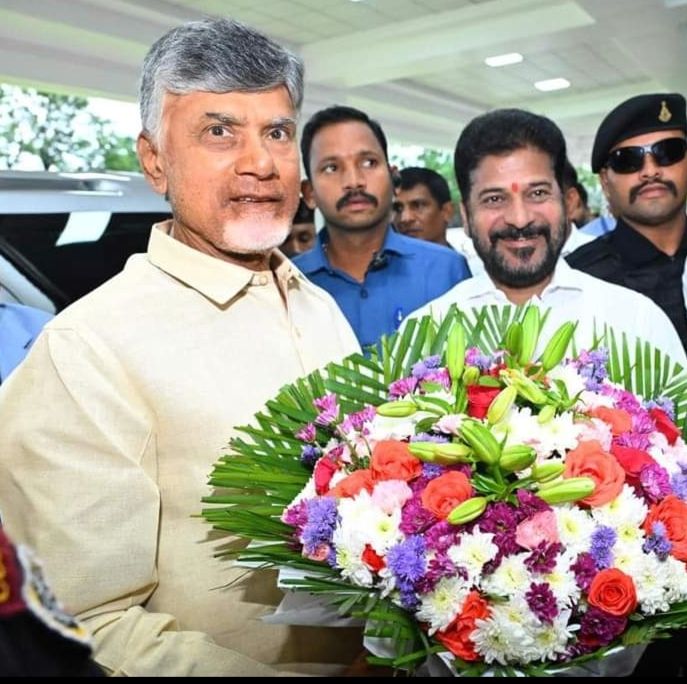
Amaravati, the ambitious capital city project of Andhra Pradesh, stands as a testament to visionary urban planning and development. Initiated under the leadership of Chandrababu Naidu, the former Chief Minister, this project aimed to redefine urban living and economic growth in India’s newly bifurcated state. Despite facing setbacks and uncertainty in recent years, the return of Chandrababu Naidu to power has reignited hopes for Amaravati’s revival, promising economic prosperity, modern infrastructure, and sustainable development.
The genesis of Amaravati dates back to 2014, following the bifurcation of Andhra Pradesh and the formation of Telangana. This geopolitical change necessitated the establishment of a new capital for residual Andhra Pradesh. Chandrababu Naidu seized the opportunity to envision Amaravati, drawing inspiration from global cities like Singapore. His grand vision encompassed a sprawling city spread across 217 square kilometres along the southern banks of the Krishna River. The plan included nine theme cities and 27 townships, designed to create a balanced urban environment integrating residential, commercial, and recreational spaces. The project aimed not only to address administrative needs but also to stimulate economic growth and elevate Andhra Pradesh’s global stature.
Amaravati was not merely a capital city; it was conceived as a symbol of modernity, sustainability, and efficiency. Drawing from the successes of urban planning in cities like Singapore, Naidu and his team envisioned a city that would not only cater to the administrative needs of the state but also serve as a model for future urban development in India. The emphasis was on creating a greenfield city that would be sustainable, technologically advanced, and economically vibrant.
Despite initial enthusiasm and significant international investments, Amaravati encountered formidable challenges. The change in political leadership in 2019, with Y S Jagan Mohan Reddy assuming office and the YSR Congress Party taking charge, brought about a paradigm shift in governance priorities. Reddy’s administration proposed a decentralization plan involving three capitals for Andhra Pradesh, which included Amaravati as the legislative capital, Visakhapatnam as the executive capital, and Kurnool as the judicial capital. This decision effectively side-lined Amaravati as the sole capital, triggering widespread protests among farmers and residents who had willingly contributed their lands under the promise of Amaravati becoming the primary administrative hub.
The protests, which continued for over 1,600 days, reflected the deep-seated emotional and economic investments associated with Amaravati’s development. Farmers, who had parted with their lands through innovative land pooling mechanisms, felt betrayed by the abrupt policy shift that threatened to undermine the viability and potential of Amaravati.
The fate of Amaravati hung in the balance until March 5, 2022, when the High Court delivered a pivotal ruling against the government’s attempts to abandon the project. The court’s decision underscored the legal commitments and substantial financial investments already made in Amaravati, amounting to approximately ₹15,000 crore in development expenditure. This ruling provided a legal lifeline to Amaravati’s revival efforts, clearing the way for Chandrababu Naidu’s administration to resume development activities with renewed vigor and purpose.
The judicial intervention was crucial in restoring confidence among stakeholders and investors, reaffirming the sanctity of contracts and commitments made by the government in the pursuit of Amaravati’s development. It also signalled a judicial recognition of the significance of planned urban development in fostering economic growth and regional balance.
With Chandrababu Naidu’s return as Chief Minister, Amaravati’s revival has swiftly gained momentum. The government has initiated a comprehensive action plan to revive stalled projects, focusing on infrastructure restoration and environmental clean-up. Engineers and workers have received directives to clear vegetation, complete pending constructions, and establish crucial road and utility networks. Efforts are also underway to finalize financial arrangements with contractors and developers who were previously involved in Amaravati’s construction.
The scale of the task ahead is formidable. Industry estimates suggest an additional ₹40,000 crore will be required to complete the envisioned infrastructure and government buildings for Amaravati. This revised budget highlights the financial commitments and challenges associated with revitalizing a project of such magnitude and ambition.
Despite these challenges, Amaravati’s revival holds tremendous promise for Andhra Pradesh’s economic future. The city’s development is expected to stimulate economic growth, attract substantial investments, and generate employment opportunities across various sectors. Real estate markets have already shown signs of recovery, with renewed interest from developers and investors anticipating future demand and growth potential.
The revival of Amaravati is not just about constructing buildings and roads; it is about creating a conducive environment for businesses to thrive, for educational and research institutions to flourish, and for communities to prosper. The planned urban infrastructure, coupled with the focus on sustainability and innovation, positions Amaravati as a hub of economic activity and a model for inclusive growth.
In conclusion, the resurgence of Amaravati under Chandrababu Naidu’s visionary leadership signifies a critical milestone in Andhra Pradesh’s trajectory towards sustainable development and inclusive growth. As the new government navigates fiscal recovery, governance transparency, and infrastructure revitalization, it faces both challenges and opportunities. By prioritizing the completion of Amaravati’s construction, fostering an investor-friendly environment, and upholding principles of transparency and accountability, the NDA alliance can propel Andhra Pradesh towards a future defined by progress and prosperity. The road ahead may be challenging, but with steadfast determination and strategic governance, Amaravati is poised to reclaim its status as a beacon of hope and prosperity for all of Andhra Pradesh.
From Steady Foundations to Soaring Heights: The Journey of Kumar Mangalam Birla
Kumar Mangalam Birla, born on 14th June 1967, is a pivotal figure in Indian industry and philanthropy. As the Chairman of the Aditya Birla Group, Birla has significantly expanded the conglomerate’s global presence, contributing immensely to India’s economy and societal welfare. His journey from inheriting leadership at a young age to transforming the Aditya Birla Group into a global powerhouse showcases his visionary leadership and unwavering commitment to excellence.
Born into the illustrious Birla family, Kumar Mangalam Birla was raised with strong values of hard work, integrity, and social responsibility. He completed his B.Com from the University of Bombay, earned a Chartered Accountant degree from the Institute of Chartered Accountants of India, and pursued an MBA from the London Business School to augment his business acumen.
In 1995, at the age of 28, Birla took over the reins of the Aditya Birla Group following his father’s sudden demise. He faced this formidable challenge with determination and strategic foresight, stabilizing and then rapidly expanding the group. Birla’s tenure has been marked by over 40 successful acquisitions, both domestically and internationally, which have positioned the group as a leader across sectors such as metals, cement, textiles, and chemicals. Noteworthy acquisitions include Novelis in 2007, which solidified the Aditya Birla Group’s global presence in aluminium, complementing Hindalco’s existing capabilities. Similarly, the acquisition of Columbian Chemicals enhanced the group’s footprint in the chemicals sector, while the purchase of Domsjö Fabriker bolstered its position in the pulp and fibre industry.
Under Birla’s leadership, a culture of innovation has thrived within the Aditya Birla Group, fostering creativity, continuous learning, and the adoption of cutting-edge technologies. This approach has enabled the conglomerate to maintain its competitiveness in a dynamic global market. Birla’s commitment to corporate governance has been exemplary, evident from his role as Chairman of the SEBI Committee on Corporate Governance, where he played a pivotal role in shaping India’s corporate governance landscape, emphasizing transparency, accountability, and ethical behavior.
Philanthropy is deeply ingrained in Birla’s leadership philosophy, with the Aditya Birla Group dedicating a portion of its earnings to social causes. The group’s CSR initiatives encompass diverse areas such as education, healthcare, sustainable livelihoods, infrastructure development, and social reform. The Aditya Birla Centre for Community Initiatives and Rural Development, spearheaded by Rajashree Birla, has implemented transformative programs benefiting underprivileged communities. During the COVID-19 pandemic, the group contributed significantly to relief efforts, exemplifying its commitment to societal well-being beyond financial support.
Education holds a special place in Birla’s philanthropic vision. As Chancellor of BITS Pilani, he has played a crucial role in expanding the institution’s reach and enhancing academic excellence. Birla’s vision for BITS includes fostering a culture of research and innovation to drive economic and social development. The establishment of BITSoM in Mumbai underscores his commitment to nurturing future business leaders equipped for a rapidly evolving global landscape. His association with the London Business School further highlights his dedication to advancing global education.
Kumar Mangalam Birla’s contributions to business and society have earned him numerous accolades, including the prestigious Padma Bhushan in 2023 for his outstanding contributions to trade and industry. Other accolades such as the Global Entrepreneur Award by The Indus Entrepreneurs (TiE), the ABLF Global Asian Award, and the CNBC-TV18 India Business Leader Award for ‘Taking India Abroad’ underscore his business acumen, ethical practices, and social responsibility. Birla’s influence extends beyond his business achievements, as evidenced by his key roles on various regulatory and professional boards, influencing economic policies and regulatory frameworks.
In summary, Kumar Mangalam Birla’s legacy is a testament to visionary leadership, ethical business practices, and a profound commitment to social responsibility. His transformative impact on the Aditya Birla Group and his contributions to philanthropy and education have left an indelible mark on Indian industry and society. Birla’s journey serves as an inspiration for aspiring entrepreneurs and business leaders, emphasizing the pivotal role of innovation, integrity, and compassion in achieving sustainable success. As we celebrate his achievements, Kumar Mangalam Birla continues to exemplify the power of ethical leadership in shaping a better future for all.
A Deep Dive into the Complex Web of Obsession, Fame, and Violence that Rocked Kannada Cinema
The world of stardom often dazzles with its glamour, fame, and the allure of a life far removed from the ordinary. However, beneath the shimmering surface, there often lies a dark underbelly of obsession, violence, and scandal that can shock the public and shake industries to their core. Such is the case with the shocking murder involving Darshan Thoogudeepa, one of Kannada cinema’s brightest stars, and his friend Pavithra Gowda. This case has sent shockwaves through the industry and the nation as details of the crime and its motivations have come to light. This article delves deep into the sequence of events leading to the arrest, the underlying motives, the controversial past of Darshan, and the broader implications for society.
In early June, a routine morning turned grim when a security officer discovered an unidentified dead body near an apartment complex in West Bangalore. This discovery set off a chain of events that would uncover a tale of deceit, revenge, and ultimately, murder. The body, later identified as that of 33-year-old Renuka Swami, bore the marks of a violent end. Through technical evidence, including CCTV footage, the police tracked a group of individuals in a Scorpio car who had dumped the body near a train track. In a surprising twist, the suspects surrendered to the police, claiming they had killed Swami due to a financial dispute.
As the investigation unfolded, it was revealed that Darshan Thoogudeepa, a leading figure in Kannada cinema, was also implicated in the crime. The police pieced together evidence from CCTV footage, phone call records, and the locations of the suspects, which pointed to Darshan’s involvement. At the time, Darshan was in Mysore, shooting for a film, but he was quickly brought back to Bangalore for questioning. The motive behind the murder appeared to be more than just a financial dispute; it was suspected to be linked to an affair Darshan allegedly had with Pavithra Gowda and abusive comments Swami made on social media.
Darshan’s rise to stardom is a story of perseverance and talent. Known as the “Box Office Sultan,” Darshan is one of the most prominent and highest-paid actors in the Kannada film industry. Despite humble beginnings as an assistant and facing numerous controversies early in his career, he carved a niche for himself in the competitive world of cinema. However, his personal life has been marred by legal troubles. In 2011, Darshan was arrested for assaulting his wife, but the case was settled outside of court. Over the years, he has faced various allegations, including threats and other legal disputes, which have cast a shadow over his public image.
The allegations against Darshan and Pavithra Gowda took a darker turn when it was discovered that Renuka Swami had sent text messages to Pavithra, leading to suspicions of an affair. Swami’s body was found at Suman Bridge in Bengaluru, intensifying the investigation. Sources revealed that Swami had mentioned Gowda in his messages on his Instagram account, hinting at a connection between the two. It was alleged that Swami had created a fake Instagram account to monitor Gowda’s activities. Both Swami and Gowda, along with others, were questioned by the police for several days. The government emphasized the importance of a thorough investigation, allowing the police the freedom to explore all angles of the case.
The demand for justice became a rallying cry as the investigation progressed. Sahana, Swami’s wife, has been particularly vocal in her pursuit of justice, adding a poignant dimension to the case. Swami’s death shocked the public and elicited widespread disbelief, especially given his status as a popular figure in his community. Voices from the film industry and the general public have echoed Sahana’s calls for justice, highlighting the gravity of the situation and the need for accountability. The psychological complexities underlying such crimes committed by public figures raise profound questions about human behavior and the depths of obsession.
Public reaction to Darshan’s arrest was immediate and intense. Fans gathered outside the police station, expressing a mix of support and disbelief. The police arrested a total of 13 people in connection with the case, and the investigation continued with the post-mortem report and forensic analysis pending. After six days of police custody, the suspects were to be transferred to judicial custody, and the case would proceed based on the collected evidence.
Social media played a significant role in both the crime and its aftermath. Renuka Swami’s alleged obscene messages on Instagram triggered a series of events that culminated in his death. The investigation revealed that Swami had mentioned Pavithra Gowda in his messages, hinting at a deeper connection. It was also alleged that Swami had used a fake Instagram account to track Gowda’s activities. Social media’s role in shaping public opinion and influencing perceptions became evident as trolls and supporters of Darshan vehemently denied his involvement in the crime, defending their idol and challenging the allegations. The power of social media to mobilize public support and create narratives highlighted its impact on the case.
However, social media also provided crucial evidence for law enforcement agencies. The emergence of CCTV footage and the digital footprints left behind by the accused and the victim offered valuable insights into their interactions and motives. This evidence played a critical role in the unfolding investigation, demonstrating the double-edged nature of social media in modern crime and justice.
As the case progressed through the legal system, concerns about past domestic violence complaints against Darshan and Swami’s previous legal entanglements came to the forefront. Sahana’s pursuit of justice for her husband, coupled with concerns for the welfare of her unborn child, added emotional weight to the case. The efficacy of the justice system and the prevalence of vigilante tendencies became points of discussion, underscoring broader societal concerns.
In a significant development, a Bengaluru trial court ordered Darshan, Pavithra Gowda, and eleven other accused individuals to be held in police custody for six days. The incident, which stemmed from derogatory remarks against Gowda, had resulted in Swami’s tragic death. The involvement of public personalities in such a heinous crime raised concerns about the influence of fame and power on the legal process. The demand for justice and the need for a fair trial became paramount, emphasizing that no individual is above the law.
The psychological aspect of this case is particularly disturbing. The alleged affair between Darshan and Pavithra Gowda, the obscene messages, and the subsequent murder paint a troubling picture of the lengths individuals can go to in pursuit of their desires. The pressures of fame, the constant scrutiny, and the blurred lines between personal and public lives can drive individuals to extreme actions. The psychological impact of such crimes committed by public figures prompts a deeper examination of the motivations and underlying factors.
The broader implications of this case for society are significant. The power of social media to shape public opinion and influence perceptions cannot be ignored. The case underscores the need for responsible use of social media and the importance of maintaining ethical standards in online interactions. It also raises questions about the responsibilities of social media platforms in monitoring and addressing harmful behavior.
The murder case involving Renuka Swami and Pavithra Gowda highlights the dark side of obsession, deceit, and the impact of digital platforms on human behavior. It serves as a stark reminder of the consequences of online interactions and the potential dangers of crossing boundaries in the digital age. The involvement of public personalities in such a crime further emphasizes the need for accountability and the importance of a transparent legal system.
The murder case involving Darshan Thoogudeepa and Pavithra Gowda is a tragic and shocking event that has gripped the nation, exposing a web of alleged affairs, obsession, and violence. As the investigation seeks to uncover the full truth, the case underscores the crucial principle that no one, regardless of fame or position, is above the law. Social media’s powerful role in shaping public perception and the demand for a fair, thorough legal process highlight the broader societal implications. The pursuit of justice and the protection of innocent lives must prevail, serving as a wake-up call about the impact of digital interactions and the necessity for responsible online behavior. This case emphasizes the importance of maintaining ethical standards, respecting boundaries, and understanding the consequences of one’s actions. As the truth unfolds and justice is sought, it reminds us of the fragility of human behavior and the dangers of obsession and deceit, calling for a more compassionate and responsible society. The lessons learned should prompt a broader discussion on the ethical use of social media, the influence of fame, and the imperative of upholding justice in all aspects of life.
At just 36, Kinjarapu Ram Mohan Naidu has made history as the youngest Cabinet Minister in the Modi 3.0 government, taking on the pivotal role of Union Minister for Civil Aviation. Representing the Telugu Desam Party (TDP), Naidu’s ascent to this prestigious position is a testament to his exceptional abilities as a parliamentarian and his unwavering loyalty to his party and constituents. Born on December 18, 1987, Naidu’s journey from a young politician to a key figure in the Union Cabinet is both inspiring and noteworthy.
His political career began in earnest after the untimely demise of his father, Kinjarapu Yerram Naidu, a former Union Minister. Despite his initial plans for a career in Singapore after completing his MBA from Long Island University in New York, he chose to return to his hometown and continue his father’s political legacy. His ability to connect with the electorate and address their concerns established him as a promising young leader, dedicated to the betterment of the society.
Kinjarapu Ram Mohan Naidu received his schooling at Delhi Public School, RK Puram, and pursued undergraduate studies in Electrical Engineering at Purdue University. His academic journey further extended to Long Island University, where he earned a Master’s degree in Business Administration in 2011. Despite a strong inclination towards a career in the private sector, the tragic loss of his father compelled him to step into the political arena. At just 26 years old, he made his electoral debut in the 2014 Lok Sabha elections, representing the Srikakulam constituency, where his youthful energy and dedication resonated with the voters, securing him a significant victory.
Ram Mohan Naidu’s entry into politics was marked by a notable victory in the 2014 general elections, defeating candidates from the YS Jagan Mohan Reddy-led Yuvajana Sramika Rythu Congress Party (YSRCP). In the subsequent 2019 elections, he retained his seat and continued to work diligently for his constituency. His perseverance paid off in the 2024 elections, where he emerged victorious once again, this time with an impressive vote share of 61.05%, defeating his YSRCP rival Tilak Perada.
Throughout his tenure as an MP, Ram Mohan Naidu has been actively involved in several parliamentary committees, contributing significantly to the Ministry of Tourism, Home Affairs, Railways, and the Welfare of Other Backward Classes. His dedication to addressing diverse issues affecting his constituency and the nation has earned him widespread respect and recognition.
As the newly appointed Union Minister for Civil Aviation, Kinjarapu Ram Mohan Naidu faces numerous challenges. The Indian aviation sector is poised for massive expansion, with plans to add 1,150 aircraft by 2035. This growth necessitates addressing key issues such as human resource shortages, infrastructure development, and regulatory reforms.
One immediate challenge is the demand from the United Arab Emirates and Qatar for increased bilateral flying rights. Balancing the interests of Indian carriers, like Air India, who oppose this expansion, with the opportunities it presents, will require careful negotiation and strategic decision-making. Developing Indian airports to rival international hubs like Dubai and Doha is another priority, requiring financial viability and sustainable development.
The disinvestment of three major aviation companies—AI Engineering Services (AIESL), AI Airport Services, and regional airline Alliance Air—remains unresolved. The government’s plan to lease out 13 airports to private players has also been in limbo for the past four years. Addressing these issues is essential to revitalizing the aviation industry and attracting private investment.
The allocation of the Civil Aviation Ministry to Kinjarapu Ram Mohan Naidu has been welcomed by leaders of the Telugu Desam Party (TDP) as a positive development for Andhra Pradesh. They anticipate that his appointment will accelerate the completion of the international airport at Bhogapuram in Vizianagaram district. Situated on the Srikakulam-Visakhapatnam national highway, this airport is projected to stimulate economic activity in the region, mirroring the impact of the Shamshabad international airport in Hyderabad.
Local leaders are optimistic that the new minister’s focus on the aviation sector will foster the establishment of ancillary industries related to aviation, thereby creating job opportunities and propelling economic growth in the region. Ram Mohan Naidu’s vision for the development of Srikakulam district and Andhra Pradesh resonates with these expectations, underscoring the significance of his role in realizing these objectives.
The Bhogapuram Airport project in Vizianagaram district, Andhra Pradesh, commenced construction in November 2023, with an anticipated completion by March 2025. Executed in three phases by GMR Visakhapatnam International Airport Ltd. (GVIAL) and Larsen & Toubro, the project aims to accommodate 18 million passengers annually upon full completion. The first phase, estimated at ₹4,592 crore, will encompass a 3,800-meter runway and a 5,000- square -meter cargo terminal sprawling across 2,203 acres. Managed by Andhra Pradesh Airports Development Corporation Ltd. (APADCL), the project encompasses an International Airport, Maintenance, Repair, and Overhaul (MRO) facility, and an Aviation Academy. Noteworthy milestones include a Memorandum of Understanding between the Ministry of Civil Aviation and GVIAL on March 10, 2023, and an agreement with BCAS on April 6, 2023. Strategically located 45 kilometres northeast of Visakhapatnam, the airport is poised to bolster regional connectivity, spur economic growth, and boost tourism, emerging as a major hub for both domestic and international travellers under a Public-Private Partnership employing DBFOT principles.
The South Coast Railway Zone (SCoR), designated as India’s latest railway zone with its headquarters in Visakhapatnam, Andhra Pradesh, awaits formal establishment, despite the allocation of Rs 106.89 crore for its headquarters. Land allotment delays by the state government have impeded progress. The Railway Board has tasked the Central Administrative Officer (Construction) in Bhubaneswar with constructing the SCoR headquarters. Nonetheless, the state government’s failure to furnish the promised 52 acres of land at Mudasarlova has stalled the process. Responding to a parliamentary query, the Union Minister for Railways affirmed the preparation of a Detailed Project Report (DPR) and allocated Rs 10 crore in the 2023-24 budget for preliminary works. The East Coast Railway Zone has been instructed to proceed with surveys and layout plans. Additionally, plans to enhance connectivity between Visakhapatnam and Gopalapatnam with supplementary railway lines, sanctioned in April 2023, are underway. The establishment of this new railway zone is poised to substantially augment regional connectivity, fostering economic growth and development.
Trade unions and workers have steadfastly opposed privatization endeavours at Rashtriya Ispat Nigam Limited (RINL), overseeing the Visakhapatnam Steel Plant (VSP), India’s pioneering shore-based integrated steel plant, for the past three years. However, in March 2023, RINL’s expression of interest to address capital and material shortages rekindled privatization discussions, jeopardizing the livelihoods of over a lakh of VSP-dependent families. Amidst this, the high court has directed RINL to furnish land sale and privatization details, while the state government’s potential takeover plans are under scrutiny. Despite governmental endorsements for privatization, VSP’s workforce remains staunchly resistant, echoing broader resistance against neoliberalism. Established in 1982, VSP’s resilience against privatization reflects public sector valour. Its fate is pivotal in every election, notably in Gajuwaka, where its economic significance is intertwined with the ongoing privatization discourse. Kinjarapu Ram Mohan Naidu’s leadership assumes significance in safeguarding workers’ interests and regional stability amidst these challenges.
Ram Mohan Naidu, married to Sravya and having a daughter, epitomizes a blend of strong education, early political immersion, and family values that shape his governance style. His adept juggling of familial duties and political responsibilities underscores his dedication and tenacity. Naidu’s proximity to senior party figures amplifies his clout, positioning him as a trusted confidant of the party’s upper echelons. This close association has been instrumental in navigating intricate political terrains, earning him admiration and respect among his colleagues. His strategic acumen and ability to manoeuvre through complexities have solidified his standing as a leader capable of steering through challenges with finesse and resilience.
Kinjarapu Ram Mohan Naidu’s appointment as Union Minister for Civil Aviation marks a significant milestone, reflecting his dedication and foresight. From a young MP to a key Cabinet member, his journey signifies unwavering commitment and determination. His focus on addressing aviation sector challenges and driving economic growth in Andhra Pradesh is crucial. Naidu’s tenure aims to tackle key issues like Bhogapuram Airport development, South Coast Railway Zone operationalization, and Vizag Steel Plant revival, pivotal for regional prosperity. His leadership and dedication to public service will shape economic development goals. As Naidu embarks on this journey, his contributions will be closely watched and applauded, symbolizing hope for Andhra Pradesh and the aviation sector. His story exemplifies the power of dedication, resilience, and visionary leadership in shaping a nation’s trajectory.
Resurgent Leadership: Nara Chandrababu Naidu’s Comeback Story
Nara Chandrababu Naidu’s political journey is a testament to his indomitable spirit, marked by determination and perseverance that have left an indelible mark on Andhra Pradesh’s political landscape. As Naidu embarks on his fourth term as the Chief Minister of Andhra Pradesh, the anticipation for the elevation of the state’s status both nationally and internationally is palpable. Naidu’s astute leadership skills and unwavering dedication to public service have consistently demonstrated his ability to steer Andhra Pradesh toward progress and development.
Born on April 20, 1950, in Naravaripalle, Andhra Pradesh, into a middle-class agricultural family, Naidu’s early life was grounded in the realities of rural India. His political journey began at Sri Venkateswara University, where he pursued a Master’s degree in Economics and emerged as a student leader. His early involvement in politics included joining the Youth Congress in 1975, and he was elected as an MLA for the first time in 1978 from the Chandragiri constituency. Naidu’s rise in the Telugu Desam Party (TDP), founded by his father-in-law, the legendary actor N.T. Rama Rao (NTR), was marked by significant milestones. His marriage to NTR’s daughter Bhuvaneswari in 1980 solidified his ties to the TDP. Naidu’s political career gained momentum when he became the youngest minister at 30, managing the portfolio of cinematography in T. Anjaiah’s cabinet. His subsequent positions included serving as the Minister of Finance and Revenue in NTR’s cabinet in 1994, showcasing his growing influence within the party and the state government.
In a dramatic turn of events, Naidu led an internal party coup in August 1995, ousting NTR and taking over the reins of the TDP and the chief ministership of Andhra Pradesh. This move, though controversial, marked the beginning of his significant contributions to the state’s development. He served as the Chief Minister of (united) Andhra Pradesh from September 1, 1995, to May 13, 2004, making him the longest-serving Chief Minister in the state’s history until that point. One of the most remarkable aspects of Naidu’s political career is his ability to adapt and thrive in challenging circumstances. From a young age, he displayed promise and ambition, becoming an MLA at 28 and a minister at 30. This early success laid the foundation for his 45-year-long reign in politics, filled with notable accomplishments and milestones. Naidu’s ability to navigate challenges and his unwavering commitment to the betterment of the state have earned him admiration and respect.
Naidu’s tenure as Chief Minister is best known for his pioneering reforms in economic policy and governance. He was a strong advocate of liberalization and modernization, introducing initiatives such as e-governance, e-Seva (electronic delivery of government services), and the Citizens Charter. His Vision-2020 policy document outlined a comprehensive plan for the state’s development, emphasizing technology and infrastructure. One of Naidu’s most significant achievements was transforming Hyderabad into a major hub for Information Technology (IT). He successfully attracted global IT giants like Microsoft, Wipro, and Google to set up operations in the city, earning him the nickname “CEO of Andhra Pradesh.” His efforts in this area were recognized internationally, with Time magazine naming him “South Asian of the Year” and the Economic Times awarding him the title of “Business Person of the Year.”
Despite his successes, Naidu faced criticism for neglecting rural development, which contributed to his electoral defeat in 2004 and 2009. However, he continued to play a crucial role in Andhra Pradesh’s politics as the Leader of the Opposition from 2004 to 2014, a period during which he further solidified his leadership within the TDP. Naidu’s fourth-time oath as Chief Minister is a testament to his unwavering commitment to public service. Under his leadership, he has taken on the responsibility of creating the new capital city of Amravati and has tirelessly worked towards transforming Andhra Pradesh into a thriving and progressive state. His vision and determination as the CEO of the new Andhra Pradesh have garnered admiration and hope from the people. The state and the nation eagerly await the realization of his ambitious plans.
The bifurcation of Andhra Pradesh in 2014 presented Naidu with a new challenge and opportunity. As the state was divided into Andhra Pradesh and Telangana, Naidu was elected as the first Chief Minister of the newly formed Andhra Pradesh. His leadership during this transitional period was seen as crucial in stabilizing the new state and setting it on a path of development. Naidu’s latest tenure as Chief Minister began in 2014 and was marked by ambitious plans and initiatives. He was set to take the oath for a record fourth term as Chief Minister after playing a key role in the formation of the third Modi government.
Recognized for his capacity and calibre, Naidu has garnered the hopes and aspirations of many, both within the state and beyond. His dedication to the welfare of Andhra Pradesh and his relentless pursuit of progress and development have instilled confidence and optimism among the people. With his exceptional leadership, Andhra Pradesh’s map is poised to fly high, both nationally and internationally. Naidu’s personal life and background are also notable. He dropped his PhD in economics to fully commit to his political career. His marriage to NTR’s daughter, Bhuvaneswari, further intertwined his life with that of the influential Nandamuri family. His son, Nara Lokesh, has also been active in politics and played a role in introducing the idea of direct funds transfer, a practice he observed while interning at the World Bank.
Throughout his career, Naidu has received numerous awards and recognitions. These include the Padma Shri in 1992, the Best Chief Minister Award from the Indian Express Group in 2000, and international recognition from organizations like the World Economic Forum. He has been a speaker at the World Economic Forum in Davos and has hosted visits from global leaders such as Bill Clinton and Tony Blair. Naidu’s vision and administrative skills have often been praised. His ability to plan and execute large-scale projects, such as the Amaravathi, Polavaram, and New Hyderabad, demonstrates his organizational prowess. His efforts to gather feedback from citizens using modern technology, like automated calls, reflect his commitment to responsive governance.
Nara Chandrababu Naidu’s political career is marked by his dynamic leadership, visionary policies, and significant contributions to the modernization of Andhra Pradesh. From transforming Hyderabad into an IT hub to implementing comprehensive welfare schemes, Naidu’s impact on the state’s development is profound. Despite facing criticism and electoral defeats, his resilience and ability to adapt have ensured his continued influence in Indian politics. His tenure as Chief Minister, both of united Andhra Pradesh and the bifurcated state, showcases his dedication to improving the lives of his constituents and his legacy as a transformative leader.
As Nara Chandrababu Naidu embarks on his fourth term as Chief Minister of Andhra Pradesh, he carries with him the hopes and dreams of the people. His extraordinary political journey, marked by determination, perseverance, and unwavering dedication to public service, serves as an inspiration to aspiring leaders. Naidu’s vision for a progressive Andhra Pradesh and his ability to navigate challenges with resilience and adaptability make him a transformative leader. His legacy will undoubtedly leave a lasting impact on the political landscape of Andhra Pradesh, and his leadership will continue to be celebrated and admired for years to come. We wish him great luck and good success in his future endeavours as he leads Andhra Pradesh to new heights.
Naidu’s personal life is as noteworthy as his political career. He dropped his PhD in economics to fully commit to his political career, a decision that underscores his dedication and passion for public service. His marriage to NTR’s daughter, Bhuvaneswari, further intertwined his life with that of the influential Nandamuri family, solidifying his political and personal ties. His son, Nara Lokesh, has also been active in politics, contributing to the political legacy of the family. Lokesh played a significant role in introducing the idea of direct funds transfer, a practice he observed while interning at the World Bank, which reflects the family’s continued commitment to innovative governance.
Throughout his career, Naidu has received numerous awards and recognitions. These accolades are a testament to his visionary leadership and significant contributions to the state’s development. Some of the notable awards include the Padma Shri in 1992, the Best Chief Minister Award from the Indian Express Group in 2000, and international recognition from organizations like the World Economic Forum. He has been a speaker at the World Economic Forum in Davos, highlighting his influence and recognition on a global scale. Additionally, Naidu has hosted visits from global leaders such as Bill Clinton and Tony Blair, further cementing his status as a prominent figure in international politics.
Naidu’s vision and administrative skills have often been praised. His ability to plan and execute large-scale projects, such as the Amaravathi, Polavaram, and New Hyderabad, demonstrates his organizational prowess. His efforts to gather feedback from citizens using modern technology, like automated calls, reflect his commitment to responsive governance. These initiatives have not only improved the efficiency of government services but have also increased transparency and accountability in the administration. Naidu’s focus on technology and innovation has positioned Andhra Pradesh as a leader in digital governance and smart city development.
Nara Chandrababu Naidu’s political career is a testament to his dynamic leadership, visionary policies, and significant contributions to the modernization of Andhra Pradesh. From transforming Hyderabad into an IT hub to implementing comprehensive welfare schemes, Naidu’s impact on the state’s development is profound. Despite facing criticism and electoral defeats, his resilience and ability to adapt have ensured his continued influence in Indian politics. His tenure as Chief Minister, both of united Andhra Pradesh and the bifurcated state, showcases his dedication to improving the lives of his constituents and his legacy as a transformative leader.
As Nara Chandrababu Naidu embarks on his fourth term as Chief Minister of Andhra Pradesh, he carries the hopes and dreams of the people, symbolizing an extraordinary political journey marked by determination, perseverance, and unwavering dedication to public service. Naidu’s vision for a progressive Andhra Pradesh and his adeptness in navigating challenges with resilience and adaptability make him a transformative leader. His legacy is poised to shape the political landscape of Andhra Pradesh, with his leadership celebrated and admired for years to come. Recognized for his capacity and calibre, Naidu’s dedication to the welfare of Andhra Pradesh has instilled confidence and optimism both within the state and beyond. His leadership promises to elevate Andhra Pradesh’s status nationally and internationally, showcasing the power of perseverance, determination, and unwavering dedication to public service.
Exam Integrity Under Scrutiny: Demands for Transparency and Justice in the Wake of NEET-UG 2024 !!!
The National Eligibility cum Entrance Test (NEET) is an annual pen-and-paper examination that holds immense significance for aspiring medical and dental students. The NEET-UG 2024 exam, however, has been marred by unprecedented controversies and surprises. From an unusually high number of toppers to allegations of question paper leaks, the aftermath of the exam has left the nation in a state of turmoil. This article delves into the intricate details of the NEET-UG 2024 exam and the subsequent controversies that have unfolded.
On June 4th, the National Testing Agency (NTA) announced the NEET-UG 2024 results much earlier than the scheduled date, catching everyone by surprise. The most astonishing aspect was the revelation that 67 candidates achieved an All India Rank (AIR) of one, marking a significant departure from previous years when the number of toppers remained limited to three. This sudden surge in toppers sparked widespread curiosity and speculation across the country.
The controversy surrounding the NEET-UG 2024 exam originated from a particular multiple-choice question that caused a stir among students. The question required candidates to select the most appropriate answer from four options. However, a substantial number of students argued that both statements in the question were correct, based on differing interpretations of NCERT books. Following an investigation, the NTA acknowledged the discrepancy and decided to grant full marks to the 44 students who had chosen the option stating that the first statement was correct while the second was incorrect. This adjustment in marks resulted in a significant increase in the number of toppers.
Another controversy erupted when a picture and video of the NEET-UG 2024 question paper surfaced on Twitter during the examination. It was discovered that some students at an exam centre in Rajasthan had inadvertently received the question paper intended for English medium students, which was meant for the Hindi medium exam. These students subsequently shared the question paper on various social media platforms. The NTA refuted claims that the leaked question paper was circulated prior to the exam, asserting that it was an isolated incident involving students walking out of the exam centre. However, a separate investigation is currently underway in Bihar to determine the involvement of a gang in the paper leak.
To address the concerns raised by the normalization process and the awarding of grace marks, the NTA has established a committee comprising four members, including a former UPSC Chairperson. This committee has been tasked with reviewing the normalization process implemented by the NTA and assessing its fairness for all candidates. The committee’s verdict is expected to be announced before the weekend, providing much-needed clarity regarding the allocation of grace marks.
The issues do not end with the question paper leak and anomalies in marks distribution. Many students have reported facing technical glitches during the online examination, such as computer malfunctions and internet connectivity issues. These disruptions led to the loss of precious time for many candidates, affecting their performance. Complaints were also raised about discrepancies in the official answer keys released by the exam authorities. Incorrect answers in the keys could significantly alter the scoring, prompting calls for a re-evaluation.
Moreover, the conditions at some examination centres were reported to be overcrowded and poorly managed, with inadequate seating and ventilation. Such conditions created a stressful environment for candidates, potentially impacting their performance. Allegations of inconsistent evaluation of answer scripts have further added to the concerns about the transparency and accuracy of the entire NEET-UG 2024 process.
The controversies surrounding NEET-UG 2024 have led to widespread demands for a probe and a re-examination. Various stakeholders, including students, parents, and educators, have voiced their concerns about the fairness and integrity of the results. Prominent politicians have also joined the chorus of voices calling for a thorough investigation into the irregularities surrounding the NEET-UG 2024 results. They have demanded a Supreme Court-monitored Special Investigation Team (SIT) probe to uncover the truth behind the alleged malpractices.
The implications of these events on the future of NEET exams and the admission process for medical and dental courses are significant. The controversies have not only raised doubts about the integrity of the NEET-UG 2024 exam but have also highlighted the stress and pressure faced by students due to the competitive nature of NEET and the limitations on attempts. These issues underscore the need for greater transparency and fairness in the examination process.
Despite assurances from the NTA regarding the transparency of the NEET-UG 2024 process, doubts linger. The actions taken by the NTA, such as adjusting marks and forming a committee for review, are steps in the right direction. However, more needs to be done to restore faith in the examination process and ensure a level playing field for all aspirants.
The demand for a thorough investigation into the alleged irregularities is not just about addressing the concerns of the current batch of students. It is about upholding the integrity of the examination system and ensuring that future exams are conducted in a fair and transparent manner. The controversy has highlighted the need for reforms in the examination process to prevent such issues from recurring.
The NEET-UG 2024 controversy has also brought to light the broader issues related to the examination system in India. The competitive nature of exams like NEET places immense pressure on students, leading to high levels of stress and anxiety. The limitations on the number of attempts further exacerbate this pressure. There is a need for a more holistic approach to medical education admissions that takes into account the overall development and capabilities of students, rather than just their performance in a single exam.
The controversy has also underscored the importance of ensuring the integrity of the examination process. Allegations of question paper leaks and irregularities in scoring undermine the credibility of the exam and erode public trust in the system. It is crucial to have robust mechanisms in place to detect and prevent malpractices, and to ensure that any allegations are thoroughly investigated and addressed.
The NEET-UG 2024 controversy has raised important questions about the fairness and integrity of the examination process. It has highlighted the need for greater transparency and accountability in the conduct of exams, and the importance of addressing the concerns of students and other stakeholders. As the dust settles, it is crucial to reflect on these issues and work towards ensuring a fair and transparent examination system that upholds the principles of justice and equality.
In conclusion, the NEET-UG 2024 results have sparked a storm of controversy, with allegations of question paper leaks, irregularities in scoring, and technical glitches casting a shadow over the exam. The actions taken by the NTA, such as adjusting marks and forming a committee for review, are steps in the right direction, but more needs to be done to restore faith in the examination process. The demands for a thorough investigation into the alleged irregularities highlight the need for greater transparency and fairness in the conduct of exams. As we move forward, it is crucial to address these issues and ensure a fair and transparent examination system that upholds the integrity of the process and the principles of justice and equality.
Votes Cast vs. Seats Won: A Measure of Electoral Maturity in Andhra Pradesh !!!
In democratic elections, the percentage of votes cast is often viewed as a reflection of the populace’s will. However, recent elections in Andhra Pradesh have revealed a significant discrepancy between the percentage of votes cast and the seats won by political parties. This disparity underscores the intricate nature of electoral dynamics, where factors beyond mere popular vote wield substantial influence.
Let’s delve into the case study of the 2019 Andhra Pradesh elections. Despite a robust voter turnout of 80.39%, with over 3.14 crore ballots cast, the Telugu Desam Party (TDP) secured a substantial 40.19% of the votes but only managed to win 23 seats, striking a mere 13%. In stark contrast, the YSR Congress Party (YSRCP) clinched a resounding victory with a commanding 49.89% vote share, translating into 151 out of the 175 assembly seats, boasting an impressive 86% strike rate.
The gap between seat allocation and vote percentages stems from the strategic distribution of votes across constituencies. The YSRCP concentrated its efforts on solidifying support in key strongholds, guaranteeing victories in crucial areas. Conversely, the TDP’s votes were spread thinly, hindering their chances of securing decisive wins in enough constituencies. Additionally, strategic alliance mismatches significantly impacted the election outcomes. The YSRCP effectively consolidated its support base, which greatly contributed to its resounding victory. These factors underscore the complexity of electoral dynamics and highlight the importance of strategic planning and coalition management in securing electoral success.
The 2024 Andhra Pradesh elections witnessed a noteworthy shift in the political landscape, accentuating the intricate interplay between vote shares and seat victories. The TDP secured a remarkable success, winning 136 out of 144 contested seats, boasting an impressive 94% strike rate with a 45.60% vote share. This marked a substantial increase from the 2019 elections, with a notable 30 lakh surge in votes. Similarly, the Jana Sena Party (JSP) displayed exceptional performance, securing victory in all 21 contested seats, boasting a flawless 100% strike rate with a 6.85% vote share, marking a significant increase from the previous election. In contrast, the YSR Congress Party witnessed a decline in votes, polling 24 lakh fewer votes compared to the last election, resulting in a diminished strike rate of 6.3% and winning only 11 out of 175 contested seats.
These outcomes underscore the nuanced nature of electoral politics, where factors such as anti-incumbency sentiments, regional dynamics, and wave factors significantly shape outcomes. The results challenge the notion that a higher vote share guarantees proportional seat allocation, emphasizing the multifaceted and unpredictable nature of elections. This paradigm shift in voting patterns and seat distribution reflects the evolving electorate’s maturity, providing a fertile ground for political analysis and future strategies.
The pivotal role played by the Pawan Kalyan Factor in uniting the TDP, JSP, and BJP on a single platform must not be overlooked. It is worth noting that despite a 24-lakh decrease in vote share, the YSRCP suffered a loss of 140 seats, whereas the JSP witnessed only a 5-lakh increase in vote share but secured victory in 21 seats with a flawless 100% strike rate.
Public dissatisfaction with the incumbent government, coupled with the resurgence of the TDP under N. Chandrababu Naidu’s leadership and the influence of Pawan Kalyan, significantly swayed voter sentiment. The strategic campaigning and mobilization by the Alliance in key constituencies further bolstered their gains. The observed disparities between votes cast and seats won challenge the traditional notion of proportional representation, underscoring the pivotal role played by strong organizational structures, effective campaign strategies, and charismatic leadership in securing higher seat victories despite lower vote percentages. This underscores the intricate and multifaceted dynamics of electoral politics, where voter sentiment, strategic planning, and influential leadership collectively shape outcomes.
The significant disparity between votes cast and seats won prompts critical reflections on the maturity and efficacy of current electoral systems. It underscores the potential ramifications for political parties if they disregard certain voter segments, risking both seat losses and diminished political influence.
In conclusion, the recent elections in Andhra Pradesh, particularly the 2019 and 2024 polls, have spotlighted a substantial gap between the percentage of votes cast and the seats won by political parties, unveiling the intricate dynamics of electoral processes. Despite securing considerable vote shares, parties like the TDP and YSR Congress Party witnessed divergent outcomes in seat distribution, underscoring the multifaceted nature of electoral politics. The evolving electorate’s maturity necessitates a nuanced approach to electoral strategy, underpinned by strong organizational structures, effective campaign strategies, and charismatic leadership, to uphold democratic principles and attain governing authority.