• About

SOCIAL PERSPECTIVES

  • Bridging Continents: The Strategic Significance of Indo-Russian Relations in a Turbulent World

    July 9th, 2024

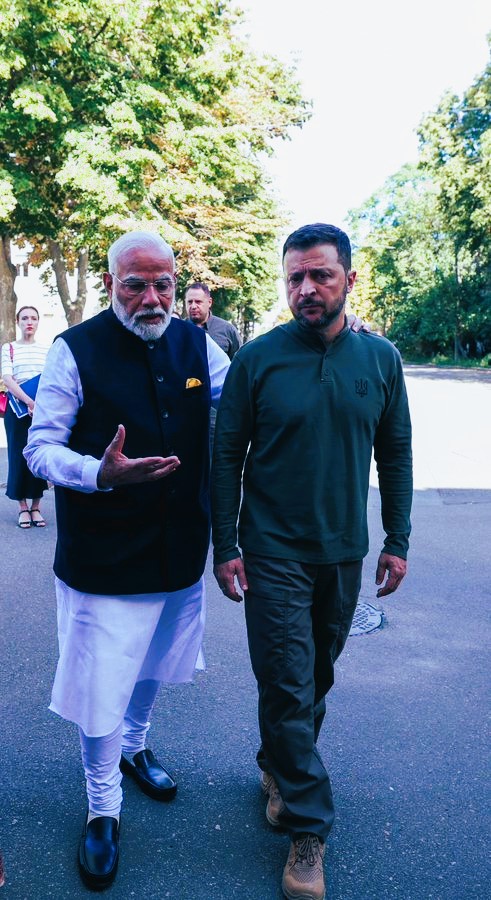
    Prime Minister Narendra Modi’s Wartime Diplomacy Elevates India to Global Leadership and Strengthens Indo-Russian Ties

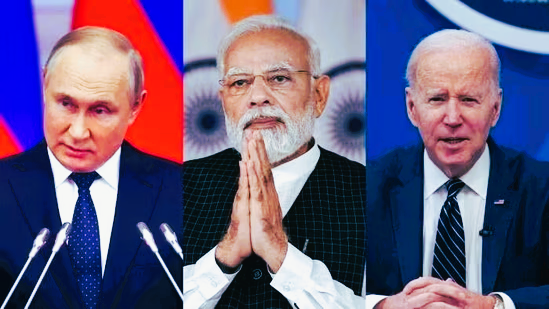
    In an era marked by geopolitical turbulence, economic uncertainty, and shifting alliances, the relationship between India and Russia stands as a beacon of stability and strategic cooperation. Prime Minister Narendra Modi’s proactive diplomacy and robust leadership have significantly enhanced the bilateral ties between these two historical allies. As the world grapples with the repercussions of the Ukraine conflict and other global challenges, India’s engagement with Russia underscores its pivotal role on the international stage. This article delves into the multifaceted Indo-Russian relationship, highlighting the importance of this partnership and the proactive steps taken by Prime Minister Modi to fortify it during challenging times.

    The foundation of Indo-Russian relations dates back to the Cold War era when India and the Soviet Union established a strategic partnership rooted in mutual respect and shared interests. Over the decades, this relationship has evolved, adapting to the changing geopolitical landscape while maintaining its core principles of trust and cooperation. Key historical milestones include the 1971 Treaty of Peace, Friendship, and Cooperation, which solidified the alliance between India and the Soviet Union, collaboration in defense with Russia being a significant supplier of military equipment and technology to India, and joint ventures in space exploration, energy, and infrastructure development.

    Defense cooperation remains a cornerstone of the Indo-Russian relationship. With over half a century of collaboration, Russia has been instrumental in modernizing India’s armed forces. Key initiatives include the joint production of military equipment, such as the BrahMos missile, AK-203 rifles, and Ka-226T helicopters, the lease of nuclear-powered submarines, and the sale of advanced defense systems like the S-400 missile system. Regular military exercises, such as Indra, enhance interoperability and strategic coordination.

    Energy security is another critical area where Indo-Russian cooperation has flourished. Russia, with its vast reserves of oil, gas, and coal, plays a vital role in meeting India’s growing energy demands. Major developments include India’s investment in Russian oil and gas fields, including the Sakhalin-1 project, the Kudankulam Nuclear Power Plant, a flagship project with Russian assistance, which is set to expand with additional units, and collaboration on LNG projects in the Russian Far East and the Arctic region.

    Economic cooperation between India and Russia has seen significant growth, driven by mutual efforts to diversify trade and investment. Bilateral trade reached $65.7 billion in FY 2023-24, with a substantial increase in the import of Russian oil and other commodities. Initiatives to streamline trade in diamonds and other precious stones are significant, given India’s status as a global cutting and polishing center. Prospects of establishing a free trade area between India and the Eurasian Economic Union aim to boost economic ties further.

    Cultural ties between India and Russia have deep historical roots, with both countries showing a profound interest in each other’s heritage and values. Cultural engagements include festivals of Indian culture in Russia and Russian cultural events in India, the mutual celebration of significant anniversaries, such as Mahatma Gandhi’s 150th birth anniversary, and academic and student exchanges that foster mutual understanding and goodwill.

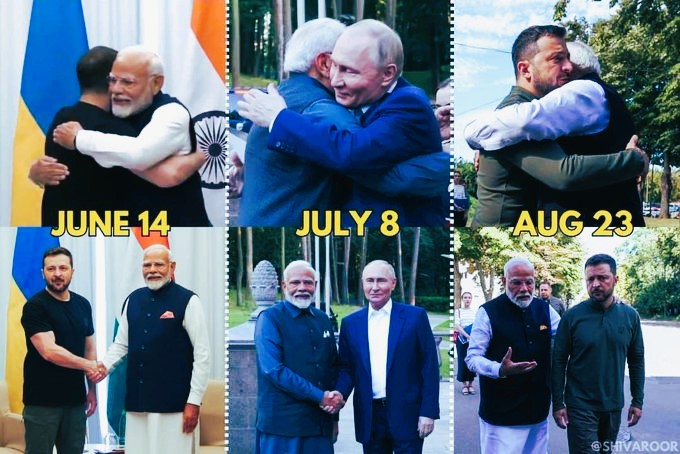
    Prime Minister Narendra Modi’s visits to Russia, particularly during turbulent times, have been pivotal in reinforcing the strategic partnership. His diplomacy is characterized by a balance of traditional alliances and new strategic initiatives. Key diplomatic moves include participation in the Eastern Economic Forum and other high-level meetings to promote economic and regional cooperation, an emphasis on using national currencies in bilateral trade to reduce dependency on Western financial systems, and initiatives to link Indian states with Russian regions, enhancing subnational diplomacy and localized cooperation.

    The ongoing conflict in Ukraine has added complexity to Indo-Russian relations. Despite international pressure, India has maintained a neutral stance, advocating for a peaceful resolution while continuing its strategic engagement with Russia. Strategic balancing involves India’s increased import of discounted Russian oil to mitigate the impact of rising global crude prices, diplomatic efforts to ensure that China does not dominate the Indo-Russian relationship, and active participation in multilateral forums like BRICS, SCO, and the G20 to promote a multipolar world order.

    The Indo-Russian relationship is a testament to enduring strategic partnerships that adapt and thrive amid global challenges. Prime Minister Narendra Modi’s proactive steps during wartime have not only strengthened bilateral ties but also positioned India as a significant global player. As the world navigates through an era of uncertainty, the strategic cooperation between India and Russia will continue to play a crucial role in shaping a stable and multipolar international order.

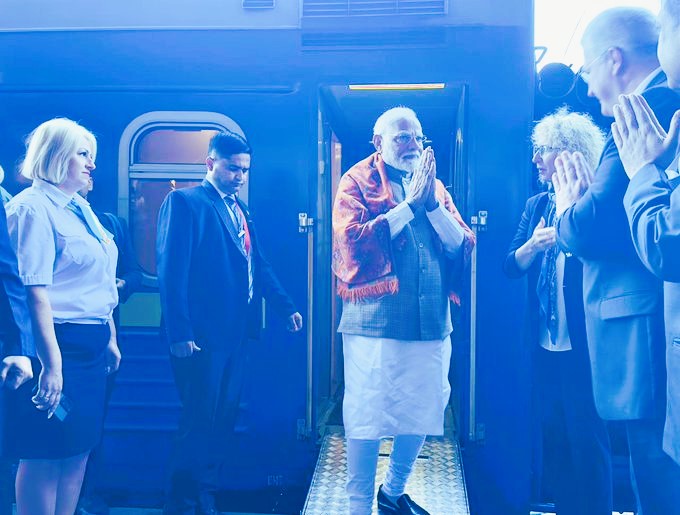
    The future of Indo-Russian relations looks promising, with both nations committed to deepening their cooperation across various sectors. From defense and energy to trade and cultural exchanges, the robust partnership between India and Russia is poised to contribute significantly to global peace, security, and prosperity. As leaders and policymakers from both countries work together, the legacy of friendship and strategic cooperation will undoubtedly pave the way for new milestones in the years to come. Prime Minister Modi’s first visit to Russia since the Russia-Ukraine war and his first bilateral visit in his third term underscore the critical nature of this relationship. This visit also marks the first India-Russia summit in over two and a half years and Modi’s first visit to Russia in five years, highlighting the renewed emphasis on this strategic partnership.

    visit arjasrikanth.in for more insights
  • Fondly Rembering YSR: The People’s Leader and Champion of Welfare

    July 8th, 2024

    YSR: A Visionary Leader’s Enduring Legacy in Andhra Pradesh

    Yeduguri Sandinti Rajasekhara Reddy, commonly known as YSR, remains an iconic figure in Indian politics, particularly in the state of Andhra Pradesh. Born on July 8, 1949, in Pulivendula, Kadapa district, YSR’s political journey is a testament to his relentless commitment to public service, and his tenure as the Chief Minister from 2004 until his untimely death in a helicopter crash in 2009 marked a transformative era for the state. YSR’s political career began with his election to the Andhra Pradesh Legislative Assembly in 1978. By the time he became Chief Minister, he had already established himself as a dedicated representative of the people, known for his outreach and connection with the grassroots. His political ideology was grounded in social justice, which became evident through the various welfare schemes and policies he championed.

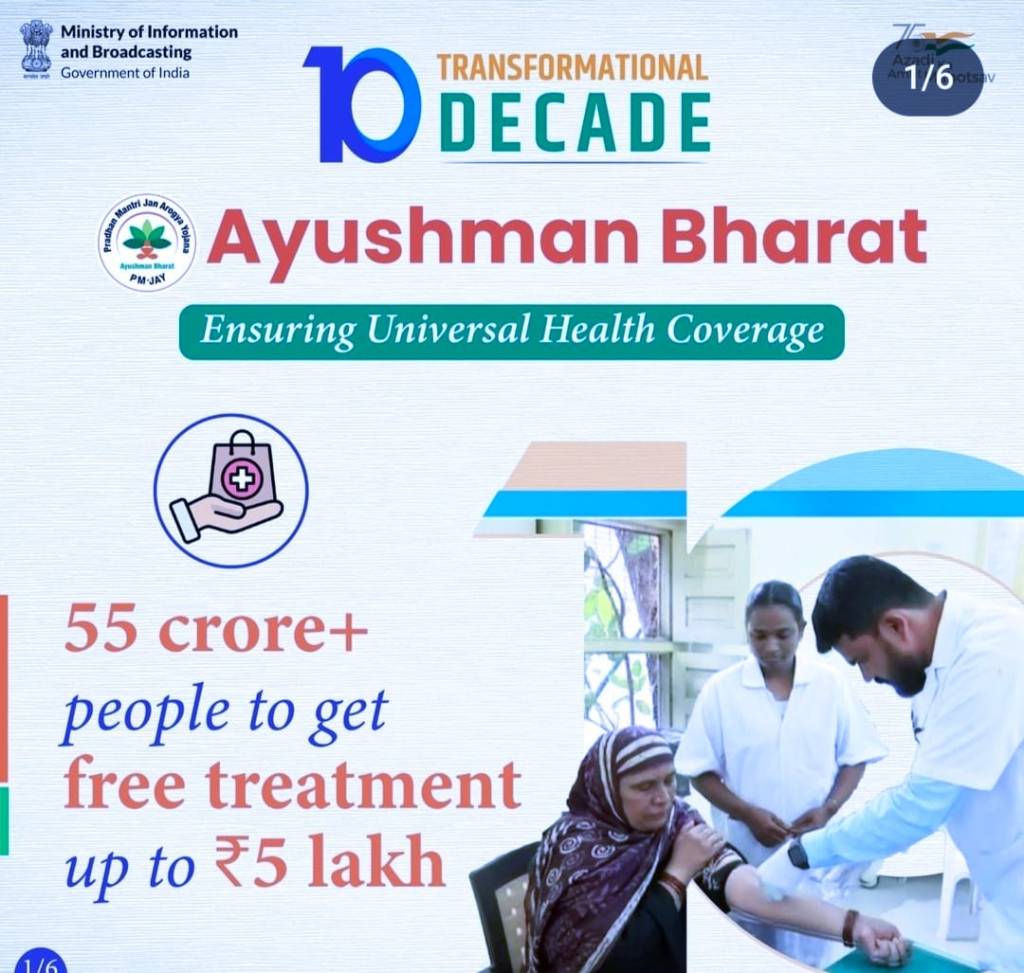
    A hallmark of YSR’s administration was its focus on Welfare Schemes, designed to uplift the underprivileged sections of society. Among these, the Aarogyasri health insurance scheme stands out as a remarkable initiative. Aarogyasri aimed to provide health insurance to the poor, enabling them to access advanced medical care, including surgeries and treatments that were otherwise unaffordable. This scheme significantly reduced the financial burden on low-income families and enhanced the overall healthcare landscape of the state.

    Another pioneering scheme introduced by YSR was the Indiramma Illu, which focused on providing housing for the rural poor. Under this initiative, numerous houses were constructed, ensuring safe and secure accommodation for people who had been living in substandard conditions. This move not only improved the living standards of the rural poor but also contributed to their social dignity and economic stability.

    YSR’s commitment to education was also notable. He introduced the fee reimbursement scheme for students from economically disadvantaged backgrounds, which allowed countless students to pursue higher education without the burden of financial constraints. This initiative democratized access to education, creating new opportunities for the youth and propelling socio-economic mobility within the state. The leader’s deep connection with the people set him apart. YSR had an extraordinary ability to empathize with the common folk, which was evident in his interactions, policies, and overall approach to governance. His charismatic leadership style, combined with his nurturing and empathetic nature, earned him the admiration and affection of millions. People often referred to him as ‘Jananetha,’ a leader of the masses, indicative of how deeply he resonated with the population he served.

    YSR’s tenure was also characterized by significant infrastructural development. He understood that for sustainable growth, it was imperative to build and improve the state’s infrastructure. Investing heavily in irrigation projects, he launched the Jalayagnam initiative, aimed at constructing new irrigation projects and expediting the completion of existing ones. This initiative sought to address water scarcity issues and support agricultural development, which was the backbone of Andhra Pradesh’s economy. By ensuring reliable water supply for irrigation, YSR helped secure the livelihoods of thousands of farmers and stabilized food production in the region. In addition to agricultural infrastructure, YSR prioritised the development of roads, bridges, and public transportation systems, facilitating better connectivity within the state. This, in turn, boosted trade, mobility, and access to education and healthcare services, further lifting the economic profile of the state.

    YSR’s political acumen was another factor that distinguished his leadership. Navigating the intricate and often volatile landscape of Andhra Pradesh politics, He managed to build strategic alliances and mitigate rivalries effectively. This political dexterity ensured that his administration could implement its agenda without significant impediments, focusing on the state’s development rather than getting bogged down by political conflicts. Despite his untimely death, YSR’s legacy continues to influence the political ethos of Andhra Pradesh. His policies set a benchmark for welfare-oriented governance, placing people’s welfare at the core of administrative strategy. The programs he initiated continue to benefit millions, and his approach to inclusive development remains a model for contemporary leaders.

    For instance, the scheme for free electricity to farmers was a game-changer, significantly easing the economic burden on farmers and fostering agricultural productivity. This not only helped in increasing the yield but also contributed to stabilizing the financial status of the agricultural community, thereby promoting rural prosperity.

    YSR’s introduction of 108 emergency ambulance services revolutionized emergency healthcare access. Before this initiative, many rural areas had limited access to timely medical help. The 108 service extended emergency medical support to even the remotest parts of the state, saving countless lives and demonstrating YSR’s commitment to healthcare accessibility. The respect and love YSR garnered from the people of Andhra Pradesh and Telangana are indicative of the profound impact of his policies.   Nevertheless, his legacy survives through the ongoing benefits of his welfare schemes and the inspiration he continues to provide to future leaders.

    YSR’s leadership journey is instructional in understanding the core values that make a leader truly beloved. His governance model, marked by empathy, proactive development, and astute political strategy, provides valuable insights for policymakers and leaders aiming to create a just and equitable society. By prioritizing the welfare of the poor and marginalized, YSR not only transformed the socio-economic landscape of Andhra Pradesh but also set a precedent for people-centric governance. His life and career offer rich lessons on the importance of inclusive development, the impact of robust welfare schemes, and the power of genuine connectivity with the people. Perhaps, what sets YSR apart in the annals of political leadership is his deep-rooted belief that governance should fundamentally be about serving the people, especially those in need.

    As Andhra Pradesh continues to evolve, the seeds planted by YSR’s policies flourish, underscoring the enduring relevance of his vision. Future leaders can learn immensely from his approach—embracing empathy, focusing on inclusive growth, and blending visionary development projects with practical solutions tailored to benefit the common man. It is this unique blend of heartfelt compassion and strategic foresight that has immortalized Yeduguri Sandinti Rajasekhara Reddy in the hearts and minds of people in Andhra Pradesh and beyond. His legacy is not merely one of policies and programs but a profound demonstration of how true leadership can inspire, transform, and elevate an entire society.

    In conclusion, Yeduguri Sandinti Rajasekhara Reddy, affectionately known as YSR, holds a revered place in Indian politics, particularly in Andhra Pradesh. Born on 8 July , YSR’s career combined visionary leadership, deep empathy, and a steadfast commitment to public welfare. As Chief Minister from 2004 to 2009, he launched transformative welfare schemes like Aarogyasri health insurance and the Indiramma Illu housing program, substantially improving living conditions for the marginalized. His educational reforms, including fee reimbursement, made higher education accessible to economically disadvantaged students. YSR’s charismatic personality and genuine care for the commonfolk earned him the title “Jananetha,” or leader of the people. His administration also saw significant infrastructural advancements through ambitious projects like Jalayagnam, which enhanced agricultural productivity and supported farmers. His adept political navigation ensured these initiatives were effectively executed, setting a high standard for governance. YSR’s legacy of empathetic governance and sustainable development continues to shape contemporary policies. His model of inclusive and transformative leadership remains a guiding beacon, inspiring future leaders to prioritize public welfare, ensuring his impact endures well beyond his tenure.

    Visit arjasrikanth.in for more insights

  • From Oceans to Our Bodies: The Hidden Dangers of Microplastics

    July 8th, 2024

    The Invisible Menace: Unveiling the Microplastics Crisis

    Microplastics, tiny plastic particles, pose a significant threat to both the environment and human health. These particles are not just widespread but also carry harmful chemicals and can cause various health issues. This comprehensive overview highlights the multifaceted impact of microplastics, from their entry into our bodies to their effects on ecosystems. Initially discovered in the ocean, these minuscule particles have since been identified in various environments, including food, water, and even the air we breathe. This pervasive presence raises significant concerns about the potential health implications for humans and the environment.

    Microplastics have infiltrated our daily lives to an astonishing degree. Experts explain that these particles are released from various sources we interact with every day. For instance, when we prepare a smoothie using plastic containers, microplastics can be released into the beverage and, consequently, into our bodies. This exposure is nearly unavoidable, as microplastics are also present in the air, resulting from the shedding of plastic materials from everyday items such as containers, cars, and synthetic clothing. They originate from two primary sources: primary microplastics, which are intentionally manufactured at small sizes, and secondary microplastics, which result from the breakdown of larger plastic items. These particles can be found in oceans, rivers, soil, and even in the air we breathe. Their pervasive presence is largely due to the durability and extensive use of plastic in modern society. They are released from synthetic clothing during wear and wash, emitted from car tires and interiors, and even degrade from larger plastic items exposed to sunlight and environmental factors. This degradation process reduces plastics to ever-smaller pieces, including nano plastics, which are even more minute and pervasive than microplastics.

    Microplastics can enter the human body through various routes, including ingestion, inhalation, and skin contact. They contaminate food and water supplies; for example, studies estimate that the average adult consumes about 2,000 microplastic particles per year through salt alone. Microplastics have even been found in the placentas of pregnant women, indicating their deep infiltration into biological systems. Nano plastics, defined as particles significantly smaller than microplastics, often measuring about one-seventieth the width of a human hair, present a more insidious threat due to their size. These particles can penetrate biological tissues more easily, potentially causing greater harm. Recent scientific advancements have enabled the detection of nano plastics in water and human tissues, signalling an increased need for research on their effects.

    Microplastics are carriers of toxic chemicals such as heavy metals, pesticides, and polychlorinated biphenyls (PCBs). When ingested or inhaled, these chemicals can lead to numerous health problems. Chemicals in microplastics can disrupt hormonal functions, affecting reproductive health and development. Exposure can lead to conditions such as insulin resistance and obesity. Some chemicals in microplastics are known carcinogens. Microplastics can cause oxidative stress, DNA damage, and chronic toxicity at the cellular level, leading to various organ dysfunctions. They can trigger inflammatory responses and immune system dysfunctions. Microplastics have been linked to neurotoxic effects, potentially impacting brain health. Epidemiological studies suggest a correlation between microplastic exposure and chronic diseases such as cardiovascular disease, diabetes, and inflammatory conditions. The exact mechanisms are still being studied, but the potential for harm is clear. The health risks associated with microplastics stem from their chemical composition. Different types of plastic polymers, combined with various chemical additives used to enhance properties like flexibility and flame resistance, complicate the assessment of their health impacts. These additives can introduce a wide range of chemical compounds into the body, each with its own potential effects. There is growing evidence that the presence of microplastics in the human body is linked to various health issues. For instance, individuals with irritable bowel syndrome have been found to have higher concentrations of microplastics in their digestive tracts. Additionally, microplastics in arteries may increase the risk of heart disease. While these findings are compelling, more research is needed to establish definitive causal relationships.

    Microplastics also have severe effects on the environment, particularly in marine ecosystems where they were first discovered. They can cause premature death in marine life and disrupt entire ecosystems already under threat from climate change and other environmental stressors. Microplastics have a devastating impact on marine and terrestrial ecosystems. Microplastics cause genetic damage to marine organisms. They can absorb toxic chemicals like polycyclic aromatic hydrocarbons (PAHs), which cause immunotoxicity, neurotoxicity, and genotoxicity. These particles also cause premature death in marine animals, disrupting entire ecosystems. Land animals are also affected, often ingesting plastic particles that lead to health issues and death. Microplastics in soil can alter its fertility, affecting plant growth by hindering root development and nutrient uptake. They can also impair soil microorganisms’ activities, which are crucial for maintaining soil health. Even compost can be contaminated with microplastics, which do not biodegrade and can be ingested by living organisms, perpetuating the cycle of contamination.

    Plastic production has skyrocketed from 2 million tons in the 1950s to over 400 million tons annually today. This increase has led to a corresponding rise in microplastic pollution. Microplastics are now found in virtually every environment on Earth, from the deepest oceans to the highest mountains, and even in human bodies. Researchers face significant challenges in studying the impacts of microplastics. The sheer variety of plastics and additives, each with distinct chemical behaviors, makes it difficult to determine their combined effects on human health. This complexity is akin to solving a convoluted math problem with countless variables, each potentially interacting in different ways. Microplastics encompass a wide variety of plastic polymers and chemical additives, each with distinct properties and potential health impacts. These additives can include endocrine disruptors like bisphenol A (BPA) and other chemicals that might affect reproductive health and potentially lead to cancers. However, the exact quantity of chemicals released by microplastics within the human body and their long-term health effects remain uncertain. Scientists are working to determine how long these particles stay in our organs and their overall impact on our health. This vast amount of plastic is not only persistent in the environment but also increasingly fragmenting into microplastics and nano plastics, which are even smaller and potentially more harmful due to their ability to infiltrate biological tissues more easily.

    The plastic and fossil fuel industries play crucial roles in the proliferation of microplastics. As the demand for fossil fuels declines, these industries see plastic production as a profitable alternative. Despite the growing evidence of the harm caused by microplastics, industry groups often call for more research before implementing regulations. They argue that the full extent of microplastic impact is not yet known, which delays regulatory action. However, some regions are beginning to take steps toward regulation. California, for instance, is exploring limits on microplastics in tap water. Despite these efforts, there are no comprehensive global regulations on microplastics in air, food, or water. The plastic and fossil fuel industries play significant roles in the proliferation of plastics. Plastic production is tied to petrochemicals, and as the demand for fossil fuels declines, companies see plastics as a lucrative alternative. The industry often cites the need for more research to understand the full impact of microplastics, investing millions into scientific studies while cautioning against premature regulation. However, scientists argue that the time to start regulating microplastics is now, to prevent further harm while continuing to study their effects.

    While systemic changes are necessary to tackle the microplastics problem effectively, individuals can also take steps to reduce their exposure. Minimize the use of plastic bottles, utensils, and containers. Choose clothing and textiles made from organic materials instead of synthetic fibres. Heating food in plastic containers can cause microplastics to leach into the food. Shellfish often contain high levels of microplastics. Using filters on washing machines can reduce the release of microfibers from synthetic fabrics. Regular dusting and vacuuming can reduce the amount of airborne microplastics in the home.

    The field of microplastics research is relatively new but has already made significant discoveries. Scientists have found microplastics in various parts of the human body and linked them to numerous health issues. This research is crucial for informing regulatory actions and public health recommendations. As the detection methods for nanoplastics improve, the scientific community is poised to gain a deeper understanding of the presence and effects of these particles. Future research will likely reveal more about how microplastics and nanoplastics influence human health and the environment, leading to better strategies for mitigating their impact. As the understanding of microplastics grows, so does the need for comprehensive regulations to protect both human health and the environment. Policymakers must balance the economic interests of the plastic industry with the urgent need to address the pollution crisis. Individuals can take steps to reduce their exposure to microplastics. Avoiding single-use plastics, such as bottled water and plastic utensils, and minimizing the use of synthetic materials are practical measures. Additionally, avoiding microwaving food in plastic containers can reduce the leaching of microplastics into food. Despite the daunting nature of the microplastics problem, significant strides have been made in understanding their presence and effects. The field of microplastics research is relatively new, yet scientists have already found these particles in various parts of the body and are beginning to link them to health problems. This progress is encouraging, but also highlights the need for continued research and increased regulatory action to mitigate the risks associated with microplastics.

    Microplastics, tiny plastic particles, pose significant threats to both the environment and human health by carrying harmful chemicals and infiltrating our daily lives. Originating from manufactured small plastics and the breakdown of larger plastics, these particles are found in oceans, rivers, soil, food, water, and air. Humans ingest, inhale, and absorb microplastics, leading to health issues such as hormonal disruptions, organ dysfunctions, and increased risks of cardiovascular disease and diabetes. Microplastics disrupt ecosystems, causing genetic damage and premature death in marine and terrestrial animals, and impacting soil health and plant growth. The persistence and extensive use of plastics have led to a significant rise in microplastic pollution, presenting complex challenges for researchers. Industries producing plastics and fossil fuels contribute to this proliferation and often delay regulation by calling for more research. While systemic changes are crucial, individuals can reduce exposure by minimizing plastic use, choosing organic textiles, and avoiding heating food in plastic containers. Combining individual actions, scientific advancements, and regulatory measures is essential to mitigate the impact of microplastics and protect future generations.

    visit arjasrikanth.in for more insights

  • The Legend of MS Dhoni: A Tapestry of Excellence, Leadership, and Inspiration

    July 7th, 2024

    Mahendra Singh Dhoni, popularly known as MS Dhoni, has etched his name in the annals of cricketing history with his unparalleled contributions. Born on 7 July 1981, Dhoni has not only captivated millions with his gameplay but also redefined leadership in cricket. As we celebrate his birthday, it’s worth reflecting on the myriad ways he has significantly impacted the sport and the nation.

    Dhoni’s cricketing journey began with his One Day International (ODI) debut in December 2004 against Bangladesh, followed by his Test debut a year later against Sri Lanka. His rise was meteoric, characterized by raw talent, unwavering focus, and a relentless drive to excel. Dhoni’s ascent to the captaincy of the Indian national team in limited-overs formats in 2007 was a turning point, heralding an era of unprecedented success for Indian cricket.

    Under Dhoni’s leadership, the Indian national team achieved remarkable feats. Dhoni led India to its first ICC World Twenty20 title in 2007, followed by victories in the 2010 and 2016 Asia Cups. His crowning glory perhaps came in the form of the 2011 ICC Cricket World Cup, where his composed demeanor and strategic brilliance were on full display. In the final, his iconic six to seal the victory against Sri Lanka is etched in the memories of millions. The 2013 ICC Champions Trophy win further cemented his status as one of the finest captains ever, making him the first captain in history to clinch all three ICC limited-overs trophies.

    In addition to his captaincy accolades, Dhoni has also been instrumental with the bat. A right-handed middle-order batsman renowned for his finishing prowess, Dhoni has amassed over 10,000 runs in ODIs. His ability to absorb pressure and finish games has earned him the title of one of the best “finishers” in limited-overs cricket. His innovative wicket-keeping skills and sharp cricketing acumen further enhance his storied legacy.

    Dhoni’s contributions have not gone unnoticed. He is the recipient of numerous awards, including the ICC ODI Player of the Year award in 2008 and 2009, making him the first player to win the award twice. He was honored with the Rajiv Gandhi Khel Ratna award in 2007, the Padma Shri in 2009, and the Padma Bhushan in 2018—testaments to his immeasurable contributions both on and off the field. Dhoni was also named the captain of the ICC World Test XI in 2009, 2010, and 2013 and was selected a record eight times in the ICC World ODI XI teams, five times as captain.

    Remarkably, Dhoni’s impact extends beyond cricket. In recognition of his contributions, the Indian Territorial Army conferred upon him the honorary rank of Lieutenant Colonel on 1 November 2011, making him the second Indian cricketer to receive this honor after Kapil Dev. Dhoni has set numerous captaincy records, including the most wins by an Indian captain in Tests, ODIs, and T20Is and the most consecutive wins in ODIs. His leadership brought about India’s first-ever bilateral ODI series wins in Sri Lanka and New Zealand in 2007.

    One of the defining moments of his career was leading India to a triumphant victory in the 2013 Champions Trophy in England. This victory resonated not only for its importance but for making Dhoni the unparalleled leader to have won all major ICC trophies. The win underscored his ability to inspire and lead a team while adapting to varied cricketing conditions.

    In Test cricket, Dhoni guided India to series wins in New Zealand and the West Indies. Under his watch, India secured the prestigious Border-Gavaskar Trophy in 2008, 2010, and 2013. Dhoni’s astute leadership ushered India to the number one position in the ICC Test rankings for the first time in 2009. His strategies and intuitive captaincy led India to a historic whitewash of Australia in a Test series in 2013, the first such achievement in over four decades.

    Dhoni’s success transcends international cricket. In the Indian Premier League (IPL), he captained the Chennai Super Kings (CSK) to victories in the 2010, 2011, and 2018 seasons. The team’s triumphs in the 2010 and 2014 editions of the Champions League Twenty20 further highlighted his tactical acumen and leadership brilliance. His commitment to CSK has been unwavering, demonstrated by his role as captain since the first IPL season.

    Time magazine included Dhoni in its annual Time 100 list in 2011, lauding him as one of the “Most Influential People in the World.” His influence extends off the field; holding the post of Vice-President of India Cements Ltd., the owner of CSK, Dhoni has continuously demonstrated his leadership qualities in the corporate world as well. This multifaceted personality has been an inspirational figure for generations and continues to leave an indelible mark.

    Dhoni’s ability to manage his career with such finesse is reflected in his strategic decisions—announcing his retirement from Tests on 30 December 2014 to focus on limited-overs formats is one such example. His marketability and global appeal were evident when SportsPro rated him as the sixteenth most marketable athlete in the world in 2012. Forbes ranked him at 23rd in the list of highest-paid athletes globally in 2015, estimating his earnings at US$31 million.

    His ventures beyond cricket include co-owning the Indian Super League team Chennaiyin FC, demonstrating his passion and vision for sports development in India. In 2016, his life and career became the subject of the biopic “M.S. Dhoni: The Untold Story,” which offered fans and admirers a deeper insight into his journey and the challenges he overcame.

    Dhoni’s journey, characterized by constant evolution and innovation, serves as a beacon of inspiration. His journey from a small-town boy from Ranchi to one of the most celebrated cricketers in the world reiterates the power of hard work, resilience, and humility. His humility despite scaling the zeniths of cricket success remains a lesson in grace and perseverance.

    The way Dhoni has handled pressure situations, both on and off the field, serves as a playbook for aspiring leaders. His ability to remain calm under pressure earned him the nickname “Captain Cool,” a trait that has helped him guide his team through tough situations on numerous occasions. His leadership style, characterized by a mix of intuition and strategic foresight, has been a significant factor in his successful captaincy tenure.

    One of the hallmarks of Dhoni’s captaincy has been his ability to back his players. His faith in young talents has seen the rise of many cricketing stars who have gone on to achieve great success. This mentoring role has left a lasting impact on Indian cricket, contributing to the depth and strength of the team.

    Dhoni’s influence is not limited to cricket alone. His involvement with the Indian Territorial Army and his ventures in other sports highlight his commitment to serving the nation and promoting sports culture. The honorary rank of Lieutenant Colonel conferred upon him by the Indian Army is a recognition of his service and dedication, adding another dimension to his multifaceted career.

    As we celebrate Dhoni’s birthday, it is an opportune moment to convey the best wishes of a nation that holds him in the highest regard. Dhoni’s journey is a testament to his incredible talent, unmatched leadership, and the indomitable spirit that defines him. His legacy is not just about the records he has broken but also about the lives he has touched and the inspiration he continues to provide to millions.

    Many tributes will celebrate Dhoni’s storied career, but perhaps the most meaningful is the impact he has made off the field. His down-to-earth nature, philanthropic endeavors, and efforts to give back to the community make him a true sportsman and a role model. His ability to balance his professional commitments with personal responsibilities is exemplary, further solidifying his status as an icon.

    Dhoni’s legacy extends into his post-retirement phase, where his insights and experiences continue to benefit the cricketing fraternity. His involvement in mentoring roles and his strategic mind are invaluable to young cricketers who look up to him. The leadership lessons that Dhoni embodies are timeless, providing guidance and inspiration to future generations.

    Happy Birthday, MS Dhoni! Your contributions to cricket and beyond have left an everlasting legacy. From your iconic sixes to your strategic brilliance, you have given fans countless memories to cherish. As you celebrate another milestone, may the years ahead be filled with happiness, good health, and more opportunities to inspire. The nation salutes you for your unwavering dedication and remarkable achievements. Thank you for everything, Captain Cool.

  • Harmony Across Borders: Andhra Pradesh and Telangana’s Path to Cooperative Reorganization

    July 7th, 2024

    In the rapidly evolving landscape of Indian federalism, the states of Andhra Pradesh and Telangana present an intriguing study of division and cooperation. Born from the Andhra Pradesh Reorganisation Act of 2014, these states have had their fair share of challenges—both shared and individual. However, the recent meeting between Telangana Chief Minister Revanth Reddy and Andhra Pradesh Chief Minister N. Chandrababu Naidu marks a new era of collaboration and mutual resolution. Held at the Mahatma Jyotirao Phule Praja Bhavan in Hyderabad, this landmark meeting signifies a crucial step towards solving long-standing issues, fostering goodwill, and ensuring development across borders.

    The agenda for the meeting was comprehensive, addressing a variety of issues that have persisted since the bifurcation.

    One of the most emotionally charged topics discussed was the re-transfer of five villages—Pichukalapadu, Kannaigudem, Yetapaka, Gundala, and Purushothapatnam. These villages, initially part of the Khammam district in Telangana, were merged into Andhra Pradesh following the AP Reorganisation (Amendment) Act of 2014. The meeting concluded with an agreement to establish an official committee to investigate and recommend the re-transfer process. The decision was met with a positive response from Andhra Pradesh officials and is likely to progress further within a week. A formal recommendation letter will be sent to the Union Home Ministry, followed by the introduction of an ordinance in Parliament.

    Another crucial topic revolved around labor cess funds that have been immobile in banks. Both states agreed on a solution to mobilize these funds, utilizing them for labor welfare and development projects.

    Telangana Chief Minister Revanth Reddy highlighted the urgency of combating drug abuse, especially in schools and pubs. Both states shared their strategies and initiatives, showcasing a united front against this menace.

    In a move that would bring respite to the devotees of Telangana, recommendation letters issued by Telangana public representatives for Tirumala temple visits may soon be accepted. This understanding is aimed at easing the pilgrimage process and fostering spiritual ties between the states.

    Andhra Pradesh’s request for a designated camp office in Hyderabad for use during official visits was also tabled. This office would serve as a functional hub, enhancing inter-state administrative coordination.

    To systematically address these multifaceted issues, the leaders agreed to constitute a three-level committee. This committee, to be formed in a couple of weeks, will consist of senior officials and ministers from both states, focusing on a collaborative resolution for pending issues.

    The first level will aim to identify specific issues and initiate preliminary discussions. This level will include officers who will draft initial proposals based on collected data and ground realities.

    The second level involves detailed analysis and extensive negotiations. Senior officials will deliberate on the drafted proposals, considering legal, administrative, and socio-economic perspectives.

    The final level will involve policy formation and recommendation. Ministers and top-level officials will consolidate all inputs and prepare actionable frameworks to be formally adopted by the state governments and, where necessary, presented before the Union Government for further action.

    In an interesting turn of events, Telangana Chief Minister Revanth Reddy presented the book ‘Naa Godava’ by Kaloji Narayana Rao to his Andhra Pradesh counterpart, Chandrababu Naidu. This book, a revered piece of Telangana literature, served as both a symbolic gift and a subtle message. The excerpts from the book resonate deeply with the sentiments of the Telangana people, a call to understand and respect the aspirations of the state.

    The book embodies the soul of Telangana’s struggle and spirit. It underscores themes of self-respect, resistance against exploitation, and solidarity among natives. By presenting this book, Revanth Reddy emphasized the importance of understanding Telangana’s ethos to foster better relations and mutual respect.

    The Revanth-Naidu meeting is a shining example of how states with a complex history can move beyond their differences for the greater good. The issues discussed and the collaborative strategies devised set a precedent not just for Andhra Pradesh and Telangana, but for other states grappling with similar inter-state disputes.

    Both states have shown maturity in addressing historical grievances while aligning their approaches with contemporary administrative needs. It is a balance that many regions worldwide struggle to achieve, often letting historical animosities overshadow current exigencies.

    The agreements reflect a realization that mutual benefits far outweigh isolated gains. For instance, the labor cess fund utilization is crucial for both economies, and its effective deployment can significantly improve labor welfare across both states.

    Revanth’s gifting of ‘Naa Godava’ illustrates how cultural diplomacy can play a vital role in softening political borders and fostering better understanding among states.

    The meeting between Telangana’s Revanth Reddy and Andhra Pradesh’s Chandrababu Naidu signifies a pivotal moment in fostering cooperative federalism in India

    Visit arjasrikanth.in for more insights

  • NTPC’s Desalination-Based Hydrogen Plant: Pioneering India’s Green Energy Revolution

    July 7th, 2024

    Green Hydrogen: Powering the Future and NTPC’s Pioneering Path

    In 2021, the United Nations Climate Change Conference in Glasgow, known as COP26, heralded the beginning of a transformative journey for India. Among the key resolutions, the concept of “Green Hydrogen” emerged as a crucial pillar to help India achieve its ambitious target of net-zero emissions by 2070. This renewable energy source is not only pivotal for meeting India’s energy needs but also for securing a sustainable future for the generations to come. At the forefront of this revolutionary shift is NTPC, India’s largest power utility, driving forward pioneering activities aligned with global standards to foster the growth of the green hydrogen ecosystem.

    Green Hydrogen is produced by electrolyzing water using renewable energy sources, ensuring zero carbon emissions in the process. Unlike grey hydrogen, which is derived from fossil fuels and contributes significantly to CO2 emissions, Green hydrogen offers a cleaner, sustainable alternative. The Indian government, recognizing the critical importance of this energy carrier, launched the National Green Hydrogen Mission in early 2023. This mission targets the production of 5 million metric tonnes per annum (MMTPA) of green hydrogen by 2030, positioning India as a global leader in the hydrogen economy.

    To support the ambitious green hydrogen targets, India needs to harness its vast renewable energy potential. The country is already making significant strides in solar, onshore wind, offshore wind, biomass, hydro, and pumped storage sectors. The government has introduced multiple Production Linked Incentive (PLI) schemes to encourage capacity addition in these areas. The integration of Battery Energy Storage Systems (BESS) ensures that renewable energy can meet the round-the-clock requirements necessary for green hydrogen production. Pilot projects in sectors like steel, shipping, and mobility are already underway, showcasing the practical applications and benefits of green hydrogen.

    Green hydrogen’s value chain begins with renewable energy and extends to various applications across different industries. It plays a crucial role in decarbonizing hard-to-abate sectors such as steel, fertilizers, refineries, cement, and mobility. The National Green Hydrogen Mission is not just about production; it encompasses the entire ecosystem, including transportation, storage, and utilization. The Ministry of New and Renewable Energy (MNRE) is spearheading several initiatives to achieve these goals, ensuring that green hydrogen becomes a cornerstone of India’s energy transition.

    Supportive policies and regulations are vital for fostering the development of green hydrogen. The Indian government has introduced various policy instruments, such as feed-in tariffs, carbon pricing mechanisms, and regulatory frameworks, to create a conducive environment for green hydrogen production and utilization. These policies aim to reduce the cost of green hydrogen, making it competitive with other energy sources. Additionally, collaborations with international organizations and countries help India align its green hydrogen initiatives with global standards and best practices.

    Financing green hydrogen projects requires innovative approaches due to their capital-intensive nature. Public-private partnerships, green bonds, and other innovative financial instruments are essential to bridge the investment gap. The government and financial institutions are working together to create favorable conditions for investors, ensuring that the green hydrogen sector receives the necessary funding to accelerate its growth. By leveraging these financial tools, India can attract significant domestic and international investments, fostering the development of a robust green hydrogen ecosystem.

    NTPC is leading the way with several groundbreaking pilot projects across different sectors and geographies, serving as real-world implementations of green hydrogen and providing valuable insights for future large-scale deployments. For instance, NTPC is pioneering hydrogen mobility by deploying 10 Fuel Cell Electric Vehicles (FCEVs) in intra and intercity applications, with five FCEVs operating in Leh and another five in Delhi. These vehicles will be fueled by green hydrogen from dedicated fueling facilities, demonstrating the viability of hydrogen as a clean transportation fuel. Additionally, in Delhi NCR, NTPC is assessing the feasibility of replacing diesel generator sets with a minimum 500 kW hydrogen-based fuel cell system for backup power, showcasing the potential of hydrogen in providing reliable and clean energy storage solutions.

    Moreover, NTPC is exploring the establishment of a green power-based 50 kW microgrid in Andhra Pradesh, using a combination of electrolyzers and fuel cells to create a scalable model that can be expanded to megawatt-scale systems. This highlights the flexibility and efficiency of hydrogen-based energy storage. A pilot project in Western India is also investigating the technical challenges of blending hydrogen with natural gas in City Gas Distribution (CGD) networks. This initiative aims to decarbonize the existing natural gas grid while reducing reliance on imported natural gas, offering a cost-effective pathway to a cleaner energy system.

    Furthermore, NTPC is pursuing the production of green methanol to monetize CO2 from waste flue gas at coal-fired thermal power plants, establishing a 10 TPD (Tonnes Per Day) plant at NTPC Ramagundam, Telangana, utilizing power from a 100 MW floating solar project. This project exemplifies the innovative use of green hydrogen in creating valuable products from waste emissions. Additionally, green ammonia, an efficient carrier of hydrogen, is another focus area for NTPC. The company is setting up multiple Ultra Mega Renewable Energy Power Parks (UMREPPs) across India, with part of the power earmarked for green ammonia production. This green ammonia can replace imported or domestically produced grey ammonia, supporting both domestic use and export markets.

    One of NTPC’s most significant achievements is the launch of India’s first desalination-based hydrogen plant in Vizag. This project, developed in collaboration with the Indian Institute of Petroleum and Energy (IIPE), utilizes desalinated water from NTPC Simhadri’s existing plant for hydrogen generation through electrolysis. This approach eliminates the reliance on freshwater resources, offering a sustainable solution in water-scarce regions. The project, with an estimated investment of Rs 35 crore, aims to establish a 1 TPD capacity plant, setting a new benchmark in the renewable energy sector.

    The desalination-based hydrogen plant utilizes waste heat from the power plant for desalination, ensuring carbon neutrality. This innovative and environmentally friendly process not only produces green hydrogen but also promotes the production of green ammonia and green methanol, amplifying India’s renewable energy capabilities.

    NTPC’s pioneering efforts in green hydrogen mark a monumental step towards a sustainable future, leveraging India’s vast renewable energy potential to address the country’s energy security needs while significantly contributing to global climate goals. The successful implementation of various pilot projects underscores NTPC’s commitment to innovation, collaboration, and environmental stewardship, demonstrating the viability of green hydrogen as a key solution to decarbonize multiple sectors of the economy. NTPC’s initiatives, aligned with the National Green Hydrogen Mission and global standards, set an inspiring example for other nations to follow. With continued support from government policies, innovative financing solutions, and technological advancements, green hydrogen can transform India’s energy landscape, ensuring a cleaner, more sustainable future for generations to come. Congratulations to NTPC for their remarkable achievements in the green hydrogen sector. Your dedication to sustainability and the successful implementation of landmark projects deserve applause. Together, let us embrace renewable energy, advocate for green hydrogen, and support the mission to create a greener and more sustainable world.. 🌍💚

    visit arjasrikanth.in for more insights

  • Remembering Maestro Mangalampalli Balamuralikrishna: Resonance of Melody and Innovation

    July 6th, 2024

    Celebrating the Life and Legacy of Carnatic Maestro Mangalampalli Balamuralikrishna

    Mangalampalli Balamuralikrishna, born on July 6, 1930, transcended the realms of Carnatic music, leaving an indelible mark through his unparalleled musical genius and innovative spirit. His journey, spanning over seven decades, resonates globally, adorned with prestigious accolades and a legacy enriched by over 400 compositions and ground breaking musical inventions.

    Born into a Brahmin family in Sankaraguptam, Andhra Pradesh, Mangalampalli Balamuralikrishna’s musical journey began under the guidance of Parupalli Ramakrishnayya Pantulu, a stalwart of Carnatic music tradition. His prodigious talent blossomed early, captivating audiences from Vijayawada to Madras with his virtuosity on multiple instruments including the violin, kanjira, mridangam, and viola. His debut concert at the age of eight marked the emergence of a musical prodigy, earning him the prefix “Bala” in recognition of his youthful brilliance.

    Balamuralikrishna’s repertoire encompassed every facet of Carnatic music, from Varnas and Krithis to Thillanas and Bhavageethas. His mastery extended beyond convention as he composed in all 72 Melakarta Ragas, pushing boundaries with creations like Mahathi, Lavangi, and Sidhdhi, each raga a testament to his quest for musical innovation. His profound impact on the tala system introduced new rhythmic dimensions, fostering a dynamic evolution within traditional frameworks.

    Venturing beyond Indian shores, Balamuralikrishna’s mellifluous voice resonated across continents. His concerts in the United States, Canada, Europe, and Asia transcended linguistic barriers, captivating audiences with compositions in Telugu, Kannada, Sanskrit, Tamil, Malayalam, Hindi, Bengali, Punjabi, and even French. Collaborations with international choirs and jazz fusion ensembles showcased his versatility, affirming his role as a cultural ambassador of unparalleled stature.

    Central to Balamuralikrishna’s artistic legacy was his spirit of experimentation. Innovating with ragas like Ganapathi and Lavangi, characterized by minimal notes yet profound expression, he redefined musical possibilities. His contributions to music therapy underscored his belief in the healing power of sound, pioneering research that continues to influence therapeutic practices worldwide.

    Beyond music, Balamuralikrishna graced the silver screen, debuting in the Telugu film “Bhakta Prahlada” and lending his voice to numerous cinematic masterpieces across South Indian languages. His foray into acting paralleled his musical pursuits, showcasing his versatility as an artist dedicated to enriching cultural landscapes through both performance and composition.

    Balamuralikrishna’s illustrious career garnered myriad accolades, including the Padma Vibhushan, Sangeet Natak Akademi Award, and Chevalier of the Ordre des Arts et des Lettres from the French Government. Each honor celebrated his enduring impact on classical music and cultural diplomacy, reaffirming his status as a luminary revered both in India and abroad.

    On his birth anniversary, we celebrate Mangalampalli Balamuralikrishna not merely as a maestro but as a custodian of musical heritage and a beacon of artistic innovation. His compositions continue to inspire and his legacy endures through the Dr. M. Balamuralikrishna Memorial Trust, preserving his contributions for future generations. As his melodies echo through time, they serve as a poignant reminder of the transformative power of music to transcend boundaries and unite humanity in harmony.

    In commemorating Mangalampalli Balamuralikrishna, we honour a visionary whose musical odyssey transcended boundaries of genre and geography, leaving an indelible imprint on the rich tapestry of Carnatic music. His life’s work, infused with boundless creativity, innovation, and unwavering dedication, continues to inspire and captivate aficionados worldwide. Balamuralikrishna’s legacy stands as a symphony of innovation and tradition, a timeless melody resonating through generations, securing his esteemed position among the foremost luminaries of musical history.

    visit arjasrikanth.in for more insights
  • Tragedy in Hathras: When Blind Faith Collided with Negligence

    July 6th, 2024

    Unravelling the Devastating Consequences of Inadequate Safety and Superstition!!!

    In contemporary society, the persistence of blind faith and the absence of critical thinking continue to pose significant risks, often culminating in catastrophic consequences. The recent religious gathering in Hathras, Uttar Pradesh, stands as a somber testament to the perils of unquestioning devotion to self-proclaimed religious figures. The harrowing stampede during this event resulted in the loss of 121 lives and numerous injuries, exposing egregious lapses in safety protocols by both the event organizers and local authorities.

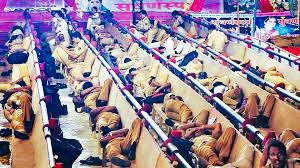
    The event in Hathras was a satsang, orchestrated by a controversial local figure with a contentious history entangled in legal disputes. Despite his tarnished reputation, the leader had amassed a fervent following that believed fervently in his alleged supernatural abilities. On the fateful day, an overwhelming crowd of over 250,000 congregated in a muddy field, far surpassing the sanctioned limit of 80,000 attendees. The makeshift infrastructure, ill-equipped for such mass gatherings, exacerbated the situation. Chaos ensued as the religious leader endeavored to leave, prompting devotees to clamor to touch his feet and gather the dust from his garments, believed to possess mystical properties. The treacherous terrain, made slick by recent rains, precipitated numerous falls, setting off a tragic chain reaction. Compounding the calamity were narrow exits, partially obstructed by vehicles, intensifying the stampede that tragically claimed lives, predominantly those of women, who were trampled and suffocated.

    The Hathras catastrophe laid bare profound deficiencies in safety protocols and crowd management strategies, glaringly evident in the oversight of both the event organizers and district administration. Despite exterior security measures, internal arrangements were grossly inadequate. Organizers failed to anticipate the staggering turnout, while authorities neglected to enforce the mandated attendance cap. The provisional tent lacked adequate exits, impeding swift evacuation in emergencies. The sodden terrain, exacerbated by recent precipitation, compounded the chaos. Nearby medical facilities at the trauma center in Sikandar Rao were ill-equipped, lacking critical resources such as oxygen, ventilators, and sufficient medical personnel. Crucial crowd management measures—clearly demarcated entry and exit points, barricades, and trained personnel—were conspicuously absent.

    The Hathras tragedy underscores the hazards of blind faith and superstition. Despite the controversial background of the religious leader, unwavering belief in his purported supernatural prowess precipitated a frenzied rush to seek his blessings, culminating in pandemonium and fatalities. The imperative to cultivate rational thinking and discourage superstition emerges as a pivotal measure to forestall such calamities.

    Following the disaster, state authorities launched an investigation, spearheaded by a retired judge, to identify lapses and enforce accountability. Nevertheless, it is imperative for the government to acknowledge its own culpability in the debacle. Instead of conjecturing conspiracy theories, the focus should centre on rectifying the systemic deficiencies that precipitated the tragedy, in addition to implementing stringent measures to forestall future occurrences.

    The Hathras stampede serves as a poignant reminder of the exigency of meticulous crowd management and rigorous safety protocols at large-scale congregations. Authorities must scrupulously enforce realistic attendance estimates, issue permits predicated on precise assessments, and devise contingency plans. The deployment of robust crowd control measures, proficient personnel, and adequately equipped venues constitutes indispensable requisites for safeguarding public welfare. Concurrent efforts to foster critical thinking and dismantle superstition are imperative.

    The Hathras stampede epitomizes the imperative for stringent adherence to safety norms, meticulous planning, and seamless communication between event organizers and authorities. Reflecting upon this tragic episode and implementing robust safety frameworks can culminate in the creation of a more secure milieu for religious assemblies and communal events. By prioritizing the safety of attendees and promoting critical discernment, we can preclude the grievous ramifications of occurrences akin to the Hathras stampede and commemorate the memory of those who perished in this heart-rending debacle.

    Visit arjasrikanth.in for more insights

  • Shadows of Barbarism: The Persistence of Vigilante Justice in Modern India

    July 5th, 2024

    Unveiling the Disturbing Incident in Bengal and the Ongoing Battle for Lawful Justice

    In the heart of India, the persistence of barbaric practices within society continues to surface, shocking the nation and the world. The recent incident in West Bengal, where a couple was publicly beaten and humiliated for allegedly engaging in an illicit relationship, serves as a grim reminder of the violent undercurrents still present in some communities. The brutal assault, captured on video and widely shared on social media, has ignited a storm of outrage, condemnation, and calls for justice. This incident underscores the urgent need to address the deep-seated issues that allow such acts to persist.

    The disturbing video that went viral shows a man and a woman being violently assaulted and humiliated in full public view. The assault was carried out by Tajmul, also known as JCB, a local political leader in Chopra, Uttar Dinajpur district. The attack was sanctioned by a kangaroo court, a local body that often operates outside the legal system, dispensing summary justice based on local customs and social norms.

    In the video, Tajmul is seen mercilessly beating the couple with a bamboo stick while a crowd of onlookers watches. The woman, in visible distress, is dragged by her hair and kicked, while the man is similarly thrashed. The assault was reportedly motivated by accusations of an illicit relationship, which the local kangaroo court deemed a “pollution” of society.

    Following the viral dissemination of the video, the West Bengal Police acted swiftly, registering a case and arresting Tajmul. The police also provided security to the victimized couple and initiated a suo motu investigation. Despite these measures, the incident has sparked significant political backlash and criticism of the local governance and law enforcement agencies.

    Opposition parties, including the BJP, Congress, and CPI(M), have condemned the incident, accusing the ruling Trinamool Congress (TMC) government of failing to maintain law and order. They argue that the prevalence of such extrajudicial measures reflects a broader breakdown in governance. The TMC, while condemning the incident, has distanced itself from the actions of Tajmul, emphasizing that such behavior is unacceptable and promising an internal investigation.

    The couple involved in the incident has faced severe repercussions, both physically and emotionally. The man, married with children, and the woman, also married with children, have expressed deep distress over the public humiliation and physical abuse they endured. The woman, who stated that she believes in living life on her own terms, described the incident as deeply painful and upsetting.

    Witnesses present during the incident expressed shock and disapproval, questioning the legitimacy of the punishment and condemning the actions taken against the couple. This incident highlights the prevalence of instant justice practices in certain rural and semi-rural areas, where local kangaroo courts impose punishments without legal authority.

    Such incidents are not isolated. Similar cases of public humiliation and violence have been reported in West Bengal and other parts of India, raising serious concerns about the state of law and order in these regions. These practices often have the tacit or overt support of local power structures, further complicating efforts to eradicate them.

    The National Human Rights Commission of India (NHRC) has taken note of the incident, issuing notices to the West Bengal government and the Director General of Police. The NHRC has demanded a detailed report on the police investigation, the health and medical treatment of the victims, and the steps the state government plans to take to prevent such incidents in the future. They have also directed their Director General (Investigation) to conduct an on-the-spot inquiry to gather more facts about the case.

    This incident underscores the urgent need for reforms and stringent measures to prevent such barbaric practices. It calls for increased awareness and education about the legal rights of individuals and the importance of adhering to lawful procedures in resolving disputes. Furthermore, it highlights the necessity for local authorities to be more vigilant and proactive in curbing the influence of unauthorized courts and ensuring that justice is administered fairly and humanely.

    The incident in West Bengal is part of a disturbing trend where vigilante justice and public shaming are used as means to enforce social norms. These extrajudicial practices often emerge in communities where traditional values clash with modern societal norms, leading to the imposition of severe punishments for behaviours deemed unacceptable by local standards.

    Such acts not only violate the human rights of the individuals involved but also undermine the legal system and the principles of justice. The public flogging of the couple has been compared to the draconian practices seen in other parts of the world, drawing parallels to the Taliban’s dispensation of justice. These comparisons highlight the urgent need for a collective effort to eradicate such inhumane practices and uphold the rule of law.

    The public beating of a couple in West Bengal serves as a grim reminder of the barbaric practices that still plague parts of Indian society. This incident stresses the need for a collective effort from the government, law enforcement, and civil society to eradicate such inhumane practices and uphold the rule of law. Ensuring justice for the victims and preventing recurrence of such incidents should be a priority to protect the fundamental rights and dignity of every individual.

    visit arjasrikanth.in for more insights

  • Remembering The Unyielding Leader: The Legacy of Vangaveeti Mohana Ranga

    July 4th, 2024

    Vangaveeti Mohana Ranga Rao remains a resonant name in the annals of Indian political history, especially within Andhra Pradesh. His story is not just one of politics, but a tale interwoven with leadership, resilience, and an unyielding commitment to his beliefs and constituents. Representing the Vijayawada East assembly constituency as a member of the Indian National Congress (INC), Vangaveeti Ranga’s political journey was marked by tumultuous events that underscored his leadership brilliance. This article delves deep into the leadership qualities that defined Vangaveeti Mohana Ranga, making him a leader revered by many.

    Born on 4 July 1947 in Katuru, Vuyyuru in the Krishna district of Andhra Pradesh, Ranga was the youngest son of Vangaveeti Seetharamaya and Vangaveeti Savithramma. His upbringing in a modest family environment, alongside his four elder brothers, ingrained values of resilience and perseverance in Ranga from a young age. His elder brother, Vangaveeti Radha Krishna Rao Sr., also known as Robinhood Radha, was a pivotal influence on him, especially after Radha’s tragic murder in 1974.

    Upon the death of his brother Radha Krishna Rao Sr., Ranga stepped into the political arena, fuelled by a sense of justice and a drive to continue his brother’s legacy. His early political journey saw him running in the municipal elections of 1981, where the Congress Party strategically withdrew its candidate in his favour. This move signalled the beginning of Ranga’s significant influence in the region. Ranga’s victory was not just a personal achievement but a testament to his leadership capabilities and an indication of the trust the people of Vijayawada reposed in him.

    One of Ranga’s defining leadership qualities was his ability to lead in times of crisis. The socio-political landscape of Vijayawada during his time was fraught with gang warfare and volatile power struggles. The rivalry between Ranga and the Devineni family, particularly with Devineni Rajasekhar (Nehru), was a prominent feature of the region’s political dynamics. Despite these challenges, Ranga’s leadership was hallmarked by his steadfast resolve and strategic acumen.

    Ranga’s leadership extended beyond political maneuvers; it was deeply rooted in his advocacy for social justice. His campaign against police abuse and his indefatigable efforts for the distribution of land pattas to residents of Giripuram showcased his dedication to the underprivileged. Ranga’s indefinite fast, even in the face of grave threats, was a clear demonstration of his commitment to fighting for the rights of the marginalized. His leadership style was not just about wielding power but about serving the people and standing up against injustices.

    Ranga’s life was cut short when he was assassinated in the early hours of 26 December 1988, during an indefinite fast for the distribution of land pattas. This tragic event, allegedly orchestrated by Opponents led to widespread riots across Krishna, Guntur, and the Godavari districts. The violence that ensued highlighted the deep-seated animosity and the significant impact of Ranga’s leadership, as his supporters took to the streets in protest.

    Despite his untimely demise, Ranga’s legacy lived on through his family and followers. His widow, Ratna Kumari, and his son, Radha Krishna Jr., continued his political legacy, participating actively in the political sphere. The reverence for Ranga is also reflected in popular culture, with biographical films like “Vangaveeti,” directed by Ram Gopal Varma, chronicling the intense political and gang warfare of Vijayawada, symbolizing Ranga’s indelible impact on the region.

    Vangaveeti Mohana Ranga’s leadership qualities were a confluence of courage, resilience, and an unyielding spirit. His ability to navigate through the treacherous waters of regional politics, his advocacy for social justice, and his unwavering commitment to his constituency established him as a formidable leader. Even in the face of adversity, Ranga’s leadership remained unshaken, cementing his place as a revered figure in Andhra Pradesh’s political history. His legacy continues to inspire, reminding us that true leadership is defined not by the longevity of one’s life but by the enduring impact of one’s actions and principles.

    visit arjasrikanth.in for more insights

←Previous Page
1 … 65 66 67 68 69 … 134
Next Page→

Blog at WordPress.com.


Loading Comments...
 

    • Subscribe Subscribed
      • SOCIAL PERSPECTIVES
      • Join 99 other subscribers
      • Already have a WordPress.com account? Log in now.
      • SOCIAL PERSPECTIVES
      • Subscribe Subscribed
      • Sign up
      • Log in
      • Report this content
      • View site in Reader
      • Manage subscriptions
      • Collapse this bar