• About

SOCIAL PERSPECTIVES
  • Skyward Sustainability: Charting a Course for Net-Zero Aviation

    August 13th, 2024

    Taking Flight for a Greener Tomorrow: How the Aviation Sector Can Lead the Charge in Emission Reduction

    In an era where climate change presents an escalating threat, the aviation industry is highlighted as a major contributor to carbon emissions. With an average of 9,728 planes in the sky at any given moment, transporting approximately 1,270,406 passengers, the sector’s environmental impact is considerable. Aviation’s high carbon footprint is driven primarily by jet fuel, which is responsible for 99% of its emissions being CO2. For instance, a Boeing 737-400 emits about 115 grams of CO2 per passenger per kilometre, equating to around 90 kilograms of CO2 per passenger per hour. Despite technological advancements and increased energy efficiency, the sector’s reliance on fossil fuels remains a significant challenge, underscoring the need for urgent action towards achieving net-zero air travel.

    Aviation accounts for roughly 2.5% of global CO2 emissions and contributes about 4% to global warming. This high carbon intensity is a consequence of the sector’s reliance on jet fuel, a major source of CO2 emissions. While the energy efficiency of air travel has improved—more than doubling from 2.9 megajoules per passenger-kilometre in 1990 to 1.3 megajoules in 2019—the sector’s carbon footprint remains substantial due to unchanged carbon intensity of aviation fuel. To address this, the industry must focus on several key strategies for reducing emissions and moving towards a more sustainable future.

    One promising avenue for reducing aviation’s carbon emissions is the adoption of Sustainable Aviation Fuels (SAF). SAFs, derived from waste feedstocks, oils, and agricultural and forestry residues, have the potential to reduce carbon emissions by up to 80%. However, their widespread adoption is currently constrained by production challenges and high costs. To overcome these barriers, it is crucial to scale up SAF production and make the fuels more economically viable. This involves investing in new technologies and infrastructure to support SAF production and blending with traditional jet fuels.

    Another important strategy is to promote alternatives to air travel. High-speed rail and other efficient transportation modes offer viable options for reducing the reliance on airplanes. Investing in these alternatives not only lowers the carbon footprint associated with air travel but also provides sustainable transportation solutions for the future. By enhancing rail networks and other modes of transport, we can reduce the demand for air travel and subsequently decrease aviation emissions.

    Renewable energy investments are also crucial for offsetting aviation emissions. Supporting projects such as reforestation and other nature-based climate solutions can help mitigate the environmental impact of the aviation sector by removing carbon from the atmosphere. Investing in renewable energy sources and purchasing carbon credits are essential for balancing the sector’s carbon budget and achieving long-term sustainability goals.

    The aviation industry’s emissions have risen steadily in recent decades, driven by increased demand for air travel and improvements in technology. Despite advancements in aircraft design and operational efficiency, the carbon intensity of aviation fuel remains unchanged. The industry’s goal is to achieve near-zero CO2 emissions by 2050, in alignment with a 1.75 °C global temperature rise pathway. Achieving this target requires a multi-faceted approach, including further innovations in aircraft efficiency and a shift towards sustainable fuels.

    Efforts to reduce aviation pollution must involve several strategies. Increasing aircraft fuel efficiency is critical, and this can be achieved by developing and implementing more efficient aircraft designs and technologies. Innovations in aircraft engineering and design can lead to significant improvements in fuel efficiency, thereby reducing emissions per passenger-kilometre.

    Expanding the production and use of SAF is another key component of reducing aviation’s carbon footprint. Although SAF currently constitutes a minimal fraction of global fuel demand, its potential to cut emissions by up to 80% makes it a vital element in the push towards net-zero air travel. Investment in SAF production and infrastructure is essential for scaling up its adoption and achieving meaningful emission reductions.

    Promoting travel alternatives, such as trains and buses, is also important for reducing the sector’s carbon footprint. Encouraging the use of less carbon-intensive travel options can help decrease the demand for air travel and lower overall emissions. Effective transportation planning and investment in alternative modes of transport are necessary to support this strategy.

    Investing in renewable energy projects and purchasing carbon credits are crucial for offsetting emissions and supporting the aviation industry’s sustainability goals. Renewable energy investments help balance the sector’s carbon budget, while nature-based solutions, such as reforestation, complement technological and operational improvements by absorbing atmospheric carbon.

    Accurate measurement and reporting of carbon emissions are vital for understanding and mitigating aviation’s impact. Key methodologies include the GHG Protocol for calculating total emissions, the GREET Model for determining lifecycle fuel emissions, and CORSIA for providing default lifecycle emission values for SAF. These tools help track emissions and assess the effectiveness of reduction strategies.

    Several industry trends influence aviation’s carbon footprint. SAF adoption is crucial for reducing emissions, but challenges in production and blending with traditional fuels need to be addressed. Policy incentives and technological advancements are necessary to increase SAF usage and overcome current limitations. Disclosure regulations are shifting from voluntary to mandatory reporting of Scope 3 emissions, requiring comprehensive assessments across the value chain. New technologies, such as electric and hydrogen planes, offer future opportunities for emission reductions, while SAF’s compatibility with existing aircraft provides an immediate advantage for emission cuts.

    In conclusion, the aviation sector plays a significant role in global carbon emissions, with its impact growing as air travel increases. Achieving net-zero air travel requires a comprehensive strategy that includes the adoption of sustainable aviation fuels, advancements in aircraft efficiency, promotion of alternative travel modes, and investment in renewable energy. As the world faces the climate crisis, the aviation industry must accelerate its efforts toward sustainability. By embracing innovation, collaboration, and rigorous emissions reporting, the industry can significantly reduce its carbon footprint and contribute to global climate goals, ensuring a greener future for air travel.

    arjasrikanth.in for more insights

  • Tactics from Foreign Entities Like Hindenburg Can’t Undermine India’s Growth Story

    August 12th, 2024

    Debunking the Myths: Unfounded Allegations vs. India’s Economic Ascent

    India’s rapid economic growth over recent years has been both lauded and scrutinized on the global stage. As one of the fastest-growing major economies, India has positioned itself as a significant player in global trade, innovation, and industry. This progress, however, has not come without its challenges. While the nation’s achievements are undeniable, they have also made India a target for those who feel threatened by its rising influence. Unfounded allegations have surfaced from various quarters, aimed at undermining the country’s economic stability. Among the most prominent of these attacks is the recent campaign by Hindenburg Research, a short-selling firm notorious for its tactics of profiting from the downfall of companies by spreading baseless allegations. These claims, largely targeted at India’s thriving corporate sector, particularly the Adani Group, have sparked controversy and concern. However, a closer examination reveals that these allegations are part of a broader strategy to destabilize India’s economy. This article aims to debunk these myths, focusing on the lack of credibility in the claims made by Hindenburg and similar entities, while highlighting the resilience and strength of India’s economy amidst such challenges.

    Hindenburg Research, which has gained a reputation for targeting large corporations with damaging reports, has set its sights on the Adani Group, one of India’s largest and most successful conglomerates. The allegations made by Hindenburg are wide-ranging, including accusations of financial impropriety and hidden stakes in offshore entities. However, these claims are not backed by concrete evidence and appear to be part of a calculated effort to destabilize the Indian economy. One of the most glaring issues with Hindenburg’s allegations is the lack of credible evidence. The information used by Hindenburg is largely sourced from public domain documents, which are often speculative and unverified. The firm presents this information as fact, without conducting the due diligence necessary to validate its claims. This approach not only questions the legitimacy of Hindenburg’s findings but also highlights the reckless nature of their accusations. By relying on unsubstantiated data, Hindenburg has constructed a narrative that is more fiction than fact, designed to create panic and uncertainty rather than uncover the truth.

    Hindenburg’s strategy is well-known in financial circles: short-sell a company’s stock, release a damaging report filled with unverified claims, and then profit from the resulting market turmoil. This tactic is not only manipulative but also ethically questionable. It exploits market vulnerabilities for financial gain, without any regard for the consequences on the companies involved or the broader economy. In the case of the Adani Group, Hindenburg’s actions have caused significant market volatility, impacting not just the company’s stock but also the confidence of investors in the Indian market. The implications of such actions are far-reaching, as they have the potential to erode investor confidence, not just in the targeted company but in the broader market as well. This is particularly concerning for a rapidly growing economy like India, where investor sentiment plays a crucial role in sustaining economic momentum.

    Despite these challenges, the resilience of India’s financial institutions has ensured that these fluctuations are managed effectively, preventing any long-term damage to the economy. Investors who understand the underlying strength of the Indian market are unlikely to be swayed by short-term volatility and will continue to invest with confidence. The Indian government’s proactive measures to maintain economic stability and transparency further reinforce this confidence. By addressing structural issues and promoting a regulatory environment that fosters growth, the government has created a robust foundation for sustained economic progress. This has made it increasingly difficult for external forces, such as Hindenburg, to disrupt India’s growth trajectory.

    The Adani Group, in particular, has consistently denied any wrongdoing, stating that they have no commercial relationship with the individuals mentioned in Hindenburg’s report. The company has also reiterated its commitment to transparency and compliance with all legal and regulatory requirements. The allegations against the Securities and Exchange Board of India (SEBI) chairperson, Madhabi Puri Buch, and her husband have been dismissed as irrelevant and baseless. The focus on these individuals appears to be a deliberate attempt by Hindenburg to divert attention from the lack of substance in their allegations. By targeting prominent figures in India’s regulatory framework, Hindenburg aims to sow doubt and confusion, but without credible evidence, these claims are nothing more than a smokescreen.

    The pattern of these attacks is not new. It reflects a broader strategy employed by certain foreign entities that view India’s economic rise as a threat to their own interests. The tactics used by Hindenburg and similar firms are part of a calculated effort to create instability within the Indian market. These entities often rely on misinformation and fear-mongering to achieve their objectives. Supported by domestic opposition and sections of the media, these forces amplify baseless claims to create instability in the Indian market. By doing so, they aim to slow down India’s economic momentum, thereby protecting their own competitive advantage. However, India’s strong economic fundamentals and proactive government policies have ensured that these attempts are largely unsuccessful.

    The role of the domestic media in amplifying these baseless claims cannot be ignored, as it contributes to the spread of misinformation and fuels unnecessary panic among investors and the general public. Within India, certain opposition parties and media outlets have played into the hands of these foreign entities by uncritically endorsing their narratives. Without verifying the facts, they propagate these allegations, creating a climate of mistrust and uncertainty. This not only harms the companies targeted but also undermines the broader economy. The proliferation of sensationalist reporting has made it increasingly difficult for the general public to discern fact from fiction, further exacerbating the problem. As a result, there is a growing need for responsible journalism that prioritizes accuracy and integrity over sensationalism.

    Despite the ongoing attempts to destabilize India’s economy, the nation’s financial system remains robust. The strength of India’s economy lies in its solid fundamentals, sound policies, and a regulatory framework that ensures stability and growth. India’s stock market, for instance, is built on strong fundamentals, and while it may experience fluctuations, these are a natural part of any market. The recent volatility caused by Hindenburg’s report is a temporary disruption, and the market is expected to recover as the truth behind the allegations becomes clear. Investors who are well-versed in the dynamics of the Indian market understand that such fluctuations are part of the normal ebb and flow of financial markets and are not indicative of underlying weaknesses. This understanding is crucial in maintaining investor confidence during times of uncertainty.

    The Indian government has implemented several initiatives aimed at fostering economic growth and stability. These initiatives include policies that promote foreign investment, enhance infrastructure, and improve ease of doing business. The attacks by entities like Hindenburg are attempts to undermine these efforts, but the government’s proactive approach has ensured that the economy remains on a growth trajectory. By addressing structural issues and promoting transparency, the government has created an environment conducive to sustained economic growth, making it difficult for external forces to disrupt India’s progress. Moreover, the government’s commitment to maintaining a stable macroeconomic environment has been instrumental in attracting foreign investment and boosting investor confidence. This has further strengthened the resilience of India’s economy, enabling it to withstand external shocks and continue on its growth path.

    In response to these challenges, it is crucial to educate the public about the true nature of these allegations and the motives behind them. A well-informed public is less likely to be swayed by sensational narratives and more likely to make decisions based on facts. Public awareness campaigns that highlight the stability of the Indian stock market and the importance of long-term investments can help counter the misinformation spread by short-sellers and their allies. Educating investors about the risks associated with short-selling and the tactics used by entities like Hindenburg can also help build resilience in the market. Such initiatives can foster a culture of informed decision-making among investors, which is essential for maintaining market stability.

    To counter the ongoing attacks on India’s economy, a strategic response is needed. This involves not just addressing the immediate allegations but also strengthening the overall economic framework to prevent future attempts at destabilization. Collaborating with economic analysts and trade experts is essential to provide a deeper understanding of the issues at play. By hosting discussions and webinars, the government and private sector can counter misinformation and promote a nuanced understanding of India’s economic strengths. Engaging with experts can also help identify vulnerabilities in the economy and develop strategies to address them. By fostering a culture of informed debate and analysis, India can build a more resilient economic environment that is less susceptible to external attacks. Additionally, creating platforms for open dialogue between the government, private sector, and civil society can further enhance transparency and accountability, thereby strengthening the overall economic framework.

    There is also a need to advocate for policies that protect Indian businesses from foreign interventions aimed at destabilization. Engaging with policymakers to highlight the contributions of key sectors, such as the diamond trade, can help reinforce the importance of safeguarding these industries from external attacks. By promoting policies that encourage transparency and accountability, the government can create a level playing field for all businesses, making it difficult for entities like Hindenburg to exploit loopholes in the system. Furthermore, supporting initiatives that enhance the competitiveness of Indian businesses on the global stage can help reduce their vulnerability to external pressures. By fostering innovation, improving access to finance, and enhancing infrastructure, the government can empower Indian businesses to compete more effectively in the global market, thereby reducing their reliance on external markets and making them less susceptible to foreign attacks.

    Fostering community support for businesses facing unjust scrutiny is crucial. Local initiatives that promote economic resilience and unity can help mitigate the impact of negative campaigns. . By mobilizing support within the community and beyond, Indian businesses can create a strong defense against external pressures and continue to thrive despite challenges. Community support can also extend to promoting positive narratives about Indian businesses, showcasing their achievements and contributions to the economy. This can help counteract negative perceptions and build a more positive image of Indian businesses both domestically and internationally.

    In addition to economic and community support, it is important to address the psychological impact of these attacks on individuals and businesses. The stress caused by economic volatility and misinformation can take a toll on individuals’ mental health. Promoting mental health resources and encouraging critical thinking over sensational content can help individuals navigate these challenging times with resilience. By providing support and resources for those affected by market fluctuations, India can foster a more balanced and healthy approach to financial news, ensuring that individuals do not succumb to the panic created by entities like Hindenburg. Mental health initiatives can also help individuals develop coping strategies to deal with uncertainty, enabling them to make more rational and informed decisions during times of economic turbulence.

    The baseless allegations by Hindenburg Research and similar entities are nothing more than desperate attempts to undermine India’s economic progress. However, the resilience of the Indian economy, backed by strong fundamentals and a proactive government, ensures that these efforts will not succeed. The Adani Group, like many other Indian businesses, remains committed to transparency and compliance, and will continue to play a crucial role in the nation’s growth story. India’s economic strength is not just a product of its financial institutions but also of the resilience and determination of its people. By focusing on long-term growth and stability, India can ensure that its economic sovereignty remains intact, despite the efforts of external forces to destabilize it.

    As India continues to rise on the global stage, it will inevitably face challenges from those who feel threatened by its success. However, by remaining vigilant and united, India can overcome these challenges and continue on its path to becoming a global economic leader. The strength of India’s economy lies not just in its financial institutions but also in the resilience and determination of its people. By focusing on long-term growth and stability, India can ensure that its economic sovereignty remains intact, despite the efforts of external forces to destabilize it. In the end, the truth will prevail, and India’s economic rise will continue unabated, driven by the hard work and dedication of its people and businesses. By remaining steadfast in the face of adversity, India can continue to chart its course toward becoming a global economic powerhouse, withstanding the challenges posed by external forces and emerging stronger than ever.

    visit arjasrikanth.in for more insights

  • Reviving Andhra Pradesh’s Industrial Era: A Vision for Economic Transformation

    August 11th, 2024

    Andhra Pradesh: Igniting the Path to a Prosperous Industrial Future

    Andhra Pradesh, endowed with abundant natural resources and strategic geographic advantages, stands at a pivotal moment for significant industrial transformation. Despite its considerable potential, the state’s industrial progress has been hampered by political instability and administrative hurdles. Chief Minister N. Chandrababu Naidu has recently emphasized the necessity for a proactive approach to rejuvenate and advance the industrial sector. This article delves into a strategic roadmap aimed at revitalizing Andhra Pradesh’s industrial landscape, concentrating on several key action points designed to foster sustainable development, attract investments, and establish the state as a major industrial hub.

    Chandra Babu Naidu, aligning with the latest technological developments, has taken steps to invite global giants to Amaravati as a visionary leader. The Andhra Pradesh government collaborates with Google and YouTube, with Chief Minister Naidu leading the conference to explore strategic partnerships for technological advancement. The focus includes enhancing digital infrastructure, advancing skill development, and utilizing technology for efficient governance. Google representatives praised the state’s progress, and a proposal for a YouTube Academy in Amaravati was made. An MoU for “AI for Andhra Pradesh, Powered by Google” will address AI applications in agriculture, healthcare, sustainability, skill development, and support for startups and MSMEs through digital credit.

    A comprehensive industrial policy is crucial for unlocking Andhra Pradesh’s industrial potential. The envisioned policy should offer clear incentives for investors, streamline regulations, and provide extensive support mechanisms. By reducing bureaucratic delays and offering tax benefits, subsidies, and infrastructure support, the policy aims to cultivate a business-friendly environment. It will be structured around nine essential pillars: economic growth, port-led development, enhanced logistics, state-of-the-art industrial spaces, complete investor facilitation, job creation, workforce enhancement, and entrepreneurship development. This multi-faceted strategy is designed to drive sustainable industrial growth and position Andhra Pradesh prominently in the industrial sector.

    Micro, Small, and Medium Enterprises (MSMEs) are integral to economic development and innovation. The new Andhra Pradesh MSME Policy aims to create a supportive ecosystem by improving access to credit, technology, and markets. Key components include easing regulatory compliance, providing financial aid, and expanding training programs. The policy also focuses on increasing exports, fostering innovation, and supporting entrepreneurship among women, youth, and differently-abled individuals. The 2024 Union Budget reinforces this support through initiatives such as new Public Sector Bank credit assessments, expanded MUDRA loans, stress-period credit support, and a Credit Guarantee Scheme, all designed to boost MSME competitiveness and sustainability.

    The food processing sector in Andhra Pradesh has significant growth potential, leveraging the state’s robust agricultural base. An effective policy should improve infrastructure, integrate advanced technology, and enhance market access. Establishing processing units near farms and developing cold storage facilities will minimize post-harvest losses and add value. The Andhra Pradesh Food Processing Policy (APFPS), supported by Pradhan Mantri Krishi Sichaman Yojana (PMKSY), aims to create mega food parks, integrated cold chains, and agro-processing clusters. It emphasizes strengthening food safety, quality assurance, human resources, and comprehensive backward and forward linkages.

    To establish Andhra Pradesh as a leading hub for electronics, IT, and cloud computing, a specialized policy is essential. This policy should provide significant incentives for technology firms, substantial investments in digital infrastructure, and robust support for research and development. It will be based on four foundational pillars: infrastructure development for advanced digital networks and data centers; incentives offering financial and tax benefits to attract tech companies; human resource development focusing on education and training for emerging technologies; and good governance ensuring transparent regulations. The new Electronics, IT, and Cloud Policy will enhance security, reliability, and efficiency while driving innovation in areas like data protection, cybersecurity, sustainability, and cutting-edge IT investments.

    The Andhra Pradesh New Textile Policy aims to strengthen the state’s textile industry by converting a significant portion of locally produced yarn into fabric and garments. This initiative positions Andhra Pradesh as a global textile destination, attracting substantial investments in value-added textile activities. Industries can either continue benefiting from incentives under the previous policy or transition to the new one. The policy focuses on modernizing production facilities, promoting sustainable practices, and enhancing global competitiveness through advanced technologies, innovation, and high-quality standards, driving growth and sustainability in the sector.

    Creating an investor-friendly environment in Andhra Pradesh involves streamlining regulatory processes and reducing bureaucratic barriers. Simplifying approval procedures and enhancing transparency are crucial for attracting domestic and foreign investments. Establishing a single-window clearance system and improving the ease of doing business are critical steps. Proactive measures include industry-specific clusters, simplified business setup procedures, subsidies, tax exemptions, and land acquisition support. Programs like Start-up Andhra Pradesh and Vision 2047 focus on entrepreneurship and innovation, making Andhra Pradesh a compelling destination for investors.

    Rebuilding trust with industrialists is essential for restoring confidence and attracting new investments. This involves consistent policy implementation, transparent decision-making, and addressing past grievances. Establishing a dedicated task force to address investor concerns and provide timely solutions is crucial. Building trust also requires maintaining strong relationships with stakeholders, including investors, customers, and employees. This can be achieved through clear communication, a commitment to ethical practices, and the consistent delivery of high-quality products or services. Promoting a culture of transparency and accountability, while engaging with local communities and respecting their concerns, will further enhance trust and support long-term sustainability.

    Developing industrial clusters in locations such as Kuppam, Moolpet, Chilamathur, Donakonda, and Pamuru will drive targeted industrial growth by concentrating resources and infrastructure. Each cluster should focus on distinct industries like electronics, pharmaceuticals, food processing, and hardware, offering specialized infrastructure and support services tailored to these sectors. Industrial clusters can be categorized into traded clusters, catering to external markets, and local clusters, serving regional needs. Successful examples in India include the Kollam-Thiruvananthapuram cluster, Mumbai-Pune region, Bangalore-Tamil Nadu area, and the Vishakhapatnam-Chennai belt. These clusters enhance productivity by providing economies of scale, specialized skills, technologies, and streamlined supply chains. Andhra Pradesh can promote industrial cluster formation by identifying strategic locations, conducting feasibility studies, creating master plans, and leveraging government incentives for successful implementation.

    Advancing the Krishnapatnam industrial node is crucial for enhancing Andhra Pradesh’s industrial capacity. Spanning 14,200 acres across two sites, it is located 80 km north of Chennai in the Nellore district. As a significant hub under the Chennai Bengaluru Industrial Corridor (CBIC), it hosts industries such as petroleum refining and petrochemicals. The Centre has approved Rs 2,139.44 crore for its development, aiming for rapid industrialization and 98,000 new jobs in the first phase. Success in this endeavor depends on timely progress, infrastructure development, and addressing delays. Plans include creating world-class facilities, enhancing road and rail connectivity, and ensuring reliable power supply.

    The Nakkapalli Bulk Drug Park is a vital project requiring prompt development to meet financial and operational targets, secure investments, and obtain necessary approvals. Andhra Pradesh has established AP Bulk Drug Infrastructure Corporation Ltd. as the state’s implementing agency for this pharmaceutical hub in Anakapalli district. Sanctioned by the Union government alongside similar projects in Himachal Pradesh and Gujarat, the park has a budget of Rs 1,672 crore. Spanning 2,001 acres across five villages, 50.4% of the land will accommodate industries, while the remainder will be used for infrastructure. The state has recently invited proposals for the park’s design, construction, and commissioning, estimated at Rs 1,234 crore, excluding GST.

    The NTPC Green Hydrogen Hub in Pudimadaka, Visakhapatnam, represents a strategic shift towards sustainable energy. In February 2024, NTPC Green Energy Limited (NGEL) and Andhra Pradesh Industrial Infrastructure Corporation (APIIC) signed a 1,200-acre land lease agreement for this $8 billion project. As India’s largest green hydrogen facility, it will produce 1,200 tons of green hydrogen daily, along with green ammonia and methanol for export to South Asia. The project, aimed at boosting the local economy and promoting sustainable energy, is expected to complete its first phase by 2026 and the final phase by 2032, with a total investment of Rs 65,370 crore.

    Facilitating ongoing discussions and decision-making for BPCL projects is crucial for their successful implementation. Addressing project-related issues promptly and supporting development will maximize investment benefits. BPCL plans to build a 12 MMTPA refinery, estimated at Rs 50,000 crore, with potential locations in Andhra Pradesh, Uttar Pradesh, and Gujarat. Chief Minister N. Chandrababu Naidu met BPCL officials to explore establishing an oil refinery and petrochemical complex in Andhra Pradesh, which could attract Rs 70,000 crore in investments.

    The development of industrial corridors in Andhra Pradesh, such as the Visakhapatnam-Chennai Industrial Corridor (VCIC) and the Chennai-Bengaluru Industrial Corridor (CBIC), is crucial for the state’s economic growth. However, these projects face challenges, including land acquisition, funding, and infrastructure development. To overcome these hurdles, the state government must ensure timely acquisition, secure necessary approvals, and attract investments. Streamlining processes and fostering partnerships with stakeholders will accelerate progress. Successful implementation of these corridors will stimulate industrial growth, create jobs, and enhance regional connectivity.

    In conclusion, Andhra Pradesh stands on the brink of a transformative industrial era, poised to become a major industrial hub in India. Under Chandra Babu Naidu’s visionary leadership, the state has made significant strides in aligning with the latest technological developments and attracting global giants to Amaravati. The Andhra Pradesh government’s collaboration with Google and YouTube, spearheaded by Chief Minister Naidu, aims to forge strategic partnerships for technological advancement, focusing on enhancing digital infrastructure, advancing skill development, and utilizing technology for efficient governance. Google representatives have lauded the state’s progress, proposing a YouTube Academy in Amaravati and an MoU for “AI for Andhra Pradesh, Powered by Google,” addressing AI applications in agriculture, healthcare, sustainability, and supporting startups and MSMEs through digital credit. The strategic roadmap includes comprehensive industrial policies, MSME support, and advancements in the food processing sector, electronics, IT, and textiles. By improving the investment climate, rebuilding trust with industrialists, and developing key industrial clusters and nodes, Andhra Pradesh can unlock its vast potential. Projects like the Krishnapatnam industrial node, Nakkapalli Bulk Drug Park, and NTPC Green Hydrogen Hub highlight Andhra Pradesh’s commitment to industrial growth and sustainability. With concerted efforts to tackle existing challenges and foster a supportive environment for investors and businesses, Andhra Pradesh is well-positioned for sustained industrial advancement, economic growth, and enhanced global standing.

    visit ajrasrikanth.in for more insights

  • Bangladesh’s Political Crisis: Regional Instability and Foreign Policy Dilemmas

    August 10th, 2024

    Navigating the Fall of Sheikh Hasina and Its Implications for India and the West!!

    Bangladesh, with its population exceeding 171 million, is currently witnessing a period of intense political upheaval. The sudden resignation of Prime Minister Sheikh Hasina, who had led the nation for over 16 years, has not only sparked widespread protests but has also created a significant political vacuum with potential repercussions extending beyond its borders. This crisis unfolds against the backdrop of Bangladesh’s remarkable economic ascent, marked by impressive growth and regional influence, making the current turmoil all the more critical.

    Sheikh Hasina’s tenure has been a blend of notable economic achievements and increasing political control. Under her leadership, Bangladesh emerged from its previous status as one of the world’s poorest nations to become a prominent economic player, even surpassing India in terms of per-capita GDP. However, her rule was also characterized by growing authoritarian tendencies, with frequent accusations of suppressing dissent and stifling political opposition.

    The recent unrest began with protests against a controversial job reservation policy that allocated a substantial portion of government positions to the descendants of freedom fighters. Many perceived this as discriminatory, fuelling widespread dissatisfaction and sparking a series of demonstrations. Initially focused on job reservations, the protests quickly expanded into a broader challenge against Hasina’s increasingly autocratic rule. Social media played a crucial role in organizing and amplifying these protests, transforming what began as localized demonstrations into a significant political crisis.

    The rapid escalation of protests led to violent clashes between demonstrators and law enforcement, resulting in numerous fatalities. This unrest has exposed the deep-seated frustrations of a younger generation that feels marginalized by a political system perceived as entrenched and unresponsive. The protests reflect broader systemic issues and a demand for more inclusive governance.

    As the situation evolved, Sheikh Hasina’s sudden departure and potential asylum in India have created a substantial political vacuum in Bangladesh. This development raises significant questions about the future trajectory of Bangladeshi politics and regional stability. Historically, Hasina’s administration maintained a strategic alliance with India, focusing on shared security interests and economic cooperation. Her exit and the potential rise of a new, possibly unstable administration could disrupt these established relations and create uncertainties for both countries.

    India, which has long supported Hasina and benefited from her leadership in terms of regional stability, now faces a complex diplomatic challenge. The possibility of strained relations with the incoming Bangladeshi government, coupled with potential demands for Hasina’s extradition, places India in a delicate position. Additionally, the safety of approximately 19,000 Indian nationals and business interests in Bangladesh could be jeopardized by the current instability.

    The regional implications of this crisis are significant. Bangladesh’s strategic location in South Asia makes its stability crucial for neighboring countries, particularly India. The political turmoil in Bangladesh has the potential to spill over its borders, impacting regional security and economic relations. India, already contending with instability in Myanmar, Afghanistan, and Sri Lanka, must navigate the evolving situation in Bangladesh with caution.

    China’s increasing influence in Bangladesh, highlighted by its Belt and Road Initiative and substantial investments, adds another layer of complexity to the situation. The fall of Hasina could provide China with new opportunities to enhance its position in South Asia, potentially at the expense of India’s regional influence. Similarly, Pakistan might seek to leverage the situation to improve its standing in the region, further complicating the geopolitical landscape.

    The economic impact of the unrest is also profound. Bangladesh’s impressive economic growth, driven by its garment industry and other sectors, faces significant threats from the current instability. High inflation, youth unemployment, and a vulnerable export-dependent economy pose serious risks. The disruptions caused by the protests could affect global markets, particularly impacting Western brands and investors with interests in Bangladesh.

    The International Monetary Fund (IMF) remains committed to supporting Bangladesh with a planned $4.7 billion loan, aimed at stabilizing the economy amidst the crisis. However, the ongoing political instability poses a threat to these efforts and could undermine Bangladesh’s economic development prospects.

    To understand the current crisis fully, it is essential to consider Bangladesh’s historical context. The nation’s turbulent history, marked by military coups and political instability, has shaped its current political landscape. The legacy of the 1971 liberation war and the rise of Sheikh Hasina’s Awami League have contributed to the current discontent. With approximately 70% of the population under the age of 30, the youth are particularly dissatisfied with the political system, which they perceive as failing to address their needs and aspirations. The protests underscore the need for substantial political reform and greater accountability.

    In conclusion, the resignation of Sheikh Hasina marks a pivotal moment for Bangladesh, with implications extending well beyond its borders. As the country navigates this period of transition, the need for political stability, economic resilience, and regional cooperation is increasingly apparent. India and other regional players face both challenges and opportunities in responding to the evolving situation. The crisis serves as a reminder of the delicate balance required in managing political power and the necessity for leaders to heed the voices of their people. The world watches with anticipation, hopeful for a resolution that fosters stability, democracy, and continued progress in Bangladesh.

    visit arjasrikanth.in for more insights

  • Every Watt Saved is a Watt Produced-Adani Energy Solutions Limited (AESL)-Setting New Standards in Energy Efficiency:

    August 10th, 2024

    Transforming India’s Energy Landscape—One Circuit at a Time.

    In the evolving global energy landscape, India’s power sector stands as a symbol of progress and innovation, with Adani Energy Solutions Limited (AESL) playing a pivotal role. Recently, AESL achieved a significant milestone by raising $1 billion through a Qualified Institutional Placement (QIP), marking it as the largest transaction of its kind in India’s power sector. This achievement highlights not only AESL’s prominent position in the industry but also the confidence of global investors in India’s energy market and future prospects.

    Founded in Ahmedabad, Gujarat, AESL is an integral part of the Adani Group’s extensive energy portfolio. The company’s operations span multiple facets of the energy sector, including power transmission, distribution, smart metering, and cooling solutions. AESL is recognized as India’s largest private transmission company, operating a network that covers over 21,100 circuit kilometers (ckm) and has a power transformation capacity of approximately 57,000 MVA. This extensive infrastructure underpins the company’s ambition to enhance its leadership in power transmission and expand its reach in energy distribution and management.

    AESL’s recent QIP, concluded on August 5, 2024, is a landmark event in the Indian energy sector. The transaction initially aimed to raise ₹5,861 crore ($700 million) but was significantly oversubscribed, with bids nearly six times the base size. The success of this QIP underscores AESL’s robust business model, execution capabilities, and its forward-looking vision for sustainable energy solutions. The raised funds will be strategically allocated to various sectors within AESL, including the development of transmission assets, advancements in smart metering technology, debt repayment, and general corporate purposes. This financial boost not only fortifies AESL’s position but also aligns with its long-term strategy of expanding its footprint in the energy sector and supporting India’s transition to a sustainable energy future.

    AESL’s business operations are built upon four key pillars: power transmission, power distribution, smart metering, and cooling solutions. Each of these segments plays a crucial role in shaping the future of India’s energy landscape.

    AESL’s power transmission network is a cornerstone of its operations. As the largest private sector power transmission entity in India, AESL manages an extensive array of high-voltage AC and DC transmission lines and substations. This network includes high-voltage AC transmission lines of 132kV, 220kV, 400kV, and 765kV, along with high-voltage DC transmission lines of +/- 500kV. The company is focused on increasing its transmission network to 30,000 ckm by 2030, reflecting its commitment to meeting the growing demand for reliable power transmission across India. AESL’s emphasis on innovation and technology is evident in its achievement of a network availability rate exceeding 99.6%, a benchmark aligned with global standards.

    In the power distribution sector, AESL operates through its subsidiary, Adani Electricity Mumbai Limited (AEML), which is India’s largest private sector power distribution utility. Serving the bustling metropolis of Mumbai, AEML meets nearly 2,000 MW of power demand, providing top-notch customer service and leveraging advanced technologies to ensure reliability. AESL’s distribution strategy includes expanding its reach to new geographies in line with India’s vision of ‘Power for All,’ with a significant focus on integrating green power into its distribution network. This approach highlights AESL’s commitment to enhancing the quality, reliability, and affordability of energy delivery.

    A significant advancement in AESL’s portfolio is its involvement in the smart metering sector. Smart meters represent a transformative shift in how electricity is measured and managed. These meters offer real-time data to consumers, enabling them to optimize their energy usage and reduce costs. The Government of India’s Smart Meter National Programme aims to replace 25 crore conventional meters with smart meters by 2025-26. AESL is at the forefront of this transformation, providing a comprehensive smart metering solution that includes meter hardware, communication networks, cloud infrastructure, and data management systems under the Design-Build-Finance-Own-Operate-Transfer (DBFOOT) model. This initiative not only enhances energy management but also supports the development of a smart grid infrastructure, positioning India as a leader in advanced energy management.

    In addition to its core operations, AESL has ventured into the cooling solutions sector through its wholly-owned subsidiary, Adani Cooling Solutions Limited (ACSL). This segment focuses on delivering centralized, energy-efficient cooling solutions via District Cooling Systems (DCS). DCS is a modern method of air conditioning for multiple buildings, resulting in significant reductions in primary energy consumption and lower carbon emissions. ACSL aims to capture 40% of the addressable market in India’s DCS sector, leveraging its expertise to address the growing demand for sustainable cooling solutions. This initiative aligns with India’s cooling action plan, which anticipates a surge in cooling demand over the next two decades.

    AESL’s commitment to innovation and sustainability is evident in its strategic investments and operational focus. The company’s efforts to integrate renewable energy into the national grid are crucial as India strives to meet its renewable energy targets. AESL’s investment in bulk renewable power evacuation projects, such as those in Khavda in Gujarat and Rajasthan, supports the large-scale integration of renewable energy sources like solar and wind. These projects ensure that green power is efficiently transmitted to the grid, enhancing the reliability and resilience of India’s power infrastructure.

    Energy efficiency is a key component of AESL’s strategy. The company’s smart metering and cooling solutions are designed to optimize energy usage, reduce consumption, and lower carbon emissions. Smart meters provide consumers with real-time data, enabling informed decisions that lead to significant energy savings. Similarly, ACSL’s District Cooling Systems are designed to minimize energy demand and environmental impact, contributing to India’s National Cooling Action Plan and its broader goals of carbon reduction.

    AESL’s vision for the future is rooted in innovation and sustainability. The company is dedicated to leveraging cutting-edge technologies to improve the efficiency and reliability of its energy infrastructure. Whether through the development of smart grids, the integration of renewable energy, or the promotion of energy-efficient cooling solutions, AESL is leading India’s energy transition. The recent $1 billion QIP is a testament to AESL’s strategic foresight and its commitment to shaping a sustainable and resilient energy future for India.

    In conclusion, Adani Energy Solutions Limited (AESL) stands as a visionary force in India’s energy sector, epitomizing the future of energy through its advanced capabilities in power transmission, distribution, smart metering, and cooling solutions. The recent success of its $1 billion Qualified Institutional Placement (QIP), the largest in India’s power sector, highlights AESL’s pivotal role in driving the country’s energy transition. With the QIP substantially oversubscribed, AESL’s leadership and innovative approach are further validated, reflecting the strong confidence of global investors. The capital raised will be strategically invested in enhancing transmission infrastructure, advancing smart metering technologies, reducing debt, and supporting general corporate growth. This infusion of funds not only fortifies AESL’s position as a leader in India’s energy revolution but also aligns with its mission to create a sustainable and efficient energy landscape. As AESL continues to invest in cutting-edge technologies and expand its reach, it remains at the forefront of powering India toward a greener and more prosperous future.

    Visit arjasrikanth.in for more insights

  • Revitalizing Waqf for a Transparent and Accountable Future

    August 9th, 2024

    Navigating the Waters of Reform: The Challenges and Opportunities in Waqf Board Amendments!!

    Historically, Waqf boards have been instrumental in supporting the welfare of the Muslim community in India. Established under the Waqf Act of 1954, these boards were created to manage and regulate Waqf properties—assets dedicated to charitable and religious purposes. With Waqf properties spanning over eight lakh acres, these boards oversee some of the largest land holdings in India, second only to those held by the government and the Railways. Despite their significant assets, the effectiveness of Waqf boards has come under increasing scrutiny. Critics argue that vested interests have transformed these institutions into ornamental entities with authoritative control rather than entities that genuinely support community welfare.

    The concept of Waqf dates back to the Mughal era when properties were dedicated to support religious and charitable activities. The original intent behind establishing Waqf boards was to manage these assets effectively for the benefit of the Muslim community, ensuring that income generated from these properties was utilized for charitable purposes such as education, healthcare, and social welfare. Over time, Waqf boards became central to managing these assets, which were legally considered the property of Allah, intended to serve public or familial needs as a charitable social service.

    However, the management of these properties has faced numerous challenges. Despite the introduction of the Waqf Act of 2013, aimed at streamlining the administration of these boards, issues concerning effectiveness, transparency, and accountability persist. The vast tracts of land and substantial financial assets overseen by the boards have been marred by mismanagement, corruption, and a lack of transparency.

    Critics argue that Waqf boards have deviated from their core objectives due to the influence of vested interests. Mismanagement and corruption within these boards have led to widespread criticism. Income generated from Waqf properties has often not been used effectively, resulting in significant losses and underutilization of these assets. For instance, properties have been undervalued, and rental income has been reported as significantly lower than potential market rates.

    Transparency and accountability have been major concerns. Issues such as opaque financial practices, inadequate reporting, and limited oversight have exacerbated problems within these institutions. Although the Waqf Act of 2013 introduced measures for better management and oversight, many stakeholders believe these measures have been insufficient.

    In response to these challenges, there have been growing demands for reforming Waqf boards. The recent proposal for amendments to the Waqf Act has sparked intense debate among stakeholders. The Waqf (Amendment) Bill, 2024, introduces several key changes aimed at addressing the deficiencies of the current system.

    One of the key features of the proposed amendments is the inclusion of a new board structure that incorporates representatives from both the Rajya Sabha and Lok Sabha. This change aims to ensure a diverse range of perspectives, including both Muslims and non-Muslims. The inclusion of political representatives is intended to broaden the board’s representation and enhance its effectiveness. However, this move has raised concerns about potential political interference and imbalances in power.

    The bill also proposes a significant role for district collectors in decision-making processes. This change is intended to bring in administrative expertise and local knowledge to the management of Waqf properties. Nonetheless, this proposal has sparked concerns about the potential for political influence and the centralization of power, which could affect the board’s operations and decision-making processes.

    Enhanced transparency and accountability are another focus of the proposed amendments. The bill aims to address long-standing issues related to the management of Waqf properties by introducing clearer guidelines and oversight mechanisms. This includes measures to ensure that income from Waqf properties is used effectively for the intended charitable purposes.

    Despite the promising nature of these reforms, their implementation faces significant challenges. One of the primary obstacles is resistance from existing board members and their supporters. Many view the proposed changes as an infringement on their authority and a potential dilution of their influence. This resistance could manifest in various forms, including legal challenges and protests.

    Another challenge is the potential for increased political interference. The inclusion of political representatives from both the Rajya Sabha and Lok Sabha in the Waqf boards could lead to the boards being used as platforms for political agendas rather than focusing on community welfare. The historical context of politicization in similar institutions raises concerns about the effectiveness of the proposed reforms.

    Financial transparency remains a contentious issue. Although the proposed amendments aim to enhance accountability, implementing mechanisms to prevent mismanagement and corruption will be crucial. Historical examples of undervalued properties and low rental income highlight the need for robust financial oversight and transparent reporting practices.

    Ensuring the representation of marginalized communities, particularly women and children, is another critical area of focus. Historically, these groups have been underrepresented in decision-making processes. The reforms must ensure that their voices are heard and actively sought in shaping policies and initiatives. This could involve creating specific seats on the board reserved for representatives of these communities or establishing advisory councils to provide insights and recommendations.

    The proposed reforms present several opportunities for positive change within the Waqf system. Many Waqf properties are currently not generating their full potential in terms of revenue or social impact. By implementing fair rental practices and promoting responsible management, these properties can become valuable assets for the community. Partnerships with private entities could bring in expertise and resources to maximize the properties’ value and impact, ensuring that the profits are channelled back into community welfare initiatives.

    Legal clarity is another critical component of the reforms. The proposed amendments aim to provide clear guidelines on property management, usage, and protection. Legal clarity will help safeguard Waqf properties from encroachment and misuse, and empower the boards to take decisive action against these issues. Establishing a robust legal framework is essential for preventing future conflicts and ensuring smooth operations.

    Empowering most marginalized communities with in the community is another significant aspect of the proposed reforms. By ensuring that the voices of these communities are heard, the reforms can lead to more targeted initiatives aimed at addressing their specific needs. This could involve creating advisory councils or reserved seats on the board to represent these communities, ensuring that their needs are adequately addressed.

    Implementing robust financial oversight mechanisms, such as mandatory audits and independent review bodies, can enhance trust and ensure that funds are directed towards intended charitable purposes. This will address past issues of mismanagement and revenue loss, promoting greater accountability within the Waqf boards.

    The proposed reforms to the Waqf boards represent a crucial step toward revitalizing these important institutions. The Waqf (Amendment) Bill, 2024, introduced by the Government of India on August 8, aims to address issues of mismanagement, political interference, and underrepresentation through over 40 amendments. Key changes include ensuring representation for Muslim women and non-Muslims, involving district collectors in dispute resolution, and removing Section 40, which permits unverified property claims. The bill also proposes a separate board for Bohra Muslims and inclusive representation for various Muslim communities.

    The proposed reforms to the Waqf boards represent a significant opportunity to restore their intended role in supporting the Muslim community in India. By introducing comprehensive changes such as increased political representation, enhanced oversight, and legal clarity, the Waqf (Amendment) Bill, 2024, aims to address longstanding issues of perceived mismanagement, corruption, and lack of transparency. The inclusion of diverse perspectives, such as those from the Rajya Sabha and Lok Sabha, and the involvement of District Collectors in decision-making processes are steps toward improving the effectiveness and accountability of these boards. However, challenges such as resistance from existing members and potential political interference must be navigated carefully. Ensuring that marginalized communities, including women and children, have a voice in the reforms will be crucial for creating an inclusive and effective Waqf system. If implemented successfully, these reforms could rejuvenate the Waqf boards, ensuring that they fulfil their original purpose of promoting charitable and religious activities for the benefit of the community.

    visit arjasrikanth.in for more insights

  • Happy Birthday Mahesh Babu: From Child Star to Telugu Cinema’s Crown Jewel

    August 9th, 2024

    The Unstoppable Rise of a Versatile Icon and Philanthropic Trailblazer!!

    In the glittering world of Telugu cinema, few names shine as brightly as Mahesh Babu. This versatile actor’s journey from a child artist to a superstar embodies a compelling narrative of talent, perseverance, and charisma. Born into the celebrated Ghattamaneni family, Mahesh Babu’s rise to stardom is not merely a tale of cinematic success but a testament to his unwavering dedication and multifaceted abilities.

    Mahesh Babu’s film career began at a tender age. His initial foray into the industry was marked by a cameo in the 1979 film *Needa*, where he appeared as a child artist. This early exposure to the film industry, coupled with his familial background, provided a strong foundation for his future career. As a child artist, he showcased a natural flair for acting in films like *Poratam* (1983) and *Gudachari 117* (1989), hinting at the prodigious talent that would later define his career.

    The transition from child artist to lead actor was marked by his debut in *Rajakumarudu* (1999). The film was a significant milestone, earning him the Nandi Award for Best Male Debut and setting the stage for his burgeoning career. This was followed by *Murari* (2001), a supernatural drama that showcased his range and depth as an actor. The film was a critical and commercial success, cementing Mahesh Babu’s reputation as a rising star in Telugu cinema.

    Mahesh Babu’s ascent in the film industry was characterized by a series of remarkable performances that demonstrated his versatility. Films like *Okkadu* (2003), *Arjun* (2004), and *Athadu* (2005) illustrated his ability to navigate diverse genres with ease. His portrayal of complex characters in these films resonated with audiences and critics alike, establishing him as one of the most versatile actors in the industry. The blockbuster *Pokiri* (2006) further solidified his status as a leading man, showcasing his prowess in action-packed roles and earning him the Filmfare Award for Best Actor – Telugu.

    The subsequent years saw Mahesh Babu continuing to captivate audiences with his performances. Movies like *Dookudu* (2011) and *Businessman* (2012) were not only commercially successful but also demonstrated his commitment to his craft. *Dookudu*, in particular, was a significant achievement, becoming the highest-grossing Telugu film of that year and earning him several accolades. His performance in *Seethamma Vakitlo Sirimalle Chettu* (2013), a multistarrer with Daggubati Venkatesh, was also highly praised, further cementing his place in the industry.

    Despite some setbacks with films like *Khaleja* (2010) and *1: Nenokkadine* (2014), Mahesh Babu’s career continued to flourish. His film *Srimanthudu* (2015) was a major success and marked his debut as a film producer under his banner, G. Mahesh Babu Entertainment. The film’s social message, coupled with its commercial success, highlighted Mahesh Babu’s ability to blend entertainment with meaningful content. His subsequent films, including *Bharat Ane Nenu* (2018) and *Maharshi* (2019), continued to showcase his acting prowess and commitment to socially relevant themes.

    Mahesh Babu’s influence extends beyond the silver screen. As an active philanthropist, he has used his platform to make a positive impact on society. Through his charitable trust, Heal-a-Child, he has dedicated himself to improving the lives of underprivileged children. The foundation provides essential resources such as healthcare and education to those in need. Additionally, Mahesh Babu’s association with Rainbow Hospitals as their goodwill ambassador further demonstrates his commitment to social causes.

    His philanthropic efforts are complemented by his presence in popular culture and media. Recognized as the “Superstar of Tollywood,” Mahesh Babu has consistently featured on Forbes India’s Celebrity 100 list and has been named one of the “Most Desirable Men in India” by Times. His wax statue at Madame Tussauds Singapore is a testament to his global appeal and recognition as a leading figure in Indian cinema.

    On a personal front, Mahesh Babu’s life is equally noteworthy. Married to actress Namrata Shirodkar since 2005, he is a devoted husband and father to two children, Gautam and Sitara. His family, including siblings who are also involved in the film industry, has been a source of support and inspiration throughout his career.

    Mahesh Babu’s journey from a child artist to a cinematic icon is a remarkable tale of talent, perseverance, and impact. His career has been marked by a series of successful performances that showcase his versatility and ability to connect with audiences. From his breakthrough role in *Rajakumarudu* to his commanding presence in blockbusters like *Pokiri* and *Dookudu*, Mahesh Babu has consistently delivered powerful performances that have solidified his place as a leading actor in Telugu cinema.

    His ability to navigate diverse genres, from action-packed thrillers to emotional dramas, demonstrates his wide-ranging skills and dedication to his craft. Despite facing challenges and setbacks, Mahesh Babu’s resilience and commitment to excellence have propelled him to great heights. His role as a film producer with *Srimanthudu* further underscores his ability to blend entertainment with meaningful content, reflecting his growth and maturity as an artist.

    Beyond his cinematic achievements, Mahesh Babu’s philanthropic efforts underscore his commitment to societal betterment. Through initiatives like Heal-a-Child and his role with Rainbow Hospitals, he has made significant contributions to the welfare of underprivileged children and various social causes. His presence in popular culture, highlighted by accolades and media recognition, attests to his widespread appeal and influence in Indian cinema. Personally, Mahesh Babu remains grounded, balancing his professional success with a strong sense of family responsibility. His journey—from a versatile actor to a compassionate humanitarian—demonstrates his talent, perseverance, and dedication to making a positive impact. This legacy of excellence and empathy ensures his influence will endure for generations.

    visit arjasrikanth.in for more insights

  • Challa Sreenivasulu Setty: A Humble Journey to the Pinnacle of Banking

    August 8th, 2024

    From rural roots to the commanding heights of the financial world—Challa Sreenivasulu Setty’s ascension as Chairman of SBI marks a new chapter in the nation’s banking sector, showcasing the triumph of dedication over pedigree.

    In a remarkable display of resilience and hard work, Challa Sreenivasulu Setty has ascended to the role of Chairman of the State Bank of India (SBI), the largest lender in the nation. This prestigious appointment not only highlights his exceptional career but also symbolizes the triumph of perseverance and expertise. As Setty prepares to assume this influential position, his journey from humble beginnings to the zenith of banking excellence serves as an inspiration for many.

    Born on September 26, 1965, in the modest village of Peddapothulapadu, located in the Jogulamba Gadwal district of Telangana, Setty’s early life was characterized by simplicity and determination. His father was a rural financier, and Setty’s upbringing in a Telugu-speaking family set the stage for a life of hard work and humility. Despite the challenges of his environment, Setty’s academic achievements were noteworthy. He pursued his Bachelor of Science in Agriculture from the Acharya N.G. Ranga Agricultural University, showcasing his commitment to education from a young age.

    Setty’s educational journey was marked by his enrolment in Telugu medium government schools, a reflection of his deep-rooted connections to his local culture and traditions. His scholarly excellence earned him several scholarships, highlighting his bright intellect and dedication. His academic prowess laid a strong foundation for his future endeavours, particularly in the field of banking, where he would eventually make a significant impact.

    In 1988, Setty embarked on his professional journey with the State Bank of India as a Probationary Officer. His initial assignment at the Baroda branch marked the beginning of a distinguished career that would span over three decades. His ascent through the ranks was marked by a diverse range of experiences, including roles in corporate credit, retail banking, digital banking, and international banking. These varied experiences equipped Setty with a comprehensive understanding of the banking sector, preparing him for the leadership role he would eventually assume.

    Setty’s rise to the position of Chairman of SBI is a testament to his exceptional skills and dedication. His appointment, confirmed by the Financial Services Institutions Bureau (FSIB) on June 29, 2024, marks a significant milestone in his career. Setty’s elevation to this top position comes at a time when SBI is in an enviable position, with a strong balance sheet and excellent asset quality. His predecessor, Dinesh Khara, leaves behind a legacy of financial strength and stability, providing Setty with a solid foundation to build upon.

    Khara’s tenure at SBI was characterized by remarkable achievements. Under his leadership, the bank reported a cumulative net profit of Rs 1.63 trillion, surpassing the cumulative earnings of the previous 65 years. This achievement underscores the impressive performance of SBI under Khara’s stewardship. Setty’s appointment as chairman not only signifies a new chapter for the bank but also presents a unique opportunity for him to further enhance its standing in the global financial arena.

    One of Setty’s notable attributes is his unassuming demeanour and cool temperament. Despite his considerable achievements, he remains down-to-earth and approachable, qualities that have earned him respect and admiration from colleagues and peers. His deep knowledge of the banking sector and his commitment to customer service have set him apart as a leader who values both expertise and humility.

    Setty’s leadership style is characterized by his proactive approach to understanding customer needs. He is known for frequently engaging with retail customers to gather feedback on their service experiences, pain points, and suggestions for improvement. This hands-on approach reflects his dedication to enhancing customer satisfaction and driving continuous improvement within the bank.

    The challenges that lie ahead for Setty are not insignificant. The banking sector is currently navigating a complex landscape marked by regulatory scrutiny and evolving market dynamics. The recent crackdown by the Reserve Bank of India (RBI) on technological practices and governance issues presents a significant challenge for the industry. Additionally, the proposed changes in provisioning norms for infrastructure loans and the new Liquidity Coverage Ratio (LCR) framework will require careful management.

    Setty’s leadership will also be tested by the rising delinquencies in consumer loans, particularly in sectors such as education, credit cards, and agriculture. As SBI is a leader in these segments, Setty will need to implement effective strategies to manage these challenges and maintain the bank’s robust performance.

    Despite these challenges, Setty’s extensive experience and expertise position him well to navigate the complexities of his new role. His background in international banking, global markets, and technology will be invaluable as he steers SBI through the evolving financial landscape. Moreover, his appointment as Chairman of SBI is a moment of great pride for the Telugu community and an inspiration for aspiring professionals across the country.

    As Setty prepares to assume office on August 28, 2024, his appointment represents a new era for SBI and the broader banking sector. His journey from a rural village to the helm of the nation’s largest bank is a testament to his dedication, hard work, and unwavering commitment to excellence. The financial world will be closely watching as Setty takes on this pivotal role, eager to see how his leadership will shape the future of SBI and the broader banking industry.

    Challa Sreenivasulu Setty’s ascension to the role of Chairman of the State Bank of India marks a momentous occasion in the world of banking. His journey from humble beginnings to the pinnacle of the industry exemplifies the power of perseverance, hard work, and dedication. As he prepares to lead SBI into a new chapter, Setty’s unassuming nature, deep knowledge, and commitment to excellence will undoubtedly drive the bank to new heights.

    His appointment not only reflects his personal achievements but also serves as a source of pride for his community and an inspiration for professionals across the nation. The challenges ahead will test his leadership, but Setty’s extensive experience and proactive approach position him well to navigate these complexities. As SBI embarks on this new era under Setty’s stewardship, the banking industry and the broader financial world eagerly anticipate the positive impact of his leadership.

    visit arjasrikanth.in for more insights

  • Bridging the Educational Divide: A Path to Uniform Standards Across India’s School Boards

    August 8th, 2024

    NCERT’s Vision for Equitable and Standardized Education Across India

    India’s educational landscape is a complex tapestry woven from numerous threads of diverse school boards, each with its own curriculum, assessment methods, and administrative practices. The effort to achieve equivalence in education across these boards has become a focal point in the quest for a more standardized and equitable educational system. The National Council of Educational Research and Training (NCERT) has taken a significant step in this direction by presenting a comprehensive report to the Ministry of Education. This report outlines various recommendations aimed at creating a uniform standard of education across India’s diverse school boards. In this article, we will explore the NCERT’s recommendations, the challenges faced in implementing them, and the potential benefits of this initiative for students across the country.

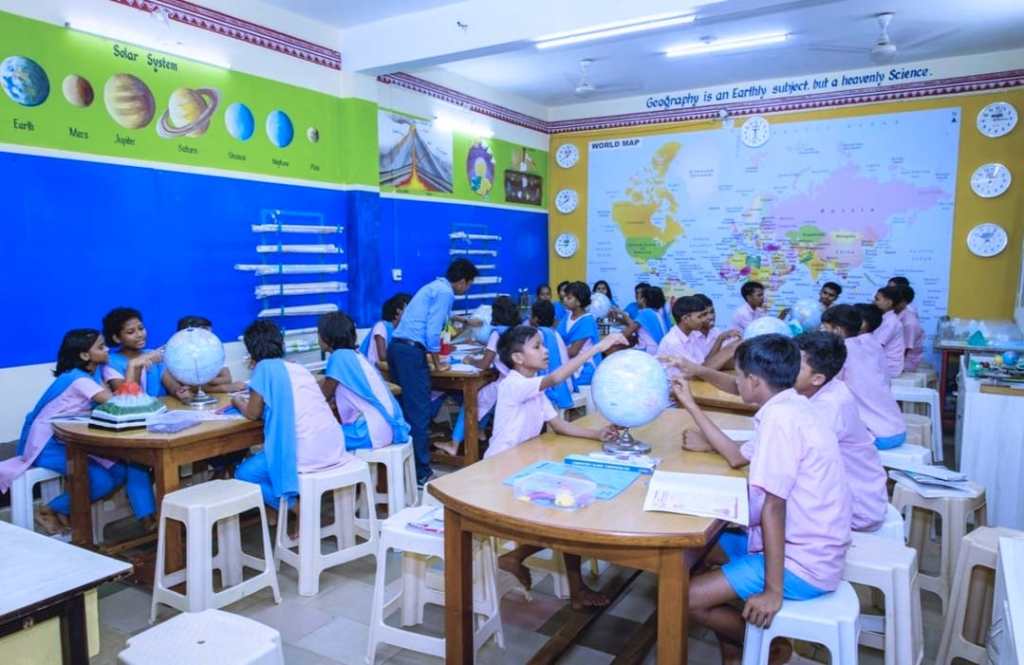
    India’s education system is characterized by a multiplicity of school boards including state boards, central boards like the CBSE and ICSE, open schools like NIOS, and boards for technical and vocational education. Each of these boards operates with its own set of curricula and assessment methods, leading to significant variations in educational standards. This disparity is further exacerbated by the differences in infrastructure between urban and rural schools, where many rural institutions struggle with basic facilities such as libraries, laboratories, and digital resources. The NCERT’s initiative seeks to address these disparities and create a more uniform educational environment.

    One of the primary challenges in achieving educational equivalence is the diverse administrative structures of the various school boards. Each state government oversees its own educational policies, which can result in resistance to changes proposed at the national level. This resistance is particularly notable when it comes to significant reforms such as altering examination patterns or standardizing assessment methods. Furthermore, the effective implementation of these reforms requires robust monitoring and enforcement mechanisms to ensure compliance across all boards.

    Despite these challenges, the potential benefits of the equivalence initiative are substantial. By standardizing educational standards, the initiative aims to improve learning outcomes for students by providing consistent educational opportunities regardless of their board affiliation. Uniform assessments will facilitate fairer comparisons of student performance and reduce biases associated with disparate evaluation systems. Moreover, standardized qualifications will ease student transfers between boards and states, thereby promoting greater academic mobility.

    The push towards digital integration is another positive aspect of this initiative. The emphasis on digital literacy and online assessments is expected to modernize the education system and make learning more accessible. The initiative also fosters collaboration among different boards, allowing for the sharing of best practices and contributing to the overall enhancement of educational quality.

    PARAKH, a key body involved in this initiative, has made several recommendations aimed at achieving educational equivalence. One major recommendation is the adoption of a cumulative assessment system. According to this proposal, the performance of students in Classes 9, 10, and 11 will contribute to their final results in Class 12. Specifically, Class 12 results will be based on 15% from Class 9, 20% from Class 10, 25% from Class 11, and 40% from Class 12. This approach aims to provide a more comprehensive evaluation of student performance over time, reducing the pressure associated with a single examination.

    Another recommendation involves the implementation of a credit-based assessment system. Under this system, students will earn credits for each subject, online courses, and various activities. The progress card will feature self-evaluations, teacher assessments, and peer feedback, providing a holistic view of a student’s progress. This approach encourages students to engage in a variety of learning activities and helps to recognize achievements beyond traditional academics.

    To ensure standardized assessments, PARAKH suggests establishing a cadre of trained paper setters who will develop question banks and blueprints for exams in Classes 9 through 12. This measure aims to maintain consistency in question papers across different boards, ensuring that students are assessed on an equal footing.

    In terms of administration, PARAKH recommends standardizing school affiliation guidelines and conducting periodic reviews of affiliated schools. Boards should also be empowered to identify and address unrecognized institutions and enhance measures to prevent examination cheating. These administrative measures are crucial for maintaining the integrity of the educational system and ensuring that all institutions adhere to the same standards.

    Curriculum reforms are another important aspect of the recommendations. Schools should incorporate digital literacy and adhere to the National Curriculum Framework. Additionally, boards should ensure that affiliated schools are equipped with basic infrastructure, including toilets, internet access, libraries, and laboratories. These reforms aim to create a more equitable learning environment and ensure that all students have access to the resources they need to succeed.

    The NCERT’s report also emphasizes the need for inclusiveness in education. It is essential to ensure that students from diverse backgrounds have equal access to quality education and resources. This includes addressing disparities in infrastructure and providing support to underprivileged schools.

    Implementing the recommendations outlined in the NCERT’s report will require collaboration among various stakeholders, including state governments, school boards, educators, and parents. Effective communication and coordination will be key to overcoming resistance and ensuring that the proposed changes are successfully integrated into the existing educational framework. Pilot programs in select schools could be a useful strategy for testing the effectiveness of the new assessment methods and curricular frameworks before a nationwide rollout.

    Teacher training is also a critical component of the implementation process. Educators will need to be updated on new curricula, assessment techniques, and digital tools to effectively deliver the revised standards. Ongoing professional development and support will be essential to ensure that teachers are well-equipped to adapt to the changes.

    In conclusion, the initiative to achieve equivalence in education across India’s diverse school boards represents a significant step towards creating a more standardized and equitable educational system. By addressing the disparities in curricula, assessments, and infrastructure, this initiative has the potential to improve learning outcomes, facilitate academic mobility, and foster collaboration among different educational systems. While the challenges of implementing these changes are substantial, the benefits of a more uniform and inclusive education system are considerable. The successful implementation of the NCERT’s recommendations could pave the way for a more integrated and equitable education system, ensuring that every student, regardless of their school board, has access to high-quality education.

    visit arjasrikanth.in for more insights

  • Threads of Tradition: Reviving India’s Handloom Heritage

    August 8th, 2024

    Weaving India’s Future: Celebrating the Legacy and Promise of Handlooms

    Handlooms are more than just fabric—they are the threads that weave together India’s rich cultural heritage, tradition, and way of life. Despite the global shift towards synthetic fabrics, the handloom sector in India remains a cornerstone of the economy, second only to agriculture. It is crucial to revive and celebrate our traditional handlooms, which have made us proud on the world stage. This article delves into the significance of the handloom sector, its contributions to the economy, the challenges it faces, and the future prospects that lie ahead.

    India’s handloom sector is not merely an economic activity; it is a representation of the country’s vibrant culture. Each state in India produces unique handloom products that reflect its cultural heritage. From the intricate designs of Banarasi brocades to the understated elegance of Kanjeevaram sarees, handloom textiles are symbols of artistic prowess and regional identity. These handwoven fabrics have been an integral part of India’s cultural fabric for centuries, preserving traditional weaving techniques and designs that are passed down through generations.

    The handloom sector is the second-largest income-generating occupation in India after agriculture, involving more than three million artisans across the country. According to the Fourth All India Handloom Census, there were 31.45 lakh households involved in handloom activities. This sector provides employment to over 30 lakh weavers and allied workers, offering jobs to people from various sections of society, including scheduled castes, scheduled tribes, and other backward classes. It is a vital source of livelihood for many, with entire households often engaged in handloom activities.

    Handlooms are a significant part of India’s textile industry, accounting for nearly 15-22% of the country’s total cloth production. The sector produces a wide range of traditional items, including sarees, kurtas, shawls, and bedspreads. This vibrant sector continues to thrive due to its unique appeal and the high quality of its products. India is a leading exporter of hand-woven fabric, accounting for 95% of the world’s supply. In 2019, handloom exports from India were valued at $343.69 million. Organizations like the Handloom Export Promotion Council (HEPC) play a vital role in supporting these exports by organizing trade missions, providing guidance to exporters, and participating in international trade fairs. The sector’s exports benefit from such efforts, which help maintain its significant contribution to the economy.

    The handloom sector’s economic impact is substantial. It contributes approximately 22% of the total cloth produced in the country and has a significant share in the country’s export earnings. The industry is also known for its minimal power usage, low environmental impact, and high potential for innovation. The production primarily occurs in households, making it a sustainable livelihood option for rural families. Additionally, the cost-effectiveness of raw materials, particularly cotton from the Deccan Plateau, ensures a steady supply of high-quality raw materials at competitive prices.

    Despite its significance, the handloom sector faces several challenges, including inadequate marketing and awareness, especially on online platforms. Erratic power supply, outdated machinery, and low labour output are other issues that hinder the growth of the weaving sector. Competition from synthetic fabrics also poses a threat to the traditional handloom industry. Addressing these challenges is crucial for maintaining the industry’s market position and relevance.

    Weaving traditions vary significantly across different regions of India, each with its motifs, designs, and colours. This diversity supports the livelihoods of lakhs of families in villages. The origins of handloom in India can be traced back to the Indus Valley Civilization, and the craft has evolved significantly over centuries. Royal patronage during the Mughal era led to the invention of new textiles like ‘Mulmul,’ ‘Benarsi Brocade,’ and ‘Jamawar.’

    Government initiatives play a critical role in supporting the handloom industry. Several schemes aim to enhance the working conditions of weavers by providing essential amenities such as electricity, water, and gas connections. The National Centre for Textile Designs (NCTD) is instrumental in offering design trends, colour forecasts, and organizing exhibitions that help keep handloom traditions vibrant and relevant in the modern market. The Handloom Export Promotion Council (HEPC) is another key player in promoting handloom products on the global stage. Through market studies, trade missions, and participation in international trade fairs, HEPC works to increase the visibility of Indian handloom products, expand market access, and enhance the industry’s international presence.

    The Khadi and Village Industries Commission (KVIC) is establishing a Centre of Excellence for Khadi (CoEK) in collaboration with NIFT, New Delhi. This centre aims to enhance the design, production, and global marketing of Khadi products. KVIC also organizes domestic and special exhibitions to boost sales. The Ministry of Micro, Small, and Medium Enterprises (MSME) supports Khadi through various schemes that strengthen Khadi institutions, assist in marketing, provide support to artisans, and promote market development.

    Training and capacity building are critical for advancing the handloom sector. The Samarth scheme, launched by the Ministry of Textiles, aims to provide advanced training and skill development in the textile sector. By focusing on reducing reliance on power looms and empowering workers economically, the scheme represents a significant step towards modernizing the industry and enhancing productivity. Several strategic initiatives have been introduced to bolster the handloom sector. The National Handloom Development Programme (NHDP) provides concessional credit, marketing assistance, and logistical support. The Comprehensive Handloom Cluster Development Scheme focuses on developing mega handloom clusters, addressing critical infrastructure needs, and supporting skill enhancement. The Yarn Supply Scheme ensures a consistent yarn supply, while the Handloom Weaver’s Comprehensive Welfare Scheme offers social security benefits and modernizes looms.

    Recent developments further underscore the sector’s promising future. Prime Minister Narendra Modi’s recent announcement that Khadi Gramodyog’s business has surpassed Rs 1.5 lakh crore for the first time highlights the remarkable growth of the sector. This 400% increase in Khadi and handloom sales has elevated Khadi’s profile and created substantial job opportunities, particularly for women. Modi’s encouragement for people to buy Khadi emphasizes its growing popularity and its vital role in India’s socio-economic framework.

    The future of India’s textile industry, including handlooms, looks promising. The industry is projected to reach a market value of $350 billion by 2025, growing at a compounded annual growth rate (CAGR) of 14.8% from 2021 to 2025. The textile industry plays a crucial role in India’s GDP, contributing about 2.3% to the country’s GDP, 13% to industrial production, and 12% to total export earnings. It is also a significant employment generator, providing direct employment to over 35 million people in the country.

    The global handloom market is experiencing growth, with projections indicating an increase from USD 7.77 billion in 2023 to USD 13.68 billion by 2030. The Asia-Pacific region, which held a market share of 55.97% in 2022, remains a dominant player in the handloom products market. This global appreciation for handwoven textiles underscores the potential for further expansion and increased market penetration.

    To ensure continued growth and sustainability, it is essential to address current challenges and leverage the industry’s strengths. Enhancing marketing efforts, improving access to technology and credit, and fostering greater awareness of handloom products are crucial steps. By balancing traditional skills with modern innovation, the industry can continue to thrive and contribute significantly to India’s cultural and economic landscape. Increasing public awareness and encouraging the purchase of Khadi and handloom products is essential. Highlighting the cultural and economic benefits of supporting traditional textiles can drive consumer interest and support. Additionally, supporting initiatives that create job opportunities in the Khadi and handloom sectors, with a focus on women’s empowerment, is crucial.

    Enhancing marketing efforts and organizing events to boost sales and raise awareness of handloom products are vital. Developing a strong digital presence is necessary to attract online consumers. Investing in infrastructure and providing comprehensive support to handloom weavers and artisans, along with ensuring easy access to raw materials and financial assistance, will help sustain the industry. Training programs to improve skills and techniques in handloom weaving, as well as collaborations with industry experts to foster design innovation and enhance product quality, are essential for the sector’s growth.

    India’s handloom industry is a vibrant testament to the country’s rich cultural heritage and artisanal brilliance, standing as a living monument to centuries of craftsmanship. With a projected annual growth rate of 11.10% until 2034, the sector is on the brink of becoming a central pillar in both India’s economic and cultural landscapes. The evolving narrative of this dynamic sector encompasses its current status, the challenges it faces, and the strategic initiatives that are poised to secure its future.

    Handloom textiles in India are much more than mere fabric; they are intricately woven with the threads of history, tradition, and artistry. The demand for these handwoven products—ranging from sarees and dhotis to decorative textiles—remains steadfast. These textiles are highly valued for their intricate craftsmanship, uniqueness, and customization options, which cater to diverse sectors including fashion, hospitality, and interior design.

    Each handloom piece represents a slice of India’s diverse cultural heritage. The continued appreciation and support for this industry are essential to preserving the intricate techniques and knowledge passed down through generations. The Indian government, with its visionary initiatives, plays a pivotal role in this preservation and promotion. These measures not only uplift the economic conditions of artisans and weavers but also ensure that the unique craft traditions are sustained and celebrated for future generations. The handloom sector’s significance extends beyond its cultural value; it serves as a vital economic engine, particularly in rural areas where employment opportunities are scarce. Strategic government initiatives, industry innovation, and increased market awareness are crucial in ensuring that the handloom sector remains a vibrant part of India’s future. Embracing both traditional skills and modern advancements, the sector can achieve greater heights, contributing significantly to India’s cultural and economic landscape. As we weave the future, let us celebrate and support the handloom sector, ensuring its legacy endures and thrives.

    Visit arjasrikanth.in for more insights

←Previous Page
1 … 59 60 61 62 63 … 134
Next Page→

Blog at WordPress.com.


Loading Comments...
 

    • Subscribe Subscribed
      • SOCIAL PERSPECTIVES
      • Join 99 other subscribers
      • Already have a WordPress.com account? Log in now.
      • SOCIAL PERSPECTIVES
      • Subscribe Subscribed
      • Sign up
      • Log in
      • Report this content
      • View site in Reader
      • Manage subscriptions
      • Collapse this bar