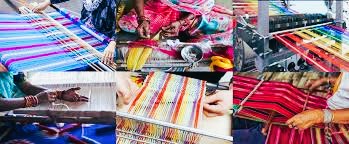
Weaving India’s Future: Celebrating the Legacy and Promise of Handlooms
Handlooms are more than just fabric—they are the threads that weave together India’s rich cultural heritage, tradition, and way of life. Despite the global shift towards synthetic fabrics, the handloom sector in India remains a cornerstone of the economy, second only to agriculture. It is crucial to revive and celebrate our traditional handlooms, which have made us proud on the world stage. This article delves into the significance of the handloom sector, its contributions to the economy, the challenges it faces, and the future prospects that lie ahead.
India’s handloom sector is not merely an economic activity; it is a representation of the country’s vibrant culture. Each state in India produces unique handloom products that reflect its cultural heritage. From the intricate designs of Banarasi brocades to the understated elegance of Kanjeevaram sarees, handloom textiles are symbols of artistic prowess and regional identity. These handwoven fabrics have been an integral part of India’s cultural fabric for centuries, preserving traditional weaving techniques and designs that are passed down through generations.
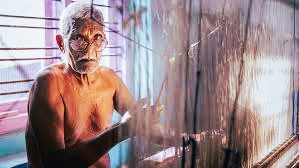
The handloom sector is the second-largest income-generating occupation in India after agriculture, involving more than three million artisans across the country. According to the Fourth All India Handloom Census, there were 31.45 lakh households involved in handloom activities. This sector provides employment to over 30 lakh weavers and allied workers, offering jobs to people from various sections of society, including scheduled castes, scheduled tribes, and other backward classes. It is a vital source of livelihood for many, with entire households often engaged in handloom activities.
Handlooms are a significant part of India’s textile industry, accounting for nearly 15-22% of the country’s total cloth production. The sector produces a wide range of traditional items, including sarees, kurtas, shawls, and bedspreads. This vibrant sector continues to thrive due to its unique appeal and the high quality of its products. India is a leading exporter of hand-woven fabric, accounting for 95% of the world’s supply. In 2019, handloom exports from India were valued at $343.69 million. Organizations like the Handloom Export Promotion Council (HEPC) play a vital role in supporting these exports by organizing trade missions, providing guidance to exporters, and participating in international trade fairs. The sector’s exports benefit from such efforts, which help maintain its significant contribution to the economy.
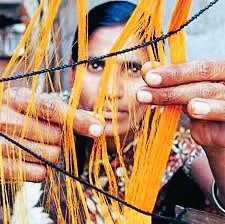
The handloom sector’s economic impact is substantial. It contributes approximately 22% of the total cloth produced in the country and has a significant share in the country’s export earnings. The industry is also known for its minimal power usage, low environmental impact, and high potential for innovation. The production primarily occurs in households, making it a sustainable livelihood option for rural families. Additionally, the cost-effectiveness of raw materials, particularly cotton from the Deccan Plateau, ensures a steady supply of high-quality raw materials at competitive prices.
Despite its significance, the handloom sector faces several challenges, including inadequate marketing and awareness, especially on online platforms. Erratic power supply, outdated machinery, and low labour output are other issues that hinder the growth of the weaving sector. Competition from synthetic fabrics also poses a threat to the traditional handloom industry. Addressing these challenges is crucial for maintaining the industry’s market position and relevance.

Weaving traditions vary significantly across different regions of India, each with its motifs, designs, and colours. This diversity supports the livelihoods of lakhs of families in villages. The origins of handloom in India can be traced back to the Indus Valley Civilization, and the craft has evolved significantly over centuries. Royal patronage during the Mughal era led to the invention of new textiles like ‘Mulmul,’ ‘Benarsi Brocade,’ and ‘Jamawar.’
Government initiatives play a critical role in supporting the handloom industry. Several schemes aim to enhance the working conditions of weavers by providing essential amenities such as electricity, water, and gas connections. The National Centre for Textile Designs (NCTD) is instrumental in offering design trends, colour forecasts, and organizing exhibitions that help keep handloom traditions vibrant and relevant in the modern market. The Handloom Export Promotion Council (HEPC) is another key player in promoting handloom products on the global stage. Through market studies, trade missions, and participation in international trade fairs, HEPC works to increase the visibility of Indian handloom products, expand market access, and enhance the industry’s international presence.

The Khadi and Village Industries Commission (KVIC) is establishing a Centre of Excellence for Khadi (CoEK) in collaboration with NIFT, New Delhi. This centre aims to enhance the design, production, and global marketing of Khadi products. KVIC also organizes domestic and special exhibitions to boost sales. The Ministry of Micro, Small, and Medium Enterprises (MSME) supports Khadi through various schemes that strengthen Khadi institutions, assist in marketing, provide support to artisans, and promote market development.
Training and capacity building are critical for advancing the handloom sector. The Samarth scheme, launched by the Ministry of Textiles, aims to provide advanced training and skill development in the textile sector. By focusing on reducing reliance on power looms and empowering workers economically, the scheme represents a significant step towards modernizing the industry and enhancing productivity. Several strategic initiatives have been introduced to bolster the handloom sector. The National Handloom Development Programme (NHDP) provides concessional credit, marketing assistance, and logistical support. The Comprehensive Handloom Cluster Development Scheme focuses on developing mega handloom clusters, addressing critical infrastructure needs, and supporting skill enhancement. The Yarn Supply Scheme ensures a consistent yarn supply, while the Handloom Weaver’s Comprehensive Welfare Scheme offers social security benefits and modernizes looms.
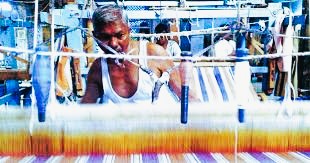
Recent developments further underscore the sector’s promising future. Prime Minister Narendra Modi’s recent announcement that Khadi Gramodyog’s business has surpassed Rs 1.5 lakh crore for the first time highlights the remarkable growth of the sector. This 400% increase in Khadi and handloom sales has elevated Khadi’s profile and created substantial job opportunities, particularly for women. Modi’s encouragement for people to buy Khadi emphasizes its growing popularity and its vital role in India’s socio-economic framework.
The future of India’s textile industry, including handlooms, looks promising. The industry is projected to reach a market value of $350 billion by 2025, growing at a compounded annual growth rate (CAGR) of 14.8% from 2021 to 2025. The textile industry plays a crucial role in India’s GDP, contributing about 2.3% to the country’s GDP, 13% to industrial production, and 12% to total export earnings. It is also a significant employment generator, providing direct employment to over 35 million people in the country.

The global handloom market is experiencing growth, with projections indicating an increase from USD 7.77 billion in 2023 to USD 13.68 billion by 2030. The Asia-Pacific region, which held a market share of 55.97% in 2022, remains a dominant player in the handloom products market. This global appreciation for handwoven textiles underscores the potential for further expansion and increased market penetration.
To ensure continued growth and sustainability, it is essential to address current challenges and leverage the industry’s strengths. Enhancing marketing efforts, improving access to technology and credit, and fostering greater awareness of handloom products are crucial steps. By balancing traditional skills with modern innovation, the industry can continue to thrive and contribute significantly to India’s cultural and economic landscape. Increasing public awareness and encouraging the purchase of Khadi and handloom products is essential. Highlighting the cultural and economic benefits of supporting traditional textiles can drive consumer interest and support. Additionally, supporting initiatives that create job opportunities in the Khadi and handloom sectors, with a focus on women’s empowerment, is crucial.

Enhancing marketing efforts and organizing events to boost sales and raise awareness of handloom products are vital. Developing a strong digital presence is necessary to attract online consumers. Investing in infrastructure and providing comprehensive support to handloom weavers and artisans, along with ensuring easy access to raw materials and financial assistance, will help sustain the industry. Training programs to improve skills and techniques in handloom weaving, as well as collaborations with industry experts to foster design innovation and enhance product quality, are essential for the sector’s growth.
India’s handloom industry is a vibrant testament to the country’s rich cultural heritage and artisanal brilliance, standing as a living monument to centuries of craftsmanship. With a projected annual growth rate of 11.10% until 2034, the sector is on the brink of becoming a central pillar in both India’s economic and cultural landscapes. The evolving narrative of this dynamic sector encompasses its current status, the challenges it faces, and the strategic initiatives that are poised to secure its future.
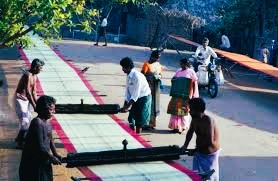
Handloom textiles in India are much more than mere fabric; they are intricately woven with the threads of history, tradition, and artistry. The demand for these handwoven products—ranging from sarees and dhotis to decorative textiles—remains steadfast. These textiles are highly valued for their intricate craftsmanship, uniqueness, and customization options, which cater to diverse sectors including fashion, hospitality, and interior design.

Each handloom piece represents a slice of India’s diverse cultural heritage. The continued appreciation and support for this industry are essential to preserving the intricate techniques and knowledge passed down through generations. The Indian government, with its visionary initiatives, plays a pivotal role in this preservation and promotion. These measures not only uplift the economic conditions of artisans and weavers but also ensure that the unique craft traditions are sustained and celebrated for future generations. The handloom sector’s significance extends beyond its cultural value; it serves as a vital economic engine, particularly in rural areas where employment opportunities are scarce. Strategic government initiatives, industry innovation, and increased market awareness are crucial in ensuring that the handloom sector remains a vibrant part of India’s future. Embracing both traditional skills and modern advancements, the sector can achieve greater heights, contributing significantly to India’s cultural and economic landscape. As we weave the future, let us celebrate and support the handloom sector, ensuring its legacy endures and thrives.
Visit arjasrikanth.in for more insights


One response to “Threads of Tradition: Reviving India’s Handloom Heritage”
Excellent coverage and review ,Dr Arja garu.
LikeLike