• About

SOCIAL PERSPECTIVES

  • “From Lamp-lit Legends to LED Lustre: Diwali’s Timeless Evolution Across India’s Ages”

    October 31st, 2024

    “Neon Nirvana: How Diwali Went from Flickering Flames to Selfie Showdowns and Sparkly LEDs!”

    Diwali, known as the “Festival of Lights,” is an enchanting celebration that transcends time, reflecting unity, mythology, and spirituality rooted in Indian tradition. The festival, deeply symbolic and rich in cultural heritage, has been celebrated for millennia. It is a vivid illustration of how traditions evolve while maintaining their essence. From its ancient beginnings in the regal courts of India’s dynasties to the vibrant LED displays of today, Diwali embodies the spirit of triumph over adversity, light over darkness, and unity amidst diversity.

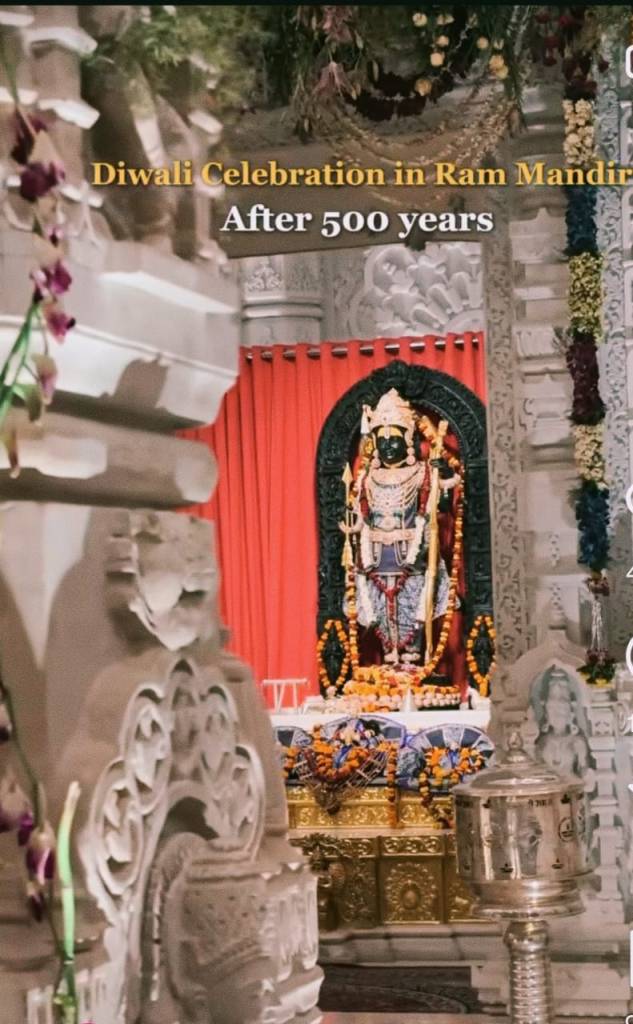
    Historically, Diwali traces its roots back to the great epic tales of the Ramayana. It celebrates the triumphant return of Lord Rama to Ayodhya after his fourteen years of exile and the conquest of the demon king Ravana. The city welcomed Rama with rows of oil lamps that illuminated the night sky, symbolizing hope and victory. This moment sparked a tradition that has grown to signify the universal themes of hope, warmth, and spiritual triumph, resonating with people across different regions and cultures.

    In ancient India, particularly during the reign of various dynasties, Diwali held immense significance. The Chola Dynasty, for instance, celebrated Diwali with elaborate rituals at grand temples, such as the Brihadeeswarar Temple in Thanjavur. Countless oil lamps adorned the temple, representing the victory of light over darkness. Rituals dedicated to Goddess Lakshmi featured offerings of sweets and the sharing of coconut laddoos, reinforcing the connection between prosperity and familial bonds.

    During the 7th century, Emperor Harsha referred to the festival as *Dīpapratipadotsava*, the “festival of the first day of light,” which speaks to its early associations with illumination and renewal. By the 9th century, the scholar Rajasekhara noted the tradition of decorating homes and streets with oil lamps, highlighting the long-standing practice of celebrating light and wealth. The festival’s five-day observance incorporates significant rituals, such as Dhanteras, Naraka Chaturdashi, and Bhai Dooj, each adding depth and cultural meaning to the festivities.

    As Diwali spread throughout the subcontinent, regional variations emerged, reflecting local folklore and traditions. In Southern India, it marks the victory of Lord Krishna over the demon Narakasura, celebrating purification and the bond of family through shared rituals and sweets. In Western India, the festival focuses on honoring Lakshmi, the goddess of wealth, with vibrant fireworks and elaborate decorations lighting up the night sky. Similarly, in Eastern India, Diwali intertwines with the worship of Goddess Kali, showcasing diverse cultural expressions through dance, music, and communal feasting.

    Statistically, the economic impact of Diwali is significant, particularly in the realm of gifting. The gifting market in India surpassed $27 billion in recent years, with projections indicating sales could reach Rs 2.8 trillion in 2024. This boom not only highlights the festival’s economic importance but also emphasizes the continued value of shared joy and connection among families and communities during this festive time.

    However, as Diwali entered the modern age, its celebration transformed dramatically. The warm glow of traditional clay diyas gave way to dazzling LED lights, illuminating urban landscapes with vibrant displays. Today, neighborhoods are adorned with elaborate decorations, often synchronized with music, creating a spectacle that mirrors the changing dynamics of society. Public gatherings showcase stunning fireworks, with many revelers opting for high-energy celebrations that contrast sharply with the quiet intimacy of earlier times.

    The advent of technology and social media has further reshaped Diwali into a global phenomenon. Platforms like Instagram, Facebook, and WhatsApp allow individuals to share their celebrations, extending the festival’s reach far beyond India. People from all corners of the world participate in the festival’s spirit, exchanging greetings and showcasing their celebrations through photos and videos. This new digital dimension fosters a sense of unity, as communities come together to celebrate cultural diversity and shared values.

    While the modern celebration of Diwali embraces technology and globalization, it has also raised environmental concerns. The shift from biodegradable oil lamps to fireworks and plastic decorations has sparked significant discussions around sustainability. In response, a growing movement advocates for “green” Diwali practices, promoting the use of eco-friendly decorations, minimizing firecracker use, and a return to traditional oil lamps. This evolution towards environmental awareness is a testament to society’s growing consciousness regarding the ecological impact of celebrations.

    Moreover, Diwali’s inclusivity continues to broaden its appeal across cultures and religions. While predominantly celebrated by Hindus, Sikhs, Jains, and Buddhists also partake in the festivities for various reasons. Sikhs observe “Bandi Chhor Divas,” marking the release of Guru Hargobind, while Jains celebrate Lord Mahavira’s attainment of nirvana. This spirit of inclusivity makes Diwali a cross-cultural celebration, embodying the essence of unity in diversity, a hallmark of India itself.

    Despite these shifts, the heart of Diwali remains constant. The festival’s essence—symbolizing light, hope, and togetherness—endures amidst societal changes. The stories that inspired its origins, whether the triumphant return of Lord Rama or the simple act of lighting a lamp, resonate deeply within the hearts of millions. As the festival continues to evolve, its core values of joy, gratitude, and unity endure, making it a timeless occasion that binds generations and cultures together.

    In conclusion, Diwali has transformed from modest oil lamps to elaborate LED displays, yet its heart remains constant. The festival reflects a blend of ancient and modern, simplicity and grandeur, reminding us that traditions can evolve while retaining their core values. Diwali’s journey mirrors India’s own evolution, encapsulating the spirit of light and unity across time and space. As we navigate the complexities of contemporary life, Diwali serves as a beacon of hope, illuminating our shared humanity and connecting communities in a celebration that transcends borders. Whether celebrated with traditional diyas or dazzling lights, the spirit of Diwali—the triumph of light over darkness and good over evil—remains unbroken, lighting up hearts around the world in an ever-changing yet constant glow.

    Visit arjasrikanth.in for more insights

  • “Click, Trap, and Snare: Inside the Web of E-Commerce Dark Patterns”

    October 30th, 2024

    *Dark Patterns in E-Commerce: The Hidden Traps of Online Shopping**

    In today’s world of e-commerce, shopping feels like magic—a few taps, and anything you desire arrives at your doorstep. Yet, lurking in this seemingly seamless process is a sly foe: dark patterns. These are not just simple design choices; they’re calculated strategies embedded into websites and apps, pushing consumers to make choices they might never make consciously. They subtly coax, confuse, and corner people into actions like buying more, signing up for recurring payments, or giving up more personal information than they intended. This quiet menace has been growing steadily, fuelled by fierce competition among companies aiming for higher profits, often at the expense of consumer autonomy.

    When a product page flashes “Only 2 left—order soon!” or when items mysteriously appear in your cart as you shop, it’s likely a dark pattern at work. Dark patterns are intentional, leveraging psychological principles to create a sense of urgency, subtly adding costs, or creating a fog of confusion around how to cancel services. Think of when you’re booking a flight, and the initial cost has an appealing figure, but by the time you’re about to check out, hidden fees creep in, making the price skyrocket. This “drip pricing” strategy banks on the idea that once consumers are engaged in the purchase, they’re less likely to abandon it despite these last-minute surprises.

    What’s troubling is how deeply ingrained these tactics have become. Across sectors—whether in retail, travel, banking, or even subscriptions—companies implement dark patterns as a matter of course. “Basket sneaking,” for example, involves adding items to a user’s shopping cart without their explicit consent. Ever been signed up for a trial subscription only to realize, months later, that you’ve been charged all along? Subscription traps prey on users who find signing up with one click easy, but cancellation a labyrinth of clicks, hidden options, and ambiguous language. By the time they manage to cancel, they’ve often paid for months of unwanted service. Such tactics fuel distrust and erode consumer confidence.

    Seeing the spread and impact of these dark patterns, the Indian government issued the *Guidelines for Prevention and Regulation of Dark Patterns, 2023*, through the Consumer Protection Act, 2019. These guidelines, issued by the Department of Consumer Affairs, divide dark patterns into 13 types and explicitly prohibit tactics that force or confuse consumers into making decisions they would otherwise avoid. The guidelines address everything from misleading countdowns and hidden fees to obstacles that make canceling subscriptions extremely difficult. However, despite being a much-needed step forward, the guidelines’ effectiveness hinges on robust enforcement. Almost a year since their introduction, there’s been limited follow-through, with few penalties or warning actions, leaving consumers to fend for themselves during high-shopping seasons. This regulatory gap casts doubt on the commitment to combat these practices, effectively letting companies off the hook.

    Dark patterns thrive by exploiting human psychology. They play on behavioral biases that most of us aren’t even aware we have. Consider “loss aversion”—our innate tendency to avoid losing out rather than seeking gains. With this bias in mind, companies frequently create “false urgency” signals: banners flashing, “Hurry! Only a few left!” even when there’s no shortage. Another powerful driver is the “sunk cost fallacy,” where people are inclined to follow through on a choice because they’ve already invested time or money into it. Imagine you’ve spent 20 minutes selecting items on a site, only to find extra fees at checkout. The time you’ve put in nudges you toward completing the transaction, despite these surprise costs, because abandoning feels like a waste.

    In response to these rising manipulations, there has been a groundswell of consumer awareness. Individuals are taking to social media, blogs, and forums to expose the tricks they encounter, cultivating a more alert and informed consumer base. This shared experience helps to raise awareness of which companies deploy dark patterns, leading more people to consider alternative, consumer-friendly brands. Empowered with this knowledge, consumers are increasingly willing to back out or pause when they recognize deceptive cues. This awareness disrupts the profitability of dark patterns and pressures companies to reassess their practices as consumers become more critical.

    Interestingly, some companies are stepping forward to advocate for fairer practices. Collaborations between organizations like the Advertising Standards Council of India (ASCI) and brands are encouraging businesses to shift from manipulative tactics to transparent, consumer-cantered designs. These alliances promote education on ethical digital marketing and push for the creation of intuitive, honest interfaces that prioritize user trust over exploitation. Such ethical approaches have real benefits, too; they create goodwill and establish customer loyalty. Trust, after all, is invaluable. Brands with a commitment to transparency and consumer respect often enjoy longer-lasting relationships with their customers, who appreciate a straightforward, respectful shopping experience.

    Still, these initiatives face constant hurdles. E-commerce is a rapidly evolving field, and companies relentlessly innovate to increase conversions, often finding new, subtle ways to bypass emerging regulations. This arms race means that regulators must keep pace, devising proactive policies that can address not only today’s dark patterns but those on the horizon. It’s a continuous challenge, requiring vigilance and a dynamic approach to enforcement that adjusts as new tactics emerge. Maintaining a strong regulatory stance ensures that guidelines are not just words on paper but effective protections for consumers navigating an often deceptive marketplace.

    For India, the Consumer Protection Act and its dark pattern guidelines are promising but need more teeth. To make a real impact, these guidelines must be backed by proactive enforcement and widespread educational campaigns. Such steps would raise awareness, empower consumers to spot manipulation, and signal to companies that ethical practices are the standard. Consumer education campaigns, transparency in digital transactions, and a collaborative regulatory approach are essential to foster an online marketplace where consumers are respected, informed, and protected.

    Ultimately, dark patterns are a digital-age challenge that sits at the intersection of psychology, technology, and ethics. Their rise has illuminated a harsh reality in e-commerce: convenience often comes with strings attached. These manipulative tactics chip away at consumers’ rights to make free and informed choices, compromising their autonomy in the process. As Indian regulators take steps to address this issue, the potential for a fairer, more transparent digital environment comes closer. Yet, achieving this vision calls for commitment from every party involved—regulators to enforce, consumers to stay informed, and companies to prioritize ethical practices over profit. Building a trustworthy e-commerce landscape is an ongoing endeavour, one that requires vigilance, regulation, and an unyielding dedication to fairness. In this fast-evolving arena, upholding transparency and consumer respect may just be the ultimate advantage.

    Visit arjasrikanth.in for more insights
  • “Educated Women in India are Shattering Biological Clocks and Rewriting the Rules of Motherhood with Egg Freezing”

    October 29th, 2024

    Egg Freezing to Empowered Choices: The Battle Against Biological Clocks and Societal Norms

    Put in a penny for every time we’ve heard the words “your biological clock is ticking,” and we could move to Venus and run our own planet. It’s an unfortunate reality that, unlike men, women are bound by biological constraints when it comes to having children. Born with a finite number of eggs, the quantity and quality of these eggs drastically decline after the age of 37, shaping societal norms and expectations around women’s fertility for centuries. However, advancements in science have given women the option to control their reproductive timelines through egg freezing, a practice rapidly gaining traction in urban India.

    The concept of egg freezing, formally known as oocyte cryopreservation, emerged in the 1980s when scientists discovered how to preserve human eggs. This ground breaking technology was like a time capsule for women’s fertility, allowing them to delay motherhood while pursuing education and careers. For decades, the technology was not widely accessible, but as it became more mainstream, educated women across the globe began to embrace it. In the United States and certain European countries, this trend has flourished and is gradually making its way into the metropolitan cities of India.

    As India’s social fabric evolves, an increasing number of women are attaining higher levels of education and achieving financial independence. However, this progress has introduced an unexpected challenge: many educated women struggle to find suitable partners who align with their aspirations and values. The rise of partnerships, particularly among career-driven women, has fostered a new narrative surrounding motherhood and relationships. Independent thinking is now a defining characteristic of modern women, while the emergence of cohabiting relationships and the growing visibility of the LGBTQ community further complicate traditional norms.

    A growing number of women are taking charge of their reproductive futures by opting to freeze their eggs. One such professional decided to undergo this procedure at the age of 30, viewing it not only as a way to extend her career but also as a form of insurance for her future. She noted, “I know that for the next five years at least, I don’t want kids. But what if, ten years later, I change my mind?” This perspective resonates with many women who are considering egg freezing—not just as a means to climb the corporate ladder, but as a way to keep the option of motherhood open when they feel ready.

    Interestingly, research indicates that many women are not choosing to freeze their eggs primarily for career advancement. Studies reveal that the majority of women opting for this procedure do so due to challenges in finding committed partners. A significant percentage indicated that their primary motivation for freezing their eggs stems from the difficulty of locating an eligible partner with whom they could envision building a family. This so-called “meeting gap” has led to the emergence of a new reproductive landscape, where women are proactively taking steps to secure their futures as mothers, even if it means considering solo motherhood.

    This phenomenon raises questions about the changing dynamics of relationships and the expectations placed on women. In a society where traditional roles are still prevalent, the notion of a woman opting for motherhood without a partner challenges long-standing norms. The women surveyed voiced their frustration at the difficulty of finding suitable partners, often citing a lack of commitment from men or the inability to find educated, equal partners interested in starting a family.

    In India, the narrative surrounding women who freeze their eggs is often clouded by stereotypes. They are perceived as ambitious, career-driven individuals postponing motherhood in pursuit of professional success. However, the reality is more complex. While professional aspirations play a role, many women are motivated by the desire for partnership, pregnancy, and parenthood. They want to secure their reproductive options in a world where finding the right partner has become increasingly challenging.

    As women in India continue to pursue higher education and stable careers, they often face the harsh reality of the dating landscape. The growing educational disparities between men and women have created a scenario where many women are left searching for partners who match their academic and professional aspirations. This disconnect has led to a re-evaluation of what partnership means and how it fits into the modern narrative of womanhood.

    Interestingly, findings from a survey conducted in India reflect trends observed in similar studies from the United States. Many women in their 30s expressed a strong desire to have children but reported challenges in finding stable partnerships. The definition of the “ideal partner” has shifted, with women increasingly seeking companions who not only align with their personal aspirations but also share their core values and perspectives on life. This evolution underscores the changing dynamics of relationships and the importance of compatibility in modern partnerships.

    In metropolitan areas like Bangalore, Mumbai, and Chennai, the trend of egg freezing is gaining momentum. Women from various educational backgrounds are increasingly considering this option as a means of taking control of their reproductive futures. The survey yielded fascinating insights: while career success was the third most popular reason for considering egg freezing, the desire for biological security and the search for a suitable partner ranked higher.

    The stark reality is that many women are postponing motherhood due to the absence of committed partners. The traditional notion of the nuclear family is being redefined, as more women are willing to embrace single motherhood if necessary. The growing acceptance of solo parenthood is a testament to the changing landscape of relationships and family structures.

    Furthermore, the financial aspect of egg freezing cannot be overlooked. In India, the procedure is significantly more affordable than in Western countries, making it accessible to a larger demographic. This affordability, combined with the increasing availability of fertility clinics, has contributed to a burgeoning fertility market in India. As more women opt for egg freezing, the country is positioning itself as a potential hub for fertility treatments.

    The rise of egg freezing in India reflects broader societal changes and the empowerment of women. It provides them with the freedom to make choices about their bodies and their futures. The narratives surrounding motherhood are evolving, with women now able to envision a life that allows for both career fulfilment and family life on their own terms.

    As the egg freezing trend continues to grow in India, it invites us to reflect on the changing landscape of relationships, partnerships, and motherhood. The challenges faced by educated women in finding compatible partners highlight the need for societal shifts in perceptions and expectations. The journey toward motherhood is becoming increasingly complex, and as women navigate these changes, they are redefining what it means to be a woman in the modern world.

    In conclusion, the egg freezing revolution is not just about preserving fertility; it is about empowering women to take control of their reproductive choices. As educated women in India continue to break barriers and challenge societal norms, they are paving the way for a future where motherhood can be embraced on their own terms. The narrative surrounding women’s fertility is changing, and with it, the expectations placed upon them. The journey toward motherhood is now a multifaceted experience, shaped by education, independence, and the evolving dynamics of relationships. The world is changing, and women are taking charge—after all, the clock is ticking, but now they can decide when to press the snooze button.

    Visit arjasrikanth.in for more insights

  • “Stethoscopes and Screens: The Twisted Tale of Young Healers in India”

    October 28th, 2024

    From Dreams of Healing to a Struggle for Survival in a Technological Tsunami

    Once upon a time, in the bustling landscape of India, becoming a doctor was synonymous with job security and elevated social status. Families would beam with pride at the mention of their loved ones donning white coats, wielding stethoscopes, and saving lives. However, today’s aspiring healers find themselves grappling with a disheartening reality that stands in stark contrast to that illustrious dream. With the healthcare sector undergoing seismic shifts, young doctors face a bewildering array of challenges that threaten to overshadow their years of dedication and sacrifice.

    Imagine a 32-year-old doctor who has devoted His/ Her youth to the rigorous study of medicine, pouring both time and substantial financial resources into his/ her education. After completing demanding internships and specializing further, the doctor opened a modest practice in an affluent neighbour hood, setting consultation fee at ₹1,000—a rate considered relatively low for the area. Despite impressive qualifications and dedication, Doctor struggles to attract patients and cover even the overhead costs. This leaves questioning whether the arduous journey to becoming a doctor was truly worth the financial burden. Unfortunately, this  story is far from unique; it resonates deeply with the experiences of many young doctors in India today.

    The harsh reality is that nearly half of all medical seats in India are in private and deemed medical colleges, where the cost of an MBBS degree can skyrocket to anywhere between ₹50 lakh and ₹1 crore. These exorbitant fees create an overwhelming burden of student debt, turning the once-vibrant dream of independent practice into a distant mirage. A gynecologist and counselor for medical entrance exams highlights this grim situation: the financial strain does not ease upon graduation. Aspiring doctors often find themselves compelled to pursue further specialization, which can require an additional ₹2 to ₹2.5 crore for postgraduate degrees.

    This economic strain is only compounded by the cutthroat nature of the healthcare market. Young doctors find themselves competing not only against their peers but also with corporate hospital chains and telemedicine platforms that entice patients with lower costs and the allure of perceived higher quality. In a landscape where establishing a robust online presence has become essential for success, many seasoned practitioners, who once thrived without a digital footprint, now face an uphill battle to adapt or risk becoming obsolete.

    Furthermore, despite their rigorous training, many young doctors feel ill-equipped to meet the rapidly evolving demands of a healthcare environment increasingly dominated by technology. Some resort to unethical practices, such as accepting kickbacks for patient referrals, simply to survive. This disheartening trend tarnishes the reputation of the medical profession and jeopardizes the quality of care patients receive.

    Recognizing these daunting challenges, the Indian Medical Association (IMA) has launched a web portal aimed at connecting young doctors with job opportunities, both domestically and internationally. Yet, this initiative raises serious concerns about the ongoing doctor shortage in India. As more young practitioners seek opportunities abroad, the healthcare system risks losing its qualified talent, exacerbating an already critical situation.

    The competitive nature of the medical field begins well before prospective students even step foot in medical school. India offers just over one lakh medical seats, with half of those available in government colleges that, while more affordable, are notoriously difficult to gain admission into. The financial disparities in tuition fees are eye-opening: an MBBS degree from a prestigious government medical college in Maharashtra might cost around ₹1 lakh, while private institutions can charge between ₹7 lakh and ₹16 lakh. The exorbitant fees at deemed universities can exceed ₹25 lakh per year, compelling many students to consider loans that can leave them financially shackled.

    Even if they successfully navigate medical school, young doctors face the need for further specialization to secure lucrative consulting positions. Establishing a private practice often requires an initial investment of ₹40 to ₹50 lakh for modern clinic equipment—an overwhelming sum for those already burdened by significant student loans. The rise of corporate healthcare and branded clinics adds to the pressure on independent practitioners, compelling them to adopt business models that prioritize profitability over patient care. This shift often forces doctors to juggle dual roles: healing patients while simultaneously managing the complexities of running a business.

    The pandemic catalyzed a profound change in the doctor-patient dynamic, as telemedicine became the go-to option for many patients seeking non-emergency consultations. This shift creates a competitive environment where traditional practitioners must contend with lower-cost telemedicine services. The financial implications of this trend are stark; many young doctors find themselves forced to lower their fees or offer discounts to attract patients, further squeezing their already slim profit margins.

    In this challenging climate, forming strategic partnerships has become essential for survival. Young doctors frequently work on a commission basis within private hospitals, sharing fees with their employers as they attempt to build a patient base before launching their high-cost clinics. However, this model is fraught with difficulties; many practitioners report gruelling hours—sometimes exceeding 16 hours a day—simply to make ends meet. As the quest for financial stability becomes increasingly complicated, many young doctors are compelled to look abroad for better opportunities, adding another layer of complexity to their already daunting career decisions.

    The evolution of the medical profession in India presents both challenges and opportunities. While corporate hospitals and branded clinics dominate the market, a demand for the personalized care that independent practitioners provide still exists. To thrive, however, young doctors must embrace innovative marketing strategies and engage with patients through digital platforms. The future of medicine in India hinges on striking a balance between maintaining the integrity of the profession and adapting to the demands of a modern healthcare system.

    In this intricate landscape, young doctors must remain steadfast in their commitment to providing quality care. The critical question looms large: Can they successfully merge traditional medical practices with the innovations of the digital age, or will they find themselves left behind in an ever-evolving environment?

    The reality for young doctors in India is a complex tapestry woven with struggle, uncertainty, and the potential for transformation. The confluence of soaring education costs, fierce competition from corporate healthcare, and the rise of telemedicine creates an environment ripe with challenges. Yet, within these obstacles lies the opportunity for innovation and growth. By embracing technological advancements and adapting to the evolving needs of their patients, young doctors can carve out a new path in medicine that honours their rigorous training while addressing the demands of modern healthcare.

    As India’s healthcare sector, projected to exceed $610 billion by 2026, continues to evolve, the next generation of doctors holds the key to its future, provided they can skilfully navigate these turbulent waters. It is crucial that they find a balance between upholding the ethical foundations of their profession and evolving alongside a dynamic healthcare landscape. In doing so, they will not only secure their futures but also contribute to enhancing the overall quality of healthcare in India, ultimately fulfilling the noble calling of their profession. The future of medicine is indeed uncertain, but one thing remains clear: the resilience, creativity, and unwavering commitment of young doctors will shape its trajectory for years to come.

    Visit arjasrikanth. in for more insights

  • “The Andhra Renaissance: Three Titans, One Vision – Reviving a State on the Brink”

    October 27th, 2024

    Chandra Babu Naidu, Pawan Kalyan, and Nara Lokesh Unite to Propel Andhra Pradesh from Stagnation to Prosperity, Fusing Rural Revitalization with Industrial Expansion.

    Andhra Pradesh, a state known for its rich culture and scenic beauty, had faced significant challenges over the past five years. Amid increasing concerns of economic stagnation, especially in rural areas, the state finds itself at a crossroads where robust employment creation and wealth generation are crucial for long-term sustainability. Tasked with reversing this downward spiral and fostering growth are three prominent leaders: Chandra Babu Naidu, Pawan Kalyan, and Nara Lokesh. Each of them brings unique strengths, experience, and visions, and their coordinated efforts are vital for Andhra Pradesh’s renaissance.

    Chandra Babu Naidu, the Chief Minister, has taken on the daunting responsibility of revitalizing a state that has long relied on its rural economy. Naidu’s leadership legacy is closely tied to a balance between welfare schemes and large-scale development initiatives that aim to create an ecosystem where both wealth generation and employment can thrive. His understanding of the intricate relationship between rural development and industrial growth is critical for achieving sustainable economic growth in Andhra Pradesh. He is known for being forward-thinking, especially when it comes to adopting technology-driven initiatives and long-term strategies that benefit the broader population.

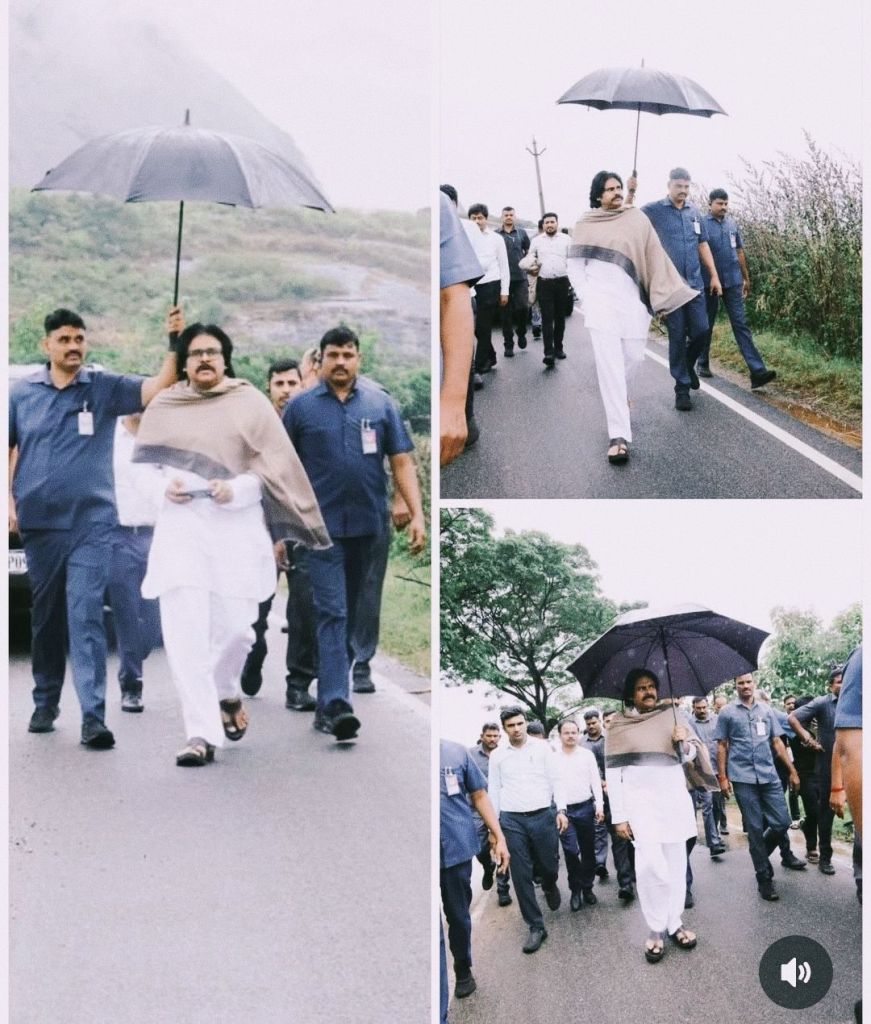
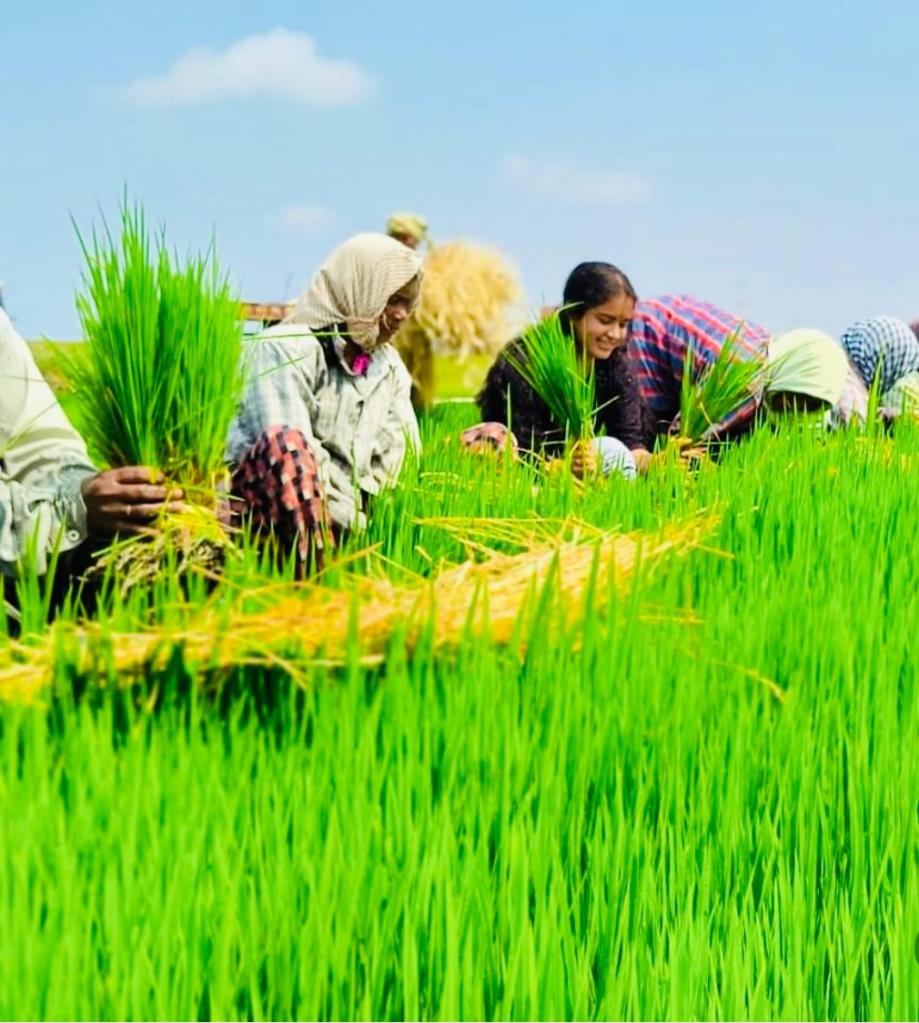
    At the grassroots level, Deputy Chief Minister Pawan Kalyan, a mass-based politician with strong rural connections, has become a champion for rural development. Known for his ability to engage with the common man, Kalyan has embarked on an ambitious journey to revolutionize rural life through direct interactions and participatory governance. Over 13,000 gram sabhas have already been conducted under his leadership, where villagers openly express their concerns and priorities. This level of grassroots engagement ensures that the developmental activities are not only relevant but also directly address the needs of the communities.

    Kalyan’s approach to rural development is not just theoretical; it is action-oriented. His “Palle Panduga” initiative, which celebrates rural life and promotes active community involvement, has helped generate enthusiasm around local projects. His emphasis on transparency, particularly in fund allocation and local leadership engagement, is an important step toward combating the perception of government neglect in rural areas. Furthermore, Kalyan has ensured that resources are available for development, securing ₹1,987 crore through the National Rural Employment Guarantee Scheme (NREGS) within the first 100 days of the new government. The central government has also sanctioned ₹4,500 crore, ensuring that the necessary financial support is in place for ongoing projects. His commitment to timely execution and high-quality outcomes speaks to his dedication to transforming rural areas from neglected regions into hubs of growth and opportunity.

    On the industrial front, Nara Lokesh, Naidu’s son, brings an entrepreneurial and global perspective to the table. Armed with an MBA from Stanford and a degree in Management Information Systems from Carnegie Mellon University,Lokesh has positioned himself as the state’s leading advocate for industrialization and economic diversification. He has recognized that relying solely on agriculture will not secure the state’s future, and he is actively working to bring high-tech industries to Andhra Pradesh. His success in bringing 10,000 jobs from Tata Consultancy Services (TCS) to Visakhapatnam is just the beginning of a larger effort to attract companies in sunrise sectors such as electronics and IT.

    Lokesh’s emphasis on youth skill development is another critical component of his strategy. He has introduced the concept of a “Skill Census,” an innovative approach aimed at understanding the skill landscape in Andhra Pradesh and aligning it with the needs of industries. By establishing skill development centres, Lokesh seeks to ensure that the state’s youth are well-equipped with the training necessary to enter high-paying, high-demand jobs. His long-term vision is for Andhra Pradesh to become a talent hub, where industries not only find the workforce they need but also help the state’s youth find meaningful employment.

    The synergy between Pawan Kalyan’s rural initiatives and Lokesh’s industrial growth strategies highlights a unique collaborative effort. Kalyan’s emphasis on improving rural infrastructure complements Lokesh’s efforts to attract industries to urban areas, creating a well-rounded approach to economic development. Their coordinated actions signify that they both understand the importance of bridging the rural-urban divide, recognizing that prosperity in one area fuels growth in the other.

    Chandra Babu Naidu, as the central figure in this leadership triad, plays the role of the unifying force. His extensive experience and deep understanding of both governance and economics allow him to guide the strategies of both Kalyan and Lokesh. Naidu is acutely aware that Andhra Pradesh’s growth must be comprehensive, encompassing both rural revitalization and industrial expansion. His ability to integrate the efforts of Kalyan and Lokesh ensures that the state benefits from a cohesive, rather than fragmented, approach to development.

    Naidu’s influence extends beyond state borders. In recent discussions with Union Ministers, Lokesh advocated for the establishment of National Skill Training Institutes in Andhra Pradesh. These institutes would position the state as a leader in the competitive landscape of skill development, ensuring that both current and future generations have access to the training necessary to compete in a rapidly evolving job market. Additionally, Lokesh’s collaboration with the Indian Cellular and Electronics Association (ICEA) reflects the state government’s intent to create a business-friendly environment for companies facing regulatory challenges elsewhere. These efforts are designed to attract investment and generate jobs, stimulating economic growth that would ripple across the state.

    The challenges ahead for Andhra Pradesh are significant. The previous government’s policies, which many believe stunted the state’s growth, left behind a legacy of economic despair and underdevelopment. However, with the combined efforts of Naidu, Kalyan, and Lokesh, there is a renewed sense of hope for a brighter future. The coordinated strategies focused on rural and industrial development represent a holistic solution to Andhra Pradesh’s economic challenges.

    Moreover, Kalyan’s initiatives to promote community involvement through rural festivals and participatory governance create an environment where people feel a sense of ownership over the development process. This bottom-up approach contrasts with top-down development models that often fail to resonate with local communities. Similarly, Lokesh’s industrial initiatives, which focus on aligning education and training with market needs, ensure that the state’s youth are future-ready.

    In conclusion, the collaborative efforts of Chandra Babu Naidu, Pawan Kalyan, and Nara Lokesh offer a roadmap for the rejuvenation of Andhra Pradesh. By focusing on job creation, wealth generation, and community engagement, they are tackling the state’s economic challenges head-on. Their coordinated approach not only addresses the immediate needs of Andhra Pradesh’s population but also sets the foundation for long-term, sustainable growth. As they work together, their combined vision and leadership provide hope that Andhra Pradesh can overcome its current challenges and move toward a prosperous future. With the right mix of policies, commitment, and collaboration, Andhra Pradesh is poised for a renaissance, making the state a model for comprehensive development in India.

    VISIT ARJASRIKANTH.IN FOR MORE INSIGHTS

  • Mundra : India’s Colossal Port Paving the Way for a Global Trade Tsunami!

    October 27th, 2024

    Mundra : The Mega Port That’s Crafting India’s Next Metropolis and Rebooting the Silk Route

    In the high-stakes arena of global trade, ports serve as vital engines, driving economies and acting as gateways to international markets. Nestled in Gujarat’s Gulf of Kutch, a behemoth is reshaping India’s economic landscape—Mundra Port. More than just the largest commercial port in India, Mundra is a bold statement of the country’s ambition to stand tall among global trade giants. What began as a visionary project by the Adani Group 26 years ago has transformed into a symbol of India’s future, going beyond shipping to play a crucial role in shaping a future metropolis and reigniting the historic Silk Route that once connected the world’s great civilizations.

    For decades, India’s ports lagged behind on the global shipping stage, overshadowed by world-class hubs like Singapore, Rotterdam, and Dubai. Inadequate infrastructure and outdated facilities often led international shipping routes to bypass Indian ports in favour of better-equipped counterparts in the Middle East or Europe. This trend drained India of millions in lost trade opportunities, relegating the nation to the side-lines. However, the rise of Mundra Port is rewriting this narrative. Mundra has not only placed India back on the global trade map but has also redefined the country’s role as a key player in international commerce.

    Mundra Port is colossal, spanning over 35,000 acres, making it one of the largest and most advanced ports in the world. With a natural draught of 15 meters, the port can accommodate the world’s largest vessels, and its annual cargo-handling capacity of 338 million metric tons (MMT) allows it to handle everything from containers to automobiles and liquid cargo. This deep-draft, all-weather port operates 24/7, ensuring that India’s economy remains on a constant upward trajectory. In the realm of maritime logistics, Mundra stands tall among the global giants.

    What sets Mundra apart is not just its sheer size or capacity but its unparalleled connectivity. Strategically located near major international trade routes and in close proximity to the Middle East, Mundra is seamlessly linked to a network of roads and railways. Goods arriving at Mundra can be transported to India’s industrial heartlands within 24 hours, an impressive feat that underscores the port’s logistical superiority. This connectivity is not only about moving goods swiftly but also about creating an industrial ecosystem that powers key industries such as energy, electronics, and chemicals.

    But Mundra is more than just a port; it’s the foundation for India’s next mega-city. Much like London, New York, or Shanghai—where bustling metropolises grew around thriving ports—Mundra is on the brink of becoming India’s next metropolitan giant. The once-barren landscape is now dotted with factories, offices, and industries, drawn by the port’s strategic location and top-tier infrastructure. Mundra is fast becoming an industrial magnet, attracting thousands of new jobs and boosting the local economy as development surges around it.

    At the heart of this development is Mundra’s multi-sector Special Economic Zone (SEZ), which offers attractive tax incentives and business-friendly conditions. This SEZ has become a hotspot for industries looking to optimize their operations in India. Manufacturing plants, warehouses, and logistics hubs have all found a natural home here, benefiting from Mundra’s dynamic port activities. The port’s exceptional efficiency—demonstrated by lightning-fast vessel turnaround times and quick container clearance—continues to lure businesses, reducing operational costs and increasing profitability.

    Mundra’s significance reaches far beyond India’s borders. It offers a tantalizing opportunity to revive the ancient Silk Route, a trade network that once linked East and West, facilitating the exchange of goods, culture, and knowledge. Today, Mundra is perfectly positioned to serve as a modern-day Silk Route, connecting India to key markets in the Middle East, Africa, and Europe. Already a critical node in global shipping networks, Mundra’s partnerships with international shipping giants like CMA CGM and MSC underscore its growing influence. More than just tapping into existing routes, Mundra is charting new paths for global commerce.

    India’s trade relationships with Gulf nations, particularly Oman, are strengthening, and Mundra stands at the crossroads of this growing exchange. As goods flow between Asia, the Middle East, and Europe, Mundra is poised to be a critical link, enhancing India’s role in global commerce. This revival of the Silk Route is not merely a logistical achievement but a broader cultural and economic exchange that will shape the future of interconnected regions. Mundra represents the fusion of ancient trade routes with modern technological prowess, bringing the Silk Route into the 21st century, bigger and better than ever before.

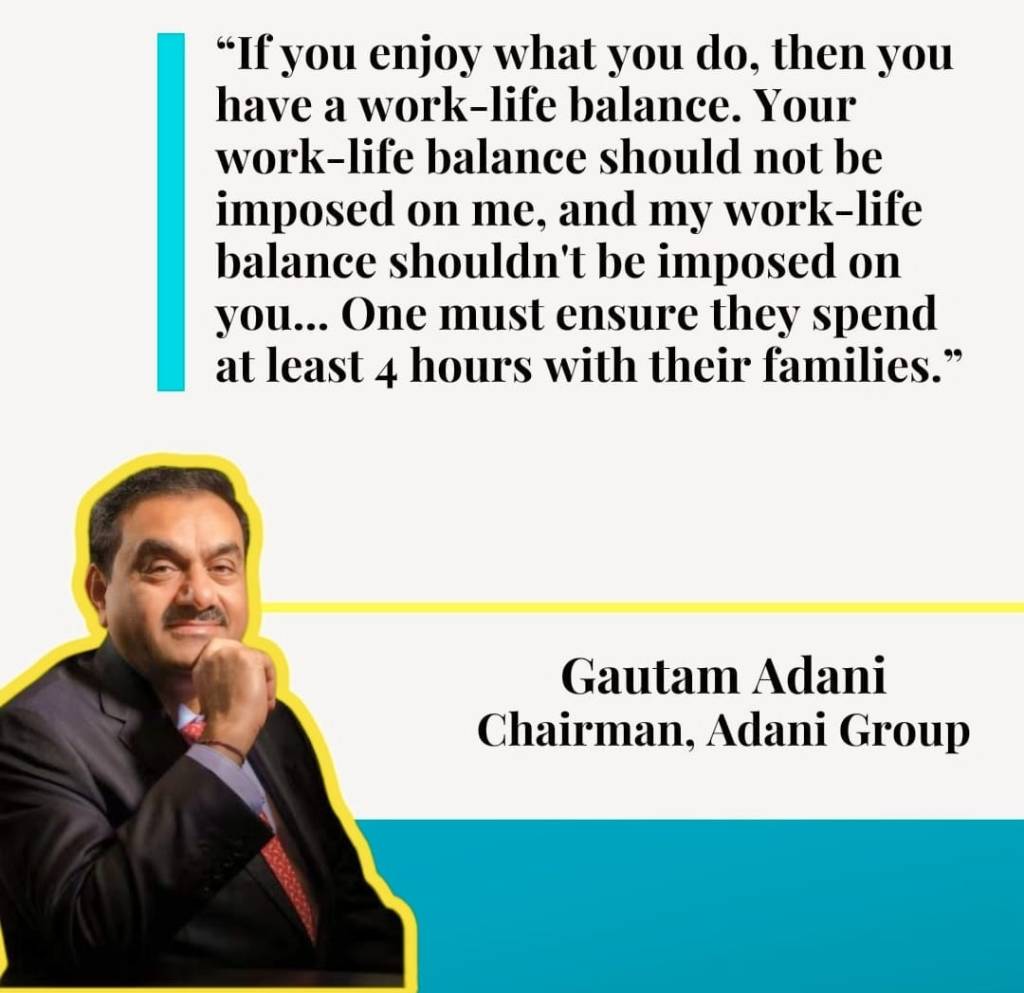
    Mundra’s evolution doesn’t stop at its industrial prowess. It’s also shaping up to be a thriving urban centre, offering not only jobs but also a high quality of life for its residents. The port’s growth has drawn people from across India, transforming the area into a lively, emerging metropolis. With pristine beaches, low crime rates, and a strong focus on security, Mundra is becoming a place where the dream of work-life balance is becoming a reality. The rapid emergence of schools, hospitals, and recreational facilities is ensuring that the port’s rise benefits both businesses and the people who call it home.

    The social vision behind Mundra is as strong as its economic one. The Adani Group has made significant investments in community development, ensuring that the transformation of Mundra benefits local residents as much as it does international traders. From building temples and cultural centers to creating community spaces, the growth of Mundra is not just about concrete and steel; it’s about fostering a sense of identity and belonging for its residents.

    Mundra is much more than a port—it’s a blueprint for India’s future. From driving urbanization to reshaping global trade routes, Mundra is crafting the metropolis of tomorrow while reviving the ancient Silk Route for a new era. As India marches toward its goal of becoming a global economic powerhouse, Mundra will play a pivotal role, connecting East to West and bringing the world to India’s doorstep. The Silk Route may have faded into history, but Mundra is reviving it—only this time, it’s bigger, bolder, and more ambitious than ever before.

    Visit arjasrikanth.in for more insights

  • **”From IT to Drones: Chandrababu Naidu’s Tech Odyssey Takes Flight”**

    October 26th, 2024

    “Sky’s the Limit: A New Era of Innovation Unleashed at the Amaravati Drone Summit 2024!”

    In the dynamic landscape of technological advancement, few leaders have demonstrated the prowess and vision of Chandrababu Naidu, the Chief Minister of Andhra Pradesh. Renowned for his pioneering spirit, Naidu first catapulted Andhra Pradesh onto the global tech stage by transforming Hyderabad into a formidable IT hub nearly 25 years ago. Today, he is once again at the helm of innovation, steering his state into the future by embracing the rapidly evolving field of drone technology. The recent Amaravati Drone Summit 2024 stands as a bold testament to this vision, marking Andhra Pradesh’s emergence as a key player in the drone industry.

    Set against the picturesque backdrop of Amaravati, the summit attracted over 1,000 delegates, including industry leaders, policymakers, and tech enthusiasts from around the globe. This was no ordinary conference; it was a transformative event that reaffirmed Andhra Pradesh’s ambition to lead in drone technology. By showcasing cutting-edge innovations and facilitating rich dialogues, the summit underscored the immense potential of drones across various sectors.

    A highlight of the summit was an awe-inspiring drone show featuring 5,500 synchronized drones, which culminated in a record-setting Guinness World Record. The stunning display included mesmerizing formations, such as a giant depiction of the Indian national flag, symbolizing the monumental capabilities of drones and Andhra Pradesh’s commitment to embracing cutting-edge technology.

    Central to this initiative is Chandrababu Naidu himself, whose forward-thinking approach is key in positioning Andhra Pradesh as India’s drone hub. Under his leadership, the state is crafting a comprehensive drone policy and will allocate 300 acres in Kurnool to establish a dedicated drone hub. Naidu’s vision for deploying drones extends well beyond mere spectacle; it encompasses practical applications that could revolutionize sectors including agriculture, healthcare, and security.

    In agriculture, drones are emerging as vital tools for precision farming. They empower farmers with data-driven insights, optimizing irrigation and crop management, which leads to increased yields and sustainable practices. During the summit, experts highlighted how drones equipped with AI and advanced sensors can analyze data to enhance farming practices and improve food security. This marks a new dawn for farmers, as they harness technology to transform their livelihoods and achieve sustainable growth.

    Drones are also proving to be invaluable in emergency medical deliveries, particularly in remote and inaccessible areas. Their capacity to swiftly transport essential medical supplies can make a critical difference, especially in rural regions. Summit attendees discussed the effective use of drones in this capacity, emphasizing their potential to enhance healthcare access and outcomes. By rapidly delivering crucial resources, drones are at the forefront of public health advancements.

    The utility of drones in disaster management was another key focus of the summit, particularly given their recent success in providing flood relief in Vijayawada. Drones have showcased their ability to deliver essential supplies to hard-to-reach areas, significantly expediting relief efforts. This not only highlights the vast capabilities of drones in emergency management but also cements their role as vital assets in future disaster scenarios. Andhra Pradesh’s proactive deployment of drones in such situations signifies a transformative shift in disaster management practices.

    The summit also served as a crucial platform for collaboration among various stakeholders. Principal Secretary Suresh Kumar played an instrumental role in the event’s success, which was not merely a showcase of drone technology but a dynamic dialogue about its future. Panel discussions featuring a diverse array of experts examined the obstacles and opportunities ahead, pinpointing areas ripe for innovation and collaboration. Such dialogues are indispensable for advancing technology and ensuring its application is maximized across sectors.

    Education and training in drone technology emerged as another core focus of the summit. Agreements forged with institutions such as IIT Tirupati and the Quality Council of India signal a dedicated effort to cultivate a skilled workforce. These initiatives aim to train thousands of drone pilots, preparing a new generation of experts who will leverage these technological tools for societal benefit, enhancing both innovation and employment within the state.

    The emphasis on technological adaptability is perhaps one of the most compelling aspects of Naidu’s administration. His commitment to making Andhra Pradesh not only a technological hub but also a model of digital-first governance reflects his vision of a future where technological solutions address social challenges, improve efficiency, and drive economic growth.

    The Amaravati Drone Summit also aligns with India’s broader ambition to become a leader in the global drone market, projected to grow to INR 120-150 billion by 2026. Union Aviation Minister K Ram Mohan Naidu emphasized policies that lift barriers to entry and promote domestic manufacturing, further cementing Andhra Pradesh’s ambitions within the national agenda.

    In summary, the Amaravati Drone Summit 2024 epitomizes Chandrababu Naidu’s unwavering commitment to embracing and integrating technology at every conceivable level of governance and society. Having already proven his mettle by placing Hyderabad on the IT map, Naidu’s current vision for Andhra Pradesh proposes an equally bright future through drone technology. The summit has not only initiated a promising journey but has opened a Pandora’s box of opportunities for innovation across multiple sectors, reinforcing Andhra Pradesh and India’s positions on the global technological stage. As technologies continue to evolve, Naidu’s receptive attitude ensures that Andhra Pradesh—and indeed, India—will remain at the forefront of this relentless pursuit of progress. The stage is set for an exhilarating future characterized by enhanced efficiency, improved mobility, and a more technologically integrated society ready to confront the challenges of tomorrow.

    Visit arjasrikanth.in for more insights

  • “Suffocation Nation: India’s Urban Jungle Turns Into a Toxic Gas Chamber!”

    October 25th, 2024

    “Awakening the Silent Majority: From Apathy to Action for a Breathe Better Revolution”

    As the sun rises over India’s bustling urban landscapes, the day begins with the familiar rhythm of honking cars, busy markets, and the ceaseless energy of millions. Yet, beneath this vibrant façade, a growing crisis threatens the very breath of life: pollution. Our cities are slowly turning into gas chambers, choking under a thick blanket of toxic air. This is not an issue of the future; it is a present-day catastrophe that demands immediate action. With air quality plunging to hazardous levels, especially in the National Capital Region (NCR), the stark reality is that millions are unknowingly inhaling air equivalent to smoking 23 cigarettes a day. It is high time we confront this uncomfortable truth and rally for a cleaner, healthier environment.

    The statistics are harrowing and paint a grim picture of India’s pollution crisis. Between 2008 and 2019, pollution claimed approximately 33,000 lives across ten major cities, with Delhi alone accounting for 12,000 of these deaths. Major cities like Ahmedabad, Bengaluru, Chennai, Hyderabad, Kolkata, Mumbai, and Pune are grappling with their own pollution crises, contributing to a staggering figure of 1,330 polluted cities across India. The Air Quality Index (AQI) levels in many cities are 25 times higher than the guidelines set by the World Health Organization (WHO). The economic impact of this crisis is equally significant, with pollution costing the Indian economy an estimated $9.5 billion annually.

    Despite the gravity of the situation, a pervasive sense of apathy prevails. Many citizens seem to be waiting for the government to step in and fix the problem, relying on agencies and authorities to take decisive action. This passive mindset only exacerbates the crisis, as it shifts the responsibility away from individuals and undermines the urgency of the situation. While government intervention is undoubtedly crucial, the time has come for a collective awakening. We need a renewed “Breathe Better” movement that not only focuses on cleanliness but also prioritizes a clean and healthy atmosphere, driven by both governmental regulations and individual responsibility.

    The air in Delhi and other urban centres is a dangerous mix of toxic substances. In areas like East Delhi, pollutants such as chromium, copper, and zinc have been found in alarmingly high concentrations. One of the most hazardous pollutants, PM2.5, has been consistently found at levels that far exceed permissible limits. The health risks associated with such exposure are profound: respiratory diseases, chronic bronchitis, cardiovascular problems, and increased mortality are just a few of the known consequences. Children, the elderly, and those with pre-existing health conditions are particularly vulnerable, with many children now relying on nebulizers and antibiotics to combat respiratory ailments. This paints a bleak picture of the future, as the next generation is growing up in an environment that is detrimental to their health and well-being.

    Despite the clear and present danger, political discourse around pollution has been marred by finger-pointing and blame-shifting. Leaders from various political factions often engage in a blame game, accusing one another of inaction while citizens continue to suffer. The Supreme Court has repeatedly acknowledged the fundamental right of citizens to live in a healthy environment, but the gap between legal recognition and practical action remains disturbingly wide. While the judiciary can issue directives, it is ultimately up to individuals and communities to hold their leaders accountable and demand real, tangible change.

    As the festive season approaches, the risk of pollution intensifies. During these times, it is crucial to emphasize the importance of personal responsibility. Simple measures such as staying indoors during peak pollution hours, using air purifiers, and wearing masks when venturing outside can help individuals protect themselves and their families. However, these measures are merely temporary fixes to a much larger problem. The fight for clean air requires a systemic overhaul, one that cannot rest solely on governmental shoulders. Citizens must become active participants in the effort to reduce pollution, not just passive observers waiting for others to solve the problem.

    The time for waiting is over. What we need now is a movement that transcends political lines and engages every citizen in the fight for clean air. A “Swachh Bharat with a Breathe Better” campaign should be launched, encouraging citizens to take part in initiatives that reduce pollution. This could include tree plantation drives, clean-up campaigns, and advocacy for stricter regulations on vehicle and industrial emissions. By fostering an environment of accountability and collective action, we can begin to reverse the damage that pollution has done to our cities.

    In addition to grassroots efforts, education is key to sustaining this movement. Schools, communities, and organizations must engage in widespread awareness campaigns that highlight the importance of clean air and the severe health impacts of pollution. Young people, in particular, can be empowered to become advocates for change, ensuring that future generations understand their role in maintaining a sustainable environment.

    The road to cleaner air will not be easy. It requires citizens to move from passive acceptance to active participation, demanding cleaner air and holding their leaders accountable. Governments must implement stricter regulations on industries and vehicles that contribute to pollution, but it is the collective will of the people that will drive real change. We must demand cleaner energy sources, better public transportation, and greener urban planning. These are not luxuries but necessities for a healthy future.

    At this critical juncture, it is essential to remember that the fight for clean air is not merely a battle against pollution—it is a fight for our health, our future, and the dignity of every citizen. We have the opportunity to transform our cities from gas chambers into thriving, sustainable environments. This transformation requires action at every level—from individuals making conscious choices to reduce their carbon footprint, to governments enacting policies that prioritize clean energy and environmental protection.

    India’s pollution crisis is nothing short of devastating, but it also presents an opportunity for change. Our cities are suffocating, but with collective action and a renewed sense of responsibility, we can reclaim our right to breathe clean air. The time for a Breath Better , with a focus on a clean environment, is now. We must rise to the occasion, not just for ourselves but for future generations. Clean air is not merely a matter of survival; it is a matter of dignity. The future of our cities, our health, and our nation depends on the steps we take today. Let us unite in the fight for cleaner air, for it is a fight we cannot afford to lose.

    Visit arjasrikanth.in for more insights

  • “From Jaishankar’s Pakistan Visit to Canada’s Allegations – A Week of Geopolitical Chess, Unresolved Grievances, and Fragile Alliances”

    October 24th, 2024

    Diplomacy on the Brink: South Asia’s Chaotic Week of High Stakes and High Hopes

    Last week, South Asia witnessed a whirlwind of diplomatic manoeuvres, with India, Pakistan, Canada, and Bangladesh at the centre of the storm. Each country played a part in a geopolitical dance filled with both collaboration and tension. The region saw External Affairs Minister S. Jaishankar make a rare trip to Pakistan for the Shanghai Cooperation Organisation (SCO) summit, while India’s diplomatic skirmish with Canada deepened over Sikh separatist movements. Bangladesh also made waves, with significant diplomatic talks in Washington. The week painted a picture of unresolved rivalries, fragile alliances, and the constant tug-of-war between cooperation and confrontation.

    Jaishankar’s visit to Pakistan became the event of the week. His trip, the first by an Indian minister since 2015 and his first since 2016, was nothing short of headline-grabbing. As India and Pakistan continue to tread cautiously around each other with long-standing grievances, the visit was symbolic, highlighting India’s commitment to regional cooperation while maintaining its firm stance on key issues like terrorism. While Jaishankar’s presence didn’t break any new ground in bilateral relations, it underscored India’s strategy of using multilateral forums like the SCO to assert its influence without softening its core concerns.

    For years, India has maintained that dialogue with Pakistan can only take place if Islamabad takes concrete action against cross-border terrorism. Jaishankar’s visit followed this line—there were no formal discussions with Pakistani officials. This wasn’t unexpected but reaffirmed India’s position that while multilateral diplomacy is important, it cannot substitute resolving bilateral conflicts. India’s engagement with Pakistan through platforms like the SCO reflects its intent to address broader regional concerns, but without compromising on security threats that have plagued Indo-Pak relations for decades.

    India’s participation in the SCO is part of a larger geopolitical strategy. Central Asia holds significant economic and strategic value for India, and despite Pakistan’s refusal to grant India transit trade rights, India continues to push for a deeper regional foothold. Jaishankar’s visit, even in the absence of direct talks, illustrated the balancing act India is trying to perform—engage with neighbours, enhance regional cooperation, but stand firm on terrorism.

    Of course, Jaishankar’s visit inevitably led to speculation: Could this be the first step towards a thaw in India-Pakistan relations? On the surface, the visit was highly symbolic, especially since hostilities between the two countries peaked in recent years, particularly after India’s revocation of Jammu and Kashmir’s special status in 2019. There have been slight signs of stabilization, such as the 2021 ceasefire agreement along the Line of Control, and indirect engagements via multilateral forums like the SCO. Yet, while Jaishankar’s trip marks a significant diplomatic gesture, it doesn’t signal an immediate breakthrough. The lack of formal bilateral talks reflects the reality that symbolic visits alone won’t overcome the entrenched divisions between the two nuclear-armed neighbours.

    However, the mere fact that Jaishankar was in Pakistan shows there’s at least a willingness to engage, even indirectly. It implies that both countries, while bitterly divided on terrorism, Kashmir, and security issues, recognize the need for continued communication, even if it’s on the side-lines of multilateral summits. But optimism should be cautious—the relationship remains steeped in distrust, and substantive changes will require more than symbolic diplomacy.

    While India’s visit to Pakistan generated cautious optimism, relations with Canada spiralled downward. The latest spat involved Canada accusing Indian diplomats of being involved in threats and attacks against Sikh separatists in Canada. The allegations reignited tensions over the Khalistan issue—a long-standing and sensitive matter for both countries. India has frequently raised concerns about Canada’s leniency toward Khalistan sympathizers, and this latest flare-up adds fuel to an already strained relationship.

    This diplomatic clash with Canada is rooted in the larger issue of Sikh separatism. India, with its significant Sikh diaspora, sees Khalistani activism as a direct threat, while Canada has walked a fine line between upholding freedom of expression and maintaining diplomatic ties. As tensions mount, both countries risk a deeper diplomatic rift if these issues aren’t carefully managed. Although economic and diplomatic ties remain essential between India and Canada, the Khalistan movement continues to be a contentious stumbling block.

    On another diplomatic front, Bangladesh made strategic moves by engaging with the United States. The visit to Washington by Bangladesh’s foreign secretary underscored the growing importance of Dhaka’s relationship with global powers. Topics of discussion ranged from regional security and economic development to climate change—a pressing issue for Bangladesh, which remains highly vulnerable to environmental impacts.

    Bangladesh’s diplomatic finesse is notable. Despite being a smaller player in the region, it has carefully cultivated relationships with India, China, and the U.S., reflecting a pragmatic approach to foreign policy. The Washington talks highlighted Bangladesh’s intent to strengthen its global partnerships while addressing its domestic challenges, including economic growth and political stability. As Bangladesh continues to assert itself as a key South Asian player, its strategic balancing act between major powers will be crucial for its future trajectory.

    In the grand scheme of South Asian diplomacy, last week’s events were a mix of symbolic gestures and substantive challenges. Jaishankar’s visit to Pakistan, while momentous, is unlikely to shift the dynamics of Indo-Pak relations in the short term. India’s tensions with Canada over the Sikh separatist issue further complicate its international relationships, highlighting the fine line between domestic sensitivities and diplomatic engagement. Meanwhile, Bangladesh’s steady rise as a regional player was reinforced by its proactive diplomacy in Washington, marking its growing importance on the global stage.

    The conclusion from all these developments is clear: South Asian diplomacy remains as complex and unpredictable as ever. In a region rife with historical grievances, competing interests, and emerging power dynamics, the diplomatic efforts of the past week offered a glimpse into the future. Symbolic gestures like Jaishankar’s visit are important, but they are no substitute for substantive dialogue and conflict resolution. The road ahead will be challenging, but moments like these remind us of the delicate dance of diplomacy and the intricate balance of power that defines South Asia’s future.

    Visit arjasrikanth.in for more insights
  • “Skyfall: Navigating the Chaos of Bomb Hoaxes in India’s Aviation Sector”

    October 23rd, 2024

    Soaring Through Turbulence: The Aviation Sector’s Struggle Against Cyber Threats and Social Media Chaos

    In just a week, India’s aviation sector has been rocked by a series of bomb hoaxes that have sent shockwaves through airports and airlines alike. Over 80 bomb threats were reported in a mere seven days, prompting authorities to scramble in an effort to ensure passenger safety and restore order. Though none of these threats have proven credible, the scale of the disruptions has caused significant financial losses, triggered chaos at airports, and left passengers anxious about their safety. The rapid evolution of online tools and social media has exposed alarming vulnerabilities within the aviation industry, highlighting the urgent need for coordinated efforts to combat this growing crisis.

    On October 19, 2024, alone, over 30 bomb threats were reported, targeting both domestic and international flights from major cities like Delhi, Mumbai, and even Istanbul. This unprecedented wave of threats led to a high-level meeting between officials from the Bureau of Civil Aviation Security (BCAS) and the CEOs of affected airlines in New Delhi. During this critical assembly at Rajiv Gandhi Bhawan, participants discussed the crisis and emphasized the need for strict adherence to standard operating procedures (SOPs) for handling bomb threats. These protocols are designed to foster transparent communication among airlines, authorities, and passengers while maintaining stringent safety standards.

    However, the situation underscores a stark reality: the aviation sector is increasingly vulnerable to cyber threats and the chaos perpetuated by social media. The cumulative effect of these false threats places immense pressure on airline operations, revealing just how deeply intertwined technology and aviation security have become. The psychological and financial toll of these constant hoaxes adds to the challenges airlines already face in a post-COVID world.

    The gravity of the bomb hoaxes is evident in the disruptions faced by major carriers such as Air India, IndiGo, Vistara, Akasa Air, and SpiceJet. Although these threats were unfounded, the logistical chaos they created has been palpable. Flights have been delayed or diverted, causing a ripple effect across the global aviation network. This operational turmoil is exacerbated by the revelations that many of the threats originated from IP addresses traced back to international locations, including London, Germany, Canada, and the United States. Yet, the use of Virtual Private Networks (VPNs) by perpetrators complicates efforts to identify and apprehend those responsible for these malicious activities.

    One particularly notable incident involved the arrest of a 17-year-old boy in Mumbai who made threats against four different flights due to a personal dispute. This case, while not rooted in terrorism, illustrates how easily technology can be exploited for chaos. It raises pressing questions about the motivations behind such actions and the need for preventative measures aimed at curbing this troubling trend.

    In response to this alarming rise in hoaxes, Indian authorities are exploring the implementation of stricter penalties for those found guilty of making false bomb threats. The Ministry of Home Affairs is considering introducing five-year prison sentences for offenders, coupled with the creation of a no-fly list to deter future incidents. The hope is that these measures will not only punish wrongdoers but also restore a sense of order within the aviation sector.

    While legal consequences are vital, airlines must also enhance their internal security protocols and cyber defense mechanisms. The current crisis has exposed significant gaps in how airlines respond to digital threats, particularly regarding communication and coordination with law enforcement. Despite having SOPs in place, the rapidly changing landscape of cyber threats necessitates continuous updates to security frameworks. Airlines must remain vigilant and proactive, adapting to emerging challenges as they arise.

    The psychological impact on passengers must also be taken into account. Repeated exposure to bomb threats—regardless of their legitimacy—creates an environment of fear and uncertainty. Passengers may begin to question the safety of air travel, leading to a decline in bookings and placing additional strain on an industry still recovering from the financial fallout of the COVID-19 pandemic. The anxiety stemming from these threats could shake public confidence in aviation, with long-lasting repercussions for airlines and the broader economy.

    Social media plays a dual role in this crisis, both amplifying fears and serving as a tool for spreading misinformation. Platforms like Twitter, Facebook, and WhatsApp allow information—true or false—to circulate rapidly, often outpacing official responses. This “infodemic” challenges industries and governments alike as they grapple with the swift dissemination of panic-inducing content. The anonymous nature of online communication emboldens individuals to engage in reckless behavior, leading to real-world consequences that can be devastating.

    The convergence of cyber threats and real-world consequences has forced the aviation industry to rethink its approach to handling bomb threats in the digital age. As malicious actors leverage social media to organize campaigns of disruption, coordinated efforts among airlines, government agencies, and cybersecurity experts become essential. No single entity can address the scale of these challenges alone; instead, a multi-stakeholder approach is required to effectively safeguard the aviation sector.

    Investment in cybersecurity infrastructure is crucial. Airlines must collaborate with leading cybersecurity firms to implement cutting-edge technology that can detect and neutralize threats before they escalate. Advanced artificial intelligence (AI) and machine learning algorithms can analyse patterns in threat behavior, allowing security teams to respond proactively.

    Moreover, robust communication channels must be established to inform passengers about flight statuses and potential threats. Keeping travellers informed not only reduces anxiety but also counters misinformation with accurate, timely updates. The aviation sector can learn valuable lessons from other industries that have successfully navigated crises in the digital landscape.

    Given the international nature of these threats, global cooperation is paramount. Countries must share intelligence and resources to develop a unified strategy for combating cyber threats in aviation. Collaborative efforts among international law enforcement agencies like Interpol and Europol are essential for tracking down perpetrators and ensuring accountability.

    The recent surge in bomb threats highlights significant vulnerabilities within both physical and digital security measures in the aviation sector. While many threats have turned out to be hoaxes, the disruption they cause is very real. The financial impact, operational chaos, and emotional strain on passengers cannot be overstated.

    This crisis serves as a poignant reminder of the need for vigilance, cybersecurity, and international collaboration in protecting the aviation sector. By investing in advanced technology, enhancing communication strategies, and enforcing stricter penalties for offenders, the industry can mitigate the risks posed by cyber threats and social media chaos. The future of air travel depends on the collective effort of all stakeholders to navigate these turbulent skies. Only through coordinated actions can the aviation sector hope to overcome the challenges of this chaotic era, ensuring that the skies remain safe for all travellers.

    Visit arjasrikanth.in for more insights

←Previous Page
1 … 47 48 49 50 51 … 134
Next Page→

Blog at WordPress.com.


Loading Comments...
 

    • Subscribe Subscribed
      • SOCIAL PERSPECTIVES
      • Join 99 other subscribers
      • Already have a WordPress.com account? Log in now.
      • SOCIAL PERSPECTIVES
      • Subscribe Subscribed
      • Sign up
      • Log in
      • Report this content
      • View site in Reader
      • Manage subscriptions
      • Collapse this bar